Kenya’s Vice President, Rigathi Gachagua, supports the country’s police despite criticism of their decision to send them to Haiti to control gang violence.
On Friday, Mr. Gachagua said that the police in Kenya are highly regarded worldwide.
Even though it was not clear which tasks or assignments he was talking about.
Many human rights organizations in Kenya and around the world are concerned that the police might bring their human rights violations to Haiti.
In August, Amnesty International, a group that defends human rights, wrote a letter to the UN Security Council. They were worried about the deployment of Kenyan police because they have a history of using too much force when responding to situations.
It also mentioned that this year alone, they have recorded over 30 instances of Kenyan police killing protesters.
Mr Gachagua said that the UN Security Council approved Kenyan police to lead the multinational force in Haiti after checking the performance of the officers.
He wrote on social media that the UN said Kenyan police officers are the best at calming chaos and bringing order.
Tag: Human rights organizations
-
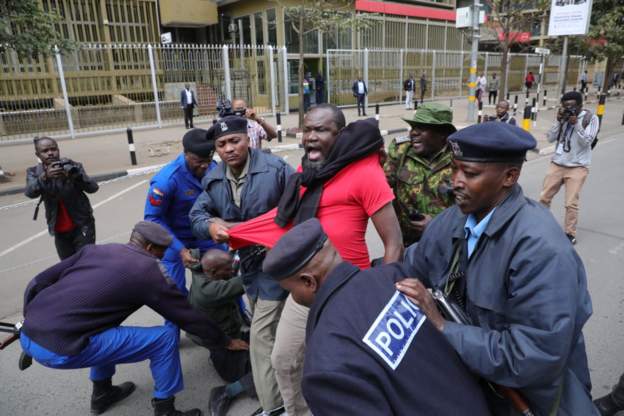
Kenya’s vice president supports police in their journey to Haiti
-
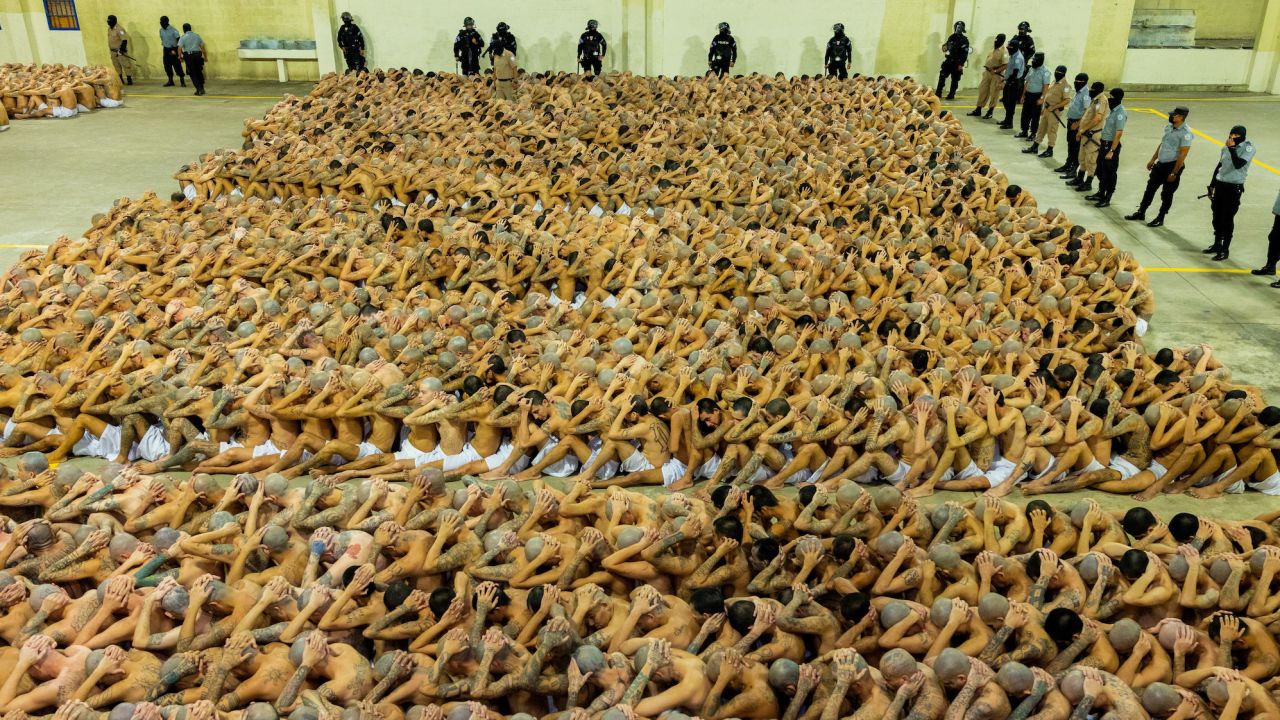
El Salvador starts transporting thousands of people to “mega prisons
The latest move in a divisive campaign against crime that has seen El Salvador’s prison population swell was the transfer of thousands of suspected gang members to a recently opened “mega prison” on Friday.
President Nayib Bukele stated on Twitter that “this will be their new home, where they won’t be able to cause any more harm to the population.”
Early on Friday morning, almost 2,000 alleged gang members were transferred to the 40,000-person prison, which is thought to be the biggest in the Americas.
In a video posted by Bukele, prisoners stripped down to white shorts, with their heads shaved, are seen running through the new prison into cells. Many bear gang tattoos.
Bukele asked his allies in El Salvador’s Congress to pass a state of exception last year, which has since been extended several times, that suspends some constitutional rights after a dramatic spike in murders attributed to violent gangs.
Since then, more than 64,000 suspects have been arrested in the anti-crime dragnet. Arrests can be made without a warrant, private communications are accessible by the government, and detainees no longer have the right to a lawyer.
Human rights organizations argue that innocent people have been caught up in the policy, including at least dozens who have died in police custody.
But Bukele’s anti-gang push remains widely popular with Salvadorans, and the country’s security minister told Reuters it would continue until all criminals are captured.