Tag: hunger

  • Curfew in parts of Nigeria to curb ‘hunger’ protest by citizens

    Curfew in parts of Nigeria to curb ‘hunger’ protest by citizens

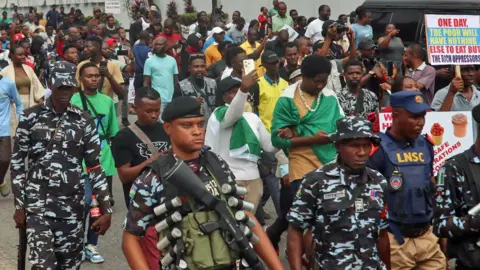
    A curfew has been enacted in Kano, Nigeria’s second-largest state, following protests against the rising cost of living that were overtaken by criminals who engaged in extensive looting and property damage, according to the governor’s office.

    Kano experienced the largest demonstrations on the initial day of nationwide protests, leading to the closure of many businesses.

    In cities across the country, protesters took to the streets, chanting phrases like “We are hungry.”

    In response, police deployed live ammunition, tear gas, and hot water to disperse the crowds in Kano city, resulting in four individuals being injured and hospitalized.

    Earlier, protesters had burned tires to create a bonfire outside the residence of state governor Abba Kabir Yusuf.

    Additionally, looters raided a nearby warehouse, with people seen removing large cartons of cooking oil and mattresses.
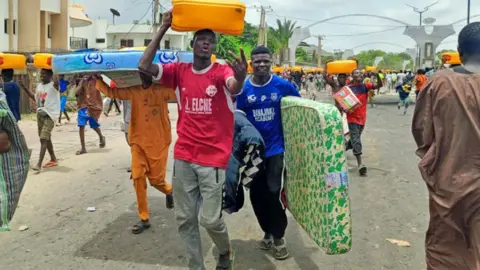
     Zaharadeen Lawal / BBC People carrying away cartons full of vegetable cooking oil and mattresses in Kano, Nigeria - 1 August 2024
    Many people in Kano were seen with the big yellow cartons that contain vegetable cooking oil

    The curfew effectively prevents further protests, mandating that all residents stay at home.

    According to the last census conducted in 2006, Kano state’s population was recorded at 9.4 million, though unofficial estimates now suggest it has grown to approximately 20 million.

    The 10-day protests, organized through social media, were motivated by the recent success of Kenyan demonstrators who pressured the government into canceling proposed tax hikes.

    Mr Yusuf’s spokesman said the protests were peaceful in Kano, but the governor was forced to declare a curfew to “restore order and ensure the safety of our communities” because of “rampant looting, destruction of property and violence” unleashed by “thugs”.

    On Wednesday evening, a court directed that protesters in the capital, Abuja, must confine their activities to the National Stadium, situated on the edge of the city.

    But after gathering at the stadium’s gate on Thursday morning, the demonstrators – who have also been shouting the refrain “End bad governance” – began heading into the city centre.

    This led the police to deploy tear gas canisters in an attempt to halt the procession, which disrupted traffic.

    Security forces were stationed at key locations throughout the capital, including areas where banks have shut down, as well as in neighboring towns.

    In Lagos, Nigeria’s economic center, protesters chanted “ole,” meaning “thief” in Yoruba, targeting President Bola Tinubu and his administration.

    Many are infuriated by President Tinubu’s decision to remove the fuel subsidy, which he announced with immediate effect during his inauguration in May 2023.

    The move, intended to reduce government spending, caused a surge in fuel prices and triggered a rise in the cost of other goods.

    “Top on our demand is the subsidy removal. The government should reverse that decision,” Abuja protester Abiodun Sanusi told the BBC.

    They also want the government to carry out wide-ranging reforms to the country’s electoral system and the judiciary.

    Kingsley Uadiale

    Simi Jolaoso / BBC

    You can’t beat a baby and ask the baby not to cry”

    Before this so-called “day of rage”, the government appealed to Nigerians not to take to the streets and give the president time for policies to bear fruit.

    But Lagos protester Kingsley Uadiale dismissed this saying, “Hunger is the reason why we’re all here. You can’t beat a baby and ask the baby not to cry.”

    If the Tinubu administration wanted patience then, he said, they should lead by example.

    “You can’t tell us to be patient and you’re acquiring a private jet,” he said, citing plans to buy new planes worth millions of dollars for Mr Tinubu and his deputy Kashim Shettima.

    Dabiraoluwa Adeyinka, an activist also protesting in Lagos, said the aim of the demonstration was to get the price hikes on essential commodities reversed.

    “If they don’t yield, we will continue to protest,” she told the BBC

     Zaharadeen Lawal / BBC A protester in Kano holding a spent bullet cartridge - 1 August 2024
    A protester held out a bullet cartridge in Kano after the shots were fired
    EPA Members of security forces escort demonstrators during a rally against the cost-of-living crisis the country is experiencing, in Lagos, Nigeria - 1 August 202
    Security is tight in Lagos with officers escorting the marchers
  • 783m people experience chronic hunger despite the fact that 19% of world’s food go waste – UN

    783m people experience chronic hunger despite the fact that 19% of world’s food go waste – UN

    The world threw away about 1. 05 billion tons of food in 2022, which is about 19% of all the food made. This information comes from a new United Nations report.

    The UN Environment Programme’s Food Waste Index Report measures how well countries are doing in cutting their food waste in half by 2030.

    The UN said that almost twice as many countries reported for the index compared to the first report in 2021. The 2021 report said that 17% of the food made in the world in 2019, which is 931 million metric tons, was thrown away. But the authors said it’s hard to compare because not all countries have enough data.

    The report is written by UNEP and an international charity called Waste and Resources Action Programme (WRAP).

    Experts studied information from different countries about how people buy food and where they buy it from. They discovered that each person throws away about 79 kilograms (about 174 pounds) of food every year, which is the same as at least 1 billion meals wasted every day around the world.

    60 per cent of the waste came from homes. About 28 out of 100 came from restaurants, and about 12 out of 100 came from stores.

    “It’s a terrible thing,” said co-author Clementine O’Connor, who focuses on food waste at UNEP. “This problem is tough and hard to understand, but if we work together and take action, we can solve it. ”

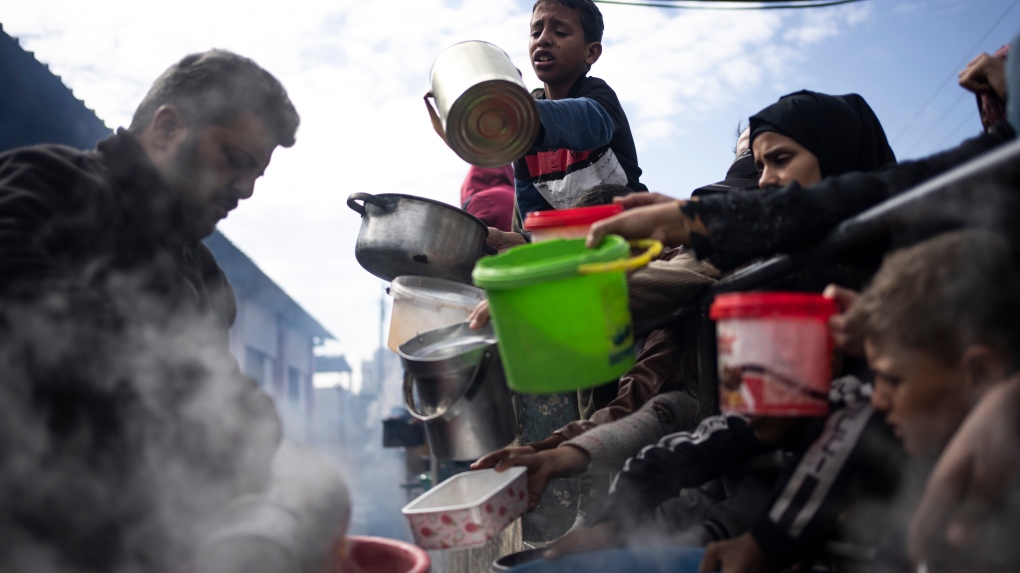
    The report is released when 783 million people in the world are always hungry and many places are having serious food problems. The fighting between Israel and Hamas and the violence in Haiti have made the crisis even worse. Experts are saying that hunger is likely to happen soon in northern Gaza and is getting closer in Haiti.

    Throwing away food is a big problem for the whole world. It takes a lot of land and water to grow food, and this harms the environment. It also creates greenhouse gases, like methane, which contribute to global warming.

    Losing and throwing away food makes 8 to 10 percent of the gases that make the earth’s temperature hotter. If it was a country, it would be the third biggest one after China and the US.

    Fadila Jumare is a project associate at Busara Center for Behavioral Economics in Nigeria. She has looked at how to stop food from being wasted in Kenya and Nigeria. She said this problem makes things even harder for people who already don’t have enough food and can’t buy healthy food.

    Jumare said that when people waste food, it means there is less food for the poor. Jumare was not part of the report.

    Brian Roe, a researcher who studies food waste at Ohio State University, said the index is important for addressing food waste. He was not part of the report.

    Roe said that if we waste less food, it can bring many good things like saving resources, less harm to the environment, more food security, and more land for other uses. He wasn’t part of the report.

    The report said that there has been a big increase in the amount of attention given to food waste in poorer countries. They said that rich countries may need to take the lead in working together with other countries to make rules to reduce food waste.

    The report said lots of governments, communities and businesses are working together to reduce food waste and its impact on the environment and water supply. Governments and cities work with food companies to reduce waste by measuring how much food is thrown away.

    The report said that giving extra food to food banks and charities is helpful in reducing wasted food from stores.

    Food Banking Kenya is a charity that collects extra food from farms, markets, supermarkets, and packing houses. They then give it to schoolchildren and people who are in need. In Kenya, a lot of food is thrown away each year, about 4. 45 million metric tons. This is a big problem that is getting worse.

    John Mukuhi, who helps run the group, said, “We help the community by giving them healthy food and also help the environment by polluting less. ”

    The people who wrote the report found that there was not a big difference in the amount of wasted food per person in rich and poor countries.

    Richard Swannel, who works at WRAP, said that food waste is not just a problem in wealthy countries. “It’s a problem all around the world. ”

    “The data clearly shows that there is a problem worldwide that we could all work on tomorrow to save money and help the environment,” he said.

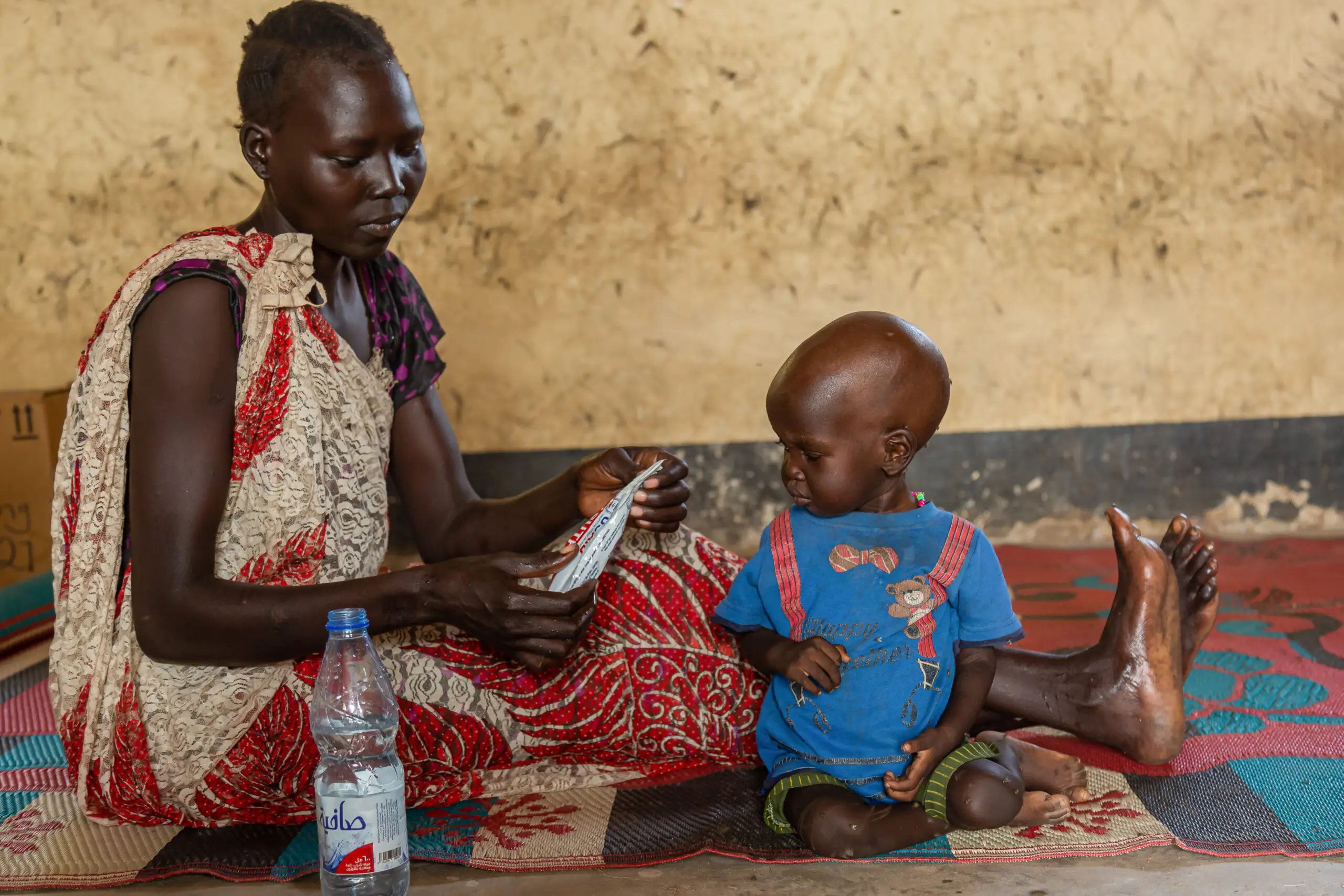
  • MSF reports 12 deaths of children daily due to hunger in Sudanese camp

    MSF reports 12 deaths of children daily due to hunger in Sudanese camp

    Medical charity Médecins Sans Frontières (MSF) has raised alarms over a dire humanitarian situation in the Zamzam refugee camp, located in North Darfur, Sudan.

    MSF reports reaching emergency thresholds for malnutrition and urges an immediate increase in international aid.

    At the Zamzam camp, near Fasher, MSF notes a distressing situation with at least one child succumbing every two hours.

    The ongoing war between Sudan’s regular army and the paramilitary Rapid Support Force has displaced approximately eight million people since April of the previous year.

    The World Food Programme estimates that nearly five million people across Sudan now face emergency levels of hunger, marking a twofold increase since the conflict’s onset.

    Despite the escalating crisis, the humanitarian body expresses constraints, stating that it has only managed to provide vital aid to 10% of those in need in conflict-afflicted areas.

  • Tunisia’s imprisoned opposition leader embarks on hunger strike

    The imprisoned leader of Tunisia’s primary opposition party has declared his intention to commence a hunger strike until the restrictions imposed on him and other detainees are lifted.

    Rached Ghannouchi, aged 82, who leads the moderate Islamist Ennahda party, was apprehended in April and sentenced to a one-year prison term on charges of incitement.

    He is the most prominent among the more than 20 critics of Tunisia’s President Kais Saied who have been detained this year.

    Since dissolving the country’s parliament, restricting the judiciary’s authority, and granting himself decree-based governance powers, President Saied, elected in 2019, has faced allegations of consolidating power and undermining democratic institutions.

  • Citizens of Burkina Faso to soon face hunger strike

    Citizens of Burkina Faso to soon face hunger strike

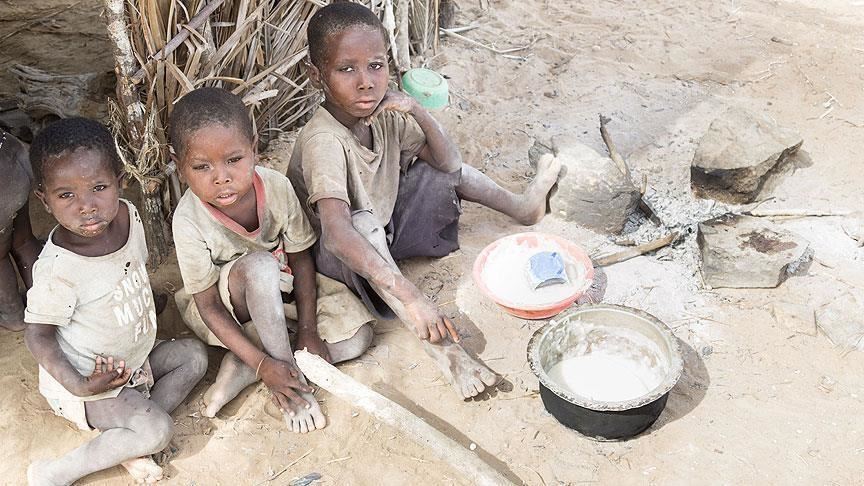
    The International Rescue Committee (IRC) has issued a warning about the escalating hunger crisis in Burkina Faso, attributing it to the ongoing security challenges in certain regions of the country.

    Presently, approximately 2.2 million people, which accounts for one in ten of the population, are already facing hunger. However, the situation is expected to worsen, with the IRC predicting that this number could rise to 3.3 million by September.

    The surge in militant Islamist insurgency has severely impacted parts of Burkina Faso, leading to significant disruptions in food supplies and the closure of healthcare facilities.

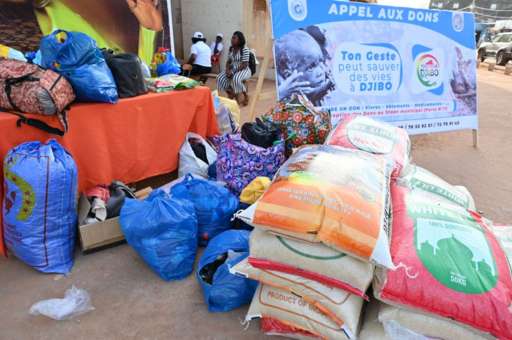
    The resulting isolation has left communities almost entirely cut off from assistance. Particularly affected is the northern town of Djibo, which is currently hosting over 200,000 people who have been displaced from their homes in other regions.

    The once-thriving food market in Djibo is now nearly empty, and an alarming 80% of local health clinics have been forced to shut down, as per the IRC’s report.

    Tragically, last year, a supply convoy en route to Djibo, escorted by the army, was ambushed, resulting in the loss of 11 soldiers’ lives.

    The IRC is calling for greater international attention to address the dire situation faced by the people in Burkina Faso.

    The country is currently under the governance of a military junta led by President Captain Ibrahim Traoré, who assumed power in October with a promise to reclaim territory from the militants. However, the security challenges persist, exacerbating the humanitarian crisis in the nation.

  • Over a million likely to face hunger in Burkina Faso – IRC

    Over a million likely to face hunger in Burkina Faso – IRC

    The International Rescue Committee (IRC), a Non-Governmental Organisation, has issued a warning that an additional one million people in Burkina Faso could be facing hunger in the coming months due to the ongoing insecurity in certain parts of the country.

    Presently, an estimated 2.2 million people, which is one in 10 of the population, are already experiencing hunger. However, the IRC projects that this number could escalate to 3.3 million by September.

    The persistent militant Islamist insurgency has resulted in some regions becoming almost completely isolated, with limited access to food supplies and the closure of health facilities.

    The situation in the northern town of Djibo, which accommodates over 200,000 people displaced from other areas, is particularly dire. The once-thriving food market is now nearly empty, and a significant proportion of local health clinics have been forced to close down.

    Tragically, last year, 11 soldiers lost their lives in an ambush when they were escorting a supply convoy en route to Djibo.

    The IRC has called for increased international attention to the plight of people in Burkina Faso as they struggle with food insecurity and the challenges brought about by the ongoing conflict.

    Currently, the country is under the governance of a military junta led by President Captain Ibrahim Traoré, who assumed power in October of the previous year with the commitment to reclaim territories from the militants.

  • Gaddafi’s son goes on hunger strike to protest long detention in Lebanon – Lawyer

    Gaddafi’s son goes on hunger strike to protest long detention in Lebanon – Lawyer

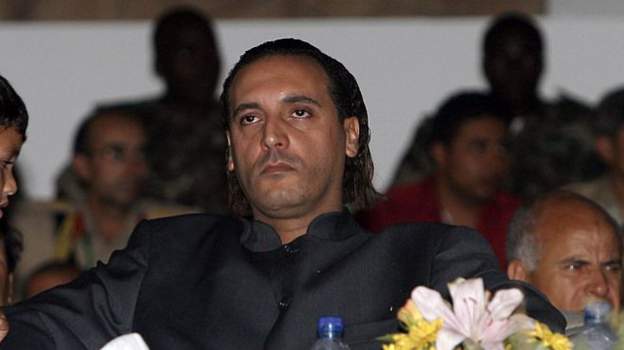
    The Lawyer of one of Muammar Gaddafi’s surviving sons, Paul Romanos, says the latter has gone on a hunger strike to protest his protracted confinement in Lebanon.

    Hannibal Gaddafi has been held in Lebanon for more than eight years after being abducted by Lebanese militants from Syria, where he had taken refuge after the downfall and death of his father, he adds.

    Hannibal Gaddafi was subsequently taken by the Lebanese authorities and has been detained ever since in a jail in Beirut without trial, Mr Romanos says.

  • UN in need of $800m to ward off ‘catastrophic hunger’ in Afghanistan

    UN in need of $800m to ward off ‘catastrophic hunger’ in Afghanistan

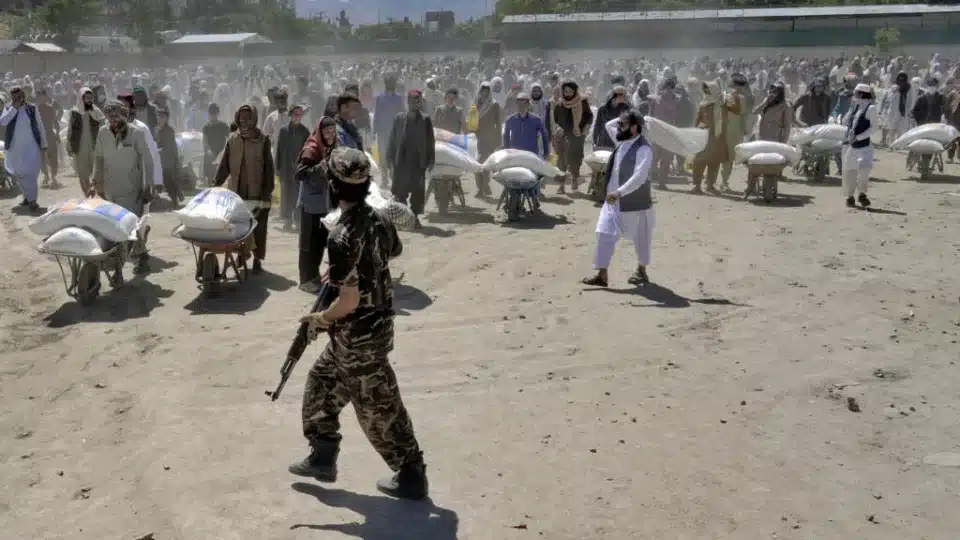
    Afghanistan is at the biggest risk of famine in a quarter-century, according to the U.N. food agency, and it urgently needs $800 million over the next six months.

    After the Taliban took power in August 2021 and the economy collapsed that followed, aid organizations have been supplying food, education, and health care assistance to Afghans. However, a Taliban decree that forbade women from working for domestic and foreign nonprofit organizations last December has had a significant negative impact on distribution.

    Although the U.N. was not a party to this restriction, it claimed last week that Afghan women were no longer permitted to work for its agencies there because of the Taliban-led government. The restriction has not yet been addressed by the authorities.

    The World Food Program stated that female staff members are actively involved in delivering the organization’s food and nutrition support and that it will “make every possible effort” to maintain this.

    “The WFP urgently needs $800 million for the next six months to continue providing assistance to people in need across Afghanistan,” the organization said. “Catastrophic hunger knocks on Afghanistan’s doors and unless humanitarian support is sustained, hundreds of thousands more Afghans will need assistance to survive.”

  • Drought in Somalia: The struggle for survival as hunger looms

    Despite Somalia experiencing its worst drought in 40 years, more and more young children are dying there.

    In the coming days or weeks, an even worse catastrophe, according to government authorities, might engulf the nation.

    The tears tumbled down 11-year-old Dahir’s hunger-hollowed cheeks.

    “I just want to survive this,” he said quietly.

    Seated beside the family’s makeshift tent, on the dusty plain outside the city of Baidoa, his weary mother, Fatuma Omar, told him not to cry.

    “Your tears will not bring your brother back. Everything will be fine,” she said.

    Fatuma’s second son, 10-year-old Salat, died of starvation two weeks ago, shortly after the family reached Baidoa from their village, three days’ walk away. His body is buried in the rocky earth a few metres from their new home – the grave already covered in litter and increasingly hard to spot as new arrivals set up camp around them.

    “I cannot grieve for my son. There is no time. I need to find work and food to keep the others alive,” Fatuma said, cradling her youngest daughter, nine-month-old Bille, and turning to look at six-year-old Mariam as she gave a rasping cough.

    On the other side of the dirt road that loops to the southeast, towards the coast and Somalia’s capital, Mogadishu, other displaced families told more grim stories of long treks across a drought-parched landscape in search of food.

    ‘No strength to bury my daughter’

    A new survey has shown that almost two-thirds of young children and pregnant women in the camps are suffering from acute malnutrition, which, along with a high death rate, could indicate that a localised declaration of famine is already overdue.

    “I saw my daughter [three-year-old Farhir] die before me and I could do nothing,” said Fatuma, who had walked for at least 15 days with her nine children from a village called Buulo Ciir to reach Baidoa.

    “I had been carrying her for 10 days. We had to leave her by the side of the road. We had no strength to bury her. We could hear the hyenas closing in,” she continued.

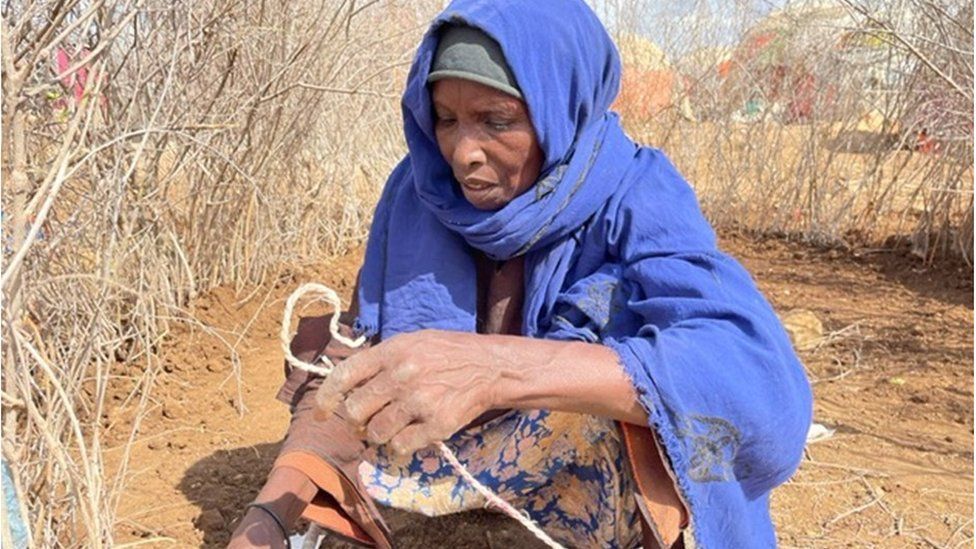
    Habiba (a woman wearing a blue headscarf) is seen with a piece of string
    Image caption, Habiba Mohamud says her home village is unrecognisable

    “I’ve brought nothing with me. There is nothing left at home. The cattle are dead. The fields are dry,” said Habiba Mohamud, 50, clutching a piece of twine in one hand, and acknowledging that she will never return to her village.

    A succession of droughts, turbo-charged by climate change, is now threatening to end a pastoral way of life that has endured for centuries across the Horn of Africa.

    Like other new arrivals, Habiba was busy erecting a tent for her family from branches, twigs, and scavenged scraps of cardboard and plastic sheeting, hoping to finish it before the chill of night. Only after that could she turn to find food and medical help for some of her five children.

    On the admissions ward in the city’s main hospital, Dr Abdullahi Yussuf moved between beds, checking on his tiny, emaciated patients. Most were children between two months and three years old.

    All were severely malnourished. Some had pneumonia and many were battling a new outbreak of measles too.

    Few infants had the strength to cry. Several had badly damaged skin, broken by the swelling that sometimes accompanies the most extreme cases of hunger.

    “So many die before they even reach a hospital,” said Dr Abdullahi, watching his team struggling to connect an intravenous tube to the arm of a moaning two-year-old.

    ‘It’s terrifying, people are dying’

    Although Somali officials and international organisations have been sounding the alarm for months about an impending famine in this south-western region, Dr Abdullahi said his hospital was already short of basic items including nutritional supplements for children.

    “Sometimes we lack supplies. It’s terrifying, actually, because people are dying, and we can’t support them. Our local government is not handling this well. It has not been planning for the drought or for the arrival of displaced families,” he said, with visible frustration.

    A local government minister conceded there had been failings.

    “We need to be faster than we are, and we need to be accurate… and more effective,” said Nasir Arush, Minister for Humanitarian Affairs for South West state, on a short visit to one of the camps around Baidoa. But more international support, he insisted, was key.

    “If we don’t receive the aid we need, hundreds of thousands of people will die. The things we’re doing now we needed to do three months ago. In reality we are behind. Unless something happens [fast] I think something catastrophic will happen in this area,” he said.

    The process of formally declaring a famine can be a complicated one, reliant on hard-to-pin-down data, and, often, political considerations.

    Britain’s ambassador in Mogadishu, Kate Foster, described it as “essentially, a technical process”. She pointed out that during the 2011 drought “half of the 260,000 deaths happened before famine was declared”.

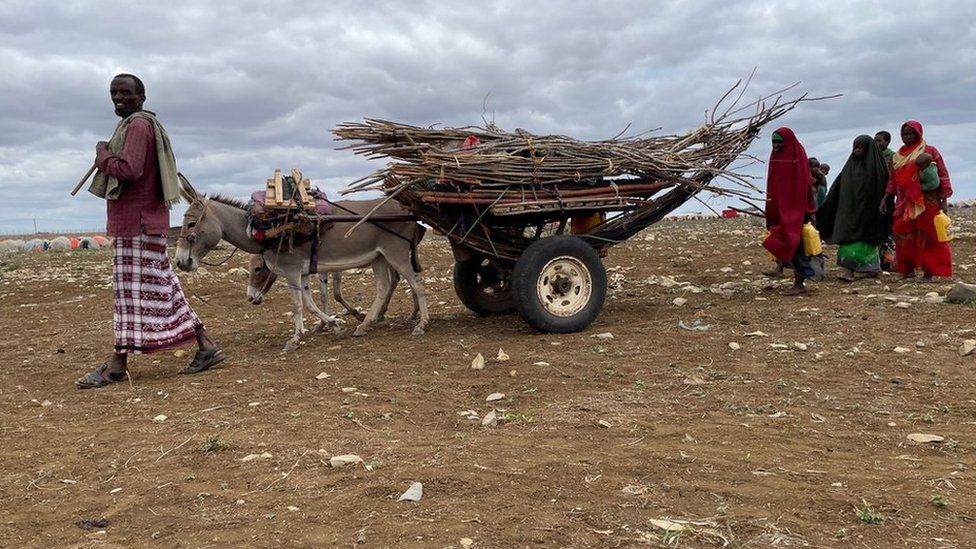
    Man walking on arid land leading donkeys pulling a cart of wood. There are women, some carrying babies, behind him
    IMAGE SOURCE,BBC/ ED HABERSHON Image caption, Locals have been migrating from their villages to Baidoa in search of resources and medical care

    The presidential envoy leading Somalia’s international effort to secure more funding thanked the US government, in particular, for recent new funding, saying it “has given us hope”.

    But Abdirahman Abdishakur warned that without more help, a localized crisis in one part of Somalia could quickly spin out of control.

    “We were raising the alarm… but the response of the international community was not adequate,” Mr Abdishakur said.

    “Famine is projected. It happens [already] in some places, some pockets, in Somalia, but still, we can prevent the catastrophic one,” he continued, speaking by phone during a stopover in Toronto, Canada.

    Women fleeing, men stay behind

    Although estimates vary, the population of Baidoa has roughly quadrupled in the past few months, to around 800,000 people.

    And any visitor will quickly notice one striking fact: almost all the new adult arrivals are women.

    Somalia is at war. The conflict has endured, in different guises, since the central government collapsed three decades ago, and it continues to affect almost every part of the country, tearing men away from their families to fight for an array of armed groups.

    Like most of those arriving in Baidoa, Hadija Abukar recently escaped from territory controlled by the militant Islamist group al-Shabab.

    “Even now I’m getting calls on my phone from the rest of my family. There is fighting there – between the government and al-Shabab. My relatives have run away and are hiding in the forest,” she said, seated beside her sickly child at a small hospital in Baidoa.

    Other women spoke of husbands and older sons being blocked from leaving areas controlled by the militants, and of years of extortion by the group.

    Baidoa itself is not quite surrounded by al-Shabab, but it remains a precarious place of refuge. International aid organisations, and foreign journalists, require heavy security to move around, and any travel beyond the city limits is considered extremely risky.

    “We’re looking at populations that are under siege. Sometimes it feels quite hopeless,” said Charles Nzuki, who heads the UN children’s fund, Unicef, in central and southern Somalia.

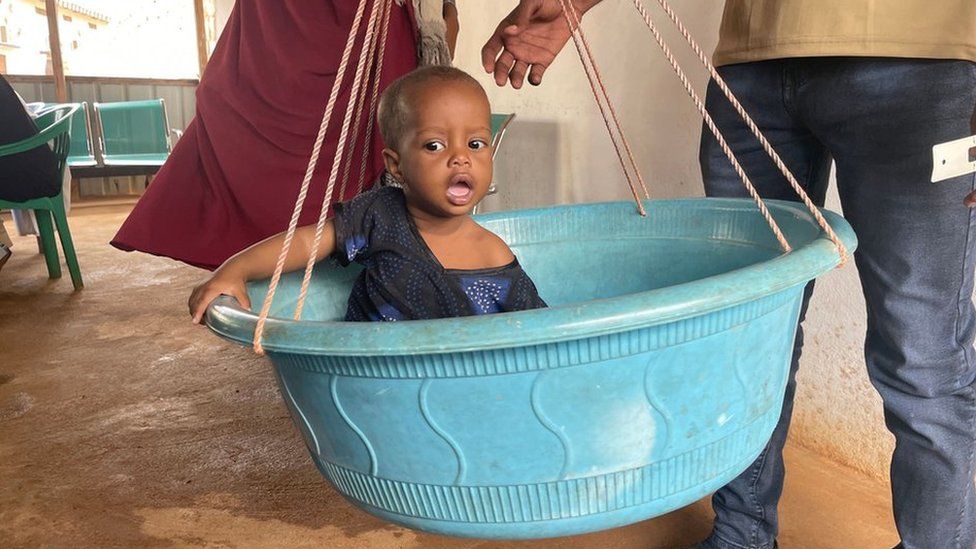
    Baby being weighed
    Image caption, Women and children are leaving areas where they cannot get humanitarian assistance

    According to some estimates, more than half the population affected by the current drought remains in areas controlled by al-Shabab. Strict US government rules blocking any assistance from benefitting designated terrorist groups have complicated efforts to reach many desperate communities.

    But international organisations, and the Somali authorities, are working with smaller local partners to increase access and are now planning air drops into some contested territories.

    Still, one aid worker, speaking off the record, acknowledged that it was almost impossible to guarantee that no food or funds were reaching al-Shabab.

    “Let’s not be naïve, [al-Shabab] taxes everything, even cash donations,” they said.

    Over the years, the militant group has established a reputation not just for violence and intimidation but for delivering justice in a country with a hard-earned reputation for official corruption.

    In at least four villages close to Baidoa, al-Shabab runs a network of Sharia courts that are routinely used by the city’s residents and, reportedly, by people in Mogadishu and beyond, to settle business and land disputes.

    Further to the north-east, a sudden uprising against al-Shabab has seen local communities and clan militias – now heavily backed by the central government – drive the group out of dozens of towns and villages in recent weeks.

    The military successes have prompted a surge of optimism, but it is not clear if that will help in the fight against famine, or simply distract the Somali government.

    “It might, or it might not [help]. I think it may create more [civilian] displacement. Or the government might liberate more areas and people might have more access [to aid]. So, we’re looking at it from all sides,” said local minister Nasir Arush.

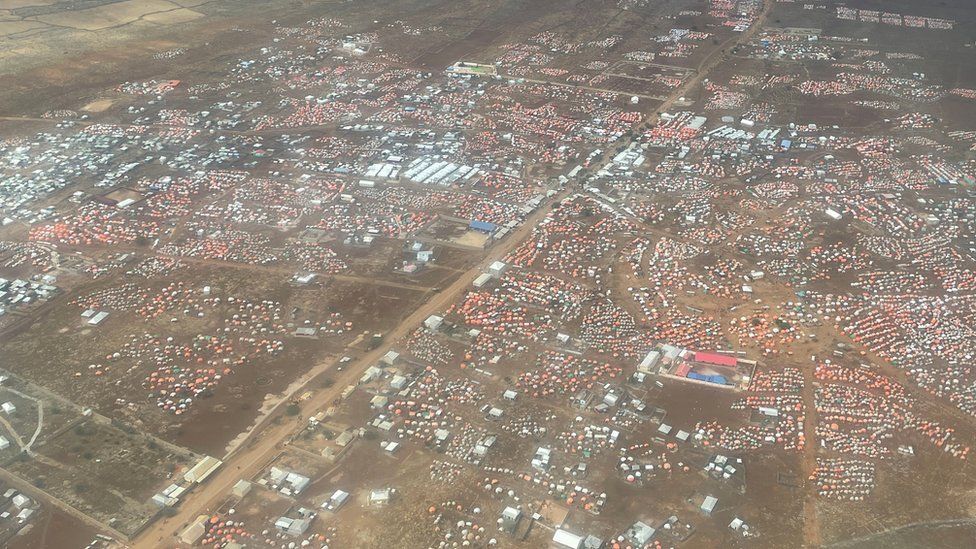
    Birds-eye view of Baidoa
    IMAGE SOURCE,BBC/ ED HABERSHON Image caption, Baidoa is providing a safe haven for those fleeing villages with no resources

    In Baidoa itself – a busy city of narrow, cobbled streets scarred by decades of conflict and neglect – the prices of basic goods, like rice, have doubled in the past month. Many residents blamed the drought, but others also looked further afield.

    “Flour, sugar, oil – they’ve all risen by about the same amount. Sometimes we have to skip meals. I heard about the war between Russia and Ukraine. People say that is the root cause of these problems,” said Shukri Moalim Ali, 38, walking over to her dry well, and barren vegetable patch.

    While the fight to ward off a deeper, spreading famine is the immediate focus in this region, Somalia’s new government is also looking ahead, seeking to address more existential questions about the future.

    “It is a challenging task, to respond to the drought, to fight against al-Shabab, and to campaign to access [international] climate justice finance,” Abdirahman Abdishakur said.

    “We have a young population, an enormous diaspora, and vibrant entrepreneurial skills. So that gives us hope. It’s challenging, but we don’t have an alternative.”

  • Curb hunger with a big breakfast but don’t count on it for weight loss, study says

    Many people eat the bulk of their calories at night, limiting breakfast due to busy workdays and school mornings, and experts have long thought eating late added to weight gain or hindered weight loss.

    You should eat light at night and make breakfast your biggest meal, earlier research has shown, to give your body time to burn off excess calories throughout the day.

    The foods you should eat to jump-start your morning, and 2 recipes to try out

    The prevailing argument is that eating more calories earlier “shifts metabolism” in ways that favor greater weight loss, said Dr. David Katz, founder and former director of Yale University’s Yale-Griffin Prevention Research Center, via email.

    Yet eating a big breakfast instead of a larger meal later in the day did not impact weight loss, according to a new clinical trial that compared people eating most of their daily calories at breakfast with those eating the most at dinner.

    “With calories either morning-loaded or evening-loaded, the researchers found nearly identical weight loss,” said Katz, who was not involved in the study. In addition, “any magical effects” of early eating on the body’s metabolism were debunked, he said, describing the research as “extremely rigorous.”

    “Thus, this study belies the contention that eating early alters metabolism in a way that favors greater weight loss.” said Katz.

    Eating a big, healthy breakfast may curb your hunger later in the day, a new study finds.

    The study, published Friday in the journal Cell Metabolism, was a randomized “crossover” trial. Thirty overweight or obese yet otherwise healthy people spent four weeks eating 45% of their assigned calories in the morning meal, 35% at lunch and 20% at dinner. The same group then switched to four weeks when the evening meal was highest in calories: 20% in the morning, 35% at lunch and 45% for dinner.

    “Participants were provided with all their meals for eight weeks,” study co-author Alexandra Johnstone, a professor of medicine at the Rowett Institute at the University of Aberdeen in Scotland, said in a statement, “and their energy expenditure and body composition monitored for changes.”

    Conflicting research

    There was some good news for hearty breakfast eaters, however. If being hungry all the time is your downfall, eating big in the morning could help curb your appetite, the study found.

    “We know that appetite control is important to achieve weight loss, and our study suggests that those consuming the most calories in the morning felt less hungry, in contrast to when they consumed more calories in the evening period,” said Johnstone.

    “While disputing the claims for ‘metabolic’ advantages of early-in-the-day-calories, this paper does establish a plausible alternative: a potential weight loss advantage … via enhanced satiety and less hunger,” Katz said.

    Drinking coffee could benefit your heart and help you live longer, research finds

    A body’s metabolic rate is determined by how quickly (or slowly) it turns calories into energy. To lose weight, the body must expend more energy than the calories consumed. “The more active you are, the more calories you burn,” according to the Mayo Clinic.

    Aerobic exercise is the most efficient way to burn calories, but strength training is also important, experts say. That’s because muscle burns more calories than fat, both at rest and while exercising.

    Earlier research, conducted with larger groups of people over longer periods of time, has found people who load up on calories in the morning do lose weight. It’s possible that eight weeks was not long enough for weight loss to be seen in the new research, the study’s authors said, or that other studies may not have measured body composition and energy expenditure in the same way.

    Regardless, the new research results should not be used to “refute the importance of breakfast for the hungry, nor does it address the role of ‘having’ versus ‘skipping’ breakfast on weight,” Katz said.

    It simply suggests that eating more calories at breakfast and fewer at dinner “may favor less hunger, more satiety during weight loss,” he said, assuming the meals are nutritionally the same.


    Source: CNN

  • East Africa hunger causing death ‘every 48 seconds’

    Humanitarian organisations have warned that across Ethiopia, Kenya and Somalia, one person is dying every 48 seconds from acute hunger linked to conflict, the climate crisis and the rising cost of food.

    A report by Oxfam and Save the Children estimates that around the world, 181 million people will experience crisis levels of hunger this year, with women particularly affected.

    The organisations say starvation is a political failure.

    They criticise the international community for responding too late and with too little to prevent “cyclical and predictable” emergencies.

  • UN warns of hunger and malnutrition in East Africa

    The World Food Programme (WFP) has said serious hunger and malnutrition looms for millions of refugees across eastern Africa who depend on assistance from the food agency to survive.

    It said that the socio-economic impact of the Covid-19 pandemic has reduced vital funding from donors.

    The WFP has already reduced food or cash transfers by up to 30% for more than 2.7 million refugees in Ethiopia, Uganda, Kenya, South Sudan, and Djibouti, it said.

    “Refugees are especially vulnerable to the spread of Covid-19 because they are crowded together in camps with weak or inadequate shelter, health services and access to clean water and sanitation,” the WFP Eastern Africa Regional Director Michael Dunford said.

    Source: bbc.com