Tag: illegal Mining

  • Illegal mining: NAIMOS arrests 7, seizes weapons at Boin River

    Illegal mining: NAIMOS arrests 7, seizes weapons at Boin River

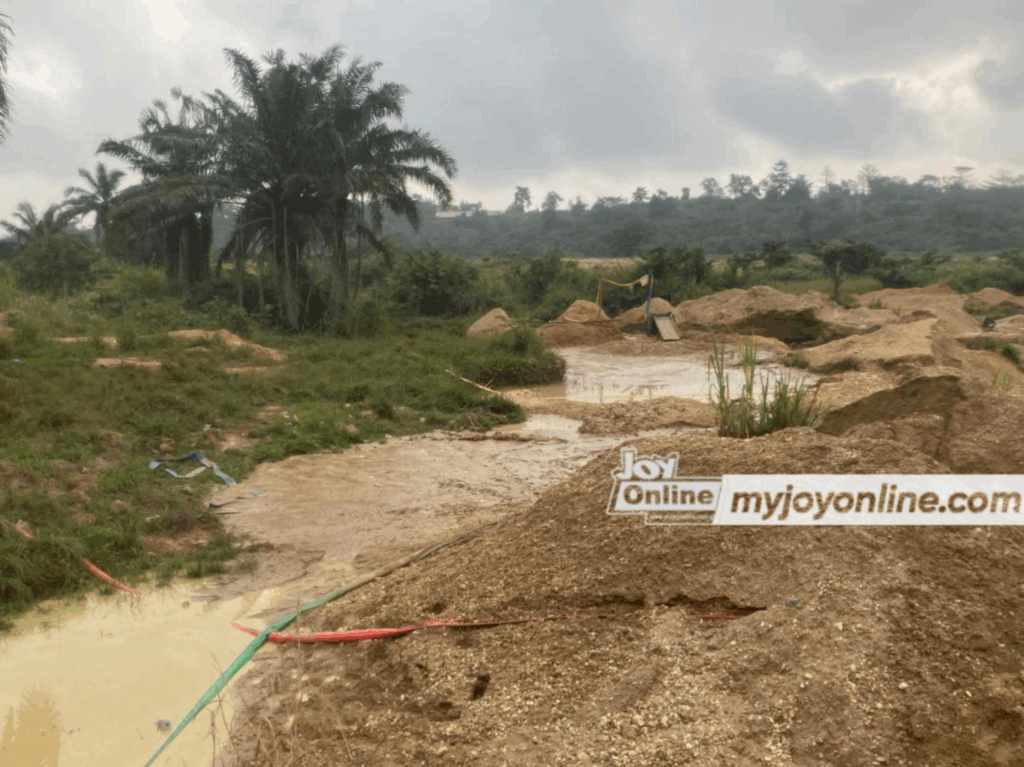
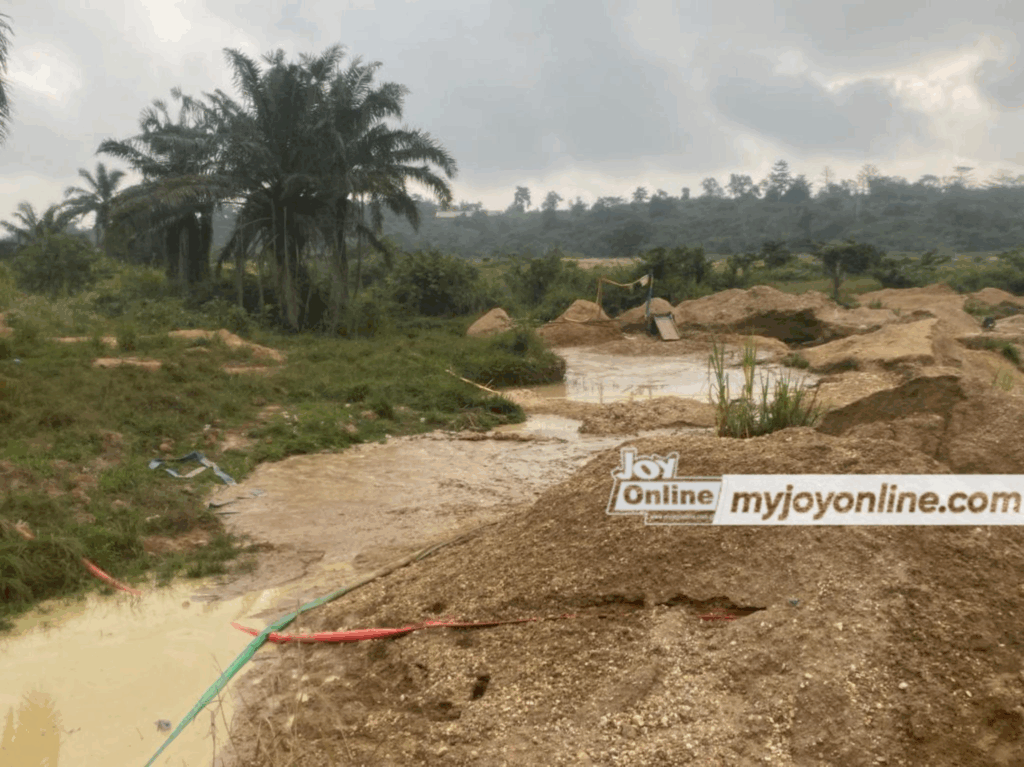
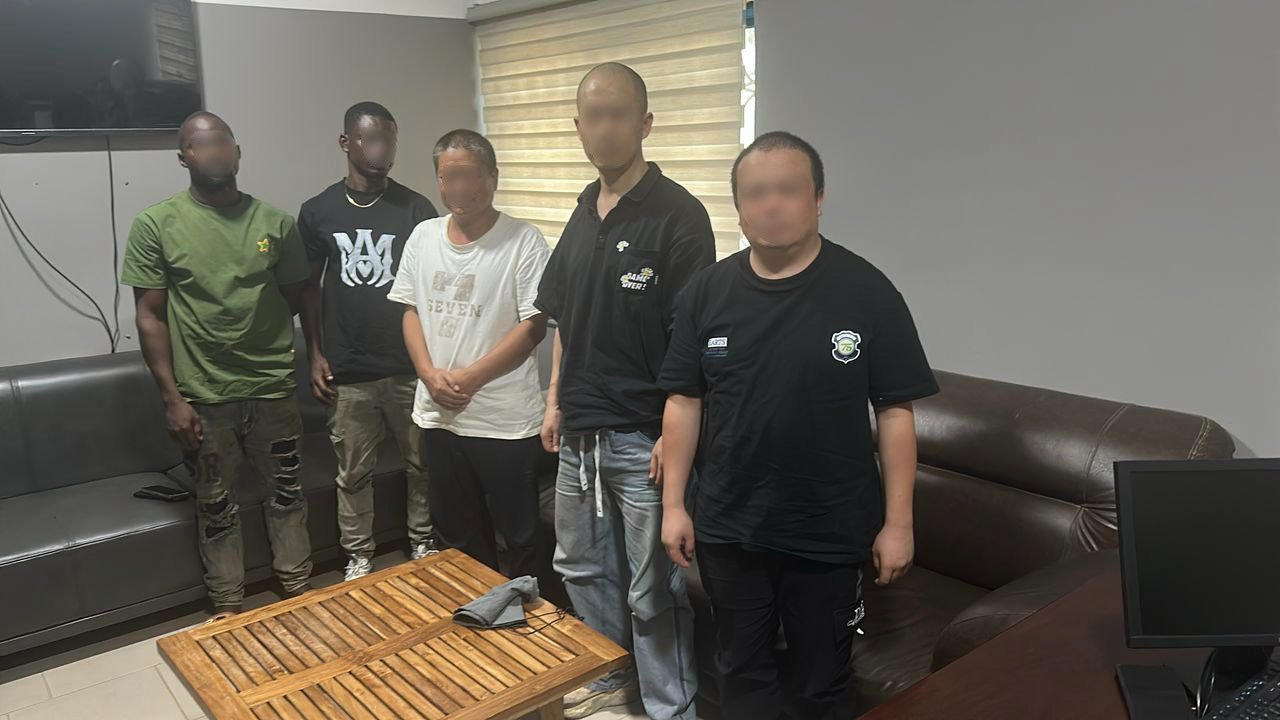
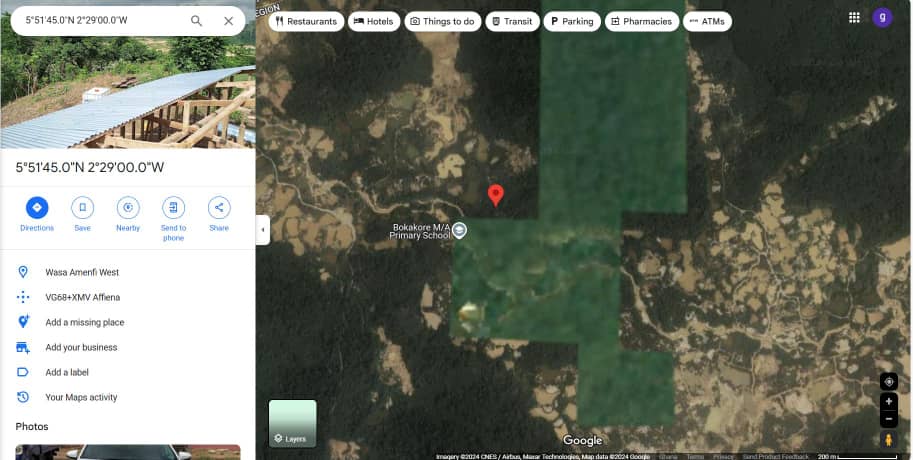
    Seven individuals, including four and three Ghanaians, have been arrested by the National Anti-Illegal Mining Operations Secretariat for their involvement in illegal mining activities along the Boin River at Boinso–Abrokyire in the Aowin District of the Western North Region.

    The four Chinese nationals have been identified as Lu Weiykng (born March 17, 1982), Zhou Xuanbai (born May 15, 1986), Tan Zhongqiang (born February 25, 1973), and Zhu Jiping (born March 4, 1975). The three Ghanaian suspects are David Done, 32, from Bolgatanga; Santos Adaboo, 26, from Zibilla; and Naya Sampana, 44, also from Bolgatanga.

    The NAIMOS team made the arrests on Saturday, April 11, acting on intelligence. Three pump-action guns and other equipment linked to illegal mining activities have been retrieved by the NAIMOS team.

    Last year, a series of raids conducted by the National Anti-Illegal Mining Operations Secretariat (NAIMOS) on Saturday, January 17, halted the operations of illegal miners along the Kumasi–Sunyani Highway.

    The exercise, which began from Bronikrom, close to Mankraso, through to Adugyama, saw illegal miners fleeing the scene upon seeing the operatives and leaving behind their merchandise.

    The operation led to the destruction of water hoses, makeshift structures, 1 Chanfang, 8 tricycles, 14 motors, 2 heavy-duty grinders, 2 heavy-duty water pumping machines, and a metallic gold washing platform.

    Other items seized included 2 excavator batteries, 1 drum of diesel fuel, 1 excavator monitor, 4 cartridges of pump-action gun, a wooden gold washing platform, 5 water jumping machines, and a box of assorted tools.

    Illegal mining activities continue to pose a major challenge to the country. Several Chinese nationals have been involved in such illegal operations, leading to multiple arrests.

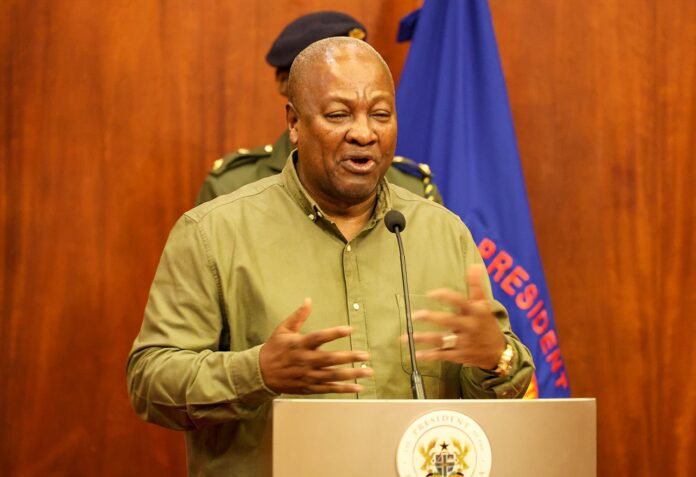
    Meanwhile, President John Dramani Mahama has disclosed that scientific tests are being carried out on new chemicals that could help restore polluted water bodies and rivers affected by illegal mining, popularly known as galamsey. Speaking at a high-level stakeholder engagement on galamsey in Accra on Friday, October 3, with members of Civil Society Organisations (CSOs), President Mahama said,

    “There are new chemicals that have come that allow you to treat water and take out the toxins and the heavy metals. One of them is called dowtine. The people came, and we sent them there. They took samples, tested. We are waiting for them to bring the results back.”

    He has asked Ghanaians to exercise patience regarding the longstanding battle against illegal mining (galamsey) activities. During a meeting with Civil Society Organisations (CSOs), President Mahama said declaring a state of emergency will not end the menace.

    According to him, government advisors believe the country can overcome galamsey by adopting best practices in small-scale mining, including technologies that help neutralize or remove harmful chemicals from water bodies.

    Additionally, the President pledged to honor the calls of many Ghanaians by declaring a state of emergency when his advisors give him the nod to do so. President Mahama believes that the country can eradicate the long-term canker if it deploys more troops and invests additional resources in the fight. He concluded that the battle seems to be a long one, but his administration is committed to ending it.

    “While we are fighting the menace, I am also saying we should uptake technology in order to protect the environment. So yes, let’s fight the illegal mining but at the same time, let’s bring the new technology that will help us protect our environment.

    “Now with the elephant in the room, state of emergency, yes, I have the power to do it, but the president acts on the advice of the National Security Authority, and as at now, this moment, the National Security Authority believes that we can win the fight against galamsey without declaring a state of emergency. I want to assure you that the day they advise me otherwise, that boss, now we need a state of emergency, I won’t hesitate,” he added.

  • Eastern Region: 38, including teenagers, arrested in Birim North for galamsey activities

    Eastern Region: 38, including teenagers, arrested in Birim North for galamsey activities

    Thirty-eight (38) individuals have been arrested by the Eastern South Regional Police Command for engaging in illegal mining activities at Ntoranang on the outskirts of New Abirem on Friday, February 27.

    Their arrest comes after the police received an intelligence over their illegal activities at a palm plantation in the area.

    The police disclosed that of the 38 arrested, 17 are Burkinabe nationals and 21 are Ghanaians, including 9 juveniles aged 13-17.

    The police destroyed items used by the suspects in their operations; including water pumping machines, power plants, water hoses and makeshift shelters.

    All 38 suspects will be arraigned before the court on Monday, March 2, for prosecution.

    Illegal mining continues to pose a major challenge to the country, with several foreign nationals implicated and multiple arrests made. In June, NAIMOS warned criminal groups to vacate galamsey areas.

    Weeks ago, the Commanding Officer of NAIMOS, Colonel Dominic Buah, signaled an imminent and aggressive crackdown on illegal miners.

    “I would like to send this warning to illegal miners, their assignees, and financiers that they are the first or prime enemies of the state, and they will be dealt with as such. There will be no room for them to escape or to hide. NAIMOS will smoke them out very soon. There’s no resting place for them,” he said at a stakeholder engagement at the Jubilee House on October 3, 2025.

    Meanwhile, President John Dramani Mahama has emphasized that his government is not backing down in its fight against the longstanding menace of illegal mining (galamsey).

    According to the President, the country will soon be cleared of the menace as the government plans to launch a programme in the coming days to reclaim degraded lands.

    He added that youths in affected communities will be employed under the programme, each receiving a monthly stipend of GH₵1,500.

    “We’re restoring degraded lands while creating thousands of jobs for young people in affected communities. I have asked the Minister of Finance to increase the budget allocation so that we can recruit more youth into forest tree planting and the Blue Water Guard to safeguard our water bodies.

    “These youth are to be recruited from affected communities, and they will receive a monthly stipend of GHC1,500. I wish to commend journalists who persist in exposing environmental crime at great personal risk. Your bravery is noted, and it’s patriotic. I wish to assure you, as the President, that I will never give up the fight,” President Mahama said.

    President Mahama made the remarks at the 2025 GJA/KGL National Awards held at the Manhyia Palace on Saturday, November 8.

    Speaking at a stakeholder engagement in Accra on October 3, the President said: “There are new chemicals that have come that allow you to treat water and take out the toxins and the heavy metals. One of them is called dowtine. The people came, and we sent them there. They took samples, tested. We are waiting for them to bring the results back.”

    President Mahama urged patience in the long-running battle against galamsey, noting that declaring a state of emergency alone will not end the menace.

    He said government advisors believe the country can overcome galamsey by adopting best practices in small-scale mining and technologies that neutralize or remove harmful chemicals from water bodies.

    He also pledged to act on calls for a state of emergency if his advisors recommend it.

    “While we are fighting the menace, I am also saying we should uptake technology in order to protect the environment. So yes, let’s fight the illegal mining but at the same time, let’s bring the new technology that will help us protect our environment.

    “Now with the elephant in the room, state of emergency, yes, I have the power to do it, but the president acts on the advice of the National Security Authority, and as at now, this moment, the National Security Authority believes that we can win the fight against galamsey without declaring a state of emergency. I want to assure you that the day they advise me otherwise, that boss, now we need a state of emergency, I won’t hesitate,” he added.

    Despite renewed efforts, the canker continues to wreak havoc.

    The National Anti-Illegal Mining Operations Secretariat (NAIMOS) task force narrowly escaped death in a mob assault at Hwidiem in the Ahafo Region on Saturday, November 1, during an operation that resulted in several arrests, including a Burkinabe national.

    Locals were seen in a viral video confronting the NAIMOS team and demanding the release of those arrested. NAIMOS spokesperson Paa Kwesi Schandorf described the attack as “extremely and profoundly disappointing,” saying the officials “survived clearly by the mercy of God. If you look at how they were charged, the rest of the team could have lost their lives.”

  • Blue Water Guard initiative is achieving results against galamsey – Lands Minister

    Blue Water Guard initiative is achieving results against galamsey – Lands Minister

    The Blue Water Guard initiative, introduced by the government as part of efforts to fight illegal mining locally known as galamsey, is yielding positive results, according to the Minister for Lands and Natural Resources, Emmanuel Armah Kofi Buah.


    Speaking to the media, the Minister noted that the presence of guards is intimidating illegal miners, especially those in the water and river bodies in communities, resulting in a decline in their operations.

    Illegal mining continues to pose a major challenge to the country, with several foreign nationals implicated and multiple arrests made. Meanwhile, scientific tests are underway on new chemicals that could help restore polluted water bodies and rivers affected by galamsey.


    Speaking at a stakeholder engagement in Accra on October 3, the President said: “There are new chemicals that have come that allow you to treat water and take out the toxins and the heavy metals. One of them is called dowtine. The people came, and we sent them there. They took samples and tested. We are waiting for them to bring the results back.”


    President Mahama urged patience in the long-running battle against galamsey, noting that declaring a state of emergency alone will not end the menace.


    He said government advisors believe the country can overcome galamsey by adopting best practices in small-scale mining and technologies that neutralise or remove harmful chemicals from water bodies. He also pledged to act on calls for a state of emergency if his advisors recommend it.


    “While we are fighting the menace, I am also saying we should uptake technology in order to protect the environment. So yes, let’s fight the illegal mining but at the same time, let’s bring the new technology that will help us protect our environment.


    “Now with the elephant in the room, state of emergency, yes, I have the power to do it, but the president acts on the advice of the National Security Authority, and as at now, this moment, the National Security Authority believes that we can win the fight against galamsey without declaring a state of emergency. I want to assure you that the day they advise me otherwise, that boss, now we need a state of emergency, I won’t hesitate,” he added.


    Despite renewed efforts, the canker continues to wreak havoc. The newly established National Anti-Illegal Mining Operations Secretariat (NAIMOS) task force narrowly escaped death in a mob assault at Hwidiem in the Ahafo Region on Saturday, November 1, during an operation that resulted in several arrests, including a Burkinabe national.


    Locals were seen in a viral video confronting the NAIMOS team and demanding the release of those arrested. NAIMOS spokesperson Paa Kwesi Schandorf described the attack as “extremely and profoundly disappointing,” saying the officials “survived clearly by the mercy of God. If you look at how they were charged, the rest of the team could have lost their lives.”


    The Member of Parliament for Asutifi North, Ebenezer Kwaku Addo, was, however, accused of inciting the mob against the NAIMOS team.


    NAIMOS has been active across the country, including raids in the Offin Shelterbelt Forest Reserve (Ashanti Region), Apemkro and Anwiafutu, and Ataso, where the team seized two excavators and destroyed water pumps and other illicit mining tools.


    In the Western Region, an intelligence-led operation on October 5, 2025, saw NAIMOS demolish a notorious illegal mining base at Aboso — known as ‘Gunway’ — dismantling makeshift structures used as hideouts and drug dens and confiscating mining equipment and quantities of hard drugs, including seven parcels of Indian hemp.


    In June, NAIMOS warned criminal groups to vacate galamsey areas. Weeks ago, the Commanding Officer of NAIMOS, Colonel Dominic Buah, signalled an imminent and aggressive crackdown on illegal miners.


    “I would like to send this warning to illegal miners, their assignees and financiers that they are the first or prime enemies of the state, and they will be dealt with as such. There will be no room for them to escape or to hide. NAIMOS will smoke them out very soon. There’s no resting place for them,” he said at a stakeholder engagement at the Jubilee House on October 3, 2025.

  • Govt’s efforts against galamsey are paying off – President Mahama

    Govt’s efforts against galamsey are paying off – President Mahama

    President John Dramani Mahama has indicated that the government’s interventions are gradually producing lasting solutions in the battle against illegal mining, known as galamsey.

    The president disclosed while speaking at the Ghana Military Academy Graduation on Friday, January 30, 2026. According to him, “Our natural resources are a sacred trust, yet illegal mining has caused severe damage to our rivers, forests, and farmlands.

    In response, my government established NAIMOS and implemented a comprehensive strategy centred on strict enforcement, public education, alternative livelihoods, technology, and institutional coordination. These measures are producing results”.


    He added that “to further intensify the fight against this menace, it will continue to be confronted head-on without fear or favour, but it requires national unity. It is a moral, civic and generational duty, and I call on all Ghanaians to stand together to protect our land,” he said.


    “Forests and river bodies are pronounced security zones, permanent military bases have been established, and offenders have been arrested and are being prosecuted. Rivers such as the Ankobra and Offin are gradually recovering”.


    Illegal mining continues to pose a major challenge to the country, with several foreign nationals implicated and multiple arrests made. Meanwhile, scientific tests are underway on new chemicals that could help restore polluted water bodies and rivers affected by galamsey.


    Speaking at a stakeholder engagement in Accra on October 3, the President said: “There are new chemicals that have come that allow you to treat water and take out the toxins and the heavy metals. One of them is called dowtine. The people came, and we sent them there. They took samples, tested. We are waiting for them to bring the results back.”


    President Mahama urged patience in the long-running battle against galamsey, noting that declaring a state of emergency alone will not end the menace.


    He said government advisors believe the country can overcome galamsey by adopting best practices in small-scale mining and technologies that neutralise or remove harmful chemicals from water bodies. He also pledged to act on calls for a state of emergency if his advisors recommend it.


    “While we are fighting the menace, I am also saying we should uptake technology in order to protect the environment. So yes, let’s fight the illegal mining but at the same time, let’s bring the new technology that will help us protect our environment.

    “Now with the elephant in the room, state of emergency, yes, I have the power to do it, but the president acts on the advice of the National Security Authority, and as at now, this moment, the National Security Authority believes that we can win the fight against galamsey without declaring a state of emergency. I want to assure you that the day they advise me otherwise, that boss, now we need a state of emergency, I won’t hesitate,” he added.


    Despite renewed efforts, the canker continues to wreak havoc. The newly established National Anti-Illegal Mining Operations Secretariat (NAIMOS) task force narrowly escaped death in a mob assault at Hwidiem in the Ahafo Region on Saturday, November 1, during an operation that resulted in several arrests, including a Burkinabe national.

    Locals were seen in a viral video confronting the NAIMOS team and demanding the release of those arrested. NAIMOS spokesperson Paa Kwesi Schandorf described the attack as “extremely and profoundly disappointing,” saying the officials “survived clearly by the mercy of God. If you look at how they were charged, the rest of the team could have lost their lives.”


    The Member of Parliament for Asutifi North, Ebenezer Kwaku Addo, was, however, accused of inciting the mob against the NAIMOS team.


    NAIMOS has been active across the country, including raids in the Offin Shelterbelt Forest Reserve (Ashanti Region), Apemkro and Anwiafutu, and Ataso, where the team seized two excavators and destroyed water pumps and other illicit mining tools.

    In the Western Region, an intelligence-led operation on October 5, 2025, saw NAIMOS demolish a notorious illegal mining base at Aboso — known as ‘Gunway’ — dismantling makeshift structures used as hideouts and drug dens and confiscating mining equipment and quantities of hard drugs, including seven parcels of Indian hemp.


    In June, NAIMOS warned criminal groups to vacate galamsey areas. Weeks ago, the Commanding Officer of NAIMOS, Colonel Dominic Buah, signalled an imminent and aggressive crackdown on illegal miners.

    “I would like to send this warning to illegal miners, their assignees and financiers that they are the first or prime enemies of the state, and they will be dealt with as such. There will be no room for them to escape or to hide. NAIMOS will smoke them out very soon. There’s no resting place for them,” he said at a stakeholder engagement at the Jubilee House on October 3, 2025.

  • Illegal mining activities along Kumasi-Sunyani Highway halted by NAIMOS

    Illegal mining activities along Kumasi-Sunyani Highway halted by NAIMOS

    A series of raids conducted by the National Anti-Illegal Mining Operations Secretariat (NAIMOS) on Saturday, January 17, halted the operations of illegal miners along the Kumasi–Sunyani Highway.

    The exercise, which began from Bronikrom, close to Mankraso, through to Adugyama, saw illegal miners fleeing the scene upon seeing the operatives and leaving behind their merchandise.

    The operation led to the destruction of water hoses, makeshift structures, 1 Chanfang, 8 tricycles, 14 motors, 2 heavy-duty grinders, 2 heavy-duty water pumping machines, and a metallic gold washing platform.

    Other items seized included 2 excavator batteries, 1 drum of diesel fuel, 1 excavator monitor, 4 cartridges of pump-action gun, a wooden gold washing platform, 5 water jumping machines, and a box of assorted tools.

    Illegal mining activities continue to pose a major challenge to the country. Several Chinese nationals have been involved in such illegal operations, leading to multiple arrests.

    Meanwhile, President John Dramani Mahama has disclosed that scientific tests are being carried out on new chemicals that could help restore polluted water bodies and rivers affected by illegal mining, popularly known as galamsey. Speaking at a high-level stakeholder engagement on galamsey in Accra on Friday, October 3, with members of Civil Society Organisations (CSOs), President Mahama said,

    “There are new chemicals that have come that allow you to treat water and take out the toxins and the heavy metals. One of them is called dowtine. The people came, and we sent them there. They took samples, tested. We are waiting for them to bring the results back.”

    He has asked Ghanaians to exercise patience regarding the longstanding battle against illegal mining (galamsey) activities. During a meeting with Civil Society Organisations (CSOs), President Mahama said declaring a state of emergency will not end the menace.

    According to him, government advisors believe the country can overcome galamsey by adopting best practices in small-scale mining, including technologies that help neutralize or remove harmful chemicals from water bodies.

    Additionally, the President pledged to honor the calls of many Ghanaians by declaring a state of emergency when his advisors give him the nod to do so. President Mahama believes that the country can eradicate the long-term canker if it deploys more troops and invests additional resources in the fight. He concluded that the battle seems to be a long one, but his administration is committed to ending it.

    “While we are fighting the menace, I am also saying we should uptake technology in order to protect the environment. So yes, let’s fight the illegal mining but at the same time, let’s bring the new technology that will help us protect our environment.

    “Now with the elephant in the room, state of emergency, yes, I have the power to do it, but the president acts on the advice of the National Security Authority, and as at now, this moment, the National Security Authority believes that we can win the fight against galamsey without declaring a state of emergency. I want to assure you that the day they advise me otherwise, that boss, now we need a state of emergency, I won’t hesitate,” he added.

  • Ghana steps up galamsey fight with deployment of 636 additional Blue Water guards

    Ghana steps up galamsey fight with deployment of 636 additional Blue Water guards

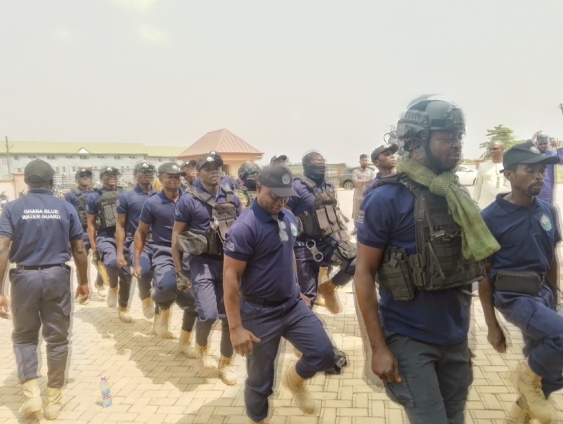
    The government has intensified the fight against illegal mining, locally known as galamsey, with the deployment of 636 additional Blue Water Guards personnel nationwide. This brings the total number of trained and deployed guards, as part of efforts to eradicate the menace, to 1,700.

    The Ministry of Lands and Natural Resources made the disclosure during the passing-out ceremony of the third batch of Blue Water Guards on Saturday, December 12, at the Ghana Navy Forward Operating Base in Ezilebo, Western Region. Speaking at the event, the Minister for Lands and Natural Resources, Emmanuel Armah-Kofi Buah, indicated that the ministry is working on diverse initiatives to ensure a lasting solution to the canker.

    He added, “The Blue Water Guards have become a critical frontline force in the fight against water pollution. They are working tirelessly to disrupt illegal mining activities along our rivers and streams.”

    “So far, we have trained about 1,700 Blue Water Guards across nearly seven regions. We are very proud of the pioneers who began this work. They are standing in the way of galamsey operators and making their activities increasingly difficult. We will remain resolute and continue this fight until our waters are restored.”

    The President John Dramani Mahama-led administration launched the Blue Water River Guard training programme in March, aimed at protecting the country’s water bodies. Under the initiative, 2,000 young men and women will be equipped with the skills necessary to combat illegal mining and preserve Ghana’s vital rivers.

    Illegal mining continues to pose a major challenge to the country, with several foreign nationals implicated and multiple arrests made. Meanwhile, President Mahama has disclosed that scientific tests are underway on new chemicals that could help restore polluted water bodies and rivers affected by galamsey.

    Speaking at a stakeholder engagement in Accra on October 3, the President said: “There are new chemicals that have come that allow you to treat water and take out the toxins and the heavy metals. One of them is called dowtine. The people came, and we sent them there. They took samples, tested. We are waiting for them to bring the results back.”

    President Mahama urged patience in the long-running battle against galamsey, noting that declaring a state of emergency alone will not end the menace.

    He said government advisers believe the country can overcome galamsey by adopting best practices in small-scale mining and technologies that neutralise or remove harmful chemicals from water bodies. He also pledged to act on calls for a state of emergency if his advisers recommend it.

    “While we are fighting the menace, I am also saying we should uptake technology in order to protect the environment. So yes, let’s fight the illegal mining, but at the same time, let’s bring new technology that will help us protect our environment.

    “Now with the elephant in the room, state of emergency, yes, I have the power to do it, but the President acts on the advice of the National Security Authority, and as at this moment, the National Security Authority believes that we can win the fight against galamsey without declaring a state of emergency. I want to assure you that the day they advise me otherwise, that boss, now we need a state of emergency, I won’t hesitate,” he added.

    According to him, his government is not backing down in its fight against the longstanding menace. Despite renewed efforts, the canker continues to wreak havoc. The newly established National Anti-Illegal Mining Operations Secretariat (NAIMOS) task force narrowly escaped death in a mob assault at Hwidiem in the Ahafo Region on Saturday, November 1, during an operation that resulted in several arrests, including a Burkinabe national.

    Locals were seen in a viral video confronting the NAIMOS team and demanding the release of those arrested. NAIMOS spokesperson, Paa Kwesi Schandorf, described the attack as “extremely and profoundly disappointing,” saying the officials “survived clearly by the mercy of God. If you look at how ]they were charged, the rest of the team could have lost their lives.”

    Meanwhile, the Member of Parliament for Asutifi North, Ebenezer Kwaku Addo, has been accused of inciting the mob against the NAIMOS team.

    NAIMOS has been active across the country, including raids in the Offin Shelterbelt Forest Reserve in the Ashanti Region, Apemkro and Anwiafutu, and Ataso, where the team seized two excavators and destroyed water pumps and other illicit mining tools.

    In the Western Region, an intelligence-led operation on October 5, 2025, saw NAIMOS demolish a notorious illegal mining base at Aboso — known as ‘Gunway’ — dismantling makeshift structures used as hideouts and drug dens, and confiscating mining equipment and quantities of hard drugs, including seven parcels of Indian hemp.

    In June, NAIMOS warned criminal groups to vacate galamsey areas. Weeks ago, the Commanding Officer of NAIMOS, Colonel Dominic Buah, signalled an imminent and aggressive crackdown on illegal miners.

    “I would like to send this warning to illegal miners, their assignees and financiers that they are the first or prime enemies of the state, and they will be dealt with as such. There will be no room for them to escape or to hide. NAIMOS will smoke them out very soon. There’s no resting place for them,” he said at a stakeholder engagement at the Jubilee House on October 3, 2025.

  • A/R:  NAIMOS task force member dead, four others seriously injured in fatal accident at Obuasi

    A/R:  NAIMOS task force member dead, four others seriously injured in fatal accident at Obuasi

    The National Anti-Illegal Mining Operations Secretariat (NAIMOS) has been hit by tragedy following an accident near the Obuasi Airport area in the Ashanti Region that claimed the life of one taskforce member and left four others seriously injured.

    The incident occurred on Wednesday, November 19, 2025, while the team was carrying out a major anti-galamsey operation aimed at tackling illegal mining within the enclave.

    Confirming the development in a statement issued on November 19, 2025, the Ministry’s Media Relations Officer, Paa Kwesi Schandorf, said “tragically, one member of the taskforce has been confirmed dead, while the remaining four sustained serious injuries and are currently receiving medical care.”

    “The Ministry of Lands and Natural Resources regrets to announce that a team of five (5) members of the National Anti-Illegal Mining Operations Secretariat (NAIMOS) was involved in a fatal motor accident today near the Obuasi Airport area,” the statement added.

    The Ministry has expressed deep sorrow over the death of the NAIMOS taskforce member.

    Lands Minister Emmanuel Armah-Kofi Buah extended his profound sympathies to the family of the deceased and offered heartfelt wishes for the speedy recovery of the injured officers.

    A full investigation has also been launched to determine the circumstances that led to the accident.

    “We remain steadfast in our commitment to safeguarding the welfare of all frontline personnel and will ensure they receive the utmost support and care,” the statement concluded.

    Days ago, NAIMOS task force seized illegal mining equipment in a major swoop in Obuasi in the Amansie Central District of the Ashanti Region.

    Equipment seized during the operation conducted on Monday, November 17, included motorbikes, vehicles, water pumps, and other tools used for illegal mining activities. Makeshift shelters and assorted equipment at the site were also destroyed.

    The task force also stormed a concession at Anyankyireml, a site that had been taken over by groups of illegal miners. Although the concession is legally owned by Asante Gold Corporation, it has been occupied by these illegal miners, forcing the rightful owners to flee the site.

    However, the intervention of the NAIMOS team drove out the miners and securing the land for its rightful owners. Illegal mining continues to pose a major challenge to the country, with several foreign nationals implicated and multiple arrests made. In June, NAIMOS warned criminal groups to vacate galamsey areas.

    The John Dramani Mahama-led government established the National Anti-Illegal Mining Operations Secretariat in July as part of efforts to curb illegal mining activities in the country.

    Speaking during an update on Wednesday, July 23, the Minister for Lands and Natural Resources, Emmanuel Armah-Kofi Buah, disclosed that the newly established Secretariat would act as the brain of Ghana’s anti-illegal mining operations.

    “To coordinate the efforts of the military, police, and other security agencies, the ministry has established the National Anti-Illegal Mining Operations Secretariat (NAIMOS) as the operational nerve-centre for Ghana’s fight against illegal small-scale mining,” he stated.

    The Secretariat’s responsibility is to collaborate with other key institutions such as the Ministry of Transport, the Ministry of Finance (GRA–Customs Division), and the Ghana Ports and Harbours Authority as part of its mandate.

    This collaboration is expected to ensure that excavators and other earth-moving equipment entering the country are not diverted for illegal mining activities.

    “In collaboration with the Ministry of Transport and the Ministry of Finance (GRA–Customs Division), and the Ports and Harbours Authority, we have initiated a proactive tracking of all imports of excavators and earth-moving equipment from the point of entry,” he added.

    Illegal mining activities continue to pose a major challenge to the country. Several Chinese nationals have been involved in such illegal operations, leading to multiple arrests.

    Meanwhile, President John Dramani Mahama has disclosed that scientific tests are being carried out on new chemicals that could help restore polluted water bodies and rivers affected by illegal mining, popularly known as galamsey.

    Speaking at a high-level stakeholder engagement on galamsey in Accra on Friday, October 3, with members of Civil Society Organisations (CSOs), President Mahama said, “There are new chemicals that have come that allow you to treat water and take out the toxins and the heavy metals. One of them is called dowtine. The people came, and we sent them there. They took samples, tested. We are waiting for them to bring the results back.”

    He has asked Ghanaians to exercise patience regarding the longstanding battle against illegal mining (galamsey) activities. During a meeting with Civil Society Organisations (CSOs), President Mahama said declaring a state of emergency will not end the menace.

    According to him, government advisors believe the country can overcome galamsey by adopting best practices in small-scale mining, including technologies that help neutralize or remove harmful chemicals from water bodies.

    Additionally, the President pledged to honor the calls of many Ghanaians by declaring a state of emergency when his advisors give him the nod to do so.

    President Mahama believes that the country can eradicate the long-term canker if it deploys more troops and invests additional resources in the fight. He concluded that the battle seems to be a long one, but his administration is committed to ending it.

    “While we are fighting the menace, I am also saying we should uptake technology in order to protect the environment. So yes, let’s fight the illegal mining but at the same time, let’s bring the new technology that will help us protect our environment.

    “Now with the elephant in the room, state of emergency, yes, I have the power to do it, but the president acts on the advice of the National Security Authority, and as at now, this moment, the National Security Authority believes that we can win the fight against galamsey without declaring a state of emergency. I want to assure you that the day they advise me otherwise, that boss, now we need a state of emergency, I won’t hesitate,” he added.

  • Court decision to arrest Chairman Wontumi reversed

    Court decision to arrest Chairman Wontumi reversed

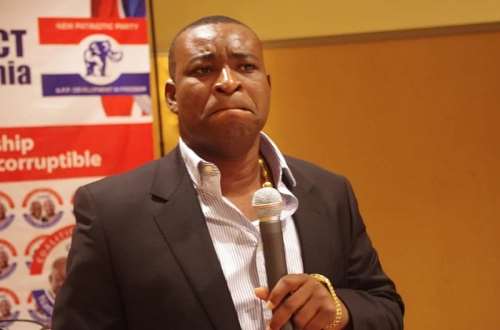
    The High Court in Accra has reversed it decision to arrest  Ashanti Regional Chairman of the New Patriotic Party (NPP), Bernard Antwi Boasiako, popularly known as Chairman Wontumi, who is facing trial by the state for allegedly engaging in illegal mining activities(galamsey).

    According to his lawyer, Andy Appiah-Kubi, their absence was due to misinformation regarding the time trials were expected to start as  they thought the case was going to start at 10:00 am, but it started at 9:00 am.

    A report by TV3 also said, the judge indicated that even though the time for Tuesday’s trial was not advertised, he expected Wontumi and his lawyer to be in court at 9:00 am, because that is the time the court sitting starts.

    To this end, the decision to arrest Chairman Wontumi was reversed on the basis that, he and his lawyer were inadequately informed on when they were expected to show up.

    Chairman Wontumi, who is the owner of Akonta Mining Company Limited in the Western Region, is standing trial for allegedly aiding individuals to conduct unlicensed mining operations at the Samreboi concession.

    He is on bail of GHC15 million with three sureties granted by the High Court in Accra. During his first court appearance, Justice Audrey Kocuvie-Tay directed that two out of the three guarantors must justify their bail with ownership of land or property within the court’s jurisdiction.

    Prosecutors have accused Chairman Wontumi, who doubles as the owner of Akonta Mining, and his co-director, Kwame Antwi, of illegally authorizing mining operations without the necessary licenses. The case relates to activities that took place in 2024. Meanwhile, Wontumi has pleaded not guilty to the charges.

    Deputy Attorney-General, Dr. Srem-Sai, has asked the court to impose stringent bail conditions to prevent him from fleeing.

    “Gold mining is a capital-intensive business, and by their own admission, the accused is a man of substance. It is common knowledge that persons of substance are often greater flight risks,” Dr. Srem-Sai argued.

    On Monday, October 6, Chairman Wontumi appeared at the CID with his lawyer, Andy Appiah-Kubi, following an order from the Attorney-General (A-G), Dr. Dominic Ayine. On Friday, October 3, Dr. Ayine had threatened to arrest him if he failed to surrender to the CID.

    According to the Attorney-General, little progress had been made in investigating the allegations, as key documents were withheld by some officials of the previous administration.

    In April, the Minister for Lands and Natural Resources, Emmanuel Armah-Kofi Buah, revoked Akonta Mining’s license for illegally mining within the Tano Nimiri Forest Reserve in the Western North Region.

    The Minister noted that the company had extended its illegal activities to both the Aboi and Tano Nimiri Forest Reserves, despite possessing a valid license to operate outside forest reserves.

    In response, the company refuted the claims, stating in a press release: “We are not responsible for the activities in the Tano Nimiri Forest Reserve. That responsibility lies solely with the Forestry Commission and the Ministry of Lands and Natural Resources.”

    The company added that the accusations were “a deliberate attempt by the Minister to tarnish the reputation of the company. The decision by the Minister to publicly accuse us and call for the revocation of our license without any investigation or hearing is not just unfair, it is a clear breach of natural justice and a politically motivated act.”

    Chairman Wontumi’s expected reappearance comes amid mounting pressure on the Mahama-led administration to end illegal mining activities in the country. The menace continues to threaten Ghana’s water bodies, food crops, forest reserves, and energy infrastructure.

    In a meeting with Civil Society Organisations (CSOs) on Friday, October 3, President John Dramani Mahama noted that he can only declare a state of emergency over the issue when his government’s advisors approve it.

    According to him, the advisors believe the country can overcome galamsey by adopting best practices in small-scale mining, including technologies that help neutralize or remove harmful chemicals from water bodies.

    President Mahama added that the country could eradicate the long-term problem if it deployed more troops and invested more resources in the fight. “While we are fighting the menace, I am also saying we should uptake technology in order to protect the environment. So yes, let’s fight illegal mining, but at the same time, let’s bring the new technology that will help us protect our environment.

    “Now with the elephant in the room, state of emergency, yes, I have the power to do it, but the president acts on the advice of the National Security Council. As of now, this moment, the National Security Council believes that we can win the fight against galamsey. Declaring a state of emergency… I want to assure you that the day they advise me otherwise, that boss, now we need a state of emergency, I won’t hesitate,” he said.

    Meanwhile, the Parliamentary Select Committee on Energy has issued a stern warning about the potential future repercussions of galamsey if the country fails to find a lasting solution. During a visit to the Anwomaso Thermal Power Station in Kumasi on Wednesday, October 1, Deputy Ranking Member Collins Adomako-Mensah revealed how Ghana’s power installations are being tampered with by illegal miners.

    According to him, electricity generation authorities—including the Ghana Grid Company (GRIDCo), the Bui Power Authority (BPA), WAPCO Gas Pipeline, and the Volta River Authority—risk shutting down due to attacks on their infrastructure.

    “When we were engaging the other participants, two things came up—one has to do with galamsey, and it is having a heavy, heavy toll on the energy sector, not just about water. GRIDCo complained about galamsey.

    “Their pylons, people are digging where they have a lot of their pylons. Yesterday we were at Bui, and the Bui water situation is deteriorating because of the galamsey situation surrounding their water bodies,” he said.

    In September, GRIDCo expressed grave concern over the encroachment on its transmission tower sites by galamsey operators, who are digging dangerously close to the foundations.

    Acting Deputy Chief Executive Officer of Engineering and Operations, Frank Otchere, stated that maintenance teams now face attacks when attempting to access certain areas.

    “Unfortunately, there are some areas that even when our maintenance teams go there, they get shot at. And some of them have had to run away,” he disclosed, adding that the situation has made it impossible for GRIDCo to operate in certain locations without security support.

    He added that galamseyers are weakening the towers, which are carefully engineered to withstand immense weight and pressure, and appealed for urgent assistance from national security agencies to protect transmission corridors and avert potential collapses.

    “This engagement aims to provide a platform for frank and constructive dialogue between the Government and civil society on the menace of illegal mining, with a view to harnessing collective expertise, perspectives, and solutions to address this national challenge,” the letter stated.

    Ongoing research by a forensic histopathologist and former Head of Pathology at KNUST and Komfo Anokye Teaching Hospital (KATH), Prof. Dr. Paul Poku Sampene Ossei, has revealed alarming trends in rising cases of spontaneous abortions among pregnant women in Ghana.

    Approximately 500 cases have been recorded, linked to severe contamination of placentas and the presence of heavy metals such as lead and mercury, resulting from galamsey activities. A spontaneous abortion is the unintentional expulsion of an embryo or fetus from the uterus before it is viable.

    Speaking on JoyNews’ Newsfile on Saturday, September 27, Prof. Sampene warned that galamsey is poisoning unborn babies and endangering mothers. “I have about 500 cases where women go to the hospital and abort their babies because of the concentration of these heavy metals in their placenta,” he disclosed.

    According to him, his research involved over 4,000 placentas examined from different regions across Ghana. The results showed dangerous levels of heavy metal contamination on both the maternal and fetal sides. “The placentas are all contaminated, polluted with heavy metals,” he said.

    The dangers extend beyond pregnancy losses. Another effect of galamsey is the excessive use of alum to address the increasing turbidity of water. Ghana Water Company Limited, the nation’s largest water supplier, has resorted to using higher concentrations of alum. Prof. Sampene cautioned that high levels of aluminium hydroxide pose serious health risks.

    “One of the consequences of excessive alum use is kidney disease, which is already on the rise. Of course, people are talking about turbidity, and then the Water Company is saying that they are using more alum.

    “Alum is aluminium hydroxide. When taken at higher concentrations over a long period, it can cause kidney problems, irritate the respiratory tract, and lead to neurological defects. All these things have been proven, and we have to be very careful about them now. This goes apart from the effects we are seeing around,” he explained.

    Among recent measures to protect water bodies from illegal miners is the deployment of the National Anti-Illegal Mining Operations Secretariat (NAIMOS).

    The Secretariat includes the Ghana Armed Forces, the Ghana Police Service, the Ghana Immigration Service, the National Intelligence Bureau (NIB), the Narcotics Control Commission, and the National Security Secretariat.

    Addressing the security forces, the Minister for Lands and Natural Resources, Emmanuel Armah Kofi-Buah, directed the team to ruthlessly counter galamsey operators as they are enemies of the state.

    “Any recalcitrant entering into these zones is not merely a trespasser. They are an enemy of the state. You are to be firm. You are to be resolute. You are to be ruthless. And please, take it from me, you will take no obstructionist instruction from any big man. Remember, the biggest man in Ghana is the President of the Republic, and he’s the one who has sent you,” Mr. Kofi-Buah charged.

  • Gov’t to outlaw mining in water bodies and forest reserves

    Gov’t to outlaw mining in water bodies and forest reserves

    The government has beefed up its measures in response to illegal mining activities, locally known as galamsey, which are posing a serious threat to Ghanaian citizens.

    Addressing the Ghanaian community in Belgium, the Vice President, Prof. Naana Jane Opoku-Agyemang, indicated that the government will soon roll out a law that will prohibit all mining activities in Ghana’s water bodies and forest reserves.

    Ghana’s laws allow individuals to mine near water bodies; however, the Vice President emphasized that the proposed law will ensure that persons who flout it will be held accountable.

    “We’re working towards banning mining in water bodies. A bill is being prepared to reverse what you saw and to ensure that the people are moved out of these areas and properly placed.
    “What is even more disturbing is the fact that when some mine, they just leave the place bare,” she said.

    President John Dramani Mahama has asked Ghanaians to exercise patience regarding the longstanding battle against illegal mining (galamsey) activities. During a meeting with Civil Society Organisations (CSOs), President Mahama said declaring a state of emergency will not end the menace.

    According to him, government advisors believe the country can overcome galamsey by adopting best practices in small-scale mining, including technologies that help neutralise or remove harmful chemicals from water bodies.

    Additionally, the President pledged to honor the calls of many Ghanaians by declaring a state of emergency when his advisors give him the nod to do so.

    President Mahama believes that the country can eradicate the long-term canker if it deploys more troops as well as invests more resources in the fight. He concluded that the battle seems to be a long one, but his administration is committed to fighting it.

    “While we are fighting the menace, I am also saying we should uptake technology in order to protect the environment. So yes, let’s fight the illegal mining but at the same time, let’s bring the new technology that will help us protect our environment.
    “Now, with the elephant in the room, the state of emergency, yes, I have the power to do it, but the President acts on the advice of the National Security Authority, and as at now, this moment, the National Security Authority believes that we can win the fight against galamsey without declaring a state of emergency. I want to assure you that the day they advise me otherwise—that, boss, now we need a state of emergency—I won’t hesitate,” he added.

    Individuals present at the meeting included government officials and civil society leaders. The engagement comes at a time when there is mounting pressure on the Mahama-led administration to declare a state of emergency regarding the issue, due to its adverse effects on the environment.

    The menace continues to threaten not only Ghana’s water bodies, food crops, and forest reserves but also the country’s energy infrastructure. The Parliamentary Select Committee on Energy has given a stern warning about the potential future repercussions of galamsey if the country fails to find a lasting solution to the menace.

    During a visit to the Anwomaso Thermal Power Station in Kumasi on Wednesday, October 1, Deputy Ranking Member Collins Adomako-Mensah made a startling revelation about how Ghana’s power installations are being tampered with by illegal miners.

    According to him, the country’s electricity generation authorities, including the Ghana Grid Company (GRIDCo), the Bui Power Authority (BPA), WAPCO Gas Pipeline, and the Volta River Authority (VRA), risk shutting down over attacks on their infrastructure.

    “When we were engaging the other participants, two things came up—one has to do with galamsey, and it is having a heavy, heavy toll on the energy sector, not just about water. GRIDCo complained about galamsey. Their pylons—people are digging where they have a lot of their pylons. Yesterday we were at Bui, and the Bui water situation is deteriorating because of the galamsey situation surrounding their water bodies.”

    He added, “GRIDCo complained about galamsey. Their pylons—people are digging where they have a lot of their pylons. Yesterday we were at Bui, and the Bui water situation is deteriorating because of the galamsey situation surrounding their water bodies.”

    In September, GRIDCo expressed grave concern over the encroachment on its transmission tower sites by galamsey operators who are digging dangerously close to the foundations. Acting Deputy Chief Executive Officer of Engineering and Operations, Frank Otchere, made this known at the GRIDCo headquarters in Tema on Thursday, September 25.

    Mr. Otchere stated that maintenance teams now face attacks when they attempt to access certain areas.
    “Unfortunately, there are some areas that even when our maintenance teams go there, they get shot at. And some of them have had to run away,” he disclosed, adding that the situation has made it impossible for GRIDCo to operate in certain locations without security support.

    He added that the galamseyers are weakening the towers, which are carefully engineered to withstand immense weight and pressure. He appealed for urgent assistance from national security agencies to protect transmission corridors and avert the potential collapse of towers.

    “This engagement aims to provide a platform for frank and constructive dialogue between the Government and civil society on the menace of illegal mining, with a view to harnessing collective expertise, perspectives, and solutions to address this national challenge,” the letter stated.

    Ongoing research by a forensic histopathologist and former Head of Pathology at KNUST and Komfo Anokye Teaching Hospital (KATH), Prof. Dr. Paul Poku Sampene Ossei, has revealed alarming trends in the rising cases of spontaneous abortions among pregnant women in Ghana.

    Approximately five hundred cases of spontaneous abortions (miscarriages) have been recorded in research that links these cases to severe contamination of placentas and the presence of heavy metals such as lead and mercury, resulting from galamsey activities.

    A spontaneous abortion is the unintentional expulsion of an embryo or fetus from the uterus before it is viable. Speaking on JoyNews’ Newsfile on Saturday, September 27, Prof. Sampene warned that galamsey is poisoning unborn babies and endangering the lives of mothers.

    “I have about 500 cases where women go to the hospital and abort their babies because of the concentration of these heavy metals in their placenta,” he disclosed.

    According to him, his research involved over 4,000 placentas examined from different regions across Ghana. The results showed dangerous levels of heavy metal contamination on both the maternal and foetal sides. “The placentas are all contaminated, polluted with heavy metals,” he said.

    The dangers of these metals extend beyond pregnancy losses. Another effect of galamsey is the excessive use of alum to address the increasing turbidity of water.

    Ghana Water Company Limited, the nation’s largest water supplier, has resorted to using higher concentrations of alum. Prof. Sampene cautioned that high levels of aluminium hydroxide pose serious health risks.

    According to him, one of the consequences of excessive alum use is kidney disease, which is already on the rise. He warned that if left unchecked, “Ghana will be in big trouble.”

    “Of course, people are talking about turbidity, and then the Water Company is saying that they are using more alum. Alum is aluminium hydroxide, that is the full name, aluminium hydroxide, and this aluminium hydroxide, when taken for a long period—in fact, at higher concentration—has a lot of what you call health effects. One of them is kidney problems.
    “When you use alum, that’s aluminium hydroxide, which is used to purify the water, especially when they are using that concentration, which I believe is so high, it’s going to cause kidney problems, it’s going to irritate the respiratory tract, and it’s going to cause what we call neurological defects.
    “All these things have been proven, have been studied and proven to be important, and we have to be very careful about them now. This goes apart from the effects that we are seeing around,” he explained.

    Among the recent measures taken to protect water bodies from illegal miners is the deployment of the National Anti-Illegal Mining Operations Secretariat (NAIMOS). The Secretariat includes the Ghana Armed Forces, the Ghana Police Service, the Ghana Immigration Service, the National Intelligence Bureau (NIB), the Narcotics Control Commission, and the National Security Secretariat.

    Addressing the security forces, the Minister for Lands and Natural Resources, Emmanuel Amarh Kofi-Buah, directed the team to ruthlessly counter the activities of galamsey operators as they are the enemies of the state.

    “Any recalcitrant entering into these zones is not merely a trespasser. They are an enemy of the state. You are to be firm. You are to be resolute. You are to be ruthless.
    “And please, take it from me, you will take no obstructionist instruction from any big man. Remember, the biggest man in Ghana is the President of the Republic, and he’s the one who has sent you,” Mr. Kofi-Buah charged.

    Currently, more than 2,100 mining licences issued between 2017 and 2024 are under review by the Deputy Minister for Foreign Affairs, James Gyakye Quayson. However, the Deputy Minister has pledged to prosecute all persons found guilty of illegal mining.

  • Ghanaians will experience no change after repealing LI 2462 – Martin Kpebu

    Ghanaians will experience no change after repealing LI 2462 – Martin Kpebu

    The government’s decision to repeal the LI 2462, which allows mining in forest reserves, has been downplayed by private legal practitioner Martin Kpebu.

    According to him, the move will not introduce anything new in the fight against illegal mining, also known as galamsey.

    “This repeal is not as if it’s going to bring anything new. Even before this, the president had announced on more than three occasions that there would be no more mining in forest reserves. That, for me, is the big-ticket item. That is what stops the bleeding,” he said on TV3’s KeyPoints on October 4 in response to the government’s engagement with civil society organizations (CSOs) on the matter.

    Mr Kpebu mentioned that many of the commitments highlighted by President John Mahama were already in motion before the recent meeting.

    He said the President’s consistent assurance to end mining in forest reserves signals a major policy change within the country’s mining industry.

    He described the move as “huge,” especially given past instances where mining licenses were freely issued in restricted areas.

    “From the very beginning, there were nine forest reserves invaded by illegal miners. Now, we have security forces stationed there permanently. For me, this is commendable, and it shows government is responding to citizen advocacy,” he noted.

    He explained that maintaining a permanent police presence in the forest offers more effective and lasting solution than deploying the military.

    Referring to Ghana’s Constitution, he emphasized that the 5responsibility for maintaining internal law and order lies with the police, not the army.

    Although several activists have welcomed the repeal of the law, Kpebu maintained that it should be viewed as “icing on the cake” rather than the main core solution to the problem.

    “The repeal is not the beginning of action. It’s not a magic wand. What matters more is enforcement of existing laws and sustained monitoring. As we speak, government has already reclaimed two more forest reserves, bringing the total number secured to 11. That’s progress,” he said.

    He added that instead of completely abolishing existing laws, efforts should focus on refining them to enhance regulation and close existing gaps.

    Kpebu also rejected ongoing demands for a state of emergency, insisting that the government already possesses the necessary legal instruments to take action.

    “Some people speak as if until we declare a state of emergency, nothing can be done. But as we’ve seen, without such a declaration, police and security officials are already stationed in the forests, and illegal mining has been pushed back. The laws we have are enough to act decisively,” he said.

    To drive home his argument, Kpebu drew an analogy from a well-known incident during university days, where a rule banning nighttime visitors sparked protests. However, once officials clarified that daytime visits were still permitted, the agitation quickly subsided.

    “It’s the same here—we don’t need a state of emergency before we take action. The laws already empower us,” he explained.

    Despite acknowledging progress, Kpebu emphasized the need for ongoing citizen vigilance and periodic engagement with the presidency to sustain pressure and ensure accountability.

    “Maybe in the next three months, CSOs should meet the president again. That way, he will be compelled to seek updates and refine strategies. Vigilance, vigilance, vigilance, that’s what will keep this fight alive,” he concluded.

    The Minister for Environment, Science, Technology, and Innovation, Dr. Murtala Mohammed, has confirmed that steps are in progress to nullify Legislative Instrument (LI) 2462, which permits mining in forest reserves.

    This revocation, pledged by President John Mahama, is expected to be completed within the stipulated 120-day period.

    In an interview on Joy FM’s Top Story on Monday, March 17, Dr. Mohammed revealed that consultations with parliamentary leadership and relevant stakeholders have already been conducted.

    He emphasized that these discussions have laid the foundation for the repeal process, which is anticipated to be concluded soon.

    “We have actually started the process. I engaged the Ranking Member on Subsidiary Legislation, Hon Patrick Boamah, and other leadership members. We have agreed to lay it very soon. One thing I can assure the public is that we will meet the 120-day promise made by the President,” Dr. Mohammed stated.

    He noted that, in light of the ongoing budget negotiations, the choice was made to bypass the pre-laying process to accelerate the amendment.

    “Hopefully, we will have it laid tomorrow (Tuesday) or by Wednesday at the latest,” he added.

    In response to whether the government should declare a state of emergency over the devastating effects of illegal mining on water bodies, Dr. Mohammed stated that the decision rests with security agencies.

    However, he reaffirmed the government’s dedication to combating environmental degradation.

    “I am not in a position to determine whether the security situation warrants a state of emergency—that decision lies with the leadership of the security agencies. However, if they deem it necessary, why not? What I can say is that this is a fight we will not relent on. We will not spare anyone, whether directly or indirectly involved in the destruction of our water bodies, habitats, and environment,” he declared.

  • Galamsey: I will declare a state of emergency if my advisors tell me to – President Mahama

    Galamsey: I will declare a state of emergency if my advisors tell me to – President Mahama

    President John Dramani Mahama has noted that he can only declare a state of emergency when his government’s advisors give him the approval.

    During a meeting with Civil Society Organisations (CSOs)on Friday, October 3, President Mahama said he cannot act ahead of his advisors, as that would go against established governance procedures.

    President Mahama pledged to honor scores of Ghanaians’ calls by declaring a state of emergency when his advisors give him the nod to do so.

    According to him, government advisors believe the country can overcome galamsey by adopting best practices in small-scale mining, including technologies that help neutralize or remove harmful chemicals from water bodies.

    “While we are fighting the menace, I am also saying we should uptake technology in order to protect the environment. So yes let’s fight the illegal mining but at the same time, let’s bring the new technology that will help us protect our environment.

    “Now with the elephant in the room, state of emergency, yes, I have the power to do it, but the president acts on the advice of the National Security Council, and as at now, this moment, the National Security Council believes that we can win the fight against galamsey, declaring a state of emergency. I want to assure you that the day they advise me otherwise, that boss, now we need a state of emergency, I won’t hesitate,” he added.

    President Mahama believes that the country can eradicate the long-term canker if it deploys more troops as well as invests more resources in the fight. He concluded that the battle seems to be a long one, but his administration is committed to fighting it.

    “While we are fighting the menace, I am also saying we should uptake technology in order to protect the environment. So yes let’s fight the illegal mining but at the same time, let’s bring the new technology that will help us protect our environment.

    “Now with the elephant in the room, state of emergency, yes, I have the power to do it, but the president acts on the advice of the National Security Authority, and as at now, this moment, the National Security Authority believes that we can win the fight against galamsey, declaring a state of emergency. I want to assure you that the day they advise me otherwise, that boss, now we need a state of emergency, I won’t hesitate,” he added.

    Individuals present at the meeting include government officials and civil society leaders. The engagement comes at a time when there is mounting pressure on the Mahama-led administration to declare a state of emergency regarding the issue, due to its adverse effects on the environment.

    The menace continues to threaten not only Ghana’s waterbodies, food crops and forest reserves but also the country’s energy infrastructure.

    Parliamentary Select Committee on Energy has given a stern warning about the potential future repercussions of galamsey if the country fails to find a lasting solution to the menace.

    During a visit to the Anwomaso Thermal Power Station in Kumasi on Wednesday October 1, Deputy Ranking Member, Collins Adomako-Mensah, starling revelation about how Ghana’s power installations are being tempered with by illegal miners.

    According to him, the country’s electricity generation authorities including the Ghana Grid Company (GRIDCo), the Bui Power Authority (BPA), WAPCO Gas Pipeline and the Volta River Authority risk shutting down over attacks on their infrastructure.

    “When we were engaging the other participants, two things came up- one has to do with galamsey and it is having a heavy, heavy toll on the energy sector, not just about water. Gridco complained about galamsey. Their pylons, people are digging where they have a lot of their pylons. Yesterday we were at Bui and the Bui water situation is deteriorating because of the galamsey situation surrounding their water bodies.

    He added, “Gridco complained about galamsey. Their pylons, people are digging where they have a lot of their pylons. Yesterday we were at Bui and the Bui water situation is deteriorating because of the galamsey situation surrounding their water bodies.”

    In September, GRIDCo expressed grave concern over the encroachment on its transmission tower sites by galamsey operators, who are digging dangerously close to the foundations.

    Acting Deputy Chief Executive Officer of Engineering and Operations, Frank Otchere, made this known at GRIDCo headquarters in Tema on Thursday, September 25.

    Mr. Otchere stated that maintenance teams now face attacks when they attempt to access certain areas.

    “Unfortunately, there are some areas that even when our maintenance teams go there, they get shot at. And some of them have had to run away,” he disclosed, adding that the situation has made it impossible for GRIDCo to operate in certain locations without security support.

    He added that the galamseyers are weakening the towers, which are carefully engineered to withstand immense weight and pressure. He appealed for urgent assistance from national security agencies to protect transmission corridors and avert the potential collapse of towers.

    “This engagement aims to provide a platform for frank and constructive dialogue between the Government and civil society on the menace of illegal mining, with a view to harnessing collective expertise, perspectives, and solutions to address this national challenge,” the letter stated.

    Ongoing research by a forensic histopathologist and former Head of Pathology at KNUST and Komfo Anokye Teaching Hospital (KATH), Prof. Dr Paul Poku Sampene Ossei, has revealed alarming trends in the rising cases of spontaneous abortions among pregnant women in Ghana.

    Approximately five hundred cases of spontaneous abortions (miscarriages) have been recorded in research that links these cases to severe contamination of placentas and the presence of heavy metals, such as lead and mercury, resulting from galamsey activities.

    A spontaneous abortion is the unintentional expulsion of an embryo or fetus from the uterus before it is viable.Speaking on JoyNews’ Newsfile on Saturday, September 27, Prof. Sampene warned that galamsey is poisoning unborn babies and endangering the lives of mothers.

    “I have about 500 cases where women go to the hospital and abort their babies because of the concentration of these heavy metals in their placenta,” he disclosed.

    According to him, his research involved over 4,000 placentas examined from different regions across Ghana. The results showed dangerous levels of heavy metal contamination on both the maternal and foetal sides. “The placentas are all contaminated, polluted with heavy metals,” he said.

    The dangers of these metals extend beyond pregnancy losses. Another effect of galamsey is the excessive use of alum to address the increasing turbidity of water.

    Ghana Water Company Limited, the nation’s largest water supplier, has resorted to using higher concentrations of alum. Prof. Sampene cautioned that high levels of aluminium hydroxide pose serious health risks.

    According to him, one of the consequences of excessive alum use is kidney disease, which is already on the rise. He warned that if left unchecked, “Ghana will be in big trouble.”

    “Of course, people are talking about turbidity, and then the Water Company is saying that they are using more alum. Alum is aluminium hydroxide, that is the full name, aluminium hydroxide, and this aluminium hydroxide, when taken for a long period, in fact at higher concentration, has a lot of what you call health effects. One of them is kidney problems.

    “When you use alum, that’s aluminium hydroxide, which is used to purify the water, especially when they are using that concentration, which I believe is so high, it’s going to cause kidney problems, it’s going to irritate the respiratory tract, and it’s going to cause what we call neurological defects.

    “All these things have been proven, have been studied and proven to be important, and we have to be very careful about them now. This goes apart from the effects that we are seeing around,” he explained.

    Among the recent measures taken to protect water bodies from illegal miners is the deployment of the National Anti-Illegal Mining Operations Secretariat (NAIMOS).

    The Secretariat includes the Ghana Armed Forces, the Ghana Police Service, the Ghana Immigration Service, the National Intelligence Bureau (NIB), the Narcotics Control Commission, and the National Security Secretariat.

    Addressing the security forces, the Minister for Lands and Natural Resources, Emmanuel Amarh Kofi-Buah, directed the team to ruthlessly counter the activities of galamsey operators as they are the enemies of the state.

    “Any recalcitrant entering into these zones is not merely a trespasser. They are an enemy of the state. You are to be firm. You are to be resolute. You are to be ruthless.

    “And please, take it from me, you will take no obstructionist instruction from any big man. Remember, the biggest man in Ghana is the President of the Republic, and he’s the one who has sent you,” Mr Kofi-Buah charged.

  • Galamseyers are enemies of our state, deal ‘ruthlessly’ with them – Lands Minister directs security forces

    Galamseyers are enemies of our state, deal ‘ruthlessly’ with them – Lands Minister directs security forces

    The newly established National Anti-Illegal Mining Operations Secretariat (NAIMOS), tasked by the government to fight illegal mining activities (galamsey), has been instructed not to be biased in executing its duties. The Secretariat includes the Ghana Armed Forces, the Ghana Police Service, the Ghana Immigration Service, the National Intelligence Bureau (NIB), the Narcotics Control Commission, and the National Security Secretariat. 

    Addressing the security forces, the Minister for Lands and Natural Resources, Emmanuel Amarh Kofi-Buah, directed the team to ruthlessly counter the activities of galamsey operators as they are the enemies of the state.

    “Any recalcitrant entering into these zones is not merely a trespasser. They are an enemy of the state. You are to be firm. You are to be resolute. You are to be ruthless.

    “And please, take it from me, you will take no obstructionist instruction from any big man. Remember, the biggest man in Ghana is the President of the Republic, and he’s the one who has sent you,” Mr Kofi-Buah charged.

    Earlier this month, the government announced plans to deploy soldiers to permanently guard 44 galamsey hotspots, including waterbodies and areas threatened by galamsey activities.
    Speaking to the media on Tuesday, September 16, the Minister of State in charge of Government Communications, Felix Kwakye Ofosu, noted, “All the 44 areas that are threatened by galamsey, there is going to be a permanent military presence,” he added.


    According to statistics from the Lands Minister, 1,400 persons have been arrested from January to August this year in the government’s efforts to crack down on galamsey.


    According to him, the achievement was attained through the government’s renewed efforts. He noted that the government has seized 440 excavators and more than 800 changfans.


    “We have seized 440 excavators and more than 800 changfans. We have mobilised Blue Water Guards in key regions, and they are making a difference,” Mr. Buah stated.

    The government’s recent move is a response to mounting calls for the declaration of a state of emergency on galamsey. Illegal mining activities continue to regress the country’s development, as they lead to the loss of lives, destruction of properties and the environment, and water bodies, among others.

    For years, the country’s efforts to nip the canker in the bud have not yielded the needed results. Among measures taken to protect water bodies from illegal miners is the deployment of river guards.

    The river guards are selected from communities most affected by illegal mining, ensuring they have a deep understanding of the local landscape and challenges.


    The government has issued an official order requiring all machinery used in mining operations to be registered with the Driver and Vehicle Licensing Authority (DVLA) by August 1st.

    A statement issued by the Ministry of the Interior on Tuesday, July 15, states that the state will proceed with confiscating unregistered mining equipment after the deadline.


    “The Government, as part of efforts to reform the mining sector in the country, requires that all machinery used in mining activities must be registered with the Driver and Vehicle Licensing Authority (DVLA) by 1st August 2025. Equipment that remains unregistered after this deadline will be confiscated by the State,” the Ministry stated on its website.


    Mr Mubarak has empowered the Ghana Police Service and DVLA to begin strict enforcement of the new rule from August 2. “The Ghana Police Service and DVLA have been directed to enforce this directive from 2nd August 2025 onward rigorously. The general public, especially those who use mining machinery, is advised to take note and comply with the directive,” he wrote.


    The Ministry reiterates its resolve to maintain national peace through effective internal security and law enforcement.

    Meanwhile, a similar directive came in months ago, where excavator owners and operators were asked to register their machines with the Driver and Vehicle Licensing Authority (DVLA) within two weeks or risk losing them to the state, as the government intensifies efforts to clamp down on illegal mining activities.


    The Chief Executive Officer (CEO) of the DVLA, Julius Neequaye Kotey, issued the directive in Accra, warning that effective June 1, any excavator not registered with the DVLA will be confiscated.
    Speaking at a press briefing, Mr. Kotey announced that the Ghana Police Service and the DVLA’s operational team commenced a nationwide enforcement after the deadline, arresting and impounding excavators being used at mining sites or for commercial purposes without proper documentation.


    “This exercise will help identify every excavator that enters the country and trace how it is being used. The goal is to ensure we can monitor and hold people accountable,” Mr. Kotey said.


    The directive fell in line with Section 38 of the Road Traffic Act, 2004 (Act 683), which mandates the registration of all motor vehicles and trailers, including farm and heavy-duty equipment. Despite the law, the DVLA found many unregistered excavators operating in mining areas, some of which have been used in illegal activities.


    Mr Kotey emphasised that the DVLA, with its 34 offices nationwide, could register all excavators and farm machinery within two weeks and was ready to strictly enforce the directive.“Excavators in the hands of illegal miners have worsened the destruction of our environment. This is why we must act,” Mr Kotey said.


    To further control the situation, the DVLA, in collaboration with key agencies like the Minerals Commission, National Security, the Ghana Ports and Harbours Authority (GPHA), and the Customs Division of the Ghana Revenue Authority (GRA), commenced tagging all newly imported excavators.


    In addition to tagging new imports, the Minerals Commission was tasked with leading a team to tag all excavators already in the country. Legal small-scale mining sites have also been geo-fenced, with their site coordinates integrated into the Ghana Mine Repository and Tracking software for better oversight.


    The move is part of the government’s broader efforts to combat illegal mining. Three months ago, Lands and Natural Resources Minister Emmanuel Armah-Kofi Buah announced the rollout of a system to monitor excavator imports and usage, involving port tagging and digital tracking in partnership with several state agencies.


    According to the sector minister. The third most valuable item imported into this country is excavators, and it is worth GHC6.2 billion. In April, a total of 47 individuals were arrested for engaging in illegal mining activities along the Tano River and within the Aboi, Subri, and Nimiri forests in the Western Region. This followed a special four-day intelligence-led operation that commenced on April 17, within the Samreboi enclave.


    According to the Ghana Police Service, the suspects include 39 Ghanaians and 8 Chinese nationals. The Police indicated that a significant amount of equipment and materials believed to have been used for the mining operations were retrieved.


    These include seventeen excavators, one bulldozer, four motorbikes, two Toyota Hilux vehicles, one Rav4 vehicle, four pump-action guns, one single-barreled gun, fifty-four live BB cartridges, and eight pumping machines.


    Prosecution began for the arrested suspects. On Tuesday, 41 of them were arraigned, with 29 remanded into Police custody to reappear before the court on April 30, 2025. Twelve others were also remanded to return to court on May 2, 2025.


    The remaining seven were put before the court on April 23, 2025. Two coordinated operations conducted on Friday, June 20, at Nikanika and Adeade in the Central Region led to the arrest of 3 suspects and the seizure of several pieces of mining equipment.


    The operations were executed by the Ghana Police Service through its Special Anti-Galamsey Task Force. The task force proceeded to a mining site at Nikanika. Although no operators were found at the scene, the team retrieved a single-barrel shotgun loaded with a cartridge and three water-pumping machines.


    The task force extended its operation to Adeade, where three suspects, Prosper Quansah, Chrispin Nartey, and Owusu Gambra, were arrested with an excavator on a lowbed trailer. One SANY excavator, four unregistered Haojin motorbikes, and one lowbed vehicle with registration number GN 2136-24 were seized from the scene.


    All exhibits were secured in police custody. Some 12 accused persons standing trial for engaging in illegal mining activities at Tumetu near Princess Town in the Ahanta West Municipality of the Western Region have been remanded into prison custody.
    While 10 of the accused persons were arrested at a palm plantation, two were arrested at the Elluabo Chavene Ghana Rubber Estate Limited (GREL) plantation.


    This was due to a coordinated police intelligence-led operation within the Ahanta West Municipality. The accused persons are Lord Yankey, Caleb Adu Kwaw, Stephen Agyei, Ebenezer Barnes, Mathew Somagevi, Paa Grant, Bashiru Kaviru, Joseph Borney, Aminu Issah, Kofi Sogah, Albert Normah, and Robert Mensah.
    Four water pumping machines, one tricycle with registration number M-20-WR 1045, and two motorbikes were retrieved from the sites, according to the police.


    All twelve accused persons admitted to the offence during police interrogations. They were subsequently put before the Takoradi Harbour Area Circuit Court ‘A’, and were remanded into prison custody at Sekondi and reappeared before the court on Tuesday, July 8.


    Also, fifteen individuals are in police custody for engaging in illegal mining activities at Manso Adubia. They were arrested following a special intelligence-led operation at Watreso and Preacher Krom.The suspects include Tahiru Ibrahim (24), Shaibu Idrissu, (23), Boateng Emmanuel (27), Jamon Kwaku Samuel (21), Yaro Patrick (29), Kofi Boakye (21), Gubong Mathew (45), Fatawu Zackari Seidu (26), and Abdul Malik Seidu (22).
    The others are Dauda Tahiru (23), Sampson Grace (21), Boolangkpuo Freda (24), Arima Hagar (26), Kwarteng Vasco (30), and Kwame Adutwum (24).


    Two excavator control boards, two automatic pump-action guns, two Musler 12 firearms, 59 BB cartridges, three AA cartridges, one water pumping machine, two power generators, one vulcanizing machine, and one Apsonic motorbike were seized from the site.

  • Galamsey: Lands Minister reports 1,400 arrests in 8 months

    Galamsey: Lands Minister reports 1,400 arrests in 8 months

    1,400 persons have been arrested from January to August this year in the government’s efforts to crack down illegal mining (galamsey). This information was made known while the Minister for Lands and Natural Resources, Emmanuel Armah-Kofi Buah was engaging the media on Thursday, September 24.

    According to him, the achievement was attained through the government’s renewed efforts. He noted that the government has seized 440 excavators and more than 800 changfans.

    “We have seized 440 excavators and more than 800 changfans. We have mobilised Blue Water Guards in key regions, and they are making a difference,” Mr. Buah stated.

    Earlier this month, the government announced plans to deploy soldiers to permanently guard 44 galamsey hotspots, including waterbodies and areas threatened by galamsey activities.

    Speaking to the media on Tuesday, September 16, The Minister of State in charge of Government Communications, Felix Kwakye Ofosu, noted “All the 44 areas that are threatened by galamsey, there is going to be a permanent military presence,” he added.


    The government’s recent move is a response to mounting calls for the declaration of a state of emergency on galamsey. Illegal mining activities continue to regress the country’s development, as they lead to the loss of lives, destruction of properties and the environment, and water bodies, among others. For years, the country’s efforts to nip the canker in the bud have not yielded the needed results.


    Among measures taken to protect water bodies from illegal miners is the deployment of river guards. The river guards are selected from communities most affected by illegal mining, ensuring they have a deep understanding of the local landscape and challenges.


    The government has rolled out an official order requiring all machinery used in mining operations to be registered with the Driver and Vehicle Licensing Authority (DVLA) by 1st August.
    A statement issued by the Ministry of the Interior on Tuesday, July 15, states that the state will go ahead to confiscate unregistered mining equipment after the deadline.


    “The Government, as part of efforts to reform the mining sector in the country, requires that all machinery used in mining activities must be registered with the Driver and Vehicle Licensing Authority (DVLA) by 1st August 2025. Equipment that remains unregistered after this deadline will be confiscated by the State,” the Ministry stated on its website.


    Mr Mubarak has empowered the Ghana Police Service and DVLA to begin strict enforcement of the new rule from August 2. “The Ghana Police Service and DVLA have been directed to enforce this directive from 2nd August 2025 onward rigorously. The general public, especially those who use mining machinery, is advised to take note and comply with the directive,” he wrote.


    The Ministry reiterates its resolve to maintain national peace through effective internal security and law enforcement.
    Meanwhile, a similar directive came in months ago, where excavator owners and operators were asked to register their machines with the Driver and Vehicle Licensing Authority (DVLA) within two weeks or risk losing them to the state, as the government intensifies efforts to clamp down on illegal mining activities.


    The Chief Executive Officer (CEO) of the DVLA, Julius Neequaye Kotey, issued the directive in Accra, warning that effective June 1, any excavator not registered with the DVLA will be confiscated.


    Speaking at a press briefing, Mr. Kotey announced that the Ghana Police Service and the DVLA’s operational team commenced a nationwide enforcement after the deadline, arresting and impounding excavators being used at mining sites or for commercial purposes without proper documentation.


    “This exercise will help identify every excavator that enters the country and trace how it is being used. The goal is to ensure we can monitor and hold people accountable,” Mr. Kotey said.


    The directive fell in line with Section 38 of the Road Traffic Act, 2004 (Act 683), which mandates the registration of all motor vehicles and trailers, including farm and heavy-duty equipment.
    Despite the law, the DVLA found many unregistered excavators operating in mining areas, some of which have been used in illegal activities.


    Mr. Kotey emphasized that the DVLA, with its 34 offices nationwide, could register all excavators and farm machinery within two weeks and was ready to strictly enforce the directive.
    “Excavators in the hands of illegal miners have worsened the destruction of our environment. This is why we must act,” Mr Kotey said.


    To further control the situation, the DVLA, in collaboration with key agencies like the Minerals Commission, National Security, the Ghana Ports and Harbours Authority (GPHA), and the Customs Division of the Ghana Revenue Authority (GRA), commenced tagging all newly imported excavators.


    In addition to tagging new imports, the Minerals Commission was tasked with leading a team to tag all excavators already in the country. Legal small-scale mining sites have also been geo-fenced, with their site coordinates integrated into the Ghana Mine Repository and Tracking software for better oversight.


    The move is part of the government’s broader efforts to combat illegal mining. Three months ago, Lands and Natural Resources Minister Emmanuel Armah-Kofi Buah announced the rollout of a system to monitor excavator imports and usage, involving port tagging and digital tracking in partnership with several state agencies.


    According to the sector minister. The third most valuable item imported into this country is excavators, and it is worth GHC6.2 billion.


    In April, a total of 47 individuals were arrested for engaging in illegal mining activities along the Tano River and within the Aboi, Subri, and Nimiri forests in the Western Region. This followed a special four-day intelligence-led operation that commenced on April 17, within the Samreboi enclave.


    According to the Ghana Police Service, the suspects include 39 Ghanaians and 8 Chinese nationals. The Police indicated that a significant amount of equipment and materials believed to have been used for the mining operations were retrieved.


    These include seventeen excavators, one bulldozer, four motorbikes, two Toyota Hilux vehicles, one Rav4 vehicle, four pump-action guns, one single-barreled gun, fifty-four live BB cartridges, and eight pumping machines.


    Prosecution began for the arrested suspects. On Tuesday, 41 of them were arraigned, with 29 remanded into Police custody to reappear before the court on April 30, 2025. Twelve others were also remanded to return to court on May 2, 2025.


    The remaining seven were put before the court on April 23, 2025. Two coordinated operations conducted on Friday, June 20, at Nikanika and Adeade in the Central Region led to the arrest of 3 suspects and the seizure of several pieces of mining equipment.


    The operations were executed by the Ghana Police Service through its Special Anti-Galamsey Task Force. The task force proceeded to a mining site at Nikanika. Although no operators were found at the scene, the team retrieved a single-barrel shotgun loaded with a cartridge and three water-pumping machines.


    The task force extended its operation to Adeade, where three suspects—Prosper Quansah, Chrispin Nartey, and Owusu Gambra—were arrested with an excavator on a lowbed trailer.
    One SANY excavator, four unregistered Haojin motorbikes, and one lowbed vehicle with registration number GN 2136-24 were seized from the scene.

    All exhibits were secured in police custody. Some 12 accused persons standing trial for engaging in illegal mining activities at Tumetu near Princess Town in the Ahanta West Municipality of the Western Region have been remanded into prison custody.

    While 10 of the accused persons were arrested at a palm plantation, two were arrested at the Elluabo Chavene Ghana Rubber Estate Limited (GREL) plantation.


    This was due to a coordinated police intelligence-led operation within the Ahanta West Municipality. The accused persons are Lord Yankey, Caleb Adu Kwaw, Stephen Agyei, Ebenezer Barnes, Mathew Somagevi, Paa Grant, Bashiru Kaviru, Joseph Borney, Aminu Issah, Kofi Sogah, Albert Normah, and Robert Mensah.


    Four water pumping machines, one tricycle with registration number M-20-WR 1045, and two motorbikes were retrieved from the sites, according to the police.


    All twelve accused persons admitted to the offence during police interrogations. They were subsequently put before the Takoradi Harbour Area Circuit Court ‘A’, and were remanded into prison custody at Sekondi and reappeared before the court on Tuesday, July 8.


    Also, fifteen individuals are in police custody for engaging in illegal mining activities at Manso Adubia. They were arrested following a special intelligence-led operation at Watreso and Preacher Krom.
    The suspects include Tahiru Ibrahim (24), Shaibu Idrissu, (23), Boateng Emmanuel (27), Jamon Kwaku Samuel (21), Yaro Patrick (29), Kofi Boakye (21), Gubong Mathew (45), Fatawu Zackari Seidu (26), and Abdul Malik Seidu (22).


    The others are Dauda Tahiru (23), Sampson Grace (21), Boolangkpuo Freda (24), Arima Hagar (26), Kwarteng Vasco (30), and Kwame Adutwum (24).


    Two excavator control boards, two automatic pump-action guns, two Musler 12 firearms, 59 BB cartridges, three AA cartridges, one water pumping machine, two power generators, one vulcanizing machine, and one Apsonic motorbike were seized from the site.

  • Ghana’s $3.5bn import expenditure at risk of soaring due to galamsey activities – EPA

    Ghana’s $3.5bn import expenditure at risk of soaring due to galamsey activities – EPA

    Ghana’s annual food import bill, which amounts to $3.5 billion, could rise further if the government fails to take decisive action against illegal mining.

    This warning comes from a new study conducted by the Environmental Protection Agency (EPA) and Pure Earth, which has revealed extensive contamination of mercury, arsenic, lead, and other heavy metals across artisanal and small-scale gold mining areas.

    In response, the Executive Director of the Peasant Farmers Association of Ghana (PFAG), Bismark Nortey, cautioned that the cost of food imports may increase significantly if farmlands and water resources continue to be degraded.

    “I urge all ministries and government agencies responsible to use this report as a benchmark to protect our farmers. If the situation continues and farmers are forced to abandon production, the impact on our nation will be catastrophic. The current amount we spend on food imports, which we have already complained about, could escalate even more if nothing is done, especially as Ghanaian consumers become increasingly cautious about the safety of locally produced food,” he told Citi Business News.

    The year-long study, titled Mercury and Other Heavy Metals Impact Assessment, was conducted between August 2024 and September 2025 by Pure Earth in collaboration with the EPA. It examined soil, water, air, fish, and food crops across six regions: Ashanti, Eastern, Central, Western, Western North, and Savannah.

    Earlier this year, when Ghana’s annual food import bill stood at about $2 billion, the PFAG called on the government to make strategic investments in the agricultural sector to reduce the country’s growing dependence on imports.

    The association stressed that Ghana has the capacity to produce a significant portion of its imported food items locally if the right policies and support systems are implemented. Acting Executive Director of PFAG, Bismark Nortey, emphasized the urgent need for policy interventions to boost productivity and lower the cost of food production.

    Speaking to Citi Business News, he noted that the high cost of agricultural inputs and services is a major contributor to food price inflation in the country.

    “Currently, one of the major causes of the high cost of food is the fact that we are spending so much on production. We are spending so much on the cost of input and agricultural services. These are because these things are so high. If the government can find a mechanism to either subsidize or reduce the prices of these inputs, then we can produce at low cost, and that will translate into high productivity,” he said.

    Mr. Nortey further highlighted the pressing need for greater access to mechanized farming to replace the outdated reliance on manual labor.

    “If you go to a lot of farming districts, they have no access to mechanization, so we are still using the hoe and cutlass, which is not helping,” he stated.

    He stressed that with targeted investments in smallholder farming, infrastructure, and all-year-round agricultural production, Ghana could significantly reduce its food imports and strengthen food security.

    “If we are able to invest in agriculture, we are able to invest in smallholder farming and infrastructure, I am sure the kind of monies that we spend on importing the food we have the capacity to produce…we are one step away from reducing our dependence on that food import,” he added.

    The PFAG maintained that prioritizing agriculture through policy reforms and financial support would not only reduce Ghana’s reliance on imported food but also create jobs, enhance food security, and strengthen the local economy.

    In 2024, the Association issued a grave warning about a looming generational food and nutrition crisis if urgent action was not taken against illegal mining. It called on the government to impose a ban on these activities to safeguard the environment, protect farmers’ livelihoods, and ensure food security.

    In a statement released on Tuesday, September 10, PFAG highlighted the severe impacts of illegal mining on Ghana’s agriculture. Over 1.2 million hectares of farmland have been lost to these activities, while vital water bodies and irrigation facilities have been polluted, making it difficult to sustain agricultural production.

    The Association noted that the cocoa sector and food crop production have been particularly affected, with farmers struggling to access clean water and fertile soil. PFAG warned that if these challenges are not addressed, they could lead to a catastrophic generational food crisis.

    “Failure to act now will have devastating consequences for future generations,” PFAG stressed, adding that they support an immediate ban on illegal mining. They also encouraged farmers to back national efforts to end these harmful practices.

    Major rivers, including the Bonsa and Pra, have suffered severe pollution from toxic chemicals used in mining operations. Additionally, forest reserves such as Tano Nimiri have been irreversibly damaged. Health unions, alarmed by the widespread environmental destruction, have echoed PFAG’s call for a ban as a critical measure to prevent further harm.

    Under the Minerals and Mining Act, 2006 (Act 703), the Inspections and Compliance Division of the Minerals Commission is responsible for conducting mine inspections and ensuring adherence to mining laws. The Act also requires that licensed miners operate strictly within legal parameters.

    However, PFAG pointed out that regulatory institutions have struggled to enforce these laws effectively, with some mining companies continuing operations in violation of regulations. The EPA, mandated to integrate environmental policy and planning to ensure long-term sustainability, has not been able to adequately curb illegal mining.

    In a related development, several unions, led by the Ghana Medical Association (GMA) and supported by groups such as the Ghana Registered Nurses and Midwives Association (GRNMA) and the Health Services Workers Union of Ghana (TUC), have called for a ban on small-scale mining. They cite serious environmental degradation and public health concerns tied to illegal mining as reasons for their demand.

  • Tarkwa Bremang Assembly member nabbed for illegal mining, diversion of public road

    Tarkwa Bremang Assembly member nabbed for illegal mining, diversion of public road

    Assembly Member for the Tarkwa Bremang Electoral Area, Isaac Duku, has been arrested by the Western Central Regional Police Command for reportedly engaging in illegal mining activities, commonly known as galamsey.

    Isaac Duku, also known as Agoogi, was also apprehended on July 19 at Dortaso, near Tarkwa, for unlawfully diverting a public road onto his private land. 

    His arrest follows a report lodged by residents at the Bawdie Police Station on July 14 that indicated that Mr Duku had diverted the main community access road and was engaging in illegal mining activities on the diverted stretch. According to the Ghana Police Service, the suspect is assisting with investigations.

    The government has intensified its efforts in combatting illegal activities, particularly the activities of illegal miners that have become a menace, destroying the environment and taking the lives of many for many years. In light of this, security agencies have beefed up their efforts to apprehend and prosecute individuals who do not act in accordance with the law.

    Crack down on illegal mining activities

    In April, a total of 47 individuals were arrested for engaging in illegal mining activities along the Tano River and within the Aboi, Subri, and Nimiri forests in the Western Region. This followed a special four-day intelligence-led operation that commenced on April 17, within the Samreboi enclave.

    According to the Ghana Police Service, the suspects include 39 Ghanaians and 8 Chinese nationals. The Police indicated that a significant amount of equipment and materials believed to have been used for the mining operations were retrieved. These include seventeen excavators, one bulldozer, four motorbikes, two Toyota Hilux vehicles, one Rav4 vehicle, four pump action guns, one single barrel gun, fifty-four live BB cartridges, and eight pumping machines.

    Prosecution begun for the arrested suspects. On Tuesday, 41 of them were arraigned, with 29 remanded into Police custody to reappear before the court on April 30, 2025. Twelve others were also remanded to return to court on May 2, 2025. The remaining seven were put before the court on April 23, 2025.

    Two coordinated operations conducted on Friday, June 20, at Nikanika and Adeade in the Central Region led to the arrest of 3 suspects and the seizure of several pieces of mining equipment. The operations were executed by the Ghana Police Service, through its Special Anti-Galamsey Task Force.

    The task force proceeded to a mining site at Nikanika. Although no operators were found at the scene, the team retrieved one single-barrel shotgun loaded with a cartridge and three water-pumping machines. The task force extended its operation to Adeade, where three suspects—Prosper Quansah, Chrispin Nartey, and Owusu Gambra—were arrested with an excavator on a lowbed trailer.

    One SANY excavator, four unregistered Haojin motorbikes, and one lowbed vehicle with registration number GN 2136-24 were seized from the scene. All exhibits were secured in police custody.

    Some 12 accused persons standing trial for engaging in illegal mining activities at Tumetu near Princess Town in the Ahanta West Municipality of the Western Region have been remanded into prison custody. While 10 of the accused persons were arrested at a palm plantation, two were arrested at the Elluabo Chavene Ghana Rubber Estate Limited (GREL) plantation.

    This was due to a coordinated police intelligence-led operation within the Ahanta West Municipality. The accused persons are Lord Yankey, Caleb Adu Kwaw, Stephen Agyei, Ebenezer Barnes, Mathew Somagevi, Paa Grant, Bashiru Kaviru, Joseph Borney, Aminu Issah, Kofi Sogah, Albert Normah, Robert Mensah. Four water pumping machines, one tricycle with registration number M-20-WR 1045, and two motorbikes were retrieved from the sites, according to the police.

    All twelve accused persons admitted to the offence during police interrogations. They were subsequently put before the Takoradi Harbour Area Circuit Court ‘A’, and were remanded into prison custody at Sekondi and reappeared before the court on Tuesday, July 8.

    Also, fifteen individuals are in police custody for engaging in illegal mining activities at Manso Adubia. They were arrested following a special intelligence-led operation at Watreso and Preacher Krom.

    The suspects include Tahiru Ibrahim (24), Shaibu Idrissu, (23), Boateng Emmanuel (27), Jamon Kwaku Samuel (21), Yaro Patrick (29), Kofi Boakye (21), Gubong Mathew (45), Fatawu Zackari Seidu (26), Abdul Malik Seidu (22). The others are Dauda Tahiru (23), Sampson Grace (21), Boolangkpuo Freda (24), Arima Hagar (26), Kwarteng Vasco (30), Kwame Adutwum (24).

    Two excavator control boards, two automatic pump-action guns, two Musler 12 firearms, 59 BB cartridges, three AA cartridges, one water pumping machine, two power generators, one vulcanizing machine, and one Apsonic motorbike were seized from the site.

    Govt’s efforts to clamp down on illegal mining activities

    The government has rolled out an official order requiring all machinery used in mining operations to be registered with the Driver and Vehicle Licensing Authority (DVLA) by 1st August. A statement issued by the Ministry of the Interior on Tuesday, July 15, states that the state will go ahead to confiscate unregistered mining equipments after the deadline.

    “The Government, as part of efforts to reform the mining sector in the country, requires that all machinery used in mining activities must be registered with the Driver and Vehicle Licensing Authority (DVLA) by 1st August 2025. Equipment that remains unregistered after this deadline will be confiscated by the State,” the Ministry stated on its website.

    Mr Mubarak has empowered the Ghana Police Service and DVLA to begin strict enforcement of the new rule from August 2. “The Ghana Police Service and DVLA have been directed to enforce this directive from 2nd August 2025 onward rigorously. The general public, especially those who use mining machinery, are advised to take note and comply with the directive,” he wrote.

    The Ministry reiterates its resolve to maintain national peace through effective internal security and law enforcement. Meanwhile, a similar directive came in months ago where excavator owners and operators were asked to register their machines with the Driver and Vehicle Licensing Authority (DVLA) within two weeks or risk losing them to the state, as the government intensifies efforts to clamp down on illegal mining activities.

    The Chief Executive Officer (CEO) of the DVLA, Julius Neequaye Kotey, issued the directive in Accra, warning that effective June 1, any excavator not registered with the DVLA will be confiscated. Speaking at a press briefing, Mr. Kotey announced that the Ghana Police Service and the DVLA’s operational team commenced a nationwide enforcement after the deadline, arresting and impounding excavators being used at mining sites or for commercial purposes without proper documentation.

    “This exercise will help identify every excavator that enters the country and trace how it is being used. The goal is to ensure we can monitor and hold people accountable,” Mr. Kotey said.

    The directive fell in line with Section 38 of the Road Traffic Act, 2004 (Act 683), which mandates the registration of all motor vehicles and trailers, including farm and heavy-duty equipment. Despite the law, the DVLA found many unregistered excavators operating in mining areas, some of which have been used in illegal activities.

    Mr. Kotey emphasized that the DVLA, with its 34 offices nationwide, could register all excavators and farm machinery within two weeks and was ready to strictly enforce the directive. “Excavators in the hands of illegal miners have worsened the destruction of our environment. This is why we must act,” Mr Kotey said.

    To further control the situation, the DVLA, in collaboration with key agencies like the Minerals Commission, National Security, the Ghana Ports and Harbours Authority (GPHA), and the Customs Division of the Ghana Revenue Authority (GRA), commenced tagging all newly imported excavators. 

    In addition to tagging new imports, the Minerals Commission was tasked to lead a team that would tag all excavators already in the country. Legal small-scale mining sites have also been geo-fenced, with their site coordinates integrated into the Ghana Mine Repository and Tracking software for better oversight.

    The move is part of broader government efforts to combat illegal mining.  Three months ago, Lands and Natural Resources Minister Emmanuel Armah-Kofi Buah announced the rollout of a system to monitor excavator imports and usage, involving port tagging and digital tracking in partnership with several state agencies. According to the sector minister. The third most valuable item imported into this country is excavators, and it is worth GHC6.2 billion. 

  • 49 arrested as police intensify war against galamsey

    49 arrested as police intensify war against galamsey

    The Ghana Police’s intensified series of intelligence-led operations has led to the arrest of 49 individuals involved in illegal mining activities in some parts of the country.

    These operations were carried out at Huniso, Wassa-Dadieso and Wassa-Gyapa in the Western Region; Akrokerri in the Ashanti Region; Dunkwa-On-Offin and Diaso in the Central Region; and the Awin River at Pankese and Akyem Akwadum in the Eastern Region.

    At Huniso, Wassa-Dadieso, and Wassa-Gyapa, the Western Central Regional Police Command nabbed 19 suspects, disabled over 135 chanfan machines, and retrieved exhibits including 23 water pumping machines, 4 excavator batteries, and a motorbike.

    At Akrokerri, the Ashanti South Regional Police Command apprehended 9 suspects.

    In the Awin River at Pankese and at Akyem Akwadum, the Eastern South Regional Police Command arrested 11 suspects and retrieved 1 excavator monitor, two excavator pedals, seven excavator control boards and one gold detecting device.

    At Dunkwa-On-Offin and Diaso, the Central North Regional Police Command arrested 10 suspects and retrieved four excavators, 8 pumping machines, and 1 cylinder machine.

    These coordinated operations resulted in the retrieval of exhibits, including various mining equipment.

    All suspects are in police custody assisting ongoing investigations.

    Meanwhile, the Koforidua Circuit Court B has granted 14 suspected illegal miners bail each in the sum of GHC350,000 with two sureties, with one to be justified with movable property.

    The suspects were arrested on May 15 for illegally mining at Akyem Muoso in the Eastern Region by the Eastern South Regional Police Command.

    At the time of the arrest, police retrieved a pump action gun from one of the suspects, Zuberu Nuhoho, who failed to produce documentation for the weapon.

    Two excavator control boards were also retrieved from the mining site.
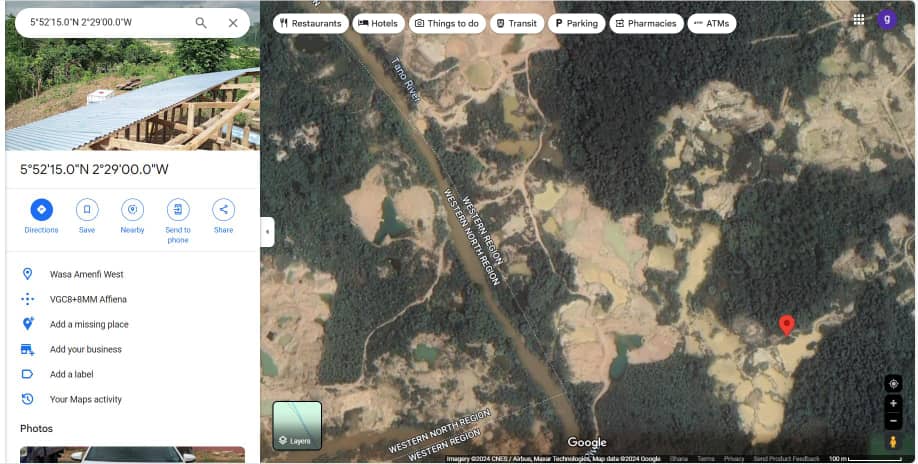
    The accused persons were arraigned before the Koforidua Circuit Court B on May 16.

  • Chairman Wontumi reports to CID today for further probe

    Chairman Wontumi reports to CID today for further probe

    The New Patriotic Party (NPP)’s Ashanti Regional Chairman, Bernard Antwi Boasiako, popularly known as Chairman Wontumi, will today appear before the Criminal Investigations Department (CID) of the Ghana Police Service at 3pm.

    The Ashanti Regional Chairman voluntarily made an appearance at the CID headquarters yesterday alongside his legal team, including former Attorney General Godfred Dame, after an invitation from the Criminal Investigations Department (CID) of the Ghana Police Service.

    He was cautioned on the following allegations: undertaking mining operations without a license, entering a forest reserve without authorization and pollution of water bodies.

    However, according to sources, Chairman Wontumi denied these claims during his interrogation, presenting documents to authenticate his claims.

    He insists he was not involved in any illegal mining activities or operating in any forest reserve.

    Following the interrogations, the CID granted him bail with two sureties, though the exact amount has not yet been disclosed.

    This follows a failed attempt by a joint team of national security operatives and police officers to arrest him at his residence on May 23.

    After the failed search attempt, Mr Boasiako expressed his displeasure over a search that was orchestrated by national security operatives at his residence.

    The search comes after Minister for Lands and Natural Resources, Emmanuel Armah Buah, ordered the immediate revocation of Akonta Mining’s licenses, citing allegations of illegal mining and other violations.

    During the press briefing, he accused the company of being involved in galamsey operations and breaching mining regulations.

    Buah also claimed that Akonta Mining was illegally selling mining concessions within the Aboi Forest to unauthorized miners, charging up to GH₵300,000 per concession, with some payments reportedly made in gold royalties.

    Akonta Mining Company Limited, owned by Chairman Wontumi, has taken legal action against the Minerals Commission and the Minister of Lands, Emmanuel Armah Kofi Buah, claiming GH₵20 million in damages.

    The company alleges that during a press conference on April 22, Minister Buah made defamatory remarks, accusing Akonta Mining of illegal mining activities within the Tano Nimiri Forest Reserve.

    The company has strongly denied these accusations, asserting that its mining leases, which were granted in 2021, cover areas outside of the protected reserve.

    The lawsuit, filed at the Accra High Court on April 24, 2025, argues that the minister’s statements were false and damaging to its reputation.

  • Excavator tracking must be scaled nationwide to fight illegal mining – Ken Ashigbey

    Excavator tracking must be scaled nationwide to fight illegal mining – Ken Ashigbey

    The Media Coalition Against illegal mining has called on the government to expand its excavator tracking system across the country to improve the fight against illegal mining activities.

    The appeal was made during a visit to the Ghana Mine Repository and Tracking Control Centre on May 7, where the Coalition, together with A Rocha Ghana, observed how the facility tracks the movement of excavation machinery used in mining operations.

    The Coalition’s Convenor, Dr. Ken Ashigbey, emphasized the need for a nationwide rollout of the tracking system, arguing that it would be a crucial tool in curbing illegal mining activities, particularly “galamsey.”

    “These excavators are not like mobile phones that you can just put in your pocket. With this tracking system, the police will be able to monitor their movements. If the excavator is not being used for its intended purpose, the police should be able to tell based on the QR code on the vehicle,” he said.

    He further stressed that scaling up the system is essential, adding, “We have everything we need to tackle this terrorism that is taking place.”

    Additionally, President John Dramani Mahama reaffirmed his commitment to putting an end to mining in Ghana’s forest reserves. He also announced plans to amend the Minerals and Mining Act, 2003 (Act 703) to permanently prohibit mining in these areas.

    During his address on the progress of his administration’s first 120 days, Mahama outlined a detailed strategy to clean up the mining sector, which includes legal reforms, enhanced law enforcement, and land reclamation efforts.

    “The first 120 days have seen us take decisive action with a five-point strategy to overhaul and sanitize the mining sector,” Mahama stated. “This includes regulatory reforms, strengthening law enforcement through joint task forces, collaboration with stakeholders, and reclaiming lands that have been degraded. Seven out of nine reserves have already been reclaimed, and illegal miners have been removed.”

    He also mentioned the introduction of Legislative Instrument (L.I. 2462) in Parliament on March 20, 2025, to amend the Environmental Protection (Mining in Forest Reserves) Regulations, which removes the president’s ability to approve mining in forest reserves.

  • 3 Chinese, 2 Ghanaians arrested for illegally mining in Central North Region

    3 Chinese, 2 Ghanaians arrested for illegally mining in Central North Region

    The Central North Police Regional Command’s Special Anti-Galamsey Taskforce on April 7 apprehended five suspects — two Ghanaians and three Chinese nationals — for engaging in illegal mining activities on River Fum at Assin Ayitey, a farming community near Assin Akonfudi in the Assin North Constituency, within the Central North Police Region.

    The arrested individuals have been identified as Duut Kwabena Sakakba, aged 29; Bismark Asare, aged 36; and three Chinese nationals — Lin Wei, aged 45; Zhao Min, aged 38; and Lu Chen, aged 41.

    The Taskforce, acting on intelligence, conducted a swift operation that led to the arrest of the suspects while they were actively engaged in illegal mining operations that had severely polluted the river. The operation also resulted in the seizure of mining equipment, including excavators, water pumps, and other tools used in their activities.

    Following their arrest, the suspects were transported to the Central North Police Regional Headquarters for further investigation and processing. Preliminary investigations revealed that the illegal mining activities had not only degraded the environment but also posed a significant threat to the livelihoods of local farmers and residents who depend on the river for farming and domestic purposes.

    The Central North Regional Police Command has assured the public that it remains committed to combating illegal mining activities (galamsey) and preserving the region’s natural resources. Authorities further indicated that the suspects will be charged and arraigned before court once investigations are completed.

    The Police Command also called on community members to continue supporting the fight against galamsey by providing timely and accurate information that would assist security agencies in protecting the environment.

  • 3 granted bail for illegal mining activities in Eastern Region

    3 granted bail for illegal mining activities in Eastern Region

    The Mpraeso Circuit Court has granted bail to three individuals—Freeman Kwafo, Augustine Asoma, and Bawa Muhammed—who were arraigned on Tuesday for allegedly engaging in illegal mining, commonly known as galamsey, in the Eastern Region.

    The trio was arrested on March 21, 2025, by some concerned youth of Akoase and later handed over to the police. After their court appearance, they were granted bail and are expected to reappear on April 25, 2025.

    Meanwhile, authorities have launched an investigation into reports that two Chinese nationals, who were allegedly arrested alongside the three accused persons, have been released under unclear circumstances.

    Law enforcement officials have assured the public of a thorough probe into the matter while reaffirming their commitment to curbing illegal mining in the region.

  • 3 foreigners including Indian arrested at Anum over galamsey

    3 foreigners including Indian arrested at Anum over galamsey

    Three foreigners, including an Indian national, have been arrested at Anum in connection with illegal mining activities. The suspects, who also include a Chinese and a Burkinabe, were taken into custody during a crackdown by the Ashanti Region Anti-Galamsey Task Force.

    In the same operation, six excavators used in the mining activities along River Anum in the Bosome Freho District were seized.

    The arrests and equipment seizures are part of a broader effort by the Ashanti Regional Security Council to combat illegal mining. Following the expiration of a two-week ultimatum for miners to halt operations in forests and water bodies, a joint task force was deployed to enforce the directive.

    The team, which includes personnel from the Ghana Police Service, the Minerals Commission, the Environmental Protection Authority, and the Ghana Immigration Service, carried out the operation with the help of drone surveillance.

    Drones deployed by the Environmental Protection Authority detected illegal mining activities and recorded the movement of excavators from the site after miners became aware of the task force’s presence. Using these coordinates, security operatives tracked the equipment and made arrests. During the raid, several changfan boats were also found floating on the river.

    Ashanti Regional Security Coordinator, Captain (Retired) John Jabari, described the mission as only partially successful, stating that some excavators could not be transported because their control boards had been removed. He estimated that about sixty percent of the task force’s objectives had been met.

    Illegal mining continues to threaten the environment, particularly in the tributaries of River Anum, such as Anuru, Mentu, Adomesu, Bosompomaa, and Nana Mentu. Farmlands in the area have also suffered, with large tracts destroyed. While some landowners willingly sold their properties to miners, others were forcibly displaced.

    One affected farmer, who preferred to remain anonymous, expressed frustration over the pollution of water sources. He recalled that workers once relied on the river for cooking, but contamination has forced them to use sachet water instead. When they run out of water on the farm, they have no choice but to stop work for the day.

    The scale of the destruction has prompted authorities to consider extending their operations beyond miners to those who supply them with equipment.

    Captain Jabari indicated that efforts are underway to track and take action against individuals and businesses providing support to illegal miners.

  • Asantehene strips Mpasaasohene of title over illegal mining, other violations

    Asantehene strips Mpasaasohene of title over illegal mining, other violations

    The Asantehene, Otumfuo Osei Tutu II, has destooled Nana Amofa Twumasi II from his position as chief of Mpasaaso No.2 in the Ashanti Region. His destoolment follows multiple allegations, including involvement in illegal mining.

    Additional concerns were raised regarding the legitimacy of his royal lineage and his failure to uphold accountability and proper leadership within his community and among traditional authorities.

    After 41 years on the throne, the chief was found guilty by the Asanteman Kumasi Traditional Council at the Manhyia Palace following allegations against him.

    The primary reason for his destoolment was his involvement in illegal mining in the Mpasaaso community, which has caused significant damage to local water bodies.

    The Asantehene stressed that the chief’s actions were a breach of traditional values, highlighting the duty of traditional leaders to uphold the law and safeguard the land.

    In recent times, the Manhyia Palace has removed several chiefs from their positions due to their involvement in illegal mining activities.

    Meanwhile, there have been multiple instances where chiefs have been removed from their positions due to their involvement in illegal mining, also known as “galamsey.”

    For example, in February 2025, the Asantehene destooled Nana Kusi Baaye II, the Chief of Ohwim, over allegations of illegal mining and other misconduct. Similarly, in August 2024, three chiefs in the Ashanti Region were also destooled for their involvement in illegal mining.

    The Asantehene has been quite firm in his stance against illegal mining, emphasizing the responsibility of traditional leaders to uphold the law and protect the land.

  • Full details: Illegal mining spree on Manhyia-linked concession

    Full details: Illegal mining spree on Manhyia-linked concession

    It remains to be seen what steps the government will take after the Asantehene, Otumfuo Osei Tutu II, publicly lamented that illegal miners had overrun a gold prospecting concession belonging to him.

    He revealed that unauthorized mining was taking place on the concession without his knowledge, raising serious questions about who is responsible for the environmental destruction from the illegal mining operations, which have devastated the banks of the Tano River.

    “I have heard that the concession Ayisi [former chief executive of the Minerals Commission] granted me has been overrun by illegal (galamsey) miners. But I don’t even know the place,” he said on February 14, 2025, when the Minister of Lands and Natural Resources, Emmanuel Armah-Kofi Buah, visited him at the Manhyia Palace in Kumasi.

    “The concession was given to me, and I intended to develop it, only to hear that illegal miners had taken over,” Otumfuo Osei Tutu said. “If I am accused of engaging in galamsey as a traditional ruler, what can I say when I do not even know where the place is?”

    His remarks have brought The Fourth Estate’s scrutiny to Bodukwan Holding Company Limited, the entity holding the concession, and its links to the Manhyia Palace.

    Investigations by The Fourth Estate suggest that despite having only a prospecting license, extensive mining has taken place on the concession, raising legal and environmental concerns.

    Bodukwan Holding Company Limited applied for a prospecting license on June 2, 2023, to explore for gold in Moseaso, Odumase in the Western Region. Six months later, the Minister of Lands and Natural Resources approved the request, granting the company three years to conduct exploration over an area the size of 250 football pitches. A significant portion of this concession overlaps with the Tano River, a key water source for communities in Ghana and Côte d’Ivoire.

    Prospecting licenses allow companies to conduct preliminary exploration but do not permit mining activities. Yet, satellite imagery reviewed by The Fourth Estate reveals widespread mining on the concession – evidence that illegal operations are taking place on the concession.

    Environmental Degradation and Legal Violations

    Ghana’s mining laws prohibit activities that degrade the environment, particularly near water bodies. While the law does not explicitly require a 100-meter buffer zone, both the Minerals Commission and Water Resources Commission have advised that mining should not take place within this range to prevent pollution.

    In 2021, the government declared riverbanks no-go areas for mining, a directive emphasized by then-President Nana Akufo-Addo and former Lands Minister Samuel Jinapor.

    Despite these restrictions, The Fourth Estate found that Bodukwan Holding lacks key regulatory approvals, including an Environmental Protection Agency (EPA) permit and a Water Use Permit from the Water Resources Commission (WRC). The Minerals Commission has also refused to provide a list of companies with operating permits, making it difficult to verify Bodukwan’s compliance status.

    Who Owns Bodukwan Holding?

    Incorporation records from the Office of the Registrar of Companies show that Bodukwan Holding is closely linked to Manhyia Palace.

    The company’s beneficial owner, Nana Duah Bonsu, serves as a co-director alongside Mujeeb Rahman Ahmed, a lawyer for Manhyia Palace, and Julia Ama Adwapa Amaning, widely known as Lady Julia, the wife of the Asantehene.

    Beyond its mining interests, Bodukwan Holding is also the parent company of the Bodukwan Multifruit Processing Factory, which processes mangoes from its farms in the Nkoranza North District.

    When contacted, Mujeeb Rahman Ahmed denied any involvement in illegal mining. He insisted that Bodukwan Holding had not begun operations at its site near Bibiani, let alone engaged in mining.

    This was before the Asantehene’s recent public remarks about the invasion of illegal miners on the concession.

    “If anyone is there, we need to deal with them,” Mr. Rahman told The Fourth Estate. “We have no knowledge of any such activity. If someone is mining in our name, it is wrong. We are not aware of it.”

    Who Could Be Responsible?

    Environmental activists argue that once a company obtains a concession, it is legally responsible for protecting it from illegal mining.

    Kwaku Afriyie, Technical Director of WACAM, an environmental advocacy group, maintains that if mining is taking place on a concession with only a prospecting lease, then the company is in breach of the law.

    He stressed that companies are required to report illegal activities to the Minerals Commission and security agencies and are responsible for securing their own land.

    Under Article 18 of the Constitution, Mr. Afriyie noted, every individual has the right to protect their property.

    He also pointed out that if a company remains silent while its land is used for illegal mining, it raises questions about whether it is benefiting from the activity or is simply being negligent.

    His concerns were echoed by Sandow Ali, Director of Mining at the EPA, who emphasized that companies cannot operate without securing four essential permits: a license from the Minister of Lands and Natural Resources, an EPA permit, an operating permit from the Minerals Commission, and a water use permit from the Water Resources Commission.

    He made it clear that obtaining a ministerial license alone does not grant the right to begin mining and that any activity without the full set of approvals is illegal.

    Will the Government Intervene?

    With clear evidence of mining activity on Bodukwan’s concession and a lack of regulatory compliance, the question remains: will the government take action?

    The Asantehene’s frustration highlights the broader challenge of illegal mining in a country where even high-profile concessions are not spared from galamsey operations.

    DISCLAIMER: Independentghana.com will not be liable for any inaccuracies contained in this article. The views expressed in the article are solely those of the author’s, and do not reflect those of The Independent Ghana

  • Over 9 forest reserves have been completely taken over by illegal miners – Lands Minister

    Over 9 forest reserves have been completely taken over by illegal miners – Lands Minister

    Illegal miners have seized control of more than nine forest reserves in Ghana, leaving authorities unable to access these protected areas, the Minister for Lands and Natural Resources, Emmanuel Armah Kofi Buah, has revealed.

    Addressing Parliament, the minister described the situation as a national crisis, warning that illegal mining, commonly known as galamsey, is causing widespread environmental destruction.

    “Over nine out of the 44 forest reserves under attack have been completely taken over by these illegal mining gangs with impunity. The Forestry Commission no longer has access to these reserves,” he stated.

    The minister further disclosed that an estimated 5,000 hectares of land—roughly the size of 7,000 football fields—have been devastated by illegal mining activities.

    According to him, the government is intensifying efforts to tackle the crisis, including the launch of the Blue Water Initiative, which will deploy river guards to protect water bodies from pollution caused by galamsey operations.

    “In the short term, we want to clear all water bodies from illegal mining activities through the use of river guards under our Blue Water Initiative. Details of this initiative will be provided during its launch in the coming weeks,” he announced.

    Despite past interventions, including military operations and legal actions, galamsey remains a major challenge. The minister lamented the weak enforcement of mining laws, citing low prosecution rates, with fewer than 40 convictions out of over 800 cases recorded in recent years.

    With mounting pressure from environmental activists and the public, authorities are being urged to take stronger action to reclaim Ghana’s forest reserves and water bodies before the damage becomes irreversible.

  • We will fight you irrespective of your political affiliation – Armah Buah to illegal miners

    We will fight you irrespective of your political affiliation – Armah Buah to illegal miners

    Emmanuel Armah Kofi Buah, Minister-designate for Lands and Natural Resources, has issued a strong warning to illegal miners, emphasizing that no political connections will shield anyone from facing the full force of the law if caught engaging in galamsey.

    During his vetting before the Appointment Committee on Monday, January 27, Mr. Buah pledged to intensify efforts to tackle the illegal mining menace that continues to devastate Ghana’s natural resources.

    “We in opposition were very strong on the issue of illegal mining, and as Minister, I pledge to stand with the people of Ghana to fight this menace. It doesn’t matter your status or your political correlation. If you want to engage in mining, there are legal processes for obtaining licenses, and we will ensure that these processes are followed,” he asserted.

    Highlighting the persistent challenges with galamsey, Mr. Buah noted that previous interventions had faltered due to systemic weaknesses and insufficient community involvement. He proposed a new approach rooted in transparency and inclusive stakeholder engagement to drive sustainable solutions.

    “One of the key interventions we will implement is a new and transparent approach to community engagement. The people in mining areas must understand that the destiny of their communities—their river bodies and forests—rests in their hands. We will empower and respect them, ensuring they become active stakeholders in this fight,” he explained.

    Mr. Buah also criticized the current implementation of the Community Mining Scheme, which he described as poorly designed, often excluding local communities from leadership roles and relegating them to menial tasks while external contractors dominate operations.

    “That’s not the type of community engagement we envision,” he said, emphasizing the need to reform the scheme by organizing communities into cooperatives and creating designated mining zones where their interests are prioritized.

    To address the root causes of illegal mining, the Minister-designate stressed the importance of streamlining the licensing process to remove bureaucratic bottlenecks that push miners into unlawful activities.

    “No one should have to wait four years for a license. That delay pushes people into illegal mining. We will make the process efficient and accessible to deter illegal activities,” he assured.

    Additionally, Mr. Buah outlined plans to collaborate with the Minerals Commission and the Geological Survey Authority to thoroughly map mineralized areas and confine mining activities to specific zones.

    “Our ultimate goal is to create a clear pathway for legal mining while dealing ruthlessly with those who engage in illegal operations. By empowering communities and fostering transparency, we can achieve sustainable mining practices that benefit everyone,” he concluded.

  • Galamsey: Court postpones trial for Erastus Asare Donkor’s attackers to February 12

    Galamsey: Court postpones trial for Erastus Asare Donkor’s attackers to February 12

    A renowned environmental journalist with Multimedia Group, Erastus Asare Donkor, has disclosed that six individuals will be charged in relation to a violent assault that occurred during his investigation of illegal mining activities at Asumenya in the Ashanti Region.

    The incident took place on Sunday, October 19, as the journalist was covering the environmental impact of Edelmetallum Mining Resources Limited.

    Speaking on Super Morning Show on Joy FM on Monday, January 20, Mr. Asare revealed that the hearing of the case had been postponed to February 12, 2025, due to procedural delays.

    He also confirmed that six suspects had been identified and would be prosecuted.

    “At this point, we are dealing with six, so far six,” he revealed that around ten individuals had assaulted him during the incident. Of these, two suspects have been distinctly identified as being directly involved in the attack.

    He explained, As we speak, the five drone batteries, the JBL headset, my Joy-branded jacket containing my ID card, visa cards, and other belongings are still with them, and we have no information on their whereabouts,”

    “It has not dampened our spirit to the point of giving up, no! It’s our job, and we believe we must press on and fight to the end to ensure that our polluted waters and pillaged forests are restored,” he said resolutely.

    The journalist also acknowledged the emotional impact of the incident, revealing that it had created some anxiety within his team. Despite this, he emphasized their resolve to carry on with their work.

  • Illegal miners mine in forest reserves due to political backings – Small Scale Miners Association

    Illegal miners mine in forest reserves due to political backings – Small Scale Miners Association

    Public Relations Officer for the Dunkwa Small Scale Miners Association, Peter Ayikwei, has denied claims that association members are involved in damaging forest reserves and river bodies.

    At a climate event focused on illegal mining, he contended that politically supported miners, not members of the association, are responsible for environmental harm due to unauthorized mining activities.

    “No small-scale license is given in a forest reserve. No, no small-scale miner’s license is given in the forest reserves. Those in the forest reserves today, as I am talking to you, you can cross-check, are political miners. They are not small-scale miners, and they are illegal miners,” he argued.

    He clarified that small-scale mining operates under strict regulations and adheres to mining laws, whereas those with political influence are often the ones exploiting the sector improperly.

    “The small-scale miner has no strength to enter into a forest reserve. We don’t have that strength to go into the forest reserve,” he said.

    Renewed efforts to combat illegal mining have intensified recently following the destruction of numerous water bodies and forest reserves.

  • Illegal mining is harming the economy beyond repair – UN Resident Coordinator

    Illegal mining is harming the economy beyond repair – UN Resident Coordinator

    The United Nations (UN) Resident Coordinator for Ghana, Mr. Charles Abani, has emphasized that tackling illegal mining, commonly known as galamsey, is vital for creating a sustainable economy.

    He pointed out that illegal mining has harmful effects on various aspects, including people, poverty, employment, child labor, the environment, and water resources, while also facilitating illicit financial flows.

    Mr. Abani made these remarks during his keynote address at the launch of the Institute of Sustainability Professionals Ghana (ISPG).

    To reinforce his argument, he noted that a UN study estimates that the minimum impact of illicit financial flows in the region amounts to US$3 billion annually.

    “Per our estimate in the UN, based on proxy figures from other countries in the sub-region where we have done this study, the minimum Illicit Financial Flows (IFFs) impact in the region is US$3billion a year.”

    “That is the size of money you borrowed from the IMF for three years to survive. So, if you address galamsey you will have a sustainable economy,” he stated.

    Supporting UN statistics, a study conducted by the Africa Centre for Energy Policy (ACEP) regarding illicit financial flows (IFFs) and the extractive industry in Ghana revealed that in 2013, illegal mining alone resulted in losses of US$1.7 billion for the country.

    In light of this, Mr. Abani encouraged citizens to actively engage in discussions about illegal and unregulated mining, highlighting its potential as a transformative issue that could lead to a sustainable economy.

    The Institute of Sustainability Professionals Ghana (ISPG) is committed to promoting sustainable practices and enhancing professional development in Environmental, Social, and Governance (ESG) standards within the country.

    It aims to serve as a hub for knowledge exchange, capacity building, and strategic partnerships, providing a platform for professionals and organizations to establish a comprehensive sustainability framework.

    Professor Mathew Tsamenyi, President of ISPG, stated that the institute seeks to create a unified platform for sustainability discussions, ensure standardization, and empower businesses and SMEs to adopt sustainability practices for growth while protecting the environment for future generations.

    Indeed, galamsey has become a significant topic of conversation in Ghana, marked by its association with environmental degradation, depletion of land and water resources, health risks for miners, and various social and economic repercussions.

    This has prompted concerned citizens and organizations to intensify their efforts to guide the country toward a path of environmental integrity.

    However, in combatting illegal methods of mining it is important that the extractive sector plays a critical role in economic development.

    This is exemplified by the fact that the mining sector contributed a record GH₵11.55billion (US$980million) in taxes in 2023, an 81.1 percent increase from GH₵6.38billion in 2022 – making it the largest source of domestic tax revenue.

    Thus, the sector accounted for 22.7 percent of all direct taxes; highlighting its significant role in the economy.

    Obviously, this surge in tax revenues is expected to provide a significant boost to government coffers as Ghana works to reduce its public debt and stabilise the local currency, the cedi.

    Additionally, mineral exports reached US$7.8billion during the year under review – a 15 percent rise from the previous year’s US$6.8billion. The sector accounted for 47 percent of the country’s gross merchandise exports.

    Consequently, it places the sector ahead of cocoa and oil – traditionally the economy’s main export drivers, solidifying mining’s dominance in the country’s trade portfolio. Meanwhile, US$4.2billion (71.3 percent) was returned to the economy, data from the Ghana Chamber of Mines indicate.

    In addition to foreign exchange contributions, mining companies spent some US$5.4billion on local products, services and community projects – with US$3.146billion dedicated to local procurement.

    This development aligns with the country’s efforts to promote local content and enhance Ghanaian businesses’ participation in the mining value chain.

    The sector also allocated US$31.53million toward corporate social responsibility initiatives in host communities: including investments in education, healthcare and infrastructure development.

    The mining sector’s robust performance provides crucial fiscal relief as government seeks to balance its budget and implement austerity measures.

    Despite these positive contributions, concerns about environmental degradation linked to illegal mining remain significant…. with the Chamber severally indicating the danger it poses to investments of member-companies.

    Consequently, recent times have seen environmental groups, Civil Society Organisations (CSOs) and organised labour calling for stronger regulation to protect forest reserves and water-bodies.

  • I’m not the problem, talk to Akufo-Addo –  ‘Galamseyer’ to Ghanaians

    I’m not the problem, talk to Akufo-Addo – ‘Galamseyer’ to Ghanaians

    A Ghanaian woman allegedly involved in illegal mining activities, known as galamsey, has urged Ghanaians to direct their frustrations toward President Akufo-Addo instead of her.

    In a video making waves on social media, she expressed her dissatisfaction with the backlash she has faced, asserting, “I am not the one to change Ghana; channel your grievances to Akufo-Addo.”

    Her comments have since sparked significant attention, particularly as they seem to implicate the President himself in the illegal mining crisis that has plagued the nation.

    According to her the President has his own galamsey site, stating, “Akufo-Addo has a galamsey site. I can lead you to the place.”
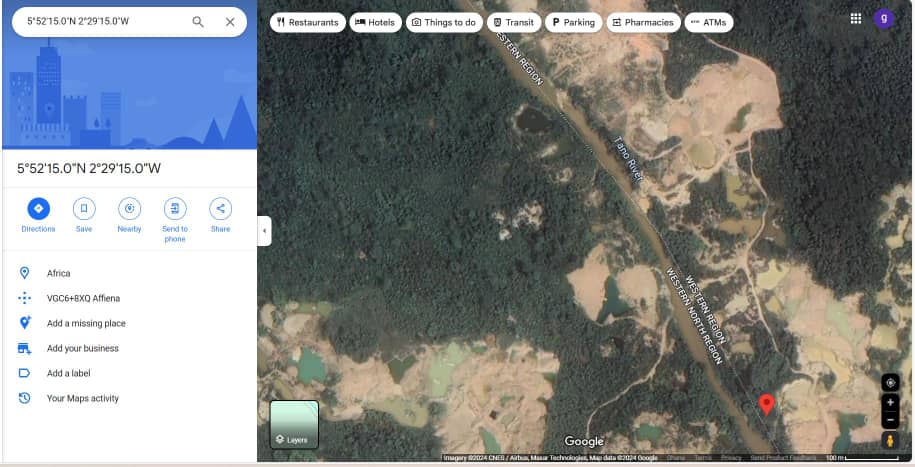
    Her remarks come amid increasing scrutiny of the government’s response to illegal mining, particularly as the detrimental effects of galamsey on water bodies and agricultural land have become more pronounced.

    The mining industry has long been a contentious topic in Ghana, with many community members expressing frustration over the loss of land and resources to mining operations.

    Meanwhile, a Medical Doctor and Toxicologist, Dr. Bright Boafo Boamah, has indicated that restoring Ghana’s water bodies polluted by illegal mining activities, commonly referred to as galamsey, may take 10 to 15 years.

    During his appearance on JoyNews’ Newsfile program on Saturday, October 12, Dr. Boamah underscored the significant environmental damage caused by galamsey and the extensive timeframe necessary for recovery.

    He explained that the use of toxic chemicals and heavy metals like mercury and cyanide has severely contaminated the nation’s rivers and streams, complicating the restoration process.

    Even with immediate action, he warned that ecological recovery would require long-term strategies, including ongoing monitoring and remediation.

  • Technology can play a crucial role in fighting galamsey – Lecturer

    Technology can play a crucial role in fighting galamsey – Lecturer

    A Senior Lecturer at Koforidua Technical University, Dr. Benjamin Kwofie, has highlighted the pivotal role of technology in combating illegal mining activities, commonly referred to as galamsey.

    However, he stressed that effective leadership commitment is equally essential to address the challenges posed by these operations.

    Galamsey has become a pressing issue in Ghana, particularly in recent years, as it contributes to significant environmental degradation, including deforestation, water pollution, and loss of biodiversity.

    The practice, which often involves unregulated and informal mining operations, poses a serious threat to the country’s natural resources and the livelihoods of communities that depend on them.

    As illegal miners exploit land and resources without regard for regulations, the government has faced mounting pressure from civil society groups and environmentalists to take decisive action against this growing menace.

    In a recent discussion with Accra-based, Citi FM, Dr. Kwofie advocated for the use of drones equipped with high-resolution cameras, stating that these tools can provide invaluable data regarding illegal mining activities, regardless of the time of day.

    “These drones have sufficient power to capture images that will give you actual data on what is going on the ground, whether daytime or nighttime,” he explained.

    According to Dr. Kwofie, the accurate information gathered through drone technology can significantly aid decision-makers, including local chiefs and authorities. By presenting clear evidence of galamsey activities, community leaders can no longer dismiss the issue as mere speculation.

    “When this information is made available to decision-makers, they will not think it a figment of somebody’s imagination. They will see it for themselves,” he emphasized.

    He further underscored that over time, consistent documentation of the devastating impact of galamsey through these images will dispel any notions that concerns are merely political tactics.

    Dr. Kwofie stated, “If the devastating nature of galamsey is pointed out through these images, nobody will say that it’s a political gimmick.”

    By leveraging technology and ensuring strong leadership, he believes that the fight against galamsey can gain momentum, leading to more effective strategies to protect Ghana’s natural resources.

  • I am not an advocate for illegal mining – House of Chiefs President

    I am not an advocate for illegal mining – House of Chiefs President

    President of the National House of Chiefs, Ogyeahoho Yaw Gyebi II, has strongly denied allegations that he supports illegal mining, often referred to as galamsey.

    In a statement released on September 24, 2024, Nana Bonya III, the Atipimhene of the Sefwi Anhwiaso Traditional Council, conveyed this message to the Ghana News Agency (GNA).

    He asserted that recent claims accusing Ogyeahoho Yaw Gyebi II of opposing the ban on illegal mining are baseless and untrue.

    Nana Bonya III clarified that comments made by Ogyeahoho Gyebi during the opening of the Minerals Commission’s district office in Bibiani had been misinterpreted by some journalists. He condemned those spreading false information about the President’s stance.

    The statement emphasized that Ogyeahoho Gyebi II, who also serves as the Paramount Chief of the Sefwi Anhwiaso traditional area, did not endorse illegal mining in his address, as reported by various media outlets. It noted that his remarks had been taken out of context.

    Furthermore, it was highlighted that Ogyeahoho Gyebi II has consistently spoken out against illegal mining while advocating for responsible practices.

    The statement concluded by labeling the misleading publications as a deliberate attempt to damage his reputation.

    “Ogyeahoho has therefore advised journalists to be more professional and ethical in the discharge of their duties.

    “As the Fourth Estate of the realm of governance, and partners in the development and progress of the country, you should not allow yourself to be used as conduits for false.

  • Democracy Hub vows to remain steadfast in  campaign against illegal mining

    Democracy Hub vows to remain steadfast in campaign against illegal mining

    A protestor, Naa Densua, highlighted that galamsey activities have devastated numerous forests and severely polluted water bodies.

    The organization initiated a three-day protest on September 21 to raise awareness about the harmful impact of illegal mining. However, numerous demonstrators were arrested on the second day.

    As a result, the streets were deserted on the third day of the protest.

    Speaking on JoyNews the Pulse on September 23 on what the group’s next line of action would be, Naa Densua said, “We will go out again. You know why? My grandchildren do not deserve to be drinking galamsey water ever.”

    The police have issued a warrant for the arrest of Oliver Barker-Vormawor, one of the leaders of the demonstrators, following the arrest of several protestors on Sunday for various offenses.

    Although the police launched a manhunt, Mr. Barker-Vormawor has stated that he is not evading authorities and is willing to cooperate.
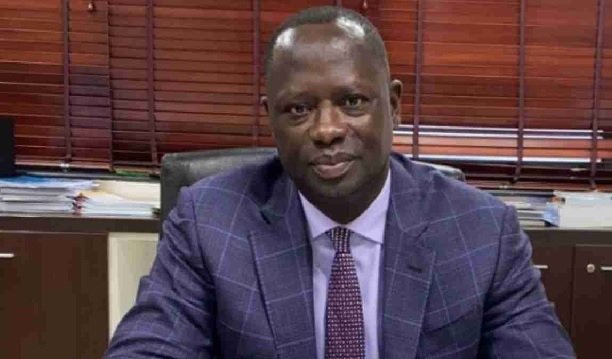
    In the meantime, Mr. Barker-Vormawor has been taken into custody by the Ghana Police Service in relation to the recent protests.

  • GWCL abandons alum, turns to costly polymer to battle Pra River pollution

    GWCL abandons alum, turns to costly polymer to battle Pra River pollution

    Public Relations Officer of the Ghana Water Company Limited (GWCL) in the Central Region, Nana Yaw Barima Barnie, has disclosed a shift in the chemicals used to treat water from the Pra River for public consumption.

    According to Mr. Barnie, aluminum sulfate, commonly known as alum, is no longer being used by the GWCL due to its ineffectiveness in producing clean water. This development is attributed to the heavy pollution of the river caused by the activities of illegal miners in the area.

    In a media interview, Mr. Barnie stated that the GWCL has now resorted to using polyelectrolyte, which has significantly increased the company’s financial burden.

    “River Pra has been polluted to the extent that aluminum sulfate is no longer effective in treating water from River Pra. But we need to treat the water anyway, and so we have gone in for another chemical called polyelectrolyte or polymer,” he explained.

    The Public Relations Officer further noted that using polymers for water treatment is four times more expensive than using aluminum sulfate. “It means that our treatment cost has gone up,” he added.

    Aluminum sulfate is a chemical compound that is primarily used in water treatment due to its ability to cause impurities to clump together, making it easier to remove them from the water.

    How Aluminum Sulfate works in water treatment

    Research indicates that when aluminum sulfate is added to water, it reacts to form a gel-like substance called aluminum hydroxide. This process lowers the water’s pH and helps coagulate or flocculate suspended particles, dirt, bacteria, and other impurities. These impurities bind with the aluminum hydroxide to form larger particles, or flocs, which are easier to filter or settle at the bottom for removal. This essential process is known as coagulation and flocculation and plays a vital role in water purification.

    Polymers, which are large molecules made of repeating structural units derived from smaller molecules (monomers), are commonly used in water treatment. Synthetic polymers, in particular, enhance the purification process.

    Recent videos on social media show the water from the Pra River appearing deep brown, signaling extreme contamination levels.

    In related news, four individuals believed to be responsible for the severe pollution of the Pra River through illegal mining activities have been apprehended.

    The consequences of the river’s contamination extend beyond the destruction of the water source and the lack of potable water for surrounding communities. Recent developments indicate that the contaminated water is now being used for irrigation, posing a significant public health risk.

  • Why haven’t river gods taken action against galamsey operators? – Nana Aba asks

    Why haven’t river gods taken action against galamsey operators? – Nana Aba asks

    As discussions intensify about the alarming surge in illegal mining (galamsey) and its detrimental effects on Ghana, media personality Nana Aba Anamoah has taken to social media to voice her concerns.

    The rapid degradation of Ghana’s rivers, once clear and blue but now tainted brown and polluted, has sparked widespread outrage.

    Civil society groups, traditional leaders, policy analysts, opposition members, and many worried Ghanaians are raising alarms about the environmental damage and resource depletion caused by these illegal mining operations.

    Nana Aba Anamoah has added her voice to the outcry, questioning the inaction of river gods in the face of the crisis.

    On X, she expressed her frustration with the lack of tangible results from the measures taken so far, asking,

    “Why aren’t the river gods addressing the pollution caused by galamsey? Are they unable to confront the politicians and chiefs involved? I am truly shocked.”

    In response to the ongoing situation, some social media users are calling for the resignation of President Akufo-Addo and the Minister of Lands and Natural Resources, Mr. Samuel Abdulai Jinapor, highlighting the growing dissatisfaction with the government’s handling of the crisis.

    See below post:

  • Illegal mining has become the number one threat to agriculture – GAWU

    Illegal mining has become the number one threat to agriculture – GAWU

    General Secretary of the General Agricultural Workers Union (GAWU), Edward Kareweh, has identified illegal mining, known as galamsey, as the foremost threat to agriculture in Ghana.

    Speaking on Joy News’ PM Express, Kareweh stressed the urgency of addressing this issue in discussions with political leaders who aspire to govern the country.

    During his conversation with Evans Mensah, Kareweh highlighted the severe impact of climate change on agriculture, noting that expected seasonal reductions in food prices have not materialized due to delayed or insufficient rainfall.

    He emphasized that the combined effects of climate change and local actions, particularly illegal mining, are devastating for the sector.

    “People think that climate change is a Western problem, but we are feeling its effects too. Why aren’t we harvesting enough? It’s not just the rains; our lands are destroyed,” Kareweh explained. “The persistent destruction of land by galamsey without reclamation has a lasting impact, much like the aftermath of a fire.”

    Kareweh revealed that illegal mining is rampant in 13 out of the 16 regions, posing a significant threat to agriculture. “Illegal mining has become the number one threat to agriculture, making the future look bleak,” he warned.

    He criticized political parties for not clearly articulating their strategies to combat illegal mining.

    “We’ve demanded clear plans from political parties on how they will address galamsey. With such extensive land degradation, how can we build irrigation dams when our rivers are destroyed? Any river dammed today would yield polluted water unsuitable for agriculture,” he stated.

    Kareweh also expressed concerns that the effects of climate change would hit Ghana harder than other countries due to the extensive damage caused by illegal mining.

    He noted that neighboring countries like Burkina Faso are advancing their agricultural irrigation and will soon cease exporting food crops, focusing instead on processing them domestically.

    “The impact of climate change, combined with illegal mining activities, will severely affect Ghana’s agricultural sector,” Kareweh concluded.

    The GAWU General Secretary’s remarks underline the critical need for immediate and effective measures to tackle illegal mining and mitigate its harmful effects on agriculture and the environment.

  • Inciting illegal miners against military sad, threat to our security – Dr Ayensu-Danquah

    Inciting illegal miners against military sad, threat to our security – Dr Ayensu-Danquah

    National Democratic Congress (NDC) candidate for Essikado-Ketan, Dr. Grace Ayensu-Danquah, has condemned Ernest Frimpong, the New Patriotic Party (NPP) candidate for Wassa Amenfi East, for allegedly inciting violence against the military.

    Frimpong allegedly encouraged illegal miners to resist enforcement of mining laws by security forces, which was captured in a viral video.

    Despite Frimpong’s denial and explanation that his remarks were misconstrued, he was arrested and subsequently released on bail after questioning.

    Dr. Ayensu-Danquah criticised Frimpong’s remarks during a media engagement, ” emphasising their potential harm to environmental conservation and national security.

    “It is very sad and it is not good for our security… It is unconscionable and it should never happen again,” she stated.

    Furthermore, Dr Ayensu-Danquah suggested that the episode reflects a grave deficiency in leadership, stating, “It is a serious lack of leadership.”

  • Your excavators will not be burnt when I assume presidency – Bawumia tells galamseyers

    Your excavators will not be burnt when I assume presidency – Bawumia tells galamseyers

    The presidential candidate for the New Patriotic Party (NPP), Dr. Mahamudu Bawumia, has announced a significant policy shift regarding the government’s approach to combating illegal mining, commonly known as galamsey.

    Addressing a gathering of enthusiastic NPP supporters during a health walk in Kwahu, Eastern Region, on Saturday, March 30, Dr. Bawumia declared that confiscated excavators would no longer be destroyed under his administration.

    While commending the NPP’s efforts in tackling galamsey over the past seven years, Dr. Bawumia recognized the necessity for a fresh strategy to effectively address the issue.

    If elected, Dr. Bawumia has vowed to introduce a revamped approach aimed at curbing illegal mining while preserving confiscated equipment, particularly excavators.

    “We are going to help small-scale miners; we will introduce a mineral development bank to get money for them. There is a new regime for small-scale miners, we will not burn your seized excavators.


    In 2021 President Akufo-Addo gave his explicit support for the demolition of equipment, including excavators, employed in illegal mining activities.

    He emphasized that the demolition of such equipment, which contributes to water pollution and deforestation, will continue until these unlawful practices are brought to a halt.

    In a direct challenge to dissenting opinions, he urged individuals with contrary beliefs to seek recourse through legal channels, emphasizing the importance of upholding the law in addressing this issue.

    “I say with all the emphasis at my command, that no rights can accrue to or flow from the criminal venture of galamsey. The equipment which is being used for an illegal or criminal purpose cannot confirm on the owner or any other person any rights whatsoever,” he said.

  • Illegal miners cater for our developmental needs – Aboabo residents

    Illegal miners cater for our developmental needs – Aboabo residents

    Residents of Aboabo, within the Bibiani Anhwiaso Bekwai Municipality in the Western North Region, have endorsed the activities of illegal miners who are causing extensive damage to farmlands, plantations, river bodies, and the Anhwiaso East Forest Reserve.

    The community contends that these unauthorized miners are driving their infrastructural development initiatives, citing unsuccessful attempts to secure government-led development in the area.

    Large portions of land, including about 50 acres of cocoa farms and plantations in the Anhwiaso East Forest, bear the scars of destruction caused by these miners.

    Multiple forest reserves across eight zones in the municipality have fallen victim to illegal mining, posing a threat to rivers like Aboabo and Aframpuye, which flow into the River Ankrobra.

    Some Aboabo residents express support for the miners, acknowledging the adverse effects but asserting that their infrastructural needs are being met in the absence of substantial government intervention.

    Theophilus Kwofie, a resident, states, “The community benefits from the activities of the illegal miners. They have helped reshape the bad road network, provided potable water, and educational facilities. We are okay with the work they do.”

    Residents argue that illegal miners have played a crucial role in providing water, improving education, and enhancing road networks.

    However, concerns arise about the involvement of some New Patriotic Party executives allegedly connected to concessions, potentially fueling illegal mining activities. Local farmer Samuel Kyem urges authorities to intervene and prevent further environmental devastation.

    Paul Andoh, the Municipal Chief Executive, confirms active investigations by the Municipal Security Council.

    He emphasized that the lack of development should not justify the persistence of illegal mining.

    During a visit, excavators and equipment used by illegal miners were observed to still be present in the community.

  • Our logistics are limited to fight illegal mining activities – Forestry Commission

    Our logistics are limited to fight illegal mining activities – Forestry Commission

    The CEO of the Forestry Commission, John Allotey, has highlighted the significant challenge of resource shortages in combating illegal activities in the country’s forest reserves.

    During the Forestry Commission’s Chief Executive’s briefing and Staff recognition awards in Takoradi, Allotey acknowledged the persistent issues of illegal mining and logging in forest reserves, emphasizing the limitations of the Rapid Response Team due to insufficient resources.

    He urged the Board and Management to develop programs for additional funding to equip and support these units effectively.

    Deputy Minister of Lands and Natural Resources, Benito Owusu Bio, commended the Forestry Commission for its role in the Green Ghana project, noting that Ghana has planted over 21 million seedlings since 2021.

    He praised the government’s commitment to environmental restoration and emphasized the historic scale of tree planting under the Green Ghana initiative.

    Meanwhile, Western Regional Minister Kwabena Okyere Darko Mensah urged the Forestry Commission to prioritize bamboo plantations as a sustainable alternative to timber.

    Drawing attention to successful bamboo utilization in other countries, he encouraged fundraising for forest plantation and machinery to process bamboo for various purposes, emphasizing its potential to alleviate poverty and contribute to economic development.

    “The key challenge confronting us today is how to combat the issue of illegal mining. Though our Rapid Response team is doing so well, we need to equip them, (because)they have limited logistics to be able to move in their numbers and run multiple operations at the same time.

    “So this area we will need support from the board and the management to develop some programs that will yield more funds that will be able to resource some of these units”,
    he stated.

  • 5 sentenced to 125 years for illegally mining in Ankobra River

    5 sentenced to 125 years for illegally mining in Ankobra River

    Five individuals engaged in illegal mining activities in the Ankobra River without authorization have been collectively sentenced to a total of 125 years in prison with hard labor.

    The convicted individuals, namely Richard Kumasi, Fiamahe Jerry John, Korblavi Kumasi, Daniel Afenu, and Matthew Gedie, initially pleaded not guilty to charges of conspiracy to commit a crime and engaging in small-scale mining without proper authorization.

    Following a trial, Mrs. Hathia Ama Manu, the presiding judge, found all five defendants guilty of the charges brought against them.

    On the first count, each defendant received a five-year prison sentence. On the second count, each defendant was fined GH¢120,000 (Ghanaian Cedis) or, in default, would serve an additional five years in prison with an additional 20 years of hard labor. These sentences will run concurrently.

    The prosecution was led by Mr. Kingsley Agyekum, the Assistant State Attorney of the Western Region. The complainant in the case was Nana Yaw Baako, the Assemblymember of the Himan Electoral Area. The accused individuals were identified as illegal miners residing in Ankobra within the Prestea Huni-Valley Municipality.

    The incident occurred on August 17, 2021, at around 1500 hours when the complainant and five community opinion leaders received information about the accused individuals using a dredge machine, commonly known as a “Boat,” for gold prospecting in the Ankobra River.

    Acting on this tip, they proceeded to the village of Kpoviadzi in the Prestea Huni-Valley Municipality, where they apprehended the five individuals who were engaged in the illegal mining activity. The accused were subsequently handed over to the Prestea police for further investigation, and the dredge machine was set on fire.

    Prior to the trial, the five defendants had been granted bail, as requested by their counsel, Mr. Augustine Arvoh-Mensah.

  • Forest guard reportedly shot by illegal miners

    Forest guard reportedly shot by illegal miners

    A member of the Rapid Response Unit (RRU) under the Forestry Commission (FC), John Baba Konlan, has allegedly been shot in both the head and back.

    Unidentified illegal miners purportedly struck him within the Cape 3 Points Forest Reserve in the Western Region.

    According to the Takoradi Forest District Office of the Forest Services Division, several illegal miners were operating in the Reserve near the Morrison Community.

    A team of nine personnel, consisting of Rapid Response Unit personnel and Forest Guards, was swiftly dispatched to the spot to determine the authenticity or otherwise of the report.

    When they arrived at the Reserve, three members were left in the operation vehicle, while the remainder hiked for over an hour through the forest to the illicit mining location.

    The team members noticed a dugout pit with illegal miners busy doing “dig and wash” from a distance.

    The team members agreed to use separate routes to encircle and arrest the illegal miners.

    According to one of the team members, he heard gunshots a few minutes after they had taken their own routes to the pit and so became vigilant, looking for signals of danger.

    He proceeded forward a little and spotted the illegal miners fleeing into the forest, leaving their tools behind.

    He stated that a few minutes later, he heard one of his team members screaming and calling out to the rest of the team members to rush to the help of Mr. John Baba Konlan, who had been shot.

    They took him to the Effia Nkwanta Government Hospital in the Western Region.

    He was referred to the Cape Coast Regional Hospital for additional treatment.

    He was then referred to the University of Ghana Medical Centre in Accra, where he was hospitalised.

    He has since been dismissed and told to return in two weeks for a review.

  • Operation to eradicate Black Volta’s illegal miners ongoing – Savannah Region Minister

    Operation to eradicate Black Volta’s illegal miners ongoing – Savannah Region Minister

    The Savannah Region Minister, Saeed Muhazu Jibril, has stated that the joint operation involving the military, the Regional Security Council and the Minerals Commission to eliminate illegal miners on the Black Volta is still in progress.

    This update comes after receiving a recent report from the Six Infantry Battalion of the Ghana Armed Forces (GAF), the Savannah Regional Security Council, and the Minerals Commission on Wednesday, July 26.

    Recalling the media briefing held on Friday, July 21, by the Minister for Lands and Natural Resources, Samuel A. Jinapor, he reiterated the government’s strong commitment to combat the surge in illegal mining activities (galamsey) along the Black Volta River.

    The efforts have already yielded positive results, with areas like Jama, Jugboi, and Bamboi in the Savannah Region successfully cleared of illegal miners.

    The Minister further assured the public that the Ministerial Coordinating Committee on illegal mining remains resolute in stopping illegal mining activities along major rivers and water bodies. These areas have been designated as ‘Red Zones’ by the Government in its efforts to curb illegal mining.

  • Galamsey: Water shortage in the offing as GWCL threatens plant shutdown

    Galamsey: Water shortage in the offing as GWCL threatens plant shutdown

    Ghana Water Company Limited (GWCL) has stated its determination to continue shutting down plants in regions affected by illegal mining if the turbidity levels of raw water exceed a critical threshold.

    Managing Director of the utility company, Clifford Braimah, highlighted the significant effects of illegal mining on their operations and called for collaborative efforts to address this problem.

    In a Public Accounts Committee hearing, he defended the company’s proposed 334% tariff increase, explaining that it aims to motivate Ghanaians to assume responsibility by deterring illegal mining activities within their communities.

    “If I had my way, Ghanaians will go and chase away all the galamsayers out of their areas because once the turbidity goes up, we shut the plant. And if you have no alternative access to water, you will take the situation seriously because we stay with the people who pollute the water. And if we [GWCL] shut down, you will not even know where to go to get the water.”

    “If you pollute the water and the cost of treatment goes up, why don’t you pay for it because you are making money in one breath polluting the water?”

  • I won’t come through for you if caught in illegal mining – MP cautions constituents

    I won’t come through for you if caught in illegal mining – MP cautions constituents

    Member of Parliament (MP) for Atwima Kwanwoma, Mr. Kofi Amanankwah-Manu, has made it clear that he will not intervene on behalf of anyone involved in illegal mining as an MP.

    He firmly believes that such actions would undermine the government’s efforts to combat the destructive activities of illegal miners, which have adverse effects on the environment and water bodies throughout the country.

    Addressing the fourth session of the District Assembly, Mr. Amankawah-Manu issued a stern warning to influential personalities in society, including chiefs, politicians, assembly members, and others, who support illegal mining activities. He urged them to refrain from engaging in such unpatriotic businesses.

    As both an MP and the Deputy Minister for Defence, Mr. Amankawah-Manu emphasized that the law would take its course regardless of the identity or status of those caught destroying the ecosystem through illegal mining activities. The principle of law and order would prevail in dealing with such matters.

    “The topmost discourse in the country for years now, has been the activities of illegal miners who are polluting water bodies and plundering our natural resources,” he said.

    He said the activities were carried out by some natives with the backing of financiers in poor communities, muddying river bodies and destroying roads, thereby exposing people to many dangers associated with the menace.

    The MP lamented the lackadaisical attitudes of security agencies in the district towards the fight against illegal mining and urged them to step up to protect the environment from destruction.

    “Do not connive with such unscrupulous people undermining government’s effort to fight the act,” he advised them.

    He advised those who want to go into mining to put together a proposal and register with the appropriate bodies so that their activities could be regulated.

    According to the MP, he had no authority to release impounded excavators to owners and asked those calling on his office for such help to stop.

    On the poor roads in the district, he noted that the government was committed to fixing the roads, adding that some of them had been awarded on contract already.

    He urged all contractors working on roads in the district to deliver quality work and avoid delays.

    He announced that consultation with stakeholders was ongoing to terminate the contract of the contractor working on the Twedie-Foase stretch due to unsatisfactory work done so far.

    Mr. Amankwah-Manu assured the constituents of his commitment to lobby for development projects across the district and urged them to remain calm.

  • OSP finalises investigations into 4 corruption relation cases

    OSP finalises investigations into 4 corruption relation cases

    Investigations into four significant cases have been concluded by the Office of the Special Prosecutor (OSP).

    The four prominent cases are; a case related to the Gaming Commission, Charles Adu Boahen, a former Minister of State at the Finance Ministry, a wealthy businessman involved in attempting to bribe Members of Parliament, and Charles Bissue, the former Secretary of the Inter-Ministerial Committee on Illegal Mining.

    The Office of the Special Prosecutor made this known in a Half Yearly Report.

    Charles Adu Boahen

    The Office has concluded investigation into a referral by the President of the Republic in respect of suspected corruption and corruption-related offences regarding Charles Adu Boahen, a former Minister of State at the Ministry of Finance.

    The corruption allegations are contained in an investigative documentary titled, Galamsey Economy – published by Tiger Eye P.I. and the investigative journalist, Anas Aremeyaw Anas.

    According to the Special Prosecutor, he will issue directives and further action on the matter in due course.

    Unnamed Wealthy Businessman

    The Special Prosecutor has indicated that he will issue directives and further action on the matter in due course.

    The OSP expressed its gratitude to the Rt. Hon. Speaker of Parliament and his staff for their cooperation and assistance during the investigation.

    Gaming Commission of Ghana

    The Office has concluded investigation into suspected corruption and corruption-related offences in respect of the procurement and the award of a contract to Turfsport Ghana Limited by the Gaming Commission of Ghana.

    According to the Special Prosecutor, he will issue directives and further action on the matter in due course.

    Charles Bissue

    The Office has concluded investigation into allegations of the use of public office for profit against Charles Bissue, during his tenure as Secretary to the erstwhile Inter-Ministerial Committee on Illegal Mining (IMCIM), arising from an investigative documentary titled Galamsey Fraud Part I published by Tiger Eye P.I. and the investigative journalist, Anas Aremeyaw Anas.

    This investigation is a subset of a wider investigation on illegal mining and the activities and operations of the IMCIM.

    The Special Prosecutor will issue directives and further action on the matter in due course.

    Ongoing Investigations

    Electricity Company of Ghana Limited Investigation is ongoing in respect of suspected corruption and corruption-related offences regarding the termination of a Distribution, Loss Reduction and Associated Network Improvement Project contract between the Electricity Company of Ghana Limited and Beijing Xiao Cheng Technology (BXC).

    Illegal Mining Investigation is ongoing in respect of suspected corruption and corruption-related offences regarding illegal mining – referred to as Galamsey.

    The investigation targets some officials of the Ministry of Lands and Natural Resources and the Forestry Commission. It also targets the activities and expenditure of the dissolved Inter-Ministerial Committee on Illegal Mining (IMCIM), especially in respect of the seizure and management of excavators, machinery, road vehicles, and gold nuggets.

    The investigation further targets the activities of Akonta Mining Limited and other companies; nationals of foreign countries allegedly involved in illegal mining; and allegations of corruption and corruption-related offences against some Municipal and District Chief Executives.

    National Sports Authority

    Investigation is ongoing in respect of suspected corruption and corruption-related offences regarding contracts awarded by the National Sports Authority for the provision of goods and services to the following entities:

    • Acoma Green Consult • Tabee Gh. Limited • Wanschie Car Rentals • Obiri Car Rentals • No Farmer No Fortune • STC Clinic • Bobina Solutions • Mum & Sons Signature

    Ghana Water Company Limited

    Investigation is ongoing in respect of suspected corruption and corruption-related offences regarding contracts awarded by Ghana Water Company Limited for the provision of goods and services to the following entities: • Nayak 96 Enterprise • Dencom Construction Works • Edmus Limited • Jomaks • Espab Construction Limited • Roger More Construction Limited • Velech Enterprise • Intermec Gh. Limited • A.J.I. Trading & Construction Limited

    Customs Division of Ghana Revenue Authority

    Following the publication by the Office of an investigation report on 3 August 2022 in respect of a complaint against Labianca Company Limited and the Customs Division of Ghana Revenue Authority, the Special Prosecutor directed the commencement of a wider investigation into the issuance of customs advance rulings and markdowns of benchmark values.

    Investigation is also ongoing in respect of suspected corruption and corruption-related offences regarding the auction sales of vehicles and other goods by the Customs Division between 1 July 2016 and 15 August 2022.

    Airbus SE

    Investigation is ongoing in respect of alleged bribery by Airbus SE, a European multinational aerospace corporation, regarding the sale and purchase of military aircrafts for the Republic. The Office is engaged with INTERPOL and the central authorities of the United Kingdom and the United States under the mutual legal assistance regime.

    Bank of Ghana

    Investigation is ongoing in respect of the banking and financial sector crisis that precipitated the collapse of some banks and financial institutions and the financial sector clean up and recapitalisation reforms.

    The investigation targets alleged corruption and corruption-related offences perpetrated by some officials of the Bank of Ghana, banks, specialised deposit-taking institutions, and financial holding companies.

    Ghana Police Service

    Investigation is ongoing in respect of suspected corruption and corruption-related offences in regarding the recruitment exercise of Course 51 of Cadet Officers Training at the Ghana Police Academy.

    The investigation targets specific cases of alleged corruption and corruption-related offences and acts of the use of office for profit, abuse of office, abuse of power, favouritism, nepotism, victimisation and the selection of unqualified persons.

    Estate of Kwadwo Owusu-Afriyie alias Sir John

    Investigation is ongoing in respect of alleged improper acquisition of state protected land at the Achimota Forest enclave and the Sakumono Ramsar site by the deceased former Chief Executive of the Forestry Commission.

    Following the refusal by the High Court, Accra to affirm the freezing order issued by the Special Prosecutor, the Office appealed to the Court of Appeal, Civil Division, Accra for a reversal of the decision of the High Court to facilitate the investigation and the final resolution of the matter.

    Other Cases

    The Office is also investigating one hundred and fifty (150) other cases at various levels of consideration. These would be publicised if the Special Prosecutor determines that they are within the mandate of the Office and that they should be moved past the preliminary investigation stage.

    This is a policy intended to protect the privacy of individuals and the business operations of institutions and companies, and to avoid unnecessary stigmatisation.

  • Galamsey: Operation Halt II arrests six suspected Chinese illegal miners

    Galamsey: Operation Halt II arrests six suspected Chinese illegal miners

    Six Chinese individuals operating at an illegal mining site have been arrested by the Operation Halt II team in the Amansie Central District of the Ashanti Region.

    The suspects, six Chinese and a Ghanaian, were found engaging in illegal mining in defiance of the government’s ban on activity, popularly known as galamsey.

    They have wreaked havoc on the environment and water bodies, including River Offin.

    Since Tuesday, June 6, the Operation Halt II team has mounted a sustained operation.

    They have patrolled Apamprama Forest Reserve, Oda Forest Reserve, Bosomtwe Forest Range and other galamsey sites in Ashanti Region.

    Districts visited included Amansie Central, Amansie South, Bekwai Municipal and Bosome Freho District.

    Those arrested were galamsey operators mining off reserve area of Bosomtwe Range Forest, illegal mining sites and other unauthorized sites.

    The team seized 30 excavators with some of them being decommissioned.

    Other machines for illegal mining were also burnt by the team during the operation.

    Their mission is to fight against illegal mining in forest reserves and river bodies.

    Some Changfan machines, water pumping machines  fuel storage tanks and other improvised mining equipment and structures were all affected.

    The six Chinese arrested were handed over to the Immigration Officers in the Bekwai Municipality whilst the excavators were taken to the Central Command of the Ghana Armed Forces in Kumasi.

    The Deputy Commander of the Operation Halt II, Lt. Col. Louis Boakye, said the exercise was to conduct confirmatory patrols in areas visited.

    “We are undertaking confirmatory patrols to check whether we have illegal miners within our forest reserves we visited last time,” he stated.

    He expressed worry on how the illegal miners have invaded forest reserves and destroyed economic trees and water bodies.

    According to him, the action of illegal miners poses threat to farmers and security.

    He appealed to the people to desist from negative practice.

    He assured that “we fight to win and never give up”.

    The Ring Leader of the Rapid Response Team of the Bekwai Forest District, Ebenezer Appiah, expressed serious concern about the way information is leaked to the galamsey operators when they are embarking on a patrol.

    “We are doing our best to protect the forest reserves,” he said.

    He said the continuous attacks on Team by the illegal miners pose serious threat to members.

  • OSP arrests Charles Bissue

    OSP arrests Charles Bissue

    On Wednesday, June 21, 2023, Charles Bissue, the former secretary of the disbanded Inter-Ministerial Committee on Illegal Mining (IMCIM), surrendered himself to the Office of the Special Prosecutor (OSP).

    A statement from the OSP said Bissue was arrested at 11:45 GMT and interviewed by officials of the Office. He was subsequently released on bail.

    The Office of the Special Prosecutor declared Charles Bissue wanted last week following the failure of the latter to respond to an invitation from the Special Prosecutor to appear and answer questions regarding the ongoing investigation into suspected corruption within the now defunct IMCIM.

    Charles Bissue who already is on trial for alleged corruption-related offences linked to him in the Anas Aremeyaw Anas’s galamsey fraud documentary is also being investigated for alleged corruption issues related to some expenses of the then Inter-Ministerial Committee on illegal mining.

    Charles Bissue however, secured a ruling of the court purporting to quash the arrest warrant.

    But the OSP in what looked like a response to the court order revealed that it does not need a warrant to effect arrest.

    As a result, the arrest status of Charles Bissue on the website of the office of the special prosecutor remained as wanted.

    But that has since changed to reported after he turned himself in.

    In an accompanying statement, the Special Prosecutor revealed that Charles Bissue has been put under arrest, interviewed and released on bail.

  • Galamseyers from Amazon flaunt artisanal labels with their massive operations

    Galamseyers from Amazon flaunt artisanal labels with their massive operations

    The Amazon’s small-scale gold mining might not be that modest after all.

    The world’s largest rainforest contains the largest amount of illegal mining, which adds to deforestation and disturbs indigenous tribes.

    Still, Brazil does allow some activity in the region, though artisanal operations have fewer restrictions than large-scale mining.

    The latest study by environmental group Instituto Escolhas shows that many small operations are too big to be considered artisanal — and thus should be more closely regulated.

    The average investment to hire workers and bring in equipment to dredge rivers and recover gold in the Brazilian rainforest is 3.3 million reais ($690,000), according to a report published Monday by Instituto Escolhas.

    That’s enough to employ 75 Brazilian mining technicians for a year. Each of these operations — known as garimpos — can generate annual revenue of around 13.9 million reais, the institute said.

    Small land-based mining can bring in 11 million reais.

    “Garimpos benefit from legislation that makes few requirements,” Larissa Rodrigues of Escolhas said in a statement. “Therein lies the interest in continuing to maintain the artisanal aura of mining, which has not been a reality for a long time.”

  • Lawyers of Aisha Huang ordered to open defense

    Lawyers of Aisha Huang ordered to open defense

    The Accra High Court has rejected the “submission of no case” filed by En Huang, also known as Aisha Huang, the alleged Chinese illegal mining kingpin, in a illegal mining (galamsey) case.

    In a ruling today, the court, presided over by Justice Lydia Osei Marfo, held that the prosecution had established a prima facie case against Aisha Huang, reports Graphic Online’s Emmanuel Ebo Hawkson.

    Consequently, the court directed the accused person to open her defence to answer to the charges leveled against her.

    Not guilty

    En Huang, a Chinese national has been accused of being in the thick of affairs of galamsey, especially in the Ashanti Region.

    She was deported from Ghana in 2018, after the A-G decided to discontinue her trial in which she was accused of engaging in small-scale mining without licence.

    However, she was said to have sneaked back into Ghana to allegedly engage in the same activities for which she was deported.

    The Attorney-General (A-G), Godfred Yeboah Dame, then decided to prosecute her for the alleged crimes before her deportation and new ones committed since her entry back into the country.

    It is the case of the prosecution that Aisha had an illegal mining concession at Bepotenten in the Amansie West District in the Ashanti Region and also operated a mining support services company.

    She has pleaded not guilty to undertaking a mining operation without a licence, facilitating the participation of persons engaged in a mining operation, the illegal employment of foreigners and entering Ghana while prohibited from re-entry.

  • 1 dead in a clash between two illegal mining groups

    1 dead in a clash between two illegal mining groups

    One person has been found dead in Atewa Forest at Abuakwa South Municipality in the Eastern region after an alleged violent clash between two illegal mining groups.

    According to sources, there were exchanges of gunshots leading to the death of one and others are believed to have sustained gunshot injuries.

    The illegal miners fled after the deadly clash leaving the dead body in the bush.

    It was reported that, the police moved into the the forest to retrieve the body, which has been deposited at the Kibi government Hospital morgue.