One of Ghana’s top priorities is reaching an agreement with its external creditors, and the International Monetary Fund (IMF) has expressed optimism that progress will be made in restructuring the country’s external debt, particularly with the Paris Club.
Following Ghana’s return to the IMF on July 1, 2022, due to its struggling economy, the government reached a staff-level agreement with the fund in December 2022 as part of the bailout process.
This agreement opens the door for Ghana to secure a $3 billion Extended Credit Facility (ECF) in May 2023 to strengthen its balance of payments.
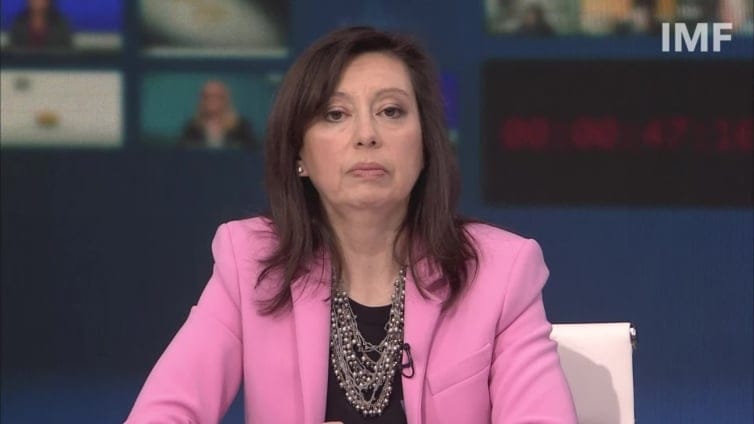
During a press conference, Julie Kozack, Director of Communications at the IMF, stated, “We have seen strong progress toward creditors delivering on these financing assurances, and we’re hopeful that they can be delivered very rapidly.”
She emphasized that obtaining financing assurances from official bilateral creditors is crucial for presenting the program to the Executive Board.
In December 2022, Ghana and the IMF reached a three-year program agreement worth approximately $3 billion.
Ghana has already successfully completed a Domestic Debt Exchange program with the involvement of key stakeholders such as the Ghana Bankers Association, the Ghana Insurers Association, and the Chamber of Corporate Trustees.
The IMF loan program aims to support the post-COVID-19 recovery of developing countries.
However, the Economist Intelligence Unit (EIU) has cautioned that Ghana’s approval from the IMF board may experience delays due to ongoing negotiations for external debt restructuring involving multiple stakeholders.
The EIU also predicts that Ghana will reach restructuring agreements on its public external debt between 2023 and 2024, involving both official and private creditors.
These agreements are expected to involve write-offs, maturity extensions, and interest rate reductions.
Meanwhile, economist Prof. John Gatsi has expressed doubts that Ghana’s first loan tranche of US$600 million from the IMF will be approved by Wednesday, May 17, as announced by the government.
