In February 2023, a devastating earthquake struck Turkey and Syria, leaving behind a trail of destruction and heartbreak. As these two neighboring nations embark on the road to recovery, they face a multitude of challenges and have made significant achievements in rebuilding their shattered communities.
The earthquake, with its epicenter in eastern Turkey, resulted in the loss of thousands of lives and widespread infrastructure damage. With limited resources and a complex geopolitical landscape, both countries are now navigating the daunting task of reconstruction.
From mobilizing international aid to coordinating local efforts, Turkey and Syria are making strides toward rebuilding homes, schools, and essential utilities. Government agencies, non-profit organizations, and volunteers have come together to offer assistance and support to affected communities.
However, the road to recovery is far from easy. Challenges such as funding constraints, bureaucratic hurdles, and ensuring the psychological well-being of survivors loom large.
This article explores the challenges and achievements in Turkey and Syria’s recovery process after the February 2023 earthquake. From understanding the scale of the disaster to examining the innovative solutions implemented, we shed light on the arduous journey towards rebuilding and healing.
Overview of the Damage Caused by the Earthquake

The earthquake that struck Turkey and Syria in February 2023 left a devastating impact on both countries. With its epicenter in eastern Turkey, the quake resulted in the loss of thousands of lives and caused extensive damage to infrastructure, including homes, schools, and vital utilities.
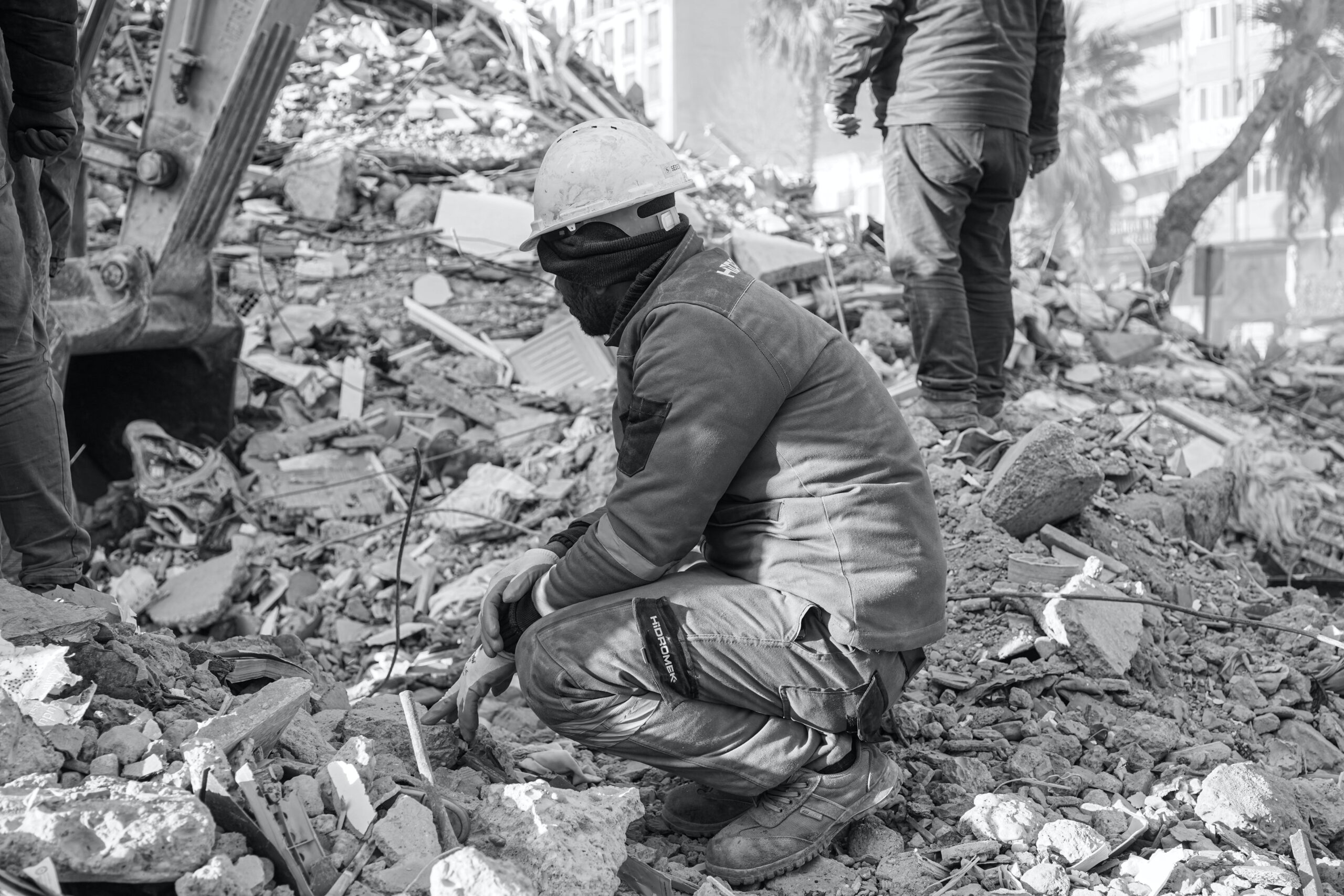
Photo by Doruk Aksel Anıl: Hatay Earthquake
The affected regions were left in ruins, with entire communities displaced and struggling to cope with the aftermath of the disaster.
The scale of the destruction was immense, with buildings reduced to rubble, roads and bridges collapsed, and essential services disrupted. The earthquake not only claimed lives but also shattered the social fabric of the affected regions, leaving survivors traumatized and in desperate need of support.
Challenges in the Recovery Process
The recovery process in Turkey and Syria has been fraught with numerous challenges. One of the primary hurdles faced by both countries is the lack of adequate funding. Rebuilding entire communities and infrastructure requires substantial financial resources, which are often limited in the aftermath of a disaster.
Bureaucratic hurdles have also posed significant challenges. The coordination and implementation of recovery efforts involve multiple government agencies, non-profit organizations, and international stakeholders. Streamlining these processes and ensuring effective collaboration can be a complex task, further delaying the recovery process.
Another critical aspect of the recovery process is addressing the psychological well-being of the survivors. The earthquake left many individuals traumatized, with deep emotional scars that require attention and support. Providing mental health services and counseling to the affected population is crucial in ensuring their long-term well-being and facilitating the healing process.
Government Response and Initiatives for Recovery
The governments of Turkey and Syria have taken active steps to address the challenges posed by the earthquake and facilitate the recovery process. Both countries have established dedicated government agencies responsible for coordinating and overseeing the rebuilding efforts.
In Turkey, the Ministry of Environment and Urbanization has been at the forefront of the recovery process, working closely with local authorities and international organizations. The government has implemented strict building codes and regulations to ensure the construction of earthquake-resistant structures, aiming to minimize the impact of future disasters.
Syria, despite facing political and economic challenges, has also made progress in its recovery efforts. The Syrian government has prioritized the rehabilitation of critical infrastructure, such as water and electricity networks, to restore essential services to the affected regions. Government-led initiatives have focused on providing temporary shelter, healthcare services, and education facilities to displaced communities.
International Aid and Support for the Affected Regions
The international community has played a crucial role in supporting Turkey and Syria’s recovery process. Various countries, non-governmental organizations, and international bodies have extended financial assistance, technical expertise, and humanitarian aid to the affected regions.
International aid has been instrumental in addressing immediate needs, such as emergency medical assistance, food, and clean water. Additionally, foreign governments and organizations have partnered with local authorities to provide resources for long-term reconstruction, including funding for housing, infrastructure, and sustainable development projects.
Collaboration between local and international stakeholders has been essential in leveraging expertise and resources to accelerate the recovery process. Non-profit organizations have been actively involved in providing on-ground support, including emergency relief, medical services, and psychological counseling to survivors.
Infrastructure and Housing Reconstruction Efforts
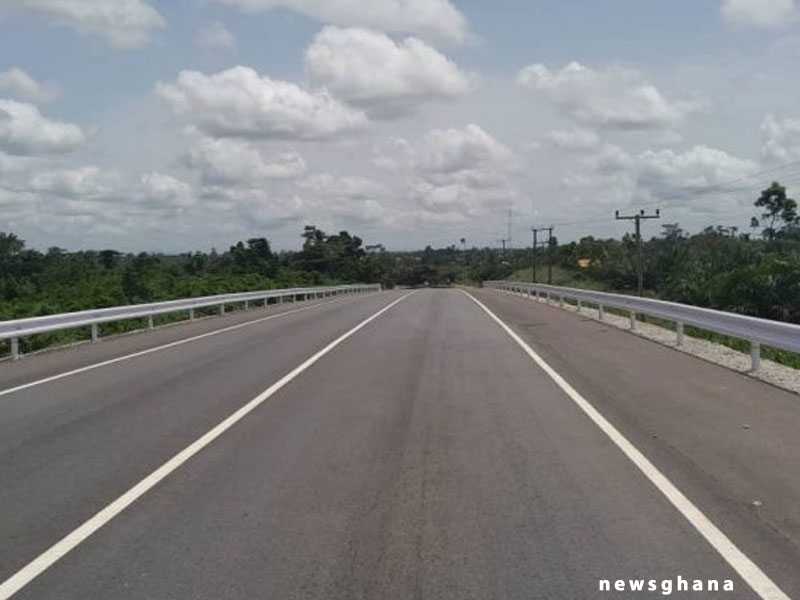
Rebuilding infrastructure and housing has been a significant focus of the recovery process in Turkey and Syria. Efforts have been made to restore damaged roads, bridges, and utilities, ensuring the efficient functioning of essential services. The construction of earthquake-resistant buildings has also been prioritized to mitigate future risks.
In Turkey, the government has implemented innovative approaches to housing reconstruction, such as the use of prefabricated structures. Prefabricated housing offers a cost-effective and rapid solution to provide temporary shelter to displaced communities while permanent housing is being constructed.
Syria, with its extensive urban damage, has faced unique challenges in rebuilding its cities. The government has worked closely with international experts to develop urban planning strategies that prioritize safety, accessibility, and sustainability. Efforts are underway to restore public spaces, revitalize neighborhoods, and create resilient communities.
Economic Recovery and Rebuilding Local Businesses
The earthquake’s impact on the local economy has been significant, with businesses and livelihoods disrupted in the affected regions. Economic recovery has been a crucial aspect of the overall recovery process in Turkey and Syria.
Both countries have implemented measures to support local businesses and stimulate economic growth. In Turkey, the government has provided financial assistance and tax incentives to affected businesses, encouraging them to resume operations and contribute to the recovery efforts.
Syria, despite the ongoing conflict, has also taken steps to rebuild its economy. The government has focused on creating an enabling environment for entrepreneurship and attracting investments to the affected regions. Efforts have been made to provide microfinance opportunities and vocational training to empower individuals and rebuild livelihoods.
Rehabilitation of Healthcare and Education Systems
The earthquake severely impacted healthcare and education systems in the affected regions. Hospitals and medical facilities were damaged, leaving communities without access to essential healthcare services. Schools and educational institutions were also destroyed or rendered unsafe, disrupting the education of thousands of children.
Rehabilitating healthcare and education systems has been a top priority for Turkey and Syria. Both countries have worked towards restoring healthcare facilities, ensuring the availability of medical supplies, and training healthcare professionals to address the increased demand for services.
In the education sector, efforts have been made to rebuild schools and provide temporary learning spaces for children. Access to quality education is seen as crucial for the long-term recovery and development of the affected regions. Innovative solutions, such as mobile classrooms and distance learning programs, have been implemented to ensure continued education.
Environmental Impact and Conservation Efforts
The earthquake’s impact extended beyond human lives and infrastructure, affecting the environment and natural resources. The destruction of ecosystems, soil erosion, and potential hazards posed by damaged infrastructure have raised concerns about the long-term environmental impact.
To address these challenges, Turkey and Syria have focused on implementing sustainable and eco-friendly practices in the recovery process. Efforts have been made to restore and conserve natural habitats, promote reforestation, and mitigate the risks of future disasters through better land management and urban planning.
Conservation organizations and environmental experts have collaborated with local authorities to develop strategies that balance the need for reconstruction with environmental preservation. The integration of green infrastructure and sustainable design principles in rebuilding efforts has been crucial in creating resilient and environmentally conscious communities.
Achievements and Lessons Learned from the Recovery Process
Despite the numerous challenges, Turkey and Syria have achieved significant milestones in their recovery process. The communities have shown resilience and strength, coming together to rebuild their lives and support each other in times of adversity.
From the establishment of efficient coordination mechanisms to the implementation of innovative solutions, the recovery efforts have showcased the determination and resourcefulness of the affected regions. The international community’s support and collaboration have also played a vital role in accelerating the recovery process.
The recovery process has provided valuable lessons for future disaster preparedness and response. The importance of early warning systems, robust infrastructure, and community engagement in disaster management has been emphasized. The need for stronger international cooperation and support in times of crisis has also been highlighted.
As Turkey and Syria continue their journey towards recovery and healing, the challenges may persist, but the achievements attained thus far serve as a testament to the resilience of the human spirit and the power of unity in the face of adversity.