Tag: internet

  • Internet data is not a luxury – Okudzeto joins online protest #DissolveNCAboard

    Internet data is not a luxury – Okudzeto joins online protest #DissolveNCAboard

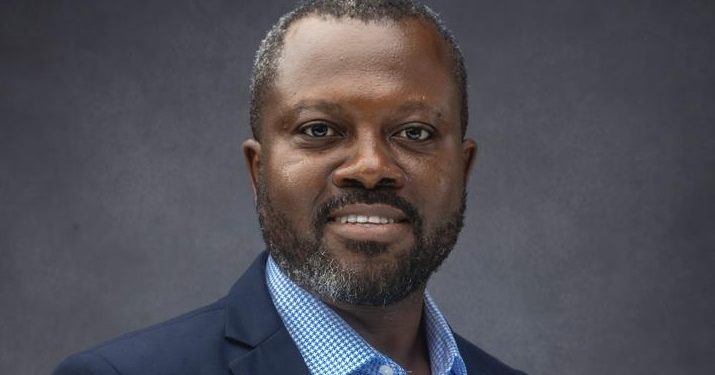
    Calls for an immediate reduction in data costs have garnered strong support from various quarters, including the Member of Parliament for North Tongu Constituency in the Volta Region, Samuel Okudzeto Ablakwa.

    The MP has voiced his endorsement for the movement, highlighting that affordable internet data is a necessity rather than a luxury.

    In a post on X (formerly Twitter) dated July 23, 2024, Ablakwa emphasized the critical importance of affordable data for the democratic process in Ghana.

    He argued that the current exorbitant data prices are detrimental to the quality of democracy in the country, as they prevent many citizens from participating in democratic activities and accessing vital information.

    “I fully endorse the Ghanaian people’s legitimate demand for an immediate reduction in the cost of data. Data is not a luxury! Exorbitant data also undermines the quality of our democracy as many citizens are priced out of making their democratic contributions,” Ablakwa stated.

    He further stressed that affordable data is essential for enabling all citizens to engage in national discussions, access critical information, and interact with their representatives.

    This is particularly significant in an era where digital platforms play a central role in political and social discourse.

    The growing discontent over high data costs has also led to widespread calls for the dissolution of the National Communications Authority (NCA) board. Many customers blame the high prices and unreliable data supply on the regulatory framework established by the NCA.

    The hashtag #DissolveNCAboard has been trending on social media as Ghanaians express their frustration and demand regulatory changes to ensure more affordable and reliable internet services. Critics argue that the current policies of the NCA have failed to foster a competitive market, resulting in high data costs that burden consumers and businesses alike.

    MTN Ghana, the leading telecommunications provider, has faced significant backlash over the issue. The company has defended its pricing, citing regulatory measures aimed at fostering competition.

  • How to shop wisely in 2024

    How to shop wisely in 2024

    Out there on the Internet, there are millions and millions of different sites and the vast majority of them are trying to sell us something.

    Whether directly through retail or just from adverts, products are being sent to us more frequently than ever.

    That means it’s vital that we as consumers can spot the good and bad from the pile. Here are just a few of the ways you can make sure you’re shopping smart.

    No matter what you’re doing in life, information is always power, and shopping is no exception. Taking the time to do research and learn about anything you plan to buy should always be your first step.

    Luckily, there are plenty of sites out there ready-made to help you. Every product and service, from shoes to smartphones to online casinos, has ratings and reviews.

    These sites usually break things down in a lot of detail as well, so in that latter example of casinos, going to a site like casinoalpha.co.nz will give you all the information on things like bonuses, payment options, and even site security for a range of different sites.

    In that case, where many offerings are so similar, having those extra bits of info can really make a difference in your choices.

    Know Your Rights

    Compared to shopping offline, when you buy or subscribe to a service online, it can feel a lot more difficult to go back on your purchases in the event something is wrong.

    After all, asking for a refund in person is a lot simpler than navigating the often-confusing customer service mazes that online companies provide.

    That’s why, before you make a purchase, you should make sure to look through the terms and conditions that the site provides, particularly sections on complaints and refunds.

    As explained at theguardian.com, most of us inherently skip the T&Cs during transactions, but knowing exactly how a company is bound to handle issues can give you a lot of leverage if something goes wrong.

    Admit Your Mistakes

    If we make a poor purchase and a refund is unlikely, many people’s first reaction is to justify the mistake. Often, they claim it wasn’t so bad or was even good to avoid embarrassment, rather than admitting they made an error. Unfortunately, this can lead others to make the same mistake.

    If you find yourself in this situation, acknowledging the error and posting an honest review on a site like trustpilot.com not only helps other consumers but also benefits you in the long run.

    Companies that are held accountable and reported for poor practices are more likely to improve their services in the future for everyone’s benefit.

    The important thing to remember is that there are always other options available. It just takes a bit of time and effort to find them!

  • Tech analyst advocates for internet access to be considered as public utility

    Tech analyst advocates for internet access to be considered as public utility

    Technology Analyst and Digital Lead at Pop Out, Maximus Ametorgoh, is calling for internet access to be regarded as a public utility.

    He believes that in today’s digital era, internet access is crucial for communication and everyday activities, and should no longer be seen as a luxury.

    In an interview with Citi Business, Mr. Ametorgoh emphasized the necessity of government intervention to make internet access affordable, proposing that subsidies be provided for those in need.

    “The government needs to classify the internet as a utility service so it becomes an essential service. If that is done, then when contractors cut the cable, they will have to pay for it,” Ametorgoh said, adding “This way, we can have reliable internet service because no one will intentionally go and dig up cables.”

    Ametorgoh also urged small and medium-sized enterprises (SMEs) to understand the digital economy to transform their businesses, enhance revenue streams, and create value-added growth opportunities.

    “It depends on the cost of marketing and the target audience. If your target audience is not on the internet, you do not need to sell online because you won’t find them,” he explained.

    “If you also can’t access the internet, it means you can’t sell online. You need to understand these dynamics. Some people have resolved not to buy anything online, so when you target such individuals, you won’t succeed. You need to understand all these factors.”

  • Internet access must be treated as a public utility – Tech analyst to govt

    Internet access must be treated as a public utility – Tech analyst to govt

    Technology Analyst and Digital Lead at Pop Out, Maximus Ametorgoh, is advocating for internet access to be recognized as a public utility, stressing its essential role in the digital age.

    Mr Ametorgoh emphasized the necessity for government intervention to ensure affordability through reasonable subsidies for those in need, proposing the classification of internet as a utility service to secure reliable access.

    He suggests that such classification would hold accountable contractors for any damages to internet infrastructure, fostering dependable service provision.

    “The government needs to classify the internet as a utility service so it becomes an essential service. If that is done, then when contractors cut the cable, they will have to pay for it,” Ametorgoh said, adding “This way, we can have reliable internet service because no one will intentionally go and dig up cables.”

    Mr Ametorgoh also urged small and medium-sized enterprises (SMEs) to understand the digital economy to transform their businesses, enhance revenue streams, and create value-added growth opportunities.

    “It depends on the cost of marketing and the target audience. If your target audience is not on the internet, you do not need to sell online because you won’t find them,” he explained.

    “If you also can’t access the internet, it means you can’t sell online. You need to understand these dynamics. Some people have resolved not to buy anything online, so when you target such individuals, you won’t succeed. You need to understand all these factors.”

    Furthermore, Mr Ametorgoh encouraged small and medium-sized enterprises (SMEs) to embrace the digital economy, enhancing revenue streams and capitalizing on growth opportunities.

    He underscored the importance of understanding the digital landscape, including marketing costs and target audience dynamics, to effectively leverage online platforms for business transformation.

  • You cannot shut down the internet during 2024 election – CSOs tell govt

    You cannot shut down the internet during 2024 election – CSOs tell govt

    A coalition of civil society organizations (CSOs) has urged the government to refrain from shutting down internet access during this year’s election period.

    The appeal follows instances in 24 countries where internet shutdowns during election years impeded the enjoyment of fundamental rights and freedoms.

    Manager of the KeepItOn campaign, Felicia Anthonio, emphasized the importance of maintaining internet access during elections. She noted that this year, with national elections expected in at least 64 countries, the stakes for democracy and human rights were higher than ever.

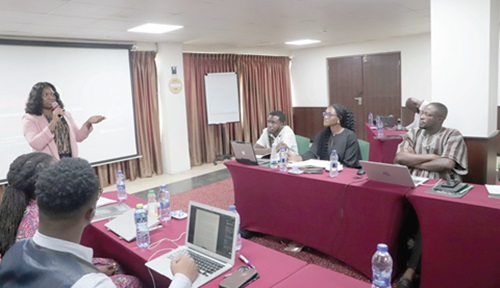
    Speaking at a workshop organized by the Media Foundation for West Africa (MFWA) and Access Now, Mrs. Antonio highlighted the violation of fundamental human rights that occur with internet shutdowns. She urged the government to ensure internet access to uphold democracy and human rights.

    The workshop, part of the KeepItOn campaign launched by Access Now in 2016, aimed to unite activists and organizations worldwide to end internet shutdowns. It brought together participants from various civil society organizations to address the increasing trend of network shutdowns in Africa and its impact on economic development and human rights.

    Internet shutdowns intentionally disrupt internet or electronic communications, rendering them inaccessible or unusable for a specific population or location. Governments often implement shutdowns during key national events such as elections or mass protests to control information flow.

    Mrs. Anthonio emphasized that such restrictions not only impede communication but also disrupt businesses, education, and access to online services, affecting ordinary lives.

    She said internet shutdowns were unacceptable and governments should not be imposing them irrespective of the reason. 

    “Internet shutdowns violate fundamental human rights and governments have the duty to protect these rights and so the media needs to re-echo these calls that we are making,” Mrs Anthonio said.

    “A lot of governments would shut down internet during election periods with excuses that it is for national security reasons but we need them to stop using that as an excuse and rather look at increasing the access to improve national discourse,” she added.

  • Telecel Ghana operating at optimal level, secures 100% internet capacity

    Telecel Ghana operating at optimal level, secures 100% internet capacity

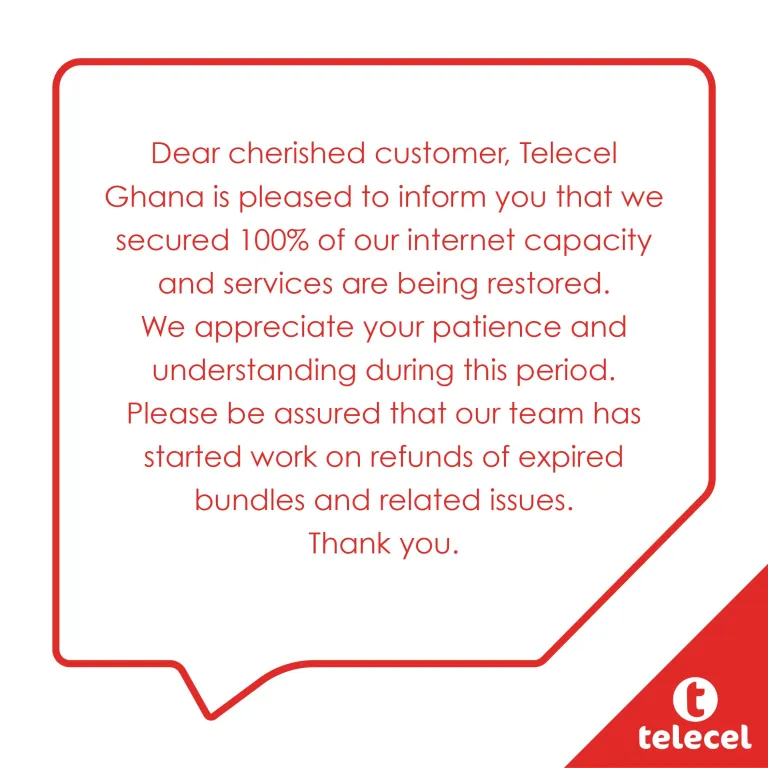
    Telecel Ghana has announced that they have successfully secured 100% of their internet capacity and are currently in the process of restoring their services.

    They expressed gratitude to their users for their patience and assured them that they would work on refunding expired bundles and ensuring refunds.

    The telecommunications service provider’s announcement comes after a major Internet disruption hit West and Central Africa, as reported by the Internet observatory, Netblocks.

    The disruption was caused by multiple subsea cable failures, affecting countries such as Ivory Coast, Nigeria, Liberia, Benin, Ghana, and Burkina Faso.

    The National Communications Authority (NCA) of Ghana explained in a press statement that the disruptions were caused by cable failures in Senegal and Cote d’Ivoire, as well as some disruptions in Portugal.

    These disruptions have significantly impacted data services across Ghana.

  • Ghana on track to achieve 5G internet by September 2024 – Ursula

    Ghana on track to achieve 5G internet by September 2024 – Ursula

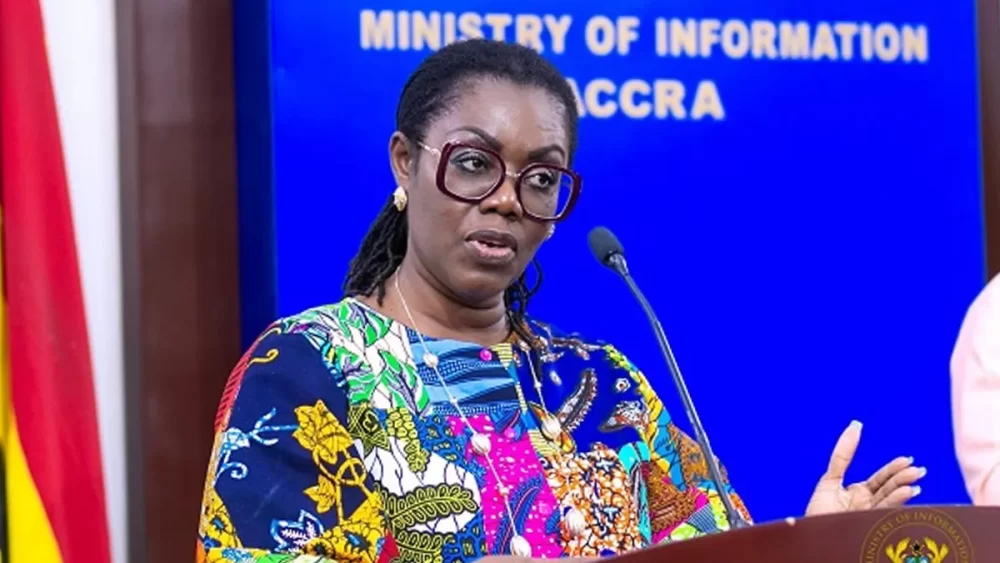
    The Minister for Communication and Digitalisation, Ursula Owusu-Ekuful, has announced the imminent launch of 5G mobile internet services in the country by September 2024.

    Mrs. Owusu-Ekuful reiterated the government’s steadfast commitment to fostering a digital economy, emphasizing the ministry’s concerted efforts in this regard.

    The Director-General of the National Communication Authority (NCA), Dr. Joe Anokye, previously revealed in November 2023 that Ghana has made the necessary preparations to transition to the 5G network.

    He confirmed the availability of the spectrum required for 5G deployment.

    Speaking at the 12th R. P. Baffour Memorial lectures at the Kwame Nkrumah University of Science and Technology (KNUST), Dr. Anokye announced that an official announcement regarding the transition would be made in 2024.

    In an interview on Accra-based Peace FM, when asked for an update, the Minister confidently stated,“Ghana will get a 5G internet connectivity in September 2024.”

  • It is not illegal to sell or use Starlink in Ghana – Barker-Vormawor

    It is not illegal to sell or use Starlink in Ghana – Barker-Vormawor

    Renowned activist and leader of the #FixTheCountry and #OccupyJulorbiHouse movements, Oliver Barker-Vormawor, has encouraged Ghanaians who are planning to use or sell Starlink in Ghana to do so.

    He gave the advice despite the fact that the operations of Starlink, a satellite internet network, are not licensed in the country.

    In a post on X on March 16, when the country began witnessing a disruption in internet connectivity, he wrote, “Just so you are better informed; it is not illegal to sell or use Starlink in Ghana. Don’t let anybody deceive you about the state of the law.”

    In December 2023, the ministry issued a warning to the public against purchasing products from Starlink, emphasizing that the company was not licensed to operate in Ghana.

    The notice said, “Any entity which provides electronic communication services in Ghana without a Licence or Authorisation from the NCA is in direct violation of Section 3(1) of the Electronic Communications Act 2008, Act 775 which states that, ‘Except as otherwise provided under this Act a person shall not operate a public electronic communications service or network or provide a voice telephony service without a licence granted by the Authority”.

    Presently, Madam Owusu-Ekuful has assured that the ministry has conducted due diligence and is prepared to grant an operating license to Starlink to enhance internet accessibility.

    “A draft framework was subjected to industry consultation and approved by industry. The objective of the framework is to provide increased regulatory oversight for the services, more connectivity solutions or options for consumers, and other measures,” she added.

    This move is aimed at tackling internet disruptions in the country.

    Briefing Parliament on the issue of internet disruptions on March 18, she said “We have licensed satellite gateway air stations, landing rights, and satellite air station networks. One web has already been licensed. Starlink is in the process of being licensed and other operators are being encouraged to land in Ghana.

    “We must also invest in operationalising RASCOM, the Regional African Satellite Company, instead of each country going alone.”

  • NCA is not putting in much efforts to make Ghana’s internet stable – Sam George

    NCA is not putting in much efforts to make Ghana’s internet stable – Sam George

    The delay in fully restoring internet connectivity has been attributed to the ineffectiveness of the National Communications Authority (NCA) by the Deputy Ranking Member on the Communications Committee of Parliament, Samuel Nartey George.

    Since Thursday, March 14, Mobile Network Operations (MNOs) have experienced disruptions, leaving many Ghanaians without internet connections.

    On Monday, March 18, the NCA announced that MNOs would reassess their operations and consider prioritizing and allocating more data resources to key stakeholders. They will work with Subsea Cable Landing Service Providers to progressively improve internet data capacity.

    The stakeholders include various entities such as the Bank of Ghana (BoG), Ghana Association of Banks (GAB), Ghana Interbank Payment and Settlement Systems (GhIPSS), Ghana Stock Exchange (GSE), Central Securities Depository, Ghana Water Company Limited, Electricity Company of Ghana (ECG), MNOs, Subsea Cable Landing Service Providers, Ghana Internet Exchange (GIX), and the Accra Internet Exchange (AIX).

    In an update to Parliament, the Minister for Communications and Digitalisation, Ursula Owusu-Ekuful, indicated that the government would immediately license satellite firms as a backup for network operators in response to the disruption in mobile network services.

    During the parliamentary session, Mr. George highlighted that Cote d’Ivoire, despite being the hardest hit, is faring better than Ghana due to proactive measures taken by its regulator.

    He criticized the NCA for not fulfilling its regulatory duties and pointed out that instead of focusing on its task, it was competing with the Ghana Chamber of Telecom. Mr. George emphasized the need for the NCA to prioritize solutions rather than merely identifying problems, as expected of a regulatory body advocating for the rights of Ghanaian citizens and customers.

    “Mr speaker, the cut happened off the coast of Cote d’Ivoire. Cote d’Ivoire was the most impacted country on Thursday. As we speak today, Cote d’Ivoire’s recovery is ahead of Ghana simply because their regulator had put in place the right mechanisms.

    “In the case of AT, and if you ask what Cote d’Ivoire is doing, they are using MOVE. The MOVE operator cable. They immediately allowed all the other operators to pick it up on MOVE. When you speak about the success of AT, AT is simply able to carry traffic because they have redundancy using the Nigerian link. But is that not supposed to be a prerequisite for all the other operators in the country? Who is supposed to monitor that?”

    “It is the regulator. So, if the regulator has slept on his job and today, we are found in this position, and then we want to raise our hands up in the air and say, oh, other countries that were affected have recovered and are recovering faster than Ghana because the regulators are proactive,” he stated.

    “Our regulator today is competing with the Ghana Chamber of Telecom. The Ghana Chamber of Telecom served the interest of the telecom companies and is their advocaCY. The Ghanaian regulator is supposed to be the advocate for the rights. The NCA, the National Communications Authority, is supposed to be the advocate for the rights of Ghanaian citizens and customers.

    “Therefore, updates that have been put out by the NCA are simply mirroring the statements of the chamber of Telecom. They don’t tell us what remedial actions regulatory policy are being put in place for the Ghanaian customer. They’re only telling us what the problems are. That is the language of the regulator. He’s going to tell you what the problems are. I am expecting the NCA to tell me what the solutions are, not what the problems are,” he said.

  • UG suspends online lectures and IAs over internet crisis

    UG suspends online lectures and IAs over internet crisis

    Due to ongoing disruptions in internet connectivity caused by damage to undersea fibre optic cables, the University of Ghana has been compelled to cancel its online Interim Assessment (IA) for students.

    Additionally, online lectures at the university have been suspended until further notice.

    Portions of a letter from some University of Ghana lecturers to their students read:

    “Dear students, due to the internet connectivity issue being currently experienced, the IA will not be held as scheduled from March 16 to March 17. We will monitor the situation and announce a new day during the course of the week.”

    The disruptions in internet connectivity, which began on Thursday, March 14, have affected various institutions across the country.

    The National Communications Authority (NCA) has acknowledged the issue and stated that telecommunications engineers are working to restore the damaged cables.

    Ghanaians experiencing disruptions in their data services may need to wait for approximately another five weeks for restoration.

    The National Communication Authority (NCA) has estimated this timeframe for the repair of faulty undersea cables, which is necessary to bring back stable connections in the affected countries.

    The NCA announced this estimate in a press release issued on Saturday, March 16, 2024, following a meeting with the four subsea cable landing service providers (ACE, MainOne, SAT-3, and WACS). This development comes after several days of data service disruptions from most telecommunications companies, affecting individuals and businesses in several African countries, including Ghana.

  • Don’t charge us more for rent – Importers tell GSA over internet outage

    Importers and freight forwarders at the Tema Port are urging the Ghana Shippers Authority to ensure that shipping lines do not impose additional charges for demurrages due to delays caused by the recent internet disruption in the country.

    The widespread internet disruption has adversely affected the clearance of cargo at Ghana’s largest seaport, resulting in demurrages.

    Paulina Abrokwah, co-chairperson of the Technical Committee of the Tema District of the Ghana Institute of Freight Forwarders (GIFF), highlighted the significant impact on the cost of doing business at the port.

    “We’re hoping that with the situation at least some of the service providers like the shipping lines and terminals will be considerate and waive the extra cost related to any delay that will occur.

    “We are hoping that the Ghana Shippers Authority will take the lead in this and ensure that traders or importers don’t have to suffer to pay demorages as a result of this general internet outage,” she explained.

    According to JoyNews, she anticipates the intervention of the Ghana Shippers Authority to prevent shipping lines from exploiting the situation to impose additional charges for the delays caused by the internet disruption.

    “One area that area that was really bad was the banks. They were unable to pay duty, at least, as of Friday. Once you’re not able to pay, you cannot continue with the rest of the processes,” she said.

    The National Communication Authority (NCA) has estimated that it could take at least five weeks to restore the faulty undersea cables and stabilize connections in the affected countries.

    In response, the Executive Secretary of the Importers and Exporters Association of Ghana, Samson Azaki Awingobit, has called on the Economic Management Team (EMT) to promptly devise a Plan B to prevent importers from facing hardships.

  • MTN, Telecel secure additional capacity to improve internet connectivity

    MTN, Telecel secure additional capacity to improve internet connectivity

    Telecommunication companies, MTN Ghana and Telecel, have informed their customers that they have successfully secured additional operational capacity from their international partners.

    This measure aims to enhance internet connectivity amid the ongoing interruptions caused by cuts in undersea fiber optic cables.

    In their latest update, MTN Ghana and Telecel assured their customers of exploring all options to ease the data challenges that they are currently experiencing.

    Mobile network operations have been disrupted since Thursday, March 14, which has left many Ghanaians without internet connections.

    According to the National Communications Authority (NCA), it will take at least five weeks for the current situation to be resolved.

  • Telecel, MTN internet services reportedly restored

    Telecel, MTN internet services reportedly restored

    MTN and Telecel Internet services have been successfully restored following an undersea cable fault.

    The disruption occurred on 16th March 2024 at 12:00 midnight, affecting users’ ability to access various online platforms using MTN or Telecel.

    The fault caused unexpected disruptions for MTN and Telecel internet users, impacting individuals and businesses reliant on internet connectivity for communication and commerce. The undersea cables, which are situated on the ocean floor, play a crucial role in transmitting vast amounts of data.

    Despite the challenges posed by the undersea cable fault, MTN and Telecel managed to swiftly restore internet services. Their prompt response and efficient restoration efforts helped mitigate the inconvenience experienced by their users.

    For those looking to purchase an MTN internet bundle in Ghana, there are several ways to do so.

    USSD Code: This is the most common way to buy a bundle. Dial *138# on your phone and follow the prompts:

    • Choose option 1 (“Buy Data Bundle”).
    • Select option 1 (“Buy for yourself”) or 2 (“Buy for others”).
    • Choose your preferred data bundle from the listed options.

    MyMTN App: Download the MyMTN App from the Google Play Store or Apple App Store. You can then browse and purchase data bundles directly from the app.

    MTN Website: Visit the MTN website https://mtn.com.gh/ and navigate to their bundle offers section. You may be able to purchase bundles directly from the website.

    How To Buy Telecel Internet Bundle

    Telecel data bundles in Ghana can be purchased through various methods, including the Telecel Play App, using the USSD Menu, using Mobile Money services like MTN Momo or AirtelTigo Money, or purchasing scratch cards with data bundle codes from partnered shops and vendors. 

    Contact Details For MTN and Telecel Ghana

    MTN

    1. Tel. +233244300000.
    2. Toll Free. Free: 100.
    3. Email. customercare.gh@mtn.

    Telecel

    Give us a call or send us a message.

    Helpline

    100

    Helpline

    050 555 5111

    WhatsApp

    050 100 0300

    Facebook

    Telecel Ghana

    X

    @asktelecelghana

    SMS (Mobile Services)

    655

    SMS (Fixed Services)

    755

    Email

    info@telecel.com.gh

  • 4 out of 5 submarine cables totally off – Internet Service Providers

    4 out of 5 submarine cables totally off – Internet Service Providers

    In a recent development, a board member of the Internet Service Providers, Daniel Kofi Ansah Akuffo, has highlighted a concerning issue regarding Ghana’s internet connectivity.

    He revealed that out of the five submarine cables supplying internet to Ghana, four are currently totally offline.

    This revelation came as a shock, especially considering the importance of these cables in maintaining internet connectivity in the country.

    “It was a very hectic day for all of us,” said Mr. Ansah Akuffo.

    “Ghana is supplied by five submarine cables, and one is currently totally off, and just about yesterday, some other three also went off.

    These cables run from South Africa to Europe, and what this means is that we should be looking at our telecommunication infrastructure,” he added.

    This development underscores the critical need for Ghana to address its telecommunication infrastructure’s vulnerabilities to prevent such disruptions in the future.

  • Ghana must prioritize inland fiber optics to avoid potential disruptions – Internet Service Providers

    Ghana must prioritize inland fiber optics to avoid potential disruptions – Internet Service Providers

    A board member of the Internet Service Providers, Daniel Kofi Ansah Akuffo, has advocated for the implementation of inland cables in Ghana to counter potential disruptions in the telecommunications sector.

    This initiative arises from ongoing outages impacting several submarine fiber optic cables, vital conduits for internet connectivity in the nation.

    Mr. Ansah Akuffo described the recent outages as troublesome and emphasized the need for enhancing Ghana’s telecommunication infrastructure to mitigate future blackout occurrences.

    He noted that internet service providers are actively seeking alternative routes, including connections from Nigeria, to restore services.

    “It was a very hectic day for all of us. Ghana is supplied by five submarine cables and one is currently totally off and just about yesterday, some other three also went off. These cables ran from South Africa to Europe and what this means is that we should be looking at our telecommunication infrastructure.”

    “Diversification is very important and what I think we should do is look at in-land cables in Ghana and Africa as a whole. We should look at interconnectivity. One cable has about four set of fibre and so when there is a cut in one end, it becomes a problem, so what we are doing now is to use a cable from Nigeria to complement the challenges.”

  • Why Ghana, Ivory Coast, Liberia, Benin, others are experiencing internet connectivity challenges

    Why Ghana, Ivory Coast, Liberia, Benin, others are experiencing internet connectivity challenges

    NetBlocks reports that people in West and Central Africa are facing internet connectivity issues, with Ivory Coast being the most severely affected country.

    The monitoring group indicates that the companies managing the subsea cables connecting the region to the internet have reported several failures. However, the exact cause of these problems remains unclear, according to Reuters.

    NetBlocks further notes that internet connectivity in Ivory Coast is currently operating at only 4% of its expected level. Other countries such as Liberia, Benin, Ghana, and Burkina Faso have also experienced significant disruptions.

    In addition, users in South Africa are reporting slow internet speeds, as stated by website News24.

    A spokesperson from telecoms company Vodacom mentioned that “multiple subsea cable failures between South Africa and Europe were impacting network providers.”

    On Thursday, March 14, mobile network customers observed hours of disruption in internet, data and voice services providers by telecommunication companies in the country.

    The difficulty experienced by companies and members of the general public has been attributed to outages on multiple submarines optic fibre cables that come into Ghana.

    In a press statement, the Ghana Chamber of Telecommunications, noted that some of the cables were down while others continued delivering limited capacity.

    “This is impacting internet, data and Voice over IP (VolP) services of the members of the Chamber; the Mobile Network Operators and the Data Service Providers to varying degrees. As a result customers and subscribers are currently experiencing service challenges,” the statement noted.

    The National Communications Authority (NCA) noted that the internet challenges go beyond Ghana’s border.

    In a circular, the NCA indicated that the “disruptions affecting multiple undersea cables responsible for carrying international traffic have occurred in Senegal and Cote d’Ivoire and with some disruptions in Portugal.”

    The Ghana Chamber of Telecommunications and NCA have both assured that further investigations are being carried out as well as work to resolve the problems to restore services to customers.

    “The inconvenience to customers is deeply regretted” the statement drafted by the Telecommunications Chamber concluded.

  • Disruption of submarines optic fibre cables caused Thursday’s ‘internet’ outage

    Disruption of submarines optic fibre cables caused Thursday’s ‘internet’ outage

    On Thursday, March 14, mobile network customers observed hours of disruption in internet, data and voice services providers by telecommunication companies in the country.

    The difficulty experienced by companies and members of the general public has been attributed to outages on multiple submarines optic fibre cables that come into Ghana.

    In a press statement, the Ghana Chamber of Telecommunications, noted that some of the cables were down while others continued delivering limited capacity.

    “This is impacting internet, data and Voice over IP (VolP) services of the members of the Chamber; the Mobile Network Operators and the Data Service Providers to varying degrees. As a result customers and subscribers are currently experiencing service challenges,” the statement noted.

    The National Communications Authority (NCA) noted that the internet challenges go beyond Ghana’s border.

    In a circular, the NCA indicated that the “disruptions affecting multiple undersea cables responsible for carrying international traffic have occurred in Senegal and Cote d’Ivoire and with some disruptions in Portugal.”

    The Ghana Chamber of Telecommunications and NCA have both assured that further investigations are being carried out as well as work to resolve the problems to restore services to customers.

    “The inconvenience to customers is deeply regretted” the statement drafted by the Telecommunications Chamber concluded.

  • Internet outage in Sudan as civil war rages on

    Internet outage in Sudan as civil war rages on

    Sudan doesn’t have internet anymore. – The paramilitary group engaged in the country’s 10-month civil war is believed to be accountable by the public.

    The Rapid Support Forces (RSF) said they did not do it.

    NetBlocks, a group that watches over internet freedom, reported that the internet in Sudan had stopped working again on X day.

    A group of Sudanese hackers targeted Uganda because they were angry that Uganda welcomed the leader of the RSF, Mohamed Hamdan Dagalo.

    NetBlocks found that some internet providers in Uganda, like Uganda Telecom and MTN, might have had some issues with their services. But a reporter in the capital city of Kampala for the BBC didn’t see any problems.

    In Sudan, some people can’t use the internet since Friday. And now the problem is even worse.

    Government-controlled media have accused the RSF.

    However, according to the Sudan Tribune news site, a RSF official claimed that the army told them to cut off communication in parts of Darfur, Kordofan, Khartoum, and Al-Jazirah states, which are mostly controlled by the paramilitary group.

    On Wednesday, NetBlocks reported that a big phone company in Sudan called Zain was mostly not working.

    Zain posted on Facebook that it is working under tough and dangerous conditions.

    It said that the current network problem is not its fault.

    Two other companies, MTN Sudan and Sudani, were not working on Friday, according to NetBlocks.

    The network not working makes things even harder for a country that is at war.

    The United Nations is asking for $4. 1 billion to help the people in Sudan who are struggling because of the fighting there. They also want to help the people who had to leave their homes because of the fighting.

    The UN says that around 9 million people have been forced to leave their homes, and about 25 million people, which is half of the whole population, need help.

  • South Africa most internet-dependent world for the following reasons

    South Africa most internet-dependent world for the following reasons

    In a study that examined global digital habits, it was revealed that South Africans have emerged as the most avid internet users, spending an astonishing average of at least 9.5 hours online per day in 2022. This figure exceeded the global average by a significant three hours, as reported by Atlas VPN, a virtual private network (VPN) platform based in Delaware.

    The study, which analyzed internet usage patterns among individuals aged 16 to 64 in 46 countries, sourced its data from reputable sources such as social media research firm We Are Social and social media intelligence platform Meltwater.

    One of the key factors driving South Africa’s high internet usage is the increasing accessibility of the internet across the country and the African continent. In 2020, approximately 70% of South Africans had internet access, a figure that has likely increased since then.

    By 2023, the country had reached 43.48 million internet users, representing an impressive penetration rate of 72.3% among its population of 60.14 million. The South African government aims to achieve universal internet access for all households in the country by 2024, further contributing to the surge in digital activity.

    Although South Africa’s internet speed lags behind the global average, the nation has been making progress in improving connectivity. In 2021, the country ranked 68th globally for its digital quality of life. Additionally, South Africa stands out for mobile and broadband internet affordability within Africa, as well as commendable mobile internet stability.

    Globally, mobile internet usage has become the primary mode of connectivity, particularly in sub-Saharan Africa, where smartphones have become the primary means of accessing the internet.

    The study by Atlas VPN highlighted the top reasons why South Africans spend their time online, including seeking information, staying connected with friends and family, staying updated on news and events, watching videos, and acquiring knowledge on various subjects.

    In addition to South Africa, several other countries exhibited significant internet usage. Brazil topped the list, with an average daily internet usage of 9 hours and 32 minutes, followed closely by the Philippines (9 hours and 14 minutes), Argentina, and Colombia, both tied at 9 hours and 1 minute.

    Notably, the United States and Singapore were also recognized for dedicating an above-average amount of time to internet browsing, with a daily average of 419 minutes (6 hours and 59 minutes).

    On the other hand, some European countries, such as Denmark, Austria, and Germany, spent less time online compared to the global average. East Asian countries like China and Japan also had lower daily internet usage, with figures of five hours and 25 minutes and three hours and 45 minutes, respectively.

    Globally, the overall average time spent online has gradually declined, decreasing by 20 minutes (4.8%) compared to 2021. This shift is likely attributed to the world moving beyond the COVID-19 phase, where internet usage saw a significant surge due to lockdowns and restrictions.

    As technology continues to advance and internet infrastructure improves worldwide, the global internet landscape will undergo further transformations, influencing how people interact and engage with the online world.

  • The man with feminine features

    The man with feminine features

    A man‘s images showcasing his feminine traits have gone viral on the internet.

    Siphosethu Sihawu, who goes by the username @siphosethusihawu8 on TikTok, has gained massive attention from netizens worldwide with his photos showing off his baby face and curvy hips.

    In his posts, Sihawu proudly flaunts his feminine body shape while making it clear that he is a fully grown man. The South African has sparked a lot of curiosity among his followers who have been left wondering how he ended up with such unique features.

    The images of Sihawu have gone viral, and his followers have expressed mixed feelings about the man with the feminine features. Some netizens were amazed by his stunning appearance, while others made fun of him.

    @tymerjnr5 wrote, “If ladies and gentlemen is a human being.” While @everyone_changed expressed their own struggles, saying, “I have curves too. They always laugh at me.” Others like @o.d.obaddest seemed to mourn for Sihawu’s masculinity, stating, “We lost another bro.”

    The attention that Sihawu is receiving is unprecedented. Despite the mixed reactions, he has remained unbothered by the comments, continuing to share more photos and videos showcasing his unique features.

    The man with feminine features has become an overnight sensation, with his account receiving thousands of new followers daily. As a result, he has gained notoriety across social media platforms as his photos continue to be shared by users worldwide.

    It remains to be seen what the future holds for Sihawu, but he is enjoying his newfound fame while continuing to share his remarkable story with the world.

  • 16.99m internet users recorded in Ghana in January 2022 – Report

    16.99m internet users recorded in Ghana in January 2022 – Report

    Ghana’s internet penetration rate stood at 53.0% of the total population at the start of 2022, as 16.99 million internet users were recorded in January 2022.

    According to the Digital 2023 Global Overview Report, internet users in Ghana increased by 350,000 (+2.1 percent) between 2021 and 2022.

    The report further revealed that 15.07 million people in Ghana did not use the internet at the start of 2022, meaning that 47.0% of the population remained offline at the beginning of the year.

    Ghana’s total population stood at 32.06 million in January 2022.

    The report, however, said “issues relating to COVID-19 continue to impact research into internet adoption, so actual internet user figures may be higher than the published numbers suggest”.

    Social media users stood at 8.80m in January 2022

    Meanwhile, the report stated that there were 8.80 million social media users in Ghana in January 2022.

    The number of social media users in Ghana at the start of 2022 was equivalent to 27.4% of the total population.

    But the report said it’s important to note that social media users may not represent unique individuals.

    Source: Myjoyonline

  • The future of internet: Is Africa ready for the digital world to emerge into meteaverse

    The internet may have evolved from a niche pastime to an essential part of our day-to-day life but for many, it’s problematic.

    The internet in its current form, Web 2.0, has become too centralized with only a handful of big technology companies – and governments – dominating the market. There’s even a collective name for these giants who have transformed the way we work, shop and socialize: FAANG – Facebook (now Meta), Amazon.com, Apple, Netflix and Google-owner Alphabet.

    Web 3.0 is the third generation of the internet, a decentralized online ecosystem based on the blockchain. The term was coined by a computer scientist named Gavin Wood in 2014. Wood co-founded Ethereum, the decentralized blockchain platform behind the cryptocurrency ether (ETH).

    In a podcast with CNBC, Wood explained that the biggest issue with Web 2.0 is trusting the people behind the services: “We’ve managed to architect ourselves into this somewhat dystopian version of what the world could be,” he said. This is why, for many, Web 3.0 is about looking at the internet in a more distributed and democratic way. It’s also a critical building block towards creating the metaverse, an immersive online world. Venture capitalists are investing billions of dollars into this future vision while others remain sceptical, calling Web 3.0 a marketing buzzword and a pyramid scheme. Both Elon Musk and Jack Dorsey, the former CEO of Twitter, are known to be ‘against’ the concept, Musk tweeting that “Web 3 isn’t real” and that he couldn’t see a compelling use-case for the VR-driven metaverse.

    Brian Solis, a world-renowned digital anthropologist and futurist, explains to FORBES AFRICA that even though the promise of the internet that we’re using today was wonderful, it has negative impacts and consequences that we’re only just beginning to understand: “I was one of the biggest champions of social media and I still believe in its promise,” he says. “I don’t necessarily believe in the capitalism behind it and how it has evolved… but those same principles can apply and should apply to Web 3.0.”

    Solis also differentiates between the aspirational sense of what Web 3.0 could be and where we are today. “There are many aspects of the hype cycle in Web 3.0 – the metaverse, blockchain, NFTs, crypto… they lay the foundation for what we can build in terms of utility and scale.”

    While global research and consultancy agency Gartner says Web 3.0 won’t necessarily overtake Web 2.0 before the end of the decade, it will enable new business and social models where users own their own data, identity, content and algorithms. And that is what makes Web 3.0 so valuable – it shifts digital power back into the hands of the user, rather than to a secondary platform, integrating both the physical and digital world.

    Will Africa enter the Metaverse?

    For Africa, it’s a little different. While the concept of a digital currency may be confusing at first, Africa embraced mobile money in 2007 with M-Pesa. Africa’s willingness to adopt new technologies that benefit its growing population should not be taken for granted – what was once a basic SIM card-based money transfer application is now a fully-fledged financial service.

    Liebe Jeannot, the founder and manager partner of Akazi Capital, a blockchain-based impact fund that invests in female entrepreneurs in sub-Saharan Africa, is optimistic about Web 3.0. “We’re still in early days. This is only the beginning of the cycle so I’m excited to see how things will evolve based on what’s happened in the past but also in terms of new entrants coming into the space,” she says.

    A study by Chainalysis, a blockchain data platform with an extensive global research hub, found that Africa not only had the third-fastest growing cryptocurrency economy globally in 2021, it led the world in the share of overall crypto transaction volume coming from peer-to-peer. Today, the second-largest bitcoin market can be found in Nigeria, which also happens to be only one of five nations with a government-introduced central bank digital currency.

    “Even though there are countries in Africa with really high crypto-adoption rates, so much of the continent hasn’t jumped on board. It speaks to the fact that when we talk about Web 3.0, it’s a concept that’s quite removed from a lot of people in terms of their lives and what they think it can do,” adds Jeannot. “As soon as you can bring those concepts close to home and show them concepts that they can relate to, that’s when you’ll have more people entering the space with things becoming more user-friendly in terms of the way in which we interact with technology.”

    Jeannot believes that Africa is ready to unlock Web 3.0. And that this new, future vision for the internet will become a reality in the same way that we use email.

    “We don’t have to understand the technology behind it, what goes on behind the scenes in terms of code, but we understand the way we interact with it and how we

    apply it to our daily life,” she says. “It’s going to be a similar thing with Web 3.0. NFTs, for example, play an interesting role because people relate to art – you collect it or you enjoy it but in order to buy NFTs, it doesn’t have to be complicated,” says Jeannot.

    “The space is so diverse with many different projects that speak to different parts of who we are as people. There’s still a lot of room for African projects by Africans and as we start bringing more people from the continent into the space as investors, there’ll be more of an appetite from people wanting to consume and be a part of Web.3.0.”

    Source: forbesafrica.com

  • Web 3.0 & the future of the internet

    The internet may have evolved from a niche pastime to an essential part of our day-to-day life but for many, it’s problematic.

    The internet in its current form, Web 2.0, has become too centralized with only a handful of big technology companies – and governments – dominating the market.

    There’s even a collective name for these giants who have transformed the way we work, shop and socialize: FAANG – Facebook (now Meta), Amazon.com, Apple, Netflix and Google-owner Alphabet.

    Web 3.0 is the third generation of the internet, a decentralized online ecosystem based on the blockchain. The term was coined by a computer scientist named Gavin Wood in 2014. Wood co-founded Ethereum, the decentralized blockchain platform behind the cryptocurrency ether (ETH).

    In a podcast with CNBC, Wood explained that the biggest issue with Web 2.0 is trusting the people behind the services: “We’ve managed to architect ourselves into this somewhat dystopian version of what the world could be,” he said.

    This is why, for many, Web 3.0 is about looking at the internet in a more distributed and democratic way. It’s also a critical building block towards creating the metaverse, an immersive online world. Venture capitalists are investing billions of dollars into this future vision while others remain sceptical, calling Web 3.0 a marketing buzzword and a pyramid scheme.

    Both Elon Musk and Jack Dorsey, the former CEO of Twitter, are known to be ‘against’ the concept, Musk tweeting that “Web 3 isn’t real” and that he couldn’t see a compelling use-case for the VR-driven metaverse.

    Brian Solis, a world-renowned digital anthropologist and futurist, explains to FORBES AFRICA that even though the promise of the internet that we’re using today was wonderful, it has negative impacts and consequences that we’re only just beginning to understand: “I was one of the biggest champions of social media and I still believe in its promise,” he says.

    “I don’t necessarily believe in the capitalism behind it and how it has evolved… but those same principles can apply and should apply to Web 3.0.”

    Solis also differentiates between the aspirational sense of what Web 3.0 could be and where we are today. “There are many aspects of the hype cycle in Web 3.0 – the metaverse, blockchain, NFTs, crypto… they lay the foundation for what we can build in terms of utility and scale.”

    While global research and consultancy agency Gartner says Web 3.0 won’t necessarily overtake Web 2.0 before the end of the decade, it will enable new business and social models where users own their own data, identity, content and algorithms.

    And that is what makes Web 3.0 so valuable – it shifts digital power back into the hands of the user, rather than to a secondary platform, integrating both the physical and digital world.

    Will Africa enter the Metaverse?

    For Africa, it’s a little different. While the concept of a digital currency may be confusing at first, Africa embraced mobile money in 2007 with M-Pesa. Africa’s willingness to adopt new technologies that benefit its growing population should not be taken for granted – what was once a basic SIM card-based money transfer application is now a fully-fledged financial service.

    Liebe Jeannot, the founder and manager partner of Akazi Capital, a blockchain-based impact fund that invests in female entrepreneurs in sub-Saharan Africa, is optimistic about Web 3.0. “We’re still in early days. This is only the beginning of the cycle so I’m excited to see how things will evolve based on what’s happened in the past but also in terms of new entrants coming into the space,” she says.

    A study by Chainalysis, a blockchain data platform with an extensive global research hub, found that Africa not only had the third-fastest growing cryptocurrency economy globally in 2021, it led the world in the share of overall crypto transaction volume coming from peer-to-peer. Today, the second-largest bitcoin market can be found in Nigeria, which also happens to be only one of five nations with a government-introduced central bank digital currency.

    “Even though there are countries in Africa with really high crypto-adoption rates, so much of the continent hasn’t jumped on board. It speaks to the fact that when we talk about Web 3.0, it’s a concept that’s quite removed from a lot of people in terms of their lives and what they think it can do,” adds Jeannot. “As soon as you can bring those concepts close to home and show them concepts that they can relate to, that’s when you’ll have more people entering the space with things becoming more user-friendly in terms of the way in which we interact with technology.”

    Jeannot believes that Africa is ready to unlock Web 3.0. And that this new, future vision for the internet will become a reality in the same way that we use email.

    “We don’t have to understand the technology behind it, what goes on behind the scenes in terms of code, but we understand the way we interact with it and how we apply it to our daily life,” she says. “It’s going to be a similar thing with Web 3.0. NFTs, for example, play an interesting role because people relate to art – you collect it or you enjoy it but in order to buy NFTs, it doesn’t have to be complicated,” says Jeannot.

    “The space is so diverse with many different projects that speak to different parts of who we are as people. There’s still a lot of room for African projects by Africans and as we start bringing more people from the continent into the space as investors, there’ll be more of an appetite from people wanting to consume and be a part of Web.3.0.”

    Source: Forbes

  • Internet addiction can cause mental illness – Consultant Psychiatrist

    Some causes of illness have been linked to internet addiction, drug addiction, pornography, alcohol addiction, cigarette smoking and gaming, among others.

    According to a consultant psychiatrist at the Federal Neuropsychiatric Hospital, Enugu, Dr. Nok Obayi, consumption of drugs such as Indian hemp and tramadol can cause mental illness.

    Obayi, who spoke at a symposium organised by the Association of Catholic Medical Practitioners of Nigeria, ACMPN, Enugu State chapter, warned Nigerians against consequences of being involved in drug and internet addiction as they could have long psychological effect.

    In his paper, entitled, “Addictions and mental illness: An overview,” Obayi said: “If you watch anyone involved in internet or drug addiction closely, you will notice that his behaviour is changing and it is not normal and that is a strong signal of mental illness.”

    He, therefore, advised those affected to change their lifestyle and carry out periodic physical exercise as well as avoid stress and consumption of illicit drugs such as India hemp.

    He warned that “depression is a major cause of suicide. Any behaviour that is not in conformity with society should be reported for close monitoring.”

    According to him, anyone that noticed such abnormal behaviour should approach catholic priests and health care providers for help and disabused the minds of those who come down with mental illness from thinking that their ill health was caused by enemies.

    Source: vanguardngr.com