Tag: Kidney

  • Gene mutation to blame for kidney disease spike in West Africa – Study

    Gene mutation to blame for kidney disease spike in West Africa – Study

    Researchers from Ghana, Nigeria, and the United States have made a significant discovery regarding kidney disease in West African populations, which was published in the New England Journal of Medicine.

    The study highlights a key genetic factor contributing to the condition.

    The research, conducted by the Human Health and Heredity in Africa (H3Africa) Kidney Disease Research Network, analyzed data from 8,355 participants in Ghana and Nigeria, with Ghanaians representing 36.7% of the group.

    This study is one of the largest of its kind focused on kidney disease in African populations.

    The findings pointed to variants in the Apolipoprotein L1 (APOL1) gene, which was initially protective against sleeping sickness (Trypanosomiasis) but now increases the risk of chronic kidney disease.

    Lead researcher Dr. Dwomoa Adu from the University of Ghana Medical School shared that nearly a third of the Ghanaians studied (29.7%) had two copies of the gene, while 43.7% had one.

    “Almost a third of Ghanaians studied had two copies of the gene (29.7 percent) and 43.7 percent had one copy of the gene.

    Compared with patients with no gene, one copy of the gene increased the risk of kidney failure by 18 percent almost by a fifth, and two copies of the APOL1 gene increased the risk of kidney disease by a quarter (25 percent),” he added.

    He noted that having one copy of the gene increased the risk of kidney failure by 18%, and two copies raised it by 25%.

    The research team, which included Professors Ojo and Salako, along with Ghanaian experts Dr. Charlotte Osafo and Professor Vincent Boima from the University of Ghana Medical School, Professor Sampson Antwi and the late Professor Jacob Plange-Rhule from Kwame Nkrumah University of Science and Technology (KNUST), and Professors Alexander Nyarko and Anita Ghansah from the Noguchi Memorial Institute for Medical Research, played a crucial role in the study.

    Dr. Adu explained that the gene’s impact is comparable to the sickle cell gene, which protected against malaria but can cause other health issues.

    “In this way the gene is like the sickle cell gene that protected people against malaria but can cause crises.”

    This research emphasizes an evolutionary trade-off between survival advantages in the past and present health risks. The findings could have far-reaching effects beyond West Africa, particularly for populations of African descent worldwide, offering new insights into kidney disease treatment and management.

    The study was funded by the National Human Genome Research Institute, the National Institute of Diabetes and Digestive and Kidney Diseases, and the National Institutes of Health in the United States.
    About the H3Africa Kidney Disease Research Network

    H3Africa, a joint initiative co-funded by the NIH and the Wellcome Trust since 2010, aims to advance genetic research across Africa. The initiative enables African scientists to investigate the genetic and environmental factors influencing diseases such as malaria, tuberculosis, and kidney disease, among others.

  • Korle Bu receives 30 new dialysis machines

    Korle Bu receives 30 new dialysis machines

    Ministry of Health (MoH) has acquired 30 additional dialysis machines for Korle Bu Teaching Hospital, with the intention of enhancing the facility’s service delivery and cost efficiency.

    These machines, which come with consumables sufficient for one year, will be stationed at the hospital’s new Urology and Nephrology Centre of Excellence and are expected to be operational before year-end.

    Mustapha Salifu, Head of Public Relations at Korle Bu, shared in an interview with the Daily Graphic that these machines were procured through the efforts of Health Minister Dr. Bernard Okoe Boye.

    Unlike the current machines that require consumables to be ordered directly from manufacturers, the new equipment’s specifications allow for essential consumables to be sourced from the open market, enabling more competitive pricing.

    Mr. Salifu also addressed the recent closure of the hospital’s Renal Dialysis Unit due to a shortage of consumables. He revealed that a substantial supply of these essential items has now been secured and is in the process of being delivered from Tema Port.

    As a result, the unit is expected to reopen for outpatient dialysis tomorrow.

    Dialysis services for inpatients resumed yesterday, with five inpatients having been treated by 2 p.m.

    “The Ghana Revenue Authority (GRA) and Ghana Supply Company are providing vital support to expedite this clearance on an emergency basis to ensure that we continue to deliver top-notch care to our valued patients. We anticipate that the outpatient section of our Dialysis Centre will return to full operations by Wednesday,” Mr Salifu said.

    Mr. Salifu explained that the shutdown occurred because the consumables needed for dialysis were supposed to be cleared from the port two weeks ago. However, the process was unexpectedly delayed due to procedural lapses and documentation issues on the part of the shipping line.

    During this time, the hospital had to temporarily relocate some of its dialysis operations and refer certain patients to the National Cardiothoracic Centre to reduce disruption and inconvenience.

    “We sincerely apologise to our patients and clients for any inconvenience this situation may have caused and wish to express gratitude for their restraint and understanding,” he said.

    He extended the gratitude of the hospital to the Minister of Health, the Ministry of Finance and GRA, among others, for helping to overcome the challenge.

    Reacting to the news of the reopening of the Renal Dialysis Unit, the President of the Renal Patient Association of Ghana, Baffour Kojo Ahenkorah, said it was welcome news because they did not need to seek the services of private facilities where the cost of treatment was very high.

    “The cheapest we get are between GH¢600 to GH¢1,000. Your medication has not come; your injection has not come. So roughly, you need to look for about GH¢1,500 a week if you go to the private facilities.

    Korle Bu charges GH¢491 per session and that is the cheapest you can get anywhere,” he explained.

    Mr Ahenkorah said apart from the cheap cost, the treatment at Korle Bu was quality, explaining that it had a powerful machine, which after passing through, felt like one’s system was working well.

    “The kind of services Korle Bu provides some of the private facilities cannot compare with them. That is why when the unit is shut down, we are worried,” he said.

    He called on the hospital to find a lasting solution to the problem of shortage of consumables, adding that almost every day somebody had to be dialysed.

  • Ghanaian woman donates kidney to save her husband

    Ghanaian woman donates kidney to save her husband

    A Ghanaian woman has donated her kidney to save her husband‘s life.

    The couple, whose names have not been disclosed, had been facing a severe health crisis as the husband battled kidney failure.


    With his condition deteriorating, the need for a kidney transplant became critical.


    Despite the challenges and risks involved, the wife decided to undergo the necessary tests to determine if she was a compatible donor.


    After a thorough medical evaluation, it was confirmed that she was indeed a match.

    Without hesitation, she agreed to donate one of her kidneys to her husband.

    Watch video below:

  • Sobs, cries – Renal patients frustrated over dialysis treatment charge increment

    Sobs, cries – Renal patients frustrated over dialysis treatment charge increment

    The recent surge in the cost of dialysis treatment, rising from GH¢380 to GH¢491 per session, has plunged thousands of renal patients nationwide into despair.

    Renal patients heavily rely on dialysis sessions, typically three times a week, to eliminate waste by-products and excess fluid from their blood, given their compromised kidney function.

    However, with the economic downturn exacerbating financial strains, many patients struggle to afford the required frequency of sessions, even at the previous cost of GH¢360 per session.

    For some, the financial burden translates to settling for just one or two sessions weekly, compromising their health and risking medical emergencies.

    A visit to the Renal Unit of the Korle-Bu Teaching Hospital post-increment reveals the dire impact of the cost hike, with numerous patients forced to forego treatment due to financial constraints.

    One elderly patient shared her ordeal, recounting resorting to street begging to gather funds for her dialysis. Strained familial relationships due to persistent financial requests illustrate the depth of the crisis.

    Amidst these challenges, there’s a clarion call for the government to integrate dialysis treatment into the National Health Insurance Scheme, offering a lifeline to renal patients grappling with financial hardships.

    “I usually have two sessions every week, but when I came on Sunday, the price had changed, so I went home. However, today I was able to get the treatment; I paid GH¢491, and they said they would not reduce it. Therefore, it is the government who can reduce it for us.

    “People have blocked my number because I continuously ask for help from them. I had to sit on the streets to beg for money to top up for this session. So, I’m begging, please help us, help us,” the woman said as she was sobbing.

    Raphael, another patient affected by the surge in dialysis costs, revealed that even when the treatment was priced at GH¢380, he could only afford one session per week, falling short of the required three.

    Struggling to meet the financial demands, Raphael finds himself lingering in the hospital, unable to settle his dues for his last dialysis session.

    Baffuor Kojo Ahenkorah, President of the Renal Patients Association of Ghana, echoed similar sentiments in conversation with GhanaWeb.

    He urged the government to expedite approval of the GH¢2 million allocated by the National Health Insurance Authority to aid renal patients in coping with the escalated dialysis expenses.

    “On Monday, about five people didn’t have dialysis; they went back home because they didn’t have the money. Yesterday, about six patients did not turn up for their session because they don’t have the money.

    “Today is the same. Go inside and see, the beds are empty because people are not coming for treatment. I’m just praying I don’t hear any bad news this week that I have lost a patient,” he noted.

    In September 2023, the Renal Unit of the Korle-Bu Teaching Hospital which provides dialysis treatment to persons with malfunctioning kidneys from across Ghana, made news headlines after the cost of the treatment was increased from GH¢380 to GH¢765.

    The then Minister for Health, Kweku Agyemang Manu, and the hospital’s leadership were summoned by the Parliament of Ghana over the increment.

    Amid the brouhaha surrounding the increment, the Renal Unit was closed with the management of the hospital citing its rising cost of operation and accumulated debts, which, according to reports, resulted in the death of at least 18 people as a result of them not receiving their much-needed dialysis treatment.

    The unit was subsequently reopened with the cost of dialysis treatment reverting to the original GH¢380. However, confirmed reports indicate that the cost of the treatment was increased to GH¢491, as of Sunday, May 12, 2024.

  • NHIS coverage of kidney disease must be fair – Renal Patients Association tells gov’t

    NHIS coverage of kidney disease must be fair – Renal Patients Association tells gov’t

    The President of the Renal Patients Association of Ghana, Mr. Baffour Kojo Ahenkorah, has called on the government to ensure that the National Health Insurance Scheme (NHIS) benefits all renal patients, not just a few.

    Mr. Baffour Kojo Ahenkorah highlighted that almost all renal patients were financially strained and could no longer afford treatment, emphasizing the need for comprehensive coverage.

    Dr. Aboagye Da-Costa, Chief Executive of the National Health Insurance Authority (NHIA), announced that the government would soon disburse GHC 2 million, approved by Parliament, to provide dialysis treatment for those in need. This funding, approved in March, was in response to renal patients’ plea for government support following the rise in dialysis costs.

    Korle-Bu Teaching Hospital recently increased the cost of dialysis from GHC 380 to GHC 491, a move approved by Parliament. Dr. Da-Costa stated that the committee responsible for implementing the disbursement had finalized its report and would commence distributing funds to various hospitals within the next two weeks, hoping that the disbursement would alleviate some financial burden on patients.

    In an interview with the Ghana News Agency, Mr. Ahenkorah expressed appreciation for the NHIS coverage but noted that providing support only to those in need was insufficient, as many patients were losing their lives due to financial constraints.

    “Why is it for only needy patients since all of us under dialysis are needy. Can you imagine how I’ve been on the machine for the past nine years? I don’t even have GHC5 in my account and that is not needy?” he questioned. 

    Mr. Ahenkorah argued that the steep increase in dialysis fees was excessive and would further worsen the predicament of patients.

    “We are looking at GHC 491.00 instead of the old fee of GHC380.00, which is not welcome at all because renal patients will not be able to pay,” he stated. 

    The Renal Unit at Korle-Bu Teaching Hospital was closed in May 2023 for partial renovation, reopening to patients in October with a higher treatment cost.

    However, following protests from patients and the public over the hike in treatment cost from GHC 380 to GHC 765.42, the hospital was quickly shut down, although intensive care remained available for emergency cases.

    Mr. Ahenkorah expressed concern that the price increase would render renal patients unable to afford treatment.

    “Patients were not paying for the old price. A philanthropic organisation, First Sky Group had paid for renal sessions for almost 270 patients for the past seven years because most of the patients were vulnerable,” he said. 

    Mr. Ahenkorah emphasized that even if renal patients were asked to pay GHC 100 every week for the next ten years, they would be unable to afford it because dialysis is a lifelong requirement.

    He stated that the Association planned to meet with the Parliamentary Select Committee on Health when the House resumed on May 17, 2024, to address the matter, as many lives were being lost due to the situation.

  • NHIA to implement 6-month dialysis support effective June 1 – CEO reveals

    NHIA to implement 6-month dialysis support effective June 1 – CEO reveals

    The National Health Insurance Authority (NHIA) is gearing up to launch its dialysis treatment support program starting June 1, according to the Chief Executive Officer, Dr. Aboagye Da-Costa.

    In a media briefing on Wednesday, May 15, Dr. Da-Costa revealed that the program will run for six months, aiming to assist dialysis patients nationwide.

    This initiative follows Parliament’s approval of GH₵2 million to aid dialysis patients, alleviating the financial burden associated with the treatment.

    Recent data indicates that about 1,300 Ghanaians undergo dialysis, requiring an average of 12 sessions per month. With the cost per session rising from GH₵380 to GHS491, patients now face a monthly cost of nearly GHS6,000 for a complete treatment.

    The allocation of funds was determined by a committee comprising key stakeholders, including the Chief Executive Officers and medical directors of prominent healthcare institutions such as Korle Bu Teaching Hospital, Komfo Anokye Teaching Hospital, and Cape Coast Teaching Hospital.

    This committee, chaired by Presidential Advisor on Health, Dr. Nsiah Asare, and including representatives of dialysis patients and Dr. Da-Costa, collaborated to devise a strategy for the fair distribution and use of the funds.

    “Based on the money that we had, we knew that we could support two sessions at full cost. For Korle Bu, there is a philanthropy that supports each patient with GH₵380 so we will add the remaining balance so that they don’t pay anything for the two sessions.

    “However, the patients at other facilities don’t get any support at all, and to be fair, we decided to support them fully for two sessions as well,” he explained the modality of implementation.

  • “I’ve become a nuisance, and my friends have rejected me” – Kidney patient cries out

    “I’ve become a nuisance, and my friends have rejected me” – Kidney patient cries out

    A long-time kidney patient, Baffour Kojo Ahenkorah, has shared his distressing story about the recent increase in dialysis costs, which has left him unable to afford his life-sustaining treatments.

    Mr. Ahenkorah has been battling kidney disease for nine years, unknowingly living with hypertension during his school days.

    He often felt fatigued and sleepy, assuming it was normal, until a severe illness in 2015 led to a life-changing diagnosis: his kidneys had failed.

    Since then, he has relied on regular dialysis to survive.

    “I skipped my session due to the price increase. I can’t eat although I am hungry, and it is affecting me a lot because I don’t want to be too heavy. I’ve used all my cash for dialysis, and it is really affecting me. I am nearing my grave and my death,” he cried.

    He recounted his poignant story on Adom FM’s morning program, Dwaso Nsem, last Wednesday.

    After being diagnosed, Mr. Ahenkorah began undergoing dialysis, an expensive treatment he needs three times weekly.

    The financial strain over time has depleted both his and his family’s finances, leaving him in financial ruin.

    “I’ve become a nuisance, and my friends have rejected me,” he said, describing the emotional and financial toll of his condition.

    “The increment has really affected me. I urge the government to do something about it,” he pleaded.

    Meanwhile, the Renal Patients Association of Ghana has echoed these concerns, warning that the increased fees will worsen the financial difficulties already faced by many patients.

    Statistics show that nearly 1,300 Ghanaians are on dialysis, with a renal patient requiring about 12 sessions per month. With the cost per dialysis session increased from GH₵380 to GHS491, a patient will need nearly GHS6,000 per month for the full treatment.

    NHIA to Roll Out 6-Month Dialysis Support on June 1 – CEO Discloses

    The Chief Executive Officer of the National Health Insurance Authority (NHIA), Dr. Aboagye Da-Costa, has announced that his organization will commence its planned support for dialysis treatment on June 1. Speaking on Joy FM’s Super Morning Show on Wednesday, May 15, Dr. Da-Costa noted that the support would be implemented for the next six months.

    This move comes after Parliament approved GH₵2 million to assist patients in need of dialysis across the country.

  •  “I am nearing my grave and my death” – Kidney patient cries over surge in dialysis fee

     “I am nearing my grave and my death” – Kidney patient cries over surge in dialysis fee

    A long-time kidney patient, Baffour Kojo Ahenkorah, has shared his distressing story about the recent increase in dialysis costs, which has left him unable to afford his life-sustaining treatments.

    Mr. Ahenkorah has been battling kidney disease for nine years, unknowingly living with hypertension during his school days.

    He often felt fatigued and sleepy, assuming it was normal, until a severe illness in 2015 led to a life-changing diagnosis: his kidneys had failed.

    Since then, he has relied on regular dialysis to survive.

    “I skipped my session due to the price increase. I can’t eat although I am hungry, and it is affecting me a lot because I don’t want to be too heavy. I’ve used all my cash for dialysis, and it is really affecting me. I am nearing my grave and my death,” he cried.

    He recounted his poignant story on Adom FM’s morning program, Dwaso Nsem, last Wednesday.

    After being diagnosed, Mr. Ahenkorah began undergoing dialysis, an expensive treatment he needs three times weekly.

    The financial strain over time has depleted both his and his family’s finances, leaving him in financial ruin.

    “I’ve become a nuisance, and my friends have rejected me,” he said, describing the emotional and financial toll of his condition.

    “The increment has really affected me. I urge the government to do something about it,” he pleaded.

    Meanwhile, the Renal Patients Association of Ghana has echoed these concerns, warning that the increased fees will worsen the financial difficulties already faced by many patients.

    Statistics show that nearly 1,300 Ghanaians are on dialysis, with a renal patient requiring about 12 sessions per month. With the cost per dialysis session increased from GH₵380 to GHS491, a patient will need nearly GHS6,000 per month for the full treatment.

    NHIA to Roll Out 6-Month Dialysis Support on June 1 – CEO Discloses

    The Chief Executive Officer of the National Health Insurance Authority (NHIA), Dr. Aboagye Da-Costa, has announced that his organization will commence its planned support for dialysis treatment on June 1. Speaking on Joy FM’s Super Morning Show on Wednesday, May 15, Dr. Da-Costa noted that the support would be implemented for the next six months.

    This move comes after Parliament approved GH₵2 million to assist patients in need of dialysis across the country.

  • Increasing dialysis fee by GH111 is too much – Stranded kidney patients at Korle-Bu Hospital bemoan

    Increasing dialysis fee by GH111 is too much – Stranded kidney patients at Korle-Bu Hospital bemoan

    Patients at the Renal Unit of the Korle-Bu Teaching Hospital are facing challenges after an increase in the cost of dialysis treatment.

    Kidney patients who rely on dialysis will now have to pay over GHC100 more for their treatment, with the dialysis fee rising from GHS380 to GHC491, according to hospital management.

    Affected individuals have expressed their concerns to the media, highlighting the impact of the increased costs on their finances and calling for government assistance.

    “Today is my session day and because of money, I have not been able to be dialyzed and I will be coming on Thursday, my next session. Because of money, I cannot do it two times and it will affect me until the time I get money for Thursday,” one said.

    Another noted that “The difference is by a GHC111. It is too much.”

    To mitigate the effect, a patient said “They (gov’t) should put on Health Insurance or take care of for some years so we can ease the burden on our families and friends.”

    The Renal Patients Association of Ghana has kicked against the move with its President, Kojo Bafour Ahenkora, calling for its postponement until efforts to include dialysis treatment costs under the National Health Insurance Scheme (NHIS) are finalized.

    Conversations surrounding dialysis have long been prominent, with the cost of treatment and insufficient machines remaining persistent issues.

    In September last year, the Korle-Bu Teaching Hospital (KBTH) increased the cost of renal dialysis from GHS¢380 to GHS¢765.42.

    After public outcry, management of Korle Bu Teaching Hospital indicated that the price review proposed by its Renal Dialysis Unit was yet to be approved. The said increment in fees did not take effect.

    On the subject matter, the Member of Parliament for Tamale South, Haruna Iddrisu, has raised concerns about the National Health Insurance Authority’s (NHIA) allocation of GH¢2 million for dialysis support to needy patients this year.

    He believes that a more sufficient allocation would have been GH¢10 million.

    Meanwhile, patients receiving treatment at the Dialysis unit of the Tamale Teaching Hospital have voiced concerns regarding treatment delays attributed to the limited number of functional Dialysis machines available.

    In a related event, Komfo Anokye Teaching Hospital (KATH) in Kumasi is positioning itself as a leader in the management and treatment of kidney diseases and renal failure.

    The hospital has installed three brand new dialysis machines, which are currently in full operation. An additional 12 new dialysis machines will be installed by the end of May 2024 to enhance its operations.

    Professor Otchere Addai-Mensah, Chief Executive Officer of the hospital, announced plans to focus on children with renal problems, ensuring they have access to dialysis treatment at the facility.

  • Increased cost of dialysis leaves renal patients worried

    Increased cost of dialysis leaves renal patients worried

    The Renal Patients Association of Ghana has raised concerns about the recent surge in dialysis costs, which have increased from GH¢380 to GH¢491.

    This hike follows earlier opposition from the association regarding a similar upward adjustment in expenses earlier this year.

    Members of the association lament that this latest increment will exacerbate the financial strain on patients already struggling to manage previous bills.

    Major Baffour Kojo Ahenkorah, spokesperson for the association, appealed to philanthropic organizations to step in to help patients while they wait for Parliament to reconvene on Friday to discuss the increase.

    “It is going to affect us big time. One, we don’t even have the GH¢380, and people have stopped coming. I mean, they are not able to do their normal regular two or three sessions. And now if you move it to GH¢491, what is going to happen? Four or five people could not do their dialysis and they went home because they didn’t have the money so it is a big challenge to us. We just don’t know what to do now.

    “We are being told that the new price is coming from Parliament. And because Parliament is on recess, we are waiting for them to resume, but we learned they are coming Friday for a sitting, so we are trying to get the Parliamentary Select Committee from the House to have a discussion with them, and then we will see the way forward. But before then, we are appealing to all organizations to support us because we cannot foot the bill,” he said.

    This is not the first time a hike in dialysis cost has got many Ghanaians concerned.

  • First pig kidney transplant patient dies

    First pig kidney transplant patient dies

    Massachusetts General Hospital (MGH) has announced the passing of the recipient of the first-ever genetically modified pig kidney transplant, Richard Slayman, two months after the groundbreaking surgery.

    Slayman had been battling end-stage kidney disease prior to the procedure. Although the exact cause of his death remains undetermined, MGH has stated that there is no evidence linking it to the transplant.

    In addition to kidney disease, Mr Slayman grappled with Type 2 diabetes and hypertension.

    “Mr. Slayman will forever be regarded as a beacon of hope for countless transplant patients worldwide, and we are profoundly thankful for his trust and willingness to advance the field of xenotransplantation,” MGH stated.

    His medical journey began with a human kidney transplant in 2018, which initially succeeded but saw a decline after five years.

    While previous attempts to transplant organs from genetically modified pigs had failed, Mr Slayman’s operation was hailed as a historic breakthrough.

    Following his pig kidney transplant on March 16, his medical team confirmed that he no longer required dialysis, indicating the successful function of the new organ.

  • Abusing energy drinks could lead to kidney failure – Apaak

    Abusing energy drinks could lead to kidney failure – Apaak


    In response to growing concerns regarding the harmful effects of certain energy drinks on kidney health, Member of Parliament for the Builsa South constituency, Dr. Clement Apaak, has urged health professionals to intensify awareness campaigns.

    He cautioned that the widespread misuse and abuse of these beverages in local markets could significantly contribute to the rising incidence of kidney diseases among young people.

    Dr. Apaak emphasized the lack of awareness regarding the potential dangers posed by these drinks, noting that many individuals consume them excessively without fully understanding the associated health risks.

    “We need to conscientize efforts, from both the health perspective and that of lawmakers, to address this pressing issue,” he stressed.

    His comments coincided with a generous donation of GHS 5,000.00 towards the establishment of a much-needed Dialysis Center at the Upper East Regional Hospital.

    This contribution aims to ease the burden of managing kidney disease in the region, providing vital assistance to affected individuals.

    Expressing heartfelt appreciation for Dr. Apaak’s donation, a Physician Assistant and advocate for the Dialysis Center initiative, Emmanuel Akatibo, stressed the importance of the contribution in advancing the center’s establishment.

    He pledged to ensure its effective utilization for the community’s benefit.

    In addition to expressing gratitude, Akatibo vowed to lead advocacy efforts aimed at raising awareness about kidney health and promoting proactive measures.

    He highlighted the critical role of early detection and lifestyle changes in reducing the prevalence of kidney diseases, pledging to prioritize community education and outreach initiatives.

  • KODA’s wife donated her kidney to save her husband, raised $200k for surgery in 2023 – Reports

    KODA’s wife donated her kidney to save her husband, raised $200k for surgery in 2023 – Reports

    Reports emerged on Sunday, April 21, revealing the heartbreaking news of Ghanaian gospel sensation Kofi Owusu Dua Anto, famously known as KODA, succumbing to a fierce battle with kidney disease.

    Within a mere 24 hours of this devastating announcement, fresh revelations shed light on the pivotal role played by a close figure, widely speculated to be KODA’s spouse.

    In his fight against the relentless ailment, it has been disclosed that an individual deeply embedded in KODA’s inner circle generously offered their kidney to prolong the singer’s life.

    Collaboratively, these compassionate souls rallied support, amassing over $200,000 to facilitate the crucial transplant surgery, reportedly conducted in late 2023.

    Despite their relentless efforts, KODA’s health reportedly took a downward spiral once more in April, leading to his tragic demise.

    Online reactions from netizens, fueled by unverified reports circulating among bloggers, extol the altruistic deed of KODA’s wife, underscoring the profound love and solidarity within their union.

    The passing of KODA, at the tender age of 45, plunges both his loved ones and fans into profound grief, mourning the irreplaceable loss suffered by the Ghanaian music fraternity.

    It remains imperative to acknowledge that the recent reports concerning the singer’s demise await official confirmation from KODA’s family.

  • I was forced to sell some properties to finance my kidney treatment – Erico

    I was forced to sell some properties to finance my kidney treatment – Erico

    Gospel artist Erico recently opened up about a challenging period in his life that led him to pause his music career temporarily.

    He revealed that he faced a serious kidney disease diagnosis that almost cost him his life, prompting him to make difficult choices.

    Due to his health condition, Erico had to step away from music to focus on treatment and recovery.

    He shared that he had to sell some of his belongings to cover medical expenses and afford necessary medication to combat the illness and ensure his survival.

    “Those times when I had kidney issues, it was the reason I stopped singing at some point in time. I had a serious problem, so my friends were taking my drugs from the hospital for me. I was lucky because I was diagnosed earlier by a herbal hospital at M Plaza.

    “Because the drugs were expensive, I had to sell some of my properties to fund it. I had to go to a lot of hospitals while seeking to overcome the sickness,” he said during an interview with Emelia Brobbey on the Okukuseku show.

    In an interview with Emelia Brobbey on the Okukuseku show, Erico expressed gratitude for overcoming kidney disease with the help of medical intervention and divine intervention.

    He is now back to his usual routine and is thankful for the journey towards recovery.

    Watch video below:

  • NHIA needs GHC10M to support dialysis treatment – Haruna Iddrisu

    NHIA needs GHC10M to support dialysis treatment – Haruna Iddrisu

    Haruna Iddrisu, the Member of Parliament for Tamale South, has raised concerns about the National Health Insurance Authority’s (NHIA) allocation of GH¢2 million for dialysis support to needy patients this year.

    He believes that a more sufficient allocation would have been GH¢10 million.

    During a discussion in Parliament on Wednesday regarding the proposed formula for the disbursement of the National Health Insurance Fund, Iddrisu stated that the NHIA could allocate GH¢10 million, considering the national emergency of the lack of dialysis centres across the country.

    “There is a national emergency of the absence of dialysis centres across the country. We have an opportunity as parliament to allocate money for the purpose of saving lives and saving persons who may be suffering from dialysis.”

    “Mr Speaker I do not think that the amount of GH¢2million is enough particularly when you consider the Corporate Social Responsibility allocation of the same authority of GH¢30 million.

    “At least an amount of GH¢10 million should be set aside for purposes of supporting interventions related to dialysis whether in Accra, Kumasi, Tamale, or Bolga,” he noted.

    Director of Corporate Affairs at the National Health Insurance Agency (NHIA), Oswald Mensah, has noted while the NHIA has received numerous requests to add several diseases to their benefits package, resources available to the Agency will not be enough to cover the expenses.

    In October 2023, President Akufo-Addo issued a directive to the Ministry of Health and the National Health Insurance Authority (NHIA) to create a comprehensive strategy for funding kidney treatment in the country.

  • “It is the most painful thing in life” – Teen in need of financial support for dialysis cries out

    “It is the most painful thing in life” – Teen in need of financial support for dialysis cries out

    Dialysis, the treatment for kidney failure, continues to take a toll on many Ghanaian households.

    A yet-to be aired documentary by GHOne TV tells the story of a teen girl who is struggling in her dialysis journey.

    Ama (her pseudonym) and her family are no longer able to fund the treatment of their child. The financial and psychological burden has taken a toll on the family.

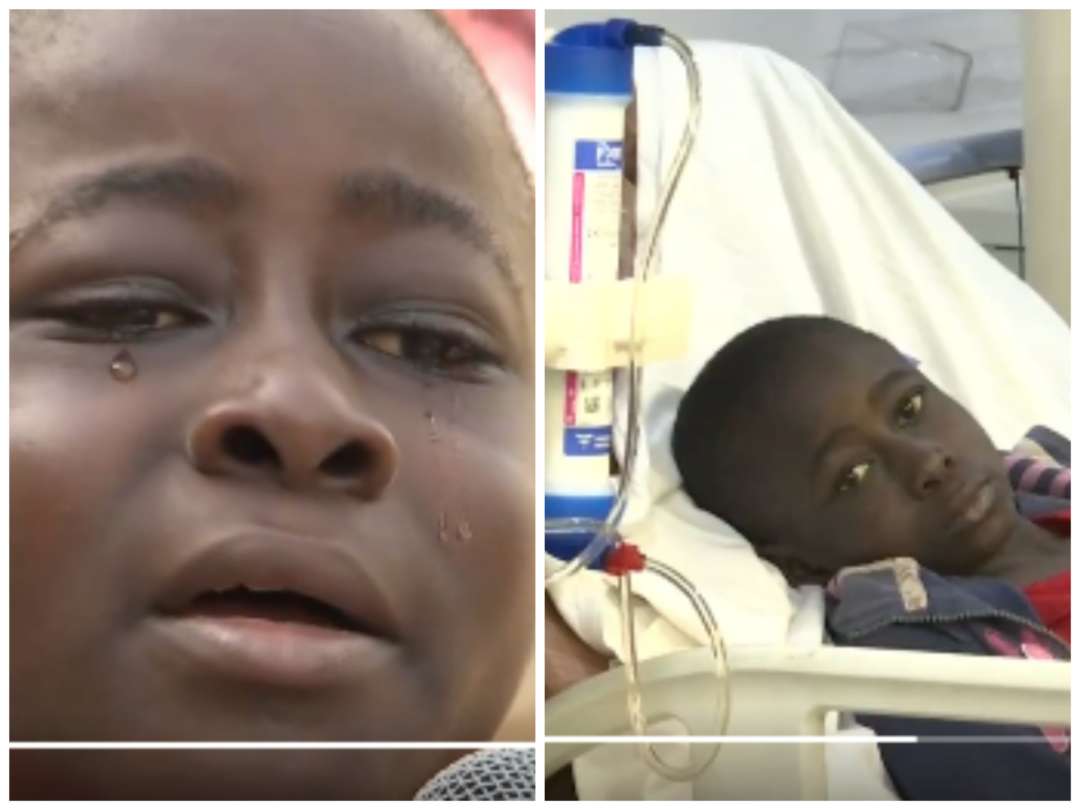
    Interacting with the media, Ama broke down several times, with tears falling from her checks, as she shared her struggles in receiving treatment.

    On finances, Ama noted that she most often takes in no food when her family struggles to raise funds for her treatment.

    “If the day for our dialysis approaches and we lack the funds, with nothing in the house to eat, I lose my appetite entirely,” she said.

    The treatment takes a toll on one’s body, and for Ama, sleep evades her whenever she visits the hospital.

    “At first when I started the dialysis, whenever I go for dialysis and come back, I will not sleep.”

    Although Ama remains hopeful of a better future for herself and others like her, her present situation presents the most painful part of her young life.

    “It is the most painful thing in life, what I go through, I don’t want the young ones who are coming to go through that,” she tearfully said.

    To aid Ama, kindly send all donations to…

    MTN MOMO: 0557933570

    NAME: EIB NETWORK REFERENCE: DIALYSIS

    ECOBANK ACCOUNT: 1441002387517

    NAME: EIB NETWORK BRANCH: RING ROAD CENTRAL

    Ghana’s struggle with dialysis

    Recent fee hikes for dialysis treatment at the Komfo Anokye Teaching Hospital and Korle Bu Teaching Hospital raised concerns about the affordability of care for patients. Some patients have tragically died due to financial constraints.

    On the matter, Health Minister designate, Dr. Bernard Okoe-Boye, is advocating for the removal of taxes on dialysis consumables to ease the financial burden on renal patients in Ghana.

    Aside from the financial constraint, Komfo Anokye Teaching Hospital (KATH) is facing a critical shortage of dialysis machines, with the hospital’s Chief Executive Officer, Professor Dr. Otchere Addai-Mensah, revealing that they have no more than two machines available.

    During a meeting with Finance Minister-designate, Mohammed Amin Adams, KATH’s Chief Executive Officer, Professor Dr. Otchere Addai-Mensah, emphasized that the hospital’s two dialysis machines are insufficient to meet patient demand.

    Insufficient dialysis equipment at the Komfo Anokye Teaching Hospital (KATH) has led to the redirection of some patients to private facilities.

    The hospital, known for its role as a referral center, is struggling to meet the needs of its dialysis patients due to a shortage of equipment.

    Dr. Addai pointed out that due to the lengthy duration of each dialysis session, patients may experience extended wait times if there is a large queue.

    Furthermore, he highlighted that the hospital has been without a mammography machine for the past 18 years.

  • Korle Bu Renal Unit resumes operation, introduces new patients requirements

    Korle Bu Renal Unit resumes operation, introduces new patients requirements

    The Renal Dialysis Unit at the Korle Bu Teaching Hospital has been reopened to outpatients following an order from the Minister of Health.

    The unit had been temporarily closed in May for renovation, and when it was reopened, patients were faced with increased costs, ranging from GH¢380 to GH¢765.42.

    Protests erupted due to these proposed higher charges, prompting the immediate closure of the facility, even though it continued to provide intensive care for severe cases.

    The hospital’s management also initiated an internal inquiry into the pricing, as it had not received parliamentary approval.

    The closure of the facility sparked public outrage, leading to Parliament summoning the Minister of Health to address the issue. Prior to his appearance on Thursday, November 9, Kwaku Agyeman Manu instructed the hospital’s management to admit outpatients once again.

    This directive was issued on Thursday, November 2, according to Isaac Baah Ofei, the Public Relations Officer (PRO) of the Ministry of Health.

    “The Minister has directed the Chief Executive Officer of Korle-Bu to, as a matter of urgency, see to the opening of the centre, and so he directed as well that it be opened,” Mr Baah Offei disclosed in an interview on TV3.


    On Tuesday, November 7, Godwin Asediba of TV3 reported from the unit that, although it has been reopened to outpatients, they are now required to provide laboratory results before being scheduled for dialysis.

    This measure has been implemented as a precautionary step to guard against the potential introduction of bacteria from procedures conducted at private centres in the recent past.

    “I am a bit relieved,” a kidney patient said.

    “At least, it’s quite better than doing it outside. I am more comfortable doing it over here than outside. Korle Bu is the best.”

    But some of the patients have raised concerns that the facilities at the unit may break down due to pressure from the over 251 of them seeking care.

    According to them, if government does not beef up the number of pieces of equipment at the unit, it may be shut down again in the next month or two.

  • Mother of five in desperate fight against kidney disease, appeals for assistance

    Mother of five in desperate fight against kidney disease, appeals for assistance

    In December 2022, Amaka Animba, a 52-year-old mother of five, was living a content and vibrant life, running a prosperous kitchen and household wares business in Lokoja, Kogi State.

    However, her life took a drastic turn when she was diagnosed with advanced-stage kidney failure (Chronic Kidney Disease).

    Since then, her family has been in a relentless battle to save her life, depleting their investments, savings, and resources to support her thrice-weekly haemodialysis sessions, which cost a minimum of N35,000 per week.

    Additionally, her treatment includes blood-forming injections and other medications, tallying up to approximately N90,000 monthly, as reported by the Federal Teaching Hospital Lokoja.

    Emeka Animba, her son, reveals that the family’s monthly expenses on medications and hospital bills range between N450,000 to N500,000.

    Mrs. Animba, now at the Federal Teaching Hospital Kogi State, can barely communicate and has exhausted the family’s financial means. She fervently appeals to fellow Nigerians for assistance in her time of need.

  • Cost of dialysis treatment: We are looking at subsidy or NHIS cover – Health Minister

    Cost of dialysis treatment: We are looking at subsidy or NHIS cover – Health Minister

    Health Minister, Kwaku Agyeman-Manu, has disclosed that the government is exploring the possibility of subsidizing the expenses associated with dialysis treatment for individuals afflicted by kidney diseases.

    He says the possibility of the National Health Insurance Scheme (NHIS) covering the treatment is also being considered.

    This announcement follows grievances raised by the Renal Patients Association of Ghana concerning the high costs of dialysis and treatment at the Korle Bu Teaching Hospital (KBTH) and other public healthcare facilities.

    Mr Agyeman-Manu, speaking at the 50th anniversary and Annual Congress of Medical Laboratory Scientists, stated that comprehensive consultations are underway to address the challenges surrounding dialysis treatment.

    “I have reported to cabinet and cabinet is expecting a proposal from me. This morning as I came to this function, I met with the Kidney Association of Ghana and we are all talking and we are working on certain things.”

    He added: “Yesterday, I met with some parliamentarians and we are soliciting views. We will either put it on the health insurance or government finds subsidy to bring it down, and we are probably even looking at health insurance nomenclature to see how best we can solve that.”

    Regarding the recent scarcity of anti-retroviral drugs for HIV/AIDS patients, the Health Minister assured that such a situation will not happen again. He indicated that a committee would be established to investigate the factors contributing to the shortage of anti-retroviral drugs.

    In the meantime, the Ghana Association of Medical Laboratory Scientists is advocating for the enactment of legislation to establish a Medical Laboratory Science Council tasked with regulating the profession of medical laboratory scientists throughout the country.

    The group also seeks the creation of a dedicated directorate within the Ministry of Health, operating at national, regional, and district levels, with responsibilities for overseeing Medical Laboratory services.

  • Foods you should avoid if you have kidney-related issues

    Foods you should avoid if you have kidney-related issues

    If you have kidney-related issues, it’s crucial to be mindful of your diet to support kidney function and prevent further damage. Here are some foods you should limit or avoid:

    1. High-Sodium Foods: Excessive sodium can raise blood pressure and strain the kidneys. Avoid or limit foods like processed and fast foods, canned soups, pickles, and salty snacks.
    2. High-Potassium Foods: In kidney disease, potassium levels can become too high. Foods like bananas, oranges, potatoes, tomatoes, and spinach are high in potassium and should be limited.
    3. High-Phosphorus Foods: Excess phosphorus can harm the kidneys. Foods like dairy products, nuts, seeds, and cola drinks are high in phosphorus and should be controlled.
    4. Red and Processed Meats: These are high in protein and can increase the workload on the kidneys. Consider lean protein sources like poultry, fish, and plant-based proteins.
    5. High-Sugar Foods: Sugary foods and drinks can contribute to weight gain and diabetes, which can stress the kidneys. Limit sugary snacks and beverages.
    6. Excessive Protein: Consuming too much protein can lead to a buildup of waste products in the body. Control your protein intake, especially if you have advanced kidney disease.
    7. Caffeine: Caffeine can raise blood pressure, so limit your intake of coffee, tea, and energy drinks.
    8. Alcohol: Excessive alcohol can affect the kidneys and raise blood pressure. Limit your alcohol consumption.
    9. Processed Foods: These often contain additives and preservatives that can be hard on the kidneys. Opt for fresh, whole foods whenever possible.
    10. Dairy Products: High in phosphorus and potassium, dairy should be consumed in moderation. Consider low-phosphorus alternatives like almond milk.

    Remember that dietary needs can vary depending on the severity of your kidney issues, so it’s important to work with a healthcare professional or a registered dietitian to create a personalised meal plan that suits your specific condition and needs. They can help you manage your diet effectively to support kidney health.

  • Embrace healthy living to save your kidney – Ghana Kidney Association to Ghanaians

    Embrace healthy living to save your kidney – Ghana Kidney Association to Ghanaians

    The President of the Ghana Kidney Association (GKA), Professor Sampson Antwi, has emphasized the importance of embracing a healthy lifestyle among Ghanaians to safeguard their kidneys.

    In an official statement released on October 3, 2023, Professor Antwi expressed worry regarding the challenges related to dialysis in Ghana.

    He urged the populace to adhere to treatments addressing risk factors like hypertension and diabetes mellitus while cautioning against the excessive use of painkillers and herbs.

    Professor Antwi informed that the GKA had taken proactive measures to collaborate with stakeholders, aiming to enhance the accessibility and affordability of dialysis for the general public.

    He committed to updating the public on the outcomes of these collaborations.

    Furthermore, he urged everyone to prioritize a healthy lifestyle for the protection of their kidneys.

    Additionally, Professor Antwi encouraged individuals diagnosed with kidney disease to seek medical attention promptly to decelerate the progression of the ailment.

    “Early reporting to hospital for all patients who have been diagnosed with kidney disease can slow down the disease progression.

    The recent proposal by the renal unit of Korle Bu Teaching Hospital to double the cost of dialysis from GH¢380 to GH¢765.14 stirred debates regarding the expenses linked with treating kidney disease in Ghana.

    However, due to public outcry and the lack of parliamentary approval, the management decided to retract the decision.

  • Ghana Kidney Association highlights affordability as major challenge in dialysis crisis

    President of the Ghana Kidney Association, Prof. Sampson Antei, has expressed concern over the high cost of kidney dialysis, noting that it is an expensive treatment that many patients worldwide cannot afford out of their own pockets.

    “Affordability has been the major challenge and this has existed over all these years,” he said while contributing to Kidney Health Matters on JoyNews on Thursday, October 5, 2023.

    Mr. Antei stated that the Ghana Kidney Association is working to reduce the cost of dialysis. This discussion arose after the Korle Bu Teaching Hospital raised the per-session dialysis cost for individuals with kidney conditions by more than 100%.

    An announcement on the department’s door had indicated, “the cost of dialysis has been increased from GH¢380 to GH¢765.42.”

    However, the hospital attributed the steep increase to high taxation. Following significant opposition, the hospital management was compelled to reverse its decision.

    The president of the Ghana Kidney Association also expressed the hope that no kidney patients progress to the end stage. He emphasized the critical nature of this stage, where patients may face life-threatening circumstances without access to an artificial kidney.

    He explained that kidney disease has five stages, and the condition can be managed up to the first four stages. However, once it reaches stage five, it signifies that the kidney has completely ceased to function, and patients may need to rely on an artificial kidney.

    “We know everywhere in the world that the cost of treatment of getting an artificial kidney what we call kidney replacement therapy i.e. dialysis or kidney transplant is so expensive yet that is the solution. It is a solution to what otherwise being a dead end would.”

    For this reason, he said, “We pray that people with kidney disease do not get to what we call the end stage.”

  • Many kidney patients losing their lives due to high cost of dialysis – KATH Nephrologist

    The exorbitant cost of dialysis treatment has been identified as a major contributor to the high mortality rate among kidney patients at the Komfo Anokye Teaching Hospital (KATH) in Kumasi.

    One out of every three patients seeking medical assistance for kidney-related issues at KATH succumbs to their condition due to the inability to cover the steep expenses associated with continuous dialysis treatment.

    Dr. Elliot Koranteng Tannor, a nephrologist at KATH, expressed concern about the alarming rate of premature deaths among kidney patients who cannot afford dialysis treatment.

    In an interview with the Ghana News Agency in Kumasi, Dr. Tannor, a specialist in kidney-related ailments, highlighted the growing cases of kidney failure and the resulting high mortality rates in the country.

    He emphasized the urgent need for government intervention to make the cost of treatment more affordable.

    Ideally, patients undergoing dialysis should receive treatment three times a week until a transplant becomes feasible. However, due to the high cost of dialysis, many patients can only afford to undergo the procedure twice or even once a week instead of the recommended three times.

    Dr. Tannor expressed concern that a proposed increase in the cost of dialysis, such as the one mentioned at the Korle-Bu Teaching Hospital in Accra, could further exacerbate the financial burden on patients.

    If approved, this increase could render dialysis treatment unaffordable for many patients, potentially leading to more premature deaths.

    He stressed that the majority of patients already struggle to cover the existing costs, and any further increases would have disastrous consequences for patients and their families.

    “It is really sad to gape at people die on dialysis on daily basis,” he said sadly.

  • A substantial sum for survival: Paying GHC1,800 weekly, GHC7,200 monthly, just to stay alive

    A substantial sum for survival: Paying GHC1,800 weekly, GHC7,200 monthly, just to stay alive

    In Ghana, kidney patients have to undergo dialysis at least 2 or 3 times every week to remove waste products from their blood when their kidneys fail or are infected.

    During each dialysis session, the patient’s blood is drawn from their body through a needle and passed through a special filter that removes harmful substances. The cleaned blood is then returned to the body. However, this essential procedure comes with a high financial burden for individuals.

    In Ghana, the cost of each dialysis session amounts to an average of GHC 600, and this is in addition to other required medications that may cost close to GHC 300.

    For kidney failure patients aiming for a higher chance of survival, regular visits to the hospital every week are necessary. Depending on the number of sessions required, individuals may end up spending either GHC 7,200 or GHC 10,800 every month on dialysis.

    The seriousness of the situation cannot be understated, as failure to continue and be consistent with the dialysis sessions may put the individual’s life at risk.

    “As I speak, at my center; Korle Bu cannot take all of us so after admission, they give you a list of centers, and you pick the one that is closer to you. At the moment, at my center, a session is 650 cedis, and that’s just the dialysis.

    “And you have to take what is called EPO Iron injection, so that your blood levels do not drop. There are two ways to make sure that your iron levels do not drop. One – your kidney does not produce the iron needed for blood production so sometimes your blood will drop if you have a kidney issue,” he said.

    “And two – Because the blood passes through the dialyser or the machine, obviously at the end of every session, there is some amount of blood that is taken by the machine so you always need to be on these medications to give you that optimum level of blood and that’s 230 cedis. So you add 230 cedis to 650 cedis, that’s 900 cedis and that’s what I pay per session and I do 2 sessions a week so we are looking at about 1,800 a week for just 2 sessions of dialysis.

    “When the economy challenges also came, it also impacted because all these, the materials we use for dialysis are imported. Especially from the last 3 months, there’s been an increase in price of dialysis. Of course, moving from 320 cedis to 900 cedis in just 2 years should tell you what the exchange rate has done to us,”

    Organ transplantation presents a potential solution to alleviate the financial burden on individuals with kidney diseases who require constant dialysis to survive.

    In healthcare, organ donation and transplantation play a vital role, saving lives and enhancing the quality of life for many. Ghana recognizes the importance of these medical interventions and is actively working to raise awareness and enact relevant legislation in this domain.

    Although organ transplants can be costly, Prof. Matthew Kyei, a Urologist at the Korle Bu Teaching Hospital, highlights that undergoing a transplant saves individuals from the ongoing expenses of dialysis, which may not guarantee long-term health after 5-10 years.

    However, for organ transplants to occur, appropriate legal frameworks are necessary to ensure the legal and ethical harvesting and availability of organs, such as kidneys, for patients in need.

    At present, Ghana lacks proper laws governing organ harvesting, donation, and transplantation.

    To address this issue, GhanaWeb, the country’s leading digital news platform, is joining forces with the Korle Bu Teaching Hospital to launch an aggressive campaign. The primary goal is to advocate for comprehensive legislation that will regulate and guide organ harvesting, donation, and transplantation in the country through parliamentary approval.

  • Fake advertisement of medicines contribute to high kidney cases – Chief of Adansi Nyankumasi

    Fake advertisement of medicines contribute to high kidney cases – Chief of Adansi Nyankumasi

    Nana Afawuah Dum II, the Chief of Adansi Nyankumasi, has blamed the sale of wrong herbal medicines for wrong ailments as a key contributory factor to the high rise in kidney-related diseases in the country.

    He observed that the frequent intake of some herbal medication recommended by fake herbalists and spiritualists was among the reasons why some patients were battling kidney diseases. 

    Nana Dum II, called on the government through the Food and Drugs Authority to monitor, inspect, and sanitise the activities of such practitioners and the medicines they publicly advertised in the media space, to prevent the intake of such harmful substances. 

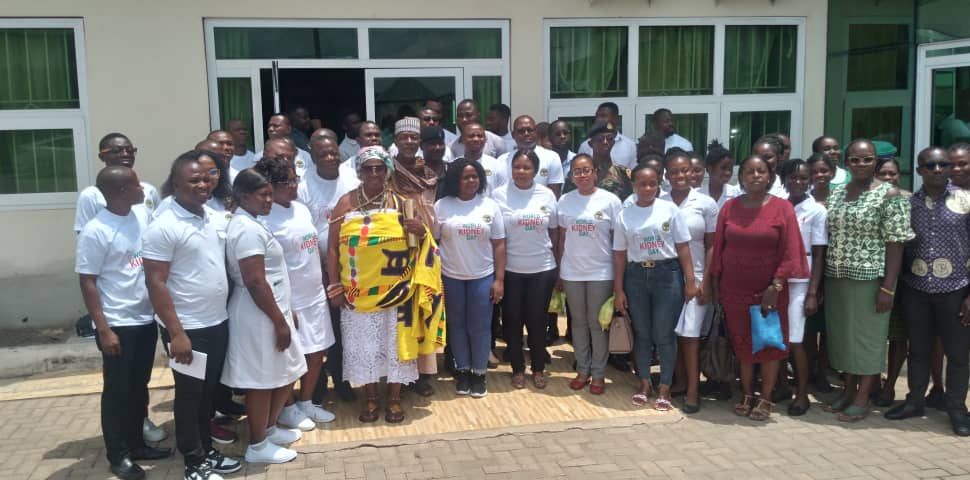
    The Chief revealed these and narrated his ordeal to the Ghana News Agency (GNA) during a free health screening at Cape Coast in the Central region, to mark the 2023 World Kidney Day. 

    The screening, organised by the Cape Coast Teaching Hospital (CCTH) on the theme; “Kidney Health for All,” was to increase awareness of kidney-related diseases, and educate the public on the need to take routine check-ups seriously to safeguard their health. 

    Nana Dum II, who was diagnosed four months ago, explained that he battled hypertension for years and resorted to herbal medicines recommended by friends and family, especially those advertised on television and radio which almost led to kidney failure.  

    He said low education on kidney-related issues among others were the reasons why patients engaged in self-medication, which eventually compounded their situation.  

    “The treatment and management of kidney diseases are expensive,” he noted and called on the authorities to include some aspects of the treatment of the disease in the National Health Insurance Scheme (NHIS) to support patients in that regard.  

    Additionally, he advised the public to desist from patronising un-prescribed and over-the-counter medicines and seek medical attention when they were not feeling well.  

    Some patients of kidney diseases, including Mr Thomas Cann, the Founder of ‘Yes We Can Kidney Foundation,’ called on the Government to consider adding dialysis units to the proposed agenda 111 projects, and further remove taxes on medical inputs and supplies used for dialysis and kidney care to reduce the cost. 

    Mr Cann who is a journalist with TV3 stated that kidney patients were dying not from the disease but rather, from the high cost of treatment which deterred them from seeking continuous care. 

    Madam Eunice deGraft-Eshun, a Senior Nurse in charge of the Dialysis Unit of the CCTH, said though the hospital charged the lowest in dialysis and kidney services compared to other facilities, the government needed to intervene to lessen the burden on patients. 

    “Though we charge the least in dialysis, it is expensive as a patient needs to go through the process every week for survival, she added. 

    She advised the public to avoid the consumption of artificial spices which accumulate to affect the kidneys in the long term. 

    Madam deGraft-Eshun revealed that out of every three million population, about thirty thousand persons were battling with kidney diseases representing thirteen per cent of the total population. 

  • Ho Teaching Hospital urges govt to include key treatment under NHIS

    Ho Teaching Hospital urges govt to include key treatment under NHIS

    The head of medicine at the Ho Teaching Hospital, Prof. Yaw Asante Awuku, has urged the government to cover kidney disease treatment under the National Health Insurance Scheme (NHIS).

    According to him, most people are unable to afford renal disease treatment due to its high cost, therefore included it in the NHIS’s coverage would greatly benefit patients in getting access to healthcare.

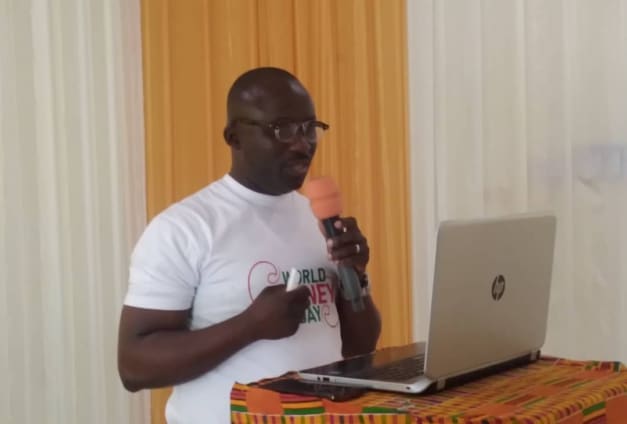
    Speaking at a celebration for World Kidney Day in Godokpoe, a suburb of Ho, Prof. Awuku stated that the only way to keep treating kidney disease in the nation was to get it covered under the NHIS.

    He said the country had challenges when it comes to the treatment of kidney disease and that through research, they had seen 1in 10 medical ward admission included chronic kidney disease that required dialysis which was very expensive.

    Government urged to include kidney treatment under NHIS

    Prof. Awuku mentioned hypertension, diabetes and smoking, self-medication as some risk factors and called on the citizens to adopt a healthy lifestyle and go for regular screening to know the state of their kidneys.

    On the theme: “Kidney Health for All; Preparing for the Unexpected, Supporting the Vulnerable,” Prof. Awuku noted that preparation for unexpected events was incredibly important for kidney patients.

    He called for intensive community education on Non-Communicable Diseases (NCDs) including kidney disease and highly subsidised and accessible hemodialysis services, and institutionalisation of kidney transplant programmes in Ghana.

    The Professor urged policymakers to adopt integrated health strategies that prioritise prevention, early detection, and management of NCDs, including kidney disease.

    “Health care services should also provide equitable and proper access to care for chronic patients in times of emergency.”

    Prof. Awuku also asked policymakers to include emergency preparedness plans in the management and detection of NCDs and proritise these conditions.

    The Queen mother of Ho-Dome, Mama Attrato II who chaired the programme urged the media to continue to highlight issues related to kidney disease and to educate the public on the risk factors.

    She said a lot of people continue to indulge in acts including excessive drinking of alcohol, smoking and others which posed risk to their kidneys, and asked the media to help sensitise the citizens.

    The Queen mother said, the kidney, like any other part of the body, required extra care, and therefore, appealed to the citizenry to avoid a lifestyle that could cause damage to their kidneys.

    Dr Lord Graceful Mensah, Acting Medical Director at the Ho Teaching Hospital, in a welcome address, noted that kidney disease was among the leading causes of NCDs that required early detection, prevention and treatment.

    He said kidney disease was not a respecter of person and there was the need for all to pay serious attention to it, as it carried a lot of burdens including frequent visits to the hospital.

  • Afghanistan: ‘I drug my hungry children to help them sleep’

    Afghans are giving their hungry children medicines to sedate them – others have sold their daughters and organs to survive. In the second winter since the Taliban took over and foreign funds were frozen, millions are a step away from famine.

    “Our children keep crying, and they don’t sleep. We have no food,” Abdul Wahab said.

    “So we go to the pharmacy, get tablets and give them to our children so that they feel drowsy.”

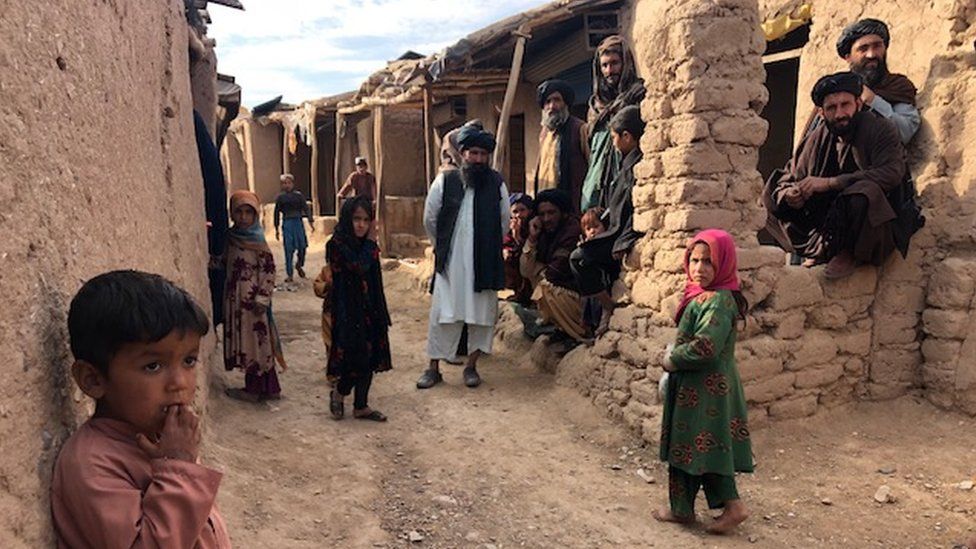
    He lives just outside Herat, the country’s third largest city, in a settlement of thousands of little mud houses that has grown over decades, filled with people displaced and battered by war and natural disasters.

    Abdul is among a group of nearly a dozen men who gathered around us. We asked, how many were giving drugs to their children to sedate them?

    “A lot of us, all of us,” they replied.

    Ghulam Hazrat felt in the pocket of his tunic and pulled out a strip of tablets. They were alprazolam – tranquilisers usually prescribed to treat anxiety disorders.

    Alprazolam

    Ghulam has six children, the youngest a year old. “I even give it to him,” he said.

    Others showed us strips of escitalopram and sertraline tablets they said they were giving their children. They are usually prescribed to treat depression and anxiety.

    Doctors say that when given to young children who do not get adequate nutrition, drugs such as these can cause liver damage, along with a host of other problems like chronic fatigue, sleep and behaviour disorders.

    Men and children on the streets in Herat
    Image caption, The men in this area outside Herat are struggling to find work

    At a local pharmacy, we found that you can buy five tablets of the drugs being used for 10 Afghanis (about 10 US cents), or the price of a piece of bread.

    Most families we met were sharing a few pieces of bread between them each day. One woman told us they ate dry bread in the morning, and at night they dipped it in water to make it moist.

    The UN has said a humanitarian “catastrophe” is now unfolding in Afghanistan.

    A majority of the men in the area outside Herat work as daily wage labourers. They have been leading difficult lives for years.

    But when the Taliban took over last August, with no international recognition for the new de-facto government, foreign funds flowing into Afghanistan were frozen, triggering an economic collapse which left the men with no work on most days.

    On the rare day they do find work, they make roughly 100 Afghanis, or just over $1 (£0.83).

    Everywhere we went, we found people being forced to take extreme steps to save their families from hunger.

    Ammar (not his real name) said he had surgery to remove his kidney three months ago and showed us a nine-inch scar – stitch marks still a bit pink – running across his abdomen from the front of his body to the back.

    He’s in his twenties, in what should have been the prime of his life. We’re hiding his identity to protect him.

    “There was no way out. I had heard you could sell a kidney at a local hospital. I went there and told them I wanted to. Some weeks later I got a phone call asking me to come to the hospital,” he said.

    “They did some tests, then they injected me with something that made me unconscious. I was scared but I had no option.”

    Ammar's scar on his side
    Image caption, Ammar said he had his kidney removed for payment three months ago

    Ammar was paid about 270,000 Afghanis ($3,100) for it, most of which went into repaying money he had borrowed to buy food for his family.

    “If we eat one night, we don’t the next. After selling my kidney, I feel like I’m half a person. I feel hopeless. If life continues like this, I feel I might die,” he said.

    Selling organs for money is not unheard of in Afghanistan. It used to happen even before the Taliban takeover. But now, even after making such a painful choice, people are finding that they still cannot find the means to survive.

    In a bare, cold home we met a young mother who said she sold her kidney seven months ago. They also had to repay debt – money they had borrowed to buy a flock of sheep. The animals died in a flood a few years ago and they lost their means of earning a living.

    The 240,000 Afghanis ($2,700) she got for the kidney are not enough.

    “Now we are being forced to sell our two-year-old daughter. The people we have borrowed from harass us every day, saying give us your daughter if you can’t repay us,” she said.

    “I feel so ashamed of our situation. Sometimes I feel it’s better to die than to live like this,” her husband said.

    Over and over again, we heard of people selling their daughters.

    “I sold my five-year-old daughter for 100,000 Afghanis,” Nizamuddin said. That’s less than half what a kidney goes for, according to what we found on the ground. He bit his lip, and his eyes welled up.

    The dignity that people here led their lives with has been broken by hunger.

    “We understand it’s against Islamic laws, and that we’re putting our children’s lives in danger, but there’s no other way,” Abdul Ghafar, one of the heads of the community, said.

    Nazia
    Image caption, Nazia is still living with her family but has been sold to be married when she is 14

    In one home we met four-year-old Nazia, a cheerful little girl who made funny faces as she played with her 18-month-old brother Shamshullah.

    “We have no money to buy food, so I announced at the local mosque that I want to sell my daughter,” her father Hazratullah said.

    Nazia has been sold to be married to a boy from a family in the southern province of Kandahar. At 14, she will be sent away. So far Hazratullah has received two payments for her.

    “I used most of it to buy food, and some for medicine for my younger son. Look at him, he’s malnourished,” Hazratullah said, pulling up Shamsullah’s shirt to show us his bloated belly.

    The staggering rise in malnutrition rates is evidence of the impact that hunger is already having on children under the age of five in Afghanistan.

    Médecins Sans Frontières (MSF) has seen the rate of admissions at their facilities treating malnutrition across the country increase by as much as 47% this year over the last.

    MSF’s feeding centre in Herat is the only well-equipped malnutrition facility catering not just to Herat, but also to the neighbouring provinces of Ghor and Badghis, where malnutrition rates have gone up by 55% over the last year.

    Since last year, they’ve increased the number of beds they have to cope with the number of sick children they’re having to admit. But even so, the facility is almost always more than full. Increasingly the children arriving have to be treated for more than one disease.

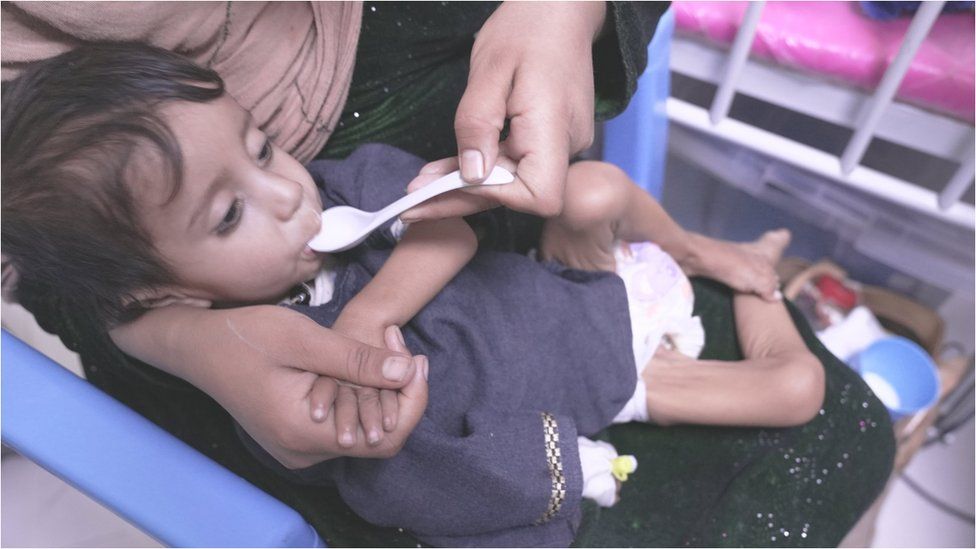
    Omid is malnourished, and has hernia and sepsis. At 14 months, he weighs just 4kg (9lb). Doctors told us a normal baby at that age would weigh at least 6.6kg. His mother Aamna had to borrow money to make the journey to the hospital when he began to vomit profusely.

    A small, emaciated child is fed by a spoon
    Image caption, Omid is 14 months old but weighs much the same as a newborn baby

    We asked Hameedullah Motawakil, spokesman of the Taliban’s provincial government in Herat, what they were doing to tackle hunger.

    “The situation is a result of international sanctions on Afghanistan and the freezing of Afghan assets. Our government is trying to identify how many are in need. Many are lying about their conditions because they think they can get help,” he said. It’s a stance he persisted with despite being told that we have seen overwhelming evidence of how bad the situation is.

    He also said the Taliban were trying to create jobs. “We are looking to open iron ore mines and a gas pipeline project.”

    It’s unlikely that will happen soon.

    People told us they felt abandoned, by the Taliban government and the international community.

    Hunger is a slow and silent killer, its effects not always immediately visible.

    Away from the attention of the world, the scale of the crisis in Afghanistan might never truly come to light, because no one is counting.

  • Gambian parliament will debate the cough syrup scandal

    The Gambian parliament will hold an extraordinary session on Wednesday to discuss the deaths of nearly 70 children linked to cough syrups made in India.

    The children were found to have severe kidney problems.

    The session in parliament on Wednesday will be the country’s first since the tragedy earlier this month.

    Gambian health authorities said there were no more new cases, but there are 82 existing cases and 12 recoveries.

    Most of the existing cases involve children aged one and two years.

    Civil society organisations in the country are mounting pressure on the authorities to take action against those responsible for importing the drugs.

    Health officials and the Red Cross have started a second phase of recalling the cough syrups.

    Police investigations have established that the Medicine Control Agency was established without a laboratory to test the safety of the drugs.

    President Adama Barrow has set up a commission of inquiry to investigate the deaths.


  • Woman dies in Saudi Arabia after she was forced by boss to remove her kidney


    A family is in pain and grief after their family member died three weeks after travelling to Saudi Arabia to work as domestic help.

    However, after a week on the job, according to information obtained by the family, she was forced to donate her kidneys to one of her ailing bosses, which she bluntly refused.

    She was forced to donate her kidneys to her boss’s sick child, which she initially refused, calling her husband and telling him what was going on and how her life was in danger when her boss forced her to donate her kidneys for his child donate, even after saying no and declining she would not donate her kidneys.

    Her husband then tried to reach her by phone but was unable to reach her. The husband, named Juma, did not hear from his wife again, only to be informed by her friend that she was gone. According to the employer, Rose Atieno, the deceased, was taken to hospital after falling while cleaning windows.
    She was pronounced dead and her body was sent to Kenya just so her family could see surgical procedures and patched wounds on her abdomen. Her family mourns her loss even though she refused to donate her kidneys, it was forcibly taken from her.

    She went to Saudi Arabia in search of greener pastures, but her body was sent back to her family.

    Our deepest condolences to the bereaved family and I think it is high time our ladies stop rushing to Arab countries to work as maids, and they are put to work instead of getting killed.


    Source: Ghanaweb

  • Kidney transplant : Changing kidney blood type may boost transplants

    In a breakthrough that could enhance the supply of organs for transplant, researchers have effectively changed the blood type of the donor’s kidneys.

    The discovery has special implications for underrepresented populations, for whom it is frequently more difficult to find a match.

    A blood type A person cannot donate their kidney to a type B person, and vice versa.

    However, making a kidney’s blood type the universal type O will enable it to be transplanted into any recipient.

    People from black and other ethnic minority groups often have to wait a year longer for a transplant than white patients because they are more likely to have the rarer B-type blood group.

    Rates of organ donation among those populations are also lower. In 2020/21, just over 9% of total organ donations came from black and other minority ethnic donors, while people from those communities make up 33% of the kidney transplant waiting list.

    Scientists at the University of Cambridge were able to use a normothermic perfusion machine – a device used to pass oxygenated blood through a kidney to help preserve it – to flush blood infused with an enzyme through a donor’s kidney.

    The enzyme removes the blood-type markers that line the blood vessels of the organ, effectively changing its blood type to type O. The process took a matter of hours when it was successfully performed on three donor kidneys.

    Serena MacMillan, a Ph.D. student who worked on the study, said it was “very exciting to think about how this could potentially impact so many lives”.

    The next step is to see how the kidneys react when given a normal supply of blood from their new blood group, something which can again be tested using a machine before the kidney is transplanted into a patient.

    The research, which is funded by the charity Kidney Research UK, is due to be published in the British Journal of Surgery in the coming months.

    Dr. Aisling McMahon, executive director of research at the charity, called the work “potentially game-changing”.

    This is a fascinating and compelling idea, but its impact on organ transplantation is still unproven.

    There are questions about the science and how much more it can increase the availability of organs for donation.

    It will take further tests to see how these tweaked organs perform when actually dealing with formerly mismatched blood. And to ensure their process does not damage the kidneys in any way.

    This will have to be tested in the laboratory and then in small numbers of patients.

    Also, the blood group is only one of three ways kidneys are matched before transplant and half the population is already either O positive or O negative (whose kidneys can be donated to anybody).

    Tissue matching and cross-matching (in which the blood of donor and recipient are mixed to see if there’s a reaction) will still be a factor, particularly in ethnic groups.

    For now, the best way of increasing the number of life-saving transplants remains more of us – from every community – becoming.
  • My condition is worsening, help save my life – Kidney patient begs Ghanaians

    The health condition of 26-year-old William Bortey is worsening each passing day as he is unable to raise funds to undergo a kidney transplant.

    William, who is sitting on a time bomb, has been battling the last stage of a chronic kidney failure disease and has now been diagnosed with damage of his liver.

    The severe kidney and liver damage is causing a constant bulge in his stomach. At the moment, William’s life is solely dependent on dialysis and a kidney transplant.

    The dialysis treatment is also very expensive for this sick man and his family, who are farmers. They spend almost GHC600 every week on this treatment.

    “We spend almost GH¢600 only on dialysis every week, which he has to go twice every week,” William’s mother told GhanaWeb in an interview.

    GhanaWeb was able to raise an amount of GH¢6,340 out of the GHC160,000 needed for the transplant, in July 2020 when we first broke his story. Click here for his story.

    The monies from generous Ghanaians is what enabled the 26-year-old patient receive his dialysis treatment to this point. He is therefore appealing to Ghanaians to help save him from dying as his condition keeps deteriorating.

    To help save William, kindly donate any amount through the MOMO details below:

    Account Name: Bortey William

    Account: MTN

    MOMO Number: 0242746115

    Source: www.ghanaweb.com

  • Chemicals in preserved beans cause cancer, kidney diseases

    Abuja and Zaria — The quantity of chemicals in preserved beans sold across the country is unsafe for consumers, as its long term effects could lead to cancer and kidney-related diseases among others, Daily Trust investigation reveals.

    Checks also show that some of the pesticides have been banned in other countries but are freely used in Nigeria despite the fact that they portend grave danger to consumers.

    Many farmers and grain merchants in Nigeria employ various insects control measures, including the use of chemicals, Daily Trust reports.

    It was gathered that grain merchants resorted to pesticide control measures in order to mitigate losses as beans (cowpea) are highly susceptible to pest infestation, leading to huge post-harvest losses, lower food quality, and poor food safety.

    Laboratory analysis carried out by Daily Trust shows that consumers of grains preserved with pesticides, including beans are at risk due to their harmful effects.

    Further checks show that aside from acute effects, which include abdominal pain, dizziness, headache, nausea and vomiting, long term effects of consuming grains preserved with pesticides could lead to cancer and kidney diseases.

    Samples of beans were randomly obtained from markets in six states across the geopolitical zones, including Abuja, and tested in a laboratory at the University of Agriculture Makurdi, Benue State.

    The laboratory analysis revealed that the amount of pesticide residue on preserved beans sold in the markets is high and therefore harmful to humans.

    An alarm on the availability of beans preserved with poisonous substances and sold to unsuspecting buyers in Nigerian markets was earlier raised in September last year by the Consumer Protection Council (CPC), Daily Trust reports.

    It followed the information that had gone viral on social media about some retailers reported to be using a particular insecticide, sniper, to preserve beans.

    The CPC’s Director-General, Babatunde Irukera, was quoted as saying: “CPC has confirmed credible information that retailers, mostly in the open markets, are using pesticides to preserve beans. They use 2.2 Dichlorovinyl Dimethyl Phosphate (DDVP) compound otherwise marketed and known as sniper, to preserve beans.”

    The CPC had advised consumers to extensively parboil their beans before consuming them and to make sufficient inquiries before buying beans.

    But the advice seems unheeded as Daily Trust checks revealed that farmers and marketers still use pesticides to protect beans from attacks, particularly from weevils, a sub-family of beetles that typically infest various kinds of beans or seeds, living most of their juvenile lives inside a single seed.

    It was gathered that by their composition some of the chemicals used in cowpea preservation are potentially injurious when human beings are unduly exposed to them by inhalation, absorption, direct skin contact, or ingestion.

    Experts lamented that sometimes the right amount of pesticide is not used. They also noted that some traders take their beans to the market even before the expiry date of the chemical used in preserving it. Actions they maintained could result in serious health hazards such as abdominal pain, dizziness, headache, nausea, and vomiting. According to them, long term health risks associated with the consumption of pesticides through stored food or other means include diseases of the kidney, prostate, breast, pancreas, liver, lungs, and skin cancer.

    Among the harmful chemicals used in preserving the beans samples analysed by Daily Trust are; Permethrin, Malathion, a-Endosulfan, b-Endosulfan, Aldrin, Dieldrin, Lindane, and Heptachlor.

    The laboratory analysis based on Gas Chromatography (GC) shows that the highest concentration of recovered chemical residue on preserved beans (amounting to 0.047mg/kg) was found in Permethrin followed by a-Endosulfan and b-Endosulfan with a recovered chemical residue of 0.44 mg/kg. Malathion had a recovered chemical residue of 0.01mg/kg.

    Pesticides with Maximum Residue Limits (MRL) were found in Aldrin and Dieldrin (0.014mg/kg) each Lindane (0.009mg/kg and Heptachlor (0.004mg/kg).

    Harmful pesticides analysed

    Checks by Daily Trust show that one of the harmful pesticides used for beans preservation in Nigeria, Permethrin, is listed as a “restricted use” substance by the US Environmental Protection Agency (EPA) due to its high toxicity to aquatic organisms.

    It is used both as a medication and insecticide. As a medication, it is used to treat scabies and lice while as an insecticide, it can be sprayed on clothing or mosquito nets to kill the insects that touch them.

    Another pesticide, Malathion, an insecticide in the chemical family known as organophosphates kills insects by preventing their nervous system from working properly. When healthy nerves send signals to each other, a special chemical messenger travels from one nerve to another to continue the message.

    The nerve signal stops when an enzyme is released into the space between the nerves. Malathion binds to the enzyme and prevents the nerve signal from stopping. This causes the nerves to signal each other without stopping. The constant nerve signals make it so the insects cannot move or breathe normally and they die.

    Checks show that humans, pets, and other animals can be affected the same way as insects if they are exposed to enough Malathion as the same amount will be taken into the body whether one breathes or swallows it. Malathion is also said to be readily taken into the body through the skin, though the amount absorbed depends on where the exposure occurs on the body. Malathion can become more toxic if it has been sitting for a long time, especially in a hot place.

    Humans could also be exposed to residues of Malathion, if they consume food that had been treated with this pesticide, Daily Trust checks show.

    Another analysed pesticide, Endosulfan is a chlorinated hydrocarbon insecticide of the cyclodiene subgroup, which acts as a contact poison in a wide variety of insects and mites. It is used primarily on food crops like tea, fruits, vegetables, and grains.

    Endosulfan is said to be a highly toxic substance and carries the signal word ‘DANGER’ on the label while its toxicity is said to be partly dependent on the manner with which the pesticide is administered.

    While several chronic effects are said to have been noted for animals exposed to endosulfan, checks also show that the pesticide is most likely to affect kidneys, liver, blood chemistry, and the parathyroid gland.

    Experts speak on implications

    An Associate Professor in the Faculty of Agriculture at the Ahmadu Bello University (ABU), Zaria, Dr. Nafiu Abdu, who carried out an independent analysis of the sampled test result, said pesticides applied in the sampled beans were more than the acceptable limit for human consumption.

    Dr. Abdul explained that pesticides generally have direct and indirect effects on human health.

    “These effects may be acute effects that occur immediately, which include skin rashes, blisters, blindness, diarrhea, dizziness, nausea and sometimes death or chronic adverse effects that occur years after exposure. These include cancer, reproductive disorders, including sterility, still birth, abortion and infertility as well as distortion of the central nervous system et cetera,” he said.

    He, however, said pesticides application could be above the acceptable limit for human consumption, but that may not necessarily translate to being harmful.

    “What determines the harmful effects of crops mixed with pesticides for storage is Health Risk Assessment. Therefore, health risk assessment has to be conducted before we can categorically say that the crops are harmful.

    “The health risk assessment demands a long procedure that involves a lot of calculations. Parameters such as hazard quotient, average daily intake et cetera must be determined before concluding that such crops are risky for humans’ health,” he said.

    On his part, a Consultant at the Ahmadu Bello University Teaching Hospital (ABUTH), Dr. Abdulazeez Umar, said the major issue is the failure of farmers and traders to respect the guidelines of using such pesticides.

    “Every pesticide has a duration that must expire before humans can safely consume crops preserved with it. Failure to respect this largely brings about the health hazard. For example, crops preserved with some pesticides must take one or two or more years before they can be safely consumed. However, because some people are desperate to make money, they bring such crops to market sometimes in less than three months.

    “This brings about instant death after consumption on many occasions. Again, this is why you hear stories that many people have died after consuming beans at a party, for example. Similarly, chronic exposure can result in Neurodegenerative disorders, kidney failure, autoimmune diseases et cetera,” he said.

    Why I avoid inorganic chemicals in preserving beans- Farmer

    A Makurdi based large scale cowpea (beans) farmer, Vitalis Tarnongo said he uses organic resources in preserving his beans due to the harmful effects of using inorganic items (chemicals).

    “I am very much aware of the harmful effect of preserving beans with chemicals such as sniper and rat poison. These can cause several health challenges to consumers such as cancer, heart failure, low sperm count and infertility.

    “This is why I personally avoid those harmful chemicals and go for organic resources in preserving my beans. I am also aware that some of these chemicals are banned elsewhere but are freely used in Nigeria,” Tarnongo said, adding that he also partners with the Federal University of Agriculture, Makurdi, on the use of organic chemicals in beans preservation.

    Chemicals pose grave danger – Consumer Protection Council

    The Federal Consumer and Competition Protection Commission (FCCPC) confirmed that beans preserved with sniper and other harmful chemicals pose grave danger to consumers.

    In response to Daily Trust inquiry, the Head of the Public Relations Unit of FCCPC, Mr. Ondaje Ijagwu, said the Commission had been mounting regulatory measures to protect consumers from badly preserved beans.

    “FCCPC recognises the grave danger posed to consumers by the use of sniper and other harmful chemicals to preserve beans. As such the Commission strongly advocates for a joint regulatory initiative to find a lasting solution to the menace,” he said.

    Source: allafrica.com
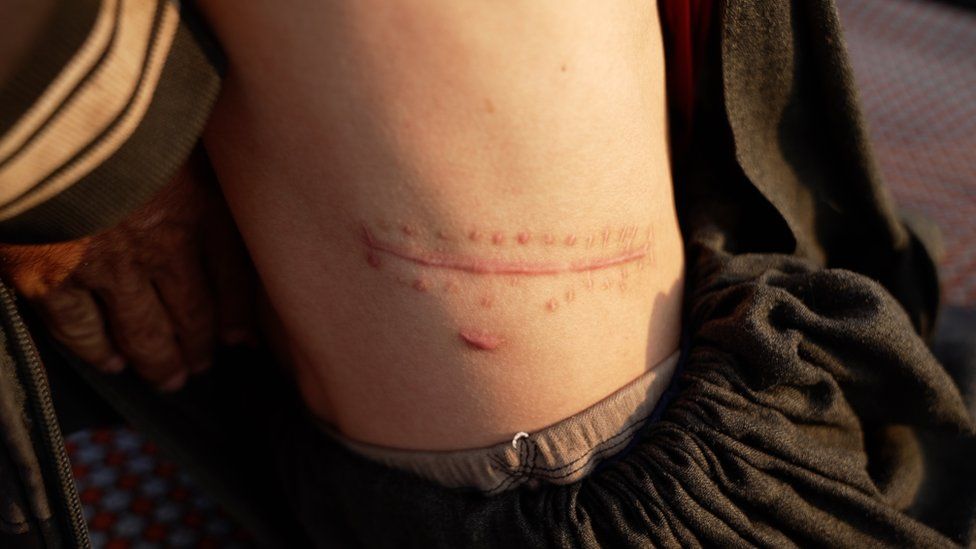
  • Kidney failure: The disease that kills the poor and spares the rich

    Have you ever lost a dear friend, family or loved one to kidney disease?

    The survival of a person battling kidney disease in Ghana is dependent on the financial capacity of the individual. This is because the cost of treatment for both an acute or chronic kidney failure disease is very expensive for the average Ghanaian.

    Speaking to GhanaWeb in a recent report, Dr Mensah Amoah, a nephrologist at the Korle-Bu Teaching Hospital revealed that the disease which is killing young people between the ages of 20-40, is largely due to the costs incurred during the treatment process.

    “It is very expensive for the average Ghanaian. Even me, if I have kidney failure, it will be very expensive for me to sustain dialysis. Each section of dialysis cost about GH¢325, and you need at least 3 for each week. So the dialysis alone, that is about GH¢1000.

    So in a month, thus 4 weeks, that will be about GH¢4000. You also need medications to boost your blood level up. You need BP medications…If you add all those extra costs, then you will need about GH¢5-6000 every month. The average Ghanaian cannot afford it.”

    Click here for the full story

    What happens to the poor person whose parents are just farmers and traders and are not in the position to afford the cost of treatment?

    GhanaWeb in our latest special series, puts the spotlight on William Bortey, a 26-year-old man, suffering from a chronic kidney failure disease.

    William, who has been battling this disease since January 2020 chronicled how he was diagnosed with the disease and the financial burden it has had on his family.

    Speaking to GhanaWeb’s Bernice Owusuwaa in the exclusive interview, William explained that in 2015, due to a strain in the relationship with his sister, which affected him psychologically, he was diagnosed with High Blood pressure.

    In the effort of trying to solve this medical condition, in his way, he resorted to the use of herbal medicines but that only aggravated his current condition.

    Five years down the line, without no symptoms, doctors informed him in January 2020 that both his kidneys have been damaged following a visit to the hospital after a short illness.

    His mother, who is a peasant farmer and trader by profession, has been forced to quit her job to care for her son, whose life is now solely dependent on a dialysis machine.

    Mrs Bortey told GhanaWeb that, they are dependent on assistance from friends, family and loved ones to be able to go for the dialysis twice every week. Due to their poor financial background, they are sometimes forced to starve to save the little gifted to them.

    William who used to work in a CCTV installation company before his current health condition aspires to be a businessman in the future and prays to recover by undergoing kidney transplant surgery which will cost GH¢160,000 in India.

    He is, therefore, pleading with the general public and NGOs to support him financially. To help save him kindly donate to his MOMO details below:

    Account Name: Bortey William

    Account: MTN

    MOMO Number: 0242746115

    Source: www.ghanaweb.com

  • Incorporation of Chronic Kidney Diseases screening in health delivery is vital – Prof Plange-Rhule

    Professor Jacob Plange-Rhule, a former President of the Ghana Kidney Association (GKA), has called for the incorporation of Chronic Kidney Diseases (CKD) screening into the non-communicable diseases screening programmes in the health delivery system.

    He said such a practice could help save time and minimize the costs of kidney treatment in the country.

    Professor Plange-Rhule was speaking at a public lecture to mark the World Kidney Day at Koforidua in the Eastern Region.

    He urged Ghanaians to be cautious of the food, drugs and herbal medicines that they consumed to reduce the risk of kidney disorders.

    Mr Eric Kwakye Darfour, the Eastern Regional Minister, called for an extension of the education on the chronic kidney disorders to the ordinary Ghanaians including market women, drivers and the ordinary men and women on the streets to create awareness and help reduce kidney diseases in the country.

    Dr Armel Abou, a Public Health Physician of the clinical care department of the Eastern Regional Health Directorate, who spoke on behalf of the Regional Director of Health said, about 850 million people are affected by kidney diseases worldwide.

    He said one in every seven adults suffers from chronic kidney disease and most of them are found in tropical Africa.

    Prof Mate Kole, the President of Ghana Kidney Association (GKA), said the commonest causes of kidney diseases are the lifestyle of people, hypertension and diabetes.

    He said the causes of the kidney disorders are preventable by adopting a healthy lifestyle, increasing physical activities, adopting healthy eating habits and avoiding excessive alcohol intake.

    Prof Kole said Ghanaians with kidney diseases face numerous challenges with regards to financing their treatment as well as accessibility to the health services they require.

    He urged all Ghanaians to work together to prevent CKD in the country.

    Source: GNA

  • 37 Die of kidney disease in north; Patients plead for its inclusion in NHIS

    Thirty-seven people died last year from kidney diseases at the Tamale Teaching Hospital (TTH) mainly due to their inability to afford dialysis.

    A senior nurse at the Renal Dialysis Unit of the TTH, Mr Awal Issahaku, told the Daily Graphic that the unit also diagnosed 78 patients of kidney diseases but they could not initiate dialysis due to the lack of financial support to pay for the treatment.

    However, the unit was able to help 40 patients to recover from kidney-related diseases last year.

    Dialysis is the main treatment for kidney-related diseases. It costs between GH¢300 and GH¢350 for a session of dialysis, which has to be performed thrice a week.

    Mr Issahaku spoke to the Daily Graphic during a health screening exercise organised by the unit in Tamale last Thursday to commemorate this year’s World Kidney Day.

    Statistics

    He indicated that out of the 2,029 cumulative number of sessions carried out by the unit from January to December last year, 322 persons suffered from chronic kidney diseases while 32 had acute kidney disease.

    Regular check-up/congestion

    Mr Issahaku explained that there was a high chance of survival for persons suffering from acute kidney diseases as compared to persons suffering from chronic kidney disease.

    He, therefore, advised the public to go for regular check-ups for early detection.

    He said the unit was the only centre serving the Northern, Upper East, Upper West, Savannah and North East regions.


    Source: Graphic.com.ghÂ