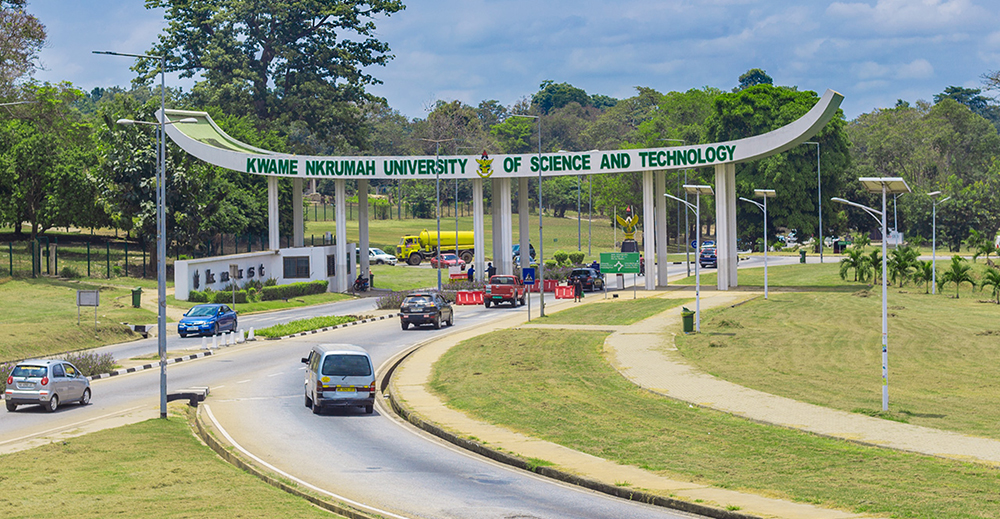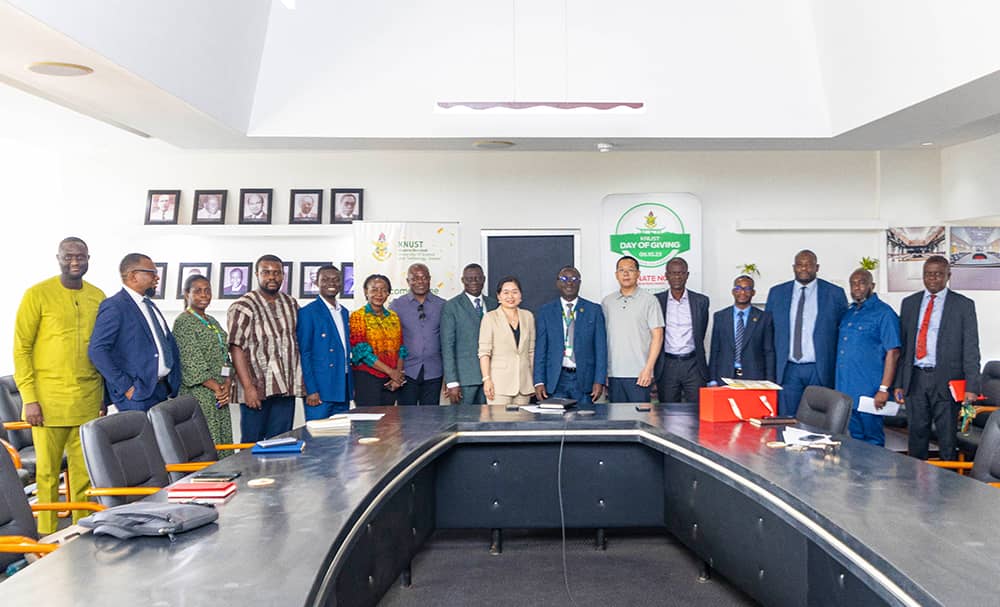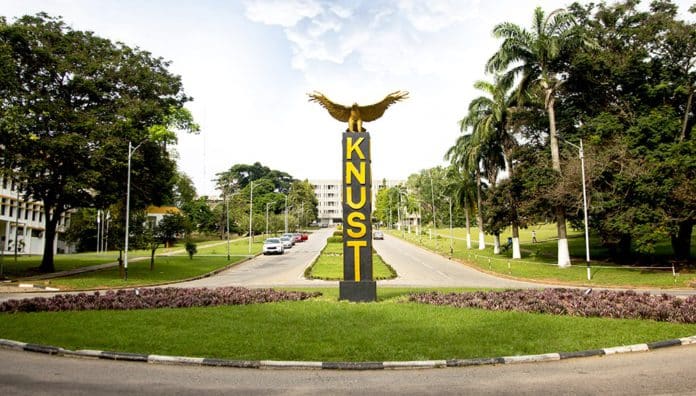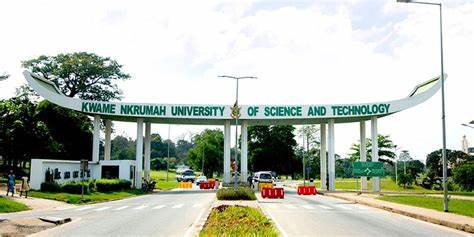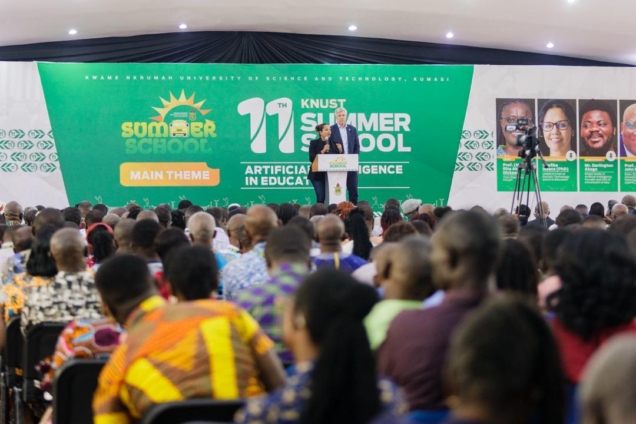
Kwame Nkrumah University of Science and Technology has committed to enhancing its operations through the application and inclusion of modern technology.
As a result, students at the university are expected to take courses in Artificial Intelligence (AI) starting next academic year.
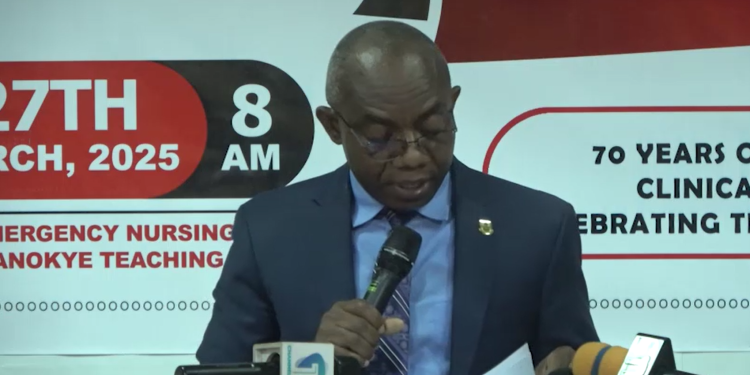
The school’s Vice-Chancellor, Prof. Rita Akosua Dickson, shared the news at the 3-day 11th Summer School of the University held on the theme “Responsible AI in Education,” where she stressed that the students will earn credits for the course while gaining the essential skills required for the technological revolution.
“This micro-credential course, which will have 1 credit hour will equip graduates with the knowledge and ethical grounding needed to apply AI responsibly across all disciplines,” Prof. Dickson said.
The Vice Chancellor urged universities the guide AI development to reflect local realities and foster sustainable learning.
Adding his quote to the development, founder and CEO of MinoHealth AI Labs, Darlington Ahiale Akogo, emphasized academia’s moral responsibility in AI innovation.
“Academia must not only teach AI but guide its conscience, and if we want AI systems that understand our classrooms and cultures, then the research and data must come from our own academic spaces,” Mr. Akogo said.
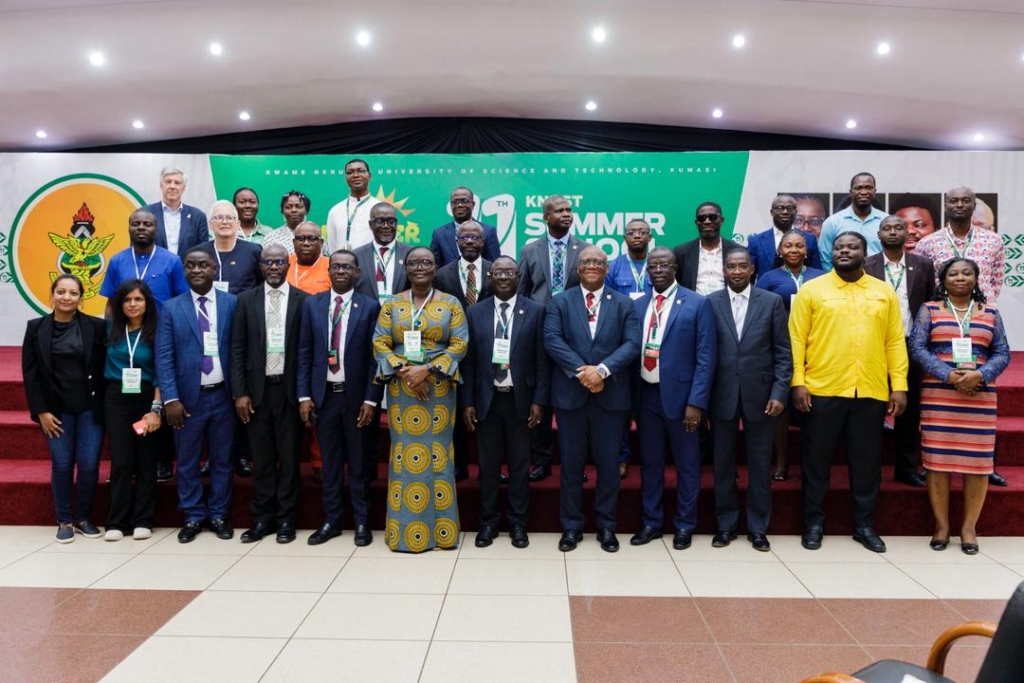
He advocated for partnerships among universities, industry leaders and policymakers to promote ethical and locally appropriate AI solutions.
In addition, a senior representative from UNESCO’s Section for Technology and AI in Education, Dr. Shafika Isaacs, also emphasized the importance of ethics in AI.
“Universities must become the testing ground for ethical innovation the space where we ask, ‘What kind of intelligence are we really building, and for whom?’” she quizzed.
In line with this development, the Ministry of Education announced plans to implement a subject-specific Artificial Intelligence App in Senior High Schools to enhance the delivery of the new Senior High Schools curriculum, without compromising the ethical and cultural values of Ghana.
According to a statement shared on the Facebook page of the Ghana Education Service, the design of Apps, which aim to support over 68,000 teachers in delivering the new curriculum to over 1.4 million learners, was co-created by the Ghana Education Service (GES), the National Council for Curriculum and Assessment (NaCCA), the National Teaching Council (NTC), the National School Inspectorate Authority (NaSIA) and the Centre for National Distance Learning and Open Schooling (CENDLOS) and Playlab Al with support from Transforming Teaching, Education & Learning (T-TEL) and Mastercard Foundation.
“Built on Ghana’s own curriculum materials, including teacher manuals, learner resources, and frameworks for national values, gender equality and social inclusion, the Subject-Specific-Apps are designed to help teachers plan lessons and develop assessments more efficiently while ensuring alignment with national standards,” a part of the statement indicated.
It further stated that the Subject-Specific Apps are being introduced through the weekly Professional Learning Community (PLC) sessions organized by GES in all 712 SHS.
Adding that, these sessions provide a platform for teachers to collaborate, test the tools, and provide feedback ensuring that Al supports teachers and does not replace their expertise.
The Ministry has therefore outlined a four-phase testing process to ensure the Subject-Specific Apps are effective and appropriate. This includes a Technical Accuracy Review to verify curriculum alignment, an Educational Quality Review to assess pedagogical soundness, a User Experience Review to pilot functionality in schools and a Regional Testing to evaluate readiness for nationwide implementation.
In 2023, the Ghana Education Service, under the leadership of former Minister of Education Dr. Yaw Osei Adutwum, launched a digital platform known as the Learning Passport as part of efforts to integrate technology into the country’s education system.
The initiative was designed for pupils from Basic 1 to 3 to enhance learning both in and outside the classroom. Through the Learning Passport, children could access their syllabus online with support from their teachers, while parents were given tools to monitor their progress step by step.
At the launch, some students demonstrated how the platform worked. Senior Lecturer at the University of Ghana, Dr. Kofi Sarpong Adu-Manu, described it as Ghana’s first digital initiative tailored to the needs of pupils at the basic level.
“You believe that in our homes, the 2 and 3-year-olds are chasing after phones because their cartoons are resting on our digital infrastructure. So they are already having a feeling for digital technologies. So we can take them out. We want to introduce them, and get them to play with it and then they grow up with it,” he said.
He emphasized that children were already exposed to digital devices at home, and the Learning Passport provided a structured way to channel this interest into meaningful learning.
The audience was guided through the sign-up process on the website, Ghana.learningpassport.org, which required basic parental information to ensure the platform was used safely under adult supervision. Parents could also track their children’s academic performance through the system’s analytics.
The official launch featured a symbolic moment where a pupil from Haatso Presby Basic School, Tracy, joined the minister to unveil the program.
Sharing her excitement about the initiative, she said, , “I am very happy to be here today for launching of the learning passport. Learning passport has really helped me and i recommend it to you.”.
Dr. Adutwum echoed her words, describing it as a great opportunity provided through collaboration with UNICEF.
“What better way to launch this program with recommendation from a student, the end user. Today I am excited to join Tracy in launching the Learning passport. Consider it duely launched by Tracy and the Minister for Education,” the former minister said.
The Learning Passport was developed by UNICEF and rolled out in Ghana through a partnership between the Ministry of Education and the Centre for National Distance Learning and Open Schooling (CENDLOS). The platform evolved from the President’s Special Initiative on Distance Learning (PSI-DL), established in 2002 to merge ICT with education.
At the time, Dr. Adutwum urged headteachers to embrace technology to strengthen teaching and improve cognitive skills, with the broader goal of producing a generation of critical thinkers capable of applying knowledge beyond memorization.