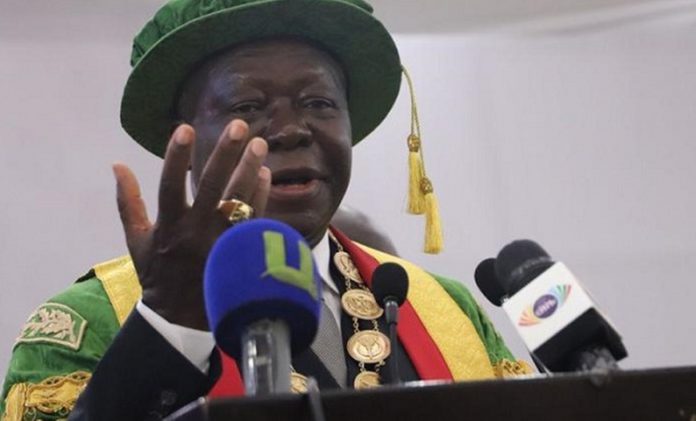
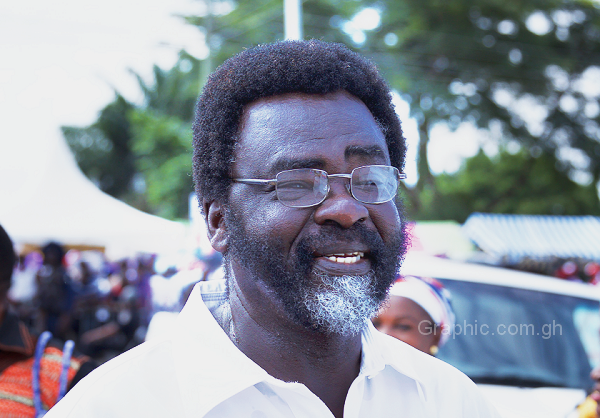
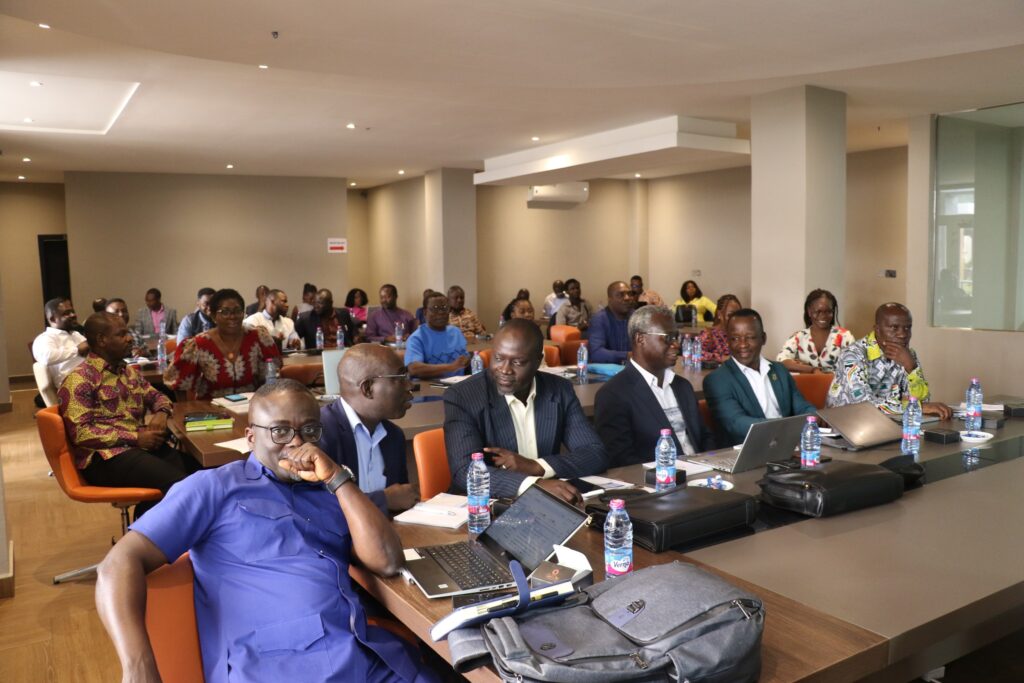
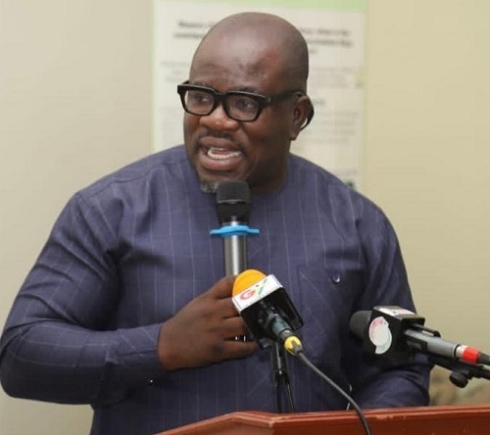
The Chancellor of the Kwame Nkrumah University of Science and Technology (KNUST), Otumfuo Osei Tutu II, has reaffirmed his dedication to maintaining the institution’s esteemed reputation on the global platform.
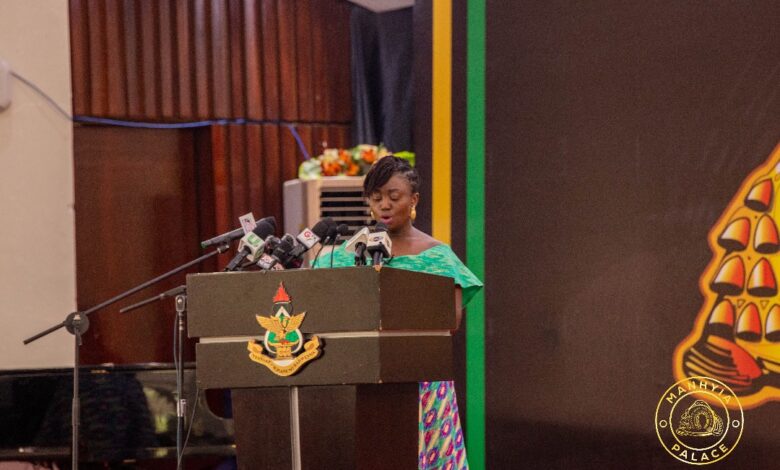
Addressing attendees at the Chancellor’s Week celebration organized by KNUST, Otumfuo reiterated his commitment to advancing the university’s growth and progress.
“My association with the university reaffirms my commitment to ensure that this institution ascends to greater heights.
“I stand by the commitment I made upon assuming the role of chancellor, to propel KNUST to become one of the premier educational institutions in the world,” myjoyonline.com quoted him to have said.
The Chancellor’s Week festivities, themed “The Asantehene and Chancellor of KNUST: 25 years of Exemplary Leadership,” featured an array of engaging activities, including debates, musical performances, the Chancellor’s Cup, and Chancellor’s Day.
Expressing appreciation for the accolade bestowed upon him, Otumfuo acknowledged the collaborative efforts that have propelled the university’s advancement.
“I extend my heartfelt appreciation to the entire university community. Your words of inspiration and appreciation fuel my commitment. Together, with entities such as TEWU, GRASAG, and UTAG, we will continue to nurture this relationship for the betterment of the university,” he stated.
Dr. Yaw Adutwum, Minister of Education, commended Otumfuo for his transformative impact on the educational sector, notably through initiatives like the Otumfuo Education Foundation.
“You have been a beacon of hope for Ghanaian youths, providing opportunities for education where there were none. Your vision of equal access to education has reshaped countless lives and fostered a more equitable society,” Dr. Adutwum lauded.
Chancellor of the Kwame Nkrumah University of Science and Technology (KNUST), Otumfuo Osei Tutu II, has reaffirmed his dedication to preserving the university’s world-class status.
Addressing attendees at the Chancellor’s Week celebration organized by KNUST, Otumfuo stated his ongoing commitment to contributing to the university’s development.
“My association with the university reaffirms my commitment to make sure that this university grows from strength to strength. And I make a commitment that I made when I was made chancellor that I commit to make this university one of the best in the world,” he said.
The Chancellor’s Week celebration was held under the theme “The Asantehene and Chancellor of KNUST: 25 Years of Exemplary Leadership.”
The week-long festivities featured various activities such as debates, musical concerts, the Chancellor’s Cup, and Chancellor’s Day.
Otumfuo Osei Tutu II expressed appreciation to the University for the honor bestowed upon him.
“All of them have words of inspiration for me, words of appreciation for me. I thank you because it is all of you that have made it possible for the university to thrive TEWU, GRASAG, UTAG. I know that we will continue this relationship and I pray that everything will be fine. And thank you very much to the university,” he said.
Minister of Education, Dr. Yaw Adutwum, praised Otumfuo for his significant contributions to the improvement of the educational sector.
“You gave a lifeline to Ghanaian youths when they needed you the most. Before free Senior High School, you gave them free Senior High School.
“The Otumfuo Education Foundation has provided so much support and has gone beyond the Ashanti Kingdom to the rest of the country. Truly he is a father of the whole nation. Many young men and women became doctors and engineers and teachers because you offered them a lifeline.
“Those who had no hope of going to Senior High School and beyond went to Senior High School and beyond because you had a vision that every young man and woman should be given equal opportunities
“And that will create a more equitable society where there is no gap between the advantaged and the disadvantaged,” he said.
He also pledged to complete the University Teaching Hospital.
“It will be a great opportunity for you and the President to commission the teaching hospital in your silver jubilee year. I will do everything possible to get that project done,” he said.
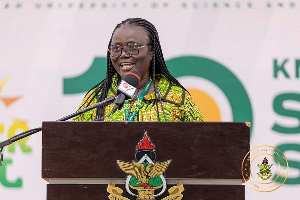
Vice-chancellor of the KNUST, Prof. Rita Akosua Dickson acknowledged Otumfuo’s contribution towards inclusive education.
“But for your intervention, a number of our brilliant students would have their education curtailed and their future cut short. The Otumfuo Education Fund has immensely supported KNUST students and we can never forget your role leading to the increased number of scholars from 1,500 to 2,000 of the phase two of the Mastercard scholars programme.
“The individual student beneficiaries, their families and society at large are eternally grateful,” she said.
The weeklong celebration was attended by chiefs, queen mothers, ministers of state, as well as management and students of the Kwame Nkrumah University of Science and Technology.
A 25-year-old graduatefrom KNUST,identified as Patrick Adu Gyamfi, has been apprehended for the murder of a 22-year-old woman who was visiting for the Christmas holidays at his friend’s mother’s residence in Kumasi on Tuesday, December 26, 2023.
During Patrick’s third year at KNUST, he faced financial difficulties that almost led to his dropout. Resorting to selling phones belonging to dealers he worked with, Patrick’s situation became dire.
Fortunately, a close friend, with whom he shared a long-standing relationship since junior high school, alerted his mother about Patrick’s plight.
Understanding their history, the friend’s mother intervened by settling his debts, providing accommodation and support and and paying his fees.
Patrick continued to reside with the family, completing his university education, the National Service, and securing a job with the help of the woman.
However, their relationship took a dark turn on December 26, 2023, when the woman returned home and found Patrick with Akua Afriyie, a 22-year-old visitor who had arrived for the Christmas holidays.
The woman, surprised by their unfamiliar acquaintance, confronted them and discovered Patrick had stabbed Akua multiple times. Despite her attempts to intervene, Akua succumbed to her injuries.
Patrick fled the scene but was eventually apprehended two days later in Obuasi. Additionally, Emmanuel Kwame Seyram, a friend of the suspect from high school,was arrested for harbouring a murderer.
A recent graduate with first-class honors in economics from Kwame Nkrumah University of Science and Technology (KNUST), Lois Ansaa Asiedu, has turned to social media to appeal for job opportunities.
The unemployed graduate, fed up with her current situation, has bravely shared her academic credentials online, seeking employment in any financial institution.
Taking to social media on April 27, 2024, Lois earnestly requested assistance from the online community, asking for leads or referrals to potential job openings.
Her plea has garnered significant attention, amassing over 1,000 retweets and comments from netizens offering encouragement, referrals, and even job opportunities.
Despite her pursuit of employment, Lois also expressed openness to the idea of pursuing a master’s degree abroad if the opportunity arises.
Acknowledging various constraints, Lois remains determined to explore all avenues for personal and professional growth, including pursuing higher education opportunities abroad.
At this point I’m putting it out there that I’m in search of employment in any financial institution. Anyone with viable leads, please put me on. Kindly retweet🥰 pic.twitter.com/ZB03Z36BAb
The Kwame Nkrumah University of Science and Technology (KNUST) has signed a Memorandum of Understanding with the Valco Trust Fund and Bekwai Municipal Hospital to develop a student hostel.
This collaboration aims to tackle accommodation issues encountered by clinical students during their rotations at the Bekwai Municipal Hospital.
During the event, Prof. Christian Agyare, the Provost of the College of Health Sciences at KNUST, conveyed appreciation for the partnership and stressed the significance of offering sufficient accommodation for students to enrich their academic journey.
“We possess the necessary resources and intend to send our clinical students to Bekwai Municipal Government Hospital over the next three years. However, accommodation shortages at the hospital have posed a challenge. To address this issue, we initiated discussions for a Memorandum of Understanding (MOU) with the hospital. This MOU serves to assure them of our commitment to sending students there, prompting our collaboration on its draft over the past eighteen months,” he said.
The upcoming project, slated to begin in a few months, will be located near the Bekwai Municipal Hospital campus, offering convenient access for students.
Additionally, the initiative will feature a 100-seat lecture hall along with office spaces.
Kelvin Kwaku Yeboah, the Executive Director of Valco Trust Fund, underscored that the facility’s purpose extends beyond student housing, serving as a tribute to Asantehene, Otumfuo Osei Tutu II.
Furthermore, he mentioned plans to engage a professional facility management company to ensure the proper upkeep of the public facility.
“We intend to honor Otumfuo’s 25th anniversary by recognizing his contribution to our hostel facility at Komfo Anokye. To avoid past issues, we’ll engage a professional facility management company. It’s clear that as public officials, we struggle with maintaining public buildings, and we’re determined to prevent a recurrence,” he mentioned.
Dr. Frank Serebour, the Medical Superintendent of Bekwai Municipal Hospital, underscored the difficulties involved in establishing new medical schools and emphasized the significance of a centralized teaching system between the University and its affiliated institutions.
“Schools like Sunyani Medical School can send their students to KNUST for the same lecturers to train them and ensure that we have quality products. This approach will allow for consistent training and assurance, enhancing the medical education landscape,” he noted.
He suggested a phased expansion of the centralized teaching sites to accommodate a larger number of prospective medical practitioners.
He contends that this approach would address existing challenges in medical education and guarantee the provision of top-tier healthcare services.
“I think this is a good thing and i believe that once this is done, other teaching sides should also be considered and gradually we can expand so that we can have more people who want to pursue medical education,” he said.
Member of Parliament for Asante Bekwai, Mr Osei Owusu also welcomed the initiative.
“For me this is a dream come true. Today is a major event for me and I’m happy that we are going to Bekwai,” he said.
The Kwame Nkrumah University of Science and Technology (KNUST) community is in mourning following the unexpected demise of Abena Antwiwaa Anti, a second-year Doctor of Pharmacy student.
Abena Antwiwaa Anti, renowned for her academic excellence, passed away on Monday, March 18, 2024.
Despite her untimely departure, the school administration officially confirmed her passing a week later.
Having previously distinguished herself as the top student in the 2022 cohort at Ahantaman Girls’ Secondary School, Antwiwaa Anti was highly regarded for her academic prowess.
At the time of her passing, she was diligently completing her internship at ATM Pharmacy in Takoradi, Western Region.
The news of her sudden demise has plunged the KNUST community into profound sorrow and contemplation, particularly amidst the loss of several other students since the beginning of the year.
We regret to inform you of Miss Abena Antwiwaa Anti's passing. She was a second-year student pursuing a Doctor of Pharmacy when she passed away on Monday, March 18, 2024.
Asantehene and chancellor of the Kwame Nkrumah University of Science and Technology (KNUST), Otumfuo Osei Tutu II has bemoaned what he says is “unfavourable” staff-to-student ratio at the Kwame Nkrumah University of Science and Technology.
He says the current staff strength of 1,190 faculty to 85,000 students is woefully inadequate and takes a toll on effective teaching and learning.
Speaking at the 57th special congregation of the university, Otumfuo asked the government for clearance to recruit more staff.
“Unfavourable unfavourable staff-to-student ratio has been a challenge to the university’s aspiration to run to its full extent. With the implementation of the strategic objectives of the university, leading among others to the establishment of the Obuasi campus, the operation of distance learning programmes across the country and the mentoring of over 70 nursing and midwifery institutions, the current staff strength of 1,190 faculty with a correspondent student population of over 85,000 is woefully inadequate to effectively support the academic activities of the university.
“I’m informed that the government has approved some quotas for some universities. It is my ardent wish that, KNUST will be placed in a special category and prioritised considering the pivotal role the university plays in the developmental agenda of the nation,” he said.
Following up on the recommendations of Mr. Joe Anokye, the CEO of the National Communication Authority at the R. P. Baffuor Memorial Lecture 2023, to establish a data centre, Otumfuo reminded the vice chancellor to see to its realisation.
Otumfuo also charged the citizenry and the Electoral Commission to safeguard the country’s democratic ideals.
“The Electoral Commission must also ensure fairness and be seen to be an impartial arbiter in the electoral process. Our collective aspiration must be to foster an environment of mutual respect and constructive dialogue,” he said.
The vice-chancellor, Prof. (Mrs.)Rita Akosua Dickson, touted the success of the Support One Needy Student with One Laptop (SONSOL) project and appealed to benevolent organisations and individuals to continuously support the project.
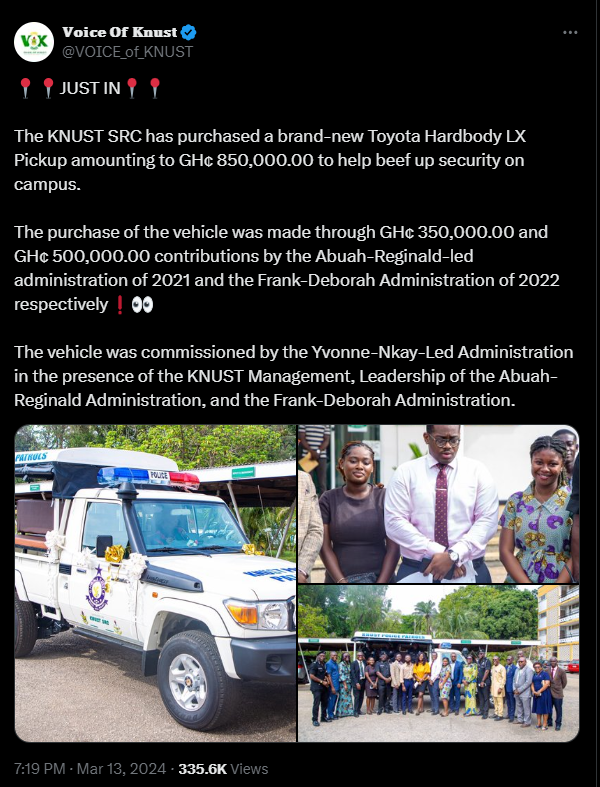
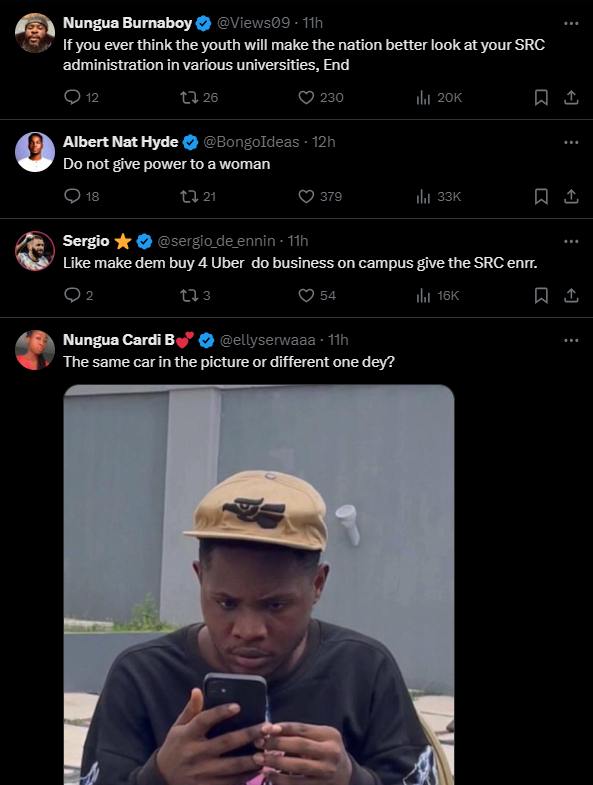
This vehicle, per information on the school’s X platform, is to help beef up security on campus.
The purchase of the vehicle was made through GH¢ 350,000.00 and GH¢ 500,000.00 contributions by the Abuah-Reginald-led administration of 2021 and the Frank-Deborah administration of 2022, respectively.
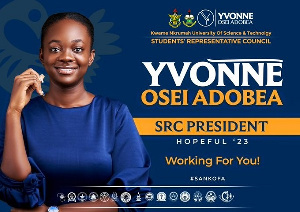
The vehicle was commissioned by the Yvonne-Nkay-led administration in the presence of the KNUST Management, the leadership of the Abuah-Reginald Administration, and the Frank-Deborah Administration.
Following the announcement, some netizens have slammed the SRC for spending such an amount on a vehicle they believe should cost less.
Others suggested that the money could have been invested in an initiative that would have raked in more revenue for the school, such as Uber. A section believes prioritising the safety of students and tutors is the way to go.
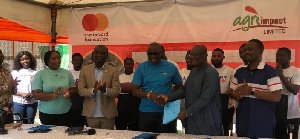
A prominent player in the agricultural sector, Agri-Impact, has inked a Memorandum of Understanding (MoU) with Kwame Nkrumah University of Science and Technology (KNUST) to tap into the university’s expertise and its E-Learning infrastructure.
This partnership aims to revolutionize the agricultural sector under the Harnessing Agricultural Productivity and Prosperity for Youth (HAPPY) program.
Led by Agri-Impact and involving nine collaborators, the HAPPY initiative spans four years and aims to leverage technology and innovation to empower young individuals across the agricultural value chain. Supported by the MasterCard Foundation, its main goal is to create dignified job opportunities for 326,000 young people, with a special focus on empowering women and individuals with disabilities.
The program targets four primary value chains: rice, soya, poultry, and tomatoes. By leveraging industry expertise in each value chain, the initiative aims to enhance production, productivity, value addition, market access, enterprise development, and address policy issues related to youth participation in agriculture.
Over the project’s duration, the program aims to boost production in these value chains by 180,000 metric tonnes annually and generate US$200 million in revenue, while reducing imports by 10 percent.
During the event, Agri-Impact’s Group Chief Executive Officer, Dan Aquaye, underscored the transformative potential of ICT in agriculture, emphasizing its role in providing real-time information and data for informed decision-making by farmers.
Agri-Impact’s Deputy Group CEO, Julie Asante-Dartey, highlighted that the initiative would equip farmers with the necessary knowledge and resources to effectively embrace ICT in agriculture, enhancing profitability and competitiveness within the value chain.
Professor Ben Banful, Provost of the College of Agriculture and Natural Resources at KNUST, reiterated the university’s commitment to the program’s success, pledging to collaborate diligently with all stakeholders to ensure its triumph.
On March 5th, 2024, representatives from four prominent public universities in Ghana—University of Ghana, Kwame Nkrumah University of Science and Technology, University of Cape Coast, and University of Development Studies—will engage in a spirited debate at the University of Ghana School of Law Auditorium.
The debate, themed “Africa Must Decolonise to Effectively Address the Scourge of Climate Change,” is part of Ghana’s Independence Day celebrations.
Organized jointly by the University of Edinburgh School of Social & Political Science, University of Ghana School of Law, Africa Earth Alliance, and the National Union of Ghana Students, the National Independence Debate aims to showcase youth perspectives on decolonization, climate change, and sustainable development.
Esteemed judges include Prof. Baffour Agyeman-Duah, Dr. Kwabena Oteng Acheampong, Dr. Atudiwe P. Atupare, Mrs. Julia Elysa Selman-Aryeetey, and Mr. Daniel Kyeremeh Oppong.
The event, funded by the University of Edinburgh Principal’s African Partnership Fund, aligns with the University of Edinburgh’s commitment to fostering informed leaders shaping the future.
This collaborative initiative forms part of a series of events between the UK-based university and institutions in Ghana and Zimbabwe.
Before the debate, a “Responsive Engagement and Academic Leadership” workshop is scheduled in Accra on March 4th and 5th, 2024. Additionally, an “Empowering African Researchers – Workshop” will be held in Harare, Zimbabwe, from March 11th to 15th, 2024.
These events aim to bring together academics, students, Pan-African institutions, and policy leaders to deliberate on critical subjects like climate change and sustainability, incorporating a decolonial perspective.
Initiated in March 2023 during a visit to Ghana, the University of Edinburgh’s Principal’s African Partnership Fund seeks to explore innovative educational opportunities for African students and foster responsive research partnerships across the continent.
Aligned with the University’s strategic research priorities, the fund aims to drive innovations in healthcare, technology utilization, and environmental sustainability.
The AgriConnect initiative, developed by theSOFTtribe in partnership with the Mastercard Foundation, has begun delivering laptops and connectivity to students across various universities in the country.
Since February 5th, the AgriConnect team has distributed laptops to students at the University of Ghana, University of Cape Coast (UCC), and Kwame Nkrumah University of Science and Technology (KNUST). Over 1,000 students have already received their devices, with thousands more expected to benefit in the coming months.
AgriConnect aims to provide education and training opportunities for youth interested in agriculture, including young women and persons with disabilities, to leverage emerging opportunities in the industry.
With over 3,500 students from 10 participating institutions already registered, the program is set to provide 10,000 students enrolled in agriculture-related faculties with laptops and connectivity. Additionally, participants will engage in three supplementary courses focused on value chain development in agriculture, agribusiness and entrepreneurship, and digital literacy, designed to enhance their readiness for the job market.
Mr. Tetteh Antonio, CEO of theSOFTtribe Limited, expressed satisfaction with the response to AgriConnect and reiterated the project’s commitment to providing viable career opportunities in agriculture, particularly through technology-driven approaches.
As part of the initiative, students are required to contribute a small fraction of the cost for the laptops, which they will retain after the program ends, as well as the connectivity, which they will receive for one year.
Aligned with Ghana’s national economic plan, Ghana Vision 2020, and the National Youth Policy (2010), AgriConnect seeks to make agriculture a lucrative venture for Ghanaian youth, thereby fostering employment and sustainable livelihoods.
The participating institutions include Damongo Agricultural College, Ejura Agricultural College, Kwadaso Agricultural College, KNUST College of Agriculture and Natural Resources, Ohawu Agricultural College, Pong Agricultural College, University of Cape Coast School of Agriculture, University of Development Studies Faculty of Agriculture, Food and Consumer Sciences, University of Ghana School of Agriculture, and Wenchi Agricultural College.
In the coming weeks, the AgriConnect team will continue its engagement with students at participating universities, facilitating registration and payment processes, and providing support in navigating the learning platform for the supplementary courses.
To foster and boost engagement in electoral governance, the Kwame Nkrumah University of Science and Technology (KNUST) has collaborated with the Electoral Commission and various stakeholders to introduce an easily accessible electoral information system.
Termed the ‘Electoral Dashboard,’ this online platform aims to deliver prompt, dependable, and current information related to elections.
Developed by professors from KNUST’s Faculty of Social Sciences, the platform is their contribution to fostering inclusivity and transparency in the electoral process within the country.
Professor Gift Dumedah, the Lead Researcher for the Electoral Dashboard, expressed the belief that providing information to the Ghanaian public would stimulate participation in the electoral process, ultimately enhancing transparency and the legitimacy of elections.
The Electoral Commission anticipates that this platform will simplify and bring transparency to their work.
Benjamin Bannor-Bio, the Ashanti Regional Director of the Electoral Commission, emphasized the significance of information, transparency, and fairness in elections.
He sees the online platform as a one-stop-shop for all election-related information, contributing to increased transparency and public confidence in the electoral system.
“We felt that by giving information to the Ghanaian public, will stimulate our participation in electoral process. This in return will provide transparency and enhance the legitimacy of our elections. The online electoral dashboard that we’ve provided is to help with that conversation”, Lead Researcher for the Electoral Dashboard, Professor Gift Dumedah said.
“This innovation is going to enhance the work of the Electoral Commission. Elections is about information, transparency, and fairness. Being a one-stop-shop for all information regarding elections, the online platform is going to make our work more transparent. This will enable us to build the needed confidence in our electoral system. The academia has now come in to support our electoral system and this is a plus to all of us. We as a Commission will support it to ensure that our electoral activities and processes are made open and transparent to the general public, so that when results are declared everybody will accept it as the true reflection of the desire of those who voted”, Ashanti Regional Director of Electoral Commission, Benjamin Bannor-Bio observed.
The National Peace Council welcomes the academic community’s involvement in contributing to the electoral process.
The Electoral Dashboard will be continuously updated with verified information from the Electoral Commission, the media, and other independent bodies, ensuring easy public access to all election-related information and updates on election day.
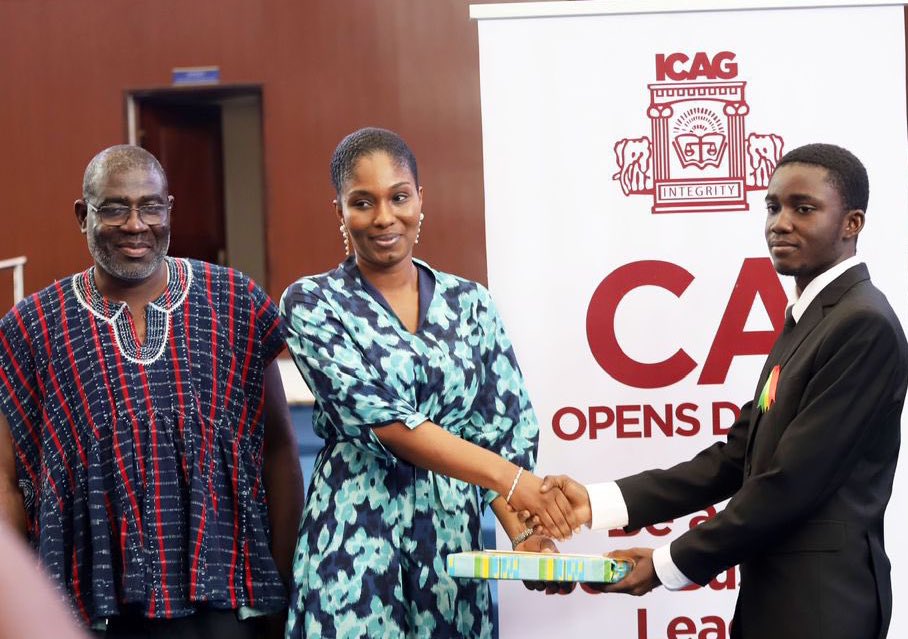
Kwadwo Acheampong Opoku, a 3rd-year Accounting student at the Kwame Nkrumah University of Science and Technology (KNUST), has achieved remarkable success at the Institute of Chartered Accountants Ghana (ICAG) graduation.
Kwadwo Acheampong Opoku was honored as the Best Student in Financial Reporting, Audit, and Assurance.
His outstanding performance also earned him the title of Overall Best Graduating Level 2 Student. On Saturday, February 10, ICAG held its 47th graduation at the University of Professional Studies, Accra (UPSA) auditorium.
Per reports, he is an old student of Prempeh College in Kumasi .
Netizens are currently extending their congratulations to Kwadwo Acheampong Opoku for his success.
📍📍ATTENTION STUDENTS📍📍
Kwadwo Acheampong Opoku, a 3rd Year KNUST Accounting student during the ICAG Graduation was crowned;
Best student in Financial Reporting Best Student in Audit Best student in Assurance. He also emerged as the Overall Best Graduating Level 2 Student 🧠 pic.twitter.com/tt6lATHFCx
Teaching and learning at the school came to a halt following the strike initiated by the Senior Staff Association of Public Universities in Ghana (SSA-UoG), the Tertiary Education Workers Union of Ghana (TEWUG), and the Federation of Universities Senior Staff (FUSSAG) on February 1.
The unions decided to suspend the strike on Friday, February 9, 2024, after holding discussions with the government and the Fair Wages and Salaries Commission (FWSC) regarding the conditions of service of their members.
However, despite the suspension of the strike, members of the labour unions have made it clear that they retain the option to reinstate the strike if the employer fails to fulfill its obligations as agreed upon.
Josephine Philicity Apenyo Adom, the KNUST local Women’s Commissioner of the Senior Staff Association of Universities of Ghana, emphasized that the strike has only been temporarily suspended and can be reinstated at any time.
She urged the government to expedite the resolution of members’ demands to prevent a recurrence of the strike.
“We have only suspended the strike, which means we can go back at any time, and the government has promised that we should give it some time to have everything resolved, and we are urging the government to do the needful.”
A historian at the Kwame Nkrumah University of Science and Technology (KNUST), Prof. Eugenia Anderson, has shed light on the often underestimated contributions of women to Asante Kingdom’s warfare.
She contends that the undervalued role of women in war stems from the Kingdom’s religious and cultural beliefs regarding gender and conflict.
Addressing the 150th Anniversary of the Sagrenti War on February 6, 2024, Prof. Anderson highlighted the crucial yet overlooked roles women played in war politics.
“It is important to emphasize that child-bearing women did not engage in frontline warfare not because of their physical inadequacies but because of the fear of menstrual contamination. Menstruation inhibited women’s political progression because of the cultural beliefs attached to it.”
She continued, “Though menstrual blood was considered a source of fertility, menstruating women were considered ceremonially unclean. They could not attend social events in the community, participate in religious ceremonies, honour their ancestors, visit the chief’s court, or associate with any male government official.”
Despite menstrual restrictions, menopausal women actively engaged in warfare, contributing to the Asante Military structure.
Prof. Anderson emphasized their roles as female captains and the Asafo Kyeremmaa, serving as rare guards.
Women provided vital military support, including scouting, supplying, and cooking.
They managed war logistics, offered intelligence on enemy strategies, and acted as spies.
“Despite limitations, women played crucial roles in Asante’s wars. The ‘momome’ ritual, performed by pre-menopausal and menopausal women, involved daily chants, dances, mimes, and spiritual acts to ensure military victory until the troops returned. They even used empty mortars to symbolize torture against Asante’s enemies,” she added.
Hilary Dodoo, identified as the driver of an SUV involved in a fatal collision with a shuttle bus transporting students from the Kwame Nkrumah University of Science and Technology (KNUST), has been revealed to be pursuing a Ph.D. in the United States.
Per reports, he was a senior Biomedical Laboratory Scientist at KNUST Hospital.
Hilary, a former student of Opoku Ware Senior High School, had returned to Ghana with his wife and children for the holidays.
The tragic accident occurred as Mr. Dodoo was en route to a funeral in Kumasi.
Reports indicate that his SUV collided head-on with a shuttle carrying approximately 50 fourth-year students from the Civil Engineering department of the Obuasi Campus. The students did not sustain injuries.
But Hilary Dodoo tragically lost his life in the accident. He is survived by his wife and two children.
Many have expressed their condolences with the bereaved family on social media.
He was my senior Biomedical Laboratory Scientist at KNUST hospital and he's such a nice person to work with. RIP Kat Hilary Dodoo. Good Shepherd will miss you Owass will miss you KNUST hospital lab will miss you Rest In Power https://t.co/UQnE2G0xds
When I saw this tweet 3 days ago, little did I know that the driver of the SUV was my mate from @Akatakyie. Unfortunately, he couldn't survive 😪😪😪😪. Rest well Kat. Hilary Dodoo (BF 291); a PhD candidate in USA 🇺🇸 who had returned home on a break. https://t.co/rMRRPvtjs6pic.twitter.com/OjggTsoubG
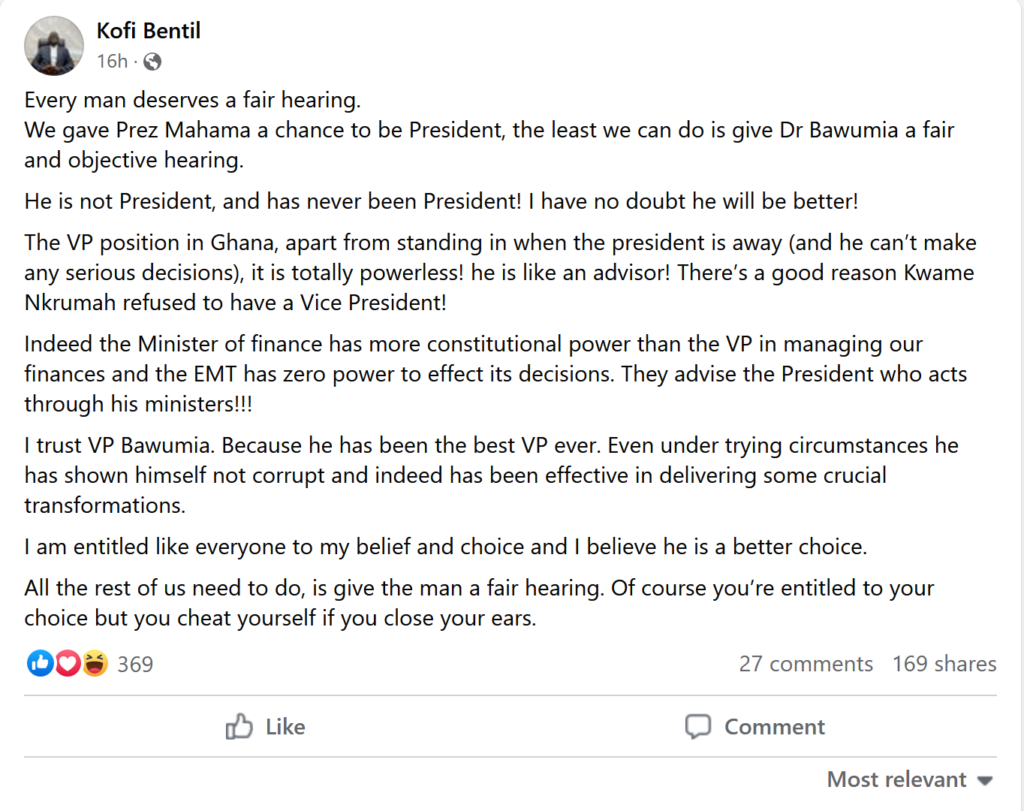
President of TEIN-KNUST, a tertiary students’ wing of the National Democratic Congress (NDC), Samuel Abokyi, has chastised Vice President of IMANI Africa, Kofi Bentil, for advocating for an opportunity for flagbearer of the New Patriotic Party (NPP), Dr Mahamudu Bawumia, in his presidential ambition.
Mr Bentil over the weekend encouraged Ghanaians to give Vice President Dr. Mahamudu Bawumia a “fair and objective hearing” in his his quest to become President.
Mr Bentil expressed the belief that if given the opportunity as President of Ghana, the flagbearer of the New Patriotic Party (NPP) would do a better job.
Kofi Bentil, Vice President of IMANI Africa
According to him, Dr Bawumia “is like an advisor” as such his authority is restricted to specific areas of governance.
Nonetheless, he noted Dr. Mahamudu Bawumia has excelled in his role and has demonstrated qualities and achievements that make him stand out when compared to other individuals who have held the position of Vice President in Ghana’s history.
Reacting to this, Samuel Abokyi, President of TEIN-KNUST, noted that Dr Bawumia’s limited achievements within the current administration cannot be disregarded.
“How can one absolve him from the prevailing chaos?”
“Dr. Bawumia boasts of spearheading digitalization and the issuance of the Ghana Card. He chairs the economic management team; hence, how can he evade responsibility for the economic hardships?
“As the vice president, he wields influence over policy direction and implementation, so how can he distance himself from the burden of exorbitant taxes imposed on citizens?
He emphasized that Mr. Bentil should lead an honest life as a responsible citizen, rather than living as a hypocrite.
“Former President John Mahama’s track record should not be disregarded, as he has made significant contributions to the nation, unlike a lackluster figure who has failed repeatedly.”
“Despite being the vice president, Dr. Bawumia has frequently assumed presidential duties during the president’s absence. Ghana cannot afford to gamble with an inexperienced individual who has faltered in various capacities.
“Ghana has transcended archaic democratic norms; it is imperative to elect a seasoned candidate rather than experiment with a failed vice president. The country requires a trustworthy leader, not a vacillating individual,” he added.
He continued; “In any respectable nation, Dr. Bawumia would not be taken seriously; his contradictory statements about his authority in government and his role in championing digitalization epitomize sheer absurdity.
“Dr. Bawumia was touted for his economic acumen, yet the state of Ghana’s economy is in disarray, far removed from his embellished claims. If economic indicators miraculously improve, credit would swiftly be attributed to him; however, in times of turmoil, blame is shifted to the president.”
On Saturday, February 3, 2024, a bus transporting final-year students from the Department of Civil Engineering at the Kwame Nkrumah University of Science and Technology (KNUST) crashed.
The incident took place as the students were en route from the Obuasi Campus to undertake a field assignment.
According to a social media news outlet affiliated with the university, the collision involved a KNUST Campride shuttle and an SUV.
Fortunately, the report assures that none of the students suffered any severe injuries as a result of the accident.
“In the early hours of the day, a KNUST Campride (Shuttle) conveying level 400 students from the Civil Engineering department of the Obuasi Campus to a field trip collided with an SUV.
“All the students are reportedly safe,” Voice of Knust wrote on X on Saturday.
The social media post also included a video capturing the aftermath of the crash, highlighting the extensively damaged front side, especially the driver’s section, of the KNUST Campride shuttle.
The footage revealed one individual lying motionless on a stretcher; however, the identity and condition of this person were not confirmed.
Emergency response teams, including personnel from the Ghana Police Service and the Ghana National Fire Service, were present at the accident site. Their efforts were focused on maintaining order and providing assistance to the victims of the crash.
Viewer Discretion Is Advised: Some Year 4 Civil Engineering students of the Kwame Nkrumah University of Science and Technology, Obuasi Campus, were involved in an accident this morning on their way to a field trip, as their vehicle, a KNUST shuttle collided with an SUV.… pic.twitter.com/z2QvAMKwOq
The Tertiary Education Workers Union of Ghana (TEWU-GH) leadership at the Kwame Nkrumah University of Science and Technology has issued a stern warning to any authority opposing the strike set to commence on Thursday, February 1, 2024.
Their demands align with those of the Senior Staff Association and the University Administrators, currently in their third week of striking against directives threatening their conditions of service.
The impending strike is expected to impact crucial frontline operations, including the management of sanitation, security, hospital facilities, fire stations, and other academic support services across public university campuses nationwide.
Already, facilities such as University Basic Schools have been closed as approximately ten thousand workers on the university labor front lay down their tools.
Charles Arthur, the local chairman of TEWU at KNUST, leading around 800 workers, affirmed their unwavering commitment to ensuring no university authority obstructs the industrial action.
He alleged that certain heads of faculty and university managers were covertly enlisting striking staff and other workers to perform the duties abandoned by the protesting workers.
“We are advising the university management to respect this strike. We don’t want any situation where any university management will use power. If any university management uses any power, we will disturb that power”.
Section 170 of the Labor Act clearly says that the employer may not temporarily replace labour when we are on lawful strike. We think that this is a law passed by the parliament of Ghana and it will be accordingly adhered to,” he cautioned.
In addition to demanding the withdrawal of a directive from the Ghana Technical Education Council to suspend overtime and extra duty allowances, TEWU-GH is pressing for the government to pay 9 months of their tier-two pensions to their fund managers.
Furthermore, TEWU-GH is urging the government to harmonize a vehicle maintenance allowance, which they argue is riddled with discriminatory bottlenecks.
According to the union, their conditions of service stipulate that each staff member should receive a vehicle maintenance allowance based on whether they use a car, motorbike, or bicycle. However, some university managers allegedly opt to grant motorbike allowances to staff members, even when they have provided documents proving ownership of a car.
Announcing the strike on the KNUST campus on behalf of the National Executive Council of TEWU-GH, the national chairman, Suleman Abdul Rahman, emphasized that the union is prepared to engage in negotiations for the benefit of its members’ conditions of service.
The Kwame Nkrumah University of Science and Technology (KNUST) has taken the step to close its basic schools in response to an ongoing industrial action by various unions within the educational sector.
Effective from Tuesday, January 30, 2024, until further notice, the closure is a precautionary measure amidst the current labor dispute involving the Teachers and Educational Workers’ Union of the Trades Union Congress (TEWU-TUC), the Senior Staff Association – Universities of Ghana (SSA-UG), and the Ghana Association of University Administrators (GAUA).
University Registrar, A. K. Boateng officially announced the decision, citing concerns for the safety and well-being of students and staff during the ongoing labor dispute.
The strike initiated by the unions has created uncertainty in the education sector, with demands ranging from improved working conditions to salary adjustments.
The impact is widespread, affecting various educational institutions, including universities and basic schools.
The closure of KNUST Basic Schools further compounds the challenges faced by educational institutions amid the labor dispute, raising concerns about the continuity of academic activities and student welfare.
Dr. Daniel Norris Bekoe, the University Relations Officer of KNUST, highlighted the detrimental impact of the strike on the university’s workflow. He stressed the need for urgent engagement among stakeholders to address the unions’ grievances and find mutually beneficial solutions.
As the standoff continues, parents and guardians may need to make alternative arrangements for their children’s education during the closure period. Stakeholders remain hopeful for a swift resolution to ensure the uninterrupted delivery of quality education across Ghana’s educational institutions.
The University Basic School (UBS) will temporarily be shut down, as announced by the University of Ghana (UG).
Consequently, students from KG1 to Junior High (JH) 3 are advised to stay home until further notice.
However, specific arrangements are being made to recall Junior High 3 students for the resumption of their preparations for final examinations.
The official statement from the University emphasized, “I write to inform the University Community and the general public that the KNUST Basic School is being closed down, effective Tuesday, 30th January, 2024, until further notice.”
“Our JH 3 students will however be called back to school in due course to continue with their preparation towards their final examinations after the necessary arrangements have been put in place to that effect.” the statement noted.
This is in light to an ongoing strike initiated by the Senior Staff Association – Universities of Ghana (SSA-UOG) and the Federation of Universities Senior Staff Association of Ghana (FUSSAG).
The Senior Staff Association of Public Universities in Ghana (SSA-UoG) and the Federation of Universities Senior Staff (FUSSAG) have embarked on an indefinite strike, citing the government’s deliberate refusal to pay their mandatory occupational pension as the primary reason for their industrial action.
Since last year, the unions claim that the government has neglected their Tier-2 pension scheme, despite numerous efforts by their leadership to address the issue. Members of these unions at prominent institutions such as the Kwame Nkrumah University of Science and Technology (KNUST), University of Development Studies (UDS), and University of Ghana (UG) have demonstrated their commitment to the strike until the government intervenes.
At KNUST, SSA-UoG members expressed their frustration, emphasizing that the strike is their only recourse to compel the government to address their plight. The core issue revolves around the Tier-2 pension, which the government has allegedly withheld since February of the previous year.
A member of the Senior Staff at KNUST stated, “Government has refused to address this issue. Some of our members have gone on pension, and when you see the amount of money that they have been given, you realize that the government is actually making things difficult for us.”
In addition to the pension concerns, the unions highlighted their apprehensions about the government’s intention to reduce their fixed overtime allowance from 50% to 10%, renaming it as a call-in allowance.
The impact of these issues, including potential retiree hardship and reduced income for active staff, has raised serious concerns among the unions. The Chairman of SSA-UoG at UDS, Mohammed Zachari, underscored the severity of the situation, especially for retirees, stating, “The implications of the government’s action are unacceptably severe, particularly for retirees from 2020-2023.”
Despite acknowledging the counterproductivity of their strike, the unions emphasized their commitment to continuing the industrial action until the government addresses their grievances. They argue that the government should be held accountable for any adverse consequences resulting from the strike.
James Yakubu, SSA-UoG Trustee at the University of Ghana, highlighted that the unions had provided prior notice to the government but received no response. He expressed the unions’ openness to negotiation if an official notice is received.
The indefinite strike by university staff in Ghana raises concerns about the potential impact on the academic environment and emphasizes the urgency of resolving the pension dispute to restore normalcy to the nation’s universities.
President Akufo-Addo‘s recent comments regarding the Ekumfi constituency have come under scrutiny, with Dr Richard Amoako Baah, a political scientist at the Kwame Nkrumah University of Science and Technology (KNUST), expressing disapproval.
In a statement, President Akufo-Addo acknowledged diverting attention from the development challenges of Ekumfi due to the constituency’s voting out of the New Patriotic Party’s (NPP) parliamentary candidate. The President highlighted that he had previously elevated the area’s Member of Parliament, Francis Kingsley Ato Cudjoe, to a ministerial position to facilitate development projects.
However, Dr Amoako Baah criticized the President’s remarks, asserting that certain utterances are unsuitable for public disclosure. He emphasized that elevating an individual to a ministerial role alone does not address the broader needs of the constituency.
Dr Amoako Baah expressed concerns, stating, “Like many things he’s said in the past, it’s not in good taste. You don’t say that when you become President of the country. You’re the President of the whole country.”
He urged the President to consider the impact of his statements on public perception, particularly in matters concerning national leadership.
President Akufo-Addo’s admission followed a plea from the Kyedomhemaa of Ekumfi traditional area, Nana Enyimfua III, for developmental projects. The queen mother highlighted unfulfilled promises made to the community since the demise of late President Mills, urging the President to honor at least one commitment.
Responding to the plea, President Akufo-Addo assured the family that he would fulfill his promise, but candidly admitted redirecting attention away from Ekumfi after the constituency voted against the NPP.
The President’s remarks have sparked a debate on the intersection of political decisions and developmental priorities, raising questions about the diplomatic articulation of such matters by public figures. As the discourse unfolds, it brings to light the delicate balance required in addressing the concerns of constituents while maintaining a national perspective in governance.
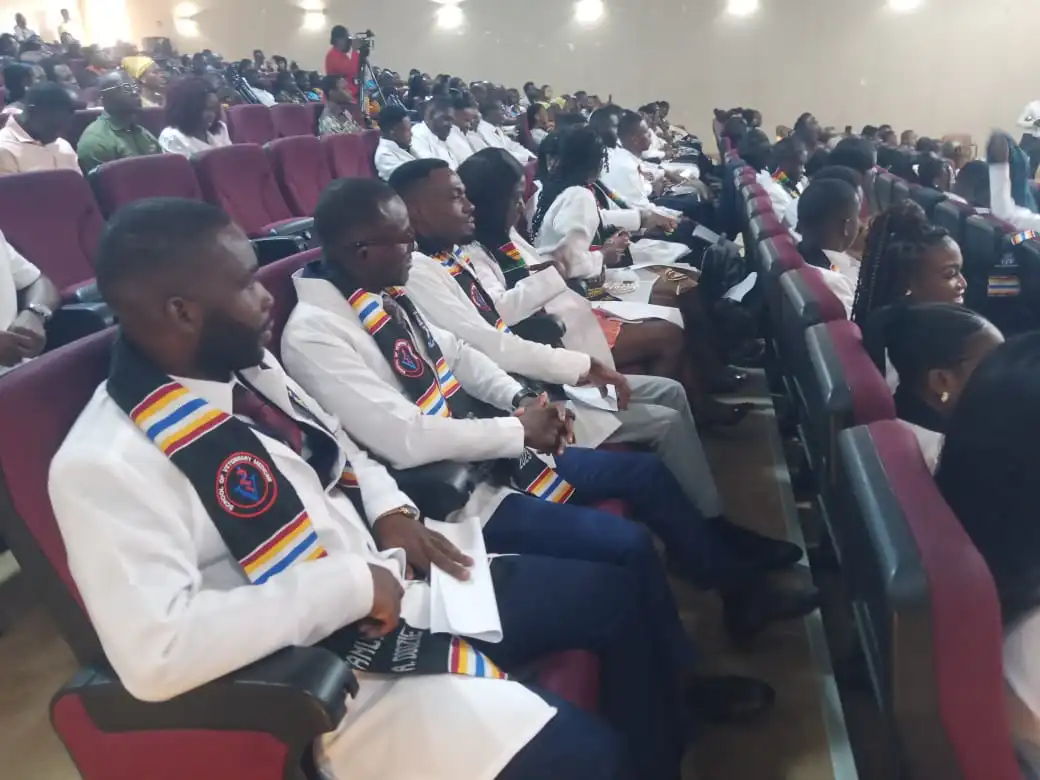
This group, comprising 17 doctors from the University of Ghana and 25 from KNUST, solemnly took the veterinary oath guided by Dr. Jonathan Amakye-Anim, the chairman of the Ghana Veterinary Council.
The newly inducted professionals, consisting of 28 men and 14 women, pledged their commitment to utilizing their expertise and scientific knowledge for the betterment of society.
The induction ceremony, held in Accra, featured commendations from Dr. Amakye-Anim, who praised both the students and the schools of veterinary medicine for their significant collaboration.
Dr. Amakye-Anim emphasized that this achievement marked a transformative era in Ghana’s veterinary medicine field, foreseeing the invaluable contributions these trained professionals would make to animal health and welfare.
He commended the partnership between the two esteemed institutions, citing it as a testament to their dedication to excellence in education and the advancement of veterinary science not only in Ghana but also beyond its borders.
During the ceremony, Prof. William K. Ampofo, a board member and Chief Executive Officer of the National Vaccine Institute, delivered a keynote address.
He highlighted the vital contributions of veterinary medicine to human health, explaining its focus on the prevention, control, diagnosis, and treatment of diseases affecting both domestic and wild animals. Additionally, he underscored the role of veterinary medicine in preventing the transmission of animal diseases to humans.
“We hope that our new inductees will understand the very important role that they are going to play in our society here in Ghana and also in the sub-region and ensure that they broaden their knowledge,” he added.
In addition to their roles in veterinary hospitals, Professor Ampofo elaborated that veterinary medicine doctors are also actively engaged in the pharmaceutical industry. Their contributions extend to the development of drugs, safety testing of medications, and the evaluation of vaccines and antibiotics.
Highlighting the broader spectrum of responsibilities, Professor Ampofo emphasized that pharmaceutical companies leverage the expertise of veterinary medicine professionals to ensure the safety and efficacy of various medical products.
Furthermore, he shed light on Ghana’s ongoing program, which involves the continuous surveillance of animal populations. This initiative is a collaborative effort between the Ghana Armed Forces and the Ghana Veterinary Services.
“Every year, there is active surveillance in various backyards, in the military barracks, and also in some private farms looking for the presence of avian influenza,” he said.
He urged the new doctors not to use their acquired knowledge just to look after animals, stating, “You can help prevent transmission of disease from animals to humans, and you can help us control diseases in animals by working towards more efficient vaccines.”
Adding, “You can help us to make human vaccines better human vaccines, and then help in a significant contribution to public health and one health.”
Speaking to the Ghana News Agency in an interview, Dr Samuel Anganmwin Doozie, a newly inducted veterinary medical doctor, applauded the joint induction event as it harmonised efforts of the two schools of veterinary medicine for the advancement of the veterinary profession and make its practice have a greater impact on the country’s economy.
Referencing recent medical research, Dr Doozie stated that about 70 to 80 per cent of diseases that affected humans were of animal origin, and that it had also been found that over 75 per cent of new or emerging infectious diseases were of animal origin.
“And so, the one health concept that has existed since its inception has been amplified and encouraged among medical professionals as the means to solving medically related problems in humans, animals, and the environment,” he added.
Meanwhile, the Ghana Veterinary Council had indicated that several bills had been introduced and at various stages for passage into law towards reforming the practice of veterinary medicine in Ghana in line with global standards.
The Kwame Nkrumah University of Science and Technology (KNUST) has issued a reminder to potential students, notifying them that the online application portal for the academic year 2023/2024 will close on Friday, December 22, 2023.
In light of the recent release of the 2023 West African Senior School Certificate Examination (WASSCE) results, all applicants are strongly encouraged to access the KNUST application portal and meticulously review their submitted information.
Applicants are urged to pay special attention to the accuracy of details such as their full name, date of birth, and examination records.
The KNUST Academic Affairs Division has reiterated that applications for the 2023/2024 admissions remain open.
Individuals interested in applying can obtain e-vouchers through one of the following methods:
– At designated Ghana Post Offices
-By dialing 447160# on any mobile network and following the prompts
Mr. Tang Hong, the president of the Ghana Association of Chinese Societies, explained that the Confucius Institute is a non-profit initiative designed to promote and enhance intercultural relationships between China and the global community.
“Confucius institute is a non-profit venture aimed towards the global dissemination of the Chinese language and culture,” he said.
The Vice-Chancellor, Professor Mrs. Rita Akosua Dickson, on her part, announced plans to introduce Chinese language courses at KNUST and in other regions of Ghana through the Confucius Institute.
This initiative aims to provide students and the community with the opportunity to learn Chinese, fostering cultural exchange and understanding between China and Ghana.
“For our gathering today, distinguished ladies and gentlemen, I am glad to note that through the establishment of a three party agreement involving KNUST, HUAT and the Chinese International Education Fund, the Confucius institute will play a pivotal role in enabling KNUST to develop a foreign model site for undergraduate Chinese programs and the learning of the Chinese language in the middle and the northern zones of Ghana,” she said.
Chair of the Council of the Hubei Automotive Center, Zhang Wenxue, expressed his hope for the relationship between Ghana and China during the inauguration of the Confucius Institute at the Kwame Nkrumah University of Science and Technology (KNUST).
“I sincerely hope that the relationship between Ghana and China will endure for eternity. It is also a wealthy start in Ghana’s commitment in promoting international Chinese education and he believes that the Confucius Institute will provide a chance to learn the Chinese language’ this will help strengthen the friendship between the people of China and Ghana,” he said.
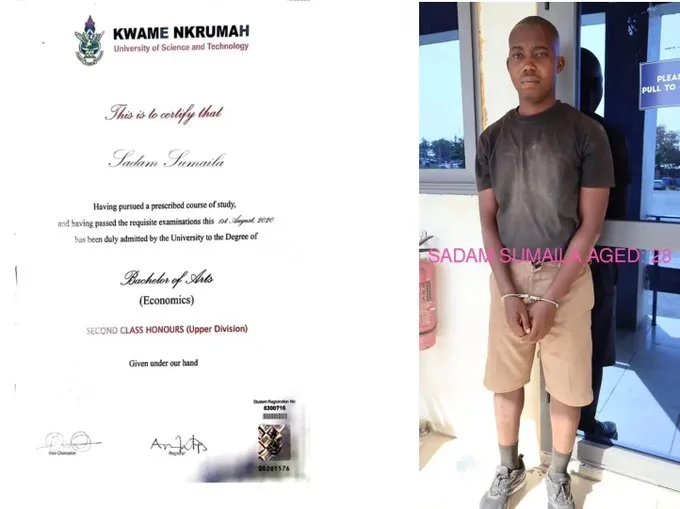
A police recruit, Sadam Sumaila, is in police custody in Pwalugu for forging documents to gain entry into the Ghana Police Service.
Sumaila, who, until his arrest, was having his training at the Police Training School in the Upper East Region, has been arrested for fraud.
According to reports, Sumaila used a forged Kwame Nkrumah University of Science and Technology (KNUST) certificate to gain entry into the service.
Sadam Sumaila, a police recruit at the Pwalugu Police Training School in the Upper East Region, has been arrested for fraud.
Reportedly, Sumaila used a forged Kwame Nkrumah University of Science and Technology certificate to gain entry into the service. He was apprehended when… pic.twitter.com/Vt4cDCbFpS
The Kwame Nkrumah University of Science and Technology (KNUST) has recently made changes to the nursing degree program, reducing the duration to two years specifically for diploma-holding nurses.
This adjustment comes as a result of the elevation of the KNUST Department of Nursing to the School of Nursing and Midwifery.
“For all diploma holders now your top-up to degree Bsc will take 2 years. What it means is that you all have to take advantage of this,” she said.
Prof. Mrs. Dickson made this statement during the 10th Graduation of the Ministry of Health Training Institutions held at the Kwame Nkrumah University of Science and Technology.
The ceremony marked the graduation of 14,165 students from 76 affiliate Ministry of Health training colleges.
Deputy Minister for Health, Mrs. Gifty Naa Ayeley Mensah, indicated the government’s intentions to expand health facilities as a strategy to address the emigration of health workers seeking better opportunities abroad.
“The government’s agenda 111 will provide a great relief in the provision of 111 hospitals spread throughout the country and will ensure all Ghanaians get equal access to health care.”
She also appealed to the graduates to accept postings, particularly in underserved communities.
Bibiani Nursing Training College was awarded the best public health school.
The best-registered general nursing program was conferred upon Holy Family Nursing and Midwifery Training College, Drobo, while the best Midwifery school accolade went to Midwifery Training College, Tumu.
For the Diploma upgrade batch, the best public health school was recognized as Community Health Training College Tamale, and the best-registered nursing school was awarded to Nursing and Midwifery College Sekondi.
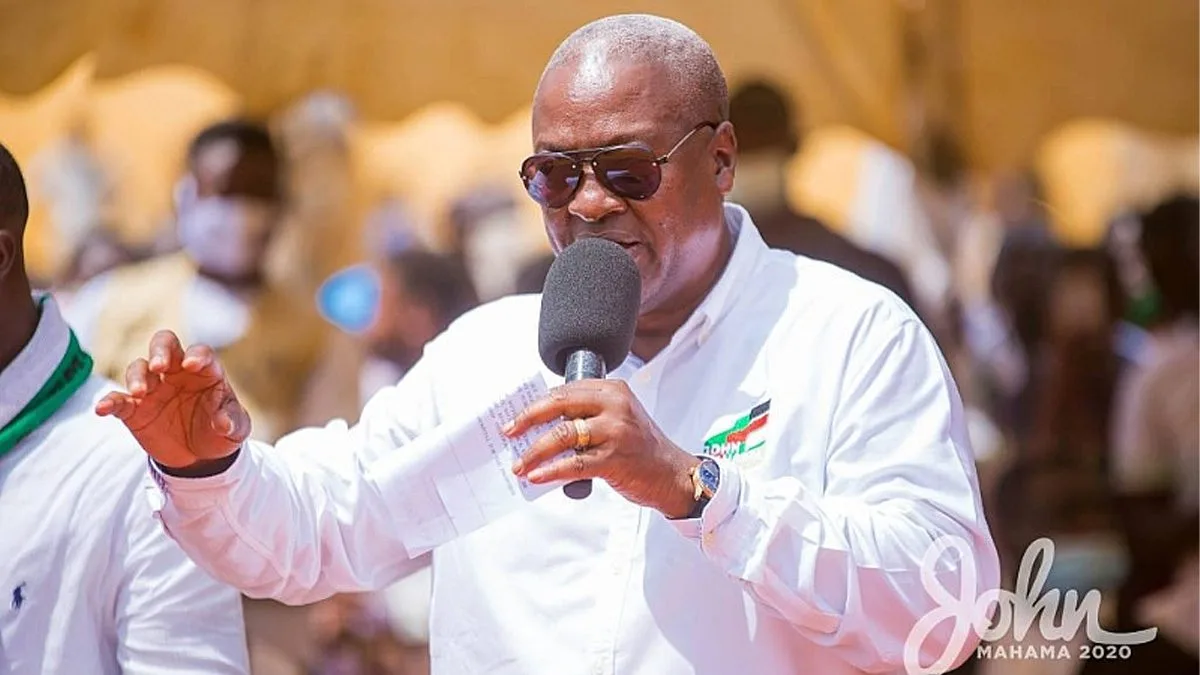
A lecturer in Political Science and History at KNUST, Dr. Amakye Boateng, characterizes former President John Mahama’s 24-hour economy policy as a “significant concept” that might elude individuals with narrow perspectives.
During an interview with Kojo Marfo on Abusua Nkommo on Abusua FM, he asserted, “This policy is a substantial idea, and we cannot anticipate individuals with limited perspectives to comprehend it.”
“If Vice President Bawumia, who comes from an economics background, cannot understand the policy, which seems to create more jobs, then it is up to him,” he stated.
Dr. Boateng emphasized that if the Ghana Revenue Authority started collecting taxes from night markets, the policy could increase Ghana’s base of income generation.
Dr. Boateng questioned why anyone would have a negative opinion of this policy and emphasized how it offered a way to both boost the economy and lessen Ghana’s youth unemployment gap.
24hrs Economy Banter
The National Democratic Congress’ flag bearer, former President John Dramani Mahama, has put forward the 24-hour economy as his strategy for generating additional quality employment opportunities and fostering the growth of the Ghanaian economy.
According to Mr. Mahama, the policy proposal aims to encourage businesses to adopt a 3-shift system that operates continuously.
In response, the flag bearer of the NPP, former President and Dr. Mahamudu Bawumia, dismissed the policy proposal, asserting that the 24-hour economy is already effectively functioning for numerous industry participants.
Addressing party faithful in the Northern Region, Dr Bawumia contended, “Today, there are many businesses that are already working for 24 hours.”
“Hospitals are open for 24 hours. You can buy electricity for 24 hours. Because of digitalization, you can transfer money for 24 hours. There are many chop bars and restaurants that are open for 24 hours.”
The Movement For Change’s leader, Allan Kyeremanteng, has questioned the comprehension of those who oppose the 24-hour economy proposal. Kyeremanteng is building up a third force to challenge Ghana’s NPP and NDC political duopoly.
Speaking following a widely attended walk in Kumasi, the leader of the Yellow Butterfly movement suggested that the argument be raised to scholarly conversations about the idea’s viability.
“Former President Mahama came to say that he will implement a 24-hour economy when he comes. He is not wrong if he says that. Anyone who says the 24-hour economy is bad does not understand politics. All those who don’t want the 24-hour economy, what it implies is that they have no understanding of politics.
“But what we have to ask John Mahama is that… what are you going to do to keep the economy running for 24 hours? That is the question we should be asking. That is the question we need to put to the NDC but if you come out to say the 24-hour economy is not going to work then you lack understanding,” he stated.
The swift advancement of renewable energies demands top-notch technical and engineering expertise. However, a study program tailored for a challenging professional environment requires a strong emphasis on didactic quality in designing and implementing modules and learning units.
The “Professional Education for Renewable Energy in Ghana (ProREG)” project places a significant focus on practical aspects of renewable energy in the country, employing teaching and learning formats adapted to these needs. Funded by the German Academic Exchange Service (DAAD), the project is scheduled to run from July 2022 to December 2025.
ProREG aims to enhance the labor market relevance of education in the field of renewable energy in Ghana. The current challenge is that graduates often require substantial effort and lengthy training periods to be employable by companies, impeding the broader expansion of renewable energies in the country. To address this, three primary project objectives have been collaboratively defined for improvement:
Integration of new practice-relevant modules in the field of renewable energies into the curricula of KNUST and UENR and training of lecturers at KNUST and UENR, equipping them with expertise in agile teaching and learning formats focused on the practical application of renewable energies.
An international network of experts, entrepreneurs, and companies in the field of renewable energies is operative and in active contact with the “Council for Education and Renewable Energies”.
The University for Energy and Natural Resources (UENR), Sunyani; Kwame Nkrumah University of Science and Technology (KNUST), Kumasi; and Technische Universität Berlin (TUB, coordinator) are the project’s partners.
Redavia (DE), Microenergy International (DE), Stella Futura Ghana Ltd. (GH), Association of Ghana Industries (GH), Greentech Biogas Engineering Services (GH), and the Bui Power Authority (GH) are the partner companies.
In the course of the 57th Congregation of the Kwame Nkrumah University of Science and Technology (KNUST) on Friday, November 24, 2023, the Asantehene, Otumfuo Osei Tutu II, and chancellor of the university, passionately appealed to Ghanaian graduates not to seek opportunities abroad.
He expressed concern, stating that jobs available for graduates abroad are typically menial. Drawing from his own experience of living abroad, he emphasized that Ghanaian graduate students often find themselves limited to cleaning jobs despite their qualifications when they leave the country for perceived greener pastures.
“With all due respect, on this topic, I have lived abroad before, we worked in restaurants and all those things, even though we had gone to the university before we went there.
“So, the people here are much better than living in abroad and we have to be honest with ourselves. Because graduates and all that, people qualified are not given the work they want to do because they are taken to hospitals to clean and all of that,” he said.
The Asantehene added that graduates should not travel abroad because in Ghana, they are given the needed reverence and self-esteem.
“Whiles you are here, we accord you with all the respect and dignity as a lecturer, as a professor and everything. So, please let us stay here and work,” he reiterated.
A final-year Master’s student at Kwame Nkrumah University of Science and Technology (KNUST), has sadly passed away just one day before his scheduled graduation.
The news of his untimely demise was shared by the campus-based Twitter account, “Voice of KNUST,” which conveyed the deep sorrow felt by the university community.
According to Voice of KNUST, Aboagye was pursuing a Master’s degree in Architecture.
The heartbreaking news was disclosed by Christian’s brother, revealing that Christian and his friends had been in the midst of arranging for a graduation suit for the upcoming ceremony. Unfortunately, their plans were shattered when they received a call just hours before the graduation ceremony, delivering the devastating news of Christian’s sudden passing.
The post, accompanied by a picture of the departed student, expressed the collective grief and shock experienced by those within the university community.
“Christian Nsiah Aboagye, a Master of Architecture student of KNUST, passed away just moments before his graduation ceremony. “We had planned to buy his graduation suit, but unfortunately, we couldn’t find one on Friday evening. Therefore, we made arrangements to get it early on Saturday morning.
“However, on Saturday morning, we received a heartbreaking call from his brother, informing us that Chris was no longer with us. – A close friend.”
📍📍SAD NEWS📍📍
A KNUST Master of Architecture student passed away on the night before his graduation ceremony. It is a heartbreaking loss. 💔💔💔
The Management of Kwame Nkrumah University of Science and Technology (KNUST) has refuted circulating reports claiming that applicants are required to pay an amount of GH¢2,550 through a provided link to secure admission for the 2023/2024 academic year.
KNUST clarified that it has not initiated the admission processing, emphasizing that the West African Examination Council (WAEC) has yet to release the WASSCE results.
The university is urging the public to dismiss such messages and advised individuals to refer to the official university website for authentic information regarding admissions.
Several applicants have reported receiving SMS messages instructing them to make the mentioned payment through a specific link. KNUST, however, stressed that it does not use SMS messages for communication related to admissions.
Reiterating that the sole official sources for admission information are the university’s website and official social media handles, KNUST cautioned applicants to be vigilant against scammers who might attempt to solicit money or personal information under the guise of admissions processing.
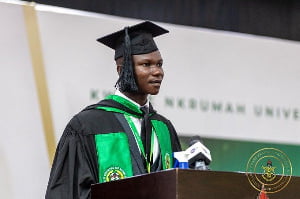
Valedictorian of the October 2023 graduating cohort at Kwame University of Science and Technology (KNUST), Bright Kwame Boadu, is calling on affluent individuals and families to extend their generosity and aid brilliant but financially needy students in realizing their aspirations and contributing to societal development.
Boadu, whose university education was generously funded by businessman and philanthropist Alhaji Seidu Agongo, achieved a cumulative weighted average (CWA) of 78.88, making him the top graduate among 1,104 students from the KNUST College of Agriculture and Natural Resources.
Having been retained by the college as a teaching assistant for his national service, Boadu is pursuing further education with aspirations to become a renowned animal scientist.
Reflecting on his journey, he shared with the media that without Alhaji Agongo’s intervention, he might have either performed poorly or deferred his program due to limited resources.
As the son of a single parent, Boadu emphasized that many students face similar challenges, and the benevolence of wealthy Ghanaians and corporate institutions could empower them to excel.
“But for Alhaji Agongo, I can say I will not have been here as the valedictorian of my graduating group. Before I met him, I was trekking to school and combining studies with extra classes so that I could raise money to feed and pay for books. These weighed heavily on my performance,” the Bachelor of Agriculture graduate said.
“But when he came through and took up all my expenses – fees, hostel, feeding and upkeep – I stopped the extra classes and put my all on books and I saw my grades improving,” said.
Mr. Boadu further urged society to consider the circumstances of the young people before judging their performance, pointing out that while he had potential, his circumstances ran the risk of hiding it.
“People are really struggling and there are a lot of brilliant people out there who need some small push to shine. Unfortunately, people care more about themselves than a better society but we should learn to share more and it will bring big changes to people’s lives and our society,” he said.
“If people are not performing, it could be finance or something because there are problems. Like my situation, if not for Alhaji Agongo’s intervention, I could have had second class and or even lower people would have said I am not serious meanwhile the truth is that was sacrificing my CWA to make ends meet,” he said.
Alhaji Agongo, the founder of the defunct Heritage Bank Limited, was earlier characterized by Mr. Boadu as a quiet philanthropist whose kindness has transformed countless lives and realized dreams.
Additionally, he urged his fellow graduates to remember that success is a multifaceted journey and not to become fixated on grades or results.
“You will define it, and no one will ever belittle you again. Success will emanate from your inner compass of decency and purpose,” he said.
He also gave praise to Gifty Boakye, claiming that she was the one who first found him and paid for his education before introducing him to Alhaji Agongo.
As part of his studies, Mr. Boadu said he became interested in animal feed, especially for poultry, and that his goal going forward would be to create a less expensive, more nutrient-dense feed source than the system’s current one, which is derived from maize.
“The price of the feed of the birds is escalating and that is collapsing many farms across the country. I want to explore alternatives to maize, which the poultry competes for with humans, and I am hopeful that I can develop something mega using cassava,” he said.
He said as part of his project work, he researched on how to use cassava to develop the feed and was now working on securing scholarship for a master degree during which he would expand the research further.
Call to the bar
In October, another benefactor of Alhaji Agongo, Frederick Agaaya Adongo, was called to the bar after successfully completing the law progamme and passing the bar exam, which the philanthropist funded.
The latest add to a tall list of students that the founder of the Class Media Group supports on the quiet.
He adopted and sponsored the education of 81 students in the St. Paul’s Lutheran School in Accra through to various tertiary schools nation-wide.
In 2019, the Muslim philanthropist constructed a 30-bed block at a cost of GH¢857,000 for the Child Emergency Unit of the Korle Bu Teaching Hospital (K’Bu) in Accra.
Alhaji Agongo has also donated sewing machines, tools for various artisans and start-up capitals to people, mostly single mothers, widows and persons with disability, across the country as part of a personal resolve to build a better society.
He is currently coordinating list of needy people affected by the Akosombo Dam spillage for support.
In a statement released on October 20, the GRA clarified that KNUST has not imported any equipment into the country, and is therefore not subject to import duties or taxes.
The GRA further explained that the mining company had brought in the two helicopters in 2020 under the Temporary Admission Regime. This regime stipulates that the equipment should be re-exported after the agreed period.
If the mining company intends to transfer ownership of the helicopters to a third party, such as the Kwame Nkrumah University of Science and Technology, it is obligated to settle the appropriate taxes and duties before transferring the helicopters to KNUST.
“For the incident in question, the mining firm brought in the two helicopters in 2020 under the Temporary Admission Regime, which requires that they are re-exported after the agreed period. If the firm wishes to transfer the ownership of the helicopters to a third party (Kwame Nkrumah University of Science and Technology), they are required to pay the appropriate taxes and duties before handing them over to KNUST. This will prevent the possible abuse of the Temporary Admissions Regime by importers who apply for the waiver of duties but resort to donating the equipment as scrap as a way of evading payment of taxes.”
“Furthermore, KNUST has not imported any equipment into the country and therefore is not liable for import duty or taxes”.
The GRA entreated all importers to comply with the Tax Laws and procedures to ensure smooth trade facilitation and maximization of revenue for national development.
“Management of GRA further uses this opportunity to entreat all importers and the general public to comply with the Tax Laws and procedures to ensure smooth trade facilitation and maximizing revenue for national development. GRA is also committed to supporting Government’s agenda of enhancing education at all levels and would do all it can within its mandate to support education,” the GRA said
The Ghana Revenue Authority has clarified its stance on imposing taxes for the mining company transferring ownership of two helicopters to the Kwame Nkrumah University of Science and Technology (KNUST).
The authority’s rationale behind this decision is to prevent tax evasion and dissuade other organizations from pursuing similar practices.
It was outlined that the helicopters were initially brought into the country under the Temporary Admission Regime, exempt from tax payments at the time. However, with the transfer of ownership to a new entity, in this instance, KNUST, the company is now liable for taxes.
Read the full statement below
For the incident in question, the mining firm brought in the two helicopters in 2020 under the Temporary Admission Regime, which requires that they be re-exported after the agreed period.
If the firm wishes to transfer the ownership of the helicopters to a third party (Kwame Nkrumah University of Science and Technology), they are required to pay the appropriate taxes and duties before handing them over to KNUST.
This will prevent the possible abuse of the Temporary Admissions Regime by importers who apply for the waiver of duties but resort to donating the equipment as scrap as a way of evading payment of taxes.
The attention of Management of the Ghana Revenue Authority (GRA) has been drawn to an online publication on, “GRA halts two helicopter ‘gifts’ to KNUST over taxes” Management of GRA would like to use this opportunity to react as follows:
1. Section 75 of the Customs Act 2015, (Act 891) refers to temporary admission, as a Customs procedure that allows goods to be temporarily brought into the country for a specific purpose without the payment of import duties or taxes. This procedure is designed to facilitate international trade, reduce cost, and promote temporary cross-border activities.
2. Goods that are temporarily admitted into the country under this regime are expected to be re-exported within a certain timeframe, usually 90 days or a specific period for activities such as trade shows, exhibitions, repairs, or other temporary uses. Appropriate documentation, including a Customs declaration, is required to initiate the temporary admission process. These documents specify the intended use and the expected re-exportation date. Failure to meet this deadline will result in the payment of the “suspended” import duties and taxes.
3. The Customs Division requires a guarantee / security such as an insurance bond or deposit, to ensure revenue is not lost if the goods or items in question are not re-exported.
4. All countries including Ghana, impose restrictions on the types of goods that can be temporarily admitted and the purposes for which they can be used. As such, Customs procedures for temporary admission come with conditions that vary from country to country. Non-compliance with the terms of temporary admission can further result in sanctions, such as fines or forfeiture of the goods to the State.
5. For the incident in question, the mining firm brought in the two helicopters in 2020 under the Temporary Admission Regime, which requires that they be re-exported after the agreed period. If the firm wishes to transfer the ownership of the helicopters to a third party (Kwame Nkrumah University of Science and Technology), they are required to pay the appropriate taxes and duties before handing them over to KNUST. This will prevent the possible abuse of the Temporary Admissions Regime by importers who apply for the waiver of duties but resort to donating the equipment as scrap as a way of evading payment of taxes.
6. Furthermore, KNUST has not imported any equipment into the country and therefore is not liable for import duty or taxes.
7. Management of GRA further uses this opportunity to entreat all importers and the general public to comply with the Tax Laws and procedures to ensure smooth trade facilitation and maximizing revenue for national development. GRA is also committed to supporting Government’s agenda of enhancing education at all levels and would do all it can within its mandate to support education. FLORENCE ASANTE (MRS.) ASSISTANT COMMISSIONER, COMMUNICATION & PUBLIC AFFAIRS
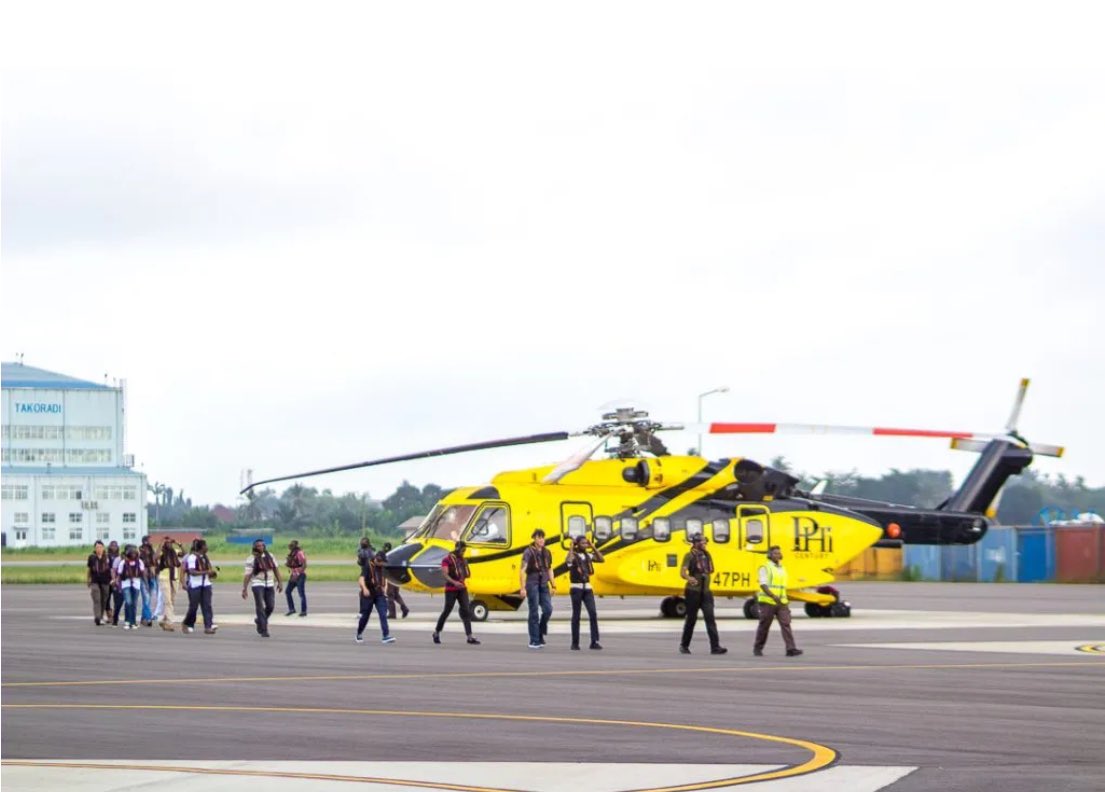
Reports indicate that the Ghana Revenue Authority (GRA) has allegedly confiscated two helicopters donated by PHI Century Limited to the Kwame Nkrumah University of Science and Technology (KNUST) over non-payment of taxes.
This information was put out by @Voice_of_KNUST known to be the social media handle of the tertiary institution.
According to the sources, “the GRA is demanding some thousands of Ghanaian cedis from KNUST before the helicopters are released”.
These helicopters are to assist with aeronautical studies at the aerospace engineering unit of KNUST.
Meanwhile, the management of KNUST and GRA are yet to officially comment on the matter.
📍📍BREAKING NEWS📍📍
Two helicopters to be delivered as a gift to KNUST by PHI Century Limited to assist with aeronautical studies at the aerospace engineering unit have been halted by the Ghana Revenue Authority (GRA) over issues of taxation. 💔💔
Due to the Ghana Revenue Authority’s (GRA) insistence that full taxes be paid for the two pieces of non-flyable equipment, the Kwame Nkrumah University of Science and Technology’s (KNUST) aerospace engineering department may not be able to use two helicopters donated by PHI Century Ltd for practical lessons to improve their capacity to train young aeronautical engineers.
To support the need for transportation to offshore drilling rigs and production platforms offshore at Cape Three Points in the Western Region, PHI Century Limited, a joint venture between PHI Aviation and Century Aviation Company Limited, initially imported the two old helicopters into the nation.
Since they will be exported after completing their allotted tasks, they were classified as tax-free at the time of importation.
PHI Century offered to donate the two aging pieces of equipment to KNUST in order to train aerospace engineers rather than moving them back to the US and giving them to an aviation school there for practical use.
However, in order to obtain the two helicopters for academic usage and for the benefit of KNUST’s new School of Aeronautical Studies, the Ghana Revenue Authority wants KNUST to pay thousands of cedis in taxes.
“These are equipment that the aerospace engineering unit of KNUST lack and would greatly help them, instead of going to gift them to a school in the US,” an aviation expert with knowledge of the issue confirmed this to AviationGhana.com
Vice-Chancellor of Kwame Nkrumah University of Science and Technology (KNUST), Professor Rita Akosua Dickson, has underscored the university’s dedication to narrowing the divide between academic knowledge and its real-world application within the nation.
Prof. Rita Akosua Dickson has noted that the existing curriculum at the university promotes a robust and collaborative partnership between the institution and various industries.
She disclosed that KNUST has continually enhanced collaborative engagement between its diverse faculties and the industrial sector over the years. This concerted effort aims to improve learning outcomes, ensuring the education provided equips graduates to contribute effectively to economic development.
“With the evolving needs of the 21st-century workplace, it has become imperative for academics to align its research, teaching, and learning approaches with industry expectations, and that is exactly what we are doing at KNUST,” she said.
Speaking at the 10th Summer School event on Tuesday, October 3, 2023, which was held at the campus of KNUST under the theme, “Academia-Industry Partnership for National Development”, Professor Akosua Dickson said the University continues to improve and sustain the quality of teaching and learning, something that has to enable graduates from KNUST to meet the standards of the fourth industrial revolution.
“At KNUST, one thing we are mindful of is that our teaching and learning process must have the objective of being fit for purpose, especially from the perspective of the industry for national development.
“I am of the firm belief that this year’s Summer School will once again offer us an opportunity to deliberate extensively on pragmatic issues that, will help enhance the readiness of our graduates for the industry and reduce the gap between academic knowledge and practical application,” she said.
The Ghana Tertiary Education Commission (GTEC) has announced a temporary halt to the processing of new accreditation applications for academic programs in all public universities, including technical universities.
This suspension will take effect immediately and remain in place until January 1, 2024.
It’s important to note that this suspension does not apply to the University of Environment and Sustainable Development (UESD) located in Somanya, Eastern Region.
GTEC’s decision is motivated by the necessity to improve the accreditation process due to ongoing non-compliance by certain institutions with the country’s accreditation requirements.
A communication to all public universities, signed and issued by the Director of Accreditation of GTEC, John Dadzie Mensah, stated that “any public university that submits new programme accreditation application for consideration by the commission post-December 31, 2023, must demonstrate a clean sheet of programmes in good standing (having valid accreditation status) before the new one is admitted.”
Contrary to the directive, Mr. Mensah acknowledged that a majority of public universities were, in fact, performing well in terms of their accreditation processes, especially those offering a smaller number of programs.
Explaining the rationale behind this decision, Mr. Mensah cited public apprehension arising from recent releases of the Auditor-General’s Reports, which had raised concerns regarding the accreditation status of certain programs offered by public universities.
“This has made it necessary to take a pause to evaluate the situation to inform practice on the part of both the regulator and the institutions.”
“Although the break is for only three months, we appreciate how it may negatively impact the operations of the affected institutions,” he said, in an interview with Daily Graphic, describing it as a necessary evil.
He explained that “programmes are submitted at different times for accreditation, and so, the accreditation periods overlap.”
“Active and non-active accreditation status of programmes of an institution will, therefore, overlap always,” Mr Mensah further explained.
He explained that this situation implied that programs were continuously in need of re-accreditation as their accreditation periods expired. Simultaneously, while some programs were undergoing approval for accreditation or re-accreditation, new applications were being received for fresh accreditation or re-accreditation.
“That is why every institution is encouraged to initiate the re-accreditation process one full year before the active accreditation expires, mindful of the fact that the quality assurance processes leading to the granting of accreditation take time,” he said.
Mr. Mensah expressed his belief that strict adherence to the policy would effectively reduce the occurrence of overlaps.
“It, therefore, has very few programmes with none near expiry as far as accreditation status is concerned. The UESD, a new tertiary institution, is exempted because it is starting operation from scratch.”
“As a baby institution, it is being encouraged to introduce more programmes to be firm on the ground,” Mr Mensah said.
The Ministry of Health, in collaboration with the Kwame Nkrumah University of Science and Technology (KNUST), the School of Public Health, and the Technical University of Berlin, has launched this year’s Health Policy Dialogue.
The dialogue is on the theme “The Exodus of Healthcare Workers from Ghana; Implication for Skill-Mix and Network of Practice Innovations towards Achieving Universal Health Coverage in Ghana”.
The main objective of the two-day health policy dialogue series is to establish a network of key stakeholders to engage in policy discussions on the future development of the health systems in Ghana.
Minister for Health, Kwaku Agyemang Manu, speaking at the opening ceremony, in a speech read on his behalf, indicated that one of the policy objectives of the health sector is to achieve universal access to a better, efficiently managed, high-quality health system that considers the extent of health service coverage and utilization through the availability of medicines, critical human resource, healthcare facilities, and National Health Insurance Scheme.
He added that the ministry has targeted achieving at least 80% coverage of Ghanaians who have access to essential health services.
He said, “We cannot achieve Universal Health Coverage (UHC) without the requisite human resources for health. We all know that human resources for health are essential for achieving UHC”.
The Minister therefore lamented that Ghana has one of the highest rates of health worker emigration in sub-Saharan Africa, with over 50% of doctors and 24% of nurses trained in the country now working overseas.
He recounted factors such as low salaries, poor working conditions, and a lack of opportunities for professional development as contributors to the migration of these health workers from Ghana.
He further revealed that the ministry is working with international partners to promote ethical recruitment practices among foreign employers of health workers.
This, according to him, will help to ensure that Ghanaian health workers are not exploited or mistreated when they work overseas.
Participants at the conference will engage in several dialogue sessions to discuss intriguing insights from current research on factors associated with turnover intentions as well as those pushing healthcare workers away from Ghana and those attracting them to other countries; ultimately culminating in the current exodus.
In the aftermath of the withdrawal of Alan Kyerematen, a senior lecturer at the Kwame Nkrumah University of Science and Technology (KNUST) Department of History and Political Studies has refuted claims that the NPP primary is a two-horse race between Vice President Dr. Mahamudu Bawumia and Assin Central legislator Kennedy Agyapong.
Dr. Akwasi Amakye Boateng predicts that Dr. Mahamudu Bawumia, the vice president, will win the primaries by a wide majority.
In an interview with Asempa FM on September 7, 2023, the academic said these things and added that he would be amazed if Ken finished even remotely close to Dr. Bawumia. The November 4 primaries.
“I think it is a one-horse race. It would be a straight win for Dr Bawumia. I would be surprised if people in the NPP vote for Kennedy Agyapong,” he said.
Kennedy, in his opinion, is unqualified to govern Ghana because he lacks the necessary skills.
Voters must demonstrate that they are concerned about candidates’ moral character, he continued.
“Kennedy Agyapong socially, traditionally, and intellectually is not presidential material and this must show.
“Ghanaians must demonstrate that we care about people who become our presidents. In the first place, for the development of poor countries… leadership matters. And political leaders in such countries should be knowledgeable generally and in economics,” he said.
Click on link below to watch the interview on Facebook:
An accused theft victim who was apprehended by students at Kwame Nkrumah University of Science and Technology (KNUST) was beaten mercilessly by an overwhelming mob of enraged students.
In a video of the event posted to Twitter by a user named @Gbe_Kor, the culprit is seen trying to flee for his life as a furious throng of students surrounds him and smacks him in the face repeatedly.
“Thief caught at Hall 7 ‘KNUST,“ @Gbe_Kor captioned the video.
It is unknown exactly what he is accused of taking or how he got inside the building in the first place. It’s also unknown whether the suspect was turned over to the police or what ultimately happened to him.
A male instructor who was thought to be gay was reportedly beaten up by some people of Blue Town in Prestea in the Western Region for supposedly having sex with another guy, according to a previous report.
In a widely shared social media video, the man, who identified himself as a teacher at the Sankofa International School nearby, is seen wearing a tattered shirt and with blood oozing from the back of his ear as a result of the beatings.
The victim had transformed himself into a woman and gone to have intercourse with another man, according to a voice in the background of the video explaining how the incident happened.
“This is Odeefour TV, Every day we get to hear something different. This is a blue town in Pretea. The man you see here behaves like a woman and has gone to have sex with another man,” the narrator said in the local dialect, Twi.
A private measure that seeks to prohibit its actions in Ghana is currently in parliament awaiting approval. LGBTQI+ is still a contentious subject in Ghana.
The Human Sexual Rights and Family Values Bill, also known as the Anti-the LGBTQ Bill, will inflict severe penalties on anyone found engaging in or supporting LGBTQ+ activities in the nation when it becomes law.
Senior Lecturer at the Kwame Nkrumah University of Science and Technology’s (KNUST) School of Medicine and Dentistry, Dr. Yaw A. Amoako, has urged for stringent limits on the sale and usage of antibiotics in the country.
He stated that establishing severe controls on the sale and use of the medicine could assist to avoid antibiotic overuse in the country, which he regarded as a huge threat to public health.
“There should be restrictions on antibiotics,” he said, adding antibiotics should only be used when needed after appropriate tests.”
Dr. Amoako, a senior infectious diseases specialist and research scientist at the Kumasi Centre for Collaborative Research in Tropical Medicine (KCCR), was speaking at a virtual media roundtable organized by Pfizer Pharmaceuticals on Thursday, August 24, 2023, to raise antibiotic awareness in order to ensure patient safety and the future effectiveness of antibiotics.
He observed that the cost of antibiotic abuse was high, both in terms of health and the socioeconomic impact on society.
He voiced concern that many people had resorted to using antibiotics when they should not have, emphasizing that antibiotic usage “increases the length of stay of patients at the hospital.”
Antimicrobial resistance (abuse of antibiotics) is the inability of antimicrobial treatments to treat specific diseases.
It happens when bacteria, viruses, fungi, and parasites alter their properties (mutate) and stop responding to medications, making illnesses more difficult to cure and raising the risk of disease spread, severe illness, and death.
According to Dr. Amoako, the problem of antibiotic resistance should be taken seriously because it could lead to death.
He warned the people not to overuse antibiotics and urged the National Pharmacy Council to be strict about how such medications are administered through over-the-counter retailers.
He raised concern that many antibiotics medicines are not being properly stored and managed in various parts of the country, citing an example of antibiotics being found in market locations.
Dr. Amoako emphasized that, given the serious health consequences of antibiotic overuse, multi-sectoral and multi-disciplinary approaches to combating it were required.
As a result, he has urged all stakeholders, particularly the media, to help raise awareness about the hazards of antibiotic usage so that people are better informed about the risks.
Agogo Hospital which is serving as the Ashanti regional hospital in Kumasi, is experiencing a rise in tension due to the reappointment of Dr. Oheneba Owusu-Danso.
In 2017, President Akufo Addo appointed Dr. Oheneba Owusu-Danso as the acting CEO of the Teaching Hospital.
He was subsequently confirmed as the CEO for the facility with a four-year mandate to oversee the day-to-day operations of Ghana’s second premier health center.
Upon the completion of his initial four-year term, Dr. Owusu-Danso’s service was extended by an additional two years, culminating in 2022.
Following his retirement, the government appointed Prof. Dr. Dr. Ochere Addai Mensah, the former Dean of Students at Kwame Nkrumah University of Science and Technology (KNUST), to succeed him.
The reappointment of Dr. Owusu-Danso has triggered tensions within Agogo South Hospital.
A 24-year-old student of the Kwame Nkrumah University of Science and Technology (KNUST) has met his untimely death after being stabbed by a friend in Kronum-Kwapra in the Suame Municipality of the Ashanti Region.
Lambert Frimpong was killed on August 5, 2023, over a dispute revolving around a missing T-shirt.
The level 200 student was accused of theft regarding the missing apparel, but he vehemently denied the accusation.
The deceased, Lambert Frimpong
The two argued over the matter, which escalated to a physical confrontation. During the altercation, Lambert got stabbed.
Despite swift efforts to save him, Lambert succumbed to his injuries after being rushed to the hospital. His body has now been deposited at the Komfo Anokye Morgue.
In the aftermath of this heartbreaking incident, law enforcement authorities have embarked on a quest to apprehend the suspect, who has fled the scene and is currently evading capture.
Vice Chancellor of the Kwame Nkrumah University of Science and Technology (KNUST), on August 2, 203, bestowed honors upon three students who had bravely saved the life of a fellow student contemplating suicide.
Prof. Akosua Dickson presented a special accolade to Theophilus Amo Oduro Aboagye, Kwabena Amoako Marfo, and James Michael Mozley Nsafoa, recognizing their extraordinary actions.
On July 4, 2023, the three students swiftly intervened at a private hostel facility on campus to rescue their colleague, who was perilously hanging from a balcony on the edge of falling off the multi-story building.
In a viral video, the three held onto the victim and pulled him to safety. They subsequently took him a health facility where the school confirmed that he had been given psychological support.
The three heroes received the ‘Special Award Category’, during the maiden Vice Chancellor’s Students’ Excellence Awards, held at the Great Hall of the KNUST.
43 others were also honoured for their outstanding performances in both academics and sports.
Running mate for the flabgearer of the National Democratic Congress (NDC) in the 2020 general elections, Prof Naana Jane Opoku-Agyemang has reached out with a heartfelt message of congratulations to the recently elected Student Representative Council (SRC) President of the Kwame Nkrumah University of Science and Technology (KNUST).
Yvonne Osei Adobea is the first female SRC president in KNUST
In her message, Prof. Naana Jane Opoku-Agyemang commends the newly-elected SRC President, Yvonne Osei Adobea, on her well-deserved victory, acknowledging the commitment and dedication that students invest in representing their peers and contributing to the betterment of university life.
As a fervent advocate of education and women empowerment, Prof. Opoku-Agyemang’s message celebrates Yvonne and underscored the significance of nurturing responsible and visionary leaders within the educational landscape, especially women leaders.
Breaking Barriers, Shaping the Future!
A warm congratulations to Yvonne Osei Adobea for becoming the FIRST female President of the KNUST SRC!
Your historic victory inspires us all and paves the way for a brighter, more inclusive tomorrow!
— Professor Naana Jane Opoku-Agyemang (@NJOAgyemang) July 28, 2023
“Breaking Barriers, Shaping the Future! A warm congratulations to Yvonne Osei Adobea for becoming the FIRST female President of the KNUST SRC! Your historic victory inspires us all and paves the way for a brighter, more inclusive tomorrow! Best wishes Yvonne!!” she wrote.
Yvonne Osei Adobea, has set a record in the Kwame Nkrumah University of Science and Technology (KNUST), as she becomes the first Female Student Representative Council (SRC) President of the prestigious institution.
Yvonne won the Election total votes of 8,282 which represents 37.37% of the total vote cast.
This also makes her the first female KNUST Student to reach this vote margin in history of KNUST Students Election.
She takes over from Frank Owusu, a Level 300 Economics student, who was elected last year to head and manage the affairs of the SRC for the 2022/2023 academic year.
Yvonne Osei Adobea has achieved a groundbreaking victory in the Students Representative Council (SRC) election at Kwame Nkrumah University of Science and Technology (KNUST), becoming the institution’s first-ever female SRC President in its 71-year history.
The third-year Sociology student secured an impressive 8,282 votes, decisively surpassing her main opponent, Abraham Rockson, who obtained 4,568 votes.
Yvonne’s win garnered significant attention, symbolizing progress in gender representation and female leadership within the university.
Her journey to the presidency was marked by determination and resilience, bouncing back from an unsuccessful attempt in the previous SRC election.
Yvonne’s active engagement as a student activist further showcased her dedication to student welfare and campus improvement.
Her election holds significance not only for herself but also as a historic moment for single-sex schools, as she is the first female from such an institution to hold this prestigious position at KNUST.
As the first female SRC President, Yvonne’s tenure carries a weight of responsibility and high expectations.
SRC President-elect, Yvonne Osei Adobea, has set a record in the Kwame Nkrumah University of Science and Technology (KNUST), as she becomes the first Female Student Representative Council (SRC) President of the prestigious institution.
Yvonne won the Election total votes of 8,282 which represents 37.37% of the total vote cast.
This also makes her the first female KNUST Student to reach this vote margin in history of KNUST Students Election.
She takes over from Frank Owusu, a Level 300 Economics student, who was elected last year to head and manage the affairs of the SRC for the 2022/2023 academic year.