Tag: Lecturer

  • KTU lecturer declares intention to join NPP presidential race

    KTU lecturer declares intention to join NPP presidential race

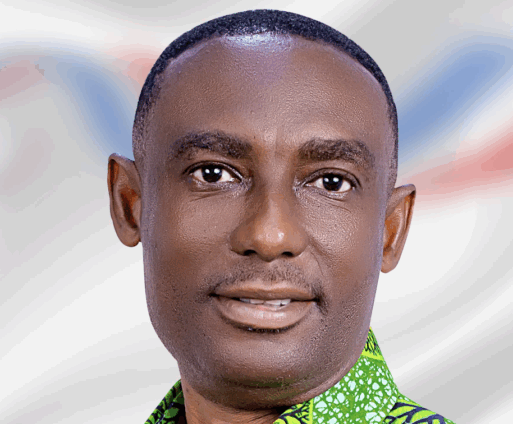
    Senior Lecturer at Kumasi Technical University, Dr. Edmund Oppong-Peprah has expressed interest in the New Patriotic Party’s (NPP) presidential race.


    If elected, Dr. Edmund Oppong-Peprah plans to prioritise modern agriculture and mechanised farming, expand renewable and decentralised energy systems, ensure 100% industrial processing of raw materials, lead a national malaria elimination drive, reform the Free SHS policy for long-term sustainability, enhance incentives for teachers and healthcare workers in rural areas, and pursue targeted infrastructure development in historically neglected communities.

    Several prominent party figures have already publicly signalled their intent to contest, including Dr. Yaw Osei Adutwum (former Education Minister and Member of Parliament for Bosomtwe), Bryan Acheampong (Member of Parliament for Abetifi), Kennedy Agyapong (former Member of Parliament for Assin Central), and former party General Secretary Kwabena Agyepong.

    The NPP on Tuesday, July 29, opened nominations for its 2028 flagbearer position. Aspirants will pay a whopping amount of GHC100,000 for nomination forms and GHC500,000 as filing fee.

    “Any member of the party wishing to apply for nomination as the party’s presidential candidate will obtain the nomination forms after paying a non-refundable Nomination Fee of One Hundred Thousand Cedis (GHc100,000) in Banker’s Draft in favour of the NEW PATRIOTIC PARTY HEADQUARTERS, ACCRA.

    “The filing fee for the presidential nomination is five hundred thousand Ghana Cedis (GHc500,000) to be paid in banker’s draft in favour of the NEW PATRIOTIC PARTY NATIONAL HEADQUARTERS, ACCRA,” a part of the party’s statement signed by General Secretary Justin Frimpong Kodua, read.

    Nomination forms may be obtained from the Office of the General Secretary at the Party Headquarters, Asylum Down, from now to August 28. An aspiring presidential candidate shall be required to pay a development fee as determined by the National Council.

    This comes after the opposition party officially released its presidential primaries timetable on Friday, July 25, following a National Executive Committee (NEC) meeting held at the Alisa Hotel in Accra. The statement informed interested candidates to pick up their forms by Tuesday.

    It also noted that by August 28, all forms should have been submitted, as the party is expected to move into the vetting mode by September, approximately a month after they close the flagbearer nomination.

    “Nominations will be opened on July 29, 2025, for all persons interested in contesting for the flagbearer to pick their forms. Vetting will be conducted from September 15 to 22, and the election to choose our flagbearer will be held on January 31, 2026.”

    The National Executive Committee has urged both candidates and supporters to uphold the tenets of the party to uphold peace and harmony. “All aspirants and their supporters are reminded to uphold the values of the party and refrain from divisive conduct during the campaign period.”

    Meanwhile, several prominent party figures have already publicly signalled their intent to contest, including Dr. Yaw Osei Adutwum (former Education Minister and Member of Parliament for Bosomtwe), Bryan Acheampong (Member of Parliament for Abetifi), Kennedy Agyapong (former Member of Parliament for Assin Central), and former party General Secretary Kwabena Agyepong.

    Dr. Mahamudu Bawumia, former vice president and the NPP’s flagbearer in the 2024 election, is widely considered the frontrunner, followed by the former Assin North Member of Parliament and Kennedy Agyapong, a former contender for the flagbearer primaries.

    The former vice president has already declared his intention to run again. His popularity among the party’s grassroots is strong, and recent endorsements have added momentum to his campaign.

    The earlier-than-usual opening of nominations for the flagbearer position, according to the party, forms part of their restructuring and strategic measures taken to ensure transparency and discipline in the selection process, as well as give ample time to the flagbearer to engage members, stakeholders, and other members of the international community to set the required tone for the 2028 elections.

    The nominations’ opening comes about six months ahead of the party’s presidential primaries, scheduled for January 31, 2026. Ahead of the 2016 general elections, the NPP opened nominations in March 2014 and held flagbearer elections on October 18, 2024, marking 25 months ahead of the elections.

    However, in 2025, they have declared nomination openings in July and a primary set for January 2026, which is about 35 months ahead of the presidential elections. According to the party’s constitution, it is required that at least six months’ notice be given ahead of the primaries.

    The NPP’s presidential race is expected to be an intense one this time around. Kennedy Agyapong’s position as the strongest contender for Dr. Bawumia has been complemented by a recent survey conducted by Sanity Africa, a Pan-African civil society organisation, between April and June 2025, which showed Kennedy Agyapong leading with 51.4% delegate support, ahead of Dr. Mahamudu Bawumia, who had 42.2%.

    Ahead of the flagbearership race, Ken Agyapong has received prophecies about his victory. Ahead of last two years’ presidential primaries, the four candidates—Dr. Bawumia, Kennedy Agyapong, former Food and Agricutlure Minister Dr. Owusu Akoto Afriyie, and former Member of Parliament for Mampong Francis Addai-Nimoh, who vied for the flagbearer position, signed an agreement stating that following the primaries, “candidates will accept election primary results, promote peace and cohesion.”

    In the NPP’s previous presidential primaries in November 2023, Dr. Bawumia secured 61.47% of the total votes from nearly 200,000 NPP delegates, emerging as the victor, while Ken Agyapong secured about 37.41%. Dr Bawumia held a meeting with his closest contender at his residence in Accra.

    After being announced as the NPP’s 2024 presidential candidate, Kennedy Agyapong threw his support for Dr Bawumia. “So, party members we should put everything behind us, and let’s unite this party…, I believe we can break the eight, and that’s what I’ve been preaching,” Kennedy Agyapong said.

    Dr Bawumia lost the 2024 presidential election. John Dramani Mahama, who ran on the ticket of the National Democratic Congress (NDC), bagged 6,328,397 valid votes, representing 56.55%, and Dr. Mahamudu Bawumia secured 4,657,304 votes, representing 41.61%.

    Meanwhile, ahead of the pending flagbearership race, Dr Mahamudu Bawumia has received backing from 268 former Metropolitan, Municipal, and District Chief Executives (MMDCEs), who visited him in June to pledge their support.

    “Following extensive consultations with all aspirants, and after a thorough assessment of their vision, competence, and commitment to the NPP’s progress, we are convinced beyond any doubt that Dr. Bawumia is the best candidate to lead the NPP to victory in 2028,” the MMDCEs said in their statement after the engagement.

    “Our endorsement is not merely symbolic; it is a strategic and operational commitment. With 95% of us having previously served as constituency and regional executives—some for over 16 years—we possess an intimate understanding of the NPP’s structures, dynamics, and electoral needs. We will deploy this experience to ensure Dr. Bawumia’s message resonates in every corner of Ghana,” they added.

    Also, Dr Mahamudu Bawumia on June 19 received 60 Members of Parliament from the New Patriotic Party (NPP), who announced their endorsement of his bid for the party’s flagbearership position. The delegation ended up having an in-camera meeting with the 2024 flagbearer.

    The delegation included former Finance Minister Mohammed Amin Adam; Member of Parliament for Ofoase Ayirebi Kojo Oppong-Nkrumah; Member of Parliament for Akuapem North Sammi Awuku; Techiman South legislator Martin Adjei-Mensah Korsah; Habib Iddrisu, the Member of Parliament for Tolon; Member of Parliament for Assin South, Reverend John Ntim Fordjour, and Nana Adjei Baffour Awuah, the Member of Parliament for Manhyia South.

  • Ghana’s economy has room for greater expansion  – Lecturer

    Ghana’s economy has room for greater expansion  – Lecturer

    University of Ghana Business School senior lecturer and economist, Dr. Priscilla Twumasi-Baffour, has described the 2025 Budget’s growth projections as measured and cautious.

    Speaking on JoyNews’ Newsfile on Saturday, March 15, 2025, she observed that although the government’s 4% growth target is reasonable, it falls short of the International Monetary Fund’s (IMF) 4.7% forecast.

    Her remarks came after Finance Minister Dr. Cassiel Ato Forson delivered the 2025 Budget Statement on March 11, outlining plans to stabilize the economy and stimulate growth.

    Dr. Twumasi-Baffour believes the government’s conservative projection reflects both economic caution and the uncertainties surrounding the recovery process.

    “The government’s growth estimate appears to be on the lower side, especially considering the IMF’s more optimistic outlook of 4.7%,” she remarked.

    She attributed the government’s reserved stance to external economic factors and Ghana’s fiscal challenges but emphasized that stronger support for critical sectors such as agriculture, industry, and services could lead to better-than-expected growth.

    “If the right policies are implemented effectively, we could see growth exceeding the 4% target,” she noted.

    Additionally, she underscored the significance of structural reforms in ensuring long-term economic expansion.

    She urged the government to prioritize increasing productivity, strengthening domestic industries, and enhancing the business climate to sustain growth beyond 2025.

    “Achieving higher growth requires deliberate efforts to address structural bottlenecks and improve investor confidence,” she advised.


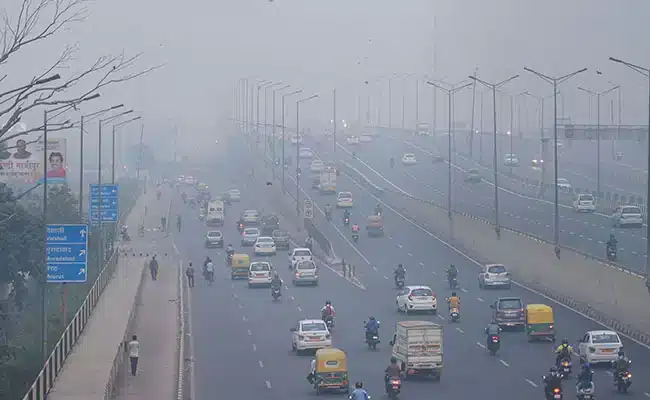
  • Air pollution must be tackled head-on by govt – Lecturer

    Air pollution must be tackled head-on by govt – Lecturer

    Vice-Dean of the School of Public Health at the University of Cape Coast (UCC), Professor Kofi Amegah, has called for a focused and intentional strategy to address the underlying causes of air pollution, with the ultimate goal of providing clean air for everyone.

    During an appearance on JoyNews’ National Dialogue on Clean Air and Election 2024, aired on Tuesday, November 26, Professor Amegah spoke about the varying levels of vulnerability to air pollution across different segments of society.

    He emphasized that to tackle clean air issues effectively, it is essential to approach the problem with intentionality and clear goals.

    “In our society, some individuals are more vulnerable than others. Therefore, when it comes to the issue of clean air, we must be intentional and strategic in how we address its underlying causes.” The achievement of this conversation is for the parties in Ghana to hear the citizens. The deliberate intervention that must be undertaken.

    Prof Amegah further explained that “We have looked at all the manifestos from 1992 to this point, of our key sources of air pollution- our transportation, waste, energy for cooking, farming, industrialisation, we have heard all the parties talk about their intervention to tackle the challenges of our time but we have to be deliberate, we have to be conscious that we do not try to solve one challenge by creating another.”

    The professor also noted that key sources of air pollution, such as transportation, waste management, cooking energy, farming, and industrialization, have been acknowledged in political manifestos since 1992. However, he cautioned that while addressing these issues, care must be taken to avoid creating new challenges in the process.

    Despite political talks about air quality, Professor Amegah observed that there is still little demand for clean air among the public. While he acknowledged the aspiration for cleaner air, he stressed that this must be backed by tangible actions.

    Concerning the country’s industrialization efforts, the professor highlighted the importance of ensuring that industrial growth does not result in higher pollution levels, as seen in other regions globally. He raised the issue of whether adequate resources are being directed toward mitigating the peripheral challenges that arise from such growth.

    In conclusion, Professor Amegah urged the need for a well-coordinated and strategic approach that not only tackles the immediate concerns but also leads to lasting improvements in air quality and public well-being.

    “Are we being conscious to be able to address the peripheral issues that come with all the prepositions that we are making and if we are concerned about the pollution what is our resources allocation towards tackling this particular challenges that we are facing?”he asked.

  • Conduct of NDC caucus in Parliament disappointing – Prof Agyemang

    Conduct of NDC caucus in Parliament disappointing – Prof Agyemang

    A linguistics expert from the University of Ghana, Professor Kofi Agyekum, has expressed dissatisfaction with Ghana’s 8th Parliament, particularly in response to events involving NDC MPs on October 22, 2024.

    Speaking on Peace FM’s Kokrokoo show on October 24, Prof. Agyekum referred to a scene where NDC legislators sang and marched on the Parliament floor as “a joke.” His remarks align with those of First Deputy Speaker Joseph Osei-Owusu, who shared a similar view on the behavior displayed.

    Prof. Agyekum argued that the lawmakers appear to be straying from their essential duties of legislation and instead indulging in unnecessary disputes.

    He specifically criticized the recent altercation over which caucus holds the right to the Majority seats, describing the disagreement as unproductive and a distraction from Parliament’s legislative role.

    “I was saddened by the display of the parliamentarians on Tuesday where they were singing and marching on a march pass. How can persons we have voted into power to enforce and make laws that will advance the country be behaving this way?

    “To add to what Joe Wise said about being disappointed in the 8th Parliament, I agree because the foundation of this Parliament wasn’t built on the right path. It started on January 7th where these parliamentarians were seen snatching ballot boxes, chewing ballot papers and engaging in fisticuffs. This same Parliament and it has gradually gotten to this current stage…” he said.

    Professor Kofi Agyekum’s critique of the 8th Parliament echoes sentiments previously shared by First Deputy Speaker Joseph Osei-Owusu.

    He argues that the current Parliament’s repeated controversies have eroded the institution’s credibility.

    According to Prof. Agyekum, previous parliaments demonstrated more effectiveness in passing legislation and contributing to Ghana’s legal framework than the current legislature.

    He suggests that, in contrast, the 8th Parliament has been largely preoccupied with disputes and theatrics, detracting from its core function of lawmaking and productive governance.

    “I am disappointed in the 8th parliament generally. We have done very little in legislation and you can just take the number of laws and smaller legislations we have done. We have wasted so much time on inconsequential things and matters when our main job is making laws.

    “Go and take the number of laws we have made in the last four years and compare with the other parliaments and you will see that the 8th parliament has been the least. It’s been full of controversy, matters that previously we used to sit down and discuss and overcome, now we’ve turned them into fisticuffs and that is most disappointing to me,” he said.

    He continued to lament that, “The whole essence of democracy is to encourage people to exchange ideas, so, if Parliament, which is the entire reflection of the country, we cannot sit down on any matter to discuss and agree or agree to disagree, where is our democracy. So, I find our conduct very disappointing as a parliament.”

  • Technology can play a crucial role in fighting galamsey – Lecturer

    Technology can play a crucial role in fighting galamsey – Lecturer

    A Senior Lecturer at Koforidua Technical University, Dr. Benjamin Kwofie, has highlighted the pivotal role of technology in combating illegal mining activities, commonly referred to as galamsey.

    However, he stressed that effective leadership commitment is equally essential to address the challenges posed by these operations.

    Galamsey has become a pressing issue in Ghana, particularly in recent years, as it contributes to significant environmental degradation, including deforestation, water pollution, and loss of biodiversity.

    The practice, which often involves unregulated and informal mining operations, poses a serious threat to the country’s natural resources and the livelihoods of communities that depend on them.

    As illegal miners exploit land and resources without regard for regulations, the government has faced mounting pressure from civil society groups and environmentalists to take decisive action against this growing menace.

    In a recent discussion with Accra-based, Citi FM, Dr. Kwofie advocated for the use of drones equipped with high-resolution cameras, stating that these tools can provide invaluable data regarding illegal mining activities, regardless of the time of day.

    “These drones have sufficient power to capture images that will give you actual data on what is going on the ground, whether daytime or nighttime,” he explained.

    According to Dr. Kwofie, the accurate information gathered through drone technology can significantly aid decision-makers, including local chiefs and authorities. By presenting clear evidence of galamsey activities, community leaders can no longer dismiss the issue as mere speculation.

    “When this information is made available to decision-makers, they will not think it a figment of somebody’s imagination. They will see it for themselves,” he emphasized.

    He further underscored that over time, consistent documentation of the devastating impact of galamsey through these images will dispel any notions that concerns are merely political tactics.

    Dr. Kwofie stated, “If the devastating nature of galamsey is pointed out through these images, nobody will say that it’s a political gimmick.”

    By leveraging technology and ensuring strong leadership, he believes that the fight against galamsey can gain momentum, leading to more effective strategies to protect Ghana’s natural resources.

  • Lecturer to receive GHS 1.9m compensation from Bolt over identity theft

    Lecturer to receive GHS 1.9m compensation from Bolt over identity theft

    The Adentan Circuit Court has ordered Bolt Ghana Limited to pay GH¢1.9 million to Justice Noah Adade, a lecturer and CEO of a software solutions firm, for failing to prevent the misuse of his identity by one of its drivers.

    Justice Noah Adade, an Information Technology Consultant, had filed a GH¢2 million lawsuit against Bolt, claiming negligence on their part.

    He alleged that the company violated the Data Protection Act by utilizing his personal information for a driver without proper verification.

    Adade contended that Bolt did not confirm the ownership of the vehicle with registration number GR 2052-22 before allowing its registration.

    In his lawsuit, he sought a court order for Bolt to remove his personal data from their database and demanded compensation for the unauthorized use of his information.

    He recounted an incident in August 2022 when he booked a ride through the Bolt app, only to be shocked to find his name and image associated with the driver.

    When he confronted the actual driver, whom he recognized, the driver apologized.

    Adade emphasized that Bolt Ghana Limited had a responsibility to conduct thorough and diligent operations, which it failed to uphold.

    Ultimately, the court ruled in favor of Adade, mandating that Bolt compensate him for the damages incurred.

  • ‘Dumsor’ that brought you into power will also take you out of power – Lecturer tells NPP

    ‘Dumsor’ that brought you into power will also take you out of power – Lecturer tells NPP

    Senior Political Science lecturer at the University of Ghana, Dr. Kwame Asah-Asante, has expressed his belief that the recent intermittent power outages (dumsor) will have an impact on the governing New Patriotic Party (NPP) in the upcoming 2024 general elections.

    He noted that energy issues are one of the factors voters consider when deciding which candidate or party to support.

    Dr. Asah-Asante recalled that intermittent power outages during former President John Dramani Mahama’s tenure played a significant role in his electoral defeat, as the then-opposition NPP capitalized on it as a campaign issue.

    “The elections that took Mahama home were fought on the basis of dumsor. This party [NPP] took advantage of that and drummed into the ears of Ghanaians and it formed part of the calculations or contributions that Ghanaians made in deciding who to vote for.

    “Remember the dumsor economy which Dr. Bawumia made noise about which was legitimate at the time and the same legitimacy can be brought to bear on the current dumsor which the government is pretending doesn’t exist.”

    Dr. Kwame Asah-Asante also criticized the government’s management of the current intermittent power outages, pointing out that citizens were suffering as a result. He emphasized the importance of the government acknowledging the challenges and demonstrating a commitment to resolving them.

    “We feel it. We experience it. Let no one deceive himself or herself that the fact that you have not said it bluntly out loud means dumsor does not exist. It does and nobody can deceive anybody. Governance must be handled with truthfulness.

    “Proceed with integrity, there is a problem. Just be forthright with it. Come out and say this problem exists, but as leaders, we will try and fix it.”

  • How can you rejoice over a survey that lacks methodology – Lecturer quizzes NPP

    How can you rejoice over a survey that lacks methodology – Lecturer quizzes NPP

    A Professor from the University of Ghana Business School, Kobby Mensah, has raised concerns regarding the New Patriotic Party’s (NPP) celebration of survey results devoid of a clear methodology.

    Speaking on TV3 he expressed bewilderment at the current criticism of the methodology employed in the recent Global InfoAnalytics Poll, which places the National Democratic Congress (NDC) flagbearer, John Dramani Mahama, ahead of the NPP’s torchbearer, Dr. Mahamudu Bawumia.

    Professor Mensah highlighted that the methodology and questionnaire of the aforementioned poll were made public for clarity, thus questioning the basis of the concerns being raised.

    According to the poll results, John Mahama garnered 54.3 percent support, while Dr. Bawumia secured 34.6 percent. Alan Kyerematen, leader of the Movement for Change, received 7.5 percent, and Nana Kwame Bediako of the New Force polled 2.3 percent.

    In response to the poll, the Director of Communications for the NPP, Richard Ahiagbah, expressed reservations about the methodology used.

    Professor Mensah argued, “The value that we place on the outcome of this survey cannot be inclusive to the people of this country because the instrument itself can create problems due to people’s understanding of the questions asked.

    “So therefore the answers they are giving, as to whether or not they are answering the question about the country moving in the right direction (which is relative when you translate into another language) is the issue.

    “For me, the premium we should put on this should not be too high,” he said on Friday, April 5.

    He recalled instances when polls with undisclosed methodologies were endorsed by prominent NPP members and media houses, contrasting them with the current poll that has openly published its methodology and questionnaire.

    “We were in this country when very suspicious polls had been published by a certain name of an international organization that did not even publish the methodology,  we had prominent members of the NPP going around touting that particular results.

    “We had media houses actually reporting that particular results and now you have a poll that has published its methodology for everybody to read and even published the questionnaire.

    “It is very difficult to understand what they mean by the methodology is not rigors.”

  • “Walking dead bodies” students will be produced if teachers are not motivated – Lecturer

    “Walking dead bodies” students will be produced if teachers are not motivated – Lecturer

    A lecturer and psychologist, Samuel Ziggah, has called on the government to incentivize teachers to foster the development and transformation of students across all educational levels.

    He expressed dismay over the government’s apparent lack of commitment to motivating teachers to perform at their best.

    Citing the ongoing strike action by various teacher unions as a prime example, he lamented the government’s seeming indifference towards teachers’ welfare.

    He noted the government’s failure to provide necessary resources for teaching, while simultaneously expecting teachers to nurture well-rounded students.

    Mr Ziggah cautioned that without proper attention, the education system would produce individuals devoid of vitality.

    “There was a need to build the capacity of the teachers so they would have the skills needed to teach the students. If you don’t build the capacity of the teachers so they will later help the students, the policy will be a waste; the tablets will be destroyed, and we will have to pump in more money to buy new ones.

    Regarding the one-student, one-tablet policy, he acknowledged the merit of investing in smart learning.

    However, he questioned the rationale behind providing tablets to students when teachers themselves lack essential tools like laptops or tablets to facilitate effective teaching.

    He emphasized the importance of enhancing teachers’ capabilities to ensure the success of educational policies.

    Without such support, he warned, policies would falter, resources would go to waste, and students would graduate without essential skills or knowledge.

    Ziggah delivered these remarks during an appearance on Frontline on Rainbow Radio 87.5 FM, hosted by Kwabena Agyapong.

    He highlighted the disparity in public reaction between strikes by medical doctors and those by teachers. While medical strikes elicit urgent calls for government intervention to safeguard healthcare, teacher strikes often go unnoticed or ignored by authorities.

  • Surviving 1983 food crisis was a battle but we conquered – Lecturer tells Western over anti-gay bill threats

    Surviving 1983 food crisis was a battle but we conquered – Lecturer tells Western over anti-gay bill threats

    Head of the Linguistics Department at the University of Ghana, Professor Kofi Agyekum, has urged Ghana to pursue economic independence amidst threats from foreign entities regarding the anti-LGBTQ+ bill.

    Highlighting the recent warnings of funding cuts from foreign governments and international finance organizations, Prof Agyekum emphasizes the critical need for the nation to achieve economic self-reliance.

    Speaking on the March 5, 2024, edition of Peace FM’s Kokrokoo, he commended the resilience of Ghanaians in the face of economic challenges, citing the survival of the 1984 food crisis.

    “In 1983, we thought all Ghanaians were going to die. We went through a serious famine but survived. If we lead a good life, it doesn’t matter the threats; we can survive whatever comes at us,” he remarked.

    The anti-LGBT+ Bill, passed by parliament on February 28, aims to criminalize various aspects of homosexuality, including promotion, advocacy, funding, and the acts themselves.

    Despite the Ministry of Finance advising President Akufo-Addo against signing the bill into law, citing potential repercussions on international financial support, the President reassured the diplomatic community of Ghana’s commitment to respecting fundamental human rights.

    President Akufo-Addo emphasized ongoing legal challenges to the bill’s constitutionality.

    A concerned citizen has invoked the original jurisdiction of the Supreme Court to challenge the bill’s constitutionality, prompting calls for patience until the court issues its ruling.

  • Unemployment in Ghana must be addressed with practical solutions – Lecturer to govt

    Unemployment in Ghana must be addressed with practical solutions – Lecturer to govt

    A Senior Lecturer in the Department of Economics at the University of Ghana, Dr. Priscilla Twumasi Baffour, has advocated for a solution-oriented approach to tackle the country’s unemployment challenges.

    Emphasizing the importance of addressing challenges in the production sector, she believes it is crucial for restoring the economy and curbing unemployment.

    Responding to the proposal of a 24-hour economy by John Mahama as a potential solution, Dr. Twumasi Baffour asserts that additional measures need implementation.

    She questioned the proposed policy’s impact on removing hurdles faced by small and medium-sized enterprises and its focus on enhancing the education, training, and skills of individuals entering the labor market.

    “What is the intervention doing in terms of removing challenges that small and medium-sized enterprises face in this country?

    “What is the proposed policy doing in terms of the supply side, the education, training and skills of the people that are moving into the labour market?” .

    “Skills in terms of digital skills, soft skills and all the relevant skills that the changing labour market requires in this economy,” she added.

    Dr. Twumasi Baffour highlights the rapid influence of technology on production organization and stresses that any policy intervention should deliberately eliminate barriers to production while equipping the workforce with essential skills. These skills encompass digital proficiency, soft skills, and other relevant abilities demanded by the evolving labor market.

    Background:

    The Ghana Statistical Service reported an average unemployment rate of 14.7% for the first three quarters of 2023, marking a 1.1% increase from the 2022 figure.

    Gender disparities were notable, with consistently higher unemployment rates among females.

    The report revealed a widening gap in unemployment rates between urban and rural areas, with the urban rate almost twice that of rural areas in the second and third quarters of 2023. Only four regions (Eastern, Bono East, Oti, and Upper West) recorded unemployment rates lower than the national average across all quarters.

  • ABSU lecturer proposes to girlfriend in class on Val’s day

    ABSU lecturer proposes to girlfriend in class on Val’s day

    A video of a lecturer proposing to his girlfriend unexpectedly in front of her colleagues is making the rounds on social media, showing off a touching act of love and appreciation.

    The viral video, now trending on Twitter as X, depicts the lecturer kneeling with a ring in hand, passionately asking the girl to be his wife.

    The shy but delighted lady accepted the proposal amid cheers and chants from onlookers.

    This touching incident unfolded at Abia State University Uturu (ABSU), a Nigerian public university, garnering widespread attention and mixed reactions from netizens.

    While some express surprise at the unconventional setting, others admire the romantic gesture, sparking a debate on the ethicality of such public proposals.

    Watch video below:

  • Ghana has lost the spirit of patriotism, needs urgent rekindling – UoG lecturer

    Ghana has lost the spirit of patriotism, needs urgent rekindling – UoG lecturer

    Dr. Lawrence Boakye, a senior lecturer at the University of Ghana (UoG), claims that the spirit of patriotism that inspired Ghanaians’ ancestors to battle for our freedom and the right to self determination has been lost and needs to be rekindled.

    He made the comment while presenting a talk on “African Nationalism: A Road to Patriotism and the Attainment of Self-determination” as part of the Danquah Institute (DI) Founders’ Day lecture series today, August 4, 2023.

    African Nationalism

    Dr Boakye started his lecture by tracing the history of African Nationalism noting that it is “a subjective feeling of kinship or affinity shared by people of African descent. He explained further that Africa Nationalism “is a feeling based on shared cultural norms, traditional institutions, racial heritage, and a common historical experience”.

    Dr Antoinette Tsiboe-Darko, the Executive Director of DI, in discussion with Dr Lawrence Boakye at the Founders Day lecture series

    One enduring historical experience shared by nearly all Africans Dr Boakye said, “was colonial oppression”, stressing that “along with this sense of shared identity is a collective desire to maintain one’s own cultural, social, and political values independent of outside control”.

    “It is worth stressing that African nationalism, like nationalism elsewhere in the world, is not new; it is as old as ancient times. In fact, in Africa, contrary to a common view in Western scholarship of Africa, African nationalism predates colonialism” Dr Lawrence Boakye stated.

    Following his discussion on the continent of Africa’s struggle for independence, Dr. Boakye focused on Ghana and the “big six,” who are widely regarded as the founding fathers of the Republic of Ghana.

    Rekindle spirit of patriotism

    The UoG department for the study of religions lecturer in his presentation said “in our Gold Coast we discover the UGCC ( United Gold Coast Convention)  we remember the six leaders (Kwame Nkrumah, Ebenezer Ako-Adjei, Edward Akufo-Addo, Joesph Boakye Danquah, Emmanuel Obetsebi-Lamptey, and William Ofori Atta).

    “These founders of our dear nation understood that the continued existence of colonialism was going to prevent the development of international economic co-operation, impede the social, cultural, and economic development of our nation, and will militate against the ideals of universal peace.

    “For these reasons these men and many others risked their lives for this country. Today (4 August) as we celebrate these courageous compatriots, we reflect on their heroism, sacrifice, leadership, the restoration of patriotism, and the establishment of the foundation of our democracy” Dr Boakye said.

    “In our circumstances today, the only factor that can enkindle our passion to contribute magnanimously to the development and progress of our nation is our patriotic values. When we lack this quality, we throw our own destiny into chaos, dishonesty, apathy, and dismay, turning back our clock of development.

    “Our founders Day celebration comes with a clarion call to ask ourselves some vital questions regarding our country Ghana. As a people what are our aspirations, what do we lack as a nation, what is our vision for Mother Ghana. May the resilience of our past leaders continue to enkindle and awaken the civil consciousness, the desire for identity, freedom, unity, self-determination, and the restoration of the spirit of patriotism” he further stated.

    “Our Self-determination and our patriotism are integral to the realization of our freedoms. “It is only through the realization of this very basic right of people to determine, with no compulsion or coercion, holding onto their own future, political status and independence that we can begin to address other important factors such as dignity, justice, progress and equity,” Dr Lawrence Boakye added.

    Danquah Institute

     The Danquah Institute regards itself as guardians and ambassadors of the political and economic thought known as liberalism and how its promotion must benefit Africa and the African as members of the greater global community.

    Dr Antoinette Tsiboe-Darko, the Executive Director of DI, reviewing a document with Dr Lawrence Boakye

    DI seeks through its work to advance Danquah’s beliefs in individual freedom, rule of law, multiparty democracy, liberal economics and equality of opportunity and ensure they inform the actions of the democratically elected Government of Ghana and governments of other African states.

    Through the examination, evaluation, publication and promotion of alternative and novel policy approaches based on these principles, together with a critical analysis of existing political prescriptions, DI aims to improve the quality of the decision-making process and the efficaciousness of social, political and economic policies in Ghana and other African states.

    The Institute’s intention is to make a courageous, imaginative, constructive and coordinated contribution to nation-building and Africa’s development in general, with the purpose of enhancing the life of every individual citizen and, through this, the development of the Ghanaian, Ghana, the African and Africa.

    DI actively seek to promote its ideas, principles, values and ideals within Ghana and the African continent. In subscribing diligently, explicitly and conscientiously to those values of democracy, rule of law, human rights, free movements of people, ideas, cultures, knowledge, technology, goods and services, the institute can strengthen the building up of the power of Africa as an economic and peaceful, self-disciplined and cooperative community of opportunities and individual liberties, a force of reason and initiative to be reckoned with and emulated in the global arena.

    The institute aims to achieve this through public advocacy of the ideas and philosophy of J B Danquah, particularly among Ghana’s youth, as well as research into governance, the economy and the media.

    It also undertakes publication of research papers, seminar proceedings and a periodic journal, the DI Quarterly, organises events to provide a forum to debate and evaluate policy prescriptions, and networks with like-minded think tanks and groups across the African continent.

    DI has been a rich breeding ground for leaders of the New Patriotic Party (NPP), including its pioneers such as Nana Bediatuo Asante, Saratu Atta, Samuel Abu Jinapor, Dr Mustapha Hamid, Sophia Kokor, Eugene Arhin, Herbert Krapa, Dr Stephen Amoah, Annor Dompreh, and Ambassador Mike Oquaye Jr and many more.

  • UCC lecturer allegedly flies home from Germany using his Ghana card

    UCC lecturer allegedly flies home from Germany using his Ghana card

    Dr. Emmanuel Acheampong, a lecturer at the University of Cape Coast (UCC), has shared an incident where the Ghana card came to his rescue, preventing him from missing his flight from Germany to Ghana after misplacing his passport.

    During an interview on Okay FM on Friday morning, Dr. Acheampong upon arrival at the airport in Hamburg, he realized that he had inadvertently left his passport at home.

    But for the Ghana card, he was able to resolve the challenge and make his way back home.

    “Yesterday I was coming from Europe to Ghana. At the airport, I joined the queue to check in and when it got to my turn to be processed, I strangely could not find my passport. I checked all my bags and I could not find my passport so I called home and I was told I had left my passport at home,” Dr Acheampong told Okay FM.

    “I had one option, which was to rebook the flight and that would cost me extra money. Then I remembered that some time ago, there were media reports that it is possible for one to travel to Ghana on a Ghana card, and I had my Ghana card in my purse.”

    “So I approached the airline, Air France and showed my Ghanacard to them to prove that I am a Ghanaian and I had reason to travel to Ghana. Because the Ghanacard is machine-readable, they scanned and confirmed that I am a Ghanaian.”

    “They also conferred with the Immigration officials at the airport, but unfortunately for me, by the time they completed these processes, I missed that particular Airfrance flight, but I was rebooked on KLM because of the alliance between Air France and KLM. So I travelled to Ghana from Hamburg through Amsterdam on my Ghana card,” he added.

    He noted that confirming his identity was not a challenge as he had linked his Ghana card to his passport and driver’s license.

    “Interestingly, because I had linked my passport and my driver’s license to the Ghanacard, they were able to see all that when they scanned it that I am indeed a Ghanaian citizen.”

    “The good thing is that the Ghanacard is machine readable so you can insert it into any readable machine and every piece of information on it will show, and that’s exactly what the airline did without my passport.

    “And when I got to Ghana, I realised that Ghana Immigration Service had a special desk which processed holders of Ghanacard. So I didn’t go through the normal Immigration channel where you had to show your passport. I went through the special desk. I didn’t know something like that existed.”

    Dr. Acheampong admitted that until his personal experience, he did not believe the Ghanacard could be used to travel.

    “Honestly I was surprised I could use the Ghanacard to travel. Some months ago when reports emerged that the Ghanacard could be used as a travel document, many people didn’t believe it. Honestly, I also didn’t believe it,” he admitted.

    “But I was caught up yesterday because if I lost that flight, I would have spent some money to rebook it so I said no, let me try it because the government has announced that the Ghanacard could be used to travel. I tried it and thankfully it worked. It saved me time and money, and I am happy to be back home.”

    He described the Ghanacard as a very good initiative and urged Ghanaians to embrace it, as well as other digitization efforts in the country by the government.

    “The Ghanacard is a very good initiative. Not only the Ghanacard, but also efforts to digitise many aspects of our economy and national life is very important. Wherever you go, before any office or government would engage you, you’ll first have to be identified as the real person.”

    “It is a good effort and Ghanaians should embrace it. My own experience shows that some of these initiatives can help, especially in situations such as I found myself in.”

    His assertion if confirmed to be true, goes to confirm that the Ghana card is recognized as an electronic passport in 197 countries, per Vice President Dr Bawumia who announced preparations in 2021.

    “The Ghana card will be recognized as an e-passport and can be read and verified in all [International Civil Aviation Organization] ICAO compliant borders (in 197 countries and 44,000 airports in the world). When this happens, holders of the Ghana card will be allowed to board any flight to Ghana.”

    “Furthermore, the good news for diasporan Ghanaians is that when the Ghana Immigration Service is linked to the NIA architecture, diasporan Ghanaians who hold the Ghana card should not have to obtain visas to travel to Ghana,” he said on November 2, 2021.

  • Unemployment crisis: Some curriculum teachings not connected to employers expectations – Lecturer

    A business consultant and entrepreneurship lecturer, Isaac Tweneboah-Kodua, has urged students to be dedicated to learning more in order to be well-packaged and marketable for the job market.

    According to him, the curriculum program of the country only fills the gap for students between their education and their readiness for the corporate sector.

    “The first one has to with the curriculum we teach the younger people at the universities. Some of them are not really connected with what the employers are looking for.

    “So, when the people come out of school especially those who did not do anything directly with what the industry is looking for, it because very difficult for them to stick themselves into the industry,” he told Samuel Eshun on the Happy Morning Show.

    He did, however, proposed that despite the shortcomings of Ghana’s curriculum activities, students might prepare themselves by making an investment in enhancing their knowledge and skills in other academic areas.

    “But that does not warrant that if for example someone did a course that there is no readily available job in the market the person shouldn’t prepare him or herself.

    “I did Geography and Political Science when I was in Legon but at the time I got to know that if I didn’t find myself something to improve myself, I would be unemployed after school.

    “So right away I did Marketing at along my main courses as did my roommate. From that time till now I have never known unemployment. Not that I’m superhuman but the fact is I got to understand my talent alone doesn’t warrant me to automatically get a job after school.

    “If I did my main courses alone, my best bet would have been to teach in the classroom. At the same time my colleagues at Winneba and UCC were doing the same course with education. If we both were looking for the teaching jobs, they would be favorited ahead of me,” he added.

  • Lecturer jailed over sex for grades

    A Moroccan university professor accused of giving students good grades in return for sexual favours has been sentenced to two years in prison.

    This is the first verdict in a string of high-profile sexual harassment cases at universities in Morocco. 

    The economics lecturer at Hassan I University in Settat city was convicted of indecent behaviour, sexual harassment and violence.

    Four more academics are due to appear in court later as part of the scandal.

    The story came to light in September through the leaking on social media of messages that are said to have been between the lecturers and students. 

    The allegations caused anger in Morocco but not surprise – a string of such scandals have tarnished the reputation of Moroccan universities in recent years.

    The current case was different in that it was brought to court – most reported incidents do not lead to prosecutions.

    Rights groups say this is symptomatic of a society in which sexual violence remains widespread and many women do not feel confident reporting their experiences because of concerns over possible reprisals or the perceived damage to their reputation and that of their family.

    Source: BBC