Tag: leukaemia

  • I don’t believe in a God who watched my brother die of leukaemia – Ibrahimovic

    I don’t believe in a God who watched my brother die of leukaemia – Ibrahimovic

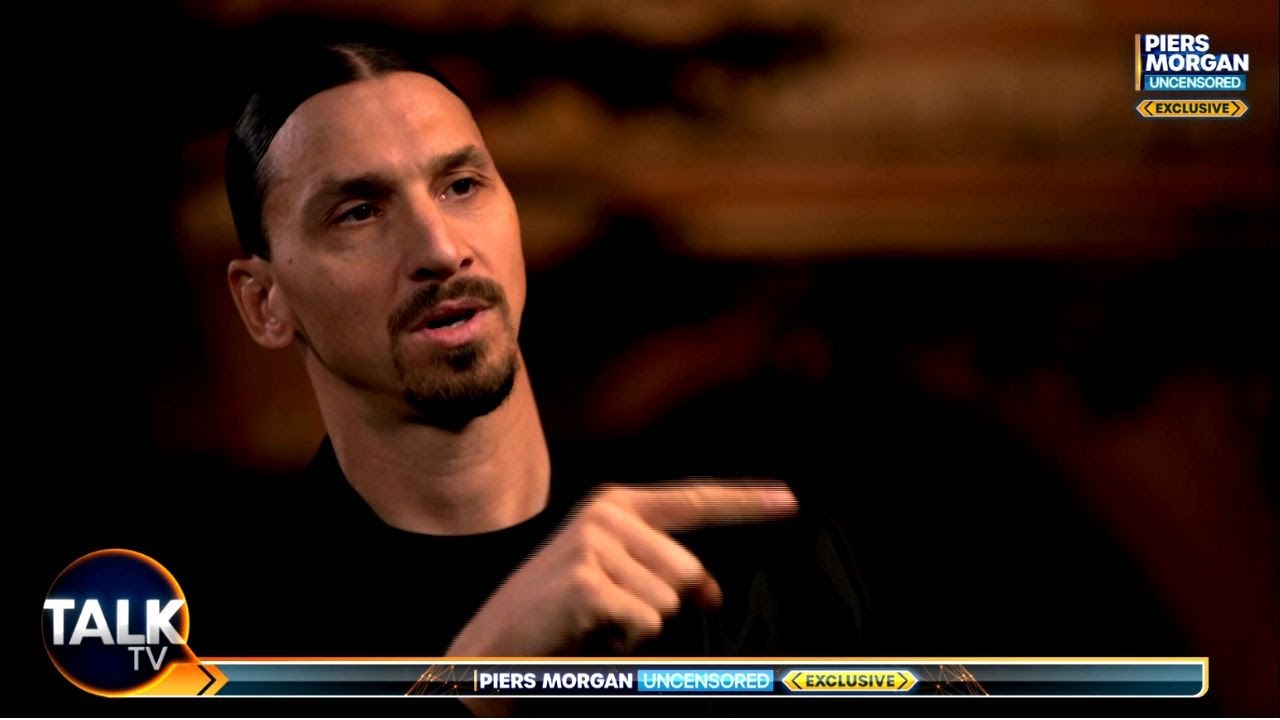
    Swedish football star Zlatan Ibrahimovic has revealed that his personal experiences have led him to question his belief in God.

    He recounted a harrowing period when his brother was fighting leukemia and required immediate medical help. Despite their best efforts, his brother did not survive.

    This tragic event led Ibrahimovic to question why divine intervention was absent in his brother’s time of need, ultimately shaping his decision to abandon his faith.

    The former AC Milan and Paris Saint-Germain (PSG) forward stressed the importance of self-reliance in overcoming life’s obstacles.

    “I’m not a believer, only I can judge myself. Where was God when my brother died of leukaemia? You are your god. That’s what I believe,” he said in a post shared by Football Talk on X on August 6, 2024.

    https://twitter.com/FootballTalkHQ/status/1820837604285104246

    Ibrahimovic also revealed that he has no intention of becoming a coach after his football career ends, citing the demanding nature of the profession.

    He noted that coaching involves long hours, typically 12 a day, which he is unwilling to commit to.

    Instead, he prefers to pursue interests that offer him more flexibility and free time.

    “I will never be a coach, they work 12 hours a day, absolutely no free time,” he said, according to Football Talk.

    Ibrahimovic is acclaimed as one of the world’s most prolific forwards, thanks to his successful tenures with multiple top European clubs and his impressive collection of titles.

  • Parents in need of $400,000 to treat 4-year-old son affected by leukemia

    Parents in need of $400,000 to treat 4-year-old son affected by leukemia

    The parents of 4-year-old Jason-Mitchell Ashele Nana Agyiriha Armah are urgently seeking financial support to raise $400,000 for his leukemia treatment.

    The mother, Elizabeth Arthur-Amissah, tearfully shared that they need to deposit 200,000 Singaporean dollars (about $150,000) by February 5, 2024, to secure a date for a crucial bone marrow transplant.

    “There are options to help him but we just do not have the funding. I have not lost hope and faith, but I do not have the funding. I do not have any helper. Please help my boy,” she said. 

    Jason-Mitchell has been selected for a chimeric antigen receptor (CAR)-T cell therapy at the KK Women’s and Children’s Hospital in Singapore.

    While the hospital is providing the CAR-T cell therapy for free, ancillary costs, including ICU care, supportive care, bone marrow transplant, blood products, and hospital admissions, amount to $400,000.

    Despite undergoing a matched sibling bone marrow transplant in Delhi, India, due to the rare and aggressive nature of his leukemia, he urgently needs CAR T therapy followed by a half-matched bone marrow transplant for sustained treatment.

    She appealed to the public to help the four-year old with any amount that touches their heart by donating to the following platforms with the name Elizabeth Arthur –Amissah- MTN mobile Money (0598556131), Momo Pay (268702), Voda Cash (0201757707) Absa Bank, Madina Branch (0633011052), First Atlantic Bank, Takoradi Mkt Circle (1282412701018),and  Dollar Account (1282411212027).

  • Base editing: Incredible treatment cures a girl’s cancer

    A groundbreaking new kind of therapy has successfully treated a teenage girl’s untreatable cancer for the first time.

    For Alyssa’s leukemia, every previous treatment had failed.

    In order to create a new live medication, physicians at Great Ormond Street Hospital performed a feat of biological engineering known as “base editing.”

    Alyssa is still being watched in case cancer recurs even though it is no longer evident six months later.

    Alyssa, who is 13 and from Leicester, was diagnosed with T-cell acute lymphoblastic leukemia in May last year.

    T-cells are supposed to be the body’s guardians – seeking out and destroying threats – but for Alyssa, they had become the danger and were growing out of control.

    Her cancer was aggressive. Chemotherapy, and then a bone-marrow transplant, were unable to rid it from her body.

    Without experimental medicine, the only option left would have been merely to make Alyssa as comfortable as possible.

    “Eventually I would have passed away,” said Alyssa. Her mum, Kiona, said this time last year she had been dreading Christmas, “thinking this is our last with her”. And then she “just cried” through her daughter’s 13th birthday in January.

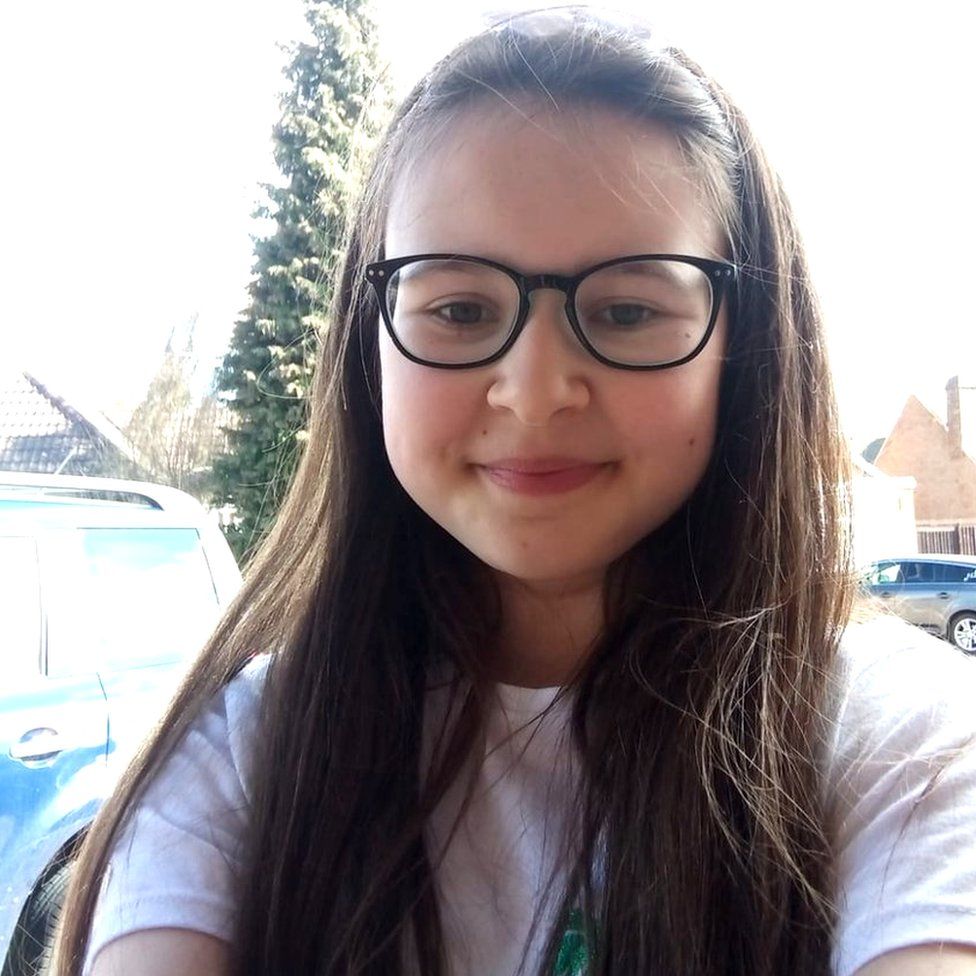
    Alyssa before treatment
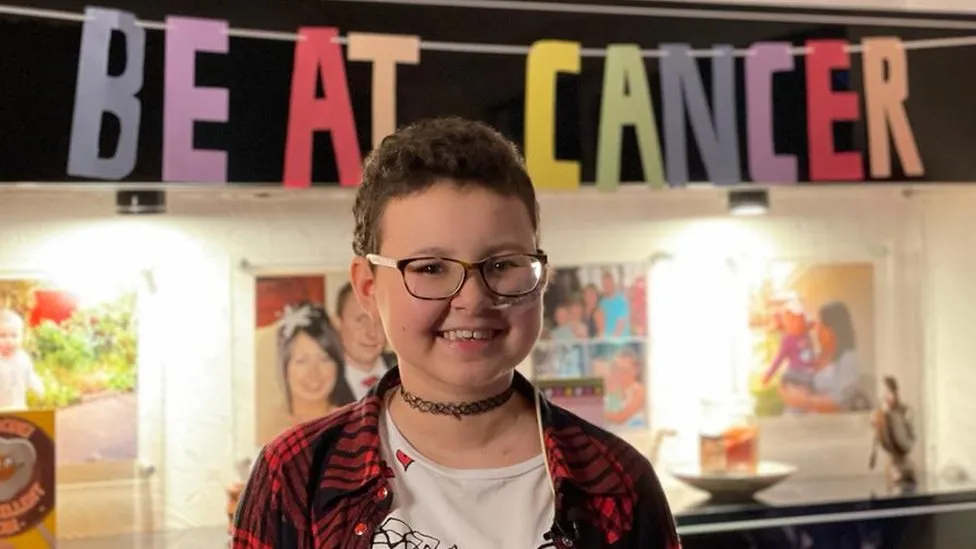
    IMAGE SOURCE, FAMILY PHOTO Image caption, Alyssa before chemotherapy

    Alyssa
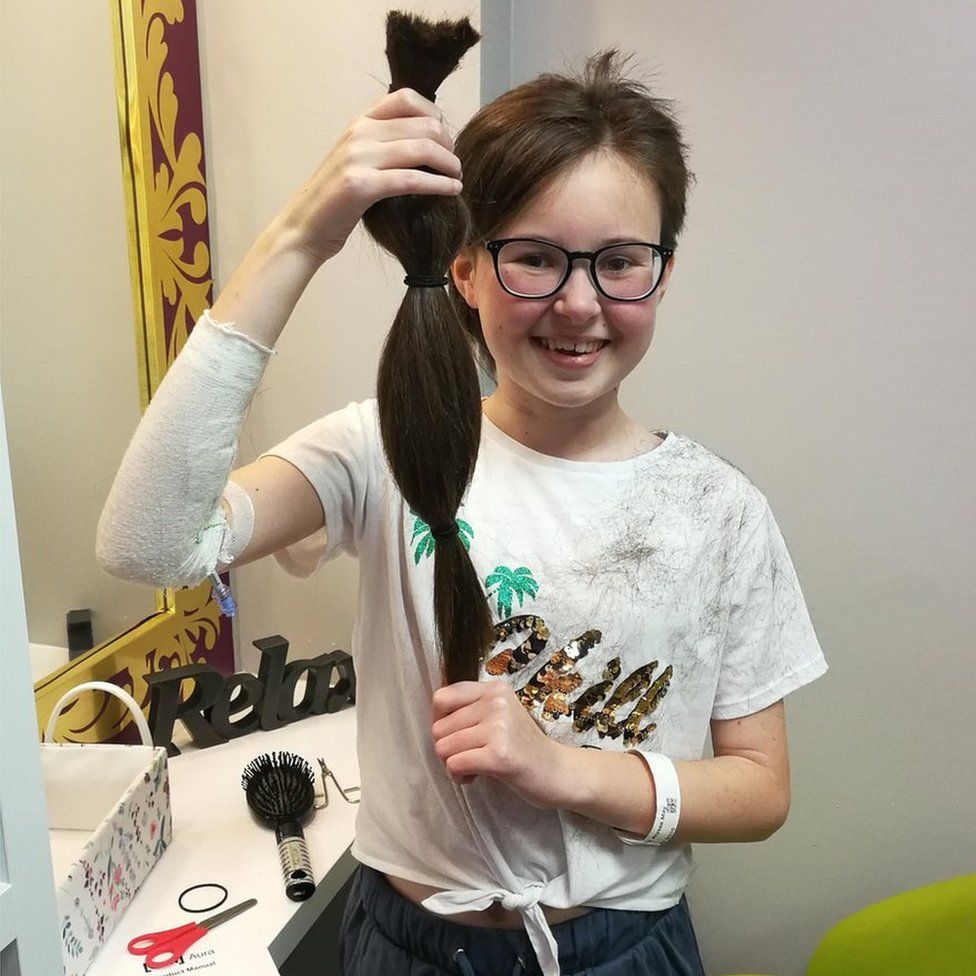
    IMAGE SOURCE, FAMILY PHOTO Image caption, Alyssa decided to donate her hair when she found out she would lose it anyway

    What happened next would have been unthinkable just a few years ago and has been made possible by incredible advances in genetics.

    The team at Great Ormond Street used a technology called base editing, which was invented only six years ago.

    Bases are the language of life. The four types of base – adenine (A), cytosine (C), guanine (G), and thymine (T) – are the building blocks of our genetic code. Just as letters in the alphabet spell out words that carry meaning, the billions of bases in our DNA spell out the instruction manual for our body.

    Base editing allows scientists to zoom into a precise part of the genetic code and then alter the molecular structure of just one base, converting it into another and changing the genetic instructions.

    The large team of doctors and scientists used this tool to engineer a new type of T-cell that was capable of hunting down and killing Alyssa’s cancerous T-cells.

    They started with healthy T-cells that came from a donor and set about modifying them.

    • The first base edit disabled the T-cells targeting mechanism so they would not assault Alyssa’s body
    • The second removed a chemical marking, called CD7, which is on all T-cells
    • The third edit was an invisibility cloak that prevented the cells from being killed by a chemotherapy drug

    The final stage of genetic modification instructed the T-cells to go hunting for anything with the CD7 marking on it so that it would destroy every T-cell in her body – including the cancerous ones. That’s why this marking has to be removed from the therapy – otherwise, it would just destroy itself.

    If the therapy works, Alyssa’s immune system – including T-cells – will be rebuilt with the second bone-marrow transplant.

    When the idea was explained to the family, mum Kiona was left thinking: “You can do that?” It was Alyssa’s decision to be the first to take the experimental therapy – which contained millions of the modified cells – in May this year.

    Alyssa getting treatment
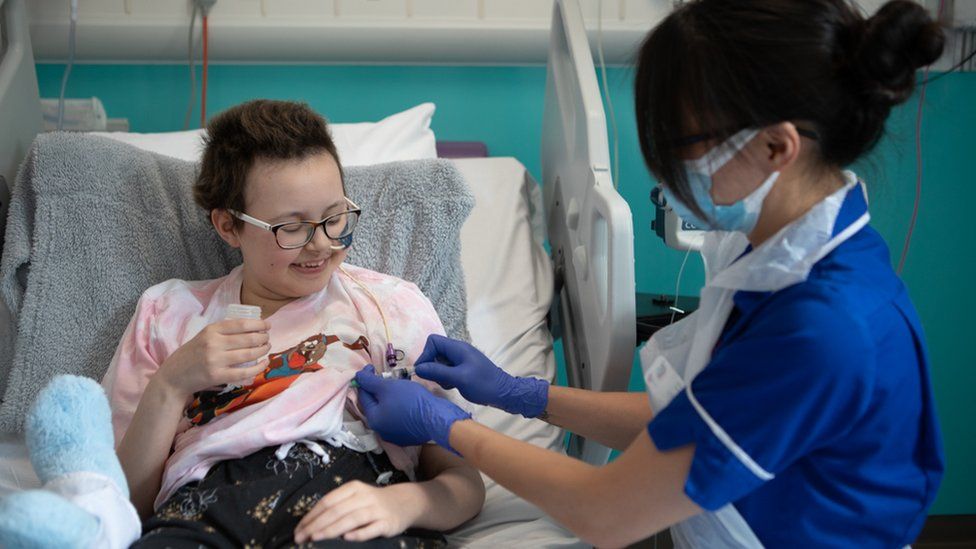
    IMAGE SOURCE, GREAT ORMOND STREET HOSPITAL Image caption, Jan Chu, a senior research nurse at Great Ormond Street, gives Alyssa the therapy in May 2022.

    “She’s the first patient to be treated with this technology,” said Prof Waseem Qasim, from UCL and Great Ormond Street.

    He said this genetic manipulation was a “very fast-moving area of science” with “enormous potential” across a range of diseases.

    Alyssa was left vulnerable to infection, as the designer cells attacked both the cancerous T-cells in her body and those that protect her from disease.

    After a month, Alyssa was in remission and was given a second bone-marrow transplant to regrow her immune system.

    Alyssa spent 16 weeks in the hospital and couldn’t see her brother, who was still going to school, in case he brought germs in.

    There were worries after the three-month check-up found signs of cancer again. But her two most recent investigations have been clear.

    “You just learn to appreciate every little thing. I’m just so grateful that I’m here now,” said Alyssa.

    “It’s crazy. It’s just amazing I’ve been able to have this opportunity, I’m very thankful for it and it’s going to help other children, as well, in the future.”

    Alyssa

    She’s eyeing-up Christmas, being a bridesmaid at her auntie’s wedding, getting back on her bike, going back to school, and “just doing normal people stuff”.

    The family hopes cancer will never return but are already grateful for the time it has bought them.

    “To have this extra year, this last three months when she’s been home, has been a gift in itself,” said Kiona.

    Dad James said: “I find it quite hard to talk about how proud we are. When you see what she’s gone through and the vitality of life she’s brought to every situation, it’s outstanding.”

    Waseem Qasim
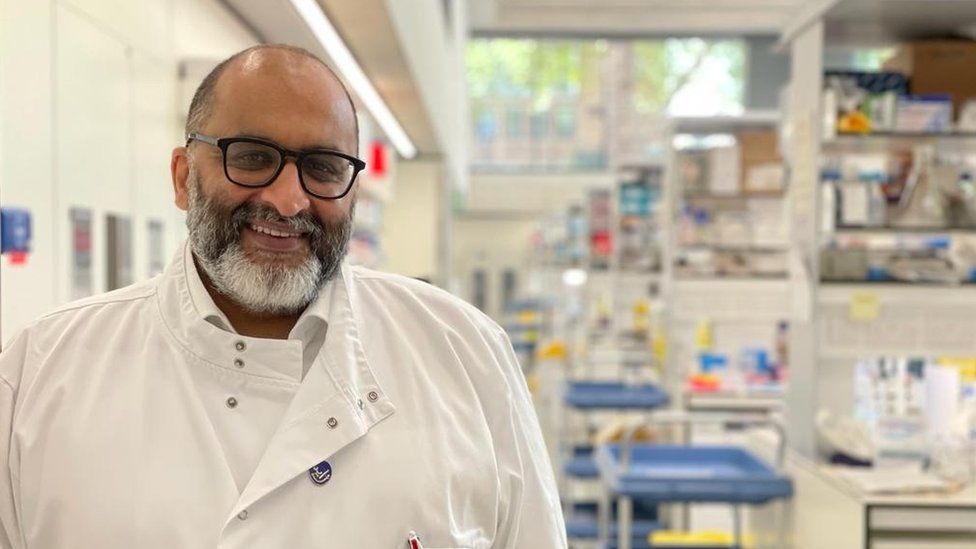
    Image caption, Prof Waseem Qasim was part of the team that developed the base-editing therapy

    Most children with leukaemia respond to the main treatments, but it is thought that up to a dozen a year could benefit from this therapy.

    Alyssa is just the first of 10 people to be given the drug as part of a clinical trial.

    Dr Robert Chiesa, from the bone-marrow transplant department at Great Ormond Street Hospital, said: “It is extremely exciting. Obviously, this is a new field in medicine and it’s fascinating that we can redirect the immune system to fight cancer.”

    The technology, though, only scratches the surface of what base editing could achieve.

    Dr David Liu, one of the inventors of base editing at the Broad Institute, told me it was “a bit surreal” that people were being treated just six years after the technology was invented.

    In Alyssa’s therapy, each of the base edits involved breaking a section of genetic code so it no longer worked. But there are more nuanced applications where instead of switching an instruction off you can fix a defective one. Sickle-cell anaemia, for example, is caused by just one base change that could be corrected.

    So there are already trials of base editing underway in sickle-cell disease, as well as high cholesterol that runs in families and the blood disorder beta-thalassemia.

    Dr Liu said the “therapeutic applications of base editing are just beginning” and it was “humbling to be part of this era of therapeutic human gene editing”, as science was now taking “key steps towards taking control of our genomes”.


  • Jiang Zemin: China bids farewell to its former leader

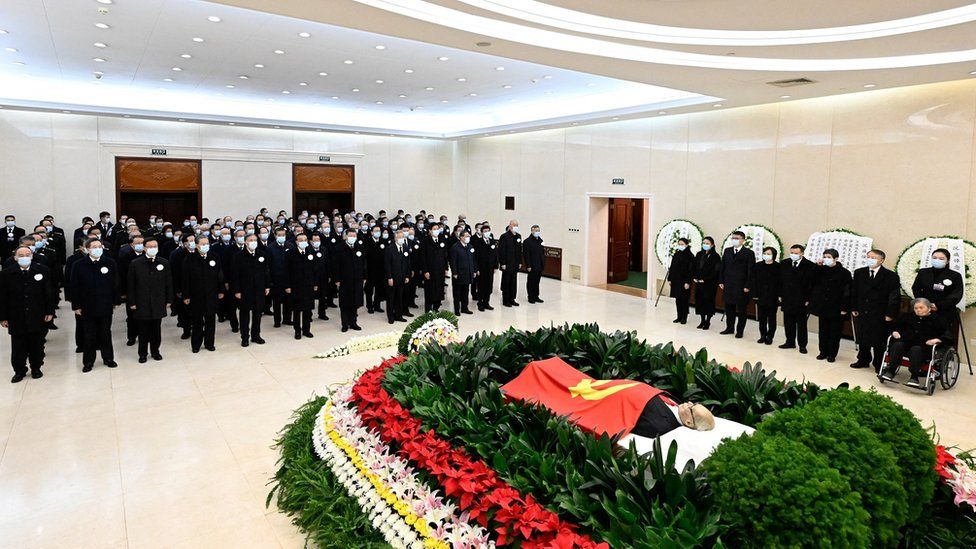
    Former Chinese President Jiang Zemin was honoured with a state memorial service in Beijing.

    Jiang, who took power following the 1989 Tiananmen Square protest crackdown, will be remembered for guiding the country through a decade of burgeoning economic growth and prosperity.

    He oversaw significant events such as China’s admission to the World Trade Organization and the British handover of Hong Kong to the Chinese.

    According to the Chinese Communist Party, he died last Wednesday of leukaemia and multiple organ failures. He was 96.

    President Xi Jinping delivered the eulogy in a near hour-long ceremony in the Great Hall of the People, where he “Comrade Jiang’s” decisive leadership.

    “He had the extraordinary courage to make bold decisions and the great courage to carry out theoretical innovation at critical moments,” he told a packed hall of dignitaries in black suits.

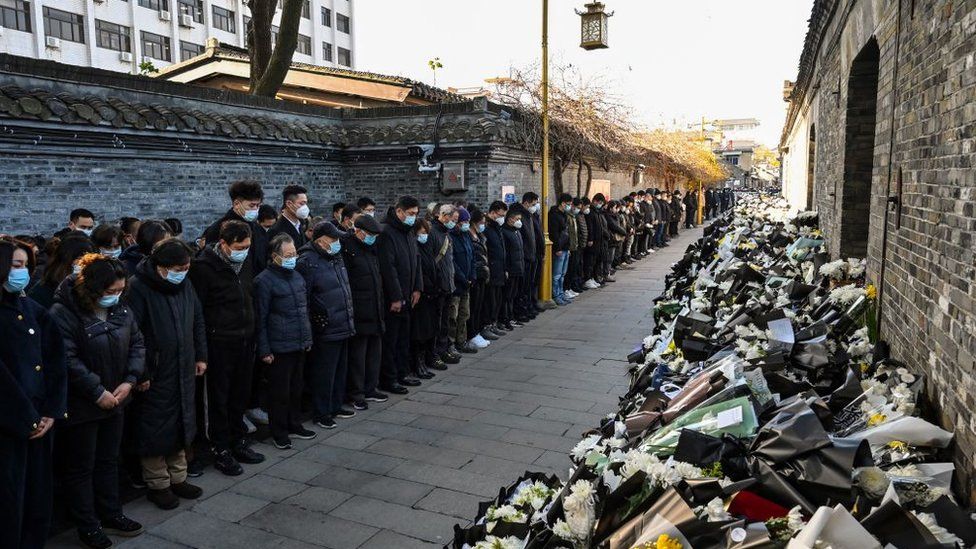
    Mourners obvservce 3 minutes of respect outside Jiang's former home in Yangzhou
    IMAGE SOURCE,GETTY IMAGES Image caption, Mourners observed three minutes of silence outside Jiang’s former home in Yangzhou, in Jiangsu province

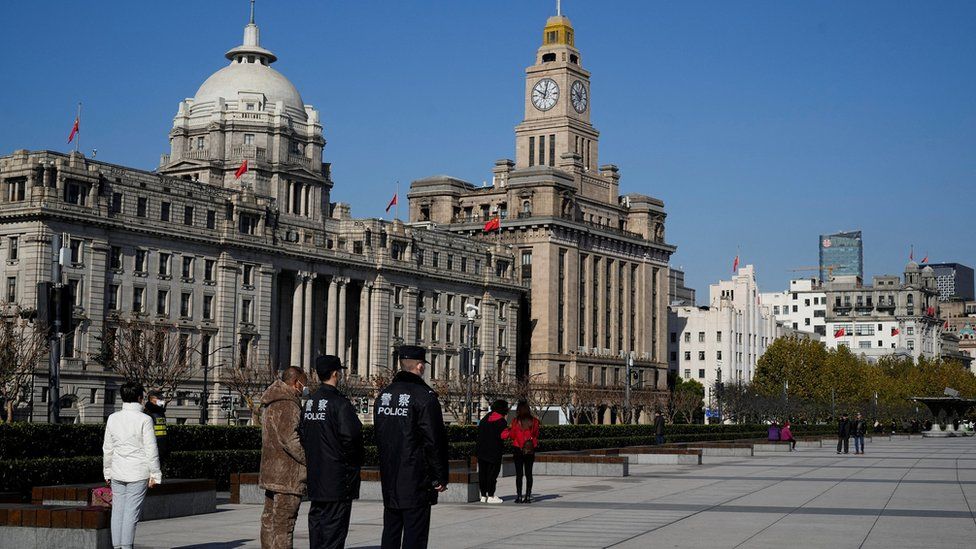
    Pedestrians and police guards stand to attention for a three-minute silence in Shanghai
    IMAGE SOURCE,REUTERS Image caption, Some people on Shanghai’s streets also observed the silence. However observers said that life largely went on as normal

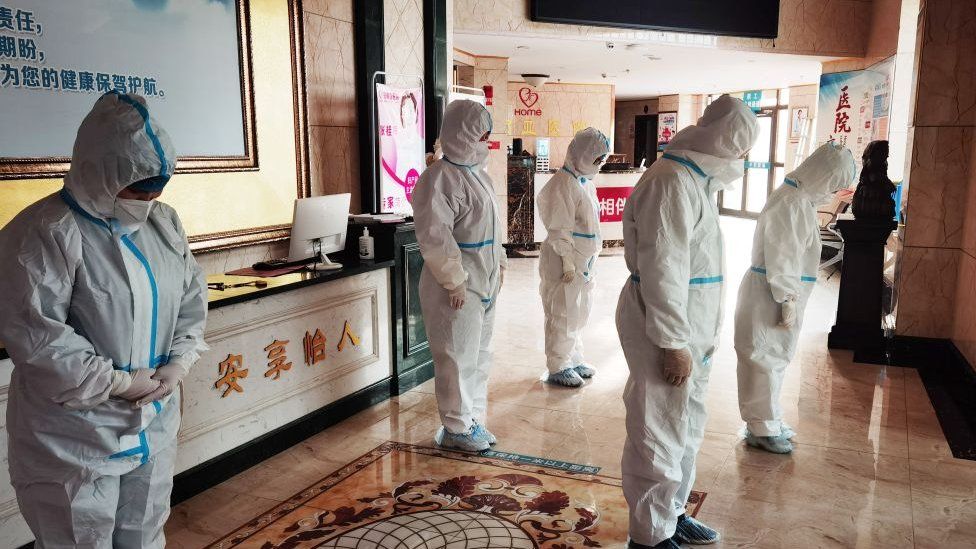
    covid workers observe the silence
    IMAGE SOURCE,GETTY IMAGES Image caption, Covid testing workers held a silence in Bazhou in China’s western Xinjiang region

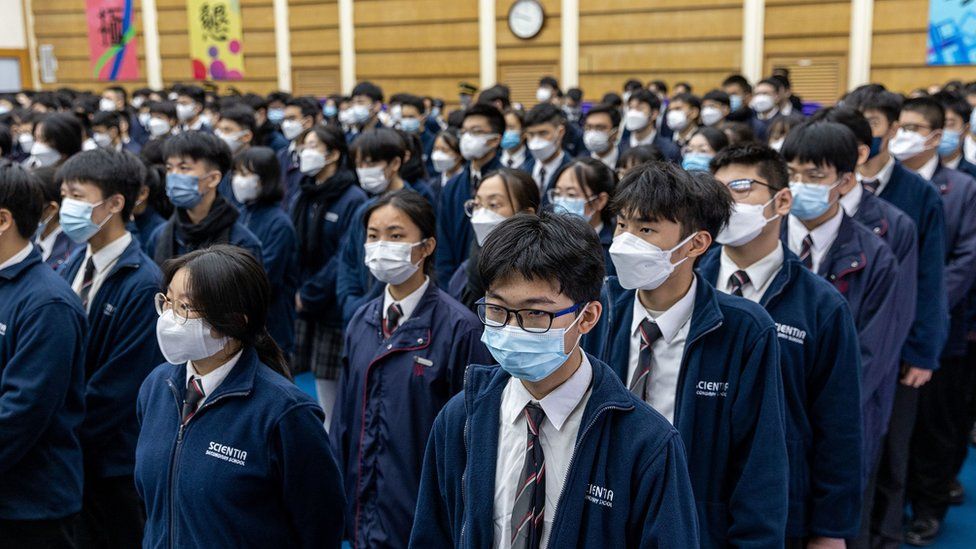
    Students at a Hong Kong school at an assembly memorialising Jiang Zemin
    IMAGE SOURCE,EPA Image caption, In Hong Kong, students observed a silence at school assemblies

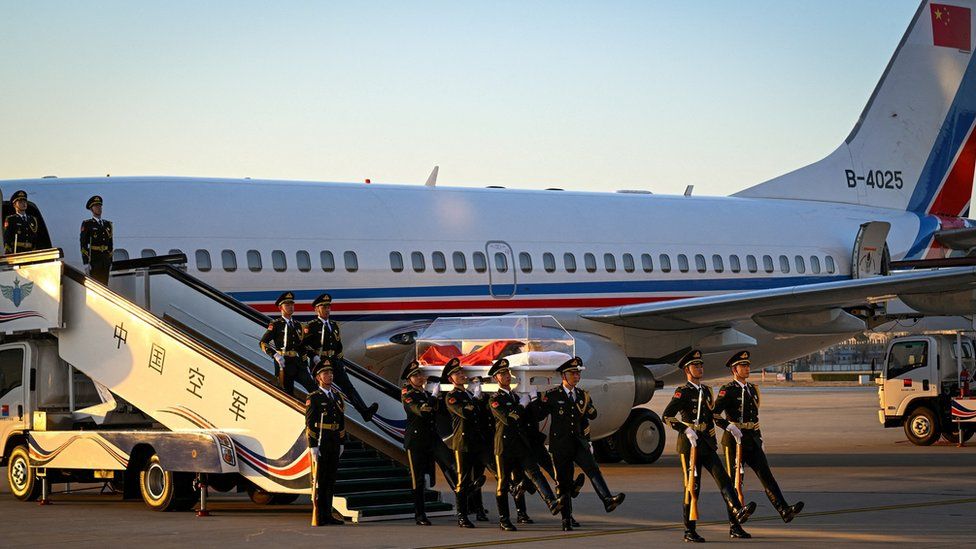
    Chinese soldiers frogmarch as they carry Jiang Zemin's glass coffin off a place arriving from Shanghai
    IMAGE SOURCE,XINHUA Image caption, Jiang died in Shanghai. On Monday, a plane carrying his glass coffin arrived in Beijing for the formalities

    Chinese leaders pay their final respects to Jiang Zemin at the Chinese PLA General Hospital in Beijing, China on Monday 5/12
    IMAGE SOURCE,XINHUA Image caption, Chinese President Xi Jinping and other party leaders paid their final respects to Jiang in a smaller ceremony at a Beijing hospital on Monday. He was cremated later that day.

  • Iraqi minister acknowledges gas flaring causes cancer

    Iraqi Environment Minister Jassem al-Falahi has admitted that pollution from oil production is the primary cause of rising cancer rates in the country.

    His remarks came after a BBC Arabic investigation discovered that communities near oil fields near Basra are at an increased risk of leukaemia.

    These communities believe gas flaring is to blame, which is the “wasteful” burning of gas released during oil drilling.

    Flaring produces cancer-linked pollutants like benzene.

    The environment minister’s comments, made to the BBC’s HARDtalk programme, come despite a confidential order issued by the Iraqi prime minister – and seen by BBC Arabic – banning its employees from speaking about health damage caused by pollution.

    They also directly contradict previous comments made to BBC Arabic, by the Minister of Oil, Ihsan Abdul-Jabbar Ismail, in which he denied all links between the cancer rates and air pollution from oil.

    Communities living near oil fields in Basra have long suspected that their high rates of leukaemia are due to gases being flared on the oil fields.

    Flared gases from these sites are dangerous because they emit a potent mix of carbon dioxide, methane, and black soot which is highly polluting.

    As part of the original investigation, the BBC undertook the first pollution monitoring testing amongst the exposed communities. The results indicated high levels of exposure to cancer-causing chemicals.

    During his interview with HARDtalk Arabic, Al-Falahi also revealed that the oil ministry had previously prevented his staff from carrying out pollution monitoring checks at the largest oil field, Rumaila.

    Rumaila flares more gas than any other oil field in the world and is owned by the Iraqi government.

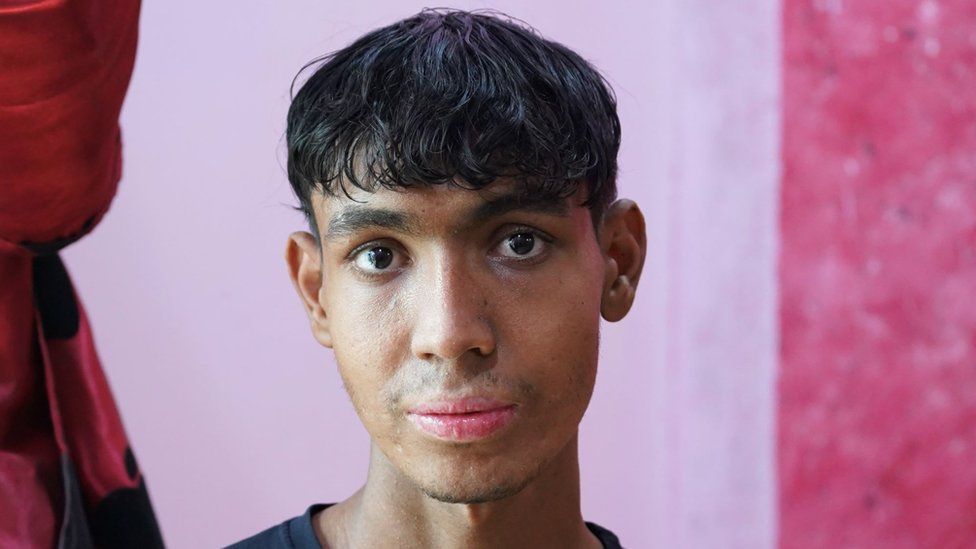
    The BBC Arabic team was similarly denied entry permits to film at Rumaila during their investigation. Ali Hussein Julood, a 19-year-old childhood leukaemia survivor, from North Rumaila, said: “Here in Rumaila, nobody speaks out. They say they’re scared to speak in case they get removed.”

    Ali Hussein Julood, 19-year-old from Rumaila
    IMAGE SOURCE, JESS KELLY/BBC Image caption, Ali Hussein sought compensation on four separate occasions between 2020 and 2021 for the oil pollution

    But Al-Falahi added that the situation has improved, and there is now greater cooperation between the ministries.

    He said that the departments would work together to issue fines or commence lawsuits against any company, whether local or international if they had caused environmental damage.

    None of the families that BBC Arabic spoke to during the investigation had received compensation for the health issues they suffered, despite multiple requests made to the oil companies who work at the sites.

    Under Poisoned Skies

    The deadly impact of the oil giants’ toxic air pollution on children and the planet is revealed in this BBC News Arabic investigation from the front line of climate change in Iraq.