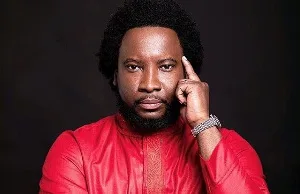
Ghanaian UK-based gospel musician Sonnie Badu made startling claims about the American gospel music scene, alleging that a significant percentage of gospel musicians in the US are part of the LGBTQ+ community.
Badu asserted that 78% of gospel musicians in America identify as gay, expressing concerns about the impact this may have on the music industry and society as a whole.
He suggested that once the public becomes aware of these musicians’ sexual orientations, there may be a shift in how their music is received and played, particularly in churches.
Sharing his own experiences, Badu recounted attending a gospel awards show where he was advised by another gospel artist to remain silent about anything he might witness regarding the LGBTQ+ community.
He also mentioned taking precautions in his own household, such as banning his children from watching YouTube due to what he perceives as pervasive LGBTQ+ content.
“Personally, in my house, my kids don’t watch YouTube anymore. There isn’t any content without propagating the LGBTQ+ agenda. Even with Disney World, there is nothing innocent being shown anymore, even though their attempt is subtle, it has lasting effects on the young viewer.
“In America, about 78% of gospel musicians are gay. When you find out these musicians’ identities, I am sure churches in Ghana will stop playing their songs.
“An American gospel musician told me one time at a gospel show that he is aware of my sexual orientation, so whatever I witness during the show, I should keep it to myself. This is a big thing in the US, even with Bishops that many look up to, many of them are also gay”, Sonnie Badu stated.
Badu’s comments come amid ongoing debates and legislative efforts regarding LGBTQ+ rights, including the recent passage of an anti-LGBT+ Bill by Ghana’s parliament, which awaits presidential assent.
The bill seeks to criminalise and penalise individuals involved in LGBTQ+ activities, with potential prison sentences for offenders.
These statements by Sonnie Badu highlight the complex intersections of music, identity, and social issues, sparking discussions about inclusivity, representation, and cultural attitudes towards LGBTQ+ communities.
Watch video below: