Tag: malaria

  • WHO advises Africa on multi-drug approach to keep malaria treatments effective

    WHO advises Africa on multi-drug approach to keep malaria treatments effective

    Impact Sante Afrique (ISA), together with Ghana’s National Malaria Elimination Programme, has launched a documentary series called #ProtectTheCure to show the real situation of malaria drug resistance in Africa.

    The four-part series, produced by Boni Lab at Temple University with Normal Life Pictures Ltd, aims to get decision-makers and communities involved in protecting malaria medicines for future generations.

    Through scientists, public health experts, and affected communities, the film explains what Artemisinin resistance is, why it matters, and what can be done to stop it.

    Malaria continues to be one of the biggest health challenges in sub-Saharan Africa, affecting millions of families every year. In 2023, the WHO reported about 263 million malaria cases and 597,000 deaths worldwide, with Africa accounting for 95% of these deaths.

    Besides the human toll, malaria puts huge pressure on health systems, slows economic growth, and affects the well-being of communities.

    For the last 20 years, artemisinin-based combination therapies (ACTs) have greatly improved malaria control and saved millions of lives. But the rise of partial artemisinin resistance now threatens to undo this progress.

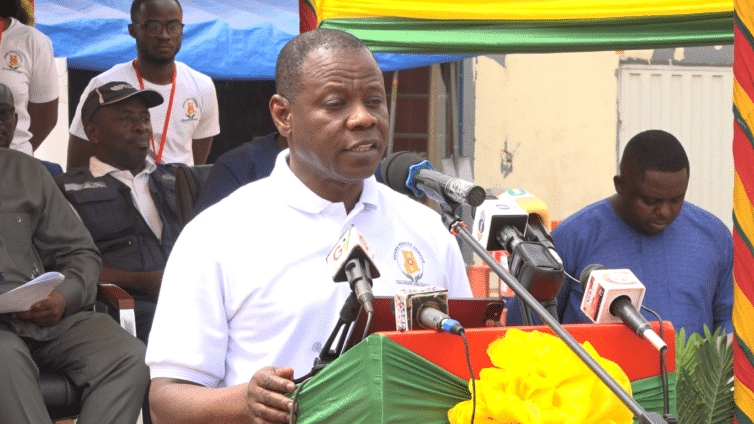
    Dr Felicia Owusu-Antwi, WHO Ghana Officer for Malaria and Neglected Tropical Diseases, advised African countries to adopt multi-first-line therapy medicines to stop malaria drug resistance. She made the recommendation during a Regional dialogue on Malaria Drug Resistance in Africa, held alongside the International Conference on AIDS and Sexually Transmitted Infections in Africa (ICASA 2025).

    She explained that the approach “involved making several different, effective ACTs available at the national level, rather than relying solely on a single option for the treatment of malaria on the continent.”

    Dr Owusu-Antwi also said African countries must carry out studies to track how well their malaria medicines are working. She stressed that this is necessary because the medicines “were gradually becoming ineffective because the malaria parasites were learning to overcome them.”

    She warned: “If we lose these ACTs, we lose our strongest line of defence. We will see more severe cases, more deaths, overcrowded health facilities, and higher out-of-pocket payments for households.”

    Despite tools to detect resistance, many African countries struggle with surveillance due to a lack of funding. Dr Owusu-Antwi urged governments to take charge of malaria research, education, and monitoring, warning that “poor treatment adherence, self-medication, and the circulation of substandard drugs were worsening the threat.”

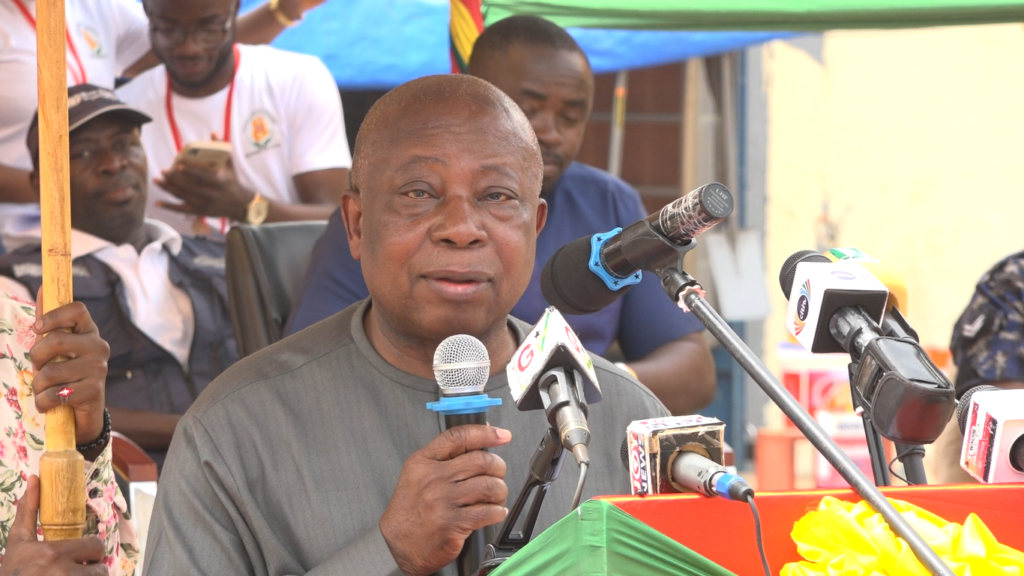
    Dr Mark Nawaane, Chairman of the Parliamentary Select Committee on Health and a member of COPEMA, called on African governments to provide resources to fight malaria. He highlighted Ghana’s ongoing efforts, including destroying larvae, using treated bednets, and indoor spraying.

    He added: “We are importing the drugs. And now there is even a vaccine to assist us, to vaccinate the children against malaria. But we need to keep up the tempo of the fight.”

    Dr Nawaane also revealed that soon, malaria treatment under the government’s primary healthcare programme will be free: “When that happens, anybody suffering from malaria will not be sitting in the house; they will come to the health facilities. And as you know, when you start the treatment early, your resources will be better, and then there will not be any treatment failure.”

    He said education in communities is ongoing to teach people how to respond when they have malaria.

    Mrs Cecilia Senoo, Executive Director of Hope for Future Generations (HFFG), called for stronger collaboration with civil society, saying: “Malaria elimination cannot succeed when key partners are sidelined. Civil society, manufacturers, mothers, community leaders, and the media all have critical roles. We need innovative strategies for prevention and sustained education.”

    She also urged the government to invest in malaria research and expand the malaria vaccination programme, stressing that Ghana should not depend solely on donor funding. Senoo called for greater involvement from the private sector, including mining companies.

    Dr Hilarius Abiwu, Programme Manager at the National Malaria Elimination Programme, reassured that current malaria medicines in Ghana remain effective, with cure rates close to 100%. He emphasized that waiting to react is not a strategy, noting the need for early-warning systems and planning. He also revealed that Ghana is exploring triple-drug combinations to stay ahead of resistance.

    The regional dialogue was organised in collaboration with the RBM Partnership to End Malaria, Medicines for Malaria Venture (MMV), Target Malaria, and Hope For Future Generations (HFFG).
  • First malaria drug designed for babies set for rollout

    First malaria drug designed for babies set for rollout

    Pharmaceutical company Novartis has approved a malaria treatment for infants.

    Some African countries are expected to receive the rollout of treatments later this year.

    This information was included in a press release by Novartis on Tuesday, July 8.

    According to the release, eight African countries, including Burkina Faso, Ivory Coast, Kenya, Malawi, Mozambique, Nigeria, Tanzania, and Uganda collaborated on the clinical trials for the newly approved medicine.

    “Together with our partners, we are proud to have gone further to develop the first clinically proven malaria treatment for newborns and young babies, ensuring even the smallest and most vulnerable can finally receive the care they deserve,” parts of the release read.

    Per reports, infants weighing less than 4.5 kilograms have long had no approved malaria treatment.

    Previously, infants received malaria treatments formulated for older children, which increased the risk of adverse effects.

    The new medication is specially dosed to meet the needs of the smallest patients.

    The World Health Organization (WHO) reported that in 2023, 83 countries recorded 597,000 malaria-related deaths.

    Africa is home to 94% of global malaria cases, killing children under 5 years old.

    Meanwhile, the United Nations children’s organization, UNICEF, has rolled out the R21/Matrix-M vaccine in Mali to commerorate World Malaria Day.

    This makes Mali the 20th country to roll out the vaccine since its launch.

  • Achiase, Birem South, 2 others battle malaria and skin abrasion outbreak after insect invasion

    Achiase, Birem South, 2 others battle malaria and skin abrasion outbreak after insect invasion

    In several districts of the Eastern Region of Ghana, a surge in malaria cases and skin abrasions has been reported following an invasion of rare insects on farms.

    Dean of Municipal and District Chief Executives (MMDCEs) in Ghana and the District Chief Executive (DCE) for Achiase, Richmond Kofi Amponsah, expressed concern over the escalating health crisis affecting local communities.

    According to Mr Amponsah, over 300 cases displaying symptoms similar to malaria have been recorded across the affected districts, with 30 cases reported in just one day.

    The situation has sparked urgent calls for intervention from the Ghana Health Service (GHS) to prevent further health complications and potential fatalities.

    Farmers, particularly cocoa growers, have been significantly impacted as they endure constant bites from mosquito-like insects while working in their fields. This has heightened anxiety and frustration among residents who are grappling with the sudden health threat.

    The Ghana Health Service Public Health Directorate has acknowledged the rise in malaria and skin abrasion cases but is yet to determine the origin and epidemiology of the invading insects.

    Dr. John Ekow Otoo, the Regional Public Health Director, affirmed the increase in incidents across districts such as Akyemmansa, Achiase, Birem South, and Ofoase Ayerebi.

    “We’ve observed a surge in malaria and other skin abrasions in the affected communities. A collaborative team from the Ghana Health Service, National Malaria Elimination Programme, Noguchi Memorial Research Institute, and other relevant bodies are currently on the ground collecting insect samples for epidemiological analysis and immediate action,” assured Dr. Otoo.

    Achiase DCE Richmond Kofi Amponsah Agyabeng described the situation as overwhelming, revealing that he himself has experienced symptoms of malaria after being bitten by these insects.

    Symptoms reported by victims include headaches, stomachaches, loss of appetite, and weakness.

    In response, a multisectoral task force has been deployed to the affected communities to conduct thorough epidemiological and entomological studies.

    This initiative aims to identify the species of insects responsible and implement targeted measures to mitigate the health risks posed to residents and farmers alike.

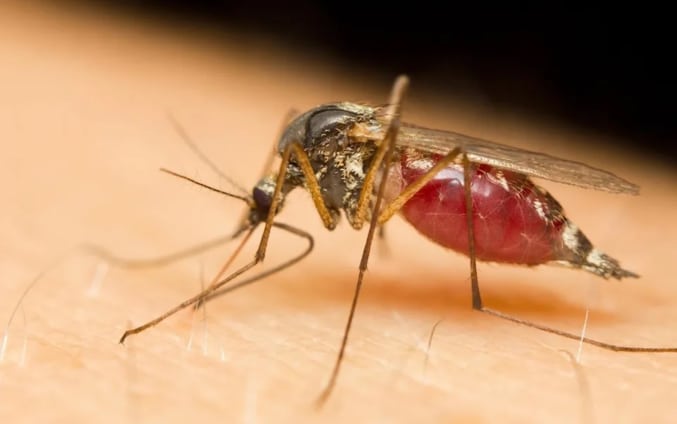
    Malaria, a disease caused by plasmodium parasites transmitted through infected female anopheles mosquitoes, remains a significant public health challenge in Ghana.

    The National Malaria Elimination Programme continues its efforts to combat the disease under the 2024-2028 Zero Malaria Agenda, focusing on reducing malaria morbidity and mortality through comprehensive strategies.

  • TB, malaria and HIV/AIDS cases on the rise amid locked-up medical supplies

    TB, malaria and HIV/AIDS cases on the rise amid locked-up medical supplies

    Executive Director of the Africa Center for Health Policy Research and Analysis, Dr. Thomas Anaba, has revealed that the delay in clearing medical supplies donated by the Global Fund has resulted in a significant increase in tuberculosis, malaria, and HIV/AIDS cases.

    The donated supplies, including antiretroviral drugs for HIV/AIDS patients and mosquito nets for pregnant women, have been held at the Tema Port since July 2023 due to import duties.

    As a consequence of the delays, the Global Fund has halted further shipments of essential medical supplies.

    Dr. Anaba expressed his concerns about a potential surge in tuberculosis, malaria, and AIDS cases compared to last year’s figures, emphasizing the urgent need to clear the medical supplies to prevent a widespread health crisis.

    “There is an increase in the cases of tuberculosis and HIV/AIDS from last year’s figure, and the complications of people dying from AIDS have also increased. Women getting malaria during pregnancy have increased because of this.”

    Dr. Anaba proposed that Ghana should proactively communicate its need for medical supplies to the Global Fund in advance. Additionally, he suggested that the country should allocate budgetary resources for the clearance of these supplies to prevent future delays.

    “Ghana has the statistics of how many people get tuberculosis, malaria and AIDS every year and this can be planned with a top-up percentage of 10 percent and then we can budget for how much of these drugs that we need and then we contact Global Fund on how much they can give us ahead of time and then we budget for money to clear the drugs.”

  • Head of Malaria Elimination Programme expresses worry over mosquitoes in hospitals

    Head of Malaria Elimination Programme expresses worry over mosquitoes in hospitals

    Case Management Focal Person of the National Malaria Elimination Programme, Dr. Paul Boateng, has raised a significant concern regarding the presence of mosquitoes in hospital wards.

    He emphasised the urgency for health authorities to address this serious issue and highlighted the crucial role of ensuring the cleanliness of insecticide-treated nets.

    According to Mr. Boateng, the National Elimination Programme supplies these nets to patients upon their admission to health facilities.

    Speaking on the AM Show, he underscored that the effectiveness of these nets is directly impacted by the maintenance of their hygiene.

    Therefore, the cleanliness of the nets stands as a crucial factor in the battle against malaria, urging health authorities to prioritise and address this issue promptly.

    “The challenge was that hygiene-wise, people sleeping under them keeping the net clean became a challenge, and so I think that just a few facilities are practicing that. I think that I would encourage health facilities across the country to look at managing their environment very well. Most likely,if there is a collection of water around the hospital or health facility environment,

    Case Management Focal person stressed the need for hospitals to take proactive measures beyond providing bed nets and waiting for the National Malaria Elimination Program’s residual spraying in wards. He highlighted the importance of hospitals actively eliminating mosquito breeding grounds, particularly standing water around the facility.

    In emphasising the shared responsibility, he pointed out that both citizens and health facilities have roles to play in the eradication of malaria. He underlined the significance of individual and collective efforts to effectively combat the disease.

    This approach, which goes beyond bed nets and residual spraying, involves taking measures to prevent mosquito breeding, contributing to a more comprehensive strategy in the fight against malaria.

  • WHO recommends mass-produced malaria vaccine developed by University of Oxford

    The World Health Organization (WHO) has recommended the use of a cost-effective malaria vaccine that can be manufactured on a large scale.

    This vaccine, created by the University of Oxford, marks the second successful malaria vaccine development.

    Malaria primarily affects infants and young children, posing a significant global health challenge. Agreements are already in place to produce over 100 million doses of the vaccine annually.

    Developing effective malaria vaccines has been a century-long scientific endeavor. Malaria is caused by a complex parasite transmitted through mosquito bites, making it more intricate than viruses.

    The parasite constantly changes its shape within the human body, evading the immune system.

    This complexity has hindered both natural immunity development through malaria exposure and vaccine development efforts.

    Notably, it has been nearly two years since the World Health Organization endorsed the first malaria vaccine, known as RTS,S and developed by GSK.

  • Kenya’s hard-won victories against malaria jeopardised by rising temperatures

    Kenya’s hard-won victories against malaria jeopardised by rising temperatures

    Mary Achieng’s family frequently stays in the malaria ward at Nightingale Hospital in western Kenya every month. During her trip in late August, she and her two sons, who are 4 and 12 years old, are receiving medical care. All three are getting better from a sickness that has caused a lot of damage in their area for a long time.

    Malaria has affected my family severely. I spend around $35 on medication every month. Then, the next month, someone gets sick again. “I’m currently at the hospital, my children are not at school, and I haven’t been able to start my business,” she said to CNN.

    Achieng lives in a place called Kisumu in Kenya. It’s a hot and sticky area near a lake, which is perfect for mosquitoes that spread malaria. She is one of 14 million people in Kenya who live in places where malaria is common. These people face the challenge of dealing with a disease that causes around 10,000 deaths in the country each year.

    There are worries that malaria is spreading to new places in the country. This is concerning because a new vaccine for mosquitoes is being developed, and people hope it will help get rid of the disease forever.

    The reason for something happening is climate change.

    Mosquitoes like warm and humid weather. The human-caused climate crisis is making heat waves and storms happen more often, creating more places for mosquitoes to breed.

    In Kenya, like in other parts of Africa, mosquitoes that spread malaria are causing problems for communities where malaria outbreaks used to be rare.

    Kenyan scientists from KEMRI are studying cases of malaria in people who haven’t traveled to areas where malaria was common before.

    This includes areas like the Kikuyu highlands, which are near the capital city Nairobi. Scientists recently discovered malaria-carrying mosquitoes there for the first time. According to a recent report, there has been a big rise in temperatures in the area. Over the past 60 years, it has warmed up by about 1. 3This increase could be one of the main reasons for the changes happening.

    Steve Ngugi, who lives in Kikuyu and is 45 years old, was surprised to find out in February that he had malaria even though he hadn’t been to a place where there is malaria. It was the first time in his life that he got the disease. He was very sick and scared for his life because of malaria for three months, since he had almost no protection against it. He felt very weak during this time.

    Gitahi Githinji, who works for the nonprofit organization Amref Health Africa in Nairobi, said that the way mosquitoes spread malaria is changing quickly because of global warming. “And we can see that the public health system is not ready for this sudden increase,” he said to CNN.

    This is a big problem in Africa. Africa has 95% of the cases of malaria. This disease kills over 600,000 people every year, and many of them are children.

    A new report discovered that mosquitoes that spread malaria are now flying at higher elevations in sub-Saharan Africa. On average, they are climbing 21 feet higher each year for the past 120 years. According to the report authors, it is a speed that happens as a result of climate change.

    Richard Munang, who works for the UN’s environmental agency, said that as cooler places are getting warmer, the mosquito population is growing and causing more cases of malaria in those areas.

    Experts are saying that the climate crisis is speeding up and that other continents are also in danger.

    Munang said that what is happening in Africa will slowly happen in other places too. This is because as the climate gets warmer and temperatures change, mosquitoes that carry malaria are moving to other places where they can survive well. He said that as the bugs go to new places, people will need to leave.

    We have good news about fighting malaria. Scientists and health experts have made progress in fighting the disease in the past 20 years by using different ways to prevent it.

    In Kenya, giving out bednets with insecticide and giving medicine to prevent malaria, along with campaigns that inform everyone in the country, have helped malaria go down a lot.

    Now that the first malaria vaccine is available, people are hopeful that malaria can eventually be completely eradicated.

    About 17 million children in Kenya, Ghana, and Malawi have received the vaccine since it was introduced in 2019. This has led to a significant decrease in the number of severe malaria cases and child deaths.

    So it’s a sad situation that while Kenya is celebrating the progress it has made, there are now new types of malaria and more cases appearing in areas that used to have a low risk.

    Damaris Matoke-Muhia, a scientist at the Malaria Lab of KEMRI, said that we were very close to reducing the number of cases to a very low level, almost undetectable.

    But climate change means there are more mosquitoes now, she told CNN. We are discovering new types of living things. “We are noticing malaria spreading to unexpected locations,” she said. “She said we are starting from the beginning again. ”

    If the Earth keeps getting warmer, Matoke-Muhia believes that the situation with malaria might be different in the future.

    “If things keep happening this way,” she said, “we need to start over, come up with new ways to help. ”

  • Burkina Faso approves usage of new malaria vaccine

    Burkina Faso approves usage of new malaria vaccine

    Health authorities in Burkina Faso have granted approval for the use of a new malaria vaccine on young children, raising hopes for saving millions of lives.

    The R21 vaccine has already received approval in Ghana and Nigeria.

    Malaria remains the leading cause of infant mortality in Burkina Faso, making the introduction of this new vaccine a crucial step in the fight against the disease, according to Health Minister Robert Kargougou.

    Successful trials involving 5,000 children have been conducted for the R21 vaccine.

    This vaccine will be made available for children aged between five months and 36 months, and each dose is expected to cost a couple of US dollars.

    The Serum Institute of India has the capacity to produce two million doses annually, and there are plans to establish a factory in Ghana, where the use of the vaccine has already been approved, along with Nigeria

  • Over 14,000 children to benefit from Seasonal Malaria Chemo-prevention (SMC) exercise scheduled for this week

    Over 14,000 children to benefit from Seasonal Malaria Chemo-prevention (SMC) exercise scheduled for this week

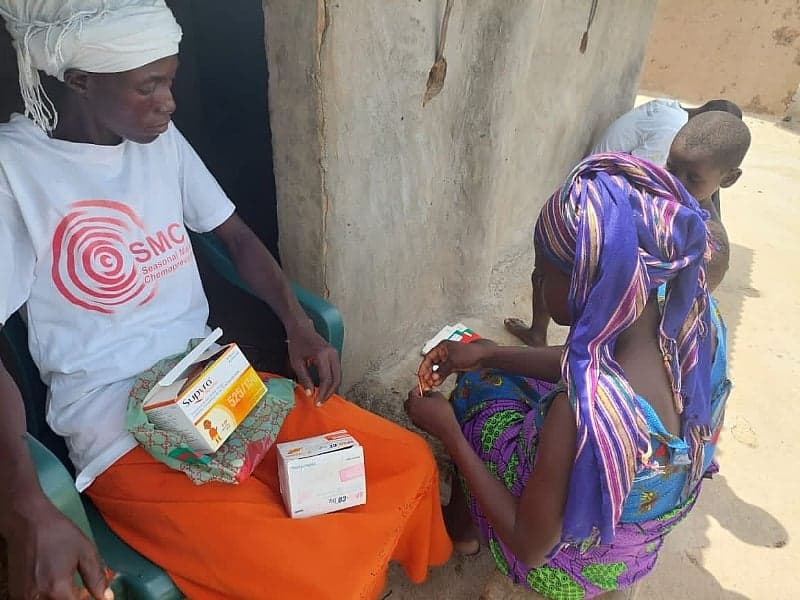
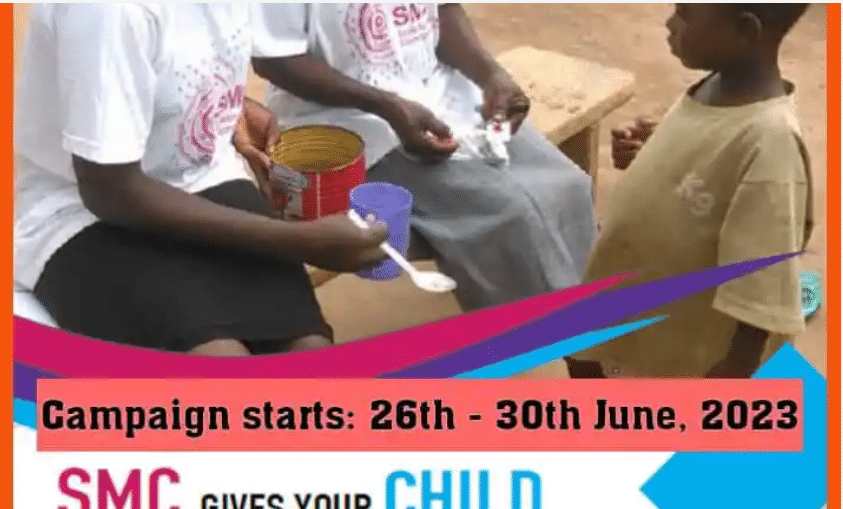
    A total of 14,450 children aged between 3 and 59 months in Kadjebi are set to benefit from a Seasonal Malaria Chemo-prevention (SMC) exercise organized by the Kadjebi District Directorate of the Ghana Health Service.

    The SMC exercise is scheduled to take place from June 26 to June 30.

    The primary objective of the Seasonal Measles Campaign (SMC) exercise is to reduce the rates of morbidity and mortality among children under the age of five in the district. Mr. Eric Nana Takyi, the District Director of Health Services, shared this information during an interview with the Ghana News Agency (GNA) in Kadjebi, located in the Oti Region.

    The SMC exercise aims to reduce the morbidity and mortality rates among children under five in the district. Mr. Eric Nana Takyi, the District Director of Health Services, disclosed this to the Ghana News Agency (GNA) during an interview in Kadjebi in the Oti Region.

    He stated that the registration target is 90 percent, with a closing target of 95 percent, and that the exercise will be conducted in four rounds: round one in June, round two in July, round three in August, and round four in September, which are considered peak malaria transmission periods.

    Nana Takyi said “there was much reduction in malaria mortality during the SMC period as compared to the non-SMC period in the previous year’s”. 

    “Morbidity among children under five reduced from 32 per cent in 2021 to 22 per cent in 2022” and “no death among the under-five in 2022 as compared to 2021 where one death was recorded”, he said. 

    The District Director of Health Services emphasized that SMC is a proven intervention to reduce malaria morbidity during rainfall, and the medication is not harmful and provided free of charge.

    He urged all parents and caregivers to ensure that their children receive the full three doses for three consecutive days in order to complete the treatment, emphasizing the importance of their participation in the exercise.

  • SMC exercise in Kadjebi slated for June 26

    SMC exercise in Kadjebi slated for June 26

    The Ghana Health Service’s (GHS) Kadjebi District Directorate will begin the Seasonal Malaria Chemo-prevention (SMC) exercise on Monday, June 26 through to Friday, June 30.

    The exercise targeted 14,450 children between 3-59 months to be dosed during the period. 

    The SMC exercise aimed to reduce morbidity and mortality among children under five years in the district.

    The District Director of Health Services, Mr Eric Nana Takyi, disclosed these to the Ghana News Agency (GNA) in an interview at Kadjebi in the Oti Region

    He said “the registration target is 90 per cent and closing target 95 per cent “and that the exercise is in four rounds; round one in June, round two in July, round three in August and round four in September which are peak malaria transmission periods. 

    Nana Takyi said “there was much reduction in malaria mortality during the SMC period as compared to the non-SMC period in the previous year’s”. 

    “Morbidity among children under five reduced from 32 per cent in 2021 to 22 per cent in 2022” and “no death among the under-five in 2022 as compared to 2021 where one death was recorded”, he said. 

    The District Director of Health Services said SMC is a proven intervention to reduce malaria morbidity during rainfall and that the medication is not harmful and is free of charge.  

    He said every child needs to receive three doses for three continuous days to completion and thus, called on all parents and caregivers to make sure their wards benefit from the exercise. 

  • Eastern Region records a decline in malaria related deaths

    Eastern Region records a decline in malaria related deaths

    The Eastern Region recorded a total of 14 deaths from malaria in 2022 as against 29 deaths recorded in 2021

    There was a total of 31,489 admissions at the various health facilities across the districts in the region due to malaria in 2021 and 36,285 admissions of malaria in 2022.

    Ms Naomi Hagan, Eastern Regional Focal Person for malaria told GNA there was a significant improvement in malaria control in the region including deaths due to several factors.

    There is improvement in case management, social and behavioural change communication, usage of the Insecticide Treated Bed nets (ITNs) as well as other activities to improve malaria situation in the region.

    The point of mass distribution of the ITNs has been very successful in all the districts as well as the continuous distribution of the ITNs at Ante natal clinics and Child Welfare Clinics to ensure every household owed a bed net to prevent mosquito bites.

    As part of activities to further reduce the malaria burden in the region, she indicated that 10 districts in the region had been identified for Larvae Source Management (LSM) as well as environmental management to reduce malaria infections in those areas.

    The districts are, New Juaben North and South, Abuakwa South, Akuapem South, Asuogyaman, Lower-Manya Krobo, Nsawam-Adoagyiri, Suhum, West-Akim and Yilo Krobo.

    In collaboration with the Zoomlion company Limited, 100 spraying operatives had been trained for the LSM exercise to get rid of mosquitoes scheduled from June this month until the end of the year.

    She noted that that all other activities such as the Intermittent Preventive Treatment (IPT) for pregnant women was steadily ongoing and appealed to people to sleep under the treated bed nets in addition to keeping their environments clean to complement efforts of the Ghana health Service to be able to eliminate malaria.

  • Why herbal treatments are not enough to cure malaria – Medical Officer explains

    Why herbal treatments are not enough to cure malaria – Medical Officer explains

    Dr. Dorothy Hanson, a Medical Officer at the International Maritime Hospital (IMaH) in Tema, has warned that herbal medicines are ineffective in killing malaria parasites and only provide temporary relief from the symptoms.

    She said many patients who relied on herbal concoctions for malaria treatment often ended up in the hospital with severe complications because the parasites remained in their bloodstreams and could reactivate later.

    “Some types of malaria parasites, especially the plasmodium species, can stay dormant in the liver for years without causing any signs of illness…and if they are not cleared with the right medication, they can come back and cause recurrent episodes of malaria months or years later,” she explained.

    Dr. Hanson was speaking at a health communication platform organised by the Ghana News Agency (GNA) in Tema to educate the public on various health issues.

    She said malaria was caused by the bite of an infected female anopheles mosquito, which injected the parasites into the human body. The parasites then travelled to the liver, where they matured and multiplied before infecting the red blood cells and causing symptoms such as fever, headache, and chills.

    She advised people to always test for malaria before starting any treatment, as some other diseases could have similar symptoms. She also urged them to seek proper medical care for malaria and avoid self-medication with herbal remedies.

    Francis Ameyibor, the Tema Regional Manager of GNA, said the health communication platform, themed: “Your Health! Our Collective Responsibility,” was a media advocacy initiative to provide a platform for health experts to share credible and timely information on public health matters.

    He said health was a priority for everyone and called for collective efforts to promote healthy lifestyles and prevent diseases.

    “Your health is your responsibility; be informed and aware of what affects your health, your work, and your environment,” he said.

  • It is not safe to inhal mosquito coil – Doctor

    It is not safe to inhal mosquito coil – Doctor

    A Medical Doctor at the International Maritime Hospital (IMaH), Dr. Mrs. Dorothy Hanson has cautioned individuals who in a bid to prevent mosquito bites light insecticide coils to sleep.

    She said inhaling mosquito coil smoke and other materials burned to either kill or repel insects could cause lung disease.

    She made the remarks while discussing malaria at the weekly “Your Health! Our Collective Responsibility,” a Ghana News Agency Tema Regional Office initiative aimed at promoting health-related communication and providing a platform for health information dissemination to influence personal health choices through improved health literacy.

    The Ghana News Agency’s Tema Regional Office established the public health advocacy platform “Your Health! Our Collective Responsibility” to investigate the elements of four health communication approaches: informing, instructing, persuading, and promoting.Dr. Mrs. Hanson advised lighting the coil, leaving it in the room for at least 30 minutes, and turning it off before going to bed.

    She urged the public to consider sleeping under treated mosquito nets rather than in a room full of coil smoke to avoid contracting other ailments while fighting malaria.

    The IMaH Medical Doctor stated that mosquito breeding areas should be cleaned, and that insecticides and repellents should be utilised as some methods to prevent mosquito bites.

    She stated that while Ghana was doing well in the fight against malaria, the public must still do their share to help the country achieve a zero-malaria rate.According to Dr. Mrs. Hanson, the Tema West Municipality has reached the malaria pre-elimination stage, which indicates that less than five percent of Out Patient Department cases are seen in the municipality.

    She also stated that the nationwide prevalence of malaria has fallen from 38 percent in 2012 to 98 percent in 2022.According to Mr. Francis Ameyibor, Regional Manager of Ghana News Agency Tema, “Your Health! Our Collective Responsibility” is part of a collaborative effort to establish a means of disseminating health information to influence individual health decisions by increasing health literacy.

    According to Mr. Ameyibor, the health of parents should be a priority for children, as should the health of employees and employers, as well as the public and health professionals.

    The weekly health debate platform, according to Mr. Ameyibor, will also be used as a useful channel of communication for health specialists to educate the public about healthy behaviours and other general health concerns.

  • Ashaiman: Malaria cases dropped to 18,458 in 2022 – Health director

    Ashaiman: Malaria cases dropped to 18,458 in 2022 – Health director

    The Director of Health Services for the Ashaiman Municipality, Mrs Patience Ami Mamattah has disclosed the number of malaria cases in the area has seen a decrease.

    According to her, a total of 18,458 cases were reported at the various health facilities’ outpatient departments, compared to 24,237 in 2021.

    She was speaking to the GNA about the celebrations of this year’s World Malaria Day marked on the theme: “Time to Deliver Zero Malaria: Invest, Innovate, and Implement.”

    She attributed the decrease in malaria cases to various interventions implemented by her organisation, noting that they worked with the Ashaiman Municipal Assembly’s (ASHMA) Environmental Health Unit to identify water bodies and spray them to kill mosquitoes and their larvae.

    Mrs Mamattah also stated that the municipality had increased it, education on malaria prevention techniques.

    She urged community members to maintain the surroundings and to prevent storing water in containers around their houses and workplaces to reduce mosquito breeding.

    The Director also advised families to sleep under insecticide-treated bed nets and urged parents to protect their children under five from mosquito bites.

    She advised parents to bring their children to the child welfare clinics for a free treated mosquito net, especially those under the age of two.

  • R21 malaria vaccine receives approval from FDA

    R21 malaria vaccine receives approval from FDA

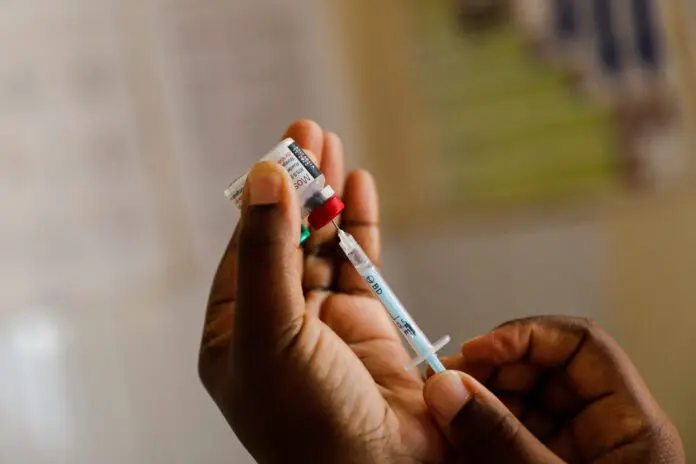
    The R21 malaria vaccine has been given FDA approval for use in immunizing infants between the ages of 5 and 36 months against malaria caused by Plasmodium falciparum.

    The vaccine, according to the regulator, is a clear, colourless to mildly turbid solution for injection, which is stored between 2 and 8 °C (refrigerator) and has a shelflife of 24 months.

    The Chief Executive Officer of the FDA, Dr. Delese Darko told journalists in Accra on Thursday, April 13 that “On March 28 this year, the FDA granted approval to R21 malaria vaccine manufactured by the Serum Institute of India which was submitted through the local agent, DEK Pharmaceuticals Ghana.

    “The approval was granted following extensive series of reviews and peer reviews of the clinical, non-clinical, and quality parts of the vaccine development procedure.

    “The vaccine has been approved for use for the immunization of children between five months to thirty-six months. It is a colourless to mild turbid solution for injection, and it is supposed to be stored in a refrigerator and has a shelf life of twenty-four months. Our evaluation indicated that the vaccine has the potential to reduce infant mortality caused by malaria in Africa.”

    She added “Ghana was chosen because the FDA is a level three maturity national regulatory authority for medicines and vaccines and regulatory oversights and has extensive competencies in evaluating the quality of clinical and non-clinical parts of a product. We are also a regional centre of regulatory excellence with clinical trial oversights.”

  • Toilet facility at Ghana Senior High School converted into a dormitory

    Toilet facility at Ghana Senior High School converted into a dormitory

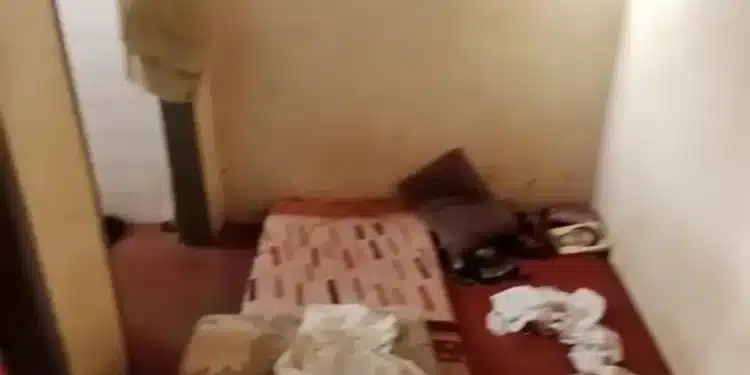
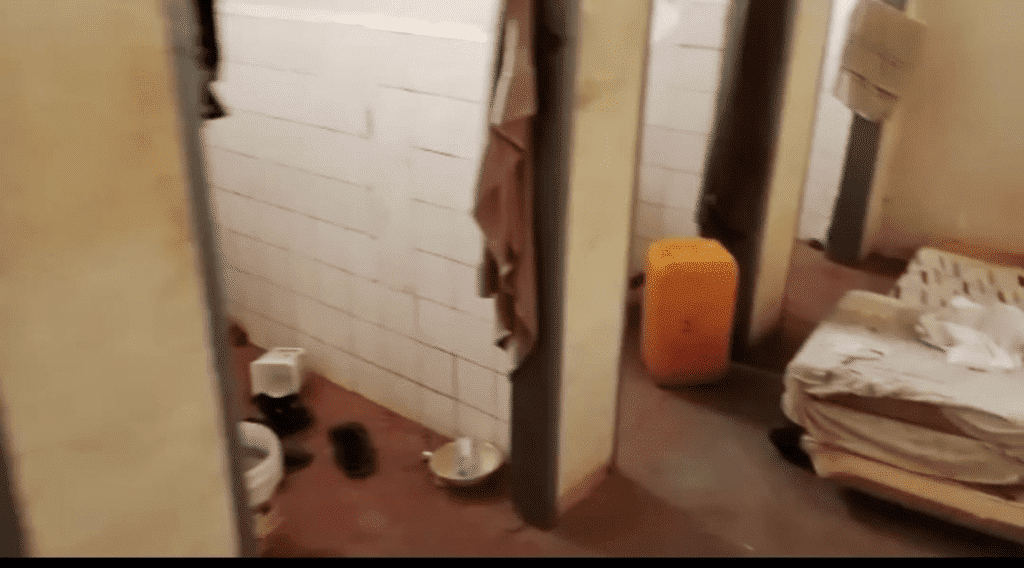
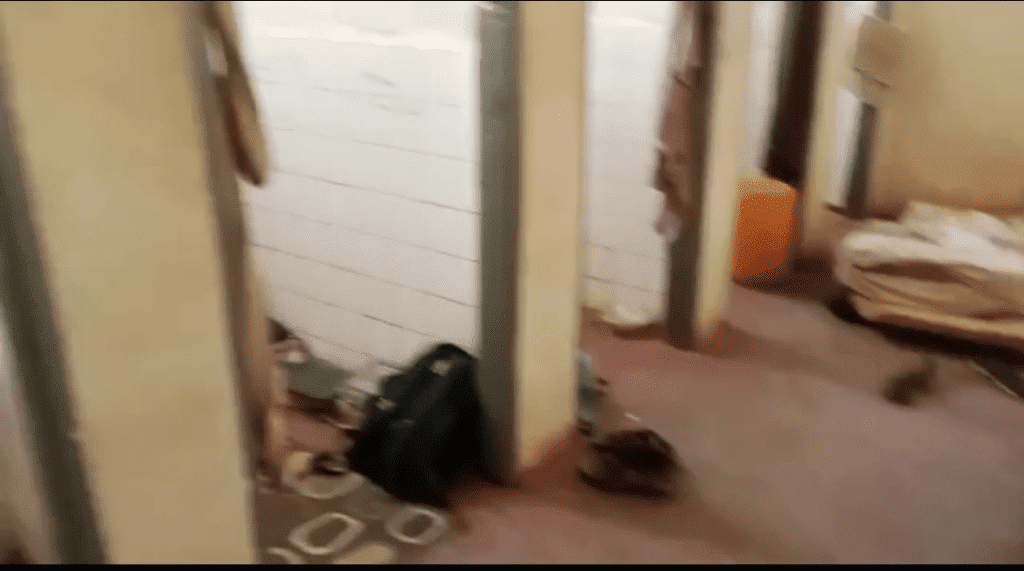
    The toilet facility at the Ghana Senior High School (Ghanasco), a coed second-cycle institution in Tamale, Northern Region of Ghana, has been converted into a dormitory.

    Reporting from the school, Rainbow Radio’s Prince Kwame Tamakloe said the students who sleep on the water closet toilet keep their trunks, chop boxes and others items in the toilet where they also sleep.

    Some of the students who spoke with him claimed that a lack of space in the school had forced them to sleep in the lavatory.

    When asked if they disinfected the toilet before sleeping inside, they said no.

    Aside from that, the students are also engaging in open defecation due to the lack of access to enough toilet facilities.

    According to them, several of the students had suffered from Malaria and typhoid fever due to the situation.

    They have therefore appealed to authorities to intervene and immediately construct a dormitory and toilet facility for them.

    When confronted, the headmaster told our reporter said he was unaware of the situation and it was news to him.

  • Ghana becomes first country to approve Oxford malaria vaccine

    Ghana becomes first country to approve Oxford malaria vaccine

    Ghana has become the first country to approve a malaria vaccine from the Oxford University.

    The keenly-watched malaria vaccine from Oxford University secured its first approval, in Ghana, as the African country ramps up efforts to combat the mosquito-borne disease that kills a child every minute.

    The effort is one of several focused on addressing the disease that kills over 600,000 each year, most of them children in Africa.

    The complicated structure and lifecycle of the malaria parasite has long stymied efforts to develop vaccines.

    After decades of work, the first malaria vaccine, Mosquirix from British drugmaker GSK, was last year endorsed by the World Health Organization (WHO), but a lack of funding and commercial potential has thwarted the company’s capacity to produce as many doses as needed.

    The Oxford vaccine, which has secured regulatory approval in the age group at highest risk of death from malaria – children aged 5 months to 36 months – has a manufacturing advantage thanks to a deal with Serum Institute of India to produce up to 200 million doses annually.

    In contrast, GSK has committed to produce up to 15 million doses of Mosquirix every year through 2028, well under the roughly 100 million doses a year of the four-dose vaccine the WHO says is needed long-term to cover around 25 million children.

    Mid-stage data from the Oxford vaccine trial involving more than 400 young children was published in a medical journal in September.

    Vaccine effectiveness was 80% in the group that received a higher dose of the immune-boosting adjuvant component of the vaccine, and 70% in the lower-dose adjuvant group, at 12 months following the fourth dose. The doses were administered ahead of the peak malaria season in Burkina Faso.

    Data from an ongoing phase III clinical trial in Burkina Faso, Kenya, Mali and Tanzania that has enrolled 4,800 children is expected to be published in a medical journal in the coming months.

    However, late-stage data – which suggests a similar vaccine performance as in the phase II trial – has been shared with regulatory authorities over the last six months, Oxford scientist Adrian Hill said.

    Childhood vaccines in Africa are typically paid for by international organisations such as Gavi and UNICEF after they have been backed by the World Health Organisation (WHO).

    This is the first time a major vaccine has been approved first in an African country, before rich nations, Hill added, noting that it was unusual that a regulatory authority in Africa had reviewed the data quicker than the WHO.

    “Particularly since COVID, African regulators have been taking a much more proactive stance, they’ve been saying…we don’t want to be last in the queue.”

  • FDA blows alarm on counterfeit antimalarial drug ‘COMBIART’

    FDA blows alarm on counterfeit antimalarial drug ‘COMBIART’

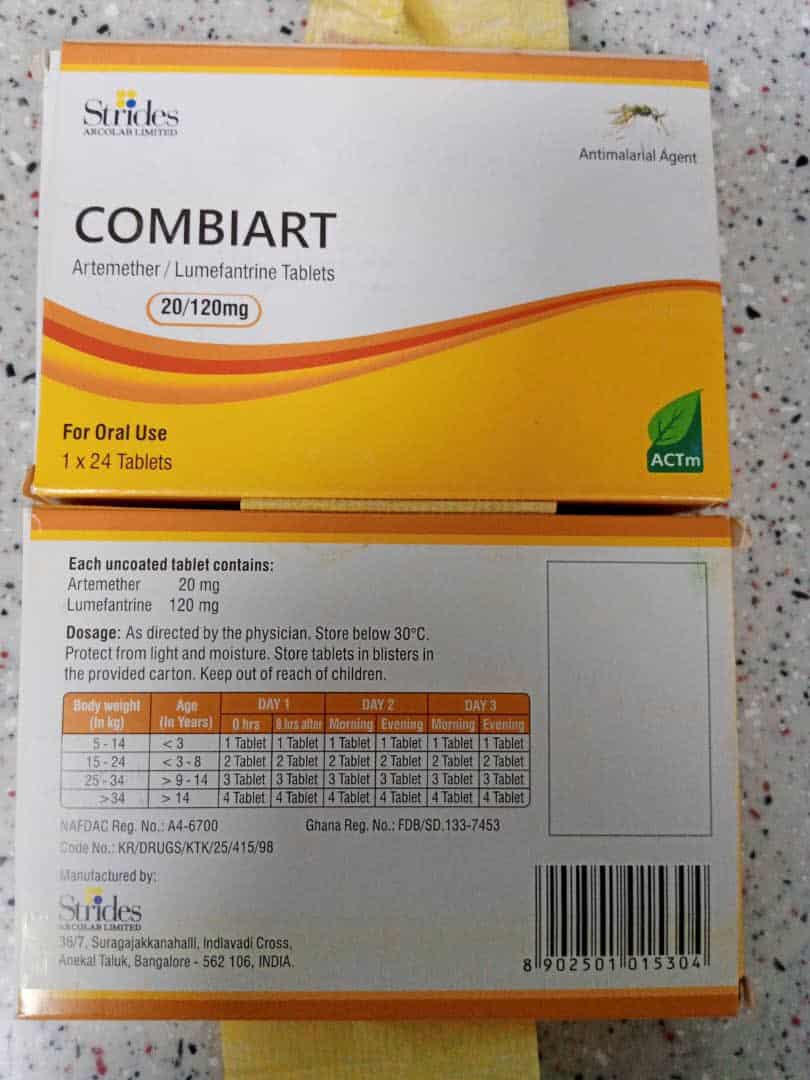
    As part of its market surveillance efforts, the Food and Drugs Authority (FDA) has found that the antimalarial medicine COMBIART Tablets (Artemether/Lumefrantrine 20/120) is a counterfeit.

    The FDA noted in a statement that the medicine samples from the Northern Area were fabricated because they lacked either of the two active medicinal ingredients listed on the label.

    The details of the drug are as follows:
    Batch number:7335119
    Manufacturing date: 03/2021
    Expiry date: 02/2024
    Manufacturer: Strides Arcola Ltd
    NAFDAC Registration: A4-6700

    The FDA has therefore entreated health workers and the public to be on the lookout for such drug and report to its outfit should they come into contact with the drug.

    Source: The Independent Ghana

  • Over 5 million malaria cases recorded in 2021 with 275 deaths

    Over 5 million malaria cases recorded in 2021 with 275 deaths

    Statistics from the Ghana Health Service (GHS) indicate that a total of 5.7 million malaria cases with 275 deaths were recorded in the country in the year 2021.

    Out of the number, children below five years accounted for approximately 1.6 million of the total number of malaria cases with 125 deaths.

    This was revealed by the Minister of Health, Kwaku Agyemang-Manu, at the launch of the expansion of the Malaria Vaccine Implementation Programme in Sunyani.
    The Minister emphasized the importance of the program due to the significant economic burden malaria places on the country, stressing that more needs to be done to combat the disease.

    “5.7 million malaria cases were recorded in the year 2021 out of which 275 deaths were recorded which means that we still have a lot to do when it comes to the fight against malaria”.

    He charged all caregivers and parents to take full advantage of the Malaria Vaccine Implementation Programme by availing their eligible children to the Child Health and Nutrition clinics known as Child Welfare Clinics to be vaccinated against this deadly childhood disease.

    “Malaria is a deadly disease so all caregivers and parents should try and send their children to CWCs to be vaccinated against malaria”.

    The malaria vaccine was introduced into Ghana’s routine vaccination programme in May 2019 for children under 2 years to protect and avert severe malaria-related illnesses and death among children living in highly endemic Regions and Districts.

    The malaria vaccine which is safe, effective, and well tolerated is given to children in four doses, starting from six months, then seven months, nine months, and 18 months.

    Phase 1 of the exercise was piloted in 42 districts of seven regions; Ahafo, Bono, Bono East, Central, Oti Upper East, and Volta Regions.

    Phase 2 is the expansion to the additional 51 Districts as a continuation of the pilot implementation.

    Source: Ghanaweb

  • Malaria: Allow your children to be vaccinated – Health Minister

    Malaria: Allow your children to be vaccinated – Health Minister

    The Minister for Health, Kwaku Agyemang-Manu, is advocating for more children to be vaccinated against malaria.

    He advised parents to allow their children below two years, to be vaccinated against malaria to stimulate the nation’s efforts to eradicate malaria in the country by 2030.

    He emphasised that the malaria vaccine remains safe, effective and well tolerated and has no debilitating consequences on the health of children.

    Mr Agyemang-Manu gave the advice while speaking at the launch of the expansion of the malaria vaccine implementation programme in Sunyani, on the theme: “Malaria vaccine for additional treatment.”

    The Ghana Health Service (GHS) with support from its partners, including GAVI, PATH, and WHO is implementing the pilot programme in parts of the country.

    Mr Agyemang-Manu stated that vaccination not only protect and save children’s lives, but it is also one of the most cost-effective public health interventions and the most effective way to help children survive.

    Considered to be the cornerstone of public health care, the Health Minister said globally vaccination has saved three million children from childhood diseases every year, and urged caregivers and parents to capitalise on the programme and vaccinate their eligible children.

    In a speech read on his behalf, Dr Francis Kasolo, the WHO Representative to Ghana, said the “malaria vaccine is a welcome addition to the malaria control toolbox and will offer endemic countries the opportunity to rapidly reach children in the most vulnerable places with an effective intervention through the routine immunisation platform.”

    So far, he said, about 1.5 million doses of the malaria vaccine had been administered across 42 districts in Ghana, reaching over 440,000 children with at least one dose and with over 175,000 children completing the fourth dose.

    This is a commendable achievement for Ghana and Africa, according to Dr. Kasolo, who added that the malaria vaccine introduction programme demonstrated that the vaccine was safe, feasible, and could be implemented through routine childhood immunization alongside other malaria control interventions.

    Dr Patrick Kuma-Aboagye, the Director General of the GHS, said the malaria vaccine reduced the number of times a child gets malaria, including severe malaria and reduced child deaths as well.

    He explained children get the first dose of the vaccine at six months of age and the final dose at 18 months, a departure from the previous schedule of 24 months for the final dose.

    The new schedule is, therefore, six months, seven months, nine months and 18 months, Dr Kuma-Aboagye explained, saying to get the maximum protection, a child must receive all the four doses.

    Source: myjoyonline.com

  • Cost-effective tools essential for averting malaria death trend – GHS

    Cost-effective tools essential for averting malaria death trend – GHS

    The Director General of Ghana Health Services (GHS), Dr. Patrick Kuma-Aboagye, has emphasized that cost-effective tools are needed to reverse malaria death trends in the country.

    He said such measures would complement the existing interventions by the GHS in the malaria fight.

    He revealed that 5.7 million malaria cases were confirmed in Ghana in 2021, with 275 deaths. This, he said, includes 1.6 million cases involving children under age five, with 125 deaths.

    Speaking at the National launch of the Expansion of the Malaria Vaccine Implementation Program (MVIP) in Sunyani in the Bono Region, Dr. Kuma-Aboagye said the GHS has targeted a 90% reduction in malaria mortality and a 50% reduction in malaria incidence by 2025.

    Cost-effective tools needed to reverse malaria death trend - GHS
    Some eligible children waiting to be vaccinated

    He emphasized that they are working to achieve the target through prevention and control interventions such as “the Mass distribution of Long-Lasting Insecticidal Nets, Indoor Residual Spraying, Larval source management, Intermittent Preventive Treatment for pregnant women, Seasonal Malaria Chemoprevention, Case Management, and the latest tool on the block – Malaria Vaccine.”

    Since 2019, the GHS has administered a total of 1,359,199 doses of malaria vaccines as part of the piloted MVIP.

    The phased vaccination in 42 districts in seven regions is said to have recorded substantial progress toward reducing childhood morbidity and mortality.

    The Director General of Ghana Health Services, Dr. Kuma-Aboagye, said: “The Service, together with the Food and Drugs Authority, through its robust pharmacovigilance system, has established that the malaria vaccine is safe, feasible to deliver and reduces deadly or severe malaria”.

    He said on the evidence of the progress and the recommendations by the National Immunization Technical Advisory Group (NITAG) and their partners, including WHO, the MVIP has been expanded from the current 42 districts to 93 districts in Ahafo, Bono, Bono East, Central, Oti, Upper East, and Volta regions.

    Cost-effective tools needed to reverse malaria death trend - GHS
    Health Minister, Kwaku Agyemang Manu observing the vaccination

    According to the GHS, the expansion would further help in the reduction of the number of children hospitalized due to malaria and an overall decrease in children under-five deaths.

    The Minister of Health, Kwaku Agyemang Manu, who performed the launch, said eligible children would receive the malaria vaccine at 6 months, 7 months, 9 months, and 18 months.

    He emphasized the need for children to receive all four doses of the malaria vaccine for the best protection while sustaining all other existing malaria interventions, such as sleeping under insecticide-treated nets.

    Mr. Agyemang Manu urged all parents, relatives, caregivers, community leaders, religious leaders, and civil society organizations to ensure that all eligible children are vaccinated against the deadly childhood disease.

    Cost-effective tools needed to reverse malaria death trend - GHS
    The Minister of Health, Kwaku Agyemang Manu

    Dr. Kuma-Aboagye further called for the support of the media and other stakeholders for a successful exercise.

    He said, “It is, therefore, necessary to provide accurate information from credible sources, including the GHS and other health partners. In addition, the country relies on using your media platforms to assist in generating demand for all doses, including the 4th dose given when a child turns 18 months.”

    The national launch of the expansion of the MVIP had in attendance religious leaders, students, and some health partners, including the WHO, PATH, and Gavi, among other stakeholders from the national, regional, and district levels.

    The Health Minister and the Director General of the GHS also observed the vaccination of some eligible children at the launch.

    Source: myjoyonline

  • South Sudan’s first national malaria conference unites Government and partners to renew efforts towards ending malaria

    Over 150 participants took a major step to end malaria in South Sudan during the first-ever national malaria conference that took place from 8 to 10 November 2022.

    Malaria remains the leading cause of illness and death in the country accounting for 66.8 per cent of outpatient consultations, 30 per cent  of admissions and about 50 per cent of deaths.

    “Malaria is preventable and treatable, and we cannot continue to lose lives needlessly”, said H.E. Vice President Hussein Abdelbagi Akol Agany. “We cannot continue doing business as usual. Malaria is an emergency and cannot just be the business of the Ministry of Health. I therefore call upon all of us, the public and private sectors, Intentional Organizations, UN Agencies, NGOS, Civil Society Organizations and communities to take action and fight this disease”, said H.E Abdelbagi.

    “Malaria is a disease that is well known to everybody in this nation. It is treatable and preventable, yet half of the people especially children under five years of age and those with compromised immunity die from malaria. Recent data shows that three out of 10 hospital admissions are due to malaria. This shows that we are still a long way to go”, said Honorable Yolanda Awel Deng, Minister of Health, South Sudan.

    The Ministry of Health together with its partners has made some progress in terms of prevention, treatment, and case management. “According to the 2017 Malaria Indicator Survey, 48 per cent of households slept under an insecticide treated net the previous night”, said Honorable Deng. “ Hon. Deng pledged USD 500 000 from the 2022/2023 budget to fight malaria and urged partners for continued long-term sustainable support to implement targeted interventions towards reducing the burden of malaria”.

    Although great progress has been made in malaria control, major challenges such as the inadequate supply of malaria commodities at the utilization level,  fragility of health systems, flooding, population displacements and food and nutrition insecurity affects the implementations of key malaria control and prevention interventions.

    “Malaria is our number one enemy. One person dies of malaria every hour in this country”, said George Otoo, Head RCO, Strategic Planner on behalf of  Sara Beysolow Nyanti, the Deputy Special Representative of the Secretary-General, Resident and Humanitarian Coordinator. “It is time to act. Let us all unite and fight malaria. To fight malaria, we need domestic resources to strengthen Health systems and build more confidence in donors to provide the necessary support so that we are able to mount a good front against this disease”.

    “Malaria remains a significant public health and development challenge globally. Last year, about 95 per cent of the estimated 228 million cases occurred in the WHO African Region, along with over 600,000 reported deaths”, said Dr Fabian Ndenzako, WHO South Sudan Representative a.i.  “In South Sudan malaria is the number one killer. The World Malaria Report 2021 estimated that about 20 people die of malaria daily and over 8,500 people get malaria daily”.

    Malaria is a life-threatening disease caused by parasites that are transmitted to people through the bites of infected female Anopheles mosquitoes. It is preventable and curable.
    Early diagnosis and treatment of malaria reduces disease severity, prevents deaths, and contributes to reducing transmission.

    The Republic of South Sudan’s Ministry of Health with support from the World Health Organization and other partners convened the conference to call for multisectoral collaborative approaches towards targeted interventions to accelerate the reduction of malaria illness and death towards the larger goal of achieving Universal Health Coverage.

    The conference offered a platform for the government to update stakeholders on efforts towards the delivery of healthcare services at all levels with a special focus on malaria interventions. Also present at the conference were Sudan, Tanzania, Kenya, Uganda, and Rwanda to share their experience in the reduction and control of the malaria burden.
    The conference also sought to formulate ways through which the government and partners can work together to strengthen the national and local institutions to address the key drivers of Malaria which includes flooding, food insecurity, population displacement due to conflict and climate change and develop capacities to deliver healthcare services to the population.

    The conference with the theme “saving lives from malaria in a protracted humanitarian emergency setting” galvanized plans and actions by South Sudan’s health sector. Partners have re-committed to taking action to reduce the preventable impact of malaria on the population and ensure access to quality healthcare services for everyone in South Sudan.

    At the conclusion of the three-day event, H.E. Abdelbagi announced the launch of the Zero Malaria in South Sudan Starts With Me campaign to add his voice and commitment towards a Malaria Free South Sudan.

    Source: World Health Organization

  • New malaria vaccine is world-changing, say scientists

    A malaria vaccine with “world-changing” potential has been developed by scientists at the University of Oxford.

    The team expect it to be rolled out next year after trials showed up to 80% protection against the deadly disease.

    Crucially, say the scientists, their vaccine is cheap and they already have a deal to manufacture more than 100 million doses a year.

    The charity Malaria No More said recent progress meant children dying from malaria could end “in our lifetimes”.

    It has taken more than a century to develop effective vaccines as the malaria parasite, which is spread by mosquitoes, is spectacularly complex and elusive. It is a constantly moving target, shifting forms inside the body, which make it hard to immunise against.

    Last year, the World Health Organization gave the historic go-ahead for the first vaccine developed by pharmaceutical giant GSK to be used in Africa.

    However, the Oxford team claim their approach is more effective and can be manufactured on a far greater scale.

    Trial results from 409 children in Nanoro, Burkina Faso, have been published in the Lancet Infectious Diseases. It shows three initial doses followed by a booster a year later gives up to 80% protection.

    Rural Burkina Faso

    Source:asaaseradio.com

  • Scientists create world-changing new malaria vaccine

    Scientists at the University of Oxford have developed a malaria vaccine with “world-changing” potential.

    The vaccine is expected to be rolled out next year after trials showed up to 80% protection against the deadly disease.

    Per reports, the vaccine is affordable and  there is a deal to manufacture more than 100 million doses a year.

    The charity Malaria No More said recent progress meant children dying from malaria could end “in our lifetimes”.

    It has taken more than a century to develop effective vaccines as the malaria parasite, which is spread by mosquitoes, is spectacularly complex and elusive. It is a constantly moving target, shifting forms inside the body, which make it hard to immunise against.

    Last year, the World Health Organization gave the historic go-ahead for the first vaccine – developed by pharmaceutical giant GSK – to be used in Africa.

    However, the Oxford team claim their approach is more effective and can be manufactured on a far greater scale.

    Trial results from 409 children in Nanoro, Burkina Faso, have been published in the Lacet Infectious Diseases. It shows three initial doses followed by a booster a year later gives up to 80% protection.

    “We think these data are the best data yet in the field with any malaria vaccine,” said Prof Adrian Hill, director of the Jenner Institute at the university.

    The team will start the process of getting their vaccine approved in the next few weeks, but a final decision will hinge on the results of a larger trial of 4,800 children due before the end of the year.

    The world’s largest vaccine manufacturer – the Serum Institute of India – is already lined up to make more than 100 million doses a year.

    Prof Hill said the vaccine – called R21 – could be made for “a few dollars” and “we really could be looking at a very substantial reduction in that horrendous burden of malaria”.

    He added: “We hope that this will be deployed and available and saving lives, certainly by the end of next year.”

    Malaria has been one of the biggest scourges on humanity for millennia and mostly kills babies and infants. The disease still kills more than 400,000 people a year even after dramatic progress with bed nets, insecticides and drugs.

    This malaria vaccine is the 14th that Prof Katie Ewer has worked on at Oxford as “this is not like Covid where we have seven vaccines straight away that will work… it’s much, much harder”.

    She told the BBC it was “incredibly gratifying” to get this far and “the potential achievement that this vaccine could have if it’s rolled out could be really world-changing”.

    Why so effective?

    The currently approved vaccine – made by GSK – shares similarities with the one developed in Oxford.

    Both target the first stage of the parasite’s lifecycle by intercepting it before it gets to the liver and establishes a foothold in the body.

    The vaccines are built using a combination of proteins from the malaria parasite and the hepatitis B virus, but Oxford’s version has a higher proportion of malaria proteins. The team think this helps the immune system to focus on malaria rather than the hepatitis.

    The success of the GSK vaccine has partly paved the way for Oxford to be optimistic of having their vaccine out next year – such as by assessing how feasible a vaccination programme in Africa would be.

    It is hard to give a direct comparison of the two vaccines. GSK’s has gone through large real world trials whereas Oxford’s data may appear more effective due to being given just ahead of the peak malaria season in Burkina Faso.

    Prof Azra Ghani, chair in infectious disease epidemiology at Imperial College London, said the trial results were “very welcome”, but warned it would take money to get vaccines in arms.

    “Without this investment, we risk losing the gains that have been made over the last decades and witnessing a rising tide of malaria resurgence,” Prof Ghani said.

    Gareth Jenkins, from the charity Malaria No More UK said: “Today’s R21 vaccine results from Oxford’s renowned Jenner Institute are another encouraging signal that, with the right support, the world could end child deaths from malaria in our lifetimes.”

  • Ghana amongst 2 African countries to gain further access to malaria jab

    The WHO and Gavi, the Vaccine Alliance, have invited developing countries like Ghana, Kenya and Malawi to apply for funding to access the RTS,S malaria vaccine.

    International support worth $160m (£133m) from 2022 to 2025 will be made available to Ghana and the aforementioned countries, which piloted the jab in 2019.

    Other countries which are affected by malaria can apply for the funding from September.

    It is thought one child dies from malaria each minute in Africa.

    The WHO recommended the widespread use of the RTS,S vaccine in October 2021, which has led to more countries expressing an interest in it.

    But the jab only provides 30% protection.

    To date, about 1.3 million children have received at least one of the required four doses of the vaccine since it was piloted in 2019.

    However, the supply remains limited in the continent.

    Africa needs at least 80 to 100 million doses annually, according to the WHO.

    The manufacturer GSK says it can only produce about 15 million doses every year until 2028.

    “Lives are at stake, every day,” said Dr Matshidiso Moeti from the WHO.

    Source: BBC

  • World Malaria Day: Make malaria vaccines available GAMLS to Government

    The Ghana Association of Medical Laboratory Scientists (GAMLS), is among other things calling on the government and the international community to take steps to make available the malaria vaccine to Ghanaians.

    As the world observes World Malaria Day, the theme; Harness innovation to reduce the malaria disease burden and save lives,” seeks to throw more light on the existence of malaria and the ways to prevent and control it.

    In a statement from the Association, calling for the efficient prevention and control of malaria in Ghana, it said there is a need for continued investment, standardization, and sustained political commitment.

    “On this occasion of World Malaria Day 2022 with-Harness innovation to reduce the malaria disease burden and save lives, the Ghana Association of Medical Laboratory Scientists (GAMLS) wishes to highlight the need for continued investment, standardization, and sustained political commitment.

    “The government and the international community are encouraged to take steps to make the malaria vaccine available to the target population.”

    The statement further listed some more measures the Association thinks will be of importance to extinguishing malaria.

    •  Standardisation of materials needed for quality work in the diagnosis of malaria in health facilities, especially Giemsa stain, the main reagent for the malaria gold standard testing.
    • Testing of malaria should be done before treating patients to avoid wastage.

    The association encouraged the public to ensure proper sanitation in and around their environment; clearing stagnant waters to stop the breeding of mosquitoes and the spread of malaria.

    “The public is urged to get rid of stagnant water to control the breeding of mosquitoes, and further spread of malaria. The indiscriminate use of insecticide must be checked to minimize the development of resistant vectors (mosquitoes). These will make malaria control a success.

    Source: citinewsroom.com

  • Avoiding stillbirths: Need to avoid malaria in pregnancy

    Midwives at some health facilities in the Tamale and Sagnarigu Assemblies have advised pregnant women to report early for antenatal care (ANC)and be put on SulphadoxinePyrimethamine (SP) to prevent and protect them and their fetuses from malaria.

    They also advised pregnant women to stop giving excuses and rather embrace SP because it would help to prevent premature deliveries, anemia amongst other life-threatening complications.

    They gave the advice when GNA visited their facilities to assess efforts being made to prevent malaria in pregnancy in the country.

    The facilities visited were Tamale Central Health Centre, and Builpela Health Centre in the Tamale Metropolis, and Kalpohin Health Centre in the Sagnarigu Municipality.

    Malaria infection during pregnancy is a major public health problem with substantial risk for the mother, her fetus, and the newborn, and for women living in moderate-high transmission malaria areas in sub-Saharan Africa, failure to take sufficient doses of SP increases the woman’s risk of malaria, anemia, and subsequent stillbirth, preterm delivery, or delivery of a low birth weight infant.

    The Ghana Health Service, therefore, recommends preventive treatment for malaria using the Intermittent Preventive Treatment during pregnancy (IPTp) approach where SP drug is given to pregnant women when they are 16 weeks old, and once every four weeks until they deliver.

    There is a benefit for each dose of SP, and pregnant women need to take sufficient doses to protect themselves and their fetuses.

    However, the Midwives said even though reporting early for ANC was encouraging, some pregnant women still reported later than 16 weeks after getting pregnant, which meant that they would not be able to take the full complement of SP.

    Despite the benefits of SP, some pregnant women refuse to take it with the excuse that it causes them to vomit, feel dizzy, unable to walk amongst others.

    Madam Barikisu Adam, a Midwife at ANC at Tamale Central Health Centre said “We know that some pregnant women do not like to take the SP. So, we give them sachet water at the facility to take the drug in our presence so that we are sure they take it.”

    Madam Adam added that “Some pregnant women like to take the SP with drinks and or porridge and they bring them to the facility to take it in our presence. Those, who do not bring porridge or drink, request to take it home. We suspect some do not take it.”

    She said, “We also give them insecticide-treated nets and repellents to use and also advise them not to stay outside for long for mosquitoes to bite them.”

    Madam Augusta Dorbu, Midwife in-charge of ANC at Kalpohin Health Centre said “We tell them the benefits of SP and impress on them to take it. Where some do not take it, and we record complications, we refer them to hospitals where there are Neonatal Intensive Care Units to take care of the babies to save their lives.”

    Ayesha Attu, a Midwife at ANC at Builpela Health Centre said “Just this week, a 37 week-old pregnant woman came for ANC for the first time. That is her first pregnancy. We did a malaria test on her and put her on SP.”

    Given the challenges being faced to ensure uptake of SP, the Midwives advised pregnant women to prioritise their lives and those of their fetuses by embracing SP and reporting for it on time to protect them.

    Source: GNA

  • Malaria tops OPD attendance in Akuapem North

    The Akuapem North Municipality has recorded a total of 10,021 cases of malaria between January and October this year, topping the list of all diseases reported at the Out-Patients Department (OPD) of health facilities in the area.

    The figure comprised 2,531 reported cases of under-five malaria and 156 cases of malaria in pregnancy, even though it indicates a slight decrease in the recorded cases of malaria in the previous year, malaria remained the number one cause of OPD attendance in the municipality.

    This was made known at a stakeholders dialogue on the 0.5 District Assembly Common Fund (DACF) for malaria-related activities, under the People for Health Project being implemented by a consortium including Send Ghana, Pensplusbytes, and the Ghana News Agency, at Akropong.

    Mr Paul Arthur, the municipal health information officer who shared the information mentioned non-compliance to the usage of the long-lasting insecticide nets and poor hygienic practices as some of the key factors leading to the malaria cases.

    Mrs Harriet Nuamah, Senior Programs Officer at Send Ghana, said their findings had shown that the 0.5 DACF for malaria was not utilized because the district health directorates failed to claim the money’s for malaria-related activities whiles the Metropolitan, Municipal and District Assemblies (MMDAs) also overlooked its disbursement.

    She noted that most of the health directorates were not even aware of the existence of such a facility to fund malaria education in communities and so those monies were channeled into other things at the expense of malaria which had the highest cases of OPD attendance in many health facilities across the country.

    She, therefore, called for a strong collaboration between the MMDAs and the health directorates to ensure that the 0.5 DACF was released to enable the latter to undertake outreach malaria education and sensitization programs to reduce the impact of the malaria burden on socio-economic development.

    Mrs Nuamah hinted that Send-Ghana was considering requesting the 0.5 DACf to be deducted at source from the common fund and paid directly into the accounts of the respective districts health directorates for efficient utilisation of the fund to achieve the intended purpose.

    Also, she said there was an engagement at the national level to set up malaria committees at the district level with clear guidelines as part of the agenda to make malaria a priority in the healthcare delivery sector.

    Source: GNA

  • Ghana Health Service calls for media support to eradicate malaria

    The Ghana Health Service (GHS) has called on journalists to support the Service to deliver integrated health package through accurate messages towards malaria eradication in the country.

    “Also, we need your support to set malaria as a national development agenda. This will drive advocacy for political will, increase partnership, availability and accessibility of effective tool for prevention, diagnoses and treatment of malaria in all the vulnerable populations.”

    Dr Anthony Adofo Ofosu, the Deputy Director General, GHS, said this at the launch of “Zero malaria starts with me” campaign in Accra.

    The launch coincided with a sensitisation programme by the African Media and Malaria Research Network (AMMRN), the National Malaria Control Programme and the Speak Up African Organisation.

    The Deputy Director General said “It is the belief of the GHS that with effective engagement…we will be able to eradicate malaria from the country in the near future.”

    Dr Ofosu noted that malaria remained a major public health concern in the country, adding “It is accounting for majority of the OPD cases that we see in our various facilities. However through intensifying and scaling up of malaria control strategies, a lot of success has been achieved over the years.”

    According to him, malaria related deaths across all age groups had reduced drastically by 88 percent “That is from 2, 799 in 2012 to 33 by the end of 2019. Under five malaria case fatality rate had also reduced significantly.

    That is if you take 100 children admitted in the hospital, we have less than one per cent fatality,” he explained.

    The Deputy Director General said testing of malaria suspected cases to confirm the existence of parasites before treatment had increased from 38 percent in 2012 to 93.7 percent in 2019.

    “These reductions have been achieved through strong collaborations between public, private and Civil Society Organisations, the media and particularly the unwavering dedication of our health workers.”

    Dr Ofosu said in spite of the gains, the country continued to record high numbers of malaria cases, and disclosed that over six million malaria cases were confirmed in OPDs of health care facilities last year, and reiterated that malaria continued to be the number one cause of hospital attendance.

    He expressed concerns that about 50 per cent of the population did not sleep under treated mosquito nets though about 20 per cent of the population had access to the nets and said the involvement of the media was critical to intensify the need for the use of the treated mosquito nets.

    Mrs Linda Asante-Agyei, the Vice President of the Ghana Journalists Association (GJA) stressed on the need for Journalists to change the narrative, and extensively concentrate news coverage on malaria dissemination in communities across the country.

    “As media people, we set the agenda. Let us use this opportunity to set the agenda, hold politicians, people in high places, and those who matter accountable, let us change the narrative, and we can do it,” she said.

    She said GJA was committed to complementing the efforts of GHS in its quest to eradicate malaria in the country.

    Source: GNA

  • Malaria morbidity rate among children under 5 dropped by 7% in 2019 Ghana Statistical Service

    Ghana appears to be making gains in malaria morbidity as the prevalence rate among children under five years has declined from 21 percent in 2016 to 14 percent in 2019.

    This is according to the 2019 Ghana Malaria Indicator Survey conducted recently.

    The National Malaria Control Program set an agenda to eradicate malaria in the country by 2030 after it became the leading cause of death among children under five, mostly in rural areas.

    According to the Head of Field Operations at the Ghana Statistical Service, though the achievement can be attributed to some interventions carried out by the Program, a conscious effort to keep surroundings clean could help eradicate malaria entirely.

    “Malaria prevalence among children under five has reduced. We did a demographic and health survey in 2014. At that time, we had the prevalence at 27 percent. That of 2016 was 21 percent and now, it has dropped to 14 percent. We may introduce artesunate amodiaquine in the system so that when we get malaria, it could be treated with that medicine. As one intervention, they introduced sleeping under mosquito nets. At a point, women who attend antenatal care are given mosquito nets. So if we can intensify our advocacy and strategies, then by 2030, we can get there. But it is not easy because we are already in a mosquito prone zone. So if we can embark on clean environments and ensure that we obey the directives, definitely, we can get there,” he stated.

    First-quarter statistics

    Malaria is one of the highest leading causes of death in Ghana, with more of the victims being children under five.

    Over two million suspected malaria cases were presented in health facilities across the country between January and March but only about one million were confirmed to be malaria.

    The number of confirmed cases include over 311,491 involving children under age five while about 28,000 involved pregnant women.

    96 percent of the cases did not require admission and were therefore attended to as an out-patient-department case.

    According to the Health Service, the country has recorded a total of 54 malaria deaths between January and March in 2020 alone.

    Sixteen of these deaths were among children under five years.


    Source: citinewsroom 

  • Nigeria receives US$890 million from Global Fund to tackle HIV, Malaria

    The federal government has received $890 million as grants from the Global Fund to fight HIV/AIDS, tuberculosis and malaria.

    The Minister of Health, Dr. Osagie Ehanire, said yesterday that the fund would be used to implement programmes aimed at eradicating the diseases over a three year period, from 2021 to 2023.

    Ehanire said that the Global Fund also approved a grant of US$21.9 million to support Nigeria’s COVID-19 response.

    He said: “The purpose of this press briefing today is to announce the receipt of a grant, made to the Federal Republic of Nigeria by The Global Fund to fight HIV/AIDS, tuberculosis and malaria, amounting to $890 million, over an implementation period of three years, beginning from 2021 to 2023.”

    The minister noted that the grant, which is the largest given to any country in this funding cycle, is sequel to a successful funding request made by the Nigeria Country Coordination Mechanism (CCM).

    The Global Fund for the fight against HIV/AIDS, Tuberculosis and Malaria (GF) is an innovative international financing mechanism that was established by the United Nations in 2002, with its headquarters in Geneva, Switzerland.

    The fund is made up of global partnership of governments, civil societies and private donors and established for the purpose of attracting, leveraging and investing resources to fund public health interventions that would accelerate the eradication of HIV, tuberculosis and malaria in affected high burden countries to further goals of Sustainable Development Goals (SDGs).

    The Global Fund has committed the sum of USD$2.586 billion since 2002 to operations in Nigeria, which are split into four program areas: HIV/AIDS, tuberculosis, malaria and the Resilient Systems Strengthening for Health, (RSSH).

    Nigeria has accessed $2.436 billion, which represented 94 percent of the committed amount.

    The minister said the grant would complement the investment of the government of Nigeria and of other Development Partners in HIV/AIDS, tuberculosis and malaria programmes, including the Resilient and Sustainable System for Health, over the period 2021-2023.

    He said the approval of the grant came following the review of the proposal that the CCM Nigeria submitted on March 23, 2020, which was adjudged to be technically sound and strategically focused by the independent Technical Review Panel of the Global Fund.

    Ehanire said: “This grant will support access to malaria prevention, diagnostic and treatment services in 13 states. The States include Adamawa, Delta, Gombe, Jigawa, Kaduna, Kano, Katsina, Kwara, Niger, Ogun, Osun, Taraba and Yobe States.

    “Access to HIV/AIDS and tuberculosis services across all the 36 states and the FCT; Improvements in our health system, particularly, provision of infrastructure for warehousing and distribution of health commodities, laboratory services, data management and capacity building for our healthcare providers, including support to community system.”

    The minister said the implementation of the grant would specially target the poor, the most vulnerable and disadvantaged, and those at higher risk of the target diseases, to promote equity in access to health care services.

    He further said: “With regard to Nigeria’s COVID-19 response effort, The Global Fund gave approval to repurpose the sum of US$6.2 million out of our on-going grants for HIV, tuberculosis and malaria to support the implementation of our initial Incident Action Plan (IAP) for COVID-19.

    Source: allafrica.com

  • Malaria elimination at risk as Ghana economy improves

    Ghana’s efforts to eliminate malaria could be in jeopardy as its improved economy results in reduced external funding for fighting malaria, a study suggests.

    With Ghana experiencing a five-fold increase in gross domestic product per capita from $309 to $1,517 between 2002 and 2016 and thus becoming a lower-middle-income country, its dependence on external support for malaria has been diminishing, according to the study.

    The study explains that between 2005 and 2015, malaria cases and deaths in Ghana decreased by more than 50 per cent and 65 per cent respectively, although the disease still accounts for 30 per cent of outpatient attendances and 23 per cent inpatient admissions.

    However, the COVID-19 outbreak now means this progress is under threat, and the government must step up to avert a feared rise in cases.

    “In the context of the current COVID-19 pandemic, where lockdowns have limited access to health facilities and preventive malaria interventions have been interrupted, there is a risk that the recent progress made by Ghana in the fight against malaria will be reversed,” says Rima Shretta, lead author of the study and honorary visiting research fellow of Nuffield Department of Medicine, University of Oxford, United Kingdom.

    The study, published this month in the Malaria Journal, says that Ghana needs to increase domestic funding for malaria control from the 38 per cent of the total financing of malaria recorded in 2018 as donor support dwindles.

    “It is imperative that malaria services continue and additional funding is made available to counteract any unintended consequences,” Shretta tells SciDev.Net. “The evidence generated by this study can be used to develop a robust and effective resource mobilisation strategy to facilitate advocacy actions to overcome the financial barriers to achieving malaria elimination in Ghana.”

    The study assessed the impact of partially-funded and fully-funded malaria responses in Ghana. Researchers used the country’s malaria data including its economic burden in 2018 to make projections for eliminating the disease by 2030.

    Shretta says that Ghana is currently dependent on external support from the global fund to fight AIDS, tuberculosis and malaria.

    However, with an increase in government financing in the past decade because of its lower-middle-income status, the amount from the global fund is currently less than 25 per cent of the total sources of financing for malaria.

    Funding for malaria saw a surge from less than US$25 million in 2006 to US$100 million in 2011 but with this donor support falling, the resulting financial gap will need to be met domestically, Shretta adds

    “For each dollar invested in malaria elimination, Ghana can expect to see a 32-fold return on the total investment,” says Shretta, comparing the outcome in 2018 and 2030. “Reducing investments and a resulting resurgence will lead to … economic losses of $14.1 billion.”

    “The economic gain is substantial and is estimated at US$32 billion in reduced health system expenditure, increased household prosperity and productivity gains from 1.06 billion days of averted employee and caretaker absenteeism and presentism,” Street adds.

    Timothy Awine, a biostatistician at the Navrongo Health Research Centre in Ghana, commends the researchers estimating the burden of malaria and its associated cost in Ghana over the next decade.

    “The mathematical methods used are very valid and the estimates arrived at were supported by key managers of malaria control in Ghana as co-authors, who understand the business of malaria control better,” Awine says.

    Source: scidev.net

  • Volunteers championing malaria case management in rural Wa West

    Positive Action Against Poverty (PAAP) in collaboration with the Ghana Health Service (GHS) has trained 30 Community-Based Volunteers (CBVs) to champion malaria case identification and management in rural Wa West District.

    This was necessitated by delays in decision making to health facilities by people living in these rural communities as it remained a significant barrier to timely malaria reporting, diagnosis and treatment in the district.

    Briefing the Ghana News Agency (GNA) on the concept, Reverend Gabriel Fiatui, Executive Director of PAAP, noted however that the scale-up of community-based case management had already significantly improved malaria case identification and management in these remote communities.

    “PAAP and partners such as GHS, West Africa Programme to Combat AIDS (WAPCAS) and the National Malaria Control Programme (NMCP)are collaborating to extend health information services to the community level through CBVs is strategic”, he said.

    “The CBVs are typically granted high status within the community, as they take ownership of malaria-related issues in their communities, providing a service that is highly valued”, he emphasized.

    Rev. Fiatui noted that these CBVs also receive support in terms of allowances to enable them to reach out to pregnant women to ensure the uptake of Intermittent Preventive Treatment for Pregnant (IPTP) Women.

    “PAAP believes that with concerted efforts in the area of community engagement, sooner than later, individuals on their own volition will begin exhibiting care-seeking behaviours and receive proper treatment”, he noted.

    The Executive Director noted that the CBVs among other things conduct door-to-door educational visits to encourage the correct and consistent use of Insecticide Treated Nets (ITNs) and the importance of proper treatment-seeking behaviour.

    With the help of PAAP and GHS, CBVs also carry out malaria education in schools, churches, mosques, and market centres to encourage desired preventive behaviours among students and community members.

    They equally served as liaisons between health facilities and community members for testing and offering treatment for those that tested positive for malaria.

    Source: GNA

  • Malaria treatment services must continue amid coronavirus

    The Youth Leaders for Health, Ghana, a health advocacy group, on Thursday, urged African governments to ensure that access to malaria prevention, diagnosis and treatment services are not disrupted as the world battles the COVID-19 pandemic.

    It has, therefore, called on the continent’s leaders to invest more in strengthening the health systems that are key to the fight against malaria and COVID-19.

    A statement issued by the group and copied to the Ghana News Agency in Accra said prior to the COVID-19 pandemic, the World Health Organisation analysis indicated that seven Commonwealth countries were already on the verge of achieving the target to halving malaria by 2023.

    The countries are: The Gambia, Belize, Bangladesh, India, Malaysia, Mozambique, and Nigeria.

    However, the COVID-19 pandemic would negatively impact these Commonwealth countries in achieving this target.

    The statement said in 2017, 19 Commonwealth countries recorded an increase in malaria incidence, with the number of deaths from the disease increasing in 15 countries.

    During this time, Commonwealth countries accounted for over half of the estimated 435,000 deaths from malaria, a situation it explained reinforced the important contribution the Commonwealth could make towards achieving global malaria targets.

    The statement further explained that sub-Saharan Africa accounted for more than 90 per cent of global malaria cases and deaths.

    It said in 2018, nearly 900,000 children in 38 African countries were born with a low birth weight due to malaria in pregnancy, while children under five still accounted for two-thirds of all malaria deaths worldwide.

    “In the time of COVID-19, it is critical that existing services and interventions are not disrupted,” it stated.

    The group pledged its support as a partner and stakeholder to end malaria epidemic, achieve universal health coverage (UHC) and create lasting impact.

    Source: GNA

  • Malaria ‘completely stopped’ by microbe

    Scientists have discovered a microbe that completely protects mosquitoes from being infected with malaria.

    The team in Kenya and the UK say the finding has “enormous potential” to control the disease.

    Malaria is spread by the bite of infected mosquitoes, so protecting them could in turn protect people.

    The researchers are now investigating whether they can release infected mosquitoes into the wild, or use spores to suppress the disease.

    What is this microbe?

    The malaria-blocking bug, Microsporidia MB, was discovered by studying mosquitoes on the shores of Lake Victoria in Kenya. It lives in the gut and genitals of the insects.

    The researchers could not find a single mosquito carrying the Microsporidia that was harbouring the malaria parasite. And lab experiments, published in Nature Communications, confirmed the microbe gave the mosquitoes protection.

    Microsporidias are fungi, or at least closely related to them, and most are parasites.

    However, this new species may be beneficial to the mosquito and was naturally found in around 5% of the insects studied.

    How big a discovery is it?

    “The data we have so far suggest it is 100% blockage, it’s a very severe blockage of malaria,” Dr Jeremy Herren, from the International Centre of Insect Physiology and Ecology (icipe) in Kenya told the BBC.

    He added: “It will come as a quite a surprise. I think people will find that a real big breakthrough.”

    More than 400,000 people are killed by malaria each year, most of them children under the age of five.

    While huge progress has been made through the use of bed nets and spraying homes with insecticide, this has stalled in recent years. It is widely agreed new tools are needed to tackle malaria.

    How does the microbe stop malaria?
    The fine details still need to be worked out.

    But Microsporidia MB could be priming the mosquito’s immune system, so it is more able to fight off infections.

    Or the presence of the microbe in the insect could be having a profound effect on the mosquito’s metabolism, making it inhospitable for the malaria parasite.

    Microsporidia MB infections appear to be life-long. If anything, the experiments show they become more intense, so the malaria-blocking effect would be long-lasting.

    When can this be used against malaria?

    At the very least, 40% of mosquitoes in a region need to be infected with Microsporidia in order to make a significant dent in malaria.

    The microbe can be passed between adult mosquitoes and is also passed from the female to her offspring.

    So, the researchers are investigating two main strategies for increasing the number of infected mosquitoes.

    “It’s a new discovery. We are very excited by its potential for malaria control. It has enormous potential,” Prof Steven Sinkins, from the MRC-University of Glasgow Centre for Virus Research, told the BBC.

    This concept of disease control using microbes is not unprecedented. A type of bacteria called Wolbachia has been shown to make it harder for mosquitoes to spread dengue fever in real-world trials.

    Source: bbc.com

  • Introducing malaria vaccine into immunisation, one year on…

    Eno, a healthy-looking, bubbly six-month-old baby girl, is one of thousands of children who are unaware of their role in the pilot implementation of a new malaria prevention tool with the potential to significantly reduce malaria in children.

    In April last year, children roughly six months old from selected areas in Ghana were among the first children to receive their first dose of RTS,S malaria vaccine through routine immunisation.

    Eno’s mother, Salome, readily brought her daughter for vaccination, understanding that the vaccine could reduce the number of times a child got malaria, including life-threatening severe malaria.

    One year on…
    Introducing malaria vaccine into immunisation

    “My older daughter Akosua, who is five years old, first became ill with malaria at nine months, which became a bother to me as it happened frequently and anytime it happened, I spent hours and also spent a lot of time and money seeking care for her. I have since been educated to ensure all my children sleep under mosquito nets always and also report to the facility whenever they feel unwell, and I just wanted this recurring sickness and suffering of my child to end. Since then, I have decided to take all necessary precautions to protect my family from malaria and this is why I have brought Eno, my six-month-old baby, to take the vaccine as I am told it will provide additional protection besides the net and other malaria prevention methods,” Salome said.

    RTS,S malaria vaccine
    The Ministry of Health is introducing the RTS,S malaria vaccine (Mosquirix) in selected areas of high malaria transmission. The RTS,S vaccine acts against plasmodium falciparum, the most deadly malaria parasite globally and the most prevalent in Africa. It was developed specifically for African children who are at the highest risk of dying of malaria.

    Although in recent years malaria death rates in the African region have dropped significantly following a major scale-up of long-lasting insecticidal nets (LLINs), artemisinin-combination therapies (ACTs) and other malaria control measures, the disease continues to take a heavy toll. Malaria control progress has slowed, particularly in sub-Saharan Africa.

    In 2018, the African region was home to 94 per cent of all malaria deaths globally (or an estimated 405,000 deaths), mainly among young children. (World Health Report 2019).

    Pilot programme 

    The RTS,S vaccine is undergoing phased introduction by the Ministries of Health of Malawi, Ghana and Kenya. Children who present to health facilities for vaccination in the pilot areas receive the vaccine as part of their routine immunisations. Approximately 360,000 children per year across the three pilot countries will receive the RTS,S vaccine.

    In Ghana, the pilot or phased introduction took off in April 2019. Children in 44 selected districts in the Bono, Ahafo, Bono East, Central, Volta, Oti and Upper East regions are receiving the vaccine, which is given at six months, seven months, nine months and 24 months of age. To date, 106,000 children in Ghana have received the first dose of the vaccine. The programme is expected to continue through 2023.


    Safety
    Safety of the vaccine is a top priority. In July 2015, the European Medicines Agency – a stringent regulatory authority – issued a positive scientific opinion of RTS,S, indicating that the benefits of the vaccine in preventing malaria outweighed potential risks, said Dr Kwadwo-Odei Antwi-Agyei, a Senior Technical Advisor at PATH and former EPI Manager of the Ghana Health Service (GHS).

    Highlights

    • RTS,S/AS01 (RTS,S) is a vaccine that acts against Plasmodium falciparum, the deadliest malaria parasite globally and the most prevalent in Africa.
    • It is the first, and to date the only vaccine that has demonstrated it can significantly reduce malaria and life- threatening severe malaria in young African children.
    • Beginning in 2019, three sub- Saharan African countries – Ghana, Kenya and Malawi – led the introduction of the vaccine in selected areas of moderate-to- high malaria transmission as part of a large-scale pilot programme.

    “As with other new vaccines, and in line with national regulations, the safety profile for RTS,S will continue to be monitored,” he added.

    Collaboration
    The malaria vaccine pilot programme is a collaboration between the Ministry of Health and a range of in- country and international partners and coordinated by WHO.

    The Ghana Food and Drugs Authority (FDA) is working with the GHS and in- country research partners to ensure the safety of children who receive RTS,S during the phased introduction.
    Separate from the introduction of the vaccine, independent evaluation teams are assessing its routine use.

    “We look forward to the outcome of this ongoing evaluation that will inform decisions on the vaccine’s broader use in high-burden areas in Ghana and elsewhere to complement the existing malaria tools being deployed,” Dr Antwi- Agyei, said.

    Funding for the pilot programme is provided by the Gavi, the Vaccine Alliance, the Global Fund to Fight AIDS, Tuberculosis and Malaria, and Unitaid. GSK is donating up to 10 million doses of RTS,S vaccine for use in the pilot phase. UNICEF is supporting the forecasting and deployment of the donated RTS,S vaccine to pilot countries.

    Source: graphic.com.gh

  • We have what it takes to prevent malaria related deaths – Dr. Peprah

    Epidemiologist at the National Malaria Control Programme, Dr. Nana Yaw Peprah has underscored the need for Ghanaians to take preventive measures against malaria seriously.

    The doctor says malaria is preventable, hence the need for Ghanaians to take the preventive measures seriously and seek early treatment.

    Commenting on the death of some 54 persons in the first quarter of 2020 due to malaria, he said the deaths recorded are unfortunate.

    He challenged the media to dedicate enough time to the fight against malaria because the fight against the disease would not be possible without the support of the Ghanaian media.

    He also called on the private sector and individuals to invest in the campaign against malaria.

    Dr. Peprah appealed to politicians to factor the issue of malaria in their policies.

    He emphasised the point for behavioral change among Ghanaians.

    Ghana has recorded a total of 54 malaria deaths between January and March 2020.

    According to the Ghana Health Service (GHS), Sixteen of the deaths were among children under five years.

    Additionally, more than one million people tested positive for the disease during the period.

    Commenting on the figure, Dr. Peprah said it is not the best for anyone to die from malaria because we have all the tools to prevent it.

    “We need to ensure that nobody dies of malaria because all the tools are available to prevent it,” he said.

    He said it was important for Ghanaians to observe the protocols by sleeping under an insecticide treated net and to test and confirm the incidence of malaria in their bloodstreams before they took any artemether-lumefantrine (ACT).

    He added that pregnant women were to take all recommended doses of Sulfadoxine/pyrimethamine (SP) to keep themselves and their unborn babies safe from malaria and also comply with malaria treatment as prescribed.

    Ghana, in the first quarter of the year, has recorded a total of 1,001,070 malarial cases , being nearly half of the 2,346,677 suspected cases, which were tested, the Ghana Health Service (GHS) stated.

    Out of the confirmed cases, 21,201 were children under five years, while 28,764 were pregnant women.

    Furthermore, 42 per cent of the 58,775 admissions due to malaria were among children.

    Malaria is caused by Plasmodium parasites. The parasites are spread to people through the bites of infected female anopheles mosquitoes, called “malaria vectors.”

    There are 5 parasite species that cause malaria in humans, and 2 of these species P. falciparum and P. vivax pose the greatest threat.

    In 2018, P. falciparum accounted for 99.7% of estimated malaria cases in the WHO African Region 50% of cases in the WHO South-East Asia Region, 71% of cases in the Eastern Mediterranean and 65% in the Western Pacific.

    P. vivax is the predominant parasite in the WHO Region of the Americas, representing 75% of malaria cases.


    Source: rainbowradioonline.com

  • Ghana marks World Malaria Day amidst Coronavirus pandemic

    The African Media and Malaria Research Network (AMMREN), a Pan-African media advocacy group of journalists and scientists working to rid the world of malaria, has urged stakeholders not to abandon the fight against the disease.

    The Network warns against diversion of funds set aside for activities such as prevention, diagnosis, treatment and control of the disease.

    “Doing so will have serious implications for the elimination of malaria or even lead to a resurgence of malaria cases, especially in the malaria-endemic countries in Africa,” Dr Charity Binka, Executive Secretary of AMMREN, said in a statement copied to the Ghana News Agency in Accra.

    It was to mark the 2020 World Malaria Day, a global event to create awareness on the control and elimination of malaria and acknowledge the current challenge with the emergence of the COVID-19 pandemic.

    The statement said the disease had brought in its wake a strain on national budgets and health systems including upheavals on the entire socio-economic lives of people and nations across the globe.

    “Not only are huge resources being channelled into the fight against the coronavirus disease but health workers are working under severe stress, health systems and medical supplies are overstretched, job losses are on the rise and businesses are shutting down due to the pandemic,” the statement said.

    “Worse of all, resources that should be going into handling other preventable diseases such as malaria are most likely being diverted to deal with the current pandemic”.

    It, however, noted that as the world marked the Day, global leaders should also take stock of the gains made on malaria control and the gaps to be filled to save the lives of many vulnerable populations, especially children from a preventable and treatable disease.

    The statement said the commemoration of the 2020 World Malaria Day, on the theme: “Zero Malaria Starts with Me,” called for concerted efforts to deal with the disease.

    It urged stakeholders such as traditional rulers, community and opinion leaders, churches and local civil society organisations to lend their support to the awareness creation efforts of governments.

    The statement urged citizens to continue to observe malaria prevention and control activities including the use of treated bed nets and testing before treatment.

    “This is also time for the strengthening of various mechanisms to make quality healthcare for the control of diseases such as malaria accessible and affordable,” it said.

    “With political will and commitment of all, the war against malaria will be won. COVID-19 cannot be an excuse to forget about malaria”.


    Source: GNA

  • Ghana marks World Malaria Day amidst COVID-19 pandemic

    The African Media and Malaria Research Network (AMMREN), a Pan-African media advocacy group of journalists and scientists working to rid the world of malaria, has urged stakeholders not to abandon the fight against the disease.

    The Network warns against diversion of funds set aside for activities such as prevention, diagnosis, treatment and control of the disease.

    “Doing so will have serious implications for the elimination of malaria or even lead to a resurgence of malaria cases, especially in the malaria-endemic countries in Africa,” Dr Charity Binka, Executive Secretary of AMMREN, said in a statement copied to the Ghana News Agency in Accra.

    It was to mark the 2020 World Malaria Day, a global event to create awareness on the control and elimination of malaria and acknowledge the current challenge with the emergence of the COVID-19 pandemic.

    The statement said the disease had brought in its wake a strain on national budgets and health systems including upheavals on the entire socio-economic lives of people and nations across the globe.

    “Not only are huge resources being channelled into the fight against the coronavirus disease but health workers are working under severe stress, health systems and medical supplies are overstretched, job losses are on the rise and businesses are shutting down due to the pandemic,” the statement said.

    “Worse of all, resources that should be going into handling other preventable diseases such as malaria are most likely being diverted to deal with the current pandemic”.

    It, however, noted that as the world marked the Day, global leaders should also take stock of the gains made on malaria control and the gaps to be filled to save the lives of many vulnerable populations, especially children from a preventable and treatable disease.

    The statement said the commemoration of the 2020 World Malaria Day, on the theme: “Zero Malaria Starts with Me,” called for concerted efforts to deal with the disease.

    It urged stakeholders such as traditional rulers, community and opinion leaders, churches and local civil society organisations to lend their support to the awareness creation efforts of governments.

    The statement urged citizens to continue to observe malaria prevention and control activities including the use of treated bed nets and testing before treatment.

    “This is also time for the strengthening of various mechanisms to make quality healthcare for the control of diseases such as malaria accessible and affordable,” it said.

    “With political will and commitment of all, the war against malaria will be won. COVID-19 cannot be an excuse to forget about malaria”.

    Source: GNA

  • Ghana records 54 malaria deaths in first quarter

    Ghana has recorded a total of 54 malaria deaths between January and March 2020, the Ghana Health Service has said.

    Dr Patrick Kuma-Aboagye, the Director-General of the Ghana Health Service, has called on the public to take charge of their health and that of their families by observing the precautionary protocols of malaria just as they do for COVID-19.

    He said in other to reduce the number of deaths, it was important people observed the protocols by sleeping under an insecticide treated net, test and confirm the incidence of malaria in their bloodstreams before they take any artemether-lumefantrine (ACT).

    Dr Aboagye said pregnant women were to take all recommended doses of Sulfadoxine/pyrimethamine (SP) to keep themselves and unborn babies safe from malaria and also comply with malaria treatment as prescribed, he said.

    This was contained in a statement issued in Accra by the Ghana Health Service (GHS) and copied to the Ghana News Agency (GNA) in commemoration of the 2020 World Malaria Day.

    The theme; “Zero malaria starts with me”, is a movement dedicated to driving action and making change, and this starts with each and every one.

    The 2020 World Malaria Day highlights, recognizes and revitalizes the involvement of high burden countries in Africa, Ghana inclusive, which collectively account for approximately 70 per cent of the global malaria burden.

    World Malaria Day (WMD) is commemorated every year on 25th April to recognize global efforts to control malaria. Globally, 3.3 billion people in 106 countries are at risk of malaria.

    Since 2008, this day has been commemorated with emphasis on various themes assigned by the Roll Back Malaria Partnership to End Malaria (RBM) & The World Health Organization (WHO).

    Ghana between January and March, 2020, has recorded a total of 1,001,070 malaria cases in the country more than half of the 2,346,677 suspected cases tested, the Ghana Health Service (GHS) has stated.

    Dr Kuma-Aboagye said out of the 1,001,070 malaria cases, 21,201 were children under five years and 28,764 pregnant women.

    Furthermore, 42 per cent of the 58,775 admissions due to malaria were among children under five years while malaria deaths between January and March 2020 stand at 54 adding that 16 deaths of which occurred among children under five years.

    With the involvement and commitment of political decision-makers, the private sector, civil society, the academic community and the public, World Malaria Day 2020 rejuvenates malaria control and elimination efforts across the globe, it said.

    The statement said the “Zero Malaria Starts with Me” was officially launched in Ghana last year by the First Lady, Mrs Rebecca Akufo-Addo.

    “In Ghana, we are working to build political will, ensure efficient use of existing resources, increase private sector support and boost media engagement in order to kick start the decade that will end malaria in Africa.”

    Ghana, over the years has made considerable gains in the fight against malaria. Using the targets set in the National Strategic Plan (2014-2020) of reducing morbidity and mortality by 75 per cent by 2020 with 2012 as baseline.

    The country by this has made some notable achievements by reducing malaria related deaths at all ages, from 88 per cent of 2,799 in 2012 to 333 by end of 2019.

    “In 2012, the country recorded eight malaria deaths every day but this was reduced to one malaria death every day in 2019,” it added.

    The statement said between 2012 and 2019, malaria related admissions (all ages), reduced by 8 per cent, Malaria parasite prevalence rate in children under five years reduced from 21 out of 100 children being positive in 2016 to 14 children out of 100 being positive in 2019 reduced. This represents a 32 per cent reduction in malaria prevalence between 2016 and 2019.

    “Since 2012, the proportion of Out Patients Department (OPD) malaria cases, tested by microscopy has steadily increased to 40 out of 100 suspected cases being tested in 2012, to 94 out of 100 suspected cases being tested in 2019”.

    “So almost every suspected case seen at the health facilities are tested to confirm if it is malaria before being treated,” it said.

    The statement said millions of Ghanaians have been reached with effective life-saving tools such as long lasting insecticide treated nets, indoor residual spraying and preventive antimalarials.

    It said working together with funding and implementing partners, civil society organizations and communities have led to increased access to malaria prevention, diagnosis and treatment.

    It said in the wake of the COVID-19 pandemic, it is possible to lose sight of the deadly malaria disease and the gains made over the years both individually and collectively to protect ourselves and risk reversing hard-won progress in the malaria fight.

    However, it is equally important to sustain the efforts made by the Ghana Health Service and its partners to advance efforts made to prevent, detect and treat malaria.

    Over the past few months, the world has been hit with the COVID-19 pandemic, including Ghana which reported its first two cases on 12 March 2020.

    Since then, the country has recorded 1,279 cases, with over 134 recoveries and 10 deaths as at the last update.

    This is an infectious disease caused by the most recently discovered SAR-COV-2. Until its outbreak in Wuhan China in December 2019, this strain of the virus was unknown.

    The COVID-19 pandemic as reported by WHO, is testing the resilience of our health systems; adding to the heavy toll malaria exacts on the population.

    Additionally, COVID-19 underscores the critical importance of having strong surveillance and health care systems to effectively address existing infectious disease like malaria.


    Source: GNA

  • Zero malaria achievable First Lady

    First Lady Rebecca Akufo-Addo has entreated Ghanaians to pay attention to the proper diagnosis of suspected malaria even as they observe the protocols of preventing COVID-19.

    In a message to mark World Malaria Day on Saturday, 25 April 2020, Mrs Akufo-Addo also encouraged Ghanaians to sleep under treated mosquito nets to prevent mosquito bites and pregnant women to call on health facilities for the intermittent preventive treatment (IPTp-SP medicines) to protect themselves and their unborn children.

    Mrs Akufo-Addo further called on Ghanaians to support the fight against malaria by promoting antenatal care, advocating increased investment in malaria and other health programmes and by simply standing in solidarity with those who are most affected by the disease.

    According to her, zero malaria is achievable “when we all show commitment and collaborate better”.

    World Malaria Day is an international observance commemorated every year on 25 April and recognises global efforts to control malaria.

    Globally, 3.3 billion people in 106 countries are at risk of malaria. In 2012, malaria caused an estimated 627,000 deaths, mostly among African children.

    According to the World Health Organisation (WHO) between 2000 and 2014, the number of malaria-related deaths fell by 40% worldwide, from an estimated 743 000 to 446 000.

    But in recent years, progress has ground to a standstill. According to WHO’s World malaria report 2019, there were no global gains in reducing new infections over the period 2014 to 2018. And nearly as many people died from malaria in 2018 as the year before.


    Source: Class FM

  • Observe malaria prevention protocols GHS

    Director-General of the Ghana Health Service (GHS), Dr Patrick Kuma-Aboagye, has called on the public to take charge of their health and that of their families by observing the precautionary protocols of malaria just as they do for COVID-19.

    With Ghana recording 54 malaria deaths in the first quarter, Dr. Aboagye said it was important people observed the malaria prevention protocols by sleeping under an insecticide-treated net and test and confirm the incidence of malaria before treatment.

    Dr Aboagye said pregnant women were to take all recommended doses of Sulfadoxine/pyrimethamine (SP) to keep themselves and unborn babies safe from malaria and also comply with malaria treatment as prescribed.

    This was contained in a statement by the Ghana Health Service (GHS) in commemoration of the 2020 World Malaria Day.

    The theme: “Zero Malaria Starts with Me”, is a movement dedicated to driving action and making change.

    The 2020, World Malaria Day highlights, recognizes and revitalizes the involvement of high burden countries in Africa, Ghana inclusive, which collectively account for approximately 70 per cent of the global malaria burden.

    World Malaria Day (WMD) is commemorated every year on 25th April to recognize global efforts to control malaria. Globally, 3.3 billion people in 106 countries are at risk of malaria.

    Since 2008, this day has been commemorated with emphasis on various themes assigned by the Roll Back Malaria Partnership to End Malaria (RBM) & The World Health Organization (WHO).

    Cases

    Ghana between January and March, 2020, has recorded a total of 1,001,070 malaria cases in the country more than half of the 2,346,677 suspected cases tested, the GHS stated.

    Dr Kuma-Aboagye said out of the 1,001,070 malaria cases, 21,201 were children under five years and 28,764 pregnant women.

    Furthermore, 42 per cent of the 58,775 admissions due to malaria were among children under five years while 16 of the total number of deaths for the period occurred among children under five years.

    “With the involvement and commitment of political decision-makers, the private sector, civil society, the academic community and the public, World Malaria Day 2020 rejuvenates malaria control and elimination efforts across the globe,” it said.

    The statement said the “Zero Malaria Starts with Me” was officially launched in Ghana last year by the First Lady, Mrs Rebecca Akuffo Addo.

    “In Ghana, we are working to build political will, ensure efficient use of existing resources, increase private sector support and boost media engagement in order to kick start the decade that will end malaria in Africa, ” it said.

    Ghana, over the years has made considerable gains in the fight against malaria. Using the targets set in the National Strategic Plan (2014-2020) of reducing morbidity and mortality by 75 per cent by 2020 with 2012 as baseline.

    The country by this has made some notable achievements by reducing malaria related deaths at all ages, from 88 per cent of 2,799 in 2012 to 333 by end of 2019.

    “In 2012, the country recorded eight malaria deaths every day but this was reduced to one malaria death every day in 2019,” it added.

    The statement said between 2012 and 2019, malaria related admissions (all ages), reduced by 8 per cent, Malaria parasite prevalence rate in children under five years reduced from 21 out of 100 children being positive in 2016 to 14 children out of 100 being positive in 2019 reduced. This represents a 32 per cent reduction in malaria prevalence between 2016 and 2019.

    “Since 2012, the proportion of Out Patients Department (OPD) malaria cases, tested by microscopy has steadily increased to 40 out of 100 suspected cases being tested in 2012, to 94 out of 100 suspected cases being tested in 2019”.

    “So almost every suspected case seen at the health facilities are tested to confirm if it is malaria before being treated,” it said.

    The statement said millions of Ghanaians have been reached with effective life-saving tools such as long lasting insecticide treated nets, indoor residual spraying and preventive antimalarials.

    It said working together with funding and implementing partners, civil society organizations and communities has led to increased access to malaria prevention, diagnosis and treatment.

    It said in the wake of the COVID-19 pandemic, it is possible to lose sight of the deadly malaria disease and the gains made over the years both individually and collectively to protect ourselves and risk reversing hard-won progress in the malaria fight.

    However, it is equally important to sustain the efforts made by the Ghana Health Service and its partners to advance efforts made to prevent, detect and treat malaria.


    Source: Daily Guide Network

  • Deadly parasite ‘jumped’ from gorillas to humans

    A rare and unfortunate sequence of events allowed a deadly type of malaria in gorillas to “jump” species and attack humans, according to scientists.

    Hundreds of thousands of people die from malaria every year andPlasmodium falciparum- the type the researchers studied – accounts for most cases.

    African great apes were the original host to the parasite.

    Read:Upper West records highest malaria cases and related deaths

    But a chance genetic mutation about 50,000 years ago turned it into a threat to humans, experts have found.

    The findings, published in the journal PLoS Biology, could help uncover new ways to fight malaria, the Wellcome Sanger Institute researchers hope.

    Malaria is caused by a parasite that gets into the bloodstream when an infected mosquito bites humans – or animals.

    Read:First malaria drug in 60 years given approval

    There are lots of different strains of parasite and one of the most important ones, which now affects only humans, isPlasmodium falciparum.

    It switched host from gorillas at about the same time as the first migration of humans out of Africa, some 40,000 to 60,000 years ago, the researchers say.

    Source: bbc.com