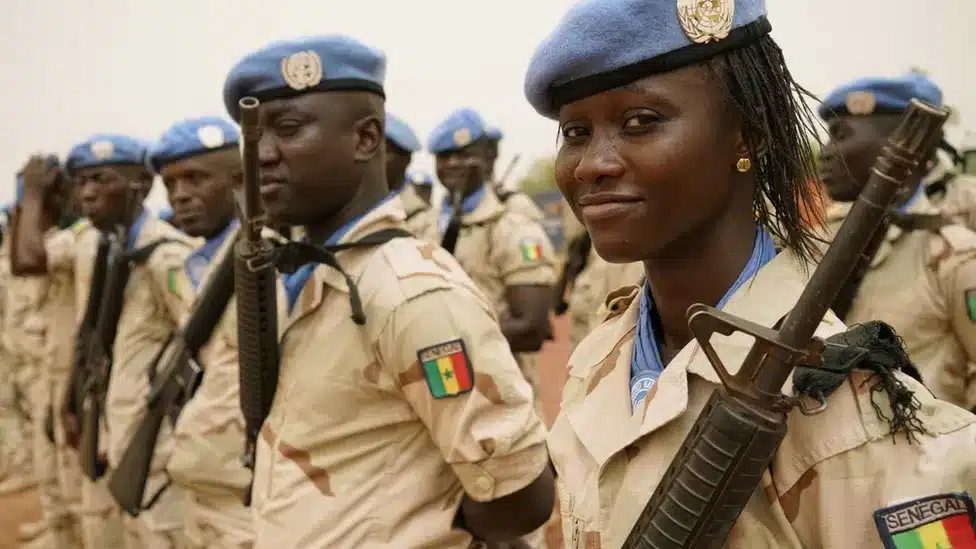
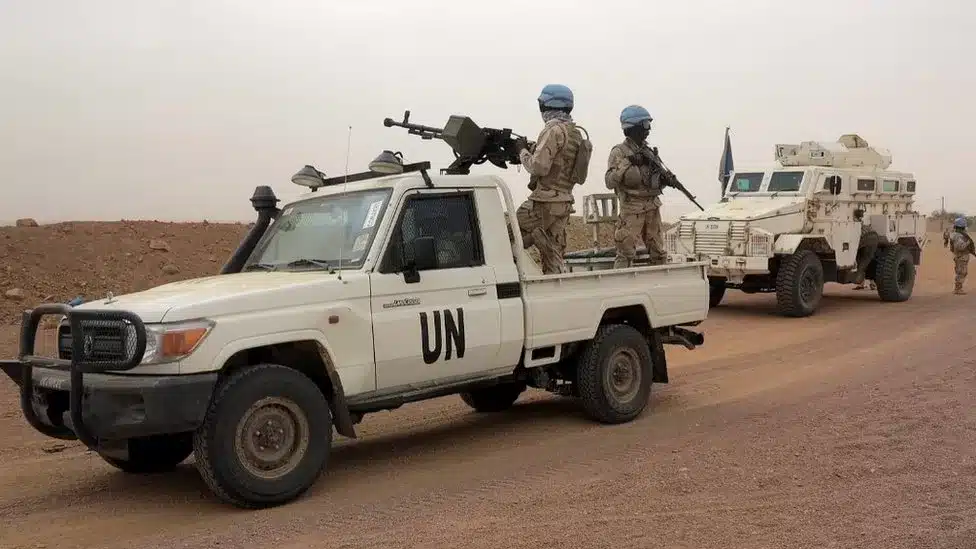
On Friday June 30, the UN Security Council unanimously approved the request from Bamako to withdraw its peacekeeping mission, MINUSMA, from Mali.
The mission was established by the Security Council in 2013 with the aim of promoting peace and stability in the country. Mali expressed its satisfaction with the decision and welcomed the adoption of the resolution, which was drafted by France.
“MINUSMA has certainly not achieved its fundamental goal of supporting the efforts of the government in securing the country,” Issa Konfourou, Mali’s ambassador to UN, said following the vote
“Nevertheless the people and the government of Mali will like to applaud its contribution in other areas in particular in the area of humanitarian and social assistance,” Konfourou said.
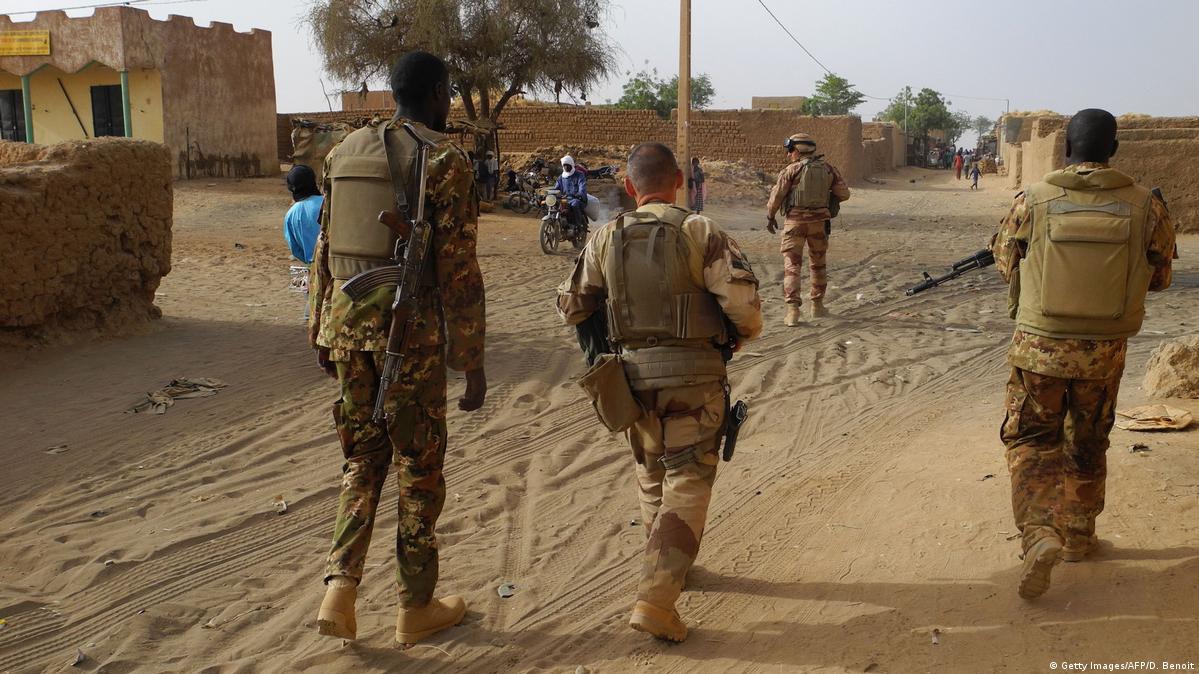
The mission, consisting of 17,430 personnel, was established in 2012 in response to the political instability and armed conflict that engulfed Mali. During that period, rebels and fighters associated with al-Qaeda seized significant portions of northern Mali.
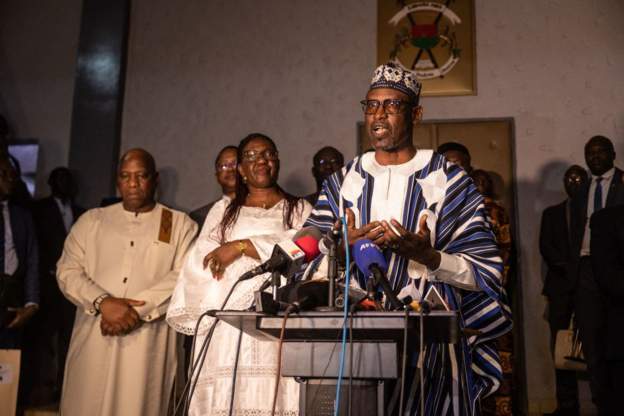
On June 16, Mali’s Foreign Minister, Abdoulaye Diop, expressed the country’s desire for the Blue Helmets (UN peacekeeping forces) to leave the country once their mandate expires on June 30th.
“The government of Mali calls for the withdrawal without delay of MINUSMA,” Diop said, adding that Bamako “is willing to cooperate with the United Nations on this issue.”
What is in the draft?
The resolution effectively ends the mandate of the peacekeeping mission on June 30th and instructs the mission to begin withdrawing its personnel starting from July 1st.
According to the resolution, the withdrawal process is expected to be finalized by the end of the year.
Mali has made it clear that there will be no extension to the specified timeframe.
“The government of Mali will be vigilant in ensuring compliance with this engagement,” Konfourou said.
“As a responsible government, the Malian authorities are committed to closely cooperating with the Secretariat of the United Nations and MINUSMA in the framework of the prompt implementation of this resolution within the established time frame,” he added.
Where possible and with the permission of Mali, the resolution allows MINUSMA to respond to “imminent threat of violence to civilians.”
According to the resolution, MINUSMA is also authorised to assist in the safe civilian-led delivery of humanitarian assistance in its immediate vicinity.
Why Mali wants troops out
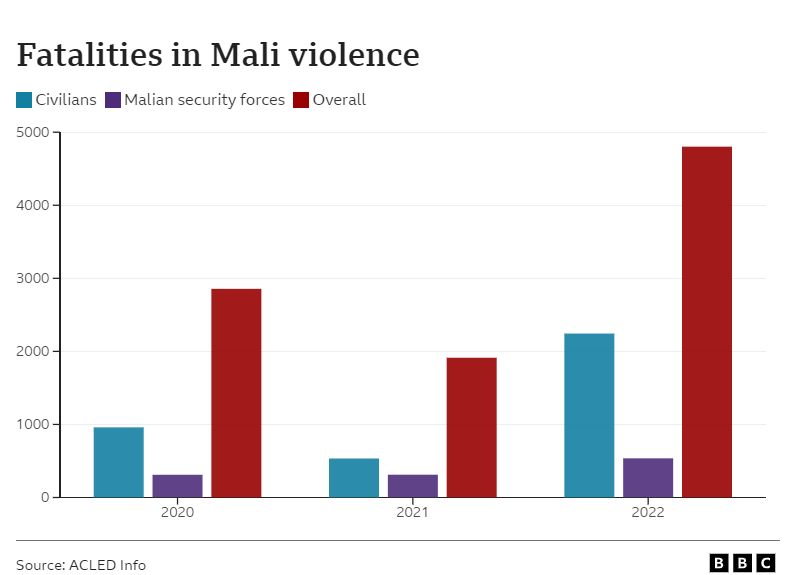
In recent times, there has been a rise in tensions between Mali and the United Nations. Bamako has leveled accusations against the long-standing mission, claiming that it has worsened the situation in the country, which is home to a population of over 20 million.
“MINUSMA seems to have become part of the problem by fuelling community tensions exacerbated by extremely serious allegations which are highly detrimental to peace, reconciliation and national cohesion in Mali,” Diop said.
“This situation generates a feeling of distrust among the populations with regard to MINUSMA,” he added.
Meanwhile, MINUSMA has repeatedly complained about restrictions on troop and aircraft movements.
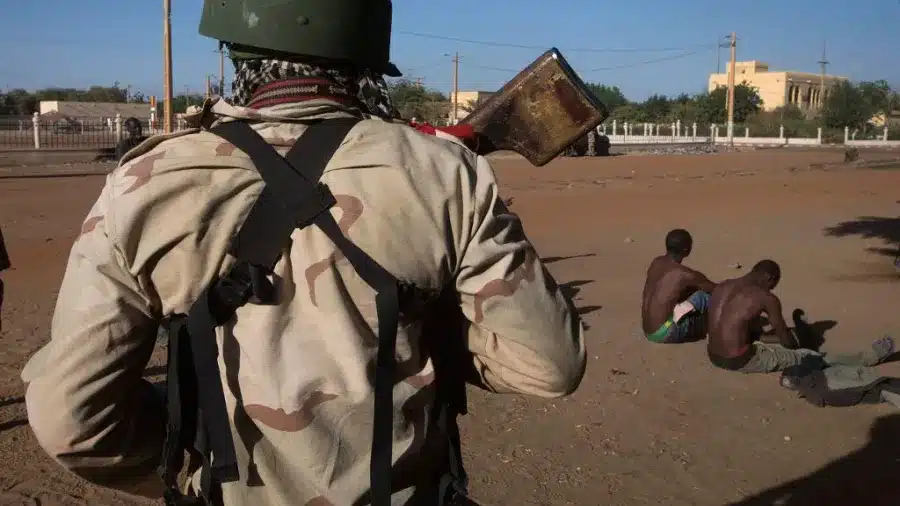
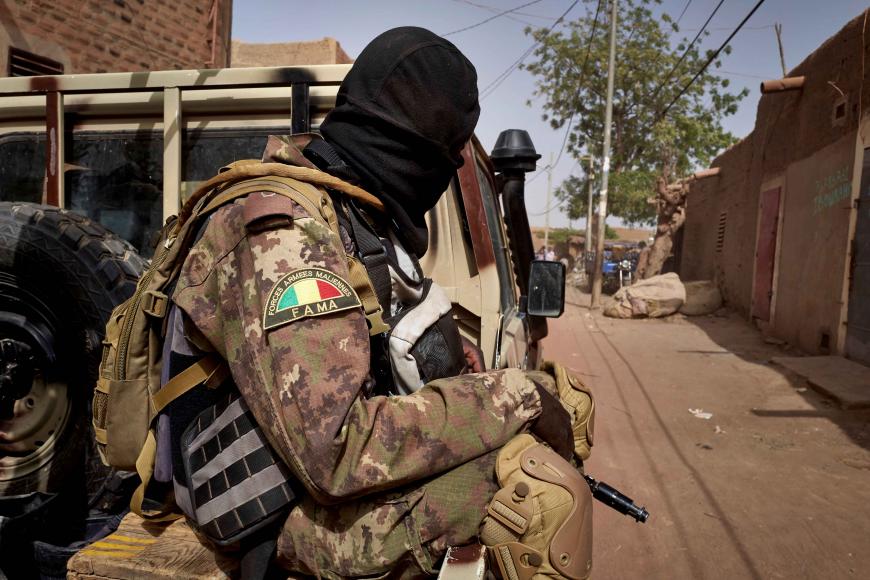
The mission claims that these restrictions have prevented it from fulfilling its mandate, including investigating alleged human rights abuses by the mercenary group Wagner and Mali’s army.
Both Bamako and Wagner deny these allegations.
Analyst say the withdrawal of the peacekeepers could have a profound impact on the stability of the country.
“The withdrawal of the UN peacekeepers will undermine prospects for keeping alive the 2015 peace agreement between the government and the Tuareg separatists who had rebelled in the North but then settled for decentralisation within a united Mali,” Paul Melly, a researcher at Chatham House, a London-based think tank told Al Jazeera.
“It will leave many communities across the North of the country with reduced protection from the risk of jihadist attacks and it will underline the basic public administration and welfare and humanitarian programmes that the UN has been supporting,” Melly said.
Deadly, expensive mission
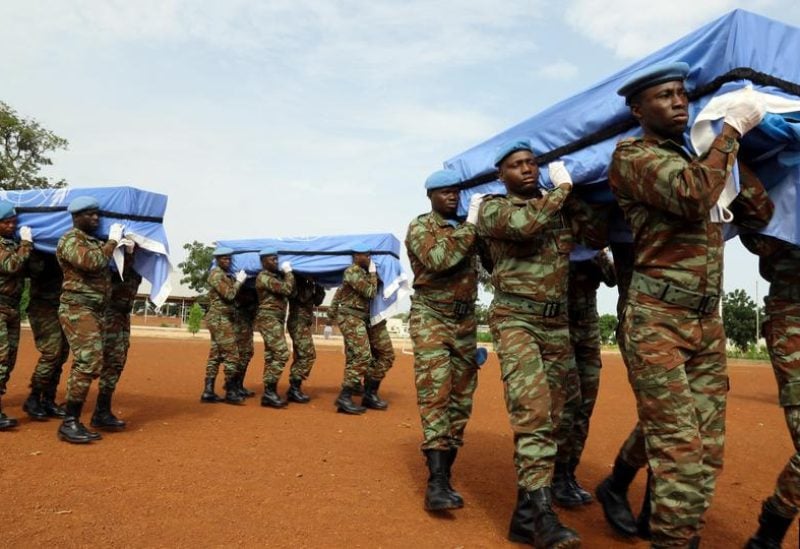
MINUSMA has suffered more than 300 fatalities, making it the deadliest UN peacekeeping operation. With a budget of $1.2bn, MINUSMA is also the most expensive mission of the organisation.
Following the passage of the resolution, UN chief Antonio Guterres expressed his “profound respect to the memory of the 309 MINUSMA personnel who lost their lives in the service of peace during 10 years the mission was deployed in Mali,” Farhan Haq, deputy spokesperson for the Secretary-General said in a statement.
What’s the government’s plan?
Without elaborating, Bamako stated that it is able to guarantee the safety of all its citizens, wherever they may be in the vast landlocked country.
“I would like to reassure you of the full engagement of the government of Mali to continue working tirelessly to fulfil its primary mission of protecting the civilian population and their property over all our national territory,” Konfourou said.
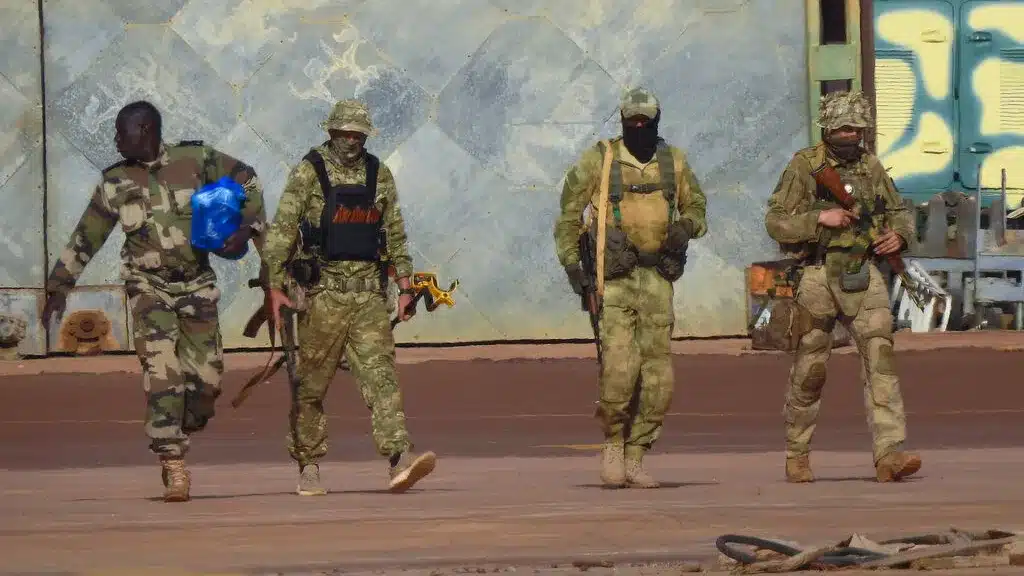
In 2021, Mali’s military rulers signed a deal with the Russian mercenary group Wagner to assist in its fight against armed groups.
This move drew strong condemnation from Western countries, who argued that the presence of the mercenary group threatens the stability of Mali.
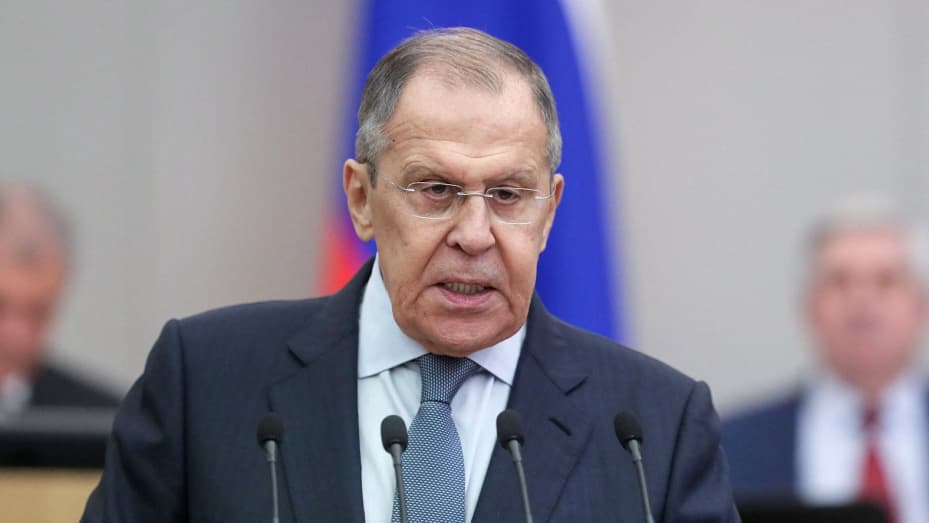
Moscow and Bamako have stated that the Russian fighters in Mali are not mercenaries but trainers who are aiding local troops in combating rebel groups.
Wagner fighters have been accused of involvement in an incident last year in Moura, central Mali – where local troops and suspected Russian fighters allegedly killed hundreds of civilians.
“Wagner does not have the military resources of the UN, nor the same commitment to community mediation, human rights and ‘hearts and minds’ initiatives,” Melly said.
On Friday, Washington accused Wagner of destabilising Mali, further stating that the group collaborated with Bamako to facilitate the withdrawal of UN peacekeepers from the country.
“We know that senior Malian officials worked directly with Yevgeny Prighozin employees to inform the UN secretary-general that Mali had revoked consent for the MINUSMA mission,” US National Security Council spokesman John Kirby told reporters.
Dire humanitarian situation
According to the UN, at least 7.5 million Malians are in need of humanitarian assistance. The UN also reports that one in four Malians is food insecure due to insecurity and the impacts of climate change.
Analysts warn that with UN troops fully withdrawing by the end of December, the humanitarian situation in the country could worsen.
“The humanitarian situation will probably get worse. We may see more displaced populations and greater problems in ensuring the safe and reliable delivery of aid to vulnerable people,” Melly said.
As MINUSMA’s time in Mali comes to an end, analysts say that the mission has had a tangible effect on the country.
“MINUSMA has played a valuable role in providing some stability and security protection for communities across the north of Mali,” he added.
“It has also underpinned the provision of public basic services and administration in some areas where government officials or humanitarian agencies would have found it difficult to operate without some underpinning security backup.”