Tag: Malnutrition

  • Rising child malnutrition in Nkwanta: An Outreach of Hope for restoration

    Rising child malnutrition in Nkwanta: An Outreach of Hope for restoration

    The Nkwanta South Municipal Hospital Nutrition Unit and Children’s Ward, in collaboration with the Ambulance Service, are embarking on a Health Outreach to Combat Malnutrition Through Education and Action.

    In the heart of Ghana, within the vibrant yet challenged district of Nkwanta South, a story of resilience and hope is unfolding. Over the past five years, from 2021 to 2025, the spectre of malnutrition has loomed large, casting a shadow over the lives of the district’s youngest residents. Statistics paint a worrying picture, showing a rising trend in malnutrition among children under five, a highly vulnerable group.

    The Root Causes: A Complex Web

    The causes of this nutritional crisis are multifaceted and deeply rooted in daily life in Nkwanta South. Inadequate dietary intake, often resulting from limited access to diverse and nutritious foods, remains a primary factor. This challenge is further worsened by food insecurity, as many families struggle to obtain sufficient food due to economic hardships and environmental challenges.

    Low levels of nutrition knowledge among mothers and caregivers also contribute significantly to the problem. In some cases, traditional practices and beliefs conflict with modern nutritional guidance. Myths and misconceptions surrounding the signs and symptoms of malnutrition often delay timely intervention, allowing conditions to worsen.

    Poor hygiene and sanitation practices play an additional role, as infections can reduce nutrient absorption and increase the body’s nutritional needs. Furthermore, recurring conflicts in the district disrupt farming activities, displace families, and limit access to food and healthcare services.
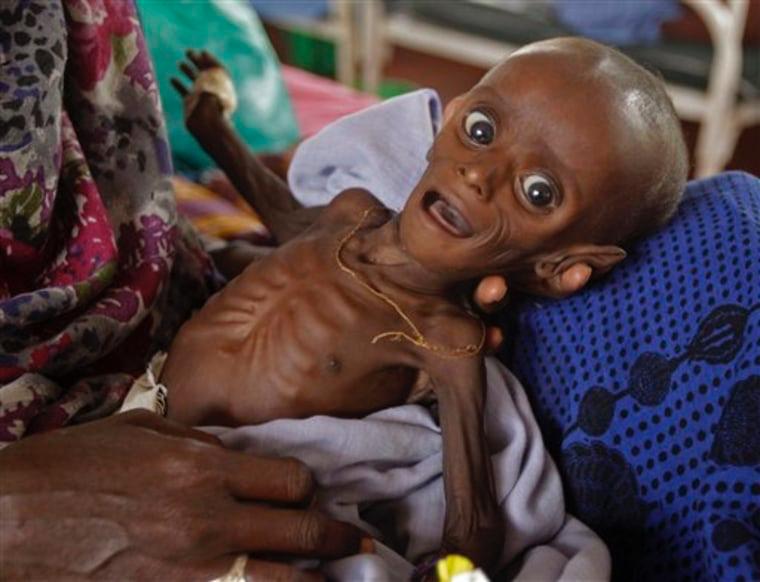
    File photo of malnourished child

    A Beacon of Hope: Nutritional Health Outreach and Screening

    Amid these challenges, a beacon of hope emerges through the upcoming Nutritional Health Outreach and Screening for children under five, scheduled for January 17, 2026, in Nkwanta South. This initiative represents a coordinated effort to tackle the root causes of malnutrition while empowering communities to take charge of their nutritional well-being.
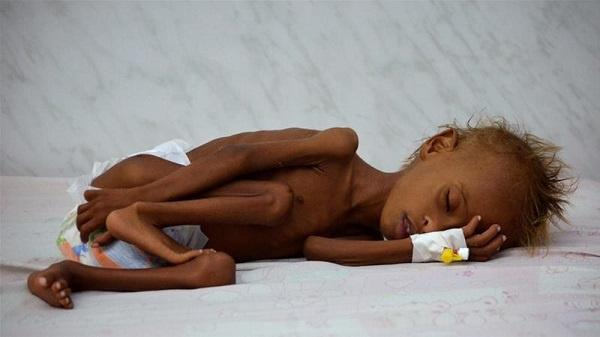
    The objectives of the programme include:

    Nutrition Education: Equipping mothers and caregivers with practical knowledge to make informed food choices and provide balanced diets for their children.

    Complementary Food Preparation: Demonstrating the preparation of affordable, nutritious complementary foods using locally available ingredients to support healthy growth and development.

    Screening, Diagnosis, and Treatment: Conducting comprehensive screenings to identify malnourished children, provide accurate diagnoses, and initiate appropriate treatment, including nutritional supplements and therapeutic feeding where necessary.
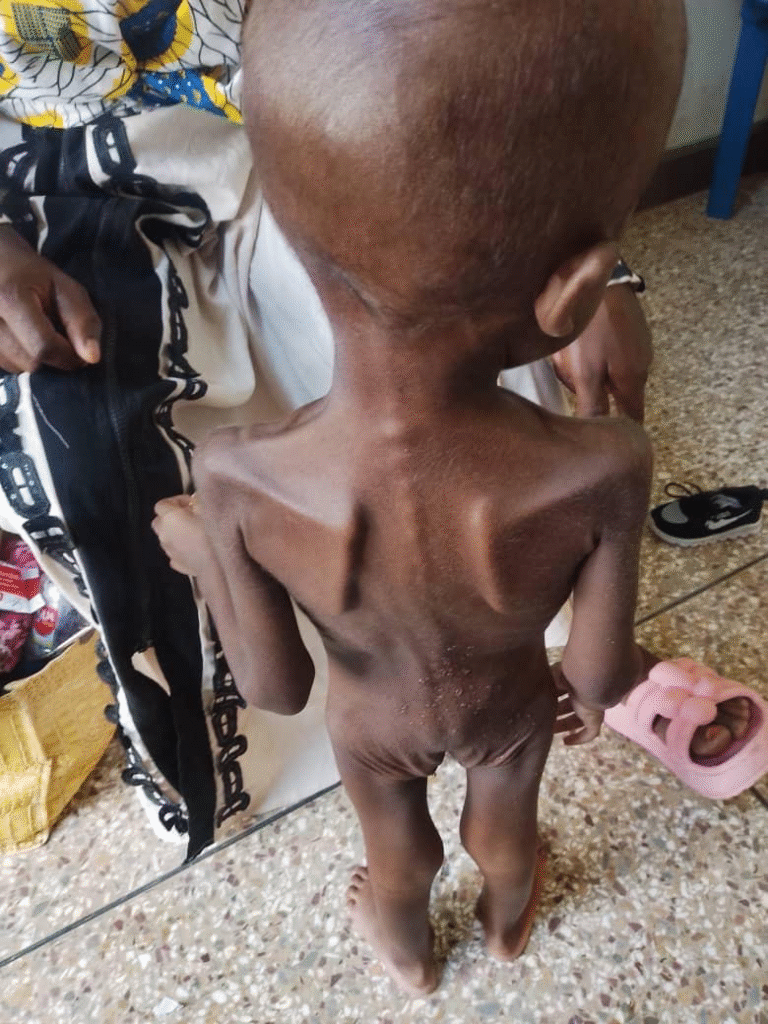
    A Call to Action: Partnering for a Healthier Future

    The Nutritional Health Outreach and Screening programme holds the promise of transforming the lives of children in Nkwanta South by giving them the opportunity to thrive and reach their full potential. However, its success depends on the support of compassionate individuals and organisations committed to improving child health and nutrition.

    By supporting this initiative, donors will not only provide immediate assistance to vulnerable children but also help build a healthier and more resilient community. Contributions will support the following:

    Procurement of essential screening equipment and medical supplies

    Training of healthcare workers and community volunteers

    Purchase of nutritious food supplements and therapeutic feeding products

    Development and distribution of nutrition and hygiene education materials

    Long-term monitoring and evaluation activities

    Together, we can break the cycle of malnutrition in Nkwanta South and build a brighter future for its children.

    Kindly support this initiative through financial contributions, groceries, toiletries, clothing, medication, and other essential items by contacting: 0559986350.

    DISCLAIMER: Independentghana.com will not be liable for any inaccuracies contained in this article. The views expressed in the article are solely those of the author’s, and do not reflect those of The Independent Ghana

  • Haiti: People will die as the country nears rock bottom – UN

    The United Nations has issued warning that hunger has reached catastrophic levels in one of Haiti’s largest slums, as gang violence and economic crises push the country to the “breaking point.”
    According to the UN, about 20,000 people in the capital’s poor Cité Soleil neighbourhood have severely limited access to food and may face hunger.

    Across Haiti, almost five million are struggling with malnutrition.

    “Haiti is facing a humanitarian catastrophe,” a top UN official said.

    “The severity and the extent of food insecurity in Haiti are getting worse,” Jean-Martin Bauer, the Haiti country director for the UN’s World Food Programme added.

    The poorest nation in the Americas is suffering acute political, economic, health and security crises which have fuelled a rise in violence and paralyzed the country.

    Powerful gangs have blocked Haiti’s main fuel terminal, crippling its basic water and food supplies.

    In the Cité Soleil neighbourhood, the UN said levels of food insecurity had reached the highest level on its classification system – Phase 5 – meaning residents have dangerously little access to food and could be facing starvation.

    Mr Bauer said Haitians “have gone through the gauntlet”.

    Anger at the government’s handling of the country’s multiple crises has boiled over into anti-government protests. These have escalated to looting with at least one woman reportedly killed in clashes.

    On Tuesday, the World Health Organisation said there had been 16 cholera deaths and 32 confirmed cases, three years after an epidemic of the water-borne disease killed 100,000 people.

    Another UN official said 100,000 children under the age of five were severely malnourished and are especially vulnerable to cholera.

    Prime Minister Ariel Henry has asked for foreign military help, but the call has been criticised by some Haitians who see it as foreign interference.

    The UN has since called for the immediate deployment of a special international armed force to Haiti, but it is not yet clear which countries would provide the members of such a force and what its task would be.

    Gangs have taken control of key highways and Varreux, Haiti’s largest fuel terminal. With food and fuel deliveries suspended as a result, more and more Haitians are going hungry.

    Several warehouses run by aid organisations have also been looted, resulting in the most vulnerable going without food and drinking water.

    Haiti is one of the poorest countries in the world and has suffered a number of recent crises, most notably the assassination of its president, Jovenel Moïse, in July 2021 and a massive earthquake that left more than 2,200 people dead just a month later.


  • Reports: Ten million East African children hit by malnutrition

    A new report says more than 10 million children across East Africa are suffering from malnutrition, and more than 300,000 people are at risk of dying from hunger.

    The study, commissioned by the regional bloc, Igad, warned the food crisis would get worse if rains failed for a fifth year running.

    Igad executive director Workneh Gebeyehu added that conflict across the region had disrupted food production, worsening the crisis further.

    He also appealed for help from the international community as East Africa experiences its longest dry spell in 40 years and its fourth drought in a decade.


  • Ten million East African children hit by malnutrition – report

    A new report says more than 10 million children across East Africa are suffering from malnutrition, and more than 300,000 people are at risk of dying from hunger.

    The study, commissioned by the regional bloc, Igad, warned the food crisis would get worse if rains failed for a fifth year running.

    Igad executive director Workneh Gebeyehu added that conflict across the region had disrupted food production, worsening the crisis further.

    He also appealed for help from the international community as East Africa experiences its longest dry spell in 40 years, and fourth drought in a decade.

    Source: BBC