Tag: market

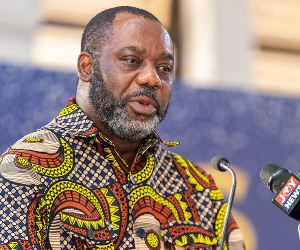
  • Mahama vows to construct modern market in Aflao to enhance trade

    Mahama vows to construct modern market in Aflao to enhance trade

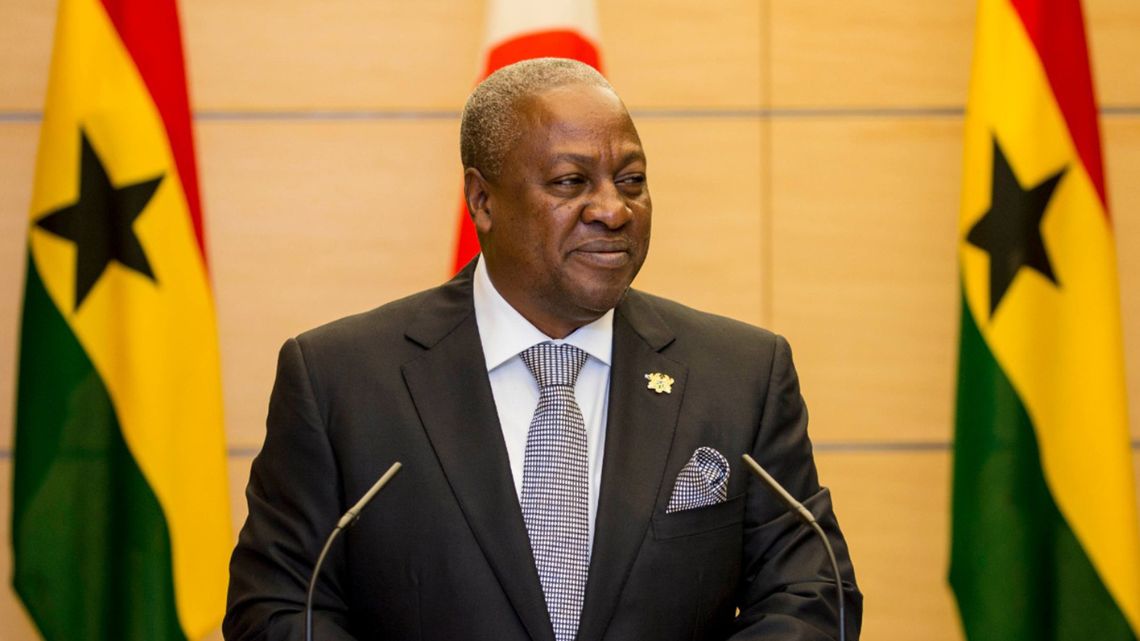
    Presidential Candidate of the National Democratic Congress (NDC), John Dramani Mahama, has promised to improve the livelihoods of market women in the Volta Region by upgrading the Ho-Dzodze-Aflao road and constructing a modern market in Aflao.

    Speaking to traders at the Ho central market during his campaign tour, Mahama assured them of a more seamless trading experience, with enhanced infrastructure to ease the flow of goods and services between Aflao and Ho.

    Mr. Mahama underscored the NDC’s dedication to development, stating that his next administration would prioritize building essential infrastructure to bolster local commerce.

    “Our party is known for its developmental and infrastructure works, and my government will prioritize the construction of the Ho-Dzodze-Aflao road and a new market in Aflao to provide comfort for trading activities,” he stated.

    Alongside these commitments, Mr. Mahama announced plans to open a branch of the National Women’s Bank in the Ho Central Market.

    This initiative seeks to offer financial support to women entrepreneurs, enabling them to expand their businesses and make a stronger impact on the local economy.

    “The National Women’s Bank will be here in Ho Central to support your businesses, ensuring that you have the financial resources needed to thrive,” Mr Mahama assured the market women.

  • Kaneshie market vendors worried about frequent price fluctuations

    Kaneshie market vendors worried about frequent price fluctuations

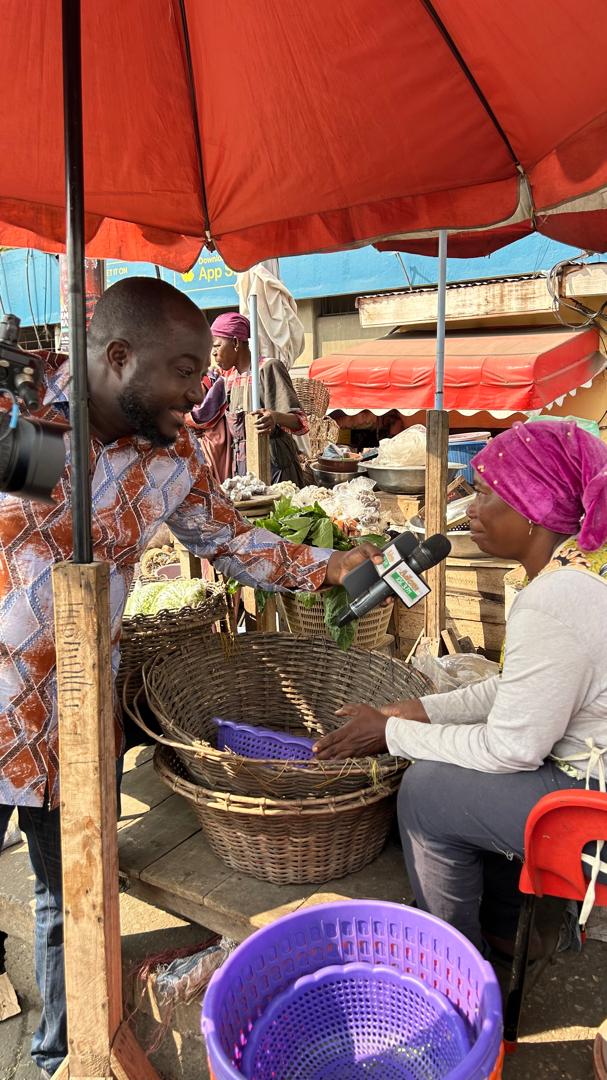
    Traders and shoppers at the Kaneshie Market in Accra have voiced their frustration over the ongoing increase in food prices, attributing it to factors beyond their influence.

    In an appearance on People’s Forum, a segment of Adom FM’s morning show Dwaso Nsem on Thursday, vendors stated that while buyers often hold them responsible for the high prices, they argue that the real issue stems from rising costs at the wholesale level.

    “The prices are always increasing, and buyers think it’s from us, but it’s not our fault,” one seller explained.

    People forum

    A fish vendor pointed out that the price of a box of fish has increased from GH¢700 to GH¢920, underscoring the deteriorating market conditions.

    Another seller linked these price changes to the escalating cost of fuel, noting that a bag of tomatoes is now GH¢1,700 despite being in season, while a bag of onions costs GH¢1,800.

    “Initially, a box of fish was 700 cedis, but now it has increased to 920 cedis. The market conditions are tough. I believe it’s due to the high petrol prices, causing the prices to fluctuate. Now a bag of tomatoes costs 1700 cedis, even though it’s the tomato season. It’s still expensive. A bag of onions is now 1800 cedis.”

    The traders are urging authorities to regulate and stabilize prices, as the current conditions are significantly impacting their businesses and livelihoods.

    “We need the authorities to monitor or regulate the pricing as it’s severely affecting us,” they urged.

  • Married women in Asaba stage protest against husband snatchers

    Married women in Asaba stage protest against husband snatchers

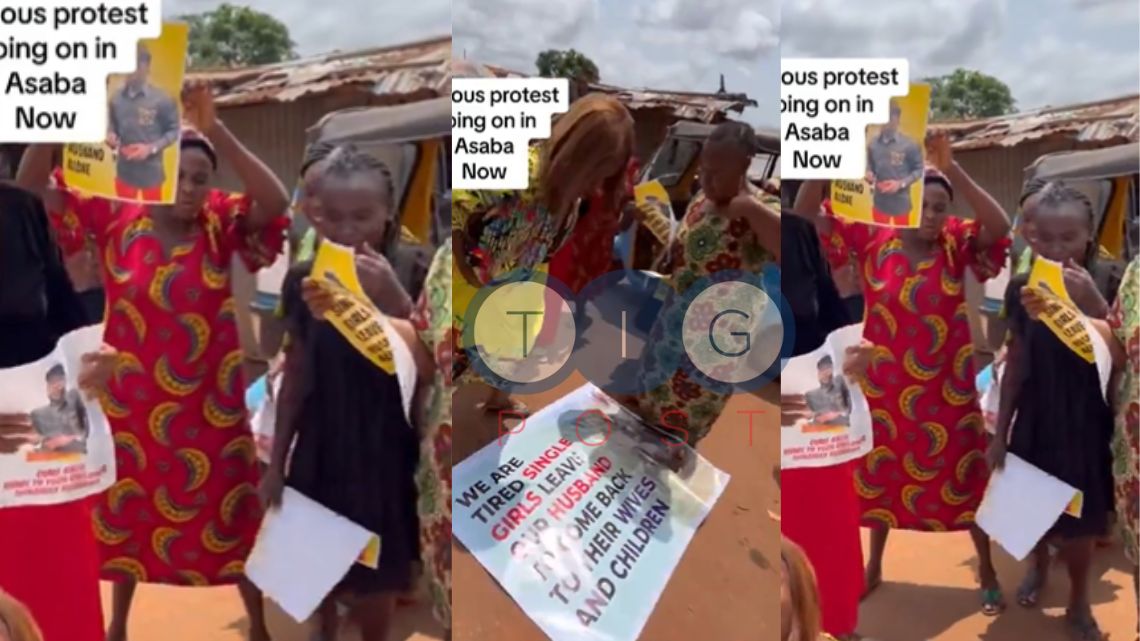
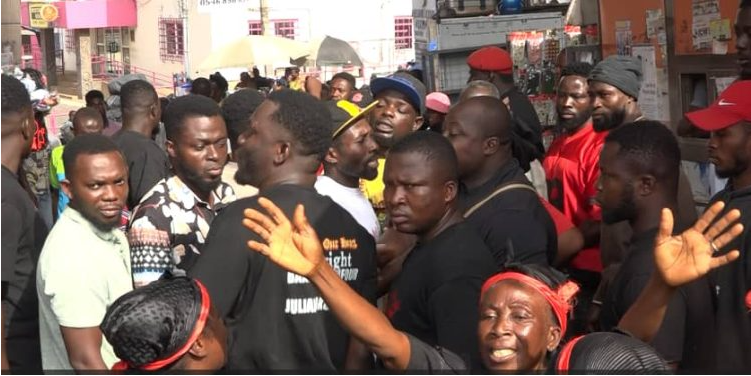
    A group of married women in Asaba sparked significant attention as they protested against the rising issue of “husband snatching” in the area.

    The demonstration took place at a local market, where the women aimed to raise awareness and express their frustration over the increasing trend of single women allegedly luring married men away from their families.

    Marching through the market, they carried various placards highlighting their grievances and calling for an end to the practice.

    One of the banners read: “We are tired. Single girls, leave our husbands to come back to their wives and children.”

    The women vowed to expose any single ladies they catch with their husbands.

    Watch video below:

  • ‘It has been a year since we last had a market share’ – PBC MD

    ‘It has been a year since we last had a market share’ – PBC MD

    The head of the Produce Buying Company (PBC), Derek Kwaku Nkansah, revealed that the company hasn’t captured any market share in the last year, which he finds disappointing.

    Nevertheless, he promised that by the end of June, PBC would see notable improvements and start moving upward.

    Speaking on the JoyNews AM show, he stated “We are going to start buying at the end of this month. The conversations are ongoing. When I started the conversation, I also added that the little signs have been there since 2000, and that is because we have never had working capital.

    “Working capital is something you need when you are doing this business. So, we do not have working capital; all we have done is go to the bank, borrow, finance costs hitting us so hard, and then also get seed funds, which are inadequate and also not timely. So, these are the two key challenges that we have that, bedevils our industry, and by extension, strongly, that has been challenging PBC”.

    According to Mr. Derek Kwaku Nkansah, the Produce Buying Company (PBC) is in talks with COCOBOD right now and plans to start buying shares shortly.

    “Those are the conversations that we are having at the moment with COCOBOD and the rest, and we are going to start buying. So, PBC is back,” he noted.

  • VIDEO: Man beaten for stealing socks at a market

    VIDEO: Man beaten for stealing socks at a market

    In a video gone viral, a young man was beaten on the streets for allegedly stealing socks.

    It is unknown the exact location where the incident happened.

    A group of men surrounded the accused, who was shirtless. As he sought to make his case, one of the bystanders slapped him. The suspect attempted to defend himself.

    Others intervened and prevented any further casualties. It is unknown the current state of the suspect.

  • Traders at Kumasi Central Market warn of occupying unfinished market avenue

    Traders at Kumasi Central Market warn of occupying unfinished market avenue

    Traders at Kumasi Central Market have threatened to relocate their goods to the uncompleted market site if the construction firm does not remove all barricades by Sunday, May 19, 2024.

    Their action is a response to what they perceive as prolonged delays in completing the market’s second phase.

    In a petition dated Tuesday, May 14, 2024, the traders expressed frustration with the Akufo-Addo-led government, citing negligence and failure to complete the project. They claim this has adversely affected their businesses due to unsuitable conditions.

    The project has been stalled for over a year and a half due to renegotiations of a loan agreement following Ghana’s decision to seek a financial bailout from the International Monetary Fund (IMF).

    Accusing the government of ignoring their pleas and failing to meet completion targets, the traders plan a five-day continuous demonstration to push for the project’s resumption.

    They have issued Contracta Construction Company Limited a seven-day ultimatum to remove all barricades around the site or face the consequences of their occupation.

    Furthermore, the traders are in discussions with the Ghana Police Service to secure permission for their demonstration, as stipulated in Article 21(1d) of the 1992 Constitution of the Republic of Ghana.

  • Ghana launches short-term debt market amid  restructuring efforts

    Ghana launches short-term debt market amid restructuring efforts

    Ghana has initiated a platform for trading short-term debt, which expands upon the fixed income market established over eight years ago.

    This development coincides with the country’s efforts to restructure debt to ensure sustainability under an International Monetary Fund program.

    The commercial paper market facilitates the buying and selling of debt, offering companies and organizations the opportunity to issue debt quickly and investors the chance to access improved creditworthiness, stated Abena Amoah, Managing Director of the Ghana Stock Exchange, in the capital city, Accra.

    “I’m excited to see the diverse business community here and I believe that this CP market we are launching today will provide you with viable solutions to meet some of your short-term financing needs,” Amoah said Friday.


    The commercial paper market has been present in Ghana for some time but has operated on a limited scale, characterized by low liquidity and minimal regulation.

    Its formal launch is intended to complement the fixed income market introduced in August 2015, which facilitates the trading of government and corporate bonds. This launch coincides with Ghana’s ongoing restructuring of its debt, valued at $43.6 billion, as part of conditions outlined in a $3 billion program with the IMF.

    Ghana, having completed a domestic debt restructuring last year and reached a preliminary agreement with bilateral lenders earlier this year, aims to finalize a comprehensive debt restructuring agreement on $13 billion with Eurobond investors by the end of May. An earlier agreement with bondholders was rejected by the IMF for failing to meet debt sustainability criteria.

    Companies seeking to issue on the market must possess a net worth of 5 million cedis ($357,485), according to Wilson Nelson, President of the Ghana Securities Industry Association. Additionally, they must be prepared to offer a minimum of 1 million cedis worth of instruments, with durations ranging from as short as 15 days to 275 days.

    “With the introduction of the commercial paper market in Ghana, the plan to diversify the investment space and investor base is now fully on course,” Ernest Addison, Governor of the Bank of Ghana said in a speech read on his behalf. “This diversification helps small and medium-scale enterprises and emerging businesses struggling to access the traditional financial channels.”

  • ‘BoG has built up enough reserves to tackle FX market headwinds’ – Governor

    ‘BoG has built up enough reserves to tackle FX market headwinds’ – Governor


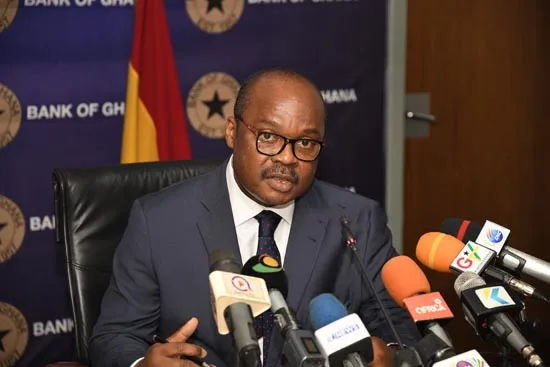
    The Bank of Ghana (BoG) has taken steps to stabilize the forex markets, with Governor Dr. Ernest Addison providing assurance that the central bank has accumulated “sufficient reserves to address the challenges” that have impacted the cedi in recent weeks.

    During the launch of the new commercial paper market, Dr. Addison acknowledged that the cedi has encountered “some challenges” following a period of relative stability.

    However, he emphasized that the BoG is closely monitoring the situation and possesses the capability to intervene effectively.

    “The exchange rate has been generally stable until recent weeks when some headwinds have been observed in segments of the market. But this is receiving much attention as the bank has built up enough reserves to tackle the pressures on the market,” Dr. Addison stated in a speech read on his behalf.


    The reassurances arrive as the cedi has faced significant challenges in 2024 due to escalating corporate dollar demand and a strengthening U.S. currency. Since January, the local currency has depreciated by approximately 14 percent against the dollar.

    Financial analysts caution that the prospects for foreign exchange inflows are uncertain, which could exacerbate the strain on the weakened cedi in the upcoming months.

    “The near-term outlook for FX supply is decidedly negative due to a panel of fundamental factors,” Constant Capital stated in a market review, citing elevated inflation, low cocoa output, and constrained portfolio inflows.

    According to GCB Capital, although gross international reserves saw a slight increase to US$6.2 billion in March, equating to 2.8 months of import cover, usable reserves have declined substantially to just US$4 billion. This amount is only sufficient for 1.8 months of imports when encumbered assets are taken into account.

    “These levels offer limited protection against balance of payment shocks, indicating that the BoG will likely continue redirecting hard currency away from the interbank market to bolster reserves in the medium term,” the firm stated.


    Databank’s weekly updates indicate that the BoG has already infused an estimated US$270 million into the forex market this year through spot and forward interventions, following US$713 million in support during 2023.

    However, analysts suggest that significantly more firepower may be necessary, particularly with credit to the private sector described by the governor himself as “weak” due to lenders exercising caution.

    In an effort to stimulate bank lending, the BoG recently introduced a “dynamic cash reserve ratio” policy linking required reserves to banks’ loan portfolios – a move aimed at incentivizing effective financial intermediation.

    Under the new policy framework, banks with Loan to Deposit Ratios above 55 percent must maintain a 15 percent CRR, those between 40-55 percent face a 20 percent CRR, and banks below 40 percent are subject to a 25 percent CRR.

    Currently, attention remains focused on the BoG’s forex reserves and its readiness to utilize them in response to the cedi’s depreciation.

  • NPP risks losing votes in 2024 elections over abandoned markets in Ashanti Region

    NPP risks losing votes in 2024 elections over abandoned markets in Ashanti Region

    Several trader associations in Kumasi have declared their intent to oppose the New Patriotic Party (NPP) in the upcoming 2024 general election if the government does not complete all abandoned markets in the Ashanti Region.

    These associations, including the Second-hand Cloth Sellers Association, Santasi Traders Union, Suame Magazine Workers Union, Mamponteng Traders Association, Central Market Traders Association, and the Kumasi Lotto Sellers Association, issued a joint statement on Monday, May 6.

    They threatened to organize a five-day protest in collaboration with other affected associations if their demands are not met.

    In the meantime, they have requested intervention from Asantehene Otumfuo Osei Tutu II and Ashanti Queen Mother Nana Konadu Yiadom to urge the government to address their concerns.

    Additionally, the traders warned that they would take action to remove barricades on the Kejetia Second Phase project if their demands are not addressed promptly.

    “We are by this press release urging the Contracta company to remove all the barricades from the Kejetia second phase projects before we do it by ourselves because we will not think twice to take it off to do our businesses there if our demand is not heard.”

  • Factors, consequences, market dynamics influencing surge in cocoa prices

    Factors, consequences, market dynamics influencing surge in cocoa prices

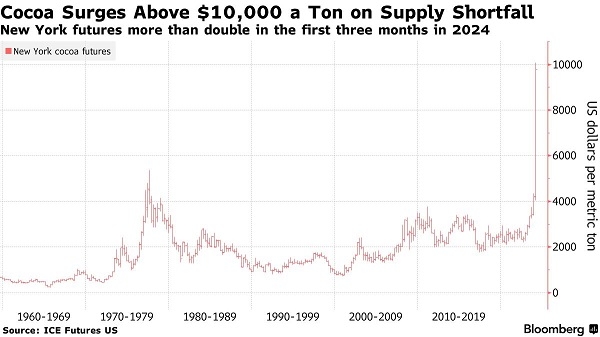
    In the aftermath of a steady ascent spanning two years, the price of cocoa beans has surged dramatically this year, with futures contracts more than doubling in just three months, reaching a level in March twice as high as the previous record.

    This escalation has its origins in the fields of small West African farms but is also influenced by climate change and the intricacies of the futures market.

    The recent spike has been fueled in part by financial instability, a common occurrence when commodity prices rise rapidly, overwhelming strategies designed to mitigate such volatility.

    The inevitable outcome is likely to be pricier chocolate, possibly in smaller portions. Even if prices retreat from their current peaks, they are expected to remain elevated for the foreseeable future. Economists often assert that the solution to high prices is high prices themselves, as they can diminish demand, stimulate increases in supply, or both.

    However, the cocoa situation illustrates the complexity of this concept in practice, given market intricacies and stubborn realities such as the lengthy gestation period of cocoa trees.

    Current Status

    Cocoa futures in both New York and London have reached unprecedented nominal dollar highs, surpassing the peaks observed in 1977 during another cocoa scarcity.

    New York futures hit an intraday peak of $10,080 per metric ton on March 26 and have since remained above $9,500, while London beans traded above £8,000 per ton (approximately $10,000).

    Prior to this surge, New York futures had predominantly stayed below $3,500 since the 1980s.

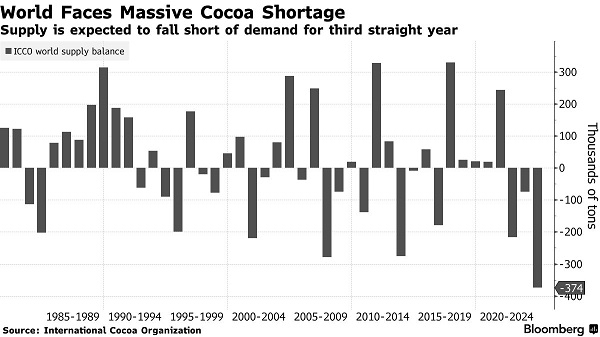
    The surge in prices is driven by an all-time supply crunch, with the world projected to experience a third consecutive year of deficits.

    According to the International Cocoa Organization, production is anticipated to fall short of demand in 2024 by 374,000 tons, while manufacturer Barry Callebaut predicts a gap of approximately 500,000 tons, equivalent to about a tenth of the global market.

    How we got here

    Unlike most crops grown for global commodity markets, cocoa is produced not by large scale plantations but by small farmers, many in West Africa, which has dominated the trade for decades. Ivory Coast and Ghana are still forecast to supply 53% of the world’s cocoa in the current season — a share that was even higher before current crop issues. Here are some of the factors that have been driving down production:

    Both rain and drought have been more severe than usual in West Africa
    Swamped fields have worsened the spread of diseases like black pod disease and swollen-shoot virus, which are rotting pods and killing trees, and the tree stock is also aging

    The small farmers in Ivory Coast and Ghana have long been underpaid; since governments set prices in each country before each new growing season, producers have yet to profit from the current rally

    Low pay has hampered farmers’ ability to invest in improvements and fend off disease, limiting how much cocoa their trees can yield

    What else is driving the price spike

    The record cocoa shortage produced by those factors can account for the generally higher trend in prices, and Citi Research analysts had pointed last month
    to a trading range between $7,000 to $10,000 a ton. But the magnitude of the latest surge — which saw New York cocoa futures rise more than $1,000 during two sessions — has led market watchers to believe financial drivers are also at play.

    This occurs because traders typically utilize the futures market to hedge risks associated with the physical market.

    Sellers, holding cocoa inventory, anticipate price increases but safeguard themselves by placing bets on declining prices. If prices rise, their gains from the stockpiles outweigh the expenses incurred from these short positions.

    Conversely, if prices decline and their inventory loses value, these short bets mitigate some of the losses.

    Such hedging strategies prove effective when commodities fluctuate within a moderate range. However, sharp and unilateral market movements complicate matters due to the necessity for traders to provide collateral to cover their futures contracts.

    If prices consistently rise and escalate significantly, the additional collateral requirements may become prohibitively expensive. Consequently, some traders opt to close their positions, which entails purchasing more cocoa contracts, further driving up prices.

    To maintain market stability, the Intercontinental Exchange has implemented measures such as reducing the volume of cocoa that traders can purchase through the London exchange.

    This entails a reduction in the delivery limit, decreasing from 75,000 tons in May to 50,000 tons in July, with further reductions to 25,000 tons for contracts starting from December onward.

    What this means for consumers

    Chocolatiers are doing all they can to offset higher costs — hiking retail prices, shrinking pack sizes, maximizing efficiency and pushing products with less cocoa. But those shifts are just the beginning: Companies hedge prices and secure supplies well in advance, so the impact of the new, record-high futures hasn’t fully trickled down to retail shelves yet. Chocolate makers are likely to see that inflation over six to 12 months, and then consumers will face it too, according to Bloomberg Intelligence.

    The pinch will also be felt by chocolate processors and their workers. Plants in Ghana have been closed intermittently because of supply shortages. Major cocoa processors Barry Callebaut AG and Blommer Chocolate Co. have also said they would be shutting down facilities and laying off employees

    Who’s winning, who’s losing

    Higher prices are good in the long run for farmers, who have long been underpaid. But so far, growers in the world’s biggest-producing countries are also the ones missing out on the rally’s full profits. That’s because Ivory Coast and Ghana’s governments set cocoa prices based on sales made a year earlier.

    Farmers in Ivory Coast are receiving 1,000 CFA francs per kilogram, while those in Ghana are getting 20,928 cedis a ton – both equating to about $1,600 per ton. Producers in Ivory Coast are pushing for more pay for the mid-crop harvest starting in April, but the country’s industry regulator has proposed keeping prices the same, Bloomberg reported.

    Meanwhile, farmers in liberalized markets like in Brazil, Ecuador, Cameroon and Nigeria are ramping up production to take advantage of higher prices. Brazil and Cameroon are trying to double output by the end of the decade, while Ecuador is targeting 800,000 tons of output

    by 2030 — an amount that could allow the nation to overtake Ghana to become the world’s second-largest producer, behind only Ivory Coast. But trees take time to grow, so it will be at least three years before new pods provide supply relief. European Union rules preventing the trade of products linked to deforestation could also limit acreage expansion for cocoa and crunch supplies in the world’s biggest chocolate-consuming region.

    The longer term prospects

    Supply isn’t likely to make a rapid recovery. The smaller mid-crop harvest in Ivory Coast that is just kicking off is expected to be weaker than last year, and some are already bracing for another deficit next season.

    On the other side of the equation, expensive chocolate is already weighing on demand, prompting consumers to pick up less of it. Favorable weather could facilitate a quicker recovery in production. Governments in Ivory Coast and Ghana could also increase the amount paid to farmers. That would fund reinvestments in pesticides, fertilizer and labor to boost 2025 crop yields. New producers in Latin America and elsewhere, lured by high prices, will also start contributing to global supply in the years to come.

  • Land dispute affecting business activities in Kumasi Acheamfuor market – Traders lament

    Land dispute affecting business activities in Kumasi Acheamfuor market – Traders lament

    Traders at the Acheamfuor market in Kumasi are grappling with the repercussions of escalating tensions among families disputing the ownership of the land where the market operates.

    The simmering conflict has led to a sluggish pace of trading activities, with traders expressing concern over the impact on their businesses.

    The dispute over the true ownership of the land and properties has deterred potential customers from patronising the market, resulting in a significant decline in business for the vendors.

    The overall maintenance of the market has also been compromised, as all washrooms remain locked, contributing to deteriorating sanitary conditions and filth within the market premises.

    The market, which serves as a hub for drivers transporting passengers to various regions across the country, is witnessing a decline in both foot traffic and overall business.

    Station master Jacob Bafo lamented the adverse effects on their operations, asserting that passengers are now hesitant to visit the market due to the ongoing tensions.

    Gyamfi Gideon, the station chairman, echoed these concerns, highlighting the significant slowdown in business activities since the onset of the tension.

    “Ever since this tension started, our businesses have been very slow. There has been a reduction in the number of passengers who come here to board our buses. The market is also battling with filth; things are just not moving well since this tension started.”

    He emphasised the market’s struggle with sanitation issues, indicating that the situation has created an unfavourable environment for both traders and customers.

    Driver Stephen Amo Boahen added his voice to the plea for intervention, emphasising the closure of washrooms as a major challenge for those operating in the market.

    “Our washrooms here are all locked due to the incident, and this is really affecting those of us who operate here. Now, visiting the washroom is a big challenge. We are calling on relevant authorities to intervene.”

    The affected parties are calling on relevant authorities to intervene promptly and resolve the land ownership dispute to restore normalcy to the Acheamfuor market.

    Traders also lamented highlighting “If not for the disturbances here, this bus would have been full by now, but because of the disturbances, passengers are even scared to come here and board the bus, so our businesses have been badly affected. We pray that all these will end so that we can go about our activities.”

  • Alan Kyerematen embarks on Makola, Kaneshie market tours

    Alan Kyerematen embarks on Makola, Kaneshie market tours

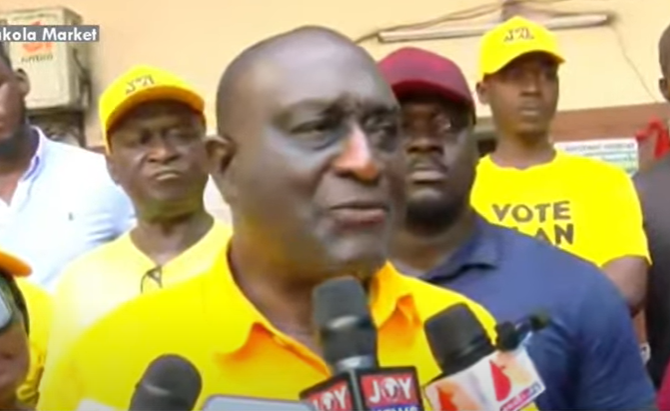
    Founder and Leader of the Movements for Change, Alan Kyerematen, has embarked on a tour of several major markets in the Greater Accra Region, commencing with the bustling Makola market.

    This initiative serves as a means for the former Trade Minister to introduce himself to voters across these key marketplaces.

    Throughout his visit, Mr. Kyerematen was warmly received by the crowds, with a particularly enthusiastic welcome at the Kaneshie market. Traders, speaking to JoyNews, expressed optimism regarding Mr. Kyerematen’s potential to lead the nation toward prosperity.

    One trader remarked that based on the sizable crowds gathered, the upcoming 2024 elections would likely be highly contested. Another trader praised the former Minister’s leadership qualities and encouraged fellow Ghanaians to offer their unwavering support to his cause.

    Mr. Kyerematen, visibly elated, conveyed to the media his observations regarding the enthusiastic reception he received. He emphasized that the palpable sentiment among the people indicated a strong desire for a shift in leadership, paralleled by an aspiration for an improvement in their economic circumstances.

    “When you are connected spiritually to the ordinary people, you don’t need to mobilise them. You can see that the impact has been spontaneous and I am indeed humbled. You can also get a sense from the remark that they are making the change they want to see in Ghana.

    “Yes we have had our two dominant parties for the last 32 years and it is almost unanimous in terms of what you are hearing from them that it is time for a change and I happen to be the right man at the right time. They are expressing their confidence in me to be able to lead this transformation process. So I am pleased about what is going on so far.

    “The people are deciding, they have already made it clear that they want to see Alan Kyerematen as the next President,” he added. 

  • Upper East: Unidentified gunmen Kill five at Binduri market

    Upper East: Unidentified gunmen Kill five at Binduri market


    A brutal attack by unidentified assailants in Binduri, located in the Upper East region, has resulted in the tragic deaths of approximately five individuals.

    According to reports received by Citi News, the armed assailants launched an assault on a market in Binduri on Monday, opening fire indiscriminately.

    The Municipal Chief Executive for Bawku, Hamza Amadu, verified the unsettling incident to the media.

    The victims, primarily women engaged in their regular business activities, found themselves caught in the crossfire unleashed by the gunmen.

    Mr Amadu expressed deep concern, indicating that the current count of casualties may escalate, suggesting the possibility of additional victims.

    Authorities are anticipated to initiate thorough investigations to unravel the motives behind this ruthless attack.

  • Ghana’s economic growth slows to 2% in Q3

    Ghana’s economic growth slows to 2% in Q3


    Ghana’s economic growth slowed to two percent year-on-year in the third quarter, down from 2.7 percent the previous year, reflecting the impact of fiscal tightening and high interest rates aimed at curbing inflation.

    Despite the deceleration, analysts anticipate that the economy is still poised to achieve the government’s revised full-year growth target of 2.3 percent for 2023.

    Apakan Securities noted that while challenges persist, the annual expansion is expected to slightly surpass the upwardly revised goal.

    The central bank’s economic activity index indicates a steady recovery, raising expectations of faster growth in the fourth quarter.

    The third-quarter figure of 2 percent brings the year-to-date average expansion to 2.8 percent, slightly below the 2023 target.

    Ghana’s provisional non-oil real GDP eased to 2.7 percent year-on-year in Q3 2023, compared to 3.3 percent in Q3 2022.

    The real quarterly GDP, including the oil and gas sector, reached GH¢44.74 billion in Q3 2023. Non-oil real GDP rose to approximately GH¢41.91 billion.

    Agriculture exhibited robust 5.9 percent growth, while the services sector expanded by 5.5 percent.

    The industry sector contracted by 4.3 percent, with construction experiencing an 8.3 percent decline.

    Services remained resilient, with broad-based 5.5 percent growth led by professional services, transport, real estate, and healthcare.

    Agriculture, growing at a solid 5.9 percent, offset a surprise contraction in cocoa output and challenges in forestry. The industry sector, facing its fourth consecutive contraction, dropped 4.3 percent on the quarter.

    Construction saw a sharp 8.3 percent decline, and mining and electricity also contributed to the overall contraction.

    The weak industrial performance reflects the impact of inflation-fighting measures, including spending cuts and a 10-percentage-point interest rate hike since early 2022.

    The authorities are committed to tightening policies to bring inflation back within the official target band after reaching a 21-year peak in October.

  • 24-hour surveillance ordered by Ashanti REGSEC to counter market fires

    24-hour surveillance ordered by Ashanti REGSEC to counter market fires


    The Ashanti Regional Security Council has taken a proactive step by implementing a 24-hour surveillance directive in markets and various strategic installations across the region.

    The primary objective of this order is to empower the Ghana National Fire Service to closely monitor the activities of traders and stakeholders in markets, especially focusing on preventing potential fire outbreaks during the harmattan season.

    Ashanti Regional Minister Simon Osei-Mensah officially announced this precautionary measure during a meeting convened by the Regional Coordinating Council on December 21.

    Expressing concern over the recent market fires in the capital, he highlighted the need for increased vigilance to avert similar incidents in the region.

    At least two significant market fires had already been recorded in the capital earlier in the month, resulting in substantial financial losses.

    Minister Osei-Mensah underscored the importance of creating a collaborative environment for the Ghana National Fire Service to carry out its operations effectively, particularly during the harmattan season.

    He urged all Municipal, Metropolitan, and District Chief Executives (MMDCEs) to allocate spaces for the fire service to monitor markets day and night.

    “The advent of the harmattan is noted for its attendant fire outbreaks. The collaboration between the National Commission for Civic Education, the Information Services Department and the Ghana National Fire Service to educate our people on best preventive, as well as fire preventing measures to save life and properties is very critical.

    “Let us pay a very critical attention to our markets and national installations since they could be target for fires. In this regard I have directed all Assemblies to make available spaces for the fire service to ensure that the markets are monitored day and night”, Osei-Mensah stated.

    “Defaulting Assemblies will [have to] explain to the Council why the default for necessary action”, he warned.

    The minister issued a stern warning that Assemblies failing to comply with this directive would be required to explain their default to the Council, facing necessary consequences for their inaction.

  • Fairtrade Chief emphasizes Ghana’s vast opportunities in food market for investment

    Fairtrade Chief emphasizes Ghana’s vast opportunities in food market for investment

    Managing Director of Fairtrade, Mr. Pau März, has said that Ghana offers a substantial food market for investment, given its population of nearly 40 million.

    He added that the country’s expenditure in the food and beverage sector is growing steadily and is “by far the largest segment of the Ghanaian processing industry.”

    The World Trade Organization (WTO) estimates that in 2021, Ghana will import food worth USD 1.2 billion and export food worth USD 1.7 billion.

    “Thus, food trade with Ghana is an USD 8.5 billion business,” he stressed.

    On Tuesday, November 21, 2023, in Accra, during the 6th International Trade Show for West Africa agrofood and West Africa plastprintpack conference and exhibition, Mr. März was speaking in an interview.

    Between 2017 and 2022, Ghana’s investment in food and packaging technology increased by 8.6% annually, from 59 million Euros to 89 million Euros.

    The occasion, a collaborative effort between the AHK Delegation of German Industry and Commerce in Ghana and Fairtrade Messe, seeks to enhance Ghana’s self-sufficiency and enhance supply.

    In her remarks, H.E. Daniela d’Oriandi, the Italian Ambassador to Ghana and Togo, highlighted that trade in technical goods between Ghana and Italy experienced a significant 30% growth, amounting to 90 million Euros in 2022.

    This surge indicates an increasing interest among Ghanaian companies in seeking solutions from Italy.

    “We invest in innovation, training, provide technical assistance, and our products are reliable, and there are many initiatives to promote trade between Ghana and Italy,” she emphasized.

    The Exhibition

    In the current edition, organizers have successfully gathered exhibitors from more than 12 countries, aiming to foster business relationships among the participating companies during the exhibition.

    Mr. März revealed that the exhibition would feature the presentation of two industry awards, with the Chamber of Agribusiness Ghana taking the lead in this initiative. Additionally, he highlighted the availability of a subsidized package for agricultural machinery.

    The Ghana Export Promotion Authority (GEPA), GIZ AgriBiz, and other notable participants are in this year’s show.

    About seventy exhibitors representing twelve different nations are showcasing goods, innovations, and solutions designed especially for the Ghanaian and West African markets.

    Ghana, Austria, China, France, Germany, Italy, the Netherlands, South Africa, Nigeria, Poland, Thailand, and Ukraine are among the countries represented among the exhibitors.

  • IPAs to maximize chances to pitch African nations for FDIs – Yofi Grant

    IPAs to maximize chances to pitch African nations for FDIs – Yofi Grant

    The Chief Executive Officer of the Ghana Investment Promotion Center, Yofi Grant, has emphasized that the establishment of Investment Promotion Agencies (IPAs) will empower African nations to capitalize on opportunities for attracting Foreign Direct Investments (FDIs).

    He noted that this collaboration will lead to the standardization of various practices, enhance the quality of services, and ensure a constant and effective presence in front of potential investors.

    Addressing the media during the African IPAs capacity building conference in Accra on Monday, October 30, 2023, Yofi Grant also expressed confidence that common issues identified in certain countries, such as the absence of a clear mandate and the inability to effectively market their countries, will be effectively addressed through this initiative.

    The GIPC CEO said, “We realized that many of them are operating outside the fray of government policy which makes it difficult for them for them to mobilize capital, so under our leadership, we want to form the African Investment Promotion Association where all the IPAs from countries in Africa come together to form a self-government association to increase quality and standardize some of our practices and ensure that we can optimize the opportunity given us to sell our countries to Foreign Direct Investors.”

    “The policy orientation that we had to change the structure of the economy is value addition and manufacturing has been very useful so we are seeing quite a number of small-scale manufacturers coming into Ghana. There’s been relatively a lot of investment in services. What for us is a bigger concern is to diversify the opportunities from the urban areas in the cities to probably the other sessions of the size of the economy,” he said.

    Investment Promotion Agencies’ primary responsibilities include project management, investment generation, image building of the nation hosting foreign direct investment, and aftercare services. Their goal is to draw investment to a nation.

    Nonetheless, they are a nonprofit institution.

  • Nigeria’s dollar supply surges as Central Bank eases restrictions

    Nigeria’s dollar supply surges as Central Bank eases restrictions

    The supply of dollars in Nigeria experienced a significant surge following the central bank’s decision to remove restrictions on the purchase of foreign currency necessary for importing 43 specific items. This move aimed to curb the 40% depreciation of the naira this year.

    As per Chapel Hill Denham, an investment bank based in Lagos, liquidity at the official foreign exchange market for investors and exporters increased by over five times, reaching $407.7 million on Thursday after the central bank’s announcement. According to Umar Salisu, a data-compiling trader, the naira saw an increase in value for the first time in three weeks in the parallel market on Friday.

    “The supply was mainly from sources outside the central bank but I expect central bank supply to increase,” Tajudeen​​​​ Ibrahim, head of research at Chapel Hill said. The announcement on Thursday “is an indication that the central bank wants to be more frequent in its intervention,” which will moderate the rate in the parallel market, he said.

    Nigeria, the largest crude oil producer in Africa, has faced persistent challenges in bolstering its supply of dollars, primarily due to declining oil revenues that have left its foreign exchange reserves in a precarious state. In response, authorities ceased selling foreign currency to importers of items like rice, vegetables, and chicken, with the aim of promoting local production.

    However, this action only exacerbated the demand for dollars in the unofficial market. On Friday, the naira rose by 0.3% to 1,042 against the dollar in the parallel market, according to Salisu.

    President Bola Tinubu’s decision to allow the currency to trade with greater flexibility temporarily narrowed the gap between the official and parallel-market exchange rates. Nonetheless, the spread began widening again in August, driven by an insufficient supply of official dollars and heightened demand in the parallel market.

    The central bank’s objective is to eliminate the 27% premium in the parallel market concerning the official rate of 759.20 naira to a dollar. This effort is intended to boost the confidence of foreign investors.

    The central bank’s ability to win investor confidence and stabilize the market will depend on the country’s capacity to amass dollars, Ibrahim said. “If there is no inflows to the central bank and to the government from crude oil sales and borrowing, then we may see the intervention dissipate faster than expected.”

  • Toshiba to terminate 74-year history on stock market

    Toshiba to terminate 74-year history on stock market

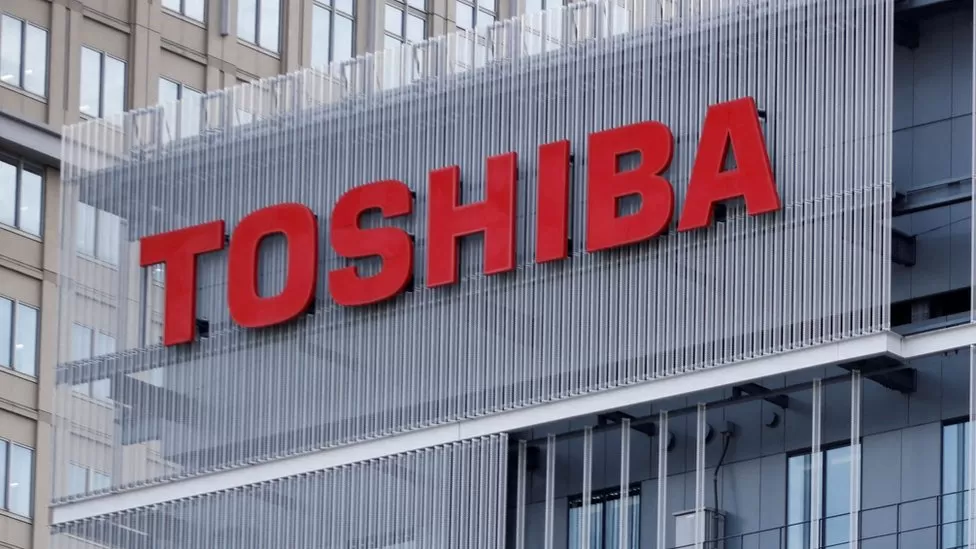
    Toshiba, a big and old company from Japan, will stop being on the stock market after 74 years because a group of investors has bought most of the company’s shares.

    The company says that a group led by a private investment company called Japan Industrial Partners has bought 78. 65% of its shares.

    By owning more than two-thirds of the firm, the group has the ability to finalize a $14 billion deal to make it a private company.

    The company’s history goes back to 1875 when it first started making devices for telegraphs.

    According to the agreement, the company’s shares may be removed from the stock market by the end of this year.

    The company’s president and CEO, Taro Shimada, said that the company is making a big move towards a new future with a new owner, Toshiba.

    Toshiba’s stocks began being bought and sold in May 1949 when the Tokyo Stock Exchange opened after World War Two ended.

    The company has different parts that make things for homes and even nuclear power plants. It became a symbol of Japan’s economic improvement and its technology industry for many years after World War 2.

    In 1985, Toshiba introduced the first laptop computer that was available to the general public.

    For many years after World War Two, Toshiba represented Japan’s economic comeback and its advanced technology industry.

    But the company in Tokyo has had many big problems in the past few years.

    “Toshiba’s disaster happened because the people in charge of the company did not do a good job of making important decisions,” said Gerhard Fasol, who runs a company that gives advice to businesses called Eurotechnology Japan, when talking to the BBC.

    In 2015, the company admitted to saying its profits were higher than they actually were by over $1 billion for six years. They were fined 7. 37 billion yen (equivalent to $47 million or £38 million), which was the largest fine ever given in that country at that time.

    Two years later, it was discovered that its US nuclear power business, Westinghouse, had experienced significant financial losses. This led to a 700 billion yen reduction in the company’s value.

    To prevent going broke, the company decided to sell its memory chip business in 2018. This business was highly valued and important for the company.

    Since then, Toshiba has been offered to be taken over by different companies, including one from a UK private equity group called CVC Capital Partners in the year 2021. However, Toshiba did not accept this offer.

    In that same year, it was discovered that the company had worked together with the Japanese government to harm the profits of investors from other countries.

    Mr Fasol explained that many Japanese people, including the government, consider Toshiba to be very important and valuable. However, he also mentioned that this view of Toshiba is causing some issues.

    The company then said it would split into three different businesses. The plan was changed within a few months. The company’s board decided to divide the company into two parts instead.

    The company’s board said they were thinking about accepting JIP’s offer to make the company private, before they started the breakup plan.

    “The company must make significant changes to itself after separating some of its main business divisions, particularly its semiconductor group,” explained Marc Einstein, the main analyst at ITR Corporation, a research and consulting firm located in Tokyo.

    Toshiba was also a well-known company that joined the trend of Japanese firms becoming privately owned in order to avoid being responsible to shareholders.

  • Tomato price decreased by 50% within months – Agric minister

    Tomato price decreased by 50% within months – Agric minister

    The Minister of Food and Agriculture, Bryan Acheampong, has stated that there has been a decline in the prices of food products in the market in recent months.

    During an interview with Francis Abban on State of Affairs, the Member of Parliament for Abetifi noted that the price of tomatoes, in particular, has decreased by 50% over the past six months.

    “Six months ago, a box of tomatoes was 100ghc and now it is 50ghc at the market today. It has dropped by 50%.

    “Today there is an abundance of foods on the market. The price of everything is going down,” he said.

    Dr. Bryan Acheampong, while expressing his concern about the high food inflation in the country, remained hopeful that the second phase of the Planting for Food program would address this challenge.

    “I find the items that we produce in Ghana at 70 [percent inflation] quite high. But it is not because of the farm gate. Maize has been stable at the farm gate for the past 2,3 years. Tomatoes have been stable at the farm gate.

    It is something that we have to deal with and that is what PFJ 2.0 is tailored to deal with. To ensure that the distribution gap from the farm gate to the market shrinks.”

    “When we talk about low prices I am not interested in it if it is going to be a disincentive to the farmer. The farmers are happy with the prices they are selling and I am happy. And under PFJ I want to find a mechanism to guarantee those farm gate prices. But I just want to ensure that the distribution margin is reduced,” he added.

    “I am hoping that when we look at inflation a year from today. It will be in single digits”, Dr. Bryan Acheampong concluded.

    The August 2023 inflation data from the Ghana Statistical Service indicates that while year-on-year tomato prices have risen by approximately 70%, there was an 8.2% decrease in tomato prices between July 2023 and August 2023.

  • Growth in intra-African travel will spur demand for more planes – Boeing

    Growth in intra-African travel will spur demand for more planes – Boeing

    The most recent Boeing Commercial Market Outlook for 2023 anticipates a 7.4% growth in African air traffic, primarily fueled by the rapid expansion of intra-regional and domestic networks.

    Boeing, the American aircraft manufacturer, predicts that this growth trend will result in a significant increase in Africa’s commercial jet fleet over the next two decades, with the number of aircraft doubling to reach 1,550.

    Randy Heisey, Managing Director of Commercial Marketing for Middle East and Africa at Boeing noted that: “African carriers are well-positioned to support intra-regional traffic growth and capture market share by offering services that efficiently connect passengers and enable commerce within the continent.”

    “We forecast an increase in the average aircraft size and seats per aircraft for the African fleet, as single aisles, like the Boeing 737 MAX, will be the most in demand for the continent,” he added.

    In 2023, African aviation traffic has made a robust recovery, primarily propelled by pent-up demand and an upswing in economic activity driven by elevated global commodity prices. Currently, African airline flights have surpassed pre-pandemic levels by 8%. Boeing forecasts that Africa’s above-global-average, long-term annual economic growth of 3.4%, along with the increasing rates of urbanization and the expanding middle-class population, will continue to fuel sustained demand for air traffic in Africa.

    Furthermore, economic and growth initiatives like the African Continental Free Trade Area and the Single African Air Transport Market are poised to further enhance trade and intra-regional connectivity in the continent.

  • Sudan: Fighting worsens as airstrikes kill more than 40 people in Khartoum’s market

    Sudan: Fighting worsens as airstrikes kill more than 40 people in Khartoum’s market

    On Sunday, September 10, air strikes targeted an open market located south of Sudan’s capital, Khartoum, resulting in the tragic loss of at least 46 lives, according to reports from activists and a medical organization.

    The attack, which took place in Khartoum’s May neighborhood, a region heavily occupied by paramilitary forces engaged in conflict with the military, left over 50 individuals wounded, as stated by the Sudan Doctors’ Union in an official statement.

    The injured and the deceased were transported to the nearest hospital in Bachaïr.

    This facility remains one of the few operational hospitals in Khartoum, where approximately 5 million residents find themselves confined to their homes with sporadic access to electricity and running water.

    The Rapid Support Forces (RSF) attributed Sunday’s attack to the military’s air force, while the military denied intentionally targeting civilians, dismissing the RSF’s accusations as “false and misleading claims.”

    Sudan has been marred by violence since mid-April, when tensions between the country’s military leader, General Abdel Fattah Burhan, and the paramilitary general, General Mohamed Hamdan Dagalo, escalated into open conflict. This conflict has since extended to various parts of the nation.

    In the Greater Khartoum area, RSF troops have commandeered civilian residences for use as operational bases, prompting military airstrikes on these residential areas, as reported by rights groups and activists.

    The number of internally displaced individuals has nearly doubled since mid-April, reaching an alarming figure of at least 7.1 million people, according to the United Nations refugee agency.

  • Govt charged to address challenges faced by Ghanaian youth

    Govt charged to address challenges faced by Ghanaian youth

    Since the year 2000, Ghana’s population has consistently been projected as youthful, thereby establishing a substantial market potential for the future.

    Throughout this period, the country’s youth have been confronted with the responsibility of preparing themselves for job creation and acquiring entrepreneurial skills, mainly as a response to the prevailing economic challenges and political instabilities within the nation.

    During an interview with Dr. Sam Ankrah, an Independent Presidential aspirant, he emphasized that the government has, unfortunately, diverted its focus from the development of the youth in the country. He attributed this to what he described as a negligent attitude exhibited by the government and other relevant stakeholders.

    Dr. Ankrah pointed out that while the youth grapple with issues such as unemployment, inflation-related difficulties, and limited access to quality healthcare and education, lawmakers and policymakers seem preoccupied with debates concerning LGBTQ+ matters.

    “While the youth are struggling with unemployment, inflated criminal activity, HIV increases, and the lack of access to quality education, lawmakers have busied themselves with deliberations and debates over LGBTQ+ agenda,” he said.

    According to him, the future of the country solely depends on the discoveries and development of the youth, and therefore the government needs to pay critical attention to that and help push the youth for a better Ghana. He added that the inability of successive governments to maintain a stabilised economy for the country has resulted in an overreliance on foreign aid.

    He further said that the matter of LGBTQ+ has become pertinent in the discussions within the lawmaking and policymaking space due to the deplorable state of our economy and mismanagement of resources, which have left the country in the hands and control of foreign nations.

    He mentioned that the country needs a more focused leader who will prioritise the development of the youth and the preservation of the country’s moral heritage, which he strongly represents. He therefore advised that the government pay critical attention to the youth and their development.

  • We are bolstering Ghanaian institutions in the marketplace – German Ambassador

    We are bolstering Ghanaian institutions in the marketplace – German Ambassador

    The varied initiatives made by the German Embassy to strengthen commercial and economic cooperation between Germany and Ghana have been highlighted by Daniel Krull, the German Ambassador to Ghana.

    In an exclusive interview with Doreen Abanema Abayaa for GhanaWeb Special, Ambassador Krull stressed that even though Germany has given the European Union (EU) responsibility for trade policy, the embassy is still actively working to level the playing field and foster partnership.

    “Germany is an important economic powerhouse in the middle of Europe,” he stated.

    He went on to clarify the division of trade-related responsibilities between Germany and the EU, noting that “everything that is related to economic trade treaties and so on, that is run in Brussels.”

    However, he continued, the German Embassy in Ghana is crucial in maintaining fair competition and assisting German businesses operating in the Ghanaian market.

    Ambassador Krull also highlighted quality control initiatives in the construction sector, aimed at ensuring products meet the specified standards.

    “We are trying to strengthen the Ghanaian institutions in the market,” he added, emphasizing the collaborative approach taken by the embassy to support local institutions in enhancing market dynamics.

    One of the cornerstones of the embassy’s efforts lies in its collaboration with a network of German institutions based in Ghana.

    Ambassador Krull noted the significant role played by the Delegation of German Commerce and Industry in Ghana and the German Chamber.

    “With them, we try to encourage German companies to come to Ghana to participate in trade fairs,” Ambassador Krull explained.

    He emphasized recent participation at trade shows targeted at the mining and construction industries, adding that these occasions give German businesses a chance to present their goods and services in Ghana and look into possible alliances.

    The ambassador emphasized the value of reciprocity and mentioned that the embassy also supports small and growing Ghanaian businesses’ participation in trade shows in Europe, notably in Germany.

    These trade shows give entrepreneurs crucial information about global industry trends that they can use to stay informed and make wise decisions.

    “There are some very, very important trade fairs in Germany. These companies and these entrepreneurs can, within a few days, get a clearer idea of where the international market is going these days. So that is also a very important tool for increasing bilateral trade,” Ambassador Krull stated.

  • Ghana is an open market and a place of opportunity – GIPC

    Ghana is an open market and a place of opportunity – GIPC

    Despite the impact of the global COVID-19 pandemic and the ongoing Russia-Ukraine conflict, Ghana has emerged as Africa’s most appealing investment destination, as stated by the Ghana Investment Promotion Centre (GIPC).

    The GIPC highlights numerous opportunities for both domestic and foreign investors to contribute to the growth of the local economy and reap substantial benefits.

    A tweet from the GIPC, observed by GhanaWeb Business, reiterates Ghana’s readiness for business, underscoring the country’s political stability and abundant natural resources as key factors to attract potential investors.

    Amidst challenging global circumstances, Ghana stands out as an attractive investment hub, offering stability and promising prospects for those looking to invest.

    “From political stability to abundant resources & global access, Ghana offers one of Africa’s most attractive destinations for investment,” part of the tweet read.

    “Indeed, Ghana is a land of opportunity, full of optimism & open for business,” it added.

    According to the World Investment Report 2022, global direct investment stood at 1.6 trillion dollars (about $4,900 per person in the US) in 2021, which was expected to grow in the medium term.

    Africa’s share of the total global inward investment however stood at US$83 billion as compared to US$29 billion in 2020, accounting for 5.2 percent of global direct investment.

    The report added that flows to Ghana that year rose from 39 percent to US$2.6 billion owing to projects in the extractive industries supported by efficient supply chains, adding that there was more room for improvement in the country and the African continent.

  • Pension funds look to equities for safety

    Pension funds look to equities for safety

    Pension funds increased their net position on the equity side of the Ghana Stock Exchange (GSE) as a result of a capital flight to safety partly prompted by the Domestic Debt Exchange Programme (DDEP), which they did by contributing 16 percent to trading activity between January and May 2023.

    This compares favourably to the four percent recorded during the comparable period of 2022 and has contributed to the increase in domestic investor participation – which approached parity with offshore investor participation, rising to 47 percent during the period under consideration. Last year, it was 39 percent.

    Commenting on the development, Head of Research-Databank Group, Alex Boahen, said it did not come as a surprise as pension funds – which held six percent of the domestic Treasury debt prior to the restructuring – “had their fingers burned” as a result of the DDEP, which he noted shattered the illusion of a risk-free nature for debt securities.

    There have been campaigns to raise the level of pension funds’ participation in equities, including reforms to raise the regulatory threshold. This, however, had been greeted with apathy as corporate trustees continued to shy away from listed stocks – citing volatility and illiquidity on the market.

    “In the past, pension funds and other institutional investors were excessively defensive; primarily focusing on the fixed-income market despite the law permitting a significant allocation to equities. However, they rarely utilised this option as bonds were providing returns of approximately 25 percent. The trustees ensured a conservative approach by fund managers, deeming additional risk unnecessary. Nevertheless, introduction of the DDEP changed this perspective as it revealed the possibility of government default,” he said.

    “When the DDEP was announced, a scarcity of investment opportunities became apparent with the bond market becoming unattractive and Treasury bills being oversubscribed,” he added.

    This comes as the total assets under management (AUM) of the nation’s three-tier pension scheme reached GH¢39.6billion by the end of December 2021, marking a significant increase from the GH¢33.5billion recorded in 2020.

    This represents a growth of GH¢6.1billion and an 18 percent expansion compared to the previous year. Of this, pension funds can invest a maximum 75 percent of their assets in government debt instruments and 10 percent in the ordinary shares of listed companies.

    Drivers

    Stocks with defensive qualities – those that tend to provide stable earnings and consistent returns, even during an economic downturn. Chief among them has been oil marketing company (OMC) stocks, especially Total as well as MTN and Benson Oil.

    Databank’s Head of Research explained that as these stocks offering dividend yield above 6 percent, coupled with the likelihood of capital gain – the difference between the price the stock was bought for and what it was sold for – ensure that they offer a compelling argument against the new bonds, which have an average yield of nine percent.

    These stocks were better able to withstand rising costs compared to their peers, and OMCs in particular enjoy a fair degree of pricing freedom – with regular reviews reflecting the cost changes. At close of the second trading week in June, Total had a share price of GH¢6.45 – a 61.3 percent appreciation over the GH¢4 with which it began the year.

    MTN – which Mr. Boahen said had transformed into a utility company, as its call, data and mobile money services were akin to water and electricity – had seen a 33 percent year-to-date rise in its share as it traded for GH¢1.19.

    While Benso Oil did not fit the bill directly, as its primary product – crude palm oil – experienced elevated prices and a significant portion of its revenue came from exports in US dollars. The palm oil producer had seen its share price jump by 84.4 percent since turn of the year, to hit GH¢14.11 at end of the second week in June.

    Mr. Boahen emphasised that investing in such companies acts as a hedge against inflation and currency instability, as they are less likely to erode in value.

    He further mentioned that banking stocks did not perform as well due to uncertainties surrounding their capitalisation positions and outcomes of the International Monetary Fund (IMF) deal. Additionally, banks are unable to pay dividends during this interim period.

    Regarding the underperformance of banking stocks, he stated: “That’s why the banking stocks have not done as well, and we expect thin trading there until there is clarity on their capitalisation positions and how well the IMF deal plays out. Banks also cannot payout dividends in the interim”.

    The GSE Financial Stocks Index (GSE-FSI) had experienced some marginal gain by the middle of June, reaching 1,684.87 points. This translates to a one-week gain of 0.58 percent, a four-week loss of 0.19 percent and a year-to-date loss of 17.91 percent. The Accra bourse’s Composite Index (GSE-CI) had recorded an 8.14 year-to-date gain with its market capitalisation at GH¢ 67.29billion.

  • Expected decline in inflation fuels upbeat economic expectations

    As the Ghana Statistical Service (GSS) prepares to issue the Consumer Price Index (CPI) numbers for May 2023 today, the market expects a further decline in headline inflation into the upper 30s.

    This expected decline comes on the back of recent positive indicators – such as a favourable base effect, a decrease in global crude oil prices and the cedi’s relative stability against major currencies, including the US dollar. The potential lower CPI rate for May 2023 is expected to provide valuable insights for bond pricing.

    Prior to this anticipated data release, consumer inflation dropped in April 2023 – easing to 41.2 percent compared to 45 percent in March and supporting the notion of a promising downward trend in prices of goods and services. The data released by GSS demonstrates a gradual slowdown in the rate of price increases. In March 2023, inflation dropped significantly from 52.8 percent in February to 45 percent. Additionally, between March and April 2023 the rate of price increase slowed from 7.8 percentage points to 3.8 percentage points.

    May 2023 saw the country’s private sector experience a fourth consecutive month of expansion, with the S&P Global Ghana PMI standing at a near 1-1/2-year high of 51.3 – unchanged from the previous month. New orders grew at the fastest pace since September 2021, driven by improved demand amid the sustained slowdown in inflation. As a result companies expanded their purchasing activity and employment, effectively preventing backlogs of work. The availability of raw materials also improved, leading to a series-record improvement in suppliers’ delivery times. Input costs and selling prices both slowed significantly.

    The outlook for business activity over the next 12 months improved to its highest level since January, with hopes of stable prices, exchange rates and support from the IMF.

    The Monetary Policy Committee (MPC) of the Bank of Ghana (BoG) decided to maintain the Monetary Policy Rate (MPR) at 29.5 percent. The MPC cited a rapid easing of underlying inflationary pressures and decreasing inflation expectations as the basis for this decision. The International Monetary Fund (IMF) has urged the central bank to keep a tight monetary policy until inflation is on a clear downward trajectory, and to eliminate monetary financing of the fiscal budget. In line with this recommendation, the MPC tightened financing conditions in its March 2023 meeting by raising the policy rate to a record high of 29.5 percent and increasing the Cash Reserve Ratio (CRR) to 14 percent.

    In a positive development for Ghana’s credit rating, Moody’s Investors Service upgraded the country’s local currency long-term issuer rating from Ca to Caa3, maintaining a stable outlook. This upgrade is a result of government’s successful primary local currency debt restructuring, reducing the expected losses on local currency debt in the future. The debt exchange has provided Ghana with fiscal relief and diminished the need for further debt restructuring in the near- to medium-term. However, the Caa3 rating still reflects the existing risk of potential default until Ghana addresses its remaining local currency debt and restructures its foreign currency debt.

    The market believes that the combination of declining inflation, positive economic indicators and government’s debt restructuring efforts has created a balanced outlook for Ghana’s economy. However, risks still exist; such as the potential for further negotiations regarding the restructuring of foreign currency debt and limitations on accessing local currency funding.

    Nevertheless, the expectation of a smooth foreign currency debt restructuring process – along with fiscal and external adjustment supported by the IMF – contributes to the overall positive sentiment surrounding Ghana’s economic prospects.

  • Adidas to donate proceeds from Yeezy shoes to be sold

    Adidas to donate proceeds from Yeezy shoes to be sold

    Adidas has announced that it will sell some of the sneakers and other products it produced with rapper Kanye West alongside donate a portion of its earnings to charity.

    The German sportswear giant cut ties with the celebrity, now known as Ye, last year after he made anti-Semitic comments.

    The decision has cost the firm millions in sales and has it facing its first annual loss in more than three decades.

    Shoes from the collaboration remain wildly popular in the resale market.

    Chief executive Bjoern Gulden said the company was still working out how the sales would happen.

    “What we are trying to do now over time is to sell some of this merchandise… burning the goods would not be a solution,” he said at the company’s annual shareholder meeting.

    Adidas has about 1.2bn euros (£1bn; $1.3bn) worth of Yeezy shoes sitting in storage.

    Mr Gulden said the firm had decided to sell some of the merchandise, instead of donating it, because it did not want to see the products reach the market indirectly.

    Last week, Adidas said that if it decided not to “repurpose” its remaining unsold Yeezy stock, it would hurt its operating profit by €500m this year.

    A sale could help reduce some of those losses. Ye will also be entitled to some of the money, under the terms of the partnership.

    Shares in Adidas were up 2% following the meeting.

    The company is being sued by investors who claim Adidas knew about Kanye West’s problematic behaviour years before it ended their partnership.

    Investors allege Adidas failed to limit financial losses and take precautionary measures to minimise their exposure.

    Mr Gulden defended Adidas’ years-long collaboration with the designer and musician, saying that “as difficult as he was, he is perhaps the most creative mind in our industry”.

    The company said it had concluded an internal investigation into reports that the artist had created a “toxic” environment.

    It said the review had not substantiated all allegations of misconduct but that “erratic” behaviour had created challenges. It said that the firm was putting in place changes to prevent such problems from happening in the future.

    Related article Adidas ends massive deal with Kanye West after antisemitism controversy.

  • Energy Ministry to supply over 2,000 electricity meters to traders at Kejetia Market

    Energy Ministry to supply over 2,000 electricity meters to traders at Kejetia Market

    The Energy Ministry, has disclosed its intentions to supply over 2,000 electricity meters to traders at Kejetia Market.

    According to the Energy Minister, Dr. Matthew Opoku Prempeh (Napo) the days of having just one meter for the entire market are over.

    The Minister wondered why traders could not enjoy separate meters to reduce the costs of paying high electricity bills at the facility.

    Dr. Opoku Prempeh gave the assurance while addressing traders when he visited the facility to commensurate with traders that have lost their wares and shops in last Thursday’s fire which was started by someone cooking at the place.

    “As the Minister of Energy, I have just heard the facility had only one meter. We will bring many meters, we have brought 2,000 meters, and we will continue to bring meters till all shops have their own individual meters.

    “Please, I must be frank with you too, all those that have put unapproved structures in the market will be removed from here, we will not sit unconcerned after fixing this place for such things to reoccur, that we will not accept, we are begging all.

    “With these obstacles in the market, how will any fire tender come into the market, or will any emergency situation be dealt with,” he questioned.

  • Kejetia: Petty traders criticize GNFS for the harm caused by fire on Wednesday

    Kejetia: Petty traders criticize GNFS for the harm caused by fire on Wednesday

    The deficiencies of the Ghana Fire Service, according to Nana Akwasi Prempeh, chairman of the Petty Traders Association, are to blame for the massive damage brought on by the fire that broke out at the Kejetia market on Wednesday.

    On March 15, a fire devastated portions of the first and second floors of the market, severely damaging several shops.

    Speaking on Eyewitness News on Citi FM, the petty traders’ chairman said the Fire Service cannot absolve itself from the unfortunate damage that was caused by the fire because that would not have happened if the necessary firefighting equipment were put in place at the market.

    “If the fire fighting system in the market had been activated earlier, we think the extent of damage that was caused in the market would have reduced drastically because there were instances where we realized that there was no flow of water in the nearby water hydrant. They had locked the water and there was no alarm warning to indicate that there was going to be some fire.”

    He added that “there was no alarm system to forewarn the traders, there were no smoke detectors and there were no fire detectors to alert the market traders of the looming damage.”

    On his part, the Ashanti Regional Fire Commander, ACFO1 Henry Giwah, explained that management of the market had some lapses in its readiness to fight fire outbreaks.

    “We identified some lapses, we informed management of the market, and they promised to fix it for which reason we have not even renewed their certificate. We were going to make sure those things are rectified first before the outbreak happened.”

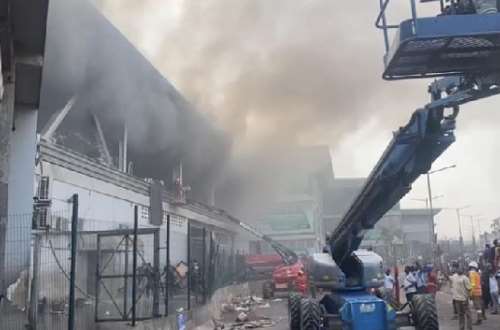
  • Explosion rocks popular market in Onisha, several people fear dead


    Onitsha, Anambra State’s popular Ogbo-Ogwu Market has experienced a suspected chemical explosion near the overhead bridge.

    It was reported that the explosion occurred on Tuesday afternoon.

    Emergency services are currently at the scene.

    The explosion which happened on Tuesday afternoon engulfed shops and properties in the market. Four people have been reported dead as at the time of filing this report.

    When contacted, the Managing Director of the Anambra State, Engr. Martin Agbili confirmed the fire incident adding that it affected a section of the Ọgbọ Ọgwụ market.

    While noting that the cause of the fire is yet to be verified, the Anambra fire chief disclosed that his men and other emergency services are currently at the scene.

    Further checks revealed that the explosion led to the collapse of some shops with several people trapped in the resulting rubble.

  • Traders in Kumasi shut down shops in protest of ‘killer taxes’ on businesses

    Traders within the Central Business District in the Kumasi Metropolis in the Ashanti Region have closed down their shops to protest what they say are exorbitant taxes imposed on businesses by the government.

    Most of the locked-up shops had red bands tied on them as traders say the protest will last for three days.

    The traders are also kicking against a decision by the Ghana Revenue Authority to station their officers at each shop to record Value Added Tax (VAT) on products they sell.

    The affected shops are for traders who deal in groceries and are situated at Pampaso and PZ in the Central Business District.

    Some of the shop owners who spoke to Citi News want the government to reduce the taxes on businesses.

  • Two things that could make a difference in Ghana’s economic situation before end of 2022

    Ghana’s economic situation is expected to see marginal improvements in the coming days as the country continues to discuss financial assistance with the International Monetary Fund (IMF).

    An economist, Dr. Patrick Asuming, has stated that before the end of the year, there are two things that can make a difference in the trajectory of macroeconomic indicators.

    The Economist indicated that being able to secure funding from the IMF before the year ends could make a difference in Ghana’s situation because this will improve investor confidence in the economy.

    Also, he added that the commitment that will be proven by the government in the 2023 budget will also go a long way to show that it is making efforts to ensure that the economy rebounds.

    “There are two news items that we are expecting before the end of the year which could make a difference. One is if the IMF deal goes through and the other is what the finance minister will say during the reading of the 2023 budget. If there is the indication from the budget that the government is showing commitment by way of fiscal policy measures, we might see some improvement.

    “If also there is the indication that the IMF deal has been agreed and we will make progress quickly, that might change investor sentiments and thereby improve what will happen after that,” he is quoted by citibusinessnews.com.

    As of August 2022, the country’s inflation has stood at 33.9%.

    The Ghana cedi has also depreciated by almost 40% against other major trading currencies, ranking as the second worst-performing currency in the world.

  • US jobs growth slows as policymakers fight inflation

    Jobs growth in the US has slowed for a second month, in a sign that the labour market in the world’s largest economy may be starting to cool.

    US employers added 263,000 new jobs in September, the fewest since April 2021.

    Despite the lower figure, analysts said the US central bank will need to do more to slow the economy if it wants to rein in rapidly rising prices.

    The dollar strengthened following the report, as investors expect interest rates to continue to rise.

    This strengthening pushed the pound down to $1.11, having been above $1.12 before the jobs figures were released.

    The labour market in the US is being closely watched, as the US central bank raises borrowing costs sharply.

    Officials hope the higher interest rates will cool demand for big-ticket items such as homes and cars, and ease the pressures that are pushing up prices at the fastest pace since the 1980s.

    They have warned that the slowdown in activity is likely to lead to some job loss, but say they hope to avoid a sharp economic downturn.

    Analysts said that Friday’s report from the US Labor Department showed the jobs market remains relatively tight, as a backlog of unfilled positions pushes companies to continue to hire despite fears of wider economic slowdown.

    Restaurants, bars and health care firms led the job gains last month, while the unemployment rate fell from 3.7% in August to 3.5%, returning to a 50-year low.

    The average hourly wage in September was also 5% higher than a year earlier.

    While that lags the inflation rate, analysts said the gains still put upward pressure on prices, especially as the pool of workers with jobs or looking for work has remained stubbornly below pre-pandemic levels.

    “Although this month’s jobs report is weaker than the figures recorded last month, the labour market remains relatively strong,” said Richard Flynn, managing director at Charles Schwab UK.

    “The Fed has been increasingly clear that substantial weakness in the economy may be the expense for a return to lower inflation. As rate hikes feed through to the real economy in the months ahead, the labour market may weaken further, reflecting investors’ recessionary concerns.”

    Consumer spending – the main driver of the US economy – has held up in recent months, despite the spike in prices eroding purchasing power.

    But anecdotal reports of job losses are rising, as firms announce job cuts or hiring freezes, especially those in the housing and tech sector. Peloton this week announced its fourth round of job cuts this year, shedding another 500 positions – or roughly 12% of its workforce.

    Some retailers have also scaled back hiring plans. Walmart, for example, has said it is hiring 40,000 workers for the holiday season, after taking on 150,000 last year.

  • Dr Vanessa Aseye Mensah-Kabu unveiled as new icon for ‘Go Girl’ policy

    Dr Vanessa Aseye Mensah-Kabu has been unveiled as the new ambassador for Quality Insurance Company (QIC)’s ‘Go Girl’ Motor Insurance Policy.

    The Ghanaian, who became a doctor at the age of 22, succeeds the former Deputy CEO of Free-Zone Authority, Obuobia Darko-Opoku and Mamavi Owusu Aboagye.

    The ‘Go Girl’ Policy, which evolved from QIC’s flagship policy, ‘Kingly Queenly’ Comprehensive Motor Insurance, is designed specifically for women and offers exclusive benefits such as a courtesy car in the event of an accident and free renewal at the DVLA Prestige Center and Total Petroleum Service Stations.

    With an impressive social media presence, Dr Mensah-Kabu intends to promote the QIC Go Girl policy to reach the female market and also engage women about their health.

    Speaking after her unveiling, Dr Vanessa Mensah-Kabu started that every woman must sign on to the QIC Go Girl policy.

    “The QIC Go Girl policy is tailor-made for every woman who owns a car to enjoy the benefits it comes with. We will be talking about women’s health so whatever your questions are regarding the health needs of women we will discuss them.

    “Social media is a platform that has professional women on board so that platform is to drive and create awareness for our target women to hop on the policy,” she said.

    The Head of Operations of QIC, Cecil Ribeiro, on his part indicated that, the ‘Go Girl’ policy differs from all over insurance due to the importance it places on women to build networks and promote healthy living.

    “We had to find a way of making it more interesting for women to come on board. We want to make this a movement and not just QIC selling a product for women.

    “It is all about creating the platform for women where it is not only about their insurance, we have brought Vanessa on as a doctor to discuss things that concern women, their health and wellness she has the right social media following which we want to leverage on,” he added.

    Mr Ribeiro also disclosed that as part of the benefits client gets to use QICs car for ten days in the instance when their cars are damaged.

  • CSIR-INSTI develops Kuafo Market Place app to improve food security

    Post-harvest losses account for 30 to 40 per cent of food wastage in Ghana, according to the Ministry of Food and Agriculture.

    The weak connection between farmers and buyers has largely been blamed for this situation.

    Fortunately, a mobile and web application seeks to solve that challenge.

    The Kuafo MarketPlace, has been developed by the Institute for Scientific and Technological Information of the Council for Scientific and Industrial Research (CSIR-INSTI).

    Kuafo is an online platform for farmers, agro-input shops and marketers to sell their goods and services.

    There are two versions; an online version and a mobile app which is available on Google Playstore.

    The App developed through the Modernizing Agriculture in Ghana (MAG) programme, it is meant to prevent fraud and establish trackability.

    A user should be a member of a registered Farmer-Based Organization (FBO) or be verified by the platform managers to be able to advertise on the platform.

    The application also has a feature that enables prospective buyers to directly contact the seller of any commodity before any transaction can be agreed upon.

    The main aim of this deliverable was to find out how research work impacts economically.

    CSIR-INSTI is known to be the clearing house for all research works.

    This portal is meant to showcase all CSIR Technologies to the international community.

    Brief background of the Modernizing Agriculture in Ghana (MAG) Project

    Funded by Global Affairs Canada, this project provides direct funding to the Government of Ghana to improve food security. It is also meant to make the agriculture sector more modern, equitable and sustainable.

    The project seeks to implement a comprehensive market-oriented approach to farming and to strengthen and modernize agricultural extension services.

    The Modernizing Agriculture in Ghana (MAG) project is demand driven concerned with the agriculture value-chain.

    The Institute for Scientific and Technological Information of the Council for Scientific and Industrial Research (CSIR-INSTI) was given the responsibility of handling one digitization component of the entire MAG project.

    The Kuafo Market Place is one of the four deliverables which were developed based on output requirements that emerged from various meetings and visits with and to stakeholders, as well as various groups within the agriculture value-chain.

    Source: myjoyonline.com

  • Parliamentary select committee inspects work at Takoradi Market circle

    The Parliamentary Joint Select Committee on Local Government, Science, Environment and Technology, Finance and Works and Housing on Tuesday, paid a working visit to the Takoradi market circle to inspect the progress of the redevelopment of the Takoradi Market.

    The Chairman of the committee, Mr Emmanuel Akwasi Gyamfi, commended the Sekondi-Takoradi Metropolitan Assembly for the efforts in securing a temporary site for traders to be relocated to pave the way for construction works to begin on the new market.

    He commended the management of the project for their resourceful management of waste at the market centres and urged them to continue to improve upon their good work.

    Mr Gyamfi said the provision of a temporary site for traders would make things easier unlike during the construction of the ultra-modern Kejetia market where traders were not properly relocated.

    He said preparations done so far would pave way for a smooth transition from the temporary allocated market site when the construction of the new market is completed within the 30 calendar months duration.

    The Parliamentary select committee chairman appealed to the media to sensitise the market women to comply with the Assembly’s regulations to expedite their movement to the temporary allocated market site.

    He called on the media to educate the traders that their movement was only a temporary situation and that they would be moved back to the market after the completion of work.

    Mr. Kwabena Okyere Darko -Mensah, Regional Minister and Member of Parliament for Takoradi, stated that the relocation site was about 70 percent complete and that numbers were already allocated to each store for easy identification and movement.

    He assured the traders that their various shops would be handed over to them immediately after the new market is completed.

    The MP for Takoradi called on the traders and market women to cooperate with the contractor to ensure quality work.

    The Metropolitan Chief Executive (MCE) for Sekondi-Takoradi Metropolitan Assembly (STMA) Mr. Abdul Mumin-Issah said provisions have been made for all the traders at the market circle area to move to the temporary site.

    He said the streets within the market area would be blocked and used as a trading site for hawkers.

    Mr Issah announced that traders would finally be moved to the temporary market from 19th – 26th April 2021 to pave way for work to begin at the market circle.

    Source: GNA

  • Accra Mayor and National Fire Service contradict NADMO and NPP on causes of market fires

    Government officials appear busy to hang the various fires in the market on the opposition National Democratic Congress (NDC).

    An arrest has been made in the Volta Region, in connection with the Kantamanto market fire outbreak in Accra about a week ago, and pro-New Patriotic Party (NPP) newspapers, including Daily Guide, have in a coordinated manner reported that the alleged arsonist, is a supporter of the opposition NDC.

    NPP activists and Deputy National Youth Authority boss, Akosua Manu, on Metro TV, on Monday, December 21, 2020, painstakingly pushed the arson on the NDC and directly accused the party’s National Chairman, Samuel Ofusu-Ampofo, as the one behind the fires, insisting that the alleged audio recording which has him in a criminal trial, has elements of market burnings, murders and kidnapping among other criminal activities.

    Interestingly, the Mayor of the Accra Metropolitan Assembly (AMA), Mohammed Adjei Sowah and the Public Relations Officer of the Ghana National Fire Service, Ellis Robinson Oko, did not mention arson, but suggested that the fires are due to illegal electricity connection in the markets.

    The AMA boss in particular, said the illegal connections in the markets, are being addressed with an arrangement with the Millennium Development Authority (MIDA) to redevelop the markets, adding procurement procedures are ongoing.

    Both the Accra Mayor and the Ghana National Fire Service, Ellis Robinson Oko, separately spoke from the scene of the fire.

    Indeed, in the Kantamanto market fire, it is emerging that a contract has been awarded to a private company, Gold Coast Contractors to modernize the market.

    It is unclear, whether the company deliberately set out the fire in the densely populated market as a means of clearing the place ahead of the construction, which is likely to meet some resistance from the traders.

    But, ahead of the arrest in Ho, the Deputy Director-General of the National Disaster Management Organization (NADMO), had alleged arson against the NDC, although he did not provide any basis.

    Abu Ramadan, had taken to Facebook, hours before the arrest “Fire under control. You want to be President but yet burning markets and peoples investments lost. NDC a curse to Ghana”.

    The newspapers, including Daily Guide, The Searchlight, the New Crusading, the Finder and others, have in a syndicated publication claimed that the man was arrested in Volta the Regional capital, and the police sources gave his name as Daniel Dah Kormlah, 41.

    According to the newspapers, police sources have disclosed that Daniel was identified through police investigations into the Kantamanto fire incident.

    The reports said that police and other intelligence agencies had begun arresting persons believed to be linked to recent arsons in some markets across the country.

    In November the Odawna Market in Accra, got burnt, followed by Kantamanto market then followed by the Kaneshie market, Ghana News Agency (GNA) reported that some nine shops got burnt.

    The Liberty House branch of the Ghana Commercial Bank (GCB) also got burnt. In Koforidua in the Eastern Region, a fire incident occurred.

    The newspapers claimed that a joint team of Police and Intelligence operatives left Accra on Thursday, December 17, 2020, in pursuit of the suspect.

    The suspect was arrested at his hideout in Ho in the Volta Region on Friday evening December 18, 2020, at about 10 pm. It said that upon further interrogation, it was realized that the suspect was an active member on various political platforms, namely NDC Group Administrators, Renaissance Agenda 2020, among others.

    The report said phone records showed several conversations with other persons aimed at incitement to riot and possible conspiracy to attack other state institutions.

    It claimed that the suspect had admitted to the said conversations and to engaging with like-minded persons to execute some acts with the potential to breach the peace of the nation, sources say. The security agencies are carrying on with their investigations to apprehend more suspects in the coming days, one source stated.

    The NDC’s Lawyer, Edudzi Tamakloe, fired back at Abu Ramadan in another Facebook post, saying “Ordinarily, I won’t give this further publicity but this is the Deputy National Director of NADMO making a serious allegation of arson against a political party without basis”.

    “In any serious country, the Police should be inviting him to give a statement. But nobody will call him because he is the in-law of Dr Bawumia. In 2012, Let My Vote Count did a rally in Taifa with many speakers”.

    One young man who spoke at the event stated clearly that “they (NPP members) should burn the markets and bomb schools to attract international attention.”

    Abu Ramadan was a member of that group. They think others will do what they possibly did in the past. A deputy NADMO boss, do a fire incident report to the Police. This is shameful”.

    Indeed, there are suspicions that the NPP is using the fires to demonize the opposition NDC to defuse the ongoing demonstrations against the irregularities that the party is complaining about with respect to the 2020 election.

    The Police service is yet to officially speak on the matter of the arrest and the extent of its investigations.

    The GNA reports that he Ghana National Fire Service (GNFS) has called on the Electricity Company of Ghana (ECG) to undo illegal connections at market places to avert the increasing incidence of fire outbreaks at such places.

    Ellis Robertson Okoe, Divisional Officer II, Head of Public Relations, GNFS, said such checks were important because investigations into the fire incidents showed that most fires were caused by electrical faults.

    The call followed another fire outbreak at the Kaneshie market on Saturday, after similar incidents were recorded at the Kantanmanto Market in Accra and other markets in the Eastern and Central regions.

    He said the markets had witnessed congestion over the years with new power connections, some of which were done illegally and haphazardly and must be checked.

    “So until these issues are checked, the fires will continue.”

    Mr Okoe said a Fire Service personnel had an electric shock when fighting the Kantamanto Market fire a few days ago, and stressed the need for illegal connections to be checked.

    “This disrupted fire fighting for about 30 minutes because we had to call ECG to cut off the power before we continued.”

    “This made some people to conclude that the Fire Service came to the scene to watch if there was an outbreak before bringing our fire tenders to start fire fighting, which was not the case” he added.

    Mr Okoe advised ECG to as a matter of urgency deploy a task force to check and undo illegal connections at the markets.

    The PRO also called on traders to ensure that they always extinguished naked flames after cooking in the markets.

    The Kaneshie Market fire, which occurred in the late hours of Saturday night, engulfed nine fabric shops, which also served as a tailoring shop and a warehouse.

    Out of the nine shops, six were totally burnt and the remaining, partially salvaged.

    Mr Okoe said the fire was brought under control at midnight and totally extinguished within 30 minutes.

    He said the cause of the fire was not immediately known but suspected electrical faults.

    Source: The Herald

  • BNI picks up Otokunors driver over recent market fires

    The driver of the Deputy General Secretary of the National Democratic Congress (NDC), Peter Boamah Otokunor, has been picked up by the National Intelligence Bureau (NIB), formerly known as Bureau of National Investigations (BNI), 3news.com has gathered.

    The arrest is in connection with recent market fires recorded across the country.

    It is unclear what prompted the action from the NIB officials but many believe the recent spate of market fires may be deliberately masterminded by elements within the opposition party, which has since the December 9 declaration demonstrated against the results of the elections.

    Major markets in Koforidua, Kantamanto, Asankragwa and, lately, Kaneshie, have been torched in one way or the other.

    At Kaneshie, it took the intervention of personnel from the Ghana National Fire Service (GNFS) on Saturday night to stop the fire from spreading to other shops.

    Only nine shops were affected, 3news.com gathered, as the “robust” fire system complemented efforts by the fire officers.

    A couple of days earlier in Kantamanto, traders reeled as the central market was completely razed down.

    A provision has been made, at the instance of the Vice President, Dr Mahamudu Bawumia, to get the traders back in business.

    More to follow. . .

    Source: 3 News

  • Atwima-Agogo cries for market and clinic

    The chiefs and people of Agogo in the Atwima Nwabiagya South Municipality have appealed to the government to help construct a market for the community.

    Mr Latif Awuah Sarpong, Assemblyman for the area, who made the appeal, said the absence of a market place was seriously affecting economic activities in the community.

    Mr Sarpong, who spoke to the Ghana News Agency in an interview, said the community, which was gradually developing into a peri-urban status, needed a modern market to help promote commercial activities to improve the socio-economic lives of the people.

    The community, he said, also needed a hospital to make it easy for residents to obtain quality healthcare.

    He said patients, especially pregnant women, had to travel long distances to attend hospital and appealed to the district assembly to consider establishing a health facility in the area to provide quality healthcare services for the people.

    Mr Sarpong, however, commended the government and the district assembly for providing the community with potable drinking water, a football pitch, waste bins, a police station, and other basic amenities, which were improving the living conditions of the people.

    He pleaded with the contractor working on the Atwima Agogo- Twedie road to expedite action to complete the road to open up the area.

    Source: GNA

  • Government spends over GH¢76 million on markets, lorry parks disinfection

    Government says it spent over GH¢76 million towards the disinfection, fumigation and cleaning-up of markets, lorry parks and public toilet facilities across the country.

    The first phase of the disinfection and clean-up exercises formed part of the government’s response towards preventing the spread of the Coronavirus disease in the country.

    Hajia Alima Mahama, the Minister of Local Government and Rural Development, announced this in Accra when she took her turn of the Meet-the-Press series.

    She said the Ministry set up disinfection teams at the local level, disinfected and fumigated more than 2,000 market centres and 2,000 public toilet facilities.

    The amount went into purchasing of disinfectants, spraying machines, personal protective gears for sprayers, and other useful items secured for the exercise.

    The Minister said the contract for the second phase of disinfection had been signed and would soon begin.

    Giving accounts of financial inflows to the MMDAs for development, the Minister explained that GHc4.5 billion was transferred to the 260 Assemblies for infrastructural development including; education, healthcare, water and sanitation facilities and expressed satisfaction over the utilisation and work done so far with the funds by the MMDAs.

    She noted the Ministry was mandated to promote good governance, equitable and balanced development across the country and was delivering its mandate through the formulation of policies on rural and urban development and designing systems to monitor the implementation of those projects.

    Hajia Mahama assured of government’s unalloyed commitment to implement socio-economic interventions across the country to ameliorate the suffering of the masses, especially the poor and vulnerable.

    The Minister indicated that in the second term of the Akufo-Addo led government, it was poised to engage all stakeholders towards building a consensus and amending the entrenched provisions in the 1992 Constitution for the election of Metropolitan, Municipal and District Chief Executives on a partisan basis.

    That, she said, would enhance transparency and accountability at the local governance set up.

    Source: GNA

  • Parts of Kumasi Central Market gutted by fire

    More than 50 traders have been affected by a fire that swept through some container shops and other structures at the French line section of the Kumasi Central Market.

    The fire, which started at about 10 pm on Friday, July 31, 2020, destroyed properties running into thousands of cedis.

    Machines used for grinding pepper, tomatoes, and other ingredients suffered damage.

    Traders who sell ingredients and other spices had their items burned.

    Affected traders were seen trying to salvage what was left of their belongings from the debris.

    A food vendor who was affected by the fire called for support from Government and other state agencies.

    “We woke up this morning and we had a call that our area is burning so we rushed here. Everything we use in our cooking business has been burned. Everything has gone down. So we are asking if the government can come to our aid or NADMO.”

    “We are pleading with them so they should come to our aid and help us. This is the first time something like this is happening to us and we can only plead with the government and other state agencies to come to our aid and help us,” he said to Citi News.

    The market has seen fire incidents in the past with the most recent being in October 2019 at the same French Line section.

    That instance also saw over 50 shops affected.

    Source: citinewsroom 

  • Over 300 markets closed for second round of fumigation in Ashanti Region

    Over 300 markets in the Ashanti Region have been closed to allow for the second phase of the national disinfection, fumigation and cleaning exercise.

    The exercise is being carried out across the country in markets and other public places.

    In the Ashanti Region, the exercise is taking place in all 43 Metropolitan, Municipal and District Assemblies as well as three other sub metros.

    Speaking to the media at the beginning of the exercise, the Ashanti Regional Minister, Simon Osei Mensah urged all traders and affected persons to comply with the directive to close their shops, as he says the exercise is for the general good of the society.

    He said the assembly is also making sure that value for money is achieved in the disinfection exercise, hence has deployed assembly members to keenly monitor the exercise in their respective communities.

    “Our eyes are open and we will make sure we achieve value for money. All the assembly members have been directed to go to their areas with the unit committee members to make sure that the people [Zoomlion officials] are doing the work they have been brought in to do,” he said.

    On his part, the Kumasi Metropolitan Assembly Chief Executive, Osei Assibey Antwi, noted that the his outfit has put adequate measures in place to ensure the exercise effective to help achieve the desired results.

    “We are appealing to traders in the various markets that whatever inconvenience this exercise will come with, they should forgive us. We have to do this to contain the pandemic and to keep our markets clean and tidy so they should endeavour to shut down their shops at least two hours within which the exercise will be completed.”

    Meanwhile, the Ashanti Regional General Manager of Zoomlion Ghana Limited, Philip Yeboah Asante says they are confident that the exercise will help curtail the spread of COVID-19.

    “But for the first phase of fumigation, the COVID-19 figures would have been higher than we are seeing now. Now that it is known that the virus can even stay in the air for some hours, it is better that we do this exercise frequently and that is why the government says we are going to do this every quarter.”

    The fumigation and disinfection exercise started after the outbreak of the coronavirus pandemic in Ghana. The government through the Ministry of Local Government and Rural Development in collaboration with the various assemblies has been embarking on the exercises at markets and other public places as part of measures to curtail the spread of the virus.


    Source: citinewsroom 

  • Covid-19: Government to commence second phase of national disinfection exercise

    To ensure sanity at public places amid the COVID-19 pandemic, government will commence the second phase of the national disinfection, fumigation and cleaning exercise from Sunday, July 19, to Saturday, August 1, 2020.

    Places to be disinfected include markets, lorry parks, and public toilets in all the 16 regions across the country.

    This was in a statement signed by Hajia Alima Mahama, the Minister of Local Government and Rural Development, and copied to the Ghana News Agency in Accra on Thursday.

    President Nana Addo Dankwa Akufo-Addo, in the wake of the covid-19 outbreak, directed the Ministry of Local Government to coordinate with Metropolitan, Municipal and District Assemblies (MMDAs) to enhance hygiene at markets, lorry parks and other public places to contain the spread of the virus.

    The first phase of the exercise was undertaken along public education and sensitisation of market women on the virus between March and April, 2020.

    The statement, therefore, urged all Regional Coordinating Councils to ensure compliance with the directive by the MMDAs in their respective regions.


    Source: myjoyonline 

  • Market women urged to wear masks and wash hands often

    The New Juaben North Municipal Director of the National Commission for Civic Education, Mr Ebenezer Acheampong has urged market women to take the wearing of face masks and frequent hand washing protocols in the fight against the coronavirus seriously.

    He explained that the two protocols were the easy and less costly, but effective ways to protect themselves, their families and customers against the contraction of the Coronavirus.

    Mr Acheampong was speaking at a public education campaign against the spread of the coronavirus at the Jumapo market, near Koforidua in the Eastern Region.

    He explained that as people handling food items in the market, any contamination of their hands by the virus could infect a lot of people.

    Mr Acheampong reminded the women that refusal to wear the face masks was against the law and they could be fined huge sums of money or serve a jail sentence.

    He advised the market women to organize themselves and ensure that people who visited them washed their hands with soap under running water to ensure their safety and those who come to the market.

    He advised the women to support people who contracted the virus and were cured to integrate into their communities and avoid any discriminations against them and their families.


    Source: GNA

  • Assembly closes two main markets in the district

    The Shama District Assembly has temporarily closed down two main markets in the district following the rise in COVID-19 cases in the Western Region.

    The markets are Beposo and Abuesi which would be reopen after a week.

    The Region, has been declared as the new hotspot in new cases for the COVID-19 pandemic with a record of 304 cases.

    Mr. Joseph Amoah, the District Chief Executive for the Assembly, said the decision was necessitated by the closure of markets in the Sekondi -Takoradi Metropolis and Ahanta West Municipality.

    The observation of social distancing protocols and other healthy measures in the markets have not been strictly followed over the period.

    The authorities have also indicated that many of the contact tracing in the cases in the Western Region has close links to market centres.

    Mr. Amoah said the closure would pave way for a shift system to be implemented when the market is eventually opened.

    Source: GNA

  • Market Queens in Takoradi welcome shift system

    Market Queens at the Takoradi Market Circle in the Sekondi-Takoradi Metropolitan Assembly (STMA) have welcomed the decision of the Assembly to introduce a shift system using coloured cards for traders as a means to stem the spread of the COVID-19 pandemic in the Metropolis.

    The market queens in the various markets were engaged by the Assembly, before arriving at the decision to introduce the shift system using coloured cards when the markets reopened.

    Mr. Anthony K.K. Sam, Metropolitan Chief Executive of STMA, explained that the Sekondi-Takoradi Metro and the Effia-Kwesimintsim Municipal Assemblies held a joint Security Council meeting to review measures put in place to control the spread of COVID-19 in the Metropolitan area.

    At the meeting, it was agreed that the Sekondi, Takoradi, Jubilee Park, Kojokrom and Effia Markets be close down to public from Thursday, May 28, to Wednesday, June 3, 2020.

    He explained that while the markets remained closed, the various Assemblies would undertake fumigation and disinfection exercises.

    The MCE noted that the recent increase in the number of COVID-19 cases in the Metropolis was due to a decision taken to get all staff of the Assembly, front line workers, health institutions and security agencies to a compulsory test for the COVID-19.

    He indicated that initially some market women agreed to go to the Jubilee Park but later disregarded the move and went back to the Market Circle to sell whereas some members at the fishing harbour flouted the protocols.

    Mr Sam disclosed that his outfit was looking for more centers to be used for quarantine, more security personnel, funds to support front line workers with PPEs as well as educate people on the need to implement more robust plans to stem the spread of the pandemic in the Metropolis.

    The meeting agreed that the Takoradi Market would run three shifts thus, red, yellow and green coloured cards would be used, while the Sekondi, Kojokrom and Effia Markets would run two shifts using red and yellow cards.

    Madam Rose Nyameye, a Market Queen who spoke to the Ghana News Agency in an interview, hinted that traders were doing their best to observe the protocols, but that there were some recalcitrant ones who relegated the protocols to the background, hence the need to close down the markets.

    “I believe when this is done, the traders will learn their lessons and comply with the directives when the market is reopened. Our numbers keep rising and the authorities need to do something about it,” she opined.

    Meanwhile, market women at the Effia Market in the Effia-Kwesimintim Municipal Assembly (EKMA) have pleaded with the city authorities to exempt them from the closure.

    They have also pleaded with the city authorities to consider extending the closing date to enable them clear their stocks, which were already going bad.

    A market woman, Madam Ayishetu Anas told the Ghana News Agency that the news about the closure came to them two days to the closure. It came as a surprise since they were doing their best to comply with the social distancing protocols.

    Mr Philip Evans Nyarko, Assemblyman for the Effia Electoral Area, said Assembly Members were not consulted about the decision, but that it was necessary that the Effia Market was closed. If not all the people would troop there for trading and shopping when exempted, which may import COVID-19 cases into the Municipality.

    He said the decision to close the markets was not an easy one to take, but looking at the fact that the Metropolis was becoming a hotspot for the pandemic, it was necessary for all strategies to be put in place to fight the menace.

    He was of the view that the closure of the markets would inure to their good, as it would save lives and urged the market women to embrace it and refrain from the market during the period.

    Mr. Nyarko noted that trading has not being banned and encouraged the traders to engage in neighbourhood trading, while observing the social distancing, wearing of nose mask, and the washing of hands especially after handling money to avoid possible infections.

    Source: GNA

  • Coronavirus: Business and trade associations urged to strengthen themselves

    A business development consultant has stressed the need for business and trade associations to build their capacities and strengthen themselves to support their members in this COVID-19 era.

    Mr Nyaaba Aweeba Azongo, says the impact of the outbreak of the coronavirus pandemic on micro, small and medium scale businesses was very huge and it was important for the associations to device practical measures to assist their members to continue to stay in business.

    “The lockdown brought stalemate to the business community, especially the small scale ones who are largely in the informal sector.

    Capital depletion is the obvious consequences coupled with the low purchasing power to stimulate the economy”, Mr Azongo told the Ghana News Agency in an interview in Kumasi.

    He said though the government had announced a stimulus package for SMEs in the country, not all of them had the capacity as individuals, to access that credit facility to support their businesses.

    It was therefore, important for business and trade associations to strengthen themselves and use their numbers as collateral to support their members to access this stimulus package and other loan schemes from the banks.

    “The most practical solutions should be the strengthening of business associations and using the numbers as a collateral buffer for group scheme loans from the banks”, he pointed out.

    Mr Azongo said lack of adequate support to micro, small and medium scale businesses, especially those in the informal sector, had contributed to the increasing unemployment and poverty in many households in the country.

    He said the barbers, hairdressers, petty traders, table-top traders along the roadside, mechanics, shop owners, fitters, and other one-man businesses, who were in the majority in business operations in the country, needed financial support to stay on their feet amid the pandemic.

    The government had announced a one billion Ghana cedis stimulus package to support SMEs, which had been seriously hit by the negative impact of the coronavirus pandemic.

    The aim is to provide a soft and flexible credit facility to these groups of businesses to assist them to rebuild, maintain and expand their businesses to help reduce unemployment while sustaining the country’s economy from collapsing after COVID-19.

    However, Mr Azongo said it was important for business associations to step in to ensure that their benefits benefited from this package and other financial support from the banks.

    Source: GNA

  • Major markets in STMA to be closed down

    The Leadership of the Sekondi Takoradi Metropolitan Assembly (STMA) have resolved to close all major markets within the Metropolis as a preventive measure to halt the spread of the COVID-19 in the Metropolis.

    The closure would begin on Thursday, May 28, and end on Wednesday, June 3, 2020.

    Mr. John Laste, Public Relations Officer of STMA, said the decision had become necessary since many of the market traders were gradually derailing the gains in social distancing.

    The Assembly, created some satellite markets at the Jubilee Park in Takoradi and Ekuasi in Sekondi to avoid overcrowding of both traders and buyers but traders have blatantly flouted the vision for the creation of these satellite markets, thereby, necessitating the one-week closure.

    He said, the assembly was still in consultation to see whether a shift system could also be adopted when the one week ban elapsed.

    The affected Markets would include; Takoradi Market Circle, Jubilee Park, Sekondi Market, Effiakuma No. 9 Market, Essikado Market, and Kojokrom Market.

    All drinking bars within the STMA and Effia Kwesimintsim Municipality would also be closed in the period under consideration.

    Already, the Joint Taskforce of the two assemblies has arrested some recalcitrant bar operators and are preparing them for the appropriate sanctions.

    Mr. James Obeng Jnr., Metropolitan NADMO Boss said the exercise was to ensure that operators did not create an unnecessary crowd and somewhat spread of the deadly virus.

    The Western Region has been described as the current hotspot, overtaking Ashanti Region with cases accumulating to 206.

    Source: GNA

  • Builsa South Assembly shuts down Fumbisi market over murder of a young man

    The Builsa South District Assembly has indefinitely shut down the Fumbisi market to the public. Similarly, all food vendors and drinking bar operators have also been directed to shut down their operations.

    The directive takes effect on Tuesday, May 26, 2020.

    The decision to shut down economic activities in the district follows the gruesome murder of a young man believed to be in his late 20s on Wednesday, May 20, 2020, in the Central Business District.

    The District Security Council (DISEC) headed by the District Chief Executive, Daniel Kwame Gariba, which took the decision at an emergency meeting held on May 21, 2020, say the measure is to mitigate any security threat to the citizenry.

    In a statement dated Monday, May 25, 2020, announcing the closure of the Fumbisi Market, the Assembly assured the general public that the security agencies “are not relenting on their efforts and will soon arrest the perpetrator and his accomplices to face the full rigours of the law”.

    The Assembly, therefore, called on urged the public to remain calm and provide the security agencies with relevant information that will facilitate the arrest of the culprit and his accomplices.

    Source: politicoghana.com