Tag: measles

  • Measles cases surge by 20%, infecting 10.3 million people in 2023 – WHO

    Measles cases surge by 20%, infecting 10.3 million people in 2023 – WHO

    Global measles cases surged by 20% in 2023, infecting an estimated 10.3 million people, according to new data from the World Health Organization (WHO) and the U.S. Centers for Disease Control and Prevention (CDC).

    The rise in cases, attributed to inadequate vaccination coverage, underscores the urgent need to address global immunization gaps.

    Despite the availability of an effective vaccine, more than 22 million children missed their first dose in 2023. Only 83% of children worldwide received the first dose of the measles vaccine last year, while just 74% received the critical second dose. WHO stresses that 95% coverage of two doses is necessary to prevent outbreaks and safeguard communities from this highly contagious disease.

    “The measles vaccine has saved more lives than any other vaccine in the past 50 years,” said WHO Director-General Dr. Tedros Adhanom Ghebreyesus. “To stop this deadly virus and protect the most vulnerable, we must ensure immunization for everyone, no matter where they live.”

    Death Toll

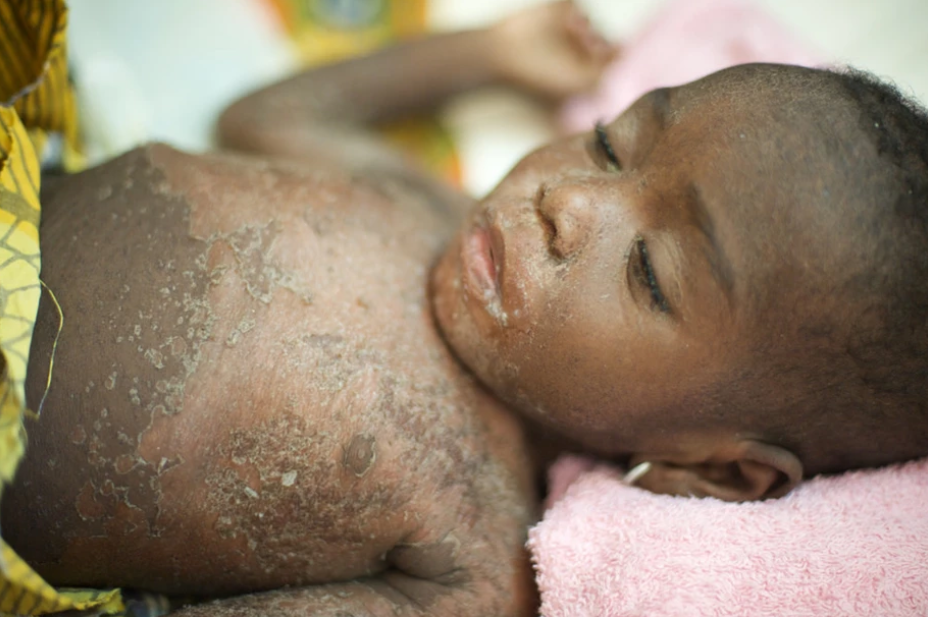
    Measles remains deadly, with an estimated 107,500 people—mostly children under five—dying from the disease in 2023. While this represents an 8% decrease from 2022, the high mortality rate emphasizes the dire consequences of vaccination gaps. Survivors of measles often face severe complications, including blindness, pneumonia, and encephalitis, leading to long-term health issues.

    Ghana’s Immunization Response

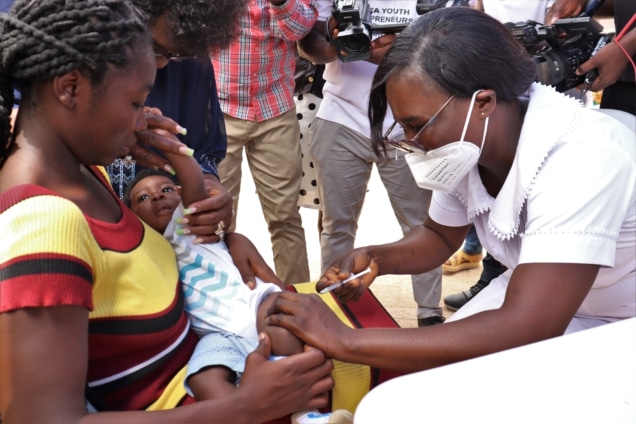
    In Ghana, the fight against measles took center stage last month when the Ghana Health Service launched a nationwide vaccination campaign targeting children aged nine to 59 months. The campaign, held from October 2 to October 6, 2024, aimed to prevent outbreaks following eight confirmed cases in the Volta Region earlier this year.

    Regional and Global Impacts

    Large or disruptive outbreaks were reported in 57 countries in 2023, nearly a 60% increase from 36 countries in 2022. The WHO African, Eastern Mediterranean, and South-East Asia regions were hardest hit, with Africa accounting for nearly half of the significant outbreaks.

    While 82 countries achieved or maintained measles elimination by the end of 2023, progress remains fragile. Recent successes, such as Brazil’s revalidation as a measles-free country, highlight the importance of high vaccination coverage and robust health systems.

    Strengthening Global Efforts

    WHO and CDC emphasize the need for urgent and targeted vaccination campaigns, particularly in fragile and conflict-affected regions. Strengthening disease surveillance and improving routine immunization programs are critical to mitigating outbreaks and accelerating progress toward global measles elimination.

    The alarming increase in measles cases calls for collective global action to protect vulnerable populations and meet the elimination goals outlined in the Immunization Agenda 2030.

  • V/R: 275,465 children to be vaccinated against Measles and Rubella – Dr Djokoto

    V/R: 275,465 children to be vaccinated against Measles and Rubella – Dr Djokoto

    Deputy Director of Health Services in the Volta Region, Dr. Senanu Djokoto, has disclosed that approximately 275,465 children aged 9 months and under 5 years have been targeted for the immunization exercise against Measles and Rubella slated for October 2 to 6, 2024.

    Engaging the media on September 13, Dr. Senanu Djokoto assured the public of the efficacy and safety of the Measles-Rubella (MR) vaccine that will be used. He emphasized that the required quantity of vaccines for the exercise is adequately supplied.

    “We have more than enough vaccines. Vaccines are supplied throughout the year to meet our demands. We are to target 275,465 children (9-59 months), 16% of the total population. But it is not based on unvaccinated children,” Dr. Senanu Djokoto told The Independent Ghana.

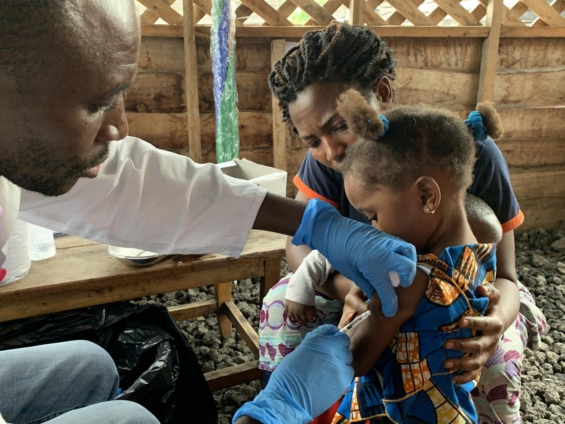
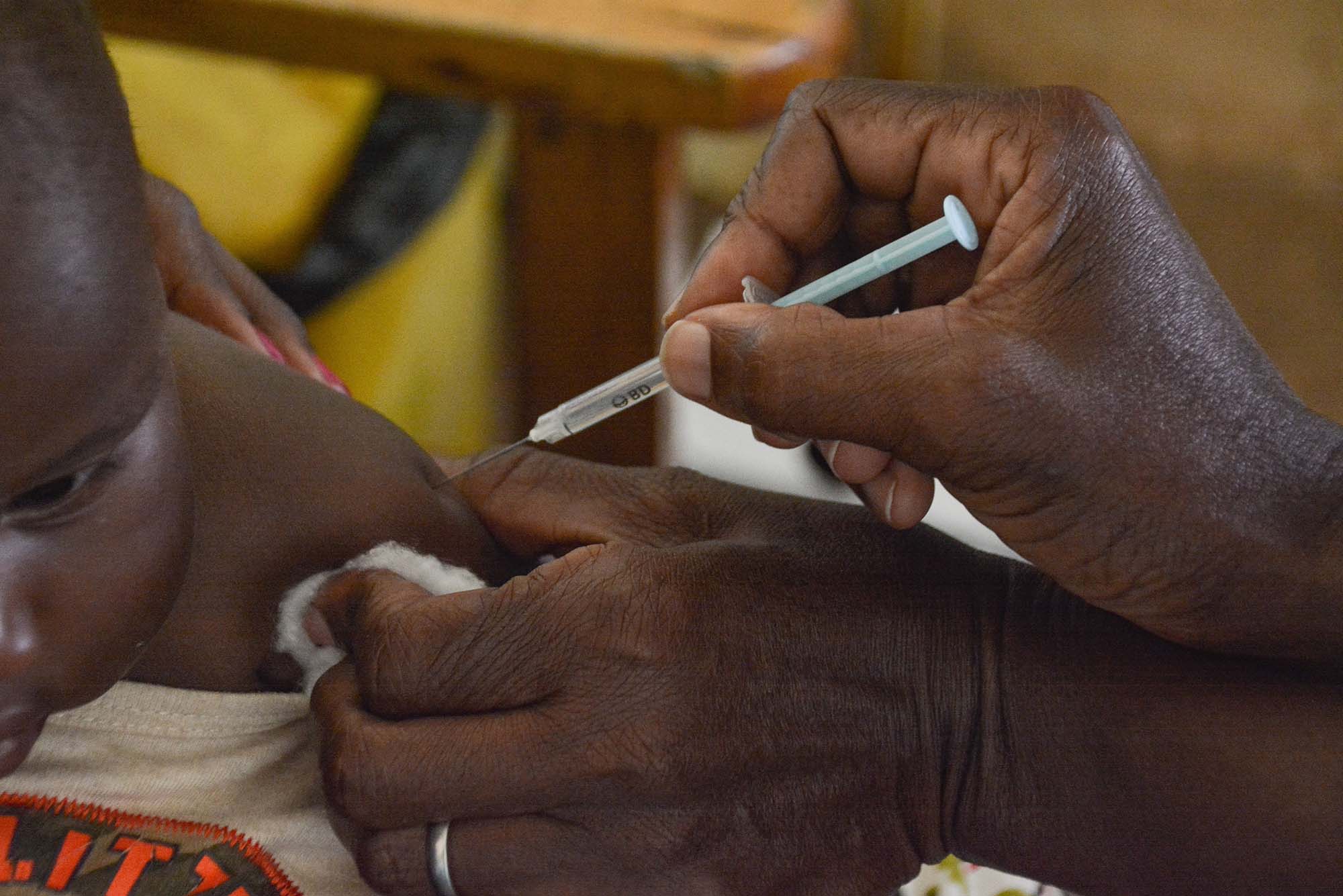
    Immunization will take place in health centers and at a number of temporary immunization posts set up in schools, markets, bus stations, churches and all communities in the country. Eligible children will be provided Vitamin A supplement during the campaign.

    Parents are advised to ensure that their children remain at the place of vaccination for at least 15 minutes after administration of the vaccine.

    Eight confirmed measles cases have been recorded so far this year, the Deputy Director of Health Services indicated.

    Measles and rubella diseases continue to claim the lives of nearly 164,000 people worldwide every year, hence the need for Ghana to expedite its efforts to protect the health safety of its citizens.

    The GHS has advised that anyone who has any previous severe allergies after receiving the MR vaccine, with a weakened immune
    system (AIDS patient or cancer patient) or anyone seriously sick should not participate in the upcoming exercise.

    Some children may react mildly to the MR vaccine. Some of the common reactions include fever, pain at the site of the injection, redness and swelling at the site and rashes.

    Rubella

    Rubella, also called German measles is caused by rubella virus: it is usually a non-life threatening disease but can be a very
    dangerous disease in pregnancy. Rubella infection in early pregnancy may result in miscarriage or the birth of an infant with
    congenital rubella syndrome (CRS). CRS can cause blindness, deafness, mental retardation, heart defects and a range of other
    conditions from diabetes to autism (a disorder that affects the social, emotional, and behavioural development of children).

    An estimated 112,000 babies around the world are born with CRS every year in Ghana. The incubation period of the rubella virus is
    usually 14 days and begins at the moment of infection and lasts until the appearance of a rash. It is spread through direct contact with an infected person or pregnancy (virus can pass through the placenta into the circulatory system of the unborn child causing deformity to the unborn child).

    Measles

    Measles is a dangerous disease, which either disables or kills children. It is caused by a small germ, called the measles virus.

    Measles is transmitted or passed from person to person when droplets containing the measles virus discharged from a patient’s mouth or nose, when he/she coughs or sneezes, are inhaled (breathed in) by another person. The period from infection to onset of symptoms is usually around 10 -14 days.

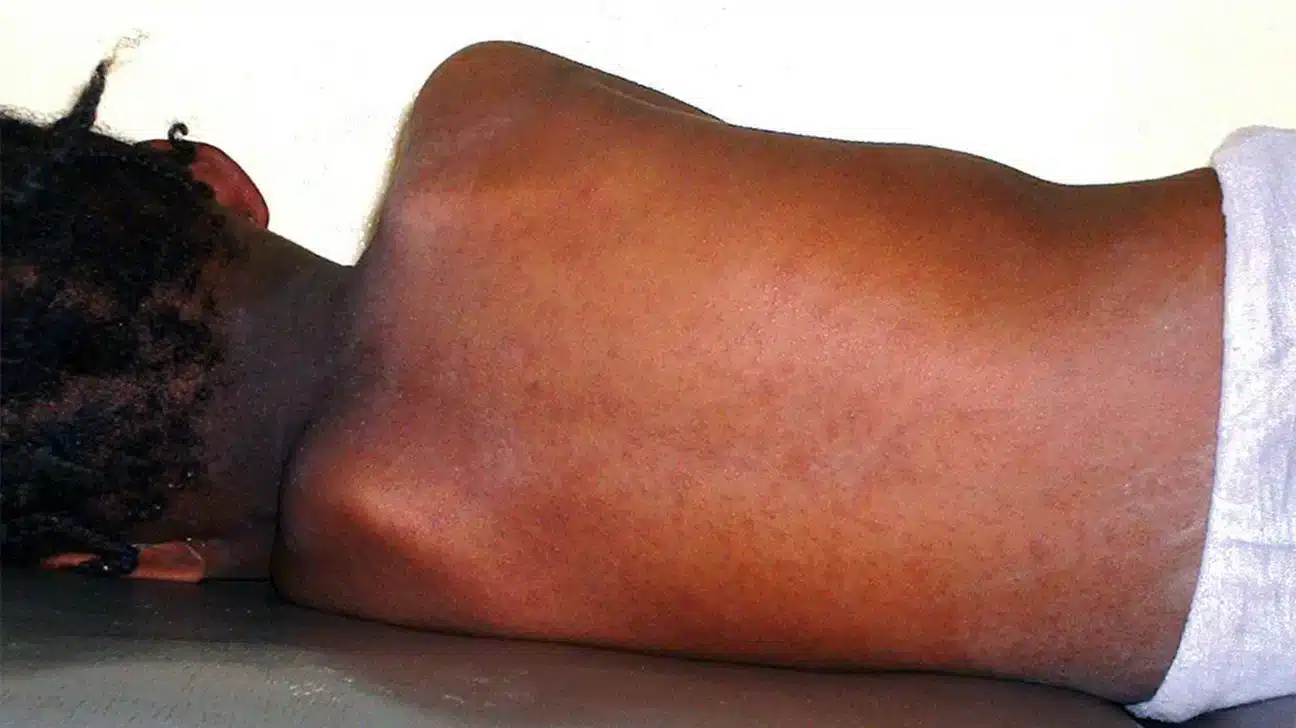
    Symptoms of these two diseases include inflamed/red eyes (conjunctivitis), fever, skin rash, runny nose, cough, hearing problems.

  • MSF reports hundreds of children afflicted by measles in South Sudan

    MSF reports hundreds of children afflicted by measles in South Sudan

    The medical charity, MSF, has sounded the alarm regarding measles outbreaks in South Sudan and Yemen.

    These outbreaks have resulted in fatalities and numerous cases, particularly among children under the age of five in South Sudan’s Western Equatoria state.

    MSF also reported a significant influx of measles patients at its hospital unit in Taiz Houban, Yemen, underscoring challenges related to low vaccination rates and limited access to primary healthcare services.

  • Man in Ireland passes away from measles

    Man in Ireland passes away from measles

    A grown-up who got the measles has passed away in a hospital in Ireland, according to the country’s Health Service Executive (HSE).

    This is the first case of measles confirmed in Ireland this year.

    In 2023, there were four cases of measles, two in 2022, none in 2021, and five in 2020. No one died from measles in any of those years, the HSE said.

    Health experts in Europe and the UK are concerned because vaccination rates are dropping and the number of cases of illness is going up.

    The grown-up person died in a hospital in the Dublin and Midlands health area, which includes the Leinster province. The HPSC in Ireland has been told about something by the HSE.

    The people in charge of public health and the team that handles measles cases said they are doing everything needed to keep people safe.

    Professor Breda Smyth, who is in charge of the health of the country, said she is very worried that there might be a big spread of measles in Ireland. She wants everyone to get the MMR vaccine to protect themselves.

    A video shared on social media on Thursday showed Prof Smyth saying that vaccination levels are now below 90% across the country and less than 80% in certain Irish counties.

    She said that almost everybody needs to get vaccinated to stop the disease from spreading.

    Since 2020, most people in Ireland who got measles had been to countries where there was a lot of measles, according to the HPSC.

    Measles is a very easy-to-spread illness that can make you very sick, no matter how old you are. It spreads when someone coughs or sneezes.

    It usually begins with a bad fever and a rash, which usually goes away in 10 days. But it can also lead to serious problems like pneumonia, meningitis, blindness, and seizures.

    Last year, the World Health Organization (WHO) reported that there were almost 45 times more cases of measles in Europe.

    In 2023, 42,200 people got sick, while only 941 got sick in 2022.

    The MMR vaccine is given twice. The first dose is given when a child is about one year old, and the second dose is given when the child is about three years and four months old.

    The WHO thinks that there are more cases because not as many kids have been getting vaccinated for the disease during the Covid-19 pandemic.

    Vaccination rates for the first MMR shot went down from 96% in 2019 to 93% in 2022 in Europe. The number of people getting the second dose dropped from 92% to 91% during that time.

    That slight decrease in vaccination rates resulted in over 1. 8 million children in Europe not getting the measles vaccine in the last two years.

    Dr Hans Kluge, who works at the WHO, said in December that the only way to keep kids safe from this very serious disease is to get them vaccinated.

    Possible disease cases are increasing in England.

    The UK Health Security Agency is worried about a measles outbreak in the West Midlands.

  • Ghana borrowed childhood vaccines from Nigeria – Ablakwa alleges

    Ghana borrowed childhood vaccines from Nigeria – Ablakwa alleges

    Member of Parliament for North Tongu, Samuel Okudzeto Ablakwa, has alleged that the vaccines for childhood killer diseases procured by the government were borrowed from Nigeria.

    In a Facebook post on Monday, he noted that the consignment came as “a benevolent gesture which the Ghanaian government has promised to replace when it finally puts its house in order.”

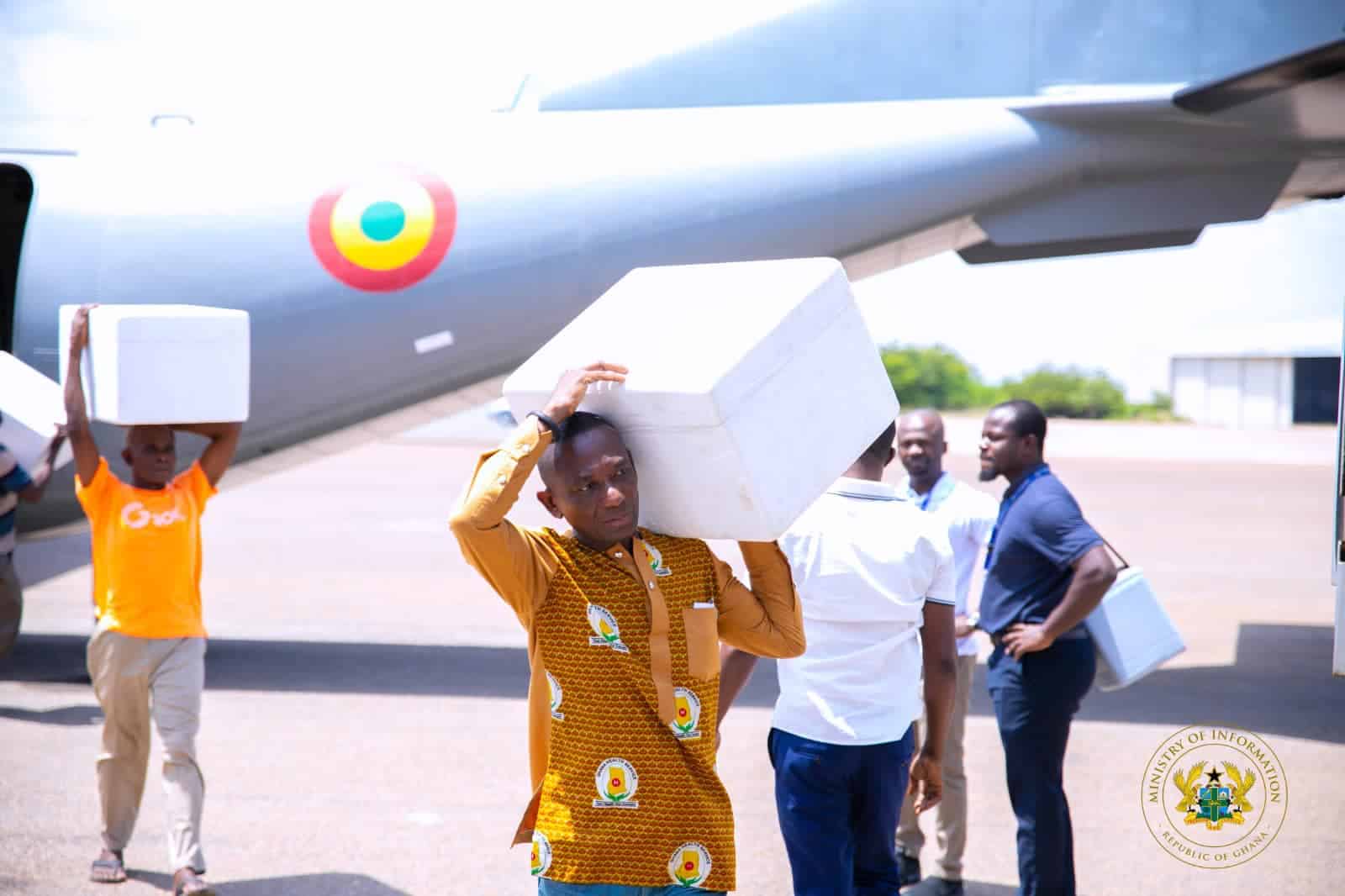
    The Ministry of Health and Ghana Health Service on March 11, 2023, received the first consignment of Measles vaccines, BCG vaccines and Oral Polio Vaccines.

    The source of the vaccines was not disclosed by the Ghana Health Service when it made the announcement over the weekend.

    According to Mr Ablakwa, who believes the government is being secretive, the Akufo-Addo-led government “should not be embarrassed to admit that it reached out to Nigeria and Côte d’Ivoire for urgent bailout on Ghana’s avoidable and indefensible shortage of childhood vaccines.”

    Samuel Okudzeto Ablakwa, MP for North-Tongu

    “There is absolutely nothing wrong saying thank you to a neighbour who exhibits superior public health policies, better prioritization, and who responds positively and swiftly when you come begging.”

    “Ghanaian officials should not be concealing this fact and therefore appearing ungrateful within the comity of nations even though I acknowledge that an honest and transparent narrative from government will further expose false claims by President Akufo-Addo during his Message on the State of the Nation last week that childhood vaccine shortage was a global phenomenon,” he added.

    The North Tongu legislator insists that Ghana’s childhood vaccine crisis could have been prevented if the government had not ignored the World Health Organisation (WHO) stock-out warnings since July last year.

    Since Nigeria was allegedly able to supply Ghana with vaccines, he believes the “global phenomenon” claim by the president is a fabrication.

    “Ghanaians shall not accept fabrications, ineptitude, mediocrity & leadership failure.

    If there was truly a global shortage of childhood vaccines, how did Nigeria (despite their population) have excess supply to bail out Ghana? Why are others not in the same predicament as Ghana?” he quizzed.

    Mr Ablakwa further revealed that the Nigerian vaccines can only last for 6 weeks, hence the need for the government to find a permanent solution.

    Meanwhile, the Ghana Health Service has noted that more vaccines are expected in Ghana in the coming weeks from multiple sources.

    On the other hand, the Ketu South Municipality in the Volta Region has recorded 10 cases of measles.

    Acting Volta Regional Director of Health, Dr Kwasi Senanu Djokoto, made the revelation at a time when the government is working to address the shortage of vaccines.

    Source: The Independent Ghana

  • Ketu South records 10 cases of measles

    Ketu South records 10 cases of measles

    Acting Volta Regional Director of Health, Dr Kwasi Senanu Djokoto, said the Ketu South Municipality has recorded 10 cases of Measles.

    He however disclosed to the Ghana News Agency on Monday, that the arrival of the vaccines was “timely, appropriate and God sent,” towards reducing the effect of an escalation of the outbreak of the disease”.

    Dr Djokoto however said the region’s exercise to immunise the babies would hopefully start on Tuesday, March 14, 2023, as consignments were being distributed to the Municipal and District Health Directorates for onward transportation to the various facilities.

    He appealed to parents especially nursing mothers to avail their babies to the hospitals for vaccination, to make up for the missed opportunities.

    10 cases of measles recorded in Ketu South
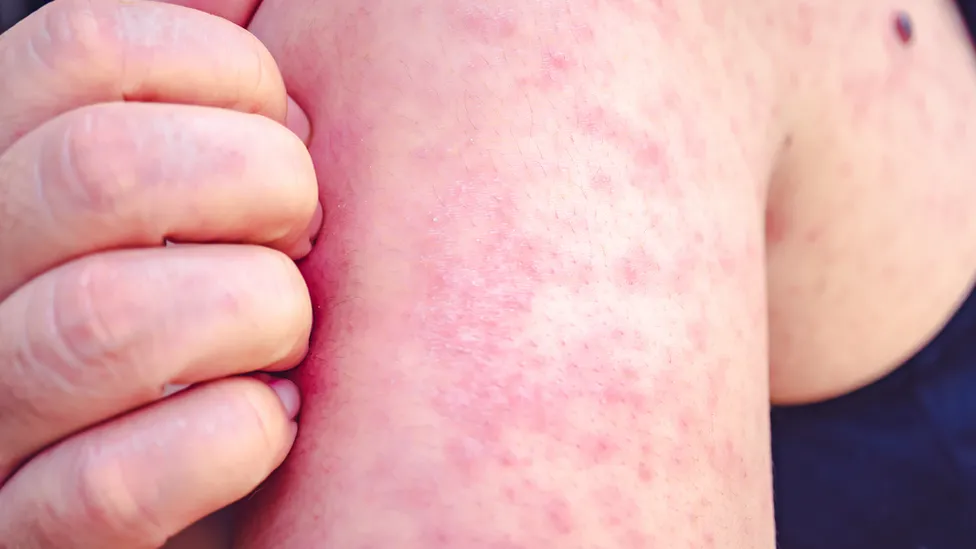
    Measles patients present with fever, rash, and one or more of these symptoms – cough, red eyes and runny nose. Image [Credit: Flickr]

    Dr Djokoto commended the media for bringing the shortage of vaccines onto the front burner, which resulted in expedited action to prevent a national calamity.

    There was a shortage of vaccines for three childhood killer diseases, Measles, Bacillus Calmette-Guérin (BCG) and Polio, which threatened the country’s effort with the Expanded Programme on Immunisation (EPI).

    The Ministry of Health and the Ghana Health Service on Saturday received the first consignment of vaccines for the three childhood illnesses, and an announcement by the Ministry of Information, through a press statement said distribution to various regions and facilities was underway.

    The statement indicated that more vaccines were expected in the coming weeks from multiple sources.

  • 5 suspected Measles related deaths recorded  – Head of Pediatrics

    5 suspected Measles related deaths recorded – Head of Pediatrics

    The Head of Pediatrics and Child Health at the Tamale Teaching Hospital (TTH), Professor Alhassan Abdul Mumin has disclosed that there have been five suspected deaths due to Measles at the health facility.

    Speaking in an interview on Joy FM’s Top Story on Friday, he explained that “the only reason we still call them suspected cases is that we do not have the laboratory results up to now.”

    “We have five cases we admitted with suspected measles. The suspected measles have all the features that you will document for a child or a patient that has measles,” he said.

    He noted that “there are still cases that are pending since November last year that we do not have the results back from the testing laboratory.”

    “So actually, we do have mortality even if they are not confirmed because laboratory results are not available,” he added.   

    His assertion is contrary to Health Minister, Kwaku Agyeman Manu’s claim that no death related to Measles has been recorded.

    “It is important to correct the erroneous impression that there have been deaths from Measles in Ghana recently. For the avoidance of doubt, there have been no deaths from the recently recorded spike in Measles cases. Indeed there have been no deaths since 2003, though we have recorded cases annually,” the Health Minister assured in a press briefing on Tuesday.

    But the Head of Pediatrics and Child Health at the Tamale Teaching Hospital insists that some children have died from the disease.

    According to him, this is not the first time he has seen cases of Measles.

    He said in 2013, there was a mini outbreak of measles at Tamale in his 12 years of service and he helped to manage the situation.

    “I have been in Tamale for the last 12 years … so I know what a case of Measles looks like from the features that they present with and the case definition leaves nothing for ambiguity. So when you see a suspected case of Measles, you are only waiting to get the laboratory confirmation and you can now say that this is a confirmed case of Measles,” he explained.

    He, however, stated that the government might have made that comment due to the absence of the laboratory confirmation results.

  • Vaccines Shortage: Government paid  UNICEF $6.4m for supply of vaccines – Health Minister

    Vaccines Shortage: Government paid UNICEF $6.4m for supply of vaccines – Health Minister

    Minister of Health, Kwaku Agyemang-Manu, has disclosed that funds totaling $6.4 million had been given to UNICEF for the procurement of three essential infant immunizations.

    The Health Minister stated that several crucial shipping and procurement operations are part of the causes for the supply delay when he testified before Parliament on Thursday, March 9, to address concerns about the shortages.

    Taking a question on the amount paid for the vaccines from the Member of Parliament for the Okaikoi North constituency, Theresa Awuni, the Minister disclosed that “we have made payments of about $6.4 million of the Cedi equivalent to UNICEF who supplies us the vaccines.”

    He further disclosed that a large chunk of the funds for the vaccines was disbursed by the National Health Insurance Authority in tranches.

    “I have a template on how these monies were released; the NHIA transferred GH¢25 million in June 2022. We also had another GH¢10.5 million in October, we had GH¢13.1 in November and the last tranche was around GH¢23 million in December. All of these totalled GH¢71.8 million, and we budgeted this amount on the basis of GH¢6 to the dollar, but we are all aware that the Cedi was not trading at that amount, so we had shortfalls in the dollar equivalence and that is what caused the delays.”

    Ghana has been hit with acute childhood vaccine shortages since October 2022 which has left thousands of babies across the country unvaccinated.

    The Minister failed to give a definite timeline for the supply of the vaccines.

  • Increase in measles cases have not resulted in any deaths – Health Minister

    Increase in measles cases have not resulted in any deaths – Health Minister

    The health minister, Kwaku Agyeman-Manu, has stated that there have been no fatalities related to the current increase in cases of the measles.

    Addressing a press conference in Accra on Tuesday, March 7, regarding the vaccine shortage the Dormaa Central Member of Parliament said that the recent shortage in vaccines for measles, as regrettable as it is, is symptomatic of the steady global decline in measles vaccination since the beginning of the covid-19 pandemic.

    “We have made all necessary efforts to ensure that despite these challenges we secure adequate stocks within the next few weeks. It is important to correct the erroneous impression that there have been deaths from Measles in Ghana recently. For the avoidance of doubt, there have been no deaths from the recently recorded spike in Measles cases. Indeed there have no deaths since 2003 though we have recorded cases annually.

    “Finally, despite this challenge, Ghana’s immunization performance coverage remains among the best in the world. In 2021 we recorded 95% coverage.

    “Permit me to quote from a World Health Organization (WHO) recent publication on the subject that puts the challenge we are dealing with into perspective: Ghana’s Ministry of Health has been making efforts to ensure we secure adequate stocks of vaccines despite this global challenge.

    “Working with UNICEF, we are fast-tracking the processes and it is expected that the vaccines would be supplied in the next few weeks All things being equal. The Ministry of Health will ensure that we stay on track with our immunization record and quickly overcome this bottlenecks,” he said.

    On Tuesday, March 7 some nursing mothers recounted how the vaccine shortage was affecting their babies.

    A nursing mother at Adabraka Polyclinic in Accra, Naa Dromo Torto told TV3’s Judith Awortwe-Tandoh on Tuesday, March 7 that her 4-month-old baby has not received the polio vaccine for two consecutive months.

    She said “Some mothers gave birth last month and they have not gotten the vaccines, this month too we are not getting  so I think those babies are at high risk in experiencing some form of disabilities.”

    Asked what assurances have been given to them to get their babies vaccinated, she said “Last month, they actually told me that the vaccine is finished so this month,  Today too we are hearing the same story that there is still a shortage.”

    Another mother Georgina Annum said “My baby is 9 months old. My baby has to take two vaccines, Polio and Yellow Fever but there is a shortage so right now we are waiting for the nurses to provide some for us. For two months now my baby has not been taking the two vaccines.”

    Parts of the country have lately been experiencing a vaccine shortage of vaccines.

  • Vaccine shortage: We run the daily risk of having children pass away – Dr Manteybea Boye

    Vaccine shortage: We run the daily risk of having children pass away – Dr Manteybea Boye

    Since the beginning of the year, health professionals and experts have lamented the nationwide shortage of childhood immunisation vaccines.

    Even though the Ghana Health Service (GHS) has promised to restock the supply of vaccines soon, the situation doesn’t seem to be calming concerns. The necessity of the vaccines and the measles outbreak in some regions of the nation are to blame for this.

    Dr. Hilda Manteybea Boye, president-elect of the Pediatric Society of Ghana, stated that the shortage “runs the risk of having children die” in an interview with JoyNews.

    She has therefore pleaded with the Ghana Health Service to act quickly.

    “It is the action that we are looking for. So whatever it will take for them to get us the vaccines like today, because every day we risk having children die from this shortage,” she said.

    Currently, 16 districts in the Northern Region have recorded cases of measles.

    Head of Pediatrics and Child Health at the Tamale Teaching Hospital, Professor Alhassan Abdul Mumin confirmed the measles outbreak, indicating that there is no district in the Northern Region, that has not recorded an outbreak of measles for most of the children who were born since 2022.

    On his part, a Neurosurgeon and General Secretary of the Islamic Medical Association of Ghana, Dr. Hardy Abdullah says the shortage can affect the development of a child’s nervous system.

    “The long-term effects, especially measles and Rubella could have an impact on the baby’s central nervous system. And so as a country, the fact that we can’t get the vaccine is unfortunate.”

    The health experts and practitioners are therefore intensifying pressure on the government on the need to secure the three essential vaccines for babies.

    Meanwhile, Health Minister, Kwaku Agyeman-Manu has appeared before Parliament to brief the House on the development.

  • Vaccine shortage: Measles outbreak in children as case count hits 500

    Vaccine shortage: Measles outbreak in children as case count hits 500

    The Paediatric Society of Ghana has disclosed that over 500 children have contracted measles due to the shortage of vaccines in the country.

    The delay in the arrival of the vaccines has the potential to worsen the situation, according to Dr. Hilda Boye, the recently elected President of the Paediatric Society of Ghana.

    “As we speak, we are looking at about 500 suspected cases of measles. So we are worried because we are just sitting and watching, and it is getting worse by the day and that is expected also because it is an infectious disease, and we really shouldn’t have come to this place in the first place.

    “We know how bad these illnesses are, and we know that there is a solution and everybody had to sit up so that we don’t get to this point,” Dr Boye said.

    Many regions of the nation have experienced a vaccination scarcity in recent months, despite assertions by the National Health Insurance Authority (NHIA) that more than GH70 million has been made available for the purchase of the vaccines.

    Today, March 7, the Health Minister, Mr. Kwaku Agyemang-Manu, is expected to address the House on the measures taken to alleviate the nation’s lack of pediatric immunizations.

    The Ghana Health Service (GHS) has blamed the depreciation of the Ghana Cedi for the lack of vaccinations required for routine infant immunization.

    There is a chance that the lack of immunizations will make children more susceptible to the illnesses that the shots are meant to prevent.

  • Vaccine shortage: Northern part of Ghana records over 100 measles cases

    Vaccine shortage: Northern part of Ghana records over 100 measles cases

    It is reported that around 100 children in Ghana’s northern region have the measles.

    This is according to Dr. Hilda Mantebea Boye, the Paediatrics Society of Ghana’s incoming president.

    The figures come amid the shortage of baby vaccines nationwide.
    The Ministry of Health has been unable to secure the procurement of these vaccines since the year began, and as a result, Ghana ran out of crucial BCG and OPV vaccines.

    In comparison to the OPV, the main purpose of the BCG vaccination is to protect infants against contracting tuberculosis.

    Other essential vaccines to prevent diseases such as measles, whooping cough, etc. are also in short supply.

    On the back of this, Dr Mantebea Boye while speaking on JoyNews said the cases is likely to increase if an intervention is not carried out immediately.

    “At the last count in the northern region, we have more than a hundred children who we suspect have measles. And it is very worrying to us.

    “This is something ongoing so data is still being collected and because of the shortage of vaccines we expect that many more children could be affected by this. So the infection is likely to rise as the days go by,” she said on Sunday.

  • SEND Ghana expresses concern over potential outbreak of children illnesses

    SEND Ghana expresses concern over potential outbreak of children illnesses

    A policy research and advocacy non-governmental organisation, SEND Ghana, has cautioned the public about a potential breakout of children diseases in the nation, if authorities do not take swift action to solve the current lack of vaccines for children.

    In a statement signed by its Deputy Country Director, Emmanuel Ayifah, the organization stated that the current situation is “hindering the country’s goal of attaining Universal Health Coverage and Sustainable Development Goals more broadly.”

    It has, therefore, called for urgent steps to be taken to ensure that this situation is redressed so as to take away the tag over Ghana as a ‘stubborn child’ among global immunization bodies.

    “For about a month now, health authorities have been paying lip service to resolving the shortage. It is reported that 10 out of the 16 administrative regions in Ghana are currently battling shortages of vaccines and are now turning nursing mothers away. This is hindering the country’s goal of attaining Universal Health Coverage and Sustainable Development Goals more broadly.

    “The government of Ghana over the years have not fulfilled its co-financing obligation with the Global Alliance for Vaccines and Immunization (GAVI). Ghana is now considered a ‘stubborn child’ among global immunization bodies. While we recognize the current economic crisis in the country, important needs such as vaccination for children cannot be compromised,” the statement said.

    The SEND Ghana boss further suggested that the government uses funds from the management of COVID-19 to remedy this situation, while urging that this is done urgently.

    They also commended parliament for taking bold steps at ensuring that the government pays attention to this.

    “We recommend that government retrieves monies used to purchase Covid19 vaccines that were not delivered as cited in the Auditor General’s 2022 report to purchase vaccines for children.

    “We commend the Health Committee of Parliament for inviting the sector minister, Kwaku Agyeman-Manu, to respond to questions regarding the shortage of the vaccine. We further appeal to parliament to use its powers to continue to sustain the pressure on the government until the vaccines are made available to all health centres across Ghana.

    “We hope the government will speed up processes leading to the acquisition of vaccines to protect and guarantee the safety and well-being of children,” the statement added.

    Earlier, the Ghana Health Service said a shortage of routine vaccines for children blamed for a measles outbreak that infected 120 would be resolved within weeks.

    The authorities added that the shortage of vaccines against polio, hepatitis B, and measles, was caused by the depreciation of Ghana’s currency, with nursing mothers complaining for months of the shortage of vaccines meant for babies from birth to at least 18 months.

    The situation became worse in February after major health facilities in 10 out of the 16 administrative regions of Ghana kept turning nursing mothers away due to erratic supply.

  • Paediatric Society of Ghana worried over vaccine shortage

    Paediatric Society of Ghana worried over vaccine shortage

    The Paediatric Society of Ghana has expressed dissatisfaction over the alleged lack of vaccines for babies from the ages of 12 to at least 18 months.

    Ghana Health Service (GHS) has reported outbreak of Measles, a vaccine-preventable disease in the northern region involving 50 children.

    A statement issued by the Society dated February 22, 2023 said, “This is the tip of the iceberg as our investigations reveal that more than 90 cases have been recorded in one major facility alone. The shortage extends beyond Measles vaccine to other childhood diseases including Rotavirus, Tuberculosis, and Pneumococcal vaccines.

    According to the statement,which is jointly signed by Dr John Adabie Appiah (President) and Dr Angela Osei-Bonsu (Secreatry), “This is a nationwide problem as Northern, Bono East and other regions, including Greater Accra are increasingly reporting shortages of vaccines alongside resurgence of vaccine preventable diseases.

    The Paediatric Society of Ghana cautioned that, “the current situation could become worse if resources are not made available for the management of these outbreaks among them; surveillance, diagnostic, treatment and community engagement to reverse the direction. Ghana has struggled to meet its target of reducing under-5-mortality (U5M). Unfortunately, the current situation of vaccine shortage risk reversing the gains made over the past 7 years under SDGs.”

    The Society therefore reminded “ the government that infectious disease forms the bulk of causes of mortality among children younger than 5 years and that the most effective anti-dote is vaccination of children from birth to 5 years. PSG warns that the failure of Ghana to prioritize procurement of vaccines and prevent supply chain disruptions of immunizing children under the Expanded Programme of Immunization will lead to the reversal of gains in under-5-mortality in the country.”

    It thus urged “the Government and our development partners such as WHO, UNICEF, GAVI and USAID and others as a matter of urgency to take all the necessary steps to stem the negative trend of vaccine shortage to avert further disease outbreaks among children in Ghana.”

    The Paediatric Society of Ghana recommended “Ring fence funding for vaccines used against vaccine-preventable diseases to enable a constant supply of vaccine commodities in Ghana to avoid similar challenges.”

  • Northern Region receives vaccines for measles immunization

    Northern Region receives vaccines for measles immunization

    The Northern Region has received measles vaccines to vaccinate children living within the area.

    According to the directorate, 15 suspected cases have been recorded for 2023 by the Ghana Health Service in that region alone.

    As such, the directorate is advising parents to get their children immunized against measles.

    Despite the fact that there have been no deaths, the Regional Health Director, Dr. Braimah Baba Abubakari, believes there are enough vaccines to fight the disease and that parents should play a role in combating it.

    Speaking to Citi News, Dr. Braimah urged all parents to avail their children for routine vaccination against measles.

    “As part of the routine immunization, there are about 13 different vaccines we are giving to the children depending on the age.“

    Earlier there were reports of a shortage of measles vaccines in the region after the cases were detected in four districts including, Karaga, Sagnerigu, Tamale and Gushegu.

    There were severe cases where children had to be put on oxygen in some health facilities.

    General vaccine supply to the Northern Region has been erratic since the middle of 2022.

    Checks in the region prior to the latest arrival of vaccines showed that, out of the 13 vaccines for routine immunization, only two, that is Tetanus and Tuberculosis were the only ones in stock.

    A release issued by the Regional Health Directorate and addressed to all District Health Directors and sighted by Citi News confirmed cases of measles.

    “Given the current season, which presents one of the greatest risks for the transmission of measles, Districts Health Directorates and Facilities (both public and private) are urged to intensify surveillance on measles and other diseases of epidemic potential for prompt action should they occur.

    In 2022, the central hospital in Tamale had its Paediatric unit closed down due to an outbreak of measles.

  • Kenya to launch a two-week vaccination campaign against measles

    A two-week measles vaccination campaign will begin in Kenya’s health ministry, aiming to protect 1.2 million children between the ages of nine months and five.

    It follows an outbreak in seven counties where 90% of children below five years have missed out on the two-dose vaccine.

    The ongoing drought has made it difficult for health workers to give children this life-saving vaccine, due to the movement of people from one place to another in search of food and water.

    The ministry has not disclosed how many cases and deaths have been reported, but is urging parents and guardians to ensure their children get vaccinated to contain the outbreak.

    Measles is a highly contagious disease characterised by a high fever and a rash. The vaccination coverage has steadily declined globally since the beginning of the Covid-19 pandemic.

    The campaign will begin on Friday and end on 18 December.

    Source: BBC

  • Kenya launch a measles vaccination campaign in response to an outbreak

    Kenya’s health ministry is set to launch a two-week measles vaccination campaign targeting 1.2 million children aged nine months to five years.

    This comes after an outbreak in seven counties in which 90% of children under the age of five did not receive the two-dose vaccine.

    Due to the movement of people from one location to another in search of food and water, health workers have found it difficult to administer this life-saving vaccine to children.

    The ministry has not disclosed how many cases and deaths have been reported, but is urging parents and guardians to ensure their children get vaccinated to contain the outbreak.

    Measles is a highly contagious disease characterised by a high fever and a rash. The vaccination coverage has steadily declined globally since the beginning of the Covid-19 pandemic.

    The campaign will begin on Friday and end on 18 December.

  • Mumbai measles: 12 children have died as a result of the India outbreak

    Authorities say measles has killed 12 children in the western Indian city of Mumbai and its surrounding areas.

    The first death was reported between October 26-27, when three children died within 48 hours.

    Until Wednesday, the city had 233 confirmed cases this year, a threefold increase from the 92 cases and two deaths reported last year.

    Authorities say the slow vaccination campaign during the Covid pandemic has contributed to the increase in infections.

    The latest reported death, on Tuesday, was of an eight-month-old baby who was partially immunised, the local municipal body said in a press note.

    Measles is highly contagious – even more than Covid – and can cause serious complications, especially in children less than five years.

    The disease, which causes coughing, rashes and fever, can be prevented by two doses of the mumps, measles and rubella (MMR) vaccine.

    There have been several large outbreaks in countries across Europe where MMR vaccine uptake has been low.

    Nine in every 10 people can catch it if they are unvaccinated and exposed.

    As well as causing a distinctive rash, measles can lead to severe complications such as pneumonia and brain inflammation, and can sometimes be fatal.

    Vaccination can remove almost all of these risks.

    Two doses of the MMR vaccine give 99% protection against measles and rubella and about 88% protection against mumps.

    When a high percentage of the population is protected through vaccination, it becomes harder for the disease to pass between people.

    But since the start of the Covid pandemic, there has been a concerning drop in the number of children receiving these vaccines on time.

    In 2020, 23 million children missed out on all basic childhood vaccines. That’s the highest number seen since 2009 and 3.7 million more than in 2019, according to Unicef.

    Authorities in Mumbai say that around 20,000 children did not get their measles vaccine on time because of the pandemic.

    “Now, we are tracking all these children and holding vaccination camps on priority,” Dr Mangala Gomare, Mumbai’s executive health officer, told The Indian Express newspaper.

    Health officials say other issues such as vaccine hesitancy are also hobbling the drive.

    “After vaccination, some children develop mild fever and pain in the injected area, so parents don’t let them get vaccinated,” Shreya Salvi, a health volunteer, told the newspaper.

  • Childhood diseases surge in Tigray Ethiopia – Officials

    Childhood diseases such as measles, tetanus and polio are on the rise in Ethiopia‘s Tigray region after vaccination rates declined amid the ongoing war in the region, according to regional health officials.

    Data from the Tigray Health Bureau shows that the percentage of children in the region receiving routine vaccines has fallen below 10% this year.

    “Infants and children are denied access to life saving medicines and supplies including access to vaccination leading to witnessed major outbreak of measles, pertussis and diarrheal disease, meningitis, neonatal tetanus and polio,” the bureau said in a letter this month to the global vaccine alliance Gavi.

    The regional health bureau is blaming the decline in vaccination supply on the ongoing conflict in the region, power outages that have disrupted vaccine cold chains, and the inability of people in rural areas to reach health facilities.

    Measles outbreaks have been reported in 10 out of 35 districts in the region. There have been 25 neonatal tetanus cases reported in 2022 from zero in 2018.

    Source: BBC

  • Zimbabwe: Anti-vaxxers hinder the fight against measles

    Over 150 children have died in Zimbabwe due to a measles outbreak. To stop the spread, the government has started a widespread vaccination drive, but unvaccinated households are fiercely resisting because of their religious convictions.

    Zimbabwe has reported at least 2,056 cases of measles as of mid-August. Virtually all of the 157 recorded deaths were in children who had not been vaccinated, Information Minister Monica Mutsvangwa said last week.

    The outbreak began in the eastern Manicaland province at the beginning of August, spreading rapidly across the country. Health authorities are scrambling to contain the spread.

    The government has announced a mass vaccination campaign targeting children between the ages of six months and 15 years. Authorities are also trying to engage traditional and faith leaders to support the drive.

    Zimbabwe has continued vaccinating children against measles during the COVID-19 pandemic, but the drive has been hampered by religious groups preaching against vaccines.

    Rejection of modern medicine

    The Christian sects in question are against modern medicine and have told their members to rely on self-proclaimed prophets for healing.

    DW caught up with one of the religious groups on an annual pilgrimage in Manicaland, where thousands of members of the Johane Marange Apostolic sect had gathered to listen to an oracle. The church doctrine does not allow its members to be vaccinated or seek medical treatment when they fall sick.

    A preventable fatal disease

    Measles is among the most infectious diseases in the world. Childhood infection is caused by a virus that can be fatal for small children. It primarily spreads in the air by coughing, sneezing, or through close contact. Symptoms include coughing, fever, and a skin rash. However, a vaccine can easily prevent the disease.

    But 56-year-old sect member Kuziva Kudzanai told DW it was a sin to seek medical treatment. “If anyone gets sick, they will go to the church elders for prayers,” he insisted.

    Church gatherings that have resumed following the easing of COVID-19 restrictions have themselves “led to the spread of measles to previously unaffected areas,” the Health Ministry said in a statement last week.

    Added pregnancy risks

    The prohibition on medical care also applies to pregnant women, sect member Janet Hanyanisi told DW. “We are not allowed to be vaccinated or even to go to a hospital for treatment. Instead, we go to our church midwives for delivery,” she said.

    Health authorities have struggled to break down some religious communities’ resistance to vaccinating their children, who they believe are speeding up the spread of the disease.

    “So far what we have seen is that almost all the dead are unvaccinated children,” said Cephas Hote, a medical officer in Mutasa District, one of the worst-affected regions. He added that there were a few infections among vaccinated children, but only with mild symptoms.

    Scramble to contain measles

    The government has reacted to the outbreak by launching a national measles vaccination blitz. July Moyo, a minister in the local government, said several government departments and the police are enforcing the vaccination to “tackle the emergency.”

    Moyo hopes the involvement of the entire government will ensure that “people, especially children, get vaccinated.”

    Before the current outbreak, Zimbabwe had not recorded a single measles case for more than 10 years. Public health authorities are hoping the current outbreak can be contained before it becomes an epidemic.

    Scientists estimate more than 90% of the population needs to be immunized to prevent measles outbreaks.

    In April, the World Health Organization warned of an increase in measles cases in vulnerable countries as a result of a disruption of services due to COVID-19.

    UNICEF has said about 25 million children worldwide have missed out on routine immunizations against common childhood diseases, calling it a “red alert” for child health.

  • More than 117 million children at risk of missing out on measles vaccines, as COVID-19 surges

    Statement by the Measles & Rubella Initiative: American Red Cross, U.S. CDC, UNICEF, UN Foundation and WHO

    “As COVID-19 continues to spread globally, over 117 million children in 37 countries may miss out on receiving life-saving measles vaccine. Measles immunization campaigns in 24 countries have already been delayed; more will be postponed.

    “During this challenging period, the Measles & Rubella Initiative (M&RI) expresses solidarity with families, communities, governments and emergency responders and joins our global immunization and health partners, including those within Gavi, the Vaccine Alliance and the Global Polio Eradication Initiative (GPEI) in our collective focus and fight against the threat of COVID-19. The pandemic sweeping the globe requires a coordinated effort and commitment of resources to ensure frontline health workers around the world are protected, as they face and respond to this new threat. At the same time, we must also champion efforts to protect essential immunization services, now and for the future.

    “The World Health Organization (WHO) has issued new guidelines endorsed by the Strategic Advisory Group of Experts on Immunization — to help countries to sustain immunization activities during the COVID-19 pandemic. The guidelines recommend that governments temporarily pause preventive immunization campaigns where there is no active outbreak of a vaccine-preventable disease. M&RI partners, which include the American Red Cross, the U.S. Centers for Disease Control and Prevention, UNICEF, the United Nations Foundation and WHO, strongly agree with these recommendations. We also urge countries to continue routine immunization services, while ensuring the safety of communities and health workers. The recommendations also ask governments to undertake a careful risk-benefit analysis when deciding whether to delay vaccination campaigns in response to outbreaks, with the possibility of postponement where risks of COVID-19 transmission are deemed unacceptably high.

    “If the difficult choice to pause vaccination is made due to the spread of COVID-19, we urge leaders to intensify efforts to track unvaccinated children, so that the most vulnerable populations can be provided with measles vaccines as soon as it becomes possible to do so. While we know there will be many demands on health systems and frontline workers during and beyond the threat of COVID-19, delivering all immunization services, including measles vaccines, is essential to saving lives that would otherwise be lost to vaccine-preventable diseases.

    “The M&RI supports the need to protect communities and health workers from COVID-19 through a pause of mass campaigns, where risks of the disease are high. However, this should not mean that children permanently miss out. Urgent efforts must be taken now at local, national, regional and global levels to prepare to close the immunity gaps that the measles virus will exploit, by ensuring that vaccines are available and that they reach children and vulnerable populations, as quickly as possible, to keep them safe.

    “Despite having a safe and effective vaccine for over 50 years, measles cases surged over recent years and claimed more than 140,000 lives in 2018, mostly of children and babies all of which were preventable. Against this already dangerous backdrop, preventive and responsive measles vaccination campaigns have now been paused or postponed in 24 countries to help avert further spread of COVID-19. Campaigns expected to take place later in 2020 in an additional 13 countries may not be implemented. Together, more than 117 million children in 37 countries, many of whom live in regions with ongoing measles outbreaks, could be impacted by the suspension of scheduled immunization activities. This staggering number does not include the number of infants that may not be vaccinated because of the effect of COVID-19 on routine immunization services.  Children younger than 12 months of age are more likely to die from measles complications, and if the circulation of measles virus is not stopped, their risk of exposure to measles will increase daily.

    “The M&RI salutes the heroism of health and emergency workers across the globe, and we recognize the vital role they play in delivering clear, trusted information, as well as preventive and supportive care within their communities. We must invest in health workers and ensure they are protected from infection and empowered as part of sustainable and functioning primary health systems. They are the first line of defense against global epidemics. We also recognize the role of parents and caregivers in ensuring their children are vaccinated by following physical distancing recommendations in line with national guidance. Finally, we call on countries and local leaders to implement effective communication strategies to engage communities, ensure supply and demand for vaccination remains strong, and help assure a healthy life for every child especially in this challenging time.”

    Source: WHO

  • Measles vaccination team in Cameroon attacked, motives questioned

    Members of measles vaccination teams in southern Cameroon have been attacked and beaten by locals who say the serums triggered side effects that sent 12 children to local hospitals.

    Many rural Cameroonians distrust vaccination campaigns, which have been organized as part of a national initiative to stop a measles outbreak that has afflicted a number of children.

    Thirty-four-year-old Samuel Amougou, a vaccination team member in Cameroon’s southern commercial town of Ebolowa, is still recovering from wounds he sustained from angry parents who oppose the vaccination campaign. He says Roman Catholic clergy transported him and five other vaccination team members to Ebolowa regional hospital after angry parents harassed them last Friday in front of a local government school.

    “They [the parents] did not want to hear any explanations. They did not allow me to speak. I just got blows [to] my face and all over my body, severe beatings on my face and all over my body,” Amougou said.

    Read:Boko Haram kills four, abducts 18 in Cameroon

    At the same hospital, Etala Suza, a 35-year-old trader and father of two, says his son also suffered side effects of the vaccine and has been hospitalized for several days.

    Suza said after his son came home from school feeling tired, running a fever and vomiting, he, Suza, was told about the vaccination campaign for children in all schools. Suza said he was told by the child’s driver that the youngster threw up several times in the car.

    Cameroon organized the national vaccination campaign last week to contain the current measles outbreak it said had infected more than 3,000 people, especially children. The health ministry reported that the most affected area was in the central African state’s northern border with Nigeria and Chad, where 17 children had died this month.

    The government said but for the south region where the towns of Ebolowa and Sangmelima are located, the vaccination campaign went well in the country’s nine other administrative regions.

    Nurse Christelle Manedji of the Ebolowa regional hospital said medical staff attended to 12 children who suffered side effects of the vaccine. She said none of them died, as some people had claimed on social media.

    Read:Cameroon government shuts down hundreds of schools

    Manedji said the first case they received was that of a 2-year-old whose diarrhea and vomiting led to severe fatigue; the second was that of a 3-year-old who had a convulsion and fever a day after she received a dose of the measles and rubella vaccine. She says they had been told to be ready to handle such cases during the vaccination campaign because there are normal reactions for some vaccinated babies.

    Many parents in Cameroon’s south region do not trust vaccinations. They say traditional healers carry out traditional treatments that protect children. Many prefer African traditional medical practitioners, who are more accessible and available than hospitals, which often are very far from home, understaffed and lack medication. Others say Western countries create vaccines to stop children from being able to have babies when they are of child-bearing age. Some say the vaccinations are trial drugs that may paralyze their babies. Others claim their religious practices prohibit them from having children vaccinated.

    Dr. Jeudi Debnet, the highest government officer supervising the vaccination campaign in Cameroon’s south region, says such allegations are unfounded. He said officials have given instructions for all affected children to be taken to the nearest health centers.

    Read:Jumia leaves Tanzania, 10 days after exiting Cameroon

    All the children who go to the hospital [are admitted] with some effects of the vaccines should be taken care free of charge. We use vaccines that are going to expire in 2021. There are the vaccines that we are already using in routine immunization programs, so we just took the same vaccines to use during the campaign,” Debnet said.

    Cameroon’s health ministry reports that progress has been made in persuading parents to have their children vaccinated. Vaccination coverage in towns is estimated at 80 percent, but in some villages in the country’s hinterlands, barely have three out of every 10 children are vaccinated.

    The last vaccination campaign, between Dec. 4 and Dec. 8, targeted 3.3 million children between the ages of nine months and five years of age. The government says it is still considering launching a catch-up exercise for measles. The disease is caused by a virus that is spread through the air by breathing, coughing, or sneezing.

    Measles is said to be highly contagious and can remain in the air, ready to infect, for up to two hours.

    Source: allafrica.com

  • DR Congo: Vaccine campaign for world’s largest measles outbreak

    More than 800,000 children are to be targeted for vaccination in the Democratic Republic of Congo (DRC), after a measles outbreak killed more than 3,500 people this year.

    The World Health Organization (WHO) and the Congolese government aim to carry out the emergency programme across the country in slightly more than a week.

    The WHO says the epidemic is the world’s largest and fastest-moving.

    It has killed more Congolese people this year than Ebola.

    Despite previous rounds of immunisations, the disease has spread to every part of the country.

    Read:Measles claims over 2500 lives in DRC

    Lack of routine access to vaccinations and healthcare has contributed to the problem.

    “The DRC is experiencing a dire situation because too many children were missed by routine immunisation,” said Dr Deo Nshimirimana, WHO representative to the DRC.

    “The country now has large clusters of children who need to be vaccinated – WHO and partners are working with the health ministry to move as quickly as possible to reach them.”

    Every one of the country’s 26 provinces has reported cases of measles and is battling to control this outbreak, which the ministry of health declared on 10 June.

    Read:DR Congo tests 12 more patients for Ebola

    The campaign aims to vaccinate around 825,000 children in 24 regions, over a period of nine days, the agency said.

    “As of 17 September, a total of 183,837 suspected measles cases (5,989 confirmed) had been reported in 192 of the 519 health zones nationwide, including 3,667 deaths – which exceed the number of deaths due to Ebola. Nearly all the deaths have been children,” the WHO said in a statement.

    In the country’s east, Ebola has claimed more than 2,100 lives since erupting in August last year.

    Measles is a highly infectious viral illness that can sometimes lead to serious health complications, including infections of the lungs and brain.

    Source: bbc.com