Tag: medicine

  • Medicine Counter Assistants dissatisfied with poor service conditions

    Medicine Counter Assistants dissatisfied with poor service conditions

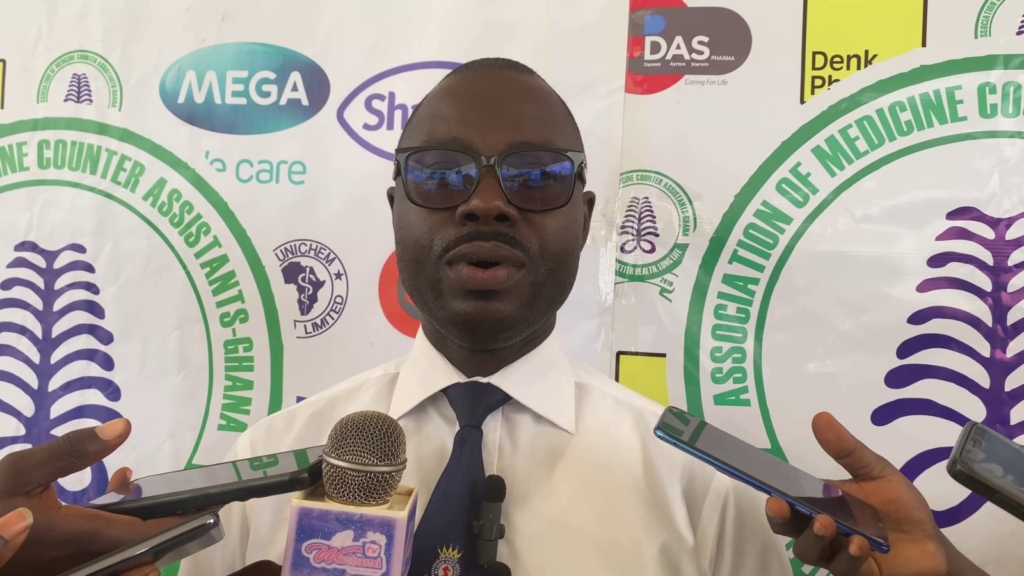
    The Association of Medicine Counter Assistant-Ghana has voiced its dissatisfaction with the service conditions faced by its members, particularly those employed by private pharmacy owners.

    President of the association, Constant Reuben Abbey, highlighted the failure of some employers to meet financial obligations, including pension contributions, and their resistance to providing opportunities for counter assistants to enhance their skills.

    Speaking at the association’s annual general meeting in Kumasi, Abbey expressed frustration over the inadequate pay and poor working conditions experienced by many members.

    “An employer will look at an MCA and say I am paying you, 500 Ghana cedis. It is an insult. But since most of the time the MCAs are desperate, they accept the money like that. We urge the employers to pay us what is due us. If the MCA doesn’t have the right state of mind, they won’t be able to work effectively,” he stated.

    The annual general meeting of the Association of Medicine Counter Assistants-Ghana gathered members from across the country to discuss ways to improve their welfare and promote unity within the sector. This year’s theme focused on championing the welfare of association members.

    There are over 17,000 medicine counter assistants in Ghana, providing services at various pharmacies and licensed drug stores. Despite their significant numbers, many continue to face challenging working conditions.

    In response to these issues, Emmanuel Kyeremateng, Deputy Chief Pharmacist at the Ashanti Regional Health Directorate, suggested extending the medicine counter assistantship program to provide trainees with more comprehensive skills and knowledge.

    “It should be increased to at least two years, so that what they possess will carry weight. This will broaden the scope of knowledge they have. For six months, there is little that can be achieved. Leadership of the association must look at extending the program,” he recommended.

  • I am acting with integrity and legality as Minister of Health designate – Okoe-Boye

    I am acting with integrity and legality as Minister of Health designate – Okoe-Boye

    The Minister of Health designate, Dr. Bernard Okoe-Boye, has refuted assertions of assuming his role unlawfully, citing pending approval from Parliament.

    Speaking to reporters in Accra on Monday, Dr. Okoe-Boye clarified that he had received a directive from the Presidency to fulfill duties amidst the delay in confirmation.

    This directive, he elucidated, came from the Chief of Staff, Frema Osei Opare, appointing him and other nominees as representatives of the President in certain ministries.

    The rationale behind this, he conveyed, is to ensure continuity and prevent disruptions in critical sectors like healthcare.

    However, the Minority in Parliament has voiced objections to this action, asserting that it is unlawful for any individual to assume the role of the President’s representative without proper authorization.

    Consequently, they have urged the Chief of Staff to rescind these appointments.

    “Because His Excellency the President doesn’t want the country to stall, [in a bid to prevent some] key sectors like health from suffering from lack of direction, some of us, let me be specific to myself, have received letters from the Chief of Staff making us representatives. I am the representative of His Excellency the President at the Ministry of Health,” he explained.

  • Vendors arrested for selling unauthorised medications at exhibition will be prosecuted – FDA

    Vendors arrested for selling unauthorised medications at exhibition will be prosecuted – FDA

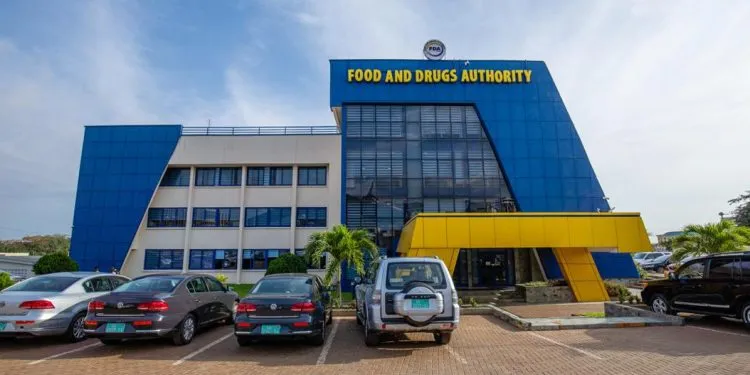
    The Food and Drugs Authority (FDA) expects the Police to gather sufficient evidence and initiate legal proceedings against individuals apprehended for selling unauthorised medications.

    This follows a joint operation at an event called Porials Pitch, held on April 20 at the Accra Mall, where several exhibitors were caught selling beauty enhancement and other medications not authorised by the FDA.

    According to Virgil Prah-Ashun, the Director of Enforcement at the FDA, the arrested individuals will face legal consequences once the investigation is completed.

    “On Saturday morning, we went [to the exhibition] with police officers. We realised a lot of the products were not registered by the Authority.

    “So with the help of the police, we arrested those organising the exhibition.”

    “Then we took them to the central police station where the products were screened. Those who have registered their products were released earlier.

    “Those not registered by the Authority are still being held by the police while investigations continue,” Mr Prah-Ashun said.

    “We are relying on the police to build up the docket for prosecution,” he added.

    Mr. Prah-Ashun expressed concern about the illegal marketing and sale of unauthorised medications on social media platforms, stating that the FDA will use all available resources to halt this unlawful practice.

    The Public Health Act, Section 114 talks about approval from the FDA before advertising any regulated products (drugs, food, cosmetics and medical devices). But we see a lot of people on social media advertising all manner of things.”

    “We have created a cyber-unit and we are monitoring and doing our best to apprehend those behind all these unapproved adverts.

    “We are hoping that the cyber unit of the police will be able to reduce them drastica

  • Over 2,400 pharmacies integrated into national E-Pharmacy platform

    Over 2,400 pharmacies integrated into national E-Pharmacy platform

    A significant milestone has been achieved with the onboarding of 2456 pharmacies onto the National E-Pharmacy Platform, marking a major advancement for digital healthcare in Ghana.

    The nationwide e-pharmacy platform, comprising registered pharmacies, offers the convenience of uploading and purchasing prescribed medicines online, with doorstep delivery upon registration using the Ghana card.

    This initiative is part of the government’s agenda to digitize public services and is the result of collaboration between the Office of the Vice President, the Pharmacy Council, and the Pharmaceutical Society of Ghana.

    In 2019, Vice President Bawumia urged the Pharmaceutical Society of Ghana to digitize pharmacy services, leading to the introduction of Africa’s first national-scale e-pharmacy platform.

    Launched by Vice President Dr. Mahamudu Bawumia in July 2023 and piloted for six months, the e-pharmacy platform went live in January this year.

    Ghana’s pioneering national e-pharmacy platform, with over 2000 participating pharmacies, expands access to digital healthcare across the country.

    Upon registration with a Ghana card on the e-pharmacy platform, prescriptions can be uploaded via mobile phone or USSD code at https://www.gnepplatform.com/.

    Subscribers can locate nearby pharmacies and check medicine availability, as well as compare prices across different pharmacies.

    Using their mobile phones, subscribers can order and pay for medicines, which are then delivered to their homes or specified locations via digital address.

    The authenticity of drugs is ensured through integration with the Food and Drugs Authority (FDA) platform, providing peace of mind to users.

  • Stalled medicines at Tema port will soon be resolved – Health Ministry

    Stalled medicines at Tema port will soon be resolved – Health Ministry

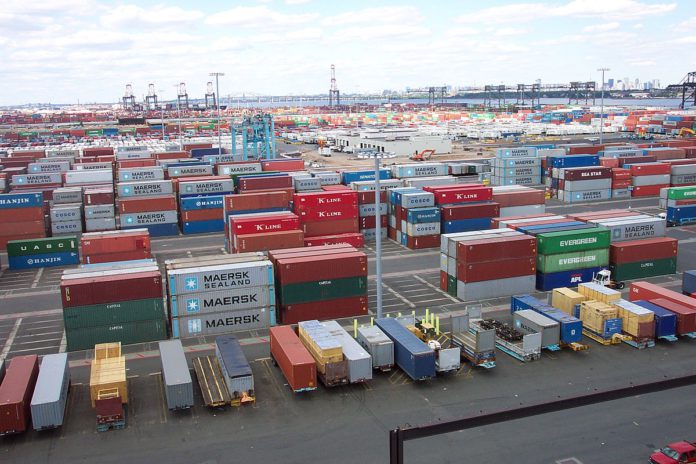
    The Ministry of Health has declared an end to delays in clearing vital medicines at the Tema port.

    The Public Relations Officer, Isaac Offei Baah, shared this update during an interview on Adom FM’s morning show, Dwaso Nsem Wednesday.

    Mr Baah revealed that the Ministry is poised to clear 182 containers at the port, which hold essential anti-HIV, TB, and malaria medicines, as well as mosquito nets, by Friday, April 12, 2024.

    “These are necessities that as a country we cannot afford to neglect. Since August last year until now, the Ministries of Health and Finance have been working together to ensure that once this clearance is completed, we won’t encounter this issue again. By Friday, everything will be cleared,” he said.

    This response follows a notice issued by the Coalition of Civil Society Organizations (CSOs) in HIV, AIDS, Tuberculosis, and Malaria, warning of action if the government fails to clear the medications stranded at the port within ten days.

    Within just 24 hours of receiving the CSOs’ notice, the Ministry of Health issued a press statement detailing its efforts to clear the 182 containers of medical supplies stalled at the Tema Ports.

    Baah further noted that the Global Fund’s support to the government involved 453 containers, out of which 253 have been cleared from the port between August 2023 and February 2024, with government assistance.

    He outlined the immediate next steps and plans for collaboration between the Ministry of Health, Ministry of Finance, Ghana Revenue Authority, and other stakeholders.

  • Locked up of medical supplies contributing to rise in TB, malaria and HIV/AIDS – CSO

    Locked up of medical supplies contributing to rise in TB, malaria and HIV/AIDS – CSO

    Executive Director of the Africa Center for Health Policy Research and Analysis, Dr. Thomas Anaba, has revealed that the backlog of medical supplies donated by the Global Fund has resulted in a spike in cases of tuberculosis, malaria, and HIV/AIDS.

    The supplies, which encompass antiretroviral drugs for HIV/AIDS patients and mosquito nets for expectant mothers, have been detained at the Tema Port since July 2023 due to import duties.

    Due to the delays in clearing these goods, the Global Fund has halted further shipments of crucial medical supplies.

    Speaking to Bernard Avle on the Citi Breakfast Show on Citi FM, Dr. Anaba expressed concerns about the potential escalation of tuberculosis, malaria, and AIDS cases compared to last year’s statistics.

    “There is an increase in the cases of tuberculosis and HIV/AIDS from last year’s figure, and the complications of people dying from AIDS has also increased. Women getting malaria during pregnancy has increased because of this.”

    “Ghana has the statistics of how many people get tuberculosis, malaria and AIDS every year and this can be planned with a top-up percentage of 10 percent and then we can budget for how much of these drugs that we need and then we contact Global Fund on how much they can give us ahead of time and then we budget for money to clear the drugs.”

    He recommended that Ghana proactively communicate its supply needs to the Global Fund in advance and allocate funds for timely clearance to prevent future delays.

  • Global Fund discontinues the dispatch of vital medical supplies to Ghana

    Global Fund discontinues the dispatch of vital medical supplies to Ghana


    The Global Fund has ceased shipments of vital medical supplies to Ghana, citing delays in clearing previous donations held up at the Tema Port.

    Among the affected items are life-saving antiretroviral drugs crucial for HIV/AIDS patients.

    Expressing profound concern, the Africa Center for Health Policy Research and Analysis (ACHPR&A) has rebuked the government’s sluggish response in releasing these essential supplies.

    Dr. Thomas Anaba, the Executive Director of ACHPR&A, voiced his dissatisfaction during an interview with Citi News, criticizing the government’s lackadaisical approach to clearing vital health commodities.

    Dr. Anaba underscored the urgency of the situation, highlighting the inefficacy of a recent visit by a Global Fund delegation, which failed to yield progress.

    The delays have also prompted alarm at the Ghana AIDS Commission and a coalition of Civil Society Organizations (CSOs) dedicated to HIV, tuberculosis, and malaria.

    The CSOs have announced plans for a protest on April 17 to condemn the prolonged detention of critical medical supplies. Dr. Anaba explained,”A 12-member delegation from the Global Fund paid a working visit to this country to follow up on the locked-up commodities. In spite of all their efforts, they did not make any headway, and the commodities still remain uncleared at the ports.

    “They have, therefore, indicated that Ghana risks losing all Global Fund support if the government fails to act on the matter. To start with, they have already suspended all commodity shipments to the country until the ones at the ports are cleared. This development has dire consequences for the hundreds of thousands of our compatriots on free medications donated by the Global Fund”.

  • Albert Einstein College of Medicine goes tuition-free

    Albert Einstein College of Medicine goes tuition-free

    A former faculty member and board chair, Ruth Gottesman, has made a historic $1 billion donation to the Albert Einstein College of Medicine, making the institution tuition-free for all students.

    The Wall Street Journal reports that the college’s tuition fees alone amount to $60,000 per year. In other healthcare industry news, Governor Maura Healey criticizes Steward Health Care, calling its financial situation a “house of cards.”

    R1 RCM, a technology company aiding hospitals in revenue collection, receives a $5.8 billion buyout offer from a private equity firm. UnitedHealth, Elevance, and Centene experience significant investment gains in 2023.

    Meanwhile, documents shed light on a feud at MD Anderson Cancer Center, and Walgreens’ decision to close VillageMD clinics raises questions about its strategy.

    Additionally, a family faces an $81,000 bill for an air-ambulance flight due to Medicare Part B limitations.

    A mother files a lawsuit against a New York hospital, seeking to bring her baby home, and Dr. Elizabeth Clayborne, overcoming systemic barriers, raises $3.25 million for her medical device company, NasaClip. Surprisingly, data from Canopy suggests that full moons may impact hospital operations.

  • KATH to supply medicines to chronic patients via courier service

    KATH to supply medicines to chronic patients via courier service

    The Komfo Anokye Teaching Hospital (KATH) has announced plans to provide medicines to chronic patients through a courier service in 2024.

    The Chief Executive Officer, Professor Otchere Addai-Mensah, has recognized the challenges faced by chronic patients who have to travel to the hospital to renew their prescriptions. The introduction of a courier service aims to alleviate these difficulties and enhance the convenience for patients in managing their chronic conditions.

    He said, “under an arrangement with Ghana Post too, the supply of refill medicines by courier to our chronic stable patients scattered all over the country will save people from the stress of having to travel from their homes just for their medicines at a small fee.”

    Professor Otchere Addai-Mensah spoke at the 2023 thanksgiving service, joint staff reception, best staff, and long service awards at the Komfo Anokye Teaching Hospital (KATH).

    He highlighted the developmental projects undertaken by KATH in the year, aimed at transforming operations and addressing challenges such as ageing infrastructure and outdated operational systems.

    As part of the hospital’s transformation efforts, a fundraising project, the KATH Old Blocks Renovation, was launched to renovate aging structures. Professor Addai-Mensah noted that the fundraisers have already secured more than half of their target for the project.

    “I can say on authority that less than two months after the launch of the fund-raising campaign by the Asantehene, we are about 60% through with our $10,000,000.00 target in terms of pledges and cash donations,” he said.

    The Komfo Anokye Teaching Hospital (KATH) celebrated its employees at a ceremony, honoring forty-six staff from various departments. The Child Health Directorate received the award for innovation, and several doctors were recognized with Best Staff awards, including Dr Obiageli, Dr Andrew Zimbawa, Dr Doreen Amankwaa Frimpong, and Dr Barnabas Asamoah.

    The awards ranged from GH₵ 5,000.00 to GH₵ 20,000.00. KATH, being a facility that receives referrals from 12 out of 16 regions in Ghana, has introduced initiatives such as mobile money (MoMo) and point-of-sale (POS) payment platforms to facilitate easy payment of bills and services.

  • FDA undertakes medicine safety campaign

    FDA undertakes medicine safety campaign

    The Food and Drugs Authority (FDA), in collaboration with medicine regulatory agencies and non-governmental organizations, has launched the “#MedSafetyWeek” campaign, scheduled from November 6th to 12th, 2023.

    According to a statement received by the Ghana News Agency, the campaign focuses on medicine safety monitoring, aiming to gather information about both known and new side effects.

    Under the theme “Who can report,” the campaign aims to underscore the importance of reporting side effects of medicines. It emphasizes the vital role played by patients, caregivers, doctors, nurses, and pharmacists in reporting these side effects to ensure medicine safety.

    The continuous collection and monitoring of these reports will aid the FDA in identifying potential risks associated with medicines. This information will enable the FDA to take necessary regulatory actions to enhance medicine safety.

    “The FDA emphasises the importance of reporting side effects by using reporting forms available in healthcare facilities and community pharmacies designated as patient safety centres or by using the Med Safety App”, the statement said.

    The Med Safety Application stands as a user-friendly electronic reporting tool, offering convenient accessibility.

    This application is readily accessible on both the App Store and Google Play Store.

    Individuals are also urged to submit reports to any of the FDA’s regional offices across the country. The reports are meticulously assessed to take the necessary measures in safeguarding public health and safety.

    Over time, the FDA has effectively processed numerous reports, significantly aided by patients, caregivers, and healthcare professionals.

    It strongly encourages all citizens to actively contribute to safer medications by identifying and reporting potential side effects.

  • FDA advises Ghanaians to be cautious of bogus, inferior medicines

    FDA advises Ghanaians to be cautious of bogus, inferior medicines

    In an interview with the Ghana News Agency on the sidelines of a sensitization program held in Bolgatanga, in the Upper East Region, Mr. Jude Okai, a Communication Officer at the FDA, issued a caution.

    This warning is part of the implementation of the “promoting quality medicines plus” project by the FDA. The project aims to raise public awareness about the presence of counterfeit and substandard medicines in the market and the associated risks of consuming such products.

    Furthermore, the sensitization initiative aimed to introduce the public to a new tool known as “The Med Safety App,” developed by the FDA.

    This application serves a dual purpose, enabling the public to report adverse reactions to medicines directly to the FDA or healthcare professionals for prompt action. Additionally, the app provides users with detailed information about medications prescribed by their doctors before purchase.

    Mr. Okai pointed out that many Ghanaians often neglect essential details on medication, such as expiry dates, certifications, and standards.

    This negligence has led to the inadvertent purchase of counterfeit and substandard medicines, resulting in adverse health effects. He stressed the danger of consuming such falsified and substandard medicines, emphasizing that it could even be fatal.

    He urged the public to report any adverse reactions to medicines to the FDA and healthcare providers for immediate assistance.

    In a stern warning, Mr. Okai cautioned individuals involved in the distribution of counterfeit and substandard medicines to cease their activities. He also noted that the FDA would enhance its surveillance efforts to crackdown on such activities, with offenders facing legal consequences.

    Ms. Linda Eyram Mensah, the Information Officer with the Communications Department of the FDA, emphasized the severe health consequences associated with the use of counterfeit medicines. She advised the public to purchase medicines only from certified sellers and opt for FDA-approved medications.

    Mr. Abel Ndego, the Upper East Regional Principal Regulatory Officer of the FDA, provided insights into the FDA’s extensive market surveillance efforts across all 15 Municipals and Districts in the region. Their goal is to ensure that counterfeit and substandard medicines are eradicated from the market. He noted that, with the support of security agencies, some offenders had already been arrested and prosecuted. He urged the public to share information voluntarily to assist the authorities in combating the peddling of counterfeit and substandard medicines.

    Mr. Ndego also highlighted the challenges posed by the porous nature of the region’s borders, which allowed unauthorized drugs to enter the country. He underscored the FDA’s commitment to safeguarding the safety and health of the public.

    “We have realised as a regulatory body that there has been an influx of substandard and falsified medications on the market, so there is the need for the public to look out for certain things to make sure that whatever medication they go to buy is safe for use.”

    “Currently, we have officers stationed at the legitimate entry points of the borders to inspect every consignment coming into the country to ensure that any food and drug related products that are entering the country through our region meet the regulatory standards,” he said.

  • Food and medicine not reaching Tigray yet – WHO

    The World Health Organization says no food or medicine has reached the Ethiopian region of Tigray despite the signing of a ceasefire last week.

    The United Nations has accused Ethiopia of using starvation as a weapon of war in Tigray, where it says a humanitarian blockade put 90% of the population at risk.

    “Nothing is moving,” said WHO head Dr Tedros Adhanom Ghebreyesus.

    “I was expecting food and medicine to start flowing immediately after the ceasefire. That’s not happening.”

    He said people were dying from starvation and treatable diseases.

    Dr Tedros, who comes from Tigray, called for the restoration of telecom, banking and other basic services.

    He said six million people had been shut off from the rest of the world for two years as if they didn’t exist.

    An Ethiopian official said Dr Tedros was trying to undermine the peace agreement – and that food and medicine were reaching Tigray.

    He said electricity and telecom services had been restored in some areas.

    Source: BBC

  • CIMG courts investment into cellular medicine

    The umbrella body for chartered marketing practitioners in Ghana, the Chartered Institute of Marketing, Ghana (CIMG) has thrown its weight behind the Head of Department of Obstetrics and Gynaecology at the 37 Military Hospital Director of Dr Davies Adedze and lead consultant in cellular medicine practice.

    CIMG at its quarterly evening lectures held virtually, thanks to the COVID-19 crisis hosted Dr Adedze who spoke on the topic, Cellular Medicine: An Established Science for Therapeutic, Regenerative and Rejuvenative Purposes.

    Dr Adedze who is also the Director of the Mary Lucy and Lucy Memorial Hospitals delivered a presentation on the importance and the benefits of Cellular Medicine as remedies for several health conditions.

    He touched on how cellular medicine was a proven and well-established scientific aspect of medicine where cells and factors within cells were used in the rejuvenation and therapy of tissues or organs.

    “The treatment requires no surgical operation and has proven to be very reliable with no after effects associated with traditional/orthodox medical applications such as pain, side effects or the use of medicine,” Dr Adedze explained.

    Cellular medicine is used for beauty enhancement involving fat melting, abdomen reshaping/reduction, hip and breast lifts/augmentation and wrinkles among others.

    Dr Adedze touted the effectiveness of the practice as perfect for sexual enhancement, for improving sexual life and functionality for both male and female and other conditions like infertility, low sperm count, arthritis, skin and diabetic ulcers, stretch marks, scars, keloids, tattoo removals, baldness,

    CIMG National President of Dr Daniel Kasser Tee was hopeful that Ghanaians would buy into what Dr Adedze had presented and experience the benefits. He called for more engagements on that area of medicine, pledging the support of the Institute to promote it.

    “The CIMG provides the platform for thought leaders in Ghana and beyond to share their expertise on relevant issues which help in developing both individual practitioners and corporate institutions as well as contributing meaningfully in shaping national development,” Dr Tee stated.

    With the passage of the CIMGhana Bill by the Parliament of Ghana in June this year (which is awaiting presidential assent), the Institute has been working assiduously to become the voice of marketing, championing the interests of consumers, training student-marketers and regulating the practice of marketing in Ghana, across the key sectors of the economy, including the informal sector.

    Source: thefinderonline.com

  • ‘Virus drains no-deal Brexit medicines stockpiles’

    The UK has been warned by the pharmaceutical industry that stockpiles of medical supplies have been “used up entirely” by the coronavirus pandemic.

    A memo seen by the BBC advises the government to buy and store “critical” medicines to treat the virus.

    Drugmakers fear stockpiles cannot feasibly be built back up again, if the UK should fail to strike a post-Brexit trade deal with the EU.

    The government said “robust contingency plans are in place”.

    The spokesperson added: “We want a relationship with the EU which is based on friendly cooperation between sovereign equals and centred on free trade.”

    However, firms fear disruption to global supply chains will seriously impact the NHS.

    The internal pharmaceutical industry memo, which was prepared for the government in May, warns that after the pandemic ends, there will be “less or zero product available in the market to allow for stockpiling a broad range of products” than there was in 2019, when stockpiling occurred in preparation for a possible no-deal Brexit.

    At the time, the industry itself paid for six weeks’ worth of stockpiles.

    “Preparations for the end of the transition period must complement plans to secure the supply of coronavirus therapeutic and supportive products,” the memo says.

    The pandemic has led to a massive increase in demand for medicines not previously stockpiled for critical care and respiratory medicines, such as inhalers.

    Source: bbc.com

  • Coronavirus fuels a surge in fake medicines

    Growing numbers of fake medicines linked to coronavirus are on sale in developing countries, the World Health Organization (WHO) has warned.

    A BBC News investigation found fake drugs for sale in Africa, with counterfeiters exploiting growing gaps in the market.

    The WHO said taking these drugs could have “serious side effects”.

    One expert warned of “a parallel pandemic, of substandard and falsified products”.

    Around the world, people are stockpiling basic medicines. However, with the world’s two largest producers of medical supplies – China and India – in lockdown, demand now outstrips the supply and the circulation of dangerous counterfeit drugs is soaring.

    In the same week the World Health Organization (WHO) declared coronavirus a pandemic last month, Operation Pangea, Interpol’s global pharmaceutical crime fighting unit, made 121 arrests across 90 countries in just seven days, resulting in the seizure of dangerous pharmaceuticals worth over $14m (£11m).

    From Malaysia to Mozambique, police officers confiscated tens of thousands of counterfeit face masks and fake medicines, many of which claimed to be able to cure coronavirus.

    “The illicit trade in such counterfeit medical items during a public health crisis, shows a total disregard for people’s lives,” said Interpol’s Secretary General Jurgen Stock.

    According to the WHO, the broader falsified medicines trade, which includes medicines which may be contaminated, contain the wrong or no active ingredient, or may be out-of-date, is worth more than $30bn in low and middle-income countries.

    “Best case scenario they [fake medicines] probably won’t treat the disease for which they were intended”, said Pernette Bourdillion Esteve, from the WHO team dealing with falsified medical products.

    “But worst-case scenario they’ll actively cause harm, because they might be contaminated with something toxic.”

    The supply chain

    The global pharmaceutical industry is worth more than $1 trillion. Vast supply chains stretch all the way from key manufacturers in places such as China and India, to packaging warehouses in Europe, South America or Asia, to distributors sending medicines to every country in the world.

    There is “probably nothing more globalized than medicine,” said Esteve. However, as the world goes into lockdown, the supply chain has already begun to uncouple.

    Several pharmaceutical companies in India told the BBC they are now operating at 50-60% of their normal capacity. As Indian companies supply 20% of all basic medicines to Africa, nations there are being disproportionately affected.

    Ephraim Phiri, a pharmacist in Zambia’s capital Lusaka, said he was already feeling the strain.

    “Medicines are already running out and we are not replenishing them. There is nothing we can do. It’s been really hard to get supplies… especially essential medicines like antibiotics and antimalarials.”

    Producers and suppliers are also struggling as the raw ingredients to manufacture tablets are now so expensive, some companies can simply not afford to keep going.

    One producer in Pakistan said he used to buy the raw ingredients for an antimalarial drug called hydrochloroquine for about $100 a kilo. But today, the cost has increased to $1,150 a kilo.

    With an increasing number of countries going into lockdown, it’s not only the reduction in production that’s problematic, it’s also the increase in demand, as people around the world anxiously stockpile basic medicines.

    It’s this unstable combination of reduced supply and increased demand that has led the WHO to warn of a dangerous spike in the production and sales of fake drugs.

    “When the supply does not meet the demand,” said Esteve, from the WHO, “it creates an environment where poorer quality or fake medicines will try to meet that demand.”

    Fake medicine

    Speaking to pharmacists and drug companies around the world, the global supply of antimalarials is now under threat.

    Ever since US President Donald Trump began referring to the potential of chloroquine and a related derivative, hydroxychloroquine, in White House briefings, there has been a global surge in the demand for these drugs, which are normally used to tackle malaria.

    Coronavirus and chloroquine: Is there evidence it works?

    The WHO has repeatedly said there is no definitive evidence that chloroquine or hydroxychloroquine can be used against the virus that causes COVID-19. However, at a recent news conference, whilst referring to these antimalarials, President Trump said: “What do you have to lose? Take it.”

    As the demand has soared, the BBC has discovered large quantities of fake chloroquine in circulation in the Democratic Republic of Congo and Cameroon. The WHO has also found fake medicines for sale in Niger.

    The antimalarial chloroquine is normally sold for about $40 for a pot of 1,000 tablets. But pharmacists in the DRC were found to be selling them for up to $250.

    The medicine being sold was allegedly manufactured in Belgium, by “Brown and Burk Pharmaceutical limited”. However, Brown and Burk, a pharmaceutical company registered in the UK, said they had “nothing to do with this medicine. We don’t manufacture this drug, it’s fake.”

    As the coronavirus pandemic continues, Professor Paul Newton, an expert in fake medicines at the University of Oxford, warned the circulation of fake and dangerous medicines would only increase unless governments around the world present a united front.

    “We risk a parallel pandemic, of substandard and falsified products unless we all ensure that there is a global co-ordinated plan for co-ordinated production, equitable distribution and the surveillance of the quality of the tests, medicines and vaccines. Otherwise the benefits of modern medicine… will be lost.”

    Source: bbc.com