Tag: miners

  • Miners cry foul over low GoldBod rates, warn of business collapse

    Miners cry foul over low GoldBod rates, warn of business collapse

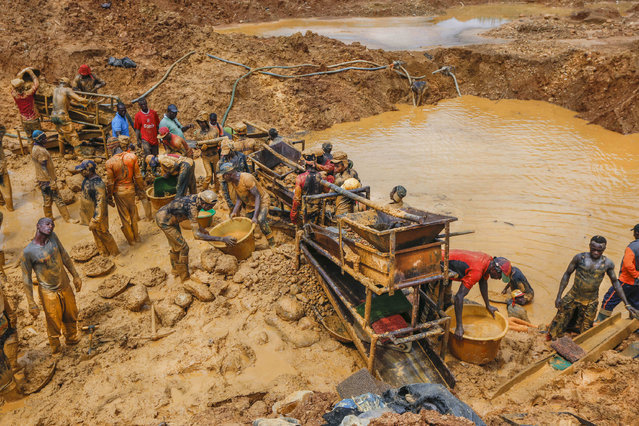
    Gold prices set by the Ghana Gold Board (GoldBod)have sparked outrage among small-scale miners, who say the rates are “woefully inadequate” and are pushing their businesses to the brink.

    The miners warn that the low prices offered by the new board are making operations unsustainable and threaten to drive many out of business.

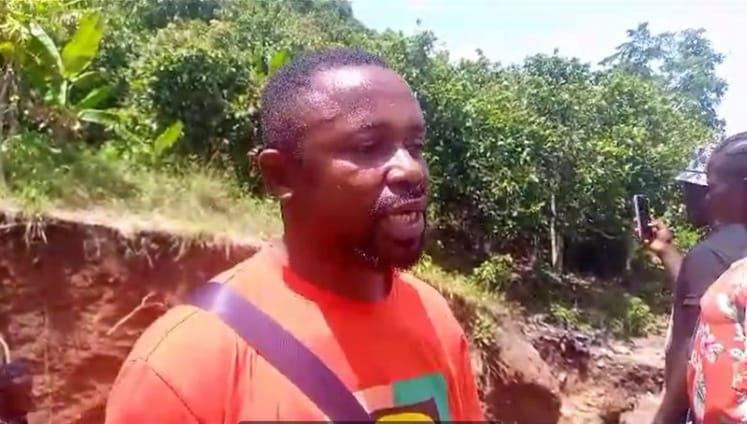
    Highlighting the immediate economic impact on thousands of miners and their dependents, Mr Asiedu told Adom TV that, “the rates offered by GoldBod are extremely low, causing businesses to take a nosedive.”

    According to the miners, the initiated price subverts the objectives of the state-led gold purchasing scheme.

    A member of the Small-Scale Miners Association, Christopher Asiedu, voiced the industry’s growing frustration, lamenting that the current prices are causing widespread financial distress among their members.

    He noted that  before the establishment of GoldBod, the prevailing market price for 10 grams of gold hovered between GHS12,000 and GHS13,000.

    Unfortunately, the intervention of GoldBod has reduced to a mere GHS8,200 for the same quantity.

    Mr Asiedu is therefore urging the government to increase the gold prices to at least GHS11,000 per 10 grams.

    He indicated that this will allow miners “make enough profits to sustain operations.”

    The Ghana Gold Board (GoldBod), established on April 2, 2025, represents a significant milestone in Ghana’s precious minerals management.

    As the sole authority with exclusive rights to buy, sell, weigh, grade, assay, value, and export gold and other precious minerals in Ghana, GoldBod functions under the oversight and supervision of the Ministry of Finance of the Republic of Ghana.

    This institution has been carefully designed to revolutionize the country’s gold trading sector, combat smuggling, promote value addition, and maximize returns on Ghana’s natural resources.

  • Lack of employment opportunities triggering galamsey activities – Small-Scale Miners

    Lack of employment opportunities triggering galamsey activities – Small-Scale Miners

    Head of the Concerned Small-Scale Miners Association, Michael Kwadwo Peprah, has raised critical concerns about the persistent challenge of illegal mining, known as galamsey.

    He attributes much of the issue to the high rate of youth unemployment.

    In an interview on the Joy News AM Show, Mr. Peprah explained that many young individuals, lacking stable employment opportunities, have resorted to galamsey as a means of survival.

    “People cannot sleep,” he said, stressing that the unemployed are left with little choice but to find ways to survive. “You expect them to die of hunger? That’s the root cause of the galamsey problem we face today.”

    He further emphasized that for many youths, galamsey presents an alternative to unemployment, allowing them to earn money where there are few other options.

    “A lot of these youths, when they wake up, they have nothing to do,” he explained. “If they are not employed and see a way to make 50 to 100 cedis a day with a pickaxe, they’ll take it, even if it puts their lives in danger.” He identified this as a major factor driving the spread of illegal mining.

    Mr. Peprah also criticized the use of force as an ineffective and short-term solution to galamsey.

    “When the military is called in, they may stop the miners for a while, but once they leave, the mining resumes because the people need to survive,” he remarked. “It’s not about defiance; it’s about survival.”

    To resolve the issue, he argued, the government must first address the root cause: the widespread lack of employment for young people.

    “When we understand this, we can start finding real solutions,” he said. “But in this country, we often avoid dealing with the real issues and only react with panic when problems arise.”

    He concluded by calling for a more comprehensive solution, one that not only targets illegal mining but also seeks to provide lasting job opportunities for the youth.

    “We need to focus on long-term solutions, not just temporary fixes,” he urged, appealing for collaboration from the government and relevant stakeholders to tackle youth unemployment.

  • Chinese contractors for CAN 2008 stadia polluted our waters through galamsey – Small Scale Miners claim

    Chinese contractors for CAN 2008 stadia polluted our waters through galamsey – Small Scale Miners claim

    The Association is accusing a majority of illegal miners, commonly known as “galamsey” operators, of being Chinese nationals.

    According to the Association’s President, Mr. Michael Kojo Peprah, many of these Chinese miners began arriving in Ghana in 2008. He claims that after being hired to build stadiums for the CAN 2008 tournament, they discovered Ghana’s rich gold deposits and chose to stay.

    Mr. Peprah further alleges that these Chinese miners informed others about the opportunities in Ghana, leading to a steady influx of foreigners involved in illegal mining activities.

    In an interview on Frontline on Rainbow Road 87.5FM, Mr. Peprah criticized political leaders and state officials whom he accuses of facilitating the illegal activities. He blames the government’s inability to effectively tackle galamsey on a mix of poor judgment and greed.

    He argues that those in charge of solving the galamsey issue are often the same individuals benefiting from the illegal mining operations, which undermines genuine efforts to address the problem.

    “CAN 2008, Ghana needed stadia, so we contracted the Chinese to construct them for us. They came in with excavators for the stadia. So after they finished constructing the stadia, they realised Ghana was endowed with gold, so they started excavating through the mining towns in the Western Region with the support of some Ghanaians. So our water bodies started being destroyed from 2008 through 2010. So you look at the chronology, the pollution and destruction of our water bodies started when the Chinese started arriving in Ghana.”

  • Galamsey pit takes life of miner at Manso Adubia

    Galamsey pit takes life of miner at Manso Adubia

    A 30-year-old Kwadwo Owusu, alleged to be an illegal miner tragically drowned in a trench created by an excavator at Manso Adubia in the Amansie South District of the Ashanti Region.

    The incident occurred on Wednesday, September 4, 2024, during a break on-site.

    Colleague miners suspect that Owusu may have been intoxicated, leading to his fall into the trench and subsequent drowning. The circumstances surrounding his death have raised concerns about safety measures and the prevalent issue of alcohol consumption among miners in the area.

    The police were called to the scene and transported the body to the mortuary for preservation. An investigation has been launched to determine the exact cause of the accident and to address potential safety risks to prevent future tragedies.

    This incident follows a recent heartbreaking event at Morkwaa, a farming community near Twifo Praso in the Central Region, where two-and-a-half-year-old twins, a boy and a girl, lost their lives after falling into an abandoned galamsey pit filled with water.

    This marked the eighth fatality in the district this year caused by uncovered illegal mining pits, sparking renewed calls for action to address the dangers posed by these unregulated sites.

  • 30 illegal miners arrested by Forestry Commission at Tarkwa

    30 illegal miners arrested by Forestry Commission at Tarkwa

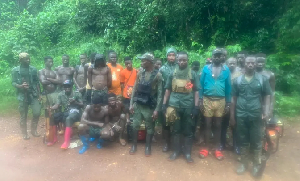
    The Rapid Response Team (RRT) and Forest Services Division (FSD) staff in the Tarkwa District of the Western Region have apprehended 19 illegal miners within the Bonsa River Forest Reserve.

    In a statement from the Corporate Affairs and Media Relations office of the Forestry Commission, the arrests occurred on Friday, June 28, 2024, at Aboso North Range.

    This follows an earlier operation on June 12, 2024, where 11 suspects were detained in the same forest reserve.

    Equipped with water-pumping machines, shovels, and other handheld tools, the illegal miners had established tents and were operating day and night within the reserve.

    The suspects have been handed over to the Tarkwa Police Command for further investigation and prosecution.

    During the June 12 operation, 11 suspects, comprising 10 males and one female, were apprehended and subsequently remanded in prison custody. Their cases have been referred to the Attorney General’s Department for legal advice.

    The statement also highlighted 21 pending illegal mining cases involving over 111 suspects apprehended by Forestry Commission officials across various forest reserves within the region

    . These cases are at different stages of prosecution at Sekondi High Court 2 and Takoradi Circuit Court.

    The statement urged the judiciary in the region to expedite action on all forest offense cases and issued a strong warning against illegal mining activities.

    Additionally, the statement reported that FSD personnel and RRT members immobilized two excavators and one motorbike in the Apamprama Forest Reserve near Kobro, Bekwai District, Ashanti Region, on Friday, June 28, 2024.

    The culprits fled upon the team’s arrival, and no arrests were made.

    Illegal operators in the Apamprama Forest Reserve have reportedly shifted to nocturnal operations to evade detection by Commission officials, prompting increased night patrols and intelligence-led operations by staff.

    The Forestry Commission personnel in the Bekwai Forest District are committed to combating illegal mining activities to safeguard forest and wildlife resources.

    The statement concluded with a stern warning to illegal operators to refrain from entering the Apamprama Forest Reserve and other reserves to prevent further environmental degradation.

  • 30 miners arrested, excavators disabled in forest reserves by Forestry Commission

    30 miners arrested, excavators disabled in forest reserves by Forestry Commission

    The Rapid Response Team (RRT) and Forest Services Division (FSD) personnel in the Tarkwa District of the Western Region have apprehended 19 illegal miners in the Bonsa River Forest Reserve.

    A statement from the Forestry Commission’s Corporate Affairs and Media Relations office revealed that the arrests took place on Friday, June 28, 2024, at Aboso North Range, following a previous operation on June 12, 2024, where 11 suspects were also arrested in the same reserve.

    The miners, using water pumps, shovels, and other tools, had established camps and were conducting operations day and night.

    The suspects have been turned over to the Tarkwa Police Command for further investigation and prosecution.

    During the June 12 operation, 11 individuals, including 10 males and one female, were arrested and subsequently remanded in custody. Their cases have been sent to the Attorney General’s Department for advice.

    The statement also noted that there are 21 ongoing illegal mining cases involving over 111 suspects arrested by Forestry Commission officials in forest reserves within the region.

    These cases are at various stages of prosecution in Sekondi High Court 2 and Takoradi Circuit Court.

    An appeal was made to the regional judiciary to expedite all forest offense cases, along with a stern warning against illegal mining.

    Additionally, two excavators and a motorbike were disabled in the Apamprama Forest Reserve, near Kobro, on Friday, June 28, 2024, by FSD staff in the Bekwai District of the Ashanti Region and RRT members.

    No arrests were made as the operators fled upon the team’s arrival.

    Illegal miners in the Apamprama Forest Reserve have been reportedly conducting night operations to avoid arrest, prompting the Commission to increase night patrols and intelligence-led operations, which led to the immobilization of the two excavators.

    The Forestry Commission staff in the Bekwai Forest District are dedicated to fighting illegal mining to protect forest and wildlife resources.

    The statement concluded with a warning to illegal operators to stay out of the Apamprama Forest Reserve and other reserves to prevent further environmental damage.

  • “We demand the immediate removal of our executives” – Small Scale miners “cry out”

    “We demand the immediate removal of our executives” – Small Scale miners “cry out”

    Members of the Ghana National Association of Small Scale Miners have demanded the resignation of their executives.

    In a press statement, the members accused the executives of neglecting the welfare of small-scale miners since their election four years ago.

    The accusations include failure to provide accountability to association members, non-compliance with constitutional provisions in managing the association’s affairs, and exploiting the general membership for personal gain.

    The leaders were again accused of “allocating 30 out of 90 concessions designated for national distribution to certain executives, gross disregard for the general membership, exhibiting unprecedented levels of greed and ineffective leadership disintegrating the association.”

    The members believe that these actions have hindered the growth of the small-scale miners association.

    “How can you move forward if you are unable to meet to discuss plans or even review plans that have been discussed to shape your actions? We are therefore by this statement demanding the immediate removal of our executives to step aside for an interim team to take over to reorganise the association.”

    “With these leaders, our quest to have a sanitised and united front to deal with the challenges our association faces especially with illegal miners who do not belong to us, will be a fight in vain,” the statement read.

    The small-scale miners have urged the Minerals Commission to intervene and issued a two-week ultimatum.

    The members insist on having a leadership that is prepared to collaborate with all licensed miners.

    “We as a group should be leading the fight against illegal mining but if we do not have accountable leaders, this fight will be lost. We will take further steps if our call for emergency elections to remove our current executives is not adhered to in two weeks,” they added.

    Read the full statement below:

    FOR IMMEDIATE RELEASE

    PRESS STATEMENT ON THE REMOVAL OF GNASSM EXECUTIVES

    Good day, members of the media. This statement is coming from concerned members of the Ghana National Association of Small Scale Miners about how our association is being run by our executives.

    Leadership is bestowed on people to help in pushing the agenda and welfare of the members of a group.

    However, for us in the Ghana National Association of Small Scale Miners, our leaders seem to have a mind of their own since their election into office 4 years ago.

    As members, we have observed the following since the executives came into office;

    1. Lack of accountability.

    2. Failure to adhere to the constitutional provisions in the administration of the association’s affairs.

    3. Exploiting the rank and file for personal gain.

    4. Allocating 30 out of 90 concessions designated for national distribution to certain executives.

    5. Gross disregard for the general membership.

    6. Exhibiting unprecedented levels of greed.

    7. Ineffective leadership resulting in the disintegration of the association.

    As members, we feel these things we have observed above, are the cause of the stagnated growth of the association.

    How can you move forward if you are unable to meet to discuss plans or even review plans that have been discussed in order to shape your actions? 

    We are therefore by this statement demanding the immediate removal of our executives to step aside for an interim team to take over to reorganise the association.

    With these leaders, our quest to have a sanitized and united front to deal with the challenges our association faces especially with illegal miners who do not belong to us, will be a fight in vain.

    We call on the Minerals Commission to intervene as a matter of urgency to ensure we have a leadership that is ready to work with all licensed miners.

    We as a group should be leading the fight against illegal mining but if we do not have accountable leaders, this fight will be lost.

    We will take further steps if our call for emergency elections to remove our current executives is not adhered to in two weeks.

    For further information, please contact
    Philip K. A. Bawah: 0243310076

    – Daniel Kwaku Mensah: 0248732972

    – Yaw Amoafo: 0246453359

  • My goal is to ensure you achieve millionaire and multi-millionaire status – Bawumia tells miners

    My goal is to ensure you achieve millionaire and multi-millionaire status – Bawumia tells miners


    The New Patriotic Party’s Flagbearer, Dr. Mahamudu Bawumia, has pledged significant reforms in the mining sector to benefit Ghanaians if elected in the upcoming December 7, 2024, general elections.

    Dr. Bawumia envisions allocating the majority of mining concessions to Ghanaian small-scale miners during his tenure, aiming to elevate them to wealthier statuses.

    Addressing small-scale miners and youth groups in Tarkwa during the last leg of his campaign tour in the Western Region, he emphasized his commitment to supporting small-scale miners rather than pursuing them and confiscating their equipment.

    He outlined plans to formalize small-scale mining activities, providing licenses through registration with the Small-Scale Miners Association using Ghana cards.

    Additionally, he proposed enhanced representation of the Minerals Commission and the EPA, particularly in districts lacking such representation.

    Dr. Bawumia emphasized the vital role of chiefs in granting mining licenses within their communities and proposed amending mining laws to decentralize key mining agencies like the Minerals Commission and the Environmental Protection Agency (EPA) under his presidency.

    “We will allocate the mining concessions to the small-scale miners. My primary focus is to make many small-scale miners millionaires and multi-millionaires. I want to support our small-scale miners”.

    “We will formalize the small-scale mining regime and give them a license. Everybody will register with the Small-Scale Miners Association with their Ghana card, and we will deepen the representation of the Minerals Commission and the EPA, and make sure that the districts that don’t have representatives, we will give them some,” he said.

  • 6 including Chinese arrested for illegally mining 50-acre concession

    6 including Chinese arrested for illegally mining 50-acre concession

    A Chinese national, identified only as Wu, along with five Ghanaian collaborators, has been apprehended for encroaching on the mining concession of Zoar Mining Enterprise in the Twifo Atti-Morkwa District of the Central Region.

    The illegal miners, using excavators and other earth-moving equipment, have caused significant damage to over 50 acres of the 120-acre concession owned by the company.

    They claimed to be working for a person named Ernest, who is currently evading arrest.

    The arrest of these armed miners comes after extensive surveillance conducted by the security personnel of Zoar Mining Enterprise.

    The suspects were arrested around 1 a.m. on Tuesday, April 9, 2024, and subsequently handed over to the Ministries Police in Accra, following directives from officials of the Ministry of Lands and Natural Resources.

    Zoar Mining Enterprise was granted a 5-year mining lease, subject to renewal, by the Minister of Lands and Natural Resources, Samuel Abu Jinapor, on November 15, 2023, to mine gold and diamond.

    However, prior to commencing operations, the illegal miners had already invaded the concession, with over 40 of them engaging in illegal mining activities.

    Nana Akwasi Yentumi Asante, Operations and Sustainability Manager of Zoar Mining Enterprise, expressed satisfaction with the successful operation to remove the illegal miners from the concession.

    “The arrest was done by our company’s security unit and was calm, well-coordinated, and without any blood flow. We started the ambush at around 1 a.m. today.” he said.

    He said Zoar Mining has “lost millions of Ghana cedis” to the illegal mining activities.

    “If we were to do our own business, production in the worst-case scenario is between 4kg and 15kg of gold per concession of such nature,” he said.

    Appalled by the development, Nana Asante warned the company will do everything possible to protect its concessions, which can rake in more funds into government coffers in taxes.

  • Miners ordered to pay $9.7 billion for dam accident in Brazil

    Miners ordered to pay $9.7 billion for dam accident in Brazil

    A judge in Brazil has told big mining companies BHP and Vale, along with their joint venture Samarco, to pay a lot of money for causing a dam to burst in 2015.

    The dam in the south-east of the country broke and caused a big mudslide that killed 19 people.

    The dam also made the Rio Doce river very dirty, making it hard for the water to flow to the ocean.

    It was not clear at first how much money each company has to pay.

    Judge Vinicius Cobucci said the companies are responsible for causing emotional pain to the people affected by the incident.

    He said that the money, which will be changed to account for the increase in prices since 2015, will be put into a state fund and used for projects and plans in the area affected by the dam collapse.

    The decision was made after state and federal public prosecutors filed a lawsuit.

    Vale said to the media that they didn’t know about the decision yet.

    The company said that as of December last year, the Renova Foundation has paid out 34. 7bn reais for compensation.

    BHP and Samarco did not answer the media’s questions right away.

    The decision lets the companies ask for a review of the ruling.

    Samarco is a partnership between two companies, BHP from Australia and Vale from Brazil.

    The disaster in Minas Gerais state was very bad and caused 700 people to leave their homes. It is one of the worst environmental disasters in the country.

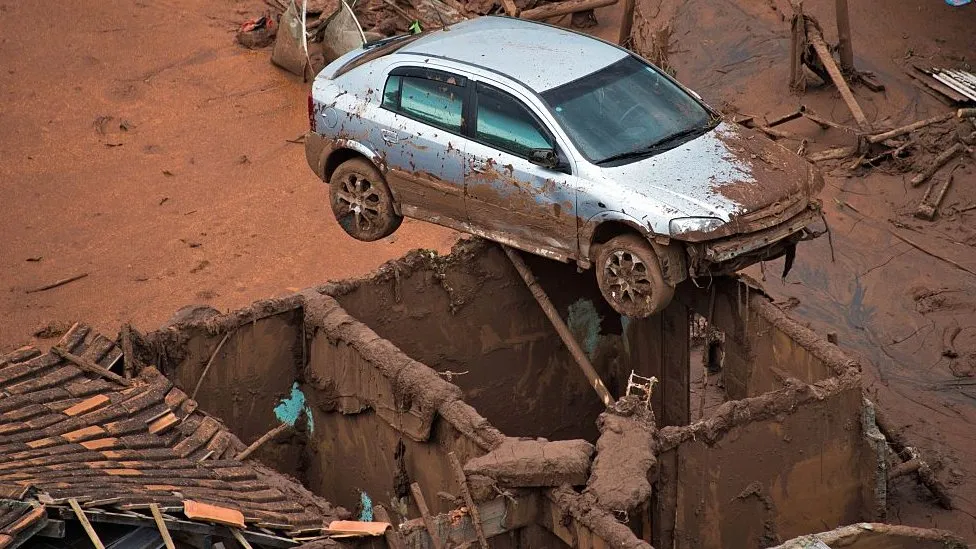
    When the dam broke, a lot of thick, red toxic mud flooded and destroyed the village of Bento Rodrigues.

    It also made the Rio Doce river and Atlantic Ocean 650km away dirty, harming animals and making the drinking water bad for hundreds of thousands of people.

    A report from 2016 said that the dam collapsed because it was badly designed.

    The report, requested by Samarco’s owners BHP and Vale, did not say who caused the disaster.

    Walls of dams that hold mining waste are usually made of a mix of sandy and clay-like material.

    The report found that the way the Fundão dam was built in 2011 and 2012 didn’t let water drain properly, which caused the dam to break on 5 November 2015.

    The sand in the dam walls got very wet and started acting like a liquid, which is called “liquefaction”.

    A little earthquake on the same day as the dam burst might have made the dam break even faster, the report said.

    The disaster caused people to closely examine the safety rules in the mining industry.

    BHP and Vale are being sued by over 700,000 people in the UK.

    In January 2019, a dam owned by Vale broke in the same state, close to the town of Brumadinho. This caused 270 people to die.

  • Trapped Zambian miners yet to be rescued

    Trapped Zambian miners yet to be rescued

    Zambian officials said they can’t find many illegal miners who are believed to be stuck after a mudslide at a copper mine on Friday.

    The crash in Zambia’s northern Copperbelt province happened after a lot of rain.

    Rescue teams are taking water out of the underground pits at the Sesili mine in Chingola, but they haven’t found the miners yet.

    President Hakainde Hichilema came back on Sunday from the COP28 conference in Dubai. He said he felt very sad about the terrible situation.

    He sent his good wishes to families who were affected and said that the government was working hard to rescue people.

    The vice-president, Mutale Nalumango, said the situation at the Sesili mine was very bad.

    Efforts to save people are still going on. Many people mine without permission in Zambia, which makes a lot of copper.

  • Sahara salt miners struggle to carry on a long-standing trade

    Sahara salt miners struggle to carry on a long-standing trade

    A hole-filled desert environment can be seen at the fringe of an oasis that is nearly buried by dunes and through which the occasional caravan still travels.

    The salt pans of Kalala near Bilma in northeastern Niger were once an essential stop for traders with their swaying lines of camels.

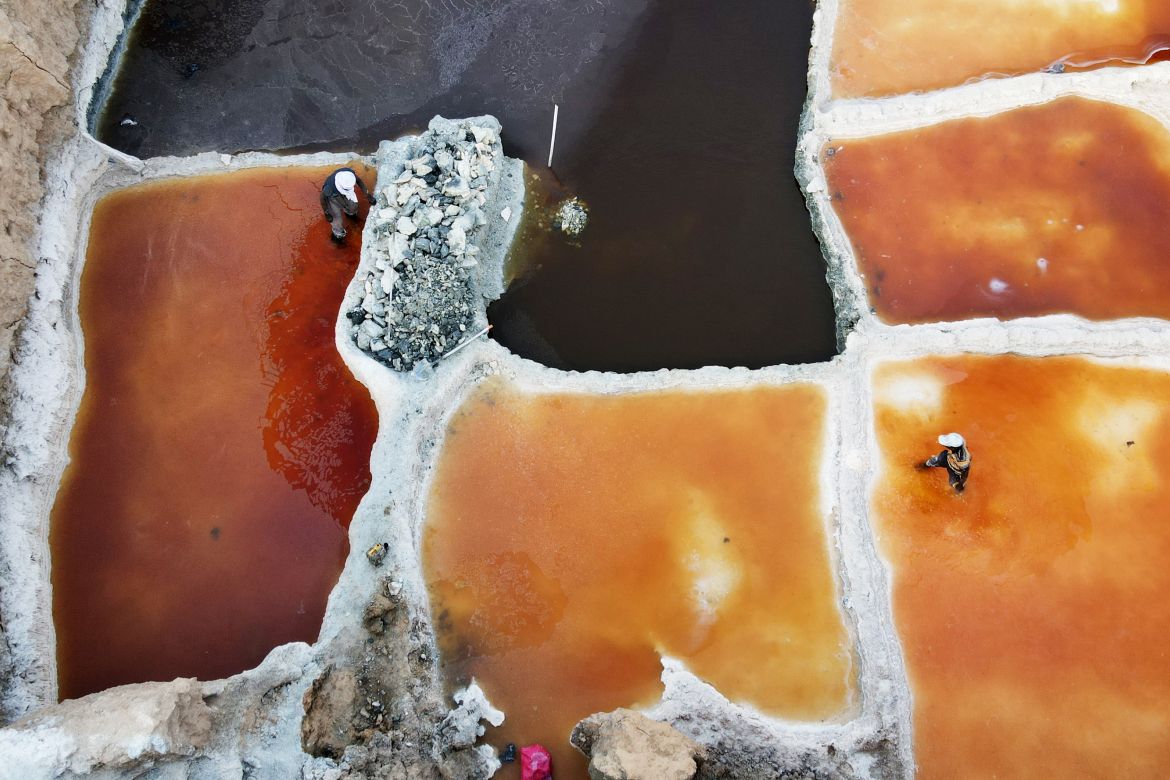
    Salt digging, carried on from generation to generation, was a thriving business, involving a commodity so precious that it was bought and sold across the Sahara and beyond. Over centuries, hundreds of pits have been dug by hand and then filled with water to leach salt from the local rock.

    Today, in this isolated desert region plagued by armed gangs and smugglers, the diggers struggle to survive.

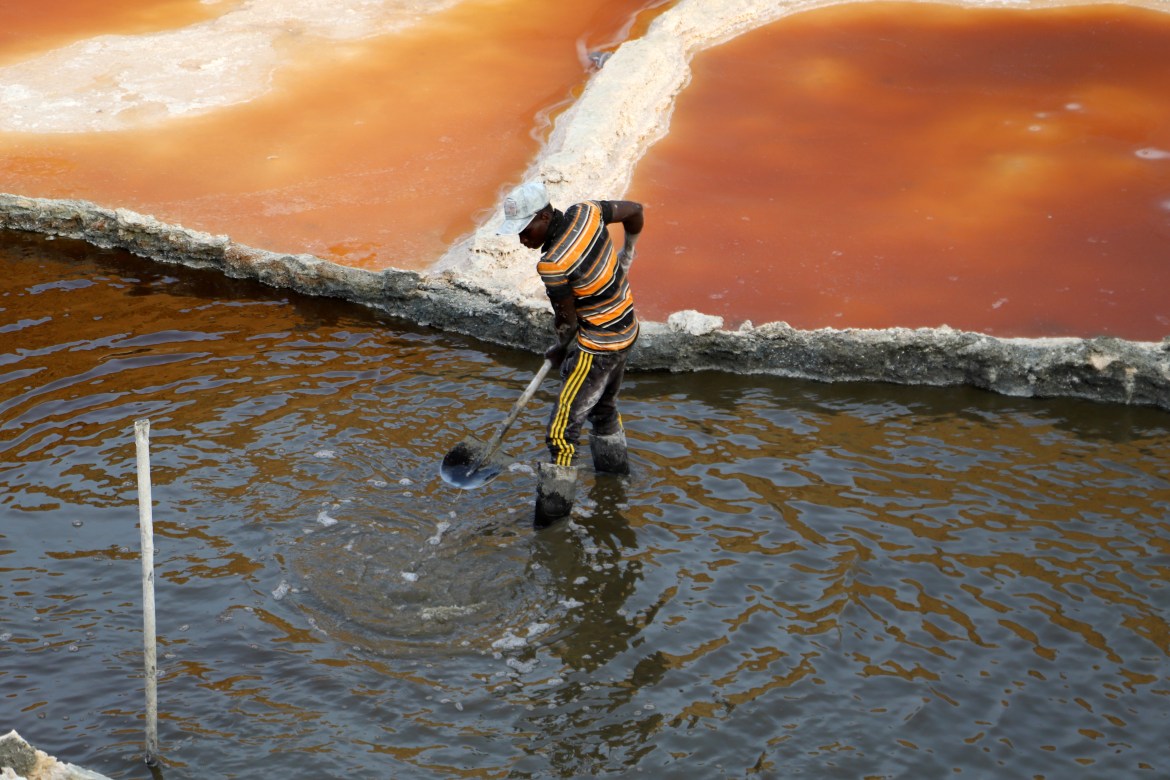
    Standing in the black and ochre pits, Ibrahim Tagaji and a colleague were wrestling with a crowbar to harvest the bounty – a method of extraction that essentially remains unchanged over time.

    A blisteringly hot day when temperatures reached 45C (113F) in the shade was coming to a close.

    Barefoot in brine swimming with crystals, the two men dug out salty chunks and pounded them into grains, which were then scooped out with a gourd.

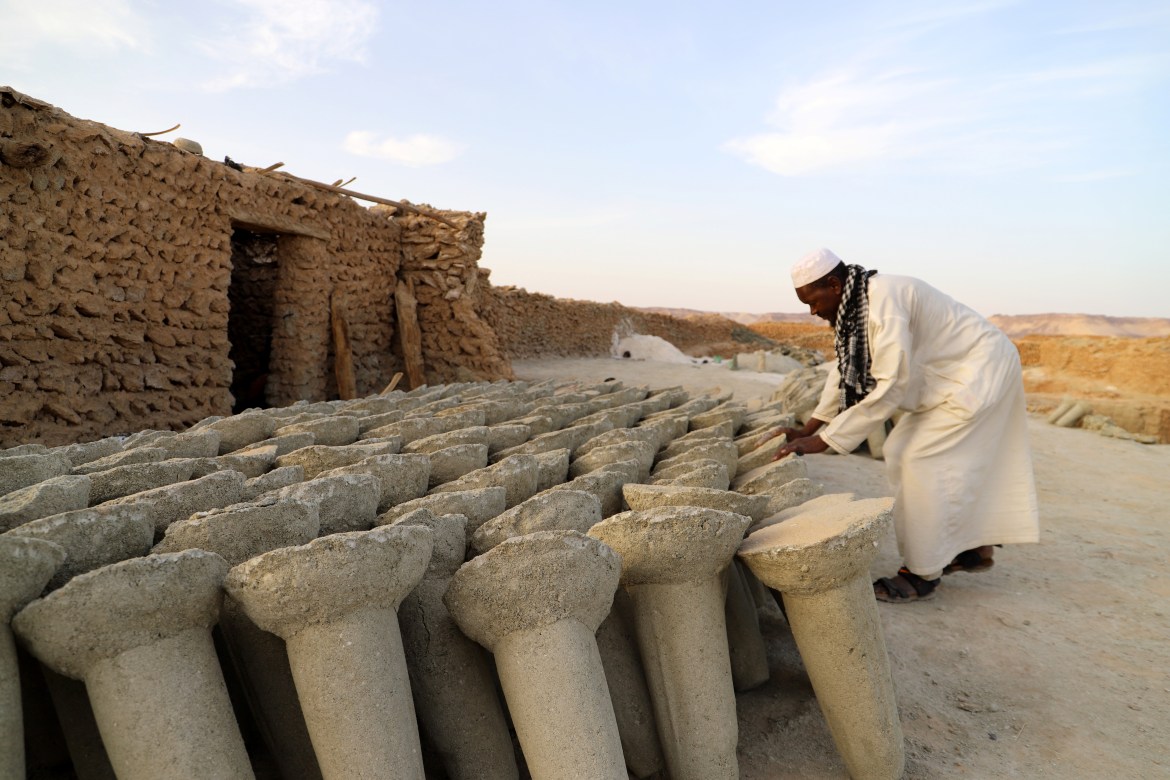
    They poured the salt into moulds made from date palms, forming slabs that were then ready for sale.

    It is hard work, rewarded by an income that fluctuates according to whichever buyers happen to pass through town.

    “When someone with money comes, you earn a lot,” Tagaji said between shovelfuls. “Otherwise, it’s a lot of work, and the money’s poor.”

    The local economy offers few alternatives, and roughly half of Bilma’s population still works in the pits, according to local officials.

    “As soon as you drop out of school, you have to work here,” said Omar Kosso, a veteran of the industry.

    “Every family has its own salt pan. You are with your wife, your children, you come and work.”

    Bilma
    Salt worker Omar Kosso says customers bargain hard with merchants, traders and traffickers. “We don’t have good customers,” he says, but the offers – mostly low – are difficult to refuse for the people in this poor region. [Souleymane Ag Anara/AFP]
    Bilma
    Caravans lead animals on a 45-day journey to Libya in Niger’s Djado area in the Sahara desert. The camel caravans still stop over in Bilma, where the vast majority of residents live in traditional houses with walls of salt and clay drawn from nearby quarries. [Souleymane Ag Anara/AFP]
    Bilma
    The mineral produced in the salt fields of Bilma is destined for animal consumption. [Souleymane Ag Anara/AFP]
    Bilma
    An individual called the “mai” is the traditional authority in Bilma. He determines who gets which area to dig for salt and sets the sale price. [Souleymane Ag Anara/AFP]
    Bilma
    A 200-year-old flag carries the family insignia of Kiari Abari, the descendant of a long line of sultans in Bilma. [Souleymane Ag Anara/AFP]
    Bilma
    As mai, Abari Chegou promotes the virtues of the locally produced salt. “Sea salt has to be iodized to avoid deficiencies,” he said. “Our salt is 90 percent iodized, so we can eat it directly without risking getting sick.” [Souleymane Ag Anara/AFP]
    Bilma
    Unfortunately for Bilma, the salt trade is drying up. “In the past, the caravans came – the Daza, the Hausa, the Tuareg,” Kiari Abari Chegou said, reeling off some ethnic groups in the region. “Now it’s not like before.” [Souleymane Ag Anara/AFP]
    Bilma
    Tuareg traders gradually gave up their nomadic way of life to settle down and farm the fertile foothills of the nearby Air Mountains in northern Niger. [Souleymane Ag Anara/AFP]
    Bilma
    The desert journey is as dangerous as it is tough. Traffickers and other criminals take advantage of the region’s porous borders. That means people travel armed and, when possible, in convoys under military escort to guard against attacks.
  • Trapped illegal miners can exit on foot – AngloGold

    Trapped illegal miners can exit on foot – AngloGold

    AngloGold Ashanti has denied claims that 300 illegal miners have been confined and unable to escape from one of the company’s mine shafts.

    A statement from the mining firm explained that the trapped miners have not been confined and can exit on foot via the existing ramp from the mine.

    “Unauthorized persons underground are able to exit on foot, via the existing ramp, through the main access of this mining area. No person underground has been confined in any way and the main exit ramp from the mine remains open.

    “Obuasi Gold Mine’s management team has notified the relevant authorities and public security services and is working closely with them.”

    The company added that seven illegal miners exited through this main access point on foot and are in the custody of the Ghana Police Service.

    The miners reportedly entered the underground shaft in search of gold deposits but were unable to come out after all exit routes were closed.

    One of the illegal miners, Ali Tijani who spoke to the media said some of his colleagues are unconscious as they have run out of food and water.

    “We went to the AngloGold mine to work, but the place was closed down. For four days now, we are just in there. We don’t have any food or water. And they do not want to give us water. We are about 300. We went there on our own.”

    Below is the full statement by AngloGold Ashanti

    AngloGold Ashanti Ghana Provides Update on Media Reports

    AngloGold Ashanti Ghana’s Obuasi Mine is aware of media reports alleging that illegal miners may have been trapped underground in the northern areas of the mine, remote from current active mining areas.

    Unauthorized persons underground are able to exit on foot, via the existing ramp, through the main access of this mining area. No person underground has been confined in any way and the main exit ramp from the mine remains open.

    Obuasi Gold Mine’s management team has notified the relevant authorities and public security services and is working closely with them.

    Yesterday, seven illegal miners exited through this main access point on foot and are in the custody of the Ghana Police Service. Any unauthorized person underground is encouraged to leave the mine at any time by the exit points where public security personnel remain on standby.

    The intrusion of illegal miners into underground areas remains a significantly dangerous activity and AngloGold Ashanti Ghana is working alongside authorities to ensure that only authorized mine personnel and contractors can access underground work areas.

    The safety and security of our employees and community members remain our top priority and AngloGold Ashanti Ghana stands ready to provide any assistance required by the authorities in ensuring the safe exit of any unauthorized persons underground.

  • Galamsey pit at Korley Teye allegedly empty; miners claimed to have escaped through backup route

    Galamsey pit at Korley Teye allegedly empty; miners claimed to have escaped through backup route

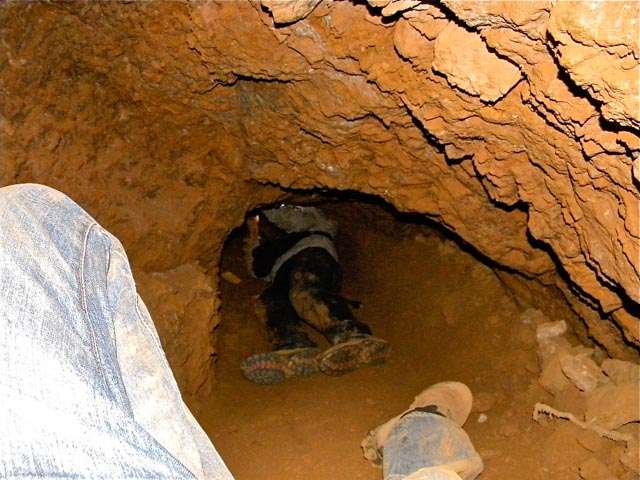
    Deputy Director of National Disaster Management Organisation (NADMO), Douglas, has said it is likely that the remaining miners who were believed to be trapped in the collapsed pit at Korley Teye in the Birim North District of the Eastern Region may have found an escape route.

    Seven miners have been confirmed dead, and while one eyewitness mentioned that five others were rescued with injuries, NADMO can only confirm the whereabouts of three survivors.

    The specific hospital where the injured miners were taken is unknown. Local residents suggest that injured victims of illegal mining accidents avoid seeking help from official facilities or reporting to the police due to fears of being handed over to law enforcement agencies.

    An eyewitness, Frank Owusu Amoah, who said he personally got involved in rescue efforts, told Adom News he saw five persons rescued alive, who were taken to the hospital with injuries.

    However Deputy NADMO Director, Douglas Adomako said has told Adom News Akwasi Dwamena that they managed to save three persons who are currently responding to treatment at the hospital.

    He added that the rest may have used another root to escape from danger and that there is nobody in the pit.

    Emmanuel Okyere, Unit Committee Secretary said the casualty rate could have been higher, explaining that torrential rains prevented many miners from going down the tunnel, leaving the field to the ‘very stubborn’ ones.

    He said when they heard of the accident, they mobilised to attempt to rescue the trapped, however their efforts yielded only seven dead bodies.

    Emmanuel Okyere said he was yet to confirm that one of those rescued with injuries may have died as well.