Tag: Ministry of Health

  • Govt cannot complete all Agenda 111 projects – Health Minister

    Govt cannot complete all Agenda 111 projects – Health Minister

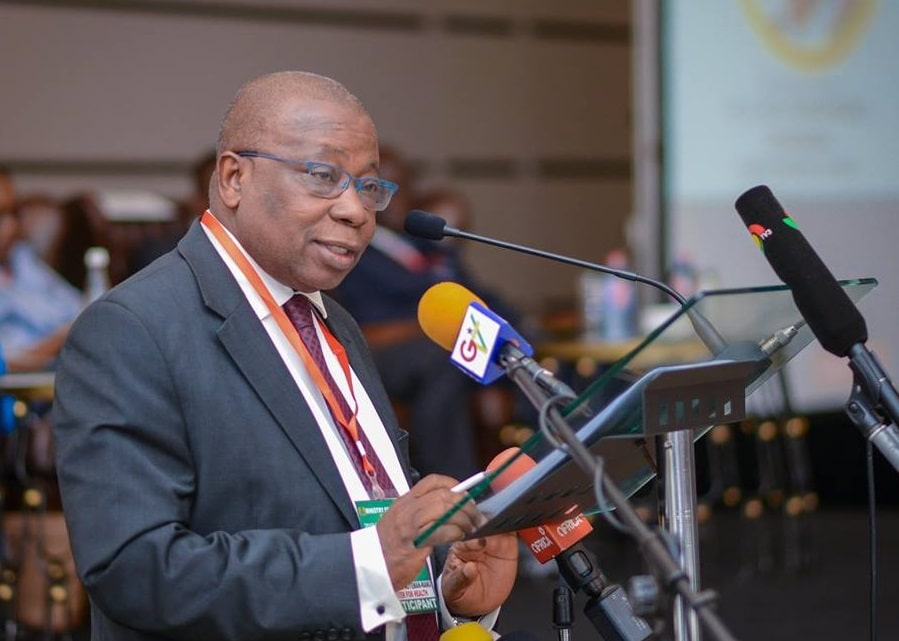
    The Minister for Health, Kwabena Mintah Akandoh, has noted that it is “unrealistic” for the government to complete all the hospitals under the Agenda 111 initiative.

    Speaking to the media, he explained that factors such as financial and practical constraints could hinder the completion of all the projects.

    “If we say that we will be able to complete all the Agenda 111 projects, which are over 100, within one year or even four years, it is a lie. Let’s be realistic and I started saying this even in opposition, and you heard me loud and clear that there was no way we were going to complete these 111 hospitals within the timeframe the president gave us.”

    Meanwhile, the Chief Executive Officer of the Social Investment Fund, Abass-Adams Nurudeen, has disclosed that the administration of President John Dramani Mahama needs about $2 billion to complete the Agenda 111 projects initiated by the previous government.

    Speaking to the media, he indicated that the current administration has no plans of abandoning the projects; however, significant funding is required to ensure their completion. According to him, the Agenda 111 project was a corruption machinery of the then Akufo-Addo-led government.

    “The NPP never considered establishing Agenda 111 hospitals. It was the COVID-19 pandemic that drew their attention to such projects. If you look at their 2016 manifesto, there was nothing indicating they would construct these hospitals,” he told host Barima Kofi Dawson. Many of the facilities they commissioned cannot be operational because they lack essential amenities like electricity, making it difficult to employ health professionals,” he said.

    On Tuesday, March 10, Deputy Finance Minister Thomas Nyarko Ampem disclosed that thirty (35) contractors under the then Akufo-Addo government’s Agenda 111 initiative received US$7.9 million in mobilisation funds but failed to start work on the projects.

    He made the revelation in Parliament on Tuesday, March 10, while presenting the Report of the Auditor-General on Arrears and Payables as at the end of 2024.

    The Deputy Finance Minister indicated that the contractors received an advance payment US$7.9m “but these contractors have either failed to mobilise to the site or the work done is not commensurate with the amount paid.”

    “Mr Speaker, the audit of Agenda 111 projects also revealed that a total amount of US$7.9 million was paid to 35 contractors as advance mobilisation under the programme, but these contractors have either failed to mobilise to the site or the work done is not commensurate with the amount paid,” he said.

    Reacting to the report, Mr Kwakye Ofosu, has assured a thorough investigation into the matter, adding, “The crimes have been identified, and people will be taken to court to punish them for these offences immediately”.

    These developments have intensified concerns surrounding the administration of the Agenda 111 project, widely regarded as one of the largest healthcare infrastructure programmes initiated during the tenure of former President Nana Akufo-Addo and the New Patriotic Party government.

    Introduced in 2021, the project aimed to build 111 district and regional hospitals nationwide to expand healthcare access, particularly in communities lacking adequate medical facilities.

    Despite its objectives, the programme has repeatedly come under scrutiny due to construction delays, escalating costs, and concerns about monitoring and accountability.

    Mr Ampem also revealed that the advance payment guarantees associated with the 35 contracts have all lapsed, leaving the government with limited contractual safeguards to recover the money should the contractors fail to honour the surcharge directives.

    The Ministry of Finance did not specify whether further legal action or recovery strategies would be pursued beyond the measures already initiated by the Ghana Audit Service.

    It also remains uncertain how many of the proposed 111 hospitals have been completed or have reached significant stages of construction.

    The Minister of Health, Kwabena Mintah Akandoh, has attributed the decision by President John Mahama to order an audit into the Agenda 111 project to the lack of clarity and transparency surrounding its implementation under the previous administration.

    Speaking on Asempa FM’s Ekosii Sen, Mr. Akandoh revealed that none of the hospitals promised under the initiative is currently operational.

    “None of the Agenda 111 hospitals is operational as we speak, which is why President Mahama has directed that an audit be conducted to understand the true status of the project,” he stated.

    He criticised the former Akufo-Addo administration for what he described as poor planning and mismanagement of the health infrastructure project.

    “We all know how Agenda 111 started. The way the project was handled wasn’t the best. Even if you intend to build 111 hospitals, you could stagger the project and complete them in phases,” the Minister said.

    He pointed out that the Akufo-Addo government had assured the public that some of the hospitals would be completed and handed over before the end of their term. However, none of these facilities are in use.

    “He mentioned that they had completed three hospitals and even commissioned some on December 5. But when President Mahama gave his first State of the Nation Address and referenced it, I went to verify, and unfortunately, none of those hospitals was operational,” Mr. Akandoh noted.

    Highlighting inconsistencies in the project’s financing, the Minister disclosed that about $400 million had already been spent out of the estimated $1.7 billion to $1.9 billion budgeted for the entire project.

    “The interesting part is, if they had staggered the project as they should have, by now we could have completed more than 20 hospitals with that amount. But that wasn’t the case,” he lamented.

    With the Agenda 111 initiative now under the purview of the Ministry of Health, Mr. Akandoh said steps are being taken to assess its feasibility and ensure proper execution moving forward.

    “President Mahama has directed us to audit the Agenda 111 project and present him with a clear blueprint for the way forward, and we’ve been given timelines,” he added.

    The Ministry of Health has dismissed statements made by former Finance Minister Dr. Mohammed Amin Adam, who claimed that three hospitals under the Agenda 111 initiative were completed, furnished with medical equipment, and inaugurated before the previous administration left office.

    During a press briefing on Monday, Dr. Adam asserted that three hospitals had been fully completed and that $1.3 billion had been allocated to finish the remaining Agenda 111 projects.

    However, in a statement released on Tuesday, March 4, 2025, the Health Ministry denied these assertions and urged the public to disregard them.

    The Ministry reported that on March 3, officials visited the Trede and Kokoben hospital sites in the Ashanti Region to evaluate progress. Their assessment found that essential medical infrastructure, including imaging devices, medical gas systems, and mortuary equipment, was yet to be installed.

    Despite the previous government investing $400 million in the initiative, the Ministry emphasized that none of the Agenda 111 hospitals had been completed and made operational. Although the facilities at Trede, Kokoben, and Ahanta had been inaugurated by former President Nana Akufo-Addo, construction was still in progress, with an estimated completion rate of 95 percent. Some laboratory sections remained unfinished, and no medical devices had been put in place.

    Furthermore, the Ministry clarified that these hospitals had not been handed over to the Ghana Health Service for use. It is estimated that an additional $8.03 million would be required to make each of the three hospitals fully functional. The overall cost to complete all pending Agenda 111 hospital projects had now risen to $1.589 billion.

  • Parliament approves Health Ministry’s GHCS 2.8bn budget allocation

    Parliament approves Health Ministry’s GHCS 2.8bn budget allocation

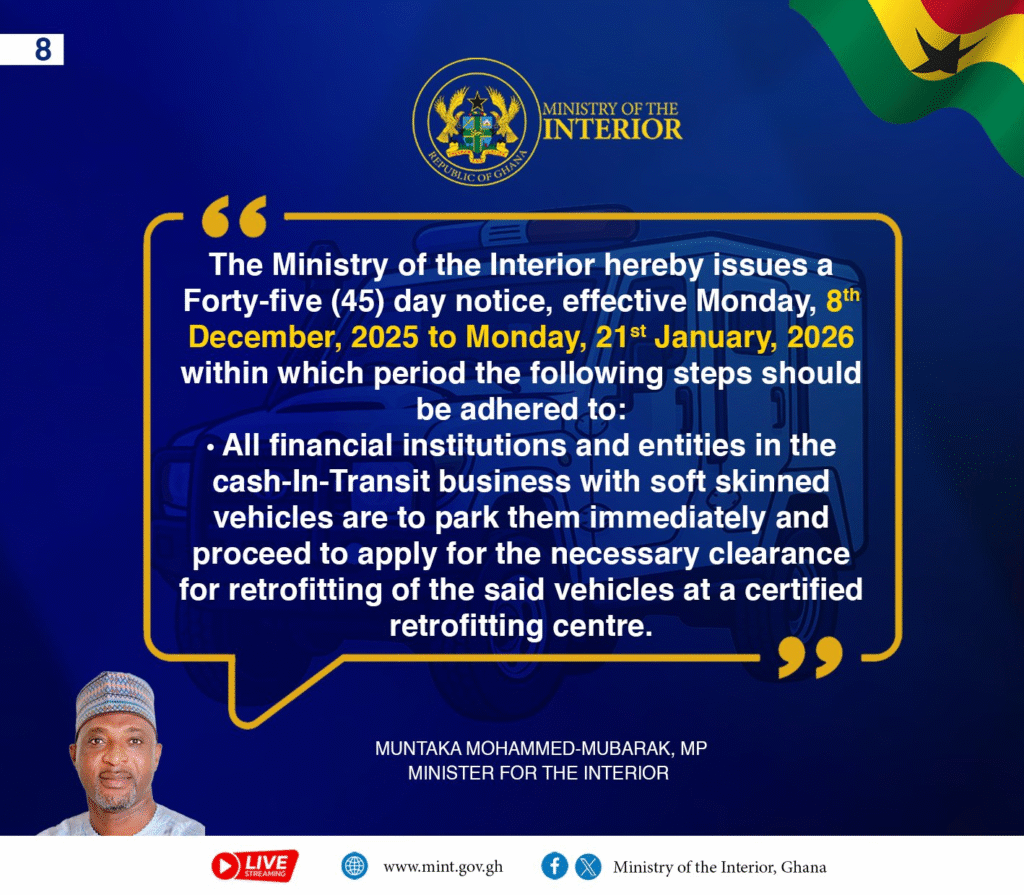
    A forty-five-day ultimatum has been issued to all companies and institutions involved in the cash-in-transit and bullion-van business to adhere to new national guidelines directed by the Ministry of the Interior.

    Interior Minister, Muntaka Mohammed Mubarak, made the announcement at a press briefing on Thursday, December 4, on the Roll Out of Guidelines and standards to regulate the importation, retrofitting, usage, and decommissioning of Armoured Bullion Vehicles.

    “The Ministry of the Interior hereby issues a Forty-five (45) day notice, effective Monday, 8th December, 2025 to Monday, 21st January, 2026 within which period the following steps should be adhered to:

    “Entities operating in the cash-In-Transit/Bullion business are to cease operations henceforth and proceed to register and acquire the needed licenses and certification from the Ministry of the Interior before operations.”

    “All stakeholders should note that, after the 45-day notice period, there shall be nationwide enforcement and full implementation of the Guidelines and Standards including taking legal action and applying sanctions against those who breach the directives,” he said.

    He also asked, entities engaged in the retrofitting of Armoured Bullion Vehicles for the cash-In-Transit/Bullion services are to cease operations henceforth and proceed to register and acquire the needed licenses and certification from the Ministry of the Interior before operations.

    The Ghana Police Service and the Bank of Ghana are therefore expected to strictly enforce these guidelines and standards alongside the Standard Operating Procedures on Armoured Bullion Vehicles (ABVs).

    In 2023, bullion van robberies occurred in broad daylight in the country, particularly in the capital city of Accra.

    It posed significant dangers to public safety and the overall economy of the country.

    Despite the presence of stringent surveillance systems, substantial amounts of money were stolen, and police escorts were shot and killed.

    One police officer who unfortunately died in the Ablekuma Bullion Van Robbery event was promoted from General Lance Corporal to General Corporal posthumously.

    The solemn announcement was made during a pre-burial service held at the St. George Catholic Church in Tesano, Accra, as a heartfelt tribute to the fallen hero, Callistus Amoah.

    General Corporal Callistus Amoah, while on official duty in a bullion van at Ablekuma Fan Milk in Accra, bravely faced armed robbers at a fuel station and tragically succumbed to their gunfire.

    The news of his promotion was met with profound respect, serving as a profound recognition of his unwavering dedication and ultimate sacrifice.

    Expressing deep condolences, the Inspector General of Police, Dr. George Akufo Dampare, conveyed heartfelt sympathy to Callistus Amoah’s family and extended his support to the institutions with which the officer was associated during his honorable service.

    Dr. Dampare further assured the public that relentless efforts would be exerted to bring the perpetrators of this heinous crime to justice.

    “On behalf of my colleagues and the leadership of the Police, I extend my condolences to Amanda, the parents of my brother and the institutions that when my brother was alive was involved in. Since the incident happened, I have been in an unmeasurable pain which I have not been able to quantify and define until I came here today.

    “Calis is a colleague to all of us at the top but to me, he is a brother because the village he comes from is close to a village I have adopted because of the benevolence of an old lady towards me.”

    The wife of the late Callistus Amoah, Amanda Amoah,stood before the mournful assembly and tenderly paid tribute to her beloved husband, portraying him as a remarkably generous soul.

    The gathering resonated with solemnity as friends, family, and colleagues united in remembrance, joining together to pay homage to the cherished memory of a dedicated police officer who selflessly sacrificed his life in the line of duty.

  • We can’t continue to spend GHS170m annually on Zipline’s contract – Majority on halted Zipline services

    We can’t continue to spend GHS170m annually on Zipline’s contract – Majority on halted Zipline services

    The Majority Leader in Parliament, Mahama Ayariga, has indicated that the government cannot continue to spend GHS170million annually for the Zipline to be sending blood and other products to health facilities using drones.

    Responding to concerns raised by the Minority Leader, Alexander Afenyo-Markin, over the cancellation of the contract, Mr Ayariga explained that the Ministry of Health should have bought its own drones after all those years the contract had existed.

    “…you cannot continue spending that kind of money that you are paying a service provider, as it is a total waste of money,” he said on the floor of Parliament on Friday, Nov 28, 2025.

    Mr. Afenyo-Markin then urged that the Minister of Health address the matter, particularly the measures being taken to resolve it, “because it is not those of us in the cities that will suffer from this shutdown.”

    “It is those in the rural areas who otherwise would need emergency medical care and if there is blood, there is the need for them to get blood transfusion as quickly as possible,” he said. 

    He recalled that the Zipline contract was signed somewhere in 2021, but such a contract had been a drain on national resources. 

    “Can you imagine every year we are spending GH¢170 million so that they will go and drop blood in some village and then come back?” 

    “Meanwhile, there is a road network leading to almost every town, every community in this country, and there are only a few locations that you would say the roads are not accessible,” Mr Ayariga said.

    The Bawku Central MP argued that the money spent could have been invested in tarring roads to all the regions Zipline served, while the GHS could have obtained drones to make deliveries on its own schedule.

    The Leader asked about the price of drones, stating that some models are sold for $4,000–$5,000, while the costliest drones stay below $10,000–$20,000.

    “By now we would have had drones for every district in this country managed by the Ghana Health Service. 

    “Let us go and do a total calculation of how much money we have wasted on this Zipline contract,” he said.

    On the 6th-year anniversary of commencing operations in Ghana, Zipline, the world’s largest autonomous logistics system,

    has successfully delivered more than 8.4 million medical products in the country, marking a major milestone in the country’s journey toward equitable healthcare access.

    Since its launch in 2019, Zipline has served as a critical infrastructure partner for the Government of Ghana. 

    It has delivered more than 8.4 million medical units – including medications for malaria, HIV, and TB, family planning products, blood products, vitamins, nutritional products, medicines for pregnant women, and more than 17 million vaccine doses – to over 3,000 hospitals, health centers, and CHPS compounds in 14 regions of the country.

    Operating from six hubs, Zipline’s autonomous drones enable real-time delivery of medical products regardless of weather, terrain, or infrastructure challenges – revolutionizing last-mile delivery in the health sector. 

    In 2021, Zipline partnered with Gavi and the UPS Foundation to deliver the COVID-19 vaccine and has since delivered more than 3.4 million doses, including hundreds of thousands of mRNA vaccines.

    Research conducted shows that the company disproportionately serves the most vulnerable populations in Ghana, with rural and hard-to-reach districts receiving 30 percent more COVID-19 vaccines than less remote districts during the COVID-19 pandemic. 

    Zipline is set to scale up its life-saving drone delivery services across Africa following a landmark $150 million pay-for-performance commitment from the U.S. Department of State.

    The initiative will boost the company’s AI and robotics infrastructure and strengthen support for African governments implementing national health logistics systems. Under the expanded programme, more than 10,000 additional health facilities and community drop sites are expected to be added, enabling on-demand delivery of essential medicines to over 130 million people.

    The expansion is also projected to generate more than 800 high-tech jobs on the continent and unlock over $1 billion in annual economic growth.

    According to Zipline, the partnership marks a new phase in global health delivery—one driven by African leadership, advanced technology, and measurable impact.

    Country Director, Daniel Merki, joined Citi FM on November 2022, to discuss how Zipline is working with the Government of Ghana to transform healthcare access,

    According to him, it has made over 800,000 deliveries nationwide to a 56% drop in maternal deaths in Zipline-supported areas.

    “Zipline is more than a service provider; we’re infrastructure in service of the government’s agenda,” he added.

  • Ghana secures 33,600 vaccines to aid Mpox fight

    Ghana secures 33,600 vaccines to aid Mpox fight

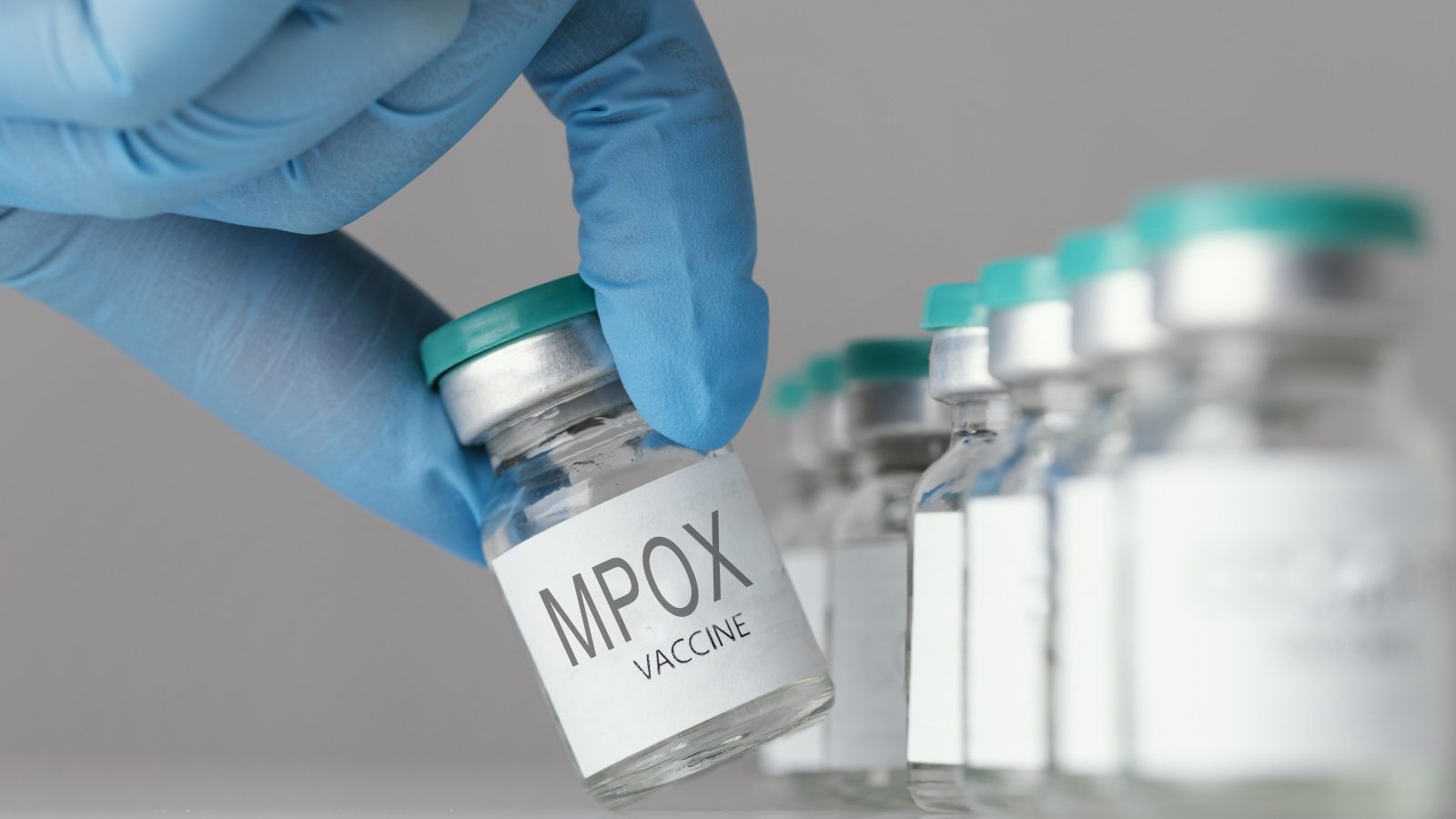
    The Ministry of Health has successfully secured 33,600 vaccines to strengthen Ghana’s fight against the monkeypox (Mpox) virus.

    “This is another milestone in safeguarding the health and wellbeing of our citizens,” the ministry said in a Facebook post.

    Months ago, the Ministry of Health received a significant boost in its fight against the ongoing Mpox outbreak following the donation of essential medical supplies and public health materials from the World Health Organization (WHO).

    During a brief ceremony held at the Ministry, the WHO Regional Director for Africa, Professor Mohamed Yakub Janabi, reaffirmed the organization’s commitment to supporting Ghana’s public health response and acknowledged the country’s commendable leadership in managing the outbreak.

    The donation, valued at USD 36,700, includes personal protective equipment (PPE) for frontline health workers, 780 GeneXpert cartridges to improve diagnostic capacity, and 9,000 risk communication posters along with 40 pull-up banners to support community sensitization efforts.

    The PPE will help enhance infection prevention and control, while the GeneXpert cartridges are expected to facilitate rapid and accurate testing, particularly at decentralized levels. The risk communication materials are aimed at promoting public awareness and behavioural change.

    The Minister for Health, Honourable Kwabena Mintah Akandoh, who received the items on behalf of the government, thanked the WHO for its continued support. He indicated that Ghana is keen to adopt vaccines as part of its response strategy and called on the WHO to expedite assistance in that regard.

    He also encouraged the public to maintain good hygiene practices and to seek prompt medical attention if they experience symptoms such as fever, cough, headache, or skin rashes. He noted that the Ministry remains committed to strengthening public health systems and working closely with partners to contain the outbreak and protect the health of all Ghanaians.

    The total number of confirmed Mpox cases in the country has surged to 424 cases due to 15 new cases as of August 20, 2025. Currently, there’s no patient on admission.

    As of August 14, four hundred and nine (409) total cases were confirmed after thirty-seven (37) new cases were recorded.

    According to previous reports, twenty-six (26) new cases of infection were confirmed on August 11, increasing the total to 372, compared to 346 cases reported on August 7. However, the national death toll remains at one.

    Health officials explained that the Mpox disease primarily spreads through direct contact with an infected individual. Common signs include fever, skin rashes, and swollen lymph nodes. The Ghana Health Service is urging the public to avoid close interactions with symptomatic persons, maintain regular handwashing with soap and water, refrain from frequently touching the face, and use masks when caring for patients.

    The Service added that it is closely monitoring the outbreak, conducting contact tracing, and strengthening public education with the support of regional health directorates.

    Following the detection of twenty (20) new infections as of Wednesday, July 30, the Ghana Health Service (GHS) on Monday, July 27, reported the unfortunate demise of one of the individuals who had contracted the disease. Since Ghana recorded its first Mpox case in June 2022, with five cases, this is the first time any of the infected persons has succumbed to the disease.

    In its regular updates, the Ghana Health Service noted that as of July 22, twenty-three (23) new cases were recorded, pushing the total confirmed cases to 257 at the time. Ghana’s confirmed Mpox cases rose to 234 following the detection of sixteen (16) new cases as of July 18. The number of cases stood at 218 after twenty-one (21) new infections were detected as of July 14. The Ghana Health Service reported 197 confirmed cases following the detection of eleven (11) new infections as of July 11. The Service, while revealing this information, described the trend as a gradual yet manageable increase and called for sustained public vigilance.

    The country has seen a slight uptick in infections. Health officials, however, maintain that the overall situation remains under control. Although many cases are mild, early medical care is crucial to avoid complications.

    In light of the growing Mpox cases, the GHS is boosting nationwide information campaigns to ensure citizens remain aware and cautious. Preventive actions such as avoiding direct contact with sick individuals, practicing proper hygiene, and promptly seeking care when symptoms show are being emphasized. Officials stress the importance of swift case detection and notification, with field teams and community health workers diligently monitoring developments. The public is being encouraged to stay watchful, adhere to health precautions, and contribute to collective efforts to stop the virus from spreading.

    The government is engaging international organizations for assistance in procuring vaccines to help curb the rising number of cases being reported. The World Health Organization (WHO) Ghana has provided laboratory PCR reagents to enhance the country’s diagnostic capacity. The donation was officially handed over to the Ghana Health Service (GHS) at the National Public Health Reference Laboratory.

    Receiving the supplies on behalf of the GHS, Acting Deputy Director General Dr. Caroline Reindorf Amissah expressed gratitude for WHO’s ongoing logistical and technical support. “We promise from our end to do our bit, collaborate, go out there, and look for the cases to make sure that this is really brought under control,” she stated.

    WHO Country Representative Dr. Fiona Braka emphasized that the organization hopes the reagents will enable rapid diagnosis and prompt public health responses. The supplies are capable of testing 3,400 suspected Mpox samples, and additional kits provided will allow clade determination for 625 confirmed positive cases.

    Global Data

    The monkeypox virus was first discovered in Denmark in 1958 in monkeys kept for research, according to the World Health Organization (WHO). A nine-month-old boy from the Democratic Republic of Congo in 1970 was the first person to have contracted the virus.

    According to the World Health Organization, following the eradication of smallpox in 1980 and the end of smallpox vaccination worldwide, Mpox steadily emerged in central, east, and west Africa.

    “Since then, mpox has been reported sporadically in central and east Africa (clade I) and west Africa (clade II). In 2003, an outbreak in the United States of America was linked to imported wild animals (clade II).

    Since 2005, thousands of cases have been reported in the Democratic Republic of the Congo every year. In 2017, mpox re-emerged in Nigeria and continues to spread between people across the country and in travellers to other destinations,” the WHO reports.

    In May 2022, an outbreak of Mpox appeared suddenly and rapidly spread across Europe, the Americas, and then all six WHO regions. Since 2022, there has also been an upsurge in Mpox cases and deaths in the Democratic Republic of the Congo. In some areas of the country, a new offshoot of clade I, called clade Ib, has been spreading person-to-person. As of mid-2024, the clade has also been reported in other countries.

    Over 120 countries have reported Mpox between January 2022 and August 2024, with over 100,000 laboratory-confirmed cases and more than 220 deaths among confirmed cases.

    Following the meeting of the International Health Regulations (2005) Emergency Committee regarding the upsurge of Mpox in 2024, held on June 5, 2025, the World Health Organization stated that “Over the past 12 months, the majority of mpox cases have continued to be reported from the African continent, largely driven by outbreaks of MPXV clade Ib in East African countries, including the DRC, where clade Ia is co-circulating. Sierra Leone, however, is experiencing a rapidly evolving outbreak, which based on available genomic sequencing results, appears to be driven by MPXV clade IIb.”

    “Outside of the African region, there continues to be a steady report of monthly cases (between about 500 – 1000 monthly), from all regions, mostly reflecting ongoing circulation of MPXV clade IIb among men who have sex with men (MSM),” the WHO added.

    WHO Director-General Dr. Tedros Adhanom Ghebreyesus has declared Mpox a Public Health Emergency of International Concern (PHEIC) twice. The first was in May 2022, and the second time was in August 2024.

    The World Health Organization continues to work with member states and partners to prevent and respond to outbreaks of Mpox. This includes coordinating research on vaccines and treatments, strengthening country health systems, and working to facilitate equitable access to vaccines, therapeutics, diagnostics, and other tools.
  • Licensing exams for nursing and midwifery candidates postponed to Sept. 4

    Licensing exams for nursing and midwifery candidates postponed to Sept. 4

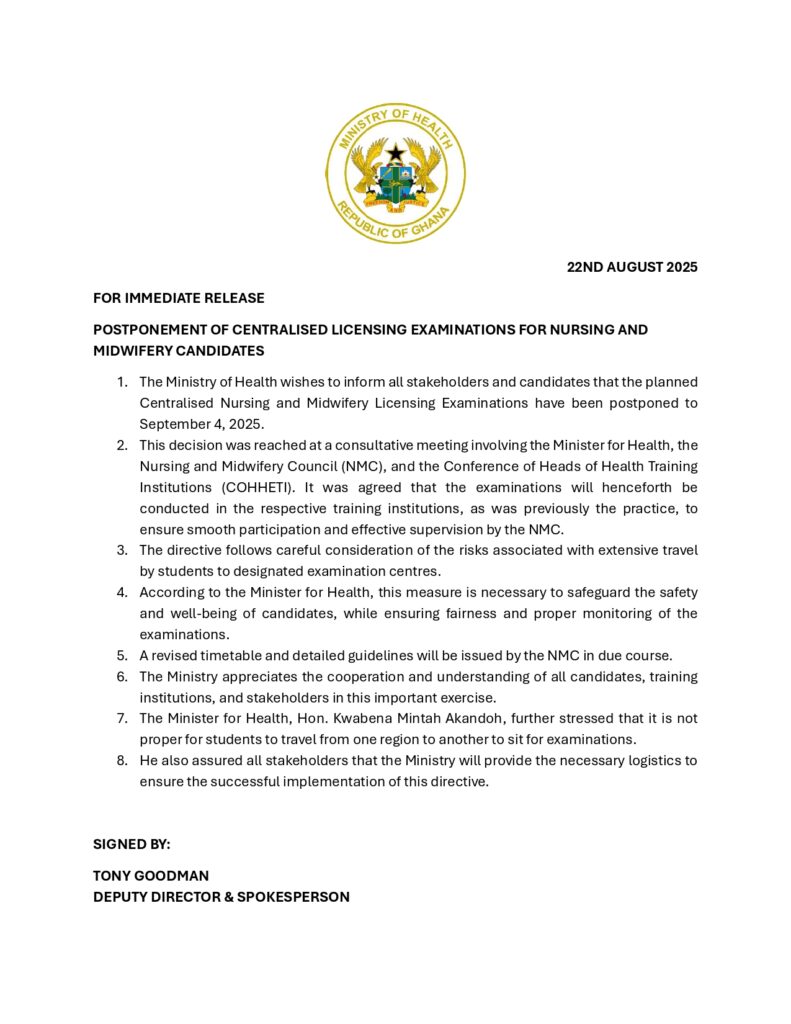
    The centralised Nursing and Midwifery Licensing Examinations have been postponed to September 4, the Ministry of Health has announced.

    In an issued statement, the Ministry revealed that the decision was reached at a consultative meeting involving the Minister for Health, the Nursing and Midwifery Council (NMC), and the Conference of Heads of Health Training Institutions (COHHETI).

    “It was agreed that the examinations will henceforth be conducted in the respective training institutions, as was previously the practice, to ensure smooth participation and effective supervision by the NMC,” the statement noted.

    The directive follows careful consideration of the risks associated with extensive travel by students to designated examination centres.

    According to the Minister for Health, Honourable Mintah Akandoh, this measure is necessary to safeguard the safety and well-being of candidates while ensuring fairness and proper monitoring of the examinations.

    A revised timetable and detailed guidelines will be issued by the NMC in due course, the Ministry noted.

    According to the Health Ministry, Hon. Kwabena Mintah Akandoh is not in support of students travelling from one region to another to sit for examinations.

    He assured all stakeholders that the Ministry will provide the necessary logistics to ensure the successful implementation of this directive.

    The Ministry has thanked all candidates, training institutions, and stakeholders for their cooperation and understanding in this important exercise.

    In July, the government disbursed an amount of GHS 462 million to settle training allowances owed to 120,000 nursing students nationwide.

    The six-month payment is part of the government’s wider effort to assist students in Nursing Training Colleges financially.

    A statement released by the Ministry of Health on Thursday, July 17, indicated that the new development aligns with President John Dramani Mahama’s campaign promise in 2024.

    “The Ministry views this development as a significant step in improving the welfare of nursing trainees and sustaining the motivation of future health professionals. It further aligns with ongoing efforts to strengthen the health sector by ensuring that critical human resources receive the needed support throughout their training,” parts of the statement read.

    The Ministry extended its appreciation to President Mahama for facilitating the timely release and distribution of the funds.

    It pledged to strengthen its collaboration with nursing schools to uphold the quality of healthcare education countrywide.

    “The Ministry extends its appreciation to the president of the Republic of Ghana, His Excellency John Dramani Mahama for fulfilling his promise to the nurses, as well as all other stakeholders involved in facilitating the timely release and distribution of the funds.”

    In 2024, President Mahama (who was then an aspirant) encouraged trainee nurses to prioritize securing stable employment over relying on allowances. He highlighted the need for sustainable job opportunities in Ghana’s healthcare sector.

    Speaking to trainee nurses on Saturday, he acknowledged their financial difficulties but emphasized that long-term job security is more beneficial than temporary financial support.

    He assured them that his administration would focus on job creation within the healthcare industry, ensuring stable and rewarding careers for nurses and other health professionals.

    “We know the problems with trainee nurses and that is why when we were in government, we said we were going to substitute your allowance with the students’ loan because we wanted to create more employment for you. What is important for you is not the allowance it is to get a job when you finish school,” he stated.

    Adding that “But somebody came and said he will pay the allowances. Unfortunately, it was 419…Come and pay the nurses you owe them almost 30 months of arrears. Some of them have left school without receiving their allowances and some of them are going to leave school again without receiving their allowances.

    “…I make you a commitment when I come to the hospitals, we were building that have been abandoned by this government we will continue them.

    “When I come to the agenda 111 hospitals, they are building I will continue and finish them so that we can create more space to be able to absorb all of you when you finish school. This election is between Ghana and NPP.”

    In May this year, the Ministry of Health unveiled a newly enhanced mobile application designed to streamline the purchase and application process for prospective students seeking admission into Health Training Institutions across Ghana.

    This initiative is part of ongoing efforts to improve accessibility, convenience, and transparency in the admissions process.

    As part of the deployment, the sale of admission forms, originally scheduled to begin on April 22,was rescheduled to May 5. 

    The forms were available for purchase until June 5, 2025. The mobile app will allow applicants to purchase their forms digitally, eliminating the need for long-distance travel, reducing the cost, and improving the overall efficiency of the process.

    In a related development, the Ministry of Health also announced a reduction in the cost of application forms for the 2025/2026 academic year. 

    The application fee, which was previously set at GHC200, will now be reduced to GHC150. According to the Ministry, “this reduction is intended to enhance access and affordability for applicants across the country.”

    It has also been noted that only GCB Bank PLC and Agriculture Development Banks are authorized to sell the application forms. The official academic year for 2025/2026 will begin on April 22, 2025, and end on June 19, 2025.

    The Ministry appreciates the cooperation of all involved as it works towards a more efficient and user-friendly admissions system for prospective students.

  • Ghana to mark World Glaucoma Week 2025 with public screenings

    Ghana to mark World Glaucoma Week 2025 with public screenings

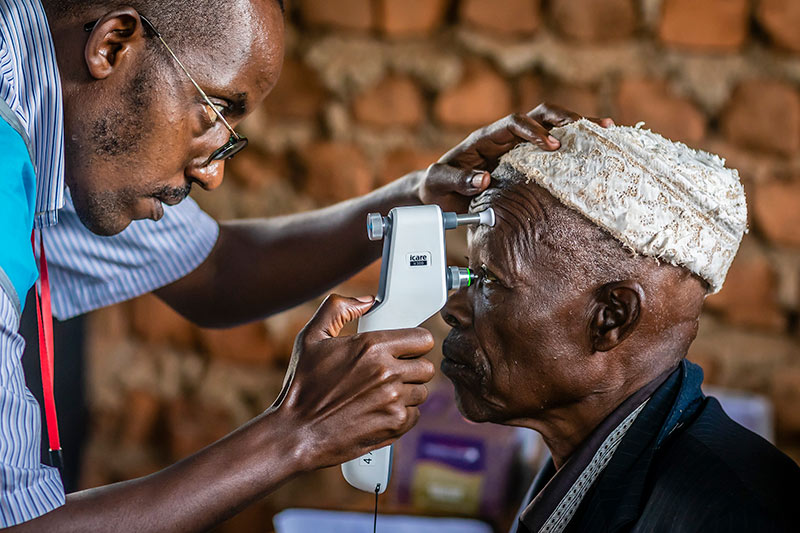
    The Glaucoma Patient Association of Ghana (GpAG), in collaboration with the Ministry of Health, has announced the World Glaucoma Week 2025 celebration, which commenced on Sunday, March 9, to Saturday, March 15.

    This initiative aims to raise awareness about glaucoma, a leading cause of irreversible blindness, and promote early detection and treatment.

    The theme for this year’s observance is “Uniting for a Glaucoma-Free World.” The campaign seeks to educate the public about the dangers of untreated glaucoma, encourage routine eye screenings, and support individuals affected by the condition.

    A press launch will take place on Tuesday, March 12, at the Ministry of Health Conference Room from 9AM to 12:00 Noon.

    As part of the campaign, a free public glaucoma screening has been scheduled for Saturday, March 15, at the ICGC Restoration Temple from 9:00 AM to 2:00 PM. This screening offers an opportunity for individuals to check their eye health and receive medical advice on glaucoma management.

    Additionally, the organizers have announced that free public screenings will be conducted throughout the week, ensuring that more people have access to early diagnosis and treatment options.

    For more details, visit www.worldglaucomaweek.org.

  • We didn’t pay $34.9m to Ghana Auto Group Limited for Ambulance spare parts – Ministry of Health

    We didn’t pay $34.9m to Ghana Auto Group Limited for Ambulance spare parts – Ministry of Health

    The Ministry of Health has refuted reports claiming it paid $34.9 million to Ghana Auto Group Limited for National Ambulance Service fleet procurement.

    In a statement released on July 25, 2024, the Ministry clarified that the Office of the Chief of Staff had asked it to find ways to support the National Ambulance Service due to Parliament’s rejection of the Special Initiatives Development Secretariat’s 2023 budget.

    The Ministry outlined that on September 10, 2020, a contract was signed between the Ministry of Special Development Initiatives and Service Auto Group Ghana Limited.

    This contract covered after-sales service and maintenance for 307 Mercedes Benz Sprinter 315 CDI ambulances.

    The agreement included provisions for spare parts and lubricants to ensure proper fleet maintenance.

    The Ministry of Special Development Initiatives used part of its budget to support this maintenance, and after the Ministry’s dissolution, the Special Initiatives Development Secretariat continued the contract’s execution.

    On March 10, 2023, due to the lack of parliamentary approval for the Secretariat’s budget, the Chief of Staff requested the Ministry of Health to assist with ambulance fleet maintenance.

    The Ministry of Health then contacted the Ministry of Finance to arrange letters of credit amounting to $34,904,505.00 for spare parts for the ambulances.

    “On September 10, 2020, the Ministry of Special Development Initiatives signed a contract with Service Auto Group Ghana Limited for the provision of after-sales service and maintenance for 307 Mercedes Benz Sprinter 315 CDI ambulances. The contract stipulated that the supplier shall provide the client with a projected budget for requisite spare parts and lubricants to ensure the smooth servicing and maintenance of the fleet.

    “Since the inception of the contract, the Ministry of Special Development Initiatives has utilized a portion of its annual budget allocation to support the National Ambulance Service and fund the maintenance agreement. Following the dissolution of the Ministry of Special Development Initiatives, the Special Initiatives Development Secretariat took over the execution of the contract. On March 10, 2023, the Office of the Chief of Staff requested the Ministry of Health to explore ways to support the National Ambulance Service in maintaining the fleet of ambulances due to Parliament’s refusal to approve the budget estimates of the Special Initiatives Development Secretariat for the 2023 fiscal year,” it stated.

    The Ministry affirmed its commitment to maintaining a sustainable maintenance program for the National Ambulance Service fleet to ensure reliable and efficient emergency medical services.

    Special Prosecutor Kissi Agyebeng has confirmed receipt of a petition from North Tongu MP Samuel Okudzeto Ablakwa regarding the $34.9 million spare parts deal with Service Auto Group Ghana Limited. The OSP will investigate the matter if it falls within its jurisdiction.

    “We acknowledge receipt of a filed complaint as titled above. The Special Prosecutor will direct the commencement of investigations if he determines that the issue is within the mandate of the Office of the Special Prosecutor. You may be contacted should the need arise. Please accept the compliments of my highest consideration,” Kissi Agyebeng stated.

    Mr Ablakwa shared this update on social media, noting that the Special Prosecutor has acknowledged his complaint and pledging to prevent any further payments.

    He expressed determination to combat corruption and protect public funds.

    “The Special Prosecutor has formally acknowledged my complaint on the US$34.9 million Ambulance Spare Parts Scandal. Let’s see how things go from here. We shall do everything in our power to stop the imminent payment of US$24.9 million after Ken Ofori-Atta ordered the release of US$10 million to that shady company with presidential familial ties. Nothing will stop us from salvaging the battered public purse. State Capture shall surely be defeated! For God and Country,” he noted.

  • Health Ministry receives GHS7.4m to clear medical supplies locked up at Tema Port

    Health Ministry receives GHS7.4m to clear medical supplies locked up at Tema Port

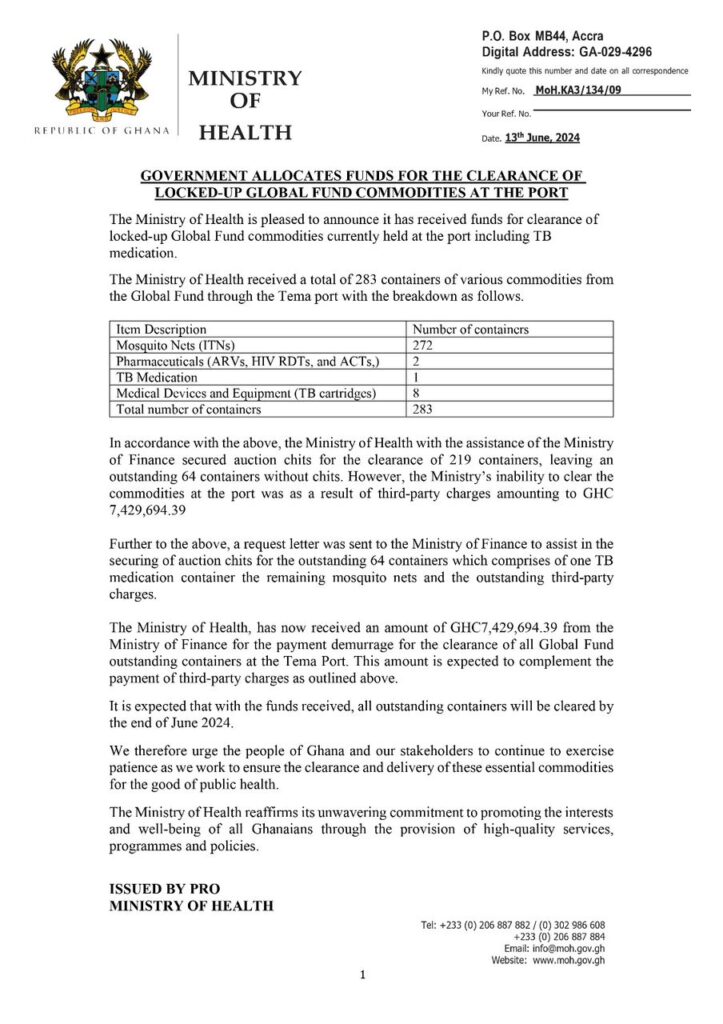
    The Ministry of Health (MoH) has announced the receipt of funds to clear Global Fund medical supplies currently held at Tema port.

    The Ministry indicated that it has received GH¢7,429,694.39 from the Ministry of Finance to cover demurrage costs for clearing all outstanding Global Fund containers at the Tema Port.

    In a statement issued Thursday, the MoH disclosed receiving 283 containers from the Global Fund through Tema port.

    This includes 272 containers of Mosquito Nets (ITNs), 2 containers of Pharmaceuticals (ARVA, HIV RDTs, and ACTS), and eight containers of Medical Devices and Equipment.

    Despite securing auction chits for 219 containers, 64 containers remain uncleared due to third-party charges amounting to GH¢ 7,429,694.39.

    “Further to the above, a request letter was sent to the Ministry of Finance to assist in the securing of auction chits for the outstanding 64 containers which comprise one TB medication container the remaining mosquito nets and the outstanding third-party charges,” the MoH stated.

    “In accordance with the above, the Ministry of Health with the assistance of the Ministry of Finance secured auction chits for the clearance of 219 containers, leaving an outstanding 64 containers without chits. However, the Ministry’s inability to clear the commodities at the port was as a result of third-party charges amounting to GH¢ 7,429,694,39.”

    The MoH has requested the Ministry of Finance’s assistance in securing auction chits for these outstanding containers.

    The Ministry urged patience from Ghanaians and stakeholders during this process, emphasizing its commitment to public health and service excellence.

  • Medical supplies at Tema port will be cleared within two weeks – Health Ministry

    Medical supplies at Tema port will be cleared within two weeks – Health Ministry

    The Ministry of Health (MoH) has pledged to clear the backlog of medical supplies held at the ports within the next two weeks.

    This commitment comes in response to planned demonstrations by health-centric Civil Society Organisations (CSOs) demanding the release of critical Global Fund medicines for diseases like malaria, tuberculosis, and HIV, which have been detained since May 2023.

    The government attributes the delay to new exemption bill payment processes and additional charges.

    “We are committed to getting the containers out and for me personally, irrespective of the bureaucracies involved with government and all that I have given myself two weeks. In two weeks, I myself will not be encouraged if there are two more or one more containers left at the port.

    “In fact, and this one you can take it from me. If by two weeks we still have containers at the port, you will not see me, I will be sitting rather at the port. I will sit at the port with them until everything comes out,” he declared.

    The Minister’s declaration underscores the government’s determination to resolve the issue promptly and ensure the timely distribution of essential medical supplies to healthcare facilities across the country.

  • Newly graduated nurses and midwives protest in rain to demand posting

    Newly graduated nurses and midwives protest in rain to demand posting

    Nurses and Midwifery Association marched through the streets of Accra to voice their concerns on Tuesday, April 16 to voice their discontent .

    Their dissatisfaction primarily targets governmental bodies, particularly the Ministry of Health (MoH) and the Ministry of Finance (MoF), for their failure to provide financial clearance for nine months, hindering the permanent employment prospects of trained nurses and midwives from accredited institutions since 2020.

    Unfazed by the heavy rain, the determined nurses and midwives continued to fervently demand improved working conditions.

    The protest kicked off at the Greater Accra Regional Hospital, with participation from both the Rotational Nurses and Midwifery Association and the Graduate Unemployed Nurses.

    Subsequently, they marched to the Ministry of Health, formally presenting their initial petition.

    Among the demonstrators was Karen Appiah, a 28-year-old mother and unemployed nurse, who arrived with her baby securely strapped to her back.

    Since 2020, she has anxiously awaited employment opportunities, holding onto hope for a brighter future for herself and her child.

    The Secretary of the Unregistered Nurses and Midwives Association, Atta Asante, revealed turning to illegal mining activities for survival.

    Karen, Atta, and their fellow demonstrators eventually made their way to Parliament House, where they submitted their petition to Deputy Clerk of Parliament, Ebenezer Djietror.

    With over 75,000 graduate unemployed nurses and midwives expressing frustration over the lack of employment four years after completing their education, the urgency of their plight reverberates across the nation.

  • Government to soon implement law to regulate organ donation

    Government to soon implement law to regulate organ donation

    The government has revealed intentions to enact a law allowing organ donations by the year’s end.

    The Presidential Advisor on Health, Dr. Anthony Nsiah Asare, stressed that the proposed legislation would not only permit organ donations but also regulate organ transplants and associated procedures.

    This initiative responds to mounting calls within Ghana for measures to facilitate organ donations, which hold the potential to significantly bolster life-saving efforts.

    Dr. Nsiah Asare underscored the government’s ongoing endeavors to fast-track the enactment of this legislation, noting the submission of a draft document to the Ministry of Health by a coalition of healthcare practitioners advocating for tissue and organ transplant initiatives.

    The proposed legislation aims to govern various facets of organ donation, encompassing the provision for the donation of vital organs such as eyes, hearts, and kidneys in the event of accidents or fatalities.

    Emphasizing the significance of parliamentary approval, Dr. Nsiah Asare stressed the necessity for legal clarity surrounding organ donation and transplantation processes.

    “There is a draft document which has been sent to the Ministry of Health by a group of health professionals who have interest in tissue and organ transplant. So, there should be tissue organ donation and transplant law so that people can donate, for example, their eyes for cornea transplant.

    “They can donate their heart, they can donate their kidneys or whatever if they have an accident or in case of accident or in case of death. We should have a law passed by Parliament, to back it so that there will be no legal issues of organ donation and transplantation. And this is what we are working together with the Ghana Health Service.”

  • MOH set to meet Finance Ministry to expedite clearance for unemployed nurses

    MOH set to meet Finance Ministry to expedite clearance for unemployed nurses

    Coalition of Nurses and Midwives in the Northern Region, the Ministry of Health (MoH) is slated to convene with the Ministry of Finance (MoF) on Monday, March 10.

    The aim of the meeting is to streamline and expedite the financial clearance and recruitment process for over 75,000 graduate nurses and midwives who remain unemployed despite their training at accredited institutions.

    The Coalition has expressed dissatisfaction with the perceived inaction of the government, MoH, and MoF in securing permanent employment for the trained healthcare professionals.

    Isaac Baah Ofei, the Public Relations Officer of the Health Ministry, reassured the group in an interview with Citi News, urging patience as the ministries work to address the existing backlogs.

    “The Ministry has recruited a significant number of nurses, creating backlogs in the process. We require clearance for medical doctors and dentists who have completed their training. We are actively working to resolve these issues. We ask for patience from the coalition so that, upon receiving clearance from the Ministry of Finance, we can proceed with the recruitment,” stated Ofei.

    Alhaji Hafiz, the Chief Director, has called for an urgent meeting between the Ministry of Health and the Ministry of Finance to explore means of expediting the recruitment process.

    The meeting, initially planned for this week, is now expected to take place early on Monday to chart a swift path forward.

  • Recruitment of dental, medical officers begins March 11 – MoH

    Recruitment of dental, medical officers begins March 11 – MoH

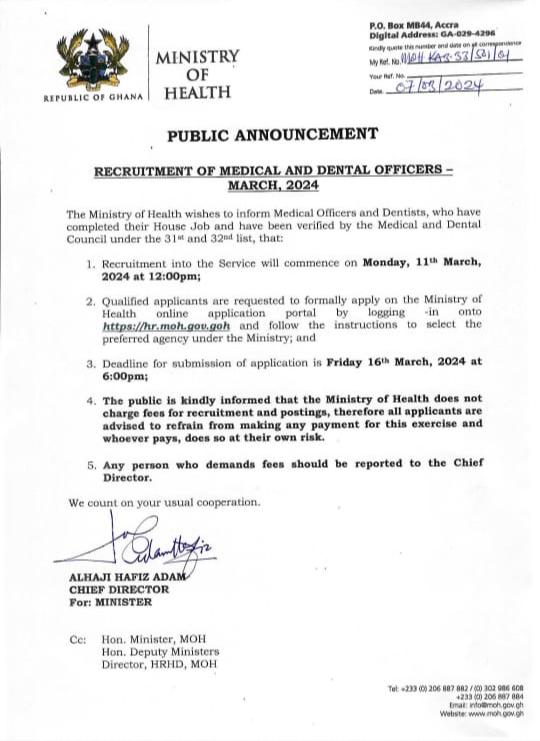
    The Ministry of Health (MoH) has declared the commencement of the recruitment for Medical Officers and Dentists who have successfully completed their housemanship and received verification from the Medical and Dental Council.

    In an official statement released on Thursday, March 7, 2024, the MoH specified that the recruitment process is set to initiate on Monday, March 11, 2024.

    The Ministry emphasized that no charges are associated with the recruitment and posting procedures.

    Therefore, applicants are strongly cautioned against making any payments during the recruitment process.

    Furthermore, the deadline for submitting applications is set for Friday, March 15, 2024.

    Prospective candidates are advised to exclusively use the MoH online application portal and are encouraged to report any instances of fee demands to the Chief Director.

    Read the full statement here

  • Recruitment of Medical and Dental Officers to begin October 9

    The Ministry of Health has formally declared the start of the recruitment process for Medical and Dental Officers who have satisfactorily completed their House Job and have been verified by the Medical and Dental Council, as listed under the 30th batch.

    According to a statement signed by the Chief Director of the Ministry of Health, Alhaji Hafiz Adam, the recruitment process will commence on Monday, October 9, 2023, at 12:00 pm and conclude on Friday, October 21, 2023, at 6:00 pm.

    “Qualified applicants are invited to submit their applications through the Ministry of Health’s online application portal, accessible at https://hr.moh.gov.gh. Please follow the provided instructions to select your preferred agency under the Ministry,” the statement indicated.

    Furthermore, the Ministry emphasized that it does not charge any fees for recruitment or postings. Therefore, applicants are strongly advised against making any payments in connection with this recruitment.

    The deadline for the submission of applications is Friday, October 21, 2023, at 6:00 pm.

    “The public is hereby informed that the Ministry of Health does not require any monetary payment for recruitment and postings. Therefore, all applicants are urged not to engage in any payment for this recruitment. Anyone demanding money should be reported to the Chief Director of the ministry,” the statement added.

  • Kenyan legislators demand a prohibition on nicotine pouch brands

    Kenyan MPs are urging the government to prohibit the sale of a popular brand of imported nicotine pouches in the country.

    According to Health Minister Susan Nakhumicha, Velo is a rebrand of a British American Tobacco (BAT) nicotine pouch called as Lyft, which was deemed unlawful in 2022 by then-Health Minister Mutahi Kagwe.

    Mr Kagwe ordered Lyft’s deregistration on allegations that it was licensed and registered illegally.

    “Velo is imported from Hungary and distributed in the country by BAT Kenya Limited. No local manufacturer of nicotine pouches exists in the country therefore all nicotine pouches are imported,” Ms Nakhumicha said.

    The BBC has reached out to BAT for a statement but has not received a response.

    Health experts have noted a resurgence of highly addictive nicotine products in Kenya, despite a previous ban imposed by the Ministry of Health.

    The Kenya Tobacco Control and Health Promotion Alliance, a civil society organization, emphasized in a statement that prohibiting nicotine pouches could save an entire generation from the risks of death, disease, and disability.

    Kenya currently bases its decisions on tobacco products on a 2007 tobacco law. The health minister has announced that a technical team will assess the law and provide additional recommendations.

    https://www.youtube.com/shorts/Jdp_urYDDkY
  • Ghana launches StEPS project to aid in Non-Communicable Diseases fight

    The Ministry of Health, in partnership with the University of Bergen in Norway and the University of Ghana, has launched the Support to Evidence-informed Priority Setting (StEPS) Project for Non-Communicable Diseases (NCDs) in Ghana.

    The project’s objective is to improve prudent management of health resources through effective priority setting, with a focus on enhancing efficiency, equity, and financial risk protection for essential NCDs.

    Minister for Health, Kwaku Agyeman- Manu, in a speech read on his behalf by Dr Hafez Adams Taher, Director for External Health Cooperation at the Ministry emphasized that the goal of the project is to navigate the complexities of NCDs, identify the most effective interventions, and allocate resources judiciously. 

    Dr Hafez Adams Taher, Director for External Health Cooperation at the Ministry

    This initiative according to the minister is a crucial step toward reducing the burden of NCDs on our healthcare system and on society as a whole.

    He also noted that tobacco use and harmful alcohol consumption are significant risk factors for NCDs and emphasized the importance of raising awareness about these behaviors while providing support for individuals seeking to quit smoking or reduce alcohol consumption.

    The StEPS Project Coordinator, Professor Lumbwe Chola from Norway, explained that the project would enhance capacity in health economics and priority setting related to NCDs in Ghana.

    The expected outcomes include training experts in health economics and priority setting to strengthen the Ministry of Health’s capacity.

    Dr. Mrs. Martha Gyansa-Lutterodt, Chairperson for the occasion, emphasized the need for a comprehensive and targeted approach to address the burden of NCDs in Ghana.

    She highlighted the importance of addressing risk factors to effectively reduce the impact of NCDs and improve the overall health and well-being of the population.

  • Korle-Bu Management summoned by Health Ministry over new dialysis fee

    The Ministry of Health has called for a meeting with the management of the Korle-Bu Teaching Hospital regarding a recent fee that kidney patients visiting the Renal Unit are being charged for dialysis sessions.

    Criticism has mounted against the hospital in response to reports of revised dialysis fees.

    Head of Public Relations at the Ministry of Health, Isaac Ofie, has stated that the hospital’s management will be summoned to the ministry to provide an explanation for the introduction of the new fee without obtaining prior approval from the Ministry or Parliament.

    “Before you increase [fees], there is a need for proper procedure or caution to be taken, extending the proposal or the proposed price to Parliament for approval thus the fees before you charge,” Ofie said. “But this has not gotten to us yet and even if it has gotten to the ministry, it should be before Parliament and Parliament will have to approve that before it is charged.”

    “It is in line with this that the ministry has summoned [the hospital’s management] for an urgent meeting and then quickly they have to withdraw the urgent price that they have put out there,” he added.

    In the meantime, Dr. Opoku Ware Ampomah, the Chief Executive Officer of the hospital, has informed Citi News that only six individuals have been impacted by the recent fee adjustments, and steps will be taken to address the situation.

    “Fortunately, this was noticed very quickly and so when we checked, it was only six people who had paid this amount but it is going to be offset because these are patients that are on chronic dialysis so it is going to be offset,” Ampomah said. “It has already been internally remedied and we are also looking at what went wrong and how to avoid it next time.”

    In a statement on Wednesday, September 27, management of the hospital explained that it is yet to submit the proposed rate to Parliament for approval.

    “Any proposed fee will be forwarded to Parliament through the Ministry of Health for approval. It is only after the due parliamentary approval that any revised fees will be implemented,” a part of the statement read.

    Meanwhile, the management of Korle Bu Teaching Hospital says it will continue to collaborate with stakeholders and philanthropists to help subsidize dialysis reagents and services for the treatment of many patients.

  • Nigeria: mass burial causes outrage in Lagos

    Nigeria: mass burial causes outrage in Lagos

    The Nigerian public is in an uproar following the leak of a memo revealing that the Lagos State government authorized $77,000 (£60,000) for a mass burial of 103 individuals allegedly linked to the historic 2020 #EndSars protest against police brutality.

    Many Nigerians are expressing shock and disbelief, as they believe that the victims set to be buried were demonstrators who were allegedly killed by the army during the Lekki toll gate shooting on 20th October, a tragic event that occurred amidst the protests.

    The exact number of casualties from the incident has been a contentious issue in Nigeria, with the military initially denying any fatalities. However, a Judicial Panel of Inquiry has since reported that nine protesters were killed, and four others were presumed dead.

    Despite the leaked memo, the government refutes the claim that the 103 bodies are all from the Lekki incident, dismissing such interpretations as misleading. According to the permanent secretary to the Lagos State Ministry of Health, Dr. Olusegun Ogboye, the bodies were gathered from various locations across the state, amounting to at least 12 sites. These locations include areas affected by #EndSARS violence and community clashes, as well as the aftermath of a jailbreak at Ikoyi Prison.

    The situation has sparked significant controversy and public outcry, with many demanding transparency and accountability from the government regarding the handling of these casualties related to the #EndSARS protests.

    “Peddlers of the news are deliberately misinterpreting and sensationalizing a letter from the Lagos State Government Public Procurement Agency.”

    He said the government had approved the mass burial after no families claimed the 103 bodies.

    Tens of thousands of Nigerians took to the streets in October 2020 against police brutality and also called for the Special Anti-Robbery Squad (SARS) police unit to be disbanded.

  • Ghana launches policy to boost medical oxygen supply and save lives

    Ghana launches policy to boost medical oxygen supply and save lives

    The Ministry of Health has launched a national policy to ensure the production and provision of medical oxygen to various health facilities across the country.

    The policy aims to establish a framework and a strategy that would scale up production, availability, access and use of the oxygen, which is essential for the treatment of patients with lung and other diseases.

    The nation faces a high rate of death due to the lack of access to oxygen, especially in the wake of the COVID-19 pandemic, which has increased medical oxygen demand by about three to sevenfold.

    The policy will also help deal with the wide range of diseases where hypoxemia (insufficient oxygen in the blood) arises as a complication, such as pneumonia, which is the third highest cause of death in children under five years in Ghana.

    According to the Minister of Health, Kwaku Agyeman-Manu, studies have shown that improved supply and utilisation of medical oxygen could reduce mortality from childhood pneumonia by 35 per cent.

    The policy will also establish a regulatory system for the production, procurement, installation, distribution and rational use of the oxygen, strengthen the supply chain management systems and establish a robust monitoring and evaluation regime for management of the oxygen.

    The Chief of Staff, Akosua Frema Osei-Opare, who launched the policy in Accra yesterday, said per the new policy, hospitals would be constructed with adequate facilities for medical oxygen supply, distribution and delivery to patients, while existing facilities would be equipped with the needed equipment to achieve the objectives of the policy.

    She also urged all health facilities, both public and private, to adopt the government digitalisation agenda to effectively maintain and manage data on oxygen resources in order to prevent shortages.

    She said the provision and expansion of priority healthcare infrastructure to increase access to quality care in the country had been the focus of the government for which reason it introduced the Agenda 111 health projects policy.

    The World Health Organisation (WHO’s) representative in Ghana, Dr Francis Chisaka Kasolo, said the unavailability of medical oxygen could not be solved by a single entity or organisation and pledged the support of WHO to ensure the policy succeeded.

    He said it required a collective effort from the government, healthcare providers, manufacturers and the international community. “We must act swiftly and decisively to bridge the gap between oxygen supply and demand,” he said.

  • Project on diabetes care launched

    Project on diabetes care launched

    The Ministry of Health has initiated a project in collaboration with French pharmaceutical multinational Sanofi, aiming to provide specialized training in diabetes care for selected healthcare professionals.

    This effort is part of a broader strategy to manage the disease burden in Ghana.

    The project, known as the “Access to Diabetes Care Program for Ghana Patients,” was launched in Accra. It includes continuous medical education for 80 doctors and 170 nurses, dieticians, and educators who primarily serve individuals with diabetes.

    The program’s focus encompasses diabetes prevention, diagnostics, care delivery to remote patients, training, affordable access to high-quality insulin, and health promotion. Through an agreement signed in April, the country will have the opportunity to acquire affordable, high-quality Sanofi analogue insulin products for individuals living with diabetes.

    The partnership between the Ministry of Health and Sanofi includes the implementation of diabetes management solutions at diabetes centers in Accra, Sunyani, and Tamale.

    These centers will benefit 500 healthcare professionals through a targeted medical training program.

    Furthermore, Sanofi will collaborate on the development of a digital solution aimed at enhancing support for over 5,000 individuals living with diabetes.

    This solution will assist physicians, nurses, pharmacists, and community healthcare workers in their efforts to provide improved care.

    The training project is being conducted at four facilities located in the Greater Accra, Bono, and Northern regions.

  • Rotational Nurses insistent on strike action

    Rotational Nurses insistent on strike action

    The Rotational Nurses and Midwives Association (RNMA) is standing firm on its decision to proceed with a planned demonstration on June 30, despite receiving an invitation from the Ministry of Health (MoH) to discuss the issue of payment for over 11-month allowance arrears owed to its members.

    The group said it would go ahead with the demonstration to protest against the delay in payment of allowances to rotational nurses and midwives.

    The RNMA has in recent months been pressing the government to pay all outstanding allowances owed its members, as recent economic challenges have taken a toll on them.

    Speaking to the media, President of the RNMA, Jasper Dzorkah, said all was set for the demonstration if their concerns were not addressed.

    “As I speak with you, our juniors have just been posted, and they will start their rotation on July 3. They are going to take over the hunger, the frustration, the hardship, and the depression that we have been through. These nurses are also owed 11 months of their trainee allowances, yet they have been posted to take over from us.

    “So we are demonstrating against these things. These students must not go through what we are going through right now.”

  • Mortuaries and Funeral Facilities Agency: All you need to know

    Mortuaries and Funeral Facilities Agency: All you need to know

    On Wednesday, May 4, 2023, Dr Yaw Twerefour was appointed as Registrar and Chief Executive Officer (CEO) of the Mortuaries and Funeral Facilities Agency by President Akufo-Addo.

    Despite the agency being in existence for over a decade, the appointment of Dr Twerefuor brought into discussion especially on social media the role and relevance of the state-owned institution.

    Mandate and service

    MoFFA was established on December 31, 2011 through an Act of Parliament, the Health Institutions and Facilities Act 2011 (Act 829), to license, regulate and monitor facilities related to the storage, transportation and disposal of human remains.

    The Act further specifies the mandate of the institution to include the oversight responsibility on facilities into the storage, transportation and disposal of the body of a still born child and any part of the body removed in the course of surgical operation

    Vision and Mission

    Being a subsidiary of the Ministry of Health, MoFFA by its mission seeks to “protect public health incidences in the funeral and death care industry through a process of impartial enforcement, inspection, licensing and education in order to guarantee that services provided by all agents in the sector are conducted professionally and ethically.”

    The vision of the agency is to become the “best one stop agency for the regulation of funeral facilities in the interest of public health in Ghana.”

    Scope of regulatory mandate

    MoFFA declares as offence contrary to its mandate the: Practice of operating a transportation, storage or disposal of human remains facility without registration as a practitioner except a licenced pathologist; Usage of a facility for services other than what is licensed for; failure to license a facility and making a false declaration in an application for registration or for a licence; failure to renew the registration or licence to operate a facility.

    Others include: the obstruction of an inspector; pollution of the environment in the course of operations under Act 829; acceptance, release or disposal of human remains in contravention of the provision of the Regulations; burial of human remains in a place other than an authorized burial ground; as well as the exhumation or after burial, removal of any human remains without authority.

  • Police arrest 7 physician assists for picketing at Health Ministry

    Police arrest 7 physician assists for picketing at Health Ministry

    Police have detained seven members of a group of physician assistants who were picketing about their pending postings.

    They have been taken to the Regional Police Command for breaching an earlier agreement over their mode of picketing.

    Reports indicate that the Physician Assistants flouted the original agreement with the police which was to converge outside the Accra Sports Stadium and not to picket at the Ministry of Health.

    “We were waiting to have some form of negotiations with leaders of the Ministry. So we were waiting to be called when one of the Police Officers came and asked if I am one of the leaders and I said No, and they called the other names and said the police command wants to see them at the Police station,” Stephen Conduah explained to Citi News.

    According to the group, there have been delays in processes by the Ministry of Health to ensure that they are posted to health centres across the country.

    Years after years, physician assistants who graduate from various health institutions have called on authorities to post them after school, but it seems their demands have always fallen on deaf ears.

    They have at times protested to further drum home their demands.

    The jobless health professionals stage protest at the Ministry of Health to demand immediate employment.

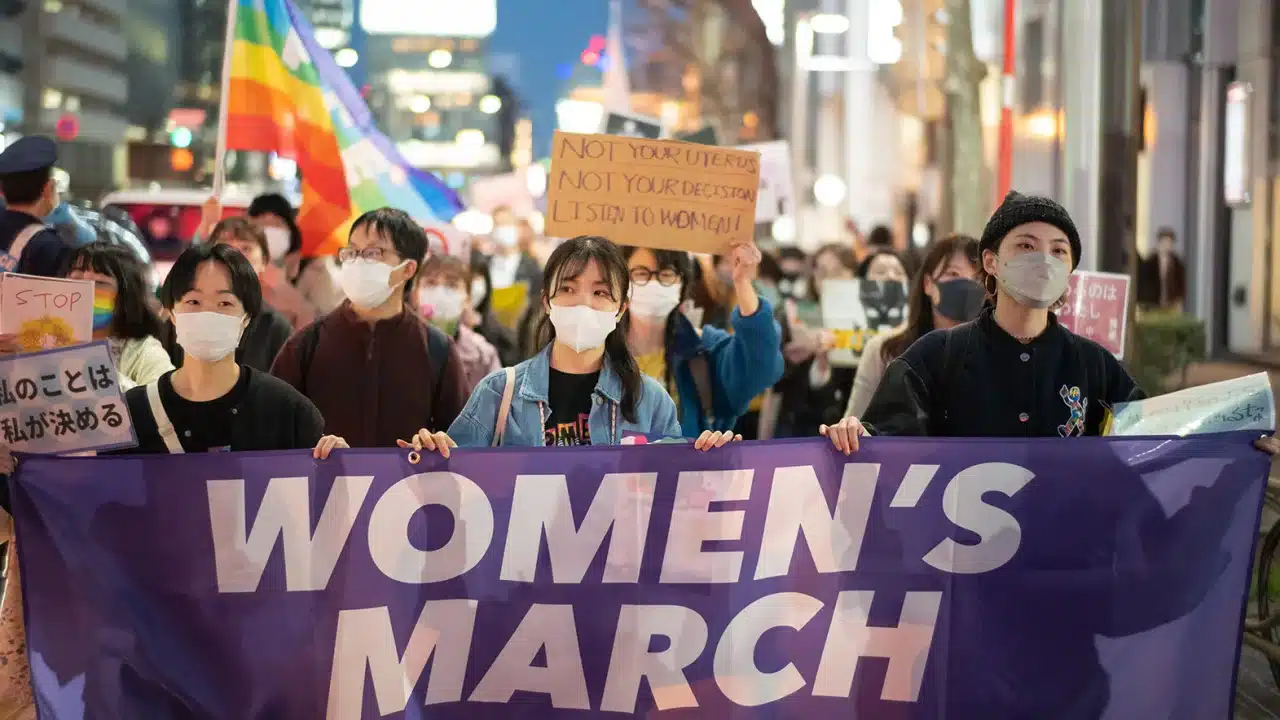
  • First abortion medication approved in Japan

    First abortion medication approved in Japan

    After decades of other nations making abortion medication readily accessible, a panel in the health ministry of Japan has approved the nation’s first abortion pill.

    According to a representative for the Ministry of Health, Labor, and Welfare, the MeFeego Pack, an abortion pill produced by the British pharmaceutical company Linepharma, received permission from the ministry’s pharmaceutical board on Friday.

    The ministry first met in January to discuss the medication before inviting the public to provide their thoughts via an online form. It will now be submitted for final clearance to the health minister.

    The medication consists of two types of pill, and can be used within nine weeks of pregnancy, according to Japanese public broadcaster NHK. In a clinical trial in Japan, 93% of participants had a complete abortion within 24 hours, NHK reported.

    The medication combines mifepristone and misoprostol, which the World Health Organization has included in its Essential Medicines List, described as safe and effective for pregnant people.

    To date, only surgical abortion is available in Japan through two methods: the curettage method, which removes tissue inside the uterus with a metal instrument, and the evacuation method, which sucks out tissue through a tube, according to NHK.

    The WHO has described curettage as an “obsolete” method that is less safe and much more painful, and has called for it to be replaced by the evacuation method or by medication like abortion pills.

    The move also comes as abortion and reproductive rights have gained revived attention worldwide, with the US Supreme Court reversing overturned Roe v. Wade last year – ruling that there is no longer a federal constitutional right to an abortion. 

    Since then, a number of states have restricted access to abortions, while others moved to increase access.

    The Japanese panel’s decision on Friday was celebrated by the country’s medical experts online.

    Kanako Inaba, an obstetrician and gynaecologist, wrote on Twitter that the approval of abortion pills was an opportunity to spread greater sex education and awareness about contraceptive methods.

    Japanese activists have been pushing for years for approval of the pills, with similar medications made available decades ago in other countries as Japan lagged ever further behind.

    For instance, mifepristone was first approved in France in 1988, and in the US in 2000.

    But others also pointed to the long road ahead, calling for greater protection for women.

    Mihyon Song, another well-known Japanese obstetrician and gynaecologist, pointed to Japan’s controversial abortion laws, which require spousal consent – which activists have long argued denies women the right to make decisions on their own body.

    Under Japan’s existing laws, women can only receive an abortion if a pregnancy “may significantly damage the person’s physical health due to bodily or economic reasons” or if they became pregnant due to rape.

  • WHO’s 75th anniversary celebrations  launched in Ghana

    WHO’s 75th anniversary celebrations launched in Ghana

    On Friday, Ghana, under the direction of the Ministry of Health, observed 2023 World Health Day and launched the year-long celebration of the 75th anniversary of WHO.

    Performing the launch in Accra, the Minister for Health, Kwaku Agyeman-Manu underscored the critical role WHO has played in supporting Ghana’s health sector agenda over the decades and expressed Ghana’s continuous support for the organisation in its efforts to promote health for all.

    “Over the years, WHO has set the public health agenda, developed and promoted norms and standards and spearheaded efforts to strengthen health systems, eliminate, eradicate and control diseases,” Mr Kwaku Agyeman-Manu noted.

    “The Government of Ghana anticipates an even more fruitful collaboration with WHO to fully operationalize the Universal Health Coverage (UHC) roadmap”.

    The WHO Representative to Ghana, Dr Francis Kasolo praised the collaboration between Ghana and WHO which is helping to strengthen the health sector and promote the attainment of UHC and the Sustainable Development Goal 3.

    “WHO and Ghana has stood shoulder to shoulder over the decades to strengthen health security, build resilient health systems and effectively deal with communicable and noncommunicable diseases”, Dr Kasolo said.

    “Therefore, this 75th anniversary is a moment to reflect the public health successes of the past and come together with science, solutions, and solidarity to address future challenges”.

    Delivering a public lecture on the theme; “WHO yesterday, today and the future”, the Foundation Vice-Chancellor of the University of Health and Allied Sciences, Professor Fred Binka called for stronger support from member states and partners to strengthen WHO’s leadership in Global Public Health.

    “Now more than ever, the world needs WHO given the emerging global public health challenges,” Professor Fred Binka emphasised. “Member states and partners must increase support to ensure an independent and well-functioning WHO so that it can continue to deliver on its mandate”.

    The launch was attended by Diplomats, heads of Government Agencies, Development Partners, heads of United Nations Agencies in Ghana, former and current staff of WHO and other stakeholders.

    The yearlong celebration of the anniversary in Ghana will see the rollout of campaigns engaging Government, partners, and the public to share their stories of what health means to them. Planning around the global Health Days, specific monthly themes will be identified to jointly celebrate public health achievements and highlight the pertinent challenges impeding the acceleration of universal health coverage (UHC) and health-related SDGs.

  • Health Ministry directs staff not to use elevator on Tuesdays and Thursdays

    Health Ministry directs staff not to use elevator on Tuesdays and Thursdays

    The Ministry of Health has instructed its employees not to use the company’s elevator on Tuesdays and Thursdays.

    The Ministry directed its staff not to access the lift on Tuesdays and Thursdays.

    The directive, the Ministry explained amongst others was necessitated by the government’s debt restructuring and huge amount of money used in maintaining the elevators.

    In a memorandum to the staff sighted by citinewsroom.com, the management said, “As you are aware, the country is going through some Economic Restructuring. This situation has impacted on Government’s financial releases to all Public Sector Institutions. Management has also noticed the huge amount of funds expended on maintaining the Ministry’s facilities including the elevators”.

    The Health Ministry entreated its staff to support the initiative by complying with the directive.

    “Consequently, Management and all staff members are encouraged to support this initiative by complying with the directive. Counting on your usual cooperation,” the Ministry added in the memorandum signed by its Director, General Administration, Frank Raji.

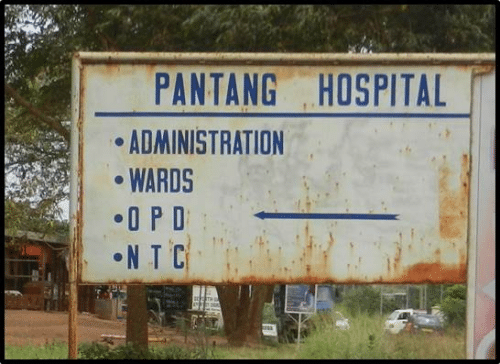
  • Pantang Hospital staff living in dilapidated building

    Pantang Hospital staff living in dilapidated building

    Many squatters and employees of the Pantang hospital are forced to live in unfinished and deteriorating buildings.

    A structural integrity examination conducted by the Ministry of Health in 2021 deemed hazardous.

    The structure was originally built to house staff of the hospital, but nursing students and other residents of the community have turned the dilapidated and worn-out structure into their home against warnings by the hospital management for them to vacate the building.

    A visit to Pantang on March 16, 2023, showed that the structure was being used despite its terrible state.

    There were various forms of cracks and leakages, the iron rods were exposed and rusted, and wires were also exposed.

    All the stairs connecting the ground floor to the other floors were in total ruin. One of the stairs in the Okonkwo Building had been constructed with wood which was rotten and the structure crooked yet occupants of the building still used it unconcerned.

    When asked whether or not he came to live in the building of his own free will, Delali Tomegah an environmental officer with the Pantang hospital said he was given the accommodation by the hospital.

    “The walling of the hospital affected my accommodation, so the hospital authorities asked me to move into the building.”

    He said he has been living in the building for 2 years and does not believe the structure is weak.

    “The building is very strong, but if you look at it, you would think it isn’t. It only looks old, a bit of rehabilitation will make it brand new.”

    A resident – name withheld – said, although she’s scared that the building may collapse she has no choice.

    “I am scared the building may collapse on us one day, but we have nowhere to go”.

    Doris Attiogbe, a mother of two described the dangerous conditions under which she lived to Citi News.

    “The building soaks the water anytime it rains, I don’t know about the other tenants though. Recently the cement component along the stairs has also started falling off.”

    She added that after 5 years of living in the building and countless warnings to evacuate she is now ready to move.

    The Medical Director of the hospital, Dr Frank Baning refuted claims that the management of the hospital sanctioned their stay.

    “I can tell you for a fact that none of them will be able to show you that they were given a letter to go and live in such a structure at least not that I am aware of, and I have been at the helm of affairs since 2016.”

    He also explained that the hospital is located on Ghana’s earthquake fault lines.

    “I am the one pushing for it to be demolished because I’m afraid that if you are not careful, one of these days it will collapse on staff and that’s been one of my fears. You know we fall within the fault lines. Anytime there is one of those earth tremors, we at the Pantang Hospital usually feel it here, so you can just imagine if the scale goes up a little what will happen to that building. So those are some of the fears, and we won’t ask staff to live in a place like that.”

    Dr. Baning added that the fact that residents live in the building rent-free is an indication that their stay was not sanctioned by the management of the hospital.

    He added they have been unable to evict them as intended because the occupants had appealed to the Ministry of Health.

    “They petitioned my bosses, that is the mental health authority and the Ministry [of Health] so as far as I’m concerned, it’s been taken up by a higher institution than Pantang hospital and [it is] being dealt with. So I would say the best people to talk to would be the Ministry because they went to petition them”.

    “The minister delegated the Deputy Minister of health to come here and resolve the issue, they all saw it and said no it must come down. The municipal assembly put together a team made of engineers and security people to come and take a look and the conclusion is that it should be pulled down.”

  • First consignment of measles vaccines arrive in Ghana

    First consignment of measles vaccines arrive in Ghana

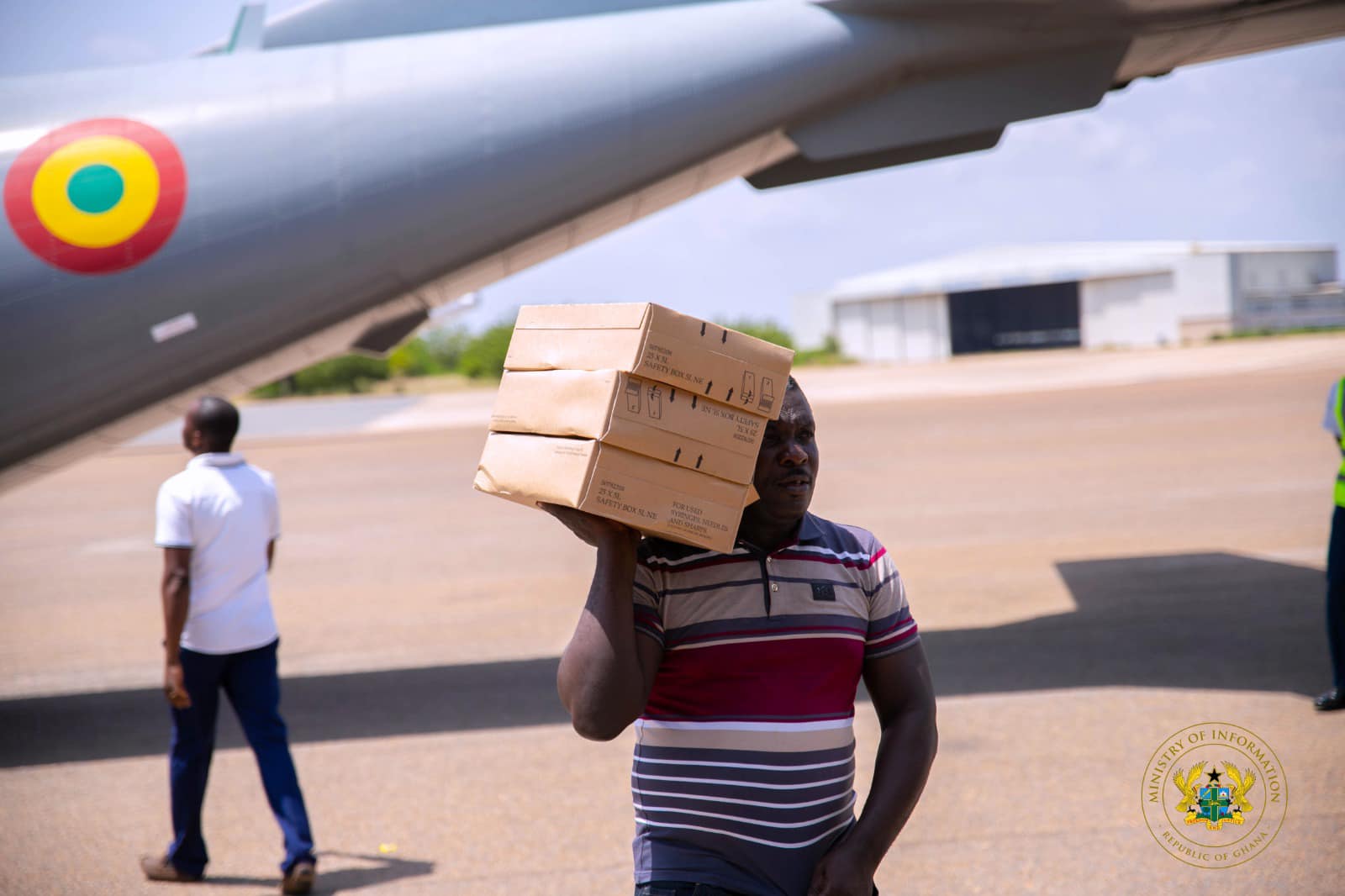
    The distribution of Measles vaccines, BCG vaccines and Oral Polio Vaccines to various regions and facilities are underway after the Ministry of Health and Ghana Health Service took delivery of the first consignment. 

    More vaccines are expected in Ghana in the coming weeks from multiple sources.

    The Director General of the Ghana Health Service, Dr Patrick Kumah Aboagye was at the airport on Saturday to supervise the airlifting of the vaccines to various regions.

    Ghana has been experiencing shortages of some childhood vaccines, a situation that has attracted attention from different quarters, including Parliament and the Paediatric Society of Ghana.

    At a press briefing on Tuesday [March 7, 2023] to debunk allegations that due to lack of some vaccines, people are dying from the outbreak of measles in the Northern Region, the Ministry said “It is important to correct the erroneous impression that there have been deaths from Measles in Ghana recently.”

    The Minister of Health, Kwaku Agyeman Manu who addressed the press briefing explained that “For the avoidance of doubt, there have been no deaths from the recently recorded spike in Measles cases. Indeed there have been no deaths since 2003 though we have recorded cases annually.”

    The MoH said it is working with UNICEF to fast-track the processes to obtain some of the vaccines as early as possible.

  • Despite vaccine shortages, Ghana ranked best best in immunisation coverage – MoH

    Despite vaccine shortages, Ghana ranked best best in immunisation coverage – MoH

    The Ministry of Health (MoH) contends that Ghana’s immunization performance coverage continues to rank among the best in the world, notwithstanding the obstacles associated with the country’s lack of access to some children vaccines.

    According to the report, in 2021, the nation’s rate of childhood immunization coverage was approximately 95%.

    At a news conference held on Tuesday (March 7, 2023) to refute claims that the Northern Region‘s measles outbreak is killing people because some vaccines are not available, the Ministry said “It is important to correct the erroneous impression that there have been deaths from Measles in Ghana recently.”

    The Minister of Health, Kwaku Agyeman Manu who addressed the press briefing explained that “For the avoidance of doubt, there have been no deaths from the recently recorded spike in Measles cases. Indeed there have been no deaths since 2003 though we have recorded cases annually.”

    Ghana has been experiencing shortages of some childhood vaccines, a situation that has attracted attention from different quarters, including Parliament and the Paediatric Society of Ghana.

    The MoH said it is working with UNICEF to fast-track the processes to obtain some of the vaccines as early as possible.

    “Working with UNICEF, we are fast-tracking the processes and it is expected that the vaccines would be supplied in the next few weeks All things being equal,” the minister said.

    He added, “the Ministry of Health will ensure that we stay on track with our immunisation record and quickly overcome this bottlenecks.” 

    Ministry of Health Statement on vaccines

    PRESS BRIEFING ON SHORTAGE OF SOME ROUTINE CHILDHOOD VACCINES IN THE COUNTRY AND THE OUTBREAK OF MEASLES IN THE NORTHERN REGION

    1.    Ladies and Gentlemen of the Press, thank you for this pleasant opportunity to address you on the shortage of some childhood vaccines in the country and matters arising, and the outbreak of measles in the Northern Region.

    2.    The Ministry of Health has been seriously concerned about the shortage of some childhood vaccines and their effect on the Vaccination Programme in the country. This is a major source of worry for the Ministry, Partners, caregivers, and population.

    3.    We are aware of the implications of the shortages including disease outbreaks, and effects on child survival

    4.    The Expanded Programme on Immunisation (EPI) has been a flagship disease control program in the country and arguably one of the best programmes if not the best in the sub-region with high coverage levels of over 95%. We have an established system for forecasting, procurement, supply and distribution of routine vaccines, and monitoring their use.

    5.    Ladies and Gentlemen, it is true we have had some vaccine shortages in the country since the last quarter of 2022. The vaccines in short supply are BCG, Measles-Rubella (MR), and Oral Polio Vaccine (OPV). This shortage is nationwide.

    6.    The recent shortage in Vaccines for measles, as regrettable as it is, is symptomatic of the steady global decline in measles vaccination since the beginning of the covid-19 pandemic. 


    7.    Permit me to quote from a WHO recent publication on the subject that puts the challenge we are dealing with into perspective:

    8.    Ghana’s Ministry of Health has been making efforts to ensure we secure adequate stocks of vaccines despite this global challenge.

    9.    We have made all necessary efforts to ensure that despite these challenges we secure adequate stocks within the next few weeks.

    10.    It is important to correct the erroneous impression that there have been deaths from Measles in Ghana recently. For the avoidance of doubt, there have been no deaths from the recently recorded spike in Measles cases. Indeed there have no deaths since 2003 though we have recorded cases annually. 

    11.    Finally, despite this challenge, Ghana’s immunization performance coverage remains among the best in the world. In 2021 we recorded 95% coverage.

    12.    Working with UNICEF, we are fast-tracking the processes and it is expected that the vaccines would be supplied in the next few weeks All things being equal. 

    13.    The Ministry of Health will ensure that we stay on track with our immunization record and quickly overcome this bottlenecks.

    14.    Ladies and Gentlemen of the Press, I thank you for your attention.

  • Low birth rates in Japan causes population crisis

    Low birth rates in Japan causes population crisis

    The number of births registered in Japan plunged to a new record low last year, the latest alarming figure in a decades-long slide that the government has made significant attempts to stop.

    According to statistics provided by the Ministry of Health on Tuesday, the nation experienced 799,728 births in 2022, the fewest ever recorded and the first time the number fell below 800,000.
    Throughout the previous 40 years, that number has almost halved; in contrast, Japan saw more than 1.5 million births in 1982.

    Moreover, Japan reported more than 1.58 million post-war deaths in 2017, a record high.

    Deaths have outpaced births in Japan for more than a decade, posing a growing problem for leaders of the world’s third-largest economy. They now face a ballooning elderly population, along with a shrinking workforce to fund pensions and health care as demand from the aging population surges.

    Japan’s population has been in steady decline since its economic boom of the 1980s and stood at 125.5 million in 2021, according to the most recent government figures.

    Its fertility rate of 1.3 is far below the rate of 2.1 required to maintain a stable population, in the absence of immigration.

    The country also has one of the highest life expectancies in the world; in 2020, nearly one in 1,500 people in Japan were age 100 or older, according to government data.

    These concerning trends prompted a warning in January from Prime Minister Fumio Kishida that Japan is “on the brink of not being able to maintain social functions.”

    “In thinking of the sustainability and inclusiveness of our nation’s economy and society, we place child-rearing support as our most important policy,” he said, adding that Japan “simply cannot wait any longer” in solving the problem of its low birth rate.

    A new government agency will be set up in April to focus on the issue, with Kishida saying in January that he wants the government to double its spending on child-related programs.

    But money alone might not be able to solve the multi-pronged problem, with various social factors contributing to the low birth rate.

    Japan’s high cost of living, limited space and lack of child care support in cities make it difficult to raise children, meaning fewer couples are having kids. Urban couples are also often far from extended family in other regions, who could help provide support.

    In 2022, Japan was ranked one of the world’s most expensive places to raise a child, according to research from financial institution Jefferies. And yet, the country’s economy has stalled since the early 1990s, meaning frustratingly low wages and little upward mobility.

    The average real annual household income declined from 6.59 million yen ($50,600) in 1995 to 5.64 million yen ($43,300) in 2020, according to 2021 data from the Ministry of Health, Labor and Welfare.

    Attitudes toward marriage and starting families have also shifted in recent years, with more couples putting off both during the pandemic – and young people feeling increasingly pessimistic about the future.

    It’s a familiar story in East Asia, where South Korea’s fertility rate – already the world’s lowest – dropped yet again last year in the latest setback to the country’s efforts to boost its declining population.

    Meanwhile, China is inching closer to officially losing its title as the world’s most populous country to India after its population shrank in 2022 for the first time since the 1960s.

  • 100 nurses left Pantang Hospital in search for greener pastures – Research

    100 nurses left Pantang Hospital in search for greener pastures – Research

    In the past six years, about 150 experienced nurses and other healthcare workers from the Pantang Hospital have relocated abroad in quest of better opportunities.

    Of the number, 100 are specialised psychiatric and general nurses while the rest consist of doctors, pharmacists, technicians and other experienced personnel in the healthcare delivery chain.

    Data sourced from the hospital showed that the number of experienced professionals that have abandoned their jobs started increasing in an alarming manner since the outbreak of the coronavirus (COVID-19) pandemic.

    This phenomenon is defeating the efforts of the government to reinforce the workforce of the hospital with the recruitment of an additional 179 staff (professional nurses numbering 129)  between 2018 and 2022.

    An assessment of the data showed that from a report of eight professionals leaving in 2018, the number gradually jumped to 26 personnel in 2020 and peaked at 64 practitioners resigning in 2022.

    The situation became more alarming when 11 experienced professionals, made up of 10 nurses and one doctor, resigned in January this year alone.

    Information gathered by the Daily Graphic indicates that the development has been reported to the Ministry of Health (MoH) for redress.

    Negative impact

    The Medical Director of the hospital, Dr Frank Baning, in an interview with the Daily Graphic in Accra, stated that the situation was negatively impacting on the medical department of the hospital.

    “We are now losing the majority of our experienced nurses and other health professionals. In fact, almost every month, about 10 people leave,” he said.

    Dr Baning explained that although the government was reinforcing staff strength through fresh recruits every year, the number of people leaving was alarming and needed to be addressed.

    He said the situation was putting a huge burden, pressure and stress on the few that remained to work for the hospital and the country in general.

    That, the Medical Director said, was already affecting the quality of healthcare delivery at the hospital, given the number of people who abandoned their work in the last two years.

    “We have seen the effort of the government to reinforce the workforce but as soon as new recruits are brought on board, the hospital loses more of the experienced hands.

    “Last year and this year alone, we have lost 75 people and so, we hope that the government will replace those leaving quickly to ensure efficiency.

    “We may see the trend continuing this year as more than 10 professional nurses have already been reported to have left for greener pastures this year,” he said.

    Professionals are leaving

    The Medical Director noted that the category of nurses leaving fell within the professional level.

    Dr Baning said in an ideal situation, the hospital required about 1,000 professional nurses to provide both mental and general services.

    However, he said the facility could currently only boast of 286 nurses doing the work of 1,000 people.Two hundred and eighty-six is nowhere near what we call ideal,” the Pantang Hospital Medical Director said.

    He added that the vacuum being created by the frequent departure made the additional recruits of the government insufficient.

    Other areas

    The Administrator of the hospital, Collins Kesse, also told the Daily Graphic that beyond nurses, the hospital had also lost personnel in critical areas such as biomedical engineers, radiographers and pharmacists.

    He said due to this phenomenon, the hospital engaged the services of private individuals and paid huge sums of money from its internally generated funds (IGF) to manage its X-ray machines and other equipment.

    “And so, we need the right people in the right mix to ensure that the hospital operates in full capacity,” Mr Kesse said.

    MoH informed

    Multiple sources at the MoH confirmed that the ministry had been adequately informed about the Pantang Hospital situation regarding nurses and other professionals exiting.

    However, they said the issue was nationwide as most health professionals were leaving the shores of the country to seek greener pastures.

    That is because the outbreak of COVID-19 had created a huge demand for professional health personnel, especially in the United Kingdom (UK) and the United States (US), the sources maintained.

    “The human resource department of the ministry is looking into the issues to see whether there can be any replacement for Pantang and other affected hospitals,” one of the sources added.

    Govt taken notice

    The Director-General (DG) of Ghana Health Service (GHS), Dr Patrick Kuma-Aboagye, in an earlier interview with the Daily Graphic in Accra on the departure of professional nurses, said the government had taken notice of the situation and the vacuum created.

    “We are having a lot of professional nurses leaving the country to Europe and other parts of the world. They are taking mainly the professional nurses and so, there is the need to beef up professional nurses across the country,” he said.

    As a result, Dr Kuma-Aboagye said the government had adopted a number of measures such as expanding study leave for auxiliary nurses and offering amnesty to auxiliary nurses who obtained higher certificates without prior approval from the appropriate authorities.

    The GHS Director-General explained that the amnesty would ensure that nurses who genuinely acquired certificates that befit their skills were upgraded from auxiliary status to professional nurse status.
    Others include a comprehensive assessment to ascertain the impact of nurses leaving Ghana for greener pastures.

  • GH¢10m paid as Insurance Cover for 10,000 Health workers without policy document – AG Report

    GH¢10m paid as Insurance Cover for 10,000 Health workers without policy document – AG Report

    The Auditor General’s special report on Ghana’s COVID-19 expenditure has revealed that the Ministry of Health paid over GH¢10 million in insurance premiums to cover 10,000 frontline health workers and allied health professionals without a life insurance policy document.

    The report which spans between March 2020 and June 2022 scrutinizes how monies received from the various institution including the World Bank, AFDB, EU and the contingency fund summing up to the tune of 21.8 billion were utilized.

    “General principles of insurance require that when an employer or organisation purchases Group Life Insurance Policy to cover employees in case of death, accident, temporary/permanent disability and critical illness, the employer or organisation may keep the master agreement, but the identified employees should receive Certificate of Coverage which could be used by the beneficiary or next of kin to apply for the claims when the need arises.

    Additionally, the National Insurance Commission Guidelines on Life Insurance Products require that as a standard, all Life Insurance Policy documents must have the name of the person(s) insured by the policy and the name of the policy owner, the amount of insurance coverage (face amount and sum assured) provided by the policy and the effective date of the policy.

    We observed that the Ministry paid GH¢10,309,919.94 as premium for Special Life Insurance Cover for 10,000 Health Workers and Allied Health Professionals working on the COVID-19 pandemic without any Life Insurance Policy document detailing the beneficiaries, their location, next of kin in case of death, nature of the benefit and the term of the coverage.” a portion of the report read.

    This development according to A-G meant that workers could not have triggered any processes to get compensation if the insurance companies had defaulted in taking care of them in the instance where they had been infected by the virus.

    “Health Workers and Allied Health Professionals working on the COVID-19 pandemic who have not signed any insurance policy document will find it difficult to access any benefit under this blanket premium payment arrangement. In the event of default by the insurance companies in payment of benefit, the employees will not have the legal capacity to seek legal redress in Court” the report added.

    Other Infraction by the Ministry of Health cited in the report include;

    Payment of an amount of US$81,870,379.80 to UNICEF/AVAT for the supply of 16,025,650 vaccines that have still not been delivered.

    “In the heat of the COVID-19 pandemic, the Government of Ghana through the Ministry of Health entered into an agreement with The United Nations Children’s Fund (UNICEF) for the procurement of COVID-19 vaccines and related supplies based on second additional credit financing of US$200,000,000.00 by the World Bank (Credit 6923-GH). Page 3 of the signed agreement stated that the Government intends to apply a portion of the proceeds of the financing, up to an amount of US$147,483,170.16 (the “total funding ceiling”) to eligible payments under this Agreement. We noted that the Ministry of Health on behalf of Government of Ghana paid an amount of US$120,192,379.80 to UNICEF/AVAT for the supply of 16,025,650 vaccines under the agreement. However, 5,109,600.00 doses of vaccines valued at US$38,322,000.00 were supplied to the National Cold Room, resulting in an outstanding amount of US$81,870,379.80 with UNICEF/AVAT” page 73 & 74 of the report captured.

    The report also cited the Health Ministry for increasing the cost of five contracts with total contract sum of GH¢24,256,500.00 by GH¢4,017,000.00 through variation orders without approval of the Central Tender Review Committee and also entering into four contracts for the supply of PPEs at a cost of GH¢9,280,300.00 through single-source procurement without the approval of the Board of the Public Procurement.

    Additionally, the Ministry also on 15 December 2021 entered a contract signed for the supply of 26 Toyota Hiace Deluxe Ambulances valued at US$4,049,460.12 out of which US$607,419.02 was paid on 2 September 2022 to be delivered by 15 January 2022. The ambulances remain undelivered.

    The Ministry of Health is also cited for entering into a 25-year Finance Lease Agreement with QHC Project Limited at a total lease value of GH¢15,265,000.00 in April 2020 for uncompleted buildings in Adaklu in the Volta Region which was to be used as an isolation centre during the peak of the COVID-19 pandemic without recourse to the Minister of Finance and financial assessment by the Debt Management Unit. The facilities were not used for the intended purpose and is therefore being remodelling at an additional cost of GH¢20,382,247.70 out of which GH¢13,726,079.86 had been paid.

    Again, medical equipment valued at US$110,088.00 and GH¢27,895.00 were issued to a private hospital by name Christleads & Specialist Hospital belonging to Dr. C. K. Amenuveve in Madina which did not serve as a COVID-19 isolation centre or did not receive any COVID-19 patient.

    Also, Medical equipment valued at US$247,404.79, procured and received at the Temporary Central Medical Stores and subsequently issued to some specific health facilities between January 2021 and June 2022 are yet to be received by the health facilities.

    One Isolation centre, the report reveals that three treatment, isolation and holding centre completed at a total cost of GH¢29,173,259.90 was yet to be put to use while seven isolation and treatment centres being constructed at a cost of GH¢158,072,331.23 had not been completed at the time of the audit, 30 months after the construction had commenced in April, 2020.

    Meanwhile a Contractor for the design, construction and equipment of Nalerigu treatment and holding centre in North East Region awarded on 11 May 2020, at a cost of GH¢15,000,000.00 abandoned site three months after starting work after an advance mobilisation of GH¢4,500,000.00, constituting 30 percent of the contract had been paid from GoG sources.

  • Auditor-General faults Health Ministry on 25-year lease agreement with QHC Project Limited

    Auditor-General faults Health Ministry on 25-year lease agreement with QHC Project Limited

    The Auditor-General in its recent report has revealed that an amount of GH¢13,726,079.86 was paid by QHC Project Ltd to the Ministry of Health without recourse to the Minister of Finance and financial assessment by the Debt Management Unit after entering a lease agreement. 

    The Ministry of Health entered into a 25-year Finance Lease Agreement with QHC Project Limited at a total lease value of GH¢15,265,000.00 in April 2020. 

    According to the report, the underlying assets were uncompleted buildings in Adaklu in the Volta Region which were managed by QHC Project Ltd. 

    The buildings were to be used as an isolation centre during the peak of the COVID-19 pandemic. 

    However, the Auditor-General found out that the Ministry could not use the facility for the intended purpose and is, therefore, remodelling the building at an additional cost of GH¢20,382,247.70 out of which GH¢13,726,079.86 had been paid.

    After a review of the finance lease process, the Auditor-General discovered that “the lease amount was paid to the lessor without recourse to the Minister of Finance and financial assessment by the Debt Management Unit.” 

    “During our visit to the facility in November 2022, we observed that the remodelling being undertaken by ADB Ghana Ltd. (contractor) had not been completed and the works include remodelling and equipping the existing buildings to be used as holding, treatment and isolation centres,” the report added.

    During investigation, the Chief Director of the Ministry of Health is said to have attributed the leasing of uncompleted buildings to the emergency circumstance of the COVID-19 pandemic which necessitated the critical need to open up an Isolation Centre along the Eastern border of the Country to receive patients when the pandemic struck and when positive cases were rising. 

    For failing to meet the objective of the lease, the Auditor-General has directed the Chief Director of the Ministry of Health should refer the agreement to the Minister of Finance to have the Debt 

    Management Unit carry out financial assessment, including the option of purchasing the facility outright at a reasonable price and thereafter, secure retroactive approval from the Minister of Finance. 

    “We also recommended that the Chief Director should negotiate for the unexpired portion of the lease amount to be deducted from the purchase price when outright purchase is considered. We further recommended an investigation into the choice of an uncompleted building during the peak of the pandemic to hold isolated patients,” the report also noted.

    Meanwhile, Management has responded that a team from the Ministry of Finance undertook on-site monitoring of the project and added that as recommended, the process for outright purchase is ongoing and that negotiations have been concluded and awaiting the Ministry of Finance & Attorney-Generals’ review and advice.

    Source: The Independent Ghana

  • GPAA directs members to suspend the renewal of licenses with medical and dental council

    The Ghana Physician Assistants Association (GPAA) leadership has ordered all of its members to postpone renewing their medical and dental council licenses for the upcoming year 2023.

    According to them, all physician assistants should not renew their licenses for the year 2023 until the Ministry of Health comes out with modalities of getting their own regulatory body through the amendment of the Health Regulations Bodies Act, 2023 (ACT 857) with the involvement of all the key stakeholders.

    Physician Assistants (PAs) are middle-level cadre in the health service delivery machinery with a level of training apt and appropriate for the basic and essential healthcare needs of the people of Ghana.

    According to them, the physician assistant is so indispensable that their work gives a good blend of clinical, preventive, promotional and administrative services at rural, urban and peri-urban communities especially, where human resources are scarce, thus making the physician assistant an epitome of versatility and efficiency in human resource crises.

    Speaking at a press conference in Accra, the Vice President of the Association, Emmanuel Kofi Nti said, the leadership of GPAA is highly aware of the legal implications of this decision to both practitioner and the employer but to stand by their directive to register their displeasure about the way the Medical and Dental Council has treated them since joining the Council over a decade ago.

    He reiterated that the Government of Ghana through the Ministry of Health as a matter of urgency get their own regulatory body through Act 2013 (ACT 857)

    Mr Nti, therefore, advised their members not to renew their licenses with the Medical and Dental Council.

    In the year 2010, the Ministry of Health directed the Medical and Dental Council to temporarily regulate the practice of the Physician Assistant cadre and this regulation was subsequently backed by law with the enactment of the Health Professions Regulatory Bodies Act, 2013 (ACT 857).

  • Pensions in Ghana already bad, debt restructuring is a problem – Dr. Serebour

    Dr. Frank Serebour, president of the Ghana Medical Association, has expressed regret about Ghana’s existing pension system problems.

    His worries are in response to the government’s statement that it will restructure its debts.
    He says that affecting the workers’ already subpar pensions will have a detrimental effect on their standard of living.

    He continued by saying that the government had made no indications whatsoever that the nation was in trouble.

    “Pensions in this country are quite awful,” he said. “If you look at the budget itself, we’re told that the cedi has depreciated by over 53%.
    In essence, if you currently have 1000 Ghana cedis, the value of your holdings is less than 53%.

    “And so, if you look at our pensions that are already suffering and we’re going to go through this process of debt restructuring with even in terms of bonds yielding zero percentage points come 2023 and the 5% 2024 and then 10% and so forth and so on. It is quite a problem,” he is quoted by myjoyonline.com.

    He also added that some government projects which have not been discontinued have shown that the government is only interested in cutting costs that affect citizens and not itself.

    “My own Ministry, which is the Ministry of Health, as we speak, three ministers, that is a substantive Minister and two deputies. Is there no way we can cut? So essentially government has not shown that we are in crisis,” he added.

  • Farmers embrace SARINUT 2 groundnut for high yields

    SARINUT 2, an enhanced groundnut variety, has gained popularity among some farmers and agro-processors in the northern region of the country due to its early ripening and high producing traits.

    They claimed that after they began growing SARINUT 2, their living conditions had improved since the crop’s high yields enhanced household nutrition and incomes through higher sales and consumption.

    During the “Upscaling improved groundnut varieties through integrated seed systems for increasing income and nutrition in dryland of Ghana and Mali (NWO-WOTRO groundnut)” project’s closeout workshop in Tamale, they discussed their experiences.

    The closeout workshop, which was to take stock of achievements and challenges and share lessons learned during project implementation, was attended by a cross-section of the implementing partners and stakeholders within the groundnut value chain, including farmers, personnel from the Ministry of Food and Agriculture, seed producers, aggregators, processors, and officials from the Ministry of Health.

    The NWO-WOTRO Groundnut project was implemented from 2019 to 2022 by a consortium led by the International Crops Research Institute for the Semi-Arid Tropics (ICRISAT) with Koninklijk Instituut voor de Tropen (KIT), Council for Scientific and Industrial Research – Savanna Agricultural Research Institute (CSIR-SARI), Institute of Rural Economy (IER), Mali, Heritage Seeds, Ghana, and SAPROSA Seed Company, and Mali as members.

    The project sought to improve the groundnut seed systems for the upscaling of improved groundnut varieties for enhancing incomes and nutrition of men, women, and youth smallholder farmers in the dryland of Ghana and Mali.

    Through the project, SARINUT 2 groundnut variety, (which is a high yielding, early maturing, disease tolerant with bold tan seeds and adapted to Sudan and Guinea Savanna Agroecologies) was demonstrated and promoted among farmers for cultivation.

    Chief Bukari Issah, a farmer from Bawku in the Upper East Region, speaking during the workshop, said, “The major variety I am doing now is SARINUT 2. We were growing the old varieties, which was not helping us but when we moved to SARINUT 2, we have seen improvement; if you harvest one acre, you can get almost 24 bags, but other varieties will only give you less than four bags. So, SARINUT 2 is helping us. That is why I am using it.”

    He said, “In the olden days, our forefathers started with groundnuts. You know groundnuts look like a beautiful lady; anybody who sees it is happy, but people decided to reject them when we were not getting yields. So, when this SARINUT 2 came to my community, people were harvesting, and they were happy. So, a lot of farmers in the area now go for SARINUT 2. So, as for SARINUT 2, we want all farmers at Bawku to cultivate it so that we can harvest more to feed the nation.”

    Mr Mwinipuoba Simon, a farmer from Nadowli-Kaleo District in the Upper West Region, said “I have benefited a lot from SARINUT 2. The yield is high, and I will advise farmers to patronise SARINUT 2. I bought four sheep through it, which have increased to six.”

    He said, “I used to farm other varieties, but SARINUT 2 is far better. When I farm one acre using SARINUT 2, I get three times the yield compared to what I get from other varieties. I now cultivate only SARINUT 2, because it is a good seed for farmers.”

    Maria Johana Yuorpor, Chief Executive of Mara Foods, a processor of indigenous foods at Nandom in the Upper West Region, said, “I have been processing SARINUT 2 for the past two years and I will say that it is nutritious compared to others. Besides, it gives me a very high product yield and quality. It is tasty and delicious. It comes out very crispy and nice when I process it into peanut butter chips.”

    She added that “The women farmers in my area whom I buy my raw groundnut from for processing like to cultivate it too. They say it matures early and it is resistant to diseases.”

    Dr. Francis Kusi, Director of CSIR-SARI, described the project as one of the very successful projects implemented by the CSIR-SARI, saying most farmers in the area were cultivating variety.

    He praised the project team members including Drs Doris Puozaa, Prince Etwire, Richard Oteng-Frimpong, Mr Abdul Rashid Issa, and the rest of the team members and partners for good job done.

    Dr Haile Desmae, Principal Investigator of the project at ICRISAT, Mali, said the project had increased awareness on improved varieties and had reached many farmers through different approaches including demonstration of technologies.

    He said now that SARINUT 2 was highly sought by farmers, “We will build on the success and extend the variety to other communities so that we create a big impact.”

  • Apaak bemoans doctors rejecting posting to deprived areas

    The Member of Parliament for Builsa South, Dr. Clement Apaak has questioned the Ministry of Health on steps being taken to ensure that Medical Doctors posted to deprived parts of the country take up their postings.

    The lawmaker also requested the Minister of Health to give a timeline on the policy on posting of doctors to deprived areas.

    According to him, “as we speak this is a practical reality. For example in the Upper East region last year of all the ten doctors posted there not even one took up his position and this year only five.”

    In responding to the questions in Parliament, the Minister for Health, Kwaku Agyeman Manu indicated that his ministry is validating a report on the situation which will be subsequently presented to the cabinet for action.

    “Mr. Speaker, all the activities are not controlled by me, some of them are outside my environment. Depending on when we finish the validation I get my cabinet Memo done and approved then I come to Parliament to what we have agreed upon then we roll out.

    “That is why we said we can’t wait for the problem you have mentioned to continue to exist. It is not the Upper East alone when you go to the Eastern regionk last year we sent ten there only one reported,” Mr. Agyeman Manu stated.

    He said the Ministry has decided not to go about its usual way of posting rather the vacancies will be opened for applications.

    “So if we tell you that there is a vacancy for a doctor and you are ready and apply we will interview you and post you there. So that idea of we will just get financial clearance and post doctors where they need to go and some will not go, we are stopping that.

    “You will sit at home and look at adverts for vacancies if you are interested Mr. Speaker, we will post you. If you are not interested we can’t continue adding on to doctors in Accra. So that is the measure we are adopting,” the Health Minister added.

  • Unemployed nurses vow to protest at Health, Finance ministries over postings

    Some unemployed nurses comprising Nurse Assistant Clinical (NAC) and Nurse Assistant Preventives (NAP) have hinted at plans to picket at the Ministry of Health (MoH) and Ministry of Finance, on Thursday over the government’s delay in posting them.

    According to them, they have been forced to take this action as a series of engagements with the relevant authorities have yielded no results.

    Speaking to Citi News, the Northern Zonal Vice President of the Nurse Assistant Clinical and Nurse Assistant Preventives, Francis Mengmi, said they won’t relent on their quest to get their concerns addressed.

    Since completing school in 2019, he said his batch had engaged authorities on their posting, but to no avail.

    “We are still on our grounds to continue hitting the streets and continue pouring out the frustrations we were going through as a batch after three years.”

    “Imagine someone who has been catered to for three years or two years to complete a course then after school, you have nothing to pay back. It is a huge crisis on you,” Mr. Mengmi said.


  • Lab professionals unhappy with decision to place them under public private partnership

    The Medical Laboratory Professional Workers’ Union (MELPWU) of Ghana has called on the government to suspend a decision to place the services of the medical laboratory profession under public-private-partnership (PPP).

    The Union says it is the known that government has begun processes to place the services of Medical laboratory professionals under public-private partnership.

    According to the union, the arrangement which is new has no service provider within the health sector currently under it.

    Speaking at the annual general meeting of the union in the Ashanti Region, the General Secretary of the Medical Laboratory Scientists, Cephas Kofi Akortor, called on the government and the Ministry of Health to “put the decision on hold.”

    The group wants government to “engage in a broader stakeholder consultation in order to ensure it is in the interest of the public.”

    Source:citinewsroom.com


  • MoH recruiting medical and dental officers

    The Ministry of Health (MoH) has announced it is recruiting medical and dental officers who have completed their House Job and have been verified by the Medical and Dental Council under the 25th and 26th list.

    The recruitment according to the MoH will commence on Monday, 12 September 2022 at 12 noon.

    Qualified applicants have been requested to formally apply on the Ministry of Health online application portal by logging-in onto https://hr.moh.gov.gh and follow the instructions to select the preferred agency under the Ministry.

    Applicants who select Ghana Health Service will further be posted by the Director General to regions and facilities where there are vacancies and their services are needed.

    Deadline for submission of application is Saturday, 17 September 2022, at 6pm.

    The MoH in its statement said it does not charge money for recruitment and postings and, therefore, advised applicants not to make any payment for this recruitment, cautioning that, whoever pays, does so at their own risk.

    Source:ghanaweb.com

  • How Nsawam Hospital paid GHC290,000 for removing patients womb without consent

    The Auditor General  has advised the Ministry of Health to take into account a liability insurance policy for all medical institutions and practitioners against accusations of medical negligence.

    According to the Auditor General’s report for 2021, the Nsawam Government Hospital lost GH 290,030.00 as a result of a judgment debt.

    The report said, the hospital performed an operation that involved removing a patient’s womb without getting her permission.

    “We noted that there was a lack of due care in the processes before undertaking a surgery involving the removal of the womb of a patient without her consent or the consent of a relative leading to her death. We further noted because of the negligence, a judgement debt of GH¢290,030.00 was paid by the Hospital,” the report stated.

    The payment per details of the report was made in two parts with GH¢50,000.00 being paid to one Fred Atiso while the remaining GH¢240,000.00 was paid to the Judicial Service.

    The A-G, therefore, recommended that “the Ministry of Health should consider a medical liability insurance policy for all medical practitioners and facilities against medical negligence claims for practitioners and Hospitals to cure the payment of judgement debts by the facilities.”

    The report by the Auditor General among other things highlighted various infractions on public accounts of the government of Ghana involving Ministries, Departments and other Agencies (MDAs) for the year in review.

    At the Lawra Municipal Hospital, the report stated that “drugs worth GH¢16,189.88 received from the Pharmacy store could not be accounted for by way of records to show quantities received, issues made to patients as well as the balance.”

    Other incidents uncovered in the report involving other health facilities include double payment of salary and allowances, revenue unaccounted for as well as missing store items.

    Read the full report below:


  • MOH to begin recruitment of doctors, dentists Monday, 14 March

    The Ministry of Health(MoH) has announced that it will commence the recruitment of medical doctors and dentists on Monday, 14 March 2022.

    The recruitment exercise is for medical doctors and dentists who have completed their House Job and have been verified by the Medical and Dental Council.

    “Qualified applicants are requested to formally apply on the Ministry of Health Online application portal,” a statement issued by the MOH noted.

    The deadline for submission of applications is Friday, 18 March 2022.

    Source: classfmonline.com

  • From Jan.4, no vaccination, no entry begins – MOH Offices

    Effective Tuesday, January 4, 2022, people who are not fully vaccinated will be denied entry into the offices of the Ministry of Health.

    The move forms part of measures being taken by the Ministry to curb the spread of Covid-19 following a spike in infections across the country.
    The directive is contained in a memo signed by the Chief Director of the Ministry, Kwabena Boadu Oku-Afari, to all directors and Unit heads.

    Reacting to this, General Secretary of the Ghana Medical Association, Dr. Titus Beyuo, encouraged all Ghanaians to get vaccinated to protect themselves and others from the virus. He said although the GMA has not taken an official position on vaccines with mandates of such nature, the best option is to be vaccinated.

    ”The GMA has not taken any position on vaccine mandates but as an organization, we think that vaccines are beneficial which we encourage everyone to try and get vaccinated. It is logical that doctors would want everyone vaccinated but on the legalities of gaining access to offices and places being mandatory if you have not been vaccinated, we leave that to the legal brains to handle”, according to Dr. Beyuo.

    Source: gbcghanaonline.com

  • Ministry of Health warns public over fake Nurses admission forms

    The Ministry of Health (MOH) on Thursday warned the public against fake 2021 admission forms for prospective applicants wishing to enter Public Health Training Institutions.

    “The Ministry wishes to notify the public, especially parents and prospective applicants that, it has not commenced the sale of the 2021 admission forms yet” a statement signed by Mr Kwabena Boadu Oku-Afari, the Chief Director of the MOH said.

    The statement, copied to the Ghana News Agency in Tema, said “the announcement circulating on some news portals and social media platforms is not from the Ministry of Health but may have been designed to lure unsuspecting applicants to part with their money.”

    It said the Ministry would officially communicate the date for the sale of the 2021 Public Health Training Institutions admission forms.

    The Ministry said the process of applying for entry into such institutions was transparent and started with the purchase of application codes from designated banks, where after payments, applicants were given vouchers with unique PIN codes and serial numbers with a validity period.

    “Applicants can only use the PIN code and serial number to access the application online,” it said and indicated that only applicants, who met the admission requirements, would be invited to attend a competitive interview at the school of their choice.

    The Ministry, therefore, urged the general public to disregard the online and social media announcement regarding the 2021 admission into Public Health Training Institutions.

    Source: GNA

  • Investigate alleged rot at Ministry of Health – Group

    The Patriotic Advocates for Truth, Peace and Development, a civil society group has called for an independent investigation to deal with the perpetrators of corruption at the Ministry of Health.

    A statement issued and signed by the Founder and Convenor of the group, Mr Isaac Kobina Ochem, called on President Nana Addo Dankwa Akufo-Ado, to crack the whip and “clear out” elements within his party to save his image from being tarnished.

    The statement said the names of some key personalities were cited in an investigation by the Punch Newspaper who accused them of extorting money from newly appointed principals of health training institutions before endorsing their appointments.

    The statement further called on the President to ask all those involved to step aside for a full scale independent investigation to unravel the truth.

    The statement said it was wrong for such deviant characters to be allowed to perpetrate their ill motives including the fueling of nepotism.


    Source: Graphic.com.gh 

  • MoH begins recruiting doctors, dentists on Monday

    The recruitment of doctors and dentists into the Ghana Health Service will commence on Monday, 3 August 2020, the Ministry of Health has announced.

    In a public notice issued on Tuesday, 28 July 2020 and signed by the Acting Chief Director of the Ministry of Health, Mr Kwabena Boadu Oku-Afari, the ministry noted that the recruitment will commence at 12 PM on the scheduled date.

    The ministry, therefore, informed all doctors and dentists who have completed their house jobs and permanently registered with the Medical and Dental Council between May and July 2020, to apply.

    Also, the ministry said “qualified applicants are requested to formally apply” via its online application portal by logging in and following the instructions to select the preferred agency.

    The notice said the deadline for submission of applications is Friday, 14 August 2020 at 6 PM.

    Source: Peace FM

  • MoH issues guidelines on homemade face masks

    The Ministry of Health (MoH) has issued a directive on the production and use of homemade face masks.

    The MoH recommended the use of the Food and Drugs Authority (FDA) approved masks, stating that in cases where they are not available, homemade masks can be used.

    It, however, gave specific guidelines for its production including the use of JAVA or WAX cloths sown triple-layered and stringed with side loops to be worn as hooks to the ear.

    It also stated that calico inlaid with fabric stiffens and inner covered with side loops to be worn as hooks to the ear can be used.

    “Homemade masks with strings to be tied behind the neck or head are not encouraged.”

    Adult masks must not be worn by children —CHILD appropriate length masks must be worn by children.

    It is important that all masks used to meet the minimum standards of safety, ” the directive signed by Director-General of the Ghana Health Service (GHS) Dr. Patrick Kumah Aboagye, stressed.

    Procedures For Wearing And Removing A Mask

    The health authority also gave a step by step tutorial on how to wear, remove and dispose of or clean a face mask.

    “Clean your hands with soap and water or an alcohol-based sanitizer before putting on a mask.

    Ensure that your mask fully covers your mouth and nose with no gaps between your face and the mask.

    Avoid touching the mask after you have won it, ” it said.

    Is also urged the public to remove their face masks by passing a finger through the loop of the mask behind one ear and lifting off without touching the front of the mask.

    The MOH again cautioned against the use the masks for more than 12 hours at a time.

    “Do not re-use single-use surgical masks more than twice or N95 masks more than three times.

    Replace the mask immediately it is damp or soiled, ” it added.

    It further noted that when using a re-usable mask, it must be put into a soapy or bleach lathered water immediately it is removed.

    The MoH said the reusable mask must be left in the water for five (5) minutes before washing.

    “Rinse, dry and iron before reuse, ” it explained.

    It said all masks must be disposed into a closed bin or burn in a safe place after which the individual must
    immediately wash his/her hands with soap and water and where unavailable, must apply alcohol-based sanitizer.

    Mandatory Use Of Masks

    Food vendors and sellers at markets commercial vehicle drivers and attendants, commuters on public transports, persons in public and commercial centers, facilities and buildings are required at all times to wear masks, according to the Moh.

    It said commercial centers included but not limited to offices, bars, workshops, restaurants, sports arenas and spas, salons, shopping malls, churches, clinics and hospitals and all other facilities accessible to the public whether privately or publicly owned.

    It said the directive is to help prevent the contamination, infection or transmission of the virus among the public.


    Source: Daily Guide Network

  • Apply for jobs – MoH to 2017 batch of graduate nurses and midwives

    The Ministry of Health (MoH) is recruiting 2017 trained Diploma and Degree Nurses and Midwives from accredited public and private health training institutions.

    The process starts on Tuesday, 14 April 2020.

    The deadline for submission of application is Friday 15 May 2020.

    Qualified nurses and midwives are to apply on the MoH online application portal by logging in onto https://hr.moh.gov.gh and follow the instructions to select the preferred agency under the ministry for posting.

    The 2017 batch of unemployed nurses and midwives have been staging a series of demonstrations to mount pressure on the government for employment.

    The leadership of the group were arrested in October 2019 for picketing the MoH.


    Source: classfmonline.com

  • GBC journalist ordered to self-quarantine after coming into contact with COVID-19 patient

    Citi News can confirm that the Ministry of Health has ordered a journalist with the state broadcaster, Ghana Broadcasting Corporation (GBC), to self-quarantine over the period of 14 days after coming into contact with a COVID-19 Patient.

    This comes after the student journalist of the Ghana Institute of Journalism (GIJ) had contact with the Norwegian Ambassador at the Norwegian Embassy last Tuesday during an assignment.

    The Health Ministry is yet to test the student for Coronavirus as he has not shown any symptoms.

    Ghana has confirmed six coronavirus cases recorded between 12th to 15th March 2020 with no deaths so far.

    Health officials say all cases were imported into the country.

    Three of the newest cases were recorded in Accra while one other was recorded in Obuasi in the Ashanti Region.

    Already, as part of new travel measures, any traveller, except for Ghanaian citizens and persons with Ghana residence permits, who within the last 14 days, has been to a country that has recorded at least 200 cases of the novel coronavirus, will not be admitted into the Ghanaian jurisdiction.

    The government said airlines have been instructed not to allow such persons to embark.

    Border posts have also been instructed not to allow such persons into the jurisdiction.

    In general, the government has strongly cautioned travellers against coming into the country because of the new cases detected.

    The government has also essentially placed a ban on gatherings which will be in force for four weeks.

    The ban started on March 16, 2020.

    There are some exemptions like funerals attended by less than 25 people.

    Source: citinewsroom.com