Tag: MoMo

  • 7 police officers promoted for foiling robbery in Tema

    7 police officers promoted for foiling robbery in Tema

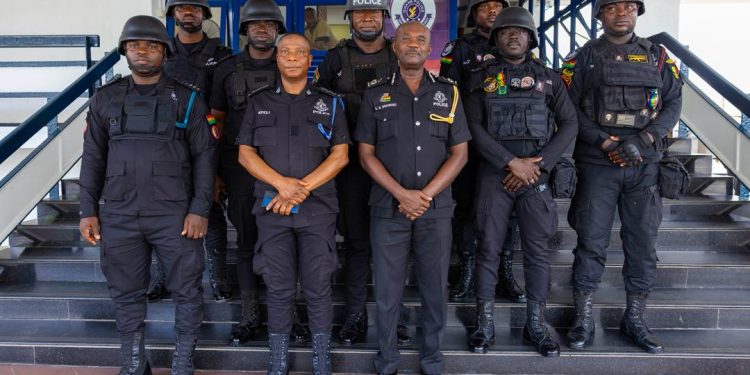
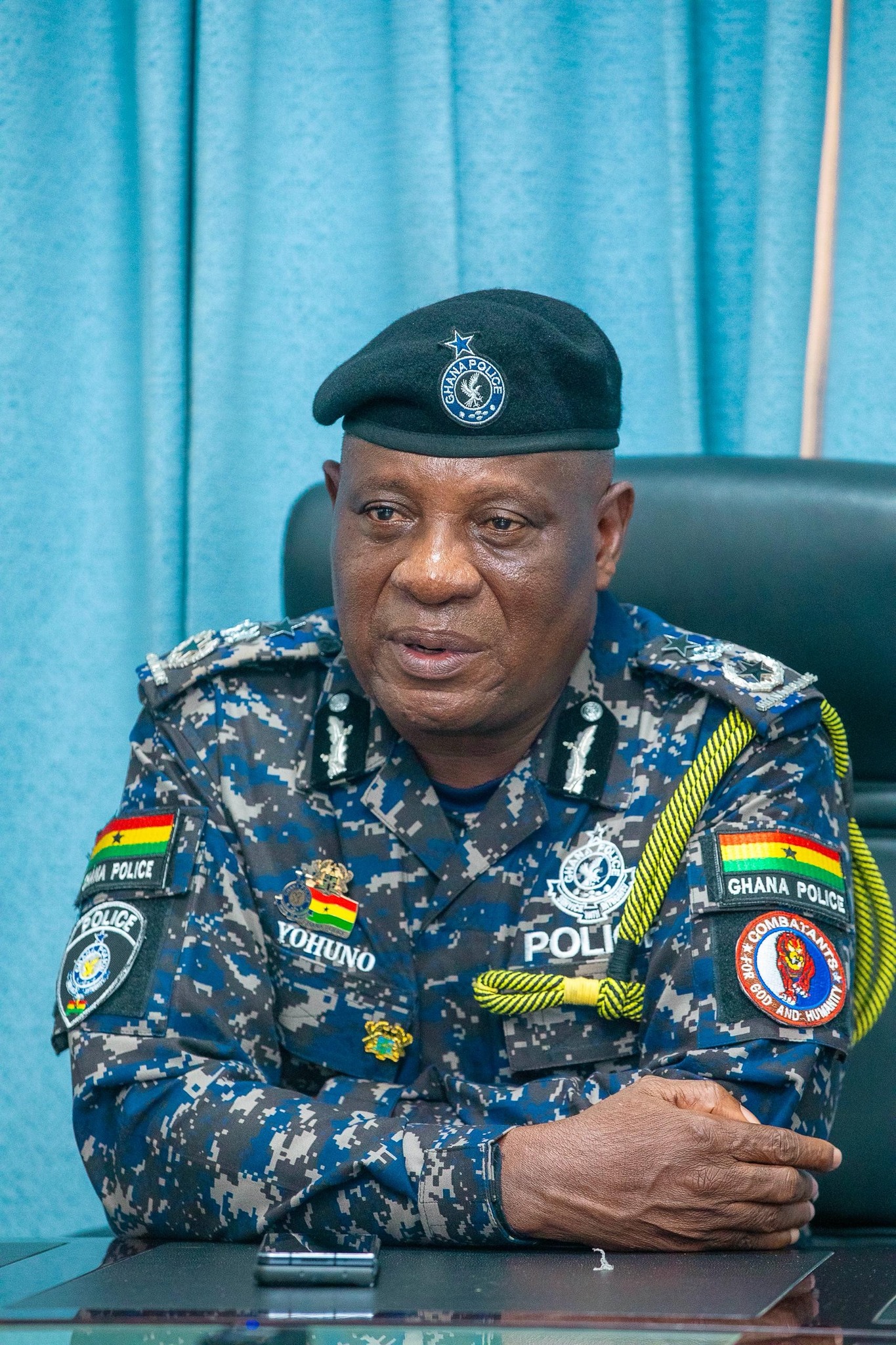
    Seven officers of the Tema Regional Police Command have been promoted by the Inspector-General of Police, Christian Tetteh Yohuno, for their “exceptional operational performance” in foiling a robbery attack on a female Mobile Money (MoMo) vendor at Community 5 in Accra on Monday morning, April 13. 


    The IGP together with the Police Management Board (POMAB), commended the officers for their outstanding performance. The promoted officers are Chief Inspector Enoch Nartey Nuer, Inspector Gershon Dekpey, Inspector Prince Asante, Sergeant Lukman Mohammed, Sergeant Eugene Kuudouru, Corporal Jerome Akator, and Lance Corporal Jonathan Sewurah.

    The officers shot dead two armed robbers during a fierce exchange with the suspects. A police statement signed by ASP Dede Dzakpasu, Head of Public Affairs for the Tema Regional Police Command, indicates that

    “The suspects were transported to the Police Hospital for medical attention but were pronounced dead on arrival by a medical officer”.

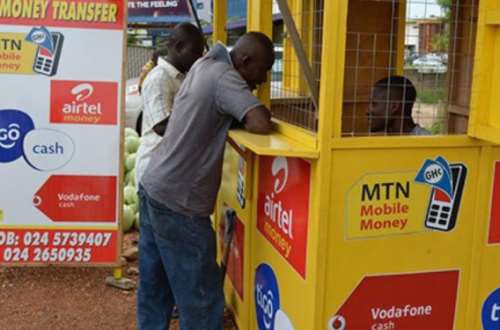
    The police noted that the robbers shot the female MoMo vendor as she tried to protect her money and resist the attack. According to the police, one suspect approached the victim under the guise of performing a “cash-out” transaction, while his accomplices waited for him on a motorbike.

    The suspect pulled a pistol and demanded her bag of cash as the victim reached for her phone.

    The pillion rider shot the victim in the leg in the heat of the scuffle and later fled the scene with the bag.

    However, following the swift intervention of the police, a total of GH¢11,390.00 is suspected to have been stolen. The police also retrieved one black 9mm Luger pistol loaded with four rounds of ammunition, three Android phones, assorted SIM cards, a talisman, and a Ghana Card belonging to the robbery victim.

    Meanwhile, the female MoMo vendor is receiving treatment at a medical facility for her leg injury. In March, a police shootout in Atebubu left a suspected armed robber, Osman Amadu, popularly known as Manu, dead.

    The police have been on the lookout for Osman Amadu, who has been on the run since March 14 due to his alleged involvement in a robbery incident along the Atebubu-Ejura highway.

    However, on March 18, the Police through an intelligence gathering stormed Osman’s hideout in Ejura.

    According to the police, in an attempt to flee the scene, Osman allegedly opened fire at them. In defence, the police discharged their weapons, resulting in his death.

    Last year, a shootout between suspected armed robbers and the Ghana Police Service at Atebubu in the Bono East region on July 30 led to the demise of two suspects.

    On that fateful day, a team of police officers who were on patrol duty, according to the Ghana Police Service, came across a robbery attack on some commuters along the Atebubu Highway.

    The suspects started firing towards the police officers upon sighting them. The suspects who got hit during the shootout were rushed to a hospital but were pronounced dead upon arrival.

    The other suspects are currently at large after escaping into some nearby bushes. A search at the scene led to the retrieval of a shotgun loaded with two live cartridges, four spent cartridges, and a machete.

    Intensive efforts are underway to apprehend the remaining suspects, the Ghana Police Service has assured.

    An intelligence-led operation by the Police Intelligence Directorate (PID) foiled a robbery attempt by five armed men en route to rob a foreign national at Cantonments on July 15.

    In a statement, the Police noted that they received credible intelligence that the five armed men were lodging at a hotel in Labadi.

    While en route to the location in a Toyota Yaris vehicle, the suspects opened fire on a police team after detecting police surveillance. An officer got shot. A shootout ensued, and two of the suspects succumbed to gunshot wounds after being rushed to the Ghana Police Hospital.

    The officer who sustained gunshot wounds to his arm and legs has been hospitalised and is responding to treatment, according to the Police. The Police retrieved from the scene two pump-action guns loaded with ammunition, live cartridges, three mobile phones, talismans, and other items.

    Meanwhile, a manhunt is underway to arrest the remaining three suspects currently at large. This incident preceded a shootout between officers of the Tema Regional Police Command and a group of 10 suspected robbers during a robbery incident at the Tema Industrial Area that led to the demise of three suspects.

    The incident occurred on July 21 when the police patrol team responded to a distress call and exchanged gunfire upon arrival at the scene during a confrontation with the suspects.

    Three of the suspected robbers succumbed to gunshot wounds, but seven others, some of whom are believed to have been wounded, managed to evade arrest. The police are on a manhunt for these suspected robbers. The remains of the three suspected robbers have been deposited at the Police Hospital Morgue for identification, preservation, and autopsy.

    Exhibits recovered from the scene include a Bruni mod foreign pistol, a double-barrelled locally manufactured pistol with 2 rounds of ammunition and 11 live BB ammunition. The Ghana Police Service has commended its officers at the Kpone District Command for their efforts in managing the robbery incident.

    What the law says about robbery and stealing

    Section 149 of the Criminal Offences states that a person who commits robbery commits a first-degree felony. Per Section 150, “a person who steals a thing commits robbery (a) if in, and for the purpose of stealing the thing, that person uses force or causes harm to any other person, or (b) if that person uses a threat or criminal assault or harm to any other person, with intent to prevent or overcome the resistance of the other person to the stealing of the thing.”

    Section 124 of the Criminal Offences Act indicates that a person who steals commits a second-degree felony. Where the court that finds a person guilty of stealing is satisfied that on not less than two previous occasions the accused was found guilty of stealing, the court shall order that the whole or a part of a term of imprisonment imposed by it shall be spent in productive hard labour.

    A person in respect of whom the court makes an order under subsection (2) is disqualified for election to Parliament or to a District Assembly within the meaning of the Local Government Act, 1993 (Act 462), for a period not exceeding five years.

    Productive hard labour means labour in a state farm or state factory or any other public co-operative or collective enterprise specified by the Minister.

    Police efforts in combating robbery

    In recent years, the Ghana Police Service has made some strides in curtailing the activities of robbers as well as seeing to the prosecution of those arrested during their line of work. The police this month managed to secure a conviction for an armed robbery incident that occurred in Atonsu Kuwait, Kumasi, four years ago.

    The Kumasi Circuit Court sentenced two individuals to 15 years imprisonment for the violent armed robbery incident. The convicted persons are Abass Kasim (26) and Daniel Morro, a.k.a. “China” (25).

    They were part of a group of five that attacked a resident at his Atonsu Kuwait, Kumasi home on July 31, 2021, at about 2:30 am. The gang, wielding a pistol and cutlasses, shot the victim in the abdomen, inflicted multiple cutlass wounds, and robbed him of personal effects.

    Items stolen during the attack included one iPhone 11 mobile phone valued at GHS 5,500, one Samsung phone valued at GHS 500, two Apple Watches valued at GHS 3,000, and two M.K. ladies’ handbags.

    An unspecified quantity of jewelry, $600, and an unspecified amount of Ghana cedis were also stolen. Following police investigations, Abass Kasim was arrested on August 12, 2021, and during interrogation, he admitted his involvement and subsequently led officers to the arrest of Daniel Morro, and a pistol used in the attack was later retrieved.

    On Thursday, August 19, 2021, they were arraigned before Kumasi Circuit Court 4, where they were initially remanded into custody after pleading not guilty. The two reappeared in court on Wednesday, July 9, 2025, and were convicted and sentenced to 15 years imprisonment on each count.

    This included conspiracy to commit robbery, robbery, and unlawful entry. Abetment of crime and possession of firearms without authority. All sentences are to run concurrently.

    The convicts have since been transferred to the Central Prisons in Kumasi to begin serving their prison sentence. Meanwhile, the three accomplices are currently at large, and the police have intensified efforts to locate them.

    The police reported another victory after an armed robber, Paul Avortide, was jailed for 19 years with hard labour for robbery. The 25-year-old convict, on May 21, at about 4:00 am, at Tsikpota near New Housing, Ho, with a machete in his hand, threatened a pregnant woman by the name of Ogechi Chidiebere, a Nigerian resident in Ho.

    Paul Avortide robbed the victim of her Gh¢ 3,000 and her Tecno Spark 30c mobile phone valued at Gh¢2,500 when she was on her way to attend antenatal care at the Ho Municipal Hospital.

    On June 19, at about 6:00 pm, the Regional Police Intelligence team arrested Harmony Nbonu at the Ho Main Market, who was in possession of the stolen phone. During interrogations, he mentioned Paul Avortide as the one who sold the phone to him at the cost of Gh¢ 850.00.

    Coordinated efforts between the Police and the suspect, Hormony Nbonu, led to the arrest of the convict, Paul Avortide, at Matse, a suburb of Ho, when he was running away from Ho Township. After police investigations, Paul Avortide was charged with the offence of robbery contrary to Section 149 of the Criminal Offences Act, 1960 (Act 29), as amended by the Criminal Offences (Amendment) ACT, 2003 (ACT 646).

    Harmony Nbonu, on the other hand, was charged with the offence of Dishonestly Receiving Contrary to Section 146 of the Criminal Offences Act, 1960 (Act 29). The two were arraigned before Ho Circuit Court presided over by His Honour, Osman Abdul Hakeem, Esq., on Tuesday, July 1.

    The first accused person (A1), Paul Avortide, pleaded guilty to the charge of robbery and was convicted on his own plea and sentenced to a prison term of 19 years in hard labor. The second accused person, (A2), Harmony Nbonu, was acquitted and discharged. The convict has since been handed over to the Ho Regional Prison authorities to begin to serve his prison term.

  • Two shot dead by police after failed daylight MoMo robbery attempt

    Two shot dead by police after failed daylight MoMo robbery attempt

    The Tema Regional Operations Team has shot dead two armed robbers while attempting to foil a robbery attack on a Mobile Money (MoMo) female vendor at Community 5 in Accra on Monday morning, April 13.

    A police statement signed by ASP Dede Dzakpasu, Head of Public Affairs for the Tema Regional Police Command indicates that “The suspects were transported to the Police Hospital for medical attention but were pronounced dead on arrival by a medical officer”.

    The police noted that the robbers shot the female MoMo vendor as she tried to protect her money and resist the attack. According to the police, one suspect approached the victim under the guise of performing a “cash-out” transaction, while his accomplices waited for him on a motorbike.

    The suspect pulled a pistol and demanded her bag of cash as the victim reached for her phone.

    The pillion rider shot the victim in the leg in the heat of the scuffle and later fled the scene with the bag.


    However, following the swift intervention of the police, a total of GH¢11,390.00 is suspected to have been stolen. The police also retrieved one black 9mm Luger pistol loaded with four rounds of ammunition, three Android phones, assorted SIM cards, a talisman, and a Ghana Card belonging to the robbery victim.


    Meanwhile, the female MoMo vendor is receiving treatment at a medical facility for her leg injury. In March, a police shootout in Atebubu left a suspected armed robber, Osman Amadu, popularly known as Manu, dead.

    The police have been on the lookout for Osman Amadu, who has been on the run since March 14 due to his alleged involvement in a robbery incident along the Atebubu-Ejura highway.

    However, on March 18, the Police through an intelligence gathering stormed Osman’s hideout in Ejura.

    According to the police, in an attempt to flee the scene, Osman allegedly opened fire at them. In defence, the police discharged their weapons, resulting in his death.

    Last year, a shootout between suspected armed robbers and the Ghana Police Service at Atebubu in the Bono East region on July 30 led to the demise of two suspects.

    On that fateful day, a team of police officers who were on patrol duty, according to the Ghana Police Service, came across a robbery attack on some commuters along the Atebubu Highway.

    The suspects started firing towards the police officers upon sighting them. The suspects who got hit during the shootout were rushed to a hospital but were pronounced dead upon arrival.

    The other suspects are currently at large after escaping into some nearby bushes. A search at the scene led to the retrieval of a shotgun loaded with two live cartridges, four spent cartridges, and a machete.

    Intensive efforts are underway to apprehend the remaining suspects, the Ghana Police Service has assured.

    An intelligence-led operation by the Police Intelligence Directorate (PID) foiled a robbery attempt by five armed men en route to rob a foreign national at Cantonments on July 15.

    In a statement, the Police noted that they received credible intelligence that the five armed men were lodging at a hotel in Labadi.

    While en route to the location in a Toyota Yaris vehicle, the suspects opened fire on a police team after detecting police surveillance. An officer got shot. A shootout ensued, and two of the suspects succumbed to gunshot wounds after being rushed to the Ghana Police Hospital.

    The officer who sustained gunshot wounds to his arm and legs has been hospitalised and is responding to treatment, according to the Police. The Police retrieved from the scene two pump-action guns loaded with ammunition, live cartridges, three mobile phones, talismans, and other items.

    Meanwhile, a manhunt is underway to arrest the remaining three suspects currently at large. This incident preceded a shootout between officers of the Tema Regional Police Command and a group of 10 suspected robbers during a robbery incident at the Tema Industrial Area that led to the demise of three suspects.

    The incident occurred on July 21 when the police patrol team responded to a distress call and exchanged gunfire upon arrival at the scene during a confrontation with the suspects.

    Three of the suspected robbers succumbed to gunshot wounds, but seven others, some of whom are believed to have been wounded, managed to evade arrest. The police are on a manhunt for these suspected robbers. The remains of the three suspected robbers have been deposited at the Police Hospital Morgue for identification, preservation, and autopsy.

    Exhibits recovered from the scene include a Bruni mod foreign pistol, a double-barrelled locally manufactured pistol with 2 rounds of ammunition and 11 live BB ammunition. The Ghana Police Service has commended its officers at the Kpone District Command for their efforts in managing the robbery incident.

    What the law says about robbery and stealing

    Section 149 of the Criminal Offences states that a person who commits robbery commits a first-degree felony. Per Section 150, “a person who steals a thing commits robbery (a) if in, and for the purpose of stealing the thing, that person uses force or causes harm to any other person, or (b) if that person uses a threat or criminal assault or harm to any other person, with intent to prevent or overcome the resistance of the other person to the stealing of the thing.”

    Section 124 of the Criminal Offences Act indicates that a person who steals commits a second-degree felony. Where the court that finds a person guilty of stealing is satisfied that on not less than two previous occasions the accused was found guilty of stealing, the court shall order that the whole or a part of a term of imprisonment imposed by it shall be spent in productive hard labour.

    A person in respect of whom the court makes an order under subsection (2) is disqualified for election to Parliament or to a District Assembly within the meaning of the Local Government Act, 1993 (Act 462), for a period not exceeding five years.

    Productive hard labour means labour in a state farm or state factory or any other public co-operative or collective enterprise specified by the Minister.

    Police efforts in combating robbery

    In recent years, the Ghana Police Service has made some strides in curtailing the activities of robbers as well as seeing to the prosecution of those arrested during their line of work. The police this month managed to secure a conviction for an armed robbery incident that occurred in Atonsu Kuwait, Kumasi, four years ago.

    The Kumasi Circuit Court sentenced two individuals to 15 years imprisonment for the violent armed robbery incident. The convicted persons are Abass Kasim (26) and Daniel Morro, a.k.a. “China” (25). 

    They were part of a group of five that attacked a resident at his Atonsu Kuwait, Kumasi home on July 31, 2021, at about 2:30 am. The gang, wielding a pistol and cutlasses, shot the victim in the abdomen, inflicted multiple cutlass wounds, and robbed him of personal effects.

    Items stolen during the attack included one iPhone 11 mobile phone valued at GHS 5,500, one Samsung phone valued at GHS 500, two Apple Watches valued at GHS 3,000, and two M.K. ladies’ handbags. 

    An unspecified quantity of jewelry, $600, and an unspecified amount of Ghana cedis were also stolen. Following police investigations, Abass Kasim was arrested on August 12, 2021, and during interrogation, he admitted his involvement and subsequently led officers to the arrest of Daniel Morro, and a pistol used in the attack was later retrieved.

    On Thursday, August 19, 2021, they were arraigned before Kumasi Circuit Court 4, where they were initially remanded into custody after pleading not guilty. The two reappeared in court on Wednesday, July 9, 2025, and were convicted and sentenced to 15 years imprisonment on each count.

    This included conspiracy to commit robbery, robbery, and unlawful entry. Abetment of crime and possession of firearms without authority. All sentences are to run concurrently. 

    The convicts have since been transferred to the Central Prisons in Kumasi to begin serving their prison sentence. Meanwhile, the three accomplices are currently at large, and the police have intensified efforts to locate them.

    The police reported another victory after an armed robber, Paul Avortide, was jailed for 19 years with hard labour for robbery. The 25-year-old convict, on May 21, at about 4:00 am, at Tsikpota near New Housing, Ho, with a machete in his hand, threatened a pregnant woman by the name of Ogechi Chidiebere, a Nigerian resident in Ho.

    Paul Avortide robbed the victim of her Gh¢ 3,000 and her Tecno Spark 30c mobile phone valued at Gh¢2,500 when she was on her way to attend antenatal care at the Ho Municipal Hospital.

    On June 19, at about 6:00 pm, the Regional Police Intelligence team arrested Harmony Nbonu at the Ho Main Market, who was in possession of the stolen phone. During interrogations, he mentioned Paul Avortide as the one who sold the phone to him at the cost of Gh¢ 850.00.

    Coordinated efforts between the Police and the suspect, Hormony Nbonu, led to the arrest of the convict, Paul Avortide, at Matse, a suburb of Ho, when he was running away from Ho Township. After police investigations, Paul Avortide was charged with the offence of robbery contrary to Section 149 of the Criminal Offences Act, 1960 (Act 29), as amended by the Criminal Offences (Amendment) ACT, 2003 (ACT 646).

    Harmony Nbonu, on the other hand, was charged with the offence of Dishonestly Receiving Contrary to Section 146 of the Criminal Offences Act, 1960 (Act 29). The two were arraigned before Ho Circuit Court presided over by His Honour, Osman Abdul Hakeem, Esq., on Tuesday, July 1.

    The first accused person (A1), Paul Avortide, pleaded guilty to the charge of robbery and was convicted on his own plea and sentenced to a prison term of 19 years in hard labor. The second accused person, (A2), Harmony Nbonu, was acquitted and discharged. The convict has since been handed over to the Ho Regional Prison authorities to begin to serve his prison term.

  • A new era for digital trust: Sam George leads charge to secure mobile money system

    A new era for digital trust: Sam George leads charge to secure mobile money system

    Ask anyone in Accra’s Makola Market whether they know someone who has lost money to mobile money fraud. You will not wait long for an answer.

    A trader whose savings were wiped out overnight by someone using a SIM card registered under a stolen identity. A driver who received a call from a number that turned out to belong to someone who had registered it using another person’s Ghana Card.

    A family who woke up to find their mobile wallet emptied, with no legal trail to follow and no institution able to tell them who held the SIM that did it.
    These are not isolated incidents.

    They are the predictable consequence of a broken system. And the reason that system is broken, specifically, is that for fifteen years and across three successive re-registration exercises, Ghana has never once properly linked a SIM card to a verified human identity.
    That sentence deserves a moment of stillness.

    Three exercises. Hundreds of millions of cedis spent. Millions of Ghanaians queuing, presenting their documents, submitting to the process, trusting that it would be worth it. And at the end of all of it, according to an official audit of records collected in the 2021 to 2023 exercise, there were zero successful biometric matches against the National Identification Authority database. Not a low number. Not a worrying percentage. Zero.

    The equipment telcos used during the 2022 exercise could not even speak the same technical language as the NIA’s database. Contactless scanners were deployed by telcos whose data was to be matched against a system built on contact scanners. It is like pouring water into a container with no bottom and wondering why nothing is being stored. The entire exercise, by its own audit, produced nothing that can be legally relied upon.

    This is what Communications Minister Samuel Nartey George has inherited. This is why the 2026 re-registration exercise is not a punishment of citizens or a bureaucratic obsession. It is the only honest response to evidence that the work was never properly done.

    What Is Different This Time

    Critics, and there are credible ones, have argued that this is simply another round of the same failed cycle. The civil society think tank IMANI has raised pointed questions about procurement transparency, the adequacy of the legal framework and the technical contradiction between USSD self-service channels and biometric verification requirements. These are serious questions, and they deserve serious answers, not reassurances.

    But set beside the three previous exercises, the 2026 framework has structural differences that matter. First, biometric verification involving real-time facial recognition and fingerprint authentication will be validated directly against the NIA database, making the NIA the single source of truth on identity.

    This did not happen before. Second, Hon. Sam George has explicitly stated that this is not a sole-sourced procurement, that telecommunications companies will bear the cost, and that no financial burden will fall on the Ghanaian taxpayer. Third, a new Legislative Instrument is being prepared that will, for the first time, formally govern data custody, inter-agency responsibilities and citizen rights under the exercise.

    MTN Ghana, the country’s largest telecom operator, has publicly supported the exercise and committed to funding its participation within existing budgets. The company’s chief executive has confirmed that biometric verification, including fingerprint and facial recognition, will be central to the process, and that structured digital appointment systems will prevent the chaos that defined previous rounds.

    The Real Problem That This Fixes

    There is a specific fraud that Ghanaians rarely discuss openly because it is embarrassing and widespread. People have registered SIM cards using Ghana Cards that do not belong to them. Registered SIMs linked to identities they do not hold. In some cases, agents at registration points registered multiple SIMs under a single individual’s identity without that person’s knowledge. In other cases, SIM cards were registered using stolen or photocopied ID documents, creating a class of active mobile numbers that cannot be traced to any real, verifiable person.

    This is not a small category of exceptions. It is a structural gap that fraudsters, scammers and criminals have exploited deliberately and systematically. Until every active SIM in Ghana is linked to a verified, biometrically authenticated individual, the mobile money ecosystem will remain a hunting ground for people who wish to steal from it.

    The human cost of this is not abstract. Farmers who save through mobile money and lose everything. Small business owners whose working capital is wiped out by a transfer they did not authorise. Women who run market stalls and have no bank account, only a mobile wallet, which disappears because someone registered a SIM under a name that was never really theirs. The SIM re-registration is, at its core, a consumer protection exercise.

    Ghana’s Digital Economy Depends on This

    According to the Bank of Ghana, the value of transactions passing through Ghana’s mobile money infrastructure runs into hundreds of billions of cedis each year. This is not a peripheral financial product. For millions of Ghanaians, mobile money is the bank. It is how remittances arrive. It is how school fees are paid. It is how small traders settle with suppliers.

    That entire ecosystem rests on trust. Investors in Ghana’s digital economy, fintech companies weighing whether to build here, international financial institutions assessing risk, all of them look at whether the identity infrastructure underpinning mobile transactions is reliable. A Ghana where SIM cards are properly linked to verified identities is a Ghana where fintech can grow with confidence, where financial inclusion deepens, and where the digital economy becomes genuinely competitive.

    A Ghana where three successive registration exercises produced nothing usable is a Ghana with a credibility problem it cannot afford to carry into the next decade of digital development.

    What Citizens Should Demand, and What They Should Do

    The critics are right that the government must answer specific technical questions before the exercise proceeds. How will USSD self-service channels satisfy biometric verification requirements? What legal provisions in the new Legislative Instrument will prevent biometric data from being transferred to telco vendors? Who will bear accountability if data custody fails again? These are not hostile questions.

    They are the conditions of a trustworthy process.

    Citizens should also be clear about their own role. When the exercise opens, participate through official designated channels only. Do not hand your Ghana Card to an agent you do not know. Do not allow someone to register a SIM on your behalf through informal means. Report any registration point where someone is attempting to register multiple SIMs under a single identity. Accountability flows both ways.

    Hon. Samuel Nartey George has said this exercise is seventy-five per cent communication and twenty-five per cent technology. That framing matters. It is an acknowledgment that Ghanaians do not simply need to be processed through a system. They need to trust it. They need to understand why it exists, what it will protect and what will be different when it is done.

    The mobile money fraud that has drained savings from market traders and stolen working capital from small businesses is not inevitable. It is the result of a system that was never properly built. This is Ghana’s opportunity to build it properly. The cost of getting it wrong again is not another audit report. It is another decade of fraud, another generation of eroded trust, and another lost window to build the digital economy this country deserves.

    The writer is a Ghanaian citizen with an interest in digital governance and consumer protection.

  • IGP orders inquiry into alleged unauthorized GHS400k MoMo withdrawal by police

    IGP orders inquiry into alleged unauthorized GHS400k MoMo withdrawal by police

    The Inspector-General of Police, Christian Tetteh Yohuno, has ordered an investigation into allegations that some police officers stationed at Kibi were involved in the unauthorised withdrawal of GH¢400,000 from a mobile money agent’s account.

    The directive follows the circulation of a viral video on social media claiming that officers may have played a role in the transaction.

    In response, the IGP has tasked the Ghana Police Service to refer the matter to its Police Professional Standards Bureau for a full investigation.

    Police say the individual believed to be the victim has been contacted and is cooperating with investigators as efforts continue to establish the facts surrounding the incident.

    The Ghana Police Service has also assured the public that the investigation will be conducted professionally and transparently, adding that the outcome will be made public once the process is completed.

    The development follows a complaint by a mobile money (MoMo) agent who alleged that some police officers attempted to take GH¢400,000 that passed through his account during a transaction linked to an ongoing investigation.

    According to the agent, the issue began on December 11 last year when he realised that three SIM cards used for his mobile money business had been blacklisted.

    He said he reported the matter to a nearby office of MTN Group, where checks reportedly indicated that the SIM cards had been flagged for investigations, although the reason was not explained to him.

    The agent further claimed that shortly after the discovery, some officers from the Kumasi Central Police Station arrived at his MoMo stand and arrested him in connection with an alleged gold robbery case.

    He explained that he was later handed over to a CID boss at the station for further questioning.

    While at the station, he said police informed him that an individual had earlier visited his MoMo stand and transferred GH¢400,000 through the three SIM cards that were under investigation.

    The agent has since expressed concern about how the case is being handled, alleging that some officers are attempting to take the money.

    According to the complainant, the officers mentioned in connection with the matter include CID officer Francis Afedzi at Kibi, Crime Officer Osei, and other personnel from Tafo.

    He is therefore calling for a proper investigation into the case to determine the origin of the funds and ensure due process.

    Security concerns surrounding mobile money (MoMo) operations had previously been raised by a criminologist at the Kwame Nkrumah University of Science and Technology (KNUST), Dr. Jones Opoku-Ware.

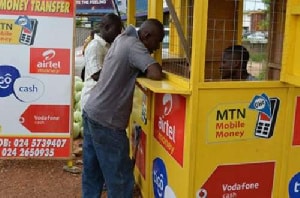
    Dr. Opoku-Ware had warned that the way many MoMo vendors operate in open public spaces exposes them to criminal attacks. He explained that the common setup used by small-scale vendors — typically small containers, umbrellas, chairs and tables — makes their financial transactions visible to the public and increases their vulnerability.

    “Those small containers and umbrellas with chairs and tables expose their transactions to the public. This is a form of banking, though small-scale, so it should be well covered,” Dr. Opoku-Ware emphasized. “They can get a shop and, if possible, have security on-site.”

    He had also called on telecommunications companies to introduce stricter safety requirements for mobile money operators in order to protect vendors and their customers.

    According to him, telecom companies should require MoMo vendors to prove that they operate from secured and enclosed spaces that meet basic safety standards.

    “The telcos must ensure the vendors can prove they operate in a safe and confined space with adequate security measures in place,” he said. “MoMo is creating a lot of jobs and helping people with their transactions, so it should not be done in open spaces that expose vendors to criminals.”

    His comments had come at a time when mobile money services were expanding rapidly across Ghana, offering convenient financial services to many people, particularly in remote communities. However, the growth had also been accompanied by increasing concerns about theft, fraud and attacks targeting vendors.

    In one such case in 2023, a police officer, Ernest Agyemang Darko, who was attached to the National Visibility Unit, was arrested for his involvement in a mobile money fraud case.

    According to a police situational report obtained by MyNewsGh.com, the officer visited the Kasoa branch of MTN Ghana on November 29, 2023, and conducted transactions amounting to GH¢14,460.

    However, he failed to produce the corresponding cash after the transactions were completed. He was later taken to a branch of CBG Bank, where he claimed to hold an account, but the bank had already closed for the day.

    The MoMo agent subsequently alerted nearby police officers, which led to his arrest.

    In his caution statement, Constable Ernest Agyemang Darko admitted that he had neither cash on him nor funds in his bank account when he carried out the transactions.

    He explained that he had proceeded with the transactions because he was under pressure from individuals he owed money to and had also suffered losses through betting.

    Meanwhile, MTN had earlier warned against the illegal practice of splitting mobile money cash transactions and encouraged customers to report agents who engaged in such activities.

    The company explained that it charges a fixed fee of GH¢10 for withdrawals of GH¢1000 and above at its service centres. However, some agents had been encouraging customers to split withdrawals into multiple transactions in order to collect additional charges.

    For instance, a customer withdrawing GH¢3000 could be asked to carry out three separate withdrawals of GH¢1000 each, attracting a GH¢10 fee per transaction instead of a single GH¢10 charge.

    Mawuena Agogo, Retail Experience Manager for the Eastern, Volta and Oti regions at MTN, had described the practice as illegal and urged customers to report such incidents to any MTN office or by dialing 100.

    “Because such transactions are personal encounters, the system could not capture them, which is why we are urging clients to report them, so the necessary action is taken,” he said.

    He added that some agents who had been reported had been sanctioned and ordered to refund the extra charges to affected customers.

    Mr. Agogo had made the remarks during a meeting with informal sector clients at Akyem Tafo, where MTN officials engaged customers on fraud prevention and other challenges affecting mobile money users.

    Participants at the forum raised several concerns, including high transaction charges, poor network connectivity and fraudulent activities on MoMo platforms.

    One trader who attended the meeting complained that she had been charged GH¢40 when withdrawing GH¢4,000 after being asked by an agent to split the withdrawal into four separate transactions.

    During the engagement, Georgina Asare-Fiagbenu, Senior Corporate Communications Manager at MTN, urged customers to remain vigilant and avoid responding to unsolicited offers or requests.

    She also dismissed claims that MTN agents were directly involved in widespread fraud, explaining that the company’s large customer base often made its users targets for scammers.

    “We have more customers than all others, so our customers are easily targeted,” she said.

    Customers were therefore advised to exercise caution, as fraudsters could only succeed when individuals complied with their demands or instructions.

    The forum also addressed issues such as mobile money education, Ayo insurance, network challenges and other services aimed at improving customer awareness and experience.

  • ATM usage declines by 18% as Ghanaians choose faster, more Reliable MoMo – Report

    ATM usage declines by 18% as Ghanaians choose faster, more Reliable MoMo – Report

    Ghanaians are choosing convenience, speed and reliability as many shift from physical cash to digital access to their money. This was revealed in the 2025 KPMG West Africa Banking Industry Customer Experience Survey.

    The findings from the survey indicate that use of ATM saw a sharp decline of 16 percent in 2025, down from 34 percent in 2024, underscoring a decisive shift in how Ghanaians access and move money.

    Mobile money transactions, on the other hand, surged to 80 percent in the same year, marking the highest level recorded in the last 3 years and the highest level since 2022 and 7 percentage points higher than last year. 

    According to the report, banks, telcos and fintechs have observed that many customers prefer to transact while considering convenience, speed and reliability over physical access to physical cash provided by ATM now.

    Banking apps remain the second most popular way people access their money, but they are under growing pressure as customer usage has declined compared to previous years. Weekly usage dropped from 50% in 2024 to 44%, showing that for the second year in a row, people are turning away from bank apps, likely in favour of mobile money and other alternatives.

    This KPMG says has become a major case for concern as bank mobile apps are intended to be the primary digital relationship channel for banks. However, in a swift turn of events, customers have reported improved satisfaction, with ease of use and system availability rising by two points to 81.4 and 80.7, respectively, in 2025.

    Also, USSD banking continues to hold its place in Ghana’s banking ecosystem, given its inclusivity, reliability and internet-free feature. The survey reports that about 26 percent of respondents use USSD weekly, particularly to check bank balances, make airtime purchases, and fund transfers.

    In addition, while ATMs are seemingly fading out; loosing its relevance to digital alternatives, KPMG notes that they have not disappeared entirely as customers still visit them for occasional cash needs, adding that it remains among the top three monthly channels for Millennial customers.

    Overall, the digital trends emerging from the survey point to a clear and urgent reality: customers are no longer impressed by the number of channels available; they are rewarding the few that work best. Convenience, reliability, security and transparency now define digital excellence.

    CSA warn MoMo users about  Whatsapp malware campaign 

    Meanwhile, the Cyber Security Authority issued a public alert warning of a malware campaign that targeted WhatsApp Web users on Windows computers, with the potential to compromise banking and other sensitive financial information.

    The Authority said the attack was aimed at spreading a banking malware known as Astaroth, which exploited the trust and widespread use of WhatsApp to deceive users into downloading malicious files, exposing individuals and organisations to serious financial risks.

    In a statement released on its official Facebook page, the Cyber Security Authority explained that the malware took advantage of the popularity of WhatsApp to lure victims into opening harmful files.

    “The malware takes advantage of the popularity and trust people place in WhatsApp to trick users into downloading malicious files. Once installed, it is capable of stealing banking details, login credentials, and other sensitive data, putting both individuals and organisations at serious financial risk,” the statement said.

    According to the Authority, the attack usually began when victims received malicious ZIP files through WhatsApp messages. These files were often disguised as legitimate documents or shared content, encouraging users to download and open them. Once the ZIP file was extracted and executed on a Windows device, the Astaroth malware was installed.

    The Authority noted that after installation, the malware secretly connected to WhatsApp Web, retrieved the victim’s contact list and automatically sent similar malicious messages to all contacts, enabling the malware to spread without the user’s knowledge.

    It added that the malware operated in the background to harvest sensitive information, including banking login credentials, one-time passwords (OTPs), browser cookies and keystrokes. This stolen data could then be used to gain unauthorised access to financial accounts, commit fraud and support other criminal activities.

    As part of its recommendations, the Cyber Security Authority urged users to be cautious when downloading or opening ZIP files or unexpected attachments received via WhatsApp, even if they appeared to come from known contacts. It cautioned that files requesting urgent action or downloads were common social engineering tactics used by cybercriminals.

    Users were also advised to regularly check active WhatsApp Web sessions and log out of any unfamiliar ones, avoid leaving WhatsApp Web signed in on shared or public computers, and keep Windows operating systems and installed applications updated with the latest security patches. The Authority further encouraged the use of reputable and up-to-date endpoint security software capable of detecting and blocking malware.

    The Cyber Security Authority advised the public to report cyber incidents to the Cybersecurity/Cybercrime Incident Reporting Point of Contact for assistance by calling or texting 292, sending a WhatsApp message to 0501603111, or emailing report@csa.gov.gh.

  • Total value of MoMo transactions hit GHS3.6 trillion by October 2025

    Total value of MoMo transactions hit GHS3.6 trillion by October 2025

    Bank of Ghana (BoG) has announced that mobile money (MoMo) transactions have increased by GH¢137.4 billion in October year-on-year.
    As at the end of October, MoMo transactions had hit a record GH¢3.6 trillion. This was revealed in the Central Bank’s latest Economic and Financial Data released after last week’s Monetary Policy Committee meeting.

    The figure represents the total reported by telecom operators to the Bank of Ghana covering transactions from January to October 2025. The report also indicated a month-on-month increase in transactions, with a record GH¢406 billion increase from September to October, highlighting that more people are using mobile money and moving more money as the year goes on.

    In the first 10 months of 2024, the total value of mobile money transactions hit GH¢2.368 trillion.
    The 2025 figure, therefore, marks a significant jump over last year’s performance. For context, total transactions for the same period in 2023 stood at GH¢1.367 trillion. In the first eight months of 2024 alone, mobile money transactions amounted to GH¢1.775 trillion.

    This increase has been attributed to growing preference for MoMo among Ghanaians used for payments. Also, several institutions have now accepted MoMo as a mode of payment for goods and services, while BoG and other commercial banks have intensified efforts to promote a cashless economy with the introduction of their e-banking services, among others.

    Consequently, analysts have asserted that these developments have contributed to the surge in total transaction value. On the performance of MoMo, BoG’s data shows that as of October 2025, total registered mobile money accounts stood at 79.1 million, with 25.3 million active. The sector employs about 949,000 registered agents. Total transactions from January to October 2025 reached 893 million. Regarding mobile money interoperability, GH¢40 billion was transferred across platforms within the same period.

    BoG, in its latest Summary of Economic and Financial Data, reported that mobile money transactions for the month of August amounted to GH¢354.1 billion.
    Comparing the figure to the GH¢355.4 billion recorded in the month of June, there is a slight dip in what the month of August recorded.

    Nonetheless, the data underscores the progressive dominance of mobile money payments in the country’s financial ecosystem.
    The number of transactions climbed to 831 million in August, up from 778 million in July, reflecting the steady rise in the use of digital payment channels.

    Registered mobile money accounts also grew to 77.7 million, with 25.1 million active accounts, highlighting progress in financial inclusion across Ghana.
    Industry analysts say that although the overall value of transactions eased marginally, the consistent growth in transaction volumes and active users demonstrates deepening trust in mobile money for everyday payments, remittances, and business transactions.

    In the first two months of the year, the mobile money industry saw a strong start with transactions hitting GH¢649.2 billion.
    This marked a significant 64.68% increase compared to the same period in 2024, when mobile money transactions totaled GH¢394.2 billion.

    Data from the Bank of Ghana reveals that mobile money transactions in January 2025 amounted to GH¢333 billion. However, the figure dropped slightly to GH¢316.2 billion in February 2025.

    The surge in transactions comes despite the presence of the Electronic Transaction Levy (E-Levy), which was scrapped by the new government last week. Analysts predict that with the levy removed, mobile money transactions could see further growth, strengthening Ghana’s financial technology ecosystem.

    Meanwhile, mobile money usage continues to expand, with the number of registered accounts rising to 74.1 million, up from 66.9 million in early 2024. Despite this growth, only 411,000 out of 896,000 registered agents were actively processing transactions.

    In 2024, Ghana recorded an all-time high of GH¢3.0192 trillion in mobile money transactions, reflecting a year-on-year growth of 57.90%.

    Earlier this year, the Bank of Ghana (BoG) clarified that MTN Ghana’s MobileMoney Limited has not been authorised to facilitate cross-border transactions with MTN Nigeria.
    Contrary to reports suggesting otherwise, the Central Bank emphasized that no such licence has been issued for international money transfers between the two subsidiaries.

    In a statement addressing developments in Ghana’s fintech sector, the BoG explained that while MTN MoMo lacks approval for cross-border transactions, another regulated initiative is being piloted under its supervision. The initiative, BrijX, a B2B Currency Swap Platform developed by Brij Fintech Ghana, has been approved for testing within the BoG’s regulatory sandbox framework.
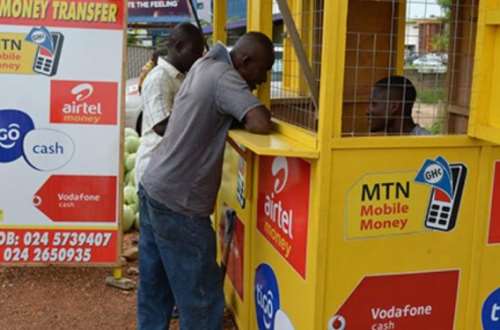
    “Bank of Ghana has taken note of media publications suggesting that MTN Ghana has been licensed to conduct cross-border transactions with MTN in Nigeria. The Bank hereby states that MobileMoney Limited, providers of MoMo from MTN, has not been licensed or authorised to conduct cross-border transactions,” the statement read.

    Unlike traditional remittance services, BrijX operates as a digital marketplace, allowing direct currency swaps between the Ghanaian cedi and the Nigerian naira without the need for forex transactions or the physical movement of funds. The platform integrates with banks, mobile money providers, and other licensed Payment Service Providers (PSPs) to enable seamless currency exchanges.

    The BoG noted that BrijX, which commenced live testing in February 2025, initially involves MTN MoMo users and will soon be extended to G-Money customers. The pilot is subject to stringent regulatory controls, including transaction limits, restricted participation, a defined testing period, and strict adherence to Anti-Money Laundering (AML) and Know Your Customer (KYC) protocols.

    Following the pilot phase, the BoG was to evaluate BrijX’s performance to determine its compliance with Ghana’s financial regulations and its potential for wider adoption.

    Reaffirming its commitment to secure and efficient financial services, the BoG assured stakeholders that it remains dedicated to fostering innovation while maintaining strong consumer-protection measures.

    General Secretary of the Mobile Money Agents Association of Ghana, Evans Otumfuo, has revealed that the introduction of the Electronic Transaction Levy (E-Levy) led to the collapse of nearly 17,000 mobile money businesses nationwide.

    In an interview with the media on Wednesday, Otumfuo stated that excessive taxation drained the working capital of many agents, ultimately forcing them out of business.
    Following an internal survey, the association discovered that numerous agents shut down their operations due to repeated deductions on transactions, whether conducted through banks or among fellow agents.

    “Momo agents at one point were subjected to various forms of levy deductions. We lost our working capital. It hasn’t been in the interest of our business so far. We received the cancellation of the E-Levy as good news, and we really look forward to its implementation,” he said.

  • School feeding reforms not meant to punish caterers – Naa Momo Lartey

    School feeding reforms not meant to punish caterers – Naa Momo Lartey

    The Minister for Gender, Children and Social Protection, Agnes Naa Momo Lartey, has provided clarification on the recent cancellation of school feeding contracts, stating that the decision was reached jointly with the World Bank based on agreed conditions.

    In an exclusive interview with Ghana Weekend, the Minister explained that the process wasn’t a unilateral government move but one guided by World Bank requirements.

    “We are not doing this alone; we are doing it with the World Bank. There are some criteria and conditions to meet, and we didn’t want to be harsh on the caterers. In all honesty, most of them know they don’t have valid contracts,” she said.

    She pointed out that after the last general elections, a directive from the then-program coordinator allowed caterers to keep cooking temporarily. This directive, issued during a transitional phase, caused some confusion.

    “We are supposed to move to a digital recruitment system with the support of the World Bank, but because of the academic calendar, we could not implement it as swiftly as we would have liked. That’s why we are asking for time to transition smoothly, it doesn’t mean we should maintain the current system without reform.”

    According to her, while schools were on break, most caterers had stopped cooking and were aware of their inactivity.

    “School was on vacation, and they are just resuming. Monitoring reports showed that most of the caterers were not cooking, and they are aware of that. Some did cook, but not consistently. So for those saying they made purchases and investments, I do sympathize with them.”

    She emphasized that while there is no plan for compensation, those who did offer services during the period will still receive payment.

    “Some have sent opinion leaders to speak on their behalf, but I have always reassured them it is not out of vindictiveness. This process is to ensure standards are met and to sanitize the system.”

    She further explained that all interested caterers will have the chance to reapply under a reformed digital recruitment system.

  • Ghana recorded GHS649.2bn in mobile money transactions from Jan – Feb 2025

    Ghana recorded GHS649.2bn in mobile money transactions from Jan – Feb 2025

    Ghana’s mobile money transactions recorded a sharp increase in the first two months of 2025, reaching GH¢649.2 billion.

    This marks a 64.68% rise compared to the GH¢394.2 billion recorded during the same period in 2024.

    Figures from the Bank of Ghana indicate that January 2025 saw transactions amounting to GH¢333 billion, while February 2025 recorded a slight drop to GH¢316.2 billion.

    This growth comes despite the Electronic Transaction Levy (E-Levy), which remained in effect until its repeal by the new government last week. Analysts believe the removal of the levy could further boost mobile money transactions and drive financial inclusion.

    The number of registered mobile money accounts grew to 74.1 million in early 2025, up from 66.9 million in 2024. However, out of 896,000 registered agents, only 411,000 were actively engaged in transactions.

    For the whole of 2024, mobile money transactions totaled GH¢3.0192 trillion, reflecting a 57.90% increase from the previous year. This highlights the continued expansion of Ghana’s digital payments landscape.

  • Apologise for ‘wrongful’ arrest of my 3 sons amid probe into murder of MoMo vendor – Woman to police

    Apologise for ‘wrongful’ arrest of my 3 sons amid probe into murder of MoMo vendor – Woman to police

    The mother of three siblings, who were arrested in connection with the murder of a mobile money vendor in Kumasi, is demanding a public apology from the police for what she describes as their wrongful detention and public humiliation.

    Madam Mary Kyei insists that her sons were unjustly apprehended and paraded as suspects, which led to severe reputational damage and cost them their jobs.

    Recounting the incident, she explained that two of her sons were arrested while the police were apprehending a tenant in their home, who was being investigated for his alleged role in the killing.

    “We heard noise from the room I had rented to a young man, so I went out to inquire. I saw the police arresting the tenant who lived with the girl who was murdered. My son followed me, but the police ordered that he should go back and sleep,” she narrated.

    She further detailed how her other two sons ended up in custody.

    “My son came outside again and was arrested by the police. The older sibling came to inquire about the reason for the arrest, and he was also arrested,” she added.

    The third sibling, who had gone to the police station to seek clarification about his brothers’ arrest, was also detained.

    It took her direct appeal to the Deputy Regional Police Commander to secure their release.

    “I had to walk to the office of the Deputy Regional Commander to explain my story; he ordered their release immediately,” Mrs. Kyei stated.

    However, by the time they were freed, their images and videos had already gone viral, branding them as suspects in the murder case.

    The fallout has been devastating for the family, as their community now views them with suspicion. Two of her sons have also lost their jobs due to the arrest.

    “One is a driver, his car owner called him to return the car, claiming he could be a target for anybody. So he is now jobless,” she lamented.

    “My son, who worked with an alcohol distribution company, was sacked after the release; they claim my wards are murderers,” she added.

    The family is now calling on the police to issue a public apology to restore their dignity and mitigate the damage caused by the viral video.

  • 3 nabbed for alleged involvement in MoMo robbery in Ashanti Region

    3 nabbed for alleged involvement in MoMo robbery in Ashanti Region

    The Ashanti Regional Police Command has arrested three suspects in connection with the robbery and murder of two mobile money vendors in separate incidents within the region.

    The first attack occurred on Thursday, February 13, 2025, at Krofrom, where a female vendor, Patricia Nimako, was fatally attacked in broad daylight, and an undisclosed amount of money was stolen. The second incident took place a month later, on Monday, March 10, 2025, when Gideon Owusu Sarpong, also known as “Junior,” was targeted at his home in Kwadaso and killed by the assailants.

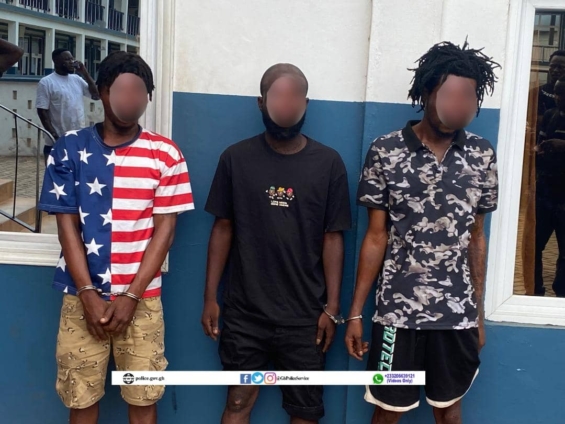
    Following intensive investigations, the police apprehended Charles Kwame Danso, 23, alias “Kwame Charles” or “Miami,” Philip Foujour, 29, and Samuel Addae Mensah, 42, on March 21, 2025, at Pankrono and Atimatim. They are currently in custody and will be arraigned in court soon.

    Authorities are still searching for a fourth suspect, Martin Amoah, also known as Augustine Amoah or “Baba Macho,” who is believed to be hiding in Kumasi, Dunkwa-on-Offin, or Diaso in the Central Region.

    The police have called on the public to assist in tracking him down, urging anyone with relevant information to reach out via the toll-free numbers 191 or 112, or dial 18555 on MTN and Telecel networks.

    The Ashanti Regional Police Command reassured residents of its commitment to bringing all perpetrators to justice while urging the public to remain vigilant and cooperate with law enforcement.

  • Value of MoMo transactions surge by GHC13.7 billion – BoG

    Value of MoMo transactions surge by GHC13.7 billion – BoG

    Data from the Bank of Ghana reports a significant increase in mobile money transactions, a proof of a significant hike in adoption of digital financial services nationwide.

    The total number of mobile money transactions increased from 705 million in September 2024 to 728 million in October 2024, indicating a substantial monthly increase.

    This growth was seen in the total value of transactions, which rose from GHS 284.9 billion to GHS 298.6 billion during the same period.

    However, the balance of float—the total funds held in mobile money accounts—experienced a decline, dropping from GHS 25.1 billion to GHS 24.2 billion.

    This surge in mobile money usage in October 2024 reflects favourable market dynamics, despite ongoing economic and regulatory hurdles, including calls for a reduction or elimination of the E-levy rate.

    Regarding mobile money interoperability, the total transaction value rose from GHS 2.5 billion to GHS 2.8 billion. The total number of interoperability transactions also increased, from 18.5 million to 19 million. Additionally, the transaction value of cheques cleared through mobile money grew from GHS 32.8 billion to GHS 38 billion, with the number of such transactions rising from 452,000 to 506,000.

    Meanwhile, the period also saw an increase in registered and active mobile money accounts. The number of registered accounts rose from 71.2 million to 71.9 million, while active accounts slightly increased from 23 million to 23.3 million. On the business side, while the number of registered Momo agents grew by 5,000 in one month—from 867,000 to 872,000—the number of active agents declined from 456,000 to 404,000.

    According to the report, the total transaction value under direct debit through the Automated Clearing House (ACH) increased from GHS 250.2 million to GHS 327.6 million, with the number of transactions rising from 53,000 to 84,000. Meanwhile, in terms of direct credit ACH transactions, the transaction value grew from GHS 10.3 billion to GHS 11.7 billion, and the total number of transactions increased from 785,000 to 874,000.

  • MoMo fraudsters can rob you without cash out prompt – Victim warns public

    MoMo fraudsters can rob you without cash out prompt – Victim warns public

    A subscriber of leading telecommunications provider MTN has raised alarming concerns about the security of its Mobile Money (MoMo) service.

    In a viral video she indicated that fraudsters have recently discovered a method to withdraw funds from users’ accounts without their authorization, circumventing the usual MoMo PIN protection.

    The user described a distressing incident where scammers claimed to have sent money to her sister.

    When her sister attempted to check her MoMo wallet, she said, a prompt for authorization appeared.

    According to her she was confused because such prompts should not occur without the user actively enabling the cashout option.

    She added that the situation worsened when the scammers persistently sent additional prompts and calls, even threatening to hack her phone if the user attempted to turn off her phone.

    “These MTN fraudsters are becoming a nuisance. I recently had a banter with one. He said he had sent my sister some money. Immediately my sister attempted to check her MOMO wallet but I stopped her. All of a sudden there was a pop up on her phone to authorize payment. MTN I taught one cannot get such a prompt if he or she has not allowed the cash out option. So we dismissed that prompt. As if that was not enough they kept sending prompts. Can you believe they started disturbing her phone with calls. They even threatened to hack her phone if she tries turning off the call,” she added.

    Meanwhile, MTN users have called for a more robust response from MTN to address these security concerns and prevent further unauthorized transactions.

  • Africa must prioritize MoMo interoperability than single currency – Bawumia

    Africa must prioritize MoMo interoperability than single currency – Bawumia

    Vice President, Dr. Mahamudu Bawumia is advocating for a policy shift from the adoption of a single currency among African countries to interconnected payment platforms, including interoperable Mobile Money services.

    He believes this approach would better bridge the financial divide and boost intra-Africa trade.

    While African leaders have traditionally focused on macroeconomic stability as a key factor for a common currency, Dr. Bawumia argues that the continent’s inability to meet economic convergence criteria highlights the need for financial interoperability systems to achieve seamless payment regimes.

    “Making mobile money interoperable allows our citizens across the continent to trade seamlessly and so this is where I believe as African countries we need to focus on. One of the common problems of achieving a common currency was the difficulty of our respective countries in achieving the macro-economic convergence.”

    “The idea of a common currency which came in 1963 has really been overtaken by the digital payment age that today you can think about mobile money as a common currency. If we make it interoperable, we don’t need to have the common currency before we get the benefits.”

    Dr. Bawumia made these remarks as the guest speaker at the opening of the Continental Mobile Interoperability Symposium organized by the Africa Prosperity Network in Accra.

    “I believe that If we are serious about it, we can work towards mobile money Interoperability at the continental stage and, therefore, we should move away in this regard from the macro-economic convergence criteria to digital payment convergence criteria,” he added.

    The event, themed “Scaling-up interoperability, Using Mobile Money to Buy and Sell.

    Governor of the Bank of Ghana, Dr. Ernest Addison, acknowledged that achieving broad financial sector inclusion and inter-trade in Africa hinges on a harmonized regulatory framework and partnerships among digital space players.

  • 44m mobile money accounts registered as of 2023 – Akufo-Addo

    44m mobile money accounts registered as of 2023 – Akufo-Addo

    The mobile money market in Ghana is rapidly expanding, with a significant surge in the adoption of electronic wallet services. President Akufo-Addo revealed that by the close of 2023, a staggering 44 million accounts had been registered.

    This announcement, shared via a post on X on Tuesday, May 14, 2024, also highlighted that mobile money transactions had exceeded GH¢1 trillion.

    President Akufo-Addo further noted a substantial increase in the percentage of adults with access to financial services, rising from 58% in 2017 to 80% in 2023.

    He hailed mobile money as the most revolutionary addition to Ghana’s financial landscape, transforming countless lives and creating new avenues of opportunity.

    “Mobile money adoption has increased considerably, with some 44 million accounts registered by the end of 2023, and transactions surpassing GH¢1 trillion. Meanwhile, the percentage of adults with access to financial services has risen from 58% in 2017 to some 80% in 2023, representing a remarkable achievement that has transformed countless lives and opened up new horizons of opportunity,” President Akufo-Addo stated.

    Ghana’s remarkable achievement extends to boasting one of the world’s highest mobile money penetration rates. President Akufo-Addo emphasized that mobile money transactions annually surpass GH¢900 billion, underscoring the market’s robust growth and significant impact on the nation’s economy.

  • Value of MoMo transactions hit GHC394.2bn in two months of 2024

    Value of MoMo transactions hit GHC394.2bn in two months of 2024

    The total value of mobile money transactions for the first two months of 2024 reached a record GH¢394.2 billion, compared to GH¢264.1 billion during the same period in 2023.

    According to the March 2024 Summary of Economic and Financial Data by the Bank of Ghana, mobile money transactions in January 2024 amounted to GH¢198.4 billion, with February 2024 reaching GH¢195.8 billion.

    Despite the implementation of the Electronic Transaction Levy (E-Levy), mobile money transactions continue to thrive.

    The total number of transactions in January 2024 was 618 million, with February 2024 recording 609 million transactions. The active mobile money accounts in January 2024 were estimated at 22.9 million.

    In 2023, the total value of mobile money transactions reached a record GH¢1.912 trillion, compared to GH¢1.07 trillion in 2022.

    The data from the Bank of Ghana shows a consistent surge in mobile money transactions from January 2023 to January 2024, with a slight drop in February 2024. All 14 months recorded transactions exceeding GH¢100 billion each.

  • BoG adjusts momo transaction limits to meet growing demand

    In response to the rapid growth in mobile money transactions and evolving customer needs, the Bank of Ghana (BoG) has announced revisions to the balance and transaction limits of mobile money wallets, effective March 1, 2024.

    The decision to revise the limits comes after the release of the 2023 Fintech Sector report by the Bank of Ghana, which highlighted a significant surge in mobile money transactions. 

    According to the report, there was a remarkable 79 percent increase in the total value of Mobile Money transactions, reaching GHS1.9 trillion compared to the figures recorded in 2022. 

    Additionally, the total value of Mobile Accounts (Funds) held with commercial banks witnessed a 40% increase, reaching GHS18.3 billion.

    Acknowledging the growing trends in transactional activities and the need to accommodate evolving customer demands, the Bank of Ghana deemed it necessary to adjust the transaction limits for various customer accounts.

    Effective March 1, 2024, the newly approved guidelines include adjustments to the transaction limits for different customer accounts.

    These adjustments aim to ensure that mobile money users can effectively conduct their transactions while maintaining the security and integrity of the mobile money ecosystem.

    The revisions in transaction limits are expected to provide greater flexibility and convenience for mobile money users across the country. Furthermore, it aligns with the Bank of Ghana’s commitment to fostering financial inclusion and promoting the use of digital financial services in Ghana.

    As mobile money continues to play a vital role in driving financial inclusion and economic growth in Ghana, the Bank of Ghana remains committed to monitoring and adapting to the evolving needs of mobile money users and the broader financial ecosystem.

  • BoG to make changes to MoMo wallet limits from March 1

    In response to the surge in mobile money transactions and evolving customer needs, the Bank of Ghana (BoG) has announced adjustments to the balance and transaction limits of mobile money wallets, effective March 1, 2024.

    The decision follows the findings of the 2023 Fintech Sector report, revealing a significant 79 percent increase in the total value of Mobile Money transactions, reaching GH¢1.9 trillion compared to 2022 figures.

    Mobile Accounts (Funds) held with commercial banks also saw a 40% increase, reaching GH¢18.3 billion.

    The revised guidelines include adjustments to transaction limits for different customer accounts:

    • Minimum Account, Medium Account, and Enhanced Account:
      • Previous Limits: GH¢2,000, GH¢10,000, and GH¢15,000
      • Revised Limits: GH¢3,000, GH¢15,000, and GH¢25,000 respectively
    • Minimum Know Your Customer (KYC) Account:
      • Previous Limit: GH¢3,000
      • Revised Limit: GH¢5,000
    • Medium Know Your Customer (KYC) Account:
      • Previous Limit: GH¢25,000
      • Revised Limit: GH¢40,000
    • Enhanced Know Your Customer (KYC) Account:
      • Previous Limit: GH¢50,000
      • Revised Limit: GH¢75,000

    Additionally, the monthly transaction limit for a Minimum KYC Account has increased from GH¢6,000 to GH¢10,000. Medium and Enhanced accounts, which had no previous limits on the value of monthly transactions, remain unchanged.

    The Ghana Chamber of Telecommunications, as an advocacy institution, encourages the public to seek clarification at any of their members’ customer service centers across the country.

  • Transaction limits of customers’ MoMo wallets to be reviewed effective March 1

    Effective March 1, 2024, the Bank of Ghana (BoG) has increased the balance and transaction limits for customers’ mobile money wallets.

    This adjustment comes in response to the growing trend of transactional activities and changing customer needs.

    The Ghana Chamber of Telecommunications released a statement highlighting these changes. Under the new limits, daily transaction limits have been raised for different account tiers.

    For example, the minimum account, which previously had a GH¢2,000 limit, has been raised to GH¢3,000. Similarly, the medium account limit has been increased from GH¢10,000 to GH¢15,000, and the enhanced account limit has been raised from GH¢15,000 to GH¢25,000.

    For maximum accounts, the minimum account limit has been increased from GH¢3,000 to GH¢5,000, the medium account limit has been raised from GH¢25,000 to GH¢40,000, and the enhanced account limit has been increased from GH¢50,000 to GH¢75,000.

    Regarding monthly transaction limits, the minimum account limit has been raised from GH¢6,000 to GH¢10,000. The medium and enhanced accounts, which previously had no limits on the value of monthly transactions, remain unchanged.

    “Kindly reach out to the personnel of our members at any of their customer service centers across the country, for any clarification you may need”, the statement concluded.

  • My constituents demand MoMo for weddings, school fees – Cletus Avoka laments

    My constituents demand MoMo for weddings, school fees – Cletus Avoka laments

    Member of Parliament for Zebilla, Cletus Avoka, has lamented the challenges faced by lawmakers, indicating unreasonable demands from the public and constituents.

    In an interview with Starr FM, Avoka highlighted the financial pressures MPs face, particularly due to constant requests for financial assistance for various needs such as healthcare expenses, wedding contributions, and school fees.

    Avoka disclosed that these demands make it difficult for MPs to avoid engaging in corrupt activities, as many find themselves using their positions for business rather than focusing on legislative duties.

    He emphasized the need for understanding from the media regarding the financial pressures faced by MPs, noting that these pressures contribute to the perception of corruption in the Legislature.

    “Everyday MoMo. Everyday MoMo. Somebody is sick and has to go to the hospital, you have to send money, somebody is going to do a wedding you have to send money, they are going to do outdooring, they are asking for you. They are asking for school fees and whatnot.

    “Many of us lose the election or Primaries not because we are not doing well but because we’re not giving money out. How do you give money out if you come and stay in parliament for 8 hours debating? You’re debating for 5 or 8 hours, you go home in the evening to sleep, and the following day you have no money to send. You have to go out and look for the money.”

    When questioned about whether this situation justifies the claim that all MPs are corrupt, Avoka agreed, stressing that to retain their positions, MPs often have to seek additional resources, which can lead to engaging in external activities to generate income.

    “If I’m not corrupt, how can I maintain my seat? You have to be corrupt in one way or another. You have to look for more resources. If you have to look for more resources, you have to go out and do some work for a contractor. As a lawyer, maybe prepare a bill, or do this and that and whatnot? So I have half attention here, and half attention outside because I need more resources to be able to maintain my seat.”

  • MoMo vendor commits suicide over Ghc16,000 debt to boss

    A 23-year-old mobile money vendor identified as Kwabena Gideon, hailing from Awutu Bereku in the Central region, has reportedly taken his own life due to a mounting debt of 16,000 Ghana cedis.

    According to Yaw Boagyan of GHOne News, Kwabena Gideon incurred a loss of 16,000 Ghana cedis in mobile money transactions within a span of just two weeks.

    Police sources reveal that the owner of the mobile money business lodged an official complaint at the Awutu Bereku Police station two days prior, alleging mismanagement of GHC16,000 by his employee.

    The employer also highlighted that the employee had taken down all his social media pictures, turned off his mobile phone, and another phone used for mobile money transactions.

    In an interview with GHOne News, a neighbor named Faustina Asare disclosed that Kwabena Gideon succumbed to the pressure of his debt, leading to his tragic decision to end his life.

    She recounted seeing him quietly behind an unfinished building on Saturday morning, February 24, 2024, but did not engage in conversation. An hour later, she heard cries from neighbors and discovered Kwabena Gideon’s lifeless body at the same location.

    Reportedly married with a one-year-old son, Kwabena Gideon allegedly ingested poison, with eyewitnesses finding a bottle of poison beside him. His lifeless body was transported to the Winneba Trauma and Specialist Hospital for autopsy and preservation.

    The police have initiated an investigation into the suspected suicide.

    Expressing sorrow over the incident, the Adontenhene of the Awutu Traditional Council, Nai Ncharkey Okai VII, urged Ghanaians not to resort to suicide when faced with life’s challenges.

    He underscored the importance of seeking support from relatives and trusted friends during difficult times, advocating for a community where people support one another through hardships.

  • Beware of MoMo fraudsters – ECG warns customers

    Beware of MoMo fraudsters – ECG warns customers

    The Electricity Company of Ghana (ECG) has advised its customers to conduct transactions only through its official channels, such as the PowerApp, shortcode *226#, and its offices.

    This warning comes in response to an increase in complaints from customers receiving calls from unknown numbers asking them to deposit money into ECG bank or Mobile Money accounts for services like meter replacement, installation, or debt cancellation.

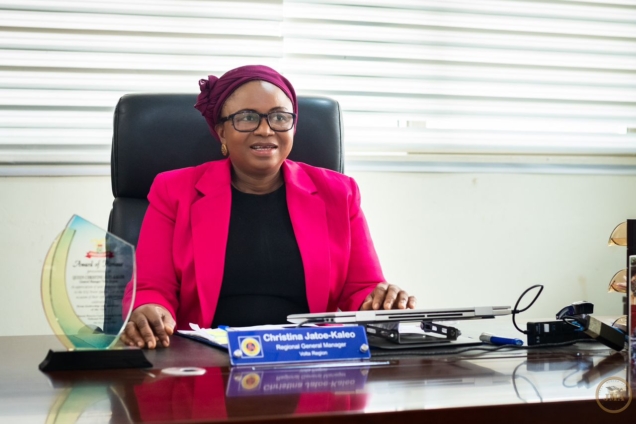
    Ms. Christina Jatoe-Kaleo, the Volta Regional General Manager of ECG, clarified that ECG does not operate a Mobile Money account.

    She urged customers not to engage with individuals asking them to send money to ECG mobile money accounts for service access, as these are fraudulent activities perpetrated through social media and phone calls.

    “They reach out to customers via social media or phone calls and ask them to make payments to certain numbers or bank accounts for their meters to be installed or replaced. In some instances, they claim it’s installation fee and end up impersonating ECG officials like the District Manager, Accountant, or Technical Officer”, she explained.

    Ms. Jatoe-Kaleo further indicated that “with the introduction of the ECG cashless and paperless systems, customers are to initiate transactions or access our services through the ECG PowerApp or shortcode *226#.

    These systems allow customers to access ECG services and control their payments without any MoMo charge or E-levy, so customers should not fall prey to fraudsters.”

    She assured that her outfit is collaborating with security agencies to track down and apprehend these fraudsters.

    “Just last week, some fraudsters issued a fake press release to the GRA Customs Training Academy at Kpetoe and later told them to pay GhC1,140 as an installation fee for three meters to the MoMo number 0508058638. However, the officials of the training academy reported the incident to our office which we later forwarded to the security agencies”, she said.

    Ms. Jatoe-Kaleo added that attempted fraud incidents have been reported in Ho, Kpando, Hohoe, Denu, and Sogakope Districts and that “some of the numbers used for such fraudulent activities include 0531807230, 0508790801,0543803302 and 0532752541.”

    She appealed to customers to refrain from engaging with middlemen and to remain vigilant for fraudulent activities by scammers. She urged customers to report any such incidents to the nearest police station or ECG office.

    Ms. Jatoe-Kaleo appealed to the public to help protect ECG poles against bush fires and transformers from people who vandalize them “to steal valuable components since these activities can lead to prolonged outages which will affect both ECG and its customers”.

  • MoMo operator in Walewale killed; 2 arrested

    MoMo operator in Walewale killed; 2 arrested

    The Police have apprehended two suspects connected to a robbery and assault incident targeting a mobile money operator in Walewale, North East Region, on Monday, February 12.

    The arrests followed a thorough intelligence-led operation, leading to the capture of the suspects at their hideout.

    In a press release issued on Saturday, February 17, the police revealed that the two suspects, identified as Zakaria Yamusa, also known as Vandam, and Fatao Issah, are believed to have shot and killed two individuals, including a mobile money vendor, and injured seven others during the attack.

    The police further assured the public that the intelligence-led operation is ongoing, with efforts underway to apprehend any other individual(s) involved in the incident.

    “The intelligence operation is still ongoing to get all other perpetrators involved arrested. We would like to assure the public that we shall surely get them.”

    After the attack, the victim, identified as Rabiu, was hurried to the Walewale Government hospital, where he tragically succumbed to his injuries.

    According to eyewitnesses, the assault took place at a bustling bus station near the Nalerigu junction along the Tamale Bolga Road, at the heart of the Walewale township.

    The witnesses also verified that the assailants, numbering about three, arrived on motorbikes and fired warning shots before fatally shooting the young operator.

  • Gunmen shoot MoMo vendor to death at Walewale


    A tragic incident unfolded in Walewale, North East Region, as a mobile money (MoMo) vendor, Rabiu, who was shot on February 12, succumbed to death.

    The attack, which occurred at a busy bus station, involved three gunmen on motorbikes who fired indiscriminately before targeting the MoMo operator. Sadly, Rabiu was not the sole victim; eight others sustained injuries during the incident.

    Eyewitnesses described a swift and ruthless attack. Dr. Jabir Alhassan, a Specialist General Surgeon at the Tamale Teaching Hospital, provided insights into the victims’ conditions.

    The MoMo vendor, critically wounded with multiple stab and gunshot wounds, could not be saved despite resuscitation and surgery.

    North East Regional Minister Yidana Zakaria visited the victims at the hospital and conveyed assurances from Inspector General of Police George Akuffo Dampare.

    The IGP pledged swift security enhancements in the region to prevent similar incidents, and additional law enforcement personnel will be deployed for increased security in the area.

    A Regional Security Council emergency meeting is planned to address the urgent matter.

  • Mahama initiated Mobile Money interoperability initiative – Sammy Gyamfi

    Mahama initiated Mobile Money interoperability initiative – Sammy Gyamfi

    The National Communications Officer of the opposition National Democratic Congress (NDC), Sammy Gyamfi, claims that the Mobile Money interoperability initiative, which began in 2016, was initiated under the leadership of former President John Dramani Mahama.

    According to Gyamfi, during the NDC/Mahama administration in 2016, a contract for the initiative was awarded to SIBTON by the Bank of Ghana.

    Responding to the recent address by the 2024 NPP flagbearer, Dr. Mahamudu Bawumia, at UPSA, Gyamfi called on the vice president to provide accurate information to Ghanaians.

    In his public address, Dr. Bawumia praised Ghana’s growth in the mobile money market, crediting the Akufo-Addo government’s investments.

    However, Sammy Gyamfi contradicts Bawumia’s statements, alleging that the vice president terminated an NDC-awarded contract and awarded it to associates.

    Mr Gyamfi asserted that the first MOMO interoperability system contract was awarded to SIBTON in 2016 under the NDC/Mahama government.

    He accused Bawumia of canceling this Build Operate and Transfer (BOT) contract and awarding a new one to his associate’s company.

    Mr Gyamfi refuted Bawumia’s claim that the SIBTON contract was inflated by GHS4.6 billion, explaining that it was a BOT project where the company would charge normal user fees projected to be GHS4.6 billion over a 15-year period, inclusive of setup and operating costs.

    Sammy Gyamfi stated, “On the contrary, the first MOMO interoperability system contract was awarded to a company known as SIBTON by the Bank of Ghana in 2016 under the visionary NDC/Mahama government. Bawumia only came to cancel this Build Operate and Transfer (BOT) contract under false pretenses and awarded a new contract to his crony company.

    “The claim by Bawumia that the SIBTON contract was inflated by GHS4.6 billion is a lie. It was a Build, Operate, and Transfer (BOT) project. Government was not going to spend a pesewa on it. Rather, the company was going to charge the normal user fees which was projected to be GHS4.6 billion over a 15-year period as their gross revenue, inclusive of their setup and operating cost.

    He concluded by stating that even before the current government took office, MOMO interoperability had been conceived and initiated, with a contract signed for that purpose, and calls on Bawumia to stop spreading lies.

    “Even before this BOT interoperability project, Ghanaians could send MOMO across networks through the TOKEN system that the Ghana Interbank Payment and Settlements System (GhIPSS) Limited had provided. Remember the TOKEN MOMO SYSTEM? Clearly, even before this government took office, MOMO interoperability had been long conceived and initiated. A contract had been signed to that effect. Bawumia should stop the lies,” he concluded.

  • MoMo operator shot in Walewale; police commence hunt for attackers

    MoMo operator shot in Walewale; police commence hunt for attackers

    A Mobile Money operator identified as Rabiu sustained gunshot wounds and was promptly transported to the Walewale Government Hospital for urgent medical care on Monday evening in the North East Region of Ghana.

    According to reports from eyewitnesses, the attack unfolded at a bustling bus station near Nalerigu Junction, located along the Tamale-Bolga Road, within the heart of Walewale township. 

    Witnesses recounted that three assailants arrived at the scene on motorcycles, initiating the assault with warning shots before directing gunfire at the young operator.

    Confirming the incident, Aremeyaw Somo Lucky, the Municipal Chief Executive, acknowledged the severity of the situation and confirmed that the police had initiated a search for the perpetrators. 

    “I have just received this information about 5 minutes ago,” stated the MCE, emphasizing the urgency of the matter.

    While the motive behind the attack remains unclear, authorities are actively investigating the circumstances surrounding the shooting. 

    The incident has sparked concerns about the safety of individuals employed in the Mobile Money sector, underscoring the need for enhanced security measures to protect their well-being.

  • We are not to blame for charges on MoMo to Bank transfers – NIA

    We are not to blame for charges on MoMo to Bank transfers – NIA

    The National Identification Authority (NIA) has refuted claims made by banks that issues with the Ghana Card are responsible for identification challenges leading to unauthorized charges on money transfers between personal bank accounts and mobile money wallets.

    Head of the Ghana Association of Bankers, John Awuah, had attributed the fees to inconsistencies in Ghana Card details between mobile money (MoMo) and bank accounts, suggesting that these discrepancies trigger the system to treat individuals differently and apply charges.

    However, the Executive Secretary of the NIA, Prof. Kenneth Attafuah, firmly rejected these claims. In an interview on the Citi Breakfast Show, Prof Attafuah highlighted the successful completion of over 120 million identity verifications since 2021, indicating the effectiveness of the Ghana Card.

    “These challenges have absolutely nothing to do with the NIA. I must make that very clear. We have since January 2021 conducted over 120 million verifications without a single hitch. So it must be made clear that once a bank is onboarding, all efforts to verify identities using the Ghana card lie with the bank, not the NIA.

    “The infrastructure has been provided to the bank so all they need to do is to establish rules with the staff in the bank to verify identity for every transaction. That is what the law requires.”

    He further emphasized that the law mandates the provision of the Ghana Card wherever identification is required, absolving the NIA of any blame in the matter.

    “Whether they do this or not is another matter but the law says that wherever identification requires to be established the Ghana card shall be required or produced,” he said.

  • Don’t pay MoMo agents any fee for depositing cash, report offenders – Telecoms Chamber to public

    Don’t pay MoMo agents any fee for depositing cash, report offenders – Telecoms Chamber to public

    Chief Executive Officer of the Chamber of Telecommunications, Dr Kenneth Ashigbey, has strongly asserted that there are no charges associated with depositing money into one’s Mobile Money (MoMo) account.

    His statement comes in response to reported cases of some MoMo agents imposing deposit fees on users.

    In an interview on the Citi Breakfast Show, Dr Ashigbey encouraged individuals who have experienced such fees to report the agent promptly to their respective mobile networks or law enforcement.

    “Report the agent to the network and the police. There is no charge for depositing money in your account. There is no charge at all,” he said.

    Addressing concerns about charges for money transfers between Mobile Money (MoMo) wallets and bank accounts, Dr Kenneth Ashigbey clarified that if both the bank account and the MoMo account are linked to the same Ghana card used during registration, the system recognizes it as a self-transfer, and no charges should apply.

    Acknowledging instances of improper synchronization between the bank and MoMo sides during the Christmas holidays, leading to erroneous fees, Dr Ashigbey advised affected individuals to report such issues to their banks or MoMo service providers.

    Despite technical glitches, he emphasized that the law explicitly states that transfers between oneself, whether across different wallets or into different bank accounts, should not incur any charges.

    “It was something that over the Christmas holidays we were dealing with that to make sure that the dealings were aligned. So if you have a situation like that you should report to your bank or your MoMo company,” he added.

    “The law is very specific, transfers between yourself on different wallets or into different bank accounts are not supposed to attract any charge at all,” he stated.

  • Momo Agents Association angry over unfair arrest of  members

    Momo Agents Association angry over unfair arrest of members

    Mobile Money(Momo) Agents Association of Ghana (MMAAG) has raised concerns about the reported harassment faced by certain Mobile Money (MoMo) Agents.

    The Association deems the persistent arrests of its members by individuals on suspicion of fraudulent activities unjust. Dela Dunstan Abotsi, the president of the Mobile Money Association of Ghana, affirmed the Association’s dedication to seeking justice for these agents in an interview with Citi News.

    “Regarding how our members are being arrested left and right, there is one particular issue that we are monitoring closely. One of our members was arrested at Tema Community 5 and sent to Port Harbour Police Station. He was later transferred from Port Harbour to the Akosombo police station. Somebody came to withdraw fraudulent money from his end, which he claimed he wasn’t aware of. Based on that, he was arrested, made to pay the money, amounting to 8,000 Ghana cedis, and his home was confiscated. These are issues we are following closely.”

    Additionally, the Association plans to convene a consultative meeting with stakeholders to discuss their recent decision to cap cash withdrawals at a maximum of one thousand cedis per transaction, following a meeting with the telecommunications network last week.

    “MMAAG cannot make the decision alone, so we will have a meeting and decide the next line of action. We had a meeting, and all the Associations were on board. We will go back to our drawing board to have a meeting with the four Associations (the Northern MoMo Agents Association of Ghana (NOMAAG), the Mobile Money Advocacy Group (MOMAG), the Mobile Money Agents Association Ghana (MMAAG), and the ABAG) to decide on our next course of action.”

    https://www.youtube.com/watch?v=XJMZU9Q9wHY
  • Policeman allegedly apprehended for MoMo fraud; accused of spending GH¢14,460 on betting

    Policeman allegedly apprehended for MoMo fraud; accused of spending GH¢14,460 on betting

    Constable Ernest Agyemang Darko, affiliated with the National Visibility Unit, has been apprehended for participating in mobile money fraud.

    As per a police situational report obtained by MyNewsGh.com, on November 29, 2023, Constable Ernest Agyemang Darko visited the Kasoa Branch of MTN Ghana for transactions amounting to GH¢14,460.

    However, he failed to produce the corresponding sum after the transactions were completed. Subsequently, he was taken to the CBG Bank, where he claimed to have an account, but the bank was closed.

    The agent subsequently alerted the police in the area, leading to his arrest.

    In his cautionary statement, Constable Ernest Agyemang Darko admitted to having no money on his person and no funds in his bank account.

    Despite this, he proceeded with the transactions, compelled by the pressure from individuals to whom he owed money and losses he incurred through betting.

  • Police officer detained for MoMo fraud

    Police officer detained for MoMo fraud

    A policeman with the National Visibility Unit, identified as Constable Ernest Agyemang Darko, has been arrested for engaging in mobile money fraud.

    According to the police situational report, Constable Ernest Agyemang Darko, on November 29, 2023, walked into the Kasoa Branch of MTN Ghana to make some transactions.

    He ordered payments to the tune of GH¢14,460 but could not provide the corresponding amount after the transactions were made.

    Constable Ernest Agyemang Darko was led to the CBG Bank where he claimed to save, but the bank was closed.

    The agent then called on police in the area to arrest him, and upon his arrest, Constable Ernest Agyemang Darko confessed in his caution statement that he neither had any money on him nor did he have money in his account at the bank.

    However, he took the bold step to order the transactions to be made after he could not stand the pressure from people he owed money he had lost to betting.

  • Mobile Money agents to limit cash withdrawals to GHC1,000 per transaction effective Dec. 1

    Mobile Money agents to limit cash withdrawals to GHC1,000 per transaction effective Dec. 1

    Starting from December 1, 2023, Mobile Money (MoMo) agents across Ghana will implement a temporary measure, limiting cash withdrawals to a maximum of GH¢1,000 per transaction.

    This decision aims to secure fair compensation for their services and was jointly announced by four MoMo Associations: the Northern MoMo Agents Association of Ghana (NOMAAG), the Mobile Money Advocacy Group (MOMAG), the Mobile Money Agents Association Ghana (MMAAG), and the ABAG.

    “Our goal is to ensure fair compensation for the dedicated agents. During this period, we will continue to actively engage with service providers to address the commission review concerns raised,” a part of the statement read.

    The unions threatened to take further actions should there be no favourable adjustment within a month.

    “We urge you to join us in mobilizing support for fair compensation to Mobile Money Agents. Your cooperation and solidarity are pivotal in ensuring the sustainability of MobileMoney services in Ghana,” the statement concluded.

  • MoMo: ‘We apologise for the intermittent challenges’ – MTN to customers

    The telecommunications company MTN has issued an apology for the intermittent difficulties users have encountered when attempting to access mobile money services.

    In a post on Twitter on September 29, the company acknowledged that these issues have arisen due to technical challenges.

    “We apologise for the intermittent challenges you are experiencing in accessing Momo services. This is because of a technical challenge,” it said.

    It assured customers that its “engineers are working to resolve the issue. We will update you when the issue is resolved”.

  • 100 customers to be rewarded each week during MoMo promotion

    100 customers to be rewarded each week during MoMo promotion

    MobileMoney Limited (MML) has initiated a promotional campaign aimed at acknowledging customer loyalty and encouraging the adoption of digital payments through MoMo.

    Over the upcoming two months, commencing from August 17 until September 30, the company will grant rewards to one hundred customers every week. These prizes will encompass e-cash amounts of up to ¢1000.

    The promotion operates on a point-based system, necessitating customers to utilize the MoMo Pay service for settling payments related to goods and services through Merchant IDs or QR codes.

    In doing so, they will accrue points based on their transactional activities.

    For every ¢10 spent, customers will accumulate five points. The top one hundred points earners each week will be granted an e-cash prize of up to ¢1000.

    Using the MoMo App for transactions will yield triple the points earned through USSD. You can get the MoMo App from either PlayStore or App Store.

    MoMo agents and merchants are encouraged to amplify transaction volume, transaction value, and minimize fraud incidents to secure appealing rewards.

    During the launch of the MoMo Season celebrations, CEO of MobileMoney Limited, Shaibu Haruna, discussed the focal points of the season’s activities, centered around the theme “Tackling Barriers to Embracing Digital Payments in Ghana.”

    Haruna stated, “Obstacles like interoperability issues, counterfeit identification cards, platform infrastructure, customer onboarding, and MoMo fraud have hindered the widespread adoption of digital payments in Ghana.”

    Both MTN Ghana and MobileMoney Limited are dedicated to overcoming these challenges through collaborative efforts with stakeholders and partners, with the aim of establishing a resilient, effective, and more inclusive digital payments ecosystem within the country.

    Winners of the weekly prizes will obtain their rewards by the end of each month, after they’ve been contacted by MTN MoMo via 0244 300 000.

  • There is no E-levy or MoMo charges with our cashless system – ECG

    There is no E-levy or MoMo charges with our cashless system – ECG

    The Electricity Company of Ghana (ECG) has clarified that utilizing the ECG PowerApp for transactions will not result in additional charges.

    According to Mr. Benjamin Obeng Antwi, the Volta Regional Public Relations Officer (PRO), customers will not be subject to mobile money transaction fees or the E-Levy when making payments for services through this digital platform.

    Mr. Antwi conveyed this information during a stakeholder engagement session that included members of the Akatsi North District Assembly, heads of security agencies, and various departments.

    Earlier on May 11, 2023, the power distributor announced its transition to a cashless system, an enhancement to the ECG PowerApp aimed at enhancing convenience for customers and streamlining operations.

    As part of their endeavor to facilitate easy navigation of the app and encourage more customers to adopt digital transactions, the power distributor launched an educational campaign in the Volta Region.

    The objective was to equip the public, especially assembly members, with knowledge to act as advocates for the power distribution company. These ambassadors would then educate residents within their respective electoral areas about ECG’s operations.

    This educational campaign involved activities such as radio programs, interactions with institutions like the Bank of Ghana, GCB Bank, NPA, NCA, Volta Serene Hotel, and various tertiary institutions.

    Mr. Antwi highlighted that the ECG PowerApp serves multiple purposes, allowing customers to pay bills, access billing statements, view payment history, and facilitating smart prepaid meter customers in the Volta Region to purchase prepaid credits and review their usage history.

    Furthermore, he underscored that employing the ECG PowerApp or the provided short code, *226#, for transactions does not incur mobile money charges or E-Levy fees. He encouraged customers to readily embrace this cashless system for their transactions.

    “After downloading the app, once you key in your meter or account number, your details will pop up and once you are certain those details are yours, click on the correct button to save your meter and follow the prompts”, he said.

    Mr. Antwi called on the general public to assist the company root out people consuming power illegally and ensure they pay for electricity consumed.

    “Some users of electricity in our communities are not paying bills in the ECG system as a result of obtaining meters through illegal sources or faulty meters, so let’s try and report these people or else we will be paying for power consumed whiles they consume for free,” he said.

    He further advised the assembly members to ensure customers not paying for electricity consumed or not receiving bills since the installation of the meter visit the nearest ECG Office with their Ghana Card, digital address, meter number, and a picture of their meter to regularize their supply.

  • GHS26m lost due to MoMo fraud in 2022 – BoG

    GHS26m lost due to MoMo fraud in 2022 – BoG

    A total amount of GH¢27 million was lost as a result of mobile money fraud incidents recorded by Payment Service Providers (PSPs) in 2022, according to the Bank of Ghana.

    In its 2022 Fraud Report for Banks, SDIs and PSPs, the Central Bank however noted that the figure decreased to approximately GH¢26 million due to some recoveries made.

    Per the report, the value of loss in 2022 increased significantly as compared to a loss of GH¢12 million in 2021, representing an increase of 117%.

    In contrast, the number of mobile money fraud cases saw a marginal decrease. A total of 12,166 cases were recorded in 2022, as against 12,350 cases recorded in 2021.

    According to the BoG, mobile money fraud has become very predominant, especially, to the vulnerable who mostly are unable to read.

    “The aged and uneducated users of mobile money are not very conversant with the application. They would usually handover the phone to other people to do transactions on their behalf. Their PINs are compromised since they have to give it out to a third party to do the transaction,” the Central Bank explained.

    The BoG further revealed that there is a lack of attention to security by most people in using the mobile money application.

    “Also a general lack of security awareness has largely contributed to victims easily falling prey to fraudsters. Some users of mobile money do not periodically change their PIN making them easily prone to fraudsters,” the report added.

    To address this, the Bank of Ghana has engaged the financial entities to put in stringent measures to mitigate the impact of this fraudulent activity.

    The Bank of Ghana has advised that the sensitization programmes should be in multiple local languages to enable the vulnerable, in particular, and the public in general to
    appreciate it.

    NOTICE NO. BOG GOV SEC 2023 08 Banks SDIs and PSPs Fraud Report 2022 Trends and Statistics FSD by The Independent Ghana on Scribd

    Source: The Independent Ghana

  • MoMo merchant commits suicide after misplacing GHS3,500

    MoMo merchant commits suicide after misplacing GHS3,500

    Abdul Rahman Acquah, a 22-year-old mobile money merchant, is said to have tragically taken his own life in Assin Kruwa, located in the Assin South District.

    The incident occurred after he reported the loss of GHS3,500 which went missing.

    On Tuesday, June 8, at around 3:00 PM, Abdul Rahman Acquah went missing and extensive searches were conducted within the community and district, but he could not be located despite efforts from officers from the Kakum wildlife division.

    Ultimately, the wildlife officers discovered his body in a dense forest. He had hanged himself on a tree using a copper wiring cable.

    The police were immediately notified and they arrived at the scene. The body was then transferred to the morgue at Abura Dunkwa Hospital for autopsy and preservation.

    The hospital’s initial reports indicated no signs of physical violence on the body. Abdul Rahman Acquah’s uncle, Kwaku Quansah, shared that the deceased had been under pressure as his boss demanded the missing money and threatened to have him arrested.

    Mr Quansah suggested that the tragic outcome may have been a result of frustration.

  • 7.4m MoMo subscribers with unregistered SIMs barred from accessing funds

    7.4m MoMo subscribers with unregistered SIMs barred from accessing funds

    Amidst the deactivation of approximately 9 million unregistered SIM cards, defaulting MoMo subscribers have been barred from accessing their funds.

    Chief Executive Officer (CEO) of the Ghana Chamber of Telecommunication, Dr Ken Ashigbey, in an interview on Accra-based CitiFM revealed that 7.4 million subscribers have fallen victims.

    However, Dr Ken Ashigbey, explained that such individuals will be able to retrieve their funds should they be able to register their SIM during a certain grace period provided by the National Communications Authority (NCA) he failed to indicate.

    “For the 7.4 million subscribers who have about over 200 million cedis on their wallet when they are barred, they also will get the opportunity if they get their numbers back then the historical records of their transaction,” he said in an interview with Accra-based Citi FM.

    According to him, the NCA has been magnanimous to keep the short codes; 404# and 400# to allow subscribers who get their Ghana card within the undisclosed period during which the window remains open register and be able to recover the monies in their wallet.

    In the instance where subscribers are unable to register their SIMS before the temporal window closes, he indicated that they would have to reach out to their respective mobile money operators to retrieve their funds.

    “But if they don’t and the NCA decides to close the window anytime then what they would have to do is that they would have to go to their mobile money operators and there will be a procedure that will be put where they can get their money back but they will not be via mobile money. They will not be able to do mobile money transactions until they are able to regularise it,” he added.

    Wednesday, May 31, 2023,  marked the final deadline for SIM card re-registration exercise which commenced on October 1, 2021.

    Source: The Independent Ghana

  • 1.5% E-levy reduction: What it means for Ghanaians

    1.5% E-levy reduction: What it means for Ghanaians

    Mobile money (Momo) service providers commenced the implementation of the 1 percent Electronic Transfer Levy (E-Levy) on electronic money transfers on Wednesday, January 11, 2023.

    The implementation of the new E-Levy charge comes after Parliament approved a proposal by the government to amend the rate of the levy from the initial 1.5 percent to 1 percent.

    Parliament, however, did not approve the government’s proposal to remove the GHC 100 daily threshold that will attract the Electronic Transfer Levy.

    So, how will the reduction in the E-levy rate impact the livelihood of Ghanaians?

    If a Momo user in a day transfers GHC 150 to another Momo user, only GHC 50 can be charged the 1 percent E-Levy.

    So, the person will now be charged only GHC 0.5 (GHp 50) compared to GHC 0.75 (GHp 75), s/he will be paying when the levy was 1.5 percent.

    For a GHC 500 transfer, GHC 400 will be charged E-Levy which correspondence to GHC 4 compared to the GHC 6 the person will have paid when the levy was 1.5 percent.

    Below is a table of E-Levy transactions and their corresponding changes plus the saving (reductions) Momo users are enjoying now:

    But E-Levy is not the only tax, mobile money users are going to pay. In addition, to the levy, Momo users are also supposed to pay telecommunication (telco) charges depending on their service provider.

    So, for example, using the telco charges of the largest Momo issuer in Ghana, MTN, 0.75 percent, an accumulative daily transfer of GHC 150 will attract an E-Levy of GHC 0.5 and a telco charge of GHC 1.125, making the total tax on the transfer GHC 1.625.

    Below is a list of the total charges Momo users will be paying with the new 1 percent E-Levy:

  • MoMo agents want E-levy further reduced to 0.5%

    The Ghanaian Mobile Money (MoMo) Agents Association has asked for a reduction in Electronic Transfer Levy (E-levy), which is now 1% to between 0.1 and 0.5%,

    The 2023 budget and economic strategy were presented by Finance Minister Ken Ofori-Atta, who also promised a 1.5% to 1% reduction in the E-Levy.

    Additionally, he stated that starting in 2023, all transactions would henceforth be subject to the rules.

    However, the agents claim that if the government adopts a different perspective on the rate, the predicted income objective may still be met.

    Speaking to Citi News, the General Secretary of the Association, Evans Otumfour said, Ghanaians will keep evading the levy if there is no further reduction.

    “Government must conduct a research to find out why people are not patronizing MoMo. It is obvious that the rate is one of the major hindrances to government achieving its revenue. So government must reduce the rate so that a lot of people will not be impacted. There are over 17 million MoMo users, so if government pegs the rate at 0.1 or 0.5 percent, it will still meet its revenue target. If not, people will look for alternatives like the use of cash.”

    Even, the Minority in Parliament has suggested a 0.5 percent Electronic Transfer Levy and a GHS300 threshold to cushion poorer Ghanaians.

    The caucus’ leader, Haruna Iddrisu, declared that his group was willing to collaborate with the administration to address the economic problem.

    “We will subject it [the new E-levy rate] to further critical and thorough discussions as a caucus in order to assist the government to get out of its eminent economic crisis,” he said.

    “But without going into the scenarios, as you look at your scenarios, consider another 0.5 percent at a threshold of GHS 300 as compared to what you have admitted of 1 percent at a threshold of zero,” the Minority leader added.

    Some users of mobile money have also voiced their discontent with the suggested adjustments.


  • MoMo transactions on the rise despite concerns on huge e-levy charges

    Mobile money transactions are beginning to see commendable growth, just as they did prior to the implementation of the Electronic Transaction Levy (E-Levy), according to data from the Bank of Ghana.

    The central bank reported that the total value of mobile money transactions as of August 2022 was GH87.08 billion, an increase of 12.8% from GH¢77.2 billion in July, in its most recent Summary of Financial and Economic Data.

    Before the e-levy went into effect, mobile money transactions had a value of GH¢76.2 billion in January 2022, GH¢76.8 billion in February, GH¢90.5 billion in March, and GH¢87.7 billion as of April 2022.

    The first few months following the e-levy’s enrolment in May 2022 saw a decline in mobile money transactions across all networks because many Ghanaians opposed its implementation.

    The total value of MoMo transactions in May drastically FanMilk PLC, a Danone Company, has launched three green initiatives at its North Industrial Area Plant in Accra on Saturday, October 8, 2022, as part of global efforts to accelerate the transition to net-zero carbon emissions.

    The projects, a wastewater treatment plant, a biomass boiler, and a solar power installation, which cost a total of €7 million, are a demonstration of Danone’s ‘One Planet One Health’ goal and reaffirm the company’s leadership in sustainability across the globe.

    Danone’s Africa, Asia, and Middle East President Christian Stammkoetter, speaking at the launch of the Green Projects, said: “we are all witnessing the unprecedented effects of climate dropped from GH¢87.7 billion to GH¢71.4 billion, a decrease of about 18.6%.

    People who stopped using MoMo due to the e-levy seemed to have realized their need for it and signed back on. This is because by June 2022, the value of mobile money transactions had increased to GH¢77.4 billion.

    There was a shortfall of GH¢2 million from June to July. Compared to the sharp decline in May, the reduction in July was minimal.

    The significant increase of GH¢9.88 billion from July to August due to 477 million transactions makes a compelling argument that the levy is beginning to integrate well into society.

    As of August 2022, there were 52 million registered mobile money accounts and 20 million active mobile money accounts. Registered MoMo agents also stood at 642,000, with 472,000 being active.

    E-levy not generating enough revenue

    The government has disclosed that the E-levy is not raking in enough revenue as expected.
    According to relevant stakeholders, about 10 percent of the projected value of GH600 million every month has been raised. Government has announced that the revenue generated from the

    levy would be used to build more roads and ensure infrastructural development.
    Meanwhile, reports have it that the government will review the e-levy to ensure tax compliance. Prior to its implementation, some Ghanaians recommended a rate of one per cent or less.

    Source: The Independent Ghana

  • New deadline for SIM re-registration too short MoMo agents association

    The Mobile Money Agents Association has said the two months extension announced by the government is not enough time to guarantee that all Ghanaians would re-register their SIM cards.

    According to the association, the challenge for many registrants is their inability to access their Ghana Cards.

    In an interview with Citi News, the Secretary of the Mobile Money Agents Association, Evans Otumfuor, said until problems facing the National Identification Authority are dealt with, the extension would have little impact.

    “Looking at the exigencies that government wants us to regularise our credentials with the Ghana Card, we were thinking that at least, within a space of six months, it should be enough for us to get quite a good number of people.”

    The government had initially set July 31 as the deadline for all persons to re-register their SIM cards with their Ghana Cards.

    Persons who had failed to comply with the directive would have had their SIM cards deactivated.

    The regulations are to help law enforcement agencies to identify SIM card owners, track criminals who use phones for illegal activities, curb phone theft, hate text messaging, mobile fraud activities, and SIM Box fraud.

    Statistics from the National Communication Authority (NCA) show that as of Thursday, July 21, 2022, 16,969,034 individuals had registered for the Ghana Card, with about 16,535,623 cards printed, while 15,395,607 had linked their Ghana Card to their SIM cards.

    To boost the registration process, the government has put in place a self-service registration application, which will be made available on both Android and IOS platforms this week.

    Source: Citinews

  • We’ll be pushed out of business, workers to be sacked – MoMo Agents

    General Secretary of Mobile Money Agents Association of Ghana, Evans Otumfour, has said the wrong implementation of the Electronic Transfer Levy (E-Levy) will badly affect them.

    According to him, many businesses would be cut off, whiles workers will also be laid off if the MoMo business is not brisk as usual.

    Speaking in an interview on 3FM’s Sunrise show on April 25, Mr Otumfuor said, “Even before we finally reach the implementation, signals we are picking from our business suggest a lot of unforeseen situations like people going to have their business cut off and our workers will stand being laid off. As it stands now business is not as usual as we used to have it.”

    He stated that the business has taken a nosedive since the announcement of the controversial E-Levy.

    Evans Otumfuor, therefore, called on government to intensify public education for there to be a smooth running of MoMo business.

    It would be recalled that Finance Minister, Ken Ofori-Atta, on Tuesday, March 29, 2022, moved the motion for the passage of the E-Levy bill at a revised rate of 1.5% in Parliament.

    This 1.5% levy will be charged on all electronic transfers of about GH¢100. It’s a move by the goverment to widen the country’s tax net.

    A total of GH¢6.9 billion target would be generated by the end of the year.

    Source: www.ghanaweb.com

  • Tax funerals, chiefs who sell lands not MoMo transactions Odike on E-levy

    Founder and Leader of the United Progressive Party (UPP) Akwasi Addai Odike has described the proposed 1.75% levy on electronic financial transactions as repressive and a “carbon copy of IMF conditionalities.”

    The so-called E-levy proposed by the Minister of Finance in the 2022 Budget Statement aims to rake in some 6.9 billion Ghana Cedis annually and replaces the funds that would have been accrued from the collection toll levies on highways, which the ministry estimates to have been raking in only GHC 78 million.

    But speaking on Kumasi-based Angel FM monitored by MyNewsGh.com today, Akwasi Addai Odike said the approach to tax people even before they make any income only goes to impoverish rather than empower them.

    He challenged the government to ditch the idea of taxing mobile money transactions that would affect the poor and rather look at raking income from informal sources like funerals and land sales by chiefs.

    He said those who provide services at funerals like the undertakers, caterers and others walk home with huge monies without being taxed.

    Founder and Leader of the United Progressive Party (UPP) Akwasi Addai Odike has described the proposed 1.75% levy on electronic financial transactions as repressive and a “carbon copy of IMF conditionalities.”

    The so-called E-levy proposed by the Minister of Finance in the 2022 Budget Statement aims to rake in some 6.9 billion Ghana Cedis annually and replaces the funds that would have been accrued from the collection toll levies on highways, which the ministry estimates to have been raking in only GHC 78 million.

    But speaking on Kumasi-based Angel FM monitored by MyNewsGh.com today, Akwasi Addai Odike said the approach to tax people even before they make any income only goes to impoverish rather than empower them.

    He challenged the government to ditch the idea of taxing mobile money transactions that would affect the poor and rather look at raking income from informal sources like funerals and land sales by chiefs.

    He said those who provide services at funerals like the undertakers, caterers and others walk home with huge monies without being taxed.

    “An undertake can charge over GHC 10,000 for working on only one corpse on a Saturday and walk away with all the cash without paying any taxes on their incomes; chiefs also sell large tracts of land without paying any taxes but expect their towns to be developed, it is high time the government looked at taxing all those activities,” Odike said.

    Source: mynewsgh.com

  • Employers to pay SSNIT contributions via MoMo, bank transfers – Director-General

    Very soon, employers and individuals will no longer have to worry about leaving their comfort zones to the Social Security and National Insurance Trust (SSNIT) office to pay pension funds.

    This is because SSNIT is gearing its head up to introduce a system where people can pay their contributions via Mobile Money (MoMo).

    Also, a platform would be launched to allow contributors pay their monthly contributions directly from their banks to SSNIT’s account.

    This was made known by the Director-General of the Social Security and National Insurance Trust (SSNIT), John Ofori-Tenkorang, at an operation conference held in the Eastern region.

    In a press release sighted by GhanaWeb, Mr Ofori-Tenkorang was optimistic his outfit will launch this platform before the year ends.

    The Director-General of SSNIT said, “If you want to pay your SSNIT, you either have to walk to our partner banks to pay there or come to our office but some people find that as a challenge especially when there is no bank near you or when you cannot walk to our offices. So what we are doing is that we are going to introduce the ability to pay by MoMo.

    “It is going to be tied to a new platform that we are going to launch and people can pay through mobile money and they can also pay directly from their bank account to our bank account without leaving their offices. I am hoping that we will launch this before the end of the year,” he added.

    A total of GH¢1.8billion has been made in benefit payments to pensioners during the first half of 2021.

    This represents an 8.17% increase in benefits paid compared to the 2020 figure of GH¢1.66 billion.

    Very soon, employers and individuals will no longer have to worry about leaving their comfort zones to the Social Security and National Insurance Trust (SSNIT) office to pay pension funds.

    This is because SSNIT is gearing its head up to introduce a system where people can pay their contributions via Mobile Money (MoMo).

    Also, a platform would be launched to allow contributors pay their monthly contributions directly from their banks to SSNIT’s account.

    This was made known by the Director-General of the Social Security and National Insurance Trust (SSNIT), John Ofori-Tenkorang, at an operation conference held in the Eastern region.

    In a press release sighted by GhanaWeb, Mr Ofori-Tenkorang was optimistic his outfit will launch this platform before the year ends.

    The Director-General of SSNIT said, “If you want to pay your SSNIT, you either have to walk to our partner banks to pay there or come to our office but some people find that as a challenge especially when there is no bank near you or when you cannot walk to our offices. So what we are doing is that we are going to introduce the ability to pay by MoMo.

    “It is going to be tied to a new platform that we are going to launch and people can pay through mobile money and they can also pay directly from their bank account to our bank account without leaving their offices. I am hoping that we will launch this before the end of the year,” he added.

    A total of GH¢1.8billion has been made in benefit payments to pensioners during the first half of 2021.

    This represents an 8.17% increase in benefits paid compared to the 2020 figure of GH¢1.66 billion.

    For the month of November, SSNIT has paid GH¢248.33 million to ¢223,539 pensioners.

    Source: www.ghanaweb.com

  • MoMo operators commend parliamentary inquiry into their security concerns

    The Mobile Money Agents Association of Ghana (MMAAG) has commended moves by Parliament to look into concerns raised by the association regarding security in their line of duty.

    According to the association, the directive from the Speaker of Parliament to the Defense and Interior Committee of the House to “submit a report as regards solutions to the security and financial problems of the operators” is welcoming news.

    The association maintained that the threat of insecurity makes work difficult for them and could potentially deplete the sector if not looked at critically.

    A statement regards their operational challenges was raised by Member of Parliament for Ablekuma South and consequently upheld by the Speaker of Parliament who subsequently directed the Defense and Interior Committee to submit a report as regards solutions to the security and financial problems of the operators.

    “Hundreds of Ghanaians have lost their lives, some deformed, maimed, millions of cedis lost over the period through gunshots, acid baths and fraud. As a result of these, families that depend on these businessmen and women are left behind without any form of support from the institutions that be.

    “The Mobile Money sector and its accompanying challenges are becoming so critical that as a nation considering the roles and contributions of Momo operators, the sector must be placed at the centre of the economy to ensure that the operators are given the needed support”, a statement issued on July 9 read in part.

    The association said it was ever ready and willing to cooperate with authorities and stakeholders in coming out with lasting solutions that will protect and safeguard the sector.

    “Management reiterates that this initiative is very commendable and that our doors are open for any assistance, dialogue and cooperation to help execute the mandate for mutual benefits.”

    Source: 3news.com

  • MoMo agents suspend announced increase in charges

    Mobile money agents have been asked to proceed to perform their services with their customers under the usual arrangements regarding charges.

    The directive was given by the leadership of the Mobile Money Agents Association of Ghana (MMAAG) after a meeting with officials of the Ghana Revenue Authority (GRA) over the 10 percent withholding tax on Cash-out service.

    The Association had announced hikes in charges with effect from Thursday, July 1 following the imposition of a 10 percent tax on charges.

    According to the leadership of MMAAG, they have asked GRA to suspend the imposition of the tax by two months in order to allow them engage with stakeholders.

    “Management in the coming weeks shall be engaged by GRA with other stakeholders for a further discussion and other matters relating to taxation on the operations of the Momo Agent,” they said in a release dated Wednesday, June 30.

    “We are by this release asking our cherished members to proceed to perform their services with the consumers under the usual arrangements regarding charges.

    “Consumers should be informed that we are ready to serve them and should continue to do business with our members.”

    MMAAG has asked the telecommunication networks to provide within one week evidence of paying the 10 percent withholding tax on behalf of agents.

    Source: 3news.com

  • ‘No ID, no MoMo’: Abort this ‘porous’ system and come out with ‘more robust’ one – MTN told

    It appears a larger percentage of MTN customers have kicked against the newly introduced ‘no ID card, no MoMo’ system.

    The new system according to the telecommunications giant, was rolled out to end the fraud associated with mobile money.

    But barely a week after its official introduction, some mobile money users have been sharing their experiences on whether or not the new system will bring any positive change as has long been propagated by MTN Ghana.

    Expressing his opinion on Facebook about the new system, a social commentator and an outspoken member of the NPP, Mr. Patrick Kwarteng Sarpong, indicated the directive by MTN has widely been criticized.

    “Your directive to MoMo customers to display ID cards to enable them to send or withdraw monies is already under siege.” He wrote.

    He described the system as “porous” as according to him, contrary to MTN’s directive, customers can still withdraw or make deposits even without any valid national identification card.

    “The MoMo vendors have lined up their own ID cards from wherever and are using same to withdraw and send monies for customers.

    “What this means is that, with or without an ID card, these vendors can withdraw or send for you because they have ID cards other than the ones bearing the details of customers.

    “I ask, with such a porous system, how do you ensure that whatever informed this directive of yours is achieved?”

    P. K. Sarpong, as he is affectionately called, has since advised MTN Ghana to either reinforce the system or scrap it and come back stronger.

    “You either strengthen this system or you abandon this idea and come up with a more robust system next time round.” He added.

  • Mobile Money Interoperability transactions rise 400 percent in six months

    The volume of Mobile Money Interoperability (MMI) transactions jumped over 444 percent in the first half of this year compared to the same period last year.

    According to the Ghana Interbank Payment and Settlement Systems (GhIPSS) Half Year Performance report, MMI transactions from January to June stood at 13.8 million compared to 2.5 million recorded in the same period last year.

    The huge jump in the MMI volume could be attributed to increased awareness that funds can now be transferred across wallets of different telecommunications networks.

    This follows series of campaigns that GhIPSS together with its partner institutions have been running.

    “The flexibility that MMI has introduced into the Ghanaian payment system has made movement of funds very easy and this has been extremely crucial in the face of the coronavirus pandemic,” Mr Archie Hesse, the Chief Executive of GhIPSS, said.

    MMI is one of the biggest financial sector breakthroughs that increased mobile money transactions in Ghana.

    Since its introduction, many organisations have set their systems to accept mobile money payments, since their customers can pay them regardless of the network they subscribe to.

    Although an overwhelming majority of MMI transactions involves funds transfers from one mobile money wallet to another, the Half Year Performance report also indicate the use of the MMI platform to transfer money from bank accounts to mobile money wallet and vice versa.

    The volume of transfers from bank account to wallets stood in excess of 2.1 million transactions while transfers made from mobile money wallet to bank accounts was almost 380,000 transactions.

    Mr Hesse said the continuous growth in the volume of electronic payment transactions demonstrates increasing public appreciation of its benefits over cash transactions.

    He said GhIPSS, together with its partners, would continue the public education to encourage more patronage of the payment channels.

    He said key players such as FinTechs would be engaged to expose them to the many opportunities that MMI presents in the electronic payment space.

    MMI and the GhIPSS Instant Pay (GIP) are two electronic payment channels that experts say could significantly deepen financial inclusion in Ghana.

    Both products continue to record very high growth rates. While MMI saw a growth of over 444 percent in volume, GIP saw close to 600 percent growth in volume in the first half of this year.

    Source: GNA

  • SMEs to receive stimulus through MoMo, bank accounts NBSSI

    Executive Director of the National Board for Small Scale Industries (NBSSI), Ms Kosi Antwiwaa Yankey, has announced that businesses will receive their portion of the GH¢600million stimulus package through their Mobile Money or bank accounts.

    Speaking at the launch of the coronavirus alleviation programme business support scheme, at the seat of government, the Jubilee House in Accra on Tuesday May 19., she said: “The telcos will assess the application and issue a recommendation. Once the recommendation is made funds will be disbursed directly to successful applicants. Disbursements will be made by mobile money transaction or directly into their bank accounts.”

    Meanwhile, the Minister of Finance, Ken Ofori-Atta, has said the GH¢600million stimulus package is a good start to assist Small and Medium Scale Enterprises (SMES) in Ghana following the COVID-19 pandemic.

    As part of efforts to ameliorate the hardship on Ghanaian businesses the government of Ghana has earmarked GH¢600million to assist businesses.

    However, analysts and groups including the Trades Union Congress (TUC) and the Ghana National Union of Traders Association (GUTA) have said the amount is not enough to support the businesses.

    But Mr Ofori Atta indicated that the Akufo-Addo administration is committed to ensuring that SMEs remain vibrant in order to create jobs for Ghanaians during the period of the coronavirus pandemic.

    He said, this commitment is seen in the earmarked GH¢600million for SMEs to ensure they remain in business in spite of the impact of the COVID-19.

    speaking at the launch of the coronavirus alleviation programme business support scheme, at the seat of government, the Jubilee House in Accra on Tuesday May 19.

    He said the “government is committed to ensuring that SMEs remain vibrant and continue to create jobs for the people of Ghana during this period.”

    He added GH¢600million can go a long way in creating the Ghanaian enterprise.

    Robert Ahomka Lindsey, a Deputy Minister of Trade and Industry said the coronavirus alleviation programme is a key intervention to address the challenges facing Ghanaian businesses following the COVID-19 pandemic.

    The programme will focus on the Pharmaceutical, manufacturing, tourism, water and sanitation, education including private, sectors.

    “The programme will be rolled out nationwide,” he said.

    Source: laudbusiness.com

  • MoMo interoperability rise in 1st quarter

    Mobile Money transfers across different networks, also known as Mobile Money Interoperability (MMI), have shot up by 358 per cent in the first three months of this year, compared to the same period last year.

    The volume went up to over 5.12 million transactions from 1.11million in the first quarter of last year, according to figures from the Ghana Interbank Payment and Settlement Systems (GhIPSS), a subsidiary of the Bank of Ghana.

    Sending money from a wallet to another of a different telecommunications network was only possible through the token system, which was complicated until the MMI, was introduced in May 2018.

    Since its introduction, it has become easier to transfer funds across wallets of different networks. This possibility has also led many organizations to set up their systems to accept mobile money payments.

    Mr. Archie Hesse, the Chief Executive of GhIPSS, said in an interview that the MMI had made payments through mobile money one of the most efficient and easy to access.

    He, therefore, urged all businesses to accept payments from mobile money wallets as one of the default modes of payment or risk losing out on potential income.

    When MMI started, the volume of transactions hovered around 100,000 per month but monthly transactions have since crossed the one million mark with the month of March 2020 recording close to two million transactions.

    MMI transactions include transfers from wallets to bank accounts as well as from wallets to e-Zwich cards.

    However, these two account for less than three per cent of the volume of transactions, implying that an overwhelming majority of the transactions involve wallet to wallet transfers.

    Mobile money, in general, has witnessed phenomenal success in Ghana but this is being negated by the frequent cash-back transactions, which means that ultimately cash is being used to make payments.

    In recent times, however, the introduction of merchant IDs has encouraged customers to pay directly from their wallets.

    Another effort likely to result in a further drop in cash-back transactions is the launch of the universal QR code for payment.

    This payment service will enable customers to scan the codes of merchants to pay directly from their wallets. The QR code payment is also available for feature phone users who will be required to dial a specific code to effect payment.

    Payment using QR code in Ghana can be made using mobile money wallets or bank accounts as well as any other payment apps that fintechs may develop. This payment service was launched in March this year.

    Source: Daily Guide Network