Tag: Monkeypox

  • Ghana’s confirmed Mpox cases surge to 565

    Ghana’s confirmed Mpox cases surge to 565

    The total confirmed cases of monkeypox (Mpox) in Ghana now stand at five hundred and sixty-five (565). The current update by the Ghana Health Service (GHS) follows the confirmation of 10 new cases recorded as of Thursday, September 18.

    This reflects a surge from 519 confirmed cases reported on Thursday, September 11. On August 28, 21 new cases brought the total to 467, while on August 25, the Service reported 22 cases, which pushed the cumulative figure at the time to 446.

    On August 20, 15 new cases were recorded, making the number at the time 424. Currently, there’s no patient on admission. As of August 14, four hundred and nine (409) total cases were confirmed after thirty-seven (37) new cases were recorded.

    According to previous reports, twenty-six (26) new cases of infection were confirmed on August 11, increasing the total to 372, compared to 346 cases reported on August 7. However, the national death toll stands at two.

    Unfortunately, all 16 regions have recorded cases of the disease so far in the country. The increasing number of cases in the country continues to raise concerns. In the meantime, the country can breathe a sigh of relief as 33,600 vaccines have been secured by the Health Ministry to strengthen Ghana’s fight against the monkeypox (Mpox) virus.

    “This is another milestone in safeguarding the health and well being of our citizens,” the ministry said in a Facebook post.Months ago, the Ministry of Health received a significant boost in its fight against the ongoing Mpox outbreak following the donation of essential medical supplies and public health materials from the World Health Organization (WHO).

    During a brief ceremony held at the Ministry, the WHO Regional Director for Africa, Professor Mohamed Yakub Janabi, reaffirmed the organization’s commitment to supporting Ghana’s public health response and acknowledged the country’s commendable leadership in managing the outbreak.

    The donation, valued at USD 36,700, includes personal protective equipment (PPE) for frontline health workers, 780 GeneXpert cartridges to improve diagnostic capacity, and 9,000 risk communication posters along with 40 pull-up banners to support community sensitization efforts.

    The PPE will help enhance infection prevention and control, while the GeneXpert cartridges are expected to facilitate rapid and accurate testing, particularly at decentralized levels.

    The risk communication materials are aimed at promoting public awareness and behavioural change. The Minister for Health, Honourable Kwabena Mintah Akandoh, who received the items on behalf of the government, thanked the WHO for its continued support.

    He indicated that Ghana is keen to adopt vaccines as part of its response strategy and called on the WHO to expedite assistance in that regard. He also encouraged the public to maintain good hygiene practices and to seek prompt medical attention if they experience symptoms such as fever, cough, headache, or skin rashes.

    He noted that the Ministry remains committed to strengthening public health systems and working closely with partners to contain the outbreak and protect the health of all Ghanaians.

    Health officials explained that the Mpox disease primarily spreads through direct contact with an infected individual. Common signs include fever, skin rashes, and swollen lymph nodes.

    The Ghana Health Service is urging the public to avoid close interactions with symptomatic persons, maintain regular handwashing with soap and water, refrain from frequently touching the face, and use masks when caring for patients.

    The Service added that it is closely monitoring the outbreak, conducting contact tracing, and strengthening public education with the support of regional health directorates.

    Following the detection of twenty (20) new infections as of Wednesday, July 30, the Ghana Health Service (GHS) on Monday, July 27, reported the unfortunate demise of one of the individuals who had contracted the disease.

    Since Ghana recorded its first Mpox case in June 2022, with five cases, this is the first time any of the infected persons has succumbed to the disease. In its regular updates, the Ghana Health Service noted that as of July 22, twenty-three (23) new cases were recorded, pushing the total confirmed cases to 257 at the time.

    Ghana’s confirmed Mpox cases rose to 234 following the detection of sixteen (16) new cases as of July 18.The number of cases stood at 218 after twenty-one (21) new infections were detected as of July 14.

    The Ghana Health Service reported 197 confirmed cases following the detection of eleven (11) new infections as of July 11.The Service, while revealing this information, described the trend as a gradual yet manageable increase and called for sustained public vigilance.

    The country has seen a slight uptick in infections. Health officials, however, maintain that the overall situation remains under control. Although many cases are mild, early medical care is crucial to avoid complications.

    In light of the growing Mpox cases, the GHS is boosting nationwide information campaigns to ensure citizens remain aware and cautious.

    Preventive actions such as avoiding direct contact with sick individuals, practicing proper hygiene, and promptly seeking care when symptoms show are being emphasized.

    Officials stress the importance of swift case detection and notification, with field teams and community health workers diligently monitoring developments.

    The public is being encouraged to stay watchful, adhere to health precautions, and contribute to collective efforts to stop the virus from spreading.

    The government is engaging international organizations for assistance in procuring vaccines to help curb the rising number of cases being reported.

    The World Health Organization (WHO) in Ghana has provided laboratory PCR reagents to enhance the country’s diagnostic capacity. The donation was officially handed over to the Ghana Health Service (GHS) at the National Public Health Reference Laboratory.

    Receiving the supplies on behalf of the GHS, Acting Deputy Director General Dr. Caroline Reindorf Amissah expressed gratitude for WHO’s ongoing logistical and technical support. “We promise from our end to do our bit, collaborate, go out there, and look for the cases to make sure that this is really brought under control,” she stated.

    WHO Country Representative Dr. Fiona Braka emphasized that the organization hopes the reagents will enable rapid diagnosis and prompt public health responses. The supplies are capable of testing 3,400 suspected Mpox samples, and additional kits provided will allow clade determination for 625 confirmed positive cases.

    Global Data

    The monkeypox virus was first discovered in Denmark in 1958 in monkeys kept for research, according to the World Health Organization (WHO). A nine-month-old boy from the Democratic Republic of Congo in 1970 was the first person to contract the virus.

    According to the World Health Organization, following the eradication of smallpox in 1980 and the end of smallpox vaccination worldwide, Mpox steadily emerged in central, east, and west Africa.

    “Since then, mpox has been reported sporadically in central and east Africa (clade I) and west Africa (clade II). In 2003, an outbreak in the United States of America was linked to imported wild animals (clade II).

    Since 2005, thousands of cases have been reported in the Democratic Republic of the Congo every year. In 2017, mpox re-emerged in Nigeria and continues to spread between people across the country and in travellers to other destinations,” the WHO reports.

    In May 2022, an outbreak of Mpox appeared suddenly and rapidly spread across Europe, the Americas, and then all six WHO regions. Since 2022, there has also been an upsurge in Mpox cases and deaths in the Democratic Republic of the Congo.

    In some areas of the country, a new offshoot of clade I, called clade Ib, has been spreading person-to-person. As of mid-2024, the clade has also been reported in other countries.

    Over 120 countries have reported Mpox between January 2022 and August 2024, with over 100,000 laboratory-confirmed cases and more than 220 deaths among confirmed cases.

    Following the meeting of the International Health Regulations (2005) Emergency Committee regarding the upsurge of Mpox in 2024, held on June 5, 2025, the World Health Organization stated that “Over the past 12 months, the majority of mpox cases have continued to be reported from the African continent, largely driven by outbreaks of MPXV clade Ib in East African countries, including the DRC, where clade Ia is co-circulating.

    Sierra Leone, however, is experiencing a rapidly evolving outbreak, which, based on available genomic sequencing results, appears to be driven by MPXV clade IIb.

    “Outside of the African region, there continues to be a steady report of monthly cases (between about 500 – 1000 monthly), from all regions, mostly reflecting ongoing circulation of MPXV clade IIb among men who have sex with men (MSM),” the WHO added.

    WHO Director-General Dr. Tedros Adhanom Ghebreyesus has declared Mpox a Public Health Emergency of International Concern (PHEIC) twice. The first was in May 2022, and the second time was in August 2024.

    The World Health Organization continues to work with member states and partners to prevent and respond to outbreaks of Mpox.

    This includes coordinating research on vaccines and treatments, strengthening country health systems, and working to facilitate equitable access to vaccines, therapeutics, diagnostics, and other tools.
  • Confirmed Mpox cases in Ghana reach 467

    Confirmed Mpox cases in Ghana reach 467

    The total confirmed cases of monkeypox (Mpox) in Ghana now stand at four hundred and sixty-seven(467). The current update follows the confirmation of 21 new cases recorded as Thursday, August 28.

    On August 20, 15 new cases were recorded, making the number at the time 424. Currently, there’s no patient on admission. As of August 14, four hundred and nine (409) total cases were confirmed after thirty-seven (37) new cases were recorded.

    According to previous reports, twenty-six (26) new cases of infection were confirmed on August 11, increasing the total to 372, compared to 346 cases reported on August 7. However, the national death toll remains at one.


    Unfortunately, all 16 regions have recorded cases of the disease so far in the country. The increasing number of cases in the country continues to raise concerns. In the meantime, the country can breathe a sigh of relief following as 33,600 vaccines have been secured by the Health Ministry to strengthen Ghana’s fight against the monkeypox (Mpox) virus.


    “This is another milestone in safeguarding the health and well being of our citizens,” the ministry said in a Facebook post.
    Months ago, the Ministry of Health received a significant boost in its fight against the ongoing Mpox outbreak following the donation of essential medical supplies and public health materials from the World Health Organization (WHO).


    During a brief ceremony held at the Ministry, the WHO Regional Director for Africa, Professor Mohamed Yakub Janabi, reaffirmed the organization’s commitment to supporting Ghana’s public health response and acknowledged the country’s commendable leadership in managing the outbreak.


    The donation, valued at USD 36,700, includes personal protective equipment (PPE) for frontline health workers, 780 GeneXpert cartridges to improve diagnostic capacity, and 9,000 risk communication posters along with 40 pull-up banners to support community sensitization efforts.


    The PPE will help enhance infection prevention and control, while the GeneXpert cartridges are expected to facilitate rapid and accurate testing, particularly at decentralized levels.

    The risk communication materials are aimed at promoting public awareness and behavioural change. The Minister for Health, Honourable Kwabena Mintah Akandoh, who received the items on behalf of the government, thanked the WHO for its continued support.

    He indicated that Ghana is keen to adopt vaccines as part of its response strategy and called on the WHO to expedite assistance in that regard. He also encouraged the public to maintain good hygiene practices and to seek prompt medical attention if they experience symptoms such as fever, cough, headache, or skin rashes.

    He noted that the Ministry remains committed to strengthening public health systems and working closely with partners to contain the outbreak and protect the health of all Ghanaians.

    Health officials explained that the Mpox disease primarily spreads through direct contact with an infected individual. Common signs include fever, skin rashes, and swollen lymph nodes.


    The Ghana Health Service is urging the public to avoid close interactions with symptomatic persons, maintain regular handwashing with soap and water, refrain from frequently touching the face, and use masks when caring for patients.


    The Service added that it is closely monitoring the outbreak, conducting contact tracing, and strengthening public education with the support of regional health directorates.


    Following the detection of twenty (20) new infections as of Wednesday, July 30, the Ghana Health Service (GHS) on Monday, July 27, reported the unfortunate demise of one of the individuals who had contracted the disease.


    Since Ghana recorded its first Mpox case in June 2022, with five cases, this is the first time any of the infected persons has succumbed to the disease. In its regular updates, the Ghana Health Service noted that as of July 22, twenty-three (23) new cases were recorded, pushing the total confirmed cases to 257 at the time.


    Ghana’s confirmed Mpox cases rose to 234 following the detection of sixteen (16) new cases as of July 18.
    The number of cases stood at 218 after twenty-one (21) new infections were detected as of July 14.

    The Ghana Health Service reported 197 confirmed cases following the detection of eleven (11) new infections as of July 11.
    The Service, while revealing this information, described the trend as a gradual yet manageable increase and called for sustained public vigilance.


    The country has seen a slight uptick in infections. Health officials, however, maintain that the overall situation remains under control. Although many cases are mild, early medical care is crucial to avoid complications.


    In light of the growing Mpox cases, the GHS is boosting nationwide information campaigns to ensure citizens remain aware and cautious.

    Preventive actions such as avoiding direct contact with sick individuals, practicing proper hygiene, and promptly seeking care when symptoms show are being emphasized.


    Officials stress the importance of swift case detection and notification, with field teams and community health workers diligently monitoring developments.

    The public is being encouraged to stay watchful, adhere to health precautions, and contribute to collective efforts to stop the virus from spreading.


    The government is engaging international organizations for assistance in procuring vaccines to help curb the rising number of cases being reported.

    The World Health Organization (WHO) in Ghana has provided laboratory PCR reagents to enhance the country’s diagnostic capacity. The donation was officially handed over to the Ghana Health Service (GHS) at the National Public Health Reference Laboratory.


    Receiving the supplies on behalf of the GHS, Acting Deputy Director General Dr. Caroline Reindorf Amissah expressed gratitude for WHO’s ongoing logistical and technical support. “We promise from our end to do our bit, collaborate, go out there, and look for the cases to make sure that this is really brought under control,” she stated.


    WHO Country Representative Dr. Fiona Braka emphasized that the organization hopes the reagents will enable rapid diagnosis and prompt public health responses. The supplies are capable of testing 3,400 suspected Mpox samples, and additional kits provided will allow clade determination for 625 confirmed positive cases.


    Global Data

    The monkeypox virus was first discovered in Denmark in 1958 in monkeys kept for research, according to the World Health Organization (WHO). A nine-month-old boy from the Democratic Republic of Congo in 1970 was the first person to contract the virus.


    According to the World Health Organization, following the eradication of smallpox in 1980 and the end of smallpox vaccination worldwide, Mpox steadily emerged in central, east, and west Africa.


    “Since then, mpox has been reported sporadically in central and east Africa (clade I) and west Africa (clade II). In 2003, an outbreak in the United States of America was linked to imported wild animals (clade II).


    Since 2005, thousands of cases have been reported in the Democratic Republic of the Congo every year. In 2017, mpox re-emerged in Nigeria and continues to spread between people across the country and in travellers to other destinations,” the WHO reports.


    In May 2022, an outbreak of Mpox appeared suddenly and rapidly spread across Europe, the Americas, and then all six WHO regions. Since 2022, there has also been an upsurge in Mpox cases and deaths in the Democratic Republic of the Congo.


    In some areas of the country, a new offshoot of clade I, called clade Ib, has been spreading person-to-person. As of mid-2024, the clade has also been reported in other countries.


    Over 120 countries have reported Mpox between January 2022 and August 2024, with over 100,000 laboratory-confirmed cases and more than 220 deaths among confirmed cases.


    Following the meeting of the International Health Regulations (2005) Emergency Committee regarding the upsurge of Mpox in 2024, held on June 5, 2025, the World Health Organization stated that “Over the past 12 months, the majority of mpox cases have continued to be reported from the African continent, largely driven by outbreaks of MPXV clade Ib in East African countries, including the DRC, where clade Ia is co-circulating.


    Sierra Leone, however, is experiencing a rapidly evolving outbreak, which, based on available genomic sequencing results, appears to be driven by MPXV clade IIb.

    “Outside of the African region, there continues to be a steady report of monthly cases (between about 500 – 1000 monthly), from all regions, mostly reflecting ongoing circulation of MPXV clade IIb among men who have sex with men (MSM),” the WHO added.

    WHO Director-General Dr. Tedros Adhanom Ghebreyesus has declared Mpox a Public Health Emergency of International Concern (PHEIC) twice. The first was in May 2022, and the second time was in August 2024.

    The World Health Organization continues to work with member states and partners to prevent and respond to outbreaks of Mpox.

    This includes coordinating research on vaccines and treatments, strengthening country health systems, and working to facilitate equitable access to vaccines, therapeutics, diagnostics, and other tools.

  • Western Region accounts for 71% of confirmed Mpox cases – Report

    Western Region accounts for 71% of confirmed Mpox cases – Report

    The Western Region is experiencing a sharp rise in Monkeypox (Mpox) infections, according to the Regional Health Director.

    Addressing attendees at a Regional Development Retreat at Western Region, Essipong on Saturday, June 21, Kwadwo Okyere Apenteng revealed that the area makes up for 71% of all confirmed Monkeypox infections nationwide.

    “Monkeypox is also in the country, and currently, the Western Region is number one; we have taken over. 71% of the cases in the country are coming from the Western Region. As it stands, we have 187 suspected cases and 43 confirmed cases,” Mr Apenteng stated, highlighting the dramatic shift in the geographical distribution of the disease within Ghana.

    Ghana recorded the first Mpox case in June 2022, with five cases, and by November 2023, health authorities had confirmed a total of 34 cases. Despite the increase in cases, Ghana has not recorded any Mpox-related deaths.

    Mpox is a viral illness similar to smallpox. It typically causes fever, swollen lymph nodes, and a rash. The virus spreads through direct contact with an infected person’s skin or bodily fluids, including through sexual contact.

    To reduce your risk, avoid close contact with symptomatic individuals, maintain proper hand hygiene, and refrain from sharing personal items.

    Symptoms may include fever, rash or lesions, tiredness, headaches, muscle and back pain, and swollen glands.

    The Ghana Health Service (GHS) has reported seven new cases of monkeypox (Mpox), bringing the total number of confirmed cases to 98 as of June 16.

    In a circular on Wednesday, June 18, the Service indicated that all patients had been discharged, with no individuals remaining hospitalized.

    As of June 12, the number of confirmed cases rose to 91 from 79 reported as of June 6, with no reports of fatalities.

    Meanwhile, the Ghana Health Service has assured that the country will soon experience relief in response to the surging cases.

    The government is engaging international organizations for assistance in procuring vaccines to be able to curb the surging number of cases being reported.

    Speaking to the media on Saturday, June 7, Director for Public Health at the Ghana Health Service (GHS), Dr. Franklyn Asiedu Bekoe, stated, “We’re engaging WHO and the Africa CDC so that we get the vaccines. Somewhere last year, Ghana didn’t have any established human-to-human transmission, so we do not qualify. Now that we have human-to-human transmission. The idea is that we will be able to identify a clear group who will benefit from the vaccine.”

    The Government of Ghana has assured its commitment to safeguarding public health by implementing appropriate measures to protect the health and well-being of all residents.”

  • Nigeria enhances border security as Mpox cases reach 39

    Nigeria enhances border security as Mpox cases reach 39

    The Federal Government has enhanced its monitoring and screening measures at all entry points into Nigeria to address the Monkeypox outbreak.

    Prof. Muhammad Pate, the Coordinating Minister of Health and Social Welfare, announced this in a statement on Thursday, which was signed by his Special Adviser on Media and External Relations, Tashikalmah Hallah.

    The Nigeria Centre for Disease Control and Prevention reported on Thursday that there are 39 confirmed cases of mpox across 33 states and the Federal Capital Territory since the start of 2024, with no reported deaths.

    “The Coordinating Minister of Health and Social Welfare, Prof Muhammad Pate, emphasised that the country has intensified monitoring and screening procedures at all entry points in response to the threat of Mpox, Clade 1,” the SA said in the Thursday statement.
    Protesters lament the deteriorating situation of the country as hunger protest continue. | Punch
    0:00 / 0:00

    The statement quoted the minister as saying that the NCDC and Nigeria Ports Health Services, part of the Federal Ministry of Health and Social Welfare, had been strengthening Nigeria’s defenses even before mpox was officially declared a public health emergency.

    “This Mpox Clade 1 strain has caused fatalities in up to 10 per cent of individuals who have fallen ill in previous outbreaks. He added that the aim is to tackle and mitigate its impact by deploying measures similar to those used during the COVID-19 pandemic,” Pate noted.

    He went on to explain that the government had introduced a new requirement for all travelers to fill out an online health declaration form before arriving in the country.

    “This measure is being introduced alongside the activation of infectious disease centres in all 36 states and the Federal Capital Territory,” he added.

    The minister also encouraged the public to maintain good hygiene practices, including regular hand washing with soap and water or using an alcohol-based hand sanitizer, particularly after coming into contact with infected individuals or animals.

    On Tuesday, the Africa Centre for Disease Control declared a public health emergency due to the escalating mpox outbreak across the continent.

    The outbreak has spread across several African nations, with the Democratic Republic of Congo (DRC) being particularly affected.

    The DRC is experiencing a severe and expanding outbreak that has now crossed its borders.

    A new viral strain, first identified in September 2023, has been detected outside the DRC for the first time.

    The World Health Organisation highlighted concerns over this new virus strain, clade 1b, which has rapidly spread mainly through sexual networks, and its detection in neighboring countries, leading to the declaration of a Public Health Emergency of International Concern (PHEIC).

    In 2024 alone, approximately 2,863 confirmed cases and 517 deaths from mpox have been reported across 13 African countries.

    Mpox is a rare viral zoonotic disease, meaning it is transmitted from animals to humans, and is endemic in several African regions, including Central and West Africa’s tropical rainforests.

    The exact reservoir of the virus remains unknown, though rodents, squirrels, and monkeys are suspected to contribute to its transmission.

    In response, the Rivers State Government has provided 46 motorcycles to tuberculosis supervisors and their deputies in the 23 local councils of the state to enhance tracking and treatment efforts. This initiative, in partnership with the Federal Ministry of Health, aims to reach remote areas and work towards eliminating tuberculosis in the state.

    Dr. Adaeze Oreh, the state Commissioner for Health, presented the motorcycles in Port Harcourt, emphasizing that the move is intended to improve access to hard-to-reach areas and ultimately eradicate tuberculosis in the region.

    She stated, “Tuberculosis is one of those notorious infections that have been ravaging countries across the world, especially low and middle-income countries such as Nigeria.

    “In partnership with the Federal Ministry of Health, the National Tuberculosis and Leprosy Control Programme with immense support from the Global Fund, we are here gathered with these 46 motorcycles which will be supported for the 23 local government areas TB supervisors and their deputies.

    “We know that at the forefront of tackling this deadly infectious disease is active community surveillance. And these motorcycles will enable the TB Supervisors and the Deputies to go into the nook and crannies of our communities to identify those who may be infected and put them on the treatment that they need,” the health commissioner said.

  • EAC raises alarm over rising monkeypox cases

    EAC raises alarm over rising monkeypox cases

    On Monday, the East African Community (EAC) urged its eight member nations to educate their populations on safeguarding against and preventing the spread of mpox (monkeypox), a contagious disease caused by the mpox virus.

    This alert follows the World Health Organization’s (WHO) reports of a mpox outbreak in Burundi and the Democratic Republic of Congo (DRC), both EAC members.

    The EAC, in a statement from its headquarters in Arusha, noted that Burundi had verified three mpox cases in its western region through national laboratories and the WHO.

    Since 2022, the DRC has recorded over 21,000 mpox cases and more than 1,000 fatalities, as reported by the WHO.

    Burundi shares borders with the DRC, Rwanda, and Tanzania, while the DRC is bordered by five EAC member states: Tanzania, Burundi, Rwanda, Uganda, and South Sudan.

    Kenya and Somalia are also part of the EAC.

    Andrea Aguer Ariik Malueth, the EAC deputy secretary-general responsible for infrastructure, productive, social, and political sectors, emphasized the importance of preventive measures to limit the disease’s spread.

    “EAC member states must provide the necessary information on the disease and take preventive measures,” he said.

    The mpox virus spreads from animals to humans and is spread between people through close contact, contaminated objects, and respiratory droplets.

    Symptoms of mpox include skin rash or lesions, fever, severe headache, muscle aches, back pain, general body weakness, and swollen lymph nodes, typically lasting two to four weeks.

  • Monkeypox is over, no longer a global emergency – WHO declares

    Monkeypox is over, no longer a global emergency – WHO declares

    The World Health Organization (WHO) has announced that Monkeypox is no longer classified as a global public health emergency, almost a year after the threat was first raised.

    While the virus remains present and could result in future outbreaks and waves, the organization stated that the highest level of caution is no longer necessary.

    The global health body’s chief Tedros Adhanom Ghebreyesus called on countries to “remain vigilant”.

    It can be passed on by close contact with someone who is infected.

    What is monkeypox?

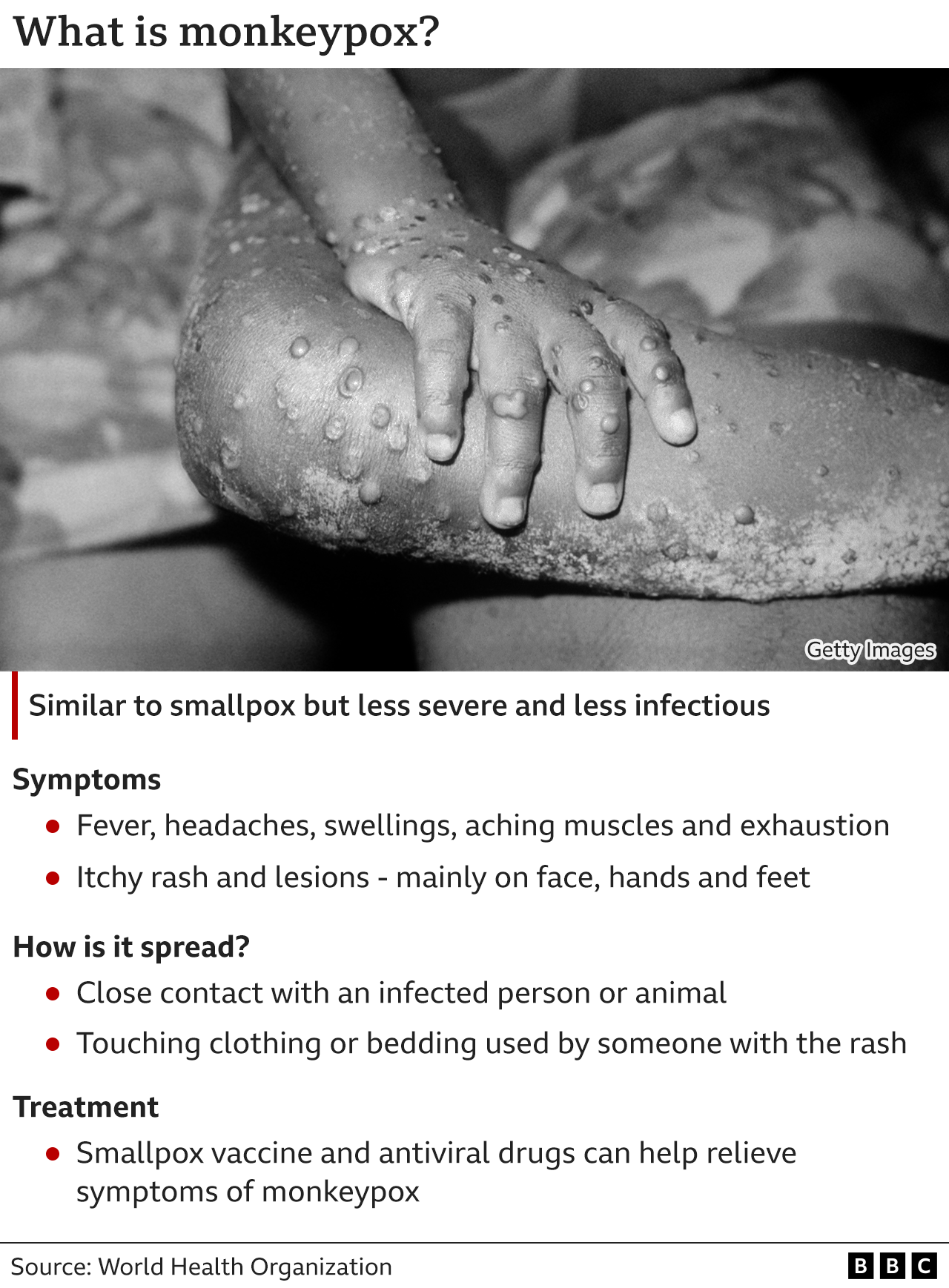
    Its official name is Mpox and it is caused by the monkeypox virus, a member of the same family of viruses as smallpox, although it is much less severe.

    Initial symptoms include fever, headaches, swellings, back pain, aching muscles.

    Once the fever breaks a rash can develop, often beginning on the face, then spreading to other parts of the body, most commonly the palms of the hands and soles of the feet.

    Anyone with the virus should abstain from sex while they have symptoms, to help prevent passing it on to others.

    Vaccines can protect people too.

    More than 87,000 cases and 140 deaths have been reported from 111 countries during the global outbreak, according to a WHO count.

    But almost 90% fewer cases were recorded over the last three months compared with the previous three-month period, meaning the highest level of alert is no longer required, Tedros said.

    In the UK, only 10 cases have been reported since the beginning of the year.

    The announcement comes just a week after the UN agency also declared the Covid emergency over.

    Declaring a public health emergency of international concern (PHEIC) signals that countries need to work together to manage a shared threat, such as a disease outbreak.

    There is now just one WHO-declared PHEIC – for poliovirus, which was declared in May 2014.

    Dr Katy Sinka, head of sexually transmitted infections at the UK Health Security Agency, said: “If you’re eligible and still need to take up the vaccine, please come forward ahead of the summer months to ensure you have maximum protection.

    “First doses of the vaccine will end on 16 June and both doses will cease at the end of July.”

  • Monkeypox no longer a global health emergency

    Monkeypox no longer a global health emergency

    The World Health Organization (WHO) has declared that monkeypox is no longer a global public health emergency, almost a year after it was raised as a threat.

    Although the virus remains in circulation and there is a possibility of further waves and outbreaks, the WHO has lowered its alert level.

    Tedros Adhanom Ghebreyesus, the head of the global health body, has urged countries to “remain vigilant.”

    Monkeypox is transmitted through close contact with an infected person. Its official name is Mpox and it is caused by the monkeypox virus, a member of the same family of viruses as smallpox, although it is much less severe.

    Initial symptoms include fever, headaches, swellings, back pain, aching muscles.

    Once the fever breaks a rash can develop, often beginning on the face, then spreading to other parts of the body, most commonly the palms of the hands and soles of the feet.

    Anyone with the virus should abstain from sex while they have symptoms, to help prevent passing it on to others.

    Vaccines can protect people too. According to the World Health Organization (WHO), the global outbreak of monkeypox has resulted in over 87,000 cases and 140 deaths across 111 countries.

    However, the number of cases reported over the last three months has reduced by almost 90% in comparison to the previous three-month period, leading to the conclusion that the highest level of alert is no longer necessary.

    Tedros Adhanom Ghebreyesus, the head of the WHO, has emphasized the importance of remaining cautious despite the reduced alert level. In the UK, only ten cases have been reported this year.

    The announcement comes a week after the UN agency declared an end to the Covid emergency.

    A declaration of a public health emergency of international concern (PHEIC) indicates that countries need to cooperate to manage a shared threat, such as an outbreak of a disease.

    There is now just one WHO-declared PHEIC – for poliovirus, which was declared in May 2014.

    Dr Katy Sinka, head of sexually transmitted infections at the UK Health Security Agency, said: “If you’re eligible and still need to take up the vaccine, please come forward ahead of the summer months to ensure you have maximum protection.

    “First doses of the vaccine will end on 16 June and both doses will cease at the end of July.”

  • African continent finally to receive 1st monkeypox vaccines

     Africa’s leading public health organization in South Korea will donate the first round of monkeypox vaccines to the continent.

    The Africa Centers for Disease Control and Prevention said Thursday the 50,000 doses will be used first for health workers and people living in the hardest-hit areas. No timing was given for the doses’ arrival.

    The continent this year has recorded 202 deaths from monkeypox — formerly known as monkeypox — with a fatality rate of 19.3% across 13 countries, yet African health authorities for months have pursued vaccines mostly in vain as major outbreaks were reported in rich, Western countries for the first time.

    Acting CDC director Ahmed Ogwell noted 51 new monkeypox cases in Congo in the past week and said Ghana and Nigeria are the other most affected countries.


    Source: African News

  • Monkeypox name changed after racism complaints

    The World Health Organization (WHO) has announced a new preferred name for the monkeypox virus, saying it would refer to it as mpox.

    The WHO said it had received complaints the current name was “racist and stigmatizing” and that, after consultations with experts, mpox would be used simultaneously with monkeypox for one year.

    Thereafter, monkeypox would be phased out.

    The WHO urged other medical organisations and the media to adopt the new name as well.

    Source: BBC

  • At least six more people who tested positive for monkeypox have died in U.S.

    On September 25, during the Tower Grove Pride festival in St. Louis, signs draw people to a tent where the monkeypox vaccine is being distributed.
    Bill Greenblatt/UPI File Photo | License Image

    At least six other individuals who tested positive with monkeypox have passed away, including two each in Chicago, New York, Nevada, and Maryland.

    According to state sources, a total of nine deaths have been recorded, with the CDC recording six of those deaths up until Friday.
    State organizations revealed the six additional deaths on Thursday and Friday.

    Nationally there are 27,884 cases.

    The Chicago Department of Public Health announced two deaths Friday, and both who had multiple other health conditions including weakened immune systems.

    Both people were described as adults who had been hospitalized for more than six weeks after being diagnosed with the virus. “Our hearts go out to these individuals’ families and friends,” said CDPH Commissioner Allison Arwady.

    “Though the number of new MPV cases has declined substantially since summer, this is a stark reminder that MPV is dangerous and can cause serious illness, and in very rare cases, even death.”

    The Chicago announcement came as the Maryland Department of Health said in a statement that a person who died was immunocompromised but that the monkeypox was a “contributing factor” in their death.

    “Human monkeypox is still circulating and can cause severe illness and death,” said Dr. Jinlene Chan, the state’s deputy secretary for public health services.

    “If you are eligible, such as being immunocompromised or at-risk, the best way to protect yourself against serious illness from MPX is by getting vaccinated.”

    Another two people were reported Thursday to have died in New York City, according to CBS News. Both of those patients had prior health issues.

    “We are deeply saddened by the two reported deaths and our hearts go out to the individuals’ loved ones and community,” New York City Department of Health and Mental Hygiene said in a statement.

    “Every effort will be made to prevent additional suffering from this virus through continued community engagement, information-sharing and vaccination.”

    The sixth new death was reported in Nevada on Thursday of a resident in Clark County, described as a male over the age of 50 with underlying medical conditions.

    “This is a tragic situation, and our sympathies are with his family and friends,” said Dr. Fermin Leguen, an official with the Southern Nevada Health District.

    The new deaths came after the first death was confirmed in Los Angeles County on Sept. 12. That person was “severely immunocompromised” and had been hospitalized for the illness.

    Ohio announced the second death in late September.

    Health officials in Texas said in late August that they were investigating the death of a person who was diagnosed with monkeypox but it has not been determined whether the virus contributed to their death.

  • Monkeypox could cause neurological issues like nerve pain and brain inflammation – researchers warn

    Topline

    The global outbreak of monkeypox and linked vaccination campaign could lead to a spate of neurological issues like nerve pain, seizures, brain inflammation and mood disorders like anxiety and depression, a group of scientists warned in a review of research published Tuesday in JAMA Neurology, urging further research into the poorly understood disease as the number of new cases in the U.S. falls.

    Key facts

    Issues like nerve pain, seizures, encephalitis—brain inflammation—and mood disturbances, including anxiety and depression, are well-documented complications of infections with viruses like smallpox that are closely related to monkeypox, researchers said in the peer reviewed paper.

    While few major neurological issues have been reported during the global monkeypox outbreak, the researchers warned that similar “complications are to be expected” in monkeypox patients and urged clinicians to be vigilant.

    Those with compromised immune systems, such as some people living with HIV or AIDS, are particularly at risk as the monkeypox virus may be able to persist in the body for longer or more able to invade the nervous system, the researchers said.

    Given the large number of people now receiving monkeypox vaccines to curb the outbreak, clinicians should also be on the lookout for neurological complications from the shots, the researchers added.

    Older vaccines used against smallpox, which could also be used against monkeypox, utilize another related virus, vaccinia, to provoke immunity and are associated with a suite of well-documented, potentially serious side effects.

    Though newer and safer than previous vaccines—as well as using an inactivated, rather than live, virus—the researchers said clinicians should remain vigilant of any adverse reactions to the Jynneos vaccine being used in monkeypox campaigns.

    Key background

    Though scientists have known about monkeypox for decades, the disease has largely been ignored by the world and caused limited, sporadic outbreaks in parts of Africa. Past outbreaks suggested the virus does not transmit easily between people but experts have long feared it had the potential to one day spread and fill the void left behind after smallpox was eradicated. It appeared nearly simultaneously in several countries where it does not normally spread earlier this year and cases were not linked to travel in affected regions. The discovery suggested monkeypox had been spreading undetected for some time, probably years, and the scope, scale, geographic range, speed and demography of the outbreak set it apart from previous flare ups, which have usually been relatively confined and burned themselves out. Growing data from the outbreak, which has predominantly affected men who have sex with men, indicates the virus is almost exclusively spreading through sex between men and has a different set of symptoms than in previous outbreaks.

    Big number

    62,406. That’s how many confirmed cases of monkeypox there have been around the world this year as of September 14, according to the CDC. More than a third of these, nearly 24,000, have been recorded in the U.S., which has the most confirmed cases by far. Monkeypox cases in the U.S. and Europe have been trendingdown in recent weeks, though it is unclear whether the drop is due to vaccination or changing behaviors in response to the outbreak.

    Source: forbesafrica

  • Health expert calls on WHO to rename Monkeypox disease

    The Chief of Party and Public Health Physician, JSI Research and Training Institute, Dr Henry Nagai, has called on the World Health Organization (WHO) to rename the Monkeypox disease.

    The clarion call follows growing concerns in some Ghanaian communities who consider the disease “derogatory,” as it instigates stigma and discrimination.

    “WHO must listen, work hard and change the name of the disease now”, Dr Nagai stated when he spoke on Ghana’s perspective at a free webinar session on emerging viral infections and diseases with a focus on the Monkeypox virus.

    As of September, the country had recorded 84 cases of the Monkeypox disease.

    The Greater Accra region topped the list of suspected and confirmed cases with 191 and 51, respectively.

    The suspected cases recorded were 535 across 38 districts. Also, four deaths were recorded, two in the Upper East and one each in the Greater Accra and Central regions.

    In a breakdown, Dr Nagai explained that 51 cases of the Monkeypox disease were among males and constituted 60.7 per cent.

    According to him, the national fatality rate also stood at 4.8 per cent.

    So far, the Bono region has recorded 16 suspected cases, Ahafo region nine, Ashanti 69, Bono East 15, Central region 15, Eastern region 48 and North-East region four.

    The northern region has recorded 24 suspected cases, Oti region seven, Savannah seven, Upper East 43, Upper West 25, Volta region 18, Western 11 and Western North three.

    The World Health Organization (WHO) Regional Office for Africa organised the four-hour webinar, which among other objectives, sought to support the continental response, by advocating proactive measures from African leadership to overcome the Monkeypox disease.

    Source; angelonline.com

  • After a monkeypox incidence, Chinese official issues a warning against touching foreigners

    A day after China reported its first case of monkeypox, a senior health official in the country issued a warning against Chinese citizens touching foreigners.

    Wu Zunyou, the head of the Chinese Center for Disease Control and Prevention’s (CDC) epidemiology department, issued a warning against “skin-to-skin contact with foreigners” in a post on Weibo.

    The message sparked debate, with some calling it racist.

    Comments on the original post have since been disabled from the platform.

    “In order to prevent possible monkeypox infection and as part of our healthy lifestyle, it is recommended that 1) you do not have direct skin-to-skin contact with foreigners,” said Mr Wu on his Weibo page on Saturday.

    In addition, Mr Wu also called for locals to avoid skin-to-skin contact with recent travelers who had returned from abroad in the last three weeks, and with strangers.

    He posted the comments a day after the southwestern city of Chongqing reported its first case of monkeypox in an individual who arrived from abroad. It is not clear if the individual was a Chinese citizen or a foreigner.

    The post, which was widely shared on social media during the weekend, drew largely critical comments on Weibo.

    “This is very inappropriate [to say]. At the start of the pandemic, some foreigners stood up and [defended us] by saying that Chinese people are not viruses,” wrote one commenter.

    “How racist is this? What about the ones like me who have been living in China for almost ten years? We haven’t seen our families in like 3-4 years due to borders being closed,” wrote another user on Weibo, who appeared to be a foreigner.

    China has imposed some of the world’s toughest Covid measures since the start of the pandemic, which have included snap lockdowns, border closures, mandatory testing, and travel restrictions.

    The monkeypox virus, which is transmitted through close contact with infected people, animals, or contaminated materials, usually causes symptoms such as fever, headache, and rashes.

    Around 90 countries where monkeypox is not considered endemic have reported outbreaks of the viral disease, which the World Health Organization has declared a global health emergency.

    There have been more than 60,000 confirmed cases and some non-endemic countries have reported their first related deaths.

  • Monkeypox: Citizens in China advised not to touch foreigners

    A day after China recorded its first monkeypox infection, locals have been entreated to desist from touching foreigners.

    In a post on Weibo, the chief epidemiologist at the Chinese Centre for Disease Control and Prevention (CDC) Wu Zunyou advised against “skin-to-skin contact with foreigners”.

    “In order to prevent possible monkeypox infection and as part of our healthy lifestyle, it is recommended that 1) you do not have direct skin-to-skin contact with foreigners,” said Mr Wu on his Weibo page on Saturday.

    In addition, Mr Wu also called for locals to avoid skin-to-skin contact with recent travellers who had returned from abroad in the last three weeks, and with strangers.

    He posted the comments a day after the southwestern city of Chongqing reported its first case of monkeypox in an individual who arrived from abroad. It is not clear if the individual was a Chinese citizen or a foreigner.

    The post from the top Chinese health official has drawn controversy, with some labelling it as racist.

    Comments on the original post have since been disabled from the platform.

    “This is very inappropriate [to say]. At the start of the pandemic, some foreigners stood up and [defended us] by saying that Chinese people are not viruses,” wrote one commenter.

    “How racist is this? What about the ones like me who have been living in China for almost ten years? We haven’t seen our families in like 3-4 years due to borders being closed,” wrote another user on Weibo, who appeared to be a foreigner.

    China has imposed some of the world’s toughest COVID measures since the start of the pandemic, which have included snap lockdowns, border closures, mandatory testing and travel restrictions.

    The monkeypox virus, which is transmitted through close contact with infected people, animals or contaminated materials, usually causes symptoms such as fever, headache and rashes.

    Around 90 countries where monkeypox is not considered endemic have reported outbreaks of the viral disease, which the World Health Organization has declared a global health emergency.

    There have been more than 60,000 confirmed cases and some non-endemic countries have reported their first related deaths.


  • Different strain of monkeypox discovered in UK after patient returned from West Africa

    According to the UK Health Security Agency, the patient has been admitted to the Royal Liverpool University Hospital’s High Consequence Infectious Disease (HCID) ward.

    Health officials in the UK have reportedly found the second strain of monkeypox.

    A person who recently traveled to West Africa has been diagnosed with a different strain of monkeypox to the one circulating during the current outbreak, the UK Health Security Agency (UKHSA) announced.

    The agency said the variant may have been seen in the UK before and that tests are being done to establish this.

    The unnamed person has been admitted to the High Consequence Infectious Disease (HCID) unit at the Royal Liverpool University Hospital.

    Contact tracing is now being done to establish if there are any further linked cases.

    Dr Sophia Maki, it is incident director, said: “We are working to contact the individuals who had close contact with the case prior to confirmation of their infection, to assess them as necessary and provide advice.”

    The risk to the public is “very low” due to “well established and robust” infection control procedures, which will be strictly followed, she added.

  • Blaming LGBTQ persons for monkeypox will harm everyone Human Rights Organization warns

    A human rights organization in Ghana, Rectify Ghana, has raised concerns over a recent report that indicated that a higher number of people contracting the Monkeypox disease in the world are from the LGBTQ+ fraternity.

    The report, attributed to Dr. Emmanuel Addipa-Adapoe, a member of the COVID-19 management team in the Greater Accra Region, stated that over 90% of recovered cases of monkeypox in the world, especially in Europe, the Americas, and other places, are members of the LGBTQ.

    According to him, monkeypox is on the rise in the LGBTQ community, which was not so previously.

    “Now, hitherto, we thought it was just transmitted to humans from animals, and man to man by direct contact through the respiratory droplets and then through contact with the body fluids of those animals or man. Now over 90% of the cases, especially in Europe, the Americas, and other places, unfortunately, members of the LGBTQ+ fraternity are the ones who are getting the infection, and therefore we have had to revise our books to include sexual transmission. Majority of those with Monkeypox right now are men having sex with men,” he stated.

    But in a series of tweets shared by Rectify Ghana, it is surprising that the world now wants to blame the LGBTQ+ community for the spread of the new, deadly disease.

    The group added that, should this blame game go on, it would harm everyone.

    “It seems the world has not learnt anything from the AIDS and COVID-19 pandemics. Blaming LGBTQ persons for monkeypox will harm everyone. We need to address risks effectively without stigma. We must make it safe for people to report their symptoms, get tested and get care.

    “If people who are infected are afraid of the stigma they could experience by coming forward, then transmission will go undetected — harming many individual bodies, as well as our collective public body,” it said in the tweets.

    Source: Ghanaweb


  • Spain and Brazil report first monkeypox-related deaths outside Africa

    Spain and Brazil reported their first monkeypox virus-related deaths on Friday, followed by Spain reporting its second death on Saturday, marking what are thought to be the first fatalities linked to the current outbreak outside of Africa.

    Spain is one of the world’s worst-hit countries, with 4,298 people there infected with the virus, according to the health ministry’s emergency and alert coordination centre.

    “Among the 3,750 patients … 120 have been hospitalised and two have died,” the Spanish health ministry said in a report.

    In Brazil, a 41-year-old man died of monkeypox, local authorities said on Friday.

    The man, who local media said had serious immune system problems, died on Thursday in Belo Horizonte, the capital of the southeastern Minas Gerais state.

    He “was receiving hospital treatment for other serious conditions”, the state health ministry said in a statement.

    “It is important to underline that he had serious comorbidities, so as not to spread panic in the population. The death rate is very low” for monkeypox, said Minas Gerais health secretary Fabio Baccheretti, who added that the patient was undergoing cancer treatment.

    A global health emergency

    Brazil’s health ministry has recorded close to 1,000 monkeypox cases, mostly in Sao Paulo and Rio de Janeiro states, which are also in the country’s southeast.

    Early signs of the disease include a high fever, swollen lymph glands and a chickenpox-like rash.

    The World Health Organization (WHO) last Saturday declared the monkeypox outbreak a global health emergency.

    According to the WHO, more than 18,000 cases have been detected throughout the world outside of Africa since the beginning of May.

    The disease has been detected in 78 countries, with 70 percent of cases found in Europe and 25 percent in the Americas, WHO chief Tedros Adhanom Ghebreyesus said on Wednesday.

    As cases surge globally, the WHO on Wednesday called on the group currently most affected by the virus men who have sex with men to limit their sexual partners.

    Ghebreyesus told reporters that the best way to protect against infection was “to reduce the risk of exposure”.

    “For men who have sex with men, this includes, for the moment, reducing your number of sexual partners, reconsidering sex with new partners, and exchanging contact details with any new partners to enable follow-up if needed,” he said.

    The disease usually heals by itself after two to three weeks, sometimes taking a month.

    A smallpox vaccine from Danish drugmaker Bavarian Nordic, marketed under the name Jynneos in the United States and Imvanex in Europe, has also been found to protect against monkeypox.


    Source: France24.com

  • Monkeypox is spreading faster than the data about it, hindering mitigation efforts

    Two months after the United States’ first monkeypox case was confirmed, the total has risen to about 2,900. But details about those cases and other epidemiological data aren’t spreading nearly as quickly as the virus itself, leaving holes in the response.

    “It’s a new and really fast-moving outbreak, and I think there have been some challenges around having a smooth and efficient way for the data to be sent from jurisdictions” to the US Centers for Disease Control and Prevention, said Janet Hamilton, executive director of the Council of State and Territorial Epidemiologists.
    The CDC only recently shared a first public look at monkeypox case demographics, which showed that the vast majority of cases have been among men who have sex with men, with a median age of 36.
    But the agency has detailed information on only about half of the reported cases, CDC Director Dr. Rochelle Walensky said.
    Monkeypox is now a reportable disease, which means public health departments work with local health care providers to collect information about people who are diagnosed and how they became ill.
    But it is still completely voluntary for states to share data on monkeypox with the CDC.
    CNN reached out to the health departments of all 50 states; 29 responded, and they all said they are committed to sharing case data with the CDC.
    Some, however, said that they are collecting more information than they share.
    As the US battles another public health challenge amid the ongoing Covid-19 pandemic, Walensky said she is “struck” by “how little authority we at CDC have to receive the data.”
    “We very much want to get as much information and informed decisions out to the American public as possible. And yet again, like we were for Covid, we are again really challenged by the fact that we at the agency have no authority to receive those data. We’re working on that right now,” she said in a conversation with The Washington Post on Friday.
    Source: cnn.com
  • ‘You do not want this’ virus: California man with monkeypox urges others to get vaccinated

    Matt Ford edits videos for a living, so it wasn’t a stretch for him to put one together for TikTok. But his latest post wasn’t a crazy dance or a video about how to peel a banana the right way.

    It’s based on his own experience with monkeypox. His video has been watched about 250,000 times as of Friday afternoon. He posted it to help educate people about the virus outbreak, to encourage people to get vaccinated and to make it very clear: “You do not want this.”

    Anyone can get monkeypox, but a “notable fraction” of cases in the global outbreak are among gay and bisexual men, according to the the US Centers for Disease Control and Prevention.

    “I first became fully aware of it and noticed symptoms Friday, June 17,” Ford told CNN from county-ordered isolation in his home in Los Angeles, where he will have to stay for a few more weeks until he is no longer contagious.
    He had hoped to go to Pride in New York last week. “But that was not in the cards,” he said.
    In the video, Ford talks about how the virus spreads, and shows some of his lesions.
    Monkeypox spreads when someone has direct contact with a person’s infectious rash, scabs or body fluids. It can also spread through respiratory secretions during prolonged face to face contact or by touching items that previously came into contact with the bodily fluids of someone who has been affected, according to the CDC.
    Ford said he had been vaguely aware of a monkeypox outbreak through Twitter, but hadn’t known how close he had gotten to the outbreak until a friend reached out to let him know Ford may have been exposed.
    Ford said he immediately started doing a fully body check.
    “I noticed a few spots that I hadn’t noticed before,” said Ford, 30. He said the spots looked like pimples or ingrown hairs, so he went to a clinic in West Hollywood for a test.
    Ford said a doctor took a swab and a few days later the test came back positive for monkeypox.
    Ford said in reality, the test merely confirmed what he already knew. The spots he found no longer looked like pimples.
    “They very quickly got bigger and would fill up,” he said and they were painful, particularly the spots in more sensitive areas.
    He said he also felt like he had the flu.
    People with monkeypox can develop a fever, headache, muscle pains, chills, swollen lymph nodes and feel tired. He said he also had night sweats, a sore throat and a cough.
    Some of the lesions hurt so much that he went back to the doctor, who gave him pain medication
    “That proved really useful because I was finally able to sleep through the night,” Ford said. “But even the painkillers did not fully numb it. It just made it kind of bearable enough that I could go back to sleep.”
    In the video, Ford is plain spoken as he looks directly into camera and warns others. “Hi, my name is Matt. I have monkeypox, this sh*t sucks and you don’t want it,” Ford tells his viewers.
    Giving a tour of some of his 25 lesions, he points to his face, his arms, and the spots on his abs.
    “These are really not cute,” he says for emphasis.
    While the disease is more commonly found in Central and West Africa, this current outbreak has hit countries that have seen few, if any, cases in the past.
    As of Friday, there have been 460 probable or confirmed cases in the US alone, according to the CDC. The Los Angeles County Health Department’s monkeypox dashboard said it has 35 of the cases.
    The county confirmed in an email to CNN Thursday that it sends isolation orders to people who test positive for monkeypox. Ford said he got his notice via email from the county on June 24.
    Last Friday, LA county confirmed that some of the cases were among gay and bisexual men. Some of the men attended a handful of large events. The county said it has been working with organizers to notify attendees about possible exposure.
    The county has already been offering the Jynneos monkeypox vaccine to people who have been exposed to others who have had monkeypox. This week, the Biden administration announced steps to beef up its response to the outbreak, detailing plans to offer more vaccines and tests to people who are most at risk.
    The vaccines are in limited supply, but the administration said it would expand access in areas of highest transmission. It said 56,000 doses would be made available immediately, with 296,000 doses of vaccine over the next few weeks, and an additional 750,000 over the summer. On Friday, the administration ordered an additional 2.5 million doses.
    Since Ford first told friends he’s sick with monkeypox, others have let him know that they too have gotten sick.
    Concerned that not enough people knew about it, Ford got the idea to do the TikTok video and to share it.
    “It’s become clear to me since I got it that it’s spreading quickly,” Ford said. “That’s a big reason I’m trying to speak out and raise awareness about it.”
    Reaction to the video has been “great,” he said. He’s been encouraged since several people have told him that they didn’t know about it before and they’ve thanked him for spreading the word.
    Ford also hopes the video can help end the stigma attached to the disease.
    “There shouldn’t be any stigma,” Ford said. “It’s just a bad turn of events.” “A lot of times I think silence is the enemy,” Ford added. “I’m glad to be able to inform people and hope more people will be safe.”
    Source: CNN
    DISCLAIMER: Independentghana.com will not be liable for any inaccuracies contained in this article. The views expressed in the article are solely those of the author(s) and do not reflect those of Independentghana’s organization.
  • South Africa reports first case of monkeypox

    South Africa on Thursday (June 23) announced its first confirmed case of monkeypox.

    “The patient is a 30-year-old man from Johannesburg who has no travel history, which means it cannot be attributed to infection outside South Africa,” Health Minister Joe Phaahla told a news conference.

    The health authorities have begun contact tracing on the case.

    The first symptoms of monkeypox are usually a high fever, swollen lymph nodes and a chickenpox-like rash. The virus usually disappears after two to three weeks.

    The WHO said last week that Europe remains the epicentre of the monkeypox epidemic.

    The UN health body is due to hold an emergency meeting on Thursday to discuss classifying the global epidemic as a public health emergency of international concern.

    Source: Africanews

  • Monkeypox to get a new name, says WHO

    The World Health Organization says it is working with experts to come up with a new name for monkeypox.

    It comes after more than 30 scientists wrote last week about the “urgent need for a non-discriminatory and non-stigmatising” name for the virus and the disease it causes.

    Continued reference to the virus as African is both inaccurate and discriminatory, they said.

    Some 1,600 cases of the disease have been recorded globally in recent weeks.

    While 72 deaths have been reported in countries where monkeypox was already endemic, none have been seen in the newly affected 32 countries, such as the UK.

    At the latest count, as of 12 June, there were 452 confirmed cases in England, 12 in Scotland, 2 in Northern Ireland and 4 in Wales.

    The World Health Organization says it will hold an emergency meeting next week to determine whether to classify the outbreak as a public health emergency of international concern – the highest alarm the UN agency can sound.

    The only other diseases this has happened for in the past are Swine flu, polio, Ebola, Zika and Covid.

    World Health Organization chief Tedros Adhanom Ghebreyesus said: “The outbreak of monkeypox is unusual and concerning.

    “For that reason I have decided to convene the Emergency Committee under the international health regulations next week, to assess whether this outbreak represents a public health emergency of international concern.”

    What is monkeypox?

    Monkeypox is caused by the monkeypox virus, a member of the same family of viruses as smallpox, although it is much less severe.

    One new name for it that’s been suggested by scientists is hMPXV, but we’ll need to wait to hear what the WHO thinks of that.

    Infections are usually mild and the risk to the general population is low, but the UK government has bought stocks of smallpox vaccine to guard against more cases.

    The virus has been spreading in an unusual manner around the world in recent months. Previous outbreaks have been mainly confined to parts of Africa where rodents – not monkeys – are thought to be the main animal host.

    The infection causes a rash that looks a bit like chickenpox. The virus can be spread when someone is in close contact with an infected person.

    It has not previously been described as a sexually transmitted infection, but it can be passed on by close contact.

    Anyone with the virus should abstain from sex while they have symptoms.

    Source: BBC

  • WHO Looks Into Reports of Monkeypox Virus in Semen

    The World Health Organisation is looking into reports that the monkeypox virus is present in the semen of patients, exploring the possibility that the disease could be sexually transmitted, a WHO official said on Wednesday.

    Many cases in the current monkeypox outbreak, largely centred on Europe, are among sexual partners who have had close contact, and the agency reiterated that virus is mainly transmitted via close interpersonal contact.

    In recent days, scientists say they have detected viral DNA in the semen of a handful of monkeypox patients in Italy and Germany, including a lab-tested sample that suggested the virus found in the semen of a single patient was capable of infecting another person and replicating.

    Catherine Smallwood, monkeypox incident manager at WHO/Europe, said it was not known whether recent reports meant the monkeypox virus could be sexually transmitted.

    “This may have been something that we were unaware of in this disease before,” she told a press briefing.

    “We really need to focus on the most frequent mode of transmission and we clearly see that to be associated with skin to skin contact.”

    More than 1,300 cases of the viral disease have been reported by about 30 countries since early May. Most cases have been reported in men who have sex with men.

    The outbreak has triggered concern since the virus is rarely seen outside of Africa, where it is endemic, and the majority of the European cases are not related to travel to the continent.

    As the outbreak spreads, the WHO has recommended targeted vaccination of close contacts, including healthcare workers, but has warned it is already seeing a rush to stockpile vaccines.

    “Once again, a ‘me first’ approach could lead to damaging consequences down the road,” said Hans Kluge, WHO’s regional director for Europe.

    “I beseech governments to tackle monkeypox without repeating the mistakes of the pandemic and keeping equity at the heart of all we do.”

    Source: https:?//www.usnews.com

  • Consuming bush meat doesn’t spread monkeypox Kumasi traders insist

    Bush meat sellers in Kumasi have rejected findings that consumption can spread the monkeypox virus.

    This comes on the back of a warning by the Ghana Health Service cautioning against consumption of bush meat.

    The traders who will not grant a recorded interview say their products are inspected by the veterinary service before they are put on sale.

    For this reason, they believe their products are wholesome.

    Some of the traders described the warning against the consumption of meat amid a monkeypox scare as a deliberate attempt to collapse their businesses.

    They cited the warnings against their products during outbreak of the ebola virus for instance

    Meanwhile, Ghana has officially recorded cases of the Monkeypox virus.

    The Ghana Health Service says five cases have been confirmed in the Eastern, Bono and Greater Accra regions.

    In view of this, Myjoyonline.com explores ways you, our cherished reader, can stay safe:

    Origin

    The Monkeypox virus was first identified in the State Serum Institute in Copenhagen, Denmark, in 1958 during an investigation into a pox-like disease among monkeys.

    But it was first identified in humans in 1970 in Zaire (now known as the Democratic Republic of Congo) in a 9-year-old boy in a region where smallpox had been eliminated in 1968.

    In the spring of 2003, monkeypox cases were confirmed in the Midwest of the United States of America, marking the first reported occurrence of the disease outside of the African continent.

    Most of the patients had had close contact with pet prairie dogs.

    Infection

    Infection results from direct contact with the blood, bodily fluids, or cutaneous or mucosal lesions of infected animals.

    Human infections have also been documented through the handling of infected monkeys, rats and squirrels, with rodents being the major reservoir of the virus.

    Eating inadequately cooked meat of infected animals is a possible risk factor.

    Transmission

    Transmission occurs primarily via droplet respiratory particles usually requiring prolonged face-to-face contact, which puts household members of active cases at greater risk of infection.

    Transmission can also occur by inoculation or via the placenta (congenital monkeypox). There is no evidence, to date, that person-to-person transmission alone can sustain monkeypox infections in the human population

    Secondary, or human-to-human, transmission can result from close contact with infected respiratory tract secretions, skin lesions (open wounds/injuries) of an infected person or objects recently contaminated by patient fluids or lesion materials.

    Duration

    The incubation period (interval from infection to onset of symptoms) of monkeypox is usually from 6 to 16 days but can range from 5 to 21 days.

    Monkeypox is usually a self-limited disease with the symptoms lasting from 14 to 21 days.

    Symptoms

    The infection can be divided into two periods:

    The invasion period (0-5 days) characterised by fever, intense headache, lymphadenopathy (swelling of the lymph node), back pain, myalgia (muscle ache) and an intense asthenia (lack of energy);

    The skin eruption period (within 1-3 days after the appearance of fever) where the various stages of the rash appears, often beginning on the face and then spreading elsewhere on the body.

    The face (in 95% of cases), and palms of the hands and soles of the feet (75%) are most affected.

    Risk Factor

    People living in or near forest areas may have indirect or low-level exposure to infected animals, possibly leading to subclinical (asymptomatic) infection.

    The case fatality has varied widely between epidemics but has been less than 10% in documented events, mostly among young children. In general, younger age-groups appear to be more susceptible to monkeypox.

    Diagnosis

    Monkeypox can only be diagnosed definitively in the laboratory where the virus can be identified by a number of different tests.

    The differential diagnoses that must be considered include other rash illnesses, such as, smallpox, chickenpox, measles, bacterial skin infections, scabies, syphilis, and medication-associated allergies.

    Treatment/Vaccine

    There are no specific treatments or vaccines available for monkeypox infection, but outbreaks can be controlled.

    Vaccination against smallpox has been proven to be 85% effective in preventing monkeypox in the past but the vaccine is no longer available to the general public after it was discontinued following global smallpox eradication.

    Prevention

    In the absence of specific treatment or vaccine, the only way to reduce infection in people is by raising awareness of the risk factors and educating people about the measures they can take to reduce exposure to the virus.

    Regular hand washing should be carried out after caring for or visiting sick people.

    Reducing the risk of animal-to-human transmission. Efforts to prevent transmission in endemic regions should focus on thoroughly cooking all animal products (blood, meat) before eating.

    Public health educational messages via the media broadcast, electronic and social is highly advised.

    Healthcare workers and those treating or exposed to patients with monkeypox or their samples should consider being immunized against smallpox via their national health authorities.

    Source:  myjoyonline.com 

  • Ghana is battling three outbreaks – GHS announces

    The Ghana Health Service (GHS) has indicated that the country is currently battling three diseases.

    Director-General of the GHS, Dr Patrick Kuma-Aboagye, during a press conference on Wednesday, June 8, revealed the three as Covid-19, Influenza A(H3) and Monkeypox.

    Covid-19

    Covid-19 was first recorded in March 2020 and since then the government has been battling the pandemic. About three to four months ago, the country recorded low cases of the virus.

    But recently, the GHS has seen a surge in the number of cases. Over the last month, Dr Kuma-Aboagye said there has been a gradual increase in the number of Covid-19 cases in Accra.

    Active cases as of June 6, stood at 452. No critical or severe cases have been recorded. 

    The GHS has recorded 1,445 related deaths since the emergence of the virus in 2020. Since March, according to the GHS, no deaths have been recorded.

    The Service believes this is due to the efficacy of the Covid-19 vaccines.

    Ghana’s total confirmed cases is 162,002. According to the Service, 160,105 who fell prey to the virus have recovered.

    Influenza A(H3)

    The country recorded its first case of Influenza A(H3) in January in the Eastern Region.

    In April, there was a surge in the number of cases. So far, 773 Influenza A(H3) cases have been recorded. 

    The Eastern Region recorded 33.1%, Greater Accra (29.5%) and Volta (11.9%) of the confirmed cases. 

    The Upper East, Upper West and North East Regions have not recorded any cases. 

    Pandemic Influenza H1N1 and the H3N2 are among sub-types of the Influenza.

    Monkeypox

    According to the Ghana Health Service, Ghana has recorded five cases of the monkeypox virus.

    These cases were confirmed in the Eastern, Western and Greater Accra regions.

    The GHS Director-General noted that the cases were identified through the testing of 12 suspected cases, including one case that was reported from the Western Region.

    The virus can be transmitted from person to person through direct contact with body fluid or monkeypox lesions.

    Persons who contract the virus are said to be subjected to the following symptoms; fever, swollen lymph nodes, headaches, muscle and back aches.

    Persons could also suffer general bodily weakness and rash with blisters on face, hands, feet, body, eyes, mouth or genitals.

    How to prevent catching any of the diseases

    The Ghana Health Service has admonished citizens to observe social distancing, wearing of nose masks, washing of hands regularly and using of sanitizers.

    Citizens have also been entreated to avail themselves for Covid-19 jabs. The GHS says booster shots will enable one to be immune to the Covid-19 virus.

    Source: The Independent Ghana

  • Monkeypox: Nigeria bans bushmeat to prevent virus spread

    The Nigerian government has banned the sale of bushmeat as a precaution to stop the spread of monkeypox.

    Six cases have been detected in the country this month bringing to 21 the number of confirmed infections this year, the authorities said.

    Experts say it is possible that the virus can be caught by eating meat from an infected animal. But this is not the most common transmission route.

    Monkeypox, a mild viral infection, is endemic in Nigeria.

    It occurs mostly in remote areas, near tropical rainforests.

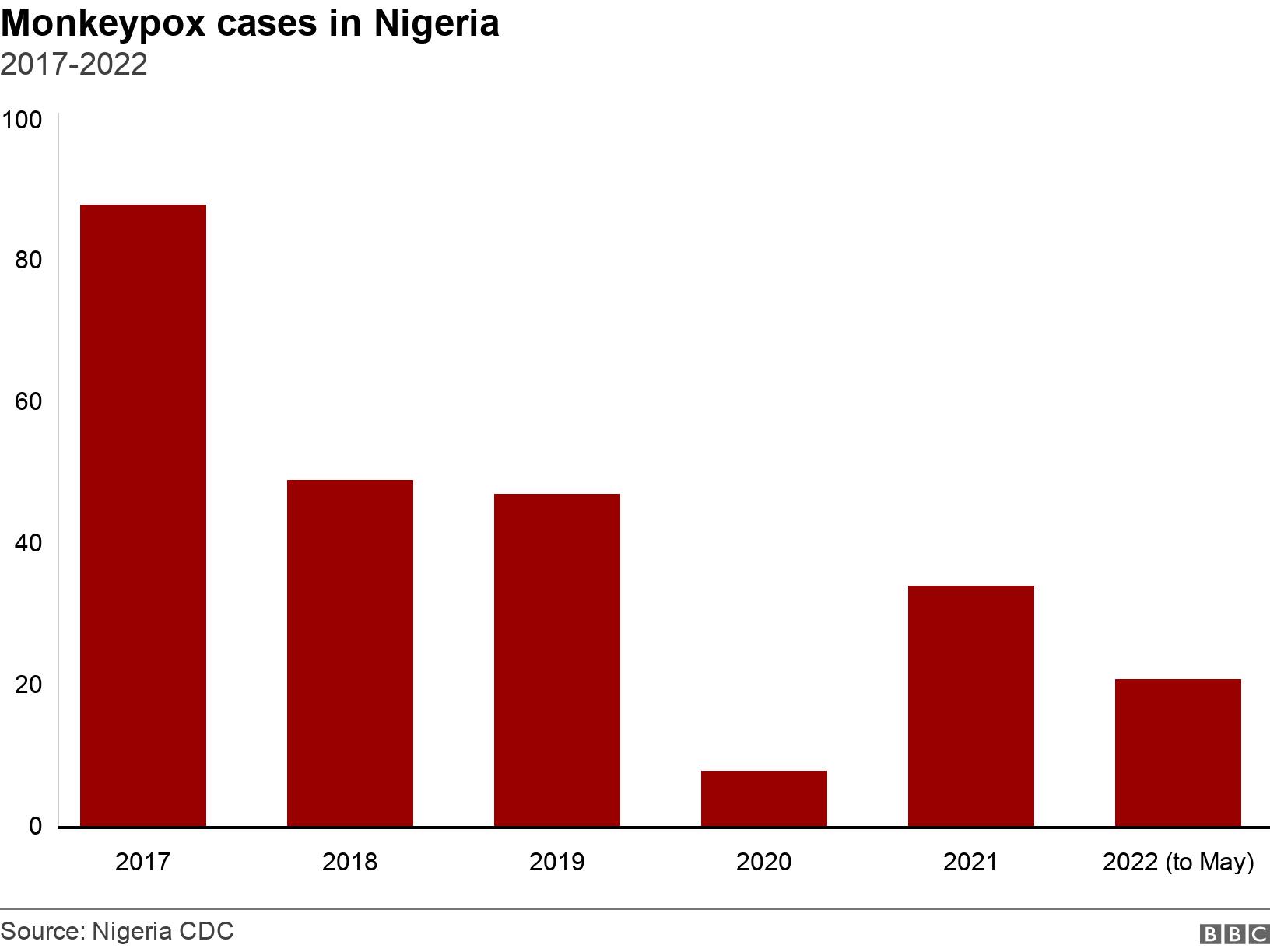
    The country has had sporadic cases since an outbreak in 2017. The virus was found mainly in the south of the country but, since 2020, it has spread to central, eastern and northern areas, the World Health Organization says.

    Monkeypox patients should avoid pet contact

    Out of the 21 confirmed cases this year, there has been one reported death of a person who had underlying conditions. But earlier this week the health authorities said “there has been no evidence of any new or unusual transmission of the virus, nor changes in its clinical manifestation documented”.

    Scientists are struggling to explain a recent rise in monkeypox cases in Europe, which have not been linked to travel to the African countries where it is endemic. But there are suggestions the virus has been spreading from person to person for some time undetected.

    Monkeypox can be spread when someone is in close contact with an infected person. The virus can enter the body through broken skin, the respiratory tract or through the eyes, nose or mouth.

    Monkeypox virus not foreign, we can contain the outbreak – WHO

    Those infected in the UK have been advised to avoid having sex while they have symptoms.

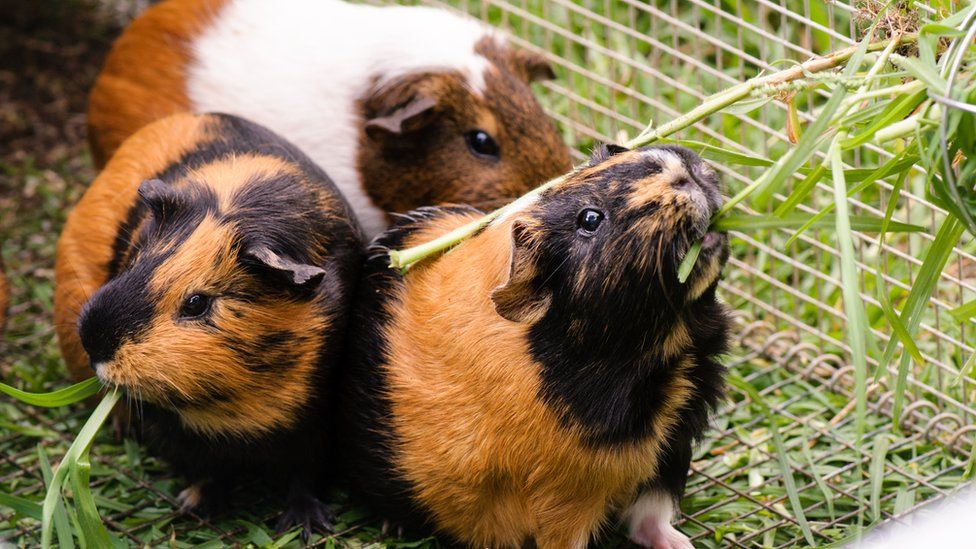
    The animals that can pass on the virus are infected rodents, including rats and squirrels. According to health experts, this can happen if someone is bitten or touches an infected animal.

    Monkeypox cases in Nigeria. 2017-2022.  .
    1px transparent line

    Bushmeat refers to any wild animal that is killed for consumption, including antelopes, chimpanzees, fruit bats, rats, porcupines and snakes.

    In some remote areas of Nigeria it is a vital source of food, while in others it has become a delicacy.

    There are many bushmeat markets in Nigeria and it is unclear how the ban will be implemented.

    The ministry of agriculture also directed vets and its other officials to increase surveillance aimed at detecting any possible cases of monkeypox in animals.

    Operators of zoos, parks, conservation areas and recreational centres were reminded to make sure there was no contact between animals and humans/

    Source: BBC

  • Monkeypox patients should avoid pet contact

    Monkeypox patients should avoid any contact with their pets for 21 days, according to new advice from the UK Health Security Agency (UKHSA).

    So far, 106 people in the UK have been confirmed as infected with the virus.

    Gerbils, hamsters and other rodents could be particularly susceptible to the disease and the concern is it could spread in the animal population.

    The government said no cases have been detected in pets so far and the risk is still low.

    “The worry is the virus could get into domestic animals and essentially ping-pong between them and humans,” said Prof Lawrence Young, a virologist at the University of Warwick.

    “If you are not careful you might create an animal reservoir for the disease that could result in it spreading back into humans, and we’ll be in a loop of infection.”

    The guidance from the UKHSA and other health authorities recommends that pet guinea pigs, rats, mice and other rodents should be removed from the household of someone infected with monkeypox for 21 days, and be tested for the disease.

    There are thought to be two million households in the UK with a pet rodent of some kind, according to sales data.

    Other pets like dogs and cats should be placed under household isolation with regular vet checks to “ensure no clinical signs are observed”.

    Related advice from the Department for Environment, Food and Rural Affairs (Defra) says that “where possible” the patient should avoid preparing food or grooming their pet if this can be done by someone else in the household.

    England’s chief veterinary officer Christine Middlemiss said: “No cases of monkeypox have ever been suspected or reported in pets in the UK and the risk remains low.

    “We will continue to monitor the situation closely and work with veterinary and public health colleagues, both in the UK and across the world, to manage the animal health associated risks with monkeypox.”

    Reservoir risk

    Separate advice published by the European Centre for Disease Control (ECDC) this week said that rodent pets belonging to monkeypox patients should “ideally” be isolated in monitored facilities and tested for the disease before their quarantine period ends.

    The animals should only be put down as a last resort in situations where isolation is not feasible, the document said.

    Larger pets, such as dogs, could quarantine at home with regular checks on their health status.

    Guinea pigsIMAGE SOURCE, GETTY IMAGES
    Image caption, Guinea pigs, rats, mice and other rodents are thought to be most susceptible to the disease

    Scientists say little is currently known about how monkeypox might behave in the domestic pet population.

    But rodents and a particular species of squirrel are likely to be capable of catching and spreading the disease more easily than humans.

    The ECDC says a “spillover” event, where a human infects a pet animal, could potentially lead to the virus establishing itself in European wildlife, although it describes the risk as “very low”.

    The concern is that monkeypox could become what’s known as an endemic zoonoses, where a disease jumps between animal species and is constantly present in that new population.
    Source: BBC
  • Monkeypox virus not foreign, we can contain the outbreak – WHO

    The World Health Organisation has determined that the virus causing the monkeypox outbreak is no foreign virus, therefore, can be contained.

    Rosamund Lewis, the Head of Smallpox Secretariat at WHO, shared the information in a video shared by DW on its Twitter account on Thursday.

    Addressing the press, Rosamund Lewis noted that monkeypox is an emerging disease which has been surfacing for the last two or three decades.

    She noted that the outbreak of the virus can be contained by enhancing contact tracing and isolating affected persons.

    “The WHO is putting up guidance also on vaccines and immunization considerations, but the important thing right now is to realize that this outbreak can be contained due to/ with contact tracing and isolation.

    “This is an emerging disease, it has been emerging for the last 20/30 years, it’s not unknown, it’s very well described.”

    Currently, the WHO is putting up guidance also on vaccines and immunization considerations. The WHO earlier reported that vaccination against human smallpox is also effective against monkeypox. 

    Both species are related but human smallpox is a lot more dangerous, DW reports.

    Although the WHO says the outbreak can be contained, its findings have shown a concern. The virus has begun to spread among population groups, Rosamund Lewis noted.

    “But we have a new situation of this emerging disease which has now appeared, and has begun to spread among population groups which normally would not have this, and so this is why we are treating this as a concerning situation although individuals remain at very low risk.

    “So what we are seeing is a number of cases that are higher in certain countries where they have been gatherings recently and we are advising folks to be very mindful and very careful in the gatherings that are coming in the days ahead.”

    The UN Health agency has revealed that monkeypox is caused by a larger group of viruses known as the Orthopoxviruses Smallpox.

    The virus is said to cause rash and fever. Over 100 cases of the virus have been confirmed in Europe, America and Australia.

    Germany has ordered up to 40,000 doses of the Imvanex vaccine to be ready in case the outbreak worsens.

    But BBC reports that the virus is most common in remote parts of Central and West Africa.

    The United Arab Emirates (UAE), Czech Republic and Slovenia reported their first cases on Tuesday.

    Meanwhile, the Ghana Health Service (GHS) has rejected claims that the Western Region has recorded its first case of monkeypox.

    This comes after an individual in the Ahanta West Municipality reported to a health facility with blisters.

    The Western Regional Director of Health Services, Dr Yaw Ofori Yeboah, has noted that the said individual is not suffering from monkeypox.

    Source: The Independent Ghana


  • No monkeypox detected in Western Region Ghana Health Service

    The Ghana Health Service (GHS) has refuted the assertion suggesting that the Western Region has recorded its first case of monkeypox.

    In a press release signed by the Western Regional Director of Health Services, Dr Yaw Ofori Yeboah noted that an individual in the Ahanta West Municipality reported to a health facility with blisters but was misinterpreted as a monkeypox.

    After a thorough probe, he says, the case is not suggestive of the said disease, therefore, the reports of such condition purported should be disregarded.

    No monkeypox detected in Western Region - Ghana Health Service

    Dr. Ofori Yeboah further added that GHS is on high alert and will provide updates to the public about further developments.

    Meanwhile, the UN Health agency has revealed that Monkeypox is caused by a larger group of viruses known as the Orthopoxviruses Smallpox.

    So far about 237 cases have been confirmed in worldwide and assured that plans are ongoing to contain the virus.

    Source: The Independent Ghana

  • Monkeypox: Cases detected in three more countries for first time

    The United Arab Emirates (UAE) has became the first Gulf state to record a case of monkeypox.

    The Czech Republic and Slovenia also reported their first cases on Tuesday, joining 18 other countries to detect the virus outside its usual Africa base.

    That number is expected to rise further still, but experts say the overall risk to the general population remains low.

    Outbreaks of the virus have been found in Europe, Australia and America.

    The symptoms often include a fever and rash – but the infection is usually mild.

    In the UAE, health officials announced a case had been detected in a traveller who had recently visited west Africa and is now receiving medical treatment.

    Authorities there say they are “fully prepared” to handle any outbreak, adding that early surveillance protocols for detecting the disease were in place.

    The World Health Organization (WHO) says the virus can be contained with the right response in countries outside of Africa where it is not usually detected.

    “We encourage you all to increase the surveillance of monkeypox to see where transmission levels are and understand where it is going,” the WHO’s director for Global Infectious Hazard Preparedness, Sylvie Briand, said at a conference on Tuesday.

    The outbreaks may not be normal but remain containable, she added.

    Outside Africa there are now 237 confirmed and suspected cases of monkeypox and health authorities around the world have announced plans to contain the virus.

    Germany says it has ordered up to 40,000 doses of the Imvanex vaccine – used to treat smallpox, but also effective against monkeypox – to be ready in case the outbreak worsens.

    Anyone already vaccinated with a smallpox vaccine years ago as part of a global bid to eradicate the disease should have existing immunity, German health officials said. But they added that the older treatment has more side-effects so is not suitable for fighting monkeypox today.

    graphic

    And in France, which has detected three cases, officials announced a targeted vaccination campaign of adults who had been recently exposed.

    Authorities there are recommending that a vaccine be given within four days of exposure, but up to 14 days afterwards if necessary.

    In England, officials announced on Tuesday that 14 more cases of the virus had been detected – bringing the total number of cases in the UK to 71.

    Monkeypox is usually associated with travel to Central or West Africa, but some of the cases which have been occurring outside these countries have had no travel link.

    It does not spread easily between people, but it can be spread through:

    • touching clothing, bedding or towels used by someone with the monkeypox rash
    • touching monkeypox skin blisters or scabs
    • the coughs or sneezes of a person with the monkeypox rash

    If you get infected with monkeypox, it usually takes between five and 21 days for the first symptoms to appear.

    Symptoms include fever, headache, muscle aches, backache, swollen lymph nodes, chills and exhaustion.

    A rash can develop, often beginning on the face, then spreading to other parts of the body. The rash changes and goes through different stages – a bit like chicken pox – before finally forming a scab, which later falls off.

    Source: BBC

  • Monkeypox: 80 cases confirmed in 12 countries

    More than 80 cases of monkeypox have been confirmed in at least 12 countries.

    The World Health Organization has said another 50 suspected cases are being investigated – without naming any countries – and warned that more cases are likely to be reported.

    Infections have been confirmed in nine European countries, as well as the US, Canada and Australia.

    Monkeypox is most common in remote parts of Central and West Africa.

    It is a rare viral infection which is usually mild and from which most people recover in a few weeks, according to the UK’s National Health Service.

    The virus does not spread easily between people and the risk to the wider public is said to be very low.

    There is no specific vaccine for monkeypox, but a smallpox jab offers 85% protection since the two viruses are quite similar.

    So far, public health agencies in Europe have confirmed cases in the UK, Spain, Portugal, Germany, Belgium, France, the Netherlands, Italy and Sweden.

    In a statement on Friday, the WHO said that the recent outbreaks “are atypical, as they are occurring in non-endemic countries”.

    It said it was “working with the affected countries and others to expand disease surveillance to find and support people who may be affected”.

    The WHO also warned against stigmatising groups because of the disease.

    “It can be a barrier to ending an outbreak as it may prevent people from seeking care, and lead to undetected spread,” it said.

    WHO’s Europe regional director Hans Kluge warned that “as we enter the summer season… with mass gatherings, festivals and parties, I am concerned that transmission could accelerate”.

    He added that all but one of the recent cases had no relevant travel history to areas where monkeypox was endemic.

    The first case of the disease in the UK was reported on 7 May. The patient had recently travelled to Nigeria, where they are believed to have caught the virus before travelling to England, the UK Health Security Agency said.

    There are now 20 confirmed cases in the UK, Health Secretary Sajid Javid said on Friday.

    Authorities in the UK said they had bought stocks of the smallpox vaccine and started offering it to those with “higher levels of exposure” to monkeypox.

    Spanish health authorities have also reportedly purchased thousands of smallpox jabs to deal with the outbreak, according to Spanish newspaper El País.

    Australia’s first case was detected in a man who fell ill after travelling to the UK, the Victorian Department of Health said.

    In North America, health authorities in the US state of Massachusettsconfirmed that a man has been infected after recently travelling to Canada. He was in “good condition” and “poses no risk to the public”, officials said.

    Source: BBC