Tag: MSMEs

  • SC Ventures introduces SOLV Ghana innovation to support  MSMEs

    SC Ventures introduces SOLV Ghana innovation to support MSMEs

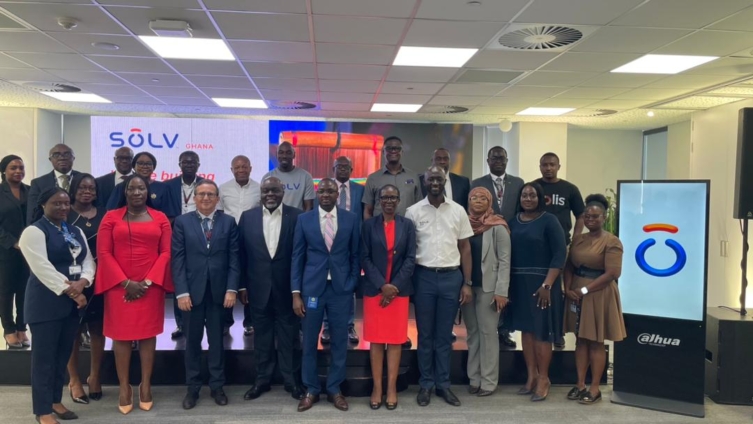
    SC Ventures, the innovation, fintech investment, and ventures arm of Standard Chartered, has introduced an online business-to-business (B2B) marketplace, SOLV Ghana.

    This platform caters to micro, small, and medium enterprises (MSMEs) by offering short-term invoicing financing, buy now pay later services, and business loans. SOLV Ghana connects verified buyers and sellers within a trusted marketplace.

    Sam Kwaku Peprah, CEO of SOLV Ghana, emphasized the mission of empowering MSMEs with innovative solutions to address their financial needs and promote sustainable growth.

    The platform has successfully onboarded 40 supply chain ecosystems, linking over 9,000 MSMEs.

    Ghana’s MSMEs, constituting 83% of business participants, face challenges such as limited access to credit and professional support services, affecting profitability and hindering growth.

    SOLV Ghana aims to bridge these gaps by creating a secure digital marketplace, facilitating pre-approved loan facilities, and providing affordable business support services.

    Joseph Odame, General Manager of Global Poly Ghana, praised SOLV for offering credit limits that enable distributors to buy stock and pay later, providing a competitive advantage.

    SOLV Ghana’s digital marketplace offers supply chain financing backed by financial institutions, short-term invoice financing, buy now pay later services, and business loans. Additionally, the platform offers affordable business support services, facilitating operational efficiency.

    The collaboration between SC Ventures, SOLV, and local partners reflects a commitment to innovation and economic development. SOLV Ghana’s expansion aligns with the company’s global plans, following successful launches in India and Kenya.

    The platform, having raised $40 million in Series A funding, aims for further expansion in India, Africa, and Southeast Asia.

    Mansa Nettey, CEO of Standard Chartered Bank Ghana, expressed pride in supporting the growth of Ghanaian MSMEs, affirming the commitment to exploring ventures that advance the mission of transforming banking.

    About SOLV Ghana:
    SOLV is a B2B E-Commerce marketplace for SMEs, operating out of Accra. It collaborates with financial institutions and service providers to simplify growth for businesses.

    About SC Ventures:
    SC Ventures serves as a platform for Standard Chartered to promote innovation, invest in fintech, and explore alternative business models.

    About Standard Chartered:
    Standard Chartered is an international banking group present in 52 markets, focusing on driving commerce and prosperity through diversity and values expressed in the brand promise ‘here for good.’ Listed on the London and Hong Kong Stock Exchanges, it operates with a commitment to promoting commerce and prosperity.
  • Japan govt provides 6 Toyota Hilux pick-ups to GEA for MSMEs growth

    Japan govt provides 6 Toyota Hilux pick-ups to GEA for MSMEs growth

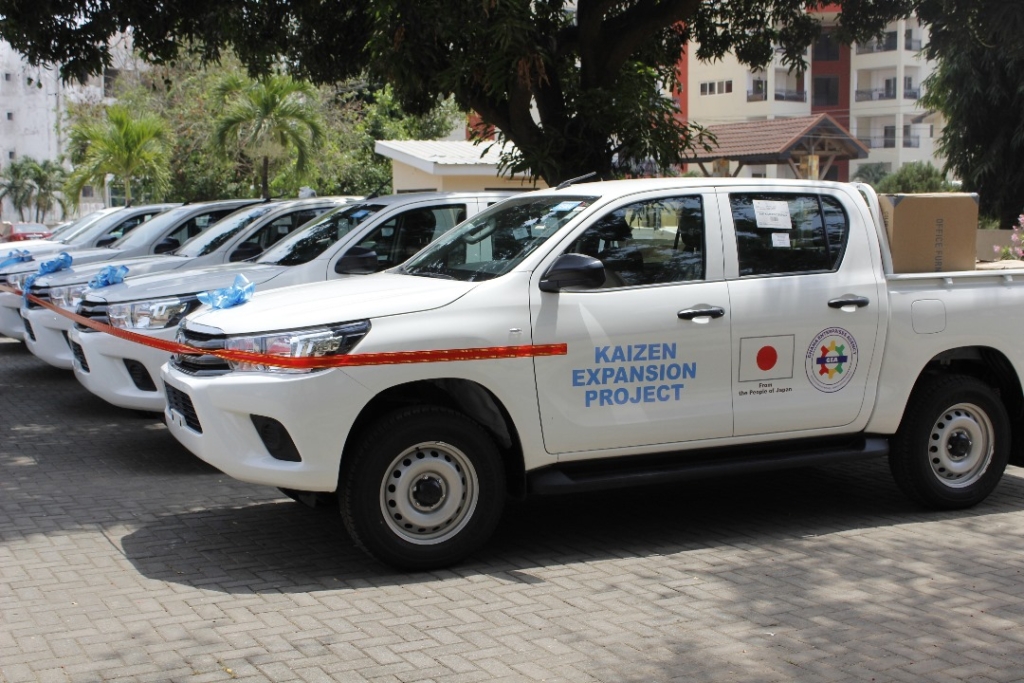
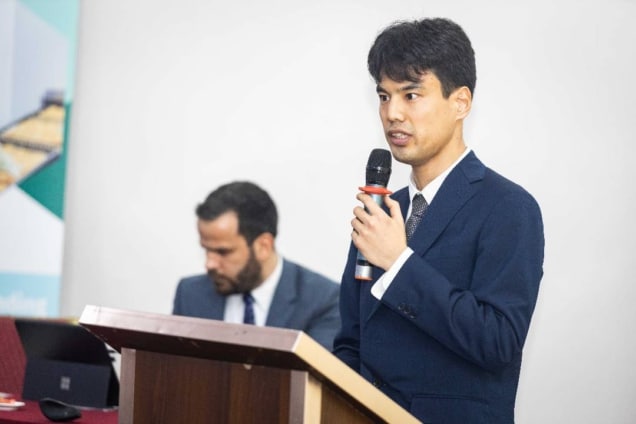
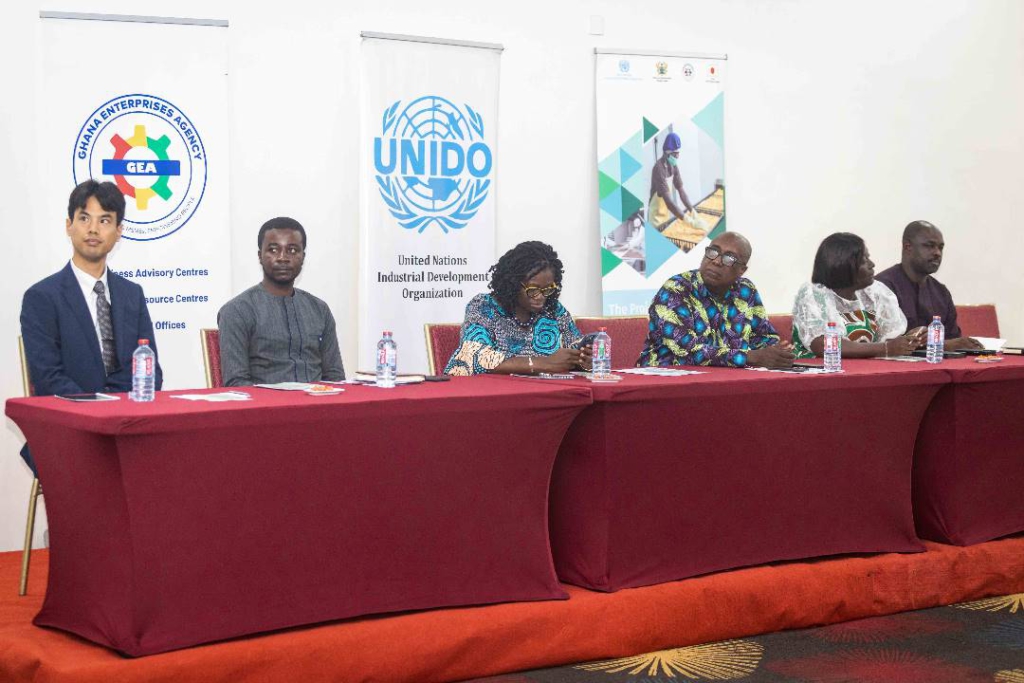
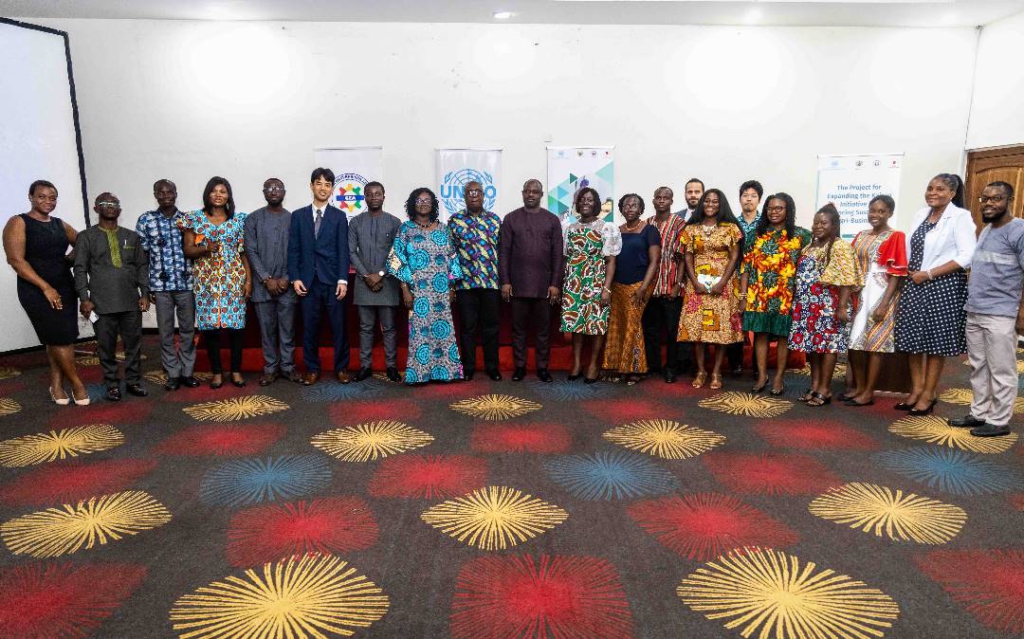
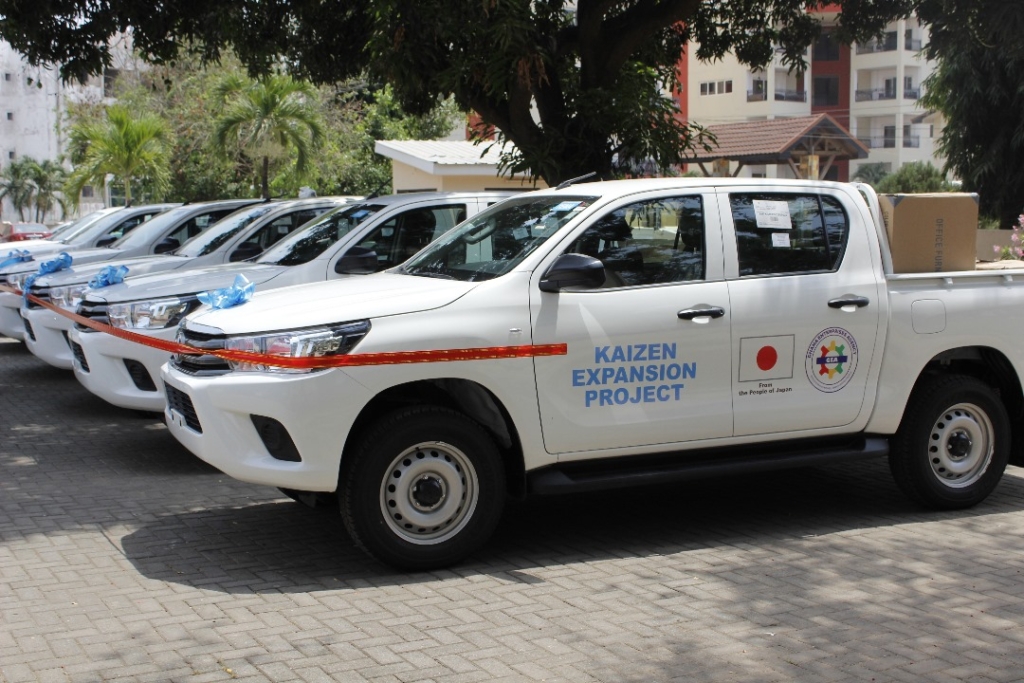
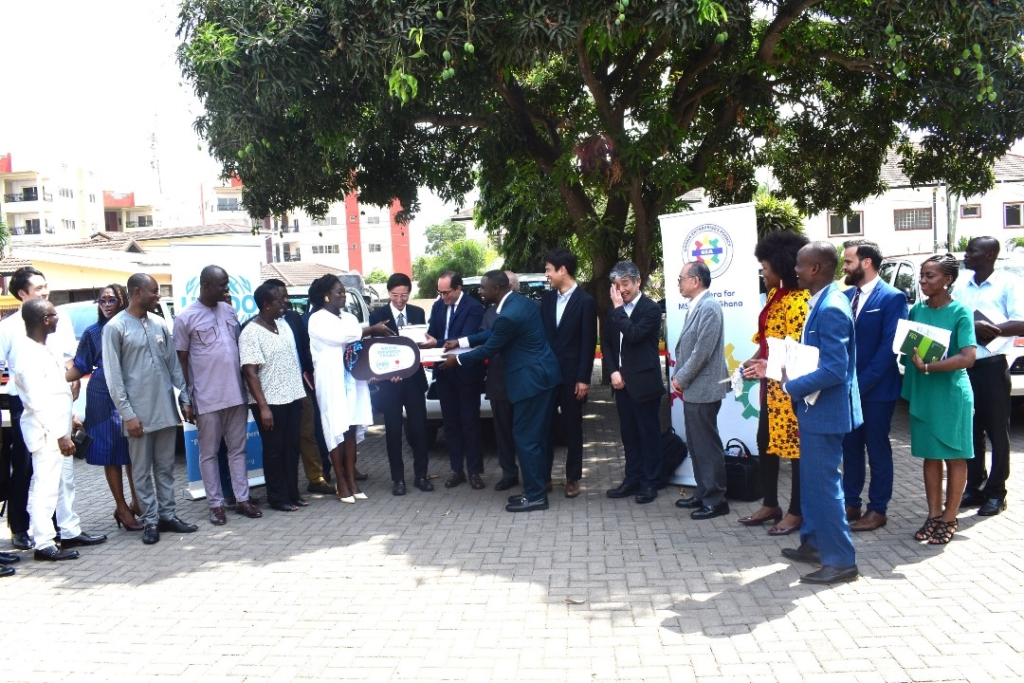
    The Ghana Enterprise Agency (GEA), under the close leadership of the Ministry of Trade and Industry, has received support in the form of six Toyota Hilux pick-ups, alongside essential office equipment, a significant boost to Ghana’s micro, small, and medium enterprises (MSMEs).

    This support, provided by the Government of Japan with technical assistance from the United Nations Industrial Development Organization (UNIDO), aims to enhance GEA’s capacity to deliver training services across the nation using the Kaizen Approach, a testament to the collaborative efforts aimed at economic development and MSME support in Ghana.

    The support forms part of the “Expanding the Kaizen Initiative by Enhancing Sustainable Agri-Business” project, funded by Japan.

    This initiative underscores the commitment to scale national efforts for MSME promotion, focusing on sustainable and continual enhancement of business quality and productivity across Ghana.

    Japanese Ambassador to Ghana, Hisanobu Mochizuki, highlighted Japan’s dedication to Ghana’s development journey during the ceremony.

    “This support to GEA reaffirms our unwavering commitment to Ghana’s growth, particularly in improving economic prospects and enterprise performance through efficient resource maximization,” stated Ambassador Mochizuki.

    Acknowledging the challenges posed by global disruptions, including the COVID-19 pandemic, Charles Abani, UN Resident Coordinator, emphasized the timeliness of this project.

    He noted, “MSMEs play a crucial role in Ghana’s economy, driving societal development and generating employment. Through capacity building, the UN’s support in Ghana aims to facilitate MSME growth, market access, and international trade.”

    Stavros Papastavrou, representing UNIDO in Ghana and Liberia, pledged continued support using UNIDO’s expertise in Enterprise Performance Management (EPM) to promote the Kaizen approach and industrial development in Ghana.

    Expressing gratitude for this international cooperation, Kosi Yankey, Chief Executive Officer of Ghana Enterprises Agency, highlighted the government’s prioritisation of MSME development as a cornerstone for job creation and economic development.

    “The support from the Government of Japan and UNIDO is invaluable to our Industrial Transformation Agenda and the post-COVID recovery efforts,” said Madam Kosie.

    She added: “Recognizing the pivotal role of MSMEs in driving economic growth, the Ministry of Trade and Industry (MoTI) and UNIDO have forged a strategic partnership, focusing on empowering women — a vital component of Ghana’s economic fabric.”

    Launched in September 2022, the project aims to improve the quality and productivity of Ghana’s MSMEs through Kaizen practices and UNIDO’s digital dashboard system, “Smart and Sustainable Agri-Business (SSAB),” illustrating a commitment to revitalizing the economy and transforming industry and agriculture in line with Ghana’s national goals.

  • Ghana Enterprises Agency dispenses approximately GHS700m in MSME funding

    Ghana Enterprises Agency dispenses approximately GHS700m in MSME funding

    In a significant effort to buoy Micro, Small, and Medium Enterprises (MSMEs) grappling with the aftermath of the COVID-19 pandemic, the Chief Executive Officer of the Ghana Enterprises Agency (GEA), Kosi Yankey-Ayeh, has unveiled a staggering disbursement of approximately GHS700 million in funding support.

    In an exclusive interview on JoyNews Channel, Mrs Yankey-Ayeh highlighted the historic nature of this investment, emphasizing the meticulous process and thoughtful planning that underpinned the initiative.

    “There is a process, and we put a lot of thought into what we do. There is a science to the programme so it is not as easy as people think it is. About GHS700 million has been disbursed so far, and in the history of this [Agency], no such amount has been spent on SMEs,” shared Kosi Yankey-Ayeh.

    Under the Coronavirus Alleviation Programme Business Support Programme (CAP BuSS), the GEA provided financial and technical assistance to over 300,000 medium-sized enterprises. Mrs. Yankey-Ayeh detailed that about 15,000 of these businesses also received crucial technical support aimed at fortifying their operations in the face of economic uncertainties.

    “The CAP BuSS support, with over 300,000 businesses—men, women, formal, and informal businesses across the length and breadth of this nation—received financial support, and about 15,000 of them at that time also received technical assistance,” she elaborated.

    “This was to try and figure out how best we can help them manage the affairs of their businesses and to strengthen them going forward,” she added.

    Anticipating the adverse effects of the pandemic, the GEA, in collaboration with the MasterCard Foundation, initiated the “Nkorsor” programme to extend support to businesses nationwide. Mrs. Yankey-Ayeh reported that the program successfully assisted over 20,000 businesses, ensuring broader access to funding and backing those who were unable to benefit from the initial phase of financial assistance.

    The Ghana Enterprises Agency, formerly known as the National Board for Small-Scale Industries, serves as the apex governmental body dedicated to the promotion and development of MSMEs in Ghana. Mandated to coordinate, implement, and monitor MSME activities, the GEA’s proactive measures underscore its commitment to supporting businesses amid the challenges posed by the pandemic.

    “…and so looking at Nkorsor, we came in to support about 20,000+ businesses with access to funding across the length and breadth of this nation, making sure that we were supporting those who could not benefit from the first phase of the funding as well,” Kosi Yankey-Ayeh stated.

  • Technological approach must be adopted to sustain your  businesses – Oppong-Nkrumah tells MSMEs

    Technological approach must be adopted to sustain your businesses – Oppong-Nkrumah tells MSMEs

    The Minister of Information, Oppong-Nkrumah, has emphasized the importance of technology adoption for Micro, Small, and Medium Enterprises (MSMEs) to ensure resilience and global competitiveness.

    He highlighted the necessity of innovation and adaptability in the current competitive and technologically evolving business landscape.

    The Minister shared these insights during the closing ceremony of the “ACP Digi project in Ghana,” themed “Our Journey to Building the Digital Capacity of MSMEs In Ghana Post COVID.”

    Nkrumah stressed that MSMEs are integral to Ghana’s business landscape and must be a priority for efficiency and sustainable development.

    “It is gladdening to note that MSMEs have embraced the idea and are now using technology in their businesses and are beginning to adopt measures and strategies to cope with the new normal,” he added.

    He commended the increasing adoption of technology by MSMEs, urging them to utilize digital platforms for creating market avenues, enhancing sales, and improving productivity.

    During the event, CEO of Suku Technologies Limited, Mr. Tsonam Akpeloo, emphasized the potential of digital innovation to fortify MSMEs by introducing efficiencies.

    He highlighted the pivotal role SMEs play in economic growth and job creation, especially amid challenges like the COVID-19 pandemic.

    Mr Akpeloo encouraged businesses to embrace digital transformation, utilizing virtual solutions, e-commerce, electronic transactions, and security systems to scale up their operations.

    The training conducted as part of the project equipped over 1,071 business owners with tools to sell products through online portals, payment applications, and social media.

    He also urged MSMEs to leverage the African Continental Free Trade Area (AfCFTA) agreement for expanded trade across African countries.

    Additionally, he called on stakeholders to invest in digital media technology training for youth to foster job creation and contribute to local economic improvement.

  • High-net-worth investors inject $2m into 7 women-led MSMEs

    High-net-worth investors inject $2m into 7 women-led MSMEs

    Private high net worth individual (HNI) investors have successfully provided US$2 million in funding to seven female-led micro, small, and medium-sized enterprises (MSMEs).

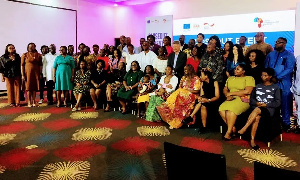
    Juanita Addo, CEO of Hyma Academy, made this announcement during the Women Entrepreneurship for Africa (WE4A) project’s conclusion in Accra.

    She said that ten more SMEs received grants of €50,000 for equipment to help them grow, while four more businesses were awarded grants of €120,000.

    Held under the theme ‘Leveraging the Untapped Potential of Female Entrepreneurs for Job Generation’, the concluding event offered a platform for women entrepreneurs to exchange insights, recount their journeys, discuss opportunities and obstacles, and impart valuable lessons learned throughout implementation of the WE4A project.

    It also emphasized their growth, accomplishments, and important contributions within their fields; it fostered networking, sparked discussions about upcoming projects, and provided assistance for businesses run by women.

    The need for WE4A project

    In Ghana, women play a significant role in the Micro, Small, and Medium-sized Enterprises (MSMEs) sector, owning approximately 44% of these businesses, according to data from the World Bank. The nation also stands out for its high number of women entrepreneurs on the African continent, with exceptions being Uganda and Botswana, as reported in the MasterCard Index of Women Entrepreneurs for the year 2021.

    However, despite these impressive statistics, women-led MSMEs in Ghana encounter numerous challenges that hinder their growth and success. These obstacles encompass difficulties in accessing financial resources, outdated customary laws related to inheritance and land rights, and deep-seated social norms that discourage women from venturing into entrepreneurship.

    In response to these challenges, a two-year project was initiated with the goal of empowering African women entrepreneurs, stimulating economic growth, and advancing gender equality within the entrepreneurial landscape. This initiative aimed to achieve these objectives through targeted training, financial support, and strategic partnerships with the private sector.

    Implemented as a collaboration between the Deutsche Gesellschaft für Internationale Zusammenarbeit (GIZ) GmbH and the Tony Elumelu Foundation, this project has yielded positive outcomes for women entrepreneurs in Ghana. Approximately 40 women have been equipped with the skills, resources, and support necessary to establish and operate successful businesses in the country.

    This project not only celebrates the significant contributions of women to the business sector in Ghana but also highlights the importance of addressing the multifaceted challenges they face. By empowering women entrepreneurs and promoting gender equality, Ghana takes substantial steps toward a more inclusive and economically vibrant future.

    “We achieved this through comprehensive training in capacity building, book-keeping, investor readiness among others,” explained the Team Leader-Employment for Skills and Development in Africa (E4D) at GIZ Ghana, John Duti. “The programme also equipped the 40 businesses with various tools to enhance their growth; these businesses have now collectively secured 217 jobs and created 103 new jobs,” he added.

    Economic inclusion

    Gerald Guskowski, the Cluster Coordinator for Sustainable Economic Development at GIZ, expressed that the project’s overarching goal is to enhance the economic inclusion and empowerment of women, ultimately leading to the generation of better employment opportunities in African economies.

    “Specifically, it is targetted to increase the number of African women entrepreneurs who have enhanced business capacities, have access to formal financial services, are integrated into local and regional value chains, and contribute to employment creation in their communities,” he said.

    “And this programme has significantly boosted efforts toward economically empowering women in Ghana and on the continent; and I therefore encourage all stakeholders to continue joining hands to empower women-led enterprises even after the programme’s closure,” he added.

    He congratulated the 40 women entrepreneurs for successfully completing this phase of the programme, and encouraged them to: “Make the most of everything you have learnt through this intervention, so that you will continue to be shining examples of economically empowered women for your communities”.

  • MTN Ghana Foundation’s Enterprise Support Programme to support 140 MSMEs

    MTN Ghana Foundation’s Enterprise Support Programme to support 140 MSMEs

    The MTN Ghana Foundation has announced the shortlisting of 140 micro and small enterprises for the initial year of its five-year Enterprise Support Programme.

    This initiative aims to provide support to a total of 500 micro, small, and medium enterprises (MSMEs) across Ghana, with a particular focus on youth, women, and differently-abled-led MSMEs.

    The selected beneficiaries will receive assistance in the form of training, business development support, technical guidance, and seed funding.

    In Accra, the onboarding program for the beneficiaries took place on Thursday, August 24, 2023, at MTN House. During this event, 68 beneficiaries were formally presented with their onboarding packages.

    A group picture of Adwoa Wiafe, some women beneficiaries, staff of MTN Ghana and Innohub Foundation

    The remaining MSMEs, chosen from the Western and Ashanti regions, are scheduled for onboarding in September and October 2023, respectively.

    Speaking at the onboarding programme, the Chief Corporate Services and Sustainability Officer of MTN Ghana, Adwoa Wiafe said, “In line with our diversity and inclusion drive, we made a conscious effort to select businesses that have clear social and environmental impact and align with our sustainability objectives and the UN SDGs. We were also interested in businesses with digital components since we are now pushing for digital inclusion.”

    Adwoa Wiafe, Georgina Fiagbenu and Robert Kuzoe at the onboarding ceremony at MTN House

    Adwoa Wiafe encouraged the recipients to utilize the support provided by MTN effectively and, in turn, create a positive impact in the lives of others.

    Alexander Tetteh, one of the beneficiaries who spoke on behalf of the beneficiaries said, “We thank MTN for the honour done us. These days, it is not easy to run a business and to the extent that MTN is extending a helping hand to MSMEs, all we can say is Ayekoo to MTN for coming to the aid of MSMEs in Ghana. We are forever grateful to you for the kind gesture.”

    A group picture of Adwoa Wiafe, some women beneficiaries, staff of MTN Ghana and Innohub Foundation

    In collaboration with the Innohub Foundation, the MTN Enterprise Support Programme was officially launched in March 2023. This program invited micro and small enterprises (MSMEs) to submit their applications for consideration.

    Subsequently, the shortlisted MSMEs were given the opportunity to present their pitches, leading to the selection of successful beneficiaries who have now been onboarded.

  • Government gives out GHS35m to support 270 MSMEs

    Government gives out GHS35m to support 270 MSMEs

    Through the Ghana Enterprises Agency (GEA), the government has initiated the distribution of GH¢35 million in grants to a select group of 270 micro, small, and medium enterprises (MSMEs). This effort is part of the Technical Assistance and Grant Programmes within the Ghana Economic Transformation Programme (GETP).

    The financial grants will empower the recipients to support diverse projects, encompassing the procurement of machinery and equipment, working capital, and investments in crucial last-mile infrastructure.

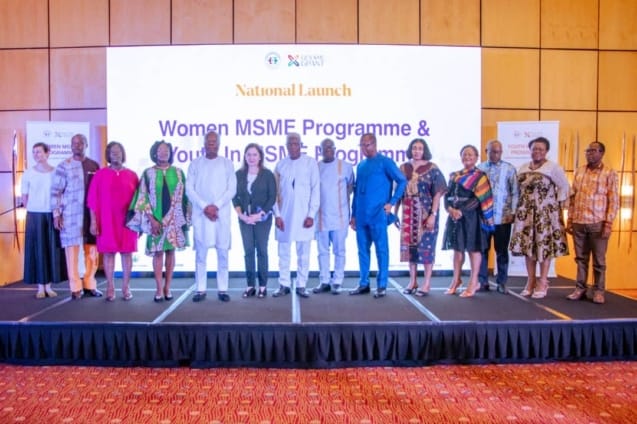
    Under the umbrella of the Ghana Economic Transformation Project, the Technical Assistance and Grant Programmes consist of three distinct categories: Youth in MSME, Women MSME, and SME High Growth Programmes, all of which have received funding from the World Bank.

    At a grant-signing event held in Accra, Minister of Trade and Industry, Kobina Tahiru Hammond, emphasized that this initiative reflects the government’s commitment to reinforcing local enterprises and positioning them as robust contributors to economic expansion and transformation.

    He further underscored that this program is in alignment with the Ministry of Trade and Industry’s drive to cultivate SMEs into dynamic drivers of growth.

    “Through a focused and strategic approach, Ghana aims to transform its economy by promoting the establishment and growth of industries across various sectors. To achieve this, the government follows a strategic roadmap that seeks to improve the competitiveness of local MSMEs and position them to benefit from existing and future global or regional trade opportunities – such as the African Continental Free Trade Area (AfCFTA) initiative.

    “It is expected that the investment made, as marked by the agreements signed today, will yield the desired results which will be crucial in transforming the business landscape. It is our earnest desire that these resources will help to boost production, exports and innovation across the MSME landscape,” the minister said.

  • Too much tax stifling MSMEs – Experts

    Too much tax stifling MSMEs – Experts

    Associate Director, Tax Advisory Service at KPMG, Michael Boateng, has made claims that the majority of medium- and small-scale organizations (MSMEs) who are also paying double taxes, are burdened with too much.

    He argues that the majority of MSMEs in the nation lack awareness of tax regulations and, as a result, do not maintain records.

    He claims that this problem persists even after these businesses have faithfully completed their annual reports because they are frequently discovered to be ineligible when tax authorities visit them. Additionally, he claims that they frequently incur some extra, unnecessary charges because they are unable to furnish their operating and transaction details.

    “There are several instances in which when doing tax audits you will realise some businesses are paying certain taxes they are not supposed to pay, because they are not in that category or have paid it already in another form; but because they do not keep records and lack the knowledge, when tax officers come after them they end up making payment again,” he said.

    Speaking on the topic Strategies to optimise the potential impact of the IMF programme on businesses at the Ghana National Chamber of Commerce and Industry’s (GNCCI) dialogue series in Accra, the tax expert said while it is imperative for businesses to seek expert advice on tax-related issues in a bid to cut down cost as well as ensure proper record-keeping, the Ghana Revenue Authority (GRA) must do more in sensitising taxpayers.

    Though he lamented there are several businesses which are going down due to non-compliance with tax rules, he added that businesses are overburdened with taxes and must be able to dialogue with government to introduce initiatives to widen the tax net without further burdening the few compliant ones.

    CSO calls on govt to scrap Covid-19 tax

    On his part, Director-Institute of Statistical Social and Economic Research (ISSER), University of Ghana, Prof. Peter Quartey, speaking on the topic ‘Understanding the IMF programme including its potential risks and opportunities’, urged businesses to adopt cost-cutting initiatives, create partnerships, focus on increasing efficiency and find alternative revenue streams.

    Waning investor confidence

    National President-GNCCI, Clement Osei-Amoako, taking his turn mentioned that the economic situation in which the country finds itself has led to high levels of uncertainties, waned investor confidence, rising inflation, weak local currency, high policy rate translating into high cost of borrowing, unsustainable debt, and impaired economic growth among others, which are all affecting businesses negatively.

    The Chamber therefore urged government to work with the central bank to find innovative ways of addressing high inflation in the economy to enable businesses secure funds for expansion and recovery from the impact of COVID-19.

    More importantly, it wants government to find innovative ways of increasing the efficiency of tax administration and expanding the tax net, rather than introducing new taxes and increasing tax rates.

    “The negative effects of tax policies and reforms on businesses are clearly evident in recently released reports. The Chamber urges government to carefully examine the sectoral contribution to GDP and not overly-emphasise the reported 4.2 percent growth in first-quarter 2023,” he said.

    He emphasised that a thorough analysis of the report suggests that while the public sector is expanding, the industrial sector is contracting – a situation he said is risky to sustainable growth of the economy.

  • MSME grant committee inaugurated by Trade and Industry Minister

    MSME grant committee inaugurated by Trade and Industry Minister

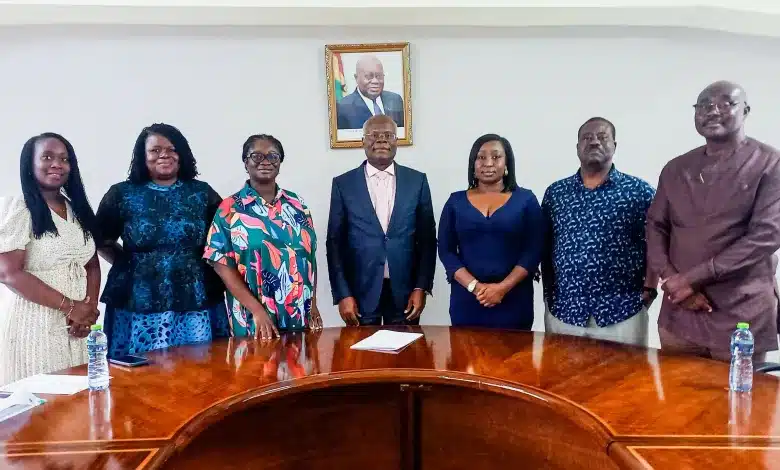
    In order to oversee the approval or denial of grant requests from Micro, Small, and Medium-Sized Enterprises (MSMEs) applying for various Grant Programs under the Ghana Economic Transformation Project (GETP), which is funded by the World Bank, Kobina Tahir Hammond, the Minister for Trade and Industry, has sworn in a seven-member Grant Committee.

    The GETP, which is being implemented by the Ghana Enterprises Agency (GEA), is a government initiative to promote private investments and firm growth in non-resource-based sectors.

    That is the deployment of Technical Assistance and Grants for the most qualified businesses outside the extractive oil and gas sectors.

    The Ghana Enterprises Agency (an agency under the Ministry of Trade and Industry) is one of the Technical Implementing Agencies (TIAs) of the GETP and is responsible for the implementation of the Project’s flagship programme (the SME High Growth Programme), and other Technical Assistance and Grant Programmes of the Ghana Economic Transformation Project.

    The grant committee will have oversight over four Technical Assistance (TA) and grant programmes.

    The first of the four TA and Grant Programmes is called the SME High Growth Programme, which is the flagship Programme under the GETP targeting High Growth Small and Medium Enterprises (SMEs) to support productivity and competitiveness-enhancing initiatives by such firms to accelerate their growth.

    The second programme dubbed Youth in MSME Programme – targets micro, small, and medium enterprises (MSMEs) owned by young people between the ages of 18 – 35 years.

    The third is the women MSME programme. This programme is exclusively for female-owned enterprises ranging from Micro to Medium sized firms. The final TA and grant programme is called PWD Enterprise Support Programme and is set up for only micro, small and medium enterprises (MSMEs) as well as startups owned by Persons with Disabilities (PWDs) or firms having most of their employees being PWDs.

    The mandate of the committee is to grant final approval for grant recommendations submitted for their review and to proffer reasons for rejecting any grant requests.

    The inauguration and swearing-in of the committee was necessitated by the dictates of the Project Implementation Manual which requires the set-up of the committee.

    The Minister tasked the grant committee to undertake their duties dispassionately, fairly and with an open mind.

    The chairperson of the committee expressed the appreciation of the members for the opportunity given to them by the minister and promised to work diligently to achieve the desired Project Development Objective of the Ghana Economic Transformation Project.

  • Women and youth-led MSMEs to receive GHS90m aid from GEA, World Bank

    Women and youth-led MSMEs to receive GHS90m aid from GEA, World Bank

    In an effort to put women- and youth-led micro, small, and medium-sized enterprise (MSMEs) at the forefront of the nation’s economic recovery efforts, the Ghana Enterprises Agency (GEA) has launched two new interventions.

    The interventions – dubbed ‘Women MSME’ and ‘Youth MSME’ – are the result of close collaborations between GEA, the Ministries of Trade and Industry and Finance and the World Bank. The programmes will be implemented under the Ghana Economic Transformation Project (GETP).

    Over GH¢30million and about GH¢60million have been earmarked for the women and youth MSME programmes respectively.

    Even though MSMEs account for 92 percent of all registered businesses in the country, and contribute roughly 70 percent of Ghana’s gross domestic product, data from the Office of Registrar of Companies show just 44 percent of these MSMEs are owned by women entrepreneurs’ vis-à-vis the sex ratio of 49 percent to 51 percent female to male population as of 2021.

    Also, young people between the ages of 19-35 make up the largest population segment in the country – about 11.7million; making up 38.2 percent of the total population of almost 31 million people, hence the introduction of these women and youth-focused exclusive technical assistance and grant funding programmes as part of government’s initiatives to promote and accelerate investments in high-growth MSMEs with promising prospects of scaling-up to become job creators.

    Transformative initiatives

    The Minister of Trade and Industry, K.T. Hammond – who launched the programmes in Accra, described the initiatives as “worthy, timely and ultimately strategic and transformative”.

    With such support, he said, the GEA with support from government and the ministry will successfully lead the creation of a significant pool of modern, globally competitive and sustainable high-growth MSMEs that drive and sustain economic growth and development.

    “We are committed to continue leveraging funding and development assistance to address the challenges of access to finance,” he stated, noting that the launch is in line with the ministry’s efforts at achieving ‘development of SMEs’ – which is part of the ten-point pillars of government’s industrial transformation agenda.

    The agenda seeks to give small- and medium-scale businesses the needed boost to survive and impact government’s objective of job creation.

    Citing the 2021 Population and Housing Census – which suggests that the age structure of country’s population may be transitioning from one dominated by children (0-14 years) into a population dominated by young people aged between 15 and 35 years, Mr. Hammond said: “This reinforces the urgency needed to join forces with the private sector and development partners so as to fully implement Ghana’s MSME and Entrepreneurship Development Policy and enhance the creation of jobs for this population”.

    He commended the GEA for taking up a commanding lead in implementing strategic projects and funding schemes for MSMEs nationwide, especially in respect of women and the youth.

    “We expect GEA to continue its excellent performance in the use of digital platforms and provide comprehensive support through its extensive network of business development service providers. We also expect this to be done with the special duty of care necessary to safeguard long-term interests of the businesses,” he stated.

    The future is women and youth

    The Chief Executive Officer (CEO) of GEA, Kosi Yankey Ayeh, on her part said the newly launched programmes will redefine government’s focus toward women- and youth-led MSMEs, because “the future is women and the youth”.

    “So it’s very important that we do a whole lot more to support female and youth-led MSMEs in Ghana…but not because we don’t see a high number of them apply for our interventions; the challenge we see is that they are applying for less amounts of money and the capacity to reach and exceed and move to the next level is being challenged. So, in order to be able to do more and do better – in partnership with the World Bank, the Ministries of Trade and Industry and Finance, we thought it best to develop new interventions that will transform these businesses,” she stated.

  • Women, youth businesses receive ₵100m grant funding from govt

    Women, youth businesses receive ₵100m grant funding from govt

    The government has established a GH100 million grant funding project for high-growth Micro, Small, and Medium-Scale Enterprises (MSMEs) run by women and young individuals.

    The initiatives, which are being supported and funded by the World Bank and the government under the Ghana Economic Transformation Project (GETP), will allocate GH₵40 million as grants for women MSMES and GHS60 million to young persons between the ages of 18 and 35.

    Launching it, the Minister for Trade and Industry, Mr Kobina Tahir Hammond said the programmes aligned with government’s goal of providing training, capacity upgrades, and funding to help businesses to scale up and transition MSMEs into the next stage of growth, thereby improving their ability to increase sales and commence exports.

    He said the initiatives presented the Management and Board of the Ghana Enterprises Agency (GEA) another opportunity to empower Ghanaian Women in the MSME Sector and Young Ghanaian Entrepreneurs as they strive to grow sustainably and formalize their businesses.

    “We expect GEA to continue its excellent performance in the use of digital platforms and provide comprehensive support through its extensive network of Business Development Service Providers. We also expect this to be done with the special duty of care to safeguard the long-term interests of the businesses,” he said.

    Mr Hammond said the government would step up efforts with multilateral, regional and bilateral partners to open access to new markets for the country’s products and services.

    “The initiatives are yet another milestone under the GET Project to make economic growth inclusive and expand the benefits of growth in terms of job creation, as well as enhanced social and gender equity,” he said.

    Fortunately, technology including digital technology, is opening up opportunities to global trade at a rate so rapid as it was unthinkable just two decades ago, he said.

    “As Minister for Trade and Industry, I am glad to associate myself with this intervention which seeks to create an opportunity for the youth and women of this nation to receive the needed support to strengthen their MSMEs at a time when economic transformation and stabilization has become a clarion call,” he said.

    He said the Ministry would continue to build and strengthen the policy and institutional mechanisms that enable implementing agencies to be responsive to the needs of the private sector, especially SMEs in harnessing opportunities, including market access opportunities such as the African Continental Free Trade Area.

    The GEA has successfully disbursed GHS66 million to over 800 SMEs between September 2021 to December 2022 in two phases as part of the COVID-19 Response Grant Programme and a complementary programme designed for SME High Growth.

    Mrs Kosi Yankey-Ayeh, the chief Executive Officer of the Ghana Enterprises Agency, said the Youth in MSME Programme sought to provide capacity support and financial assistance in the form of grants to businesses owned by young persons to encourage more start-ups by young people.

    The Women MSME Programme will inject more resources into women-owned businesses or Micro, Small and Medium Enterprises (MSMEs) owned by women with the aim of improving their capacity for growth and job creation.

    She said the nationwide Youth in MSME and the Women MSME Programmes would both consist of generic training, capacity upgrading and grant support components.

    “It is expected that these initiatives will result in the scaling-up of the beneficiary businesses and enhance their capacity to create jobs whiles promoting gender equality and social inclusion in our society,” Mrs Yankey-Ayeh said.

    She said the Grant Programme’s support from the GEA was expected to culminate into job creation and job sustainability and further transition into the next stage of growth, thereby improving their ability to increase sales and exports.

    The W-MSME & Youth in MSMEs Programme will entail technical assistance for up to 2,000 MSMEs on business management capabilities, productivity-enhancing improvements, and a replication of the soft skills acquired leading to a generally improved business operating culture among Ghanaian MSMEs thereby enhancing competition and growth.

    She said the W-MSME and the Youth in MSME Programmes would provide a four-day generic training to about 2,000 MSMEs shortlisted from a pool of applicants and trained in Business and Financial Management, record keeping, preparing, reading and comprehension of basic financial statements, working capital management and cycle, receivables and payables management, inventory management, and basic business plan development and training in Taxation and Regulatory Compliance.

    The goal of this knowledge area is to equip SMEs with practical knowledge of the legal environment in which they operate.

    It will also equip the SMEs with working knowledge of the Ghanaian system of taxation and the basic principles of taxation for individuals and SMEs.

  • UNIDO to support MSMEs with $3.9m

    UNIDO to support MSMEs with $3.9m

    A $3.9 million program has been established by the Ghana Enterprises Agency (GEA) and the United Nations Industrial Development Organization (UNIDO) to scale up Ghana’s national initiatives for the development of Micro, Small and Medium Sized Businesses (MSMEs).

    The project “Expanding the Kaizen Initiatives by Improving Sustainable Agri-Business,” financed by the government of Japan, aims to sustainably and continuously increase the quality and productivity of enterprises in Ghana. It is being implemented jointly by UNIDO and the GEA.

    Developing appropriate enterprise performance management skills is essential for MSMEs and businesses to grow sustainably, according to project manager Marin Mizuno.

    “In this difficult time, the only control at our disposal is our own internal resources, which we can maximize to improve enterprise performance. And in this regard, I strongly believe that the Kaizen approach, which leverages on the efficiency of internal resources, is the perfect tool for MSMEs to cope with the current difficulties,” he said.

    He emphasised that UNIDO’s Smart and Sustainable Agri-business, an innovative enterprise performance management tool which leverages on digital solutions to productivity improvement will contribute to modernising enterprise performance management in the MSMEs space.

    Coordinator for Economic Cooperation of the Embassy of Japan in Ghana, Tetsuya Imaoka, revealed the philosophy of Kaizen is to improve the enterprise performance by maximising the efficiency with the available resources, rather than resorting to huge capital investment.

    UNIDO announces $3.9m support project for MSMEs

    “I believe Japanese technology, experience and wisdom through a variety of methodologies and approaches is exactly what is needed in Ghana, especially for micro, small and medium enterprises as we go through a very difficult time”, he stated

    The Chief Executive Officer of the Ghana Enterprises Agency, Kosi Yankey-Ayeh, stated that the project is going to stimulate the National Expansion Drive for MSMEs with emphasis on production, efficiency, food safety and compliance to make them more efficient and competitive.

    “We are committed, prepared and well-positioned to partner with UNIDO to ensure the smooth commencement and successful implementation of the project”, she maintained.

    UNIDO announces $3.9m support project for MSMEs

    MSMEs who meet the selection requirement would be selected for Kaizen and SSAB training. The selected MSMEs will also benefit from the capital investment component of the project.

    The ‘Call for Proposal’ for this programme will be open until April 30, for the enterprises to apply.

    The selection will be duly conducted for the final nomination of the enterprises to be supported under the programme.

  • Ecobank and Visa collaborate to provide MSMEs with useful business skills

    Ecobank and Visa collaborate to provide MSMEs with useful business skills

    Ecobank Group, through its Commercial Banking division and supported by the Ecobank Academy, has partnered with Visa to provide micro, small and medium-sized enterprises (MSMEs) across Ecobank’s footprint with access to Visa’s Practical Business Skills educational resource.

    The online training forms part of Ecobank’s MSME Booster series and offers online learning tools for MSMEs seeking growth as they prepare for the new business year.

    The course has been specially designed to cater for the needs of both seasoned business owners and startups eager to take their businesses to the next level. Participants will learn from key modules including financial management, how to promote a business, managing employees, creating a business plan, and digitising their business amongst others.

    SMEs are at the heart of Africa’s economic growth where they provide up to 80% of the region’s employment and are the force behind a new middle class, fueling demand for new goods and services. The training course is part of Ecobank’s mission to help MSMEs sharpen their business skills and make an immense contribution to the continent’s economic fortunes.

    While announcing the partnership, Acting Group Executive, Commercial Banking & Deputy Managing Director Ecobank Nigeria, Carol Oyedeji said: “MSMEs across Africa are collectively critical to the achievement of many of the sustainable development goals and that is why we place great emphasis on their upskilling. We are delighted to partner with Visa on a training programme that will help them understand how to get started, how to manage a business, and how to navigate the tough process of building and growing a business.”

    “We are excited to continue to collaborate with our partners in sub-Saharan Africa to provide digital financial services and skills that empower micro, small and medium-sized enterprises. The extension of Practical Business Skills through the MSME Booster Series will help to bridge the skills gaps that exist among youth and women and enable them to take full advantage of the digital economy.” said Carl Manlan, Vice President, Inclusive Impact & Sustainability Visa CEMEA.

    Other similar initiatives run by Ecobank to support SMEs included the Global Skilling Progamme, a collaboration with Microsoft, LinkedIn and GitHub to upskill and equip SMEs and their employees with digital skills at the height of the COVID-19 pandemic.

    The pandemic made business owners more aware of the need to close the digital skills gap within their workplaces and an improved digitally diverse talent pool is essential to a sustainable post-pandemic recovery.

  • Put women-led businesses at heart of economic solutions

    Panelists discussing female entrepreneurship have asked the Government to put women-led businesses at the centre of solutions to the current economic hardship.

    They said the time had come for Ghana and other African countries to be intentional about addressing the barriers that impeded the business operations and growth of women-led businesses, especially those in the agriculture value chain.

    They said this during a panel discussion at the launch of a study that assessed the potential of women-led Micro, Small and Medium-sized Enterprises (MSMEs) in Ghana to take advantage of the African Continental Free Trade Area (AfCFTA).

    They noted that supporting women-led enterprises would not only help speed up Ghana’s economic recovery and transformation agenda, but make the economy resilient against future economic shocks.

    The survey research report launched in Accra by CUTS International was prepared by the Aya Institute for Women, Politics and Media, with support from the Deutsche Gesellschaft für Internationale Zusammenarbeit (GIZ).

    Professor Alufar Bokpin, an Economist and professor of Finance, said the time required that women-led businesses were given the platform and requisite financial support to turn things around.

    He said: “It is in hard times like these that we see the patience, endurance, entrepreneurial and innovative skills of women at home and in the office and in managing businesses, so, let’s promote women-led businesses.”

    “If we will be mindful to use the limited fiscal space that will be created as we go through reforms in enabling women-led businesses and traders, I am very sure will come out of this crisis stronger,” he added.

    The professor of Finance called for administrative reforms that would make women-led businesses “truly lead the country’s quest for solutions to the current difficulties”.

    Mrs Fatima Ali Mohamed, the Chairperson of Women in Agribusiness, Association of Ghana Industries (AGI), called for a shift in the consumption attitude of Ghanaians and Africans.

    “The problem is that we’re producing what we don’t eat, then we import what we eat. We import over 950,000 tonnes of rice and eat rice in the morning, lunch and dinner, but we don’t grow enough rice,” she lamented.

    “Let’s stop talking flowery and get to the real problem. Let’s get our leaders to move away from this ‘what’s in it for me syndrome’. We need to lift our people and it’s high time we did it,” the AGI Women in Agribusiness Chairperson said.

    Mrs Agnes Gifty Adjei-Sam, the Director of Market Development and Promotion at the Ghana Export Promotion Authority (GEPA), called for tax incentives and easy access to funds for women-led businesses.

    Madam Kakazi Kacyira, a Project Assistant at the AfCFTA Secretariat, said a protocol would be ready next year to support women and youth-led businesses to capitalise on the opportunities of the free trade.

    “The protocol is to make legally binding commitments as to how women can benefit from the trade agreement and the second is to deal more with informal cross-border traders by formalising the sector,” she said.

    Mr Appiah Kusi Adomako, the West African Regional Director for CUTS International, said the dialogue was important because of the role women played, particularly in the informal sector.

    He said there was a lot to be done to support women-led businesses to increase trade, especially on the African continent and noted that they would be organising a series of dialogues to accentuate and escalate the issues to policymakers.

    Source: GNA