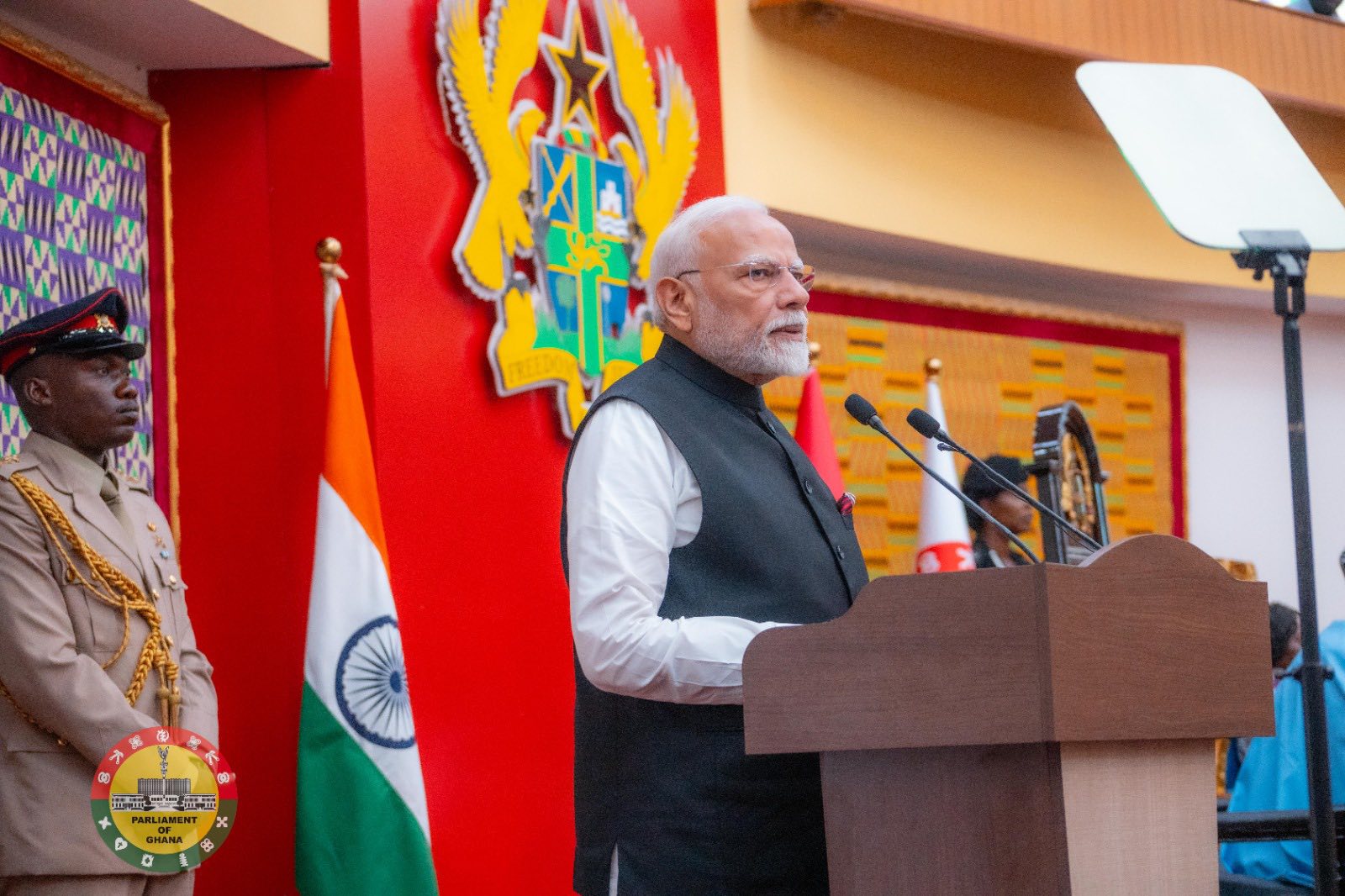
The Indian Prime Minister, Narendra Modi, has urged Ghana’s Parliament to help in building strong institutions through democracy.
According to him, the principle of democracy unites people, promotes human rights, and the honourable members have the responsibility to nurture it.
“When we look at Ghana, we see a nation that shines with courage, rises above history, and turns every challenge into creativity and grace. Your commitment to democratic ideals and inclusive progress truly makes Ghana a beacon of inspiration for the entire African continent,” he said.
Prime Minister Modi made these remarks when he addressed Ghana’s Parliament during his two-day official visit to Ghana.
The Indian leader emphasised on the long historical friendship that exist between Ghana and India, stressing that the relations have no bounds. “Excuse me to say our friendship is sweeter than your famous pineapple” he noted in the midst of smile.
Commenting on the contribution of the sub-region to development, Prime Minister Modi was of the view that Africa needs credible and effective reforms which will inform global governance.
“Africa sits at the higher place of the global table” he stated.
He made the House aware that despite the huge number of 2,500 political parties in India, the country can pride itself as the model of democracy because it has the patience and the heart to accommodate everyone.
He noted that by the year 2047 India will be celebrating 100 years of independence and it is the aim of the people to make India a developed country by the time of the celebration.
He later invited all Members of Parliament to find time to visit Indian’s new Parliament and foster good relations with their counterparts and also form Ghana – India Parliamentary Association for future parliamentary related purposes.
The precise remarks by the Prime Minister were met with applause from Members of Parliament who were dressed officially and traditional wears of both Ghana and India.
The Prime Minister’s delegation was led by Vice President Jane Naana Opoku-Agyemang.
The Rt. Hon. Speaker Alban Sumana Kingsford Bagbin, on behalf of Members of Parliament thanked Prime Minister Modi and his delegation for the official visit.
The Indian Prime Minister’s official visit is part of efforts to deepen bilateral relations between Ghana and India, with a focus on trade, technology, education, and cultural exchange.
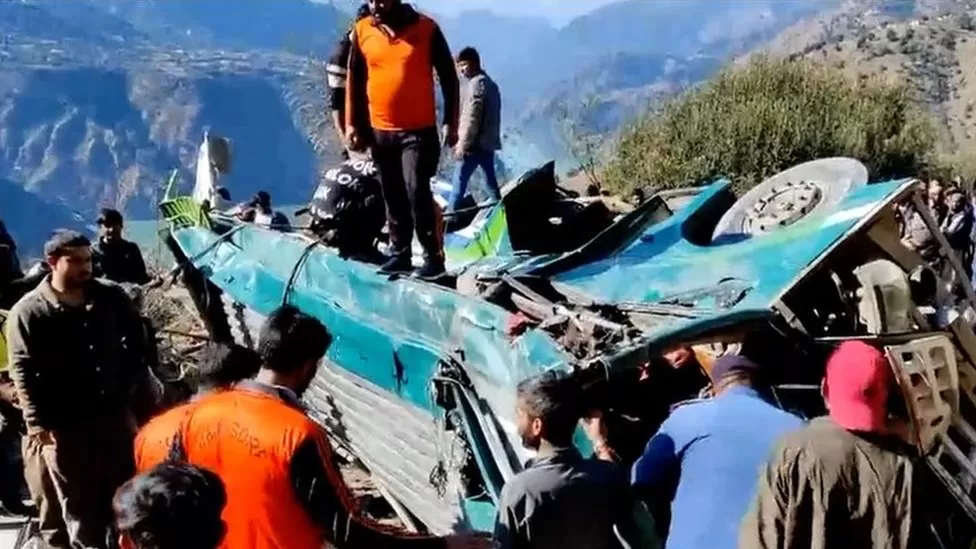
At least 36 people were killed and 19 others injured after a bus plunged into a gorge in northern India’s Jammu district.
Authorities said more than 50 passengers were on board when the bus left the road and fell 300 feet into a canyon in Doda district. The cause of the accident was not immediately known.
Prime Minister Narendra Modi expressed condolences and announced financial compensation for the families of the victims.
Union Minister Jitendra Singh wrote on X (formerly Twitter) that authorities were providing “all possible assistance” to the injured, who have been shifted to nearby hospitals. Six of them were in intensive care, he said, adding that a helicopter service was being organized to transport the others.
Road safety is notoriously poor in India, with more than 100,000 people dying each year in accidents caused by poor driving and poor roads.
Buses are a popular means of transportation, especially in small towns. But operators often disregard safety regulations and package them beyond their capabilities. Last year, 25 people died in a similar accident in the Himalayan state of Uttarakhand after a wedding bus slid off the road and into a gorge.
The bill was suggested in 1996 but wasn’t approved for a long time because some political parties didn’t agree with it.
On Wednesday, almost everyone in the Lok Sabha agreed to pass it after a long and intense discussion.
Lawmakers in the upper house of the Indian parliament, called the Rajya Sabha, will need to approve the bill now.
If this is approved, it will be sent to the Indian president and become a law.
However, it is still a long way from being put into action because it relies on India finishing their census.
The exercise is usually done every 10 years. It was supposed to happen in 2021, but because of the coronavirus pandemic it got postponed. Now, it is planned to happen in 2025 instead.
Proposed changes to the boundaries of assembly seats, to increase the total number of constituencies, known as delimitation, could make it even more difficult to put the bill into action.
The BJP, the ruling party in India, hopes that the approval of this law will help them do well in the upcoming elections.
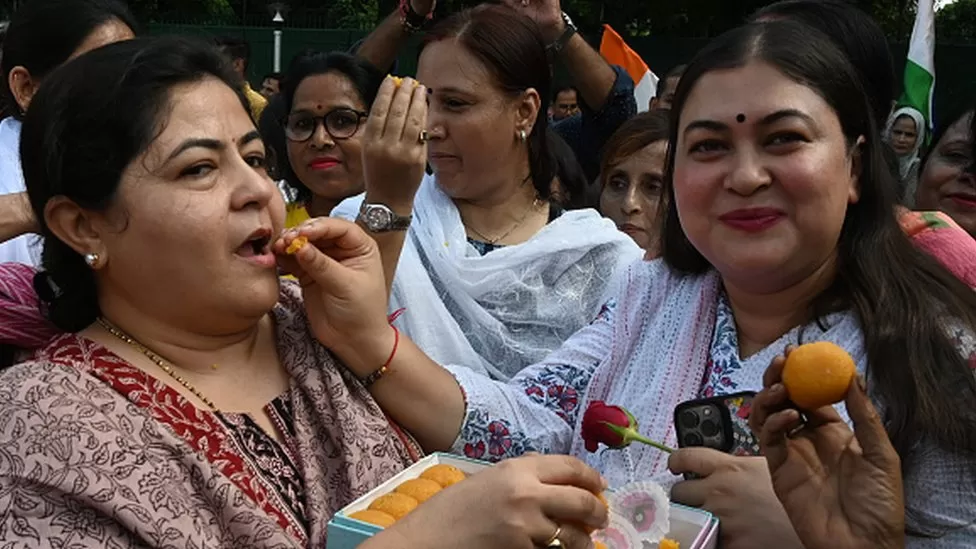
On Wednesday, the Prime Minister, Narendra Modi, expressed gratitude to the Members of Parliament who supported the bill in the Lok Sabha. He described it as an important law that will allow more women to get involved in politics.
The bill got approved when 454 MPs from different political parties voted for it, and only two MPs voted against it.
The Lok Sabha talked about the new law for almost eight hours. Some people from the Opposition spoke up about how it will work, but overall, they still backed it.
Sonia Gandhi, who used to be the president of Congress, said that the party agrees with the planned law but wants it to be put into action right away.
Ms Gandhi asked how many years they would have to wait, will it be two, four, or eight years. Delaying this would be very unfair to women. Some MPs who oppose the current system have also asked for a special rule that reserves spots specifically for women from the Other Backward Classes.
In the middle, there are many groups of people, considered to be around 52% of the population, called Other Backward Classes or OBCs. India’s census has always included information about the population of Dalits and Adivasis, but it has never collected data on the Other Backward Classes (OBCs).
The new bill suggests that out of all the seats, which are already set aside for Dalits and tribespeople, one-third of them should also be set aside for women. But it doesn’t include a similar rule for women who are part of Other Backward Classes (OBCs).
Ms Gandhi spoke in parliament and suggested that the government should count and gather information on people belonging to different castes, especially those from Other Backward Classes (OBCs). She also proposed that the benefits of the proposed law should be given to women from these groups too.
Some other Members of Parliament from opposing parties said that the ruling party’s action was just pretending to make things better.
MP Asaduddin Owaisi, one of the two votes against the bill, believes that the current bill will only help women belonging to the upper caste.
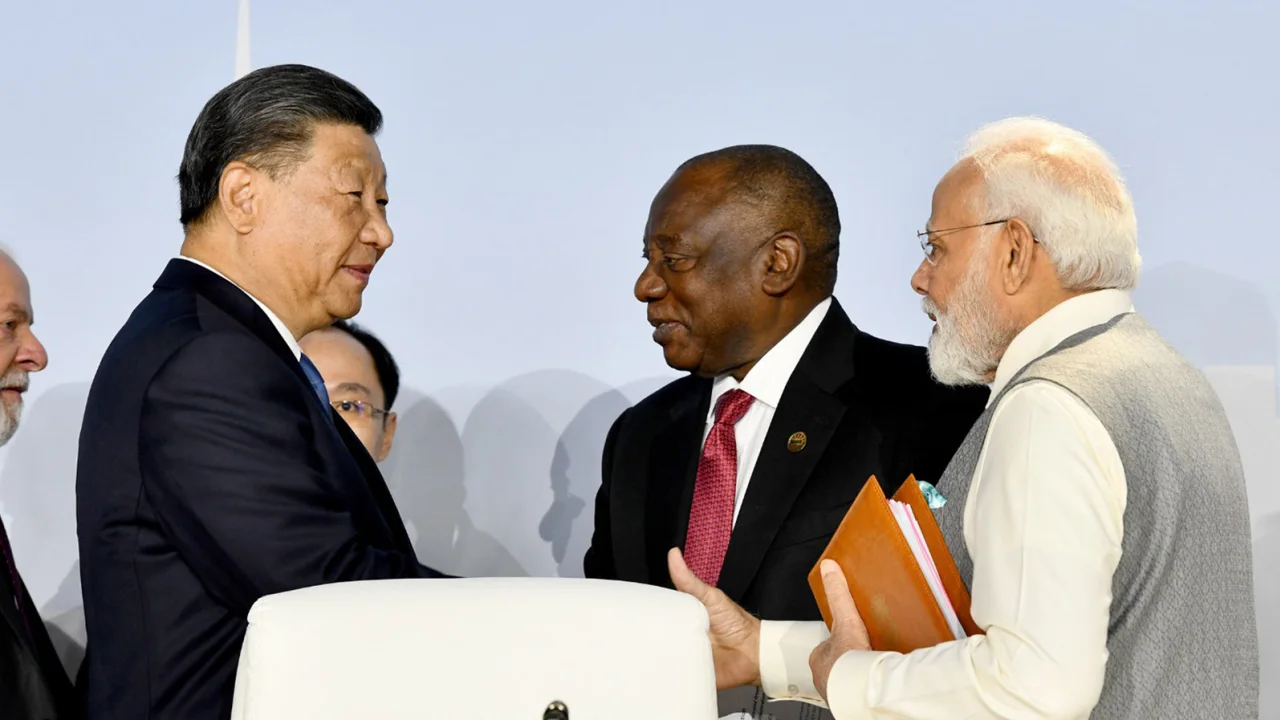
Indian Prime Minister Narendra Modi and Chinese leader Xi Jinping convened face-to-face to address the de-escalation of tensions along their contested border. It is a crucial encounter as the two countries have not engaged in face-to-face discussions since a lethal confrontation three years back. They reached a consensus to exert significant efforts in order to pacify the situation.
Modi and Xi have arrived in Johannesburg to attend a BRICS gathering.They talked on the side of the summit. On Thursday, India’s Foreign Secretary, Vinay Kwatra, informed reporters of this statement.The day before, the Chinese leader missed an important event. It is unusual for the leaders of India and China, both of which have the highest populations globally, to have personal meetings.
The argument over the border has caused tension between New Delhi and Beijing for a long time. This argument led to a war in 1962, which China won. In the years following that, a poorly defined unofficial border called the Line of Actual Control (LAC) has divided the two countries with nuclear capabilities.
Modi emphasized the importance of keeping peace and tranquility in the border areas and following the Line of Actual Control (LAC). This is crucial for improving the relationship between India and China.
On Friday, China’s Ministry of Foreign Affairs said that the two leaders had an open and detailed discussion about the current relationship between China and India, along with other topics.
The text means that President Xi said it is important to make China and India’s relationship better,because it is good for both countries and their people. Both sides need to consider the overall benefits of their relationship and manage the border issue carefully to protect peace and calmness in the border area together.
The two countries, India and China, will have a meeting to try and improve their difficult relationship. This meeting is following their 19th round of talks to solve their border problem.
India’s Ministry of External Affairs said that both sides had a good and detailed discussion on resolving the remaining issues on the border in the Western Sector.
Modi and Xi went to a meeting called the Shanghai Cooperation Organization (SCO) in Uzbekistan in September last year. They were both there, but they didn’t talk to each other about important matters. They spokes hortly a few weeks later during the sidelines of the G20leaders’ meeting in Bali, Indonesia.
The relationship between the two countries became worse after a fight in Aksai Chin-Ladakh in 2020. It got even worse last December when soldiers from both sides got into a fight in the Tawang sector of Arunachal Pradesh,causing minor injuries.
In April, the defense minister of India told the defense minister of China that when their shared border is crossed, it weakens the foundation of their relationship.
India has implemented multiple measures in response to the 2020 clash, aiming to counter the threats posed by China. Popular Chinese apps like TikTok and others have been banned, as authorities assert that these apps undermine their authority and solidarity.Moreover, they have taken steps to stop Chinese telecommunication companies like Huawei and ZTE from offering their 5G network.
Recently, there has been an increase in restrictions on journalists in both nations, resulting in a limited number of approved reporters in each other’s regions.
New Delhi expresses concern over Beijing’s increasing assertiveness as both countries prioritize their individual interests.Because of this, India has built a stronger relationship with the United States. They are part of a group called the Quad, along with Japan and Australia, which is seen as a way to balance China’s influence.
China opted not to participate in a tourism conference held in the region of Jammu and Kashmir, which was orchestrated by India.They said that they do not agree with having any G20 meetings in disputed territory. Both India and Pakistan say that the Kashmir region belongs to them. India’s choice to hold this year’s SCO online meant that Modi and Xi couldn’t meet in person. Xi is also likely to go to the G20 leaders’ meeting in New Delhi next month.
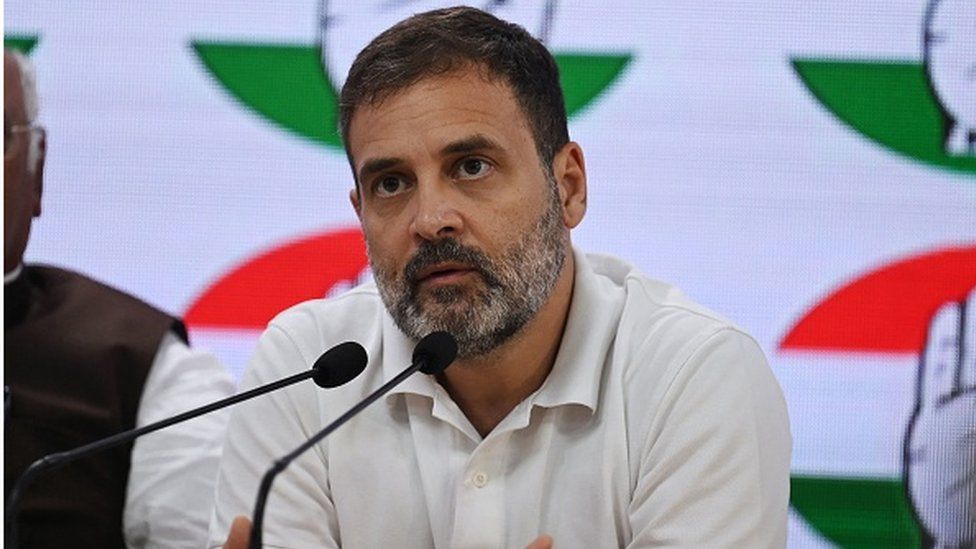
Prime Minister Narendra Modi has been accused by Rahul Gandhi, the leader of India’s opposition, of “murdering Mother India” in the violent Manipur state.
India was murdered in Manipur. In the face of protests from the ruling Bharatiya Janata Party, Mr. Gandhi declared in parliament that “their politics killed India in Manipur.
He was speaking while the opposition debated a no-confidence motion against Mr. Modi’s administration.
The motion is to be put to a vote on Thursday after the discussion.
Due to the majority that Mr. Modi’s Bharatiya Janata Party (BJP) and its allies hold in parliament, his administration won’t lose the vote.
Opposition leaders assert that Mr. Modi will be forced to address the continuing ethnic conflicts in Manipur state during the discussion.
Since the beginning of May, when ethnic violence between the Meitei majority group and the tribal Kuki minority group erupted, more than 150 people have killed and tens of thousands have been displaced in Manipur. Only after a video of two women being paraded naked by a crowd generated anger across the world did Mr. Modi officially address the brutality.
Speaking before the house, Mr. Gandhi claimed that Manipur was not a priority for Mr. Modi. Because Manipur is not considered to be a part of India, our prime minister chose not to visit the state.
The leader of the Congress party said, “In Manipur, they slaughtered India. Not only has their politics destroyed Manipur, but it has also destroyed India in Manipur. India was slain in Manipur.
BJP leaders protested Mr. Gandhi’s remarks, claiming he had trivialised India’s name.
India is not corrupt, so you are not India. India does not believe in dynasties, according to Smriti Irani, a federal minister and BJP member. The remark made reference to the Nehru-Gandhi family, one of India’s most illustrious political families, who ruled India for a significant portion of its history following independence in 1947.
Days before to his address, Mr. Gandhi had made his first appearance in parliament following his conviction in a criminal defamation case.
After being given a two-year prison term in March, he had lost his status as a legislator. On Monday, two days after the Supreme Court postponed his sentence, he was re-elected as a member of parliament.
He paid tribute to the Mahatma Gandhi statue in the complex on Monday before going to the parliament building, where he was greeted by opposition leaders.
Opposition leaders have protested throughout the parliament session, which started on July 20, calling for Mr. Modi to address the house about the violence in Manipur.
Since taking office in 2014, Mr. Modi’s administration has faced a motion of no confidence twice. A resolution to grant Andhra Pradesh state special category status was made by a politician in 2018. After a 12-hour argument, it was lost.
The ongoing no-confidence vote is also an opportunity for INDIA, a freshly established opposition coalition of 26 parties, to show their cohesion. The coalition, which was established in July, intends to challenge Mr. Modi’s BJP in the upcoming general elections.
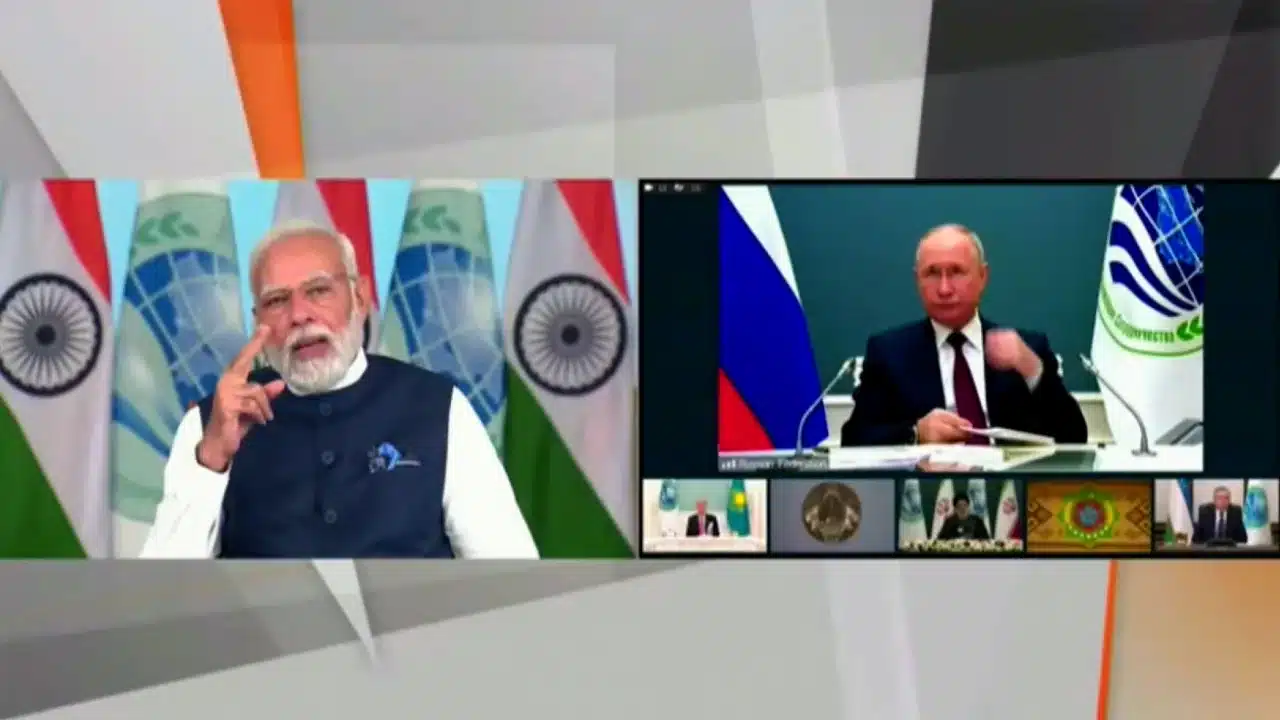
In his first public appearance since facing an armed uprising late last month, Vladimir Putin tried to convey a message of strength on Tuesday before a virtually assembled group of international leaders who support Moscow.
The remarks were made days after Putin put down the uprising led by the Wagner mercenary group during a speech to leaders at the Shanghai Cooperation Organisation (SCO) summit, which was hosted by Indian Prime Minister Narendra Modi.
After more than a year of his bungling invasion of Ukraine, the events were largely regarded as the greatest challenge to Putin’s authority he had ever faced. Both allies and foes began to question just how tightly in control the tyrant actually was.
Putin used his moment to speak at the one-day summit to give his answer to that question.
“The solidarity and high responsibility for the fate of the fatherland was clearly demonstrated by Russian political circles and the entire society by coming out as a united front against the attempted armed rebellion,” he said via video link.
“I would like to take this opportunity to thank my colleagues from the (SCO) countries who have expressed support for the actions of the Russian leadership,” Putin told the attending leaders, who included China’s Xi Jinping, Belarus’ Alexander Lukashenko and Iran’s Ebrahim Raisi.
In reference to the impact of his war on Ukraine, Putin also said Russia was withstanding “sanctions and provocations” and “steadily developing.”
Many of the leaders in virtual attendance, Russia-friendly nations who share borders, diplomatic aims or strong economic ties with Moscow, could be significantly impacted by changes in Putin’s fate.
Founded in 2001 and spreadheaded by China and Russia, the SCO also includes India, Pakistan, Kazakhstan, Kyrgyzstan, Tajikistan and Uzbekistan and accounts for a sweeping portion of Eurasia and, with the inclusion of the world’s two most populous countries, around 40% of the global population.
Tuesday’s summit also provided an opportunity for the grouping to extend its reach – with Iran approved as a full member – the second expansion in the organization’s more than two decade history. Staunch Moscow ally Belarus also took a step toward gaining full membership, expected next year.
Both Moscow and Beijing view the group as an alternative to Western-led blocs and a key vehicle for their bid to push back against what it sees as a US-led world order.
But while many members may support a world with more dispersed global power, SCO contains an tangled web of interests and allegiances, which members must navigate as they aim to enhance regional security and cooperation more broadly.
Modi in opening remarks praised the SCO as an “important platform for peace, prosperity and development in the entire Eurasia region.”
“We do not see the SCO as an extended neighborhood, but an extended family. Security, economic development, connectivity, unity, respect for sovereignty and territorial integrity, and environmental protection are the pillars of our vision for SCO,” he said.
But this year’s event was a toned down affair for the group, compared to last year’s gathering. That event stretched over two in-person days in Samarkand, Uzbekistan and featured a number of sideline meetings between attending leaders.
India announced last month that its leaders’ summit would be held virtually, without specifying why. An online summit can cut time spent together – and reduce the optics of solidarity between participants.
Modi is hosting the gathering days after being welcomed for a state visit in the US by President Joe Biden, who is keen to cultivate New Delhi as a partner in its growing competition with China.
In his address to the summit, Chinese leader Xi called for regional leaders to strengthen their coordination and resist the influence of external forces in the region – employing language typically used by Beijing to decry what it claims are aims of American foreign policy.
“We must be highly vigilant against external forces inciting a ‘new cold war’ in the region and creating confrontation between camps, (and) resolutely oppose any country’s interference in internal affairs and instigation of ‘color revolutions,’” Xi said, using a term to refer to government-toppling political movements.
Member countries should “formulate foreign policies independently based on the overall and long-term interests of the region … and firmly hold the future and destiny of our country’s development and progress in our own hands,” he added, according to a transcript from China’s Foreign Ministry.
The grouping adopted a declaration and two joint statements, one on cooperation countering “radicalization leading to separatism, extremism and terrorism” and a second on cooperation in the field of digital transformation, India’s Ministry of External Affairs said following the close of the summit, which lasted roughly three hours.
Russia has become more dependent on China since Ukraine war began. Here’s how
Putin’s on-going war in Ukraine casts a long shadow over the broadly Russia-friendly gathering, especially as China and India have been under pressure from the West to limit support for Moscow or even push Putin toward peace.
A joint statement between Modi and Biden late last month saw the two express concern over the conflict in Ukraine and “coercive actions and rising tensions” in the India-Pacific region – statements that did not directly name Russia or China, but appeared to point their way.
Putin and Modi spoke via phone last week, with the Indian leader “reiterating his call for dialogue and diplomacy,” New Delhi said.
At last year’s SCO summit, Modi told Putin in “today’s era is not an era of war.”
And India has its own friction with neighboring China.
Beijing remains deeply suspicious of a US Indo-Pacific security grouping known as the Quad of which India is a part, and the two nuclear-armed neighbors have a simmering conflict along a contested border, which has erupted into violence in recent years.
The group also brings together India and Pakistan – another pairing of two nuclear-armed neighbors with a long history of fractious relations.
In May, Pakistani Foreign Minister Bilawal Bhutto Zardari became the most senior-level official to visit India in seven years, when he joined a SCO foreign ministers meeting.
Iran’s entry into the grouping comes after it signed a memorandum of obligations at last year’s summit. Belarus, a close Russian partner, took that step toward full membership this year, India’s Ministry of External Affairs said after the close of the Tuesday’s meeting.
Aspiring SCO member Belarus played a key role in navigating Putin’s crisis, claiming to have brokered a deal allowing Wagner boss Yevgeny Prigozhin to safely leave Russia for Belarus.
Pakistan and India were the most recent countries to join, gaining full membership in 2017. Fourteen countries hold dialogue partner status, while another three are observers, according to New Delhi.
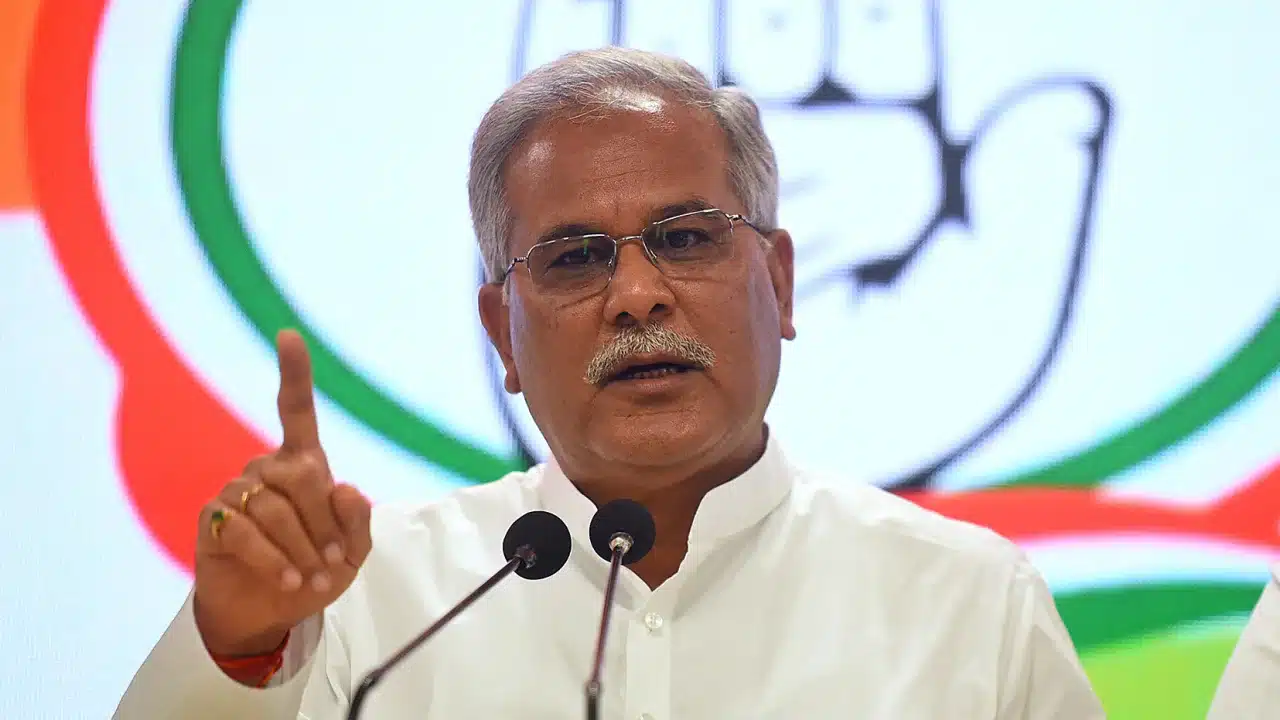
In the central Indian state of Chhattisgarh, ten police officers and a civilian were killed in an explosion while they were returning from an operation against rebels, according to the state’s chief minister on Wednesday.
Bhupesh Baghel informed reporters that the attack is thought to have been carried out by rebel Maoist insurgents and expressed his sorrow over the dead.
“I honor the courageous personnel who lost their lives in the attack. Their sacrifice will never be forgotten. My sympathies to the grieving families,” he tweeted.
India’s government has been embroiled in a decades-long conflict with Maoist rebel groups, also known as Naxals, who launch attacks on government forces in an attempt to overthrow the state and usher in a classless society. Maoists are largely active in central India, in remote regions mainly populated by tribal peoples.
According to a 2019 report by India’s Ministry of Home Affairs, 90 districts across 11 states are affected by some form of Naxal or Maoist militancy. More than 2,100 civilians in India have been killed in the Maoist insurgency since 2010.
The government has responded with a security crackdown in areas in which the groups are active – an approach that while appearing to reduce the threat level has been criticized by some observers as heavy-handed and prone to abuse.
Villagers who live in Maoist territory are largely cut off from the country’s rapidly growing economy, and many live in fear both of rebels taking their children as recruits and violent government raids.
Some villagers in Chhattisgarh previously told CNN that they were forced to pay taxes to the Maoists, or face abuse or even torture. But if they did pay up, they risked being labeled Maoist sympathizers by government forces.
At least 22 Indian security force members were killed and 31 injured in 2021 during a four-hour gun battle with Maoist insurgents, officials said. In 2017, 25 police officers were killed and six others injured when hundreds of suspected Maoist rebels attacked a convoy in central India.
Suspected Maoists also struck during India’s elections in 2019, allegedly gunning down a polling supervisor in the eastern state of Odisha. In another incident in the same district that year, alleged Maoists approached a vehicle heading towards a polling center and forced officials to disembark before setting fire to it.
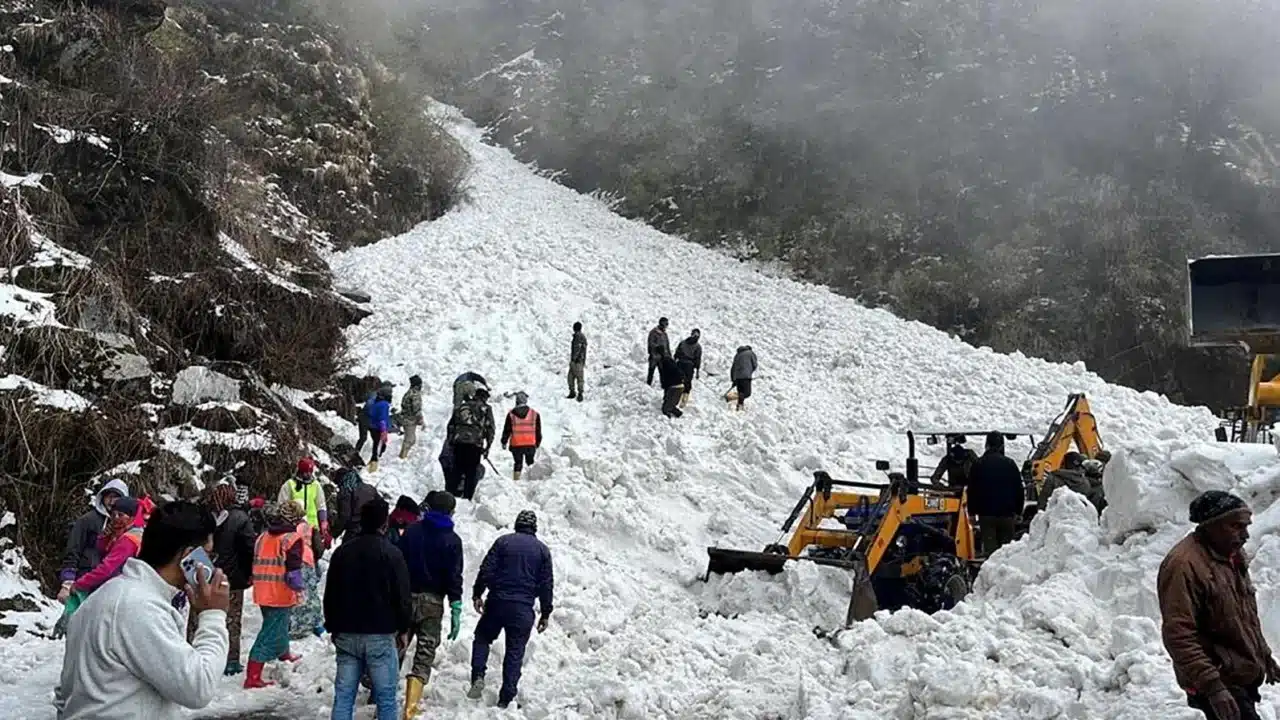
According to local authorities, a significant avalanche in the northeastern Indian state of Sikkim resulted in the deaths of seven tourists and the injuries of thirteen more.
The incident happened around 11.10 a.m. local time, according to a statement from the army to CNN.
The army reported that at least 20 people were saved alive after snow struck multiple cars headed for the Nathu La mountain crossing.
According to senior police official Tenzing Loden Lepcha, several of the survivors are in severe condition, and rescue efforts are still going on.
The avalanche took place near the Nathu La mountain pass and struck a road connecting Nathu La and the state capital Gangtok.
Lepcha told CNN that avalanches were unusual at this time of year, and blamed unseasonal rain and snow in the area.
Another 350 tourists and 80 vehicles were rescued after roads were cleared of snow, said the army.
Kavita Agarwal, a traveler from Delhi, told Reuters that police warned tourists against visiting a lake on the way to the Nathu La pass due to inclement weather.
“Distressed by the avalanche in Sikkim. Condolences to those who have lost their loved ones,” wrote Indian Prime Minister Narendra Modi on Twitter.
“I hope the injured recover soon. Rescue ops are underway and all possible assistance is being provided to those affected.”
The office of Indian Prime MinisterNarendra Modi tweeted a picture of the two of them speaking.
We don’t know the details of the conversation yet, but the first meeting between Modi and Sunak – the UK’s first Indian-origin Prime Minister – was much anticipated in India. The 42-year-old is also married to Akshata Murty, daughter of Infosys founder NR Narayana Murthy.
Modi had congratulated Sunakon a phone call after he came to power, and tweeted that they had “agreed on the importance of early conclusion of a comprehensive and balanced [free trade agreement]”.
A trade pact aims to double bilateral trade by 2030 – the two countries are now looking to finalise the agreement by the end of March, according to Reuters.
The statue of Kempegowda, the 16th-century local leader who founded Bengaluru, was unveiled by Indian Prime Minister Narendra Modi (Bangalore).
The 33m (108ft) bronze statue weighs 220 tonnes and is located at the international airport in the southern Karnataka state’s capital city.
According to media reports, the statue cost 850 million rupees ($10.5 million; £8.9 million).
The state government set aside 1 billion rupees for the statue and a theme park in 2019.
According to a state minister, the statue will be called “the statue of prosperity” to reflect Bengaluru’s progress.
The city is known as “India’s Silicon Valley” because it is home to some of the country’s largest IT companies and start-ups.
The statue has been sculpted by Ram V Sutar, who also made the “statue of unity” in Gujarat, which commemorates independence leader Sardar Vallabhbhai Patel – the 600ft-high statue is the world’s tallest.
The inauguration of Kempegowda’s statue comes months ahead of assembly elections in the state.
Political analysts say the event is an attempt by the governing Bharatiya Janata Party (BJP) to woo the upper-caste Vokkaliga community, to which Kempegowda belonged.
The Vokkaligas are dominant in the state’s Old Mysore region – which covers eight districts, including Bengaluru. While the BJP has won elections from this area, opposition parties Congress and Janata Dal (Secular) still have an upper hand here.
Kempegowda is a hugely revered figure in Karnataka. He was part of the Vijayanagar empire, which ruled parts of southern India from the 14th Century to early 17th Century.
According to historian Suryanath Kamath, there is evidence of him ruling over areas that include present-day Bengaluru from 1513 to 1569.
But others say they have unearthed evidence that he was alive until 1608.
“Much about Kempegowda is known from folklore rather than epigraphy,” says Prof M Jamuna, former chair of history at Bangalore University.
Prof Jamuna said research had established that Kempegowda was “not the big moustachioed warrior with a sword and a shield as he is presented in statues nowadays”.
Prime Minister Narendra Modi has said that the tragedy was painful. He added that his thoughts were with the families of the victims.
“Rarely in my life, would I have experienced such pain. On one hand, there is a pain-riddled heart and on the other hand, there is the path to duty,” he said.
Expressing his condolences, he pledged the government’s full support to the families of those who died in the accident.
“All alertness is being observed even in the hospital where the injured are under treatment,” he said.
Only once before in Japan’s post-war history has a politician been given a state funeral – and Tuesday’s event to honor Abe has stirred huge controversy.
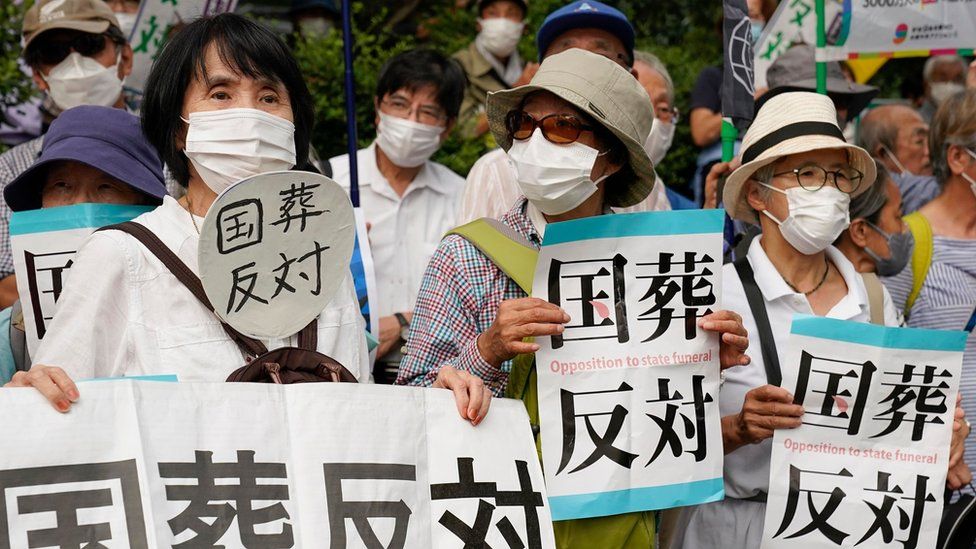
It drew thousands of guests – local and global leaders, notably from Japan’s closest allies. But it also faced a backlash as protesters marched against the decision to hold the funeral.
It’s a day and an event that appears to have cut Japanese society down the middle. And it’s a sign of Abe’s complicated and often divisive legacy.
The 67-year-old politician was assassinated in July – shot twice by a homemade gun. The killing shocked a country unused to gun crimes or political violence, triggering an outpouring of grief for a leader who had never been that popular.
“Abe-San, thank you so much,” mourners shouted when they gathered to pay their respects in July – with his death, many of his countrymen realized he had given Japan a sense of stability and security.
That mood changed with the announcement of a state funeral. But it has gone ahead despite growing opposition from the Japanese public with opinion polls showing around 60% opposed it.
Outside the Budokan – the arena in Tokyo where the funeral was taking place – the queue of mourners carrying flowers stretched for well over 3km (1.8 miles). They wore black and carried flowers to pay their respects for one last time.
“I love Abe and everything about him, that’s why I am in line,” one 19-year-old said. Another mourner, a woman, said she was there to “show my gratitude for his long service as PM”.
Abe was widely admired abroad, but he was a divisive figure at home. Many of the protesters outside parliament were furious about the $10.7m (1.6bn yen; £10m) cost of the funeral. Others simply said Abe did not deserve the rare honour of a state funeral.
“I am frustrated and angry that we let the government do whatever they want without consulting the people,” said 25-year-old Iori Fujiwara. “Us younger generation needs to speak out more for our own future, that’s why I am here.”
“I could not stay at home while they are spending so much money and inviting so many guests while there are Japanese people suffering from the typhoon last week,” said 25-year-old Ayaka Uehira.
IMAGE SOURCE, GETTY IMAGES Image caption, Noisy protesters were kept away from the arena where the funeral took place
Many of those who oppose the funeral – and Abe’s political legacy – are older Japanese. In a country traumatized by war, the older generation has long favored a “pacifist” constitution that has kept Japan from heavily investing in its military.
Abe, however, sought to change that – not by a referendum or parliamentary process, but by reinterpreting the constitution.
This move was controversial and unpopular but has increasingly been welcomed by Abe’s supporters – many of whom are younger Japanese. Untroubled by memories of war, they are also increasingly reacting to China’s aggressive claims on Japanese territory.
For them, Abe was an extraordinary politician who put Japan back on the international map as a significant player.
Prime Minister Fumio Kishida and his Liberal Democratic Party certainly made the decision to honor Abe without considering how the country might react.
But there is no denying the fact that Abe was also a man greatly admired by Japan’s allies.
He pushed for stronger relations among what he called “like-minded democracies”, including India and Australia. He was also instrumental in the founding of the Quad – an alliance between the US, Japan, India, and Australia.
So it’s no surprise that the US vice-president, and sitting and former Australian prime ministers traveled to Tokyo to pay their respects. Or that India’s PM Narendra Modi made the journey after skipping the funeral of Queen Elizabeth II in London last week.
They perhaps recognize that in some ways, Abe was well ahead of his time.
He had always been wary of a rising threat from China – a concern Japan’s allies now share.