Brazil experienced its highest ever temperature of 44. 8C (1126F) during a very hot heatwave.
On Sunday, in a town called Araçuaí, a new record was made in the state of Minas Gerais in Brazil.
The unusual weather is caused by El Niño and changes in the climate.
Predictors say that the weather will probably not be as hot this week.
According to the National Institute of Meteorology (Inmet), CNN Brasil reported that only three capital cities will have temperatures close to 40 degrees Celsius.
The government agency reported that the temperature in Araçuaí reached 44. 8C, which is higher than the country’s previous record of 44. 7C in 2005
The weather is very hot and there are warnings for people to be careful, even though it’s still a month before summer starts in the southern part of the world. Energy use in Brazil has gone up a lot because people are using more electricity to stay cool.
The hot weather caused Taylor Swift to cancel a concert in Rio de Janeiro because a fan got sick and died before the show on Friday.
According to the people in charge, Ana Clara Benevides Machado, who is 23 years old, asked for help at the stadium because she was not feeling well. She was moved to the hospital but passed away an hour later.
A recent study found that the temperature in the country was higher than usual from July to October.
Crazy weather is happening a lot more and getting stronger in many places because of climate change.
Scientists say that heatwaves are getting longer and stronger in many places because people keep releasing gases that warm the planet. They think this will keep happening in the future.
Right now, the Earth is experiencing El Niño, which usually makes the global temperatures rise.
Tag: National Institute of Meteorology
-
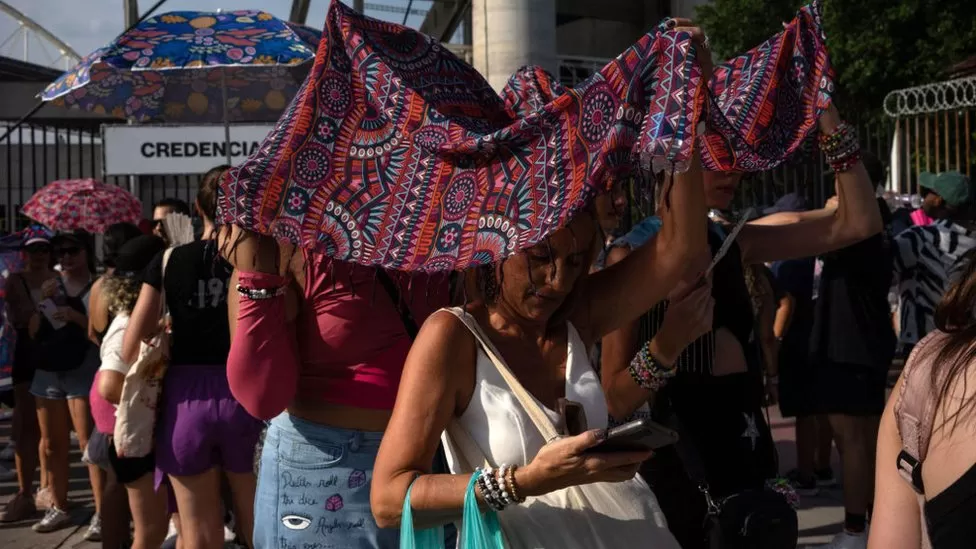
Brazil registers its highest temperature ever
-

Brazil experiences ‘intolerable’ heatwave
Red warnings have been issued for nearly 3,000 cities in Brazil, which are suffering from an unprecedented heat wave.
City authorities said Rio de Janeiro recorded a temperature of 42. 5C on Sunday – a record for November – and high humidity on Tuesday meant a temperature of 58. More than a hundred million people have been affected by the heat, which is expected to last at least until Friday.
Authorities believe the cause is due to the El Niño phenomenon and climate change. The National Institute of Meteorology (Inmet) said the city of São Paulo experienced an average temperature of 37. 3°C on Tuesday afternoon.
“I’m exhausted, it’s difficult,” Riquelme da Silva, 22, told AFP news agency on the street there. “When I get home, I’m cold. If I don’t wake up, I’m too tired, and I even have trouble sleeping. “
Dora, a 60-year-old street vendor, described the heat as “unbearable” for those working outside. Inmet has issued a red alert for much of the country.
These suggest temperatures could be 5°C above average for more than 5 days and could pose a serious health risk. The heatwave, more than a month before summer begins in the Southern Hemisphere, has seen Brazil’s energy consumption hit record levels as people try to cool down.
Inmet research published last week found that average temperatures in the country were above the historical average from July to October.
Extreme weather conditions are becoming more frequent and severe in many parts of the world due to climate change. Scientists say heat waves are becoming longer and more intense in many places and this is expected to continue as humans continue to emit greenhouse gases that heat the planet.
Meanwhile, Earth is currently in an El Niño climate phase, a period in which global temperatures typically increase.
-
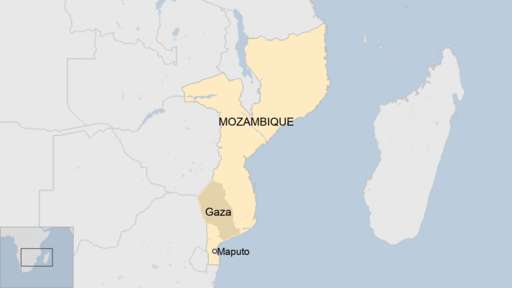
Meteorological institute warns Southern Mozambique of a tropical storm
The National Institute of Meteorology has advised locals to stay indoors and take safety precautions by fortifying their homes.
Extreme weather events have become more frequent and intense in southern Africa, which the UN has linked to the continent’s current climate crisis.
According to the Mozambique Meteorological Institute, heavy winds and up to 50 millimetre per hour rain are predicted.
According to Leonardo Duma from the institute, the storm may have an impact on both the province’s coastal and northern regions.
“If you have a house that is not in good condition try to fix it well in order to be able to resist these strong winds that we are predicting,” he said on state radio.
Source: BBC.com