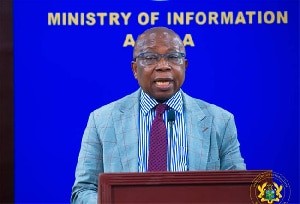
Chief Executive Officer of the National Health Insurance Authority (NHIA), Bernard Okoe Boye, says the authority will go after “unscrupulous” health facilities under the National Health Insurance Scheme (NHIS) charging illegal fees and bring them to book.
He said this is to clamp down on unscrupulous persons engaging in the act and bringing the scheme into disrepute.
“Very soon we are going to invite some of the heads of hospitals who we have sent teams to and have brought us reports of the practice of illegal charges in their facilities,” he said at the commissioning of a new NHIS office at Ejisu in the Ashanti Region.
The CEO said the Government was committed to ensuring the sustainability of the NHIS, saying that, what Ghanaians had to do was to report anomalies at the facilities to the Scheme to help improve on service delivery.
He further disclosed that claims paid to health facilities on a monthly basis by the National Health Insurance Authority (NHIA) for their services to patients rolled unto the National Health Insurance Scheme (NHIS) has been increased from GH¢100 million to GH¢ 150 million.
This, according to Chief Executive Officer of the scheme is an increase of 50% in the amount previously paid.
Speaking at the commissioning of a new NHIS office at Ejisu in the Ashanti Region, he said: “I can tell you that every month we pay an average of GHC 150 million to health facilities across Ghana for attending to NHIS clients.”
He explained that the increment is “due to the movement of the currency and inflationary pressures.”
The newly commissioned offices would be a permanent one for the Ejisu and Juaben Municipalities after years of operating in rented offices.
Dr. Okoe Boye said despite challenges facing the Scheme it remained one of the most impactful interventions introduced by successive governments.
The National Health Insurance Authority (NHIA) pays an average of GHC150 million in claims monthly to health facilities across the country, Dr. Bernard Okoe Boye, Chief Executive Officer of the scheme has said.
This is an increase of about 50% from the amount previously paid by the Authority.
“I can tell you that every month we pay an average of GHC 150 million to health facilities across Ghana for attending to NHIS clients,” he said at the commissioning of a new NHIS office at Ejisu in the Ashanti Region.
He further said, “This figure was about GHC 100 million some seven months ago, but we have increased it by close to 50 per cent due to the movement of the currency and inflationary pressures.”
The newly commissioned offices would be a permanent one for the Ejisu and Juaben Municipalities after years of operating in rented offices.
Management of the Scheme after paying huge sums of money for renting the previous office, approached the Chief of Ejisu, Nana Afrane Okese who then donated the land for the construction of the new edifice.
Dr. Okoe Boye said despite challenges facing the Scheme it remained one of the most impactful interventions introduced by successive governments.
He said it was very important for every citizen to hold an NHIS card to be able to access affordable healthcare as a citizen with inalienable rights to quality healthcare.
He expressed concern that some unscrupulous persons in health facilities continued to take illegal charges from clients, adding that, steps were being taken to monitor activities of such people and bring them to book.
“Very soon we are going to invite some of the heads of hospitals who we have sent teams to and have brought us reports of the practice of illegal charges in their facilities,” he said.
The CEO said the Government was committed to ensuring the sustainability of the NHIS, saying that, what Ghanaians had to do was to report anomalies at the facilities to the Scheme to help improve on service delivery.
He paid glowing tribute to the Chief of Ejisu for providing the land for the project free of charge and assured the people of Ejisu and its environs of quality service delivery.
Mr. Samuel Oduro, the Municipal Chief Executive (MCE), said the role of the NHIS in the lives of the citizenry could not be overemphasised considering the importance of the health of the people.
He said the Scheme had come a long way from manual registration to the current use of technology by clients to enrol or renew their membership.
The MCE said the introduction of the NHIS had significantly increased Out- Patient Department (OPD) attendance due to the elimination of the “cash and carry” system which was denying the poor access to healthcare.
Nana Afrane Okese, the Chief of Ejisu in an address read on his behalf commended the Authority for putting up a befitting office for its staff.
He appealed to the Ejisu staff of the Scheme to adopt friendly and polite customer service attitude when attending to their clients and also pledged his continuous support to the office as the traditional leader.
Former President John Dramani Mahama has said some health facilities are yet to receive money from the government for services provided that were catered for by the National Health Insurance Scheme (NHIS).
At a meeting with branch and constituency executives of his party, the National Democratic Congress (NDC) in Sefwi Adobokrom, in the Bia East Constituency, Mr. Mahama said holders of the NHIS card are being turned away from most health facilities because government is not paying their claims.
“Health facilities have not been paid since last year for services provided to card holders. How do you expect them to continue treating them”, he asked.
Meanwhile, the former statesman has advised the Minister of Health, Kwaku Agyemang Manu to step aside from his role over his failure to ensure the sustainability of the National Health Insurance Scheme (NHIS).
Mr Agyemang Manu has said that the Scheme is no longer effective, confessing that he no longer uses the programme and instead prefers to pay for his medical care.
He complained vehemently that people who are unable to pay are being denied access to medical treatments, claiming that the treatment given to NHIS card holders at the various clinics is subpar.
Reacting to the comments, the former President said “He (Health Minister) has admitted that he has failed. He has not been able to grow the NHIS, and he says it has failed… he has no business being the minister for health. He should resign”.
Government is able to subside medical bills of citizens through the enforcement of the National Health Insurance Levy (NHIL), which is 2.5% levy on goods and services collected under the Value Added Tax (VAT).
Also, government generates funds from “2.5 percentage points of Social Security and National Insurance Trust (SSNIT) contributions per month; return on National Health Insurance Fund (NHIF) investments and premium paid by informal sector subscribers.”
Former president, John Dramani Mahama has advised the Health Minister, Kwaku Agyeman-Manu to resign after he publicly acknowledged that the National Health Insurance Scheme (NHIS) does not function anymore.
According to the health minister, he no longer uses the service and prefers to pay for his medical treatment.
According to him, treatment given to NHIS card holders at the various facilities is below par, complaining bitterly that patients who are unable to pay are being denied access to medical services.
Responding to the Minister’s admission of failure, the former president said Mr Agyemang Manu must resign.
“He himself has admitted that he has failed. He has not been able to grow the NHIS and he says it has failed… he has no business being the minister for health. He should resign”,
Mr Mahama said to wild applause at a meeting with branch and constituency executives of his party, the National Democratic Congress (NDC) in Sefwi Adobokrom, in the Bia East Constituency.
Providing some more detail, Mr Mahama said NHIS cards are being turned away from most health facilities because government is not paying their claims.
“Health facilities have not been paid since last year for services provided to cardholders. How do you expect them to continue treating them?” he quizzed.
Many have questioned the Minister’s public complaints instead of taking responsibility to make the Scheme functional.
A social media commentator, sharing her thoughts on the minister’s statement said, “he appears to be talking like an outsider who is merely observing the situation without any ability to effect change within the system”.
If the NHIS is not functioning as it was before, who should take responsibility, Mr Mahama continued, restating his position that Mr Kwaku Agyeman Manu must resign.
“It is unacceptable for a Minister to act as a passive observer on the sideline. The collapse of the Scheme occurred during his tenure and under his leadership. Accepting that the system is not working should be accompanied by a resignation.”
The Private Health Facilities Association of Ghana (PHFAoG) has called out health minister, Mr. Kwaku Agyeman-Manu, as the cause of the National Health Insurance plan (NHIS) issue that has forced them to charge their patients money even though they are covered by the plan.
The association says its members were expecting the minister to praise them for surviving to date despite the government’s inability to pay their accrued claims after providing healthcare to the Ghanaian patients.
Hon Kwaku Agyeman-Manu at a stakeholder conference in Kumasi while addressing the Ghana Health Insurance Service Senior Managers and other stakeholders, accused health facilities of extorting money from patients though they are subscribers of the scheme
He revealed that he has also been a victim at the Ridge Hospital and the University of Ghana Medical Centre where he was asked to pay money for receiving medical care.
“From the end-user point of view, it looks like the health insurance is not working. I am a patient and I know what it is,” Mr. Kwaku Agyeman Manu said.
However, responding to Mr. Kwaku Agyeman-Manu on Angel FM in Kumasi the Private Health Facilities Association of Ghana rejected claims by the minister saying he is the cause of the problem and asked the minister to praise them instead.
“The issue is very funny and interesting. He should have rather praised all of us for surviving till this date when people are able to access health care so that we will all come together and think of how we are going to put a stop to the top-ups and other things. Most of the problems come from his side not us. What measure has he as the Health Minister put in place to make sure we stop these activities,” Mr. Samuel Donkor, Vice President of the Private Health Facilities Association of Ghana (PHFAoG) has said.
The association argued that, since the government is not paying them the required services and prices of drugs, they have no option but to charge an extra amount from their patients because they cannot run their facilities at a loss.
The Health and Finance Ministers are to blame for the National Health Insurance Scheme’s (NHIS) failure, according to the Executive Director of the Africa Centre for Health Policy Research and Analysis.
According to Dr. Thomas Anaba, both ministers co-piloted the program into a heavily indebted position that prevented it from carrying out its mandate in an efficient manner.
He explained on JoyNews that before the appointment of both ministers, the program had never fared this poorly.
He emphasized that the plan should have been able to function properly and without any hiccups at this point.
Touching on Kwaku Agyeman Manu’s role in the schemes predicament, he said the Health Minister had misappropriated the little funds in the coffers of the Authority by paying nursing trainees and employing more than necessary staff.
“The first thing he did was to appoint more Deputy Directors to the Authority [NHIA] drawing salaries and other things.
“The other thing was to apportion some of the NHIA money to pay nursing trainee allowance. You don’t take money from service providers or patients to pay nurses in school.
“They took some of the money to give to parliamentarians to act as PROs for the National Health Insurance. We kicked against it everybody was quiet, it continued,” he said.
Dr Anaba emphasised that during the appointment of the Health Minister, the President touted him as the most qualified person to occupy the space but his performance proves otherwise.
His comments come on the back of concerns by the health minister that he pays cash for healthcare because of extortion by some service providers under NHIS.
“I pay when I go to Ridge Hospital. I pay when I go to UGMC. I don’t even present my insurance card…,” he said on Tuesday, April 18.
Whilst speaking on Mr Ofori-Atta’s contribution, he added “the most important thing that has made the NHIS not to be functioning well is the refusal of the Finance Minister to transfer monies collected in the name of National Health Insurance as taxes to the Authority.”
He stressed that despite the law which mandates the Minister to make payments, he failed to adhere.
“The law says that the Minister must transfer monies collected in the name of NHIA to them one month after that and report to the parliament about how the money has been disbursed,” however he added the minister had failed to do so.
The Executive Director continued; “We have called several times for this to be done but all fall on deaf ears. characteristic of this government not paying heed to any calls from CSO, concerned Ghanaians, and listening to the plight of Ghanaians.”
Health Minister Kwaku Agyemang Manu has confirmed the failure of the National Health Insurance Scheme (NHIS), a social intervention programme introduced by government to provide financial access to quality health care for residents.
Speaking to the media, the minister noted that the NHIS is no longer able to subsidize the cost of medical care of some illnesses as expected due to extortion by some healthcare providers.
“From the end-user point of view, it looks like the health insurance is not working. I am a patient and I know what it is,” Mr Agyemang Many said on Tuesday.
“The complaints that are coming about how those who are subscribed to health insurance are treated in almost all our facilities. So why should we shouldn’t use the harsh word… extorting from the poor patients,” he added.
According to the minister, he has been a victim of health institutions charging unapproved prices and now resorts to paying cash to get quality treatment,
“I pay when I go to Ridge Hospital. I pay when I go to UGMC. I don’t even present my insurance card….,” he recounted.
Government is able to subside medical bills of citizens through the enforcement of the National Health Insurance Levy (NHIL), which is 2.5% levy on goods and services collected under the Value Added Tax (VAT).
Also, government generates funds from “2.5 percentage points of Social Security and National Insurance Trust (SSNIT) contributions per month; return on National Health Insurance Fund (NHIF) investments and premium paid by informal sector subscribers.”
To increase access to diabetes care throughout the country,Sanofi, an innovative global health company and the Ministry of Health (MOH) have signed a memorandum of cooperation.
The three-year initiative under the Sanofi/Ministry of Health Affordable Access to Diabetes Care Programme will enable the country to purchase affordable high-quality Sanofi analogue insulin products.
The partnership also provides for the deployment of diabetes management solutions in four diabetes centres in Ghana where 500 healthcare professionals will benefit from a targeted medical training programme.
It will provide patient support initiatives and measures designed to help strengthen the country’s health system and make diabetes care more accessible to patients in remote areas through regional centres.
Mr Kwaku Agyeman-Manu, the Minister of Health, speaking at the signing ceremony, said diabetes was a major public health challenge that required all to come on board.
Multi-sectoral action, including partnerships between governments, healthcare providers, civil society organisations, and the private sector was encouraged, he stated.
Globally, an estimated 422 million people live with diabetes, the majority of them in low-and middle-income countries, and 1.5 million deaths are directly attributed to diabetes each year.
Studies conducted in Ghana estimate diabetes prevalence between 2.6 per cent to 9 per cent.
The Ghana Health Service records an average of 200,000 cases of diabetes at health facilities annually.
Mr Agyeman-Manu said the numbers could be much higher, considering the poor health-seeking behaviour of Ghanaians and the limited screening opportunity available in the country.
He said with that trend, diabetes could become one of the leading causes of death by 2030.
He said there was high financial burden on persons living with diabetes though the direct cost of care was covered by the National Health Insurance Scheme (NHIS).
This is due to the chronic nature of the disease.
“Indeed, the Sanofi/Ministry of Health Affordable Access to Diabetes Care Programme is a timely intervention necessary to enhance the management of diabetes in Ghana as persons diagnosed with the disease have a greater chance to equitable, comprehensive, affordable and quality care for better outcomes,” the Minister stated.
Ms Olivier Charmeil, the Sanofi Executive Vice President of General Medicines, said Sanofi under the partnership would co-develop a digital solution to help physicians, nurses, pharmacists, and community healthcare workers to better support more than 5,000 people living with diabetes in Ghana.
“Our ambition to deliver better care and improve the quality of life of those living with diabetes knows no borders.
“We see this as a shared responsibility with healthcare systems, and we are committed to fully playing our part.
“In this context, we are proud to work closely with the Ministry of Health in Ghana and look forward to taking the learnings from this alliance forward in other countries.
” More broadly, we continue to examine various healthcare access models to determine, which approaches best meet specific local needs and opportunities,” Ms Charmeil said.
Dr Yacoba Atiase, Head of the Diabetes Centre, Korle-Bu Teaching Hospital and Senior Lecturer at the University of Ghana, speaking on the diabetes disease burden and unmet need in Ghana, said the disease was increasing and must be looked at critically.
She called for intensified public education on how to prevent diabetes, especially type 2 diabetes, and the need for early testing.
Dr Atiase said that was important because, unlike the other predominant diabetes, type 2 diabetes could be prevented
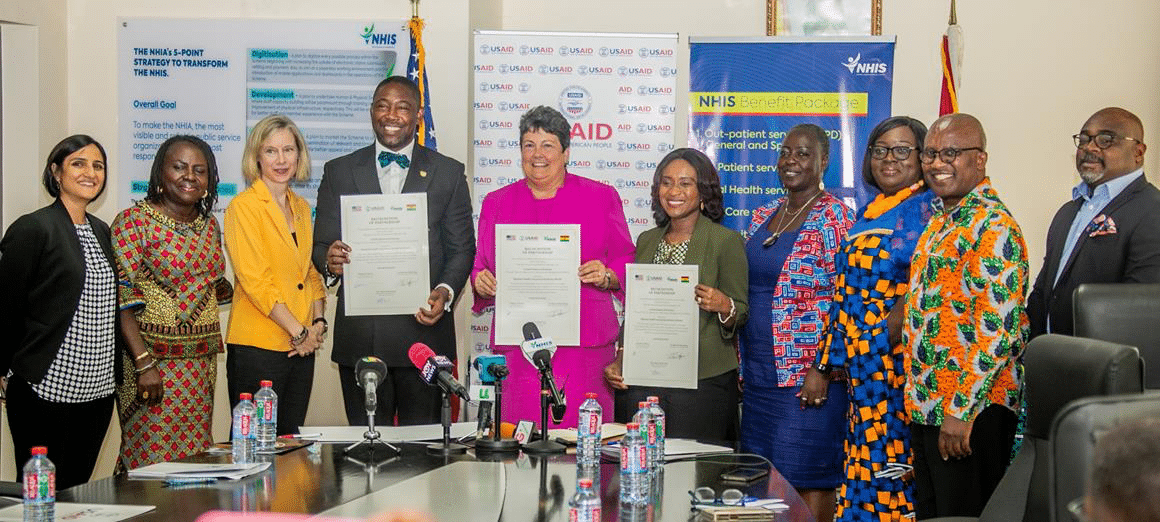
The United States Ambassador to Ghana, Virginia Palmer, has announced that $5 million in new US funding will be provided to improve the performance of Ghana’s National Health Insurance Scheme (NHIS) and ensure the quality of health services in the country.
The new five-year partnership was launched by the Ambassador and Dr. Bernard Okoe Boye, Chief Executive Officer of the NHIA.
Ambassador Palmer stated that “the health sector is at the core of Ghana’s development. It is essential for the wellbeing of all Ghanaians that funding for health is prioritized. A healthy population is the basis for a prosperous population.”
The NHIA-USAID partnership aims to improve NHIA’s capacity to digitize all its information systems, making data available to NHIA to better communicate the Scheme’s financial and programmatic status to stakeholders.
The partnership will also focus on building NHIA systems to monitor the clinical quality of healthcare services. This actionable clinical data will help NHIA advocate for improved quality of care across public, faith-based, and private healthcare facilities, contributing to improved health outcomes across Ghana.
USAID’s integrated health programming supports the Government of Ghana in the areas of health system strengthening, maternal, reproductive, newborn, and child health, as well as malaria, HIV, social protection, water, sanitation and hygiene, global health security, and COVID-19. USAID supports the Government of Ghana to build a more resilient health system and prepare Ghana to face future health emergencies.
This funding is expected to provide a significant boost to Ghana’s healthcare system, ensuring that the NHIS is able to provide quality healthcare services to Ghanaians.
The head of medicine at the Ho Teaching Hospital, Prof. Yaw Asante Awuku, has urged the government to cover kidney disease treatment under the National Health Insurance Scheme (NHIS).
According to him, most people are unable to afford renal disease treatment due to its high cost, therefore included it in the NHIS’s coverage would greatly benefit patients in getting access to healthcare.
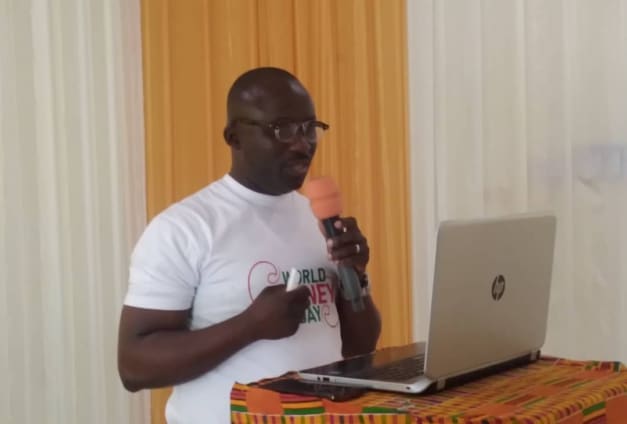
Speaking at a celebration for World Kidney Day in Godokpoe, a suburb of Ho, Prof. Awuku stated that the only way to keep treating kidney disease in the nation was to get it covered under the NHIS.
He said the country had challenges when it comes to the treatment of kidney disease and that through research, they had seen 1in 10 medical ward admission included chronic kidney disease that required dialysis which was very expensive.
Prof. Awuku mentioned hypertension, diabetes and smoking, self-medication as some risk factors and called on the citizens to adopt a healthy lifestyle and go for regular screening to know the state of their kidneys.
On the theme: “Kidney Health for All; Preparing for the Unexpected, Supporting the Vulnerable,” Prof. Awuku noted that preparation for unexpected events was incredibly important for kidney patients.
He called for intensive community education on Non-Communicable Diseases (NCDs) including kidney disease and highly subsidised and accessible hemodialysis services, and institutionalisation of kidney transplant programmes in Ghana.
The Professor urged policymakers to adopt integrated health strategies that prioritise prevention, early detection, and management of NCDs, including kidney disease.
“Health care services should also provide equitable and proper access to care for chronic patients in times of emergency.”
Prof. Awuku also asked policymakers to include emergency preparedness plans in the management and detection of NCDs and proritise these conditions.
The Queen mother of Ho-Dome, Mama Attrato II who chaired the programme urged the media to continue to highlight issues related to kidney disease and to educate the public on the risk factors.
She said a lot of people continue to indulge in acts including excessive drinking of alcohol, smoking and others which posed risk to their kidneys, and asked the media to help sensitise the citizens.
The Queen mother said, the kidney, like any other part of the body, required extra care, and therefore, appealed to the citizenry to avoid a lifestyle that could cause damage to their kidneys.
Dr Lord Graceful Mensah, Acting Medical Director at the Ho Teaching Hospital, in a welcome address, noted that kidney disease was among the leading causes of NCDs that required early detection, prevention and treatment.
He said kidney disease was not a respecter of person and there was the need for all to pay serious attention to it, as it carried a lot of burdens including frequent visits to the hospital.
According to President Akufo-Addo, the National Health Insurance System (NHIS) paid a total claim of GH1.014 billion to healthcare providers as of December 31, 2022.
He claimed that was as a result of the program’s enhanced claims management procedures, which placed a focus on electronic claims and paperless systems at its Claims Processing Centers.
In the State of the Nation Address (SONA) he gave on Wednesday in Accra, he predicted that in 2022, processing of electronic claims would account for roughly 70% (70%) of all submissions.
“We must be cheered by the improvements being made in the National Health Insurance Scheme (NHIS) to make access easier. The scheme is currently one of the better-digitalized institutions, and I hope they get the public support that they need,” he said.
The President lauded the NHIA for developing a self-enrolment mobile application (My NHIS App) that allowed Ghana Card holders to self-enrol in the scheme, as the application enabled registration and renewal for oneself and others by linking NHIS cards to Ghana cards.
“In 2022, over 5 million members’ data was linked to their Ghana card to enable them to access healthcare using the card,” he said.
He said his administration introduced drones in the delivery of critical medicine, vaccines, and blood to people in remote parts of the country “and today, Ghana has the largest medical drone delivery service in the world with six Zipline Distribution Centres in Omenako, Mpanya, Vobsi, Sefwi Wiawso, Kete Krachi and Anum”.
The President said Zipline, through the national-scale drone delivery services, had delivered some 14.8 million (14,809,463) units of life-saving medicals, vaccines, and blood products to health facilities in Ghana by the end of 2022.
He said childhood vaccines top the list with the delivery of 8.3 million doses, followed by 2.05 million doses of COVID-19 vaccines.
The Minister of Health, Kwaku Agyeman-Manu, says the NHIS has only four months of outstanding debt to clear with healthcare providers across the country. He said this when he appeared before the Public Accounts Committee.
His submission triggered the Member of Parliament for Buem, Kofi Adams to enquire about the law and regulation that guide the payment of funds to providers.
According to Mr. Agyeman-Manu, the payment process takes three months, but the Deputy CEO of the NHIS, Francis Owusu was unable to confirm this.
This necessitated the Minister to withdraw his earlier submission promising to look again at the payment policy.
The sitting revealed several unearned salaries in many health facilities including Korle Bu Teaching Hospital.
Officials of the hospital told the Committee that it was working to recover those monies, but the Chairman, James Klutse Avedzie did not accept their explanation, saying that the Management of Korle Bu must pay the money.
Mr. Avedzie said the numerous procurement breaches that occurred at the Ministry call for prosecution and referred the same to the Attorney General’s Department.
But the Health Minister pleaded with the Chairman to temper justice with mercy.
The Minister of Health, Kwaku Agyeman-Manu, says the NHIS has only four months of outstanding debt to clear with healthcare providers across the country. He said this when he appeared before the Public Accounts Committee.
His submission triggered the Member of Parliament for Buem, Kofi Adams to enquire about the law and regulation that guide the payment of funds to providers.
According to Mr. Agyeman-Manu, the payment process takes three months, but the Deputy CEO of the NHIS, Francis Owusu was unable to confirm this.
This necessitated the Minister to withdraw his earlier submission promising to look again at the payment policy.
The sitting revealed several unearned salaries in many health facilities including Korle Bu Teaching Hospital.
Officials of the hospital told the Committee that it was working to recover those monies, but the Chairman, James Klutse Avedzie did not accept their explanation, saying that the Management of Korle Bu must pay the money.
Mr. Avedzie said the numerous procurement breaches that occurred at the Ministry call for prosecution and referred the same to the Attorney General’s Department.
But the Health Minister pleaded with the Chairman to temper justice with mercy.
The National Health Insurance Authority (NHIA) is on the verge of opening new offices across Ghana to make the National Health Insurance Scheme (NHIS) accessible to people regardless of their geographical locations.
It is against this backdrop that two new NHIS district offices have been inaugurated in Kumbungu and Nanton districts in the Northern Region.
The projects were duly inaugurated by the NHIA Chief Executive, Dr. Bernard Okoe Boye on December 5, 2022, in Kumbungu and Nanton respectively.
Some members of the NHIA Governing Board, Executive Management and staff witnessed the inaugural ceremonies.
Kumbungu
At Kumbungu, Alaafe Bonzali Naa, Dr. Okoe Boye said the NHIA offices were established because health is a right of every resident of Ghana.
He added that the NHIA was duty-bound to ensure that all people have equitable access to effective healthcare services at all levels.
Dr. Okoe Boye thanked the Minister for Tourism, Dr. Mohammed Awal for donating the building to the NHIA.
He urged the skeletal staff to put up their best and promised to augment the staff numerical strength.
The chiefs and residents of Kumbungu were elated since they would no longer travel to Tolon for enrolment onto the NHIS.
Nanton office
The Member of Parliament (MP) for the Nanton constituency, Alhaji Mohammed Hardi Tuferu masterminded the construction of the NHIS office complex.
Alaafe Bonzali Naa, Dr. Okoe Boye commended the MP for his tireless efforts in ensuring that the NHIS office was set up.
He said the newly established offices would be fully furnished to serve the people.
Dr. Okoe Boye who is on a working visit to the Northern belt earlier inaugurated the Mion NHIS district office.
This figure is as of September 2022, according to the Ministry of Finance in the 2023 budget statement presented to Parliament.
The target population was 18.21 million. In 2023, the government estimates that enrollment onto the scheme will increase to 20.30 million.
As it stands now, Ghana has a population of over 31 million people.
According to the ministry, the National Health Insurance Authority (NHIA) improved claims management processes following the introduction of the e-claims and paperless systems.
The Authority is considering a revision of tariffs to allow coverage of childhood cancers and long-term family planning services.
Meanwhile, Overlord of Dagbon Traditional Area, Yaa-Naa Abukari II has been designated as the National Health Insurance Scheme (NHIS) worthy Ambassador.
The title was conferred on the Yaa-Naa at a colorful ceremony at the Gbewaa Palace in Yendi when a high powered delegation from the National Health Insurance Authority (NHIA) led by the Chief Executive, Hon. Bernard Okoe-Boye paid a courtesy call on the Dagbon Overlord.
Overlord of Dagbon Traditional Area, Yaa-Naa Abukari II has been designated as the National Health Insurance Scheme (NHIS) worthy Ambassador.
This is in recognition of the Yaa-Naa’s active and personal interest in encouraging Ghanaians home and abroad to register for the NHIS.
The title was conferred on the Yaa-Naa at a colorful ceremony at the Gbewaa Palace in Yendi when a high powered delegation from the National Health Insurance Authority (NHIA) led by the Chief Executive, Hon. Bernard Okoe-Boye paid a courtesy call on the Dagbon Overlord.
The visit formed part of the NHIA Chief Executive’s Northern belt tour which began in the Northern Region, Tamale to be precise.
Ndan Yaa-Naa Abukari Mahama II graciously accepted the title conferred on him and promised to ensure that the NHIS succeeds.
He blessed the NHIA leadership and reassured Dr. Bernard Okoe Boye of the Dagbon traditional area’s support and urged him to remain focused.
“Building a good working relationship with the traditional authorities is a form of ensuring all-inclusiveness in the affairs of the Authority. I, therefore, wish to give you the assurance of the readiness of the traditional authorities in the Kingdom to collaborate with you to ensure that you do a good job for the country.”
“I am very confident that you are more than fit to man the affairs of the Authority. Your readiness to collaborate with the traditional authorities as custodians of the land and major stakeholders in the affairs of the people.”
“The NHIS is an important national policy initiative by the government which touches the lives of millions of Ghanaians, and the success of this critical asset requires the support and collaboration of all to make it realize its objective,” Ndan Yaa Naa stated.
The Dagbon Overlord appreciated Dr. Okoe Boye’s stellar performance so far and encouraged him to continue to make decisions that will satisfy the health needs of all residents in Ghana and beyond.
“Through your nature as an achiever, you have started leaving giant footprints on the sand and I take this opportunity to commend you and your management team for the sustained efforts aimed at ensuring that the NHIS serves the needs of our people as envisioned by the framers of the policy.”
“Your strategic policy interventions including the setting up of the committee to address the issues of illegal charges at healthcare facilities is a major step in the right direction. The practice of illegal charges by the hospitals was a source of major concern not only to the people of the Northern Region but all Ghanaians.”
“Your decision to stop the practice is welcoming news. In line with this, the upward review of the prices of medicines and tariffs to address the incidence of healthcare facilities refusing to give medicines to NHIS members because of complaints of low prices is commendable.”
The Dagbon Overlord lauded the waiver of the one-month waiting period for late renewal of NHIS membership for the aged above 70 years.
“Your policy to waive the waiting period for older people who are 70 years and above shows your appreciation of the negative impact of the waiting period on the health of the aged and the vulnerable.”
“The consideration of prostate cancer on the list of sicknesses covered by the NHIA is welcome news to the people of Dagbon and Ghanaians at large,” Ndan Yaa-Naa stressed.
Ndan Yaa-Naa Abukari II called for enough logistics for the NHIS Yendi district office.
“I wish to use this opportunity to appeal to you to provide the NHIS in Yendi with mobile kits to enable them to operate outside their office. This is a major concern to the officers when they have to operate outside their office.”
“I wish to appeal to you to consider the applications of the pharmacies within the Yendi Municipality to help in the supply of medicine and related services of NHIS to patients to solve the problem of shortage of medicines in our hospitals. This is a major concern to the people of this area.”
Dr. Bernard Okoe-Boye thanked the Yaa-Naa for his continuous support and guidance.
He reinforced areas of common good between the traditional leaders and the NHIA and added that his administration remained committed to actively engaging all major stakeholders in ensuring that Ghanaians both home and abroad are covered by the Scheme.
He made a passionate appeal to the Yaa-Naa. “I appeal to the Overlord to use your influence and appeal to our people to register onto the NHIS.”
“December is the NHIS active month and we will commemorate it beginning in the Northern Region. I promise the Yaa Naa a technological gadget that will be helpful to him and his people to access quality healthcare.”
“I want to assure you that enough mobile kits would be deployed to the region and the Yendi district in a week’s time.”
The delegation later paid a courtesy call to the Regent of Mion, Alhassan Abdulai at the Mion Palace.
The Mion Regent called for a permanent office accomodation for the Mion NHIS, more staff and an operational vehicle.
On Thursday, Vice President Mahamudu Bawumia made a suggestion that, due to the high expense of treatment, the National Health Insurance Scheme (NHIS) could be willing to offer financial assistance to kids with kidney illness.
The Vice President was of the opinion that Ghanaians should be willing to pay a little bit more to the Scheme in order to sustain it and function well, even if he did not give a date for when the NHIS would begin assisting kids with kidney illness.
He said that the government would assist investors who were prepared to produce intravenous infusion and other essential materials for kidney therapy locally.
At a public symposium held by the Ghana Kidney Association and the Ghana College of Physicians and Surgeons in Accra to commemorate 50 years of dialysis in Ghana, Vice President Bawumia made this announcement.
According to recent figures, 14 percent of Ghana’s population of over 30 million people suffer from chronic renal disease. A kidney patient must spend between GHS 400 and GHS 595 for three weekly dialysis treatments.
For dialysis services, an individual should expect to pay approximately GHS4,800 per month and more than GHS 50,000 annually.
The symposium’s goal was to reflect on the past, present, and future of kidney therapy in Ghana and to map out a course for ensuring that all Ghanaians, regardless of their financial situation, could access it. Its theme was “50 Years of Dialysis in Ghana, the Past, Present, and Future.”
There are currently 103 dialysis machines and 15 dialysis centers across the nation, along with 14 nephrologists.
Vice President Bawumia emphasized the need for all Ghanaians to address the underlying causes of acute kidney failures and noted that the contamination of water sources with mercury and other hazardous chemicals by illegal miners may be a significant contributing factor to the rising number of cases of the disease.
He gave the Food and Drugs Authority (FDA) the responsibility of monitoring the unauthorized distribution of herbal medications that claim to treat kidney disease but really make many patients’ health issues worse.
In order to provide better healthcare for renal patients in the nation, Dr. Bawumia believed that public-private partnerships were essential.
In his opening remarks, Professor Sampson Antwi, President of the Ghana Kidney Association, recalled the dark times when the failure of a vital organ like the kidney really resulted in a person’s demise.
However, he noted that over the previous 50 years, medical research had made significant strides, with the introduction of dialysis centers in Ghana keeping patients with chronic renal disease alive.
“It is no little accomplishment for Ghana to have been one of the first countries in Africa to build dialysis facilities half a century ago on the African continent,” he said.
He stated, “As we as a nation celebrate this accomplishment, we are conscious of the tremendous financial constraints faced by clients in maintaining themselves on dialysis.
“As we reflect on dialysis services for the past 50 years, the present and the future, we hope that the narrative will change from an out-of-pocket funding of dialysis to a fully funded chronic dialysis programme as pertains elsewhere,” he stated.
Prof. Antwi said, for instance, at the Komfo Anokye Teaching Hospital in Kumasi a minimum of 15 children are diagnosed of Kidney failure every year and a maximum of 40 per year, noting that most of them either die at the health facility or at home because of the lack of funds to sustain dialysis therapy.
He, therefore, called on corporate Ghana, philanthropists and all well-meaning Ghanaians to join the Ghana Kidney Association in highlighting the need for funding support for dialysis in the country.
He was optimistic that the ultimate choice of renal replacement therapy-kidney transplant would become a well-established therapeutic service in the country in the not-too-distant future.
The leadership of the Government and Hospital Pharmacists Association (GHOSPA) has petitioned the National Health Insurance Authority to speed up processes leading to the revision of National Health Insurance Scheme (NHIS) Medicines List.
The leadership of GHOSPA said that would ensure that the prices of medicines on the list would reflect prevailing market prices.
This was in a press statement issued by GHOSPA, signed by Mr Samuel Owusu, its General Secretary, and copied to the Ghana News Agency.
The statement said the review of the prices was necessary in view of the depreciation of the local currency and rising inflation, which had led to a rise in the cost of almost all essential medicines.
It said, “Although the NHIA updated the old version of the Medicines List (released in March 2021) as recently as July 2022 the acute economic straits facing the country have forced pharmaceutical distributors to hike the prices of medicines at rates of more than 50 per cent.”
It said, “This in turn has led to a situation where almost all essential medicines covered by the NHIS Medicines List are no longer within the price limits of the Authority’s 2022 Medicines List Version.”
The statement added that “A lot of the medicines on the NHIS Medicines List are lagging by an average of 100 per cent of current market prices. For example, a tablet of Paracetamol, which used to cost 0.05 Ghana Cedis, is now 0.21 Ghana Cedis on the market whilst the NHIS price is currently set at GHC0.09.”
The statement said “Consequently, adequate stocks of essential medicines in hospital pharmacies was now becoming a luxury, a dire situation, making it difficult to provide pharmaceutical care and services to NHIS-insured clients.
“Our patients residing in rural and underserved areas of the country, who are mostly farmers, whose income levels are far below the daily minimum wage, are the most affected, since they do not have the financial capacity to make out-of-pocket payments to obtain the necessary medicines, which would have otherwise been covered by the NHIS.”
It said, “We again make a clarion call on the NHIA to leave from the usual practice of waiting for one year or more before updating the NHIS Medicines List since current economic situations would not favour such “business as usual” attitude.”
It said, “Ghana’s aim of accelerating the achievement of Universal Health Coverage is strongly linked to the availability, affordability and access to essential medicines within the health system.”
The statement said, “Against this backdrop, the NHIA, which is the biggest health payer in the country, must review its medicines benefit package to ensure NHIS-insured clients, who form the majority of the working class and poor folks in our towns and villages, are not disadvantaged.”
The Government and Hospital Pharmacists Association (GHOSPA) has asked the government to evaluate the costs of the National Health Insurance Medicine Lists.
The association expressed regret over the country’s rising drug prices in a press release.
GHOSPA noted that the cost of medicines has more than doubled in the past few months.
For instance, it says “a tablet of Paracetamol, which used to cost 0.05 Ghana Cedis, is now 0.21 GHS on the market, whilst the NHIS price is currently set at 0.09 GHS.”
“A lot of the medicines on the NHIS Medicines List are lagging by an average of 100% of current market prices,” part of the statement read.
The current economic downturn, according to the association, is to blame for the high cost of medicines and pleaded with the government to heed their demands and increase the prices of NHIA medications.
In the event that the government fails to meet their demands, GHOSPA has stated that it will adopt a Cash and Carry regime for the supply of pharmaceutical products to the government and other institutions.
“We are not living in normal times, and therefore, the Authority must act as such. Depart from the usual practice of waiting for 1-year or more before updating the NHIS Medicines List.”
Chief Executive Officer of the National Health Insurance Authority (NHIA), Dr Bernard Okoe Boye, has described as harsh, the decision by the three major pharmaceutical industries to stop the supply of drugs and medications to all health facilities.
He said, even though their demands for tariff adjustments were legitimate, their resolve to stop outright supply on credit basis was harsh and would have dire consequences on health delivery across the country.
The Ghana National Chamber of Pharmacy, Pharmaceutical Association of Ghana and the Pharmaceutical Importers and Wholesalers Association of Ghana announced their decision at a press conference last Thursday.
Dr Okoe Boye said the group should have engaged the Ministry of Health (MoH) to find an amicable solution to the issue.
“When you have an agreement with a partner, the best thing to do is to come back to the negotiation table,” he said.
“I think the approach is very harsh, but as stakeholders we need to be patient and tolerant,” he added.
Dr Okoe Boye said, as much as the NHIA sympathises with the situation, it does not directly engage in the policy framework that determines tariff adjustments for the suppliers.
He said the Ministry of Health, based on negotiations with suppliers, determines tariff for each drug, which the authority works with.
Dr Okoe Boye therefore urged the suppliers to reconsider the decision and said the MoH was meeting the pharmaceutical companies to find an alternative resolution to the situation.
He expressed hope that the meeting would produce fruitful results.
He said the NHIA was doing its best to ensure that arrears owed suppliers were paid.
The National Health Insurance Authority (NHIA) is set to venture into preventive healthcare.
The Authority has signed a Memorandum of Understanding (MoU) with the Kwame Nkrumah University of Science and Technology (KNUST) to that effect.
The MoU states that a total number of 3,000 communities in the Asante Akyem Agogo district will benefit from free health screening done by medical students, Health Care Professionals and the Academia from KNUST.
The exercise will also help to generate empirical findings on diabetes and hypertension cases in the catchment area.
Dr Okoe Boye, the Chief Executive Officer (CEO) Dr Okoe Boye at the signing ceremony, said that Preventive healthcare was a cost-effective means of warding off illnesses and averting future complications that may arise.
The Authority will rather invest in the prevention of illnesses than focus on the payment of healthcare cost
Dr Okoe Boye said that over 60 per cent of adult deaths were related to diabetes and hypertension, thus, investing in them will not only be beneficial to the Authority but also increase the life expectancy of the average Ghanaian adult
“The National Health Insurance Scheme (NHIS) will go a step further to register persons in the earmarked communities unto the Scheme,” he said
Professor Ellis Owusu-Dabo, Pro-vice chancellor of KNUST who led the delegation from KNUSTexplained that the selection of the Asante Akyem Agogo district was a result of the recording of high cases of non-communicable diseases during preliminary health screening and research within the district.
He said that the partnership with the NHIA will be extended nationwide will help safeguard the healthcare needs of the indigenes, connect them to qualified medical practitioners and also provide them with Health Insurance coverage from the NHIS.
He said that the partnership with the NHIS formed an integral part of the University’s objective to bridge the gap between Services, Research, and Academia.
He pledged KNUST’s readiness to provide the Authority with evidence-based data that will inform the NHIA’s roadmap towards full absorption of preventive healthcare on the Scheme.
Ghana’s National Health Insurance Authority (NHIA) Chief Executive Bernard Okoe Boye has said, 10 million out of the over 30 million people in Ghana are without any form of health insurance.
According to him, “most of these people are in the middle and upper class,” because such individuals hold the assumption that “they can afford healthcare any time they are sick.” He made this revelation at the 14th Global Health Insurance Conference, which was held in Praque, Czech Republic.
Speaking as Africa’s exclusive representative at the 14th Global Health Insurance Conference, the NHIA Chief Executive gave an overview of Ghana’s Health Insurance Scheme (NHIS) and the African health insurance space, intimating that the Ghanaian National Health Insurance Scheme remains the primary vehicle for achieving Universal Health Coverage (UHC) by 2030.
In his speech on the theme “Ghana’s National Health Insurance, the journey so far,” Mr Okoe Boye called for foreign direct investment in the medical insurance sector.
He said available records indicated that a little over 500,000 residents were registered by Ghana’s private health insurance companies and underscored the need for more investors.
“The National Health Insurance Authority, as the regulator of the private health insurance space, is more than willing to facilitate the participation of private partners.” Mr Okoe Boye went on to explain that the provision of capital in the private health insurance industry will “also create jobs for the youth.”
“We at the National Health Insurance Authority are not in competition with the private insurers. Our objective is to ensure that every Ghanaian is on health insurance, be it private or public. “ He said the NHIS remained Ghana’s leading vehicle to attain Universal Health Coverage (UHC) by the year 2030.
The program was a form of national health insurance established to provide equitable access and financial coverage for basic health care services to Ghanaian citizens. The system has been found to have made Ghana’s rate of health insurance one of the highest in Africa, through funding Kufuor in 2003.
The program was a form of national health insurance established to provide equitable access and financial coverage for basic health care services to Ghanaian citizens. The system has been found to have made Ghana’s rate of health insurance one of the highest in Africa, though funding may complicate its problems future.
They shall now have instant access to the full benefits package from all accredited health service providers.
This is in line with the Government’s objective to accelerate the attainment of Universal Health Coverage.
The new policy began on Monday.
The National Insurance Scheme used to have a mandatory one-month waiting period for all categories of members, except pregnant women and children under 5 years.
“This measure is to curb the abuse of the scheme by potential free-riders. The policy affected persons who are aged 70 years and above from accessing instant healthcare on enrolling onto the scheme,” the authority noted in a statement.
The Ashanti Regional Minister, Simon Osei-Mensah and the Ashanti Regional Coordinating Council have signed up to sponsor 2000 children below the age of 18 years in the Ashanti Region unto the National Health Insurance scheme.
The gesture was in support of an initiative of the Ashanti Regional Office of the NHIA dubbed, “the 1000k for Health Project,”
meant to court the support of well-meaning Ghanaians, whose donations would pay for the NHIS registration fees of at least 1,000 vulnerable children below the age of 18, in the Ashanti Region. Speaking to the media after CEO of the NHIA, Dr. Bernard Okoe-Boye, paid him a courtesy visit, Hon. Simon Osei-Mensah
remarked that the project is a significant milestone that will aid in addressing a significant problem with access to healthcare in the region and the country as a
whole.
The Regional Minister stated that he is aware of the various policies and strategies the NHIA management is putting together for a successful NHIS because he
served on the Health Committee for eight years while serving as a Member of Parliament. Mr. Simon Osei-Mensah, Ashanti Regional Minister, personally paid GH¢6,000 to register the first 1000 children, while the Ashanti Regional Coordinating Council also paid GH¢6,000 to help register more children in the region into the scheme.
He said the intervention was not only a formidable initiative to improve NHIS and increase the numbers, but also marked a milestone in the success story of the scheme in seeking good health for all citizens in the country.
Mr. Osei-Mensah assured the support of the Regional Coordinating Council and called on all stakeholders to get on board to transform the health sector and build a healthier nation. Dr. Okoe-Boye revealed that the 1,000 for health project is an initiative to augment the government’s support for vulnerable children, of which the enrollment of children with childhood cancer onto the NHIS is key.
70 years and above to get instant access after registering for NHIS The CEO of the NHIA, Dr. Bernard Oko Boye, also announced to the
Ashanti Regional Minister that people 70 years old and above who register with the NHIS can access health care on the same day.
This, according to the CEO, has become necessary due to the frustration some elderly people go through in the bid to access health care.
The waiting period of 30 days has therefore been waived for subscribers who are 70 years old and above, just as pregnant women. The National Health Insurance Scheme (NHIS) was established by the government of Ghana in 2003. The program is a form of national health insurance established to provide equitable access and financial coverage for basic health care services to Ghanaian citizens.
The National Health Insurance Scheme (NHIS)has established a nine-member committee to look at co-payment at different medical facilities around the nation, which it regards as the scheme’s biggest difficulty.
The nationwide investigation has become necessary because the scheme has recently increased the prices of service charges and cost of medicines for service providers across the board, ranging from at least 30 per cent to about 400 per cent.
Illegal co-payment is the situation where holders of NHIS valid cards are made to pay for services and medicines covered by the scheme.
Preliminary
Swearing in the committee members, the Chief Executive of the Scheme, Dr Bernard Okoe-Boye, noted that preliminary investigations revealed that some facility managers claimed that they resorted to illegal-co-payments due to the fact that the tariffs were low and that the payments also delayed.
He expressed worry about the two reasons because the tariffs had been increased by 30 per cent with some receiving as high as 400 per cent while the delays in the payment of claims had been brought under control though not totally addressed.
“As of July 1, 2022, the NHIA reviewed the tariffs that we pay facilities that offer services and I am proud to say that in some cases the new prices we pay for medicines go all the way to about 400 per cent compared to the old prices,†he added.
He said with the claims, the authority had been doing very well in settling them on time, and explained that officially the claims took more than three months to settle because of the processes in reporting, verifying and other official procedures.
He said the scheme was striving hard to reduce the time, and as it evolved ways to do that the service providers must stop the behaviour of taking money from card holders.
Miniature
He said the committee would be replicated in all the 16 regions as well as all the districts so that they would be able to cover the nook and cranny of the country to bring the issues up for quick attention and address.
Dr Okoe-Boyesaid members of the committee would not be arresting hospital management and staff for collecting the money but the expectation was to find the level of charges and get feedback from the hospitals as to why they made the charges.
The nine-member national committee is chaired by Dr Francis Asenso-Boadi. The members are Titus Sorey, Emmanuel Bukari, Daniel Adin-Darko, Albert Kwaku Ampofo, Vida Adutwumwaa Boateng, Raymond Avinu, Baba Sadique Zankawah and William Omane-Adjekum.
Dr Asenso-Boadi gave the assurance that the members would move straight into action and ensure that they worked assiduously to address the challenges for the NHIS card holders to derive the full benefits.
Ghanaian actress and TV personality, Nana Ama McBrown, brought Kwadaso, a suburb of Kumasi in the Ashanti Region to a standstill on Sunday, August 14,2022 when she hosted, fed and registered 1,700 people onto the National Health Insurance card (NHIS) to mark her 45th birthday.
Mcbrown who turns 45 tomorrow, Monday, August 15 registered 700 children and 1000 adults.
The actress who grew up in Kwadaso reminisced and relived her childhood with friends on arrival. She talked among others about when she used to play football and starting her acting career.
Arrival
On arrival at the Beposo M/A Park in her Lezus 4X4 vehicle, the United Showbiz host born Felicity Ama Agyemang was immediately mobbed by her fans including old women, some of whom have known her since her infancy.
Wearing a body hugging wine dress teamed with a pair of black sneakers and a gold anklet to match, Mcbrown waved at the crowd with smiles and hugged some of the old women.
The youth especially were just smitten with her. They virtually fell over each other to hug as well as take pictures with their idol.
Mcbrown with the support of her foundation–McBrowns Foundation– and partners, served hot meals, drinks and presented products she represents as brands ambassador.
“This is part of my social corporate responsibility. This is where I grew up and it’s only fair and proper that I give back to my people,” she told Graphic Showbiz.
“Every two years, my Foundation does something new for the society. This time, I just want to register my people to have access to the NHIS card.
“It’s not expensive. It’s GHS 26 but its benefits are enormous. I have experienced it and I can testify. My NHIS came handy to supplement my bills when I had to operate on my shoulder which developed a fracture after a motor accident,” she added.
According to Mcbrown, she has decided to embark on a personal campaign to hook a lot of people onto the card starting from Kwadaso. She promised to continue with the registration process and assist the needy.
A Senior Manager of the National Health Insurance Authority (NHIA) Ashanti Regional office, Mr Isaac Asare, commended the actress for the gesture.
He said there were still a lot of people without the card which was an indication that people were still struggling to raise the needed funds to register.
Mr Asare urged other individuals and corporate Ghana to assist people within their communities to get a lot more people hooked onto the card.
Government, through the National Health Insurance Scheme, has agreed to implement an agreement to make hydroxyurea free and accessible on the scheme for sickle cell disease patients who depend on that medication for improved health.
This is to honour the memory of the renowned world SCD specialist, the late Professor Emeritus Kwaku Ohene-Frempong, who for years, advocated for this intervention, and got the medicine introduced into Ghana as part of the treatment for sickle cell disease.
Announcing the intervention in a tribute to Prof. Ohene-Frempong at his memorial and funeral rites, Vice-President Dr Mahamudu Bawumia said it was the right thing to do to ensure that the legacy of a man “who dedicated his entire life for the cause of patients of sickle cell disease is preserved”.
“One of the major issues of Prof. Ohene-Frempong’s advocacy was to make hydroxyurea available for all SCD patients. It is a good medication, but extremely expensive, and through his initiative, he got Norvatis to provide the medication for free in Ghana on a pilot basis through an agreement.
“As part of the agreement, government was to ensure that the drug was put on the list of medications that could be accessed on NHIS, and as the initial agreement neared its expiration, Prof. Ohene-Frempong pushed for the full agreement to be honoured. So with his unexpected death, it is proper to honour his legacy by fully implementing the agreement,” Dr Bawumia announced.
What is hydroxyurea?
Hydroxyurea is in a class of medications called antimetabolites used for treating cancer by slowing or stopping the growth of cancer cells in one’s body.
It is also prescribed to treat sickle cell anemia by helping to prevent formation of sickle-shaped red blood cells.
Funeral rites
The solemn ceremony marked by tributes and traditional rituals in Accra was the final farewell ceremony for Prof. Ohene-Frempong who died in the USA on May 7 this year, and had already been buried in the USA by the tomb of his late son, Kwame, in accordance with his dying wish.
Other dignitaries at the event were the wife of the Vice-President, Samira, representatives of the World Health Organisation, various international sickle cell disease organisations, the Sickle Cell Foundation, Ghana (SCFG) which he founded, old students of Prempeh College, among others.
Tributes
Dr Bawumia said Prof. Ohene-Frempong was a man driven to do good not just for his family but mankind, and that his popularity in the world of medicine for his role in sickle cell disease interventions was ample testimony.
“Prof. who I later came to know more closely due to his passion for sickle cell disease interventions, was highly intelligent but very humble.
“His passion was admirable, and he was determined to ensure that right at birth, the status of a baby was known so as to help with his treatment and management.
“As a nation, we owe him a lot of gratitude, and though he has already been honoured with the Order of the Volta in 2010, we will ensure that his legacy lives on by continuing to support his advocacy. We will miss him dearly,” Dr Bawumia said.
The new President of the Sickle Cell Foundation, Ghana, Professor Solomon Fiifi Ofori-Acquah, said Prof. Ohene-Frempong did not only mentor people but also inspired them to ensure that the battle against the disease was appreciably won with the medical and clinical interventions, especially with the newborn screening.
According to Prof. Ofori-Acquah, though it was not the last of his impact, the decision by government to make hydroxyurea free on NHIS would be one of his significant achievements.
“It was a battle he fought in life and won in death, and the legacy of Prof. Ohene-Frempong, which was relentlessly driven, was about to begin, and across the rest of the world, people will come to know and feel the impact of the legacy of Prof. Ohene-Frempong,” he said.
The National Health Insurance Authority (NHIA) has indicated that efforts are underway to include mental health conditions in an insurance package, under the National Health Insurance Scheme (NHIS).
The Chief Executive of the National Health Insurance Authority, Dr Okoe Boye said this at the inauguration of a new board for the Mental Health Authority (MHA) last week.
The Minister of Health, Kwaku Agyeman Manu inaugurated the board chaired by Mrs Estelle Appiah, who was also the chair of the previous board last week.
It is the third board of the authority since the Act was passed in 2012.
There were five members of the 11 member board present for the inauguration.
They are Emmanuel Owusu-Ansah, who also served on the previous boards; Prof. Angela Ofori Atta, also on the previous board; Mrs Keelson from the Attorney-General’s Department and Prof Akwasi Osei, Chief Executive of the Mental Health Authority.
The Minister charged the board to join hands with him to ensure the challenges of the Authority are solved and mental health care in the country receives the desired attention.
The chairman of the board, Mrs Estelle Appiah, promised on behalf of her colleague board members, to ensure that all outstanding policies are developed.
In attendance to witness the inauguration was Dr Okoe Boye, the Chief Executive of the National Health Insurance Authority who indicated that efforts were underway to include mental health conditions in the insurance package.
Mr Emmanuel Okyere, The Western Regional Director of the National Health Insurance Authority, has commended the initiators of the Greening Ghana project to help rejuvenate the environment and increase the level of good air.
He said aside from Oxygen, trees gave food, served as windbreakers, shelter and stopped erosions and thus the need to have them more in the environment.
The NHIA Boss said this during a tree planting exercise at the compound and the frontage of the Regional office in Sekondi.
He said as health insurers, a good environment would ultimately reduce the disease burden and may save the Authority in the long term on the cost of avoidable diseases.
The trees would be planted in offices of the Authority across the Region with each staff owning one to care for until maturity.
Mr Okyere encouraged Ghanaians to renew their expired health insurance cards to derive the needed benefits from the Authority.
As part of revenue measures to help recover Ghana’s economy, government has announced a one percent increment (1%) in the National Health Insurance Levy(NHIL). This is to say that the hitherto 2.5% NHIL charge on goods and services has increased to 3.5%.
Minister of Parliamentary Affairs and Majority Leader in Parliament disclosed this during the presentation of the 2021 budget statement in Parliament on Friday, March 12, 2021.
In addition to the slight increment in NHIL, government has introduced new levies namely; Sanitation and Pollution levy, Energy sector recovery levy, Financial sector clean-up levy and the Covid-19 health levy.
According to the Parliamentary Affairs Minister who read the 2021 budget statement on behalf of the Finance Minister Hon. Ken Ofori-Atta, these newly introduced levies are intended to be used in the procurement of Covid-19 vaccines, establishment of 14 medical waste treatment facilities and also to assist in the construction of 33 major health projects and the recruitment of more health professionals.
Government also announced the ‘Agenda 111’ project that will see to the construction of a 100-bed capacity hospital in districts with no hospitals.
The National Health Insurance Authority (NHIA) Greater Accra Region has stepped up efforts to meet its target of two million new members by the end of the year.
Mr Bernard Brown, the Greater Accra Regional Director NHIA, noted that the region fell behind in attaining the target because of the COVID-19 pandemic.
Mr Brown said the region had so far registered 1.7 million new members this year, representing about 76 per cent.
Mr Brown said this at the Greater Accra Regional Half-year operational performance review meeting held in Accra.
The meeting, which brought together managers, reviewed the regional operations in terms of achievements on the membership drive and revenue, logistic challenges and the way forward.
The Regional Director of NHIA said there was a drop of 100,000 members in the second quarter compared to the first quarter of the year, adding that it was proper the managers discussed the factors that contributed to the fall.
Mr Brown said the region would commence house to house and door to door registration to boost the membership.
Additionally, the NHIA would also start with registration of new members in churches, mosques, markets and organisations.
He lauded Ayawaso and Weija for recording a marginal increase in their membership drive, adding that the NHIA would found out the reasons for the increase so that those performing below average could learn from them.
Mr Brown said the region’s revenue fell and appealed to the managers to come out with strategic ideas to boost revenue.
He said without revenue, the NHIA would go down on its knees.
The National Health Insurance Authority (NHIA) has paid GH¢915 million claims from January to August 2020 to service providers.
In the order of payments, a total of 4,292 service providers comprising 2,993 public health facilities, 1,038 private health facilities, 228 mission health facilities and 33 quasi-government health facilities have been paid.
This was in a statement by the Corporate Affairs Directorate of the Authority and copied to the Ghana News Agency in Accra.
It said the public health facilities received GH¢491,386,957.09 representing 57.3 percent, while the private service providers were paid GH¢254,873,282.36, 28.7 percent.
The statement said mission health facilities received GH¢151,747,098.00 representing 16.6 percent, while quasi-government service providers got GH¢17,705,908.36, representing 1.9 percent.
The total National Health Insurance Scheme (NHIS) facility breakdown under primary care is 353 hospitals, representing eight percent, 21 polyclinics (zero percent), 172 pharmacies (four percent), 143 maternity homes (three per cent), 68 laboratories (two percent), 726 health centres (17 percent), 51 diagnostic centres (one percent), 376 clinics (nine percent) and 30 chemical shops (one percent).
It included; 32 Ultrasound centres (one per cent) and 2318 CHPS Compounds (54 per cent).
The Authority entreated NHIS Service Providers with enquiries regarding their claims to submit them to claimspayment@nhia.gov.GH for swift redress.
It also requested that all claims be submitted on time to enable the Authority to provide a quicker payment turnaround time.
The National Health Insurance Authority (NHIA) has paid GH¢915 million claims from January to August 2020 to service providers.
In the order of payments, a total of 4,292 service providers comprising 2,993 public health facilities, 1,038 private health facilities, 228 mission health facilities and 33 quasi-government health facilities have been paid.
This was in a statement by the Corporate Affairs Directorate of the Authority and copied to the Ghana News Agency in Accra.
It said the public health facilities received GH¢491,386,957.09 representing 57.3 per cent, while the private service providers were paid GH¢254,873,282.36, 28.7 per cent.
The statement said mission health facilities received GH¢151,747,098.00 representing 16.6 per cent, while quasi-government service providers got GH¢17,705,908.36, representing 1.9 per cent.
The total National Health Insurance Scheme (NHIS) facility breakdown under primary care is 353 hospitals, representing eight per cent, 21 polyclinics (zero per cent), 172 pharmacies (four per cent), 143 maternity homes (three per cent), 68 laboratories (two per cent), 726 health centres (17 per cent), 51 diagnostic centres (one per cent), 376 clinics (nine per cent) and 30 chemical shops (one per cent).
It included; 32 Ultrasound centres (one per cent) and 2318 CHPS Compounds (54 per cent).
The Authority entreated NHIS Service Providers with enquiries regarding their claims to submit them to claimspayment@nhia.gov.GH for swift redress.
It also requested that all claims be submitted on time to enable the Authority to provide a quicker payment turnaround time.
Vice President Dr Mahamudu Bawumia says about 90 per cent of the country’s prison inmates have been registered onto the National Health Insurance Scheme (NHIS) to provide them with quality healthcare.
The cases handled included; fresh registration, renewals and replacements, which were done at no cost to the inmates.
Hopefully, the registration would be extended to all other prison establishments in due course, he added.
Vice President Bawumia announced this at the graduation ceremony of Officer Cadets Course Intake 27 of the Ghana Prisons Service in Accra on Friday.
In all, 150 officer cadets comprising 113 males and 37 females drawn from varied professional background including; Agriculture, Accounting, Engineering, Medicine and Social Sciences were commissioned into the Service.
Dr Bawumia stated that government was working closely with the Ghana Health Service (GHS) to improve the health system within the prisons, especially in this era of COVID-19 pandemic.
“It is well understood that the COVID-19 disease spreads quickly in enclosed places like prisons which are commonly epicenters for infectious diseases.
“This was of great concern to the government particularly where there was crowding,” he noted.
In view of that, forty (40) medical personnel had been seconded from the Ghana Health Service, while government provided prison establishments with Personal Protective Equipment such as infrared thermometers, washing soap, tissue papers and veronica buckets to avert any mass spread of the virus, Dr Bawumia said.
Dr Bawumia stated that government had completed drafting the Bill on the Non-Custodial Sentencing and upon promulgation into law would provide Alternative Sentencing, including; probation, parole and community service into the country’s Criminal Justice System.
He further explained that the alternative custodial sentence has the potential of decongesting the prisons and significantly reduce the financial burden in managing the prison system.
On accommodation, Dr Bawumia said last year, the President requested the contractors working on accommodation facilities for officers to go back to site to complete blocks of flats at the Ankaful, Nsawam and the Roman Ridge Prisons Complex.
“We know that work had begun, and was progressing steadily until the unfortunate outbreak of COVID-19.
“It is our expectation that work will resume soon to complete the blocks of flats to help ease the accommodation problem of the Service, “he added.
Dr Bawumia charged them to internalise the principles of vigilance, discipline, humanity and fortitude in their dealings with fellow officers and the inmates.
He advised them to treat the prisoners with care, respect and decency without compromising on their professional ethics.
Vice President Bawumia Cabinet had approved the placement of all the security agencies under a single pension scheme, CAP 30, which is already enjoyed by the Military.
He condemned the frequent stigmatisation of ex-convicts and admonished the society to welcome them with an open arms.
The government, he said, had been providing skill training to the Prison inmates, especially those of school going age in the areas such as agriculture and other alternative livelihood vocational skills so that they would cater for themselves when they are released from prison custody.
Junior under Officer Amos Benang, the Winner of the Commandant’s Award and Dr Florence Djoletoe, the Best in Academic and also the Best All-Round Officer Cadet.
The National Health Insurance Authority (NHIA) in the Volta Region has given the assurance that no prisoner will be excluded from the National Health Insurance Scheme.
“This is because their health is just as important as the health of the rest of the citizenry,†said Mr. Joseph Homenya, Regional Director of NHIA.
Apart from that, he said that the congestion at the prisons was a great cause for concern for the health of the convicts.
Already, 102 prisoners out of the total of 430 received new health insurance cards while 61 had their missing cards replaced in an exercise carried out by the NHIA at the Ho Central Prison more than a fortnight ago.
Sixty-nine of the inmates at the correctional center earlier had their expired cards renewed during the exercise.
According to Mr Homenya, the exercise to register convicts onto the scheme would now be extended to the Kpando and Kete-Krachi prisons, which had 210 and 356 inmates respectively.
He said that officials of NHIA in those areas had been assigned to carry out the exercise to cover all the 1,004 prisoners in the region in a matter of weeks.
Meanwhile, the Deputy Director of Prisons (DDP) in-charge of the Volta Region, Mr Andrews Dzokoto, has lauded the exercise by the NHIA as most appropriate and timely.
He said that hitherto, the prison authorities bore the medical costs on behalf of the prisoners who did not have health insurance cards.
“Once they all get registered onto the scheme, will save money for administrative work and other operational duties,†he added.
Still on the health of convicts, DDP Dzokoto said that the Ho Central Prison was set to expand its three-bed infirmary to take in 20 beds, while similar plans would be carried out at the Kpando and Kete-Krachi prisons in due course.
He insisted that it was safer to treat ailing prisoners at the correctional centre than taking them to the hospital.
“And in an era of COVID-19, we find it safer keeping the prisoners inside the prison,†he maintained.
Information Minister Kojo Oppong-Nkrumah has wished Dr Lydia Dsane-Selby, the Chief Executive Officer of the National Health Insurance Authority (NHIA), who is recuperating from Covid-19 a speedy recovery.
In a tweet, Mr Oppong Nkrumah said Dr Dsane-Selby was a passionate and hardworking person who was committed to the national cause.
He wrote: “I have known Dr Dsane-Selby since my days as a media practitioner.
” She is a passionate and hardworking person who was supportive in the COVID-19 response programme.
“I wish her and many others who are positive a speedy recovery from Covid-19”.
Dr Dsane-Selby announced her COVID-19 status in a media interview on Monday, June 15, saying that she was experiencing tiredness, bodily pains and headaches.
Consequently, she contacted a colleague at the Noguchi Memorial Institute for Medical Research who came with a team to her house to take her samples for a test.
The test result turned out positive, therefore, she went into self- isolation to prevent her from exposing others to the virus.
Dr Dsane-Selby also contacted those she had come into contact with to go for voluntary testing.
She has become the fourth known government official to have tested positive for COVID-19, after Papa Owusu- Ankomah, Ghana’s High Commissioner to the United Kingdom, Health Minister Kwaku Agyeman-Manu, and Mr Anthony K.K Sam, the Mayor of Sekondi-Takoradi, who succumbed to the disease on Friday, June 12.
Mr Bernard Brown, Greater Accra Regional Director of National Health Insurance Scheme (NHIS), has said that there has been an 80 percent increase in mobile renewal cases in the NHIS as at March 31, 2020.
“Mobile renewal has decreased crowded offices, long queue due to this innovation, making it easier to observe the social distancing,†he said.
He made these known during the first quarter performance review of the Scheme in its 16 districts in the Greater Accra Region.
Mr Brown said though the outbreak of the pandemic has affected its performance, the mobile renewal system has made up for its loss.
All the offices, except those of the Dangbe East (Ada) and Dangbe West (Dodowa) were not closed during the shut-down due to the disease.
The Regional Director, comparing the performance of 2019 and 2020 of the same period, said there has been a marginal increase of 5,000 active members (those whose cards can access health care) and the number is still counting.
When the offices re-opened they attended to the vulnerable including pregnant women and children under five, adding that it was done in phases.
He urged the district officers to scale-up to achieve the two million set target for 2020 as they get every Ghanaian on board by not limiting the registrations to the offices but reach out to the people in their various communities.
Ensure that the protocols were strictly adhered to, get yourselves prepared if there are any community engagements, while making sure the preventive protocols were followed.
He said Management would address the inconsistency in the supply of ID cards among other challenges that stood in the way of making people have access to health care through the scheme.
Mr Elliot Apraku Asante, Operations Manager for the Scheme, said the national target for the year under review is 14,177,004 and that of Accra is 2,022,306.
He said the region recorded a decline in performance of 90 percent in the last quarter of 2019, stating that Ashanti Region achieved the highest membership target of 91.41 whilst Greater Accra was tenth on the table with 83.26 percent as Oti Region recorded the least with 59.93 percent.
He said the best district in Accra was Adenta and worse was Ablekuma, saying some districts; Ayawaso, Dangbe East and Weija performed below average.
Bernard Brown, Greater Accra Regional Director of National Health Insurance Scheme (NHIS), has said that there has been 80 percent increase in mobile renewal cases in the NHIS as at March 31, 2020.
“Mobile renewal has decreased crowded offices, long queue due to this innovation, making it easier to observe the social distancing,†he said.
He made these known during the first quarter performance review of the Scheme in its 16 districts in the Greater Accra Region.
Mr Brown said though the outbreak of the pandemic has affected its performance, the mobile renewal system has made up for its loss.
All the offices, except those of the Dangbe East (Ada) and Dangbe West (Dodowa) were not closed during the shut-down due to the disease.
The Regional Director, comparing the performance of 2019 and 2020 of the same period, said there has been a marginal increase of 5,000 active members (those whose cards can access health care) and the number is still counting.
When the offices re-opened they attended to the vulnerable including pregnant women and children under five, adding that it was done in phases.
He urged the district officers to scale-up to achieve the two million set target for 2020 as they get every Ghanaian on board by not limiting the registrations to the offices but reach out to the people in their various communities.
Ensure that the protocols were strictly adhered to, get yourselves prepared if there are any community engagements, while making sure the preventive protocols were followed. He said Management would address the inconsistency in the supply of ID cards among other challenges that stood in the way of making people have access to health care through the scheme.
Mr Elliot Apraku Asante, Operations Manager for the Scheme, said the national target for the year under review is 14,177,004 and that of Accra is 2,022,306.
He said the region recorded a decline in performance of 90 percent in the last quarter of 2019, stating that Ashanti Region achieved the highest membership target of 91.41 whilst Greater Accra was tenth on the table with 83.26 percent as Oti Region recorded the least with 59.93 percent.
He said the best district in Accra was Adenta and worse was Ablekuma, saying some districts; Ayawaso, Dangbe East and Weija performed below average.
Striking Staff of Providence Medical Center a private health facility at Suhum in the Eastern Region have called off their strike action less than 24 hours after the commencement of the action over their eleven months unpaid salaries.
The workers are expected to resume work today Tuesday, April 21, 2020.
The decision to call off the strike was taken after a meeting with management on Monday assuring of payment of their salary arrears.
Private Health Providers in Ghana are on its knees over huge indebtedness by NHIS. In February this year, the Private Health Providers said, NHIS owes service providers between 9 (nine) to 14 (fourteen) months which covers arrears from 2018 for some providers and 2019 for others.
It described the situation as “unacceptable considering the fact that, the health sector is regarded as an essential service and a key component for socio-economic development.â€
The Private Health Service Providers have on several times threatened to withdraw services to the Scheme to revert to cash and carry system.
Health workers at Providence Medical Center, a private health facility at Suhum began strike action on Monday, April 20, 2020, over eleven (11) months salary arrears.
Among the workers are Administrative staff, Nurses, Midwives, records staff, orderlies and security.
According to the aggrieved Staff, the Medical Director of the facility, Dr. Divine Apaloo has always hidden behind the indebtedness of NHIS to the facility as an excuse for his inability to pay staff.
They claim, NHIA recently paid four months of the arrears owed the facility but the Director instead of also clearing at least half of their salary arrears paid for just a month.
However, in a meeting on Monday, the Director of the Hospital, Dr. Divine Apaloo, explained to the striking staff that, the NHIS only paid two months of arrears to the facility which is woefully inadequate to settle their arrears considering the fact that the facility needs to restock.
He assured them of paying their salary arrears as soon as possible but Dr. Divine Apaloo is appealing to the National Health Insurance Authority to pay the arrears owed the facility.
Thirty-seven people died last year from kidney diseases at the Tamale Teaching Hospital (TTH) mainly due to their inability to afford dialysis.
A senior nurse at the Renal Dialysis Unit of the TTH, Mr Awal Issahaku, told the Daily Graphic that the unit also diagnosed 78 patients of kidney diseases but they could not initiate dialysis due to the lack of financial support to pay for the treatment.
However, the unit was able to help 40 patients to recover from kidney-related diseases last year.
Dialysis is the main treatment for kidney-related diseases. It costs between GH¢300 and GH¢350 for a session of dialysis, which has to be performed thrice a week.
Mr Issahaku spoke to the Daily Graphic during a health screening exercise organised by the unit in Tamale last Thursday to commemorate this year’s World Kidney Day.
Statistics
He indicated that out of the 2,029 cumulative number of sessions carried out by the unit from January to December last year, 322 persons suffered from chronic kidney diseases while 32 had acute kidney disease.
Regular check-up/congestion
Mr Issahaku explained that there was a high chance of survival for persons suffering from acute kidney diseases as compared to persons suffering from chronic kidney disease.
He, therefore, advised the public to go for regular check-ups for early detection.
He said the unit was the only centre serving the Northern, Upper East, Upper West, Savannah and North East regions.
The Pharmaceutical Importers and Wholesalers Association (PIWA) says it has given the National Health Insurance Authority (NHIA) a 14 working-day ultimatum to furnish them with the list of health facilities it had paid to enable its members to access their one-year arrears.
According to a statement issued by the Executive Secretary of PIWA and sighted by GhanaWeb, contrary to claims by the NHIA that it had authorized disbursement, some health facilities across the country have denied any payment from the NHIA following their locked-up funds in a number of facilities.
Executive Secretary for PIWA, Joe Fiifi Yamoah, noted; “Failing this, we would advise ourselves on the next line of action to take to ensure that these health facilities settle their indebtedness to all our members.â€
“We therefore request that the Ministry of Health, Ghana Health Service and the National Health Insurance Scheme to provide us with the list of payments they claim to have made to health facilities to enable us claim our over one year arrears so as not to compel us to take legal action against the affected health facilities,†the statement said.
The statement added that members of PIWA have constantly been faced with the threat of laying off staff and closure of businesses which is detrimental to the nature of their business with some placing in bids to access the African Continental Free Trade Agreement (ACFTA) which is expected to kick off this year.
“Since the NHIS itself is under the Ministry of Health, we would want the Minister of Health and the Director-General of the Ghana Health Service (GHS) to aid us in unraveling the truth to avoid any friction between us and the NHIS,†it further added.
The association also says there was an existing three-month waiting period within which health facilities processed their claims for onward submission to the NHIA for payments and for the NHIA to admit they owed six months arrears was totally unacceptable.
“Any delay in our payments adversely affects the credibility we have with our bankers and suppliers both locally and foreign which does not augur well for the growth of any business,†it held.
Earlier last month, the Chamber of Pharmacy Ghana served notice to its members that it would no longer continue to supply drugs and medicines on credit to National Health Insurance accredited health facilities.
According to the Chamber, it will withdraw its services following indebtedness by the service providers and will only rescind its decision until their debts are paid in full.
The Private Health Facilities Association of Ghana (PHFAoG) and the Health Insurance Service Providers Association of Ghana (HISPAG), on Monday, urged the government to ensure the urgent reimbursement of all monies owed them.
They said effective March 1, 2020, the providers would be compelled to withdraw some services that continued to create financial burden especially those that were not within their control.
They therefore advised the public and National Health Insurance Scheme (NHIS) card holders to carry cash alongside their cards to pay for the cost of any service that the providers may not be able to offer immediately.
Mr Frank Torblu, the Executive Director of the Health Insurance Service Providers Association of Ghana, who addressed a joint press conference in Accra, said the advice to the government was based on the current pressure being mounted on their members by their creditors.
According to him, an alleged pronouncement by a Minister of State at a private television station, claiming that the government owed NHI Service providers only three months arrears, had created a situation for the Chamber of Pharmacy to cut supply of medicines and other medical consumables to Member hospital, clinics and maternity homes nationwide.
Mr Torblu said contrary to this the NHIS owed service providers between nine to 14 months which, covered arrears from 2018 for some providers, and 2019 for others.
He argued that the persistent narrative that service providers were unable to timely submit claims as the cause of the delay in reimbursement was untenable, as the Scheme had enforced strict time lines for submissions stated in the contract.
He said the two Associations were therefore demanding that the Finance Ministry as a matter of urgency transferred all monies due the National Health Insurance Authority (NHIA) in connection with the 2.5 per cent National Health Insurance Levy, and 2.5 per cent Social Security and National Insurance Trust (SSNIT) of workers contributions.
They also urged the Ghana Revenue Authority (GRA) to publicly account for the total amount received on behalf of NHIA, and that there should be a full reimbursement plan by the Authority after deliberation with the PHFAoG and HISPAG, as well as an immediate review and adjustment to the medicine tariff to reflect current economic prices.
Mr Torblu said this, would enable the various Service Providers and Health facilities to provide quality services to their clients, particularly National Health Insurance (NHI) Card holders.
He also ceased the opportunity to notify the government about the persistent harassment of their members by SSNIT, GRA and the Electricity Company of Ghana, with hospitals, clinics and maternity homes with court action and in some cases closure.
He said the Association was not happy with the numerous court actions against its members by SSNIT and the GRA, saying “it is very sad for our clinicians to put their lives at risk to save lives of National Health Insurance card holders for which payment has not been received from NHIA, but to be put before court for nonpayment of Pay As You Earn (PAYE) and SSNIT contribution on behalf of their staffâ€.
He urged the government to call these institutions to order, saying these facilities could only function well if they received their reimbursements on time, and advised all stakeholders to treat these issues with the utmost urgency it deserved to pre-empt any imminent action by service providers.
The Private Health Facilities Association of Ghana (PHFAoG) and the Health Insurance Service Providers Association of Ghana (HISPAG), on Monday, urged the government to ensure the urgent reimbursement of all monies owed them.
They said effective March 1, 2020, the providers would be compelled to withdraw some services that continued to create financial burden especially those that were not within their control.
They, therefore, advised the public and National Health Insurance Scheme (NHIS) cardholders to carry cash alongside their cards to pay for the cost of any service that the providers may not be able to offer immediately.
Mr Frank Torblu, the Executive Director of the Health Insurance Service Providers Association of Ghana, who addressed a joint press conference in Accra, said the advice to the government was based on the current pressure being mounted on their members by their creditors.
According to him, an alleged pronouncement by a Minister of State at a private television station, claiming that the government owed NHI Service providers only three months arrears, had created a situation for the Chamber of Pharmacy to cut supply of medicines and other medical consumables to Member hospital, clinics and maternity homes nationwide.
Mr Torblu said contrary to this the NHIS owed service providers between nine to 14 months which, covered arrears from 2018 for some providers, and 2019 for others.
He argued that the persistent narrative that service providers were unable to timely submit claims as the cause of the delay in reimbursement was untenable, as the Scheme had enforced strict timelines for submissions stated in the contract.
He said the two Associations were, therefore, demanding that the Finance Ministry as a matter of urgency transferred all monies due the National Health Insurance Authority (NHIA) in connection with the 2.5 per cent National Health Insurance Levy, and 2.5 per cent Social Security and National Insurance Trust (SSNIT) of workers contributions.
They also urged the Ghana Revenue Authority (GRA) to publicly account for the total amount received on behalf of NHIA, and that there should be a full reimbursement plan by the Authority after deliberation with the PHFAoG and HISPAG, as well as an immediate review and adjustment to the medicine tariff to reflect current economic prices.
Mr Torblu said this, would enable the various Service Providers and Health facilities to provide quality services to their clients, particularly National Health Insurance (NHI) Cardholders.
He also seized the opportunity to notify the government about the persistent harassment of their members by SSNIT, GRA and the Electricity Company of Ghana, with hospitals, Clinics and maternity homes with court action and in some cases closure.
He said the Association was not happy with the numerous court actions against its members by SSNIT and the GRA, saying “it is very sad for our clinicians to put their lives at risk to save lives of National Health Insurance cardholders for which payment has not been received from NHIA, but to be put before court for nonpayment of Pay As You Earn (PAYE) and SSNIT contribution on behalf of their staffâ€.
He urged the government to call these institutions to order, saying these facilities could only function well if they received their reimbursements on time, and advised all stakeholders to treat these issues with the utmost urgency it deserved to pre-empt any imminent action by service providers.
The Chamber of Pharmacy, Ghana (CoPG) has halted the supply of drugs to hospitals over the delayed NHIS payments.
CoPG in a statement announce the decision and said it will request payment guarantees before supplying any more medicines to hospitals that require their services.
“Chamber Members shall henceforth request the hospitals to provide payment guarantee before medicines could be supplied to them. This is the only way to sustain our individual companies. Health facilities owing more than three months shall no more enjoy any credit facilities from our membersâ€, the statement read.
Meanwhile, the Chamber is pleading with the government to return to the decentralised procurement process through national competitive tenders.
“We call on government as a matter of urgency to ensure adherence to the NHI Act on reimbursements to service providers. The Chamber of Pharmacy, Ghana also wishes to immediately call for the review of the current Ministry of Health framework contract and revert to the decentralized procurement system by the Regional Health Directorates and Teaching hospitals, through national competitive tenders.â€
It has, however, expressed its commitment to provide quality and easy access to medicines at affordable prices for effective and improved health delivery.
“The Chamber will like to remind the government and all stakeholders that, we will ensure that good-quality health commodities are available, accessible, and affordable to all people living in Ghana and anchored by a sustainable, reliable, responsive, efficient, and well-coordinated supply chain.â€
The National Executive Council of the Chamber of Pharmacy, Ghana (CoPG) has directed its membership to, henceforth, request government hospitals to provide payment guarantees before medicines could be supplied to them.
This, according to the Chamber is the only way to sustain their individual companies.
The Chamber has further said health facilities owing more than three months shall no more enjoy any credit facilities from their members.
“Our position is as a result of the delay in payment by the National Health Insurance Scheme (NHIS) through the Health Service Providers,†the Chamber said in a statement.
The Chamber came to this conclusion at its meeting on 22 January, 2020 in Accra, where they deliberated on issues of national importance and matters confronting the pharmaceutical industry and trade with the delayed reimbursement by health service providers high on the agenda.
CoPG has further called on the government to ensure adherence to the NHI Act on re-imbursements to service providers.
The Chamber also want the review of the current Ministry of Health framework contract and revert to the decentralised procurement system by the regional health directorates and teaching hospitals, through national competitive tenders.
“The Chamber will like to remind the government and all stakeholders that, we will ensure that good-quality health commodities are available, accessible, and affordable to all people living in Ghana and anchored by a sustainable, reliable, responsive, efficient, and well-coordinated supply chain,†the statement signed by Mr Harrison Kofi Abutiate, Chairman of the CoPG added.
Dealers in medical supplies say they have been forced to get heavy on medical facilities following the delay in the payments of debts owed them.
The supply companies have, therefore, resolved not to render their service to medical facilities indebted to them.
A release issued by the Chamber of Pharmacy Ghana (CoPG) on Monday, February 10, 2020, and signed by Chairman, Harrison Kofi Abutiate, directed the pharmaceutical companies to abide by the resolutions reached at their last meeting on January 22.
Per the resolution, the pharmaceutical companies are to request the hospitals to provide a payment guarantee before medicines could be supplied to them.
It also resolved that: “Health facilities owing more than three (3) months shall no more enjoy any credit facilities from our members.â€
This, the CoPG argues, is the only way to sustain the companies.
“Meanwhile, we call on government as a matter of urgency to ensure adherence to the NHI Act on reimbursements to Service Providers,†the Chamber added.
In a related development, the Chamber of Pharmacy, Ghana has appealed to government to review the current Ministry of Health framework contract and revert to the decentralised procurement system by the Regional Health Directorates and Teaching Hospitals, through national competitive tenders.
“The Chamber will like to remind the government and all stakeholders that, we will ensure that good-quality health commodities are available, accessible, and affordable to all people living in Ghana and anchored by a sustainable, reliable, responsive, efficient, and well-coordinated supply chain.â€