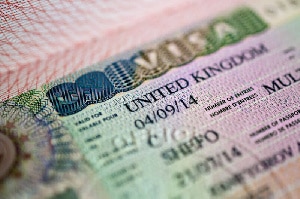
Prime Minister for the United Kingdom (UK), Rishi Sunak, has announced the increase in visa application fees as part of efforts to address revenue shortfalls.
In an address at Downing Street on July 13, Sunak outlined government priorities, including reducing inflation, economic growth, and debt reduction.
He also mentioned a substantial pay award for teachers to prevent a potential strike.
To bridge the revenue gap, Sunak announced two measures targeting migrants as a means of generating necessary funding.
“We are going to increase the charges for migrants when they are applying for visas to come to this country and indeed something called the Immigration Health Surcharge, which is the levy that they pay to access the NHS,” he told the press.
The charges for visa applications and the Immigration Health Surcharge, which grants access to the NHS, will both be increased. These tax measures are expected to generate over a billion pounds in revenue.
“So, across the board, visa application fees are going to go up significantly… none of these fees have been increased recently and we think it is appropriate given that cost of everything has gone up,” he added.
Sunak justified the fee hikes by stating that they hadn’t been increased recently and that the cost of living has risen.
“So, across the board, visa application fees are going to go up significantly… none of these fees have been increased recently and we think it is appropriate given that cost of everything has gone up,” he added.
The Foreign Office will roll out the increases in the coming days and weeks. It’s worth noting that the United States recently raised visa fees for certain non-immigrant visa categories, a practice criticized for potentially exploiting applicants even in the case of rejected applications.
UK visa application fees are about to increase “significantly,” says PM Rishi Sunakpic.twitter.com/2FUT430oqg
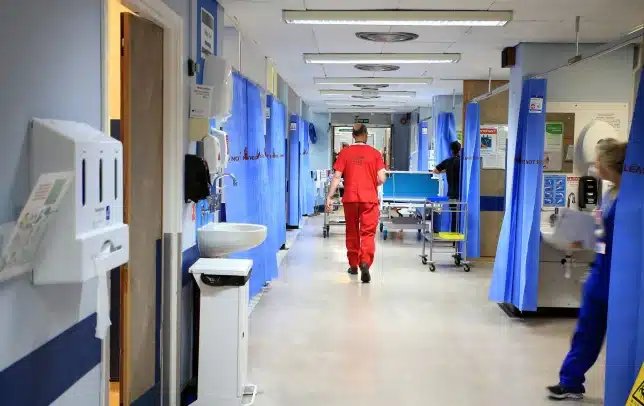
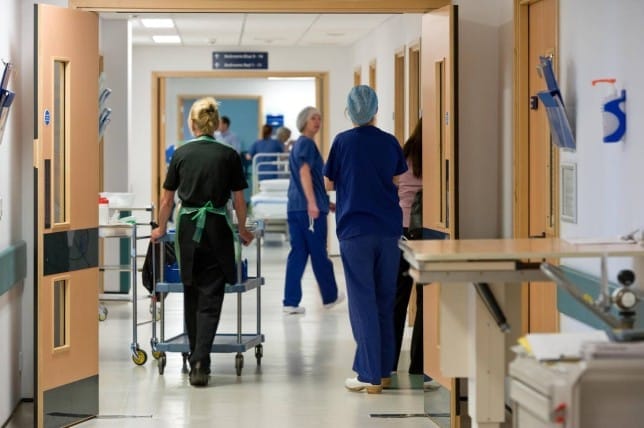
As part of a number of initiatives to enhance the healthcare system, more than 300,000 nurses and doctors are anticipated to be engaged by the NHS.
To address the acute workforce shortages in the NHS, other solutions include the potential for reducing the amount of time doctors spend in medical school, increasing the number of in-house NHS employees, and increasing the number of apprenticeship positions.
The first-ever long-term workforce plan for the NHS is being lauded as a “once-in-a-generation opportunity” to place the service’s personnel on a sustainable foundation for the next 15 years.
It comes as officials warned that, without action, there could be 360,000 vacancies in the health service by 2037.
Health leaders, who have previewed the details of the plan but have not yet released the full document, claim the strategy will help meet challenges of a growing and ageing population while addressing recruitment and retention issues currently leading to severe staff shortages.
There are currently 112,000 vacancies across the NHS in England.
Officials say the plans set out, along with new retention measures, could mean the health service has at least an extra 60,000 doctors, 170,000 more nurses and 71,000 more allied health professionals in place by 2036/37.
Alongside the plan, officials have asked the doctors’ regulator, the General Medical Council (GMC), and medical schools to consult on the introduction of four-year medical degrees, which are five years at present, and medical internships, allowing students to start work six months earlier.
Officials said the new plans include:
Double medical school training places to 15,000 by 2031, with more places in areas with the greatest shortages of doctors
Increase the number of GP training places by 50% to 6,000 by 2031
Almost double the number of adult nurse training places by 2031
Ramp up apprenticeships so students can “earn while they learn” – it is estimated that one in six (16%) of all training for clinical staff, including doctors, nurses and other health professionals, will be offered through degree apprenticeships by 2028, including 850 doctor apprenticeships
A 40% rise in nurse associate training places over five years
New medical schools in parts of the country where there are the greatest staffing shortages.
The workforce plan aims to drive up the numbers of home-grown NHS staff as the international pool of health workers is increasingly being drawn upon by other countries.
Meanwhile, the NHS is to crack down on spending from expensive agency staff, with health leaders ordered to cut the bill by £10 billion by 2036/37.
Nurses will also be allowed to start work as soon as they graduate in May, instead of in September as they do currently.
Officials said the document will also have a ‘renewed focus on retention’ – with more flexible working options and better career development.
It is hoped these plans, which are yet to be seen in full, along with reforms to pension schemes, could mean that up to 130,000 staff stay working in NHS settings longer.
The new plan – which was commissioned and accepted by ministers – has been backed by a £2.4 billion investment by the Government to fund additional education and training places over five years on top of existing funding commitments.
Health leaders have also agreed the plan needs to be revised every two years to accommodate changing needs across the service.
NHS England chief executive Amanda Pritchard said: ‘The publication of our first-ever NHS long-term workforce plan now gives us a once-in-a-generation opportunity to put staffing on sustainable footing for the years to come.
‘As we look to adapt to new and rising demand for health services globally, this long-term blueprint is the first step in a major and much-needed expansion of our workforce to ensure we have the staff we need to deliver for patients.’
Prime Minister Rishi Sunak said: ‘On the 75th anniversary of our health service, this Government is making the largest single expansion in NHS education and training in its history.
‘This is a plan for investment and a plan for reform.
‘In the coming years we will train twice the number of doctors and an extra 24,000 more nurses a year, helping to cut waiting lists and improve patient care.
‘We will do more to retain our brilliant NHS staff and reform the way the health system works to ensure it is fit for the future.
‘This is something no other government has done and will be one of the most significant commitments I will make as Prime Minister – acting as the cornerstone for our vision for a better, more modern healthcare system and putting the NHS on a sure footing for the long term.’
But Labour’s shadow health secretary Wes Streeting claimed the Conservatives were taking ideas from his party.
He said: ‘The Conservatives have finally admitted they have no ideas of their own, so are adopting Labour’s plan to train the doctors and nurses the NHS needs. They should have done this a decade ago – then the NHS would have enough staff today.
‘Instead, the health service is short of 150,000 staff and this announcement will take years to have an impact.’
An probe into NHS shortcomings will reexamine the untimely death of an aristocrat’s 25-year-old daughter.
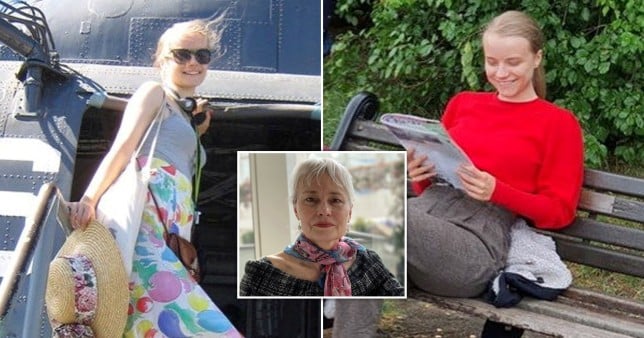
Gaia Young, half-sister of author Toby Young and the deceased Lord Young of Dartington’s daughter, passed away in July 2021 after claiming to have a terrible headache.
She had intense vomiting, so an ambulance was called to take her from her home in Islington, north London, to University College London Hospital (UCLH).
Four days after being hospitalised, Gaia was ruled brain dead and placed on a ventilator 16 hours later.
The product specialist and artist had no underlying health conditions and she tested negative for Covid. Her death was treated as unexplained following a post-mortem.
An inquest into her death was held last February, where a coroner gave a narrative conclusion, ruling ‘a missed chance’ by medics when Gaia first arrived at hospital led to her death.
A CT scan was not carried out following Gaia’s admission, with doctors assuming her symptoms were the result of dehydration or drug-taking.
The official cause of death was recorded as a cerebral oedema – or swelling of the brain – caused intracranial pressure.
However, Gaia’s mum, Lady Dorit Young, believes doctors ‘misread signs’ and misdiagnosed her.
She said a number of questions over her daughter’s death were not answered at the inquest, including what caused her brain to swell suddenly.
Lady Young had requested for a specialist German neurologist to give evidence at the inquest, but this was refused by the coroner.
At the hearing she claimed two attempted lumbar punctures made Gaia’s condition worse and left her extremely distressed.
She described her life since losing her daughter as ‘like a nightmare train running over me’.
Almost two years on from Gaia’s death, UCLH is now hoping to answer some of her mother’s questions.
A spokesman for the hospital trust said: ‘We have agreed to commission a range of independent experts, including a neurologist, to explore further the circumstances surrounding Gaia’s death.
‘We have invited Gaia’s mother to agree the details of the external reviews so that we can proceed.’
Lady Young said: ‘The coroner allowed the hospital to choose its own witnesses, which is a breach of natural justice.’
Outside of work, Gaia was a competitive ballroom dancer, a keen painter and loved to cycle.
She was thinking of taking a cycling holiday and had been on a bike ride on the day she became ill.
It was around 10.30pm that evening when she complained of a sudden headache and excused herself from dinner to lie down on a sofa in the front room.
By the time she arrived at hospital she was confused, had difficulty communicating with medics and was throwing up.
Lady Young said: ‘The junior doctor there thought she was intoxicated because she was acting strangely.
‘She had hallucinations. She seemed to reach out for things that didn’t exist. She was repeating sentences.’
Lady Young said she had since spoken to a doctor who said assumptions like this were not uncommon and can be ‘a death sentence’.
‘You must never assume intoxication without proof, but it is happening to young people every weekend,’ she said.
In her conclusion, coroner Mary Hassell said one possible cause of Gaia’s oedema was low sodium levels, in which case, ‘more monitoring and better clinical management would have afforded her a better chance of survival’.
Mrs Hassell added ‘a CT scan was not conducted as it should have been immediately following her admission to hospital’.
She said: ‘If the earlier CT scan had been conducted and had shown raised intracranial pressure or the later scan had been observed correctly, this would have changed the management [of her care]. Gaia Young would not have had a lumbar puncture attempted.
‘Had intracranial pressure been noted it would have resulted in the “head up” nursing position, admission to the ICU and potential intubation that would have afforded her a better chance of survival.’
Lady Young said this meant her daughter’s critically raised pressure in her brain was not discovered early enough to save her life.
She added: ‘In fact it was never even on the clinicians’ radar as long as Gaia was alive.
‘Gaia died right under their noses and the medics did not know what they had on their hands.’
While the inquest uncovered possible missed opportunities to save Gaia’s life, the actual cause of her oedema was ‘unclear’, the coroner said.
Lady Young believes this question could have been answered if a neurologist had been called to court, as she had requested.
She said: ‘I’m looking for the truth. My daughter was a very fine girl. She would have done what I am doing.
‘I’m incredibly angry with the system. I’ve never been in a situation like this before. If you would have told me five years ago that this is how things are handled, I just wouldn’t have believed you.’
UCLH said new guidance has been given to staff to handle patients with similar symptoms.
The spokesman added: ‘We understand that this continues to be an extremely difficult time for Gaia’s mother and loved ones and offer our deepest sympathies.
‘While the coroner could not say that different care could have prevented Gaia’s death, we do acknowledge some things could have been done better.
‘We have already developed new clinical guidance and training following our internal investigation and we are committed to understanding what further lessons can be learned.’
The head of a major nursing organization has expressed concern about the recruitment of nurses from poorer nations by high-income countries.
The comments come as the BBC finds evidence of how Ghana’s health system is struggling due to the “brain drain”.
Many specialist nurses have left the West African country for better-paid jobs overseas.
In 2022 more than 1,200 Ghanaian nurses joined the UK’s nursing register.
This comes as the National Health Service (NHS) increasingly relies on staff from non-EU countries to fill vacancies.
Although the UK says active recruitment in Ghana is not allowed, social media means nurses can easily see the vacancies available in NHS trusts. They can then apply for those jobs directly. Ghana’s dire economic situation acts as a big push factor.
Howard Catton from theInternational Council of Nurses (ICN) is concerned about the scale of the numbers leaving countries like Ghana.
“My sense is that the situation currently is out of control,” he told the BBC.
“We have intense recruitment taking place mainly driven by six or seven high-income countries but with recruitment from countries which are some of the weakest and most vulnerable which can ill-afford to lose their nurses.”
The head of nursing at Greater Accra Regional Hospital, Gifty Aryee, told the BBC her Intensive Care Unit alone had lost 20 nurses to the UK and US in the last six months – with grave implications.
“Care is affected as we are not able to take any more patients. There are delays, and it costs more in mortality – patients die,” she said.
She added that seriously ill patients often had to be held for longer in the emergency department due to the nursing shortages.
One nurse in the hospital estimated that half of those she had graduated with had left the country – and she wanted to join them.
‘All our experienced nurses gone’
The BBC found a similar situation at Cape Coast Municipal Hospital.
The hospital’s deputy head of nursing services, Caroline Agbodza, said she had seen 22 nurses leave for the UK in the last year.
“All our critical care nurses, our experienced nurses, have gone. So we end up having nothing – no experienced staff to work with. Even if the government recruits, we have to go through the pain of training nurses again.”
Smaller clinics are also affected by staff migration because even one nurse leaving a small health centre can have a large knock-on effect.
At Ewim Health Clinic in Cape Coast, one nurse has left their small emergency department and another has left the outpatient unit. Both nurses were experienced and had found jobs in the UK.
The chief doctor there, Dr Justice Arthur, said the effects were enormous.
“Let’s take services like immunisation of children. If we lose public health nurses, then the babies that have to be immunised will not get their immunisation, and we are going to have babies die,” he told the BBC.
He said adult patients would also die if there were not enough nurses to look after them after surgery.
Most of the nurses that the BBC team spoke to wanted to leave Ghana due to the fact they could earn more elsewhere.
At Kwaso healthcare centre near the city of Kumasi, Mercy Asare Afriyie explained that she was hoping to find a job in the UK soon.
“The exodus of nurses is not going to stop because of our poor conditions of service. Our salary is nothing to write home about and in two weeks you spend it. It’s from hand to mouth.”
Ghanaian nurses told the BBC that in the UK they could get more than seven times what they are receiving in Ghana.
Perpetual Ofori-Ampofo from Ghana’s Nurses and Midwives Association said her country’s healthcare system needed more help.
“If you look at the numbers, then it is not ethical for the UK to recruit from Ghana because the number of professional nurses compared to trainee or auxiliary nurses is a problem for us,” she said.
But she added that it was not possible to stop nurses from leaving as migration was a right and that the Ghanaian government needed to do more to persuade them to stay. The health ministry in the capital, Accra, declined to comment.
Fewer nurses in Ghana means that critical care for patients there is being affected, medics say
Ghana is on the World Health Organization’s list of 55 vulnerable countries, which have low numbers of nurses per head of population. The list – dubbed by some as the “red list” – is designed to discourage systematic recruitment in these countries.
The UK government recently gave £15m ($18.6m) to Ghana, Nigeria and Kenya to help boost their healthcare workforces.
But the country is known to be looking at brokering a formal deal with Ghana whereby it might be able to recruit more proactively in return for giving the government there a sum of money per nurse.
It already has a similar agreement with Nepal.
But the ICN’s Mr Catton questioned whether it was enough.
He told the BBC that he believed such deals were “trying to create a veneer of ethical respectability rather than a proper reflection of the true costs to the countries which are losing their nurses”.
The WHO’s Director of Health Workforce, Jim Campbell, explained to the BBC that Brexit had been a factor in the UK turning to African countries for nurses to fill NHS vacancies.
“The labour market is extremely competitive around the world and, having closed off the potential labour market from European freedom of movement, what we’re seeing is the consequences of that in terms of attracting people from the Commonwealth and other jurisdictions.”
A significant trial conducted within the NHS has demonstrated promising results for a blood test capable of detecting over 50 types of cancer, according to researchers.
During the trial, the test accurately identified two-thirds of cancers among 5,000 individuals in England and Wales who had sought medical attention for suspected symptoms. Moreover, in 85% of those positive cases, it successfully identified the primary location of the cancer.
Known as the Galleri test, it searches for specific alterations in genetic code fragments that are released from various types of cancers. Early detection of treatable cancers has the potential to significantly improve survival rates.
The test remains very much a “work in progress”, the researchers, from Oxford University, say, but could increase the number of cancers identified.
Often, patients have symptoms, such as weight loss, with a range of possible causes and require multiple tests and hospital visits.
More than 350 of those in the study – the biggest of its kind in patients with suspected cancer symptoms – were subsequently diagnosed with cancer, using traditional methods such as scans and biopsies. About:
75% of those testing positive on the blood test were found to have cancer
2.5% of those testing negative were found to have cancer
Although not accurate enough to “rule in or rule out cancer”, the test was really useful for patients lead researcher Prof Mark Middleton told BBC News.
“The test was 85% accurate in detecting the source of the cancer – and that can be really helpful because so many times it is not immediately obvious when you have got the patient in front of you what test is needed to see whether their symptoms are down to cancer,” he said.
“With that prediction from the test, we can decide whether to order a scope or a scan and make sure we are giving the right test the first time.”
The NHS has also been using the Galleri test, developed by Californian company Grail, in thousands of people without symptoms, to see if it can detect hidden cancers.
Initial results are expected this year – and, if successful, the NHS in England plans to extend the rollout to a further one million people in 2024 and 2025.
The test is particularly good at finding hard-to-spot cancers such as head and neck, bowel, lung, pancreatic, and throat cancers.
Dr David Crosby, from Cancer Research UK, said: “The findings from the study suggest this test could be used to support GPs to make clinical assessments – but much more research is needed, in a larger trial, to see if it could improve GP assessment and ultimately patient outcomes.”
NHS national director for cancer Prof Peter Johnson said: “This study is the first step in testing a new way to identify cancer as quickly as possible, being pioneered by the NHS – earlier detection of cancer is vital and this test could help us to catch more cancers at an earlier stage and help save thousands of lives.”
As shown in recently published data, the NHS has spent more than £4,000,000 on legal fees and compensation for sexual misconduct claims over the last five years.
More than 1,500 reports of harassment, assault, and inappropriate behaviour by employees at the health service since 2018 were also revealed via a freedom of information request.
According to The Times, these include rape and inappropriate touching claims made by both patients and coworkers.
According to statistics, $2,174,658 in damages as well as an additional £1.5 million for claimants’ legal fees were awarded to victims of sexual misconduct.
The NHS also paid £338,194 for its own legal costs, bringing the total bill to just over £4 million.
Campaign group Surviving in Scrubs, which records stories of sexual harassment in the health service, told the newspaper: ‘As shocking as these findings are, they are not surprising.
‘Trusts seem to hold their reputations in such high regard that they are glossing over the issues of sexism, misogyny, sexual harassment and sexual assault.
‘More needs to be done to protect and support the survivors of these behaviours.’
The group’s website features more than 150 anonymous stories of sexism, harassment and assault in the healthcare sector.
One says: ‘I lost count of the number of times my surgical male colleagues would accidentally touch my breasts and apologise.
‘It happened so often I assumed it was because that just happened all the time and that my body was just getting in the way.
‘I’ve been a consultant 5 years, we have loads of female trainees and I’ve never ever accidentally touched their breasts.’
Last December, a nurse was stripped of his licence to practice after sexually assaulting female patients by filming up their gowns as they were unconscious post-surgery.
Paul Grayson had been sentence to 12 years in prison the previous May, with a judge saying he had ‘betrayed the nursing profession’ with his actions.
A Nursing and Midwifery Council tribunal found Grayson had also installed recording equipment in the women’s staff toilets, and possessed indecent images of children.
Responding to the latest sexual misconduct statistics, an NHS spokesman said: ‘Sexual misconduct, violence, harassment and abuse are criminal acts.
‘All NHS organisations must have robust measures in place to ensure immediate action is taken in any cases reported to them.’
The government‘s pay offer was approved by one union while being rejected by another today, dividing NHS workers in two.
Thousands of ambulance workers are represented by GMB, which declared this afternoon that its members have accepted the 5% salary offer.
A 51% turnout resulted in 56% of GMB members rejecting the offer and 44% supporting it.
“This new pay offer would not have happened without the strike action taken by ambulance and other GMB health workers,” said Rachel Harrison, a national officer for GMB.
‘GMB members have voted to accept the offer, which means GMB union will vote in favour of the pay offer at the NHS joint staff council meeting next week.
‘Our members recognise that progress has been made – from the government originally offering nothing, health workers will be thousands of pounds better off.’
Ambulance crews say the NHS is creaking at the seams as they strike over pay and working conditions (Picture: PA)
Harrison said the government’s pay package meets the union’s demand for a ‘huge pay uplift for the lowest paid’ staff.
‘But so much more needs to be done for workers if we are all to get the NHS we need,’ she added.
‘GMB now needs action for our ambulance members – starting by addressing their retirement and unsocial hours enhancement concerns.
‘Today is just one step in the battle to restore NHS workers’ decade of lost earnings.
‘GMB will continue this fight, so that the NHS and ambulance workers, who serve and care for the public, finally get the fair deal they deserve.’
While Unite, which has more than 100,000 members consisting mainly of ambulance crews and junior health staff, followed in the lead of the Royal College of Nursing (RCN) and rejected the 5% pay rise amid double-digit inflation.
With a turnout of 55%, more than half (52%) of members rejected the pay offer, while 48% voted in favour of accepting the deal.
Seven out of 10 ambulance paramedics binned the government’s single-digit wage increase, Unite said.
This means that a new wave of strikes involving 4,000 workers next week will go ahead.
Striking ambulance workers say the NHS is experiencing a crisis causing response time delays and winding queues outside A&E (Picture: Getty Images/Chris Furlong)
These include those clocking in at London’s Guys and St Thomas’ NHS Trust and the Yorkshire Ambulance Service who will take job action on May 1.
While Unite members at South Central, South East Coast and West Midlands ambulance trusts as well as workers at Christie’s NHS Foundation Trust, Christie’s Pathology Partnership, East Lancashire Hospitals NHS Trust and Sandwell and West Birmingham NHS Trust will strike on Tuesday.
Unite general secretary Sharon Graham said: ‘Unite was clear from the start it was very unlikely this offer would be accepted.
‘It is quite frankly a joke that NHS workers are being forced to fight for a decent pay rise after years of pay freezes and all their sacrifices during the pandemic.
‘The government should be delivering generous rewards for that instead of a parade of insults bullying and lies about our industrial action. Unite will be backing our NHS members 100%
‘Unite’s members will now return to the picket line to continue their fight. Rishi Sunak now needs to take over this mess, roll his sleeves up and sort it.
‘Isn’t that what a prime minister is supposed to do – lead for goodness sake?’
Unite chief Sharon Graham says it’s a ‘joke’ that NHS workers have to once again strike to secure a pay rise (Picture: Getty Images)
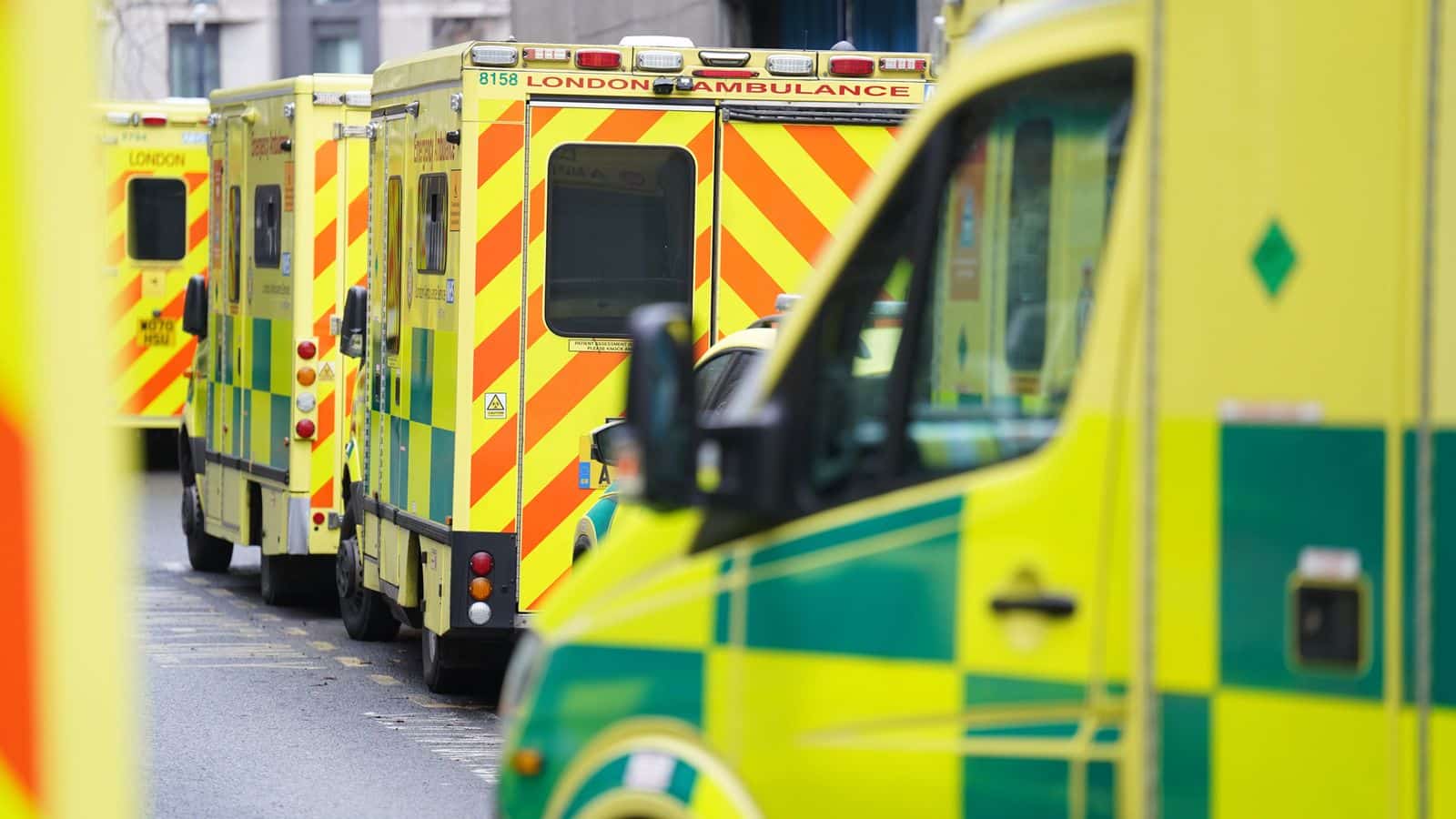
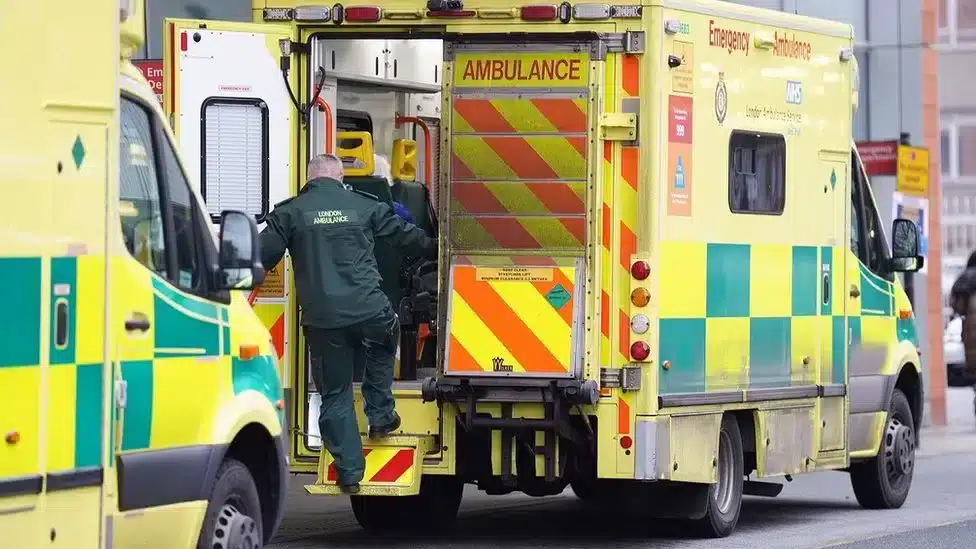
The sight of hours-long queues of ambulances outside hospitals has become a common sight in England and Wales, with A&E beds few and far between.
As have hours-long waits for ambulances to arrive to pick up patients in need.
Both, health unions say, are down to a decade of Tory government cuts which have done little to help with longstanding issues of staff shortages.
Health unions have been split over the government’s pay package of a one-off payment for 2022/23 and a 5% pay rise for 2023/24.
Unison, the UK’s largest union, accepted the pay offer, as did the Royal College of Midwives and the Chartered Society of Physiotherapy.
While the RCN, the largest nurses union, and the Society and College of Radiographers have both rejected the package.
Following a vote by members to reject a 4% pay offer because they believed it represented a “massive real terms pay cut,” GMB union bosses claimed that the government’s “cold dead hands” were preventing the creation of a proper pay offer.
Six additional strike dates have been set by ambulance workers as their ongoing dispute over pay, jobs, and working conditions.
On February 6 and 20, as well as March 6 and 20, more than 10,000 GMB union members who work as paramedics, emergency care assistants, call handlers, and other ambulance staff at eight NHS trusts are planning to strike.
Workers at West Midlands ambulance service will also strike on 23 January and North West Ambulance Service will walk out on 24 January.
The dates have been announced after talks with the government broke down, with the union saying their members are “angry” and “are done”.
GMB union members voted against the government’s 4% pay rise, saying it was “another massive real terms pay cut”.
Rachel Harrison, GMB national secretary, said: “Our message to the government is clear – talk pay now.
“Ministers have made things worse by demonising the ambulance workers who provided life and limb cover on strike days – playing political games with their scaremongering.
“The only way to solve this dispute is a proper pay offer. But it seems the cold, dead hands of Number 10 and 11 Downing Street are stopping this from happening.
“In the face of government inaction, we are left with no choice but industrial action.
“GMB ambulance workers are determined, they’re not going to back down. It’s up to this government to get serious on pay. We are waiting.”
The ambulance services that workers will be walking out in February and March from are: South West, South East, North West, South Central, North East, East Midlands, Welsh, and Yorkshire.
Unite, which represents 100,000 NHS workers, said its ambulance committee is meeting later on Wednesday to set new strike dates that will then be put to members to confirm.
With new NHS data showing a record number of ambulances were delayed dropping off patients at A&E in England, the extent of the gridlock in hospitals over Christmas has been made public.
In the week leading up to New Year’s Day, more than 40% of crews were required to wait longer than 30 minutes to deliver their patients to hospital staff.
It is the highest recorded value.
However, with the flu and Covid admissions declining last week, there is hope that pressures may soon start to ease.
Both had been rising sharply in previous weeks, with one in seven beds occupied by patients with these infections by the start of the year.
The rate of flu admissions fell the most, dropping by more than 40%.
But the UK Health Security Agency is warning it is too early to say whether the flu season – the worst in a decade – has peaked as reporting lags over the festive period may have had an impact on the data.
The high levels of flu coupled with rising rates of Covid are thought to be one of the factors in the high number of deaths being reported.
In the lead up to Christmas, deaths were a fifth higher than normal, data from the Office for National Statistics shows.
NHS national medical director Professor Sir Stephen Powis said: “We knew this winter would be one of the most difficult in the history of the NHS and I want to thank staff for all their hard work in caring for and treating so many patients while dealing with record demand on services, including the enormous pressure from flu and Covid.”
Ministers argue that it makes sense to ask adults to wear masks when they have a respiratory infection and must venture outside.
Mark Harper, the Transport Secretary, stated that he fully supported the UK Health Security Agency’s (UKHSA) recommendations.
The UKHSA reiterated the guidance, which has been in effect in England for months, as businesses and educational institutions reopened after the Christmas holiday.
It happens as pressure on the NHS is increasing, which is in part due to high rates of the flu and cholera.
Mr Harper said he recognised staff were under “tremendous pressure” and the government had offered more resources to the NHS and social care to help services cope.
This includes a £500m winter fund targeted at helping hospitals discharge patients who are medically fit to leave but cannot because of a lack of support available in the community.
“I hope these resources are going to help in the coming months to relieve some of the pressure on our hard-worked health and care staff,” Mr Harper said
It was “sensible” to ask ill adults to wear masks if needed to go out, he said, but best to stay home if possible.
The UKHSA has also asked parents to keep children off school if they have a fever.
There have been sharp rises in the numbers of people in hospital with Covid and flu in recent weeks – about one in eight beds inEngland is now occupied by patients with these infections.
Senior doctors have described the NHS as on a knife edge, with some accident and emergency units in a “complete state of crisis”.
In recent days, a number of hospitals have declared critical incidents, suggesting they cannot function as usual because of extraordinary pressure.
‘I had to sleep in my car while waiting for an emergency op’
Having gone to A&E with stomach pain, Michael Woodcock, from Harrogate, was told he needed an emergency operation because his appendix was at risk of bursting.
It was late at night and he was booked in for surgery the following day – but with no beds available, asked nurses whether he could sleep in his car rather than a waiting-room chair.
“I ended up getting some blankets from the nurses and sleeping in the car for a few hours and then heading back into the hospital in the morning for the operation,” Mr Woodcock said.
Labour criticised the government’s management of the health service, while the Liberal Democrats called for Parliament to be recalled early.
MPs are due back at Westminster next Monday, following their Christmas break.
Prof Phil Banfield, who chairs theBritish Medical Association, which represents doctors, called on the government to “step up and take immediate action”.
The situation was “intolerable and unsustainable”, he said, with the NHS’s survival on a knife edge and patients needlessly dying because of a political choice.
Richard Webber, of the College of Paramedics, said the current situation was the worst in his 30-year career.
Delays were causing patients “significant harm”, he said, with ambulance services now struggling to find available crews for cardiac arrests – the highest category of emergency call.
“I’ve never known anything like it,” Mr Webber said.
Health officials have cautioned that during today’s ambulance strike in England and Wales, patient safety cannot be guaranteed.
However, according to NHS England, emergency care will still be offered.
People are urged to use services “wisely” and to use 111 online as a backup plan before calling 999 unless the situation is truly life-threatening.
There is a severe strain on A&Es, and ambulance response times are already twice as long as they were two years ago.
Eight of the top ten ambulance services in England have reported critical incidents, a sign of the extreme pressure they are already facing.
Ministers have advised the public to exercise extra caution and to stay away from contact sports and pointless car trips.
Unions say life-threatening callouts will continue to be responded to over the next 24 hours but some urgent calls, for example for late-stage labour or a fall in the home, might not be answered.
No industrial action is taking place in Northern Ireland and Scotland, and there will be no strikes in the east of England or the Isle of Wight.
But elsewhere, there is likely to be major disruption as paramedics, call handlers, emergency care assistants and technicians go on strike.
About 750 armed forces staff are being drafted in to cover the walkouts, however their role will be limited. They will not be sent on call-outs involving critical care, nor will they provide any clinical care.
What do I do if I’m hurt?
Patients who are seriously ill or injured, or whose lives are in danger, are being advised by the NHS to call 999.
For all other healthcare needs, the NHS is advising people to contact NHS 111 online or via the NHS 111 helpline, or to contact their local GP or pharmacy.
In the run-up to the strike, rhetoric from both sides has intensified.
Writing in the Daily Telegraph, Health Secretary Steve Barclay said: “We now know that the NHS contingency plans will not cover all 999 calls. Ambulance unions have made a conscious choice to inflict harm on patients.”
But union boss Christina McAnea, from Unison, told Talk TV’s First Edition the government’s refusal to open any kind of negotiations with them was irresponsible.
Asked whose fault it would be if people died, she said: “Absolutely the government’s.”
In a letter to the prime minister, the NHS Confederation, which represents healthcare systems in England, Wales and Northern Ireland, said there was now “deep worry among NHS leaders about the level of harm and risk that could occur to patients”.
“This is not something NHS leaders would ever say lightly,” the letter stated, “but many now tell us that they cannot guarantee patient safety”.
The letter has now also been signed by NHS Providers, the body which represents hospital trusts, mental health and ambulance services.
What’s happening in my area?
Not all unions are striking for the same hours on Wednesday, and it is difficult to say how many workers at each individual service will strike.
You can use our interactive tool to find out which unions are on strike at your local ambulance service:
The industrial action by ambulance workers follows two days of strikes by nurses this month over pay. It has also been some of the busiest months on record for people attending Accident and Emergency departments.
Long waits for ambulances after an emergency 999 call have become a regular occurrence, as have queues of ambulances outside A&E waiting to offload patients.
Rachel Harrison, national secretary of the GMB Union, said ambulance staff were tired of spending all day in an ambulance outside a hospital with a patient because of delays in handing over patients to A&E.
“We’ve been raising these issues for years and [have] been ignored,” she added.
Ambulance workers are asking for a pay rise above inflation – although not a precise figure – and a plan for recouping lost earnings over many years.
Mr Barclay met union representatives on Tuesday afternoon but there were no discussions around pay – only what care would still be provided during the strike.
Onay Kasab, from Unite, said the meeting was “entirely pointless” because the health secretary refused to discuss pay.
Mr Barclay called the strikes “deeply regrettable” and urged the public to take extra care and check in on vulnerable friends, family and neighbours.
He said most ambulance staff have received a pay rise of at least 4%, taking average earnings to £47,000. A further pay increase would mean taking money from frontline services, he added.
Prime Minister Rishi Sunak has insisted he will not back down against striking workers. He has said the best way to help the workforce would be to reduce inflation as quickly as possible.
Not all Conservatives agree and want to see some flexibility from the government. Sir Geoffrey Clifton-Brown, MP for the Cotswolds, said: “These things have got to be solved by negotiation. There are people who are desperately likely to need this service over Christmas.”
NHS England says it will have more staff answering 999 calls and is helping individual trusts speed up the process of handing over emergency patients and discharging those well enough to go home.
London Ambulance Service will not dispatch an ambulance to all 999 callouts. Instead, a team of clinicians will call patients back to see if they can be helped in other ways.
They expect there to be 200 ambulances compared to the normal 400. Most will be staffed by the military, with a clinician alongside that may or may not be a paramedic. Taxis may also be used for some patients.
If there are not enough ambulances to get to all life-threatening emergencies, staff will leave the picket line to respond, the head of the service, Daniel Elkeles, said.
On Tuesday, eight ambulance services declared critical incidents, including North East Ambulance Service, South East Coast Ambulance Service, the East of England Ambulance Service, Yorkshire Ambulance Service and South Central Ambulance Service, because of pressure on services.
A critical incident allows services to prioritise certain patients and cancelnon-urgent demands on staff such as training. It can happen because of a very high number of calls, for example.
According to figures obtained by Labour through Freedom of Information requests to NHS trusts across the country, the most expensive shift was £5,234, which covered agency fees, money spent at the doctor, and other costs.
Hospitals in England have paid up to £5,200 for a single shift by an agency doctor, as the NHS is under increasing strain.
According to figures obtained by Labour through Freedom of Information requests to NHS trusts across the country, the most expensive shift cost £5,234.
The party asserted that it was paid for by a trust in the north of England.
Labour contended that its investigation demonstrates the extent of the staffing crisis in English hospitals.
It shared figures showing that the NHS has been forced to spend billions of pounds ondoctors and nurses, provided by agencies, due to workforce shortages.
One in three NHS trusts paid an agency more than £3,000 for a single doctor’s shift last year, while three quarters paid more than £2,000, the party said.
It said “desperate hospitals” had no other choice and blamed the Conservatives, saying they had failed to train enough doctors and nurses.
Wes Streeting, Labour’s shadow health secretary, said: “Desperate hospitals are forced to pay rip-off fees to agencies, because the Conservatives have failed to train enough doctors and nurses over the past 12 years.
“It is infuriating that, while taxpayers are paying over the odds on agency doctors, the government has cut medical school places, turning away thousands of straight-A students in England.”
The party has pledged to tackle NHS staff shortages by doubling the number of medical school places to train 15,000 doctors a year and training 10,000 new nurses and midwives every year, with plans also to double the number of qualifying district nurses.
Earlier this year,MPs warned of “the greatest workforce crisis” in the history of the NHSwas putting patients and staff at “serious risk”.
Put together by MPs from the cross-party Health and Social Care Committee, the report pulled no punches when addressing the government over the growing crisis.
They said there was a shortage of 12,000 hospital doctors, and more than 50,000 nurses and midwives – and that the government had “no credible plan” for making the situation any better.
Projections have suggested an extra 475,000 jobs will be needed in health and an extra 490,000 jobs in social care by the early part of the next decade in order to ease the strain.
A Conservative source told Sky News: “We have recruited record numbers of doctors and nurses to support our NHS – with almost 4,000 more doctors and over 9,000 more nurses compared to September 2021.
“Labour cannot be trusted to support our NHS – they have no plan to grip inflation,resolve strikes or boost the workforce. Instead, they waste time playing political games and defending their union paymasters.”
NHS Scotland health workers threatened with strike have received an improved pay offer averaging 7.5%.
Unions will now consider the Scottish government’s £515 million deal.
Before this latest proposal, First Minister Nicola Sturgeon and Health Secretary Humza Yousaf held “extensive” talks.
Unite and GMB have suspended ambulance workers’ strike and confirmed that the offer will be put to a vote among members.
Unite members from the Scottish Ambulance Service planned a work-to-rule on Friday, while 1,700 GMB members planned a 26-hour strike on Monday.
The Royal College of Nursing (RCN),the Chartered Society of Physiotherapy (CSP) and Unison had also backed strike action in the ongoing pay dispute.
The RCN, which had delayed a formal announcement on strikes while negotiations took place this week, confirmed that its board members would consider the detail of the latest offer.
Unison has recommended that members accept the deal.
The Scottish government said it was a “record high pay offer” for front line workers.
Annual pay rises under the latest deal would range from a flat rate payment of £2,205 for staff in Bands 1 to 4 and up to £2,660 for staff in Bands 5 to 7, backdated to April.
This represents an increase of 11.3% for the lowest paid workers and delivers an average uplift of 7.5%, a government spokesperson said.
The new offer also included a review into reducing the working week from 37.5 hours to 36 hours with no loss of pay.
Mr Yousaf said no stone had been left unturned to reach its “best and final pay offer”.
He said: “We have made the best offer possible to get money into the pockets of hard working staff and to avoid industrial action, in what is already going to be an incredibly challenging winter.”
Wilma Brown, from Unison, said she recognised that the new package was the best that could have been negotiated.
She told the BBC: “The new package demonstrates that we are concerned about everybody’s take-home pay these days and the professional groups have lost out a lot of money over the years during austerity and various other reasons and that this goes some way to starting to make that up.
“Is it enough? No, we would have wanted more, but we believe that this is the best deal that we will get through negotiation.”
Keir Greenaway, GMB Scotland senior organiser, said staff needed to be valued to “tackle the chronic understaffing crisis across NHS frontline services” after a decade of cuts and the Covid pandemic.
The Royal College of Nursing (RCN) announced last week that its members at the majority of NHS employers across the UK had votedto strike.
Nurses have given the government five days to begin “detailed negotiations” on pay, or they will declare a December strike.
It comes as the chancellor pledged an extra £2.3 billion for the NHS over the next two years, as the health service deals with inflationary pressures.
NHS England has forecast a £7 billion funding shortfall for next year, which it cannot close with efficiency measures alone.
However, health officials are said to agree that the new funding is adequate in light of the fact that economists believe October’s inflation figure was the high point.
Last week, the Royal College of Nursing (RCN) announced its members at the majority of NHS employers across the UK had voted to take strike action.
A health system in crisis
In a letter to the health secretary following Thursday’s autumn statement, RCN general secretary and chief executive Pat Cullen said recent meetings with Steve Barclay, while cordial in tone, had not resolved the issues at the heart of strike action.
“I must not let my members, nor the public confuse these meetings for serious discussions on the issues of NHS pay and patient safety,” she said in the letter.
“There is only value in meeting if you wish to discuss – in formal, detailed negotiations – the issues that have caused our members to vote for strike action.”
She added: “You have again asked to meet in the coming days and for this third occasion I must be clearer in my expectation.”
With record demand and waiting times, as well as a growing backlog ahead of what looks set to be a busy winter, the UK’s health and care system are facing a crisis.
Image: Pat Cullen leaving a meeting with the health secretary earlier this month
There are nursing staff shortages across the UK – made worse by the COVID-19 pandemic and cost of living crisis – with 60,000 unfilled nursing roles.
Data from the London School of Economics found the salaries of experienced nurses have declined by 20% in real terms over the last 10 years across most of the UK. This means nurses are effectively working one day a week for free.
The RCN is calling for a pay rise of 5% above inflation to combat this.
Strikes across the NHS
The RCN is not the only organisation threatening strike action within the NHS.
NHS workers in roles such as blood and transplant services were among nearly 10,000 people being balloted over action that could see them walk off the job as soon as January.
Unite union, which represents 100,000 NHS workers, said voting papers are going out across 36 NHS trusts and organisations in England and Wales.
Moving onto the NHS, Jeremy Hunt says he knows how hard those in the healthcare sector work.
“The biggest issues are workforce shortages and pressures in the social care sector. So today I addressed them both,” he says.
Referring to himself in his former role as health and social care select committee chair, Mr Hunt notes that a proposal was put forward for a long-term healthcare workforce plan.
On social care, he says there are 1.6 million employees “working incredibly hard” under enormous struggles.
But he notes that he has “very real concerns” about whether local authorities will be able to deliver the Dilnot social care reforms “immediately”.
“So I will delay the implementation of this important reform for two years, allocating the funding to allow local authorities to provide more care packages,” he tells MPs.
Mr Hunt also confirms he has “decided to allocate for adult social care additional grant funding of £1bn next year and £1.7bn thereafter”.
He says combined with the savings from the delayed Dilnot reforms and more council tax flexibilities, this means an increase in funding available to the social care sector of up to £2.8bn next year and £4.7bn the year after.
“We want Scandinavian quality alongside Singaporean efficiency” in the NHS, Mr Hunt says.
He tells MPs he has asked former Labour health secretary Patricia Hewitt to help ensure new “integrated care boards” work properly.
The chancellor says the NHS budget will increase in each of the next two years by an extra £3.3bn which totals a “record £8bn package for our health and social care system” overall.
Jeremy Hunt goeson to ask the NHS “to join all public services in tackling waste and inefficiency”.
“We want Scandinavian quality alongside Singaporean efficiency – both better outcomes for citizens and better value for taxpayers”, the chancellor says.
“That doesn’t mean asking people on the frontline to work harder, but rather asking challenging questions on how to reform all public services for the better,” he adds.
BBCCopyright: BBC A packed Commons chamber is watching the chancellor Image caption: A packed Commons chamber is watching the chancellor
There are clear attempts here by the chancellor to avoid some of these political decisions being framed as “tax rises”.
Instead, for taxes like income tax and national insurance he is freezing the threshold at which people start paying certain levels of tax.
What this means in practice, though, is that if people’s wages go up but the tax levels stay the same, they may not feel as big an impact from that wage rise.
That’s because they’re paying more in taxes than they otherwise would have.
Hunt says: “Because we want school standards to continue to rise, we’re going to do more than protect the school budget – we’ll increase it.”
He says in 2023 and 2024 the government will invest an extra £2.3bn in schools.
He says that the government’s message to school staff is: “Thank you for your brilliant work… the Conservative government is investing more in the public service that defines all our futures.”
Chancellor Jeremy Huntis laying out his plan for the country’s finances going forward in the House of Commons.
Here is what the chancellor has announced:
Tax as a percentage of GDP will increase by just 1% over the next five years;
On personal tax, he will reduce the threshold at which the 45p rate becomes payable from £150,000 to £125,140. Those earning £150,000 or more will pay just over £1,200 more a year;
The annual exempt amount for capital gains tax will be cut from £12,300 to £6,000 next year and then to £3,000 from April 2024;
Confirmed two new fiscal rules – the first is that underlying debt must fall as a percentage of GDP by the fifth year of a rolling five-year period. The second is that public sector borrowing, over the same period, must be below 3% of GDP;
From April 2025, electric cars will no longer be exempt from Vehicle Excise Duty;
On windfall taxes, from 1 January until March 2028 he will increase the energy profits levy from 25% to 35%;
Also from 1 January, “we have also decided to introduce a new, temporary 45% levy on electricity generators… together these taxes raise £14bn next year”.
Stamp duty cuts will stay in place until March 2025;
While the employers’ national insurance contributions threshold is frozen until April 2028, the employment allowance will be retained at its new, higher level of £5,000 until March 2026;
Hunt confirms the UK will continue to maintain the defence budget at least 2% of GDP to be consistent with our NATO commitment – but there is no 3% commitment as previously promised.
600,000 more people on Universal Credit will be asked to meet with a work coach to increase hours or earnings;
On education, the chancellor has said he will invest an extra £2.3bn per year in schools;
A £2.8bn funding increase for the social care sector;
With regards to the NHS, the government will increase the budget for healthcare by £3.3bn.
The chancellor ison his feet at the despatch box in the House of Commons to reveal the government’s new economic policies.
Mr Hunt begins by saying that “teachers, nurses and many others” are worried about the future given the economic climate.
He says today he will unveil a plan to revive the economy.
“We are honest about the challenges and we are fair in our solutions,” he tells MPs.
“We will also protect the vulnerable,” he adds.
He says the plan will lead to “a shallower downturn” and “lower energy bills”.
The chancellor says the government has three priorities within the autumn statement – “stability, growth and public services”.
Beginning with stability, he tells MPs “the furlough scheme, the vaccine rollout and the response of the NHS did our country proud, but they all have to be paid for”.
Mr Hunt says the Bank of England has “my wholehearted support” and confirms that the government “will not change its remit”.
The chancellor says “credibility cannot be taken for granted and yesterday’s inflation figures show we must continue a relentless fight to bring it down, including a rock solid commitment to rebuild our public finances”.
Data from England’s NHS shows that, a record number of people waited at least four hours from the decision to admit to A&E.
In October, the number of people waiting reached a high of 150,922, up from 131,861 the previous month.
In October, more than 30% of people had to wait more than four hours to be seen in A&E, with 45% attending Major A&Es (excluding minor injuries units and specialist centres).
The operational standard requires that at least 95% of A&E patients be admitted, transferred, or discharged within four hours, but this has not been met nationally since 2015.
The number of people waiting more than 12 hours in A&E departments in England from a decision to admit to actually being admitted has also risen to a new record high.
New NHS England data shows that 43,792 people waited longer than 12 hours in October, up 34% from 32,776 in September and the highest number in records going back to August 2010.
It comes as the number of people in England waiting to start routine hospital treatment has risen to a new record high.
A total of 7.1 million people were waiting to start treatment at the end of September, NHS England said.
This is up from 7.0 million in August and is the highest number since records began in August 2007.
Meanwhile, 401,537 people have been waiting longer than a year to start hospital treatment, up from 387,257 at the end of August and equivalent to around one in 18 people on the entire waiting list.
Very long waits of more than two years have fallen slightly, while the number of people waiting 18 months for treatment hasdropped by almost 60% in one year, NHS England said.
The RCN had requested that its members be paid 5% more than the RPI inflation rate, which is currently above 12%.
A nursing union representing hundreds of thousands of nurses in the United Kingdom has voted to go on strike for the first time in the union’s 106-year history.
According to the Royal College of Nursing (RCN), the strike will affect the majority of NHS employers in the UK, as nurses protest pay levels and patient safety concerns.
The union stated that many of England’s largest hospitals would go on strike, but that others “narrowly missed” the legal turnout thresholds required for action.
All NHS employers in Northern Ireland and Scotland would be included and all bar one in Wales met the threshold, they added.
RCN general secretary and chief executive Pat Cullen said: “Anger has become action – our members are saying enough is enough.
“The voice of nursing in the UK is strong and I will make sure it is heard. Our members will no longer tolerate a financial knife edge at home and a raw deal at work.
“Ministers must look in the mirror and ask how long they will put nursing staff through this.
“While we plan our strike action, next week’s budget is the UK government’s opportunity to signal a new direction with serious investment. Across the country, politicians have the power to stop this now and at any point.
Education Secretary Gillian Keegan: ‘No point’ for nurses to strike
“This action will be as much for patients as it is for nurses.
“Standards are falling too low and we have strong public backing for our campaign to raise them. This winter, we are asking the public to show nursing staff you are with us.”
The union had urged more than 300,000 of its members to vote for industrial action over pay in the first statutory ballot on industrial action across the UK in the 106-year history of the Royal College of Nursing.
It had called for its members to receive a pay rise of 5% above the RPI inflation rate, which currently stands at above 12%.
This request has not been met by any UK nation.
Recent analysis showed an experienced nurse’s salary has fallen by 20% in real terms since 2010, the RCN said, adding that nurses are working the equivalent of one day a week for nothing.
Patient confronts PM on pay for nurses
‘Deep regret’ and ‘challenging times’ – health minister’s response
Health and Social Care Secretary Steve Barclay said: “We are all hugely grateful for the hard work and dedication of NHS staff, including nurses, and deeply regret that some union members have voted for industrial action.
“These are challenging times, which is why we accepted the recommendations of the independent NHS Pay Review Body in full and have given over one million NHS workers a pay rise of at least £1,400 this year.
“This is on top of a 3% pay increase last year when public sector pay was frozen and wider government support with the cost of living.
“Our priority is keeping patients safe during any strikes. The NHS has tried and tested plans in place to minimise disruption and ensure emergency services continue to operate.”
‘A strike across the NHS this winter isn’t inevitable’
Wes Streeting MP, Labour’s shadow health secretary, said: “There were no strikes in the NHS during 13 years when Labour was last in government.
“If we were in office today, we would be talking with the RCN and doing everything we can to prevent these strikes going ahead.”
The British Medical Association, which represents doctors, offered “support and solidarity” to nurses, with deputy chair Dr Emma Runswick adding: “It is still within the government’s gift to pay healthcare staff fairly for the vital, often lifesaving work that they do.
“We urge government to listen to the concerns of frontline health staff and deliver the investment that the NHS and its workforce so desperately need.”
Meanwhile, health workers in other unions, including ambulance staff, hospital porters and cleaners, are also voting on industrial action over pay.
UNISON head of health Sara Gorton said: “A strike across the NHS this winter isn’t inevitable.
“Unions want to work with ministers to solve the NHS staffing crisis and its impact on patient care. But that must start with another pay rise for health workers. Otherwise, delays and waits for patients won’t reduce.”
Sir Keir Starmer has said immigration is not the solution to solving the challenges facing the NHS.
The Labour leader has said his party will not support open borders and will instead back a “fair” points-based system.
He hit out at the crises facing the health sector as he accused the UK government of “short-term fixes” and sticking “plasters over problems”.
Speaking to the BBC, Sir Keir was asked about the numbers he would like to reduce immigration to.
He said: “What I would like to see is the numbers go down in some areas.
“I think we are recruiting too many people from overseas in, for example, the health service, but on the other hand if we need high-skilled people in innovation and tech to set up factories, etc, then I would encourage that, so I don’t think there’s an overall number here, some areas will need to go down, other areas will need to go up.”
Cold homes, according to health activists, might aggravate lung and breathing problems, while one poverty action group claims the country is on poverty’s “cliff edge”.
Campaigners have warned that unless a fresh £14 billion package of emergency relief is provided, about seven million homes in the UK will face catastrophic fuel poverty.
The Warm This Winter pressure group says despite the Energy Price Guarantee, the £400 energy bills payment, and other support already announced, much more help will be needed to prevent the “severe health impacts of living in cold, damp homes crippling the NHS and causing excess winter deaths”.
The group is calling for urgent additional assistance for the most vulnerable.
Financially, it is urging for a third cost of living payment of £325 for those on income-linked benefits to be paid on 1 December.
And chief among the non-financial asks is an immediate suspension of all forced transfers of households onto more expensive pre-payment meters, whether by court warrant or remotely via smart meters.
Warm This Winter is also asking for a further £150 to be given in disability benefits, the restoration of the £20 Universal Credit uplift, increasing the energy bill support payments for people who do not have a mains gas connection, and ensuring all households who received the Warm Homes Discount last winter can access a £150 rebate this winter.
Even including the Energy Price Guarantee, the End Fuel Poverty Coalition calculates the unit cost of gas has increased by between 153% and 165% since winter 2021, while the unit cost of electricity has increased by 63-68%.
‘Extremely concerned’
Sarah Woolnough, CEO of research and campaigning charity Asthma + Lung UK, said with millions of homes on the verge of fuel poverty, they were “extremely concerned the nation’s lung health will rapidly deteriorate”.
“If people cannot afford to heat their homes, they may be forced to live in freezing homes where cold and flu viruses can thrive,” she said.
“We know people with lung conditions are already struggling with price hikes – one in five we surveyed said they’d had an asthma attack because of changes they’d made to their lives in response to the cost of living crisis, such as skipping meals, not picking up prescriptions, and using mains-powered medical machinery less.
“Things will only get worse when temperatures plummet and colds and viruses ramp up.”
The government introduced the energy price guarantee to help. It limits the amount a household can be charged per unit of gas or electricity to help ease the damage to family finances caused by the wider cost of living crisis.
It means the taxpayer will pay the difference between the set unit cost and any higher unit cost.
It also introduced the £400 Energy Bills Support Scheme, administered by energy suppliers, and paid over the course of six months starting in October, to ensure consumers receive financial support throughout the winter months.
All households in England, Scotland, and Wales are eligible.
But Simon Francis, co-ordinator of the End Fuel Poverty Coalition, said the support now would only createa “cliff edge in April 2023” when the payouts stopped.
“This will result in the number of households in fuel poverty rising to almost eight million. The situation will be made worse if benefits are not uprated by inflation and if prescription charges increase,” he warned.
It comes after the National Grid’s Electricity System Operator said last week the UK could face power cuts in the “unlikely” event supplies of gas fall short of demand.
Free boiler repairs
Warm this Winter is a new campaign demanding the government act now to help tackle rising energy bills this winter and to ensure energy is affordable for everyone in the future.
It is supported by leading anti-poverty and environmental organisations, including Save the Children, WWF, and the End Fuel Poverty Coalition.
Other measures it has suggested the government could consider for supporting households to stay warm this winter, include introducing a public information campaign, giving guidance to local authorities on best practices in using the Household Support Fund to deliver free boiler repairs, and working with charities and councils to increase the provision of energy advice.
Working with landlords, the government could also, it says, support tenants in fuel poverty by introducing a social rent cap and a private sector rent freeze.
After the success of the National Booking Service during COVID, the NHS in England is exploring whether people can schedule their flu vaccinations online.
For 12 million individuals aged 50 to 64, reservations for the autumn COVID booster shot will be available on Friday.
Appointments will be available to book online or by phone after the successful trial of the National Booking Service during the COVID vaccination program. Those who are unable to get online will be given alternative ways to book.
The service is also testing whether flu jabs can be booked in a similar way, with people at 200 sites across the country offered the chance to book this way.
People can still book flu vaccinations through their GP practice or by visiting a pharmacy delivering the jabs.
Around 33 million people in England will be eligible for a flu vaccine this year, including some children who will be given the flu nasal spray.
Since the COVID booster programme began a month ago, seven million people have come forward for their vaccine.
Some 26 million people are eligible for the COVID booster and people have been urged to get the jab amid a warning of a potential “twindemic“ of flu and COVID.
Amanda Pritchard, chief executive of NHS England, said “the rollout is off to a flying start”, adding that it is vital to get protected against COVID and flu in what could be an “extremely challenging winter for the NHS”.
Steve Russell, director for vaccinations and screening, said more than seven million autumn COVID boosters have been administered so far.
He is urging people between the ages of 50 and 64 to log on and book an appointment.
Dr Susan Hopkins, the chief medical adviser at the UK Health Security Agency, said: “The double threat of widely circulating flu and COVID this year is a real concern, so it’s crucial that you take up the free flu vaccine as soon as possible if you are offered it.
“It will help protect you from severe flu this winter, and even save your life.
“All those over 50 are now eligible for the jab, many of which will have low natural immunity due to COVIDrestrictions over the last two years.”
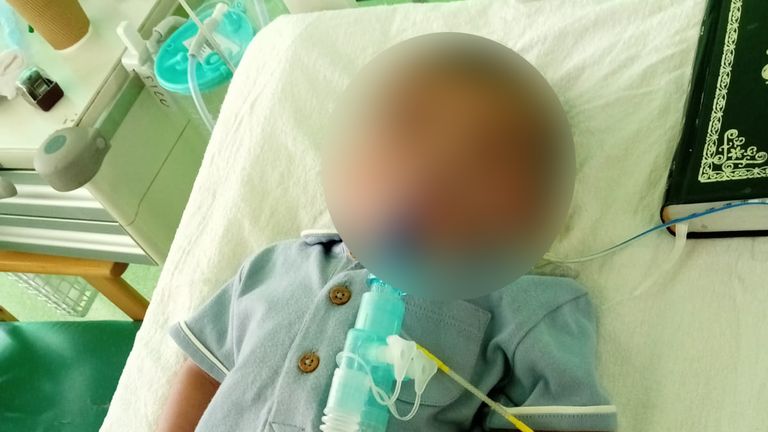
The boy’s father told Sky News: “They said it’s a miracle. It’s not a miracle, this is faulty medical science.”
The safety alert sent to staff at NHS Blood and Transport, seen by Sky News, advised them to pay “particular attention to pre-conditions and red flags” in children after the boy began breathing independently.
The child’s father has told Sky News that “extra caution” is not good enough.
“They did four brain stem tests on him and certified his death. When I asked whether there was an alternative test they said no. If there’s just one test to prove someone is alive or dead it should be 100 percent accurate.
“They said it’s a miracle. It’s not a miracle, this is faulty medical science.”
Two weeks later, a nurse at the hospital noticed the boy, then four months was breathing.
The Academy of Royal Medical Colleges (ARMC), which sets the test, said in August it would rewrite the code of practice on brain stem testing after the child’s case came to light.
This week it told Sky News it has sped up the process with a report due to be ready in months.
It has not offered parents or hospitals advice on what to do in the meantime.
David Jones, a professor of bioethics at St Mary’s University, warned there was a risk of organs being extracted from living children if clinicians got diagnoses wrong.
“The doctors could’ve said ‘This child is dead and they could’ve taken his organs,” Professor Jones said.
“But they didn’t because of an ongoing legal issue, and because they didn’t, they later found out that he wasn’t dead.”
More and more clinicians are now expressing concern about brain stem testing, according to Professor Jones.
“If the test is a matter of life and death, and if death means you can take organs, you want certainty. I think some of that certainty has been taken away by this case,” he told Sky News.
Image:The baby began breathing two weeks after he was declared brain-dead
The interim safety alert sent to NHSBT staff calls for “extra caution in any infant when diagnosing death using neurological criteria – paying particular attention to pre-conditions and red flags”.
An NHSBT spokesperson said: “There are strict criteria in place in the UK to provide safe, timely, and consistent criteria for the diagnosis of death, provided by the Academy of Medical Royal Colleges.
“As medicine advances, new treatments and clinical practice mean that protocols must be updated accordingly, and any new learnings shared. Clinicians pay particularly close attention to any rare or unusual cases, to ensure that the highest standards for patient and donor care and safety continue to be upheld.”
NHSBT refused to comment on whether a moratorium should be in place until the ARMC’s expert group review is published.
Professor Jones said: “I think that if there isn’t a moratorium then at the very least all parents ought to be informed that this has happened and that this is a risk.
“But in the meantime, I think that it shouldn’t be used on young children.”
In June, the High Court ruled against the parents of 12-year-old Archie Battersbee after Barts Health NHS Trust took them to court to brain stem test him on the recommendation of doctors who said he was brain-dead.
After a legal battle lasting weeks, Archie’s life support machine was switched off and he died on 6 August.
Early human trials of a novel cancer therapy that employs a common virus to infect and eradicatecancerous cells have shown great promise, according to UK researchers.
While other patients’ tumours shrank, one patient’s malignancy completely disappeared.
The drug is a weakened form of the cold sore virus – herpes simplex – that has been modified to kill tumors.
Larger and longer studies will be needed, but experts say the injection might ultimately offer a lifeline to more people with advanced cancers.
Krzysztof Wojtkowski, a 39-year-old builder from west London, is one of the patients who took part in the ongoing phase one safety trial, run by the Institute of Cancer Research and the Royal Marsden NHS Foundation Trust.
He was diagnosed in 2017 with cancer of the salivary glands, near the mouth. Despite surgery and other treatments at the time, his cancer continued to grow.
“I was told there were no options left for me and I was receiving end-of-life care. It was devastating, so it was incredible to be given the chance to join the trial.”
A short course of the virus therapy – which is a specially modified version of the herpes virus which normally causes cold sores – appears to have cleared his cancer.
“I had injections every two weeks for five weeks which completely eradicated my cancer. I’ve been cancer-free for two years now.”
The injections, given directly into the tumour, attack cancer in two ways – by invading the cancerous cells and making them burst, and by activating the immune system.
About 40 patients have tried the treatment as part of the trial. Some were given the virus injection, called RP2, on its own. Others also received another cancer drug – called nivolumab – as well.
The findings, presented at a medical conference in Paris, France, show:
Lead researcher Prof Kevin Harrington told the BBC the treatment responses seen were “truly impressive” across a range of advanced cancers, including cancer of the gullet (oesophagus) and a rare type of eye cancer.
“It is rare to see such good response rates in early stage clinical trials, as their primary aim is to test treatment safety, and they involve patients with very advanced cancers for whom current treatments have stopped working,” he said.
“I am keen to see if we continue to see benefits as we treat increased numbers of patients.”
It is not the first time scientists have used a virus to fight cancer. The NHS approved a cold-virus-based therapy, called T-Vec, for advanced skin cancer a few years ago.
Prof Harrington calls RP2 a souped-up version of T-Vec.
“It’s had other modifications to the virus so that when it gets into cancer cells it effectively signs their death warrant.”
“Scientists discovered that viruses could help to treat cancer 100 years ago, but it’s been challenging to harness them safely and effectively.
“This new viral therapy shows promise in a small-scale early trial – now we need more studies to find out how well it works.
“Research suggests that combining multiple treatments is a powerful strategy, and virus therapies like this one could become a part of our toolkit for beating cancer.”
The majority of patients who are ready to leave the hospital cannot be released right away, frequently due to a lack of community support.
Health Secretary Thérèse Coffey says the pot can be used to pay for extra help for patients who need it.
It is part of a package of measures announced by Ms Coffey, but experts said they amount to little more than “tinkering around the edges”.
Ms Coffey has also promised to improve access to GPs by allowing them to take on more senior nurses alongside giving extra responsibilities to pharmacists.
This would free up three million appointments a year – about 1% of the total, she said.
Same-day appointments would be available for patients who needed them, while those wanting a routine appointment should wait no longer than two weeks.
Reduce delays
The measures to support hospitals also include a promise to create more flexible pension rules.
Currently, senior doctors who take on extra shifts can face high tax bills if their earnings go above the pension cap.
Ms Coffey also reiterated previous commitments to take on extra 999 call handlers and free up hospital beds by giving more support to patients at home.
During the pandemic, patients who needed it received four weeks of support when discharged from the hospital.
This scheme helped reduce delays but was scrapped earlier this year despite warnings from hospital bosses.
Many in the care sector will view the £500m as little more than a sticking plaster.
The money helps but absent from the plan is the sort of cash injection needed to tackle deep-rooted staff shortages.
Charities, care providers, and councils have all called for enough funding to increase care worker pay significantly.
The rising cost of living has made it even more difficult to recruit staff, who can often earn more working at a supermarket check-out.
In recent weeks, care workers have told the BBC rising prices to mean they sometimes go hungry, despite working long hours doing a vital and skilled job.
If the pandemic has taught us anything, it is how intertwined the health and care systems are.
It is argued that for the NHS to be successful in tackling backlogs and reducing ambulance delays, then much more will need to be done to strengthen the care sector now – not just in the future.
Ms Coffey said the measures in Our Plan for Patients would support the NHS through this winter.
“Patients and those who draw on care and support are my top priority and we will help them receive care as quickly and conveniently as possible,” she added.
But the plans have been criticized by doctors’ leaders and health experts.
Prof Martin Marshall, of the Royal College of GPs, said the announcement on GPs did not amount to a proper plan and would have a “minimal impact”, accusing ministers of “lumbering a struggling service with more expectations” without the means to achieve them.
“GPs share patients’ frustrations when we cannot deliver the care we want to deliver in a timely way,” he said.
“But we are caring for an increasing number of patients,with increasingly complex health needs and carrying out more consultations with fewer qualified, full-time GPs.”
Dr Jennifer Dixon, chief executive of the Health Foundation, said the measures amounted to a series of “short-term fixes” that were tiny compared to the scale of the challenges.
While the King’s Fund said it amounted to little more than “tinkering around the edges”.
Labour shadow health secretary Wes Streeting said: “The Conservatives have failed to provide the doctors and nurses needed to treat patients on time – and patients are paying the price in record-long waiting times.
The pay rises are below the 9.4% rate of inflation.
The worker, who wished to remain anonymous, told BBC Wales the increase was “a step in the right direction” but added: “I don’t know how much help that will be considering how much inflation is going up.
“I can’t really get started in life on my current wages. I feel very stuck.”
‘Things are difficult for many of us’
The email, sent to NHS Wales Shared Services Partnership (NWSSP) staff, was entitled “Financial well-being support” and said: “Things are difficult for many of us, with the ongoing cost of living crisis.”
Alongside money saving tips for parents on “surviving the school holidays”, and information about the Money Helper advice website, it linked to articles on how to access a food bank, and a service providing information on where to find them.
Image caption, An email to staff at NWSSP provided advice on how to access a food bank
The NWSSP provides a wide range of administrative services to health boards across Wales including procurement, audit and employment support.
The staff member said that after putting in so much extra work during the pandemic the email felt “very hollow – like what we were doing was not appreciated enough by governing bodies”.
“I was sad that people were struggling so much that we were left with no other alternative option other than to go to the foodbanks.
“I was a bit incredulous as well that people would be left to suffer after giving so much of their time and energy to helping others.”
‘No surprise’
Hugh McDyer, head of health at the Unison Cymru Wales union, said it came as “no surprise”, and his organisation had seen claims of work poverty and members not being able to pay the bills “rise exponentially”.
He said while the advice was in “some ways well intentioned” the irony would not be lost on healthcare workers.
“It’s a sad day when our members are having to make choices to heat or eat or go to a food bank to ensure their family does eat,” he said.
He said the NHS pay review body’s recommendations – which were accepted by the Welsh government – were “simply not enough”.
An NWSSP spokesperson said: “A health and well-being themed internal communication was circulated to NWSSP staff on 13 July 2022, in response to a series of questions from our staff.”
The spokesperson said it included “a minor reference about how to access a foodbank”.
They added that the organisation recognised “the incredible hard work, commitment and dedication that our staff undertake on a day to day basis” and that the email “was not intended to cause offence but rather communicate the wide range of support on offer”.
Last week’s pay announcements by the Welsh government angered trade union.
The Royal College of Nurses (RCN) said it would ballot members on possible industrial action after most NHS workers in Wales were offered a below-inflation pay rise last week.
Two education unions are expected to ballot members for industrial action after teachers were also made a below-inflation pay offer.
‘Cost-of-living crisis’
Earlier this week the UK government agreed with the pay recommendations for the NHS in England.
The UK government said it planned to fund pay rises in England from existing budgets, which means the Welsh government would not receive extra funding and will have to find the cash from elsewhere.
Ms Morgan said that without additional funding from the UK government, “there are inevitably limits to how far we can go in Wales”.
In a previous response to the criticism, the UK government said the Welsh government has had more funding than at any time since devolution began.
Time is running out to finalize a test, track and trace strategy to avoid a possible second surge in coronavirus cases, NHS bosses have said.
The NHS Confederation warned of “severe” consequences to staff and patients if the right system was not established quickly.
It said lockdown measures should not be eased until a clear plan was in place.
It follows the PM’s pledge to introduce a “world-beating” contact tracing system in England from June.
Contact tracing identifies those who may have come into contact with an infected person – either through an app or by phone and email – so they can avoid potentially passing the disease on.
Niall Dickson, chief executive of the confederation, which represents health and care leaders, welcomed Boris Johnson’s pledge made at Prime Minister’s Questions on Wednesday.
But in a letter to Health Secretary Matt Hancock, Mr Dickson said without a clear strategy the UK was at greater risk of a second peak of the virus and emphasised the importance of involving local health organisations in the plan.
He said a test, track and trace strategy should have been in place sooner and if the right system was not instigated rapidly the ramifications for the NHS “could be severe”.
Speaking on BBC Radio 4’s Today programme, Mr Dickson said: “We are absolutely clear that contact tracing is the right thing to do, it is absolutely critical, it has got to be in place to prevent any notion of a second surge if the lockdown is being further released.”
He added the government was acting “quite late in the day [and] we haven’t yet seen the detail”.
Chris Hopson, chief executive of NHS Providers – a membership group for England’s NHS trusts – told BBC Breakfast his members have “not had clear information and instructions about what their role will be” in the system.
Security minister James Brokenshire said Mr Hopson’s comments “will not be lost on anyone” at the Department of Health – and will be followed up on “at pace”.
Downing Street has confirmed that 24,000 manual contact tracers have been hired, with plans to employ an additional 1,000 people before the test, track and trace scheme starts on 1 June.
The prime minister’s official spokesman said “test and trace” would start shortly.
On Wednesday, Mr Johnson said 25,000 contact tracers, able to track 10,000 new cases a day, would be in place by 1 June.
It coincides with the earliest possible date for the gradual reopening of schools and non-essential shops in England.
Northern Ireland already has a telephone contact tracing system in place, while the Scottish government is currently trialling one. The Welsh government wants its programme operational by the end of May.
One of the government’s most senior scientific advisers previously said an effective tracing system needed to be in place before lockdown restrictions could be changed.
An NHS app that aims to track the spread of coronavirus is being rolled out for the first time, as part of a trial on the Isle of Wight.
Council and healthcare workers will be the first to try the contact-tracing app, with the rest of the island able to download it from Thursday.
If the trial is successful, it could be available nationwide within weeks.
Concerns have been raised over privacy, though ministers say the app has been designed with this “front of mind”.
The app aims to quickly trace recent contacts of anyone who tests positive for the virus.
It is part of the government’s strategy for coming out of lockdown, which aims to have widespread testing and contact tracing in place to monitor and reduce any future outbreaks.
If the trial is successful, the app will be rolled out nationwide by the middle of May, Health Secretary Matt Hancock said.
Meanwhile, Labour leader Sir Keir Starmer has called for a “national consensus” on tackling the virus when the UK begins to move out of lockdown.
It comes as the the number of coronavirus-related deaths in the UK reached 28,734, an increase of 288.
The daily increase in deaths is lower than at any point since the end of March, but the figures reported at the weekend tend to be lower and are expected to rise, Mr Hancock said.
How does the app work?
The new app – published on Apple and Google’s app stores – works by using a Bluetooth connection.
It records when two people who have the app are within a certain distance of each other for longer than a specified amount of time.
If one of those people later reports having symptoms, all the other app users they came into significant contact with over recent days will be alerted and, if judged necessary, told to self-isolate.
“The exact advice on what you should do will depend on the evolving context and approach,” the NHS has said.
Mr Hancock urged everyone on the Isle of Wight to download the app when it was available to them. Social distancing rules would still be in place during the trial, he said.
“By downloading the app, you are protecting your own health, you are protecting the health of your loved ones and the health of your community,” he said.
“Where the Isle of Wight goes, Britain follows.”
The island was chosen for the trial because it has a lower number of new infections, is covered by a single NHS trust and because travel to and from the island is quite restricted.
Mr Hancock told BBC Breakfast the app would be an “incredibly important part” of the fight against the virus and the more people who downloaded it, the more lockdown restrictions could be eased.
The biggest promoters in boxing must bury rivalries and work together to ensure fans are not financially hit when the sport squeezes a barrage of shows into the second half of 2020, says 5 Live’s boxing experts.
The fight business has ground to a halt across the world in the face of the coronavirus pandemic and boxing is suspended in the UK until at least the end of May.
But a note of warning from British boxing chiefs last week pointed to the sport perhaps not being able to start back up as swiftly as some may hope given its reliance on the emergency services at a time where the NHS is under immense pressure.
So why might an eventual resumption hit fans in the pocket? And why might music acts even have an impact on when and where boxing can take place? BBC Sport boxing correspondent Mike Costello and 5 Live analyst Steve Bunce have had their say.
The British Boxing Board of Control last week stressed that while the NHS is “fighting” and “recovering from” the coronavirus pandemic “we cannot place any further pressure on the system”.
General secretary Robert Smith went further by stressing that “professional boxing cannot happen until normal NHS services resume”.
“NHS staff will have come through one of the biggest challenges faced by the NHS, in its history,” Smith wrote. “All involved will be physically and mentally fatigued. They will justifiably want to take rest and recuperation time. Therefore, due consideration has to be given to the medical personnel before any appointments to tournaments can take place.”
Smith’s words went further than many others have up to this point in intimating that boxing may not be able to roll out shows – even behind closed doors – as soon as restrictions on movement and mass gatherings are lifted.
In addition to the need for multiple ambulances at fight venues, rules state hospitals with specialist neurosurgery units must be close by.
Speaking on the 5 Live Boxing podcast, Costello said: “It might be that boxing takes longer to get going again than other sports because of the reliance on medical support. What struck me was the last statement by the board on recognising how NHS staff would need time to rest and recuperate.”
Bunce replied: “The idea that things get lifted in May and we could have a fight the next day is woefully misguided. One thing that is also being overlooked is that these boxers will need a good bit of time to get back fit and spar. Even if things were lifted in May you’d be looking at mid July at the earliest. I agree completely with the board.”
The NHS is launching a hotline to support and advise healthcare staff during the coronavirus pandemic.
Volunteers from charities including Hospice UK, the Samaritans and Shout, will listen to concerns and offer psychological support.
The phone line will be open between 07:00 and 23:00 every day, while the text service will be available around the clock.
The phone number is 0300 131 7000 or staff can text FRONTLINE to 85258.
It comes as staff face increasing pressure to care for rising numbers of patients who are seriously ill with the virus.
Since the outbreak began, more than 6,000 people have died in the UK after testing positive for coronavirus and among them are front-line medical staff.
As well as workload pressures and the emotional toll, some staff say they have had to work in situations where they feel unsafe because of a lack personal protective equipment (PPE).
Prof Tom Dening from the Institute of Mental Health at the University of Nottingham said: “The mental health of NHS staff is going to be absolutely crucial in the nation’s response to the coronavirus pandemic.
“Staff are being exposed to high levels of personal risk, long hours in difficult environments clad in PPE, and also the possibility of something known as moral injury, which is the distressing awareness you may feel when you know you can’t meet all the needs of the people you are trying to care for.
“This combination of factors would rattle even the most resilient of us.”
While staff can still talk to each other and their managers, the NHS hotline will offer support outside the workplace.
There will be 1,500 volunteers to support the 1.4 million nurses, doctors and other healthcare workers in the NHS.
Anyone who requires further help will be signposted to services ranging from practical and financial assistance to specialist bereavement and psychological support, says the service.
Danny Mortimer, from NHS Employers, said: “As the pandemic continues, our people will face new and growing challenges on a daily basis, and it’s therefore more important than ever that they are able to access resources to help them manage their wellbeing, in a way that suits their needs.”
Prerana Issar, chief people officer for the NHS, said: “We need to do everything we can to support our incredible NHS people as they care for people through this global health emergency.”
Meanwhile, a group of mental health experts, led by Dr Michael Bloomfield at University College London, have issued advice and a video for front-line healthcare workers on how to cope with stress during the Covid-19 crisis:
*Give yourself permission to take regular breaks during your shifts
*Eat, drink and sleep as well as you can
*Try to use strategies that have helped you cope with stressful situations in the past
*Take time out between shifts
*Stay in touch with friends and family – video-call and phone them if you can’t see them in person
*Engage in physical activity
*Maintain a routine as much as possible
*Plan regular activities that make you feel good, and tasks that take your mind off the crisis
*Avoid unhelpful coping strategies such as smoking, alcohol or other drugs
*Try to limit the time spent watching, reading or listening to the news