Tag: Northern China

  • Northern China witnesses surge in respiratory illnesses among children

    Northern China witnesses surge in respiratory illnesses among children

    Description of the Situation

    Since mid-October 2023, the World Health Organization (WHO) has been closely monitoring data from Chinese surveillance systems, revealing an uptick in respiratory illnesses among children in northern China.

    In a press conference on November 13, 2023, China’s National Health Commission reported a nationwide rise in respiratory diseases, predominantly affecting children. Chinese authorities attributed this increase to the relaxation of COVID-19 restrictions and the onset of the cold season, along with the circulation of known pathogens like influenza, Mycoplasma pneumoniae, respiratory syncytial virus (RSV), and severe acute respiratory syndrome coronavirus 2 (SARS-CoV-2). Mycoplasma pneumonia and RSV are known to impact children more than adults.

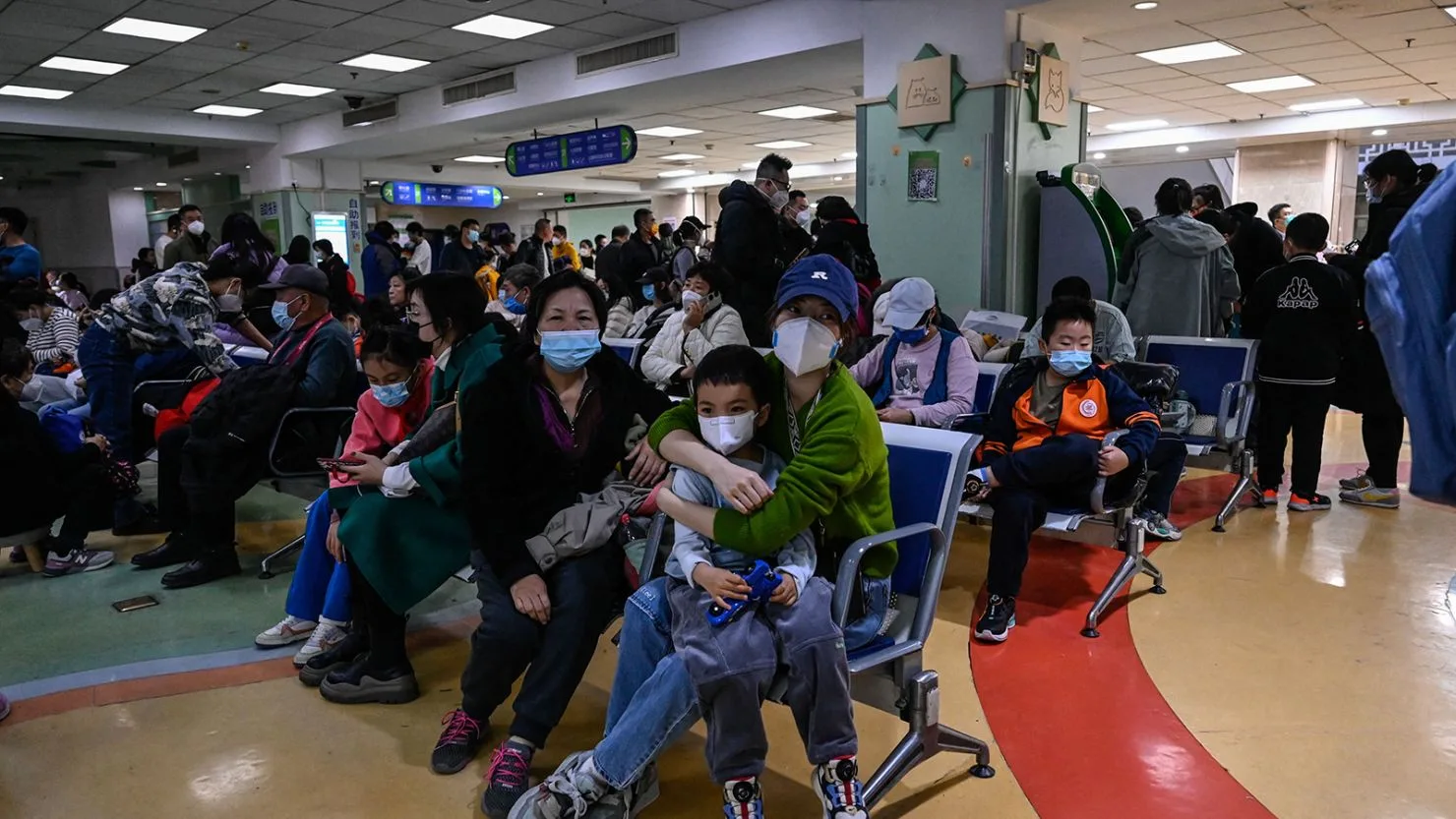
    On November 22, 2023, WHO identified media and ProMED reports highlighting clusters of undiagnosed pneumonia in children’s hospitals in Beijing, Liaoning, and other locations in China. Through the International Health Regulations mechanism, WHO officially requested additional epidemiologic and clinical information, as well as laboratory results from the reported cases and data on recent trends in circulating respiratory pathogens. The goal was to determine whether there were “clusters of undiagnosed pneumonia” in Beijing and Liaoning, as reported in the media, and if these were isolated incidents or part of the overall increase in respiratory illnesses in the community. WHO also sought additional information through clinical networks.

    On November 23, WHO conducted a teleconference with Chinese health authorities from the Chinese Center for Disease Control and Prevention and the Beijing Children’s Hospital. The Chinese authorities, facilitated by the National Health Commission and the National Administration of Disease Control and Prevention, provided the requested data, indicating an increase in outpatient consultations and hospital admissions of children due to Mycoplasma pneumoniae pneumonia since May and RSV, adenovirus, and influenza virus since October. Some of these increases occurred earlier in the season than historically observed but were anticipated due to the easing of COVID-19 restrictions, similar to experiences in other countries. Chinese health authorities reported no changes in disease presentation and no detection of unusual or novel pathogens or clinical presentations, emphasizing the general rise in respiratory illnesses due to multiple known pathogens. They further clarified that the surge in respiratory illnesses has not overwhelmed hospital capacities.

    Chinese authorities informed that since mid-October, enhanced outpatient and inpatient surveillance for respiratory illnesses, covering a broad spectrum of viruses and bacteria, has been implemented. This includes, for the first time, surveillance for Mycoplasma pneumoniae. This additional surveillance complements existing respiratory surveillance mechanisms and may have contributed to the observed increase in the detection and reporting of respiratory illnesses in children.

    Public Health Response

    Starting from mid-October, Chinese authorities have not only bolstered disease surveillance in healthcare facilities and community settings but also emphasized the importance of strengthening the health system’s capacity to handle patients. China has established systems to gather information on trends related to influenza, influenza-like illness (ILI), respiratory syncytial virus (RSV), severe acute respiratory syndrome coronavirus 2 (SARS-CoV-2), pneumonia, and other severe acute respiratory infections (SARI). It actively reports influenza detections to platforms like the Global Influenza Surveillance and Response System (GISRS), led by WHO, which is utilized for international virological and epidemiological surveillance of human influenza.

    WHO is actively monitoring the evolving situation and maintaining close communication with national authorities in China. Updates will be provided by WHO as deemed necessary.

    WHO Risk Assessment

    The current outbreak of respiratory illness presents symptoms common to various respiratory diseases. At present, Chinese surveillance and hospital systems indicate that the clinical manifestations are attributed to known circulating pathogens. Mycoplasma pneumoniae, a frequent respiratory pathogen and common cause of pediatric pneumonia, is easily treatable with antibiotics.

    China maintains an influenza-like illness (ILI) and severe acute respiratory infections (SARI) sentinel surveillance system. Since mid-October, an enhanced surveillance system for respiratory illnesses, encompassing a wide range of respiratory viruses and bacteria, including Mycoplasma pneumoniae, has been implemented.

    Detailed information to comprehensively assess the overall risk of the reported cases of respiratory illness in children is limited. However, with the onset of the winter season, an upswing in respiratory illnesses is anticipated, and the co-circulation of respiratory viruses may impose an increased burden on healthcare facilities.

    Surveillance data reported to WHO’s FluNet and published by the National Influenza Centre in China indicate that ILI has surpassed usual levels for this time of year and is on the rise in the northern provinces. Influenza detections are predominantly A(H3N2) and B/Victoria lineage viruses.

    WHO Advice

    Based on the existing information, WHO suggests that individuals in China adhere to measures aimed at minimizing the risk of respiratory illness. These measures include receiving recommended vaccines against influenza, COVID-19, and other relevant respiratory pathogens; maintaining a safe distance from individuals displaying symptoms; staying at home when feeling unwell; undergoing testing and seeking medical care as necessary; wearing masks as appropriate; ensuring proper ventilation; and practicing regular handwashing.

    For travelers to China, WHO does not prescribe any specific measures. Generally, individuals should avoid travel if experiencing symptoms indicative of respiratory illness, if feasible. In the event of symptoms during or after travel, travelers are encouraged to seek medical attention and provide their travel history to healthcare providers.

    WHO discourages the implementation of travel or trade restrictions based on the current information available regarding this event.

    Further Information

    • ProMed article. Undiagnosed pneumonia – China: Promed Post – ProMED-mail (promedmail.org)
    • WHO statement on reported clusters of respiratory illness in children in northern China: WHO statement on reported clusters of respiratory illness in children in northern China
    • Data and commentary from Press Conference of National Health Commission, 13 Nov 2023  http://www.nhc.gov.cn/xcs/s3574/202311/0807e750e6cc4a81a22b6d881913cf5d.shtml
    • Data on SARS-CoV-2 and influenza from China https://www.chinacdc.cn/jkzt/crb/zl/szkb_11803/jszl_13141/202311/t20231110_270578.html

    Citable reference: World Health Organization (23 November 2023). Disease Outbreak News; Upsurge of respiratory illnesses among children in northern China. Available at: https://www.who.int/emergencies/disease-outbreak-news/item/2023-DON494 

  • WHO requests data from China regarding paediatric ‘pneumonia clusters’

    WHO requests data from China regarding paediatric ‘pneumonia clusters’

    The World Health Organization (WHO) has asked China for more information about “a cluster of undiagnosed pneumonia” spreading among children in northern China.

    According to non-state media, children’s hospitals in some areas of the country are full of sick children.

    Chinese authorities have linked the lifting of COVID-19 restrictions to an increase in flu-like illnesses this winter.

    The World Health Organization (WHO) has urged Chinese citizens to take measures to reduce the spread of the virus.

    The UN health agency said in a statement it wanted more information about media reports and the global outbreak surveillance system ProMed about “a cluster of undiagnosed pneumonia in children in northern China“.

    Following the World Health Organization (WHO) announcement, state-run Xinhua News Agency published an article on Thursday quoting a National Health Commission official as saying the country is focusing on diagnosing and treating children with respiratory illnesses.

    China and the rise in infections may worry people as they bring back memories of the coronavirus pandemic, but it is good practice for the WHO to ask for clarification. But it’s impossible to know why the rise in infections is happening until Beijing responds.

    The WHO added that since October, northern China has reported “an increase in flu-like illnesses” compared to the past three years.

    Last week, China’s National Health Commission said there had been an increase in several respiratory diseases, including influenza, Covid, mycoplasma pneumoniae (a common bacterial infection affecting young children) and respiratory syncytial virus (RSV).

    Officials explained that this turnout was due to the lifting of COVID-19 restrictions.

    Other countries, including the United Kingdom and the United States, have seen similar increases in flu-like illnesses after pandemic restrictions were lifted.

    Professor François said: “There is a high possibility that respiratory infections will become widespread in children in China.

    This is because the circulation of respiratory infections dropped sharply for the first time after the long period of isolation, and the immunity against endemic insects was reduced.

    He graduated from the Institute of Genetics, University College London.

    The World Health Organization (WHO) said it was unclear whether the reported pneumonia outbreak was linked to the overall increase in respiratory infections reported by Beijing and formally requested further information.

    He urged Chinese citizens to take basic precautions, including getting vaccinated, wearing masks and washing hands.

  • Two imprisoned in China for allegedly using excavator to damage the Great Wall

    Two imprisoned in China for allegedly using excavator to damage the Great Wall

    Two individuals have been confined in northern China after supposedly harming a area of the Awesome Divider with an excavator, agreeing to neighborhood specialists.

    A 38-year-old man and 55-year-old ladies in Shanxi area were denounced of burrowing through the Awesome Divider to make a alternate route for their development work adjacent, neighborhood police said in a explanation.

    They allegedly expanded an existing opening within the antiquated structure into a wide hole expansive sufficient for their excavator to pass through to “save the separate of travel,” concurring to the explanation.

    Their exhuming caused “irreversible” harm to the judgment and security of that parcel of the divider, the police said.

    Police in Yuyou district confined the two suspects after getting reports around the harm on Admirable 24. The case is beneath advance examination, agreeing to the articulation.

    The Extraordinary Divider, which acted as a key northern defense for progressive Chinese Domains, encompasses a add up to length of more than 20,000 kilometers (12,427 miles) and was assigned a UNESCO World Legacy Location in 1987.

    Its most punctual areas date back more than two thousand a long time and were afterward expanded all through China’s old lines.

    The harm was dispensed on a segment of the divider dating back to the Ming line (1368-1644), known as the 32nd Extraordinary Divider. It is additionally domestic to a moderately well protected observe tower and is recorded as a common social antique.

    Chinese specialists have in later a long time ventured up security of the Extraordinary Divider and broken down on acts of vandalism.

    In 2021, three guests were confined and fined by police for scribbling on the celebrated Badaling segment of divider with a sharp protest.

    Afterward that year, Chinese specialists prohibited two outside visitors from the Awesome Divider after they trespassed onto an undeveloped portion of the Mutianyu segment of the divider.

  • China surpasses its own record for most hot days in six-month period

    China surpasses its own record for most hot days in six-month period

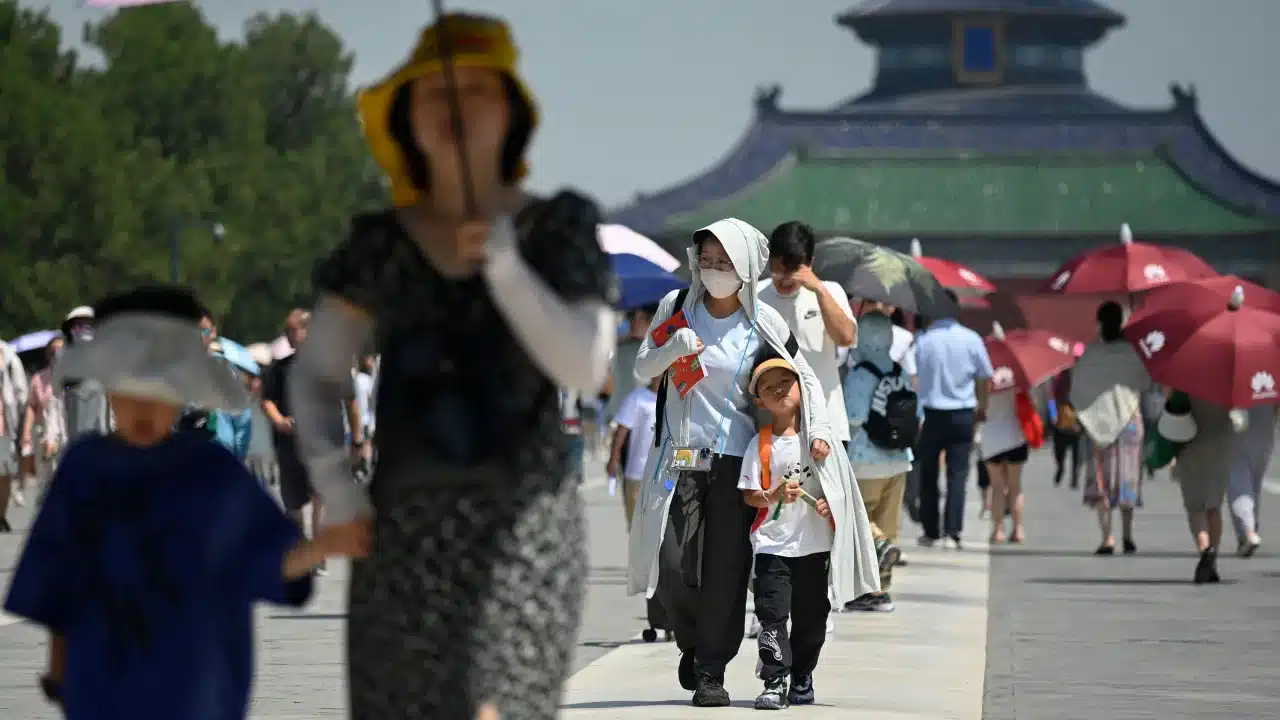
    Authorities report that China has experienced the most hot days in a six-month period since records have been kept, as the nation prepares for yet another scorching summer that will shatter all previous records.

    According to a statement released on Sunday by the National Climate Centre, China had an average of 4.1 days in the first half of this year with high temperatures over 35 degrees Celsius (95 degrees Fahrenheit). This is the highest number since 1961.

    The number of days with high temperatures that weather stations across the nation recorded was used to compute the national average.

    China has already experienced four regional heat waves so far this summer, which arrived earlier and have been more widespread and extreme than in previous years, according to the center.

    Northern China, a heavily populated region with hundreds of millions of residents, has been particularly hard hit, with more heat waves expected in coming weeks.

    So far this year, Shijiazhuang, the capital of Hebei province, has seen 17 high temperature days, followed by Beijing’s 14 days.

    Across the country, 110 weather stations have seen record temperatures, the center said.

    China’s first heat wave this year arrived on May 28, more than two weeks earlier than usual and affecting 15 provinces.

    By the middle of June, more than 200 million people in northern China were suffering from maximum daily temperatures above 40 degrees Celsius (104 degrees Fahrenheit).

    And during the fourth – and strongest – heat wave that lasted from June 21 to 30, Beijing’s temperature soared above 41 degrees Celsius (105.8 degrees Fahrenheit), setting a new record for the capital’s hottest day in June.

    The National Climate Center said that heat wave was the most extreme China has encountered over the past decade in June, a month when repeated heat waves are extremely rare, according to the center.

    As the climate crisis intensifies, scientists say dangerous, record heat waves are set to become more frequent and more severe.

    Zhou Bing, chief of climate service of the China Meteorological Administration, told the state-run Global Times that China has recently experienced a high frequency of extreme weather events associated with El Nino – a naturally occurring climate system marked by warmer-than-average sea surface temperatures in the Pacific Ocean near the equator.

    “The development of El Nino will lead to an increase in rainfall in southern China in summer and a decrease in rainfall in northern China, with flooding in the south and drought in the north,” Zhou was quoted as saying.

    As northern China suffered scorching heat, the country’s southwest was hit by territorial rains in the past week.

    Four people died and and three went missing after landslides triggered by rainstorms and flash floods hit Wenchuan county, Sichuan province last Tuesday, state news agency Xinhua reported.