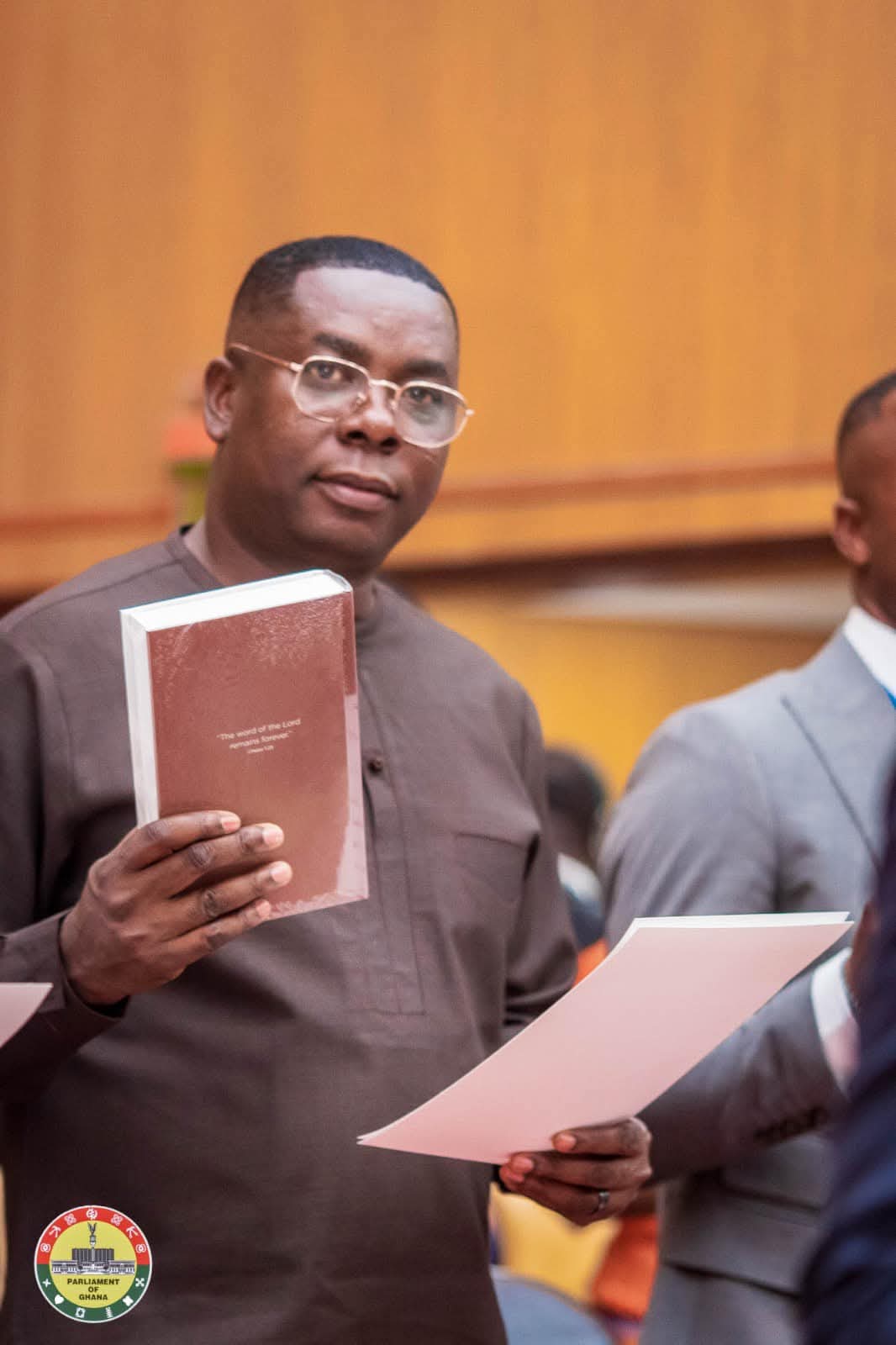
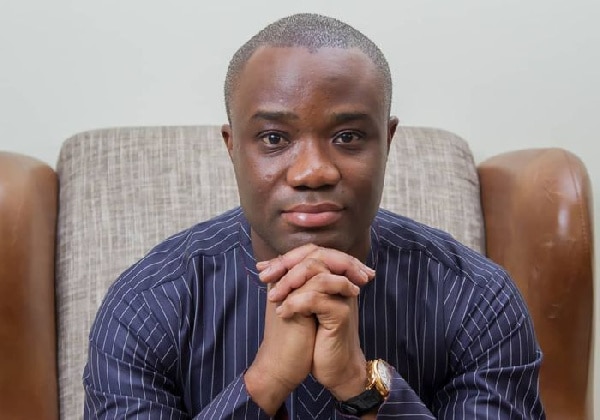
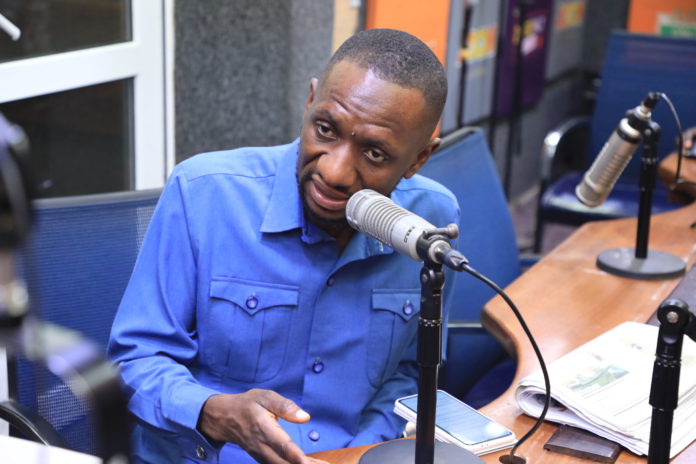
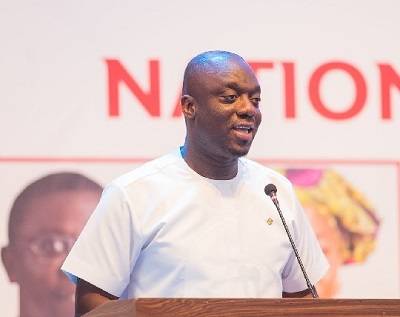
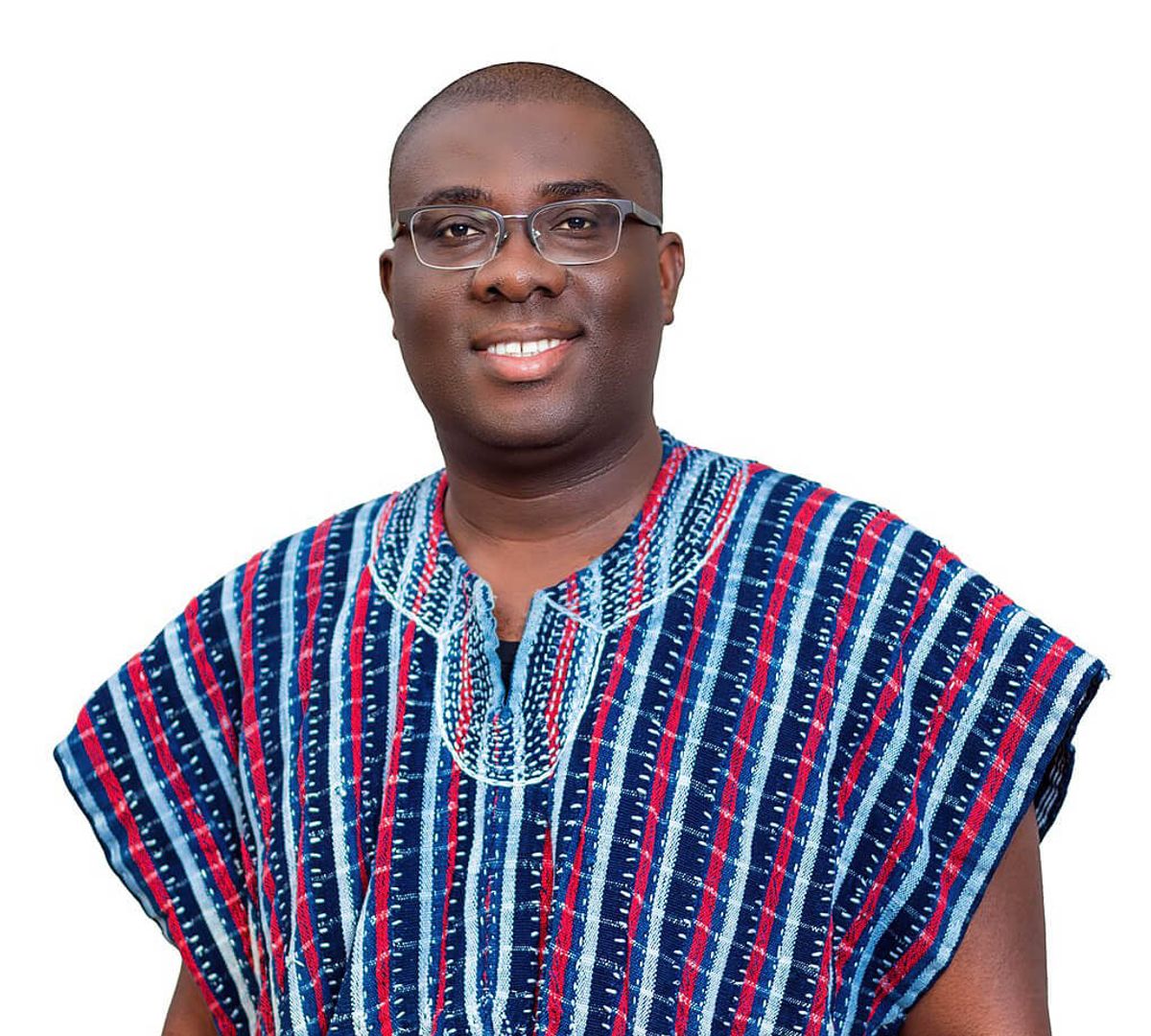
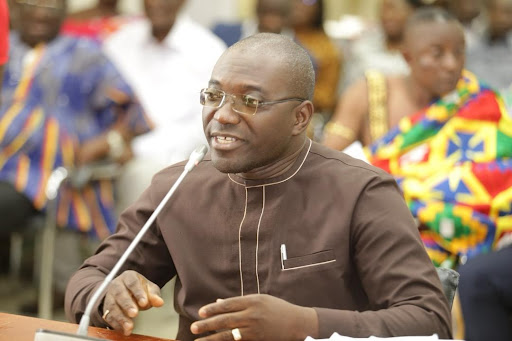
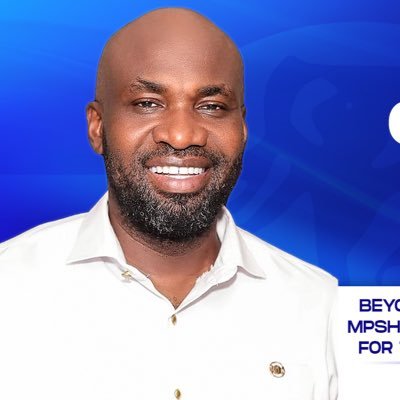
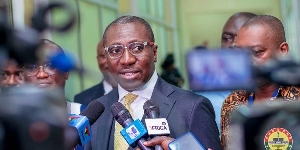
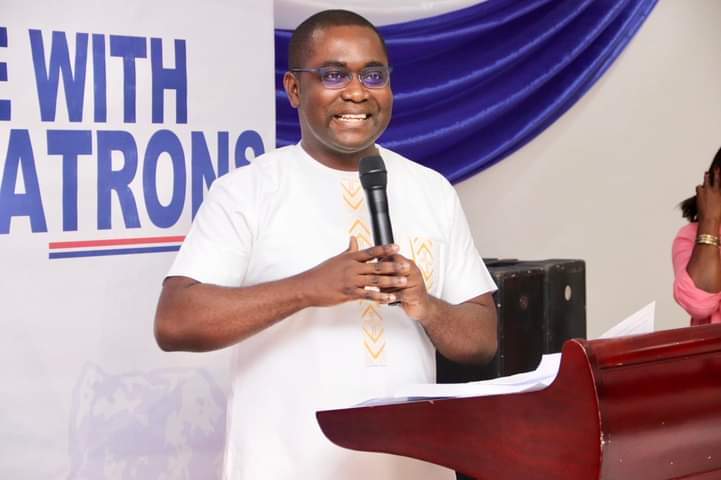
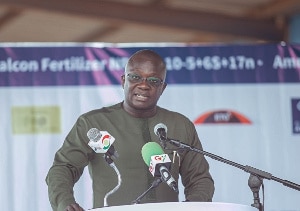
Member of Parliament for Tano North, Dr. Gideon Boako, has chastised the government for citing the International Monetary Fund (IMF) programme as reason to increase electricity tariffs.
Dr Boako in his remarks defended the Akufo-Addo administration’s handling of electricity tariffs, stating that the government only increased tariffs in three out of its eight years in office, despite managing an International Monetary Fund (IMF) programme inherited from the previous government.
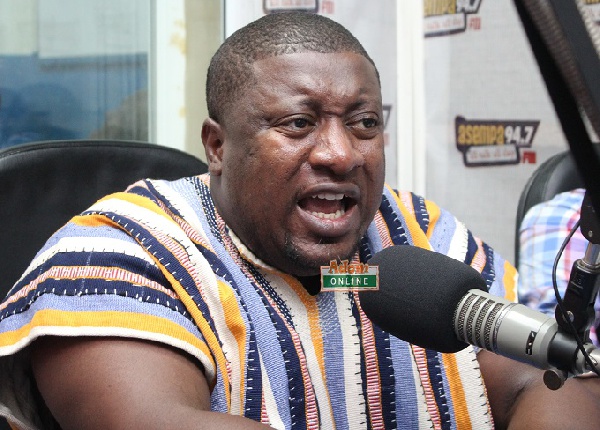
Speaking during an interview on Asempa FM, Dr. Boako compared the New Patriotic Party’s (NPP) record to that of the opposition National Democratic Congress (NDC), which, according to him, implemented consistent hikes during its tenure.
“From 2009 to 2017, the 8 years NDC was in power, seven out of the eight years, they increased electricity tariff. The only year the NDC didn’t increase electricity tariff was 2009,” Dr. Boako emphasized.
He argued that unlike the NDC, the Akufo-Addo administration managed the inherited IMF programme without frequent tariff hikes.
“Under President Akufo-Addo, he came to inherit IMF programme under the NDC and that ended for him to also introduce another in the 8 years. But during the 8 years of President Akufo-Addo, out of the eight years, only three years did the NPP increase electricity tariff,” he stated.
Dr. Boako outlined specific years under the current government where adjustments were made: “There was no increase in 2017, 2018…there was a reduction of 17.4%. In 2019, we increased by 17.5%. In 2020, we didn’t increase electricity tariff. 2021 and 2022, there was no increase. In 2023, he increased electricity tariff and in 2024, he didn’t by 6%.”
He criticized claims suggesting the IMF had pressured the government into raising tariffs, saying, “So if you come and tell us that IMF says increase electricity tariff then you are not being truthful to Ghanaians.”
However, data from Fact-Check Ghana presents a more comprehensive picture of Ghana’s tariff adjustments over the years. Since 2010, the Public Utilities Regulatory Commission (PURC) has conducted 29 tariff reviews—resulting in 11 increments and two decrements. The remaining reviews saw no changes in rates.
Under the NDC administration, significant increases occurred, notably an 89% rise in electricity tariffs in June 2010, followed by another jump of 36% in water tariffs. While there was a reduction in early 2011, later that year witnessed further increases of 7% and 3%. In 2013, a proposed 78.9% hike led to national protests, eventually reducing the increment to 58.19%.
The following years saw continued adjustments. In 2014 alone, electricity tariffs increased three times, while 2015 brought an overall surge of 90.93% across multiple reviews.
During Akufo-Addo’s first term, electricity tariffs were reduced in March 2018 by 17.5% for households, with reductions applied at varying rates for other consumer categories. Although tariffs increased in 2019 by 11.7% in July and another 5.94% in October, the following year saw no increases, largely due to government subsidies during the COVID-19 pandemic.
In 2021, there were no tariff hikes, aligning with Dr. Boako’s claims of limited increments during the NPP administration’s tenure.