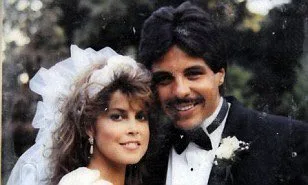
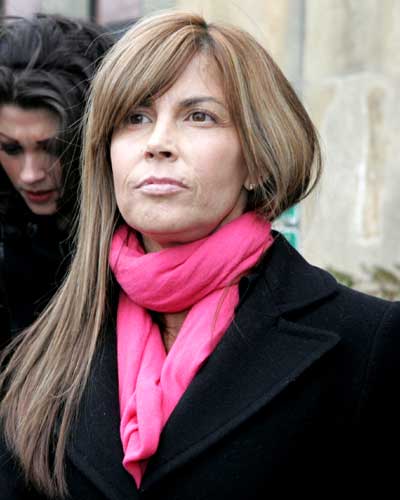
In 2001, Richard Batista, a neurosurgeon from Long Island, US, made a generous and loving gesture to his wife, Dawnell: he donated one of his kidneys to save her from a life-threatening condition. But little did he know that his act of kindness would be repaid with betrayal and divorce.
Four years after the transplant, Dawnell filed for divorce, accusing Richard of domestic violence and infidelity. She also barred him from seeing their three children. Richard, who claimed that his wife was cheating on him with her physical therapist, was devastated and angry.
In 2009, a week before the divorce trial was scheduled to begin, Richard made a shocking announcement: he wanted his kidney back, or $1.5 million in compensation. He said he had given his heart and his kidney to his wife, and that he was frustrated by the slow pace of the divorce negotiations.
He also went public with his demand, appearing on various media outlets and telling his side of the story. He said he wanted to raise awareness about the plight of organ donors and the need for legal protection.
However, his request was not only legally unsound, but also potentially criminal. A court ruled that human tissues or organs are not marital property, and that they cannot be valued or returned in a divorce suit. The court also said that Richard’s attempt to extort money from his wife for the kidney he donated could expose him to prosecution.
The case sparked a lot of controversy and debate, as well as jokes and ridicule. Some people sympathized with Richard, while others criticized him for being vengeful and selfish. Some people wondered what would happen if the kidney was returned, and who would perform the surgery.
The case also raised ethical and moral questions about organ donation and transplantation. Is it right to donate an organ to someone you love, expecting nothing in return? Is it wrong to divorce someone who gave you a part of themselves to save your life? What are the rights and responsibilities of organ donors and recipients?
The case of Richard and Dawnell Batista is a rare and extreme example of how a life-saving gift can turn into a bitter dispute. It is also a reminder of the risks and rewards of organ donation, and the importance of respecting the dignity and autonomy of both donors and recipients.
A teenage schoolgirl who lived off of a diet mainly consisting of croissantsfor around a decade has finally been able to start to recover from her eating disorder.
Ciarra Franco, 13, became terrified of trying new foods after almost choking as a toddler, with her mum Angela spending years struggling to get her to eat a variety of things.
Franco, from Gravesend, Kent, refused to eat school dinners when starting reception, only feeling comfortable with a packed lunch of croissants, and occasionally another French pastry.
She did this every day since starting school.
But thankfully, she has now been able to broaden what she eats after her family reached out to a hypnotherapist specialising in treating children with selective eating disorders.
The support she received ended up changing Franco’s life, and, for the first time, Franco has been able to enjoy a croissant with a variety of fillings such as chocolate, and has tried new foods including a Chinese takeaway, and fruits including pineapple.
Franco’s story is being shared to markEating Disorders Awareness Week, which this year runs from 27 February-5 March, and raise awareness of Avoidant/restrictive food intake disorder (AFRID).
According to the eating disorders charity Beat, AFRID is a condition where someone avoids certain foods or types of food, restricts their intake in terms of overall amount eaten, or does both,
They may do this for different reasons, including being hyper-sensitive to taste, texture, smell or appearance of certain foods, or can only eat things at a specific temperature. They might also have had a distressing experience with food, like choking (similar to Franco), vomiting, or bad abdominal pain.
This can lead to people eating only what they consider ‘safe’ foods, with them fearful of what might happen after eating.
Ciarra Franco’s selective eating was triggered by choking on a sweet when she was younger. (Caters).
“When she was born, Ciarra spent a lot of time in the hospital for bronchitis and other lung-related issues for the first two years of her life,” her mother explains.
“Then at two, she choked on a sweet.
“So, I do think that there was always a subconscious element to why she struggled with trying new foods so much.”
Her limited eating has always been a worry for her family, something they were desperate to understand and help with.
“Ciarra has always tried so hard to try new foods, but it’s like there’s a mental block from her putting the fork in her mouth,” explains Angela.
“We’ve never forced her to try new things, and when she gets stressed out or upset about it, we always let her know that it’s ok, and that she doesn’t have to force it.”
Ciarra Franco is now in recovery with help from a hypnotherapist. (Caters)
There were some other foods Franco was okay with, but croissants were the main one.
“Since she was two, one of the only things she has eaten constantly is croissants for lunch and plain pasta for her dinner,” her mum continues.
“She’d occasionally try plain cereal, like cornflakes, and ready salted crisps, but she’s had a croissant every day for lunch for as long as I can remember.
“She’d occasionally tried a pain au chocolate or a brioche too, but she really preferred croissants.
Angela always sensed her daughter’s eating issues were quite deep-rooted.
“We always knew that she wasn’t just a fussy eater, but it was always quite upsetting for her when we’d go for meals out or get a takeaway that she wouldn’t eat what we were having,” she says.
Franco was labelled as a “fussy eater” by medical professionals who claimed “she will eat when she wants to.”
“They would all say she’s just being fussy, or she’s having tummy troubles,” Angela adds.
“As a parent, all you want is for your child to eat and for them to be comfortable with what they are eating.
“People really don’t understand that it is an illness, not just fussiness.”
Ciarra Franco’s mum knew she wasn’t just being ‘fussy’, and continued to support her with trying to eat new foods. (Caters)
Angela eventually decided to contact hypnotherapist David Kilmurry, after spotting an article in a local paper about a similar case he’d helped with.
After just six weeks with him, where Franco listened to relaxation MP4s before meals, used an achievement chart, and expressed her food fears, she can now enjoy a takeaway with her family.
Kilmurry explains: “ARFID had caused Ciarra social exclusion and her love of gymnastics was on the knife’s edge thanks to the tiring effects of the low-grade, sugar-rich food intake which restricted her to just a few beige foods.”
“After the first hypnotism, Ciarra ate an array of colourful fruits, vegetables and salad foods without hesitation and rated them all very highly,” Kilmurry adds..
“This continued and mum Angela jokingly complained that Ciarra was eating her out of house and home, with Chinese food becoming a new favourite.
Angela is proud of her daughter for her ‘amazing achievement’. (Caters)
Franco’s improvement mean that for the first time in 10 years the whole family can sit down together and enjoy a meal.
“She’s tried so many new foods since her hypnotherapy, and whilst she’s still got a long way to go, her palate has changed massively,” says Angela.
“Some of her favourite things to eat now include sweet and sour chicken, roast potatoes with seasoning, and even pineapple.
“She’s still trying new things every day, it’s an amazing achievement!”
While she’s still making daily progress with her recovery, for now, she still feels most comfortable with croissants for her packed lunch.