Tag: oil

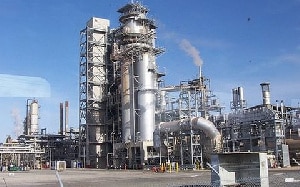
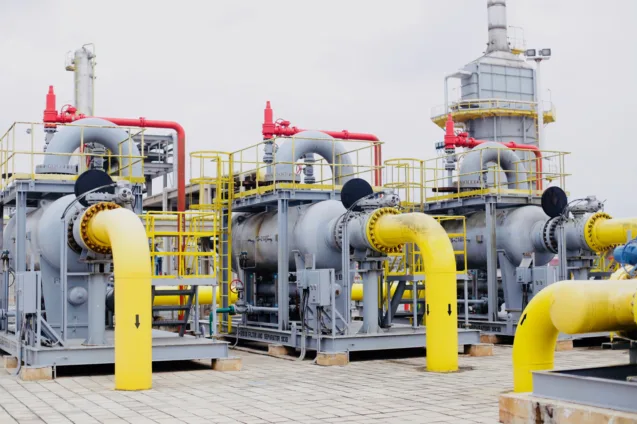
  • Tema Oil Refinery restarts crude oil processing after several years of dormancy

    Tema Oil Refinery restarts crude oil processing after several years of dormancy

    President John Dramani Mahama’s pledge to revive Ghana’s premier crude oil processing facility, the Team Oil Refinery (TOR) has been fulfilled.

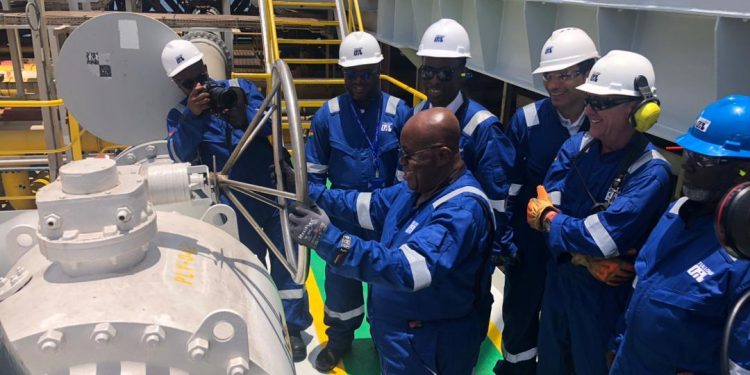
    After several years of inactivity, management of Tema Oil Refinery has announced the resumption of operations. The resumption has become possible following the completion of extensive Turnaround Maintenance (TAM) works on the refinery’s Crude Distillation Unit (CDU). Maintenance works on began on August 1 and October 30 this year. This information was contained in a press statement released by the management on Saturday December 27.

    TOR’s resumption is expected to boost energy security, industrial growth and national development, potentially saving Ghana up to $10.2 billion in oil import bills annually.

    Tema Oil Refinery halted its operations in 2018 citing lack of crude oil which serves as a raw material in maintaining the refinery. Other factors that influenced the closure include broken equipment, piled debt, among others.

    Addressing party delegates in 2023, President Mahama assured the creation of jobs through the revamping of the refinery.

    He pledged to revive the Oil Refinery to its former glory which he claimed was collapsed by the then Akufo-Addo government.

    “Since we (NDC) left office, TOR has never processed crude oil again. I remember before we left office, we sent to TOR the first batch of Ghanaian crude oil from our own oil fields for TOR to process. That oil sat there for several years, eventually, they discounted the oil and sold it out without processing it. I can assure you, when NDC comes back, TOR will stand on its feet again”, he noted.

    In June, this year, Managing Director of TOR Mr. Edmond Kombat has revealed refinery operations will commence in October.

    He informed the Parliamentary Committee on Energy on Sunday, June 22, when he briefed the committee on the leadership’s mandate, work plans for the year 2025, and their operational challenges.

    The engagement forms part of the committee’s oversight responsibility of the agencies under the Ministry of Energy and Green Transition.

    In his submission, Mr. Edmond Kombat indicated that TOR will continue with the gantry and terminal upgrade.

    He noted that the current leadership will also complete ongoing projects commenced by the previous administration as well as work on their debt and financial restructuring as well as retooling of their laboratory.

    He noted that the refinery was wallowing in debt worth $517 million after being inactive for the past four years. The current debt is as of December 2024.

    The Managing Director said: “There were times that the Ministry of Finance in the past had given some funds to TOR and some of it, for example, was grants and then when they entered into the agreement with the IMF, the IMF asked them to reclassify it as debt.

    “So, those things have accumulated to that amount of money and I think the last time TOR traded, some of the trades were not hedged,” he said.

    “We are doing that verification and once we do that verification and authentication of what we have been able to bring down, that will be communicated publicly,” Mr. Edmond Kombat.

    According to him, for the past 6 months, TOR had not audited its financial accounts.

    The Managing Director made a special appeal to the parliamentary committee to help them resolve some of their challenges.

    They include restructuring of their debts with the ESLA receivables, converting GOG debts into equity,reinstating the TOR portion of the ESLA Levy, allowing TOR to participate in the primary distribution margin, and giving TOR a representation on the Laycan Committee, among others.

  • Gold-for-Oil initiative suspended as BoG reviews policy

    Gold-for-Oil initiative suspended as BoG reviews policy

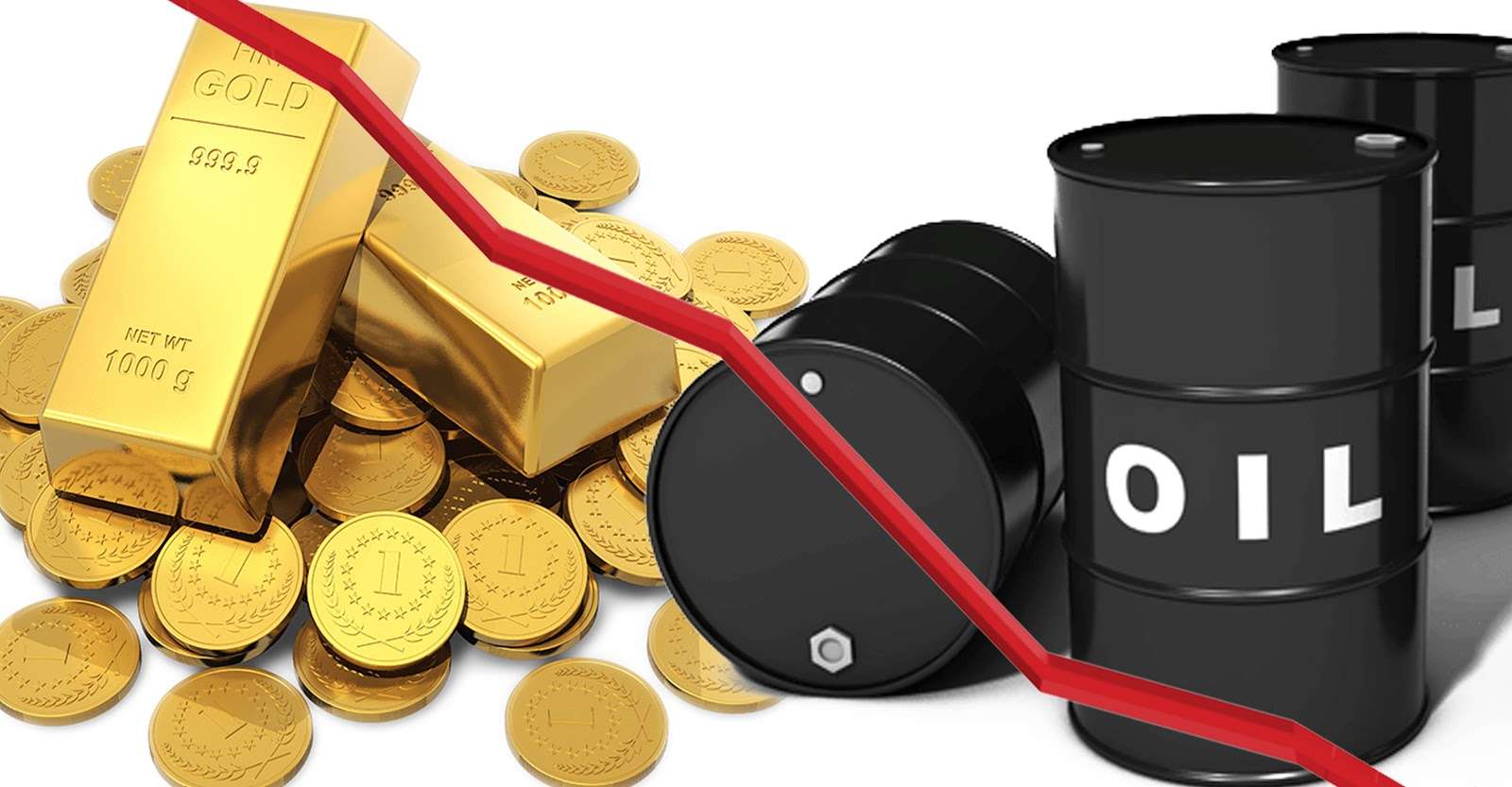
    The Bank of Ghana (BoG) has suspended the Gold-for-Oil programme due to policy and operational challenges that have resulted in financial losses.

    The initiative, introduced to reduce reliance on foreign exchange for fuel imports and stabilize fuel prices, is on hold as the Central Bank reviews its economic strategy.

    In an interview with Bloomberg, BoG Governor Dr. Johnson Asiama acknowledged the challenges, stating, “We have had to incur some losses on that, so we have put some suspension on the trade.”

    However, he did not specify the exact issues leading to the decision. Dr. Asiama remains optimistic about Ghana’s economic trajectory, highlighting improvements in the stability of the cedi following last year’s fluctuations.

    “We intend to maintain an appropriate monetary policy stance. Together with commitments to fiscal discipline under the administration of President John Mahama, this should help us maintain stability in the foreign exchange markets,” he assured.

  • Ghana’s palm oil export saw a decline of over 50% in 2024 – OPDAG

    Ghana’s palm oil export saw a decline of over 50% in 2024 – OPDAG

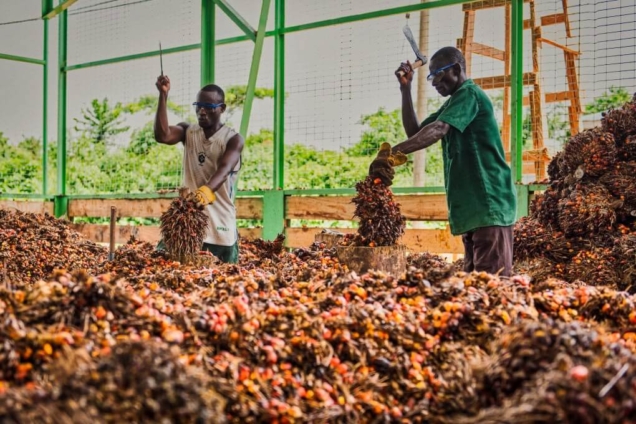
    Ghana’s oil palm exports have declined by more than 50% in 2024, according to the Oil Palm Development Association of Ghana (OPDAG).

    The association’s president, Samuel Avaala, attributes this sharp downturn to insufficient government backing and the influx of cheaper foreign alternatives, which have put immense pressure on local producers.

    Speaking with Joy Business, Mr Avaala made a strong appeal for protective measures to safeguard the domestic oil palm industry.

     He urged the government to take decisive action against the uncontrolled importation of foreign palm oil, which continues to undercut local businesses.

    “We want to develop it ourselves, and it is in a state where we are not going to be competitive compared to our neighbors. Let’s play it safe. It’s around 50%. But in recent times, what has happened is that it is probably crossing the 50% mark, leaving the local side to take less than 50%,” he said.

    The association stressed the urgency of investing in local production capacity to close the widening gap in palm oil supply. Avaala underscored the importance of sound policy measures, exchange rate stability, and efficient liquidity management, stating that a more favorable economic environment would bolster growth in the sector.

    Ghana’s annual palm oil consumption stands at approximately 450,000 metric tons, largely driven by demand for vegetable oil. 

    However, domestic production accounts for only 300,000 metric tons, creating a substantial deficit of 150,000 metric tons, which is met through imports.

  • OMCs blame gold-for-oil policy for looming fuel shortage

    OMCs blame gold-for-oil policy for looming fuel shortage

    The Chamber of Oil Marketing Companies (OMCs) has sounded the alarm over a possible fuel shortage in the coming days, attributing the looming crisis to the suspension of the gold-for-oil policy and halted refining activities at Sentuo Oil.

    Dr. Riverson Oppong, Chief Executive Officer of the Chamber, has called on the government to take immediate action to prevent the anticipated shortage.

    “When the gold-for-oil started, it peaked and when it peaked, we in the petroleum sector saw this coming. Anytime you are drawing a graph and there is a peak, there is a fall and we warned the government but it won’t listen.

    “And when the supply was cut to an extent and when the Sentuo Oil refinery also ceased to produce, or let’s say, process, we anticipated a loss. Today, the fuel shortage we find in the market has to do with the PMS. BDC’s ceased to import because there was gold-for-oil,” he explained.

    The gold-for-oil (G4O) policy, introduced in 2022 by former Vice President Dr. Mahamudu Bawumia, aimed to stabilize Ghana’s fuel supply and reduce pressure on the cedi. Under the policy, Ghana exchanged gold for imported petroleum products, seeking to minimize dollar dependency, control fuel prices, and manage balance of payment issues.

    By March 2023, the Precious Minerals Marketing Company (PMMC) had purchased over 60,000 ounces of gold valued at more than $97 million from local miners. The goal, however, was to secure at least 160,000 ounces worth around $300 million monthly, an amount expected to cover half of the nation’s monthly oil demand.

    However, the program’s sustainability has come under scrutiny. Former President John Dramani Mahama has vowed to probe the policy if elected president. Speaking at the 3rd Annual Transformational Dialogue on Small-scale Mining at the University of Energy and Natural Resources (UENR) in Sunyani, Mahama questioned the transparency of the deal.

    “We will investigate the opaque gold-for-oil programme and expose the actors benefiting from this so-called barter agreement. Reports reaching me suggest that a new debt burden is being created because Ghana has not been able to keep up with its delivery of gold under the programme,” Mahama said.

    The OMCs have called for clearer policy direction and better coordination between government and industry players to avert fuel supply disruptions.

  • Springfield begins Afina Well appraisal to strengthen oil field unitisation efforts

    Springfield begins Afina Well appraisal to strengthen oil field unitisation efforts

    The CEO of Springfield E&P, an indigenous oil exploration and production company, has revealed that the appraisal of the Afina-1x Well, located in the West Cape Three Points (WCTP) Block 2 offshore Ghana, is now underway.

    This follows an international tribunal’s directive for the Ghanaian government to permit Springfield to proceed with the completion of the long-pending Afina-Sankofa unitisation process.

    In an interview with the Daily Graphic, Okyere stated that the company’s ongoing well test and appraisal, valued at US$60 million, is part of its commitment to assess the Afina-1x well within three months of the tribunal’s ruling, highlighting Springfield’s dedication to deepwater operations.

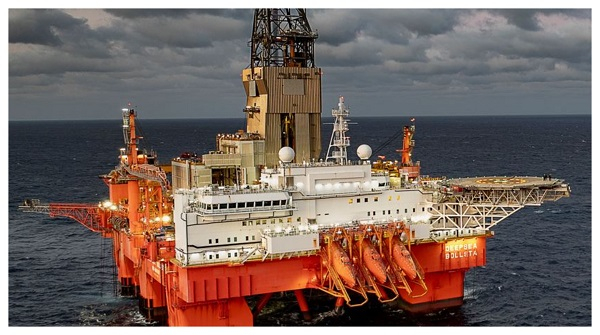
    He also mentioned that the Deepsea Bollsta Rig, which arrived at the Ghanaian oil field on October 17, 2024, was contracted by Springfield from Northern Ocean, a well-established Norwegian firm.

    “We have a clear understanding of what being an upstream operator entails, so we have hired the best possible team with over 60 years of collective experience working for all the super-majors and majors of the world, and we work with all the best blue-chip companies to execute all technical works, studies, and drilling programs,” he is quoted by graphic.com.gh.

    He added that, “Being a smaller operator but working with the same expertise and diligence as the big operators, we can make decisions swiftly to benefit all our stakeholders, including the government and people of Ghana.”

    The Springfield CEO pointed out that significant challenges have affected the energy sector, which prompted the company to act swiftly in securing the Deepsea Bollsta Rig in record time.

    “Our research has shown that during this busy time in the drilling industry, rigs would not be available for another year, and yet Springfield managed to find one, and drilling commenced. This has all happened within a space of three months,” he explained.

    He mentioned that, despite previous obstacles, the company’s persistence and determination have allowed it to recover and successfully find a solution.

    “We are upbeat about the outcome of the appraisal, and the data before us is very positive,” he stated.

    On July 8, 2024, the International Court of Arbitration ruled that the Ghanaian government acted lawfully in issuing a unitisation directive in the case involving Eni Ghana Exploration and Production and Vitol Energy.

    The court further ordered Springfield to complete the unitisation process within three months, prompting the company to secure a rig and fulfill all technical requirements to conduct a well test and appraise the Afina-1x well.

  • Ghana’s oil industry risks collapse over lack of investors – GHEITI

    Ghana’s oil industry risks collapse over lack of investors – GHEITI

    Co-chair of the Ghana Extractive Industry Transparency Initiative (GHEITI), Dr. Steve Manteaw, has warned that Ghana’s oil industry could face a significant downturn if the government fails to attract new investors to sustain production.

    He cautioned that oil production could cease within the next two decades unless urgent measures are taken.

    Speaking after the launch of the 2021/2022 GHEITI report, Dr. Manteaw highlighted concerns over the dwindling reserves in Ghana’s oil fields, particularly the Jubilee field, which has been in production for over a decade.

    “We know we have been taking oil out of Jubilee for the last ten or 14 years now. The Jubilee lifespan was supposed to be 25 to 30 years, so if you have taken about 14 years, then we have some few years ahead to exhaust the reserves,” he stated.

    Dr. Manteaw attributed the consistent decline in oil production over the past four years to the government’s inability to bring new projects online. He noted that without additional investments to bolster the reserves, the future of Ghana’s oil production is at risk.

    “If we do not add to the reserves, my fear is that in the next 15 or 20 years, our oil production will be gone. The reason is that while we are peaking, we are not bringing new projects on-stream,” he explained.

    He further criticized the government’s failure to design policies that would attract foreign investors to the oil and gas sector, emphasizing that investor interest has shifted to neighboring countries due to more favorable conditions.

    “We are not inviting the investors. They are all moving to other neighboring countries. Our seismic data is also poor. We have 2D instead of 3D,” he pointed out.

    Dr. Manteaw also lamented the government’s lack of investment in exploration, arguing that this sends negative signals to potential investors interested in Ghana’s oil and gas industry.

    GHEITI Report Findings

    The 2021/2022 GHEITI report revealed that Ghana’s oil production is facing challenges. In 2021, the Jubilee field produced 27 million barrels of crude, down from 30 million barrels in 2020, representing a 10 percent decline. Despite this, the Jubilee field still accounted for half of the national oil output.

    However, in 2022, the Jubilee field experienced a slight recovery, with production increasing by 11.5 percent compared to 2021. The highest monthly production in the Jubilee field was recorded in March, while the lowest was in May.

    The report also highlighted significant production declines in the Tweneboa Enyera Ntomme (TEN) fields, where output dropped by 33 percent in 2021 and by 28 percent in 2022. This decline was attributed to poor reservoir performance. Meanwhile, production at the Gye Nyame Sankofa projects saw improvement in 2020 but declined again in 2021 due to an Emergency Shutdown.

    Recommendations

    The GHEITI report recommended that the government invest in data collection and exploration activities to address the ongoing challenges in the oil sector. Improved seismic data and strategic policies are essential to attracting investors and sustaining oil production in the long term.

  • Govt on course to develop newly discovered oil fields – Finance minister

    Govt on course to develop newly discovered oil fields – Finance minister

    Minister of Finance, Dr. Mohammed Amin Adam, has revealed that the government is working around the clock develop recently discovered oil fields to increase the country’s overall GDP.

    Addressing the Future of Energy Conference in Accra, Dr. Adam noted that the government has allocated around US$10.6 billion from crude oil revenues.

    He explained that the government aims to leverage these new oil reserves to enhance national revenue and fund essential capital projects.

    “We are working on developing new oil fields. It is expected that this will impact the growth rate of the country. We have so far distributed crude oil revenues of approximately US$10.6 billion as of today to the allowable designated accounts provided for in the Petroleum Revenue Management Acts”.

    The minister added that even though unworked oil receipts constitute a little over 1% of GDP in Ghana, there is still a vast potential in the sector.

    “We are thus working on developing the newly discovered fields with significant reserves to ensure that we generate additional revenues”.

    “All these fields, when developed, will increase Ghana’s revenues and allow us to implement government projects to help put in place the infrastructure required to advance our country’s sustainable”, he said.

  • Investigate Gold for Oil programme – Parliament told

    Investigate Gold for Oil programme – Parliament told

    Concerns have been raised by the Ghana Extractive Industry Transparency Initiative (GHEITI), necessitating that Parliament probe the Gold for Oil policy due to its lack of transparency

    Vice President Dr. Mahamadu Bawumia revealed on Sunday new details about how he persuaded an unnamed businessman to buy gold worth GH₵3.1 billion from the Bank of Ghana’s vault.

    The Vice President explained that Ghana’s economy was on the brink of collapse, similar to the situation in Sri Lanka, which prompted him to urge the Governor of the Central Bank to begin purchasing gold “overnight.”

    However, despite this explanation, Dr. Steve Manteaw, co-chair of the Ghana Extractive Industry Transparency Initiative, stated in an interview with JoyNews that the government still needs to provide more information on the gold for oil policy.

    He emphasized that the intermediaries involved in the transactions remain unclear.

    “The whole Gold 4 Oil programme has been shrouded in secrecy, in ways that do not build public trust. If the Vice President can provide further details on this issue, it will help to build public trust and perhaps we will be able to confirm the assertions that he is making,” he said.

    Dr Manteaw noted that there is a need to understand the cost aspect of the transaction and not just the benefits, adding that it will be “beneficial in unearthing any acts of corruption in these transactions.”

    Owing to government’s failure to audit the programme, Dr Manteaw indicated that a parliamentary enquiry will be required to bring more clarity to the project.

    “…We wanted government on its own to make these disclosures but since the government has failed or refused to make these disclosures, I think a parliamentary probe will be in order,” he stated.

  • Dangote accuses NNPC personnel, oil traders of providing poor quality products

    Dangote accuses NNPC personnel, oil traders of providing poor quality products

    Africa’s richest man, Aliko Dangote, has accused some staff members of the Nigerian National Petroleum Company (NNPC) Limited and oil traders of operating a blending plant in Malta that produces substandard petroleum products.

    Dangote made this statement over the weekend when he received the leadership of the House led by Speaker Tajudeen Abbas and his deputy Benjamin Kalu.

    Dangote asserted that the products from the Dangote Refinery are of far superior quality compared to the ones imported by marketers. He highlighted that the poor-quality fuel imported into Nigeria has caused significant damage to many vehicles. “I still stand by what I said. Go to filling stations, you can check the quality. That is the only way,” he emphasized.

    In response to allegations that the Dangote Refinery produces substandard products, Dangote called for an investigation by the House of Representatives into the quality of diesel and petrol sold at filling stations across the country.

    He stressed that his refinery, located at the Lekki Free Trade Zone, has been producing high-quality petroleum products.

    Dangote also addressed claims that his group of companies enjoys a monopoly in the industry. He rejected these accusations, stating that the Dangote Group adds value by using local raw materials to produce products for the market.

    He emphasized that his operations have never blocked others from engaging in the same business.

    “If you look at all our operations at Dangote (Group), we add value; we take local raw materials and turn them into products, and we sell. We have never consciously or unconsciously stopped anybody from doing the same business that we are doing,” he said.

    Dangote added that when his company entered the cement production industry, Lafarge was the only other operator in Nigeria, and no one accused Lafarge of being a monopoly.

    He argued that a monopoly is characterized by using legal means to block competitors, which his group has never done.

    “Monopoly is when you stop people, you block them through legal means. No, it is a level playing field whereby whatever Dangote was given in cement, for example, other people were given because some of them even got more than us,” he explained.

    Nigeria faces significant energy challenges, with all state-owned refineries currently non-operational and a heavy reliance on imported refined petroleum products.

    This reliance has led to fuel queues and tripled petrol prices since the subsidy removal in May 2023, exacerbating the difficulties faced by citizens who rely on petrol for their vehicles and generators.

    Last December, Dangote began operations at his $20 billion refinery in Lagos, with an initial capacity of 350,000 barrels per day, aiming to reach 650,000 barrels per day by the end of the year. The refinery has started supplying diesel and aviation fuel to marketers, with petrol supply expected to commence in August.

  • Oil prices stabilize as OPEC+ supply cuts offset interest rate worries

    Oil prices stabilize as OPEC+ supply cuts offset interest rate worries

    Global oil prices stabilized on Tuesday, with the potential for OPEC+ to maintain supply cuts at its June 2 meeting and expectations of robust U.S. summer fuel demand counterbalancing concerns over prolonged high U.S. interest rates.

    On Monday, oil prices rose over 1% in subdued trading due to public holidays in Britain and the United States. The start of the U.S. summer driving and vacation season bolstered hopes for strong fuel demand.

    By 0810 GMT, the July contract for Brent, the global benchmark, increased by 17 cents, or 0.2%, to US$83.27 a barrel. U.S. West Texas Intermediate (WTI) crude reached US$78.79, up US$1.07, or 1.4%, from Friday’s close, having traded through the U.S. Memorial Day holiday without a settlement.

    “Despite the indisputably brighter mood seen in the last two days, interest rate concerns will most plausibly act as a (brake) on further attempts to send oil prices meaningfully higher in the immediate future,” said Tamas Varga of broker PVM.

    “It is a fair assumption that no changes in production levels will be forthcoming,” he added regarding the OPEC+ meeting.

    Concerns about prolonged high U.S. interest rates contributed to crude’s weekly loss last week. Elevated rates increase borrowing costs, which can reduce economic activity and oil demand.

    Despite expectations that high interest rates might weaken oil demand growth, UBS analyst Giovanni Staunovo noted in a client report that “real-time mobility data indicates oil demand growth is still broadly healthy.”

    In the air travel sector, U.S. domestic flight seat numbers for May rose by 5% month-on-month and nearly 6% year-on-year to just over 90 million, according to flight analytics firm OAG, exceeding 2019 levels.

    Looking ahead, OPEC+ producers will hold an online meeting on Sunday. Traders and analysts anticipate that the 2.2 million barrels per day of voluntary production cuts will remain in place, potentially boosting prices further.

    “We expect oil prices to move higher in the coming days,” said Satoru Yoshida, a commodity analyst with Rakuten Securities, who cited anticipated continued voluntary output cuts by producers.

    Yoshida also stated that assistance will come from the start of the driving season in the United States.

  • Oil prices to stay above $80 per barrel till 2025 – EIU projects

    Oil prices to stay above $80 per barrel till 2025 – EIU projects

    The Economist Intelligence Unit (EIU) expects global oil prices to stay above $80 per barrel until late 2025, according to its recent latest projection.

    This will have a significant impact on inflationary pressures for many countries, especially those experiencing currency depreciation against the US dollar.

    The UK-based firm, citing data from the International Energy Agency, noted that the global oil market entered a deficit in the first quarter of 2024 due to geopolitical tensions and supply-demand pressures driving prices up.

    “We have revised our oil price forecasts, with dated Brent Blend expected to remain above US$80/barrel until late 2025. This will increase inflationary pressures in many countries as their currencies weaken against the dollar.”

    The EIU also predicts that oil prices will trade near $90 per barrel for the next few months of this year.

    “Even with minimal disruptions to oil shipments and traders overlooking military escalation concerns, prices are likely to stay high due to the global market deficit. OPEC+ is expected to adhere to reduced output quotas, and Saudi Arabia will maintain sharp voluntary cuts until mid-2024, gradually increasing production towards the end of the year.”

    “We anticipate a modest increase in US production in 2024 before stabilizing in 2025. Despite rising prices, the US oil rig count has decreased by 14% from last year, with companies prioritizing shareholder dividends.”

    The recent projection from the EIU is anticipated to affect Ghana’s economy, which is grappling with inflation, depreciation of the cedi, and an ongoing IMF program.

  • Crackdown on smuggled vegetable oil by taskforce impressive – AGI

    Crackdown on smuggled vegetable oil by taskforce impressive – AGI

    The Association of Ghana Industries (AGI) supports the crackdown on smuggled vegetable oil in the Ghanaian market led by the Tree Crop Development Authority, Oil Palm Development Association of Ghana, Customs Division of the Ghana Revenue Authority, and National Security.

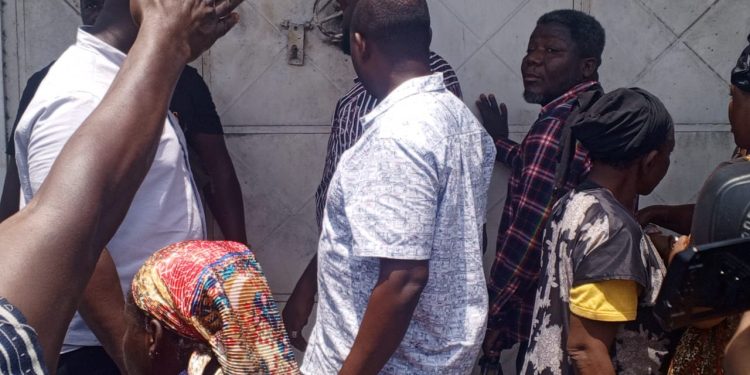
    On Tuesday, February 26, 2024, several suspected shops selling smuggled vegetable oil were closed down, and eight shops were ordered to cease operations, with some attendants taken in for investigation.

    Tsonam Akpeloo, the Greater Accra Regional Chairman of AGI, commended the taskforce’s action, stating that it is a positive step.

    He emphasized AGI’s longstanding advocacy for such initiatives and dismissed claims of scarcity of locally made vegetable oil, asserting that local products are readily available in the market.

    “This is extremely welcoming news and AGI is in total support of this initiative. In fact, this is one of the initiatives that we have been asking the government to undertake for several years now. It appears too late, but it is always better late than never,” he said.

    “That is not accurate. It is not accurate because our local manufacturers of cooking oil are all over the market. In fact, even the Association of Distributors acknowledges how our products are readily available in the market.

    Akpeloo emphasized AGI’s commitment to expanding markets for locally produced goods while condemning the act of importing smuggled products into the country.

    The anti-smuggling oil exercise initiated in the Greater Accra Region targeted shops in Kasoa, Mallam Market, McCarthy Hill, and Adabraka.

  • Taskforce shuts down shops selling smuggled cooking oil in Accra

    Taskforce shuts down shops selling smuggled cooking oil in Accra

    On Tuesday, February 27, 2024, a collaborative taskforce, including the Tree Crop Development Authority, the Oil Palm Development Association of Ghana, the Customs Division of the Ghana Revenue Authority, and National Security, initiated efforts to clamp down on illicitly traded vegetable oil in the Ghanaian market.

    Eight shops were targeted during the operation, facing closure for allegedly vending smuggled vegetable oil, while certain shop attendants were detained for further investigation.

    Commencing in the Greater Accra Region, the taskforce scrutinized establishments in Kasoa, Mallam Market, McCarthy Hill, and Adabraka.

    In McCarthy Hill, Perfect End Logistics was directed to halt operations over suspected smuggled vegetable oil, despite claims of local production by shop attendants.

    Taskforce leader Paul Amaning stressed the importance of verifying legitimate importation, citing “Made in Malaysia” markings on the products.

    At Kasoa New Market, retailers, blaming suppliers, underwent similar scrutiny, expressing concerns about the scarcity of locally produced vegetable oil.

    In a parallel operation at the same market, three shop attendants were apprehended by the National Security taskforce for attempting to withhold the key to a shop containing smuggled vegetable oil.

    The taskforce, while shutting down one shop in Mallam Market, proceeded to Adabraka, where shop attendants insisted on the local origin of their products despite “Made in Indonesia” markings. They voiced concerns about the impact of the shop closure on their employees, emphasizing the need to address such issues.

  • Use oil revenue to fund educational projects in your countries – Akufo-Addo charges African leaders

    Use oil revenue to fund educational projects in your countries – Akufo-Addo charges African leaders

    President Akufo-Addo has called on African leaders to allocate revenues from oil exploration and other extractive sector activities to fund education in their countries.

    He believes this is essential for closing the continent’s education funding gap and achieving Sustainable Development Goal (SDG) 4 targets.

    Africa needs approximately $80 billion annually to bridge the education gap, a task that cannot rely solely on external resources.

    President Akufo-Addo stressed the importance of using internal resources, especially from the extractive industry, to address this challenge.

    “We are funding our education budget largely through our oil receipts, and we intend to continue down that road for the foreseeable future. I don’t know if the $80 billion [education funding gap] the moderator is talking about can be found in oil receipts across the rest of the continent.

    “But I believe that the earnings we receive from our extractive industries and mineral resources are best employed if we invest them in education. Looking into the future, Ghana remains steadfast in our commitment to education as a strategic investment for our nation’s prosperity,” President Akufo-Addo remarked.

    “We recognise that education is the key to unlocking our nation’s full potential in building a brighter future for generations to come. As we gather here today under the banner of the ‘Year of Education’, let us reaffirm our commitment to making education the top priority on the continent,” he said.

    Investing in education is crucial for meeting immediate educational needs and fostering long-term economic growth and sustainability.

    Globally, education has been a powerful catalyst for economic development, leading to increased productivity and creating more prosperous societies.

    Experts suggest that investing in education in Africa could yield significant returns, with projections indicating a substantial increase in per capita income by 2050 and 2100.

    President Akufo-Addo advocates for prioritizing education as a strategic investment for Africa’s future prosperity and self-sustainability.

  • Oil prices rise as Israel rejects ceasefire offer from Hamas”

    Oil prices rise as Israel rejects ceasefire offer from Hamas”

    Oil prices rose on Thursday following Israel’s rejection of a ceasefire offer from Hamas and a weaker dollar. Brent crude futures increased by 0.4% to $79.56 a barrel, while U.S. West Texas Intermediate crude futures climbed 0.4% to $74.17 a barrel.

    Tensions in the wider Middle East have kept the market unsettled since October, with little progress in resolving the Gaza conflict. Israeli Prime Minister Benjamin Netanyahu turned down Hamas’ latest ceasefire proposal, but U.S. Secretary of State Antony Blinken indicated room for negotiation.

    Meanwhile, a Palestinian Hamas delegation, led by senior official Khalil Al-Hayya, was set to hold ceasefire talks with Egypt and Qatar in Cairo.

    A weaker dollar also supported oil prices, making crude more affordable for traders holding other currencies. The dollar index fell to 104.00 at 0730 GMT.

  • United States of America threatens to reinstate oil sanctions against Venezuela

    United States of America threatens to reinstate oil sanctions against Venezuela

    The US is warning that it will put sanctions back on Venezuela‘s oil industry. This is happening after Venezuela’s highest court decided to keep a ban on opposition candidate María Corina Machado.

    Ms Machado won an important election to become the main candidate for the opposition party in the 2024 presidential election.

    However, on Friday, Venezuela’s highest court decided that Ms Machado is not allowed to run for public office for 15 years.

    The oil industry is very important for Venezuela’s economy.

    The US put limits on Venezuela’s oil business after President Nicolás Maduro began his second term in 2019. Many people didn’t think the election was fair.

    The US made the sanctions less strict in October after the Maduro government and the opposition agreed to work together. This agreement is a step towards having fair and free presidential elections in the second half of 2024.

    Not long after the agreement was made in Barbados, the US Treasury gave permission for a short time to do business with Venezuela’s oil and gas industry.

    But it said that Venezuela needed to keep its promises about the elections in order to renew the license. This included allowing María Corina Machado and other opposition candidates to participate.

    The oil exception will end on April 18th. The US said it won’t renew it unless the government and the opposition in Venezuela make political progress, especially by allowing all candidates to run in the upcoming election.

    The US said it would put sanctions back on Venezuela’s state-owned gold mining company, which helps the Maduro government get foreign money.

    Ms Machado won the opposition’s primary in October by getting more than 90% of the votes. This has given hope to Venezuelans who want a new government that she could become president – if the election is fair.

    As part of the Barbados agreement, the Maduro government agreed to let people from other countries watch the election.

    The Supreme Court, controlled by Maduro supporters, decided to keep Ms Machado banned. This has led many people, including Ms Machado herself, to believe that the Barbados deal is no longer going to happen.

    Ms Machado promised to stay strong and said she was given a job in the primary that she will do. She said “We will win and they will lose. ” They can’t have an election without me.

    Jorge Rodríguez, a friend of Mr. Maduro, who spoke for the government in the Barbados discussions, said that the government did what it promised. He said, “Those who wanted to appeal appealed and also promised to accept the decision. “

  • Family of oil rig tragedy crew wants further investigation

    Family of oil rig tragedy crew wants further investigation

    The families of the men who died when an oil rig tipped over want UK authorities to start a new investigation into the accident.

    The Alexander Kielland accommodation platform flipped over in 1980 near Norway, and 123 men died.

    Family members, some from Cumbria, will come together in parliament in December and want to help start the inquiry process.

    A government investigation in Norway found that a crack in one of the support beams caused the rig to sink before it was saved.

    The Kielland boat turned over and went underwater in a storm on March 27, 1980, in the Ecofisk oil field.

    A year later, an investigation found that the disaster, which 89 people survived, was caused by a crack in a support beam of the flotel. The investigation was done in private.

    Two years ago, the Norwegian government agreed that there were mistakes in the report, but said there was no reason to investigate again.

    Colin Lamb, who lives in Plumbland near Aspatria in west Cumbria, lost his father, also named Colin, in the accident. His father’s body has never been found.

    He was one of 34 British men living on the Kielland and working hard to extract oil from the ocean floor.

    “We lost my dad in 1980 and I still have dreams about him, like he’s still with us,” he said.

    He said that the pain is worse because the families who lost a loved one have not gotten any answers.

    “My dad’s passport was found and kept in the Norwegian archives two months ago,” he said.

    We should have had the passport in 1983 when the Kielland was raised. We should have talked about this in the 1980s, not now.

    Mr Lamb and his family want the Norwegian government to start a new investigation.

    Around 15 lawmakers who represent people impacted by the disaster will meet with families in parliament next month.

    The event was planned by Mark Jenkinson, who is a Conservative member of Parliament for Workington.

    “Those families want to know what happened. ” I think people outside of Norway have noticed some problems in the process, he said.

    “I will do everything I can to help the people I represent and others by working with other MPs to bring attention to the issues and find solutions. ”

    Alan Hunter, who is from Distington near Workington, went to Norway in September for a conference about the disaster. His father Keith also died in the disaster.

    “We haven’t been told anything for a long time and the British government had no part in it from the beginning,” he said.

    “It would be great to find out some answers and finish it all. ”

    “A person from the UK Foreign Office said: “The British Embassy in Oslo has talked with the Norwegian authorities about this problem. ”

    “The Norwegian authorities will handle any additional investigation into the incident. ”

  • Economic deterioration persists despite Ghana’s status as Oil Producer – President of Catholic Bishops

    Economic deterioration persists despite Ghana’s status as Oil Producer – President of Catholic Bishops

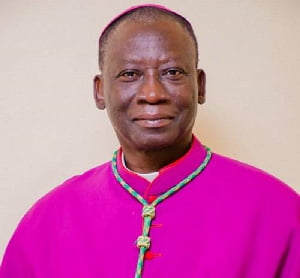
    The leader of the Ghana Catholic Bishops’ Conference, Reverend Matthew Kwasi Gyamfi, expressed dissatisfaction with the current state of Ghana’s economy, citing its extensive natural resources.

    Rev. Gyamfi pointed out that despite the commencement of oil production in 2010, Ghana has little to show for it, with successive governments falling short in harnessing these resources.

    He addressed these concerns during the opening ceremony of the 2023 plenary assembly of the Ghana Catholic Bishops’ Conference in Sunyani, emphasizing the prevalence of corruption contributing to the nation’s decline.

    “There have been no significant positive changes in the economy since we became an oil-producing country. What happened to the gold and other mineral resources? Why are most of our roads in such a deplorable state? Why do we keep going to the IMF? Why do we keep borrowing so much when we are a rich nation?” he is quoted by citinewsroom.com to have said.

    He continued, “Both governments [NPP, NDC] keep borrowing, and we are now in a deep financial crisis. Why are we in this economic and financial quagmire? The massive uncontrolled corruption is suffocating the nation. It appears corruption is legalized. What should Ghanaians do since the existing form of democracy help only a few and leaves the majority behind? What about the impunity and arrogance of some politicians and their defence of corruption?”

    He went on to ask whether Ghana’s constitution needed to be reviewed in order to stop the nation from continuously looking to other countries for financial aid despite having an abundance of natural resources.

    “Should the constitution not be changed or bettered for it to work for all Ghanaians instead of for a few? Should the legal system not be re-equipped to uproot corruption? What about our Parliament where the interest of the people is sacrificed for personal and party interests? Why have we not implemented the findings of the Constitutional Review Committee?

    “Can the governments explain to us why we are in this economic mess? What explanations can the two political parties give to Ghanaians for the unfavourable agreements we sign on our oil, minerals, power generation etc.? Countries that have these resources in abundance are rich. Why do we remain poor? Ghanaians no longer accept the old explanations that the Governments of Ghana have been giving,” Rev Gyamfi concluded.

  • No significant change! What happened to the gold, oil and others? – Catholic Bishops’ President quizzes govt

    No significant change! What happened to the gold, oil and others? – Catholic Bishops’ President quizzes govt

    The President of the Ghana Catholic Bishops’ Conference, Rev. Matthew Kwasi Gyamfi, has expressed dissatisfaction with the current state of Ghana’s economy.

    Despite the country’s oil production and abundant mineral resources, he remarked that there is little to celebrate regarding the nation’s unstable economic conditions.

    “There have been no significant positive changes in the economy since we became an oil-producing country. What happened to the gold and other mineral resources? Why are most of our roads in such a deplorable state? Why do we keep going to the IMF? Why do we keep borrowing so much when we are a rich nation?” he quizzed.

    Rev. Matthew Kwasi Gyamfi delivered these comments on Monday, November 13, 2023, during the commencement of the 2023 plenary assembly of the Ghana Catholic Bishops’ Conference held in the Sunyani Diocese.

    He also criticized successive governments for the significant decline in the country and the increasing levels of corruption.

    “Both governments keep borrowing, and we are now in a deep financial crisis. Why are we in this economic and financial quagmire? The massive uncontrolled corruption is suffocating the nation. It appears corruption is legalized. What should Ghanaians do since the existing form of democracy help only a few and leaves the majority behind? What about the impunity and arrogance of some politicians and their defence of corruption?”

    “Should the constitution not be changed or bettered for it to work for all Ghanaians instead of for a few? Should the legal system not be re-equipped to uproot corruption? What about our Parliament where the interest of the people is sacrificed for personal and party interests? Why have we not implemented the findings of the Constitutional Review Committee?

    “Can the governments explain to us why we are in this economic mess? What explanations can the two political parties give to Ghanaians for the unfavourable agreements we sign on our oil, minerals, power generation etc.? Countries that have these resources in abundance are rich. Why do we remain poor? Ghanaians no longer accept the old explanations that the Governments of Ghana have been giving.”

    He expressed that the political transformations across the continent should serve as a wake-up call for politicians to revise the constitution and legal systems peacefully within a democratic framework, ensuring that the government functions for the collective welfare of all the people of Ghana.

  • Professor IIedare advocates investing oil and Gas revenue for wellbeing of citizens

    Professor IIedare advocates investing oil and Gas revenue for wellbeing of citizens

    A Petroleum Economist at the University of Cape Coast, Professor Wumi Iledare, has urged African leaders to focus on utilizing oil and gas revenue for economic and social investments that enhance the well-being of their citizens.

    He expressed concern that the current allocation of oil revenues to political interests has led to a lack of essential infrastructure such as schools, hospitals, roads, and electricity.

    Professor IIedare made these remarks in Accra at the 2nd Offshore Africa Energy Summit, organized by Offshore Africa Magazine, where experts discussed crucial issues in the petroleum industry and provided sustainable solutions to sector challenges.

    Emphasizing the importance of strategic investments in the oil and gas sector for Africa’s economic development, Professor IIedare highlighted the need for revenue to be directed towards training Africans, enabling them to play significant roles in oil and gas exploration and production.

    Dr. Matthew Opoku Prempeh, the Minister of Energy, reiterated the significance of the energy sector in Ghana’s net-zero ambitions and highlighted the National Energy Transition Framework, developed with input from various stakeholders to address the country’s energy transition challenges.

    “Notwithstanding our commit­ment to our net-zero ambitions as a country, our quest for energy transition must be approached with a great deal of circumspection. We must carefully examine it in the context of the reality of the current stage of Africa’s current circumstances and growth trajecto­ry. This has even become more im­perative given today’s global energy crisis anchored heavy disruptions in the global supply chain,” he said.

    He emphasized that, according to a 2019 report from the Intergovernmental Panel on Climate Change, historical cumulative net anthropogenic carbon dioxide emissions in Africa accounted for eight percent of the world’s emissions. In comparison, Europe and North America contributed 16 percent and 23 percent, respectively. Dr. Prempeh noted that the report indicated approximately two percent of Africa’s emissions originated from fossil fuels and industry, whereas more than 15 percent of emissions in Europe and America were attributed to fossil fuels and industrial activities.

    “Clearly this gap must be considered in decision-making regarding the global energy transition.

    “Even though we, in Africa, are the least emitters, we tend to be at the receiving end the most, because our agrarian and resource-driven economies are susceptible to the effects of climate change, and our capacity to withstand its shocks is weak,” he said.

  • The body requires only four tablespoons of oil per day – Dietician

    The body requires only four tablespoons of oil per day – Dietician

    Excessive consumption of oil has been characterized by a nutritionist at the Tema Metropolitan Health Directorate, Mr. Samuel Atuahene Antwi, as a hazardous practice that can lead to health complications such as stroke, diabetes, and weight gain.

    He emphasized that the human body’s daily oil requirement should not exceed four tablespoons. Mr. Antwi also advocated for the consumption of vegetable fat over animal fat, as it provides essential omega-three fatty acids that support body development and growth.

    Mr Antwi said groundnut and palm fruit, had too much oil and should not be consumed frequently; “as a dietician, I am always careful with the oily foods I consume every day.”

    He encouraged individuals to cultivate healthy eating habits, which include incorporating green leafy vegetables, high-fiber foods, cereals, and drinking ample water into their diet. These practices facilitate improved digestion and metabolism.

    Mr. Antwi made these remarks during the weekly “Your Health! Our Collective Responsibility” event, an initiative by the Ghana News Agency Tema Regional Office aimed at enhancing health literacy and encouraging discussions on health-related topics.

    This platform serves as both an advocacy tool for public health and an exploration of the four health communication modalities: informative, educational, persuasive, and prompting.

    He stressed the importance of consuming a minimum of eight glasses of water daily, emphasizing that water constitutes 80% of human blood and aids in the digestion of food. Mr. Antwi also cautioned against skipping breakfast, as it is the most crucial meal of the day, boosting energy levels and reducing the risk of illness.

    Furthermore, Mr. Antwi advocated for the preservation of food through traditional methods, promoting healthier eating habits.

    He underscored the nutritional benefits and cultural significance of age-old preservation techniques like sun-drying, salting, smoking, and fermenting, which have been passed down through generations and continue to be widely practiced.

    Mr. Antwi highlighted that traditional food preservation methods not only extend the shelf life of perishable foods but also preserve their nutritional value, ensuring that essential vitamins and minerals are retained. Additionally, these methods promote sustainability by reducing food waste and relying less on modern preservation techniques.

    “These are good food preservation practices that we have to still continue if we have the means to do them and get them done well,” he said.

    Mr. Antwi stressed the safety of traditional food preservation methods, but he advised a cautious approach, especially when modern alternatives are available.

    He expressed concern over the difficulty of distinguishing between proper and incorrect traditional methods, as adulteration can occur. Sometimes, individuals introduce potentially harmful preservatives to food, making it essential to strike a balance between food safety and the use of additives in daily eating practices.

    Mr. Antwi emphasized the importance of educating oneself about appropriate storage techniques and recognizing the signs of food spoilage as a means to combat food spoilage effectively.

    “Understanding expiration dates, practising good hygiene in the kitchen, and utilising appropriate preservation methods can significantly reduce food waste,” he said.

  • Shell records $6.2bn profit between July and Sept.

    Shell records $6.2bn profit between July and Sept.

    Shell, the oil and gas giant, has reported robust profits, primarily due to the recent increase in oil prices.

    In the period between July and September, the energy company recorded earnings of $6.2 billion (£5.1 billion), a significant improvement from the previous quarter.

    Comparatively, profits were lower than the $9.4 billion reported in the same period last year when oil and gas prices surged due to Russia’s invasion of Ukraine. Although current oil prices remain below those levels, they have shown recent increases.

    The rise in oil prices is largely attributed to production cuts by members of the OPEC+ group, aimed at stabilizing the market. The World Bank recently warned that ongoing conflicts in the Middle East could push crude oil prices up to $150 per barrel, in contrast to the current price of $85.

    Shell’s earnings for the past three months surged by 23% compared to the previous quarter, benefiting from higher oil prices, increased oil and gas production, and improved returns from refining and gas trading.

    The energy sector experienced a surge in oil prices in 2022 followed by a subsequent decline earlier this year, which led to reduced profits for energy companies. However, the cost of crude oil has once again been on the rise since production cuts were implemented in the summer.

    The production cuts were introduced by OPEC+ members, led by Saudi Arabia and Russia, as they expressed concerns about weakening global demand.

    Moscow also attributed the need for cuts to Western “interference with market dynamics,” referencing restrictions placed on Russian oil following its invasion of Ukraine.

  • A barrel of oil hits $95 as inventories shrink

    The US oil benchmark briefly surged to $95 per barrel due to concerns over decreasing stockpiles at a crucial storage hub, which raised worries about a global drop in crude oil supplies.

    West Texas Intermediate (WTI) reached its highest level since August of the previous year before stabilizing. This increase in oil prices was primarily driven by a reduction in inventories at Cushing, Oklahoma, which serves as the delivery point for US futures.

    As supplies at Cushing approach minimum operational levels, significant price indicators are experiencing sharp increases, driven by concerns of scarcity. This trend is having a ripple effect worldwide, with WTI and the global benchmark Brent displaying extremely bullish pricing structures. Traders are willing to pay substantial premiums to secure local crude oil supplies.

    “It really all boils down to concerns over supply tightness continuing and even exacerbating going into the northern hemisphere winter months,” Vandana Hari, founder of consultancy Vanda Insights, said on Bloomberg TV. “You have a market which is very tightly strung right now, almost on the verge of panic.”

    Official data released on Wednesday revealed that overall US crude stockpiles experienced a more significant decline than anticipated. This underscores the rapid tightening of the market due to supply reductions from major oil producers such as Saudi Arabia and Russia.

    WTI crude oil prices have surged by approximately one-third since the end of June and are poised to record the most substantial quarterly gain since June 2020, a period marked by price fluctuations in the early stages of the pandemic. Brent crude has also exceeded $97 in intraday trading this week.

    Earlier this month, OPEC predicted a potential deficit of up to 3 million barrels per day in crude oil supply during the fourth quarter. With robust demand persisting in the US and China, many market observers now view the possibility of oil prices reaching $100 as inevitable, even in the face of a strengthening US dollar and concerns about elevated global interest rates.

    The tightening of physical oil markets is evident in the futures curve. The prompt spread for WTI, which represents the price difference between the nearest futures contract, has surged to as much as $2.60 per barrel within the bullish backwardation structure.

    This is a significant increase from just 61 cents observed in the middle of the previous week. Additionally, options trading is reflecting concerns about larger price fluctuations.

  • Tullow bolsters local involvement in oil and gas industry

    Tullow bolsters local involvement in oil and gas industry


    In line with its commitment to promoting local content participation in Ghana’s oil and gas sector, Tullow has joined forces with the Upstream Petroleum Business Academy of the Petroleum Commission (PC) to provide training to local suppliers.

    The training, themed “Closing the Gap Workshop on Reverse Auctions,” was conducted by Tullow’s Chief Procurement Officer, Atul Sahay, alongside representatives from the Petroleum Commission and Tullow Ghana. The session, attended by 150 suppliers, offered comprehensive insights into Reverse Auctions, their significance in the tendering and contracting processes within the industry’s supply chain, and the broader benefits of such auctions, reinforced through case studies.

    Sarah Quayson Danquah, Director of Localisation at the Petroleum Commission, expressed strong support for building a robust local capacity within the sector during her remarks at the training session. She commended Tullow for its commitment to nurturing a competitive local supplier base.

    Atul Sahay, Chief Procurement Officer at Tullow, stated, “Our commitment is to develop the capacity and competence of local suppliers in the oil and gas industry in Ghana. We remain committed, as a company, to creating a sustainable and progressive marketplace for current and prospective suppliers who want to play a key role in the industry.”

    Local content has consistently been a fundamental aspect of Ghana’s thriving oil and gas sector since the discovery of commercial oil reserves in 2007. Tullow, with its long-standing presence in Ghana, has been a pivotal advocate for this cause for fifteen years.

    During a subsequent Market Day event organized for suppliers, Cynthia Lumor, Deputy Managing Director for Ghana at Tullow, emphasized the company’s commitment to promoting local participation, recognizing its vital role in the country’s growth, development, and prosperity.

    In 2022, Tullow’s expenditure with local suppliers reached a total of $173 million, with $169 million allocated to Ghana alone, constituting 15% of the company’s local procurement spend (14% in Ghana). Over the past five years, Tullow’s total spending in this category has amounted to approximately $1.2 billion. Furthermore, the company currently employs over 72% of local nationals in Ghana, with a pledge to achieve a target of 90% within the next three to five years.

  • BOST expects its sales to reach GHC 10 billion in 2023

    BOST expects its sales to reach GHC 10 billion in 2023

    Managing Director of the Bulk Oil Storage and Transportation Company Limited (BOST), Edwin Provencal, has outlined the company’s ambitious goal of generating approximately GH¢10 billion in revenue ($871 million) for the 2023 financial year.

    He attributes this target to the significant increase in sales, primarily driven by the high demand for affordable fuel products in the Ghanaian market and landlocked neighboring countries like Mali and Burkina Faso.

    During an interview at the APSCA awards ceremony with kenyatopstories.co.ke, Provencal also mentioned BOST’s intention to expand its pipeline network twofold through a public-private partnership (PPP) model.

    “The firm is planning to partner with private investors to build about 360 km additional pipeline network at a cost of circa US$400 million,” Edwin Provencal said in Nairobi, Kenya.

    “We are going to float a competitive tender bid in the last quarter of this year. Actual construction of the pipeline is set to begin and will be completed after 24 to 36 months,” he added.
    He additionally emphasized the efficiency of BOST’s processes, claiming that it had now become the foremost choice for procuring refined petroleum products.

    In the recent Annual General Meeting (AGM) held in Accra, Ekow Hackman, the Chairman of BOST’s Board, pointed out a remarkable increase in the company’s net profit margin, soaring from GH¢161 million in 2021 to GH¢342 million in 2022.

    BOST presently operates six depots across the nation, strategically situated in the Accra Plains, Mami Water, Akosombo, Kumasi, Buipe, and Bolgatanga, alongside an extensive pipeline network spanning approximately 360 kilometers.

    The 4th Africa Public Sector Conference & Awards (APSCA), hosted in Nairobi, Kenya, aimed to recognize excellence in public policy innovation and exceptional leadership across various levels of governance.

    In recognition of its achievements, BOST received the prestigious award for the most transformed public enterprise in Africa, while its Managing Director, Edwin Provencal, received a personal accolade as the best public sector CEO in Africa.

  • Oil output increases as JSE’s first well goes offshore

    Oil output increases as JSE’s first well goes offshore

    Tullow and its joint partners have commenced crude production from the Jubilee South East (JSE) project located offshore.

    The activation of the first well within the JSE project has the potential to raise the country’s crude oil output. This development is highly significant, as Ghana’s production volumes have experienced a decline since 2019.

    According to Tullow, two additional wells and one water injector are expected to commence operations this year. These new installations aim to sustain a gross Jubilee production level exceeding 100,000 barrels of oil equivalent per day (BOPD).

    Tullow further disclosed its plans, in collaboration with its partners, to maintain this heightened level of production at the Jubilee field for the coming years.

    This will be achieved through an ongoing infill drilling program, ensuring sustained output and stability.

    Chief Executive Officer, Rahul Dhir, commenting on the development said: “The successful start-up at Jubilee South East is a significant milestone for Tullow and Ghana”.

    “Through our strong project management and operating capability, we have delivered complex offshore development – which is one of the key catalysts to unlocking value for our business. We are well-positioned for future growth, with production ramping up in the second half of 2023 that will generate significant free cash flow,” he added.

    Additionally, he highlighted that this development signifies the beginning of a substantial reduction in debt as Tullow progresses towards becoming a low-debt enterprise, providing them with the financial flexibility to pursue value-enhancing opportunities.

    Over the past three years, Tullow and its partners have invested US$1 billion in the JSE project. This investment has been utilized for drilling wells and establishing the necessary infrastructure to bring previously untapped reserves into production.

    Notably, the project has prioritized the engagement of local suppliers, with a majority of the complex offshore infrastructure being fabricated by local companies. The project has also relied on a local workforce, with over 90 percent of the workforce being composed of local individuals. This demonstrates the evolution of Ghana’s supplier base, which can now support significant aspects of the oil and gas industry, and showcases Tullow and its partners’ commitment to fostering local capacity development.

    Dr. Matthew Opoku Prempeh, the Minister of Energy, commended Tullow and its partners for their work and acknowledged the significant impact of this development.

    “Approval of the Greater Jubilee Full Field Development Plan by the Ministry in October 2017 paved the way for investment in developing the JSE project, which has now culminated in the delivery of first oil from the JSE area,” the minister said.

    Also, he mentioned that government will continue working with all its strategic partners to leverage “our God-given resources for the ultimate benefit of our people”.

    The joint-venture partners for the JSE project include Kosmos Energy, Ghana National Petroleum Corporation, Petro SA and Jubilee Oil Holdings.

    The partnership is said to have identified multiple future drilling locations, and is focused on high-grading these opportunities to further extend the plateau and realise the full potential of the significant Jubilee resource base.

    A ceremony to celebrate first oil is scheduled for the third quarter of 2023.

  • Profit making, a challenge for Ghanaian oil marketing firms – CEO of AOMC laments

    Profit making, a challenge for Ghanaian oil marketing firms – CEO of AOMC laments

    The chief executive officer of the Association of Oil Marketing Companies, has indicated that a significant number of OMCs are struggling to turn a profit as a result of the status of the economy.

    “We had almost about 40% of them who were struggling such that month by month they were not making anything,” he said of the group at the beginning of the year.”

    “They were only trying to survive to make sure that they just break even and others are even under the water now and they’re trying to struggle to come up,” he said this on JoyNews’ PM Express Business edition on July 14, 2023.

    Agyemang Duah claimed that the country’s inflation and the depreciation of the cedi have had a severe impact on their pricing; but, due to the competitive nature of the oil market, OMCs are unable to increase or alter their margins as they see fit.

    He claimed that this is just another element that impacts their profit margins.

    “And you know in Ghana prices of goods and services are just rising just like that. And obviously for you to compete or be able to survive you need to up your scale in terms of the margin that you’d have to put on, but we’re not able to do that because it’s the market.

    Duah continued, “The market is so competitive that if you decide to increase your margin, obviously it will affect your price, when you increase your price you’re out of the game. So, it’s really a tough hurdle that we have now,” he said.

  • Oil is not Torentco Assets Management’s area of expertise – ACEP alleges

    Oil is not Torentco Assets Management’s area of expertise – ACEP alleges

    The African Centre for Energy Policy (ACEP) has criticised the decision to lease the Tema Oil Refinery (TOR) to a private company known as Torentco Assets Management (TAM).

    ACEP’s Executive Director of ACEP, Benjamin Boakye, in an interview on Adom FM’s Burning Issues, revealed that the TAM is owned by an individual and not a consortium.

    “We all want TOR to work, but, will not sit and watch Management do something that will not benefit the country. Because this Torentco Assets Management is one person’s company who does not have any expertise in oil.

    “For now, we know who is behind the Torentco company and when you check his background, he has not sold kerosene before; let alone, refining oil that he can use to help turn things around at TOR,’’ he said on Wednesday.

    Mixed reaction greeted the news of the government leasing TOR. While some considered it a prudent step to revive the Refinery, others believe the contract is a shady one, designed to rip off the country.

    Touching on the deal, Mr Boakye said the yet-to-be-finalised contract between TOR’s management and Torentco Assets Management did not go through the right process – be it competitive bidding or sole sourcing.

    On the same show, an aspiring presidential candidate for the New Patriotic Party (NPP), Kwadwo Nsafoa Poku, endorsed the privatisation of TOR.

    According to him, considering the current state of TOR the only way to turn things around is for a private company to take over.

    He, however, advised the refinery’s Managing Director to come out to explain to Ghanaians the truth behind the transaction and defuse the speculations his silence is generating.

    Meanwhile, a Member of Parliament’s Select Committee of Energy, Rashid Pelpuo, said the Committee has not been briefed on the development.

    On the back of that, the Committee will invite the CEO and directors of the company to brief them.

  • Saudi Arabia’s planned output cuts send oil prices up

    Saudi Arabia’s planned output cuts send oil prices up

    Oil prices have experienced an increase following Saudi Arabia’s announcement that it would reduce its daily oil production by one million barrels in July.

    Other members of OPEC+, a coalition of oil-producing nations, have also agreed to continue their production cuts in an effort to stabilize declining prices.

    OPEC+ is responsible for approximately 40% of the world’s crude oil, and its decisions hold significant influence over oil prices. During Monday’s Asian trading, Brent crude oil saw a rise of up to 2.4% before settling around $77 per barrel.

    In addition to the production cuts for July, OPEC+ has revealed plans to further decrease production targets by 1.4 million barrels per day starting in 2024.

    The meeting of oil-rich nations, which lasted for seven hours on Sunday, took place amid a backdrop of falling energy prices. While oil prices surged when Russia invaded Ukraine last year, they have now returned to pre-conflict levels.

    In October of the previous year, OPEC+ had agreed to a production cut of two million barrels per day, equivalent to around 2% of global demand.

    In April 2023, the group had further extended these cuts until the end of the year. However, Russian Deputy Prime Minister Alexander Novak stated that Sunday’s discussions resulted in an “extension of the deal until the end of 2024.”

    On Sunday, Saudi Energy Minister Prince Abdulaziz bin Salman said that his country’s cut of one million bpd could be extended beyond July if needed. “This is a Saudi lollipop,” he said, in what is seen as a bid to stabilise the market.

  • India’s import of Russian oil in 2022 increased tenfold – Bank of Baroda

    India’s import of Russian oil in 2022 increased tenfold – Bank of Baroda

    According to Bank of Baroda, a state-controlled lender in India, the country’s imports of oil from Russia increased by a factor of ten last year, resulting in savings of approximately $5 billion (£4 billion) as the nation increased its crude purchases from Moscow.

    While Western nations have decreased their energy imports from Russia in response to its invasion of Ukraine, Russia has been selling energy at discounted prices to countries such as India and China.

    India, the world’s third-largest oil importer, previously relied on Russian oil for only 2% of its annual crude imports in 2021.

    However, that proportion has now surged to almost 20%, according to Bank of Baroda.

    Bank of Baroda reported that in 2021, Russian oil made up only 2% of India’s annual crude imports, but that figure has since increased significantly to almost 20%.

    As per the data, India saved approximately $89 per tonne of crude by purchasing oil from Russia during the last financial year.

    Despite facing pressure from the US and Europe, India has refused to comply with Western sanctions on Russian imports and has not explicitly condemned Russia’s invasion of Ukraine.

    India has defended its oil purchases by stating that it is a country heavily dependent on energy imports and with millions living in poverty, it cannot afford to pay higher prices.

    According to S. Jaishankar, India’s External Affairs Minister, in a TV interview last year, since the Ukraine conflict started, Europe has imported six times more energy from Russia than India.

    “Europe has managed to reduce its imports while doing it in a manner that is comfortable,” he said.

    Mr Jaishankar added: “If it is a matter of principle why did Europe not cut on the first day?”

    With no end in sight to the conflict, some analysts expect Russia to continue to offer cheap oil to Asia’s biggest energy importers.

    “We expect Russian crude intake to remain limited to these two countries [India and China], sustaining the steep discounts,” Vandana Hari, from energy analysis firm Vanda Insights told the BBC.

    India’s oil refiners will continue to maximise their profit margins for as long as they can, but will simply “go back to their usual crude diet” if the sanctions were to be lifted, she added.

  • Shell records significant decline in Nigerian oil spills after shutdown

    Shell records significant decline in Nigerian oil spills after shutdown

    In 2022, Shell made claims of a substantial decrease in oil spills caused by sabotage in Nigeria’s oil-rich Delta, which was attributable to the shutdown of activities for six months following attacks.

    According to Shell’s annual report, which was obtained by Reuters news, the amount of crude oil spilt as a result of sabotage in the Delta decreased to 600 tonnes from 3,300 tonnes the previous year. Such leaks decreased from 106 to 7

    “The decreased number of incidents in 2022 correlates with a shutdown of production for about six months because of an unprecedented increase of crude oil theft from the Trans Niger,” it said.

    The primary onshore oil and gas joint venture in Nigeria is operated by Shell and is called SPDC. For years, operational problems, theft, and sabotage have plagued SPDC.

  • Banking fears causes oil to hit lowest since 2021

    Banking fears causes oil to hit lowest since 2021

    As traders worried that a developing banking crisis may slow down global economic development, oil prices fell dramatically on last Wednesday.

    West Texas Intermediate futures hit their lowest point since December 2021 when they dropped more than 5% to end at $67.61 per barrel. The global standard, Brent crude, dropped 4% to $74.36 per barrel.

    “The oil market is going to be stuck in a surplus for most of the first half of the year, but that should change as long as we don’t see a major policy mistake by the Fed that triggers a severe recession,” said Ed Moya, senior market analyst at Oanda. “Now near the mid-$60s, WTI crude’s plunge is at the mercy of how much worse the macro picture gets.”

    He added that a repeat of October’s lows might put more downward pressure on WTI oil and that energy equities might struggle given the deteriorating demand outlook and the likelihood of a short-term surplus.

    “Longer-term views however still support having energy in your portfolios as a lot of the oil giants have robust balance sheets that support continued buybacks and dividends,” he added.

    The drop came as global risk markets sold off following news that Credit Suisse’s biggest investor, the Saudi National Bank, would not provide more assistance for the embattled bank. The news led to a more than 20% drop in the bank’s U.S.-listed shares. It also raised concern over the state of the global banking system less than a week after two U.S. regional banks failed.

    The stress in smaller banks led Goldman Sachs to cut its U.S. GDP growth forecast.

    “Small and medium-sized banks play an important role in the US economy,” Goldman economists wrote. “Banks with less than $250bn in assets account for roughly 50% of US commercial and industrial lending, 60% of residential real estate lending, 80% of commercial real estate lending, and 45% of consumer lending.”

    “US policymakers have taken aggressive steps to shore up the financial system, but concerns about stress at some banks persists,” they added. “Ongoing pressure could cause smaller banks to become more conservative about lending in order to preserve liquidity in case they need to meet depositor withdrawals, and a tightening in lending standards could weigh on aggregate demand.”

    The Federal Reserve is slated to hold a policy meeting next week. Entering this week, traders had priced in at least a 25 basis-point rate hike. However, CME Group’s FedWatch tool now shows nearly a 2-to-1 chance of rates staying at current levels.

  • Bleeding is permitted – Bawumia makes mockery of Gold-for-oil critics

    Bleeding is permitted – Bawumia makes mockery of Gold-for-oil critics

    On March 15, 2023, Vice President Dr. Mahamudu Bawumia, who serves as the head of Ghana’s economic management team, took aim at those who have criticized the government’s gold-for-oil strategy.

    The vice president hailed the policy’s performance, saying that it is now in its third month of operation and that the country would continue to reap its benefits, which will eventually help stabilize the currency rate and fuel prices.

    “We have to understand, the prices of fuel will go up and will come down. But what we expect to see under the Gold-For-Oil Policy is more stability in the pricing and also savings in foreign exchange. There is more to come, this is the third month of the operation of the policy.

    “Some people said it will not work; Ghana does not have enough gold. How can you say that? We’ve been mining this gold for 200 years; they keep taking it out and it cannot work for us? It doesn’t make sense.

    “There are people who are very disappointed that it is working but bleeding is allowed. We have an impossibility mindset. They can keep to it, for us all things are possible by the grace of God.”

    According to the Vice President, the country will make an annual savings of some US$4.8 billion in foreign exchange when the policy is optimised to cover 100% of the country’s foreign imports by the end of the year as projected.

    “I’ve been told that next week we are likely to see a reduction in fuel prices and next week is actually not far. It is tomorrow. Tomorrow we will see the decline in prices that we expect. This is remarkable. Two and a half months ago you were at 23 cedis and today you are at 12 cedis per litre and falling. That is a good point.

    “But let me note that the most important aspect of the Gold-for-oil policy is not just the reduction in fuel prices. But the most important aspect is the savings in foreign exchange that the Bank of Ghana will make as a result of the lower demand for forex to import oil.

    “That saving is huge, we are currently importing about 50 to 60 per cent of oil under this policy, the goal is to move to 100% and that will be done this year,” the vice president stated while commissioning a new head office for the state-owned Bulk Oil Storage and Transportation Company Limited (BOST).

    About the Gold-for-oil policy

    Last year, Dr. Bawumia announced a new government policy dubbed gold-for-oil. The policy, as explained by the government, is to allow the government to pay for imported oil products with gold, in a direct barter with gold purchased by the Central Bank.

    The policy despite its projected outcome has received heavy criticism.

    A flagbearer hopeful of the governing New Patriotic Party (NPP), Kennedy Ohene Agyapong in a recent radio interview, condemned the government’s Gold-for-Oil policy.

    Kennedy Agyapong advanced the view that instead of selling raw gold, government should pursue a path of refining the mineral and adding value to the mineral before selling it.

    Giving his thoughts on the gold-for-oil policy, Ken Agyapong said “Does it make sense to you to buy oil with gold? Why don’t you sell your gold, make the money and go and buy the oil?”

    The lawmaker also expressed his disappointment in party members who support and defend the policy. Adding that he didn’t go to school but there are simple things the government can do to purchase the oil.

    “I didn’t go to school but I know Economics. There are simple things that we can do. And I’m surprised, we say we have the men and we are hailing this? We are hailing gold for oil? Jesus Christ! We need to move, move,” he said.

  • Uganda starts its first oil drilling operation

    Uganda starts its first oil drilling operation

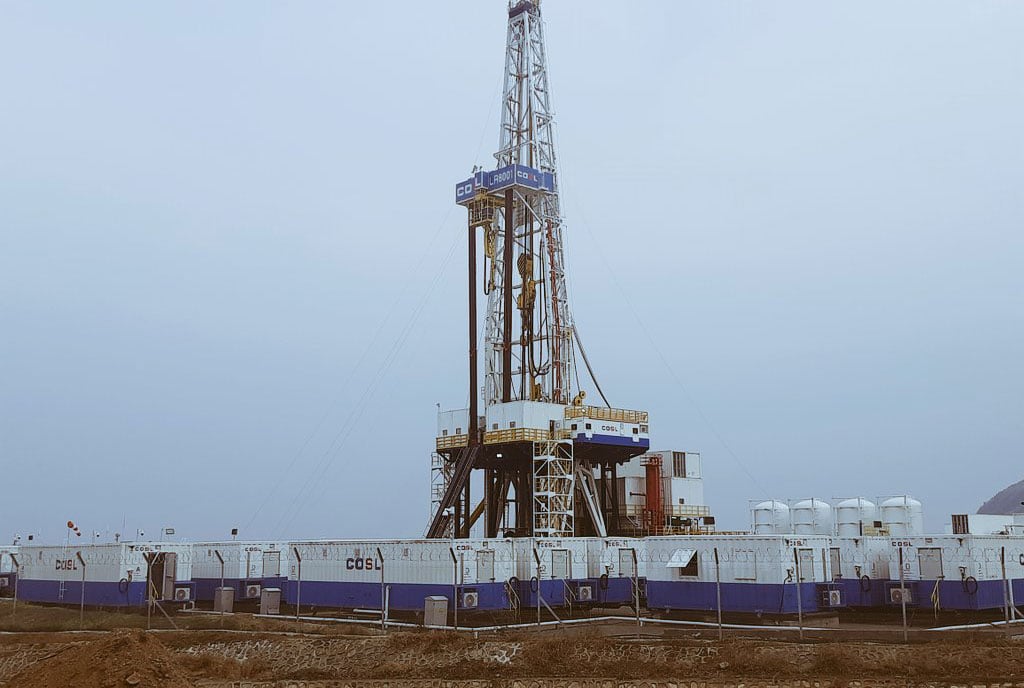
    Uganda has officially began drilling for crude oil in the Kikuube and Hoima districts’ Kingfisher Oil Field (KFDA).

    Several government representatives and President Yoweri Museveni will be present for the ceremonial start of drilling.

    The China Offshore Oil Engineering Company and the China Petroleum and Construction Corporation’s joint venture received the KFDA.

    The oil field, previously known as Exploration Area 3A, is part of the Kingfisher Field Development Area (KFDA) and is operated by Cnooc Uganda Ltd.

    Energy and Minerals Minister, Ruth Nankabirwa says the launch will involve commissioning of the Kingfisher drilling rig for all 31 oil wells.

    The process is expected to lead to commercial production by 2025 or 2026.

    The KFDA is estimated to contain 800 million barrels of oil, with 25% of that being developed in the first phase.

    This will result in a peak production of 40,000 barrels of oil per day.

    The capital expenditure for the development of the KFDA is $2 billion.

  • Greece, Bulgaria discuss oil pipeline bypassing Bosphorus Strait

    An EU embargo on Russian oil and a transit fee hike to use the Bosphorus Strait are reviving a shelved pipeline plan.

    A European Union embargo on Russian oil that takes effect on Monday has led Greece and Bulgaria to talk about reviving a long-defunct oil pipeline project that bypasses the Bosphorus Strait.

    The pipeline would run 280km (about 174 miles) from the port of Alexandroupolis on the Aegean Sea to the port of Burgas on the Black Sea, and might continue as far north as the port of Constanza in Romania, Bulgaria’s Energy Minister Roman Hristov told Al Jazeera.

    “We have a two-year derogation [from EU sanctions] to buy Russian oil, but after that, we will face problems because of the hike in transit fees through the Bosphorus,” Hristov said in answer to a question from Al Jazeera at an energy conference in Athens.

    So, we have begun discussing the revival of the Burgas-Alexandroupolis pipeline, and its extension north to the ports of Varna and Constanza,” he added.

    “We support the project,” said Greek Energy Minister Kostas Skrekas in a statement. Neither minister agreed to answer further questions.

    The EU move disrupts tanker trade from Russia’s oil export terminal at Novorossiysk on the Black Sea’s east coast to EU ports on its west coast.

    Other suppliers

    Refineries at Burgas and Constanza can still buy oil from Kazakhstan and Azerbaijan.

    A Kazakh oil pipeline ends at the Caspian Pipeline Consortium (CPC) Terminal near Novorossiysk, and an Azeri oil pipeline terminates at Georgia’s Supsa further south.

    But it is not enough to satisfy their needs, especially when Ukraine’s needs are taken into account.

    The deficit is filled by additional volumes from other sources that are shipped into the Black Sea through the Bosphorus Strait.

    The original Burgas-Alexandroupoli pipeline idea, first aired in 1993, was to flow south, exporting crude oil from the Black Sea to the Mediterranean and beyond.

    “The real problem was delays and bottlenecking at the strait. This is very easy to overcome with a pipeline,” said Mike Myrianthis, a Greek oil industry veteran who was involved in the project at the time.

    “We wanted to be tied to a major producer for long-term supply … There was a very good relationship with Russia then,” he told Al Jazeera. “I remember we were talking about a second, parallel pipeline.”

    In 2007, Greece, Bulgaria and Russia signed a political agreement to build the pipeline, with Russia promising to provide 35,000-50,000 tonnes of oil a year to fill it.

    A 650,000-tonne tanker farm in Alexandroupolis would ensure a constant supply to ships.

    But Bulgaria pulled out of the project in 2010, citing environmental concerns. Industry insiders tell Al Jazeera it was US opposition to dependence on Russian oil that scuppered the project.

    But Russia would not benefit from the north-flowing pipeline, and the idea has acquired new urgency with Western sanctions on Russian oil, which the International Energy Agency assumes to be permanent.

    Last October, Turkey added impetus to the pipeline when it hiked transit fees for tankers using the Bosphorus Strait fivefold to $4 per tonne of oil, adding about half a percentage point to current oil prices.

    Turkey would raise its income from transit fees from $40m to $200m a year, according to the Daily Sabah newspaper.

    Turkey has its own plan to bypass the congested Bosphorus with a waterway running west of it. President Recep Tayyip Erdogan proposed Canal Istanbul amid great fanfare in 2011, but construction has not yet begun.

    Geopolitical contest

    Until the war in Ukraine, oil and gas pipelines flowed south from Russia through Ukraine and the Balkans.

    The Ukraine war has thrown Greece and Turkey into geopolitical competition, as Alexandroupolis has begun to reverse these energy flows, while Turkey is becoming Russia’s new southern conduit.

    “The idea is to create a north-south pipeline axis for gas and oil, which will also be reinforced by rail transport. All this network is ultimately meant to end up in Ukraine so even that country can be supplied from the south,” said Myrianthis.

    In this contest, Greece’s region of Western Thrace has already become an important alternative to the Bosphorus.

    A 2019 defence agreement has allowed the United States to use the port of Alexandroupolis as a logistics base to ship supplies and reinforcements to forward NATO members Bulgaria and Romania, and weapons into Ukraine itself.

    The border of Romania with Moldova and Ukraine is only a day away from Alexandroupolis by rail, a faster transit than through the Bosphorus, and a more dependable one since Turkey announced it was closing the strait to all military traffic in response to the war in Ukraine.

    Last May, Russia cut gas flows to Bulgaria, ostensibly because it refused to pay in roubles.

    Greece has since become Bulgaria’s sole source of gas, which travels from Azerbaijan across Turkey and northern Greece through the Trans-Adriatic Pipeline (TAP).

    A member of the staff stands over a part of the Interconnector Greece-Bulgaria (IGB) gas pipeline that will carry gas from Komotini to Stara Zagora in Bulgaria, in Komotini, Greece
    A member of the staff stands over a part of the Interconnector Greece-Bulgaria (IGB) gas pipeline [File: Alexandros Avramidis/Reuters]

    An Interconnector Greece Bulgaria (IGB), operational since October, siphons off a billion cubic metres a year from TAP to the Bulgarian gas network.

    By the end of 2023, Alexandroupolis will acquire a floating storage and regasification unit (FSRU) to import liquefied natural gas (LNG), and the IGB pipeline will be extended 28km (about 17 miles) south to reach it, further eroding the Russian gas monopoly in Southeast Europe.

    There is talk of a second IGB pipeline being built parallel to the first, and of at least two more FSRUs.

    Greece-North Macedonia pipeline

    Greece is in discussions with North Macedonia to build a separate gas pipeline to that country.

    Greece, which plans to export 8.5 billion cubic metres of gas to the Balkans by 2025, is fast becoming the main supplier of non-Russian gas to the region.

    The Burgas-Alexandroupolis oil pipeline would add another dimension to its role as a provider of energy security.

    Turkey, too, has acquired geopolitical weight as Russian energy is gradually dislodged from Eastern Europe. Three Russian gas pipelines already enter Turkey.

    At a meeting with Erdogan in Astana, Kazakhstan on October 13, Russian President Vladimir Putin announced he was prepared to build a fourth, turning Turkey into an export hub for Russian gas.

    “If there is an interest in Turkey and our potential buyers in other countries, [we] could consider building another gas pipeline system and creating a gas hub in Turkey for sales to other countries, to third countries, primarily, of course, to European ones, if they are, of course, interested In this,” Putin was reported as saying.

    Turkey has welcomed the project.

    Source: Aljazeera.com 


  • Oil dips near 2-month lows as supply concerns ease

    Oil prices hovered near two-month lows on Monday as supply fears receded while concerns over China’s fuel demand and rising interest rates weighed on prices.

    Brent crude futures for January had slipped 28 cents, or 0.3%, to $87.34 a barrel by 0103 GMT after settling at their lowest since Sept. 27.

    U.S. West Texas Intermediate (WTI) crude futures for December were at $80 a barrel, down 8 cents, ahead of the contract’s expiry later on Monday. The more active January contract fell 21 cents to $79.90 a barrel.

    Both benchmarks closed Friday at their lowest since Sept. 27, extending losses for a second week, with Brent down 9% and WTI 10% lower.

    The front-month Brent crude futures spread narrowed sharply last week while WTI flipped into a contango, reflecting dwindling supply concerns.

    Tight crude supplies in Europe have eased as refiners have piled up stocks ahead of the Dec. 5 European Union embargo on Russian crude, putting pressure on physical crude markets across Europe, Africa and the United States.

    The EU’s energy policy chief told Reuters the EU expected to have its regulations completed in time for the introduction of a G7 plan to cap the price of Russian crude on Dec. 5.

    RBC Capital analyst Mike Tran said the weak December WTI contract expiration indicated paper market selling rather than true physical market softness.

    “Tight global inventories do not support the traditional surplus of barrels rationale for contango,” he said in a note.

    While North Sea and West African spot market indicators are far from strong, they are also not suggesting signs of distress, he added.

    Diesel markets remained tight, with Europe and the United States competing for barrels. While China nearly doubled its diesel exports in October from a year earlier to 1.06 million tonnes, the volume was well below September’s 1.73 million tonnes.

    Demand in the world’s top crude importer remains bogged down by COVID-19 restrictions while expectations of further interest rate rises elsewhere have elevated the greenback, making dollar-denominated commodities more expensive for investors.

  • India will continue to purchase oil from Russia as ties strengthen

    India’s foreign minister says purchasing oil from a “steady and time-tested partner” is economically advantageous.

    Foreign Minister Subrahmanyam Jaishankar said during his first visit to Russia since it invaded Ukraine that India will continue to buy Russian oil because it is beneficial to the country, a move that runs counter to Western efforts to cripple Russia’s economy with sanctions.

    On Tuesday, Jaishankar met with his Russian counterpart Sergey Lavrov in Moscow, accompanied by senior officials in charge of agriculture, petroleum and natural gas, ports and shipping, finance, chemicals and fertiliser, and trade, emphasizing the importance of relations with Russia.

    “Russia has been a steady and time-tested partner. Any objective evaluation of our relationship over many decades would confirm that it has actually served both our countries very, very well,” Jaishankar said in a joint news conference.

    “As the world’s third-largest consumer of oil and gas, a consumer where the levels of income are not very high, it is our fundamental obligation to ensure that the Indian consumer has the best possible access on the most advantageous terms to international markets,” he said.

    “We have seen that the India-Russia relationship has worked to advantage. If it works to my advantage, I would like to keep that going,” the Indian foreign minister added.

    India, which has not explicitly condemned what Russia calls its “special military operation in Ukraine”, has emerged as Russia’s largest oil customer after China following a boycott by Western buyers.

    Russian Foreign Minister Sergei Lavrov and his Indian counterpart Subrahmanyam Jaishankar in Moscow.
    Russian Foreign Minister Sergei Lavrov and his Indian counterpart Subrahmanyam Jaishankar shake hands during a news conference in Moscow. [Maxim Shipenkov/Pool via Reuters]

    Jaishankar’s announcement came ahead of United States Treasury Secretary Janet Yellen’s visit to New Delhi later this week, when she is expected to discuss a Group of Seven (G7) plan to cap the price of Russian oil with Indian officials.

    US officials and G7 countries have been in intense negotiations in recent weeks over the unprecedented plan to put a price cap on sea-borne oil shipments, which is scheduled to take effect on December 5 to ensure European Union and US sanctions do not throttle the global oil market.

    Both New Delhi and Beijing have so far refused to join Western sanctions against Russia.

    Lavrov praised the position of Russia’s “Indian friends” on Ukraine and accused Western countries of trying to consolidate a “dominant role in world affairs” and prevent “the democratisation of international relations”.

    Russia and India are also considering joint production of modern defence equipment, the foreign minister was quoted by TASS news agency as saying. Last year, the two countries inked a $677m deal to produce AK-203 assault rifles in India as part of New Delhi’s push for self-reliance in defence manufacturing. India is one of the world’s largest buyers of defence equipment.

    Moscow has been New Delhi’s biggest supplier of military equipment for decades. India imported Russian defence equipment worth more than $20bn between 2011 and 2021.

    According to Lavrov, Russia and India also want to cooperate more closely in the fields of nuclear energy and space travel.

  • NPA fines 9 companies for unlawful fuel lifting

    The National Petroleum Authority (NPA) has fined nine oil marketing companies GH¢2.22 million for engaging in illicit Third-Party trading of petroleum products, and unlawful lifting of petroleum products.

    The companies include Bello Petroleum, Jas Petroleum, Oval Energy, Kros Energy, Safety Petroleum and Santol Energy.

    The rest are Riseglobe Energy, Sayon Energy and Cigo Energy.

    In a statement, the NPA said it had directed Cigo Energy to pay a fine of GH¢725,000 comprising GH¢30,000 for engaging in third party supplies for the second time, and GH¢695,000 for the unlawful lifting of petroleum products.”

    Sayon Energy was fined GH¢425,000, made up of GH¢10,000 for engaging in third party supplies for the first time and GH¢415,000 for the unlawful lifting of petroleum products.

    Bello Petroleum was slapped with a fine of GH¢120, 000 comprising GH¢10,000 for engaging in third party supplies for the first time and GH¢110,000 for the unlawful lifting of petroleum products.


  • Capping fuel prices wrong policy, says BoG

    Dr Ernest Addison, the Governor of the Bank of Ghana (BoG), has said capping fuel prices is a wrong policy.

    There have been calls for the government to intervene and cap the prices of fuel to cushion consumers.

    But speaking at the 108th MPC press briefing in Accra on Thursday (6 October), Addison said, “Capping fuel prices is not an innovation. In fact, it is a wrong policy. When you have fuel prices rising and you also have a budget deficit problem, who is going to pay for the difference of the cost of fuel?”

    “That will create further fiscal subsidies and worsen your fiscal deficit problem that we are all trying to resolve. So on the contrary, we should really be pushing towards full cost recovery to minimize the burden on the budget,” he added.

    Oil prices held near three-week highs on Thursday after OPEC+ agreed to tighten global crude supply with a deal to cut production targets by two million barrels per day (bpd), the largest reduction since 2020.

    Brent crude futures edged down 16 cents, or 0.2%, to US$93.21 per barrel by 1020 GMT after settling 1.7% up in the previous session.

    U.S. West Texas Intermediate (WTI) crude futures lost 14 cents, or 0.2%, to US$87.62 after closing 1.4% up on Wednesday.

  • Ukraine war: Russia becomes China’s biggest oil supplier

    Russia has become China’s biggest supplier of oil as the country sold discounted crude to Beijing amid sanctions over the Ukraine war.

    Imports of Russian oil rose by 55% from a year earlier to a record level in May, displacing Saudi Arabia as China’s biggest provider.

    China has ramped up purchases of Russian oil despite demand dampened by Covid curbs and a slowing economy.

    In February, China and Russia declared their friendship had “no limits”.

    And Chinese companies, including state refining giant Sinopec and state-run Zhenhua Oil, have increased their purchases of Russian crude in recent months after being offered heavy discounts as buyers in Europe and the US shunned Russian energy in line with sanctions over its war on Ukraine.

    The imports into China, which include supplies pumped through the East Siberia Pacific Ocean pipeline and shipments by sea, totalled nearly 8.42m tonnes last month, according to data from the Chinese General Administration of Customs.

    That pushed Saudi Arabia – formerly China’s biggest source of crude oil – into second place with 7.82m tonnes.

    In March, the US and UK said they would ban Russian oil, while the European Union has been working towards ending its reliance on Russian gas, as the West steps up the economic response to the invasion of Ukraine.

    At the time, US President Joe Biden said the move targeted “the main artery of Russia’s economy”.

    Energy exports are a vital source of revenue for Russia but the move is also likely to impact Western consumers.

    Last week, a report by the Centre for Research on Energy and Clean Air think tank said Russia earned almost $100bn (£82bn) in revenue from fossil fuel exports in the first 100 days of the country’s invasion of Ukraine, despite a fall in exports in May.

    The European Union made up 61% of these imports, worth approximately $59bn.

    Overall, exports of Russian oil and gas are falling and Moscow’s revenue from energy sales has also declined from a peak of well over $1bn a day in March.

    But revenues still exceeded the cost of the Ukraine war during the first 100 days – with the CREA estimating that Russia is spending around $876m per day on the invasion.

    Monday’s figures also showed that China imported 260,000 tonnes of Iranian crude oil last month, its third shipment of Iran oil since last December.

    China has continued to buy Iranian oil despite US sanctions on Tehran.

    Source: BBC

  • Saudi Aramco: Oil giant sees profits jump as prices surge

    Saudi Aramco has posted its highest profits since its 2019 listing as oil and gas prices surge around the world.

    The state-owned energy giant saw an 82% jump in profits, with net income topping $39.5bn (£32.2bn) in the first quarter.

    In a press release, the firm said it had been boosted by higher prices, as well as an increase in production.

    The invasion of Ukraine has seen oil and gas prices skyrocket.

    Russia is one of the world’s biggest exporters but Western nations have pledged to cut their dependence on the country for energy.

    Oil prices were already rising before the Ukraine war as economies started to recover from the Covid pandemic and demand outstripped supply.

    Other energy firms including Shell, BP and TotalEnergies have also reported soaring profits as a result, although many are incurring costs exiting operations in Russia.

    Energy security ‘vital’

    Aramco’s president and chief executive, Amin Nasser, said on Sunday that the company was “focused on helping meet the world’s demand for energy that is reliable, affordable and increasingly sustainable”.

    “Energy security is vital and we are investing for the long-term,” he added.

    In March, the oil and gas producer pledged to ramp up investment and boost output significantly over the next five to eight years.

    Prime Minister Boris Johnson visited the world’s biggest oil exporter that month to try to persuade it to release more oil into world markets in the short-term.

    Saudi Arabia is the largest producer in the oil cartel Opec (Organization of the Petroleum Exporting Countries) and by raising production it could help to reduce energy prices.

    But the country has been condemned for a range of human rights abuses: its involvement in the conflict in neighbouring Yemen, the murder in 2018 of journalist Jamal Khashoggi, for jailing dissidents and for widespread use of capital punishment.

    Aramco itself also faces security challenges because of the conflict in Yemen, with Huthi rebels targeting some of its sites and temporarily knocking out a big portion of the kingdom’s crude production.

    Its latest set of results come days after Aramco reclaimed the top spot as the world’s most valuable company from Apple for the first time in almost two years.

    Aramco also announced on Sunday it would issue 20 billion bonus shares to shareholders – one share for every 10 shares already owned.

    Source: BBC

  • Prices of petroleum products to go up by about 6%

    Prices of petroleum products may go up by about 6%, beginning March 1st, 2022, if government fails to intervene in the rising price of crude oil.

    According to the Institute for Energy Security, the impending price increases have been largely influenced by the sharp depreciation of the cedi against the US dollar.

    “Other factors include the 3.33% increase in the price of Brent crude, the 2.71% rise in Liquefied Petroleum Gas (LPG) price, the 3.58% increase in the price of petrol, and the 4.50% jump in diesel price; all on the international oil and fuel markets”, it added.

    Crude oil prices rose on Thursday, 24th February 2022 when markets became aware of a military operation sanctioned by the Russian leader, Vladimir Putin. The so-called “special military operation” in Ukraine organised under the hand of the President fueled market anxiety over the potential impact for oil and gas supply from the region and the escalating tensions of a potential World War III.

    The data analysed by the IES Economic Desk on the Foreign Exchange (Forex) market within the Pricing-window also revealed that the cedi further depreciated against major trading currencies. Against the dollar, the cedi depreciated further by 4.11% to close trading at ¢6.85.

    Benab, Zen sold fuel at lower prices

    During the last pricing window, Benab Oil, Zen Petroleum, Goodness Oil, Star Oil, Dukes Oil and Reliance were the Oil Marketing Companies with the least-priced fuel on the local market.

    Total Energies, Shell (Vivo), Sel, Allied and Puma joined a few others to sell the highest-priced fuel on the market within the past Pricing-window.

    Prices at most pumps rose beyond ¢7.70 per litre for both petrol and diesel, thus bringing the national average price for both products to ¢7.86 per litre.

    The current average price represents an increase of 7% over the previous average price of ¢7.35 per litre.

    SourceJoy Business 

  • Global oil prices to stay within US$71 and US$79 bracket in 2022 BoG report

    Oil prices on the global market are projected to stay within the US$71 and US$79 per barrel bracket for most of 2022. 

    This is according to a January 2022 Monetary Policy Report released by the Bank of Ghana. 

    The report noted that due to impact of the coronavirus pandemic on economies, oil demand and supply chain disruptions on the global oil market, oil prices will be subjected to some uncertainties in 2022. 

    “The global oil market will be subject to significant uncertainties in 2022, notably due to the resurgence of the COVID-19 pandemic and its effects on economic growth, oil demand, and the production decisions of OPEC+.”

    “Restrictions imposed to mitigate the spread of COVID-19 before the emergence of the Omicron variant raises the possibility of a decline in global oil consumption, leading to downward pressures on oil prices. These factors, among others, could keep oil prices volatile between US$71 and $79 per barrel during the year,” the BoG report noted. 

    Meanwhile, on the global market, oil is currently selling above US$90 with consumers grappling to pay more for the commodity.

    Source: www.ghanaweb.com

  • Eni makes major oil and gas discovery in Ghana’s offshore field – Official

    Eni announces a significant oil discovery on the Eban exploration prospect in CTP Block 4, offshore Ghana. The Eban 1X well is the second well drilled in CTP Block 4, following the Akoma discovery. Preliminary estimates place the potential of the EbanAkoma complex between 500 and 700 Mboe in place.

    The Eban 1X well is located approximately 50 kilometers off the coast and about 8 kilometers Northwest of Sankofa Hub, where the John Agyekum Kufuor FPSO is located.

    It was drilled by the Saipem 10000 drilling ship in a water depth of 545 meters and reached a total depth of 4179 meters (measured depth).

    Eban 1X proved a single light oil column of approximately 80m in a thick sandstone reservoir interval of Cenomanian age with hydrocarbons encountered down to 3949m (true vertical depth).

    The new discovery has been assessed following comprehensive analysis of extensive 3D seismic datasets and well data acquisition including pressure measurements, fluid sampling and intelligent formation testing with state-of-the-art technology.

    The acquired pressure and fluid data (oil density and Gas-to-Oil Ratio) and reservoir properties are consistent with the previous discovery of Akoma and nearby Sankofa field.

    The production testing data show a well deliverability potential estimated at 5000 bopd, similar to the wells already in production from Sankofa Field.

    The estimated hydrocarbon in place between the Sankofa field and the Eban-Akoma complex is now in excess of 1.1 Bboe and further oil in place upside could be confirmed with an additional appraisal well.
    Due to its proximity to existing infrastructures, the new discovery can be fast-tracked to production with a subsea tie-in to the John Agyekum Kufuor FPSO, with the aim to extend its production plateau and increase production.

    The Eban discovery is a testimony to the success of the infrastructure-led exploration strategy that Eni is carrying out in its core assets worldwide.

    The Joint Venture of CTP Block 4 is operated by Eni (42.469%), on behalf of partners Vitol (33.975%), GNPC (10%), Woodfields (9,556%), GNPC Explorco (4,00%).

    Eni has been present in Ghana since 2009, and accounts currently a gross production of about 80,000 barrels of oil equivalent per day.

    Source: 3news.com

  • Oil climbs to 13-month highs on output cuts, demand recovery hopes

    Oil prices edged up to their highest in 13 months on Tuesday as supply cuts by major producers and optimism over fuel demand recovery support energy markets.

    Brent crude futures for April gained 48 cents, or 0.8%, to $61.04 a barrel by 0443 GMT. U.S. West Texas Intermediate crude (WTI) for March was at $58.42 a barrel, up 45 cents, or 0.8%.

    Both Brent and WTI are at their highest since January 2020. Front-month prices for both contracts are up for the seventh session on Tuesday, the longest win streak since January 2019.

    Additional supply reductions by top exporter Saudi Arabia in February and March, on top of cuts by producers in the Organization of the Petroleum Exporting Countries and their allies, are tightening supplies and balancing global markets.

    Investors are also pinning hopes on oil demand recovery when COVID-19 vaccines take effect. A weak dollar has also helped shored up prices of commodities.

    “Progress on U.S. stimulus and optimism around the roll-out and effect of vaccines across the remainder of 2021 and a slightly weaker USD help the view (for a recovery) albeit there was mixed news on the impact of the current vaccines formulated on the emerging South African variant,” Stephen Innes, chief global markets strategist at brokerage Axi.

    He cautioned, however, that both Brent and WTI are in overbought territory on technical charts.

    “While I remain a bit cautious at current levels, the medium and longer-term outlook for demand is healthy, and one can understand a willingness to look through some of the near-term uncertainty that remains for oil,” he said.

    Investors are looking ahead to the U.S. weekly oil inventories data due later in the week.

    U.S. crude and gasoline stockpiles likely rose last week, while distillate stocks were seen down, a preliminary Reuters poll showed on Monday.

    Source: reuters.com

  • Central Oil Mills’ Board of Technical Advisors inaugurated

    Central Oil Mills, an oil palm processing factory located at Jukwa Mfuom in the Central Region, has formally inaugurated its Board of Technical Advisors to assist the company achieve its set goals as it gears up for expansion with support from the Ghana EXIM Bank under the President’s IDIF initiative.

    They are Prof. Ernest Ekow Abano, Food Scientist, University of Cape Coast Agric Engineering Dept, Ing Ebenezer Odei Addo, Mechanical Engineer and Quality Assurance Expert, Mr. Richard Ekow Annobil, HR and Agric & Oil Palm Specialist.

    Speaking at the ceremony, the Chief Executive Officer of Central Oil Mills, Mr. Aaron Sagoe, said the 1D1F support has helped immensely with their expansion program; such as building of a new ultra modern factory sited at Jukwa Ansamaso purposely for fresh palm fruit processing and bottling, acquisition of new machinery to increase production capacity and value addition, onsite laboratories, tractors, trucks and storage tanks.

    He also stated that, apart from providing job opportunities and source of livelihood for the inhabitants, they have acquired more farms in other adjoining districts and will be able to process fruits from all the farms and Out grower scheme it has initiated thereby minimising post harvest losses in the region significantly.

    He thanked the advisors for their readiness and willingness to impart their skills and rich experiences to support the vision of the company.

    Prof. Ernest Ekow Abano, responding on behalf of the advisors, used the occasion to advise the general public to be wary of consumption of red oil with extra red colour as they have been adulterated with Sundan IV (popularly known as suudee), an unwholesome chemical which is harmful to the human body when consumed.

    He said his department has been working closely with Central Oil Mills since it started operation and they are happy to continue even as the company ventures into other value addition activities.

    He also said the government should consider investing more into oil palm production by way of setting up Research Boards and Schools to generate value addition for the oil palm industry.

    In attendance were Mr George Ekow Mensshan of PKF, Chartered Accountants, Nana Adwoa Kwegyir-Aggrey, Integrated Marketing Communications Consultant and Michael Monnie Esq, Company Solicitor.

    Source: Central Oil Mills

  • Mauritius oil spill: Thousands march in Port Louis

    Thousands of people have marched through the Mauritian capital, Port Louis, in protest at the authorities’ handling of a massive oil spill, and the discovery of 39 dead dolphins.

    Many wore black and waved the national flag, while honking horns and drumming.
    Many called for the government to resign and had T-shirts with the inscription: “I love my country. I’m ashamed of my government.”

    It is the biggest protest the country has seen in recent years.

    About 1,000 tonnes of oil spilled into a sanctuary for rare wildlife after the Japanese ship MV Wakashio struck a coral reef on 25 July.

    Many Mauritians believe the government could have done more to prevent the spill. There is also criticism over the decision to deliberately sink part of the ship after it split in two.

    At Saturday’s protest, one woman told the BBC’s Yasine Mohabuth: “I am present today because we want the truth.

    “They didn’t do anything when the ship approached our coastline – 12 days they didn’t do anything until the oil spill and now thousands of people and marine people are affected.”

    Mauritians in the diaspora also held demonstrations in cities including London, Paris and Perth.

    The government has promised to set up a commission to investigate the spill.
    The captain of the ship has been arrested and charged with endangering safe navigation. He has not yet commented.

    It is not yet clear what caused the death of the dolphins, who were found washed up on the shore this week.

    Experts have examined two of the dolphins’ bodies and say they had bite marks from sharks but could find no trace of hydrocarbons in their bodies.

    Environmental campaigners have demanded an independent investigation, saying they were either killed as a direct result of the spill or when it was scuttled.

    Tourism is a major industry in the Indian Ocean island nation, and the spill has been a massive blow to the country, coming on top of the coronavirus pandemic, which has restricted international travel.

    Source: BBC

  • US oil giant ‘helps victims of Islamist insurgency’

    US oil giant Exxon Mobil says it is giving aid worth $50,000 (£38,000) to help families displaced by the militant Islamist insurgency in Mozambique’s gas-rich northern province of Cabo Delgado.

    The company will work with non-governmental organisation Makobo and local authorities to build two satellite kitchens that will cook 20,000 meals a day, it says in a statement.

    About 1,000 people have been killed and 300,000 left homeless since the insurgency began in 2017.

    Exxon Mobil is a major investor in the development of natural gas projects worth $60bn off the coast of Cabo Delgado.

    About two weeks ago, the government said its troops had regained control of the key port of Mocimboa da Praia, following multiple reports that it had fallen to the militants known locally as al-Shabab.

    The militants have pledged allegiance to the Islamic State (IS) group. Article share tools.

    Source: bbc.com

  • PIAC urges timely disbursement of oil revenues for projects

    The Public Interest and Accountability Committee (PIAC) has urged government to disburse oil revenues earmarked for projects, rather than accumulating it over time.

    According to the Committee, which has oversight responsibility over the prudent management of the country’s petroleum revenue, there are oil-funded projects that face funding challenges and it will be prudent to disburse the funds instead of accumulating it.

    The Chairman of PIAC, Mr Noble Wadzah, made the recommendation after leading a delegation to inspect the construction of the Anomabo Fisheries College in the Central Region on July 15. The project received petroleum revenues through the Annual Budget Funding Amount (ABFA) between 2012 and 2019.

    In its 2019 Annual Report, PIAC noted that the ABFA available for spending in 2019 was GH¢2.7billion out of which GH¢1.2billion was utilised leaving a balance of GH¢1.5 billion to be utilised and accounted for.

    For the third consecutive year, the actual ABFA was not fully utilised or accounted for.

    “It is worrying to know that the project suffered from irregular flow of funds. The period of our reporting indicates that there were unutilized petroleum revenues. If there are projects like this that have a track record of benefiting from oil revenue and still face funding challenges while there is evidence of accumulated revenue, it is problematic and it needs to be addressed,” he said.

    He said, PIAC continues to advocate for the use of petroleum revenues on legacy projects and projects such as the construction of the Anomabo Fisheries College, which is clearly a legacy project should not be stifled of funds.

    “Stifling the project of monies when petroleum revenues allocated through the ABFA portions are still not utilized is contradictory and the Ministry of Finance must ensure that it is utilized,” he said.

    He however expressed satisfaction with work done on the project adding that “we have gone round and the work done is impressive but it would have been better if funds were made available consistently.”

    Financial hurdle

    The Deputy Director, Finance and Administration at the Ministry of Fisheries and Aquaculture Development, Mr Enock Boadu Amo said financing for the project has been a challenge and currently the Ministry is relying on Internally Generated Funds (IGF) to get the project running.

    “The project started in 2012 but financing has been a challenge. In 2020, the ABFA funds did not come forth for the project so we are currently funding with IGF, but we hope that we can overcome this challenge and get the project running,” he said.

    Mr. Amo said the project was currently at a 90 percent completion stage and the road leading to the College was also under construction.

    He said when completed, the College will train people in the art and skills of fishing with certification up to the Masters level.

    He said the first phase of the project was expected to be completed for the 2020/2021 academic year and was optimistic that by 2022, the second and third phase would have been completed with additional facilities.

    The Project

    The construction project received an amount of GH¢11.5million from the Annual Budget Funding Amount (ABFA) between 2012 and 2019. Although the project was initially scheduled to be completed within 18 months, it has dragged and contractors at the site are now estimating a completion time later this year.

    The PIAC-led team was conducted round the facility, which consists of an administration block, hostel facility, a laboratory and a classroom block. Work on the four different blocks has progressed steadily and was at different levels of completion despite the financial hurdles encountered earlier.

    The Clerk of Work Site, Akuffo & Associates, Mr. JBK Otoo told the team that work was progressing smoothly and although they might not meet the August 2020 timeline of completion, the work would be completed before the end of the year.

    “The project is going on smoothly. Some of the contractors were crying for money, but now they have got something and are speeding up the work. It is left with the finishing and if the money keeps coming, they will finish it soon,” he said.

    Source: PIAC

  • Libya resumes oil exports after six months

    Libya’s national oil company says it has resumed its vitally important exports after a halt of nearly six months, caused by conflict and political upheaval.

    The first tanker has begun loading in the eastern port of Es-Sider.

    The company’s production facilities in the region had been blockaded by forces loyal to the renegade Gen Khalifa Haftar.

    Oil exports are the backbone of Libya’s economy, and the revenue lost during the halt in output has been estimated at more than $6bn (£4.75bn).

    Source: bbc.com