Tag: Orthodox church

  • Orthodox Church head Pavel, accused by Ukraine of having pro-Russian position

    Orthodox Church head Pavel, accused by Ukraine of having pro-Russian position

    Investigators from Ukraine are examining the Kyiv residence of a leader of the Orthodox Church who is accused of defending Russia’s armed action against Ukraine.

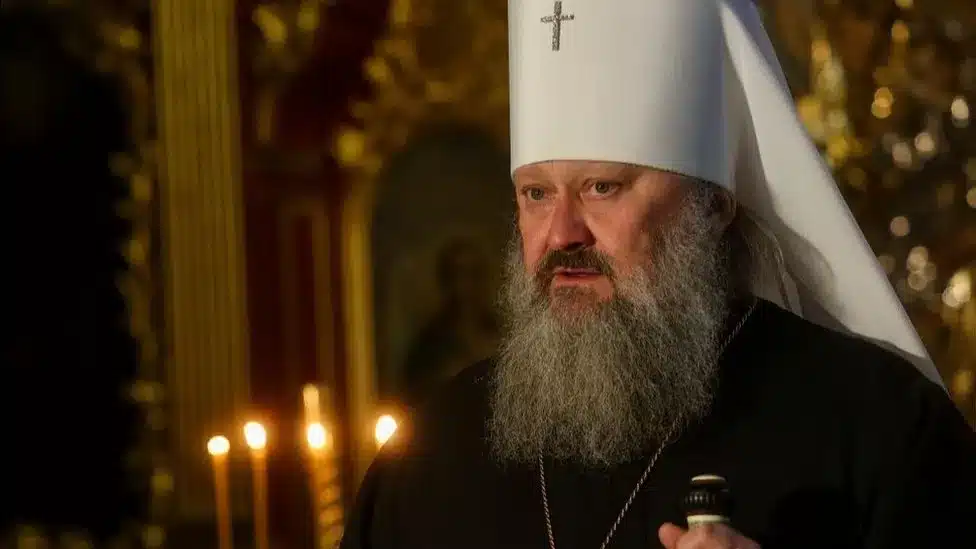
    Metropolitan The Kyiv-Pechersk Lavra, the most significant monastery in Ukraine, is managed by Pavel Lebed. His Ukrainian Orthodox Church (UOC) branch had previously sided with Moscow’s clergy.

    He is allegedly accused of promoting religious and national hate, according to Kiev prosecutors.

    Kyiv has been trying to evict him and his followers from the monastery.

    Mr Pavel has denied the allegations and argues that the Kyiv authorities have no legal grounds for evicting the monks and staff from the monastery.

    In a court appearance on Saturday, reported by the daily Ukrainska Pravda, he called it “a political case” and said “I’ve never been on the side of aggression” – though he did not mention Russia.

    “I’m against aggression. And now I’m in Ukraine – this is my land,” he said. He described his current status as “house arrest”.

    On Friday hundreds of worshippers gathered at the Kyiv-Pechersk Lavra monastery – famous for its historic caves – in support of the monks there, protesting against the eviction order.

    A statement from the Security Service of Ukraine (SBU) on the Telegram messaging service, says Metropolitan Pavel is suspected of “violating citizens’ equality” based on their racial, national and religious ties.

    It says he “repeatedly insulted the religious feelings of Ukrainians”, “humiliated” other faith groups and “tried to create hostile attitudes towards them”.”He also made statements that justified or denied the actions of the aggressor state,” the SBU says. It alleges it has evidence from Metropolitan Pavel’s public speeches and intercepted communications.
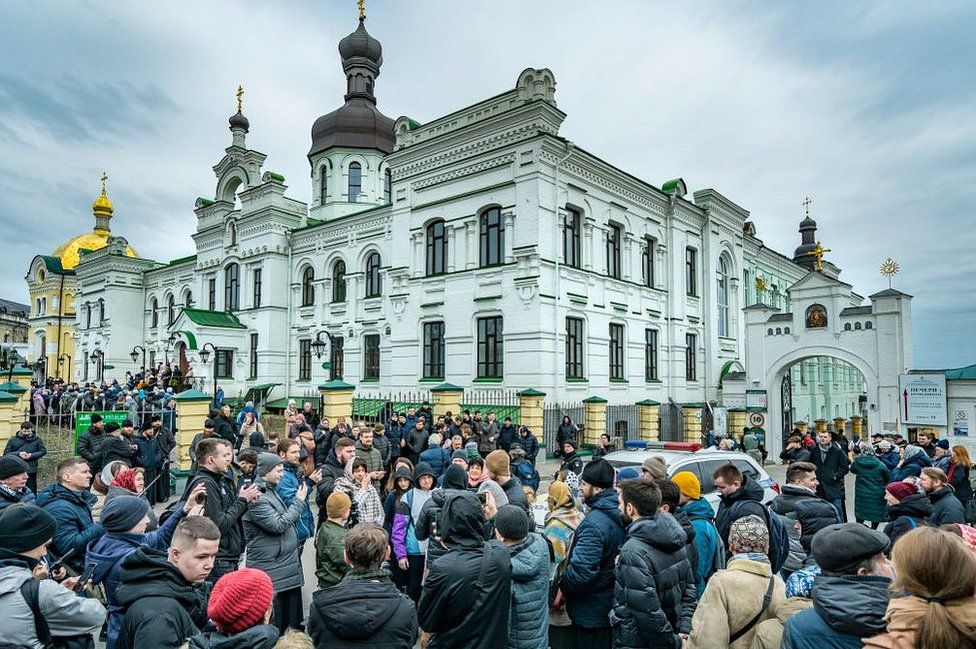
    Worshippers at Pechersk Lavra, Kyiv, 31 Mar 23
    Image caption,Worshippers supporting the Orthodox monks thronged the Lavra site on Friday

    SBU head Vasyl Malyuk said “today the enemy is trying to use the church environment to promote its propaganda and divide Ukrainian society”.

    “But we will not give him a single chance!” he stressed.

    Last year, the SBU raided the Lavra and other buildings belonging to the UOC, and dozens of clerics have been arrested on accusations of treason and collaboration with Russia. The UOC, however, says there is no evidence to support the charges.

    In recent years many worshippers have joined the independent Orthodox Church of Ukraine, while millions still follow the UOC, which split from Moscow last May after centuries under its control.

    The Russian Orthodox Church has allied itself with President Vladimir Putin, echoing Kremlin rhetoric in defending the invasion of Ukraine.

    Source: BBC
  • Ethiopia restricts social media as a church feud ramps up into violence

    Ethiopia restricts social media as a church feud ramps up into violence

    Last month, three church leaders declared themselves archbishops, which resulted in at least 30 fatalities.

    Following violent protests sparked by a split within the nation’s Orthodox Church, the Internet watchdog NetBlocks reported that access to social media platforms has been restricted in Ethiopia.

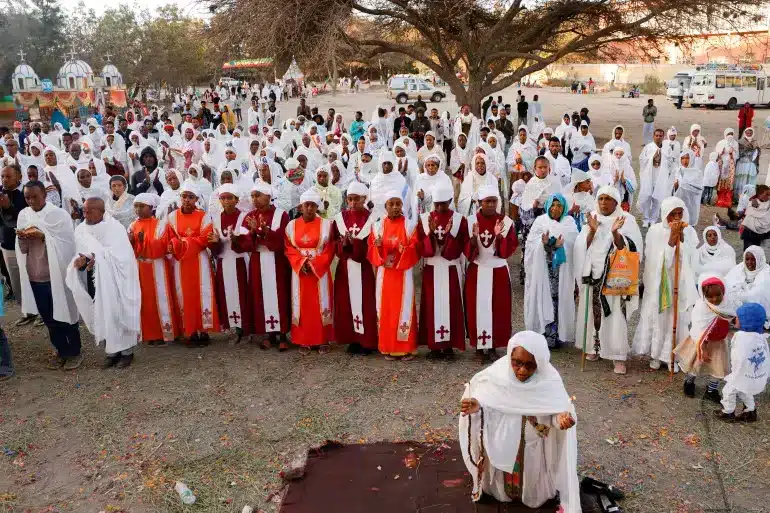
    When three church officials last month professed themselves archbishops and established their own governing body, protests broke out in the Oromia region. While some protesters resisted it, others were in favour of it.

    According to network data that NetBlocks had gathered, access to Facebook, Messenger, TikTok, and Telegram has been severely constrained.

    The tweet came hours after the church said at least 30 people have been killed in the protests since February 4.

    The church’s statement called for demonstrations on Sunday against the new governing body as it accused the Ethiopian government of “meddling” in the church’s internal affairs after Prime Minister Abiy Ahmed asked his ministers to stay out of the dispute.

    The Ethiopian state has traditionally maintained close ties to the Orthodox Church, to which more than 40 percent of the population belongs.

    Government spokesperson Legesse Tulu did not immediately respond to requests for comment on Friday. The government said in a statement on Thursday that the upcoming protest was banned to prevent violence.

    Ethiopian authorities have previously shut down or restricted access to the internet during periods of political unrest, including in response to protests in 2020 that followed the killing of a popular singer from Oromia.

    Internet and phone communications were also shut down in the northern region of Tigray for most of a two-year war that ended in a ceasefire in November.

    The Orthodox Church insisted Sunday’s protest would go ahead and said the government’s ban constituted “a declaration to destroy the church once and for all”.

    Oromia, home to Ethiopia’s largest ethnic group, the Oromo, has experienced violent conflict for many years, part of wider unrest in Ethiopia, a multiethnic country where power has long been contested between federal and regional authorities.

  • Ethiopia’s PM criticized by top leadership of Orthodox church

    Ethiopia’s PM criticized by top leadership of Orthodox church

    The largest religious group in Ethiopia, the Orthodox Church, has vowed to call for statewide demonstrations to be headed by its patriarch, Abuna Mathias.

    The church has criticised Prime Minister Abiy Ahmed’s recent statements regarding rogue clergy involved in the appointment of bishops without its knowledge.

    Mr Abiy’s lengthy remarks, broadcast on national television on Tuesday, came after the church’s synod excommunicated the breakaway clergy, who are from the country’s Oromia region.

    He warned his cabinet members against getting involved in the church’s affairs. However, he said both sides “have truths.”

    The synod said the PM’s remarks disregarded its decisions, challenged its authority and gave recognition to an “illegitimate power-hungry” group.

    Some of Mr Abiy’s statements were “misleading”, it added.

    The breakaway clergy accuse the church of maintaining a system of linguistic and cultural hegemony in which congregations in Oromia are not served in their native languages. The church denies the accusation.

    The breakaway clergy said they had “overwhelming” public support after touring some areas in the conflict-prone western Oromia.

    The synod’s statement comes amid accusations among the faithful that authorities are supporting the breakaway clergy.

    It accuses the government of harassing and detaining its senior figures. It vows to continue to speak out even if they [senior religious leaders] have to “sacrifice their lives.”

    Relationships between Mr Abiy’s administration and the church – which boasts nearly half of Ethiopia’s 110 million population as its adherents – were positive in the early days of his tenure.

    However, in recent years members of the faith group have reported being targeted.

    Relations became particularly strained during the heights of the Tigray war after Abuna Mathias spoke against what he called genocide in the region.

    Source: BBC