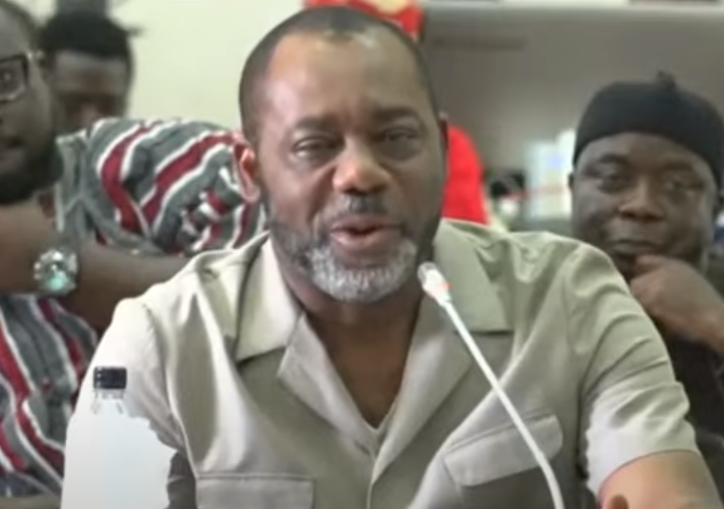
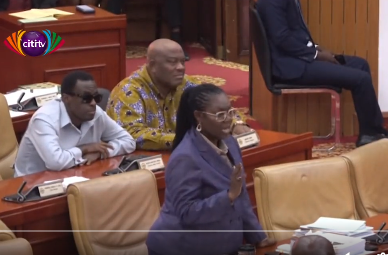
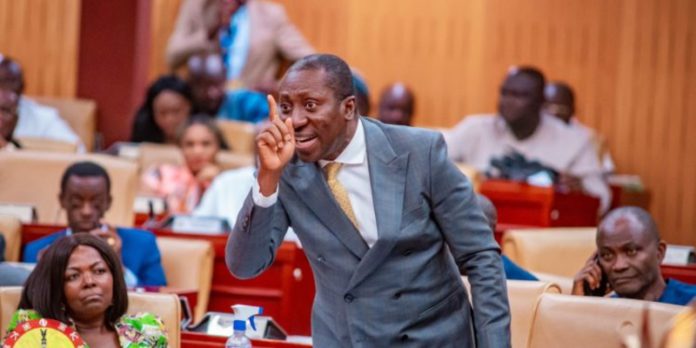
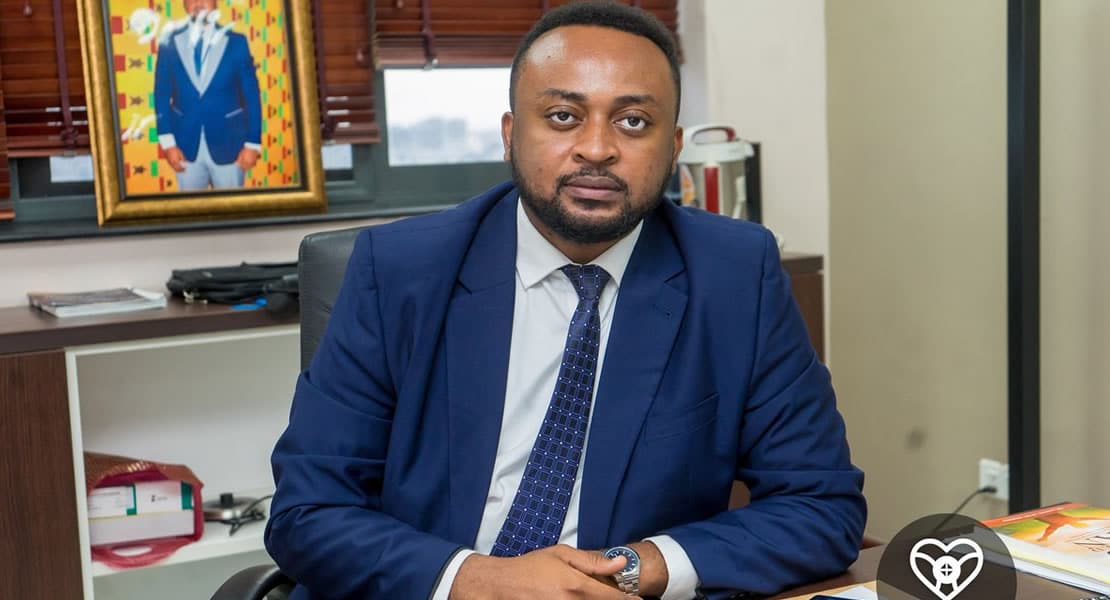
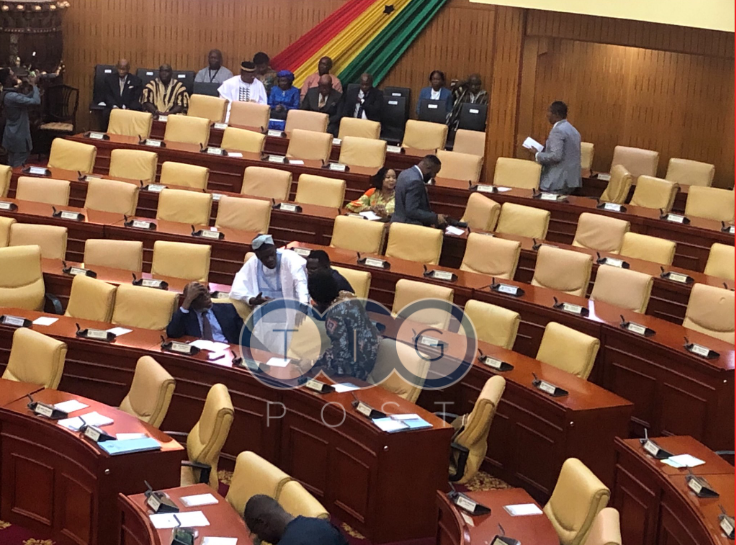
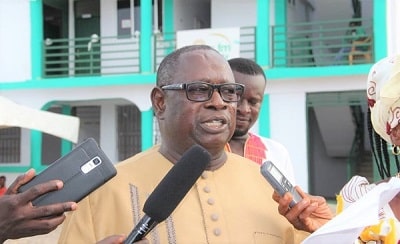
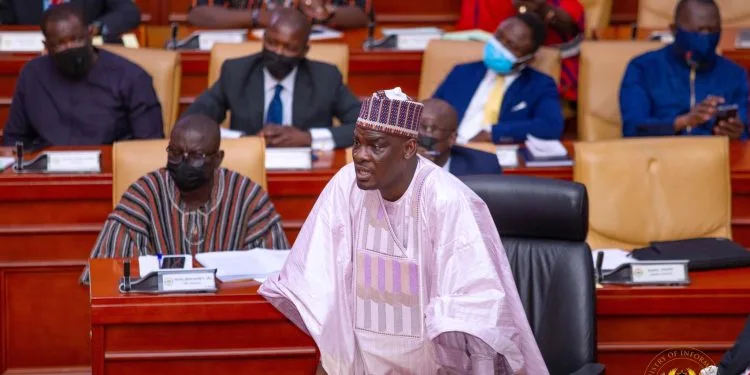
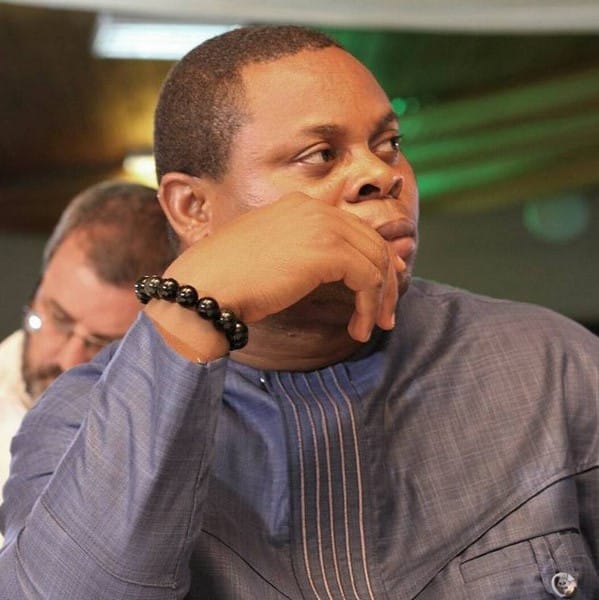
President of IMANI Africa, Franklin Cudjoe, has embraced Parliament’s initiative to encourage the use of local languages during its sessions.
Cudjoe commended the idea of Members of Parliament expressing themselves in their native dialects, deeming it a commendable practice, especially as the assembly gears up to welcome new members.
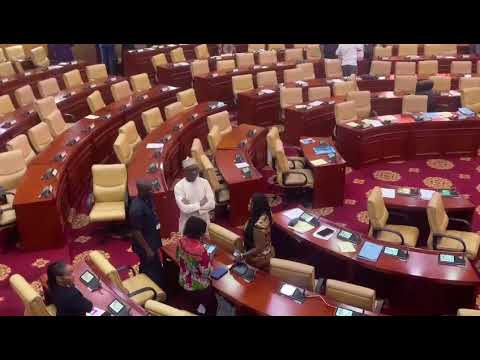
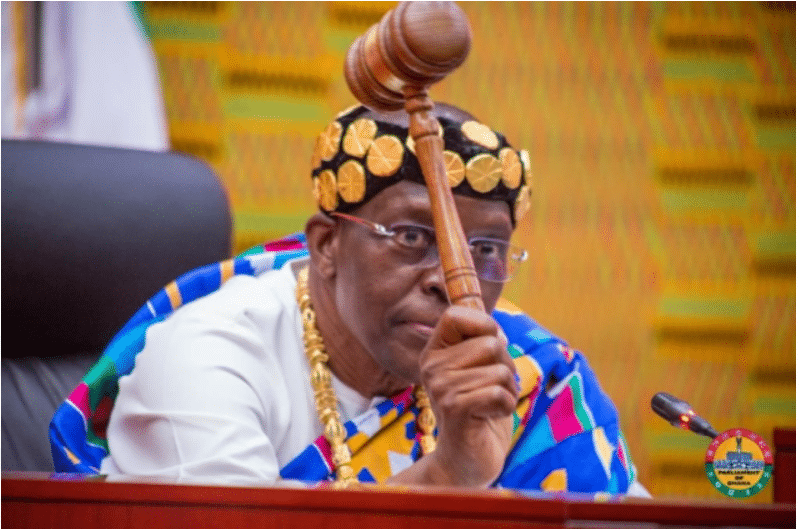
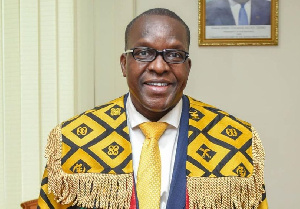
On February 16, Speaker of Parliament, Alban Bagbin, directed committees on education, finance, culture, and tourism to investigate the factors contributing to the decline of local languages in the country.
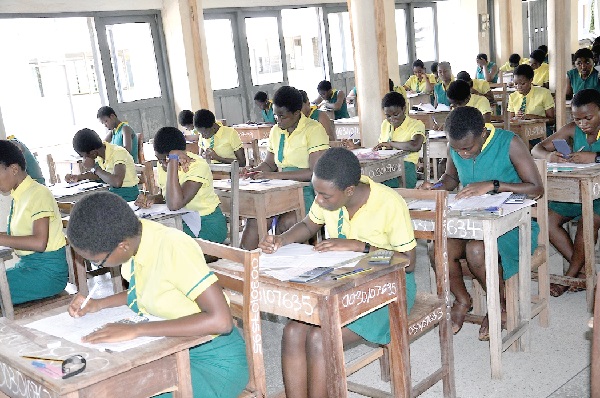
The aim is to propose recommendations to address this issue, prompted by concerns raised by MPs regarding the diminishing use of local languages, particularly in schools nationwide.
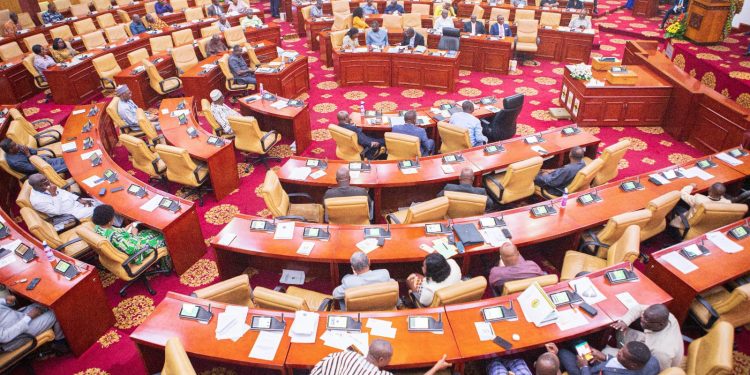
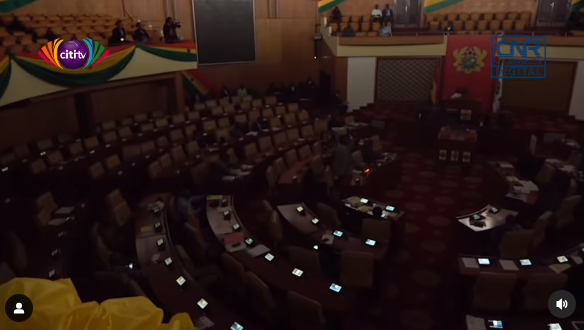
Bagbin also disclosed plans for technological upgrades in the parliamentary chamber to facilitate the incorporation of local languages in future sessions.
In a statement released on February 19, Cudjoe expressed his satisfaction, stating, “I was delighted to hear that Ghana’s Parliament will now allow the use of local languages in conducting business.”
He speculated that this shift might be in anticipation of new members taking the place of experienced MPs proficient in parliamentary procedure and skilled in expressing themselves in English during debates.
Mr Cudjoe envisioned the potential for MPs like Alexander Afenyo-Markin to deliver their initial remarks in Fante and Ewe.
However, Mr Cudjoe underscored the irreplaceable position of the English language as a global communication tool.
While endorsing the inclusion of local languages in internal communication systems, he emphasized the importance of being prepared to learn international languages for global relevance.
Mr Cudjoe cited examples of others learning Chinese and Australian children learning Korean for economic reasons, highlighting the need to adapt to both local and international linguistic dynamics.
READ THE FULL STATEMENT BELOW
I was delighted to hear that Ghana’s Parliament will now allow the use of local languages in conducting business.
I remember as far back in July 2015, when the young and clever master of parliamentary procedure, Hon.Alexander kwamena Afenyo-Markin now Deputy Majority Leader, made a passionate appeal for the provision of facilities to encourage the use of local languages in parliament.
In November 2015, Hon. fenyo-Markin again emphasized the urgency to allow MPs who felt comfortable making submissions in local languages be allowed. The situation had become critical against the background of grammatical errors made by two members of Parliament then, when reggae musician and radio show host, Blakk Rasta, appeared before the Parliamentary Select Committee on Privileges to interrogate the matter.
The MP for Adentan at the time, “Mr Emmanuel Nii Ashie Moore, in a question to the Editor of the Searchlight newspaper, Mr Ken Kuranchie, asked: ” I will like to know from Mr Ken Kuranchie, in your paper, did you attributed (sic) the story to Adom FM online. Did you also spoke (sic) to Blakk Rasta?.”
“The member for Effigya Sekyere East, Mr Henric David Yeboah, who filed the complaints with the House, also kept referring to Blakk Rasta as “Brack Rasta.” Since then, one news report said, “some radio presenters have played both voices on their stations and made humorous anecdotes of the errors to provoke laughter.” Hon. Afenyo-Markin then attempted to make his submission in the Fante language, arguing that one’s ability to speak fluent English wasn’t the yardstick of intelligence and wisdom.
Today, with an activist Speaker of Parliament in Rt. Hon. Alban Bagbin, the stage is set for the adaptation of local languages in conducting Parliamentary business. It may well be timely as the House prepares to welcome many new entrants that will be replacing experienced MPs who were not just skilled in the art of Parliamentary procedure, but were able to communicate their positions during debates effortlessly in the English Language. It would be an admirable encounter to listen to Hon. Alexander Afenyo-Markin makes his preliminary remarks in Fante and Ewe when he becomes the Majority Leader in a few days. Even better it would have been if my SALL MP had been allowed to argue for a rehabilitation of very bad roads and schools in the Siwu or Sekpele language.
However, it must be made clear that the English language is a universal language and can not be replaced. These days, others are learning Chinese in order to be part of the coming Chinese ‘ economic dragon’! While travelling in Australia , I enjoyed a discussion in the media about allowing Aussie kids to learn Korean! Yes, Korean! Reason? Not just for the fact that Australia may be closer to Korea, but mainly economic! So, there you have it! Adapt your internal communication systems to include local languages but also be prepared to learn international languages of the times, or you perish!
I am looking for a great French, Spanish and Chinese teacher!
Franklin Cudjoe!