Tag: Plastic

  • Plastic manufacturers to halt operations in response to 5% excise tax

    Plastic manufacturers to halt operations in response to 5% excise tax

    Consumers nationwide may soon face reduced availability of essential plastic-packaged commodities, such as bottled and sachet water.

    This impending shortage stems from the Ghana Plastic Manufacturers Association (GPMA), which represents local industry players.

    They have issued a firm ultimatum to the government, demanding an immediate suspension of a newly imposed 5% excise tax on locally manufactured plastic products.

    The GPMA has cautioned that unless their demands are met, manufacturers are prepared to cease production for seven days to protest.

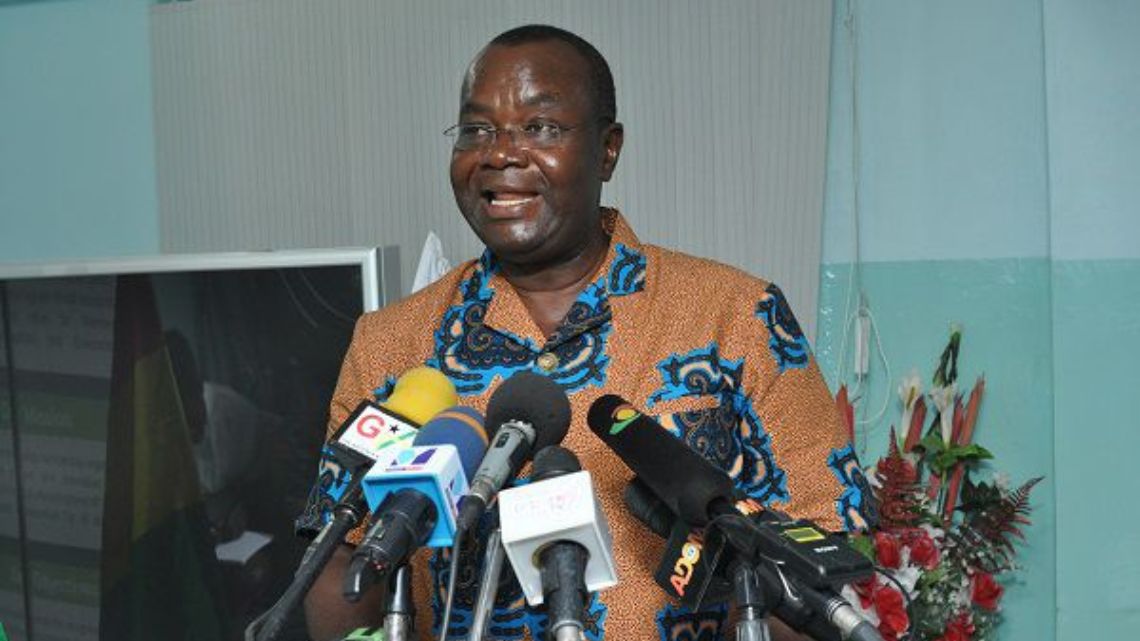
    Speaking at a press briefing, Ebbo Botwe, President of the GPMA, stressed the government’s need to reconsider its stance and urged for renewed dialogue with all stakeholders to avert potential economic repercussions from the proposed production shutdown.

    “We are appealing to the Vice President, Dr. Mahamudu Bawumia, to intervene in this matter because the effect of this consumer tax will really affect the masses. The common man and woman will suffer extreme hardship,” Botwe stated.

    He concluded by issuing a direct warning: “We ask the GRA to stop the harassment of plastic manufacturers, and we give the Ministry of Finance one week to respond to our request. If not, all plastic manufacturers will shut down production for at least one week, and we’ll have no choice but to send home over 30,000 workers.”

    President of the Ghana Union of Traders’ Association (GUTA), Dr. Joseph Obeng, echoed opposition to the new tax, urging the government to find alternative means to meet tax obligations without burdening local industries.

    “The government is being insensitive to the business community. Let’s defer the implementation of the excise tax. The timing is not right, and it’s not fair when businesses are already suffering from the effects of exchange rates,” Obeng argued.

    “This is not the time to impose another tax when so many taxes have already been imposed on us. Are we saying we do not care about the state of businesses?,” the GUTA president quizzed.
  • Ghana Plastic Manufacturers fight 5% excise tax on locally produced plastic products

    Ghana Plastic Manufacturers fight 5% excise tax on locally produced plastic products

    President of the Ghana Plastic Manufacturers Association, Ebbo Botchway, has strongly criticized the imposition of a 5% excise tax on locally produced plastic products, warning of its adverse impact on businesses and consumers alike.

    Speaking on Joy FM’s Newsnight on June 26, Mr Botchway expressed concerns that the tax was implemented without consulting his association, emphasizing its potential to exacerbate living conditions.

    Mr Botchway argued against the blanket application of the tax to all plastic products, asserting that certain plastics, particularly rigid ones, do not pose significant environmental risks and should therefore be exempted.

    He emphasized the need for a nuanced approach, advocating for a collaborative effort to develop a product-specific tax list that considers environmental impact.

    “If this tax is not suspended,” Botchway cautioned, “it will not only harm businesses but also worsen the economic circumstances of consumers.”

    He criticized the government’s decision to allocate the revenue purely for government purposes rather than earmarking it for plastic waste management, a move he described as problematic for the industry.

    Moreover, Mr Botchway highlighted existing issues with the 10% tax under the Customs and Excise (Amendment) Act of 2013, which was intended to fund plastic waste management and recycling initiatives.

    Despite collecting over 1.97 billion Ghana cedis, Botchway lamented that none of these funds have been allocated to support recycling efforts, suggesting that a fraction of this sum could significantly boost recycling initiatives and plants dedicated to processing plastic waste.

    In the 2024 budget, the government expanded the Environmental Excise Duty to include plastic packaging, aiming to address distortions in the current excise policy.

    However, Botchway’s association contends that without proper consultation and consideration of the diverse impacts of various plastic products, such policies risk undermining both environmental goals and the economic stability of local plastic manufacturers.

  • Illegal plastic sales cause Ghana GHC264m annually – Ghana Plastic Manufacturers Association

    Illegal plastic sales cause Ghana GHC264m annually – Ghana Plastic Manufacturers Association

    The Ghana Plastic Manufacturers Association has made serious allegations against certain Free Zones Companies, accusing them of engaging in illegal practices that result in significant revenue losses for the government.

    According to the association, out of the 166 plastic manufacturing companies in Ghana, approximately 12 are registered under the Free Zones Enterprise.

    These companies are allegedly importing plastic raw materials duty-free and then illegally selling them on the local market, thus avoiding import duties.

    The association claims that this practice has cost the government approximately GH₵22 million per month, totaling about GH₵264 million annually.

    President of the Plastic Manufacturers Association, Ebbo Botwe, expressed frustration over the lack of response from the authorities in an interview with Citi News.

    “One sad part of this tax is that in Ghana currently, we have about 166 plastic manufacturing companies and out of this, just about 12 of them are Free Zones Enterprise registered. Some of these 12 registered Free Zone Companies, are importing plastic raw materials and illegally selling them on the open local market, thereby causing the government to lose millions and millions in revenue, by way of avoiding payment of import duties – thus depriving the government of the needed revenue. Free Zone Companies are exempted from paying import duties.”

    “Eighteen months ago, we reported this situation to the Commissioner General of Ghana Revenue Authority, the Ministry of Finance, the Ministry of Trade & Industries and the Ghana Free Zones Authority but this illegal business continues.

    “It is estimated that the government is losing approximately GHC 22.05 million per month or GHS 264.6 million annually through these illegal activities. This is a serious revenue leakage and we believe we have given enough information to the government to help stop this practice but instead, here we are saddled with yet another new tax.”

    Meanwhile, the Ghana Free Zones Authority  (GFZA) in a press release said it has already initiated monitoring and spot checks of the production sites and is “in the process of producing its first report on the impact of the measures by the third quarter of the year.”

  • Disregard videos on alleged plastic rice, they are false FDA

    The Food and Drugs Authority (FDA) has asked the public to disregard videos circulating on social media, the content of which is purported to be plastic rice, on the Ghanaian market.

    The Authority in a statement noted that the content of videos circulated on social media are false.

    FDA explained that “in 2017, the FDA based on these videos, investigated the claims and issued a press statement denying the existence of plastic rice. As part of that investigation, and through our nationwide market surveillance activities, the Authority obtained random samples and subsequently requested members of the public to assist our investigations by either submitting samples of the alleged plastic rice or giving information about where they could be found.”

    Source: MyJoyOnline.com

  • Spain eyes new tax to rubbish plastic packaging

    The Spanish government on Tuesday proposed new legislation on rubbish that seeks to dramatically reduce single-use plastic packaging, notably by taxing it.

    The move specifically aims to reduce the plastic cups and bottles used in the fast food and take-away sectors.

    “If we add up all the waste generated in a year in Spain… it would be enough to fill up the Santiago Bernabeu stadium 2,900 times,” said Environment Minister Teresa Ribera of Real Madrid’s 80,000-seat stadium in the Spanish capital.

    “And just the plastic packaging from our homes alone would fill up 45 such stadiums,” she added, after the cabinet meeting at which ministers approved an extensive draft law on waste and soil contaminants to comply with European directives.

    In summer 2021, certain products will be banned, such as cotton buds, plastic straws and cutlery.

    A special tax on plastic packaging will be brought in by January 2023, meaning consumers will pay a little more for any take-away that includes a plastic container or cup, which will be itemised on the bill.

    “The special tax on single-use plastic containers will be indirect and will impact the manufacture, import or acquisition within the European Union of non-reusable plastic containers for use within the Spanish market,” a ministry statement said.

    “This is a similar tax to that being implemented in other neighbouring countries such as the United Kingdom or Italy.”

    In imposing a tax of 0.45 euros per kilogramme (2.2 pounds) of packaging, the government hopes to bring 724 million euros per year into the state coffers.

    Disclaimer : “Opinions expressed in this article are the sole responsibility of the author(s) and do not in any way reflect those of backend.theindependentghana.com. Our outfit will hereby not be liable for any inaccuracies contained in this article.”

    Source: france24.com