Tag: Plastics

  • 5% tax on locally manufactured plastics will collapse 30,000 jobs – Gov’t told

    5% tax on locally manufactured plastics will collapse 30,000 jobs – Gov’t told

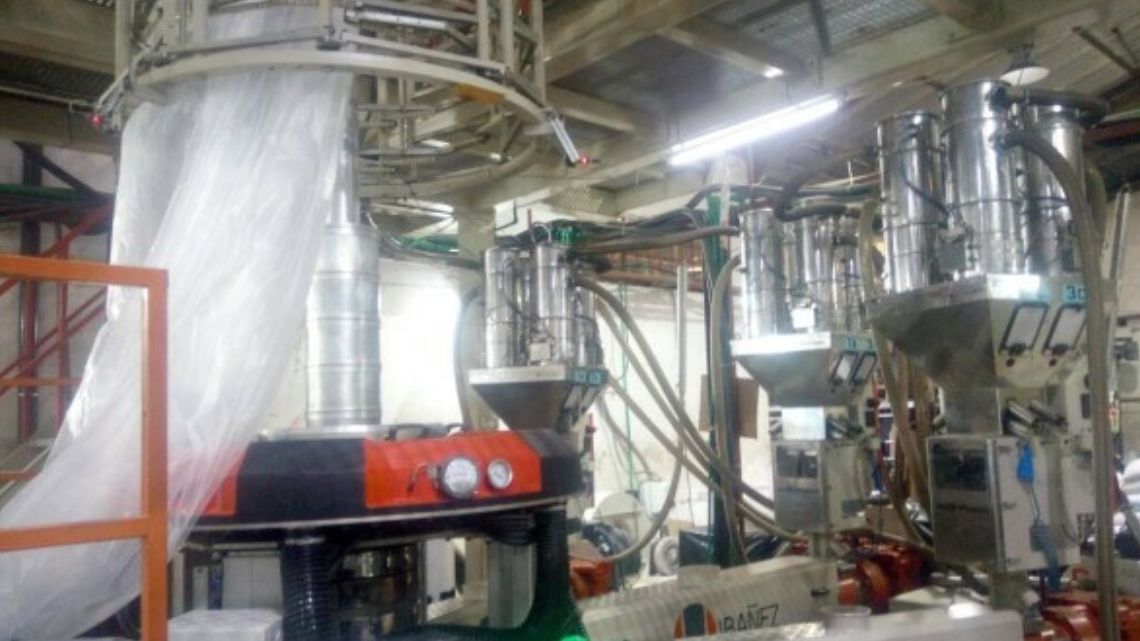
    The Ghana Plastic Manufacturers Association (GPMA) has raised alarm over the potential impact of a planned 5% excise tax on locally manufactured plastics, warning that over 30,000 workers in the sector could face layoffs if the tax is implemented.

    President of the GPMA, Ebo Botchwey, expressed grave concerns about the detrimental effects of the proposed tax, emphasizing that it could lead to the shutdown of production plants and significantly increase prices of essential products such as medicines, beverages, and sachet water.

    Mr Botchwey argued that the timing of the tax implementation is unfavorable, particularly amid economic challenges exacerbated by exchange rate fluctuations.

    He criticized the government for imposing additional taxes without adequate consultation with industry stakeholders, noting that many businesses are already struggling to cope with existing tax burdens.

    “We have been burdened with numerous taxes, and imposing another one now shows a disregard for the growth of businesses,” Botchwey lamented. He highlighted the trend of companies relocating from Ghana due to high operating costs, which threatens the country’s competitiveness in the region.

    The Association of Sachet and Packaged Water Producers also expressed solidarity with GPMA’s stance, warning that they would be forced to halt production for a week if the tax is enforced.

    Magnus Nunnoo, President of the association, emphasized the impracticality of packaging water in alternative materials like paper, underscoring the essential role of plastics in their operations.

    Mr Nunnoo called for immediate suspension of the tax and urged comprehensive stakeholder consultations before any such measures are implemented. He appealed to Vice President Dr. Bawumia to intervene, highlighting the potential hardship the tax could impose on consumers, especially the economically vulnerable segments of society.

    President of the Ghana Union Traders Association (GUTA), Joseph Obeng, echoed these concerns, warning of severe supply chain disruptions if plastic manufacturers cease operations.

    He emphasized the critical role of plastics in packaging materials, essential for products like bottled and sachet water.

    “We cannot package water in paper; we still have to use plastic materials,” Obeng stressed, highlighting the domino effect that a shutdown of plastic manufacturing could have on various sectors reliant on plastic packaging.

    The stakeholders have given the Ministry of Finance a one-week ultimatum to respond to their concerns, threatening collective action if their demands are not met. They called on the government to halt harassment of plastic manufacturers and prioritize policies that support economic growth and job creation.
  • 85% of ocean waste are plastics – KNUST Dean

    85% of ocean waste are plastics – KNUST Dean

    The Coordinating Dean of the Kwame Nkrumah University of Science and Technology (KNUST), Obuasi campus, Prof. Richard Buamah, has revealed that plastic garbage makes about 85% of all marine debris.

    He warned that the dire situation does not seem to be ending and could triple in the coming years if proper measures are not put in place to curb it.

    “Currently, plastics account for 85 percent of all marine litter. By 2040, it will nearly triple, adding 23 to 37 million metric tonnes of waste to the ocean per year. This seems to be about 50 kilogrammes of plastic waste per metre of coastline. Due to these, all-marine lives face grave risks of behavioural disorder, starvation, and suffocation.”

    Prof. Buamah said this when he addressed a durbar of chiefs, pupils, and stakeholders at Obuasi to mark this year’s World Environment Day, organised by AngloGold Ashanti.

    He bemoaned that the use of single-use plastic is on the rise, stating that the chemicals used in its production have harmful effects on the environment and have been linked to certain diseases.

    “It is an established fact that more than 10,000 chemicals are used in these plastics, of which 25 percent are potentially dangerous and linked to diseases like cancer and diabetes,” he added.

    Meanwhile, during the celebration, Senior Manager of Sustainability, Environment for AngloGold Ashanti, George Owusu-Ansah, indicated that the mine has partnered with the Environmental Protection Agency (EPA) and other stakeholders to enhance environmental sustainability on plastic waste management.

    The partnership forms parts of AngloGold’s 10-year Socio-Economic Development Plan (SEDP) on environmental sustainability, which seeks to treat plastic waste as a valuable resource rather than waste.

    This year’s World Environment Day focused on tackling plastic pollution through a campaign dubbed ‘Beat plastic pollution’, in an effort to raise awareness, mobilise action and promote environmental sustainability.

    Mr. Owusu-Ansah said plastic waste is one of the leading environmental challenges globally today, and that AngloGold is making a positive contribution toward an enduring world by being responsible stewards of the environment in which they operate.

    Highlighting some impactful projects to protect the environment, Mr. Owusu-Ansah said the company has also impacted the community through good waste management practices, pollution prevention, and the release of treated water for public consumption.

    The company has since its commencement of operations in 2019 streamlined operations in environmental management and has successfully been certified by the ISO 14001 Environmental Management System.

    Obuasi Municipal Head of EPA, Prempeh Adarkwaa Yiadom, for his part, encouraged the use of reusable items.

    Some items made from waste plastic are on display
    Awards

    Awards worth GH₵600,000 were given to schools, individuals, and organisations that excelled in the campaign against the disposal of plastic waste. The awards included laptops, tabletop computers, dustbins, shovels, wheelbarrows, school bags, books, flat-screen televisions, and T-shirts, among other items.

    An exhibition on plastic waste recycling by schoolchildren who turned waste plastic into usable materials was also held.

  • Plastics are piling up in soil across the world warns UN environment agency

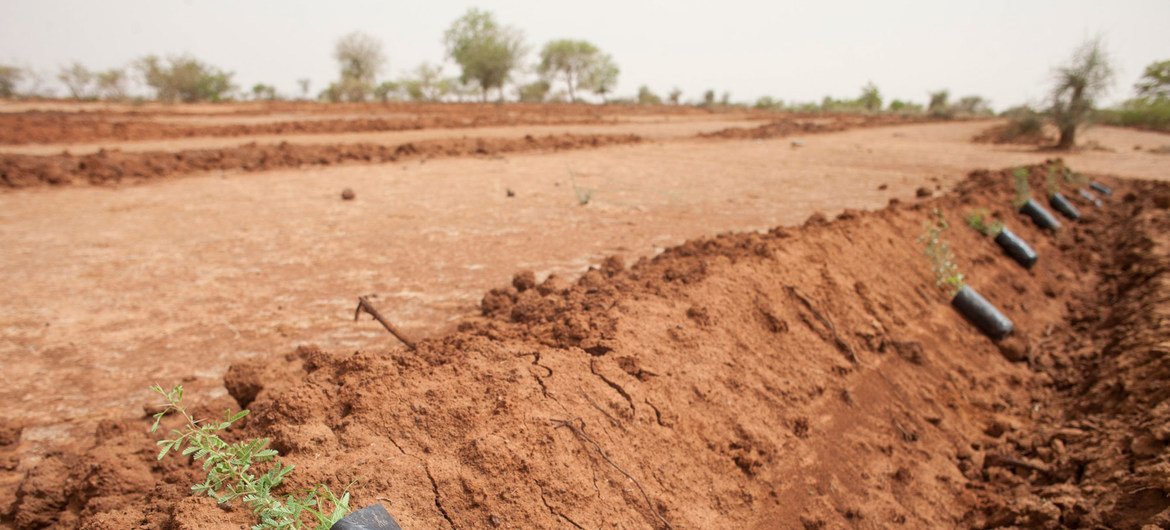
    Plastics are used extensively in agriculture, from plastic-coated seeds to protective wraps used to modify soil temperature and prevent weed growth over crops.

    These synthetic materials also added intentionally to biosolid fertilizer, which is spread on fields, and are used in irrigation tubes, sacks and bottles.

    Plastic covered seedlings.

    Plastic covered seedlings.

    Biodiversity, health impacts

    While all these products have helped increase crop yields, there is growing evidence that degraded plastics are contaminating the soil and impacting biodiversity and soil health, the report warns.

    Moreover, microplastics, such as the one used in some fertilizers, are also impacting human health when transferred to people through the food chain.

    “There is only a finite amount of agricultural land available,” said report’s co-author Professor Elaine Baker from the University of Sydney. “We are starting to understand that the build-up of plastic can have wide-ranging impacts on soil health, biodiversity and productivity, all of which are vital for food security”.

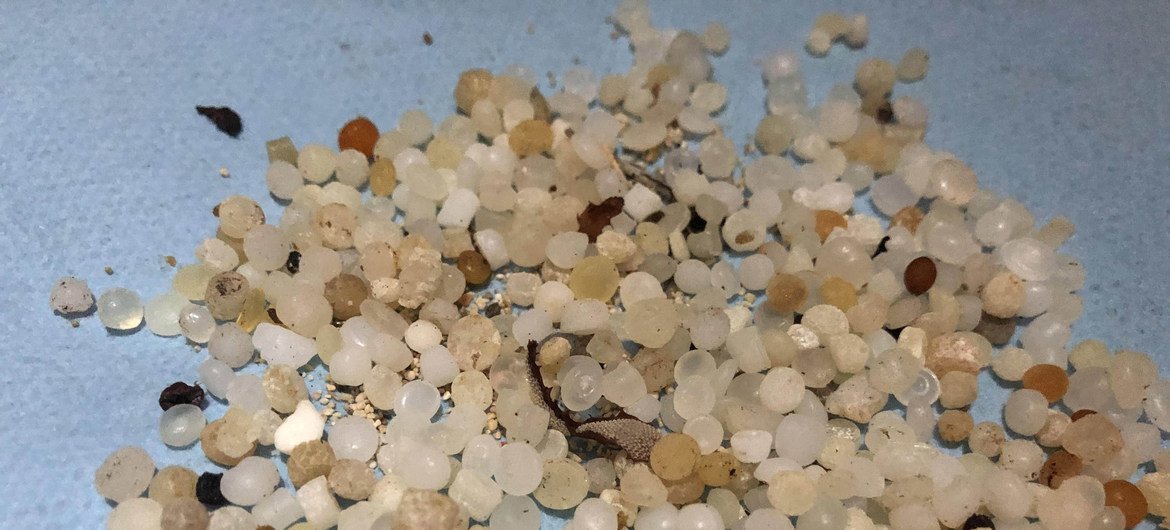
    Microplastics come in a large variety of sizes, colours and chemical compositions, and include fibres, fragments, pellets, flakes, sheets or foams.

    Microplastics come in a large variety of sizes, colours and chemical compositions, and include fibres, fragments, pellets, flakes, sheets or foams.

    Everything’s affected by plastic

    UNEP’s experts explain that over time, big pieces of plastic can break into shards less than 5 mm long and seep into the soil.

    These microplastics can change the physical structure of the earth underfoot and limit its capacity to hold water. They also can affect plants by reducing root growth and nutrient uptake.

    Currently the single-biggest source of microplastic pollution in soil, is fertilizers produced from organic matter such as manure.

    Although these can be cheaper and better for the environment that manufactured fertilizers, the manure is mixed with the same plastic microspheres that are known to be commonly used in certain soaps, shampoos, and makeup products.

    While some countries have banned these microspheres, other microplastics continue to enter our water systems via discarded cigarette filters, tire components, and synthetic clothing fibres.

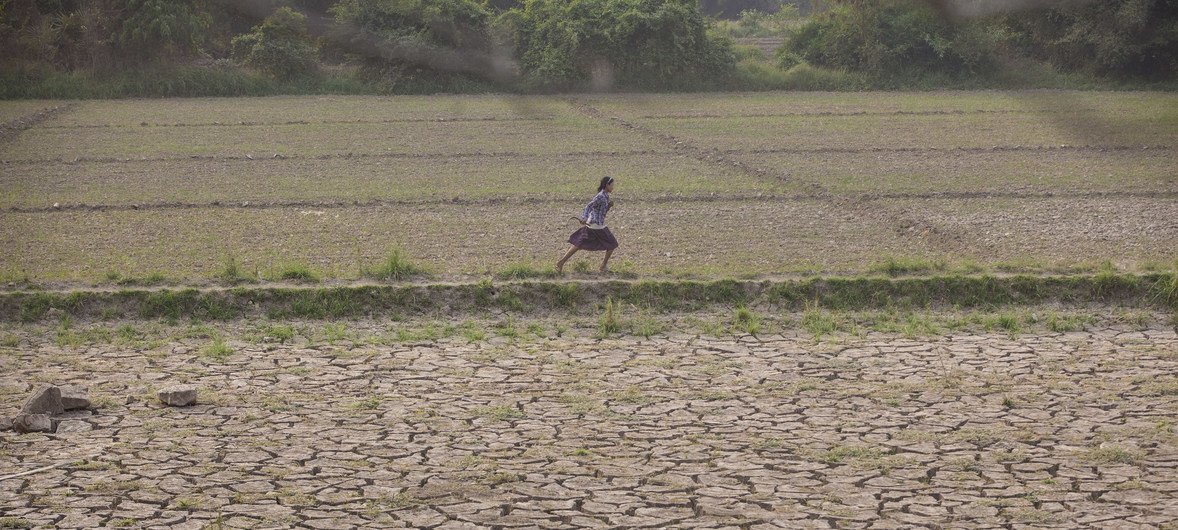
    A girl runs through deserted farmland in Mynmar's Sagaing region.

    A girl runs through deserted farmland in Mynmar’s Sagaing region.

    What to do?

    The report highlights that progress is being made to improve the biodegradability of polymers used in agricultural products.

    However, some protective films – used to prevent moisture loss – are now being marketed as fully biodegradable and compostable, which is not always the case.

    Bio-based polymers are not necessarily biodegradable, some may be as toxic as fossil fuel-based polymers, and their price is still an issue.

    A solution proposed by the report authors are the so-called ‘cover crops’, which shield the soil and are not meant to be harvested.

    These nature-based solutions can suppress weeds, counter soil diseases and improve soil fertility, but there are concerns they could reduce yields and increase costs, UNEP warns.

    “None of these solutions are a magic bullet. Plastic is inexpensive and easy to work with, which makes trying to introduce alternatives a hard sell”, Ms. Baker explained.

    However, the expert recommends governments to disincentivize” the use of agricultural plastics, following the path of the European Union, which earlier this year restricted certain types of polymers from being used in fertilizer.

    “Now is the time to adopt the precautionary principle and develop targeted solutions for stopping the flow of plastic from the source and into the environment”, the Australian scientist underscored.

    Source: BBC

  • It will be difficult to immediately ban use of plastics Minister

    The Minister of Environment, Science, Technology and Innovation (MESTI) Dr Kwaku Afriyie has said it will be very difficult to ban the use of plastics in the country immediately.

    According to Dr Afriyie, the current state of plastics management in the country requires an intense public campaign to engage citizens, businesses, schools, hospitals, and other institutions to cultivate a positive attitude toward the fight against plastic pollution.

    He said this yesterday in Accra, when Ghana joined the world to commemorate the World Environment Day 2022, which was held under the global theme “Only one earth,” with Ghana adopting the slogan, “Only One Earth”, Beat Plastic Pollution”.

    The United Nations, during the Stockholm Conference in 1972, proclaimed June as the World Environment Day to highlight and create regular public awareness and education on emerging environmental issues.

    The day will also serve as a platform to engage people, communities, and governments worldwide and stimulate actions on critical environmental challenges facing the planet.

    According to Dr Afriyie, Ghana’s major problem was the collection of single-use plastics, also known as the under 20 microns plastics, and their improper disposal.

    He said over 30,000 tonnes of municipal solid waste are generated every day, with only 14 per cent collected, 38 per cent dumped in open spaces, and 9 per cent dumped indiscriminately.

    Dr Afriyie said plastic wastes were becoming a major socio-economic developmental and environmental challenge that gravely impacts biodiversity, tourism, infrastructure, fisheries, lands, and livelihoods.

    “As a result of this situation, landscapes are immensely littered with plastic waste, including nose masks, grocery store plastic bags, disposable plastic cups and takeout containers, while beaches and oceans are equally polluted, chemical uptake in both plants and animals due to indiscriminate disposal methods,” he said.

    He said to ensure Ghana wins the fight against plastic pollution, the ministry, in collaboration with key stakeholder institutions and its private sector partners, would delineate the country into grades for proper collection, storage and recycling of plastics.

    He also mentioned that it would assign public and private collectors to collect and store plastic waste and implement a grid system to monitor the collection and storing of the plastics.

    In a speech read on his behalf, the Executive Director of the Environmental Protection Agency, Dr Henry Kwabena Kokofu, said taking action on plastic waste was the only option to improve the country’s waste management issues.

    He came out with solutions to address the plastic menace and made a call for action by all stakeholders in the plastic main value chain to reduce the use of plastic materials, especially single-use plastics.

    Dr Kokofu called for the use of re-usable plastic materials to reduce the plastic waste load in the environment, recover plastic waste for value addition and educate households on waste segregation for recycling.

    “We have to punish those who litter the environment with waste, especially plastic waste, stop open burning of plastic waste which releases toxic chemicals into the environment and reuse them for other purposes,” he added.

    Source: Ghanaweb via ghanaiantimes.com.gh


  • Seek professional help for all cosmetic surgeries – Plastic surgeon urges Ghanaians

    The Head of the Plastics Surgery Unit at the Komfo Anokye Teaching Hospital (KATH), Dr Paa Ekow Hoyte-Williams, has appealed to Ghanaians, particularly women who want to enhance their physique through plastic surgery, to consult qualified personnel for the procedure.

    He said there were a lot of people in the system posing as cosmetic surgeons, performing and injecting people with all sorts of steroids which in the long run deformed their clients.

    He said the unit had recorded three of such cases where quack surgeons had injected women who wanted to enhance their buttocks with substances that rather deformed them.

    “I do not know of any drug or injection that you can inject into the buttocks for it to become big,” he said.

    Hope

    In an interview with the Daily Graphic, Dr Hoyte-Williams said there was still hope for such people as the unit could salvage the situation.

    He said there were surgical ways of enhancing the buttocks and not through any injection, and asked the public to be wary of where they went for such procedures.

    According to him, there were well qualified doctors in the country and at KATH to perform all sorts of cosmetic and aesthetic surgeries to make people feel good about themselves.

    He said the unit performed both reconstructive and aesthetic surgeries and asked those in need of such services to always seek professional assistance.

    However, he said there was the need for people desiring to have one procedure or the other to know the pros and cons of it before deciding.

    Education

    Consequently, Dr Hoyte-Williams said the unit would be organising a public forum dubbed: “KATH International Breast and Aesthetics Surgery” from yesterday, February 10, 2020 to educate the public on cosmetic surgeries.

    “We want the public to know what cosmetic surgery is about and what it is not,” he said.

    He said the forum would focus on reconstructive breast surgery for those who had lost their breasts through cancer and also those who wanted to give their breasts a facelift.

    “Aesthetic breast surgery is a surgery that enhances the look of the breast and builds the confidence of the individual,” he said.

    According to him, one could have a surgery to increase or reduce the size of the breast and even lift the breast.

    Promotion

    Dr Hoyte-Williams said the unit would be running a special promotion for those who would want to have breast surgeries, especially “those who want their breasts to be increased or want the breast to stand firm”.

    He, thus, called on all those who sought these services to take advantage of the promotion and book for their procedure.


    Source: Graphic.com.gh