Tag: polio

  • Ghana borrowed childhood vaccines from Nigeria – Ablakwa alleges

    Ghana borrowed childhood vaccines from Nigeria – Ablakwa alleges

    Member of Parliament for North Tongu, Samuel Okudzeto Ablakwa, has alleged that the vaccines for childhood killer diseases procured by the government were borrowed from Nigeria.

    In a Facebook post on Monday, he noted that the consignment came as “a benevolent gesture which the Ghanaian government has promised to replace when it finally puts its house in order.”

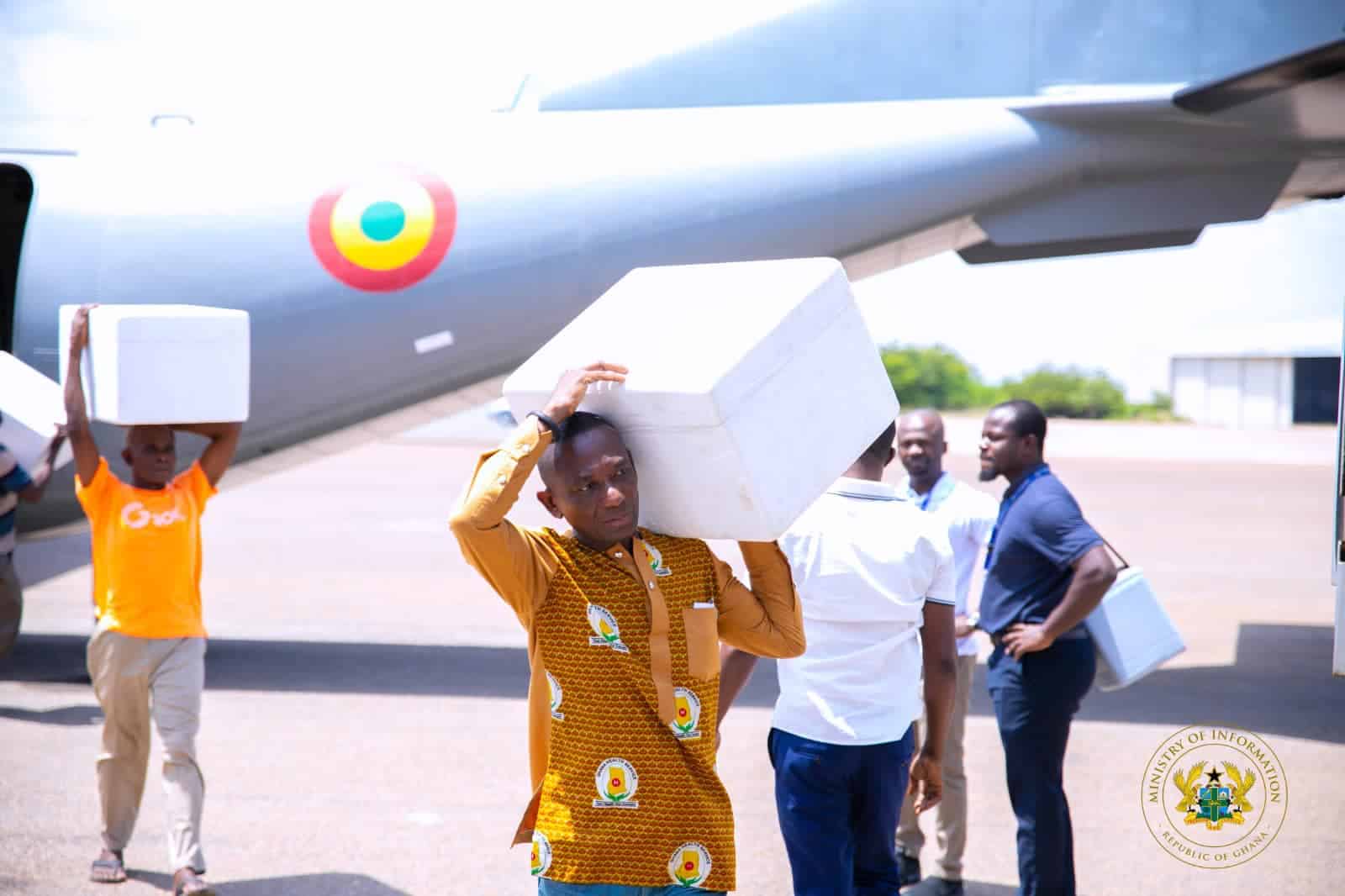
    The Ministry of Health and Ghana Health Service on March 11, 2023, received the first consignment of Measles vaccines, BCG vaccines and Oral Polio Vaccines.

    The source of the vaccines was not disclosed by the Ghana Health Service when it made the announcement over the weekend.

    According to Mr Ablakwa, who believes the government is being secretive, the Akufo-Addo-led government “should not be embarrassed to admit that it reached out to Nigeria and Côte d’Ivoire for urgent bailout on Ghana’s avoidable and indefensible shortage of childhood vaccines.”
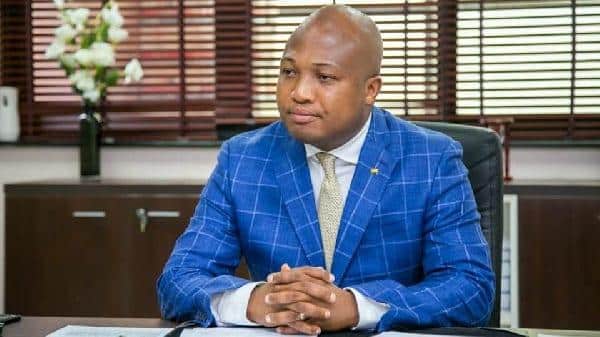
    Samuel Okudzeto Ablakwa, MP for North-Tongu

    “There is absolutely nothing wrong saying thank you to a neighbour who exhibits superior public health policies, better prioritization, and who responds positively and swiftly when you come begging.”

    “Ghanaian officials should not be concealing this fact and therefore appearing ungrateful within the comity of nations even though I acknowledge that an honest and transparent narrative from government will further expose false claims by President Akufo-Addo during his Message on the State of the Nation last week that childhood vaccine shortage was a global phenomenon,” he added.

    The North Tongu legislator insists that Ghana’s childhood vaccine crisis could have been prevented if the government had not ignored the World Health Organisation (WHO) stock-out warnings since July last year.

    Since Nigeria was allegedly able to supply Ghana with vaccines, he believes the “global phenomenon” claim by the president is a fabrication.

    “Ghanaians shall not accept fabrications, ineptitude, mediocrity & leadership failure.

    If there was truly a global shortage of childhood vaccines, how did Nigeria (despite their population) have excess supply to bail out Ghana? Why are others not in the same predicament as Ghana?” he quizzed.

    Mr Ablakwa further revealed that the Nigerian vaccines can only last for 6 weeks, hence the need for the government to find a permanent solution.

    Meanwhile, the Ghana Health Service has noted that more vaccines are expected in Ghana in the coming weeks from multiple sources.

    On the other hand, the Ketu South Municipality in the Volta Region has recorded 10 cases of measles.

    Acting Volta Regional Director of Health, Dr Kwasi Senanu Djokoto, made the revelation at a time when the government is working to address the shortage of vaccines.

    Source: The Independent Ghana
  • GHS resumes childhood vaccination

    GHS resumes childhood vaccination

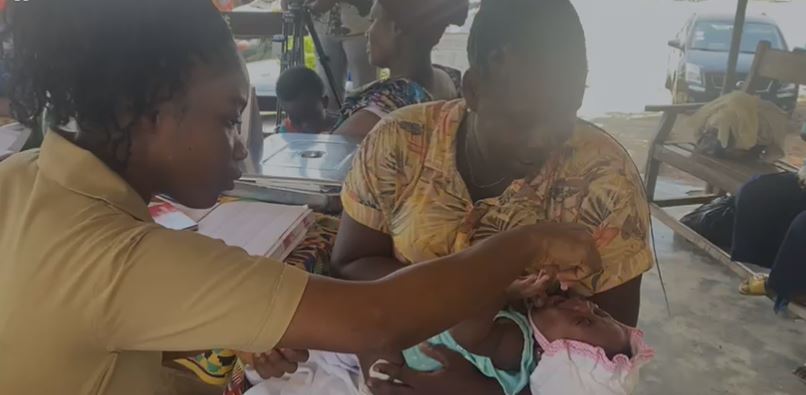
    After weeks of vaccine shortage, the Ghana Health Service (GHS) on Monday morning, March 13 begun the widespread immunization of children across the country.

    This comes after BCG, polio, and measles vaccines were delivered to the Ghana Health Service on Sunday.

    JoyNews’ Hannah Odame who visited some health centres in Accra, reports that at the Adabraka Polyclinic, about 16 mothers had visited the centre to have their children vaccinated as at 9:00am on Monday.

    At the Maamobi polyclinic, there was a massive campaign for parents to bring their children for vaccination.

    In the Volta Region, the Acting Regional Director of the Health Services, Dr. Senanu Djokoto says the vaccination exercise will begin on Tuesday.

    Speaking on the vaccination exercise, the Director General of the Ghana Health Service Dr. Patrick Kumah Aboagye says parents can now make their children available for vaccination.

    He urged them to send their children when they are due.

    “The first batch of the vaccines just arrived and we have doses in BCG, oral polio vaccine and then the measles vaccine. They just arrived with the accessories, syringes, safety boxes. Immediately, they are being discharged to the regions and then vaccinations will start across the country,” he said.

    According to him, as the Service has received the first consignment, he hopes the others come in soon.

    He assured that the quantity received per the first consignment will be enough for a minimum of six weeks immunisation across the country.

    Meanwhile, as the Northern Region has recorded over 100 measles cases during the period of shortage, a Consultant Pediatrician at Tamale Teaching Hospital, Prof. Alhassan Abdul-Munin, wants the GHS to prioritise areas currently experiencing measles outbreaks.

    This, he explained, is because vaccine coverage in hard-to-reach areas is traditionally lower than in urban areas.

    “I would also think that they should target where we are already having the outbreak situations, because in Northern Region for instance, we did a study during the peak of the Covid-19 and then we realised that during those times that the vaccines are available the uptake was very low…so these are children that they may not have been due just within the last five or six months but actually they were due for vaccination during the Covid-19 period and they never had it,” he explained.

    He also called on the government to address the root cause of the vaccine shortage to prevent a recurrence.

  • Bill Gates Has Big News About Terrible Disease

    Bill Gates almost never gives up in a fight. “Several significant worldwide setbacks over the past few years have left many people disillusioned and wondering whether the world is doomed to get worse,” the billionaire philanthropist bemoaned on Twitter on July 13 after what he dubbed “setbacks.”

    The pandemic is one of the biggest setbacks in history. The war in Ukraine is a gigantic tragedy for the entire world. The damage from climate change is already worse than most models predicted. The U.S. has taken a huge step backward for gender equality and women’s health.”

    He later appeared somewhat optimistic, as if he’d been trying to persuade himself that he saw light at the end of the tunnel.

    “But I’m still optimistic. These setbacks are happening in the context of two decades’ worth of historic progress and I believe it is possible to mitigate the damage and get back to the progress the world was making,” the entrepreneur said.

    $1.2 Billion to Fight Polio

    A few months later, the philanthropist seems to have regained his energy and his will to win his humanitarian battles.

    He has thus just promised $1.2 billion more to eradicate polio. The announcement was made on Sunday in Berlin by the Bill and Melinda Gates Foundation, which made the pledge to the Global Polio Eradication Initiative.

    “By coming together and funding efforts like the Global Polio Eradication Initiative, we can #EndPolio and build a healthier world, ” Gates tweeted on Oct. 15.

    “We’re very committed,” Gates told Bloomberg in an interview. “I can’t say forever, but giving up would mean hundreds of thousands of kids being paralyzed.

    The new fund will help redouble and speed efforts to fight this disease, which has reappeared in recent months in regions where it was thought to have disappeared. A resurgence would jeopardize billions of dollars of investment over decades.

    Polio Reappears in New York

    A case of polio had been identified last summer in Rockland County, N.Y., half an hour north of Midtown Manhattan. Traces of the virus had also been detected in sewage in the U.K. and Israel, which had suggested that the disease, which had been almost eradicated worldwide, had resurged.

    “The individual experienced severe symptoms, including paralysis, and was hospitalized,” New York State and County health officials said. “New Yorkers should know that paralysis from polio is typically permanent, resulting in life-long disability.”

    The last known case of polio in the U.S. was in 2013, according to the Centers for Disease Control and Prevention. A 7-month-old child who had just moved from India to the U.S. was diagnosed in San Antonio.

    The World Health Organization in June warned that a type of poliovirus derived from the oral polio vaccine – which, in rare cases, can cause infection in others but not in the person vaccinated – had been detected in London sewage samples. It can cause severe illness and paralysis in unvaccinated people.

    Polio, which largely affects children under age 5, has been virtually eradicated worldwide, according to Unicef. Cases have fallen by 99% since 1988 when polio was still endemic in 125 countries and 350,000 cases were recorded. Polio remains endemic in two countries – Afghanistan and Pakistan.

    Infections declined sharply in the late 1950s and early 1960s in the U.S., with the development of a vaccine. The last natural infection to have occurred in the U.S. dates from 1979.

    The Gateses, through their foundation, have already donated nearly $5 billion directly to the fight against polio.

    For 2019-2023 some $4.2 billion is needed to eradicate polio through vaccination and other health services, according to the Global Polio Eradication Initiative. The program had $2.2 billion before Gates’ pledge. After the commitment, the funding shortfall is around $1.4 billion. Germany will co-host a pledge event at the World Health Summit on Oct. 18 in Berlin.

    “India’s success against poliovirus showed the world that to #EndPolio, perseverance and collaboration are vital. @naveenthacker and over 1,300 leading global experts have urged the world to recommit to ending polio,” Gates posted on Oct. 15.


  • Health Director threatens to cause arrest of parents over polio immunization

    The Sekondi-Takoradi Metropolitan Health Director, Dr. Kofi Badu Sunderland, has threatened to enforce public health laws against parents who fail to make available their children for polio immunization.

    According to him, during the first polio vaccination campaign, they were unable to visit the various school in the metropolis to vaccinate the children since they were on vacation.

    Additionally, some parents hesitated to make available their children to undergo immunization.

    He, therefore, called on parents and teachers to present their children to be immunised to curtail danger to the entire population.

    “After the immunization, we still found out that there are some children who were not immunized within the metropolis. The reason for non-immunization was that some parents refused their children to be immunized. Some also said their children were not ready at home,” he told Angel News.

    “This time round I’m going to urge the health workers that if a mother refuses to immunise her child, they should identify the person and inform us and we will go and have a dialogue. If we have the dialogue and still the parents are resisting, then we will apply the public health law, because we will not allow those little ones to put danger to the entire population.”

    He noted further the directorate is still battling with some of the children on religious grounds, adding, “and if we are supposed to apply the public health law such parents are supposed to be arrested.”

    On the part of the Effia-Kwesimintsim Municipal Health Director, Mrs. Joyce Bagina, now that the schools are in session, children under 5 years are at the creche, daycare, and kindergarten will all be vaccinated by the health professionals who will visit the schools.

    She stated that during the first polio vaccination exercise that took place between September 1 to 4, the Effia-Kwesimintsim Municipal Health Directorate was able to vaccinate over 42,000 children.

    However, for the second phase which is slated to last from 6th to 9th October 2022, the Effia-Kwesimintsim Municipal Health Directorate is targeting over 44,000 children under 5 years to receive the dose.

    The Effia-Kwesimintsim Municipal Health Director emphasized that no child should be left behind during the 2nd phase of the polio vaccination campaign.

  • Polio: New York declares state of emergency as virus causes paralysis

    New York’s Governor has declared a state of emergency over evidence that polio is spreading across the state.

    Wastewater samples in New York City and four adjacent counties have tested positive for a poliovirus that can cause paralysis.

    New York’s state health department said it aims to boost vaccination rates from the current state-wide average of about 79% to above 90%.

    “On polio, we simply cannot roll the dice,” Health Commissioner Dr Mary Bassett said in a statement. “If you or your child are unvaccinated or not up to date with vaccinations, the risk of paralytic disease is real.”

    Although only one case has so far been confirmed, it was the first in the country in nearly a decade.

    Polio was largely eradicated from the US by vaccinations that began in 1955. By 1979, the US was declared polio-free.

    But according to New York officials, vaccination rates are too low in parts of the state. Friday’s emergency declaration is aimed at boosting flagging immunisation rates.

    There is no cure for polio, but it can be prevented by the vaccine. Mostly affecting children, the virus typically causes muscle weakness and paralysis, and in the most serious cases permanent disability and death.

    Dr Mary Bassett added that “for every one case of paralytic polio observed, there may be hundreds of other people infected”.

    An inactivated polio vaccine is used in both the US and the UK as part of the routine childhood programme. In the US, about 93% of toddlers have received at least three doses of the polio jab, according to vaccination data from the CDC.

    Officials began monitoring wastewater in the state for poliovirus after an unvaccinated man in Rockland County, just north of New York City, contracted the virus in July – the first recorded case since 2013 – and suffered paralysis.

    The case was later genetically linked to paralytic polio found in a wastewater sample collected from nearby Nassau County in August.

    Wastewater samples in Orange County, Sullivan County and the five boroughs of New York City have also tested positive for paralytic polio.

    The emergency order issued on Friday by Governor Kathy Hochul is the state’s third this year, in addition to similar orders issued in response to the coronavirus pandemic and monkeypox.

    It empowers emergency medical workers, midwives and pharmacists to join the network of providers who can roll out the polio vaccine.

  • 229,926 children in Bono East Region targeted for polio vaccinations

    According to Dr. Adomako-Boateng, the regional director, 229,926 children in the Bono East Region are scheduled to receive polio vaccinations.

    This year’s vaccination dates were set for the first round to take place from September 48, and the second round from October 69.

    The regional director stated this last Thursday at the regional launch of the first round of oral polio vaccination campaign, at Kintampo, in the Bono East Region.

    He stated that “The oral polio vaccination exercise will boost the immunity levels of beneficiary children, and to ensure polio-free life for every child.”

    Dr Adomako-Boateng was optimistic that administering the vaccines at health facilities, schools, market centers, churches, on the street including house-to-house, outreaches and camps would make it easily accessible to the people.

    The regional director implored parents and guardians to fully rally behind the campaign, saying that it was important to vaccinate every child and strengthen routine immunisation services as well.

    Mr Kwasi Adu-Gyan, the Bono East Regional Minister, who launched the vaccination campaign, said all forms of polio viruses were earmarked for global eradication.

    The regional minister expressed worry about how the virus was transmitted by person-to-person mainly through faeces contaminated with the virus that ended up in the mouth, and contaminated water and food.

    He noted that though there was no cure for polio, it was preventable through the vaccines, and entreated all parents to fully immunise their children to protect them from polio viruses.

    Mr Adu Gyan said as long as a single child remained infected, children in all countries were at risk of contracting polio, adding that all the stakeholders must join the campaign.

    The regional minister urged parents and communities to avail their children for the exercise, where each child would be given two drops in each round, saying that the media must create awareness.

    He used the occasion to appeal to adults in the area who had not received the COVID 19 vaccines, to take the opportunity to go for a jab.

  • Policeman guarding polio vaccine workers killed in Pakistan

    Gunmen shot and killed a police officer guarding a team of polio vaccine handlers in north-western Pakistan on Tuesday, in the latest attack against health workers part of a campaign to eradicate the disease, officials said.

    The gun attack occurred in a remote village of Karak district in the conservative and volatile province of Khyber-Pakhtunkhwa, police official Lal Rahman told dpa.

    The incident occurred a day after authorities launched a week-long vaccination drive under the UN-funded campaign aimed at eradicating polio, which is still prevalent in Pakistan and Afghanistan.

    The health workers escaped the attack unhurt, Rahman said.

    The health workers, mostly young women, and police guards go door-to-door all across the country to give vaccinate children up to the age of five, multiple times a year.

    Militants linked with al-Qaeda often attack health workers. Dozens of vaccine handlers and security officials have been killed by Taliban militants in the past.

    The militants accuse the health workers of acting as spies and claim the polio vaccine is intended to make Muslim children sterile.

    Polio is a disease that especially affects children, and can cripple people for life.

    Source: GNA

  • Polio vaccine is free, avail children for vaccination – Health Director advises

    Mr Kwadwo Owusu Ansah, the Director of Health Service in the Asene Manso Akroso District has stated that, “polio vaccine is not infected with corona virus” and called on parents to avail their children for the exercise to protect them against contracting the polio disease.

    He said, the form of identification for the polio vaccination teams can be noticed through the vaccine carriers or containers, the health service apron and the tag they wear and also parents can report to officials at nearby health facilities, if they find anything unusual among members undertaking the vaccination exercise for immediate action.

    He cleared the issue of concern raised by parents at a micro-planning meeting on polio vaccination and vitamin A supplementation held at Akroso in the district.

    Polio is a highly infectious viral illness and disabling disease that largely affects children under 15 years of age.

    Mr Owusu Ansah said, the Ghana Health Service in collaboration with the World Health Organisation (WHO) is undertaking the mass polio vaccination and vitamin A supplement campaign for target children under five years from October 8-11, 2020.

    He noted that, the mass exercise was a response activity to the outbreak of polio detected by the service in a number of children and also to complement the routine vaccination activities.

    Mr. Stephen Boakye the Officer at the Disease Control Unit in the district said, symptoms for polio include; headache, fever, pain or stiffness in the arms or legs and fatigue.

    The preventive measures he said, were; avoidance of open defecation, improved hygienic practices and sanitation, provision of clean water, and immunisation.

    Source: GNA

  • Round two of polio mass immunisation campaign to start on October 8

    The Greater Accra Regional Health Directorate, on Tuesday, said the second round of the phase three polio mass immunisation campaign, will start from 8 to 11, 2020.

    The Directorate, in a press statement, signed by Dr Charity Sarpong, the Regional Director of Health Service, Greater Accra, said the objective of the continuous mass immunisation exercise was, to stop the transmission of the increasing numbers of confirmed polio cases in both human and environmental samples in some parts of the country.

    It said the exercise was targeted at children under five years, and would be conducted by well-trained community health nurses, and urged caregivers to take note and allow their children to be vaccinated because the type of vaccine used in response to the outbreak was not available at regular Child Welfare Clinic (weighing).

    The Directorate assured the public of the safety of the vaccine and
    appealed to the media to throw more light on the exercise and encourage patronage.

    The statement said even though Ghana had carried out two previous Reactive Campaigns, it failed to achieve the needed coverage to build the herd immune, because caregivers refused to avail the children for the vaccination, adding that “this attitude had rendered the investment made to protect the future generation futile”.

    It said by the end of the just-ended phase three round one, about 51.72 percent of the districts in the Region would have achieved the expected coverage against 24.13 percent of districts in the previous rounds.

    Africa was now free of wild poliovirus, which was one of the strains of the deadly virus, and the public health victory over the disease showed the effectiveness of the vaccine, yet the fight against polio in Africa was far from over, stating that another form of the poliovirus that occurred in under-immunised communities with poor hygiene and sanitation, continued to spread in 16 African counties and had paralysed over 170 children in 2020.

    It said polio, which was a viral disease was transmitted mainly from person to person, through a faecal-oral route, and that while there was no cure, the disease could be prevented through the administration of a vaccine.

    The statement said if the population was fully immunized, they would be protected against all forms of polioviruses, therefore in Ghana, two rounds of polio campaigns would be conducted in eight regions involving Ashanti, Eastern, Volta, Central, Western, Western North, Upper West, and Greater Accra.

    It said Ghana would not stop until every child could live a life free of polio, and explained that doses given during the rounds were additional doses every child should receive even if they had already been immunised.

    The statement urged the public to continue to observe all the COVID-19 safety protocols, including wearing of face masks, regular hand washing, and observing social distancing when in crowded places.

    Source: GNA

  • GHS chief demands heightened hygiene as polio vaccination starts

    The Director-General of the Ghana Health Service, Dr Patrick Kuma-Aboagye, has urged the public to continue hand hygiene practice and maintain a clean environment to ensure the country regains its polio-free status.

    He was at the Jumapo Health Centre facility in the New Juaben North Municipality in the Eastern Region to monitor the ongoing polio vaccination.

    The Service is undertaking the Oral polio immunization exercise in eight regions of the country.

    Late last year, in August, to be precise, a polio case broke out in the Northern Region.

    Fast forward, 30 cases have been recorded across the country, affecting the 2008 polio-free declaration status gains made.

    The outbreak has been attributed to poor sanitation and gap in vaccination exercise coverage for children Under-five across the country.

    Children Under-5 in the Northern Region and affected regions were vaccinated last year and early part of this year before the onset of COVID-19.

    The oral polio vaccination would raise the immunity of children against the non-wild poliovirus.

    Some 4.5 million children Under-five are being targeted with the Oral Polio Vaccine Two in the vaccination exercise ongoing in the eight regions of the country.

    New Juaben North Municipality is targeting 15,000 children under five children to vaccinate.

    “We have begun the exercise already, we have a wide catchment to reach,” Dr Kuma-Aboagye said.

    “We began early and are targeting about 15,000 children under five. The only challenge is the ice packs that keep melting. We have to keep going to change and replacing.”

    The Director-General of the Service, who monitored the exercise at Jumapo with other health directors, pointed out that improved sanitation, improved access to latrine and hand hygiene practice were critical to ensuring a polio-free country.

    “Personal hygiene, access to latrine, handwashing are critical to polio. We urge those building markets and other facilities to ensure latrine systems are improved.”

    He was confident of a paralysis free country after the vaccination exercise.

    “We do not want any child to paralyse, reasons we are doing the vaccination in a very fast manner to bring to a halt the any possible outbreak. Regions that had initial cases have had their children under five been vaccinated for. We should be able to have a paralysis free county once the exercise has taken off.”

    He also urged caregivers to send children Under-five to nearby facilities for the vaccination exercise or grant access to health persons designated to homes for the exercise.

    “We urge all caregivers to cooperate. They should bring the children for vaccination. Those at homes should also grant them access and not fear of Covid-19 infection.”

    Source: 3 News

  • Over 1.1 million children to be immunized in Ashanti

    The Ashanti Regional Health Directorate is targeting to immunize 1,184,860 children below five years against Polio as it joins seven other regions for a mass immunization exercise between September 10 and 13.

    A total of 2,714 teams are expected to visit various homes and public places in all the 43 districts across the region under the supervision of 452 senior officers.

    Dr. Yaw Ofori Yeboah, the Deputy Director of Health Services in Charge of Public Health who announced this, called for the maximum cooperation of the public for successful exercise.

    Speaking at the media launch of the immunization exercise in Kumasi, Dr. Yeboah disclosed that the region had recorded eight cases of Circulating Vaccine Derived Polio Type 2 in six districts.

    “In accordance with established protocols, the region together with other regions in the country would be embarking on a massive Polio Immunization exercise for children under five years.

    “It is important for the population to know about this all important exercise and as a result, we have also engaged 2,370 mobilizers to pass on this very important message to our people”, he added.

    He said the vaccine was extremely safe and effective at protecting children against lifelong Polio paralysis and urged parents not to be skeptical but avail their children for the immunization.

    Dr Yeboah explained that Polio was an infectious disease that could paralyze and even cause death, adding that it enters the body through water or food that had been contaminated with infected faeces.

    He said both children and adults could be infected but children under five years were mostly at risk and underlined the need for all stakeholders to get involved to kick out the disease from Ghana.

    “Polio has no cure and can only be prevented through immunization, good hygiene and sanitation practices” he emphasized.

    He acknowledged the support of partners such as the World Health Organisation (WHO), United Nations Children’s Fund (UNICEF), Rotary Club Ghana and the Bill and Melinda Gates Foundation.

    Source: GNA

  • Polio vaccination begins September 10

    The Ghana Health Service (GHS) is to resume a nationwide campaign to vaccinate children under five years against the polio virus as part of efforts at responding to the outbreak of the circulating vaccine-derived polio virus (VDPV).

    The exercise, which is targeting about 4.6 million children, has become necessary following the detection of 31 (VDPV) cases nationwide from July to date.

    A VDPV is a strain of the weakened polio virus that was initially included in oral polio vaccine but has mutated (changed over time) and behaves more like the wild or naturally occurring virus.

    This means it can spread more easily to people who are unvaccinated against polio when they come into contact with the stool or respiratory secretions, such as sneeze droplets, of an infected person.

    The polio virus may cause illness, including paralysis.

    Event

    Addressing the press in Accra yesterday, the Director-General of the GHS, Dr. Patrick Kuma-Aboagye, said the exercise would start from September 10 to October 11, this year.

    The first round started in March this year, but was halted due to the ramifications of the coronavirus disease (COVID-19) pandemic.

    He said although Africa had been certified to be free from wild polio, the presence of the virus in Afghanistan and Pakistan made wild polio a global threat.

    That, coupled with the detection of 31 cases of the VDPV, meant it had become necessary to vaccinate the most vulnerable population in the country, who are children under five, Dr. Kuma-Aboagye said.

    “This campaign will be conducted in eight regions. Round one will begin from September 10 to 13, 2020, with the round two from October 8 to 11, 2020,” he added.

    Protection

    He further explained that the eradication of all forms of polio required that almost the entire population must be vaccinated.

    However, he said, some 2.4 million children born between January 2016 and February 2018, in particular, were naive to the polio type two virus due to some global operational challenges in a switch in vaccine during that period.

    The director-general said following the national and global eradication of the type two wild polio virus of the three stereotypes in 2015, Ghana joined the global community to switch from the vaccine it was using at the time, known as the trivalent oral polio vaccine (tOPV), introduced in 1978 and which provided protection or immunity for all three polio viruses, to one that provided immunity for types one and three.

    Those vaccines were referred to as the bivalent oral polio vaccine (bOPV) and the inactivated polio vaccine (IPV), respectively, because they proved to be more effective, he said.

    “It has, therefore, become necessary that all children who have missed any of the polio vaccinations be vaccinated to help boost the national immunity against polio, prevent a retrogression of the gains made, as well as break further transmission of the non-wild polio in the country,” he said.

    Dr. Kuma-Aboagye said the initiative was also to help avoid eroding the gains made over the years which led to organisations such as the World Health Organisation declaring Ghana polio-free in 2015.

    He gave an assurance that the vaccine was very safe and posed no life threats to children and, therefore, appealed to parents to allow their children to be vaccinated to protect them from death or permanent disability.

    Source: graphic.com.gh

  • Pandemic forces polio eradication group to suspend campaigns

    The COVID-19 pandemic has dealt an unprecedented blow to the world’s battle against polio, the head of the global organisation to combat the disease told AFP Thursday after it suspended vaccination campaigns for the first time in three decades.

    With the Coronavirus marching swiftly across the world and nations imposing strict travel restrictions to slow its spread, the Global Polio Eradication Initiative (GPEI) has announced that its health workers cannot continue their immunisation drives — and warned this risks a resurgence of the poliovirus.

    “We’re devastated by the fact that we have to stop the activities for a disease that we were working so hard to eradicate,” said the World Health Organisation’s Michel Zaffran, who heads GPEI.

    There are only two nations remaining where the wild version of the poliovirus continues to spread — Pakistan and Afghanistan — but a strain that has mutated from the vaccine itself has also caused outbreaks in several nations in Africa.

    Immunisation campaigns protect against both wild and vaccine-derived outbreaks of the virus, which spreads in areas of poor sanitation and contaminated water and can cause irreversible paralysis. Children under five are particularly vulnerable.

    – Polio could advance again –

    Zaffran told AFP that beyond travel restrictions put in place by governments, the new coronavirus itself was considered too great a risk for health workers and the community to continue vaccination drives.

    “Many of these activities have been suspended because they bring people together, they increase the mass gathering effect and also the delivery of the vaccine uses a dropper which could actually get contaminated, either by the recipients, or by the health worker,” he said.

    An announcement last week by GPEI said it would halt immunisations until at least June, but Zaffran said it was impossible to predict when they will resume, with decisions likely made on a country-by-country basis.

    In the meantime, a devastating disease that the world had come achingly close to snuffing out will be free to spread.

    Zaffran said the group was “extremely concerned” that the poliovirus could now start to advance again within Afghanistan and Pakistan and warned that in Africa it could cross borders into countries currently unaffected.

    ‘Terrible pandemic’

    When the GPEI was set up in 1988, polio paralysed more than 1000 children worldwide every day in dozens of endemic countries.

    In the last decade, GPEI says more than 10 billion doses of oral polio vaccine have been given worldwide, estimating that this prevented some 6.5 million children from being paralysed by the virus.

    While the vaccine-derived outbreaks have presented a grave setback, causing hundreds of cases, GPEI had put its hopes in a new vaccine that is awaiting WHO pre-licence approval for emergency use later this year.

    Despite halting some services, GPEI will continue to try to monitor outbreaks and thousands of people in its network will be redeployed to help with the COVID-19 response in the countries where they work.

    “Because we’ve got this infrastructure of very competent epidemiologists and surveillance officers and laboratories and logistics networks and so on on the ground, we believe that we have a role to play in supporting the response to this terrible pandemic,” he said.

    ‘Substantial amount of time’

    Zaffran said the weeks and months of suspension will be used to ensure that manufacturers keep sufficient stocks of the existing vaccine to deploy quickly once it is possible to resume immunisations.

    But he cautioned that the suspension in some countries could last a “substantial amount of time”, leaving remote communities potentially in need of an array of vaccines and medical help.

    “Keeping in mind that we do want to eradicate polio, but we cannot go to remote communities and only offer polio drops if those communities are also affected by the lack of health services over the next several months,” he said.

    Source: AFP

  • Africa is one-step away from wild polio eradication verdict

    The African region completes a critical step towards wild polio eradication. As the independent commission to decide on the African Region’s wild poliovirus-free status has concluded its final field visit to Nigeria today, after conducting critical analysis to verify the documentation presented by the Nigerian Government.

    The Africa Regional Certification Commission (ARCC) for wild poliomyelitis eradication carried out similar field visits in all the 47 countries of the World Health Organization (WHO) African Region to verify the absence of wild poliovirus while ensuring that disease surveillance is undergoing according to certification-standard. It has already accepted the documentation of 43 African countries with only Cameroon, Central African Republic, Nigeria, and South Sudan remaining.

    For its final field verification visit in Nigeria, the ARCC visited selected health facilities at Central, State, Local Government Authority and Ward levels in the states of Kwara, Kogi in the North Central Zone; Borno and Bauchi in the North East Zone; and Kano and Sokoto in the North West Zone.

    “This verification visit is an opportunity for Nigeria to demonstrate to the rest of the world that it is on the verge of ending the chapter of wild poliovirus from its history. The virus has paralysed thousands and killed scores of Nigerians for decades. Today, every Nigerian is very excited about the prospects of this historic achievement,” said Dr Faisal Shuaib, Executive Director of Nigeria’s National Public Health Care and Development Agency.

    The commission will finalize documentation review of the four countries in June before making its final decision on the certification of wild poliovirus eradication in the African Region.

    “The World Health Organization will continue working with all Member States to ensure that all the commission’s recommendations are implemented,” said Dr Pascal Mkanda, WHO Polio Eradication Programme Coordinator for the African region.

    “We are hopeful that the commission will in June certify that the region has eradicated wild poliovirus,” said Dr Mkanda.

    No wild poliovirus has been detected anywhere in Africa since 2016. This stands in stark contrast to 1996 when wild poliovirus paralysed more than 75,000 children across every country on the continent.

    The primary requirements for the region’s certification are that no wild poliovirus transmissions are detected for a minimum of three consecutive years in all the region’s countries and that a high-quality certification-standard of acute flaccid paralysis surveillance is in place in all countries for those three years. In addition, countries must maintain high immunization coverage for the oral polio vaccine, have a robust national polio outbreak preparedness and response plan and a functional National Polio Certification Committee.

    Source: allafrica.com

  • Two polio cases recorded in Ashanti Region

    Two cases of polio have been recorded in the Ashanti Region as at the second week of February this year.

    Health Authorities are currently assessing the risk factors for management.

    “Ghana was doing well with no polio outbreaks but we have started recording some new cases which we are not taking lightly so we are starting the Inactivated Polio Mass Vaccination to help curb further outbreaks in the country,” Ashanti Regional Health Director, Dr Emmanuel Tinkorang noted.

    He explained that the nationwide Inactivated Polio Vaccination which starts on Wednesday is to help reduce an outbreak of polio

    About 446,874 children born between 2016 and March 2018 are expected to be given the injectable vaccine for the one week exercise

    The Regional Health Director said the oral vaccination for the Type 2 Polio is ineffective hence the introduction of the injectable

    He asked mothers to avail their children for the vaccination

    “Fortunately in Ghana mothers have always welcomed vaccination but we have started an awareness campaign on the change from the oral to injectable vaccination so we are encouraging all mothers to avail their children born between 2016 and March 2018 for the exercise

    The Inactivated Polio vaccination starts from 19 to February 25.


    Source: 3news.com

  • Polio outbreak was because of poor sanitation practices – GHS

    The Ghana Health Service (GHS) has attributed the resurfaced Poliovirus outbreak reported in parts of the country in 2019 to poor sanitation practices in most of the affected communities.

    It, therefore, called on Metropolitan, Municipal and District Assemblies (MMDAs) to re-evaluate their sanitation programmes to help promote environmental cleanliness to forestall any future outbreak.

    Dr. John Ekow Otoo, the Deputy Director, Public Health at the Bono, Bono East and Ahafo Regional Directorate of Health said the responsibility was placed on the MMDAs to ensure that people lived in clean environment.

    Polio vaccination to begin in Oti Region tomorrow

    Speaking in an interview with the Ghana News Agency (GNA) in Sunyani on the recent outbreak of Poliovirus in parts of the country, Dr. Otoo said poor sanitation contributed largely to the outbreak of the virus in the Bono, Bono East and Ahafo Regions.

    Last year, the GHS reported several cases from Chereponi, in the North East Region, Kumbungu, and Savelugu in the Northern Region, Central Gonja in the newly created Savanna Region, and Nkwanta North in the newly-created Oti Region.

    In the Bono, Bono East and Ahafo Regions, two of three children who were infected died whilst the other victim survived with some level of paralysis.

    Cases were reported from Asiri community in the Jaman North District of the Bono, Sissalaline in the Techiman Municipality of Bono East, and Kwasuso community in the Asutifi South District of the Ahafo regions where 24-month-old girl, 33-month-old-girl and 37-month old boy were infected respectively.

    But, the Regional Directorate with support from its partners held a supplementary vaccination exercise to protect children against poliomyelitis in the three regions.

    Dr. Otoo told the GNA the Directorate was able to exceed its target during the four-day campaign which started from January 7 to 11, this year.

    He said instead of 570,864 targeted children below five years in the three regions, the campaign covered 577,604 children, and expressed appreciation for the support and cooperation parents gave to the field officers.

    Three African countries halt polio outbreaks

    In a breakdown, he said 119,866 children were vaccinated in Ahafo, 235,422 in Bono and 222,316 in Bono East, saying for the children to get the full benefit, a second-round exercise would be organised from February 5 to 8, this year and advised parents to make their children available for the second dose.

    Dr. Otoo commended the media for their support and called on them to intensify education on the next campaign to achieve desirable success.

    Poliomyelitis is a highly infectious viral disease, which mainly affects young children.

    The virus is transmitted by person to person and spread mainly through the faecal-oral route or less frequently, by a common vehicle such as contaminated food and water and multiplies in the intestines from where it can invade the nervous system and cause paralysis.

    Initial symptoms of polio include fever, fatigue, headache, vomiting, and stiffness in the neck and pain in the limbs.

    There is no cure for polio, and it can only be prevented by immunization.

    Source: ghananewsagency.org

  • Three African countries halt polio outbreaks

    Kenya, Mozambique and Niger have curbed polio outbreaks that erupted in different episodes over the past 24 months, allowing them to regain their polio-free status, World Health Organization (WHO) announced today.

    Transmission of vaccine-derived poliovirus was detected in the three countries in 2018 and early 2019, affecting a total of 14 children.

    “Ending outbreaks in the three countries is proof that response activities along with high quality immunization campaigns and vigilant disease surveillance can stop the remaining outbreaks in the region,” said Dr Modjirom Ndoutabe, coordinator of WHO-led polio outbreaks Rapid Response Team for the African Region.

    “We are strongly encouraged by this achievement and determined in our efforts to see all types of polio eradicated from the continent. It is a demonstration of the commitment by governments, WHO and our partners to ensure that future generations live free of this debilitating virus,” added Dr Ndoutabe.

    Read:Red Cross alarm over polio outbreak in Philippines after 19 years

    Vaccine-derived polioviruses are rare, but they affect unimmunized and under-immunized populations living in areas with inadequate sanitation and low levels of polio immunization. When children are immunized with the oral polio vaccine, the attenuated vaccine virus replicates in their intestines for a short time to build up the needed immunity and is then excreted in faeces into the environment where it can mutate. If polio immunization coverage remains low in a community and sanitation remains inadequate, the mutated viruses will be transmitted to susceptible populations, leading to emergence of vaccine-derived polioviruses.

    No wild poliovirus has been detected anywhere in Africa since 2016. This stands in stark contrast to 1996, a year when wild poliovirus paralysed more than 75,000 children across the continent. However, some countries are currently facing outbreaks of vaccine-derived poliovirus.

    To end outbreak activities in an affected country, national and regional disease surveillance and laboratory teams need to confirm that no polio transmission is detected in samples collected from paralysed children, children in contact, and the environment for at least nine months.

    Read:No yellow fever, polio vaccination, no entry Saudi Arabia

    Response to the polio outbreak requires a strong multisector collaboration. In these efforts, WHO with other Global Polio Eradication Initiative spearheading partners: United Nations Children Fund, Rotary International, US Centers for Diseases Control and Prevention, Bill and Melinda Gates Foundation and other stakeholders have been supporting the governments of affected countries in implementing measures to end the transmission of the poliovirus.

    Countries still experiencing outbreaks of vaccine-derived poliovirus in Africa are: Angola, Benin, Cameroon, Central African Republic, Chad, Côte d’Ivoire, Democratic Republic of the Congo, Ethiopia, Ghana, Nigeria, Togo and Zambia. The risk factors for these outbreaks include weak routine vaccination coverage, vaccine refusal, difficult access to some locations and low-quality vaccination campaigns, which have made immunization of all children difficult.

    Countries of the region experiencing outbreaks should ensure their routine immunization system is robust as they continue to implement outbreak response, following internationally-agreed guidelines and strengthening surveillance activities to rapidly detect any further cases. To successfully implement the outbreak response required, the engagement of government authorities at all levels, civil society and the general population, is crucial to ensure that all children under the age of five are vaccinated against polio.

    Read:GHS to begin round two of Polio vaccination in December

    Polio is a viral disease, that is transmitted from person to person, mainly through a faecal-oral route or, less frequently, through contaminated water or food, and multiplies inside the intestines.

    While there is no cure for polio, the disease can be prevented through the administration of a simple and effective vaccine. That is why efforts are underway across every country to rapidly boost immunity levels in children, and protect them from polio paralysis.

    Source: Afro.who.int

  • Red Cross alarm over polio outbreak in Philippines after 19 years

    The International Red Cross and its Philippine affiliate have warned of an “alarming comeback” of the polio virus in the country, prompting the government to declare a national outbreak.

    The humanitarian group said in a statement on Wednesday that it is “scaling up” its efforts in the Philippines to help contain the highly infectious disease, which was declared eradicated in the country 19 years ago.

    Chris Staines, head of the International Federation of Red Cross and Red Crescent Societies (IFRC) in the Philippines, said as many as 11 million Filipino children under the age of five face a “high risk of disability and even death” because of the virus.

    “We appeal to all parents to protect their children against the virus during this massive, synchronised nationwide campaign,” Staines said.

    “The Philippines has eradicated polio before, and together we can do it again.”

    In mid-September, the Philippines health department reported that a three-year-old girl and a five-year-old boy tested positive for polio – the first confirmed case since 2000.

    A single case of polio requires the government to automatically declare an outbreak.

    Read:Polio resurfaces in Tamale

    The polio virus was also detected in sewage in the capital Manila and the waterways in the city of Davao, the hometown of President Rodrigo Duterte.

    Following the report, the World Health Organization (WHO) warned that the country risks more cases of polio unless it sharply steps up its vaccination of children under the age of five.

    3 out of 5 children not vaccinated

    Polio is mainly transmitted by food, water or hands contaminated with human faeces containing the virus, so good hygiene is vital, the WHO said.

    The disease, which has no cure, can be prevented with multiple doses of a safe and effective vaccine. More than two billion children globally are protected against polio through these vaccines, the organisation added.

    Low immunisation rates have contributed to the outbreak, according to the Red Cross.

    Immunisation coverage in the Philippines for oral polio vaccines is 66 percent but needs to be at 95 percent, WHO’s Philippines representative Rabindra Abeyasinghe said.

    So far, only 40 percent of children under the age of five have received a polio vaccine by injection. That means three out of five children under five have not been vaccinated.

    Read:GHS declares public health emergency following detection of poliovirus type-2

    Richard Gordon, a Duterte ally and chairman of the Philippines Red Cross, said in a statement that local chapters of the organisation are being mobilised to help in the mass polio vaccination campaign targeting as many as 1.2 million children.

    The IFRC has released $336,700 (17.5m pesos) from its disaster relief fund to support the campaign in the southern island of Mindanao and the Metro Manila area.

    Past vaccine controversy

    The Duterte administration has been criticised for its botched response to a dengue vaccine controversy in 2017, which observers said worried many parents who refused to have their children vaccinated for dengue, among other viruses.

    In 2017, the Duterte administration banned the dengue vaccine, Dengvaxia, after its French manufacturer reported that it may not be effective in some cases and could lead to severe dengue infections in some individuals who had not previously had the disease.

    The polio outbreak is the third health emergency this year in the Philippines.

    In February, a measles outbreak hit the country, and as of May 2019, there were an estimated 477 deaths reported, mostly young children.

    It was followed by the dengue outbreak, which infected 271,480 from January to August 31 this year, and killed at least 1,107 people.

    Source: aljazeera.com

  • Greater Accra, Northern regions to embark on emergency polio immunisation

    The Greater Accra and the Northern Regions are set to embark on a two-phased emergency polio immunisation exercise from September 11 to 14 2019.

    The second phase is expected to begin from 25th to 28th the same month.

    In an interview with the Ghana News Agency, the Kpone Katamanso Municipal Health Director, Rita Frimpong Amenyo revealed that, the Acute Flaccid Paralysis which was a currier of the polio disease had been detected in a two-year-old child in the Northern Region.

    Polio resurfaces in Tamale

    She further noted that an environmental stream of polio had also been detected in a gutter in the Northern Region and Agbogbloshie in the Greater Accra Region, a situation she said had compelled the Ghana Health Service to declare the condition as an emergency health alert.

    According to her, Ghana had attained the status of “polio-free country” and that it was imperative that the health directorate fought the disease to protect the future of the children below the age of five who could be victims.

    Mrs. Amenyo stated that, the environmental health surveillance team’s report which showed that the virus was in the system, pointed to the fact that some children were not protected during the previous exercises but added that most newly born babies were given oral polio vaccines.

    Public Health Emergency: Polio virus type 2 detected in Tamale MoH

    The Municipal Health Director revealed that some fecal matter was collected from some gutters and confirmed to be contaminated with the polio virus.

    She called on Ghanaians to take their sanitation issues very seriously.

    She explained that the Supplementary Immunization Activity (SIA) was targeted at all children below the age of five in schools, prayer camps, churches, market places and also at the various health centres.

    About 26, 546 children are expected to be immunized in the Kpone -Katamanso Municipality during the four day SIA by the Ghana Health Service.

    Source: ghananewsagency.org