Tag: Population

  • Ghana’s population expected to surpass 50 million by 2050 – GSS

    The Ghana Statistical Service (GSS) has projected Ghana’s population to exceed 50 million by 2050, marking a substantial rise from 30.8 million in 2021.

    According to the 2021 Population and Housing Census Thematic Report on Population Projections, the population is anticipated to grow 1.7 times larger than the enumerated population in 2021.

    The report identifies Greater Accra and Ashanti regions as remaining the most populous, each expected to reach approximately 7.5 million people by 2050.

    Meanwhile, the Northern, Northeast, and Savannah regions are forecasted to experience the highest growth rates, with their populations projected to double by 2050.

    Significant demographic shifts are also highlighted, including a decrease in the youth population and an increase in the elderly population.

    Urban areas are poised for significant expansion, with over half of all regions expected to be urbanized by 2030.

    “By the end of the decade (2030), the population is expected to grow to 37.2 million persons, meaning that an estimated 711,706 additional persons, on average will be added to the population annually. The population residing in urban areas is projected to increase by 4.0 percentage points between 2021 and 2030: from 56.7 to 60.7 percent.”

    “By 2030, more than half of the 16 regions are expected to be urban. Seven regions (Volta, Oti, Western North, North East, Upper West, Savannah and Upper East) will remain predominantly rural in 2030.”

  • Ghana’s population expected to hit 58.77m by 2050 – GSS

    Latest figures released by the Ghana Statistical Service (GSS), has it that, Ghana’s population is projected to reach 37.23 million in 2030 and 58.77 million in 2050.

    The population projections from 2021 to 2050 indicate that nearly 72,000 people will be added each year to the country’s population.

    The report, launched in Accra on Tuesday, predicted that the proportion of children would decline to 29.1 percent, while the proportion of people aged 60 and above would increase to 10.8 percent by 2050.

    GSS predictions relied on information from the 2021 population census, other historical data, and factors such as migration, fertility, and mortality rates.

    The 2021 population census put Ghana’s population at 30.83 million, and the figure in 2024 is expected to be 1.07 times higher than in 2021.

    Presenting highlights of the report, Dr. Faustina Frempong-Ainguah, Deputy Government Statistician in charge of Social and Population Statistics, said the population projection would help track the implementation of national, continental, and global development goals.

    In the regional breakdown, she noted that the “population pressure on Accra will deepen” by 2030, with the population density in the region expected to reach about 2,143 persons per square kilometre by then.

    On the other hand, the report established that the population in nine out of 16 regions “will continue to remain rural” by 2030. These include Volta, Oti, Western North, North East, Upper West, Savannah and Upper East Regions.

    To that end, Dr Frempong-Ainguah, suggested more developmental projects and job creation in less populated areas to help “redistribute” the population in Accra.

    She emphasized the need for efficient land use in the capital city, as an increasing number of people continue to move in for various economic activities.

    “There is pressure on Accra but there are other things that can be done…In Accra, we can decide not to have one story buildings; we should be able to put up more high-rise buildings.

    “There some areas that are not dense like Accra, factories can be set up and jobs created to attract people to move to those areas as well,” she told Ghana News Agency on the sidelines.

    The government statistician also urged policy makers to make provisions for the elderly as there would be more people in that age bracket in future.

    GSS again predicts that the number of people of school going age will reach 15.86 million in 2030 with that of Greater alone projected to reach 2.96 million by that period.

  • Ghana’s population to hit 52.47million in the next 26 years – GSS

    Ghana’s population to hit 52.47million in the next 26 years – GSS

    The Ghana Statistical Service (GSS) has published a new report projecting significant growth in the country’s population over the coming decades.

    The report, titled “Population Projections 2021 – 2050,” forecasts a 70.36% increase in Ghana’s population, reaching approximately 52.47 million by 2050, up from 30.83 million in 2021.

    According to the report, Ghana’s population will experience a steady rise, reaching 33 million by 2024 and surpassing 44.7 million by 2040. Despite this substantial growth, the population growth rate is expected to decelerate over the next 25 years.

    The demographic landscape of Ghana is set to transform significantly. The proportion of children (aged 0-14) is projected to decrease to 29.1% by 2050, down from current levels. Conversely, the elderly population (aged 60 and over) is expected to increase substantially, growing from 6.5% in 2021 to 10.8% by 2050.

    Urbanization trends are also projected to continue, with the urban population anticipated to reach 60.7% by 2030. Greater Accra, already the most urbanized region, will see its population density increase by 1.3 times by 2030.

    The report highlights ongoing gender disparities in Ghana, noting a slight female majority that is expected to narrow by 2050, with a male-to-female ratio of 96 per 100. Currently, six of the 16 regions have more males than females, with Western North leading at 105 males per 100 females. By 2050, only four regions—Western North, Western, Ahafo, and Oti—are expected to remain male-dominated. The Volta Region, which had the lowest sex ratio of 91 males per 100 females in 2021, is projected to see this ratio decline further to 90 males per 100 females by 2050.

    The number of school-going children (aged 4-24) is forecasted to rise steadily, reaching approximately 15.85 million by 2030. Greater Accra is expected to have the highest school-age population by 2030, followed closely by the Ashanti Region.

    Ghana’s working-age population (aged 15-59) is projected to increase significantly, exceeding 22 million by 2030. The North East, Northern, and Savannah regions are anticipated to see the highest growth in their working-age populations.

    The elderly population is also expected to rise sharply, with regions such as Northern, Savannah, North East, Western North, Bono East, and Greater Accra projected to experience increases of over 50% by 2030.

    In an interview, Deputy Government Statistician Dr. Faustina Frempong-Ainguah emphasized the importance of these projections for policymakers and institutions. She highlighted the need for the government to consider the pressure that increased population density will place on facilities, particularly in Accra, in the coming years.

    “These population projections provide critical insights for planning and policy formulation,” Dr. Frempong-Ainguah stated. “The government must anticipate and address the infrastructural and service demands that will accompany this population growth.”

    The GSS report offers a comprehensive overview of Ghana’s projected demographic changes, underscoring the necessity for strategic planning to manage the country’s evolving needs.

  • Nigeria, Ethiopia, 8 others ranked most populous countries in Africa – Report

    Nigeria, Ethiopia, 8 others ranked most populous countries in Africa – Report

    Africa is currently undergoing remarkable population growth, with projections from the United Nations indicating a doubling of the continent’s population to over 2.5 billion by 2050.

    This surge is fueled by factors such as high fertility rates, declining mortality rates, and a growing number of young individuals entering reproductive age.

    Boasting one of the world’s youngest populations, with a significant portion under the age of 25, Africa stands at a crucial juncture where this demographic structure presents both opportunities and obstacles.

    While the youthful demographic holds promise for a vibrant workforce driving innovation and economic growth, it also poses challenges in terms of education, employment, and the necessity for robust social and economic policies to harness the potential of the youth bulge.

    The burgeoning population becomes a focal point for economic development, offering avenues for entrepreneurship and innovation.

    However, this growth intersects with environmental considerations, necessitating a delicate balance between economic progress and sustainable practices to prevent over-exploitation of natural resources and mitigate impacts on ecosystems.

    In light of these dynamics, WorldPopulationReview, an independent for-profit company specializing in world population data and demographics, has compiled a list of the 10 African countries with the highest population at the outset of 2024.

    10 African countries with the largest population

    RankCountryPopulationGlobal rank
    1.Nigeria226,987,5347th
    2.Ethiopia128,432,81210th
    3.Egypt113,763,53614th
    4.Democratic Republic of Congo104,255,88515th
    5.Tanzania68,617,29621st
    6.South Africa60,752,96324th
    7.Kenya55,755,91226th
    8.Uganda49,382,13730th
    9.Sudan48,855,38031st
    10.Algeria46,015,29434th
  • Survey shows 17% of Ghanaian children under 5 experience slow growth

    Survey shows 17% of Ghanaian children under 5 experience slow growth

    The 2022 Ghana Demographic and Health Survey (GDHS), conducted by the Ghana Statistical Service (GSS), discloses that 17% of children under the age of five in Ghana are stunted.

    Stunting, indicative of a child’s failure to reach their growth potential due to factors like disease, poor health, and malnutrition, is a concerning issue that affects child development.

    The survey compares height and weight measurements against international reference standards to assess children’s nutritional status. Stunting rates are found to be higher in rural areas (20%) compared to urban areas (15%).


    The Northern Region (30%) and North East Region (29%) record the highest rates of stunting, while the Eastern Region reports the lowest at 10%.’The Northern Region (30%) and North East Region (29%) record the highest rates of stunting, while the Eastern Region reports the lowest at 10%.

    Encouragingly, there has been a notable decline in stunting among children under the age of five, dropping from 33% in 1993 to the current rate of 17% in 2022.

    The survey also highlights that 6% of children under the age of five in Ghana are wasted, indicating acute malnourishment.

    The prevalence of wasting has seen a reduction from 14% in 1993 to 23% in 2022.

    While there is an improvement in underweight rates, dropping from 12% in 1993 to the current 6%, a new concern emerges with 2% of children under the age of five being classified as overweight.

    These findings underscore the importance of ongoing efforts to address malnutrition and promote holistic child well-being in Ghana.

  • 35 killed in a car crash in Egypt

    35 killed in a car crash in Egypt

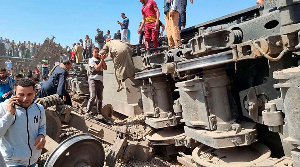
    A bus and multiple cars were involved in a “horrific collision” on an Egyptian highway on Saturday that resulted in at least 35 fatalities and over 50 injuries, according to state media.

    In Egypt, where the highway code is routinely broken and roads are frequently in poor condition, traffic accidents are commonplace.

    “A horrific collision on the Cairo-Alexandria desert road near Wadi al-Natrun led to the death of 35 people, at least 18 of whom burnt to death,” said Al-Ahram news website, indicating “at least 53 were injured”.

    Pictures shared on social media displayed a flipped truck resting on scorched asphalt in the fast lane.

    Several cars, some still burning, and at least one bus and a minibus, both severely damaged by fire, can be seen further on.

    As thick black smoke spirals into the air, crowds of people can be seen standing by the road, staring at the crash scene and the line of cars.

    According to official statistics, the country with the largest population in the Arab world saw 7,000 fatal traffic accidents in 2021.

  • Campaigner in Namibia raise concerns on seal harvesting

    Campaigner in Namibia raise concerns on seal harvesting

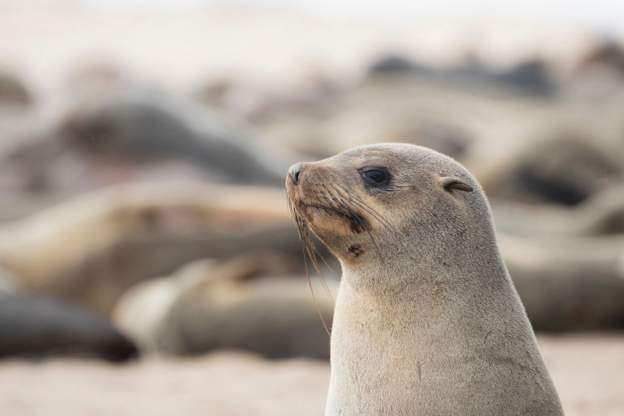
    Conservationist Naude Dreyer has told the international media that the killing of seals in Namibia lacks justification.

    Namibia remains the sole country in the southern hemisphere that continues the practice of seal harvesting, and its annual culling is scheduled to commence on Saturday.

    Seal fur is primarily exported, and the government argues that culling the seal population is necessary to safeguard fish stocks. Certain East Asian countries also import seal penises, which some individuals consume in the belief that it enhances their virility.

    Quote Message: It’s 80,000 pups and 6,000 bulls every year.

    It’s 80,000 pups and 6,000 bulls every year.

    Quote Message: It was always sold to the fur trade but a few years ago the EU blocked the import of furs, so this market has crashed out completely.

    It was always sold to the fur trade but a few years ago the EU blocked the import of furs, so this market has crashed out completely.

    Quote Message: But the bulls are still being harvested, mainly for their genitalia which is being transported to the East.

    But the bulls are still being harvested, mainly for their genitalia which is being transported to the East.

    Quote Message: The market has changed completely but the [cull] quota still says the same every year.

    The market has changed completely but the [cull] quota still says the same every year.

    Mr Dreyer argues that some of the methods are cruel, and says the income from seal tourism would be far greater than the income from seal body parts:

    Quote Message: The practice itself is brutal and archaic. That is a very big part of the opposition – the fact that the pups are still being clubbed. But, that being said, the number of pups being killed in this practice are completely reduced – they are targeting a fraction of the number the quote has allocated.

    The practice itself is brutal and archaic. That is a very big part of the opposition – the fact that the pups are still being clubbed. But, that being said, the number of pups being killed in this practice are completely reduced – they are targeting a fraction of the number the quote has allocated.

    Quote Message: [Namibia’s coast] is one of the few places in the world were you can get so close to so many wild animals… You can come in and see 100,000 seals at one time.

    [Namibia’s coast] is one of the few places in the world were you can get so close to so many wild animals… You can come in and see 100,000 seals at one time.

    Quote Message: I do believe the economic benefit from the tourism aspect would be much huger than the actual harvest.”

    I do believe the economic benefit from the tourism aspect would be much huger than the actual harvest.”

  • 10 African countries you should invest in and why

    10 African countries you should invest in and why

    With a population of more than 1 billion people who are considered intellectual and brand-loyal, Africa is one of the continents with the fastest-growing consumer markets in the world. Due to the continent’s rapid urbanization, experts predict that household consumption in Africa will reach $2.5 trillion by 2030.

    The US, France, UK, and China are among the continent’s largest investors, with China’s efforts alone, generating an average of more than 18,000 jobs. This goes to show that Africa undoubtedly offers great potential for investors willing to take a chance.

    Highlighting the continent’s potential for investment, here are 10 African countries you should consider investing in and why.

    Nigeria is one of the richest nations in Africa, with a nominal GDP of $504.2 billion; owing to its abundant natural resources, human potential, and second-largest GDP in terms of purchasing power parity ($1.3 billion).

    The country has the sixth-largest population in the world, the largest economy in Africa, and is a good place to invest. It is estimated that Nigeria had a population of 215 million as of January 2022, with young people aged 0 to 14 accounting for 42 to 54% of that population and those aged 15 to 35 accounting for 36%. The population is anticipated to reach 480 million by the end of 2050.

    The West African nation continues to be the most populous and major oil producer on the continent despite having a per capita GDP that is significantly lower than it had prior to independence.

    Egypt

    According to economists, Egypt’s GDP will grow by 3.8 percent by year’s end. It is also anticipated that the country’s economy will grow by 5.20 percent in 2023.

    Furthermore, the World Bank and the International Monetary Fund, both of which are making significant investments in Egypt’s public infrastructure, are also major supporters of the Egyptian government.

    Egypt is a great place to invest because of its geostrategic location, land availability, capacity for solar and wind energy, skilled labor pool, and sizable domestic market. It is perfectly capable of acting as the MENA and Africa’s manufacturing hub. The tangible assets are those.

    With $469.1 billion, Egypt has the second-highest GDP in Africa. The country’s GDP continually rose in 2021 despite the pandemic’s negative effects. The North African nation is also a great place to invest because of its diverse economy, which is fueled by fossil fuels, agriculture, and tourism.

    South Africa

    South Africa is one of the greatest business hubs in Africa. As the third-richest country on the continent, South Africa is the most industrialized and technologically advanced country on the continent. It has a dual economic structure, with one sector competing favorably with industrialized nations and another in dire need of basic infrastructure.

    According to the US Department of State, South Africa has one of the world’s fastest-growing consumer markets and is a “comparatively” low-risk location for conducting business in Africa. Foreign investors are welcome in the Southern African nation, especially in industries like manufacturing and other labor-intensive industries.

    Since the end of apartheid, South Africa’s economy has diversified, especially in the services sector, even though the country’s natural resource extraction industry—particularly that of chromium, manganese, gold, and platinum—remains one of the largest, contributing 13.5 billion dollars annually to the country’s gross domestic product.

    Algeria

    Foreign direct investment is lucrative in Algeria’s renewable energy, tourism, and liquidity reserve. Oil and gas, which make up 60% of the government budget, are the foundation of the economy of the nation.

    Furthermore, depending on the location and size of the project, Algeria offers investors a variety of tax and special taxation advantages under its investment incentive policy, including up to 10 years of exemption from VAT, customs duties, corporate income tax (IBS), business activity tax (TAP), property tax, and other benefits.

    By wiping out $902 million in debts it held on behalf of 14 African Union members in 2013, the Algerian government displayed its strength in the financial department.

    Morocco

    Morocco’s relatively stable political structure directly contributes to its robust economy; better than any other nation in sub-Saharan Africa.

    The most recent World Bank annual rankings place Morocco at number 53 out of 190 economies in terms of business ease. Morocco rose from 60 to 53 in the ranking for the year 2019.

    Additionally, the country’s strategic location between Europe and sub-Saharan Africa, good infrastructure, and the stability of its political system and currency all contribute to its relatively low labor costs.

    Angola

    Angola is the richest country in Central Africa and the sixth richest in Africa. Both agricultural land and significant oil and gas reserves are present in the country.

    It is the continent’s second-largest oil producer. According to a report on the country’s investment risks and prospects, Trade, transportation, storage, building, and fishing, all contribute to Angola’s GDP. These markets offer potential for growth for investors.

    Additionally, Angola’s oil and gas industry is supported by a well-established infrastructure, which enables prospective investors and project developers to cut costs and shorten the time needed to develop new projects.

    Kenya

    This nation in East Africa serves as the continent’s logistical, economic, and commercial hub. Young technology entrepreneurs, particularly those in the fintech sector, are the driving force behind this. Additionally, foreign investors are drawn to new businesses that aim to have a positive social impact.

    With a healthy economy, high demand for goods and services, and a welcoming business environment, Kenya is a fantastic place to invest in. Tax reforms and financial policies that make it easier to conduct business in the nation have improved the business climate there.

    Kenya’s promising growth prospects are also aided by the nation’s expanding middle class and rising demand for high-quality goods and services. Many companies have been able to reduce operating costs and boost profit margins thanks to Kenya’s friendly business environment and strong economy.

    Moreover, according to the World Bank’s Doing Business Report, Kenya is the 56th most business-friendly nation.

    Ethiopia

    Due to its status as one of the world’s top coffee producers and the second-largest exporter of flowers from Africa, Ethiopia is a lucrative location for investments.

    Ethiopia is one of the wealthiest nations in Africa; it has one of the world’s fastest-growing economies, and is the second-most populous country in the world.

    Ethiopia’s agricultural economy has been hampered by droughts, food shortages, and political unrest, but the nation is quickly transitioning to an industrial and export-based economy.

    Being the second-largest recipient of foreign direct investment (FDI) in Africa, Ethiopia has maintained a high level of investor interest as one of the top investor destinations on the continent. It is anticipated that investments will also increase as a result of the recent launch of the African Continental Free Trade Area (AfCFTA).

    Ghana

    Ghana is one of the most democratic and politically stable countries on the continent.

    The country’s economy grew at the fastest rate in Africa in 2019 and is still outpacing predictions from economists.

    The tenth-richest nation in Africa is a major producer of natural gas and petroleum, with the sixth-largest reserves of crude oil in Africa and the twenty-fifth-largest reserves worldwide.

    Ghana has beef, fish, and poultry, but agriculture—particularly the production of cocoa and gold—contributes to about half of the nation’s GDP.

    Farmers’ main source of income is typically from cocoa and its derivatives, which make up two-thirds of its exports. Along with shea, which is used to extract edible fat and coffee, Ghana also produces lumber, palm oil, coconuts, and other products made from the palm tree.

    For investors looking for a favorable business environment, committed and progressive government-private sector participation, political stability, transparent regulations, and a vibrant private sector ready for partnerships, the nation has established itself as a top business destination.

    Cote D’ivoire

    Côte d’Ivoire has experienced a steady and robust economic expansion over the past ten years, making it one of Africa’s underappreciated emerging markets.

    Venture capitalists and private equity firms continue to show interest in infrastructure projects funded by public and private investment funding. Construction, manufacturing, agriculture, transportation, and energy are other industries in Côte d’Ivoire that investors need to look out for, because they stimulate foreign direct investment.

    A stable political climate supports its fair business environment. Additionally, the nation has good infrastructure, including the second-largest seaport in West Africa, airports, and roads.
  • Births and Deaths Registry launches community population register

    Births and Deaths Registry launches community population register

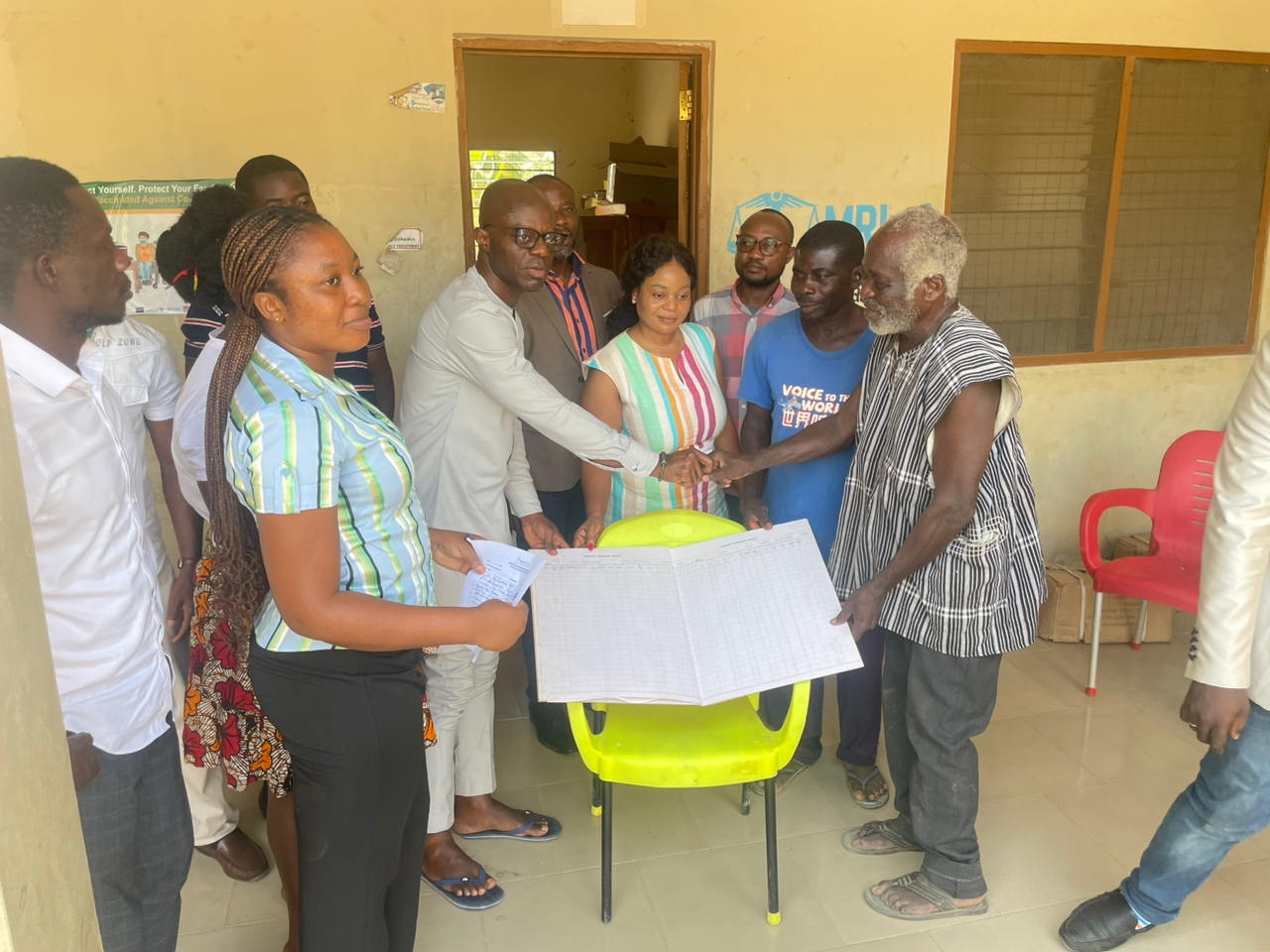
    The Births and Deaths Registry has started developing plans for the community population registry.

    This initiative is in accordance with Section 12 of the Registration of Births and Deaths Act of 2020, (Act 1027).

    The implementation of the community population register allows people to record all members of their community on the register, as well as all birth and death events that occur in the community.

    These registers are intended to be community assets and will only serve as reference documents for officers of the births and deaths registry when registering birth and death events.

    Sponsored by the Harmonizing and Improving Statistics in West Africa (HISWA), a full implementation of the community population register would ensure that the collection of civil registration statistics on the ground would be seamless and credible, as the data would be produced by community members.

    Against this backdrop, Henrietta Lamptey, the Ag. Registrar of the Births and Deaths Registry is spearheading the implementation of this initiative.

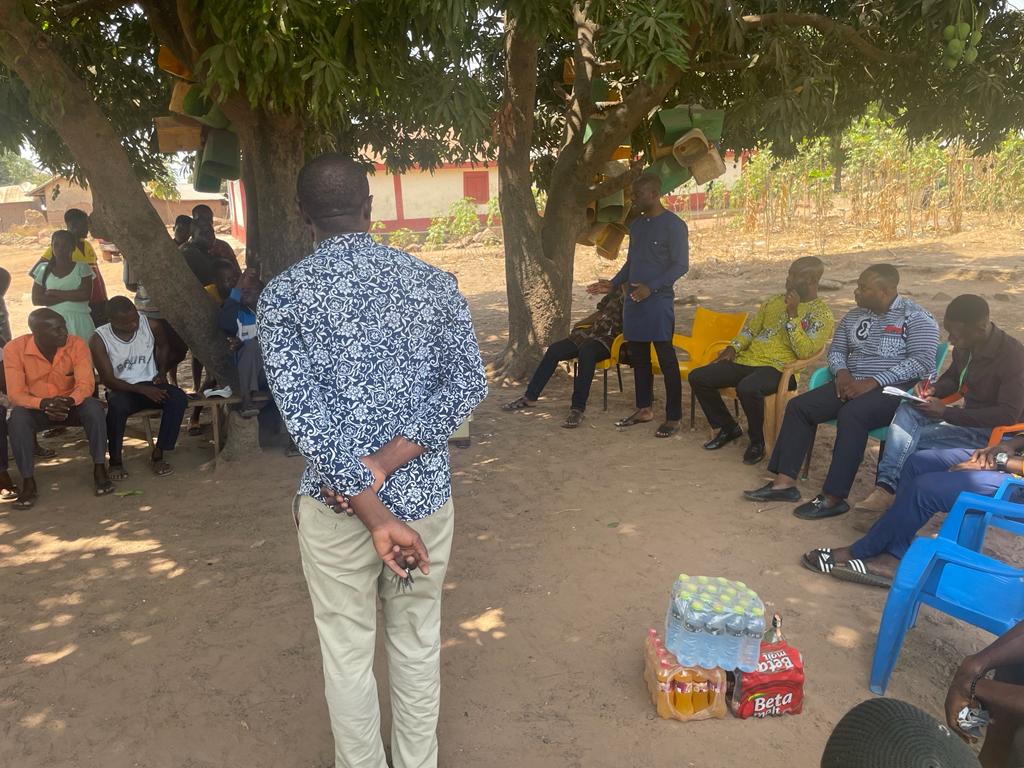
    Officers from the Births and Deaths Registry were sent to the Eastern, Bono East, and Ahafo regions to lay the groundwork for the community population register’s implementation by engaging Chiefs, members of municipal and district assemblies, and general members of communities in hard-to-reach areas.

    The officers educated and demonstrated to the public how to use the community population register.

    The following are the communities visited:

    Ankaase, Ada Subriso, Abuom, Tetekwah, Siso, Fianko, Kwarpretey, and Awewoho are all villages in the Ahafo region.

    Lala, Dadetoklo, Kabonya, Dromankese, Senya, Tailorkrom, Appesika, and Agyina in the Bono East region.

    Avukope, Galelia, Manchare, Akakom, Abrenya, Akortekrom, Oforikrom, Hwewohoden, and Agoaze located in the eastern region.

    The full implementation of this project is expected to propel the Births and Deaths Registry closer to its ultimate goal of universal registration of birth and death events in Ghana.

  • Every Ghanaian owes over ¢15k with the current debt stock

    Estimates made using the 2022 budget shows that , every Ghanaian owes approximately GH¢15,175.32.

    Given the current public debt stated in the budget amounting to GH¢467.37 billion (US$48.87 billion), shared among the 30.8 million Ghanaian population, amounts to a debt of GH¢15,175.32 per person.

    The domestic debt component, according to the budget, is GH¢195.65 billion making a 31.79 percent of GDP while the external debt stock was at 58.1 percent of GDP with GH¢271.71 billion.

    For a decade now, the public debt has increased by about 159.67% – from US$ 18.82 billion (GH¢35.38 billion) in 2012 to US$ 48.87 billion (GH¢467.37 billion) in 2022.

    The year 2022, has been on a downward stream with rising inflation and depreciating of the cedi.

    Loss to depreciation of the cedi amounted to added external debt stock of of GH¢93.86 billion There have also been vast increases in the public debt on month-on-month bases.

    The diagram gives the public debt per person for the year 2022. The increase per month is associated with the increases in the public debt.

    On average the public debt person increased by 32.89% from January 2022 to October 2022.


  • SEND Ghana: Setting the standard for Ghana’s COVID-19 social accountability

    COVID-19 has left a generation scarred in its wake. From the lingering economic effects, such as the disruptions to supply chains across the world to the apprehension whenever an unmasked person sneezes, especially, in an enclosed space, the impact is undeniable.

    Ghana’s response to COVID-19 was heralded globally for being swift and comprehensive, and in many ways, it was.

    Restrictions on movement in the earliest days, which were characterized by gross uncertainty, the mandatory wearing of masks in public spaces and support for business were all enforced fairly well.

    These measures, in part, kept the total number of positive cases to approximately 171,000 – 0.54 percent of the population, using the 2021 Housing and Population Census – and a mortality rate of 0.85 percent (1,460). This compares favourably, for instance, with the 4.03 million cases recorded among South Africa’s 60 million, where, unfortunately, 102,000 persons died from the illness as of August 2022.

    Vaccines injection

    The most important component of the fight against the virus is undoubtedly the vaccines, which one study found that between December 2020, and December 2021, saved an additional 14.4 to 19.8 million deaths in 185 countries.

    Acutely aware that successful deployment could, among other things, improve the mental and emotional well-being of the citizenry, decrease morbidity and mortality, and minimize disruptions to social and economic functions, managers of the pandemic response developed a National Deployment and Vaccination Plan (NDVP).

    This was executed by applying the World Health Organization’s (WHO) Strategic Advisory Group of Experts on Immunization (SAGE’s) framework for the allocation and prioritization of vaccination.

    Under this framework, the government had to ensure the provision of cold chain equipment (CCEs) across health centres in the country. In addition, vaccination safety protocols, such as infection prevention and waste disposal were adhered to, even as vaccines were administered in phases; targeting the most vulnerable and the most exposed.

    On this front, Ghana was again at the fore of its peers, when in February 2021, it made history by becoming the recipient of the first batch of AstraZeneca/Oxford vaccines under the COVID-19 Vaccines Global Access (COVAX) facility.

    The initiative bore fruit as the nation has recorded a modest vaccination rate despite instances of hesitancy, mostly spurred by conspiracy theories. Official data indicates that some 14.9 million doses of the vaccines have been administered, meaning, 65 percent of eligible persons have had at least one shot, with 27.6 percent, being fully vaccinated.

    SEND Ghana leading social accountability

    Considering the far-reaching impact of COVID-19, and how indispensable vaccines are to curbing its spread, there is a need for objective, data-driven monitoring and accountability to ensure satisfactory delivery.  SEND Ghana has applied a social accountability framework to ensure this.

    With funding support from the Partnership for Transparency Fund (PTF), SEND Ghana through a survey “monitored the compliance for Ghana’s NDVP and citizens’ COVID-19 vaccination experience, with the view to promote equity, transparency and accountability of the COVID-19 NDVP and to inform future vaccination service delivery.” The study surveyed more than 1,000 citizens, health workers and teachers in 25 vaccination centres across eight districts in urban and peri-urban areas equally chosen from Accra and Kumasi, which were characterized by high incidents of COVID-19.

    This was done to ascertain the level of uptake, thoughts and experiences around vaccination on the part of the target group and assess the distribution of cold chain equipment (CCEs) and vaccine logistics, among similar themes. An apparent theme of the exercise was the desire of the majority of respondents (52 percent) to get vaccinated with the goal of protecting not only themselves but persons with whom they come on in regular, close contact.

    Logistics are required for the successful implementation of any mass inoculation drive and the survey discovered that the distribution of CCEs was “somewhat fair.” The available refrigerator models were considered “quite adequate” and their distribution across health centres in the districts “equitable.”

    Gaps with other models, cold boxes and vaccine carriers drew calls for “the Ministry of Health and the Ghana Health Service to adopt steps to increase the availability of vaccine logistics across districts within the country.” This comes to suggest that government needs to adopt necessary measures to ensure the supply of required capacity and the number of CCE and related accessories in districts with gaps.

    The health facilities, it noted, observed strict adherence to safety and hygiene protocols, a phenomenon largely attributed to the operators’ deeper understanding of the risks, coupled with, in some instances, first-hand experience of the horrors of being infected. Most vaccination facilities offered discrete waiting spaces for vaccine recipients to rest and be monitored for any immediate negative effects. Hand hygiene amenities like alcohol-based sanitizers were also readily available.

    Teachers and health professionals were given priority by the NDVP for the immunization exercise because of their susceptibility to contracting the virus. Despite this high vaccination rate, 1 in 10 medical professionals and 13.5 percent of teachers who had not received the immunizations stated concerns about side effects, a lack of knowledge about the safety and adverse effects of the vaccines, and doubts about their efficacy as justifications.

    On account of the above, SEND recommended that the Ghana Health Service organize NDVP refresher training for its employees. Inasmuch as monitoring results indicate compliance was generally good, such a move would improve the NDVP guideline compliance rate. Health Directorates are encouraged to sustain the vaccine promotion efforts/campaigns to contribute to the attainment of the country’s herd immunity target with an emphasis on assuaging concerns over possible side effects and safety, which featured prominently.

    Furthermore, building on the concern of respondents for the well-being of their close associates, it was recommended that the COVID-19 vaccination communication messages “should focus on the protection of family members and friends from the disease and possible deaths and less on mandates restricting access to services and employment reasons.” Ultimately, the GHS was urged to commend its staff for exhibiting top-rate professionalism during the vaccination exercise.

    Going forward

    Whilst it might seem that there is no imminent danger of a full-blown resurgence of the pandemic, there remains the possibility of mutation. Already, two subvariants of the omicron’s BA.5 strand – BQ.1 and BQ.1.1 – which emerged recently have both been described as  “dangerous” and  “qualities or characteristics that could evade some of the existing interventions,” according to a top US health official, as reported by its media.

    Furthermore, the adoption of these recommendations would prove useful in the event of the outbreak of other illnesses. The threat of Ebola, Lassa fever, Marburg, and other severe respiratory diseases hangs over local healthcare systems almost in perpetuity. With the possible socioeconomic disruptions that a resurgence of COVID-19 or a similar pandemic would pose, the guidance provided in SEND GHANA and PTF’s survey must be implemented as a matter of urgency.

  • Strengthening party-gov’t relations: Sports Minister visits NPP headquarters

    The Minister of Youth and Sports, Mustapha Ussif, has paid a visit to the National Headquarters of the ruling New Patriotic Party (NPP) as part of efforts to strengthen the link between the government and the party.

    It also forms part of the initiatives to bridge the gap between government appointees and party officers in the party’s quest to mobilise its rank and file for a third consecutive electoral victory in 2024 and to “break the eight” as the popular mantra goes.

    During the interactions, Mr Ussif said nearly 75 per cent of the country’s 31.8 million population fell within the youthful bracket, which fuelled government’s commitment to implement several youth-centred interventions.

    Interventions

    He mentioned that interventions such as YouStart, Green Ghana, various modules of the Youth Employment Agency and the Commission for Technical and Vocational Education and Training (COTVET) had led to employment, training, capacity building and the provision of financial support to the country’s youth.

    The Youth and Sports Minister, therefore, encouraged the party to liaise with the appropriate government officials and agencies supervising these youth- centred interventions to ensure their success.

    Mr Ussif further encouraged the party to emulate the youth structures of South Africa’s ruling African National Congress which, he said, had been crucial to the party’s long stay in power.

    Way forward

    The General Secretary of the Party, Justin Frimpong Kodua, who received the minister on behalf of party headquarters, reiterated the point that this initiative of holding regular party-government meetings would be replicated across the country, particularly in the regional capitals.

    That, he said, was to provide a platform for government appointees, particularly ministers of state and chief executive officers (CEOs) to interact with party officers and grassroots.

    As part of this initiative, the party headquarters have witnessed visits over the previous weeks by some government appointees, including the CEO of Ghana Water Company Limited, Dr Clifford Braimah, and the Minister for Lands and Natural Resources, Samuel Abdulai Jinapor.

    Other appointees are expected to have their turn in the coming weeks.

  • Hong Kong suffers biggest population drop as exodus accelerates

    Hong Kong has recorded its sharpest annual drop in population, with experts blaming the decline on strict Covid-19 control measures and a political crackdown that have taken the shine off a financial hub long advertised as “Asia’s world city.”

    The city’s total population fell from 7.41 million people to 7.29 million, a 1.6% decrease, the Census and Statistics Department said Thursday.

    That’s the steepest decline since the government began tracking figures in 1961.

    Though authorities attributed some of that to a “natural” decrease — more deaths than births — experts said the figures also reflected an exodus that has accelerated in the past few years amid periods of massive social upheaval that have included anti-government protests and the coronavirus pandemic.

    Around 113,200 residents left Hong Kong over the past year, the department said, compared to 89,200 the year before. The figures include expatriates and other non-permanent residents.

    Throughout the pandemic, experts and industry leaders have warned that the city’s heavy-handed Covid-19 restrictions would drive away residents, travelers and expatriates.

    Even as the rest of the world opened up, for months Hong Kong continued to close borders, suspend air routes and impose mandatory quarantines and social distancing measures such as caps on public gatherings and limits on restaurant services.

    Mask mandates remain in effect, while public spaces like beaches and gyms have faced long closures during periods of high case numbers.

    Hong Kong's Covid divide: Expats get more perks while domestic workers lose their homes

    The measures have devastated businesses, with some of Hong Kong’s most famous sites — including the Jumbo Kingdom floating restaurant — shuttering in the past year.

    “More than two and a half years of Covid-19 restrictions are taking a heavy toll on businesses and the economy,” the Hong Kong General Chamber of Commerce said in a statement this month.

    The group’s CEO, George Leung, added that Hong Kong’s border closures were “stifling any prospect of economic recovery” and urged authorities to come up with a “concrete timetable to reopen Hong Kong.”

    The government has conceded the impact of its policies, saying on Thursday that flight restrictions — such as requiring all arrivals to be vaccinated, test negative for Covid, and pay for quarantine in a hotel upon arrival — “had interrupted population inflow.”

    People wearing face masks walking in Hong Kong on July 12.

    This week the government eased the quarantine requirement, lowering the number of days arrivals must stay in a designated hotel from seven to three.

    The government said some Hong Kongers may have chosen to settle elsewhere during the pandemic.

    Hong Kong tries to 'relaunch' its economy by lifting flight bans and cutting quarantine

    “Meanwhile, Hong Kong residents who had left Hong Kong before the pandemic may have chosen to reside in other places temporarily or were unable to return to Hong Kong. All these (factors) might have contributed to the net outflow of Hong Kong residents during the period,” said a government spokesperson.

    But the government downplayed the population drop and seemed to suggest Hong Kong was still a bustling finance hub.

    “Being an international city, Hong Kong’s population has always been mobile,” said the spokesperson. “During the past 10 years, net outflows of Hong Kong residents … were recorded for most of the years.”

    The spokesperson added that the problem of Covid-driven departures “could be resolved when the quarantine and social distancing measures relaxed,” and that numbers would rise due to government efforts to attract overseas talent.

    The political crackdown

    Covid aside, experts say another factor behind the exodus is Beijing’s political crackdown on the city.

    After Hong Kong’s 2019 pro-democracy, anti-government protests, Beijing imposed a sweeping national security law, under which the government has all but wiped out formal opposition. Authorities have raided and closed down newsrooms, jailed activists and protesters, unseated elected lawmakers, heightened censorship both online and in printed publications, and changed school curricula.

    Since the law was introduced, many former protesters and lawmakers have fled overseas, fearing prosecution. Many individuals and families have told CNN they too are considering leaving because they feel the city has been transformed beyond recognition.

    In the aftermath of the protests, a number of countries including the United Kingdom, Australia and Canada opened new visa pathways for Hong Kongers looking to leave. Many former protesters and activists have also fled to the self-governing democratic island of Taiwan.

    The government has repeatedly defended the security law as restoring law and order to the city, claiming that Hong Kong’s freedoms of speech, press and assembly remain intact.

    The security law “has swiftly and effectively restored stability and security,” the government said on July 29, adding that residents “are relieved and happy to see that Hong Kong now continues to be an open, safe, vibrant and business-friendly metropolis.”


    Source: CNN