Tag: Poverty

  • Be each other’s keeper; we are in a time of poverty – Mahama to public

    Be each other’s keeper; we are in a time of poverty – Mahama to public

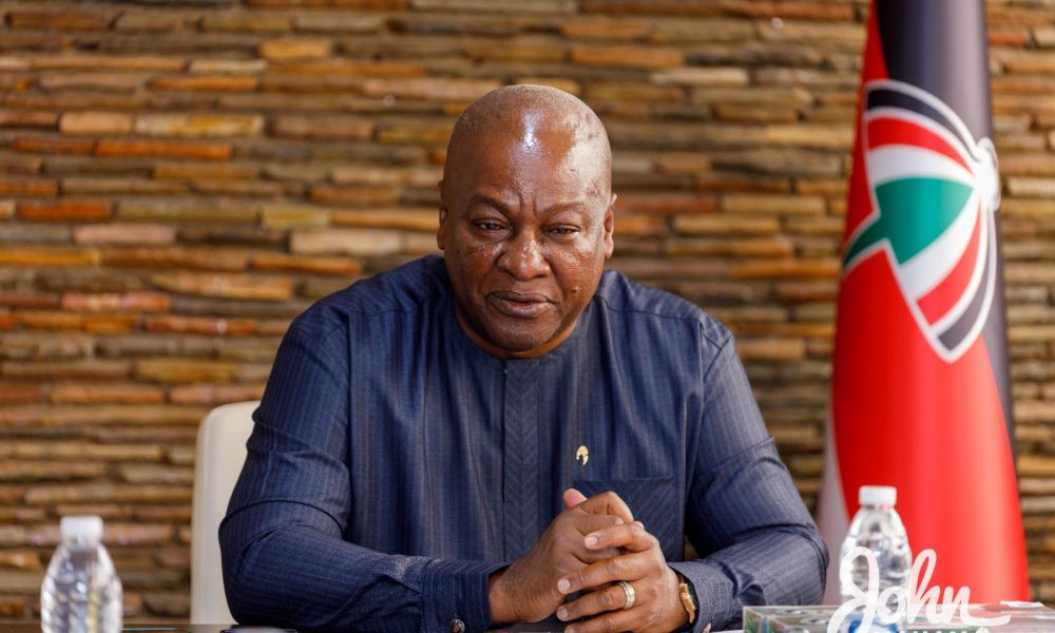
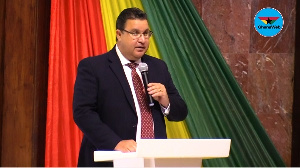
    Flagbearer of the National Democratic Congress (NDC), John Dramani Mahama, has urged Ghanaians to support one another in the face of the current economic challenges, highlighting the need for compassion and solidarity during these difficult times.

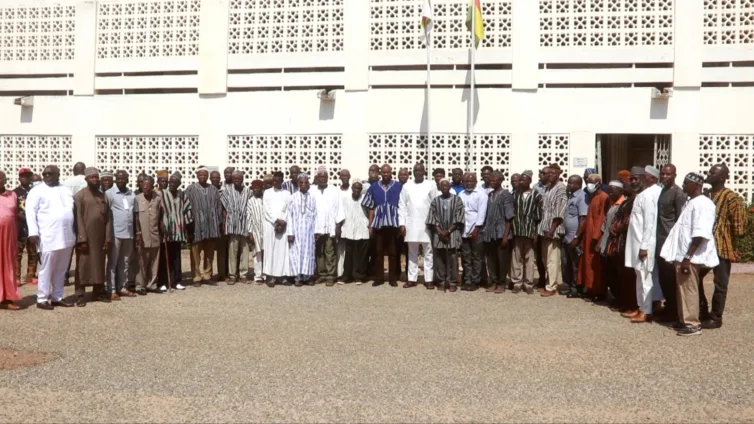
    Speaking as the Special Guest of Honor at the 31st Biennial General Council meeting of the Assemblies of God, Ghana, held at the CK Tedam University of Technology and Applied Sciences (CKT-UTAS) in Navrongo, Upper East Region, Mahama emphasized the depth of the economic crisis affecting the nation.

    As a member of the Assemblies of God Church, Mahama acknowledged the growing hardships many Ghanaians are enduring. He pointed to recent data from the Ghana Statistical Service, which has highlighted a troubling rise in multidimensional poverty across the country.

    “We’ve seen an increase in multidimensional poverty from the Ghana Statistical Service’s recent statistics. It says that 8 million of our people in 2023 went one day without food because they couldn’t afford it. It means that people are hungrier, and the hardship is real,” Mahama said.

    He urged the public to embrace a spirit of compassion, especially in these trying times. “This is the time for us to show compassion to each other because, in times of poverty, we must be our fellow’s keepers,” he advised.

    Mahama’s call comes at a moment when many Ghanaians are grappling with rising inflation, unemployment, and the high cost of living.

    The former president stressed that these challenges require a collective effort, urging those who are more fortunate to extend help to the less privileged in society.

  • What Mahama said about poverty, crisis and witchcraft

    What Mahama said about poverty, crisis and witchcraft

    Flagbearer of the National Democratic Congress, John Dramani Mahama has shared his perspective on the concept of witchcraft and poverty.

    As part of his remarks during his campaign tour, the former president explained that people often find a way to make sense of their problems by blaming it on supernatural forces, like witchcraft, which provide the tendency of failing to address the root causes of problems or take personal responsibility.

    “Whenever there’s poverty and crisis, there’s an increase in witchcraft . Because people dont tend to take responsibilities for themselves. They must find someone to blame for adversity. And so if they are not able to find the opportunity, they are not able to satisfy their full potential and there is hunger and all that, they must find somebody to blame. And normally they will look for the most vulnerable person in the society. And these are the poor old women and accuse them of witchcraft. And so its a direct correlation to the increase in poverty. The increase in the accusations of witchcraft, he told the media during his tour ahead of the 2024 election.”

    On Friday July 28 2023, Ghana’s parliament approved a bill designed to safeguard individuals accused of witchcraft, criminalizing their abuse or expulsion from communities.

    This new legislation was proposed following the lynching of a 90-year-old woman in Kafaba, East Gonja Municipality, Savannah Region, in July 2020, which led to widespread condemnation from both local and international human rights organizations.

    However president Akufo Addo is yet to assent to the proposed bill despite calls for concerned parties to do so.

    Watch video below:

  • Multidimensional poverty affects about 7.3 million Ghanaians – GSS

    Multidimensional poverty affects about 7.3 million Ghanaians – GSS

    The latest Ghana Multidimensional Poverty Report, released by the Ghana Statistical Service (GSS), has highlighted significant insights into poverty levels nationwide.

    It reveals that employment and living conditions are the primary contributors to multidimensional poverty.

    Director of Social Statistics at the GSS, According to Omar Seidu, households headed by individuals with no education are particularly vulnerable, comprising four out of every ten multidimensionally poor households.

    Key Findings: Poverty Overview

    The report identifies 7.3 million Ghanaians, accounting for 24.3% of the population, as multidimensionally poor. Among them, 43.8% experience severe poverty, facing deprivations in education, health, and living standards simultaneously.

    Rural vs. Urban Disparities

    Multidimensional poverty affects 36.7% of the rural population and 43.4% of urban residents, reflecting similar severity levels in both settings.

    Regional Variances

    The Savannah Region stands out with 49.5% of households classified as multidimensionally poor, nearly double the national average. Despite this, the Ashanti Region hosts the highest number of multidimensionally poor individuals, totaling 959,031.

    Employment and Living Conditions

    Employment (32.6%) and living conditions (27.9%) are the foremost factors contributing to multidimensional poverty. Health insurance also plays a critical role, accounting for 21.5% of poverty indicators.

    Demographic Insights

    Female-headed households (27.0%) and younger or older household heads are disproportionately affected by poverty.

    Educational Impact

    Educational attainment significantly influences poverty levels, with households led by individuals who never attended school facing higher poverty rates. Those with basic education experience a poverty incidence of 20.0%, contrasting sharply with those holding tertiary education (7.1%).

    Sectoral Analysis

    Agricultural households report the highest poverty rates (34.3%), while those in services and industry sectors fare comparatively better.

    Policy Implications

    The findings underscore the need for targeted interventions addressing educational access, living standards improvement, and sustainable employment creation to combat multidimensional poverty effectively in Ghana.

  • 7.3m Ghanaians experiencing multidimensional poverty – GSS report

    7.3m Ghanaians experiencing multidimensional poverty – GSS report

    The recently released Ghana Multidimensional Poverty Report by the Ghana Statistical Service (GSS) highlights the significant impact of employment and living conditions on poverty levels nationwide.

    In most regions, employment and living conditions are the largest contributors to multidimensional poverty, with contributions ranging from 47.8 percent to 12.7 percent and 35.9 percent to 15.5 percent respectively.

    Omar Seidu, Director of Social Statistics at the GSS, noted that the primary causes of this complex poverty are frequently connected to the educational attainment of household heads.

     “Four out of ten households where the head of household has no education, then that household is multidimensionally poor,” he explained.

    Key Findings: Widespread Poverty

    The report revealed that 7.3 million Ghanaians, comprising 24.3% of the household population, are classified as multidimensionally poor.

    Multidimensional poverty encompasses deprivation across various dimensions such as education, health, and living standards. Among these individuals, 43.8% are facing severe poverty.

    Rural vs. Urban

    Multidimensional poverty affects a significant portion of the rural population, with 36.7% of rural residents falling below the poverty threshold. The severity of poverty is nearly identical in rural (44.0%) and urban (43.4%) areas.

    Regional Disparities

    The Savannah Region stands out with the highest proportion of households experiencing multidimensional poverty, at 49.5%, nearly double the national average of 24.3%.

    Despite this, the Ashanti Region has the largest number of individuals living in multidimensional poverty, totaling 959,031.

    Seidu emphasized, “However, in terms of the actual number of multidimensionally poor individuals, the Ashanti Region ranks the highest (18%) due to its large population. This exceeds that of most other regions.”

    According to the Multidimensional Poverty report, nine regions exhibit concerning poverty levels, with over a quarter of their populations facing multiple deprivations. These regions include Savannah (49.5%), North East (48.1%), Upper East (43.0%), Oti (40.8%), Northern (38.4%), Upper West (37.4%), Volta (27.3%), Western North (27.0%), and Western (25.7%).

    Employment and Living Conditions

    Employment contributes 32.6% and living conditions 27.9% to multidimensional poverty, making them the primary factors. Health insurance also plays a critical role, accounting for 21.5% of the poverty indicators.

    Demographic Insights

    Poverty is notably more prevalent among female-headed households, with a rate of 27.0%, compared to male-headed households, which have a rate of 23.0%. Additionally, younger household heads below 25 years and older heads above 60 years are also more vulnerable to poverty.

    Educational Disparities

    Educational attainment significantly affects poverty levels. “Four in ten multidimensionally poor persons have never attended school,” the report indicates. Households whose heads have only basic education have a poverty incidence of 20.0%, which is 12.9 percentage points higher than those with tertiary education (7.1%).

    Sectoral Impact

    Households led by individuals engaged in agriculture experience the highest poverty rates, at 34.3%, compared to those in the services sector, who are over 5.5 times better off, and those in the industry sector, who are 3.8 times better off.

    These findings emphasize the necessity of focused interventions to tackle the underlying causes of multidimensional poverty. Improving educational access, enhancing living standards, and establishing sustainable employment opportunities are essential steps toward reducing poverty and promoting equitable development in Ghana.

  • Should any junk be placed on us because of poverty? – Lawrence Tetteh chides LGBTQ+ advocates

    Should any junk be placed on us because of poverty? – Lawrence Tetteh chides LGBTQ+ advocates

    Reverend Lawrence Tetteh has voiced his opinion on LGBTQ+ matters, referring to it as “nonsense” asserting that it cannot be embraced in certain parts of the world.

    Speaking on GTV, the renowned clergyman, known for his candid expressions, particularly highlighted that LGBTQ+ issues would face strong opposition in countries like Kuwait and Saudi Arabia.

    Addressing the controversial topic, Rev. Tetteh questioned whether the introduction of LGBTQ+ initiatives is justified solely based on poverty considerations.

    He strongly emphasized that cultural, religious, and traditional values in various societies, including Ghana, do not align with the acceptance of homosexuality.

    “This is nonsense cannot be taken to Kuwait, cannot be taken to Saudi Arabia. It cannot be taken to certain parts of the world. Does it mean that because of poverty any junk should be placed on us? Homosexuality, our cultural value doesn’t accept it, our religious values doesn’t accept it and traditional norms do not accept it,” he added.  

    On Wednesday, February, 28 2024, parliament approved an On Wednesday, February 28, 2024, Parliament approved an amendment to the Human Sexual Rights and Family Values Bill, introducing penalties, including up to six months of custodial sentence for those found guilty of aiding, facilitating, encouraging, or promoting LGBTQ activities.

    Meanwhile, president Akufo-Addo is yet to assent to the anti-gay bill passed by parliament.

    President Akufo-Addo has rejected three bills passed by the House last year, citing their status as private members’ bills and their impact on the Consolidated Fund.

    Minority Leader Dr Cassiel Ato Forson has communicated Parliament’s readiness to override President Akufo-Addo’s potential veto of the Promotion of Proper Human Sexual Rights and Ghanaian Family Values Bill, commonly known as the anti-LGBTQ+ Bill.

    Dr Ato Forson emphasized Parliament’s dedication to fulfilling its duties regardless of any unconstitutional actions taken by President Akufo-Addo.


  • There is poverty, misery due to Chieftaincy conflicts in Upper West – Regional Minister

    There is poverty, misery due to Chieftaincy conflicts in Upper West – Regional Minister

    Upper West Regional Minister, Dr. Hafiz Bin Salih, has given assurance to the chiefs and people of the region, particularly in Jirapa, that he will work to maintain the existing peace in the municipality.

    While addressing kingmakers, the Minister emphasized that Jirapa has the potential to become the fastest-developing municipality in the region.

    He highlighted the numerous educational and institutional facilities in the area, stating that peace is crucial for the community to realize its developmental potential.

    ”Chieftaincy conflict has never been a friend to us, what they bring in their wake is poverty, misery and lack of development and we don’t want that for our beloved Jirapa,” he said.

    The Jirapa skin and elders, including the chief of Tugo, Naa Daniel Tangba, visited the office of the Upper West Regional Minister to inform him of the successful completion of the final funeral rites for the late paramount chief of Jirapa, Naa Ansolee Ganaa II.

    During the meeting, they unanimously endorsed the Jirapa regent, Naa Justice Dinah Donglabong, as the successor. Additionally, the delegation invited the Regional Minister to the coronation of Naa Justice Donglabong Dinah scheduled for December 30, 2023.


    Dr. Hafiz Bin Salih commended the Kingmakers for the efficient and peaceful manner in which they conducted their activities to arrive at a decision.

    He encouraged the kingmakers and all individuals involved in the nomination, enskinment, and out-dooring of the new chief to adhere to due process.

    ”Let’s do things in conformity to the dictates of the laws of Ghana. As you go back to jirapa to continue the processes, you have to be measured and do things in moderation.”

    “For us here, we don’t have a side we are supporting. What we know is to ensure that there is peace and harmony in Jirapa,” he added

    Dr. Bin Salih warned, ”We will not allow any individual or any group of persons to disturb the peace we are enjoying in Jirapa”.

    Principal State Attorney at the Office of the Attorney General’s Department in the Upper West region, lawyer Saeed Abdul Shakur, was clear and unequivocal regarding the stance of the Upper West Regional Security Council on chieftaincy issues.

    ”We also want to make it clear that we do not have a hand or whatsoever in the chieftaincy matters in Jirapa. We don’t have a side as chieftaincy matters are concerned. The welfare of the people is the principal responsibility of the regional minister ably supported by the rest of us,” he disclosed.

    Lawyer Saeed Abdul Shako advised that individuals dissatisfied with any issues related to chieftaincy matters should seek redress through the appropriate channels, emphasizing resorting to the judicial process instead of taking the law into their own hands.

    He highlighted four channels for resolving grievances: the Judicial Council of the Upper West Regional House of Chiefs, the Judicial Council of the National House of Chiefs, and the Supreme Court.

    Additionally, he issued a warning that the state will take strong action against anyone or group of persons going against the established legal processes.

  • IMF Board approves temporary increase of Poverty Reduction and Growth Trust to 200% of quota

    IMF Board approves temporary increase of Poverty Reduction and Growth Trust to 200% of quota

    The International Monetary Fund (IMF) Executive Board has decided to temporarily increase the limits for accessing the Poverty Reduction and Growth Trust (PRGT). 

    The normal annual access limit, which dictates how much a country can borrow in a single year, has been raised to 200% of quota. 

    Additionally, the normal cumulative access limit, which is the total amount a country can borrow over time, has been increased to 600% of quota. 

    These adjustments are in effect until the end of 2024. This is a measure aimed at providing more financial support to countries facing economic challenges during this specific time frame.

    The mentioned changes aim to provide enhanced assistance to the Fund’s low-income members, like Ghana, amid a difficult and unpredictable global economic situation. 

    The goal is to offer improved support tailored to the specific challenges these countries face.

    The PRGT (Poverty Reduction and Growth Trust) serves as the concessional lending arm of the International Monetary Fund (IMF). 

    Concessional means that the loans provided have favorable terms, and currently, they come with zero percent interest rates. This is designed to make financial assistance more accessible and affordable for countries facing economic challenges, especially those with lower income levels. 

    The zero percent interest rates aim to alleviate the financial burden on these countries as they work towards poverty reduction and sustainable economic growth.

    In March 2023, the IMF Executive Board made a decision to conduct an interim review of the PRGT (Poverty Reduction and Growth Trust) access limits. 

    The review was contingent on achieving substantial progress toward the PRGT’s first stage fundraising target of SDR 2.3 billion. This fundraising goal was successfully met in October 2023, thanks to the contributions of over 40 countries. 

    The accomplishment of this target paved the way for the planned interim review, which likely involves assessing the effectiveness of the PRGT and potentially adjusting access limits based on the achieved funding levels and the evolving needs of member countries.

    The concessional lending through the Poverty Reduction and Growth Trust (PRGT) by the International Monetary Fund (IMF) is governed by specific access limits. These limits were last reviewed in July 2021, establishing normal annual and cumulative access limits at 145% and 435% of quota, respectively. Quota refers to a member country’s financial commitment to the IMF.

    However, in March 2023, the General Resources Account (GRA) access limits, which are applicable to non-concessional lending, were temporarily increased to 200% and 600% of quota. 

    This adjustment in GRA access limits reflects changes in the global economic landscape. The mention of aligning PRGT access limits with the prevailing GRA access limits indicates a coordination between concessional and non-concessional lending frameworks within the IMF. 

    This alignment ensures a coherent and responsive approach to the diverse financial needs of member countries in varying economic conditions.
    The temporary increase in PRGT access limits provides greater flexibility for the International Monetary Fund (IMF) to offer support to countries facing substantial balance of payments challenges. 

    This flexibility enables the Fund to assist these countries in implementing robust economic programs aimed at either maintaining or restoring sustainable economic positions. 

    The emphasis on “inclusive growth” suggests that the programs supported by the increased access limits aim not only for economic stability but also for fostering broader social and economic development that benefits a wide range of the population. 

    Essentially, the adjustment in access limits is a tool to better address the unique needs of countries with significant economic challenges, promoting both stability and inclusivity.

    The upcoming Review of the Fund’s Concessional Facilities and Financing, set to be finalized in the Fall of 2024, will encompass an assessment of various aspects. Firstly, it will cover a review of concessional facilities, which includes an examination of access limits. This involves evaluating how much financial support member countries can receive through these facilities.

    Additionally, the review will extend to the financing of the Poverty Reduction and Growth Trust (PRGT). This entails assessing the resources available to the PRGT, focusing on measures to ensure its long-term financial sustainability. 

    This broader review aims to optimize the effectiveness of concessional support provided by the International Monetary Fund (IMF) to member countries, aligning it with evolving global economic conditions and the diverse needs of these nations.

  • “I’m allergic to poverty” – Efia Odo tells financially struggling men

    “I’m allergic to poverty” – Efia Odo tells financially struggling men

    Ghanaian socialite, Efia Odo, has unapologetically declared that she is not compatible with financially struggling men.

    This bold assertion about her preferences in men has sparked a lively online discussion, prompting numerous netizens to share their opinions on the actress’s stance.

    The emerging actress and political activist emphasized that there are numerous avenues for a man to generate income. However, she expressed her aversion to men who lack financial ambition, deeming them lazy.

    Efia Odo went as far as stating that she is allergic to such men and cannot form a connection with them.

    While clarifying her perspective, Efia Odo mentioned that her ideal man doesn’t necessarily have to spend lavishly on her.

    Instead, the crucial factor for her is the knowledge that a man with various opportunities to make money is facing financial challenges, which she perceives as a warning sign.

  • Ghana Statistical Service identifies employment, insurance coverage as key factors in multidimensional poverty

    Ghana Statistical Service identifies employment, insurance coverage as key factors in multidimensional poverty

    The Ghana Statistical Service (GSS) has identified employment and insurance coverage as the primary contributors to multidimensional poverty in the nation.

    The Multidimensional Poverty Index Scorecard, encompassing all 261 Administrative Districts, reveals that employment impacts 206 districts, while insurance coverage influences 55 districts.

    Released by the GSS as part of the 2023 African Statistics Day commemorative activities on November 21, 2023, the scorecard highlights that employment constitutes 22.9% to 56.7% of multidimensional poverty across the 206 districts, while insurance coverage accounts for 23.5% to 29.7% across the 55 districts.

    Derived from the 2021 Population and Housing Census data, the multidimensional poverty indicator gauges non-monetary deprivation in living conditions, education, health, and employment.

    Comprising 13 indicators across these dimensions, such as electricity, housing, assets, overcrowding, and insurance coverage, the scorecards provide statistics on the population within each district experiencing multidimensional poverty.

    The GSS notes that 23 districts exhibit an incidence of multidimensional poverty exceeding 50%, more than double the national rate of 24.3%. Urgent and targeted interventions are recommended by the GSS to address this situation.

    Rewad the report here:

  • Poverty on the rise in Ghana – World Bank Country Director

    Poverty on the rise in Ghana – World Bank Country Director

    The World Bank’s Country Director, Pierre Laporte, has revealed the significant impact of soaring inflation in 2022 on the overall living standards, particularly among the most vulnerable members of society.

    He pointed out that the number of Ghanaians living in extreme poverty has increased since the previous year, with more than a quarter of the population now surviving on less than GH¢24 per day, equivalent to less than two dollars.

    The recent surge in inflation in Ghana has severely eroded the purchasing power of affected households, mainly because their incomes have not kept pace with the rising cost of living.

    “It is expected that the current economic woes the country has endured may have pushed many more Ghanaians into poverty, and food insecurity worsened by the last quarter of 2022 when inflation was at its peak,” Mr Laporte said on October 18 at a ceremony to mark End Poverty Day at the World Bank Office in Accra.

    Mr. Laporte conveyed these concerns on October 18 during an event marking End Poverty Day at the World Bank Office in Accra. The event was held under the theme “Delivering growth to people through better jobs in Ghana.”

    Looking ahead, when considering the path to recovery, he emphasized the need for structural reforms to strengthen long-term growth prospects and economic stability.

    He suggested that policies supporting investment and human capital development, along with efforts to enhance resilience and crisis preparedness, particularly in the fields of agriculture and food systems, were crucial to bolstering long-term growth prospects.

    Mr. Laporte noted that well-targeted investments could create better jobs, reduce income inequality, and enhance productivity. He underscored that employment and job opportunities were the most effective means to alleviate poverty and inequality. Furthermore, empowering women, girls, and young people could amplify the positive impact on communities and across generations.

    The World Bank, he explained, is adapting its vision and mission in response to a series of global crises that have disrupted development progress.

    The institution is working on a new playbook that focuses on improving and modernizing financing capabilities, delivery models, and efficiency, among other aspects, with the goal of promoting inclusive development that doesn’t come at the expense of vulnerable populations, ultimately leading to an improved quality of life and more job opportunities for people around the world.

  • $24m IRDP Phase II launched by Ministry of Local Government to combat poverty and foster employment

    $24m IRDP Phase II launched by Ministry of Local Government to combat poverty and foster employment

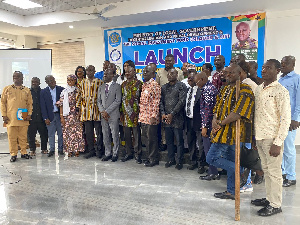
    The Ministry of Local Government, Decentralisation, and Rural Development has launched the second stage of the Integrated Rural Development Project (IRDP). This substantial initiative aims to reduce poverty and create job prospects.

    With a budget of $24 million, this program, set to run from 2022 to 2027, centers on collaboration with the OPEC Fund for International Development (OFID). The objective is to offer vital infrastructure and economic empowerment to 23 disadvantaged districts throughout Ghana.

    The initiative was introduced by Daniel Kwaku Botwe, the minister responsible for the sector, during a ceremony held in Accra on Wednesday, August 23, 2023.

    This comprehensive endeavor is set to make meaningful contributions to sectors such as education and healthcare, while also striving to eliminate poverty and enhance sustainable income growth within rural communities through the provision of microcredit.

    The IRDP consists of four pivotal components, encompassing the provisioning of socio-economic infrastructure, extending credit to small-scale and medium enterprises (SMEs), conducting outreach, sensitization, and capacity-building initiatives, as well as effective management and coordination.

    The financial structure of the project comprises a $20 million loan facility from OFID, complemented by contributions of $800,000 from the government and $3.2 million from beneficiary districts.

    These districts include Tema West (Greater Accra), Afigya Kwabre North, Sekyere Central, Offinso North, and Sekyere Afram Plains (Ashanti), Okere, Akuapim South, and Ayensuano (Eastern), Assin North and Awutu Senya (Central), Essikado-Ketan (Western), Adaklu (Volta), Karaga (Northern), Binduri (Upper East), Sunyani West and Wenchi (Bono), Techiman (Bono East), Lambussie (Upper West), Akotombra (Western North), Krachi West (Oti), Asunafo South (Ahafo), East Gonja (Savannah), and Chereponi (North East).

    Emphasizing the need for accountability, Minister Dan Botwe highlighted that the success of the IRDP lies in stringent oversight at the local level. He urged Metropolitan, Municipal, and District Chief Executives (MMDCEs) to enforce accountability systems, closely monitor project implementation, and ensure value for money through transparent procurement processes.

    “The engineers, planners and other technical staff at the assemblies should be able to give accurate progress reports on the projects, and the MMDCEs must insist that this is done,” the minister emphasised.

    The minister also emphasized that project outcomes should tangibly benefit local populations and urged stakeholders to prioritize the voices of beneficiaries.

    “People should be able to see, feel and experience the impact of the projects when they are completed.

    Let it not just be another project that offers an opportunity for people to make money while the people suffer,” he added.

    The Chief Executive Officer of the Social Investment Fund, Justice Mensah Amankwah, echoed these sentiments, lauding the project’s potential to alleviate poverty, create jobs, and contribute to national development.

    “I am particularly happy that this project is taking off because it aligns with the goals and agenda of the government to open up all parts of the country to development,” he stated.

    On his part, Emeritus Professor Kwasi Kwafo Adarkwa, who was the chairman for the occasion called on the project implementers to ensure that needs of the masses are at the center of such interventions.

    “The voices of the beneficiaries are important, so let us keep that in focus when the projects are implemented,” the former Vice-Chancellor of the Kwame Nkrumah University of Science and Technology (KNUST) underscored.

    The launch of IRDP phase two represents a significant stride towards fostering local economies and enhancing nationwide development. The successes of the initial phase underscore the potential benefits of this ongoing initiative for the newly added 23 beneficiary districts.

    Under the first component of the project, beneficiary MMDAs will receive 215 basic socio-economic infrastructure units including 51 mechainsed boreholes, 43 sanitation facilities, 42 six-unit classroom blocks, 20 teachers’ quarters, 19 culvert/drains, 15 rural clinics, 15 nurses quarters and 1 market which will be distributed across the various assemblies.

    The second component of the project will ensure the provision of credit to SMEs along the agriculture value chain adversely impacted by the COVID-19 pandemic.

  • 15m Africans pushed into poverty as energy, food prices soar – Report

    15m Africans pushed into poverty as energy, food prices soar – Report

    The African Development Bank (AfDB), has reported that around 15 million individuals in Africa were plunged into poverty in 2022 as a result of elevated food and energy costs.

    Nevertheless, the AfDB noted that the influence of rising energy prices on poverty was more pronounced than that of food prices.

    This disparity arose because the escalation in energy costs directly impacted household earnings, whereas the adverse effect of elevated food prices was somewhat counteracted by augmented household income from net sales.

    “In Africa, the additional number of people falling into extreme poverty due to energy price inflation is estimated at 10.2 million, bringing the combined poverty effect of soaring food and energy prices to about 15 million people,” the bank noted.

    This information was detailed within the African Development Bank’s (AfDB) 2023 West Africa Economic Outlook report, which highlighted a notable 10% surge in the region’s average poverty rate from 2019 to 2022.

    The report also identified that, in comparison to a counterfactual scenario, the international poverty rate, defined by the US$2.15-a-day poverty line, saw an upturn in nine West African countries.

    Among the observations, it was noted that the average household well-being diminished in 12 out of 14 countries, collectively resulting in an average actual income decline of 0.82%. The AfDB underscored that this decline disproportionately affected the more economically disadvantaged households.

    “The fall in real household per capita income due to high global food and energy prices has impacted household welfare and exacerbated poverty and inequality in African countries,” AfDB reported.

    The report cautioned that prolonged increases in the prices of food and energy could yield lasting ramifications for prosperity in numerous African nations, further exacerbating issues of poverty and inequality.

    In response, the Bank urged African governments to adopt proactive measures encompassing monetary, fiscal, and structural policies to counter the repercussions of mounting inflation and subdued economic growth.

    The AfDB also advocated for heightened support towards fostering a pro-growth structural transformation, which is crucial for sustaining rapid, sustainable, and inclusive economic expansion.

    As Russia initiated its invasion of Ukraine from February to March 2022, crude oil prices escalated by approximately 20%, surging from $93.5 per barrel per day (bpd) to $112.4 bpd. Throughout the period from March to October 2022, the average stood at $102.8 bpd in Africa.

    In a similar trajectory, wheat prices experienced a surge of approximately 28%, climbing from $364.9 per metric ton (mt) in February 2022 to $446.5 per mt in March 2022. Between March and October 2022, the average price was $427.2 per mt.

    Similarly, fertilizer prices also underwent an increase of around 22%, soaring from $547.1 per mt in February 2022 to $668.9 per mt in March 2022. The average price from March to October 2022 settled at $624.9 per mt.

  • World Bank estimates 850,000 Ghanaians fell into poverty in 2022

    World Bank estimates 850,000 Ghanaians fell into poverty in 2022

    In a latest Ghana Economic Update report titled “Price Surge: Unraveling Inflation’s Toll on Poverty and Food Security,” launched in Accra on Wednesday, the World Bank has expressed concern about the impact of rising prices of goods and services on the well-being of Ghanaians. The report indicates that approximately 850,000 Ghanaians were driven into poverty in 2022 due to these inflationary pressures.

    The Bank highlights that the escalating inflation has not only eroded living standards but also exacerbated poverty and food insecurity among households in Ghana. To address this pressing issue, the World Bank recommends that policymakers take decisive action to restore economic stability. They also suggest measures to alleviate the challenges faced by farmers, such as the high cost of fertilizers, and to expand social intervention programs that offer support to vulnerable populations.

    Additionally, the Bretton Wood Institution emphasizes the importance of focusing on long-term solutions, particularly investments in agriculture research and technology transfers. These targeted investments aim to boost domestic production, reduce production costs, and enhance the quality and safety of food in the country.

    Mr. Paul Corral, a Senior Economist with the World Bank, elaborated on the bank’s approach, stating that they utilized monetary indicators to measure annual household income and expenditure. The findings revealed that inflation has significantly contributed to the rise in poverty levels in Ghana, affecting a substantial number of people.

    Addressing these challenges requires concerted efforts from policymakers and stakeholders to protect the welfare of the Ghanaian population and foster economic stability in the country.

    Speaking at the launch of the report, Mr Kwabena Gyan Kwakye, a World Bank Economist, explained that the 2022 macroeconomic shocks, particularly inflation, had more adverse impact on the poor.

    He said the next two years (by 2025), where the country was expected to recover from the current economic crisis, would “be very tricky for Ghana’s poverty reduction efforts”.

    “Without bringing the economy back on track, no meaningful poverty reduction can happen. Concurrently, safety nets to protect the most vulnerable need to be enhanced to ensure sustainable poverty reduction and shared prosperity,” he said.

    “Expanding and increasing transfers of the Livelihood Empowerment Against Poverty (LEAP) could ensure the poorest are able to cope and build resilience to future shocks,” the World Bank Economist and co-author of the report said.

    The World Bank’s Senior Agricultural Economist, Mr. Ashwini Sebastian, asked for assistance for farmers so they can respond to market possibilities and adjust to global demand.

    She said that should be a long-term focus by policymakers to mitigate the impact of inflation on food security.

    “This is particularly relevant since many of the poor are farming households. Policies should, therefore, be evidence based and aimed at alleviating the different constraints farmers face,” he added.

    In the 2017 Ghana Living Standards Survey by the Ghana Statistical Service (GSS), 45.6 per cent of Ghana’s population was multidimensionally poor, with 23.4 per cent others being consumption expenditure poor.

    In essence, they were deprived of electricity, water, housing, sanitation, including access to toilet facilities, school attendance and attainment, nutrition and health insurance.

    Mr John Foster Agyaho, a Principal Statistician, GSS, explained during a panel discussion that about a third of the items in the Consumer Price Index (CPI) basket for measuring inflation was food.

    He, said it was important for the Government to prioritse connecting road networks to farmers by addressing the transportation and storage bottlenecks, and implement proactive measures to attract more youth into agriculture.

    Ghana’s inflation stood at 54.1 per cent in December 2022, which was characterised by a surge in food costs, a report by GSS showed.

    It was during that period that a Ghana News Agency report revealed that workers, formal and informal, had resorted to walking long-distances, riding bicycles, and engaging in carpooling to manage the economic hardship.

    Meanwhile, the World Bank report signalled that Ghana’s economy would recover to its potential growth by 2025.

    This depends on the government putting structural changes into place to address the underlying causes of the economic crisis, accelerate economic growth, and increase economic resilience through the nation’s US$3 billion 17th financial bailout program with the International Monetary Fund (IMF).

    “Growth will begin to recover to its potential by 2025 as drag from fiscal consolidation fades and macroeconomic stabilisation and structural reforms start bearing fruit,” Mr Pierre Frank Laporte, World Bank Country Director for Ghana, Liberia, and Sierra Leone, said.

  • 850,000 Ghanaians experienced poverty due to high inflation in 2022 – World Bank Report

    850,000 Ghanaians experienced poverty due to high inflation in 2022 – World Bank Report

    The World Bank’s report has revealed that the soaring inflation rates in 2022 led to a staggering 850,000 Ghanaians falling into poverty.

    The economic crisis significantly affected food security and poverty levels in the country.

    Notably, the year-on-year inflation surged from 14% to an alarming 54% between January and December, reaching the highest level seen since the early 2000s.

    The impact was particularly severe on food prices, which increased at a higher rate than non-food items.

    This resulted in a significant decrease in the real purchasing power of Ghanaians, disproportionately affecting the most vulnerable segments of the population.

    “Simulations conducted during this period revealed alarming results, showing that approximately 850,000 Ghanaians were pushed into poverty solely due to the escalating prices in 2022. For these individuals and families, temporary declines in incomes and consumption became entrenched, leading to a situation where poverty became entrenched and, in some cases, even permanent. The situation worsened when it came to food security,” the World Bank report read in part.

    “Another disturbing disclosure was that the number of food-insecure Ghanaians surged from 560,000 in the last quarter of 2021 to a staggering 823,000 during the same period in 2022. As food prices continued to climb, a significant portion of the population struggled to afford sufficient food to meet their dietary needs, let alone maintain a healthy and active lifestyle.”

    The report urges the government to implement focused policies and coordinated efforts, aiming for Ghana’s recovery and a more stable, prosperous future for its citizens.

  • World Bank says some 850,000 Ghanaians were pushed into poverty in 2022

    World Bank says some 850,000 Ghanaians were pushed into poverty in 2022

    The World Bank has stated that the increasing cost of goods and services in 2022 resulted in approximately 850,000 Ghanaians falling into poverty.

    The Bank said this in its latest Ghana Economic Update report titled: “Price Surge: Unravelling Inflation’s Toll on Poverty and Food Security,” launched in Accra on Wednesday.

    The inflationary pressures, the Bank said, had led to a deterioration in living standards and ultimately, worsened poverty and food insecurity among Ghanaian households.

    It recommended that policymakers increased efforts to restore economic stability, alleviate the plight of farmers, including the high cost of fertilizer, and widen the reach of social intervention programmes to protect the vulnerable.

    The Bretton Wood Institution also recommended that in the medium-to-long-term, policy actions focused more on investments in agriculture research and technology transfers.

    Such investments, the Bank said, should be aimed at helping increase domestic production and reduce production costs, while improving the quality and safety of food.

    In an interview with the Ghana News Agency, Mr Paul Corral, A Senior Economist with the World Bank, said the Bank used monetary indicators to measure the annual household income and expenditure and observed that inflation had pushed a lot of people into poverty.

    Speaking at the launch of the report, Mr Kwabena Gyan Kwakye, a World Bank Economist, explained that the 2022 macroeconomic shocks, particularly inflation, had more adverse impact on the poor.

    He said the next two years (by 2025), where the country was expected to recover from the current economic crisis, would “be very tricky for Ghana’s poverty reduction efforts”.

    “Without bringing the economy back on track, no meaningful poverty reduction can happen. Concurrently, safety nets to protect the most vulnerable need to be enhanced to ensure sustainable poverty reduction and shared prosperity,” he said.

    “Expanding and increasing transfers of the Livelihood Empowerment Against Poverty (LEAP) could ensure the poorest are able to cope and build resilience to future shocks,” the World Bank Economist and co-author of the report said.

    Mr Ashwini Sebastian, a Senior Agricultural Economist with the World Bank, also called for support for farmers to adjust to global demand and take advantage of market opportunities.

    She said that should be a long-term focus by policymakers to mitigate the impact of inflation on food security.

    “This is particularly relevant since many of the poor are farming households. Policies should, therefore, be evidence based and aimed at alleviating the different constraints farmers face,” he added.

    In the 2017 Ghana Living Standards Survey by the Ghana Statistical Service (GSS), 45.6 per cent of Ghana’s population was multidimensionally poor, with 23.4 per cent others being consumption expenditure poor.

    In essence, they were deprived of electricity, water, housing, sanitation, including access to toilet facilities, school attendance and attainment, nutrition and health insurance.

    Mr John Foster Agyaho, a Principal Statistician, GSS, explained during a panel discussion that about a third of the items in the Consumer Price Index (CPI) basket for measuring inflation was food.

    He, said it was important for the Government to prioritse connecting road networks to farmers by addressing the transportation and storage bottlenecks, and implement proactive measures to attract more youth into agriculture.

    Ghana’s inflation stood at 54.1 per cent in December 2022, which was characterised by a surge in food costs, a report by GSS showed.

    It was during that period that a Ghana News Agency report revealed that workers, formal and informal, had resorted to walking long-distances, riding bicycles, and engaging in carpooling to manage the economic hardship.

    Meanwhile, the World Bank report signalled that Ghana’s economy would recover to its potential growth by 2025.

    This is dependent on government’s implementation of structural reforms to tackle the root causes of the economic crisis, boost economic growth, and build economic resilience through the country’s US$3 billion 17th financial bailout programme with the International Monetary Fund (IMF).

    “Growth will begin to recover to its potential by 2025 as drag from fiscal consolidation fades and macroeconomic stabilisation and structural reforms start bearing fruit,” Mr Pierre Frank Laporte, World Bank Country Director for Ghana, Liberia, and Sierra Leone, said.

  • Poverty hits harder as Nigeria’s leader justifies fuel subsidy removal

    Poverty hits harder as Nigeria’s leader justifies fuel subsidy removal

    Nigerian President Bola Tinubu defended the West African country’s decision to cease subsidizing fuel on Wednesday, a move that has already exacerbated economic problems by raising costs for transportation and foodstuffs.

    The money saved by endng the decadeslong subsidy last week will help the government’s efforts to fight poverty and its initiatives, Tinubu told governors in a meeting in the capital city of Abuja.

    He appealed for patience even though hardship is biting harder on millions of citizens.

    “We can see the effects of poverty on the faces of our people. Poverty is not hereditary, it is from society. Our position is to eliminate poverty,” a statement from the Nigerian presidency quoted Tinubu as saying.

    The governors supported the subsidy removal and promised to work together in implementing it, the presidency’s statement said.

    Though Nigeria is an oil-producing nation, it depends on imported refined petroleum products and the government has been subsidizing the cost for decades.

    But with oil revenues dwindling amid chronic theft and decreasing foreign investment, the government said the fuel subsidies are no longer economically sustainable. It budgeted 4.4 trillion naira ($9.5 billion) for the subsidies in 2022, far more than for education, health care and infrastructure combined.

    Analysts, however, faulted the government’s decision to withdraw the subsidy without incentives in place, especially at a time when many Nigerians already struggle to cope with record high unemployment and poverty. Inflation is at an 18-year high. Unions have threatened strike in protest of the subsidy decision.

    Nigeria’s states have begun to adopt various measures seeking to assist citizens, especially workers commuting to work daily. Edo and Kwara states this week cut the work week from five days to three. Other states said Wednesday they are considering such measures as increasing the minimum wage of 30,000 naira ($65).

    In Abuja and other parts of Nigeria, The Associated Press found businesses struggling after the subsidy end as they are forced to spend more money on fuel for generators. As many as 46% of Nigeria’s people do not have access to electricity, the World Bank says.

    In Kano state, the economic hub of northern Nigeria, Mahmud Mudi, a taxi driver, said he had to halt his transport business because he was losing money with higher expenditure on gasoline.

    “The situation is unbearable,” Mudi said. “As a family man, the already unfriendly economy has been worsened by this removal of fuel subsidy. I have had to suspend my taxi operations and rely on divine intervention.”

    Rafi’atu Audi, a government employee in the state, said it is difficult to commute to work daily because of the sharp increase in transportation costs.

    “Transport fares have shot up, but our salaries remain the same,” said Audi. “It’s painful (and) I cannot bear the costs anymore.”

  • NPP Presidential Primaries: Joe Ghartey picks nomination forms, pledges to fight poverty

    NPP Presidential Primaries: Joe Ghartey picks nomination forms, pledges to fight poverty

    Mr Joe Ghartey, Member of Parliament for Essikadu-Ketan constituency and presidential aspirant of the New Patriotic Party (NPP), has picked nomination forms to contest the Party’s presidential primaries.

    Mr Ernest Oti Akenteng, New Juaben North Constituency Chairman of the NPP, picked the forms on his behalf at the Party’s headquarters in Asylum Down on Thursday, June 01, 2023.

    Mr Evans Nimako, the Director of Elections of the NPP, presented the forms to Mr Akenteng, who subsequently handed it to Mr Ghartey at the Osu Ebenezer Presbyterian Church.

    There were several constituency executives and chairpersons of the Party who joined the Delegation to pick the forms for the presidential hopeful.

    Mr Ghartey had expressed his intentions to lead the NPP into the 2024 General Election, and was determined to tackle poverty head-on upon becoming the President of the nation.

    For him, it is time for Ghanaians to “fight poverty” rather than fight against one another.

    Mr Ghartey, an astute lawyer and former Minister of Justice and Attorney-General, was poised to ensure that the Party moved in a new direction, which everyone regardless of his or her economic, social, religious or ethnic background could have equal opportunity.

    Mr Ghartey, during his tenure as Minister of Justice and Attorney- General under President John Agyekum Kufuor’s Administration, introduced the ‘Justice For All’ programme, which freed many prisoners across the country.

    Mr Ghartey, also a former Minister of Railways Development and Second Deputy Speaker of Parliament is seeking to energise the Party faithful and give young people the opportunity to serve the country should he emerge victorious in the primaries, and subsequently elected President of the Republic.

    Addressing some constituency executives of the Party at Osu Ebenezer Presbyterian Church, Mr Ghartey said, he was not seeking to become the Party’s pesidential candidate or President for personal gains, but rather to serve Ghanaians and bring economic prosperity for all.

    The Presidential Aspirant recounted how he had stood with the NPP through difficult times dating back to the 1990s, saying; “We have worked tirelessly for this Party.”

    The Party, he said, needed an experienced person who could unite the rank and file of the Party, saying; “It’s about time politicians stop fighting against each other”.

    “We must unify the country and we must unify the party,” he said.

    He underscored the need for politicians to fight for the future of Ghanaian children.

    Mr Ghartey is a politician some NPP constituency executives nationwide consider as the best bet to lead the Party to victory in the 2024 General Elections and build a more prosperous nation for all Ghanaians.

    Mr Adams Abdul Majid, a Senior Aide to Mr Ghartey, whilst addressing the media, said the youth of the Party were solidly behind the presidential aspirant because he was a grassroots man and a transformational leader.

  • Concerns raised over ‘inaccurate’ claims in Primary 4 History Book

    Concerns raised over ‘inaccurate’ claims in Primary 4 History Book

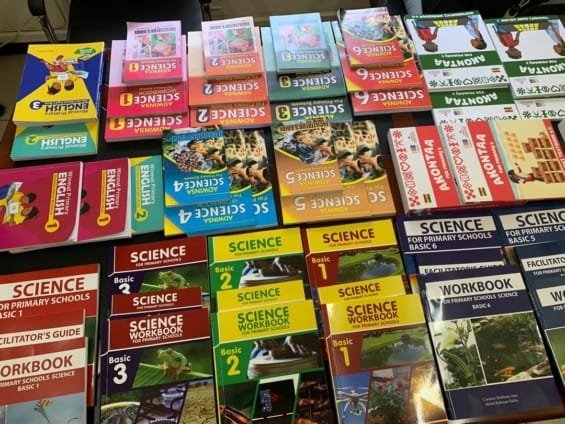
    Education experts have expressed concern over the content of the book titled “History of Ghana for Basic Schools,” which is aimed at basic four pupils and allegedly approved by the National Council for Curriculum and Assessment (NaCCA).

    The authors of the book are Francis Benjamin Appiah and Henry David Appiah.

    The book claimed Christianity and religion, in general, have been the cause of poverty in Ghana and in Africa as a whole.

    It cited fear and discrimination against women as products of religion and claimed that Christianity is responsible for the high level of poverty in Ghana and in Africa as a whole.

    “Negative effects of Christian missionary activities:

    1. Religion is a major cause of physical conflict and doctrinal disputes in Ghana and the world as a whole.
    2. Christianity has led to an increase in poverty. There’s a direct link between religion and laziness which contributes to poverty in Ghana and Africa as a whole.
    3. Religion makes people lackadaisical in their attitude towards finding practical ways to improve their undesirable living conditions.
    4. Some religious doctrines brought by missionaries create a sense of fear or timidity in their adherence.
      Religion creates an avenue for many tricksters or charlatans to parade as men of God to please the poor with their meagre resources.
    5. Most religious groups discriminate against women in so many ways.
    6. Many politicians in Ghana use religion as a vehicle to cause disaffection amongst people in a bid to advance their political interest,” the book indicated.

    The book also noted that religion in Ghana does not encourage creativity, invention or critical thinking because of its “conservative or static nature.”

    In response to the claims, the Programmes Manager of Education Watch, Divine Kpeh told JoyNews’ AM Show, that some of the claims in the book are inaccurate.

    He said the accuracy of content is one of the criteria considered when approving books, therefore, he expressed worry that the book was approved by the NaCCA.

    According to Divine, contrary to the claim that religion is a major cause of physical conflict and doctrinal dispute, Ghana is touted as one of the most peaceful countries due to religion.

    He added that the claim that religion has a direct link with poverty is also not factual.

    Divine indicated that NaCCA has done a poor job in approving the book and that the authors themselves were also not diligent in their work.

    Also speaking on the show, the Executive Director of the Institute for Education Studies, Dr Peter Anti lamented that those responsible for the review of the book, especially the chapter in which the above claims were made did not do a thorough job.

    According to him, although the title of the chapter said “Negative effects of Christian missionaries,” the argument swayed towards religion in general.

    This, he said spells a lack of understanding on the part of both the authors and the reviewers.

    “If you look at the heading, it is negative effects of Christian missionaries, then the content talks about religion. That means that the people who were writing this book really didn’t have an understanding of what they were talking about,” he said.

    Furthermore, the expert expressed worry about the targeted level of the book.

    He argued that pupils of primary four do not have the cognitive ability to discuss the topic. Hence it would have been prudent if the target level was the Junior or Senior High School.

    He added that the claims made in the book are more subjective submissions rather than objective.

    Meanwhile, although the book has a “NaCCA approved” inscription on it, the Public Relations Officer (PRO) of the Ministry of Education, Yaw Opoku Mensah said a supposed originally approved version of the book does not have the contents being referred to.

    He explained that the complaints made are feedback they are getting.

    Mr Mensah says the authorities are putting in mechanisms to get rid of the book in schools and make sure the approved one is being used.

    However, the experts say those responsible for the book with the inaccurate claims must be punished.

  • Farmers sell large proportion of produce due to poverty – Research

    A study conducted by a team of researchers from the University of Ghana has revealed that most farmers in the country sell a large proportion of their produce, including food they reserve to eat for the rest of the year.

    Those who produce food crops such as maize, rice, yam and sorghum also sell their produce because they need cash.

    A researcher at the Institute of Statistical, Social and Economic Research (ISSER) of the University of Ghana, Dr Fred Dzanku, said “they [farmers] have children who go to school, and since they do not have any other source of income, they sell [the food] to take care of their needs”.

    Unfortunately, he said, after engaging in such commercialisation, those farmers did not have food to depend on in the latter part of the year.

    He said most of them also devoted their resources to the production of non-food cash crops, even in highly commercialised regions.

    According to the study, those practices could lead to food insecurity in the country.

    Dr Dzanku, who was among the nine-member team that conducted the research, made the disclosure at the presentation of findings and observations of the research in Accra yesterday.

    The research, which was on land commercialisation, gendered agrarian transformation and the right to food, is a Demeter Project conducted from 2015 to 2022.

    Demeter Project

    The overall objective of the Demeter Project is to strengthen knowledge on the relationship among food security, the right to food and gender equality to enable the people to claim their rights and also encourage governments to facilitate the realisation of the objective.

    Ghana and Cambodia were used for the research, but the presentation in Accra focused on the findings and observations in Ghana.

    In Ghana, the study was done in four districts in four regions.

    The seven-year Demeter Project is funded by the Research for Development Project of the Swiss National Science Foundation and the Swiss Agency for Development and Cooperation.

    On how to deal with the over-commercialisation of farm produce, Dr Dzanku suggested that in the short term, farmers should be educated to devote a certain proportion of their land to food production, while the state must invest in roads, infrastructure and storage facilities, in the long term.

    Cassava production

    Presenting her work on the political economy of food insecurity in Ghana, a member of the research team, Dr Gertrude Dzifa Torvikey, said industrial cassava production was an important policy imperative.

    “The state and policy makers should map out what cassava means in the development of the nation and its position in the future development agenda,” she said.

    Earlier, the principal investigator of the team, Prof. Dzodzi Tsikata, had said during the demeter study in 2015, there were 800 million chronically food insecure people, with 50 per cent living on small farms, 20 per cent landless, while 70 per cent were women and girls.


    Source: Graphic.com.gh

  • Fuel poverty could hit 11 million households from April – campaigners

    Millions of households could fall into fuel poverty next year as a result of the axing of the energy price guarantee, campaigners have warned.

    The End Fuel Poverty Coalition says the number of households in fuel poverty will rise from seven million to 10.7 million after the government lifts its guarantee limiting the average household energy bill to £2,500 from April.

    It will then fall slightly – but will still leave 10.1 million households in fuel poverty in the winter of 2023-24, the group adds.

    It describes the outlook as “frankly terrifying” and is urging the government to focus on a new package of support and energy market reforms, alongside investment in home insulation and renewables.

    “The new chancellor must work quickly, and with consumer groups and charities, to design a new package of support and energy market reforms that will help those in fuel poverty now and post-April,” says Simon Francis, co-ordinator at the coalition.

    “But while the political focus on energy bills may now have shifted to next April, millions of the most vulnerable will be living in cold and damp homes this winter and will need further financial and non-financial support.”

    Source: BBC

  • Poverty is the source of all evil – Opanka

    In a 20-second video he posted on his Facebook timeline, Ghanaian rap act Opanka has argued that poverty is the source of all evil and crime in society.

    He said this in the Accra 100.5 FM studio.

    “It is poverty that brings thoughts of crime and evil into the minds of people,” he stated.

    “If you have money, will you think of ritual killings for money?” the Tema-based musician asked rhetorically.

    “If you have money, will you think of robbery? No!” he stressed his point.

    “The cause of hatred and all other [undesirable thoughts and actions] is poverty,” Dadie Opanka concluded.

    He gave the impression getting rich is the antidote to these evil thoughts and actions, according to him, poverty inspires.

    The rapper’s latest song is titled ‘Enye Betee (It’s Not Easy)’ and in which he notes times of economic hardships and desperation, all the while giving hope to listeners.

    Source: Ghanaweb.com

  • Tunisia cost-of-living crisis: ‘My husband will either make it to Europe or die at sea’

    Many young Tunisians still want to take the perilous boat crossing over the Mediterranean because they believe they would be better off in nations like Italy, even though the economic situation in Europe is getting worse and governments are cracking down on migrants.

    The husband of Hanan Erdidi has made a choice that will alter his life. He informed her of his impending departure the evening before we met in Tunis, the nation’s capital.

    Many young Tunisians still want to take the perilous boat crossing over the Mediterranean because they believe they would be better off in nations like Italy, even though the economic situation in Europe is getting worse and governments are cracking down on migrants.

    The husband of Hanan Erdidi has made a choice that will alter his life. He informed her of his impending departure the evening before we met in Tunis, the nation’s capital.

    Smugglers have offered him a seat on a boat to Italy and he’s decided to take the risk: he’s had enough of being squeezed into a tiny, damp room in a former army barrack in Tunis with their two young children.

    He wants better for his family and now he’s seizing his chance.

    “Sometimes we both cry because our kids don’t have toys to play with. Even the clothes they wear are second-hand, given to us by other people,” Hanan tells me.

    “Sometimes we prefer to keep the kids at home and not take them to the market, because if we take them there, they will see fruit. We can’t afford even things like apples or grapes. We keep them indoors, so they don’t cry over seeing the things we can’t buy for them.”

    Hanan is aware of the huge risk her husband is taking. They both desperately hope that it is worth it.

    “My husband wants to leave to make our living conditions better. Either he improves our situation, or he dies at sea,” she says.

    For men like Hanan’s husband, this is becoming a common choice.

    Tunisia is in the grip of a cost-of-living crisis. The number of families in need has tripled since 2010 and now stands at almost one million.

    Half of the country’s population is living in poverty. Last year, unemployment stood at almost 20%.

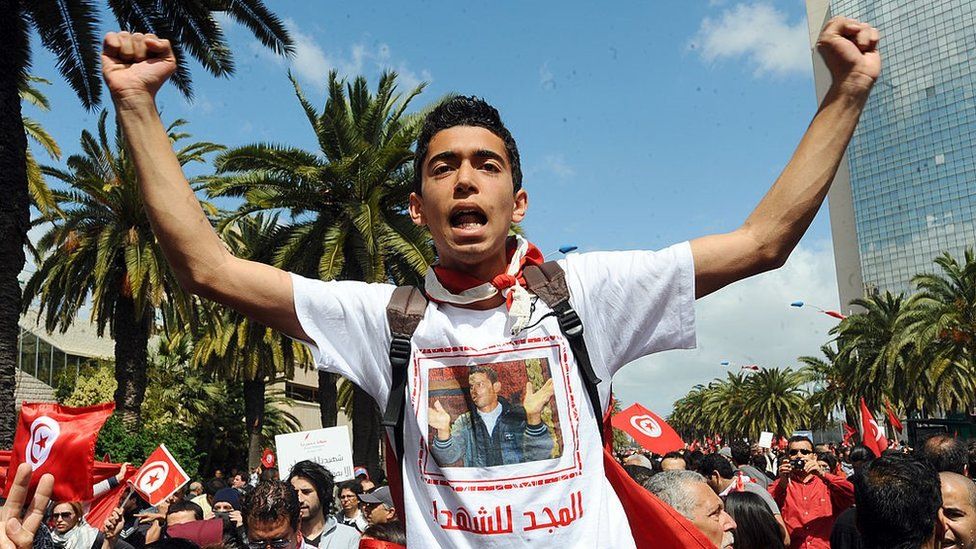
    A man wearing a tee-shirt with a portrait of Tunisian protest hero Mohamed Bouazizi shouts during a demonstration on April 9, 2012 in Tunis
    IMAGE SOURCE,GETTY IMAGES Image caption, A decade ago, Tunisia was at the forefront of political change in the region

    This is the country that ignited the Arab Spring. It’s long been considered one of the movement’s very few success stories.

    For many countries in North Africa and the Middle East, the uprisings more than a decade ago brought instability and chaos.

    But Tunisia managed to claw its way towards democracy. Its president of 23 years – Zine al-Abidine Ben Ali – was deposed and a new constitution was carefully crafted, based on public will.

    When thousands of chanting Tunisians first filled the streets at the end of 2010, marking the start of the Arab Spring, it was a visceral reaction to the death of a fruit and vegetable seller, Mohamed Bouazizi.

    He set himself on fire outside a municipal building after having his cart confiscated by the authorities.

    I wondered how fruit and vegetable sellers felt now, so I have gone to talk to them at one of Tunis’ many street markets.

    Among piles of shining red tomatoes and sun-plumped seasonal fruit, a theme emerges – these men are saving whatever money they can, and then spending it all on dangerous boat trips, believing they will be better off in Europe.

    Italy is the nearest coast to aim for. People tell me that if they fail to reach their destination, they keep on trying.

    They are unlikely to be deterred by a new right-wing government, which has promised a tough response to irregular migration, taking office following Sunday’s election.

    One of them, Seif Eddin Hassouine, details how he has already spent $4,000 (£3,600) on two unsuccessful boat trips, each time intercepted by coastguards and sent back home. But he is about to do it again.

    “This country has no jobs, no money, it’s better to leave,” he says.

    Rachid Ben Jaafar, selling watermelons from a nearby stall, agrees: “Prices are high, life is very expensive, I can’t afford it any more. There’s no oil or sugar. Sometimes there’s no bread. How can people live? What can people do? All ways are closed.”

    The original Arab Spring uprisings are branded deep into the memory of people here.

    Walid Kassraoui sacrificed more than most. He was shot in the leg while demonstrating and it couldn’t be saved. Now he’s struggling to get a job, his prosthetic limb a daily reminder of what he’s lost.

    Three young men sitting on steps
    IMAGE SOURCE,LEE DURANT/ BBC Image caption, Walid Kassraoui (C) is a father-of-two who lost his leg during the Arab Spring uprising

    As we stand in the same street where he protested, he shows me a sign on the road. It lists the names of those who died there, including one of his closest friends.

    “During the revolution, the slogans were all about finding jobs, freedoms, and national dignity,” he remembers. “Unfortunately, jobs and national dignity have not been achieved over the past 12 years. I’m a dad of two kids who is growing, I was hoping to raise them in better conditions, but unfortunately, I can’t.”

    But those hard-fought rights and freedoms are being eroded as people hope they can trade them for jobs and better economic prospects.

    President Kais Saied, a constitutional law professor, along with a small group of hand-picked allies, wrote a new framework for the country’s constitution, concentrating power in his own hands.

    It was the culmination of a process that started in 2021 when he sacked the prime minister, dissolved the government, and suspended parliament.

    In July, a referendum put these changes to the people, but the result was always a foregone conclusion.

    In just a few hours, Tunisia’s constitutional landscape had rolled back more than a decade.

    But for ordinary Tunisians, the focus now is on how to feed their families or find a job.

    Left behind and desperately hoping the sea will spare her husband, Hanan sees a bleak future ahead of her.

    “My mother and father are dead,” she cries. “I don’t have brothers, or anybody else. He is my mum, dad, brother – he’s everything to me. If he dies in the sea, I will be orphaned once again.”

  • Poverty pushes Afghan children to work at brick kilns

    Nabila works 10 hours or more a day, doing the heavy, dirty labour of packing mud into moulds and hauling wheelbarrows full of bricks. At 12 years old, she has been working in brick factories for half her life now, and she is probably the oldest of all her co-workers.

    Already high, the number of children put to work in Afghanistan is growing, fuelled by the collapse of the economy after the Taliban took over the country and the world cut off financial aid just more than a year ago.

    A recent survey by Save the Children estimated that half of Afghanistan’s families have put children to work to keep food on the table as livelihoods crumbled.

    Nowhere is it clearer than in the many brick factories on the highway north of the capital, Kabul. Conditions in the furnaces are tough even for adults. But in almost all of them, children as young as four or five labour alongside their families from early morning until dark.

    Children do every step of the brickmaking process. They haul canisters of water, and carry the wooden brick moulds full of mud to put in the sun to dry. They load and push wheelbarrows full of dried bricks to the kiln for firing, then push back wheelbarrows full of fired bricks.

    Afghanistan Child Labor
    Afghan children working at a brick factory [Ebrahim Noroozi/AP Photo]

    Only a few have been to school. Nabila, the 12-year-old, has been working in brick factories since she was five or six. Like many other brick workers, her family works part of the year at a kiln near Kabul, the other part at one outside Jalalabad, near the Pakistani border.

    “We can’t think about anything else but work,” she said.

    Mohabbat, a nine-year-old boy, stopped for a moment with a pained expression as he carried a load of charcoal. “My back hurts,” he said.

    Asked what he wished for, he first asked: “What is a wish?”

    Once it was explained, he was quiet for a moment, thinking. “I wish to go to school and eat good food,” he said, then added: “I wish to work well so that we can have a house.”


    The latest news from around the world.Timely. Accurate. Fair.

    The landscape around the factories is bleak and barren, with the kilns’ smokestacks pumping out black, sooty smoke. Families live in dilapidated mud houses next to furnaces, each with a corner where they make their bricks. For most, a day’s meal is bread soaked in tea.

    Rahim has three children working with him at a brick kiln, ranging from five to 12 years. He said he had no choice. “There’s no other way,” he said. “How can they study when we don’t have bread to eat? Survival is more important.”

    Afghanistan Child Labor
    Afghan children who work at a brick factory on the outskirts of Kabul [Ebrahim Noroozi/AP Photo]

    Workers get the equivalent of $4 for every 1,000 bricks they make. One adult working alone cannot do that amount in a day, but if the children help, they can make 1,500 bricks a day, workers said.

    According to surveys by Save the Children, the percentage of families saying they had a child working outside the home grew from 18 percent to 22 percent from December to June. That would suggest more than one million children nationwide were working. Another 22 percent of the children said they were asked to work on the family business or farm.

    In June, 77 percent of the surveyed families reported they had lost half their income or more compared with a year ago, up from 61 percent in December.

    At one of the kilns, it begins to rain. At first, the children were cheerful, thinking it would be a refreshing drizzle in the heat. Then the wind kicked up. A blast of dust hit them, coating their faces. The air turned yellow with dust. Some of the children could not open their eyes, but they kept working. The rain opened up into a downpour.

    The children were soaked. One boy had water and mud pouring off of him, but like the others, he said he could not take shelter without finishing his work.

    “We are used to it,” he said. Then he told another boy, “Hurry up, let’s finish it.”

    Source: Aljazeera

  • 380,000 workers experience food insecurity, poverty, and unemployment -GSS

    About 380,000 people (15 and older) who are in the labor force are simultaneously food insecure, multidimensionally poor, and unemployed.

    On Thursday, September 1, 2022, at the release of the quarterly Annual Household Income and Expenditure Survey (AHIES) report, Government Statistician Professor Samuel Kobina Annim presented this finding.

    Prof. Annim further revealed that the “Savannah Region has the highest percent of triple burdened persons” (8.2%) which is more than twice the national average of 3.2%.

    The event released highlights on multidimensional poverty, food insecurity, and labour statistics from the first and second quarters.

    The statistics revealed that between the first and second quarter of 2022, food insecurity dropped by 7.0 percentage points, while multidimensional poverty dropped by 2.6%. Unemployment rate increased by 0.5 percentage points.

    The release was chaired by Professor Kwaku Appiah-Adu, Senior Advisor to the Vice President.

    In his remarks, he commended the Ghana Statistical Service for conducting the AHIES which is generating timely and relevant data for policy and planning.

    He concluded by stating that “as a country, we have great challenges and great opportunities; I am in no doubt that the comprehensive quarterly labour force, food insecurity and multi-dimensional poverty report obtained will support the government in evidence-based decision-making and policy design of its programmes and projects for development and a more robust outlook of the Ghanaian economy.”

    The Annual Household Income and Expenditure Survey (AHIES) is the first nationally representative high-frequency household panel survey in Ghana.

    The AHIES is being conducted to obtain quarterly and annual data on household final consumption expenditure and a wide scope of demographic, economic and welfare variables including statistics on labour, food security, multidimensional poverty and health status for research, policy, and planning.

    Thus, it is possible for the Statistical Service to present statistics on labour transitions for the first time.

    The findings indicated that about 390,000 persons 15 years and older unemployed in quarter 1 remained unemployed in quarter 2 of 2022 while between the first and second quarters of 2022, about 445,000 persons 15 years and older outside the labour force joined the number of unemployed persons.

    The labour statistics also indicated that about two-thirds of the employed population are engaged in vulnerable employment with significant variation across urban areas (56.4%) and rural (80%).

    The report also highlighted gender inequalities in the labour force indicating that unadjusted gender pay gap in Q1 is 37.3%, with males earning a mean hourly pay of ¢11.00 and females ¢6.90.

    Other highlights from the release indicated 49.1% of persons in Ghana are moderately food insecure, 12.3% are severely food insecure and 44.1% are multidimensional poor. Health insurance coverage is the leading contributor to multidimensional poverty with about 14 million persons in Ghana not currently having active health insurance coverage.

  • I dropped out of Accra Poly level 200 because of extreme poverty – Lady reveals

    Ruby Venson is a victim of a financial catastrophe; her life came crumbling down after her father’s death. She had big dreams of being a graphic designer. But, life happened. 

    Ruby is a 22-year-old who lives with her mom and siblings in Accra. She completed Methodist Girls High school in 2015 and enrolled in Accra Technical University two years later. After a year of school, Venson quit school to make way for her younger siblings to get an education too. 

    Ruby loves to draw, hence the desire to become a graphic designer. 

    ”I am very good at designing and it has always been a dream to be a graphic designer but after my father’s death, everything went south. If I get the opportunity I would go back to school,” Ruby said. 

    Moreover, Ruby and her family might just have to vacate their home due to family issues but have no place to move to. Momentarily, she does not work nor school. Her mom, Awo Sebeye washes people’s clothes and earns 10 to 15gh a day as payment to feed three children.

    Ruby would love to go back to University or perhaps understudy a graphic designer. Any form of help will be greatly appreciated. Please contact SVTV Africa Foundation on 

    Kindly watch the full interview below;

    Source: SVTV Africa

  • About 80,000 persons in Greater Accra Region classified as poor, vulnerable

    About 80,000 persons within the Greater Accra Region have been classified as poor and vulnerable.

    This was announced by the Ghana National Household Registry of the Ministry of Gender, Children and Social Protection after engaging in a rapid data collection exercise.

    The data was compiled during the lockdown imposed by the President, Nana Akufo-Addo, earlier in 2020 due to the Coronavirus pandemic.

    The register of the poor and vulnerable in society is expected to aid in better targeting of beneficiaries who deserve social protection.

    At a press conference organized in Accra, the National Coordinator of the Ghana National Household Registry, Dr. Prosper Laari, gave a breakdown of the total number of people sampled.

    “At the end of the exercise, we have collected data on approximately 80,000 poor and vulnerable persons in the Greater Accra Region. Out of this figure, 62% of the vulnerable individuals are females with about 50% aged 18-39; about 20% aged 40-59, and 10% aged 60 plus, and the remaining under 18 years.”

    “Over 60% of vulnerable individuals sleep in kiosks, containers, markets, uncompleted structures, on the streets, bus or lorry stations, chop bars or drinking spots, at the beaches, exposed to different forms of hazards. Only very few people sleep in compound houses, mostly in overcrowded rooms. 3% of the individuals live with a disability,” he stated.

    Dr. Laari further touched on how the data will improve the success of social protection programmes in the future.

    “The data is as good as its usage and so this is what we have profiled. We know that the World Food Program (WFP) is planning to target about 50,000 individuals, and they are going to use this data. As a ministry, there are several programs we have targeted toward the vulnerable and so you will want scientific data to be able to properly get to people that need those support,” he revealed.

    The exercise was funded by the World Bank and Department for International Development (DFID) and covered bases like the levels of education, source of livelihood, disabilities and basic access of these vulnerable persons.

    The exercise is currently being replicated in the North East, Savannah and Northern regions and is expected to be carried out in the Central and Volta regions by the end of the year

    Source: citinewsroom

  • ‘I sold my hair for $2 to feed my children’

    The day Prema Selvam sold her hair for 150 rupees ($2; £1.50) in order to feed her young children was the worst of her life.

    The mother-of-three had already lost her husband after he had killed himself in a fit of desperation amid mounting debts and a failed dream.

    Even then, she still had hope.

    But after selling her hair, she was faced with the prospect of having nothing more of value, no way to pay the creditors demanding their money, and no food in the cupboard.

    What happened next has inspired people across India.

    Drowning in debt

    Before his death, Prema and her husband had worked in a brick kiln in the southern Indian state of Tamil Nadu, making just enough to scrape a living together for their young family. But they had hoped for more. Her husband took out a loan to start his own brick kiln, but the plans failed to take off. In a moment of desperation last year, he killed himself.

    The pressure fell solely on Prema to not only earn enough to feed, clothe and house herself and her three children, but also to pay back the money they owed for the failed business venture. And for a while she managed, taking her two youngest to work with her.

    “When I go to work I get 200 rupees ($2.80) per day, which is enough to run our family,” Prema explains to the BBC.

    But she became ill, which meant she couldn’t earn as much.

    “I couldn’t carry a heavy load of bricks. I stayed home for most of the time due to a fever.”

    She was sick for three months – by the end of which the bills had mounted, and the cupboards had run bare.

    “My seven-year-old son Kaliyappan came back from school and asked for food,” she recalls. “Then he started crying due to hunger.”

    Prema had no property, jewellery, valuables or kitchen utensils that could be exchanged for cash.

    “I didn’t even have a 10 rupee note [$0.14; £0.11] with me. I just had a few plastic buckets.”

    Then she realised she did have something she could sell after all.

    “I remembered a shop which used to buy hair,” Prema says, thinking immediately of her own hair. India is one of the world’s top exporters of human hair, which is sold around the globe to make extensions. Some Hindu devotees offer up their hair in temples when their prayers are answered.

    “I went there and sold my entire head of hair for 150 rupees ($2; £1.50).”

    It might not sound like a lot – the money she got might only have been able to buy a lunch at a restaurant in a large city – but in her village, Prema was able to buy much more.

    “I got three packs of cooked rice, each costing 20 rupees, for my three children,” she says.

    But the respite was only temporary: Prema knew she was out of options, and her thoughts began to turn towards more drastic measures.

    Desperation

    She went to a shop where she hoped to find something to end her life. But, seeing her state of distress and realising her plan, the shopkeeper refused to sell her anything. Prema went home and decided to find another way of taking her own life. She was saved by her sister, who lives in the neighbourhood and happened to come by in time to stop her.

    And then, just a few days later, the help she so desperately needed appeared out of the blue.

    Bala Murugan heard about Prema’s situation from a friend who owned a local brick kiln. It immediately struck a nerve: her struggle reminded him of his family’s darkest hour. Bala knows well how poverty can drive people to despair – at the age of 10, his family ran out of food. His mother sold their old books and newspapers by weight to buy rice.

    And then, in a state of utter despair, Bala’s mother decided to kill herself and her children. She changed her mind at the last moment: the family rushed their mother to a doctor, and she was saved.

    Bala now lives a life a world away from the situation he grew up in. After years of struggle, he has worked his way out of poverty and now owns a computer graphics centre.

    And now, he had a chance to pay his own good fortune forward: Bala told Prema about his journey and encouraged her to find hope. Along with his friend, Prabhu, he gave her some money to buy food. Then Bala wrote about the family on social media.

    “Within a day I got 120,000 rupees ($1,670). When I told Prema about it she was very happy and said that was enough to pay back most of her loan,” he tells the BBC.

    But at Prema’s request, the fundraising was stopped.

    “She said she would get back to her work and pay the rest,” Bala explains.

    She now has to pay back about 700 rupees a month – about $10 – to different creditors, while district officials have stepped in and promised to help her to set up a dealership selling milk.

    Prema is slowly getting back on her feet, but, sadly, her financial situation is far from unique. In spite of India’s economic growth, millions like her struggle to put food on the table.

    According to the World Bank, India is home to the second largest number of people living in extreme poverty – classified as those earning less than $1.90 per day.

    Prema has another obstacle in her way: she cannot read or write, like tens of millions of other Indians.

    As a result, she is unaware of government schemes which provide help to people like her. Meanwhile, the country’s formal banking system has complex rules that make it difficult for poor communities to access credit at low interest rates. Instead, Prema and her husband had borrowed from local money lenders and neighbours at higher rates – sending her spiralling further into debt.

    But thanks to her community’s generosity, she is able to see a way out of the cycle of poverty which has kept her trapped. Bala Murugan, meanwhile, has assured the family of his continued support.

    “Now I realise suicide was the wrong decision,” she says. “I am confident about paying back the rest of the loan.”

    Source: bbc.com