King Charles‘ coronation was observed on a South Pacific island, thousands of miles distant from the pomp and circumstance in Westminster Abbey in London.
It was a historic occasion in Tanna, a volcanic island south of Vanuatu and the birthplace of the Prince Philip movement, which claims the late monarch as a long-lost ancestor.
About 1,000 islanders gathered in the untamed highlands to commemorate the occasion, far from the crowds at Buckingham Palace.
This is where the Kastom people are based. Since the 1960s, they believe Queen Elizabeth II’s husband was the son of a mountain spirit.
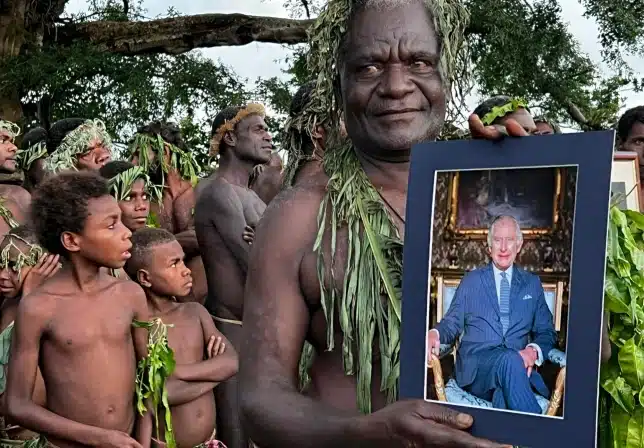
Ahead of the coronation, they were sent a framed portrait of the new king from Britain’s acting high commissioner Michael Watters.
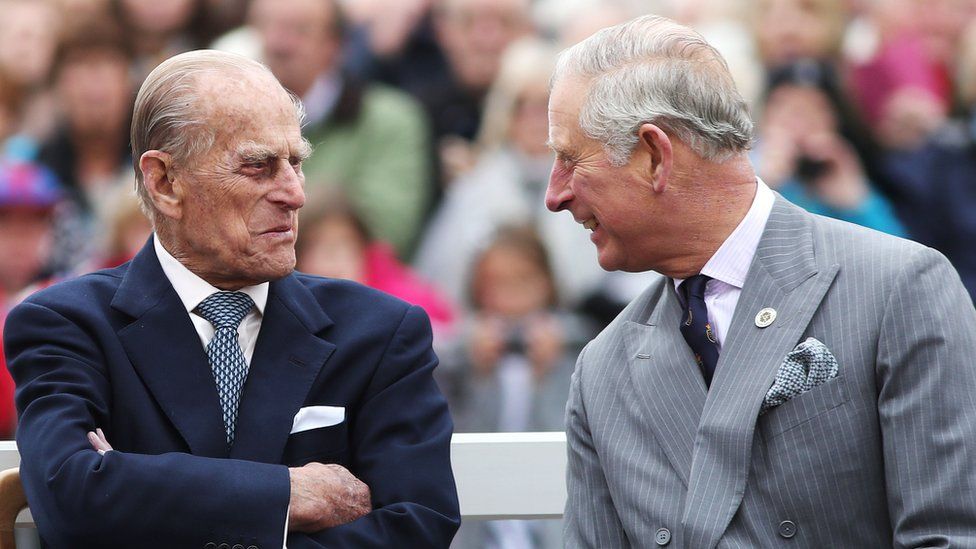
‘I am very happy because Philip’s child is Charles. I am very happy with Charles,’ chief Yabah, who once travelled to Windsor Castle and met Philip, said.
He said he would like to visit Buckingham Palace, but also extended an invitation to the new king
‘I want him to come to my place and see me here, in Tanna,’ he added.
Coronation of King Charles III latest
Villagers danced and sang as part of the celebration before drinking shells full of kava – a peppery, mildly intoxicating root drink that is a key part of Pacific culture.
British diplomats joined them on the special coronation mission, gifting them the portrait.
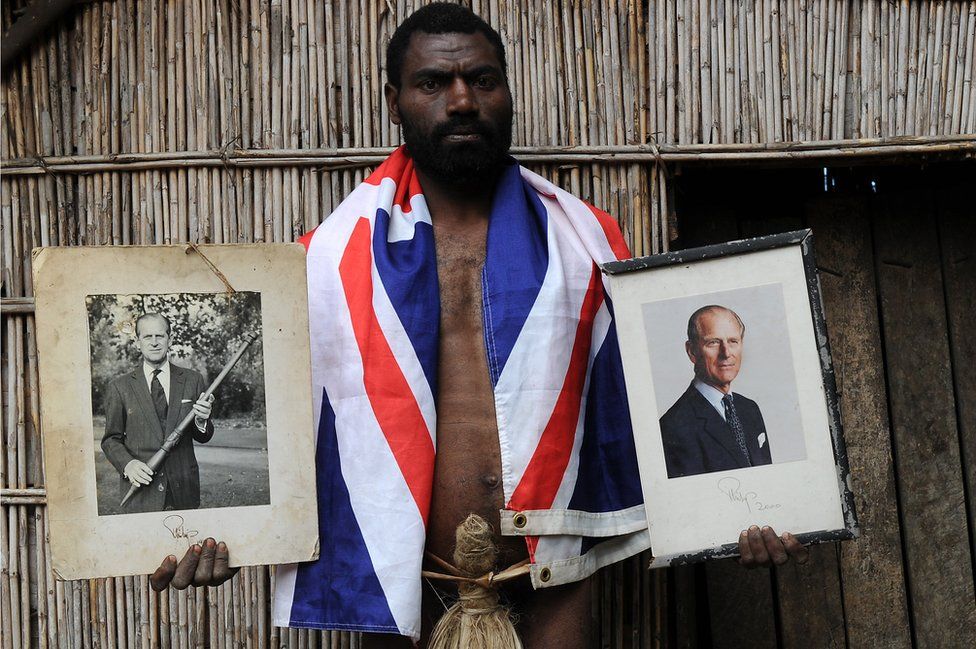
Tribal leaders will add it to a fading collection of pictures showing Philip in his prime, which have long been among the movement’s most treasured possessions.
Mr Watters, who flew to Tanna from the capital Port Vila, shuffled in at the end of a long procession, flanked by village elders.
He said: ‘I have been greeted with such warmth and joy by the community.
‘The ceremony was a wonderful way to pay respect to the unique relationship shared by the UK and Vanuatu.’
In 2021, the tribal community mourned the death of Philip and held a period of mourning, performing ritualistic dances and holding a procession.
Over the years, he had corresponded with the villagers, and sent pictures of himself holding a ceremonial club they gave him.
Since the announced passing of the death of Prince Charles of Britain, the longest-serving consort (69 years 62 days) of the British monarch, tributes have poured in for the late husband of Queen Elizabeth II, who died at 99.
Leaders across the world have joined in the tall chain of people paying tributes even as many have touted the supported nature of the late former Navy officer.
But here in Ghana, it has not only been a privilege to have had the late royal of the British monarchy been associated with the country in one too many ways, but our recent history has recorded at least three instances when our Heads of State have been honoured to be in the presence of Prince Philip.
Here are a few photos as we remember the late Duke of Edinburgh:
I send my deepest condolences to Her Majesty The Queen and the Royal Family.
His Royal Highness The Duke of Edinburgh devoted his life to service to his country. His commitment and devotion to duty offer inspiration. pic.twitter.com/bl8LGxWcIK
He outlived nearly everyone who knew him and might explain him.
And so we have been left with a two-dimensional portrait of the duke; salt-tongued and short-tempered, a man who told off-colour jokes and made politically incorrect remarks, an eccentric great-uncle who’d been around forever and towards whom most people felt affection – but who rather too often embarrassed himself and others in company.
With his death will come reassessment. Because Prince Philip was an extraordinary man who lived an extraordinary life; a life intimately connected with the sweeping changes of our turbulent 20th Century, a life of fascinating contrast and contradiction, of service and some degree of solitude. A complex, clever, eternally restless man.
His mother and father met at the funeral of Queen Victoria in 1901. At a time when all but four of Europe’s nations were monarchies, his relatives were scattered through European royalty. Some royal houses were swept away by World War One; but the world into which Philip was born was still one where monarchies were the norm. His grandfather was the King of Greece; his great-aunt Ella was murdered along with the Russian tsar, by the Bolsheviks, at Ekaterinberg; his mother was a great-granddaughter of Queen Victoria.
His four older sisters would all marry Germans. While Philip fought for Britain in the Royal Navy, three of his sisters actively supported the Nazi cause; none would be invited to his wedding.
When peace came, and with it eventual economic recovery, Philip would throw himself into the construction of a better Britain, urging the country to adopt scientific methods, embracing the ideas of industrial design, planning, education and training. A decade before Harold Wilson talked of the “white heat of the technological revolution”, Philip was urging modernity on the nation in speeches and interviews. And as the country and the world became richer and consumed ever more, Philip warned of the impact on the environment, well before it was even vaguely fashionable.
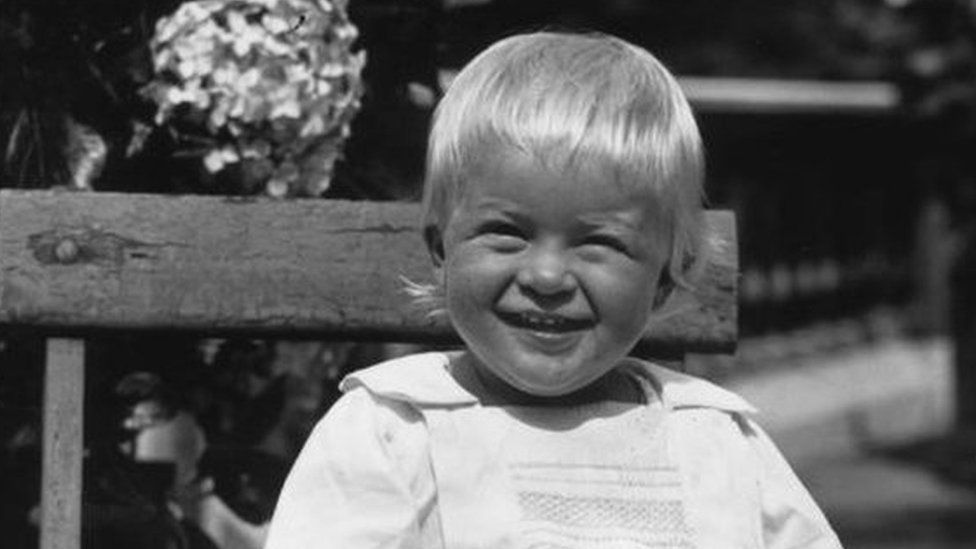
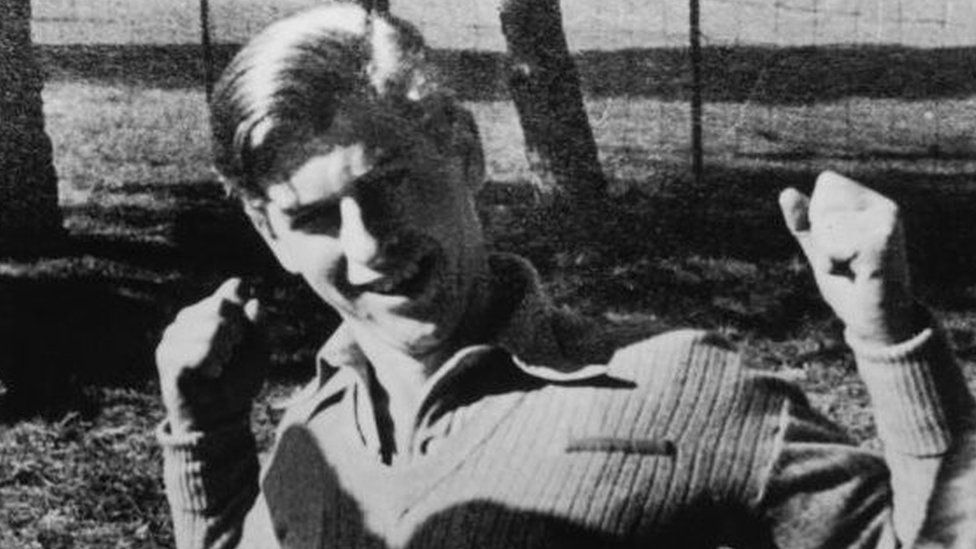
image captionEighteen months after his birth, his family was in exileimage captionHis childhood quickly taught him the values of self-reliance
He was forged by the turmoil of his first decade and then moulded by his schooling. His early years were spent wandering, as his place of birth ejected him, his family disintegrated and he moved from country to country, none of them ever his own. When he was just a year old, he and his family were scooped up by a British destroyer from his home on the Greek island of Corfu after his father had been condemned to death. They were deposited in Italy. One of Philip’s first international journeys was spent crawling around on the floor of the train from an Italian port city, “the grubby child on the desolate train pulling out of the Brindisi night,” as his sister Sophia later described it.
In Paris, he lived in a house borrowed from a relative; but it was not destined to become a home. In just one year, while he was at boarding school in Britain, the mental health of his mother, Princess Alice, deteriorated and she went into an asylum; his father, Prince Andrew, went off to Monte Carlo to live with his mistress; and his four sisters married and went to live in Germany. In the space of 10 years he had gone from a prince of Greece to a wandering, homeless, and virtually penniless boy with no-one to care for him.
“I don’t think anybody thinks I had a father,” he once said. Andrew would die during the war. Philip went to Monte Carlo to pick up his father’s possessions after the Germans had been driven from France; there was almost nothing left, just a couple of clothes brushes and some cuff-links.
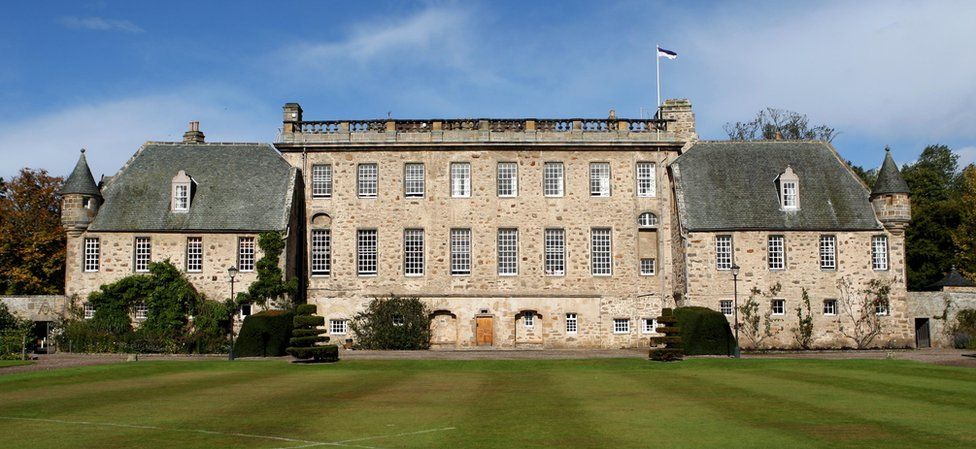
By the time he went to Gordonstoun, a private school on the north coast of Scotland, Philip was tough, independent and able to fend for himself; he’d had to be. Gordonstoun would channel those traits into the school’s distinct philosophy of community service, teamwork, responsibility and respect for the individual. And it sparked one of the great passions of Philip’s life – his love of the sea.
Philip adored the school as much as his son Charles would despise it. Not just because the stress it put on physical as well as mental excellence – he was a great sportsman. But because of its ethos, laid down by its founder Kurt Hahn, an exile from Nazi Germany.
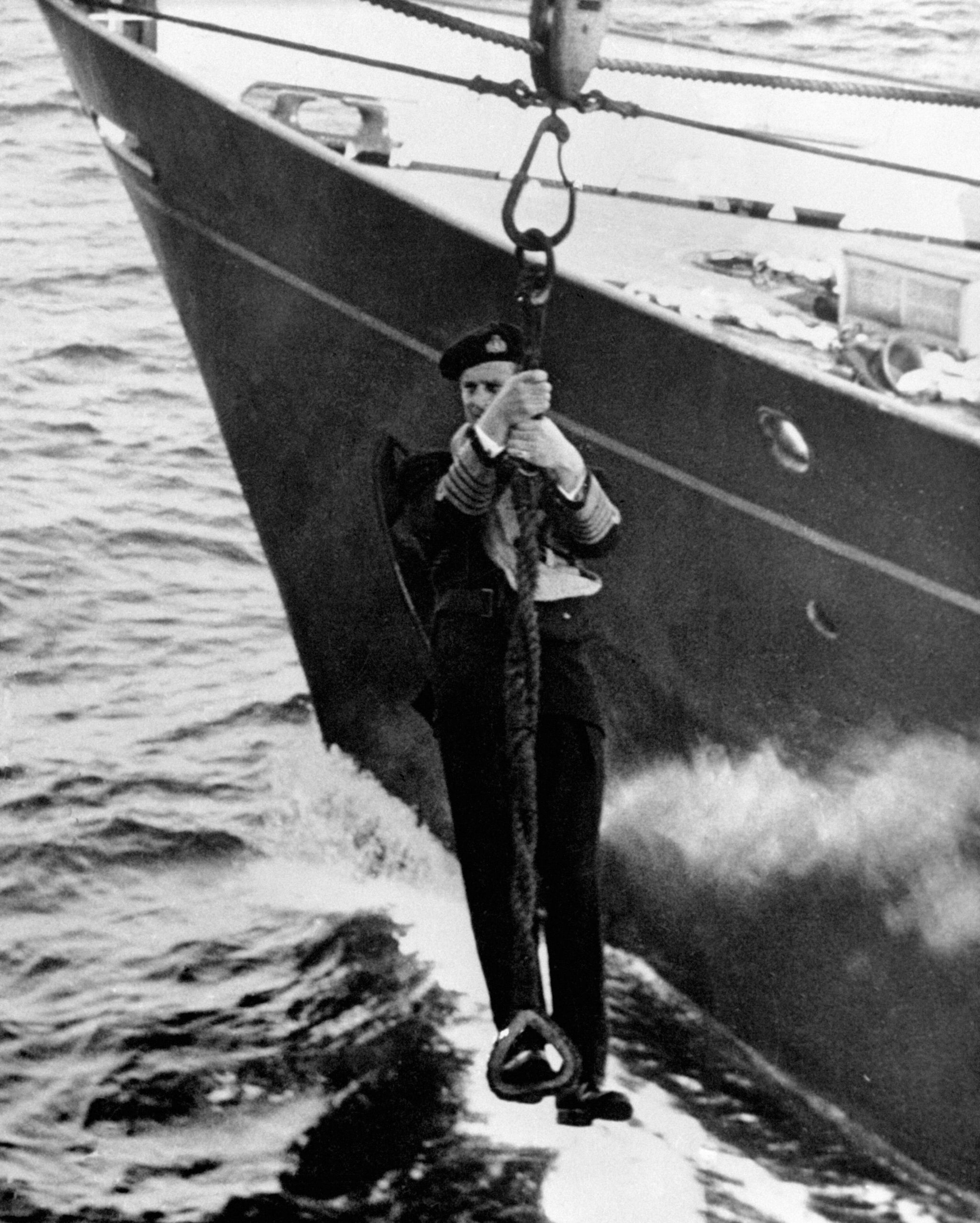
image captionPrince Philip became one of the youngest first lieutenants in the Royal Navyimage captionBut he had to give up his career to support the Queenimage captionThe Duke of Edinburgh’s children would not bear his name, Mountbatten
That ethos became a significant, perhaps the significant, part of the way that Philip believed life should be lived. It shines through the speeches he gave later in his life. “The essence of freedom,” he would say in Ghana in 1958, “is discipline and self-control.” The comforts of the post-war era, he told the British Schools Exploring Society a year earlier, may be important “but it is much more important that the human spirit should not be stifled by easy living”. And two years before that, he spoke to the boys of Ipswich School of the moral as well as material imperatives of life, with the “importance of the individual” as the “guiding principle of our society”.
And at Gordonstoun was born one of the great contradictions of Philip’s fascinating life. The importance of the individual was what in Kurt Hahn’s eyes differentiated Britain and liberal democracies from the kind of totalitarian dictatorship that he had fled. Philip put that centrality of the individual, and individual agency – the ability we have as humans to make our own moral and ethical decisions – at the heart of his philosophy.
And yet he was throughout his life, first in the navy and then in the many decades of life in the Palace, tightly bound by rules of tradition, of precedent, of command and hierarchy. He had little, if anything, in the way of agency. Did he say one thing and do another, as members of the Royal Family are often accused of? Or was his first choice – to serve – by necessity his last?
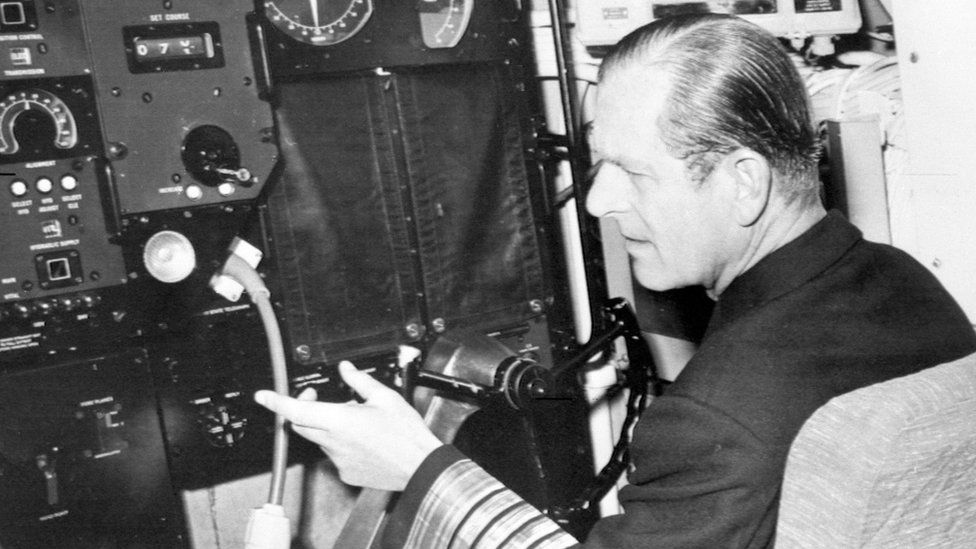
image captionThe navy ran deep in the Duke of Edinburgh’s family. He is pictured sitting at the wheel of the nuclear-powered submarine HMS Churchillimage captionPrince Philip gave between 60 and 80 speeches every year, decade after decade, on topics that reflected his vast range of interests
At Dartmouth Naval College in 1939, the two great passions of his life would collide. He had learned to sail at Gordonstoun; he would learn to lead at Dartmouth. And his driving desire to achieve, and to win, would shine through. Despite entering the college far later than most other cadets, he would graduate top of his class in 1940. In further training at Portsmouth, he gained the top grade in four out of five sections of the exam. He became one of the youngest first lieutenants in the Royal Navy.
The navy ran deep in his family. His maternal grandfather had been the First Sea Lord, the commander of the Royal Navy; his uncle, “Dickie” Mountbatten, had command of a destroyer while Philip was in training. In war, he showed not only bravery but guile. It was his natural milieu. “Prince Philip”, wrote Gordonstoun headmaster Kurt Hahn admiringly, “will make his mark in any profession where he will have to prove himself in a trial of strength”.
Others had their reservations about the brilliant and ambitious young officer. In peace, once he had his own command, he drove his men hard, much too hard for some. “If he had a fault, it was a tendency to intolerance,” wrote one biographer. That kind of comment would recur. Contemporaries were more blunt. “One of his crew,” writes another biographer, “said he would rather die than serve under him again.”
In Dartmouth in 1939, as war became ever more certain, the navy was his destiny. He had fallen in love with the sea itself. “It is an extraordinary master or mistress,” he would say later, “it has such extraordinary moods.” But a rival to the sea would come.
When King George VI toured the Naval College, accompanied by Philip’s uncle, he brought with him his daughter, Princess Elizabeth. Philip was asked to look after her. He showed off to her, vaulting the nets of the tennis court in the grounds of the college. He was confident, outgoing, strikingly handsome, of royal blood if without a throne. She was beautiful, a little sheltered, a little serious, and very smitten by Philip.
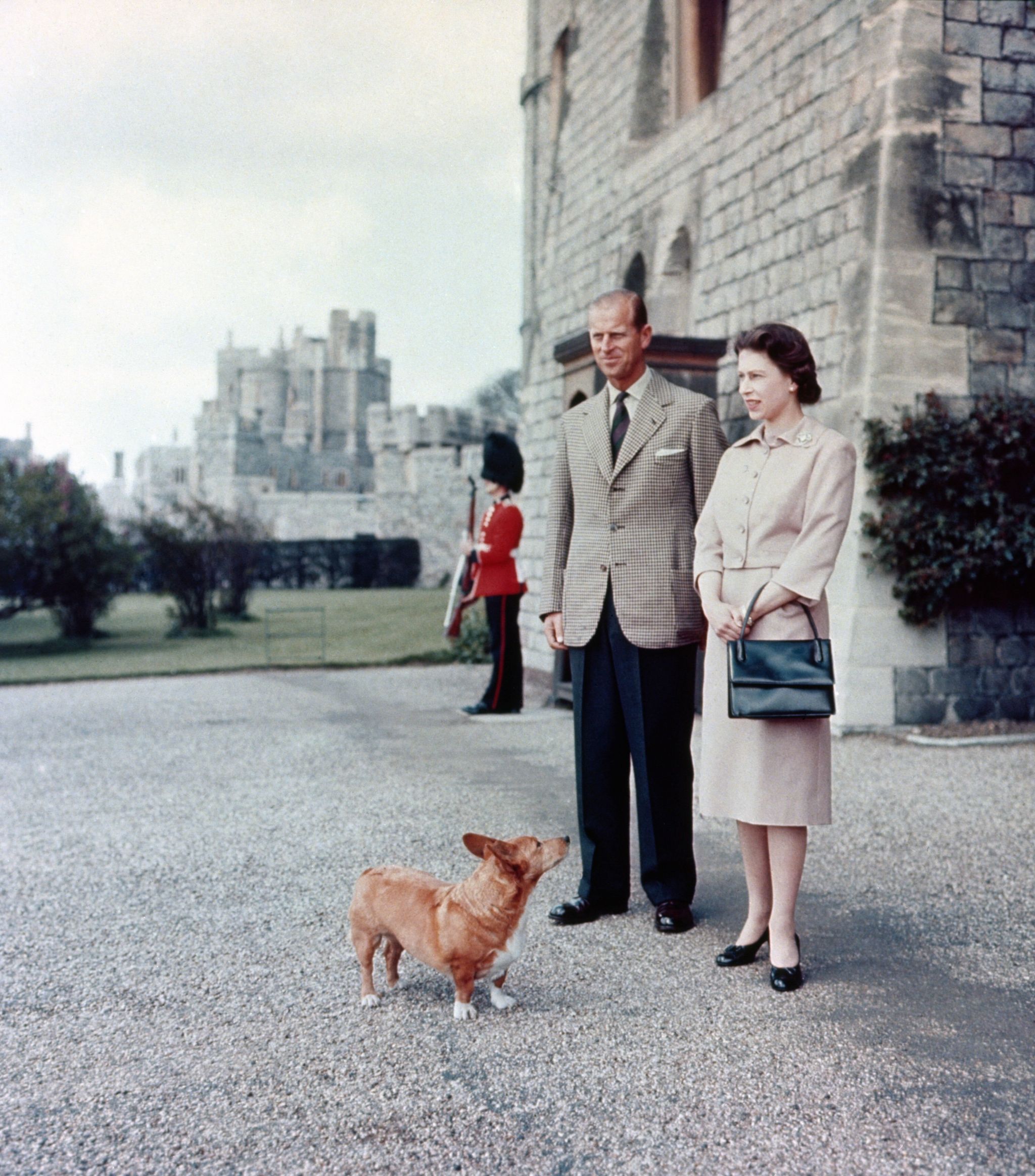
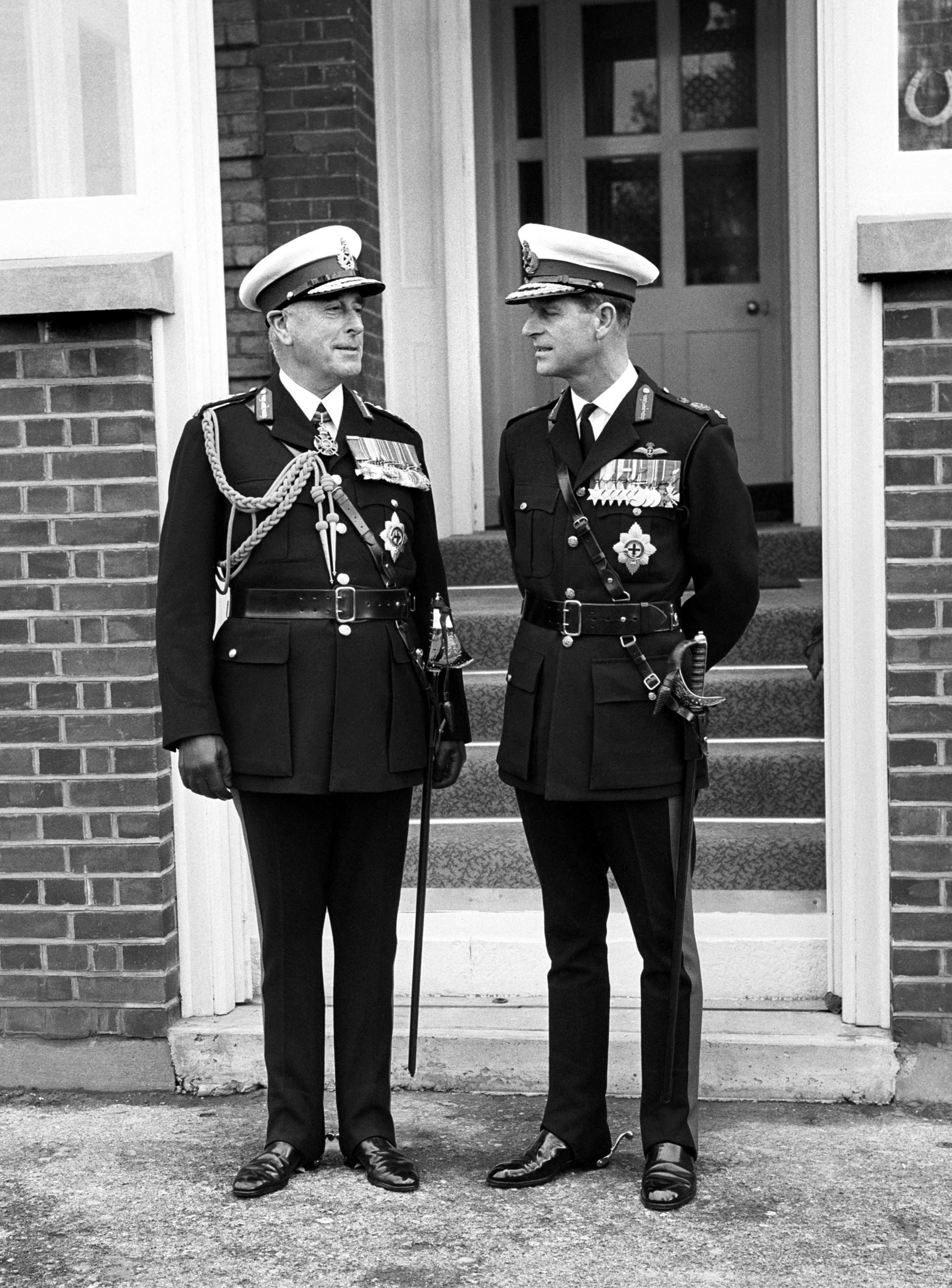
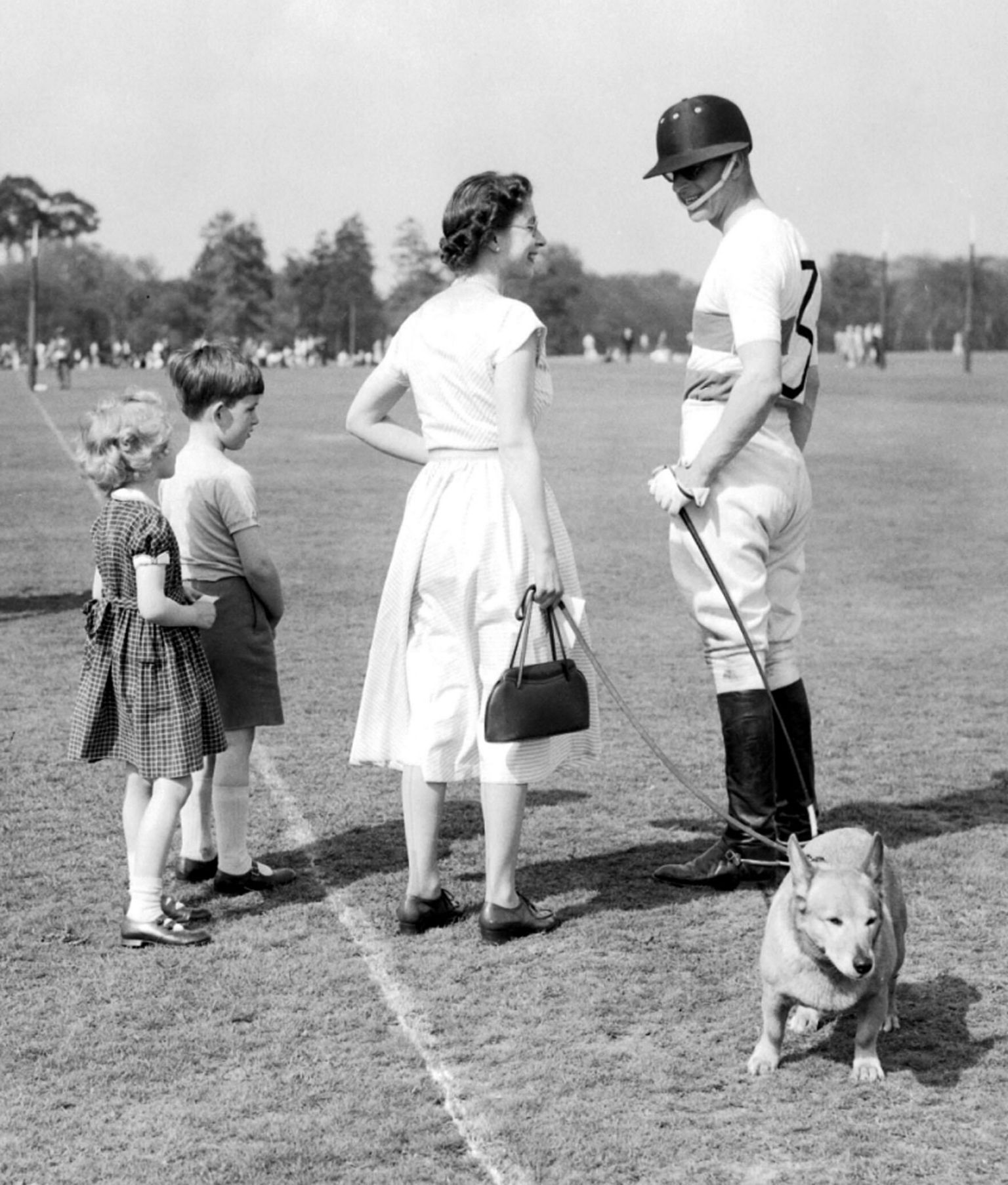
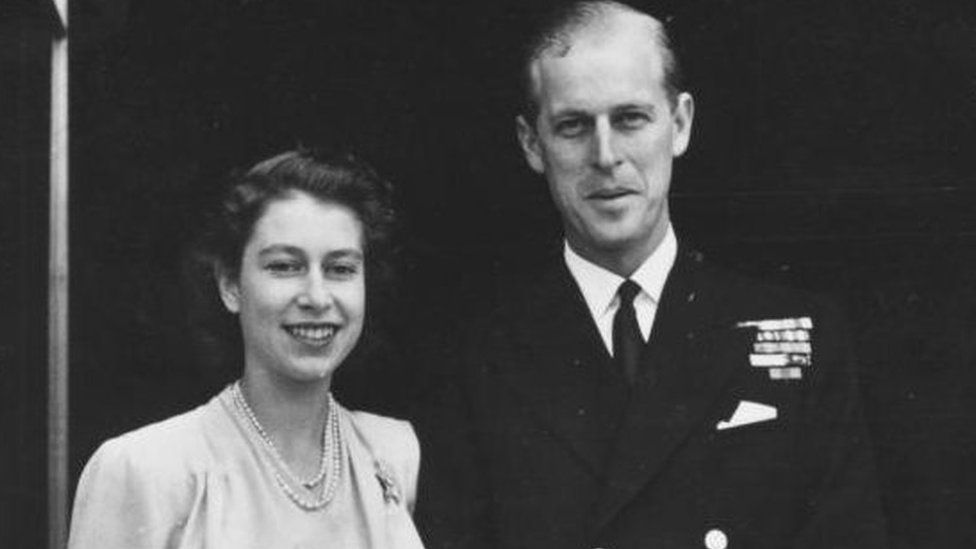
image captionPrince Philip with his uncle, Earl Mountbatten, at the Royal Marines Barracks in 1965image captionThe Queen, with one of the Royal corgis, chats with polo-playing Prince Philip at Windsor Great Parkimage captionTheir engagement was announced in July 1947
Did he know then that this was a collision of two great passions? That he could not have the sea and the beautiful young woman? For a time after their wedding in 1948, he did have both. As young newlyweds in Malta, he had what he so prized – command of a ship – and they had two idyllic years together. But the illness and then early death of King George VI brought it all to an end.
He knew what it meant, the moment he was told. Up in a lodge in Kenya, touring Africa, with Princess Elizabeth in place of the King, Philip was told first of the monarch’s death. He looked, said his equerry Mike Parker, “as if a tonne of bricks had fallen on him”. For some time he sat, slumped in a chair, a newspaper covering his head and chest. His princess had become the Queen. His world had changed irrevocably.
For someone who almost never displayed anything close to self-pity, and rarely spoke of his own emotions, he was by his own standards candid about the loss of his naval calling. “There’s never been ‘if only’,” he said once, “except perhaps that I regret not having been able to continue a career in the navy”. Those who knew the man and his passions are blunter. The former First Sea Lord, Admiral Lord West, says Philip did his duty; but of the end of his time in the navy he says, “I know it was a huge loss to him. I know it.”
That moment, when princess became Queen, revealed another great contradiction of Philip’s life. He was born and brought up in a world almost entirely run by men. He was a rugged, physical man who was brought up and then worked in an entirely male environment. He celebrated masculinity, telling Mike Parker on the birth of his first son Charles, “It takes a man to have a boy.” But literally overnight, and for 65 years to follow, it became his life to support his wife, the Queen.
He would walk behind her. He would give up his job for her. He would apologise if he came into a room after her. At her coronation he knelt before her, his hands enclosed by hers, and swore to be her “liege man of life and limb”. His children would not bear his name, Mountbatten. “I’m nothing but a bloody amoeba,” he exclaimed at that. But there was nothing to be done. She was the Queen. He was her husband.
Prince Philip talked of the upending of circumstance little. “Within the house,” he said of the time before the Queen’s accession, “I suppose I naturally filled the principal position. People used to come and ask me what to do. In 1952 the whole thing changed very, very considerably.”
image captionPrince Philip had hundreds of patronages and projects with a focus on youth, science, the outdoors and sportimage captionPrince Philip helped sustain the monarchy
The transition to life in the Palace was brutal. “Philip,” said his equerry, “was constantly being squashed, snubbed, ticked off, rapped over the knuckles… I felt Philip did not have any friends or helpers.” Philip may not have helped himself; one biographer writes that in the early years Palace staff felt he was “difficult to deal with… prickly… arrogant… defensive”. He was looked upon with suspicion by some in the court, as something of an adventurer, as perhaps a fortune hunter. He had German blood, and this was just after the herculean effort of defeating Nazi Germany.
In response, Philip began what would become a lifetime of near-ceaseless activity; abroad he was at the side of the Queen on the long tours they undertook, sometimes breaking off to pursue interests particular to him – sporting, industrial or research. She nearly always travelled with him as her companion; but he also travelled alone. It was he, not she, that made the farewells to colonial possessions in the 1950s and 1960s.
At home there were patronages and projects, hundreds upon hundreds of them, with a focus on youth, science, the outdoors and sport. He played cricket, squash, polo; he swam, sailed, rowed and rode horses and carriage drove. He learnt to fly, and developed his own photographs.
Within the Palace he was a moderniser, striding the corridors, rootling around the cellars, trying to find out what everyone did. He took over the management of the estate at Sandringham and over the years significantly redeveloped it.
“He believes he has a creative mission,” wrote an early biographer, “to present the monarchy as a dynamic, involved and responsive institution that will address itself to some of the problems of contemporary British society.”
He was young and very good looking; he smiled and joked and was at ease in front of the cameras. When he visited a boys’ club in London in the late 1950s, a photo shows him with a broad smile on his face, looking crisp in a double-breasted pinstripe suit, his hair slicked back with brilliantine, surrounded by the upturned faces of boys and their mothers all shoving and trying to get close to him. There is more than a whiff of Beatlemania to the moment.
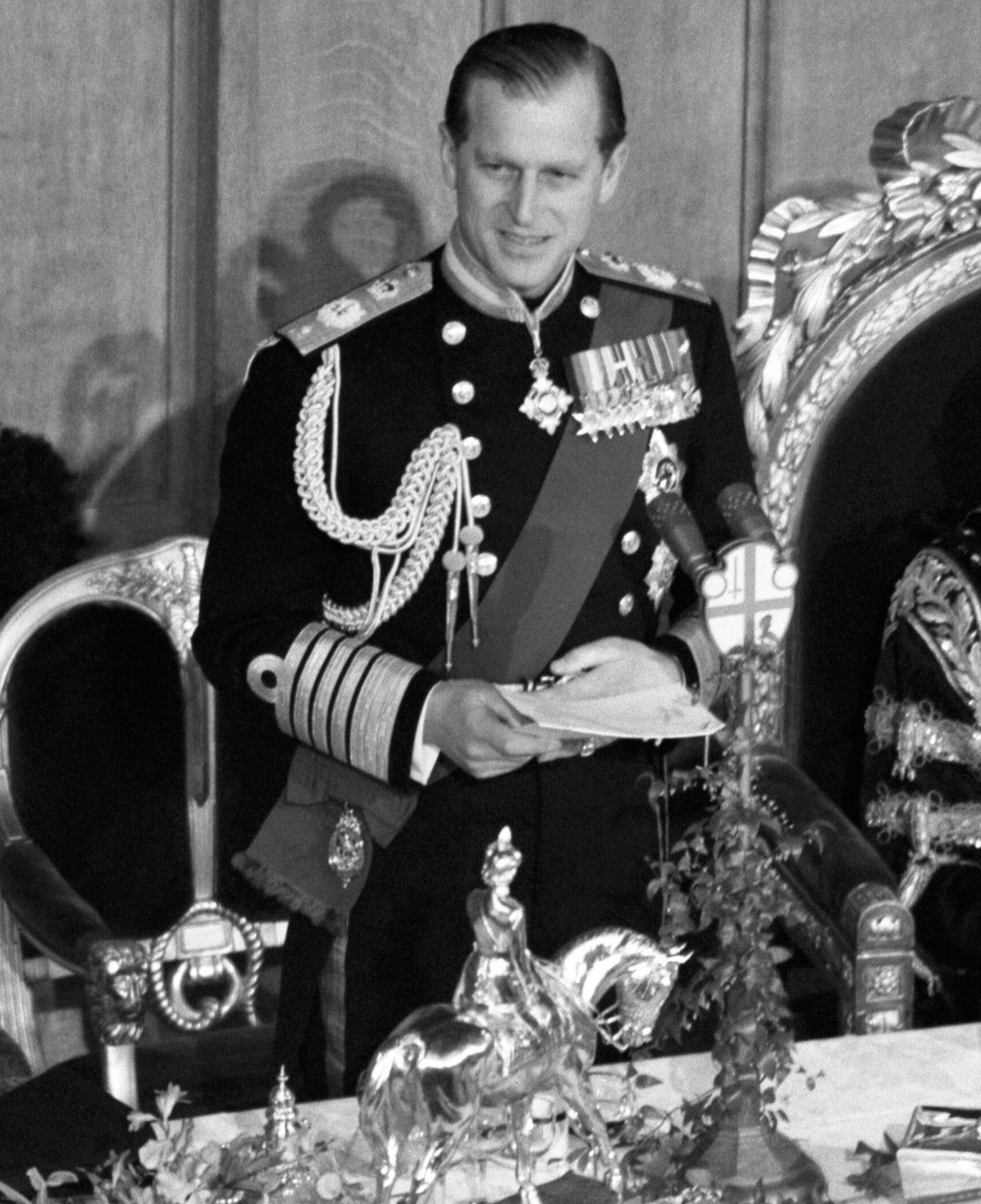
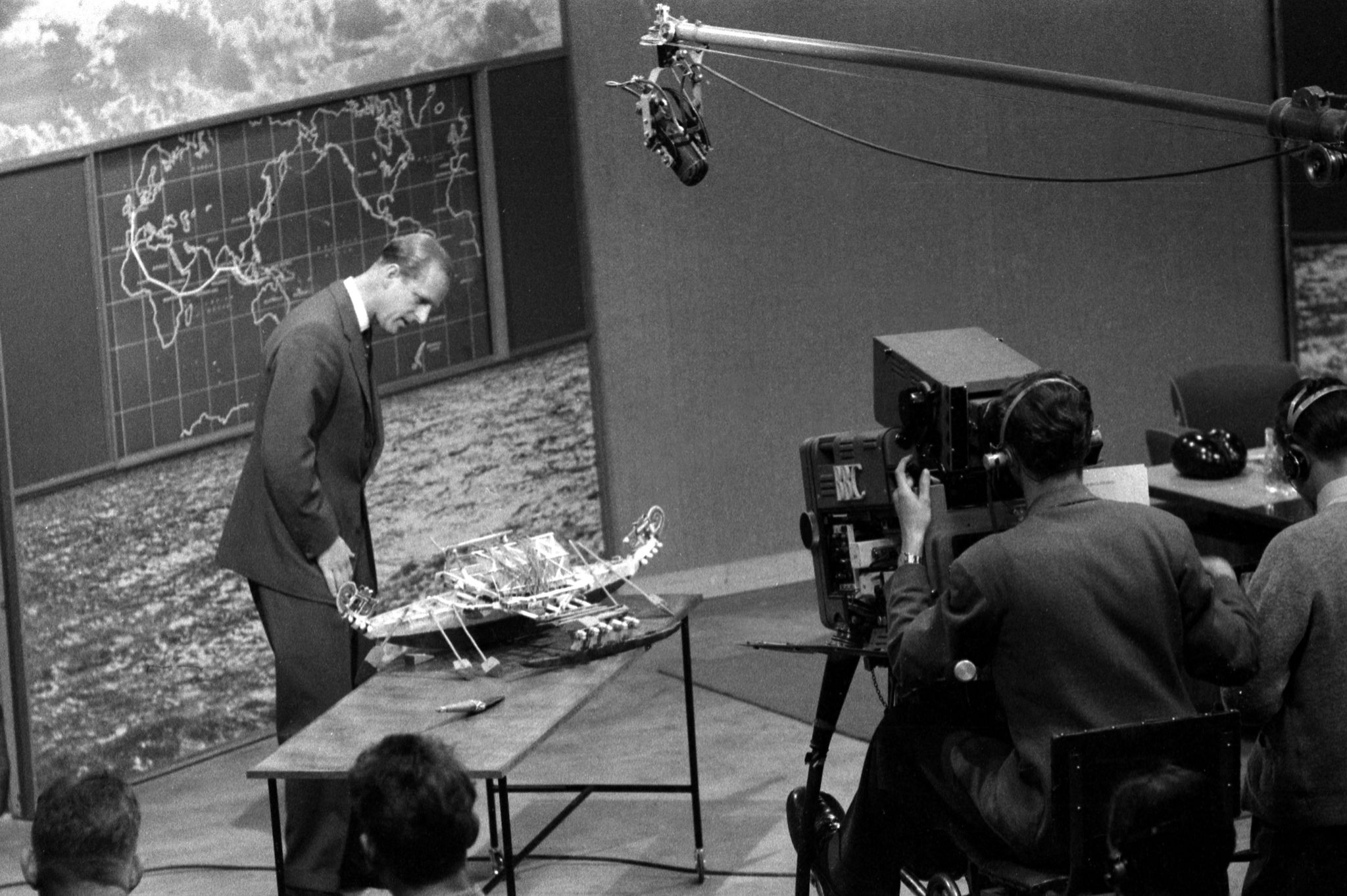
In his study on the first floor of Buckingham Palace, overlooking the gardens and Green Park, surrounded by thousands of books, with a model of his first command HMS Magpie to one side, he would research and write and type out his speeches. (In 1986 he would buy, always the moderniser, what he called a “splendid gadget” that he called “a miniature word processor”.) He gave between 60 and 80 speeches every year, decade after decade, on topics that reflected his vast range of interests.
Out of the speeches comes a picture of the man. For someone who sat through so much of it, he was clearly impatient with ceremony. “A lot of time and energy,” he told students and staff at the Chesterfield College of Technology, “has been spent on arranging for you to listen to me to take a long time to declare open a building which everyone knows is open already.”
Reflecting his dizzying range of interests, there was sometimes a touch of the gentleman-farmer to his thoughts – well-organised arguments that don’t really go anywhere, a lot of anecdotal evidence (“it seems to me…”) garnered from his extensive travels.
Despite modernising instincts, he was a conservative, somewhat suspicious of the machinations of the big city. He spoke of “urban dwellers” and of the “average citizen” dumping rubbish from their car. He preferred practical solutions to highfalutin theory – “The enterprise is doomed,” he told the Commonwealth Conference on Industrial Relations, “if it is allowed to enter the rarefied atmosphere of theory.”
He was an environmentalist before anyone really knew what that was. He warned of the “greedy and senseless exploitation of nature.” And in 1982 he brought up a topic that now grips us, but back then was almost never spoken of, “a hotly-debated issue directly attributable to the development of industry… the build-up of carbon dioxide in the atmosphere,” which he referred to as the “greenhouse effect”.
image captionHis relationship with his eldest son improved in later years
And he constantly did himself down, shrugging as to why anyone should want to hear him speak: “I have very little experience of self-government,” he told one audience, “I am one of the most governed people you could meet….” His example of irrational behaviour? – “making and listening to speeches on important occasions”. Or speaking before the Brussels Expo in 1958 – “I feel I can claim to be an expert at going round exhibitions.” He knew most speeches were a dull formality that had to be got through – and he was happy to let his audience have a laugh at his expense.
It is another contradiction in a life of them; that someone who cared so much about how we live our lives, about how to pursue a good and moral life, about how government and society might try to channel our instincts, should end up being popularly portrayed as a saloon-bar bore, his retirement from public life in 2017 accompanied by lists of his “gaffes”, off-colour comments and salty jokes.
That he could be rude, startlingly so at times, there is no doubt. Part of it was impatience, that dynamo whirring away, the desire to get things done double-quick. Part of it may have been deafness, inherited from his almost wholly deaf mother. But part of it was just plain bad manners, a disregard for what others felt and a thoughtlessness that came from position and temperament.
There was for a long time a fair amount of barking and shouting at those who failed to please him, and not a lot of thanking those that did.
Looking back down the decades, two great contrasts stand out. The first, that between a life led in the public eye, and a really quite private man. The boy shuttling between guardians and schools and countries quickly learnt to seal off his private side from public view. Inside the Palace it became his world view. Most of his biographers’ personal queries were met with a shrug, as if to say “I don’t know why you are bothering”. He once said of his son Charles: “He is a romantic, I am a pragmatist. And because I don’t see things as a romantic would, I’m [perceived as] unfeeling.” There can be little doubt that he was stung by the accusation. But his inner thoughts were not for public consumption.
And the second great, related, contrast is that between the near unceasing whirl of his public life, and a degree of solitude in his private. Of course there was family, though all his sisters pre-deceased him. But few, if any, great friendships are recorded, a corollary of his private nature and the pattern of his many decades. “Life,” wrote one biographer, “hasn’t enabled him to build up friendships. He is going round the world at such a lick.” And royalty is its own curious cage, repelling outsiders. “What the royal family offers you is friendliness,” said the late James Callaghan, prime minister in the 1970s, “not friendship.”
Major General Charles Stickland of the Royal Marines, of which for 64 years Philip was Captain General, tells of when the duke flew into an exercise in Norway. He was supposed to say a quick hello to the enlisted men and then have lunch with the commanding officer. Instead he “asked two of the corporals to spoon food into his mess tin, sat on a Bergan [rucksack], told stories and chatted away with my troops when he was supposed to be having a posh lunch and then got back on the helicopter, having inspired a group of young men as to why it was great to be a Royal Marine”.
It was vintage Philip; no ceremony, hierarchy pushed to one side, the big group over the more intimate gathering.
Because of his desire for privacy, because of his position, and because nearly all who knew him best have gone, our understanding of him will always be incomplete. But that’s also because of what kind of person he was, because of the contradictions and contrasts that emerged over the decades. “A mercurial man like His Royal Highness,” said the artist and architect Sir Hugh Casson, “needs a loose fit portrait.”
He was asked once what his life had been about (the sort of question that normally received an incredulous snort). Had it been about supporting the Queen? “Absolutely, absolutely,” he replied. He didn’t see himself as a leader, though lead he could. And his own achievements he consistently played down. Accepting the Freedom of the City of London in 1948, he spoke for himself and for what he called other “followers”, with trademark modesty. “Our only distinction,” he said, “was that we did what we were told to do, to the very best of our ability, and kept on doing it.”
The Duke of Edinburgh, arguably the world’s most famous husband, has died at the age of 99.
He spent seven decades in the shadow of his wife, the UK’s Queen Elizabeth II – but his force of personality meant he would never be simply a professional spouse.
So who was the man beside the monarch, and how did he come to marry the Queen?
A husband but never a king
First things first: The Duke, also known as Prince Philip, was never in line for the throne – which his eldest son stands to inherit – and never held the title of king.
That’s because in the UK, a woman who marries the monarch can use the ceremonial title of queen – but men who marry the monarch can’t use the title king, which can only be used by male sovereigns.
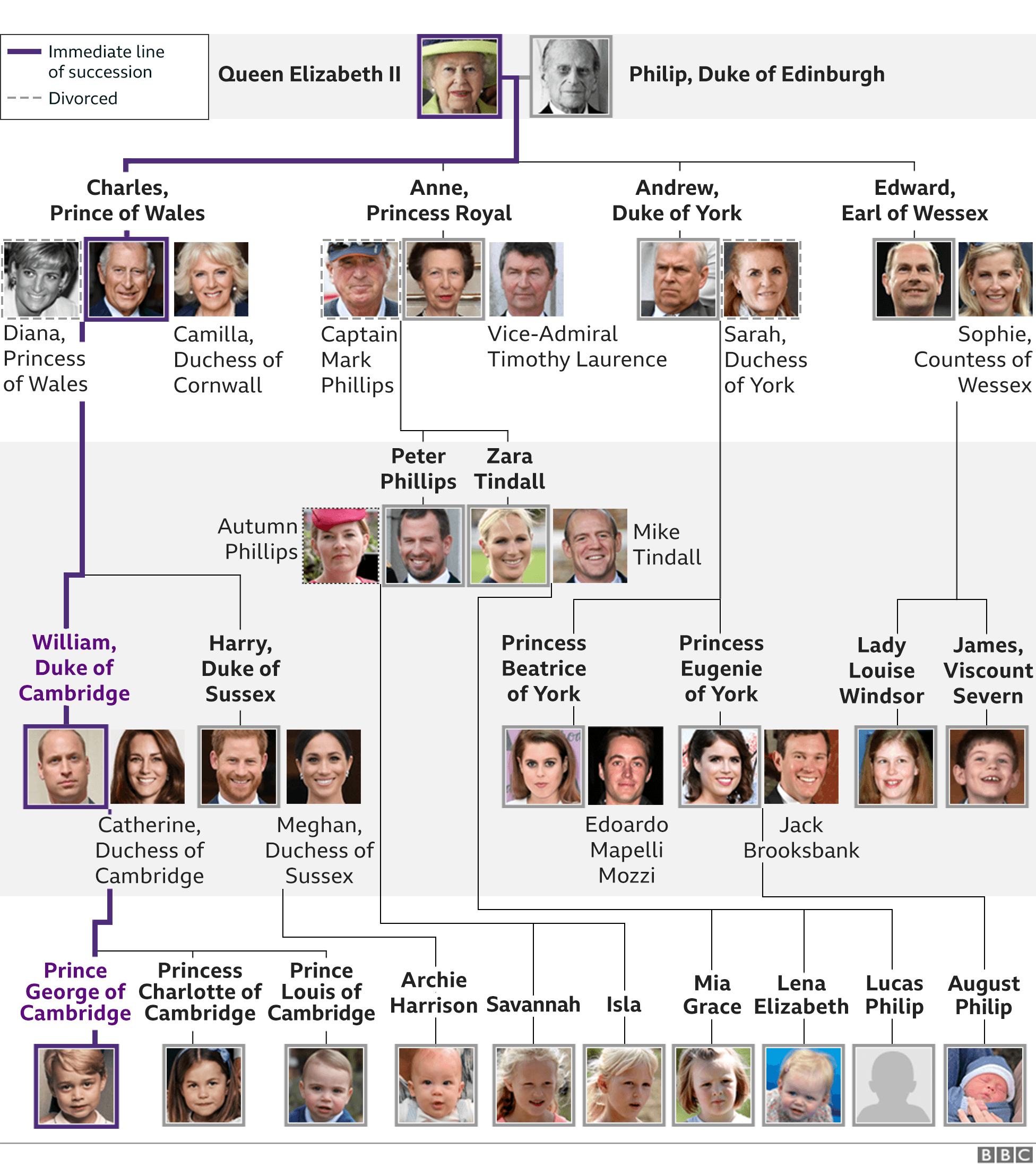
The Queen and Prince Philip had four children together: Prince Charles, 72, Princess Anne, 70, Prince Andrew, 61, and 57-year-old Prince Edward.
As they tell it, Philip often exerted his will when they were young.
Royal biographer Ingrid Seward quotes Prince Andrew as saying of his childhood: “Compassion comes from the Queen. And the duty and discipline comes from him.”
But Andrew also remembered how his father made time to invent bedtime tales, or listen to his children read Rudyard Kipling’s Just So Stories.
Prince Philip lived long enough to see his eight grandchildren grow up, and to welcome 10 great-grandchildren.
Curiously, Philip’s journey to Buckingham Palace began back in 1922, in a crib made from an orange box.
He was born on 10 June 1921 on the Greek island of Corfu, the youngest child and only son of Prince Andrew of Greece and Princess Alice of Battenberg.
That heritage made him a prince of Greece and Denmark, but the following year the family was banished from Greece after a coup.
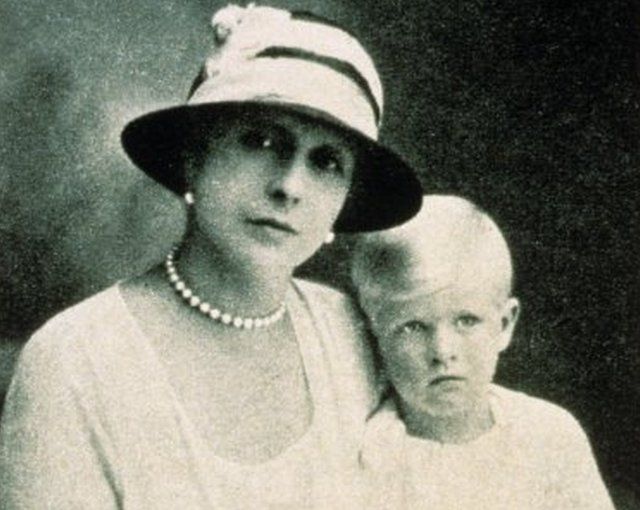
image captionPrincess Alice and the young Prince Philip, after being exiled from Greece
A British warship carried them to safety in Italy, with baby Philip dozing in a makeshift fruit crate cot.
What was his upbringing like?
Philip’s childhood was fragmented, and darkened by a series of losses.
In 1930, when he was eight years old, his mother was committed to a secure psychiatric centre after suffering a nervous breakdown.
Philip saw little of either parent in the years that followed. His father retreated to the French Riviera with a mistress, and his mother’s relatives in the UK helped raise him. He would later adopt their surname, Mountbatten – an anglicised form of the family name Battenberg.
A Scottish boarding school, Gordonstoun, passed for home during his teens. Its founder and headmaster was Jewish educational pioneer Kurt Hahn, who had been forced out of Germany for condemning the Nazis.
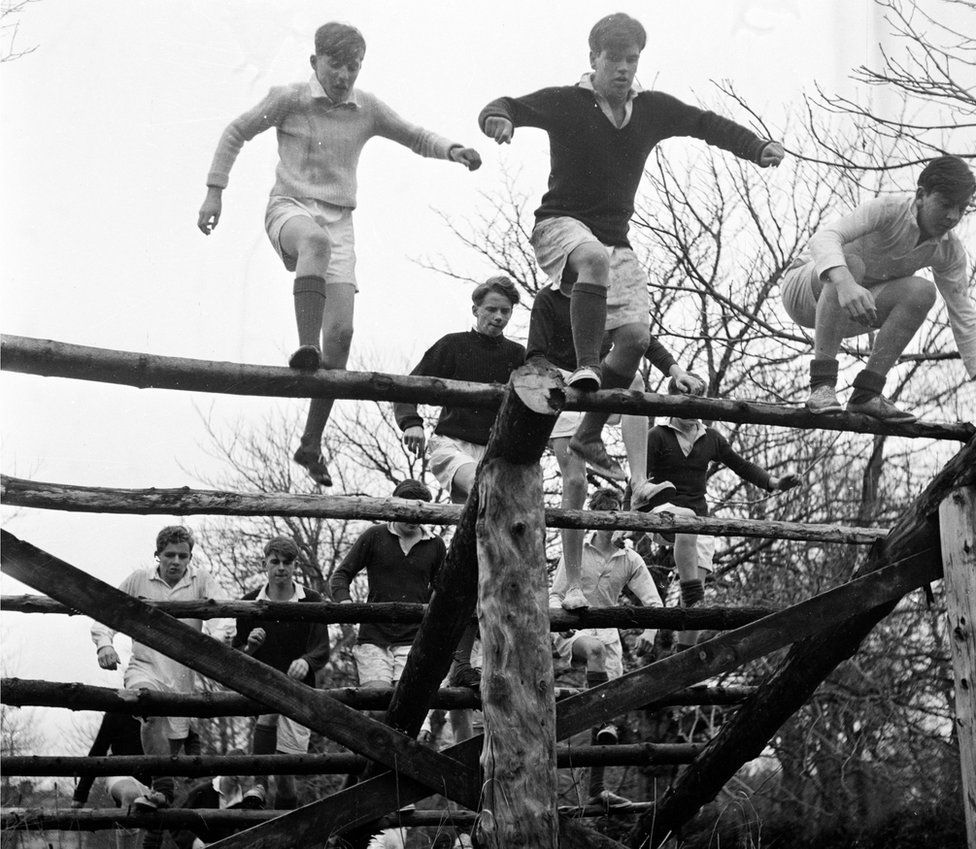
The school gave Philip structure, and nurtured his self-reliance. Its somewhat Spartan regime saw pupils rise early for a freezing shower and cross-country running, which Hahn believed would combat the “poisonous passions” of adolescence.
image captionPupils at Gordonstoun School tackle an obstacle courseimage captionAt Gordonstoun, boys were put through a rigorous exercise programme alongside their academic studies
In 1937, one of Philip’s four sisters, Cecilie, died in an air crash along with her German husband, mother-in-law, and two young sons. She was heavily pregnant at the time.
Cecilie had recently joined the Nazi party, which had near-totalitarian control of Germany. Grieving Philip, aged 16, walked through the streets of Darmstadt behind his sister’s coffin, past crowds giving “Heil Hitler” salutes.
“It’s simply what happened,” Prince Philip later said of that time. “The family broke up. My mother was ill, my sisters were married, my father was in the south of France. I just had to get on with it. You do. One does.”
How did Philip court the Queen?
When Philip left school, Britain was on the verge of war with Germany. He joined the Britannia Royal Naval College in Dartmouth (the UK’s naval academy), where he proved a brilliant cadet and graduated top of his class.
When King George VI paid an official visit in July 1939, Philip was charged with entertaining his young daughters, Princesses Elizabeth and Margaret.
Their governess, Marion Crawford (employed as a guardian for the princesses), recalled later that Philip had “showed off a great deal”. He made quite an impression on the 13-year-old Elizabeth, as would soon become clear.
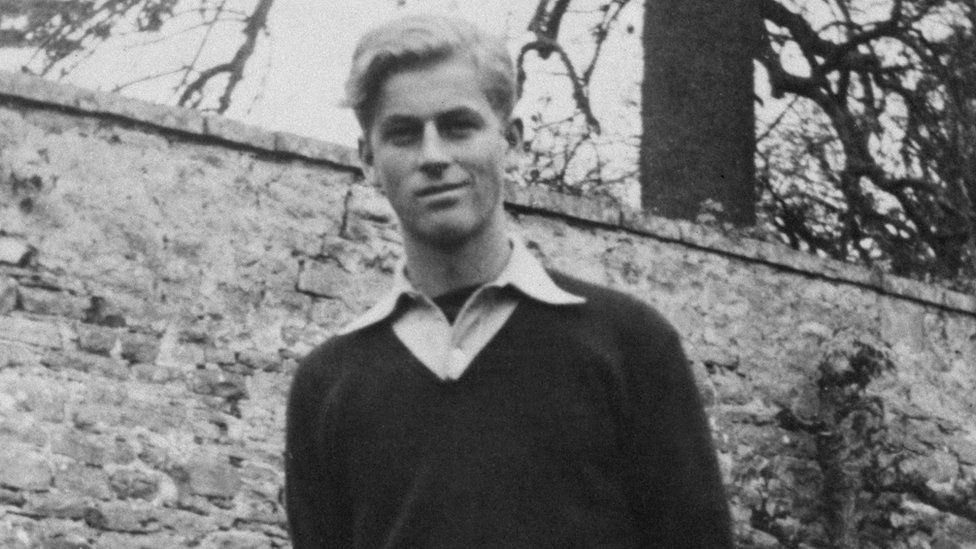
image captionA rare picture of Prince Philip at Gordonstoun, shortly before he met Princess Elizabeth
Prince Philip served with distinction in World War Two, seeing military action for the first time in the Indian Ocean. By October 1942, he was 21 years old – and one of the Royal Navy’s youngest first lieutenants.
The teenaged princess and the officer kept in touch by letter. Over Christmas 1943, after Philip had been to stay with the Royal Family, a photograph of him in naval uniform appeared on her dressing room table. It was a decisive gesture from a reserved but determined young woman.
Some aides were sceptical. A famous sneer (since attributed to more than one official) claimed the prince was “rough, ill-mannered, uneducated and would probably not be faithful”.
But naysayers could do nothing to deter the future Queen.
According to biographer Philip Eade, Philip’s letters from 1946 reveal an ardent young man with a new sense of purpose.
He wrote to his soon-to-be mother-in-law: “I am sure I do not deserve all the good things that have happened to me. To have been spared in the war and seen victory, to have been given the chance to rest and to re-adjust myself, to have fallen in love completely and unreservedly, makes all one’s personal and even the world’s troubles seem small and petty.”
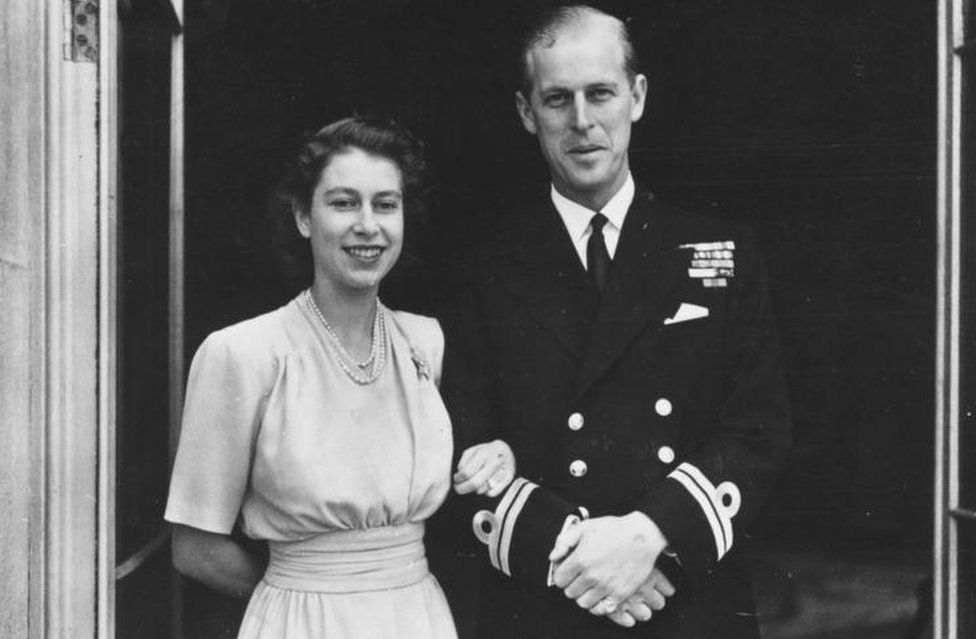
image captionPrincess Elizabeth and her husband-to-be outside Buckingham Palace in 1947, after announcing their engagement
King George gave Philip permission to marry his daughter. But first there were some tweaks to make.
The erstwhile Prince of Greece and Denmark became a naturalised British subject, formally joined the Church of England and abandoned his foreign titles.
On his wedding day, 20 November 1947, he was made Duke of Edinburgh, a name he was widely known by for the rest of his life. He was 26, and his new wife 21.
The royal couple would have just over four years (and two children) together before duty came knocking.
The fateful news reached them at a game lodge in Kenya, during their 1952 tour of the Commonwealth. King George VI, Elizabeth’s father, was dead at 56.
Commander Michael Parker, the Duke of Edinburgh’s friend and private secretary, described the moment he realised his wife was now Queen.
“He looked as if you’d dropped half the world on him. I have never felt so sorry for anyone in all my life. He just breathed heavily, in and out, as though he were in shock. He saw immediately that the idyll of their life together had come to an end.”
Philip’s naval ambitions were curbed. The new Queen Elizabeth would need her husband by her side.
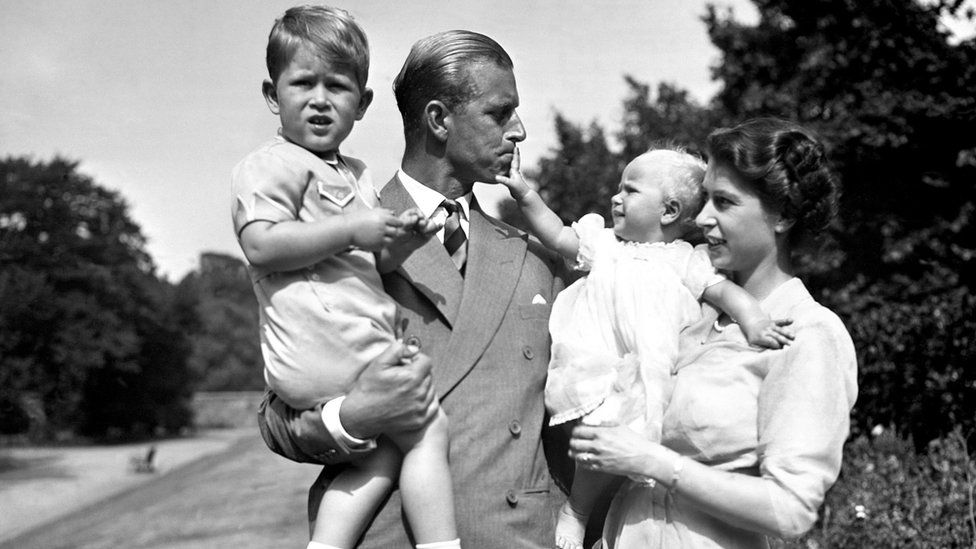
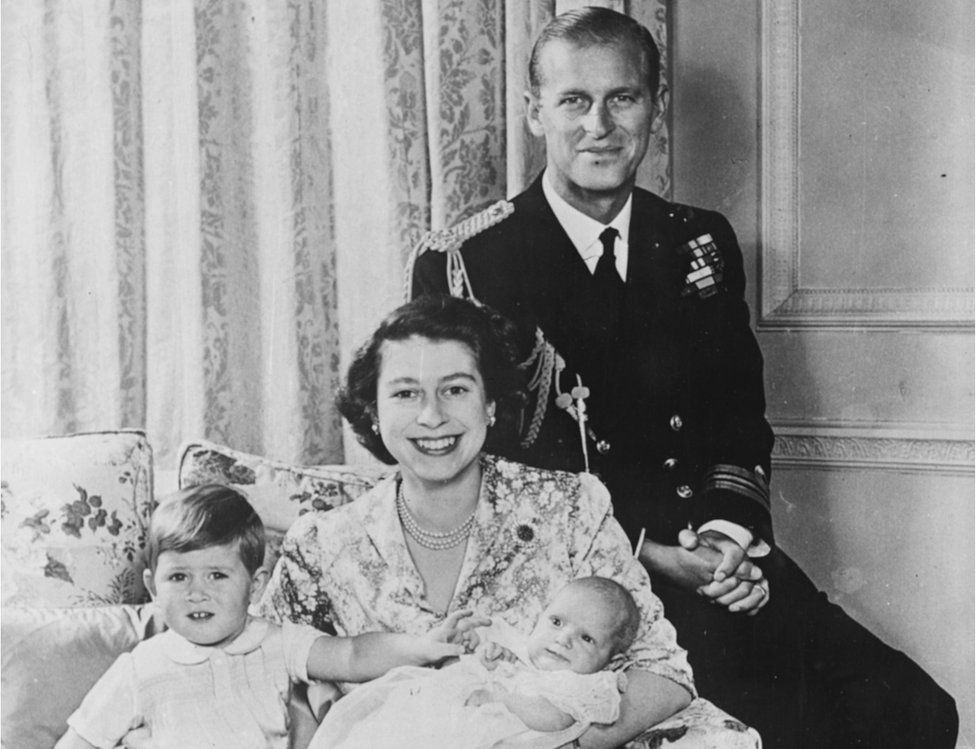
image captionPrincess Elizabeth and Prince Philip with their baby daughter Princess Anne and son Prince Charles, in 1950
The Duke of Edinburgh was named as the Queen’s consort. His primary function was to support his wife.
A long-running row broke out in the early 1950s when Philip wanted the Royal Family to take his surname, Mountbatten.
“I am the only man in the country not allowed to give his name to his children!” he fumed when the Queen was persuaded to keep Windsor. “I’m nothing but a bloody amoeba!”
Philip struggled to find purpose in the limited role set out for him. But as a natural pragmatist, he was determined to blow fresh air through the stuffier corridors of Buckingham Palace.
How did Philip change the monarchy?
The Duke never forgot his family’s forced exodus from Greece, and believed monarchies must adapt to survive.
He set up informal lunches where the Queen could meet people from a broader range of backgrounds. The footmen – palace servants with a traditional uniform – stopped powdering their hair. And when he learned the palace was running a second kitchen exclusively to feed the royals, he had one shut down.
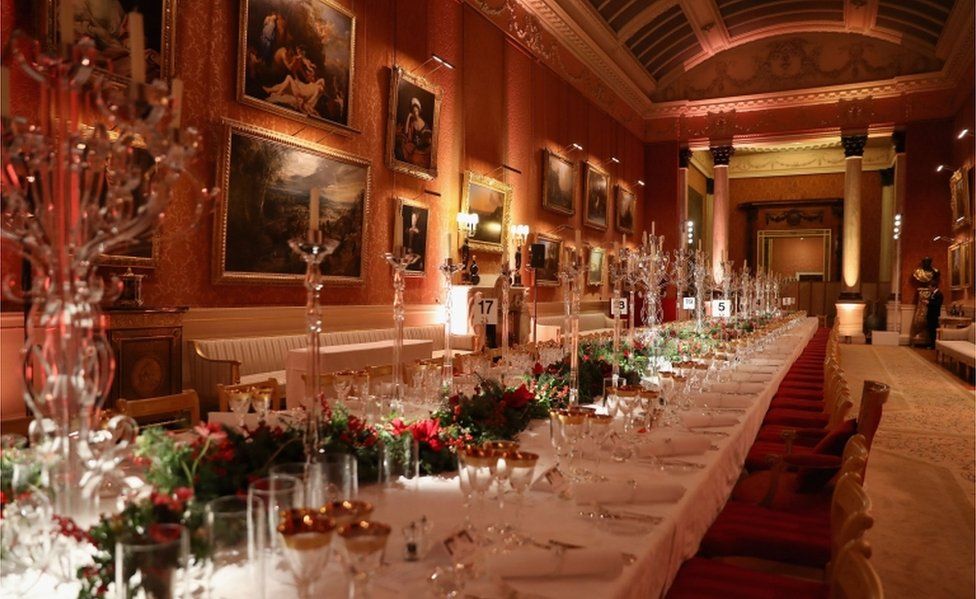
image captionA table prepared for dinner at Buckingham Palace
Some changes were more personal, and reflected his childlike love of gadgets. Before the Coronation, when Philip and the future Queen moved into Clarence House in 1949, he happily installed an array of labour-saving devices, including one in his wardrobe that would eject a suit at the push of a button.
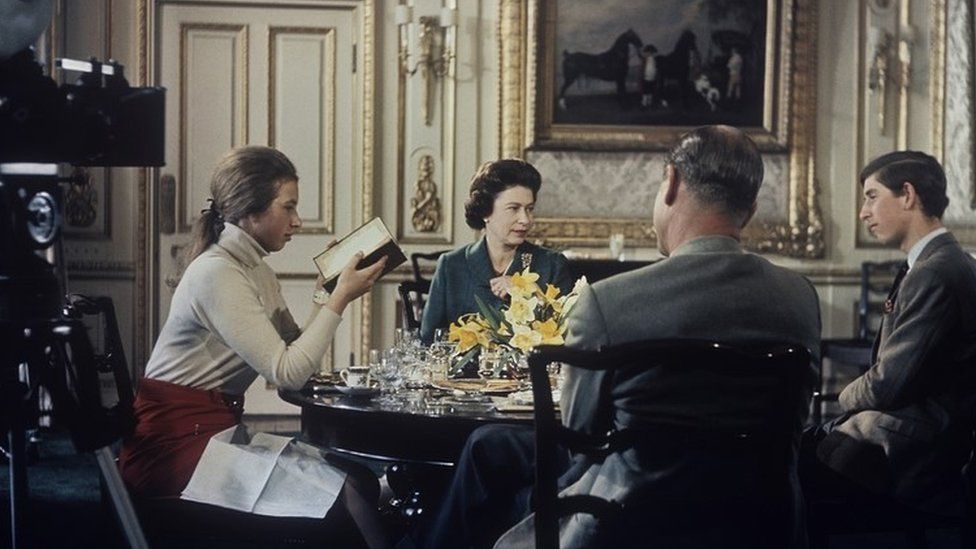
The Duke also championed a 90-minute fly-on-the-wall BBC documentary entitled Royal Family, which aired in 1969 and was considered landmark television.
It featured the Queen feeding carrots to her Trooping the Colour horse, watching TV and discussing salad at a Balmoral barbecue while Princess Anne cooked sausages.
At Buckingham Palace, Philip had intercoms put in so that servants no longer had to ferry written messages to his wife. He carried his own luggage, and cooked his own breakfast in his rooms with an electric frying pan – until the Queen objected to the smell.
image captionPrince Philip was heavily involved with the ground-breaking documentary Royal Family
Accompanying the globetrotting Queen on Commonwealth tours and state visits, he visited 143 countries in an official capacity, making use of his fluent French and German.
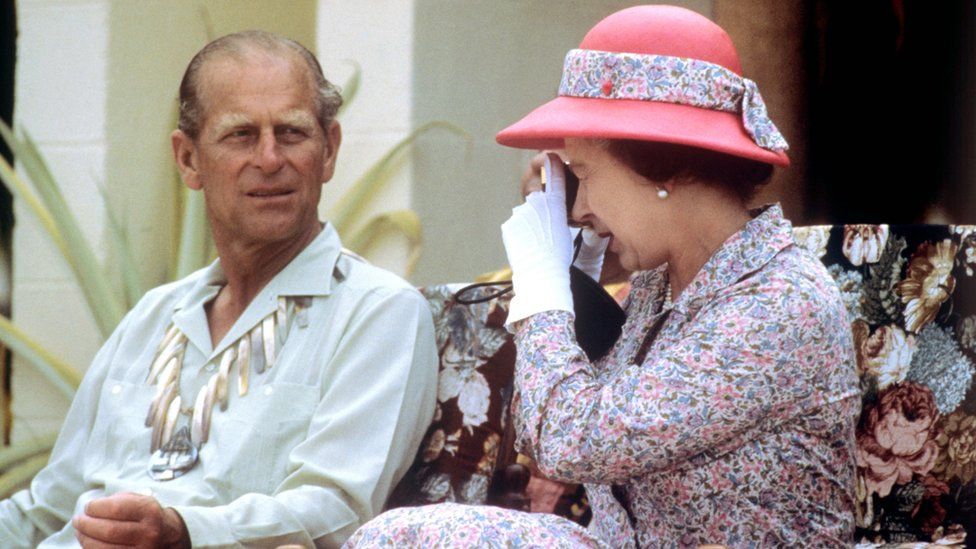
The countries included Vanuatu, a South Pacific island nation, where he is revered by one rainforest community as the reincarnation of an ancient warrior.
image captionOn Tanna island in Vanuatu, some islanders view Prince Philip as a sacred figure
But one of his most enduring legacies is the Duke of Edinburgh’s Award, founded in 1956 at the urging of his former headmaster, Kurt Hahn.
Participants aged 14-25 can gain awards by doing volunteer work, learning physical activities and skills, and undertaking an expedition like a mountain trek or a sailing trip. In 2016, almost 1.3 million young people were taking part in the scheme in more than 130 countries and territories worldwide.
“If you can get young people to succeed in any area of activity,” its founder told the BBC, “that sensation of success will spread over into a lot of others.”
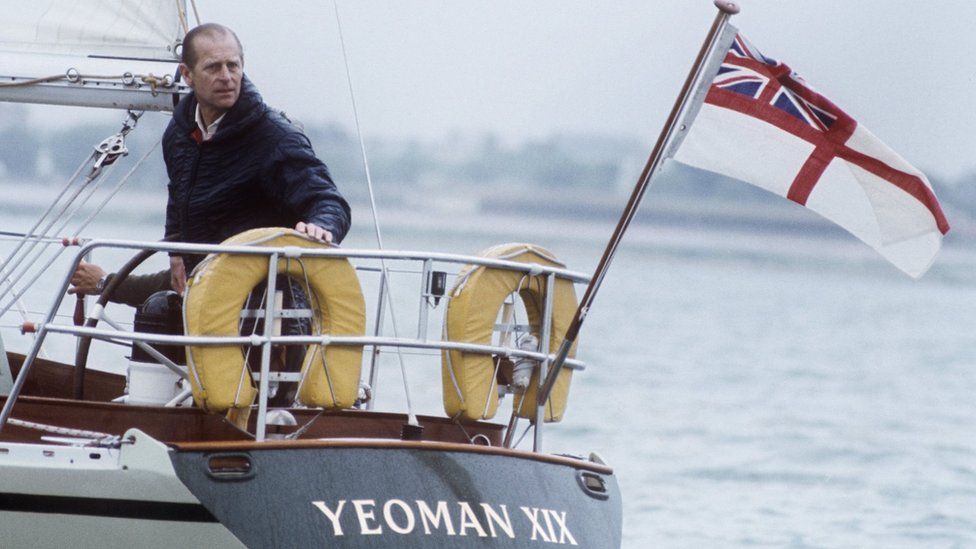
In his spare time, Philip was a talented sportsman. He learned to sail at Gordonstoun, and became a regular competitor in the regatta at Cowes, on the Isle of Wight, where sailing races are held each summer.
He loved equine sports, including carriage driving, and was among the UK’s top four polo players in the mid-1960s.
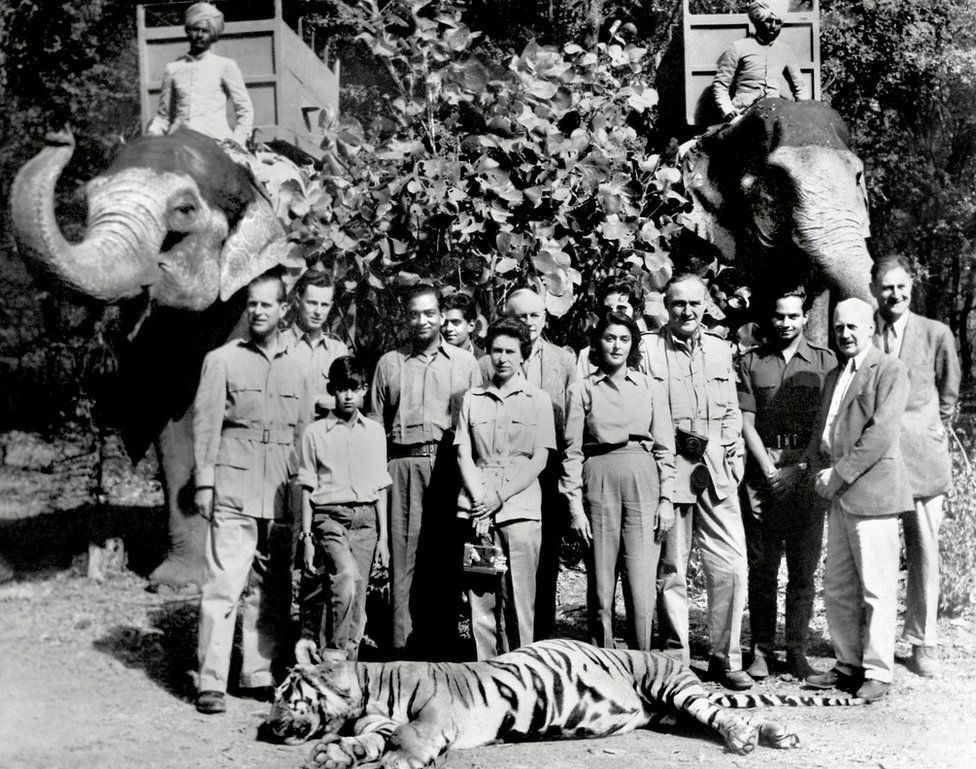
He was also a committed environmental campaigner and wildlife advocate, becoming president of the World Wildlife Fund (UK) in 1961 – though he faced criticism when a picture emerged of him on a tiger shoot with the Queen in India the same year.
image captionThe Queen (C), between the Maharaja and Maharani of Jaipur, India, and Prince Philip (L) pose with the tiger he killed in 1961
In his own words, and the Queen’s…
Asked to sum up his contribution to British life, Prince Philip responded with typical frankness: “I’ve just done what I think is my best. Some people think it’s all right. Some don’t. What can you do? I can’t change my way of doing things. It’s part of my style. It’s just too bad, they’ll have to lump it.”
The prince drew repeated controversy by making outspoken or racially insensitive comments, including in 1986 when he told a group of British students in China: “If you stay here much longer you’ll all be slitty-eyed.”
Critics deemed him gaffe-prone and out of touch. His defenders saw the prince as a product of his times who was trying to share a joke.
Insiders said laughter was the glue that kept the forthright Prince Philip and the Queen together. He himself suggested it was her tolerance.
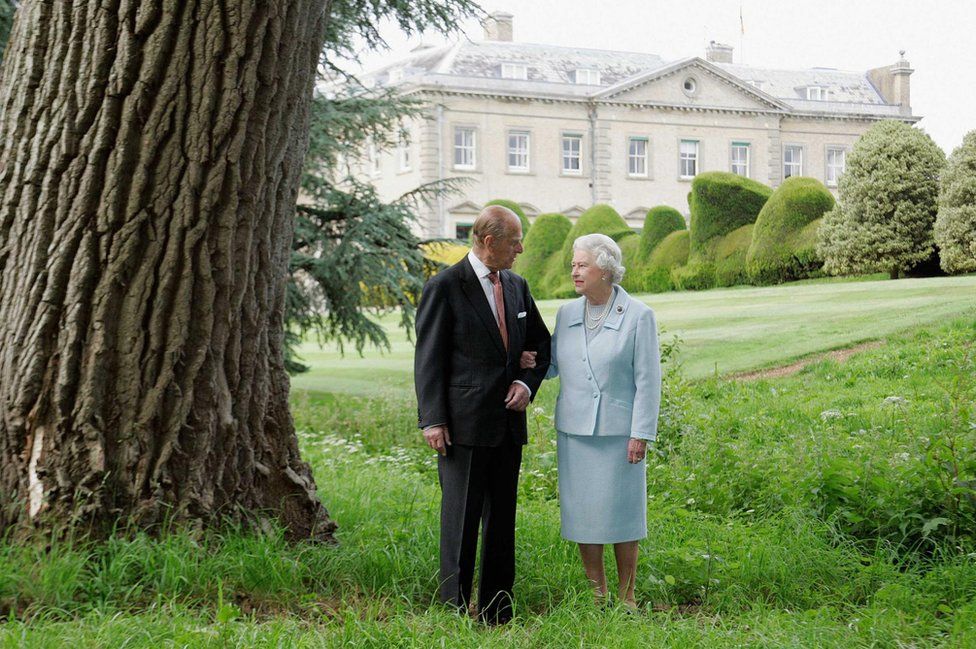
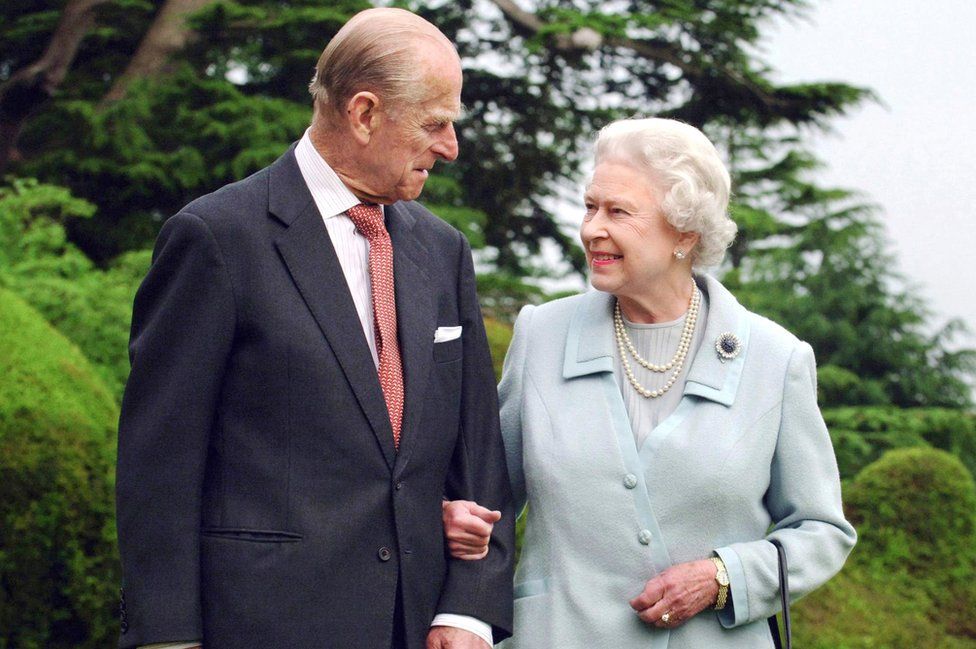
image captionQueen Elizabeth II and Prince Philip, pictured in 2007, spent seven decades together
The Queen’s once-favoured speech-opener, “my husband and I…”, was mocked in the 1960s and afterwards by satirists who called it archaic and stilted. She retired the phrasing, but the sentiment remained.
Her Majesty, now simply “I”, summed up Prince Philip in a heartfelt speech for their Golden Wedding anniversary.
“All too often, I fear, Prince Philip has had to listen to me speaking. Frequently we have discussed my intended speech beforehand and, as you will imagine, his views have been expressed in a forthright manner.
“He is someone who doesn’t take easily to compliments but he has, quite simply, been my strength and stay all these years, and I, and his whole family, and this and many other countries, owe him a debt greater than he would ever claim, or we shall ever know.”