Tag: Project

  • Accra streets left in darkness despite 15m spent on lighting – Report

    Accra streets left in darkness despite 15m spent on lighting – Report

    The Millennium Development Authority (MiDA) allocated $15.8 million to the Streetlighting Replacement Project, aiming to illuminate Accra’s roads, highways, and streets between 2020 and 2021, according to The Fourth Estate.

    However, despite this significant investment, large portions of the national capital remain poorly lit at night, creating dangerous conditions for both motorists and pedestrians.

    MiDA, in response to a Right to Information request from The Fourth Estate, explained that the project was aimed at covering 523.46 kilometers across 20 metropolitan, municipal, and district assemblies (MMDAs) in the Greater Accra region.

    MiDA’s response indicated that “The Project involved the replacement of High Pressure Sodium and Mercury lamps with highly efficient LED on selected Streets in Accra, thereby reducing energy consumption on the Electricity Company of Ghana’s (ECG) network and also improving illumination on the selected Streets.” It added that “in all,14,969 luminaires were installed”.

    Tetteh Quarshie Roundabout

    The Ministry of Energy in 2022, allocated just over GHS3.3 million from Ghana’s oil revenue to Prefos Limited, an electrical company, for the installation of streetlighting infrastructure including light poles, cables, and fixtures—on the Accra-Tema Motorway, as detailed in the 2022 Public Interest and Accountability Committee annual report.

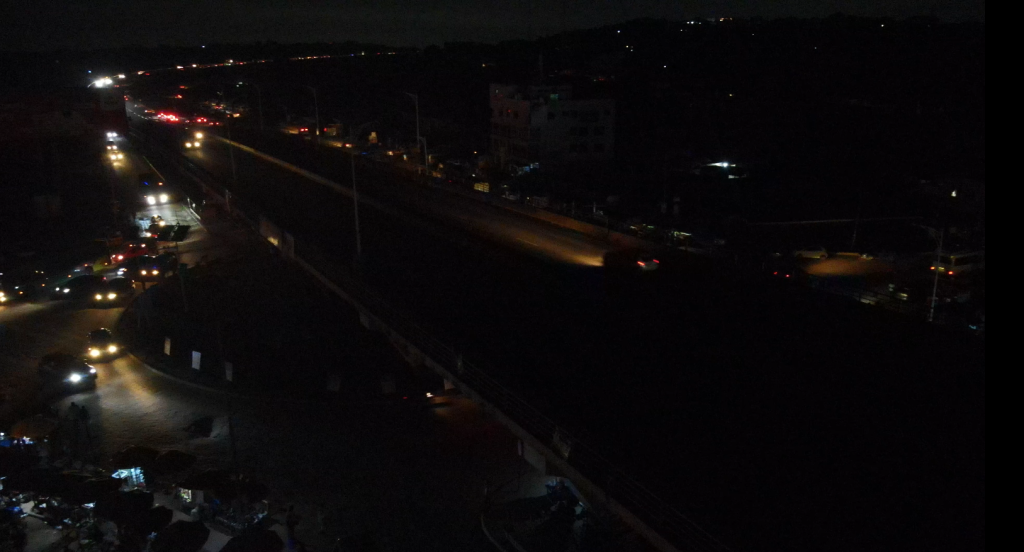
    However, anyone driving on the motorway at night can attest to the persistent darkness caused by the lack of streetlights.

    To assess the situation, The Fourth Estate visited several major roads and streets in 13 MMDAs, where MiDA had implemented its Streetlighting Replacement Project, over the course of three nights from October 27 to 29, 2023 and 2024.
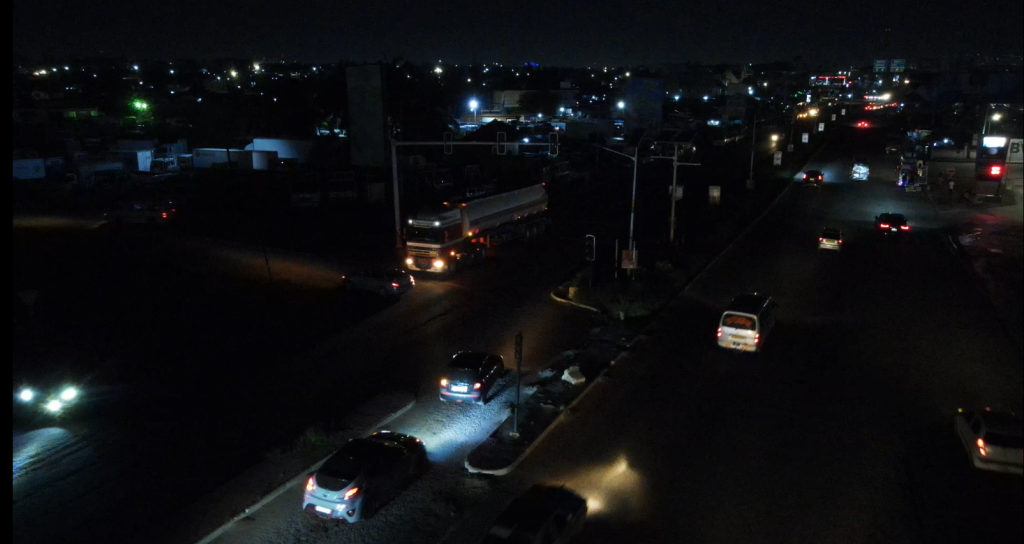
    Achimota-Amasaman Road

    The Fourth Estate team drove along key routes such as the George Walker Bush Highway, the Tetteh Quarshie Interchange, Liberation Road, the Accra-Tema Motorway, and the Black Star Square. While many of these streets had streetlight poles, most were nonfunctional and provided no lighting.

    Despite reaching out for comment, MiDA and the Ministry of Roads and Highways did not respond to The Fourth Estate’s questions about the Streetlighting Replacement Project.

    The Fourth Estate interviewed numerous motorists and residents in Accra, who shared their concerns about the lack of working streetlights on many city roads, highlighting the serious risks posed to both drivers and pedestrians.
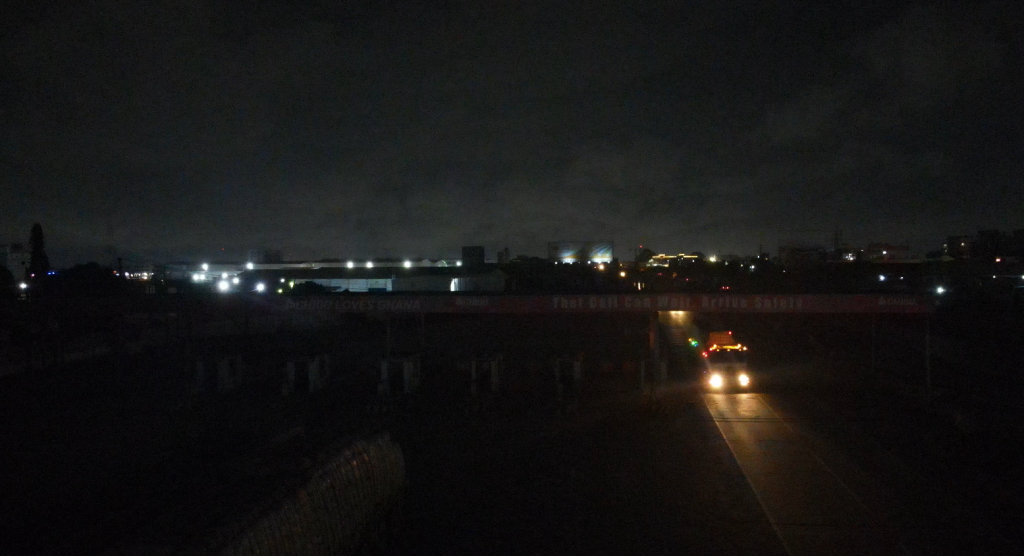
    Accra-Tema Toll booth – Motorway

    A driver for an online ride-hailing platform, Edward Kyei-Baffour, frequently works at night and explained to The Fourth Estate that poor lighting conditions make it difficult to see, leading to accidents where drivers hit pedestrians after dark.

    “When you reach a location where streetlights don’t work and the pedestrian is not wearing a reflective cloth, you will accidentally knock them down,” he says. He believes that poor visibility is a major cause of frequent knockdowns at night.

    “Recently, at Akweteyman, a colleague driver knocked down two ladies around 9pm,” he said. “They were on the N1 Highway. Because of lack of visibility, and the fact that the stretch is also dark, and the clothes of the ladies were not reflective, mistakenly, he knocked them down.”
    Ofankor-Barrier-Nsawam Road

    Kyei-Baffour explains that the poorly lit roads often compel drivers to keep their headlights on. However, the disparity in headlight strength between vehicles causes some drivers to be blinded, leading to dangerous situations on the road.

    Michael Kwaku Agamah, another driver for an online ride-hailing service, shared with The Fourth Estate that he followed the advice of a mechanic who recommended purchasing a more powerful headlight to enhance his visibility when driving at night.

    “My headlight is 100 watts. Before, it was 70 watts,” he says. “Somebody who does not have 100 watts but has 70 watts will crash in potholes and will burst his tyre.”
  • Govt launches Gushego Water System to address shortages in the North 

    Govt launches Gushego Water System to address shortages in the North 

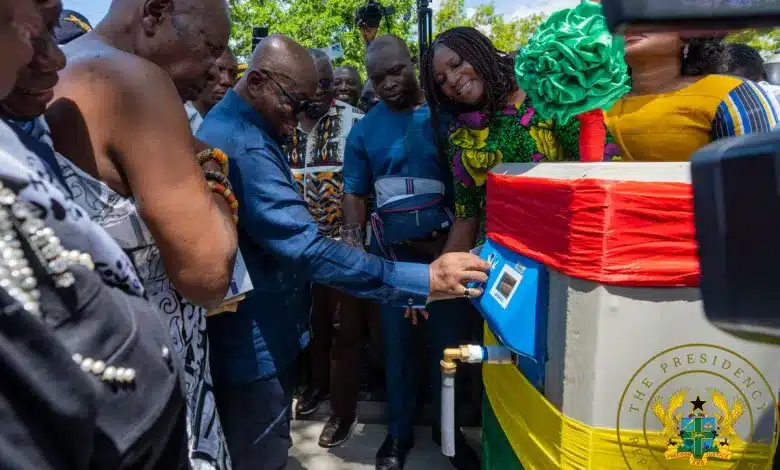
    The government has launched the Gushego Water System project to address the persistent water shortages in northern Ghana.

    The new initiative aims to provide clean, reliable drinking water to the communities of Gushegu, Bulugu, and Nyensung.

    The project, which was officially launched over the weekend, is being funded by the government at a cost of GH₵1.23 million ($80,655.74) and is managed by the Community Water and Sanitation Agency (CWSA). 

    Per reports, the project is designed to meet the water needs of approximately 53,954 people for the next 20 years, with an estimated daily demand of two million gallons (7,570,823 liters).

    The system will feature two mechanized boreholes in Bulugu and two activated boreholes in Nyensung, all powered by solar energy and grid electricity.

    Water will be transported through 9.3 kilometers of pipelines to a high-level steel tank with a capacity of 35,200 gallons (around 133,246 liters), from which it will be distributed to local residents via 32 public standpipes.

    The Member of Parliament for Gushegu, Hassan Tampuli, has stressed the importance of the project, describing it as a crucial step towards addressing the long-standing water supply challenges in the region.

    “Perennial water challenges serve the people for a long time. From now to April next year we were likely to suffer a severe water shortage in Gushegu and its communities because of the drought we suffered in the Northern Region,” he stated.

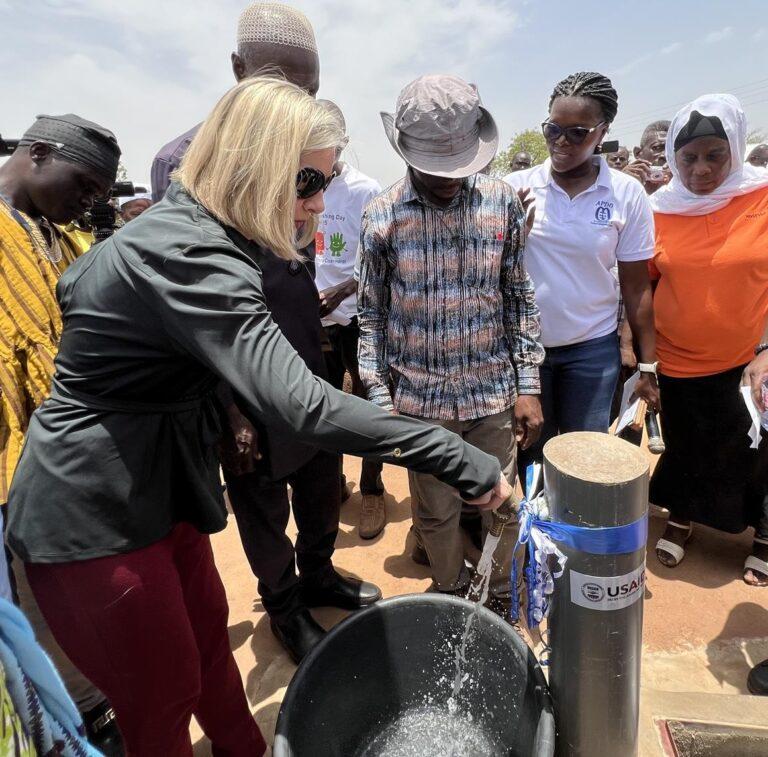
    This new initiative complements the two solar-powered water systems commissioned by the US Government in April, which are expected to serve over 20,000 residents in the Gushegu Municipality and Nanton District.

    Funded by USAID at a total cost of GH₵10 million ($877,546), these systems are part of the US Government’s Global Water Strategy and USAID/Ghana’s High Priority Country Plan, which seeks to provide climate-resilient water solutions to 500,000 Ghanaians by 2027.

    Meanwhile, the UN World Food Programme (WFP) has received a $3.6 million donation from the US and the UK to support 70,000 drought-affected people in northern Ghana. 

    This funding will help provide cash transfers to families, enabling them to purchase food as prices rise due to reduced agricultural production caused by the drought.

    Around one million people across eight regions, including Bono and Upper West, are struggling with severe drought conditions, making access to food a significant challenge as seasonal crops and livestock have been devastated.

  • Phase 3 of Upper East Regional hospital project opened by Akufo-Addo

    Phase 3 of Upper East Regional hospital project opened by Akufo-Addo

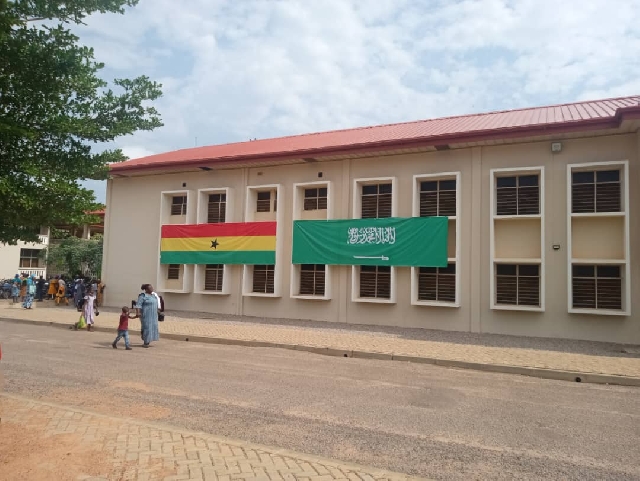
    President Nana Addo Dankwa Akufo-Addo has formally opened Phase 3 of the Upper East Regional Hospital rehabilitation project, marking a significant advancement in improving healthcare infrastructure in the region.

    This achievement is a key component of the government’s larger effort to enhance healthcare services throughout Ghana and has been funded by the Saudi Fund for Development.

    Phase 3 of the project encompasses the construction of several vital facilities aimed at increasing the hospital’s operational efficiency.

    Included in these developments are a modern mortuary facility, housing for doctors, a hostel for patient relatives, and a medical gas building.

    The project also involves the creation of a comprehensive perimeter wall, a cutting-edge kitchen, a Central Sterile Services Department (CSSD), and a laundry facility.

    At the inauguration event, Upper East Regional Minister Dr. Hafiz Bin Salih emphasized the profound impact the project will have on regional healthcare services.

    He noted that these new amenities will significantly boost the hospital’s ability to serve the community more effectively.

    Mohammed Al-Shammari, General Director of African Operations for the Saudi Fund for Development, remarked that the project aligns with a broader objective to enhance and provide universal healthcare access, ensuring that everyone receives high-quality care irrespective of their financial status.

  • Ghana takes strategic measures for compliance with EU’s CS3D cocoa sector requirements

    Ghana takes strategic measures for compliance with EU’s CS3D cocoa sector requirements


    Ghana is proactively preparing for anticipated changes that will reshape sustainable practices in the cocoa sector.

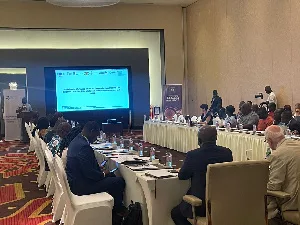
    In collaboration with the International Trade Centre (ITC), Ghana’s Cocoa Board, the European Union (EU), the Organization of African, Caribbean and Pacific States (OACPS), and ISEAL, a workshop was conducted in Accra on November 23.

    The workshop addressed the impact of the EU CS3D on stakeholders in Ghana’s Cocoa value chain and provided insights on navigating the impending changes.

    The EU’s approval of a directive mandates companies to conduct sustainability due diligence across their supply chains. This directive requires businesses to establish systems for identifying, preventing, and mitigating environmental and social risks, encompassing both a company’s operations and its sourcing model.

    The workshop focused on how stakeholders in Ghana’s cocoa sector can adapt to these forthcoming changes.

    Dr. Ebenezer Owusu, Deputy Chief Executive of Agronomy and Control at COCOBOD, acknowledged the challenges posed by illegal mining to the project. Despite these challenges, he expressed hope that Ghana could successfully complete the pilot by March 2024.

    “The illegal mining agents talk to the farmers. I want to give you say five thousand cedis. Give this area of your farm to me to use for galamsey. They need money so some of these farmers will go for it without thinking that if they leave that land and harvest their Cocoa, within 3 or 4 years, they will get more than that.

    National Program Coordinator for Green and Inclusive Value Chains, Mr. Larry Attipoe, told reporters outside the workshop that the action will assist farmers in exporting their produce via the EU.

    “The project is to ensure that value chain have the information. Secondly that we start to prepare by asking how we ensure we are complying with human rights regulations and also ensure that we are respecting the environment in our value chain,” he said.

    For his part, the Netherlands Ambassador to Ghana , HE Jeroen Verheul said “Cocoa is a very important product in the trade between Netherlands and Ghana and the EU regulations we are discussing here have strong impact on the way we trade Cocoa.

    What we want to achieve with this workshop is to enhance collaborations between all the different persons involved in the value chain of cocoa and chocolate.”

    The stakeholder workshop, themed ‘Ghana’s Experience, Preparation, and Challenges Towards Meeting the EU Corporate Sustainability Due Diligence Directive (CS3D),’ was organized in collaboration with the Ghana Cocoa Board, OACPS, ISEAL, and the EU’s Directorate General for International Partnerships (EU-DG INTPA). The workshop received substantial support from the Dutch Ministry of Foreign Affairs through the Netherlands Trust Fund (NTF V) program.

    In line with pilot programs on EUCS3D accompanying measures under ITC’s guidance, the workshop aimed to enhance collaboration between buyers and value chain partners.

    These programs, focusing on the implementation of mandatory human rights and environmental due diligence sustainably, emphasize a bottom-up approach that amplifies the voices of small farmers, processing operations, and consumer-facing companies.

    The collaboration is co-financed by OACPS, the EU, and the Dutch Ministry of Foreign Affairs, and implemented in partnership with the International Coffee Organization (ICO).

    Since the unveiling of the proposal for Corporate Sustainability Due Diligence (CS3D) in February 2022, Ghanaian stakeholders have been actively considering how to operationalize its requirements.

    The Ghana Cocoa Board, in partnership with ITC’s Alliances for Action sustainable agribusiness initiative, has been leading discussions, organizing training sessions, conducting readiness assessments, and seeking feedback to formulate a comprehensive action plan.

  • Gov’t vows to avoid overspending during elections

    Gov’t vows to avoid overspending during elections

    Government has affirmed its commitment to fiscal prudence in the upcoming year, assuring that measures have been implemented to enforce financial discipline.

    A key pledge is the government’s determination to avoid overspending in the 2024 elections, countering predictions by the Minority in Parliament. The Minority anticipated that the government might exceed its budget to fulfill unplanned campaign promises during the election period.

    However, Deputy Finance Minister Abena Osei Asare, in her debate on the budget presentation, stated that the government’s strategy includes refraining from initiating new commercially loan-funded projects in 2024. This move aligns with their commitment to live within their financial means.

    “In the past, governments have used election year as auctioning periods, engaging in all kinds of projects to win votes. But this government is committing itself to strong fiscal consolidation and efficient management of existing commitments, in order not to derail the hard-won stability that we are witnessing.”

    “Government is not initiating new commercial loan funded projects. Government has also put in an amount of money in the budget to clear their arrears so that we can complete existing projects,” the Deputy Finance Minister assured.

    However, the Minority in Parliament claims that records indicate that the government’s 2020 budget deficit was 17% as a result of the elections.

    John Jinapor, the Yapei-Kusawgu member of parliament, stated, “You said that you have a track record in election year expenditure. For the records, in 2016, go and read the updated data; the deficit was about 6 percent.”

    “Mr. Speaker, I refer to the IMF-Ghana decision May 2023 documents; I refer to page 36, table 2 (A). In 2020, under your regime, election year, your deficit was a whopping 17 percent. It has never happened; no country has that deficit of 17 percent.”

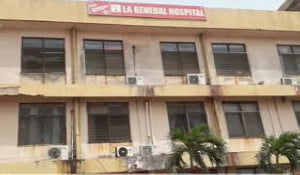
  • NPP communicator criticizes Coalition of La Associations over La General Hospital Project

    NPP communicator criticizes Coalition of La Associations over La General Hospital Project

    Director of Communications for the New Patriotic Party (NPP), has strongly condemned the Coalition of La Associations for urging the government to cede control of the stalled La General Hospital project in the Greater Accra Region, suggesting they take charge of the construction themselves.

    Emphasizing the need to prioritize the health of Ghanaians without politicizing crucial matters, Mr. Ahiagbah informed the public that the government has secured funding for the project, with the contractor expected to return to the site soon.

    He urged the coalition to redirect their community support efforts to other projects, highlighting that the La General Hospital is not the sole initiative deserving attention.

    Mr. Ahiagbah proposed alternative areas for the coalition’s involvement, such as assisting victims of the Akosombo Dam spillage.

    On Accra-based Asempa FM, he stated that there are numerous projects across the country where the group could positively contribute to the community.

    He asserted that the coalition’s call was misguided and an attempt to gain political advantage.

  • GREDA advises government to keep away from housing development

    The Ghana Real Estate Developers Association (GREDA), representing property developers, is calling on the government to reconsider its strategy for affordable housing projects involving its members.

    GREDA pointed out that the government’s direct involvement in the development of affordable housing projects has, over the years, resulted in a lack of substantial progress in delivering such housing.

    They expressed concern that when the government does engage private developers, it often chooses foreign partners over local developers.

    To ensure that the state-sponsored affordable housing initiative fulfills its commitment to providing quality and affordable housing for low-income workers, Sammy Amegayibor, the Executive Secretary of GREDA, emphasized the need for the government to transition into a facilitator role rather than competing with private developers.

    “Government’s role in affordable housing must be the facilitation. GREDA believes that government must strongly remove itself from direct involvement in the delivery of housing and facilitate the private sector by fixing the land acquisition bottlenecks, access to funding and basic infrastructure, among others.

    “State organisations are either confused or not consulting properly. Most of the time we only get to hear in the news that government has secured foreign partners without any consultation with local players; and when they decide to consult GREDA after the engagement, nothing we suggest is taken into consideration.

    “Local players like Lakeside Estate and the other big brands have proven several times that they are capable of delivering 5,000 to 20,000 housing units with state-of-the-art facilities within a short period of time. So, it’s beyond imagination why government is still ignoring us the local developers,” he said.

    He went on to emphasize that when comparing the quality of projects undertaken by local developers and their pricing with what the government produces, it becomes evident that the government has not successfully delivered a single affordable housing project.

    Consequently, he is urging the government to collaborate with local developers and adopt a facilitative role. This could involve granting tax incentives, offering input incentives, providing land, or meeting other essential requirements that would enable private developers to carry out the main infrastructure development projects at affordable rates for the general public.

    These remarks were made during the launch of the Lakeside Hills housing project, a new lifestyle community developed by Lakeside Estate, which aims to provide over 5,000 homes in multiple phases.

    The first phase of the Lakeside Hills project will encompass 200 homes, specifically four-bedroom, multi-story houses.

    The project is envisioned as a comprehensive community that will encompass social and community experiences, including shopping, recreation, work, and leisure activities.

    Dr. Prince Joseph Ayiku, the Managing Director of Lakeside Estate, explained that the project’s concept is to redefine housing and accommodation by offering more luxurious living options at reasonable prices.

    “We are faced with a big task of how to create a development with elegance and green environment capable of satisfying the necessary elements of a luxurious family home,” he said.

    The complex includes a cutting-edge sports facility created with clients’ health and fitness in mind. It has lawn tennis, basketball, and volleyball courts, as well as a football pitch and a green space for children’s amusement.

    Past state affordable housing projects

    GREDA pointed out that the tradition of the government offering housing units to citizens and state employees is not a recent occurrence. It noted that prior to the Fourth Republic, preceding administrations had undertaken similar affordable housing initiatives, including developments in areas like Dansoman, Adenta, and the Sakumono Estate, which was initiated during the tenure of the first President of the Fourth Republic, Jerry John Rawlings.

    He emphasized that all these earlier developments were executed by local entities. However, current governments have encountered challenges in this regard due to their preference for involving foreign partners.

    Mr. Amegayibor stressed that subsequent administrations in the Fourth Republic have lacked the same level of commitment, with a focus on symbolic ground-breaking ceremonies and ceremonial launches taking precedence over substantive progress.

  • UNESCO-Huawei TECH4ALL project anticipated to profit 3,000 students

    UNESCO-Huawei TECH4ALL project anticipated to profit 3,000 students

    The UNESCO-Huawei tech-enabled open school systems project, is anticipated to profit approximately 3,000 students from Ghana.

    Its primary objective is to ensure the consistency and quality of learning, both in typical educational settings and during emergency situations.

    This initiative involves the development, evaluation, implementation, and expansion of resilient systems that can seamlessly connect classroom instruction with remote learning.

    Furthermore, the project is expected to provide digital inclusion and sustainability benefits to 1,000 teachers in Ghana.

    Referred to as TECH4ALL, this collaborative effort between UNESCO and Huawei is a partnership involving the education ministries and associated partners of Ghana, Egypt, and Ethiopia. It aligns with the United Nations Sustainable Development Goals and focuses on addressing significant global challenges in the realms of education, environmental conservation, healthcare, and rural development.

    Initiated in 2020, the project is scheduled for completion in July 2024. Ken Hu, the Rotating Chairman of Huawei Technologies, emphasized during Huawei Connect 2023 that TECH4ALL aims to promote inclusivity by empowering marginalized individuals with the skills and resources necessary to fully harness digital technology in their daily lives.

    “In particular, we provide digital skills training for underserved groups for people with disabilities, women and remote communities while we continuously enhance the accessibility of our products and services.”

    He added, “to date, we have provided training for over 220,000 people around the globe and more that 5.2 million people make use of the accessibility features on Huawei deices every month.”

    For his side, Diaby Moustapha Mamy (Ing.), Senior Advisor, ICT and Digital Transformation, African Union Commission Office of the Deputy Chairperson, thinks that digital inclusion is the key to releasing Africa’s full digital potential.
    In a statement, he claimed that the African continent is realizing the importance of maximizing its potential in every area of life.

    Moustapha Mamy noted, “One of the seven aspirations of Africa’s Agenda 2063 is to build a prosperous Africa based on inclusive growth and sustainable development. The continent’s digital transformation can achieve that goal based on six priority sectors set by the African Union; industry, trade, financial services, government, education, health, and agriculture. The strategy built on existing frameworks and initiatives and is designed to create an empowered and skilled population”.

    Huawei’s mission and vision, to bring digital to every person, home, and organization for a fully connected, intelligent world, serve as the inspiration for TECH4ALL.

  • 47 SME’s in the western region considered for MTN Enterprise Support Programme

    47 SME’s in the western region considered for MTN Enterprise Support Programme

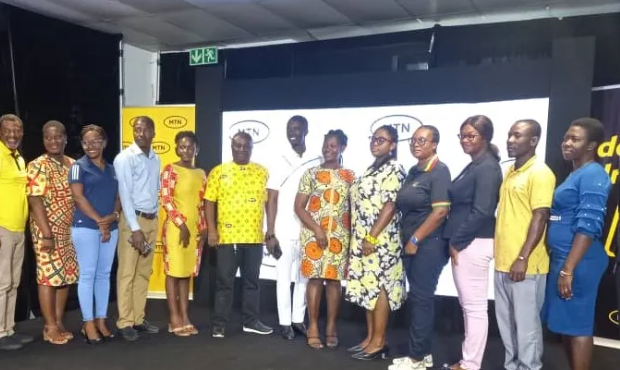
    The MTN Ghana Foundation’s Enterprise Support Programme has selected a total of 47 Small and Medium Enterprises (SMEs) from the Western Region as beneficiaries.

    These 47 SMEs are part of the initial group of 140 businesses chosen from the Western, Greater Accra, and Ashanti regions for the first year of this five-year initiative.

    The selected beneficiaries will participate in a month-long business development training program, after which they will each receive seed funds amounting to GHC10,000 to facilitate the expansion of their enterprises.

    Implemented in collaboration with Innohub, the Enterprise Support Programme aims to assist approximately 500 Micro, Small, and Medium Enterprises (MSMEs) across Ghana over the next five years. It specifically targets businesses led by youth, women, and Persons with Disabilities (PWDs).

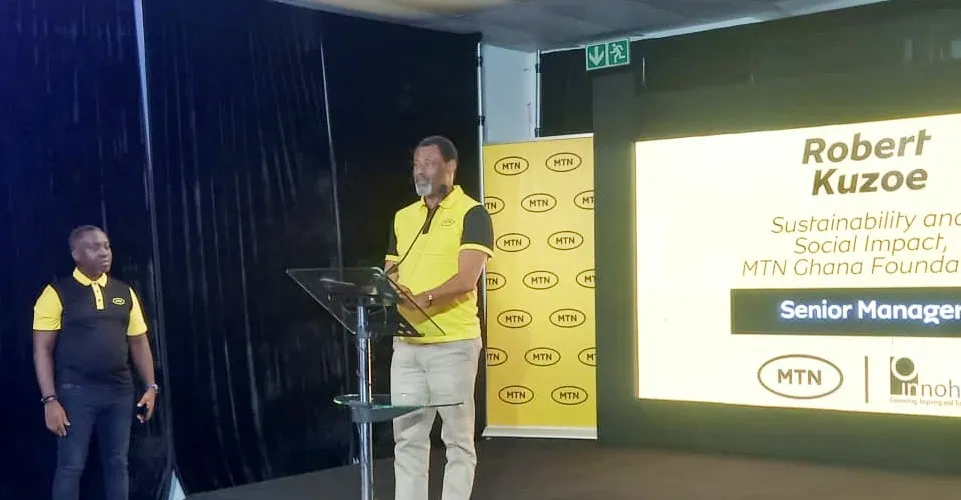
    Mr. Robert Kuzoe, the Acting Chief Corporate Services and Sustainability Officer of MTN Ghana Foundation, announced the first group of beneficiaries during a ceremony held in Takoradi. He explained that the inaugural year of the programme serves as a pilot phase to assess its sustainability and provide insights for policy directions over the subsequent years.

    Mr. Kuzoe emphasized MTN Ghana Foundation’s commitment to the project, citing economic empowerment as a key driver of development. He pointed out that SMEs play a significant role in job creation and contribute substantially to Ghana’s economic growth. However, SMEs face challenges such as limited access to credit facilities, technology, and managerial expertise. To address these challenges, MTN Ghana Foundation launched the Enterprise Support Programme.

    Regarding the selection procedure, Mr. Kuzoe stated that they received applications from a number of SMEs, and that candidates were then shortlisted after being reviewed and invited to present their case to a panel.

    “In line with our diversity and inclusion drive, we made a conscious effort to select businesses that have clear social and environmental impact and aligned with our sustainability objectives and the United Nations Sustainable Development Goals (SDGs).   

    “We are also interested in businesses with digital components since we are now pushing for digital inclusion,” he added.  

    He asked the beneficiaries to ensure that they put the support they would receive to good use, saying; “We hope that you will work hard to build sustainable businesses that provide opportunities for our rapidly growing labour force, especially women and youth so that others will also benefit from the opportunity offered to you.”  

    Mr David Woasey, Acting South-Western Regional Sales Manager of MTN, said: “We understand the everyday challenge of funding businesses, no matter how small, in Ghana and this is why the Enterprise Support Programme is timely and useful.”  

    Speaking on behalf of her coworkers, a beneficiary named Madam Hannah Boakye Asiamah thanked the MTN Ghana Foundation and its partners for their support and pledged that they would use the program to grow their businesses and provide long-term employment for others in their communities.

  • Govt intends for private sector to take lead in house construction – Asenso Boakye

    Govt intends for private sector to take lead in house construction – Asenso Boakye

    Minister of Works and Housing, Francis Asenso-Boakye, promised that the government would continue to support the private sector in order to make it the leader in housing development.

    The Minister claims that the government is working to reduce Ghana’s housing shortage.

    The State Housing Company Limited (SHC) in Accra was contracted by the government to build a 40-unit, ultra-modern housing development.

    He said: “The government’s interest is to offer support to the private sector so that the private sector can take the lead in housing construction. What the private sector lacks is support from the government, and that is what this government seeks to do by providing that support in the form of subsidies on incumbent land. But the government is also leveraging on public lands to do that.”

    “And one big important component of housing infrastructure is horizontal infrastructure, which is the roads, the drains, sewage, electricity, and water. Government is also leveraging on its traditional responsibility of infrastructural provision to make sure that the cost of pricing reduces.”

    According to Asenso-Boakye, the project is aimed at people in the middle income range and also serves as a way to raise money for other affordable housing initiatives.

    “This estate used to be an abandoned site. We reclaimed it some years ago and construction began about 18 to 24 months ago. It is made up of three- and four-bedroom townhomes and single-family homes. It has various levels of finishing. We also have a sports facility here that residents can use. The concept of this estate was to serve as a support system for our affordable housing project.

    “We built this to target middle-income earners, put a bit of a premium on the pricing so that the revenue we generate from this estate can be used to support our affordable housing initiative,” he said.

  • PPA approved of new HQ, No procurement laws were broken – BoG

    PPA approved of new HQ, No procurement laws were broken – BoG

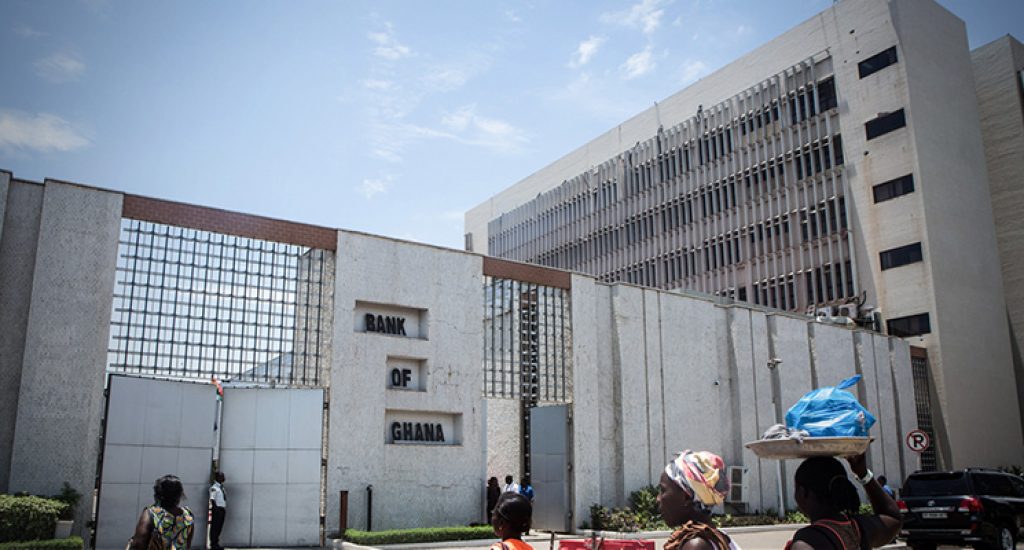
    The Bank of Ghana has asserted that its construction of a new headquarters building at Ridge received full endorsement and approval from the Public Procurement Authority (PPA).

    Director of Research at the Bank, Dr. Philip Abradu-Otoo, clarified that all essential processes and documentation were greenlit by the Authority before the initiation of the ongoing construction project.

    In an interview with JoyFM, a radio station based in Accra, Dr. Abradu-Otoo emphasized that the Bank has adhered to all required protocols and obtained the necessary authorizations from the Authority prior to proceeding with the construction.

    This statement comes as a response to concerns raised by Samuel Okudzeto Ablakwa, the Member of Parliament for North Tongu, who had suggested that the Bank might have violated public procurement laws. The Bank’s Director of Research aims to dispel any notion of wrongdoing by confirming the legitimacy of the approvals obtained from the Public Procurement Authority.

    “The BoG has not broken any public procurement laws as the necessary public procurement approvals were obtained at every stage of the project. This project even started before the COVID-19 pandemic began and the necessary appropriation had been made over the past year when the Central Bank recorded significant profit”.

    “The quest for a new head office started as far back in 2012 or even earlier if my memory serves me correct and the full details of the components of this special Central Bank headquarters, which is line with international standards, will be made available to the public at the appropriate time,” Dr Abradu-Otoo added.

    He stressed that the Bank of Ghana (BoG) upholds transparency and lawful practices, affirming that no breaches of procurement laws have taken place. The institution remains committed to operating within the legal framework of the country.

    Regarding the value-for-money aspect of the Restricted Tendering Procurement process, Dr. Abradu-Otoo noted that the decision was justifiable as it underwent evaluation and received approval from the Public Procurement Authority (PPA).

    In the meantime, the Minority in Parliament has issued a 7-day ultimatum to the Central Bank, urging them to furnish the required particulars and rationale for the construction of their new headquarters.

    Conversely, a structural integrity assessment conducted by the BoG has established that the current headquarters lacks the resilience to withstand significant shocks, such as earthquakes or earth tremors.

    In response, the BoG issued a statement arguing that the existing building, constructed during the 1950s era, is presently inadequate for its intended purpose.

  • Quoting affordable housing project in dollars a disservice to cedi appreciation measures – CenPOA

    Quoting affordable housing project in dollars a disservice to cedi appreciation measures – CenPOA

    The government’s affordable housing projects, in the opinion of Michael Donyina Mensah, Executive Director of the Centre for Public Opinion and Awareness (CenPOA), are not feasible.

    He asserted that these initiatives are not an inexpensive housing endeavor as promoted but rather are solely commercial operations carried out by the government and its partners.

    He believed that the definition of “affordable” should include the idea that the purchasers of the homes are those who can actually afford them.

    “People who have the resources to build their own houses don’t need affordable housing,” he says. Those who are wealthy do not require it. I believe that affordable housing has been designed for the average worker. But the average Ghanaian worker cannot afford it. Examine the studio apartments for sale and their prices. An average worker who wants to buy a $13,000 flat would need to save Ghc1000 per month for ten years before he or she could afford the house.”

    How many typical Ghanaian employees can afford these homes was a question that he was asked on the Frontline program on Rainbow Radio 87.55FM, hosted by Kwabena Agyapong.

    ”I believe they should remove the affordable housing tag from there because it is unaffordable and misleading. Because interest and inflation are not taken into account, it will take approximately 15 years to achieve this. So my point is that it is out of reach for most people.”

    He also said to the host that the cedi was stabbed in the back by the price in dollars.

    The quote in dollars, he said, is problematic for a nation trying to stabilize its domestic currency.

    “It’s a disgrace that the prices for the affordable housing project are quoted in dollars. We are disappointed, as a centre, that a government that has encouraged Ghanaians to trade in cedis is quoting prices in dollars. That is a shot in the foot for the government, and we believe it has shown no commitment to encouraging Ghanaian businesses to trade in local currency in order to stabilise the cedi. Unfortunately, the government has not demonstrated that commitment,” he said.

  • Flashback: Ibrahim Mahama spent GH350,000 on two locomotives

    Flashback: Ibrahim Mahama spent GH350,000 on two locomotives

    In a noteworthy event, the artist Ibrahim Mahama acquired some of Ghana’s ancient trains from various locations across the country and moved them to the Northern Region as a valuable addition to his collection at the Red Clay Studios.

    During a discussion on Caleb Kudah’s YouTube channel, Ibrahim Mahama disclosed the process behind obtaining these old trains. He revealed that they were purchased from scrap dealers and then meticulously restored and transported from Sekondi to Tamale in the Northern Region.

    The artist shared that the acquisition of two locomotives cost him GH¢350,000. He emphasized that the task of lifting these 100-year-old trains was an arduous undertaking that demanded significant time, dedication, and careful planning to achieve successfully.

    Ibrahim Mahama expressed his gratitude to the team of individuals who provided their assistance in transporting the trains to their new location at the Red Clay Studios, where they now stand as a part of his remarkable collection.

    “It took about four days to pack the trains and an extra three to four days driving the locomotive trains to Tamale. We are currently restoring the trains at the Red Clay Studios and that is the core part of the entire project as we seek to breathe life back into things that one would not ordinarily assume can have a sense of value,” he shared.

    Renowned for his extraordinary talent in transforming discarded items into captivating art, Ibrahim Mahama has earned global recognition.

    Utilizing materials such as sacks and old sewing machines, among others, he has carved a niche for himself, not only promoting Ghana but also infusing his work with historical significance.

    In the year 2021, Ibrahim Mahama once again demonstrated his visionary approach to art by purchasing some of Ghana’s old planes. With these planes, he embarked on a grand project to establish a museum and community space in Jenakpeng, situated in the Northern Region.

    This initiative promises to preserve the planes’ history while providing a platform for communal engagement and appreciation of art.

  • 36 states receive “strong wake-up call” from KIPC for improper meddling with Keta Port project

    36 states receive “strong wake-up call” from KIPC for improper meddling with Keta Port project

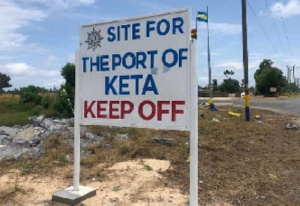
    Residents of the 36 states of Anlo have received a “wake-up” call from the Keta Investment Promotion Centre regarding the interference of some dubious individuals in the Keta Port’s development.

    In a statement released on July 28, 2023, the KIPC stated that the relocation of some households and towns is a serious risk and potential worry associated with the Keta Port project since some regions may be needed for container terminals or other related infrastructure.

    The center warned that because of these concerns, some people with dubious motivations and substantial political clout are putting together clever plans to subtly influence our chiefs and adolescents or create allies through marriage with some powerful families.

    “Their ultimate goal is to dispose clans and families of their lands under the guise of ‘development’. In some instances, they will say the land will be used for estate development, farming among other funny uses;

    “As we speak, there are some noticeable activities, such as erecting land demarcation poles, on certain lands at Borlove- Norlofi by some hidden faces, whose modus operandi has alluded to above. I urge the chiefs and people of Borlove-Norlofi, to take the necessary steps to investigate and seek clarifications;

    “Some of our chiefs, youth leaders, opinion leaders, local political actors, and media personnel will be earmarked for settlement with houses in plush communities in Accra and Tema, some will be sent abroad, others too will be placed on juicy monthly stipends, etc to remain mute on any issues,” parts of the statement read.

  • Chilli exported by GIRSAL in first commercial trial

    Chilli exported by GIRSAL in first commercial trial

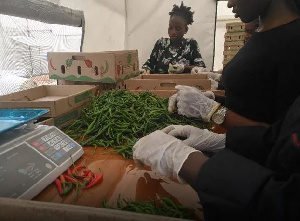
    The Ghana Incentive-Based Risk-Sharing System for Agricultural Lending (GIRSAL) has successfully exported its first commercial quantity of chili. The company conducted a pilot production of the vegetable in a controlled greenhouse environment in Accra as part of their initiative to attract commercial financing into the country’s fruit and vegetable production.

    Planting activities commenced at the Agri Impact Greenhouse Enclave in Dawhenya on May 17 of this year, with harvesting and export starting on July 24. This commercial trial aims to assess the costs associated with required infrastructure and inputs, providing valuable data for a comprehensive cost-benefit analysis of commercial production and financing.

    Samuel Yeboah, the Director of Agribusiness at GIRSAL, revealed that the first consignment target of 80 boxes, each weighing 400 kilograms of chili, has been surpassed. GIRSAL anticipates generating approximately US$25,000 per acre of production annually from this project.

    “We have identified an off-taker in the UK to absorb all the produce, as the market demand there is high. The chili are exported within 24 hours after harvest to mitigate the risk of post-harvest losses during export,” Mr. Yeboah said.

    GIRSAL expects to develop and pilot other exportable vegetables in the future, with the aim of encouraging both private producers and banks to have an interest in financing the sector.

    The program is a part of GIRSAL’s five-year strategic strategy to boost exports and lower imports by using its credit risk guarantee instrument to encourage investment in the agricultural sector, according to Takyi Sraha, the company’s chief operating officer.

    GIRSAL’s partnership with Vegpro Group

    GIRSAL currently partners Vegpro – one of Kenya’s largest horticulture businesses, which produces over 30 commodities in greenhouse and net house conditions with a workforce of over 12,000.

    Mr. Sraha said the decision to pilot chili cultivation was conceived after a study tour of Vegpro Group’s operations in Kenya by GIRSAL.

    “The team came back with some useful lessons, which included the decision to pilot production of chilies in net houses – thereafter using results to encourage farmers to adopt the same practice,” he noted.

    He disclosed that GIRSAL and its partners in collaboration with MoFA PPRSD, Yara fertiliser and GhanaVeg in October last year launched the programme to conduct commercial trials of chilies in four hectares of net houses as part of measures to meet requirements for EU vegetable export standards.

    GIRSAL expects that the production of chilies under the net house will be one of the means to address sanitary and phytosanitary concerns of the EU and help get the industry back to the export market.

    The partners selected four locations for the commercial trial production: including the Dawhenya irrigation site in Accra, which has begun production.

    Other locations expected to begin cultivation soon include Tsatoe Woadze and Ziope in the Volta Region, and Kyekyewere in the Eastern Region.

    Previous export ban on vegetables

    In 2014, the EU issued an export ban on several high value vegetables based on phytosanitary and food safety compliance issues.

    Since the EU ban was removed in 2015, the Plant Protection and Regulatory Services Directorate (PPRSD) has been working to ensure strict adherence to phytosanitary standards for the few exporters in Ghana.

    Indeed, in 2014 Ghana exported US$5.4million worth of chili to the EU; but since the ban was lifted in 2015, chili exports have declined from US$1.3million in 2015 to US$87,000 in 2021, according to TradeMap data.

  • €11.5 million water supply project for Adaklu commissioned by Akufo-Addo

    €11.5 million water supply project for Adaklu commissioned by Akufo-Addo

    President Akufo-Addo has inaugurated phase three of the Five Districts Water Supply Project in Adaklu, Volta Region.

    The project, costing €11.5 million and funded by Raiffeisen Bank International AG of Austria, will provide clean and safe water to 89,150 people in 95 communities.

    The project includes the construction of concrete tanks, a water booster station, and water pipelines.

    The government’s commitment is to ensure adequate and reliable water services across all regions of the country.

    “We are also committed to ensuring that we practice safe sanitation and hygiene by the year 2030, in line with the attainment of the 2030 United Nations Sustainable Development Goals (SDGs). Our strategic goal is to use a multi-faceted approach, with emphasis on governance and sector institutional strengthening, to accelerate access to equitable WASH services throughout Ghana,” he said.

    President Akufo-Addo highlighted the progress made by his government in providing clean water and sanitation for all.

    He mentioned the commissioning of completed projects under the Water Supply Improvement Project and the Sustainable Rural Water and Sanitation Project, which have benefited various regions in the country.

    These projects include the construction of piped water supply systems, support for latrine construction, and hygiene education.

    The Rural Communities and Small Towns Water Supply Project is also underway, aiming to improve water delivery in multiple regions. The project is currently 17% complete and will benefit a population of approximately 282,000.

    Urban Communities – “Water for All”

    Touching on the “Water for All” Agenda in urban communities, President stated that the Keta Water Supply Project, being implemented by the Ministry of Sanitation and Water Resources through the Ghana Water Company Limited, would also improve the reliability and sustainability of water supply to a beneficiary population of some 422,160 in Keta and surrounding communities, at an estimated cost of €85,112,854.

    Works under this Project, he indicated, are expected to be completed by December 2024.

    Additionally, the Wenchi Water Project, being constructed at a cost of €39 million involves the construction of a new water treatment facility, and the rehabilitation of the existing ground water system to meet current and future water requirements of the community until 2045.

    “The Project is expected to serve some 101,870 people living within Wenchi and its environs,” he said

    On the Sekondi-Takoradi Water Supply Project, which would cost some €70 million, and which would serve a beneficiary population of some 1.4 million within Sekondi-Takoradi communities, President Akufo-Addo stated that the project is expected to be completed by September 2025.

    “The feasibility studies for the proposed Sogakope-Lome Transboundary Water Supply Project are ninety-eight percent (98%) complete, and funding would be sought to achieve sustainable improvement to access to drinking water for four million consumers in the Project area. In Ghana, the Project beneficiaries will include the Southern Volta area, more specifically the Municipal/Districts of Keta, Ketu South, Ketu North, South Tongu and Akatsi South,” he added.

  • Stalled projects set to resume following approval of IMF deal – Akufo-Addo

    Stalled projects set to resume following approval of IMF deal – Akufo-Addo

    Projects that were put on hold as a result of efforts to obtain a bailout from the International Monetary Fund (IMF), according to President Akufo-Addo, will resume shortly.

    The President gave this assurance when he addressed the nation in his 29th update on measures taken against the spread of Coronavirus and an update on the IMF programme.

    The president in his update warned that the IMF programme will not bring an immediate end to Ghana’s economic woes but said he is confident it will bring confidence to the Ghanaian economy.

    “Fellow Ghanaians, access to the IMF facility will not spell the immediate end of the difficulties we are in presently, but the fact that we have been able to negotiate such a deal sends a positive message to our trading partners, creditors and investors; a positive message that will be underpinned by the discipline, hard work and enterprise with which we execute the programme.

    “It should lead to the restoration of confidence and the reopening of avenues that had been closed to us this past year and a half. It should also lead to the resumption of many of the infrastructural projects that have stalled.”

    The Executive Board of the International Monetary Fund on May 17 approved a $3 billion credit facility to Ghana to help revive the ailing economy after months of negotiations.

    The first tranche of $600 million of the facility hit the country’s account with the reminder $2.4 billion to be disbursed over a two-year period.

  • Two foreign companies quits oil project in Kenya

    Two foreign companies quits oil project in Kenya

    After Canada‘s Africa Oil Corp and France’s Total Energies withdrewal, British exploration firm Tullow Oil has taken complete ownership of a significant Kenyan oil project.

    Africa Oil said it abandoned the project to concentrate on regions with high petroleum potential, while Total said it was considering other options.

    Each had a 25% stake in the South Lokichar Basin.

    TotalEnergies had at the end of last year indicated plans to dispose of its stake, as doubts lingered on Kenya’s ambition to join the league of oil exporting nations.

    Tullow Oil had last year disclosed plans to exit the project amid funding problems, which are likely to worsen with the exit of its partners.

    Kenyan authorities are yet to comment on the impact of the exits and whether the country’s oil project was still viable.

  • 21-year-old Ghanaian crowned Ms. Geek Africa 2023

    A 21-year-old final-year student at Ghana’s University of Cape Coast, Miss Selasi Ama Domi-Kuwornu, has emerged winner of Ms. Geek Africa 2023.

    She won herself a certificate, laptop, smartphone, and a cash prize of US$5,000. Ascend Digital also promised to give her a cash price of US$1,000 in addition to a job opportunity in Accra to enable her secure better future.

    She would also be sponsored by GITEX Africa to participate in the GITEX Africa Digital Summit, from 31st May to 2nd June 2023 in Marrakech, Morocco.

    The Summit is aimed at connecting tech titans, governments, SMEs, Start-ups, coders, investors, and academia to accelerate, collaborate and explore new ventures.

    The international win for Miss Selasi Ama Domi-Kuwornu didn’t come from an easy side. She was contested by six (6) other young ladies knowledgeable in ICT from Rwanda, Kenya, Benin, Zambia, Zimbabwe, and Niger.

    All applicants presented a solution that was original, scalable, and feasible within Africa and beyond which seeks to address challenges in Africa using technology.

    The project of the girls was judged based on the theme of Transform Africa Summit organized by the Smart Africa Alliance, “Connect, Transform and Innovate” focusing on challenges that are unique to the African continent.

    Miss Selasi Ama Domi-Kuwornu presented a project named, “Kasa-Cash”, an offline system that enables illiterates, physically challenged, unserved and underserved communities to be able to effortlessly perform financial services without third-party assistance.

    The other young ladies presented IT solutions on ‘femme entrepreneur’ from Niger, ‘Smart Miner Monitoring System’ from Rwanda, ‘Tekeleza to solve water crisis’ from Kenya, ‘Just Live’ from Zambia, ‘Management of solar power generation systems’ from Zimbabwe, and ‘Blood connect’ from Benin.

    The win comes after she won the 2019 Ms. Geek Ghana competition when she was a level 100 student of UCC.

    She won the competition by beating nine other contestants by receiving ¢10,000, a laptop, internet connection for one year, and assistance to develop her Concept into prototype.

    Miss Geek Launched

    The Ministry of Communications and Digitalisation on October 9th, 2019, launched the Ms. Geek Ghana Competition, aimed at empowering girls in the field of ICT.

    The sector Minister, Mrs. Ursula Owusu-Ekuful, launching the competition, mentioned that her Ministry is committed to highlighting the role females bring to the tech-sector and will also offer young girls an opportunity to showcase what they have.

    Students of Mamfe Methodist Girls won the International Robotics Competition, and they informed me that they have also developed a solution to the bed-bug infestation in our second cycle institutions. There are probably many more of such hidden talents utilizing technology to solve common everyday challenges,” she added.

    In line with this, the Ministry called on all girls between the required age to take up the challenge in order to stand a chance of representing Ghana in subsequent years of the Ms. Geek Africa Competition.

    The Minister, Hon. Ursula Owusu-Ekuful, also called on stakeholders to support the competition to encourage more girls to consider a career in science and technology. The competition will empower young girls by educating them in science, technology, engineering, and mathematics (STEM).

    I am encouraging all technology companies, telecommunications companies to partner with us so that we can provide exciting prizes not just to the top 3 finalists but to all the top 10 finalists to encourage, inspire and motivate them to continue innovating.”

    About Ms. Geek

    The competition seeks to change the attitude of young girls towards the adoption of ICT and also equip them with digital skills, which is in line with the SDG goal 5 objectives of achieving gender equality and empowering all women and girls.

    The competition is opened to females between the ages of 13 to 25 years to submit a technology-based solution aimed at solving the basic challenges we face in Ghana and Africa as a whole.

    Among the objectives is to inspire girls/women across Ghana, every year, to solve challenges in the country using technology.

    It also encourages 15 percent of girls/women in Ghana to pursue careers in technology, science, mathematics, and engineering within five years.

    It also aims at promoting innovation among 20 percent of Ghanaian Girls in STEM annually; and to contribute to the attainment of the Sustainable Development Goals; ‘Goal 1 – No Poverty, Goal 2 – Zero Hunger, Goal 5 – Gender Equality, Goal 8 – Decent Work and Economic, and Goal 10 – Reduced Inequalities’.

  • Locals in Senegal driven to despair by gas project

    Locals in Senegal driven to despair by gas project

    Residents of Saint-Louis, a small fishing village in Senegal, have been having difficulties for a long time. The COVID-19 pandemic, foreign industrial trawlers, and climate change have all made it challenging to make a living off the water.

    When officials announced a new gas project off the coast in 2015, the community was hopeful it would bring new opportunities. Instead, many locals say, the gas has only brought a wave of problems and pushed people to desperation. That includes forcing some women to turn to prostitution to support their families, they told The Associated Press in interviews.

    Four women who shared their stories said they started working as prostitutes because their husbands, all fishermen, could no longer make a living after the gas deal came to town and the rig restricted access to fertile fishing areas, known locally as diattara. The women all said they knew of several other women in the same position.

    The women spoke on condition of anonymity because their families do not know what they do. Prostitution is legal in Senegal, but the women do not want to register, citing cultural shame.

    For them, prostitution is faster and more reliable than working in a shop or restaurant — jobs that do not pay well and can be hard to find.

    The deal — planned by a partnership among global gas and oil giants BP and Kosmos Energy, and Senegal and Mauritania’s state-owned oil companies — is expected to produce around 2.3 million tons of liquified natural gas a year, and Mauritania and trying to benefit the wider economy by locally sourcing products, developing the workforce and supporting sustainable development.

    More than 3,000 jobs in some 350 local companies have been generated in Senegal and Mauritania, according to BP. The company also cited its work to renovate the maternity unit at the Saint-Louis hospital and its help of 1,000 patients with a mobile clinic operating in remote areas.

    In a statement, Kosmos spokesman Thomas Golembeski, said the project will provide a source of low-cost natural gas and expand access to reliable, affordable, and cleaner energy. He also cited access to a micro-finance credit fund established for the fishing community.

    “I pray that this ends, because it’s not what I want to do from the bottom of my heart. I do it for my children,” one mother said, her shoulders hunched and voice weary in a hotel room where she would not be seen by her husband or friends.

    Traditionally, many women make a living processing fish, while the men catch it; sons, husbands and fathers spend weeks at sea. But with the restrictions, families could not feed their children or pay rent.

    In some cases, families had to pull their children out of school or switch them from private to public schools where the teachers don’t show up for days.

    BP and Kosmos did not respond to questions about the women turning to prostitution.

    They also did not respond to questions about whether they stood by their initial risk assessment of the project, which acknowledged in a 2019 environmental and social impact assessment that there were “a lot of uncertainties around the consequences for Saint-Louis fishermen” but still considered the intensity of the impact to be low.

    The local government said people’s concerns about the rig were overblown and that the community needs to be patient, at least until after production, which is expected to start by the end of this year.

    Papa Samba Ba, the director of hydrocarbons for Senegal’s Petroleum and Energy Ministry, said the objective is that by 2035 half of all gas projects will go to local companies and services.

    Local officials have acknowledged an increase in prostitution in Saint-Louis, but they attribute it to economic woes and widespread poverty in general — not directly to the gas project.

  • Akufo-Addo cuts sod for Nsukwao Basin Drainage Project

    President, Nana Addo Dankwa Akufo-Addo, has cut the sod for the commencement of construction of the Nsukwao Basin Drainage Project, in Koforidua, in the Eastern Region, under the Ghana Secondary Cities Support Programme (GSCSP).

    It will be recalled that the Ghana Secondary Cities Support Programme was launched on 7th May 2019, in Koforidua, with its main goal being to improve urban management and basic urban services in the twenty-five (25) participating Municipal Assemblies across the country.

    Cutting the sod for construction of the drainage project on Tuesday, 4th August 2020, President Akufo-Addo noted that the New Juaben Municipal Assembly has identified flooding as a major risk to the lives and livelihoods of persons living in Nsukwao, Zongo, Two Streams, Abongri and other communities within the municipality.

    Nsukwao, the community in which the project will be situated, has since 2016 recorded, annually, incidents of flooding, which have rendered most residents homeless.

    To this end, the President explained that the Basin Drainage Project will deliver a storm drain that will minimize flooding in the identified communities at the cost of GH¢15,811,145.00, and packaged into seven (7) lots.

    It will also involve installation of four (4) storm water surface detention ponds distributed along the Nsukwao River, flow facilities, channelization and streambank stabilization, concrete pipes and culverts and two access roads.

    President Akufo-Addo was confident that “this project will make flooding a history in New Juaben, and help restore enhance livelihoods of the residents in the Municipality.”

    The Minister for Local Government and Rural Development, Hon. Hajia Alima Mahama, indicated that her Ministry is currently working closely with the municipal assemblies and the design and supervision firms to come up with next phase of priority projects for the 25 Assemblies.

    ID1F Akro Farms

    At Apasare, in Akwapim North, President Akufo-Addo visited Akro Farms Ltd., a 1-District1-Factory (1D1F) initiative.

    The company, which produces fresh and healthy table eggs, chicken feed, broilers, processed chicken and day-old chicks, has completed the first phase of its project with an investment of some GH¢20 million.

    Management told the President that the automated Brooder house has a capacity of 40,000 birds, and has an automatic egg collection and packaging system installed to ensure speed and efficiency in our processes.

    Additionally, the farm has a hatchery, with one feed processing unit and warehouse with 400 KVA Industrial Power Generation plants. The company plans to set up a 16,000 per day capacity meat processing plant for the broiler farm and out-grower farmers.

    The company has created both direct and indirect job opportunities for over 1,025 individuals involved in the poultry value chain in Akuapim North and its surrounding districts.

    Source: presidency.gov.gh

  • PAIRED project introduced to communities

    A team from the Council for Scientific and Industrial Research Savanna Agricultural Research Institute (CSIR – SARI) has visited some communities in the north to introduce to them the Partnership for Agricultural Research, Education and Development project and its activities.

    The communities visited were Yepala, Jabalpe, Tosinape, Tantuani, all in the Savannah Region, Kalbeong, Yebongo, Nayagnia, Kologo, all in the Upper East Region, and Losse, Tendoma, Dakyie and Wogu in the Upper West Region.

    Farmers in those communities were briefed on the concept of Innovation Platforms and the Village Savings and Loans Association (VSLA) credit system that the project meant to introduce to them to help facilitate value chain linkages and address financial constraints.

    Under the project, seed companies have been selected to help educate and train farmers in rice seed production where the farmers will partner with the seed companies to set up demonstration fields in each community and also support project farmers to produce rice seed.

    Under the project, the farmers that show most promising will then be selected as out-growers for the seed companies.

    Mr Eliasa Krofa, Principal Technician at CSIR-SARI educated community members on the importance of demonstration fields, and advised them to select fields close to busy roads in their respective communities where they would host demonstration fields showcasing new rice technologies from CSIR-SARI.

    Mr Desmond Adogoba, Socio Economist at CSIR-SARI also sensitised community members on the VSLA credit managing system the project intended to introduce to them to help farmers manage and build up credit for some of their activities.

    Mr Adogoba said “this in the long run will help the project to sustain its gains after exit.”

    The current programme, Partnership for Agricultural Research, Education and Development (PAIRED) is in West and Central Africa, funded by the United States Agency for International Development, and designed to undertake the needed restructuring, with the aim of transforming the Conference of Heads of African and French Agricultural Research (CORAF) into a structurally sound and financially stable organization to lead agricultural research and innovation in West and Central Africa.

    The specific objective of PAIRED is to enhance the institutional leadership of CORAF in increasing agricultural productivity, which is pursued through three intermediate results that are mutually reinforcing and addressing issues on enabling conditions for sustainable and efficient operation of CORAF as an institution.

    CORAF is partnering research institutions such as CSIR-SARI to deliver productivity and welfare-enhancing technologies and practices to farmers in its operational areas.

    Source: GNA

  • Algeria replaces state energy firm CEO amid ongoing political crisis

    Algerian President Abdelmadjid Tebboune on Wednesday appointed Toufik Hakkar as the new head ofstate energy firm Sonatrach, state television reported.

    Hakkar, a senior Sonatrach executive, will replace Kamel Eddine Chikhi who was only named head of the company three months ago, the latest in a rapid carousel of changes at the top in recent years.

    Algeria, a major gas supplier to Europe, relies on hydrocarbons sales for 60% of its budget revenue but they have slumped since the oil price fell in 2014, leading to a big decline in foreign currency reserves.

    Latest figures show oil and gas earnings reached $30.25 billion in the first 11 months of 2019, a 15% fall from the same period a year earlier as domestic demand and lower output reduced export volumes.

    The North African country has responded by trying to boost production capacity, and is seeking investment from international oil companies to help it to do so.

    In December, it passed a new law to encourage such investments while still barring foreign companies from owning a majority share in Algerian energy projects.

    Falling energy revenues are hitting the state budget, for which a 9% cut in public spending was approved for this year, while leaving politically sensitive subsidies unchanged.

    Any major cuts in government programmes would be particularly difficult given the major political crisis that has
    rocked Algeria for the past year, with a mass protest movement that helped oust the veteran president in April.

    Tebboune was elected in December in a vote that the protesters rejected, saying no election was legitimate while the ruling elite remained in place. He appointed a new government last month.