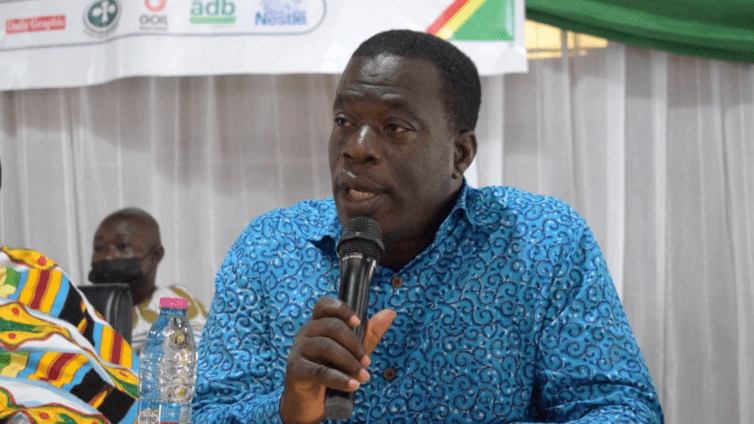
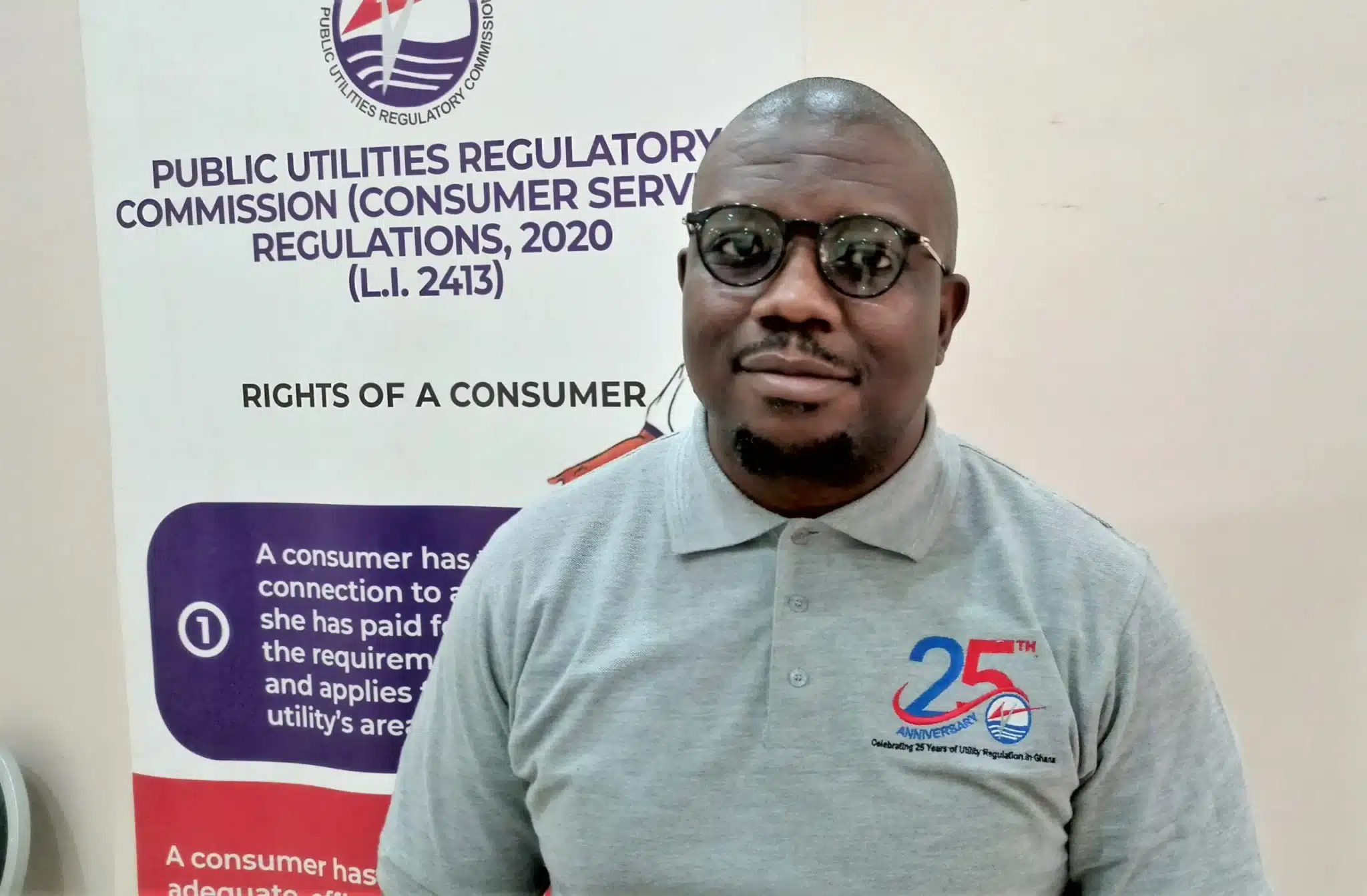
Dr. Ishmael Ackah, the Executive Secretary of PURC, made this appeal while also advising students to promptly settle their utility bills.
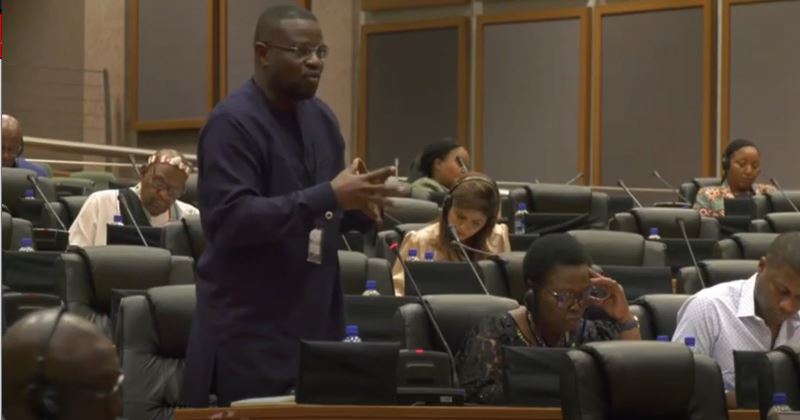
During his address to students at Koforidua Technical University (KTU) on August 29, 2023, Dr. Ackah emphasized the importance of paying utility tariffs and the role students can play in reporting unauthorized connections.
He also highlighted the incentive of a 6% reward on the recovered revenue from illegal connections for whistleblowers.
Dr. Ackah explained that by fulfilling their billing obligations, utility companies can generate the necessary revenue to enhance their service delivery to the public.
“In the Eastern Region alone, water consumers owed about GH¢46 million”, Dr Ackah said.
Alhaji Jabaru Abukari, the Eastern Regional Operations and Consumer Services Director at the PURC, encouraged consumers of utilities to report any grievances they have with their landlords to the PURC for resolution.
Professor David Kofi Essumang, the Vice-Chancellor of Koforidua Technical University (KTU), expressed his satisfaction with the program.
He noted that approximately 90% of his students resided in rental accommodations, and issues related to the payment of electricity and water bills often led to conflicts between landlords and students.
“We in KTU use more electricity in training our students and the way PURC is considering industries, we are also appealing to them to also consider the tertiary institution to help reduce utility bills since the universities are also training the human resource of the country”, he said.
Prof. Essumang commended the PURC for providing their students with education on how to calculate energy consumption and associated costs using the PURC Electricity Consumption Estimator (PECE) application.
The PURC visited the university to interact with, educate, and promote the payment of utility bills among the students. They also encouraged the students to educate their parents about the importance of paying utility bills.
The event, which was attended by university lecturers and administrators, provided students with the opportunity to ask relevant questions about utility services, and they received comprehensive answers to enhance their understanding of the topics discussed.
Executive Secretary of the Public Utilities Regulatory Commission (PURC), Ishmael Ackah, has indicated that a reduction in utility tariffs could be possible if the key factors contributing to tariff increases stabilize.
Ackah noted that in the event of a decrease in inflation and a stable or reduced exchange rate, there is a potential for utility tariffs to undergo a downward revision.
“So, our hope is for the exchange rate to remain stable or even fall if possible. Inflation would remain stable or even if it will go up, not so much like the June level. If some of these things happen, we will reduce the tariffs,” he was quoted by myjoyonline.com.
The current rate change, which will take effect on September 1, 2023, was justified, according to the Public Utilities Regulatory Commission (PURC).
The numerous considerations that were taken into account for the tariff adjustment were described by Dr. Ishmael Ackah.
“For water, the major driver, one is electricity. However, because we said the industrial customers would experience no increase, this time it didn’t have any effect.
“The (second) major driver for water is the cost of chemicals. So recently, they were using chemicals for water treatment, now what they have moved on to is what we call Colima, which is about two and half times more expensive than what they were using previously,” he said.
Executive Secretary of the Public Utilities and Regulatory Commission, Dr. Ishmael Ackah, has clarified that the quarterly adjustments conducted by the Commission were not a requirement set by the International Monetary Fund (IMF) to obtain the $3 billion loan.
He explained that these adjustments were already in place, but their implementation had not been consistent.
Consequently, the IMF’s directive was centered on ensuring the Commission’s consistent application of these adjustments and the collection of reviewed rates.
“We used to have what was called automatic adjustment but now it is called quarterly adjustment.
“The IMF is not asking us to bring the quarterly adjustment back, no. We have it and it’s published on our website. But what they are saying is that in order not to build debt in the sector, PURC should be consistent in implementing it, so that if there are any financial gaps when we implement it, at least it helps to pay, and we won’t go into 2025 saying energy sector debt is this, and government may have to introduce taxes and so many other things,” he told JoyNews.
“Consistency helps to reduce the debt,” he added.
The Executive Secretary emphasized that even though IMF conditionalities remain in place, they are taking Ghanaians’ welfare into account.
“IMF is in town but look at June, we should have done 27% but the Board decided that that will be too much so why don’t we take 450 million out of the 27% that brought the tariff to 18% and that was what we adjusted with.
“So yes, the IMF is there, the World Bank is there but we also looked at the welfare of the Ghanaian. Yes, we don’t have to build debt, but we can’t also kill Ghanaians, so the IMF is a factor but we made the decision even before that,” Dr. Ackah said.
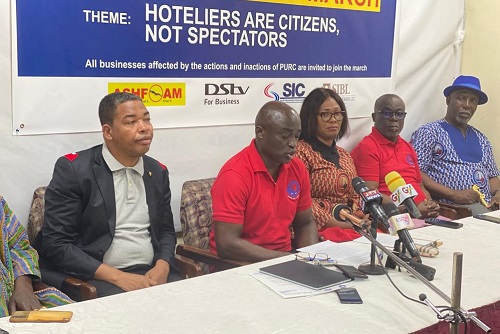
The Ghana Hotels Association and Ghana Progressive Hotels Association have raised concerns over the steep water tariffs.
According to the group, the increased tariff is significantly impacting operational costs and leading many industry players into substantial debts.
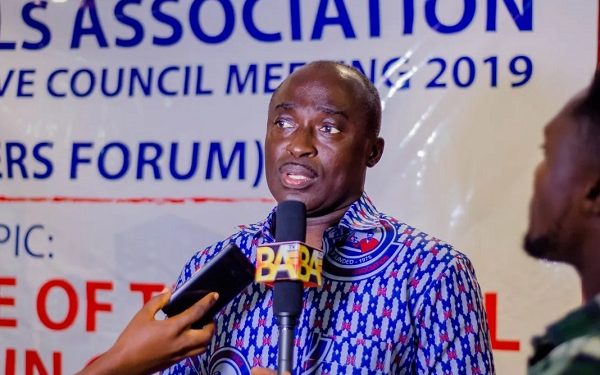
At a press conference in Accra on Tuesday, August 28, 2023, the National President of the group, Dr. Edward Ackah Nyamike, stated the hotels’ problems began in January 2023, when the PURC issued an 8.3 percent increase in water tariff starting February 1, 2023.
“When hotels received their water bills for February 2023, their tariff per cubic meter of water was GHC30, indicating a whopping 167% increase as against the 8.3% announced by the PURC.
“The PURC responded promptly to the association’s petition in a letter dated 15th March and attempted to justify the 167% increase as part of an ongoing restructuring of Ghana Water Company Ltd consumer categories,” he added.
In response to the anomalies, the association lodged a complaint with the regulatory body.
The PURC’s initial response, dated March 15, defended the substantial increase, citing an ongoing restructuring of Ghana Water Company Ltd’s consumer categories.
Dissatisfied with this response, the association submitted a second petition, warning of a potential protest at the PURC office if the perceived billing errors were not rectified.
Following meetings and communications, the PURC acknowledged on April 5, 2023, that the significant billing surge was due to misclassification during tariff implementation.
Subsequently, the PURC directed the Ghana Water Company Ltd (GWCL) to revert misclassified non-residential customers back to their proper categories and to halt disconnections for disputed bills.
“To put it more bluntly, the administration of the Tourism Development Fund has denied Tourism Trade Associations the needed financial support to be effective partners in the Public Private Sector collaboration space,” he said.
However, Dr. Nyamike highlighted that despite these directives, the PURC later reclassified hoteliers as a commercial category and announced new tariff increments, causing additional surprise and concern within the industry.
Dr. Nyamike called for the PURC to enforce its initial directive to correct the categorization and billing errors for the months of February through May, as the misclassifications had led to substantial debts for association members.
The call also extended to the government, urging them to abolish the 1% COVID-19 Health Recovery Levy, given the conclusion of the global health emergency.
Dr. Nyamike further expressed apprehensions regarding steep increases in property rates for hotels.
He asserted that in a struggling economic environment, the significant property rate hikes without reference to existing rates were distressing.
The association also urged the Roads and Highway Ministry to prioritize upgrading major highways leading to tourist destinations.
The deteriorated state of certain roads to these attractions has adversely affected tourist visits and consequently impacted hotel occupancy, such as the Accra-Cape Coast road.
In addition, Dr. Nyamike voiced concerns over the exclusion of the association and its counterparts from the disbursement of the 1% Tourism Development Fund, established in 2012 to support industry development.
Concluding their press conference, the association formally petitioned the PURC to reconsider its decision to reclassify hoteliers under the commercial category for water billing.
In response to the recent tariff increment, the Ghana Hotels Association has indicated that it intends to file a petition with the Public Utilities Regulatory Commission(PURC).
On June 1, 2023, the PURC approved an upward adjustment in water and electricity tariffs.
The decision to increase the tariffs was based on various factors considered by the regulator, including the cost of electricity, rising expenses for raw water treatment chemicals, exchange rates, and inflation.
However, the tariff increment has faced strong opposition from multiple stakeholders, with the Association of Ghana Industries leading the charge. Concerns have been raised about the potential negative impact on local businesses.
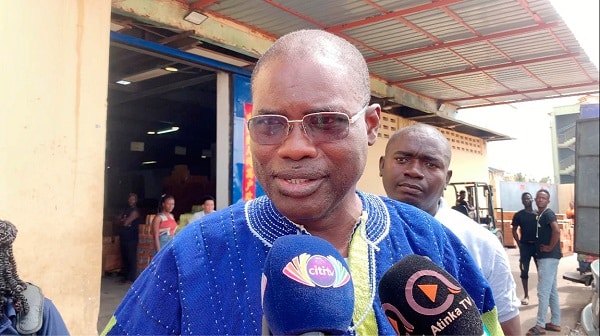
Dr. Edward Ackah-Nyamike Jnr, the President of the Ghana Hotels Association, expressed the burden felt by their members due to the significant 160 percent increment.
In an interview with Citi News, he emphasized the urgent need to reverse this decision in order to alleviate the strain on indigenous businesses.
“We appreciate the situation we find ourselves in as a country and we do know the utility tariffs will be adjusted every quarter and we do know that these adjustments will certainly be upward all the time so we have no problem with those adjustments provided that it is communicated to us, so we prepare ourselves for it and know exactly how much it is going to affect our budget or our cost.”
“So when you say 8.3 percent and end up at 167 that is very scary and we want to pre-empt such actions in the future which is why we are petitioning. So we are having discussions with our executives and members,” he stated.
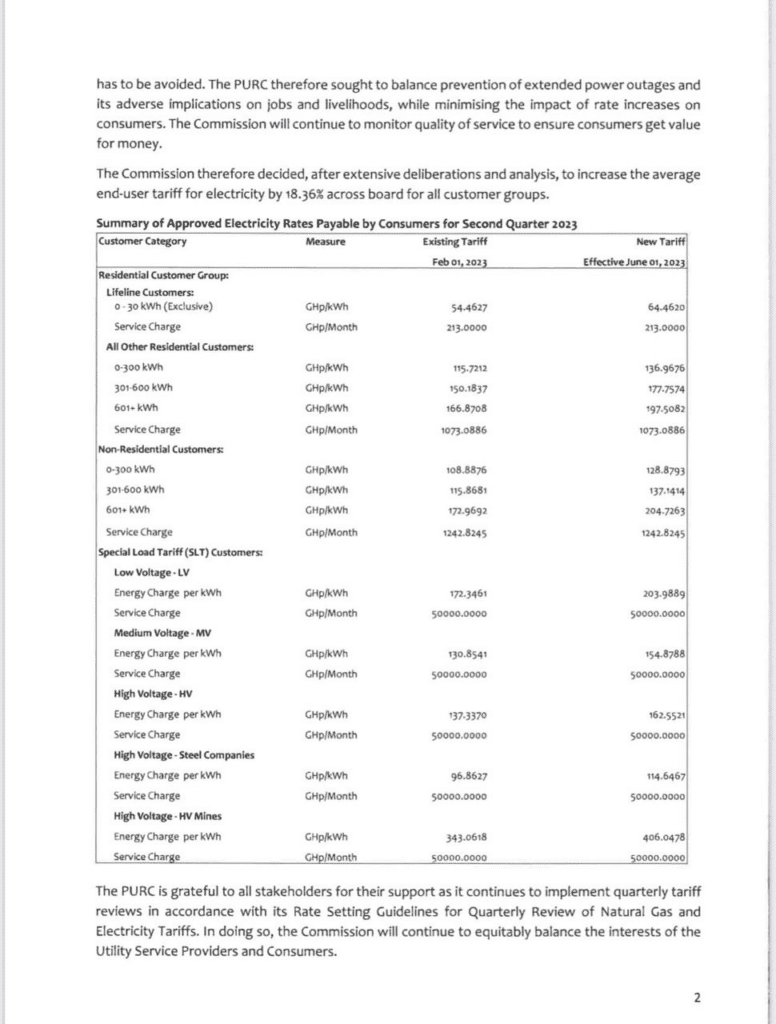
The electricity tariff goes up by 18.36%, while water tariffs will see a 19% increase. These adjustments are necessary due to the rising costs of production, according to the PURC.
The Regional Director of Operations for PURC, Alhaji Abubakari Jabari, explained in an interview with Starr News that customers who pay postpaid bills on June 1, 2023, will still be charged based on the old rates.
For most water bills, the old rate will continue to apply until consumption for the month of June, after which the new rate will be implemented.
Credit deposits made by customers will be calculated using the old rate until the end of the month, following which the new rate will be applied for subsequent billing cycles.
To address concerns about purchasing credits at the beginning of the month, Alhaji Abubakari Jabari advised against panicking or rushing to buy credits to mitigate the impact of the tariff adjustment.
He clarified that buying credits early in the month does not provide any specific advantages or discounts. Purchasing credits at any time during the month will be equivalent in terms of the billing calculation.
He urged consumers not to queue or rush to purchase credits on the first day of the month, assuring them that they would not miss out on any potential benefits by buying credits at a later time during the month.
Alhaji Abubakari Jabari also reassured consumers that their billing calculations would accurately reflect their consumption regardless of the date of purchase or falling within a specific usage bracket.
“I know most people go to buy their credit at the beginning of the month, I don’t see any point in that but people have the perception that if you buy credit in the first week of the month you might get some discount. You can’t force yourself to be within the lifeline, so any time you go to buy your credit, it is as good as buying in the first week or first day of the month. It’s a normal operational issue so we don’t expect people to go and cue today in trying to avoid the effect of any adjustment that has been done,” Alhaji Abubakari Jabari added.
The Consumer Protection Agency (CPA) have expressed shock over the proposed 18.36% increase in electricity tariffs in Ghana.
According to CPA, the Public Utilities Regulatory Commission (PURC) failed to engage them on the intended tariff adjustment, describing the move as one-sided decision which cannot be accepted.
Speaking on the Kumasi-based OTEC 102.9 FM’s morning show Nyansapo on Thursday, May 18, 2023, the Executive Director for CPA, Nana Prempeh Okgyeabuo Aduhene said they are opposed to the increment and thus want further engagements between PURC and the public on the matter.
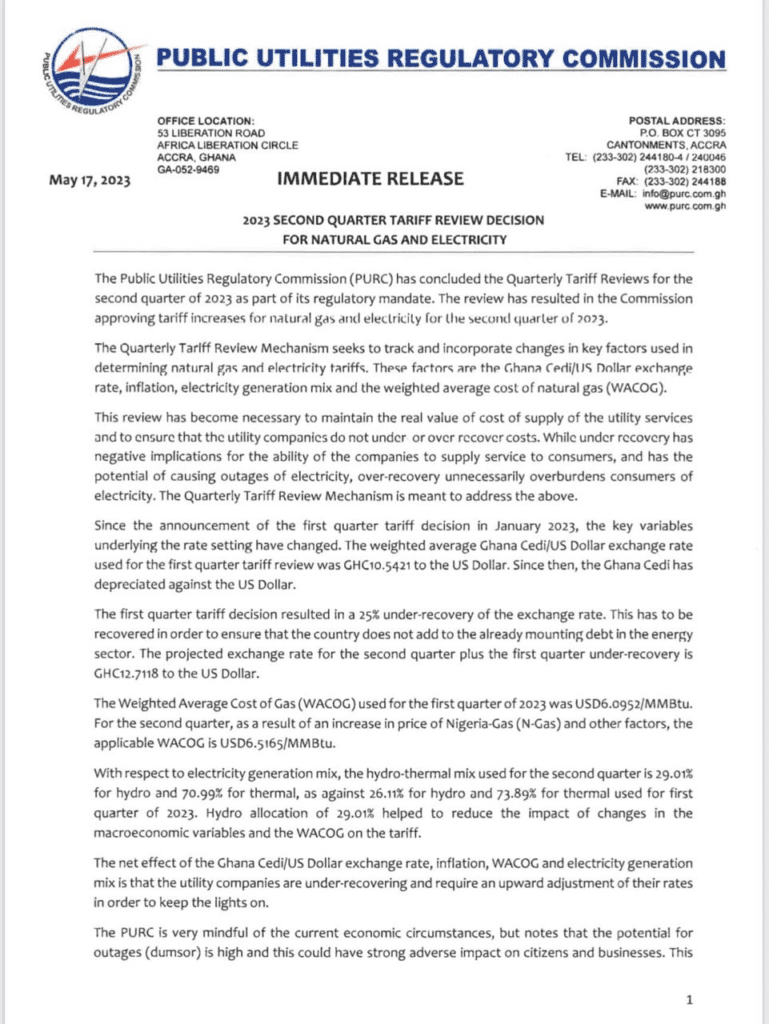
The PURC has announced an increment in tariffs for electricity and natural gas by 18.36%.
According to the Commission, the move is to avert power outages, otherwise known as dumsor which could harm individuals and businesses.
In a press release sighted by OTEC News, it stated that the review was to maintain the real value of the cost of supply of utility services.
PURC also blamed the depreciation of the local currency – Cedi against the US Dollar, high inflation, electricity generation mix, and the weighted average cost of natural gas (WACOG) as the factors that influenced the latest increment.
The Executive Director of CPA however said it was wrong for PURC to single handedly increase tariffs without the input of consumers.
“I was shocked when i learned about the increase, because we at the CPA, normally engages PURC on sensitive issues such as this before it is finally decided,” he said.
“As representatives for the public, we believe the PURC ought to have taking the input of stakeholders before coming out with the final percentage”.
“We will write to the president over this blatant this deliberate attempt by the PURC to sideline CPA on important issues and find lasting solutions to the problem.”
“In taking this decision, the commission took cognizance of the cost of electricity, increased volume cost of chemicals for raw water treatment, the Ghana Cedi/US Dollar exchange rate and inflation,” PURC announced in a statement issued on Thursday, May 18.
“The Commission will continue to monitor the operations of the utility service providers to ensure value for money and quality service delivery,” it added.
During the same period, PURC has increased tariffs for electricity and natural gas by 18.36% across the board.
PURC explained that the decision was taken to balance the prevention of extended power outages and their adverse implications on jobs and livelihoods while minimizing the impact of rate increases on consumers.
The Quarterly Tariff Review Mechanism seeks to track and incorporate changes in key factors used in determining natural gas and electricity tariffs.
Effective June 1, 2023, electricity tariff will be increased by 18.36% for all customer groups, according to the Public Utilities Regulatory Commission(PURC).
The decision was taken after a review for the second quarter of 2023.
PURC in a statement explained that the decision was taken to balance the prevention of extended power outages and their adverse implications on jobs and livelihoods while minimizing the impact of rate increases on consumers.
The Quarterly Tariff Review Mechanism seeks to track and incorporate changes in key factors used in determining natural gas and electricity tariffs.
Justification
The PURC blamed the Ghana Cedis/US Dollar exchange rate, inflation, electricity generation mix, and the weighted average cost of natural gas (WACOG) as the factors that influenced the latest increment.
“This review has become necessary to maintain the real value of the cost of supply of the utility services and to ensure that the utility companies do not under or over-recover costs.
“While under-recovery has negative implications for the ability of the companies to supply service to consumers, and has the potential of causing outages of electricity, over-recovery unnecessarily overburdens consumers of electricity.
The Ministry of Employment, Labour, and Relations has cautioned job searchers to be mindful of fake private employment services guaranteeing them work beyond the country.
GWCL disconnected water supply toGuinness Ghana’s site at Achimota in Accra over alleged non-payment of bills.
According to the water distribution company, the beverage company is yet to pay a debt if GH¢6.7 million.
GWCL says it cut supply to Guinness Ghana after several caution letters to get the company to settle its debt failed.
In response, Guinness Ghana accused GWCL of taking the action without recourse to resolutions agreed upon from a meeting on Tuesday, May 9, 2023, chaired by the Minister of Sanitation and Water Resources and attended by the Managing Director of GWCL and the leadership of Guinness Ghana.
“The outcome of the meeting was to await the result of the PURC’s investigations and to hold a tripartite meeting between GGBPLC, GWCL and the Public Utilities Regulatory Commission (PURC). During this period, no disconnection was to be effected,” the company said in a statement.
The beverage company insisted that it has been fully compliant on all bills to GWCL “based on our classification under the industrial rate, pending a resolution of our petition to the PURC on the arbitrary reclassification by GWCL. Guinness Ghana has openly engaged Ghana Water Company Limited, the Public Utilities Regulatory Commission and the Ministry of Sanitation and Water Resources on numerous occasions to resolve its concerns following the arbitrary reclassification of the business in the September 2022 tariff adjustments,” Guinness Ghana added.
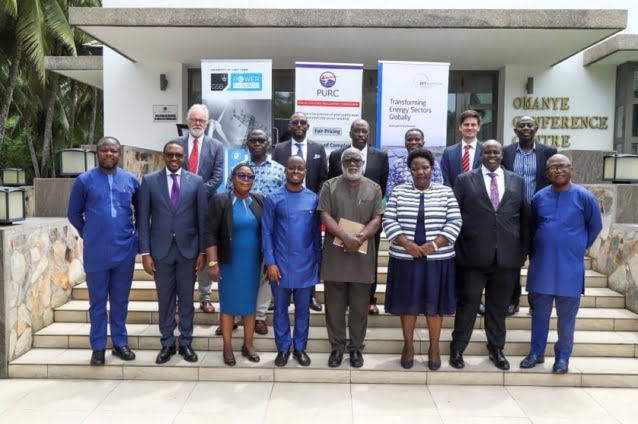
The 2023 African Electricity Regulatory Peer Review and Learning Network (PRLN) was hosted by the Public Utilities Regulatory Commission (PURC), Ghana’s economic regulator.
Participants in the five-day workshop included CEOs of electricity regulatory institutions from Ghana, Kenya, Namibia, Uganda, and South Africa.
In order to promote experiential learning and sharing among the CEOs of the energy regulatory organizations in Ghana, Kenya, Namibia, and South Africa, PRLN was created as an international forum.
The programme, which is hosted under the auspices of Energy Industry Captains, is supported by the University of Cape Town (UCT) Power Futures Lab, in collaboration with the European Global Energy Transformation Programme (GET-Transform).
The programme in Ghana comprised a one-week comprehensive review of the energy sector, which focused on engaging and interviewing major stakeholders (the Association of Ghana Industries (AGI); Trades Union Congress (TUC); Ghana National Chamber of Commerce; Ghana Chamber of Mines; Media; Ministry of Energy; Power generators, transmitters and distributors) in the sector; the overview of Ghana’s power sector; the strategic & policy environment; the regulatory governance and performance as well as regulatory substance, and impacts.
The PRLN, which is rotational among the countries represented on the team, noted that African electricity regulators can best learn from each other and improve on their performances through the conduct of periodic in-depth peer reviews of the electricity regulatory systems in each selected country.
The objectives of the Africa Electricity Regulatory Peer Review and Learning Network (PRLN) among others are to enhance leadership and management capability among African electricity regulators leading to increased credibility, transparency, and robustness of regulatory decisions.
It is also geared towards enhancing the overall investments and development outcomes through improved performances of the continent’s electricity industry.
The Peer Review and Learning Network in Ghana comes at a time when Ghana’s Electricity Regulatory Framework in 2022, was adjudged by the African Development Bank as the 4th best, improving three points from the previous 7th position in 2021 on the African Continent.
This exercise was carried out across a number of key metrics by the African Development Bank’s Electricity Regulatory Index for Africa.
The Chief Executive Officers present at the programme were: Dr. Ishmael Ackah (Public Utilities Regulatory Commission, Ghana), Ing. Ziria Tibalwa Waako, (Electricity Regulatory Authority, Uganda), Mr. Daniel Kiptoo Bargoria (Energy and Petroleum Regulatory Authority, Kenya).
The others were Mr. Nhlanhla Gumede, (Member of the National Energy Regulator of South Africa) and Mr. Pinehas Mutota, (General Manager, Economic Regulation; Electricity Control Board of Namibia).
To recover all arrears due by consumers, the Ghana Water Company Limited (GWCL) has begun a national revenue mobilization exercise.
The company is out to collect about GH₵800 million in debts as of January this year, up from GH₵684 million debts that stood on the company’s books as of January 2022.
This was when in September 2022, the Public Utilities Regulatory Commission (PURC) increased the average end-user tariff for water by 21.55 per cent, increasing the debt situation to GH₵800 million.
Out of the amount, private companies and individuals account for 90 per cent, while government institutions account for 10 per cent.
According to the GWCL, whereas the government institutions had been making efforts to settle their debt, consumers in the private sector had been quoting unfavourable business conditions for the accumulation of their debts.
Teshie/Nungua
In view of that, the Managing Director of GWCL, Dr Clifford Braimah, yesterday joined a revenue mobilisation task force team from its Accra East District to collect or disconnect private industries who owed the company.
The team visited the D.U. Fresh Company, Kata Company Limited, Printex Limited, Interplast Limited and Waka Building Limited.
Interplast Limited was in good standing, but Waka Building Limited, Printex Limited and Kata Company Limited proceeded to settle part of their arrears.
However, D.U. Fresh Company, which owed GH¢163,000, was disconnected for failing to settle its arrears.
Dr Braimah noted that the affected customers would be made to settle arrears in full and pay reconnection fees before they would be reconnected.
Enforcement exercise
The GWCL MD said the enforcement was successful considering how majority of the industries were willing to settle their arrears.
He mentioned that the GWCL would not tolerate customers who refused to settle their arrears with the excuse that they did not have water flowing through their taps.
“We are not a prepaid company; we are a postpaid company.
This means that we collect bills on water consumed,” he said, explaining that what had been consumed involved the usage of chemicals and electricity by the GWLC.
Dr Braimah, however, urged the company’s customers to utilise its online platforms such as the GWCL App or pay via mobile money for convenience.
He expressed the hope that the GWCL would mobilise more than 50 per cent of money owed it nationwide by the end of April.
Illegal activities
At Tema, the Deputy Managing Director of GWCL in charge of Operations, Peter De-veer, said arrears as of April 3, 2023, was GH¢140 million.
He noted that it had become expensive to produce water because of activities such as illegal mining, sand winning and farming either inside or close to the river bodies.
Mr De-veer said the GWCL used foreign exchange to procure chemicals to treat the polluted water to meet World Health Organisation standards.
He noted that such activities increased the turbidity of the rivers where GWCL extracted water for treatment.
Frank Annoh-Dompreh, the majority chief whip, has urged the newly elected Pan African Parliament (PAP) President to see that the Parliament is granted oversight authority.
He asserts that the PURC and the agencies of AUCs have been given authority to oversee the PAP, and that the PAP is in competition with the PURC for this authority.
This, he said, should not be the case.
He explained that the PAP was formed with a mandate to oversee parliaments in Africa. Therefore, “that function that is being performed by the agencies of the AUC and PURC must be relinquished.”
“Nobody should tell me any theory, that is what it is. From whichever way you view it, we have an oversight that is backed by protocol and nobody will take it away from us.
“We will demand that and will make that suggestion to you with the greatest of respect that let that oversight powers be given back to PAP,” he appealed to the newly elected PAP President, Chief Fortune Charumbira.
He made this appeal during a Pan African Parliament meeting in South Africa.
He maintained that the oversight function must be given to PAP, noting that it is well defined in PAP’s rules of procedure under rule 17.
According to the legislator, the PURC, AU and PAP are supposed to work in sync.
“I hope today will be a day that all of us will rally around and say that enough is enough! We cannot come back one year after and be talking about the same thing,” he said.
He also commended the President of PAP and the Bureau for maintaining peace at meetings.
According to him, he has proven beyond doubt that the confidence reposed in him is justified.
“We want to make an appeal to the African Union and all agencies of the African Union that gone were the days when PAP will come here and be fighting. For a long time we are not fighting again, we as an institution are making a conscious effort to reform ourselves.
“That is why we changed our rules of procedure. That is why for a long time the PAP and the PURC were not meeting but through the leadership – our president, the new Bureau struck that understanding and there is a cross-fertilization and working together,” he said.
The Public Utilities Regulatory Commission (PURC) in the Bono, Bono East and Ahafo regions recovered GHC24,948,151.84 million from consumers to the Northern Electricity Distribution Company (NEDCo) in 2022.
Mr Patrick Antwi, the Regional Manager, PURC, (for the three regions) disclosed this in an interview with the Ghana News Agency (GNA) on the sidelines of Consumer Service Clinic (CSC) organised by the regional office of the Commission in Sunyani.
He said the Commission further assisted consumers to retrieve GHC42,378.49 from NEDCo and GHC1,405.78 from the Ghana Water Company Limited amounting to GHC43,784.27 within the year.
Mr Antwi explained that 1,076 complaints were received with 1,062 of them resolved leaving 14 outstanding, while the GWCL had 149 complaints, all resolved.
The complaints comprised quality of service supply, consumer service delivery, billing, metering, unlawful disconnection, damaged properties and payment among others.
Through the PURC’s activities, 1,296 poles of NEDCo were replaced, 22 transformers were injected, 10 transformer upgrades were done, 4,659 meters were replaced, while 5,500 meters of the GWCL were replaced in 2022.
Mr Antwi said innovations introduced included ‘mpu ne mpu” where educational videos of questions asked by consumers were shared to strengthen operations, campaigns on illegal connection and payment of bills, intensifying education in Self Help Electrification Project (SHEP ), and training utility service providers on good customer service delivery.
This year the Commission would focus on four thematic areas: “Operation pitch camp”, where staff would visit utility providers to ascertain their operational activities, ”Know your consumption” , “PURC is here” which seeks to publicise the Commission in the three administrative regions, and ”Customer Service week” intended to improve customer satisfaction.
TheGhana Water Company Limited (GWCL) has blamed a private contractor working for the municipality for damaging its line for the recent interruption in water supply to households in the Tema district.
Residents in the region have been experiencing water shortage for the past few weeks due to maintenance works including the changing of non-functioning pipes by GWCL.
The development has affected businesses and households.
Appearing on the Asaase Breakfast Show on Monday (27 February) Musah Amidu, the Tema regional manager of the Ghana Water Company Limited said the company has filed a complaint against the private contractor with the Public Utilities and Regulatory Commission (PURC).
“…When you come to HFC side, there is a contractor working since last year on that side, and has been destroying the lines almost everyday,” he added. “We have sent several complaints.”
“But he is not listening to us. So, we have even written a letter to PURC complaining about his attitude, because he is causing inconvenience to our customers. We are waiting for PURC to call us for discussions with him,” he said.
Meanwhile, water has been restored to some areas after the completion of maintenance works by GWCL.
This comes after the Institute of Energy Security (IES), described as baseless factors accounting for the recent notice by the Public Utility Regulatory Commission for an increase in utility tariffs.
There is an impending increase in electricity and water tariffs by 30 and 8.3 percent respectively, effective February 1.
The Commission, while citing inflation as a factor, indicated that the cost of the electricity generation mix has also seen an increase taking into account the depreciation of the cedi.
Executive Secretary of the Public Utilities Regulatory Commission, Ishmael Ackah noted that IES’ assumptions are miscalculated.
“In Ghana, about 60 percent of our generation comes from thermal and about 40 percent from hydro. But with the hydro, we have the legacy hydro, Akosombo, Kpong and Bui. Where we come in is the legacy. Now, there is also a law that established the electricity market oversight panel. So not all the hydro comes to what we call the regulated market.”
“They [IES] say, the hydro will be 38 percent and out of this, we want to give five percent to Ghana water. Then VRA also has other commitments to export. Out of the export, we are also giving five percent. Then we also have the deregulated market. When we take all these components out, all that I have mentioned contributed about 33 percent.”
“So the component of the 38 percent that came to the regulated market, the 67 percent that we used, that is what we shared between ECG, NEDCo and Enclave Power and when you do the calculations, you get the 26 percent. So maybe, they didn’t take notice of this”, he explained on Eyewitness News.
What did IES say?
The IES asked PURC to reconsider the energy mix assumption used in the tariff adjustment.
It anticipated a marginal increase in tariff if more hydroelectric power is produced from the generation mix.
“The IES however considers the assumption used by the PURC on the electricity generation mix of 26.11% hydro and 73.89% thermal as baseless. That assumption amounts to giving priority to thermal power generation over hydro, given that water elevation for Bui and Akosombo generating stations (GS) have improved waterhead levels, and capable of producing over 35% of power in 2023, in IES’ estimation,” IES said in a statement.
“IES therefore calls on the PURC to reconsider the energy mix assumption used in the tariff adjustment (to reflect improved water-head levels) as that has an impact on the Weighted Average Cost of Gas, which has been reviewed to $6.0952/MMBtu from $5.9060MMBtu. This, the IES believe will bring some relief to already burdened citizens, and in the face of the current economic crisis.”
At its headquarters in Koforidua, the Eastern Regional Branch of the Ghana Water Company Limited (GWCL) conducted an End of Year Staff Durbar to present updates, get feedback, and discuss the company’s successes and difficulties from the previous year.
The workforce had the chance to speak with management at the durbar on Wednesday, express their problems, and celebrate the accomplishments of the last year.
It was a day that saw the management and staff of GWCL and the PURC come together under one umbrella to interact and make merry as new goals were set for the upcoming years.
The event offered great opportunities for various District Managers and Sectional Heads of the company in the region to take turns updating members on the happenings in their respective departments and expressing their gratitude to their staff for the effort in working assiduously to deliver to their customers.
Addressing the forum, the regional chief manager, Ing. Asomani Nyarko, commended the staff for demonstrating unity and producing desired results for the company.
He expressed his gratitude to management and staff for their contributions to the company’s success over the years.
He said the good works of the staff cannot be overemphasized and therefore need to be acknowledged to encourage them to do their best.
He called for stronger collaboration amongst the staff and encouraged them to continue to contribute their quota towards the development of the company and the country as a whole.
He also called for hard work and discipline and prayed for good health as they enter the new year.
Ing Nyarko said in the coming years, the Eastern Region will enjoy better services from the company, assuring that management will do its best to meet staff demands and expectations of customers.
Besides the successes chalked up, most of the challenges enumerated by the district managers and sectional heads bothered with operational issues such as lack of logistics and rampant pipe damage due to construction works, while calling for a facelift of the various district offices in the region.
And the Chief Manager assured that his outfit will put in all the efforts needed to deal with those challenges and ensure the company excels so that both employees and customers can enjoy the needed benefits.
He said 2022 has been a difficult year saddled with limited funding and expressed hope that, in the coming year, things will improve enough to mitigate most of the challenges encountered.
He also commended the company’s stakeholder groups, such as the Regional Coordinating Council, led by the Regional Minister; the Public Utility Regulatory Commission (PURC); the Electricity Company of Ghana (ECG); the media and the customers, for their various roles in helping the company chalk up some successes and overcome some of its challenges within the past year.
On his part, the Regional Manager for PURC, Mr. Jude Aduamoa Addo, remarked that the Board had undertaken a tour of some of the offices and installations of the Ghana Water Company in the region and advised the Management to work assiduously to improve upon the structures and address those challenges.
He indicated that the Commission would continue to work hand in hand with GWCL to see how best they could enable the company to achieve set targets.
He said the PURC is committed and will do its best to execute its policies, plans, and programs and ensure success for all the utility companies.
He congratulated management and expressed satisfaction with the general turnout.
He said amid the myriad of challenges GWCL has performed well, as he took the opportunity to thank the entire staff for supporting the management to deliver quality and timely service to customers.
He entreated the management of the company to work harder to improve the company’s ambience and image.
The Durbar has been an annual affair, but this year’s will go down as one of the most comprehensive as it had representatives of all staff from the various levels in attendance.
Present at the program were the regional manager for PURC, Mr. Jude Aduamoa Addo, the industrial relations officer for PURC, Brother Timothy Koomson, the various sectional heads of the company, district managers, and the junior and senior staff leadership.
The Public Utilities Regulatory Commission (PURC), ranked fourth in the 2022 Electricity Regulatory Index (ERI) for Africa.
This was made known when the African Development Bank (AfDB) and the World Bank (WB) on the Global Electricity Regulatory Index (GERI), launched the ERI report virtually on Thursday, December 8, 2022.
Forty-three (43) countries in Africa with forty-four regulatory institutions, participated in the assessment process, which was based on well-developed electricity regulatory frameworks, the capacity to exercise the necessary regulatory oversight and authority on the regulated entities, and the ability to achieve measurable outcomes.
These frameworks were categorized into three pillars: Regulatory Governance Index (RGI), which assesses the extent to which the laws, procedures, standards, and policies governing the electricity sector provide for a transparent, predictable, and credible regulatory framework, which meets international standards; Regulatory Substance Index (RSI), which evaluates how well electricity sector regulators are carrying out their mandate and implementing the practices and processes that affect regulatory outcomes; and the Regulatory Outcome Index (ROI), which measures the perspectives of distribution utility companies and/or consumers, and the degree to which the regulator has a positive or negative impact on the sector.
The PURC ranked fourth (4th) among the forty-four African regulatory institutions sampled, only after Uganda, Egypt and Senegal. This was achieved based on the significant progress made by the Commission in the operations of its functions as per the legal mandate, clarity of roles of independence, accountability, transparency, predictability, participation, and open access to information for various stakeholders.
For the year under review (2022) and in the interest of deepening its transparency, the Commission was able to among others, undertake consumer service clinics, which enabled the Commission to bring its complaints resolution processes closer to consumers; published the reckoner (electricity and water), which enables consumers to compute their own tariffs based on consumption levels; redesigned the Commission’s website to accommodate new developments, such as hosting the public utilities regulatory information system (PURIS); as well as constituting regulatory audit teams to undertake verification exercises, based on submitted investment needs of the Utilities.
Furthermore, the Commission made significant progress on transparency in its tariff setting processes by publishing approved guidelines for setting tariffs, quality of service measures to guide the regulated utilities, and improved considerably on its institutional capacity to enable it fulfil its mandate. Through this, the Commission was able to reverse the tariff structure, which was previously punitive for industry. This was to enhance the competitiveness of Micro, Small and Medium-Scale Enterprises (MSMEs) across the country.
The African Development Bank, since 2018, has embarked on carrying out surveys on the level of development of Regulatory Frameworks in the electricity sector in Africa. From year to year, the Bank through the ERI continues to inspire African countries to achieve better electricity sector performance through reforms that have been or are to be put in place but also through improvements to the current framework in which, the electricity sector finds itself. Africa needs investments in the energy sector, and this requires making the sector attractive, ridding it of all the administrative and organizational red tape that still hinders active private sector participation.
The ERI has evolved considerably since 2018 when only 15 countries participated in it, compared with 44 countries in 2022, which now participate in the ERI. The Director for Energy Financial Solutions, Policy and Regulation at the African Development Bank noted that “…the ERI has been influential not only in Africa but also the rest of the world”.
The World Bank on its part has also assessed the regulatory frameworks within the sector, including the report on Rethinking Power Sector Reforms in the Developing World. These efforts are aimed at providing a quantitative basis for measuring the adoption of regulatory best practices, which allows for countries to identify gaps in their regulatory framework and benchmark their performance against regional or global peers.
The African Development Bank and World Bank as a collaborative partnership joined forces to harmonize the structure of indicators under both projects, resulting in the development of the Global Electricity Regulatory Index (GERI), which was produced by the World Bank.
Whiles the AfDB, measures the level of development of electricity sector regulatory frameworks in African countries and the capacity of regulatory authorities to effectively carry out their relevant functions and duties, the World Bank measures broadly on the global space. As at the end of 2021, the GERI, reports on results from a first global survey comprising a snapshot of the regulatory context in 82 low-and middle-income countries.
According to the Executive Secretary of the PURC Dr. Ishmael Ackah, being ranked fourth this year is an improvement on the Commission’s 7th position in the previous year.
The Commission owes this to the cooperation of its numerous stakeholders to which the Commission is grateful.
The Public Utilities Regulatory Commission (PURC)has ordered the Electricity Company of Ghana (ECG) to pay compensation to its customers affected by its prepayment system across the country from September to early October, this year.
This follows the failure in ECG Prepayment vending System at Volta, Takoradi, Tema, Cape Coast, Kasoa, Winneba, Swedru, Koforidua, Nkawkaw andTafo among other locations.
To demonstrate good customer service, the commission has asked ECG to pay lifeline customers GH¢15, residential customers with 10 penalty units equivalent GH¢120; non-residential customers with 20penalty units equivalent GH¢240; commercial customers with 40penalty units equivalent GH¢480 and industrial customers with 100 penalty units equivalent GH¢1,200.
Dr Ishmael Ackah in a statement issued and signed and copied to Ghanaian Times in Accra on Tuesday said the ECG would pay the compensation in the form of a one-time electricity credit from last Saturday to Friday October 7, 2022 with the compensation clearly indicated on customer receipts.
“ECG shall issue widespread notifications to inform customers of the compensation due to them and shall maintain accurate records of measures taken to comply with this order including the number of temporary staff engaged (if any), for purposes of regulatory monitoring,” he stated.
“This order is without prejudice to any additional directives the Commission may issue with respect to the incident,” he added.
Dr Ackah noted that the order was issued under sections 11 and 12 (1) and (2) of the Public Utilities Regulatory Commission Act, 1997 (Act 538); and regulations 41 and 45 of the Public Utilities Regulatory Commission (Consumer Service) Regulations, 2020 (L12413).
He said that the law imposed a duty on public utilities to provide safe, adequate, efficient, reasonable and non-discriminatory service.
“The law also mandates the Commission to impose compensation orders among other penalties on public utilities for failure to comply with their legal obligations,” he said.
Dr Ackah said it was for that reason the commission in consideration of the inconvenience occasioned by the failures with the ECG prepayment meter systemdetermined that ECG would pay compensation to all its affected customers.
The Executive Secretary of the PURC said that the ECG would additionally adopt immediate measures to increase staff output and responsiveness to customers.
Dr Ackah said ECG would extend the working hours at all affected locations to 8pm,
engage temporary staff to ensure that affected customers were speedily attended to and were credited with the approved compensation by October 7, 2022.
“Final resolution of the vending failure as soon as possible with minimum further inconvenience to consumers,” he added.
The Public Utilities Regulatory Commission (PURC) has ordered the Electricity Company of Ghana (ECG)to compensate all customers who have been affected by the malfunctioning of its prepayment meter system.
In a press release on October 4, 2022, PURC indicated that ECG shall compensate affected customers in the form of one-time electricity credit from October 1 to 7, 2022.
The ECG has been directed to notify customers of the compensation due them. Also, the compensation shall be clearly displayed on customer receipts.
Over the weekend, consumers complained that they were unable to buy electricity credit using the prepayment meter system despite the ECG stating that the challenges faced had been resolved.
“The Electricity Company of Ghana wishes to inform all stakeholders, especially our cherished customers on our prepayment metering system that the issue with the 3rd Party Vending Points has been resolved,” part of the statement released on October 1 read.
On Monday, the Electricity Company of Ghana revealed that they have fixed the vending challenges customers were facing with the prepaid metering system across the country.
However, many say they continue to experience such challenges. Customers who have thronged ECG offices have had to leave without being attended to.
Meanwhile, the PURC has directed the ECG to extend its working hours at all affected locations to 8PM.
Also, the electricity service provider is to employ temporary staff to ensure that affected customers are speedily attended to and a credited with the approved compensation by October 7, 2022.
Prepaid metre users of the state power distribution company between late September 2022 and early October 2022 experienced challenges in topping up credit.
The situation affected customers seeking to purchase credit from third-party vending points and the ECG mobile app, leading to several power users being left without supply for days.
In a statement dated October 4, 2022, the PURC ordered ECG to compensate its affected customers for breaching its obligations.
“In view of the extent of inconvenience occasioned by the failure with the ECG prepayment meter system, the Commission has determined that ECG shall pay compensation to all affected customers.
“ECG IS HERBY ORDERED to compensate each affected customer for loss suffered as a show of responsive customer service,” the statement said.
According to the directive, the compensation is to be affected “in the form of one-time electricity credit commencing 1 October 2022 and ending October 7, 2022.”
See below the details of the full order by PURC to ECG
Watch the latest episode of The Lowdown below:
The Lowdown: Role of the diaspora in the development of Africa
CEO of the Aaron Manvel Foundation Millie Lorene Tucker and Gary Hope, the CEO of FLCC – Bring Back Hope Foundation underscore the need for the African diaspora to help develop the continent in this episode of The Lowdown on GhanaWeb TV. According to the women trying to make and create a change in Ghana, our forefathers were sold away and made to develop strange lands. Thus, coming back home and developing their home country is the best thing to do especially when resources are available.
The Public Utilities Regulatory Commission (PURC) has assured customers of Electricity Company of Ghana (ECG) of its commitment to ensuring that the Company resolves technical anomaly regarding the purchase of electricity.
The Commission, in a statement, said it was closely monitoring the situation and was in full discussions with the service provider to address the issue.
The ECG on Tuesday, September 27, 2022, informed its customers on the Ecash and PNS metering systems that due to a technical challenge, purchase of electricity credit had been interrupted, affecting customers in Volta, Takoradi, Tema, Cape Coast, Kasoa, Winneba, Swedru, Koforidua, Nkawkaw, and Tafo.
The Company on Thursday, September 29, 2022, said that it was working to rectify the technical anomaly, which had affected the purchase of electricity.
It, therefore, urged customers in the Greater Accra, Central, Eastern, Western and Volta regions to visit the Company’s district offices to purchase electricity.
Meanwhile, some customers have described the incident as unfortunate and asked the PURC to direct ECG to compensate those affected.
The Public Utilities Regulatory Commission (PURC) says it was closely monitoring the challenges experienced in vending for prepaid consumers on E-cash and PNS metering system of the Electricity Company of Ghana (ECG).
A statement signed by the Executive Secretary of the PURC, Dr Ishmael Ackah assured “all affected customers of its commitment to ensuring the delivery of a safe and reliable utility service provision and to have the issue resolved quickly.”
The ECG is currently experiencing some technical challenges in relation to the metering system nationwide, which has resulted in some customers unable to top-up electric power credit on prepaid metres for the past three days.
The technical challenge has affected customers in 10 operational regional areas of the ECG in Volta, Kumasi, Accra, Takoradi, Tema, Cape Coast, Kasoa, Winneba, Swedru, Koforidua, Nkawkaw, and Tafo.
The problem started on Monday and as of Thursday afternoon, it was yet to be completely fixed.
“Some of the systems have been fixed but not all,” Charles Nii Ayiku Ayiku, General Manager in charge of external communications at ECG said.
“We are working very hard to make sure that we get all the systems in place,” he added.
Mr Ayiku said the issue is for some customers and not all customers and that the challenge was detected and fixed, “but some of the systems were not able to respond. So, it is not all our customers that are experiencing this challenge,” he said.
The Public Utilities Regulatory Commission (PURC) has introduced a calculator-like device to assist customers in keeping track of the precise number of utility units they have purchased and used.
This is to help promote trust and confidence in the industry. It is to assist consumers have “control of how much water and electricity they consume†so they can make informed protestation during any eventuality.â€
The PURC launched the device at a consumer service clinic in Kumasi.
The consumer service clinic programme was on the theme: “Protecting the interests of consumer and utility service providers.â€
According to the PURC Executive Secretary, Dr. Ismael Ackah, the move was made in order to allow consumers the chance to express their grievances to the PURC, with the expectation that their problems will be remedied.
This is part of the mandate of the PURC to receive, investigate, and settle complaints relating to utility services.
The consumer service clinic was instituted to provide a platform for consumers to air their grievances.
“The overall strategy of the commission is to improve transparency of its processes. and improve information access. And it is our desire to work with all stakeholders to make PURC a centre for regulatory excellence that protects the interests of both the consumer and the utility,†Dr Ackah said.
Beyond that, Dr Ackah said the device will create a solid relationship between consumers and service providers and prevent doubts.
The device has an inbuilt facility that allows consumers to make their complaints directly, and a possible solution can be found by identifying the districts and business centres where the transaction took place.
The Ashanti Regional Head of PURC, Francis Baidoo, said the clinic would form the basis for regular engagements with consumers to help address future challenges.
He said the engagement with consumers will help deliver bills at the right time to ensure smooth payment without consumers complaining of overrunning metres.
The new tariffsinclude a 27.15% increase in electricity and 21.55% increase in water.
Tariffs were drastically increased at the request of utility service providers in order to help them recover and sustain their operational costs.
With the new tariffs, consumers will pay 36.12 % extra for what they consume from zero to 600 units.
Also, for lifeline users who consume from zero to 30 units, their increment is 28.52%, while all commercial consumers of electricity and those within the special load tariff will pay five % more from today.
Meanwhile, Ghanaians have complained that the country’s economic situation would make paying for such services problematic.
However, the General Manager in charge of External Communications at ECG, Charles Nii Ayiku Ayiku appealed to the public to bear with the rise.
“I think that Ghanaians should understand and help us. The tides in the current economy are not hidden. We know that globally, we have all been affected, so they need to support the company.â€
The Electricity Company of Ghana (EGG) has indicated that it will not adjust tariffs beyond 10% in the future should the Public Utilities Regulatory Commission (PURC) approve its pending proposal.
The company is requesting a 148% increment in tariffs, which the PURC is yet to either approve or disapprove.
At a stakeholder engagement on the proposals on Wednesday, May 11, Sylvia Noshie, General Manager for Regulatory Management at ECG, stated that the company is looking forward to having the PURC approve its proposal; something that will go a long way to help enhance efficiency and effectiveness.
She added that some technical and commercial losses also accounted for the increased proposal.
Sylvia Noshie further explained that increased tariffs were, “partly as a result of an accumulated adjustment for the past four years.”
She noted that Ghanaians will pay more than the 148% next year if the PURC disapproves of the current proposal.
“If PURC approved the 148%, there will be an average yearly increment of 7%,” Sylvia Noshie said as part of ECG’s projections.
The Public Utilities Regulatory Commission (PURC) last year secured GH¢5,778,379.20 as compensation for consumers of electricity and water.
The Commission said the amount was paid to both households and industrial consumers of electricity and water across the country after it investigated complaints on the quality of service, largely, power outages and water cuts.
It also recouped GH¢548,383 within the same period for the utility service providers Electricity Company of Ghana (ECG) and Ghana Water Company Limited (GWCL) over illegal connections and non-payment of utility bills.
Alhaji Abukari Jabaru, Director, Regional Operations, PURC, said this on Saturday at the Commission’s media fellowship training at Prampram in the Greater Accra Region.
He noted that the non-payment of bills was largely observed in Government agencies.
The fellowship is to make the media abreast of the operations of PURC, including tariff setting, complaint resolution and database management.
It is also to get support from key stakeholders in balancing the interest between utility service providers and consumers to ensure that while service providers were profitable, consumers were also given quality services.
Alhaji Jabaru indicated that the Commission in 2021 received 10,987 complaints and had resolved 10,701, representing 97.3 percent, with the remaining 286 in the process of being resolved.
In an interview with the Ghana News Agency on the sidelines of the programme, Dr Ishmael Ackah, the Executive Secretary of PURC, encouraged journalists to work closely with the Commission for the benefit of all stakeholders.
Cuts Ghana, a research and public policy think tank, has called on the Public Utilities Regulatory Commission (PURC) to review electricity tariffs for all classes of electricity consumers.
Mr Appiah Kusi Adomako, the Country Director of CUTS Ghana, said in a statement that currently, the cost of energy supply is going down across the world, hence the PURC must also review electricity prices downward.
“In the light of the falling prices of the key input fuel for power generation in the world market, it is fair and reasonable for the PURC to consider immediate review of electricity tariffs to give relief to businesses and consumers.
“From the last review of tariffs when it took effect from July 1st, 2019, the Commission made their tariffs determination based on some key assumptions, which have changed substantially.
“With respect to natural gas and heavy fuel oil (HFO) as fuel for generation of electrical energy for the 2019-2020 tariff period, the Commission approved a US$ 6.08/MMBtu as the Weighted Average Delivered Price of Gas and US$ 390/Metric Tonne for HFO,†the statement said.
It further stated that “now, with the fall in demand for crude oil and natural gas, the current price for natural gas has fallen from $6.07/MMBtu in July 2019 to $1.8/MMtu as of today. At the same time, crude oil has fallen to about $20 per barrelâ€.
“According to the Ministry of Energy, the total installed capacity for existing plants in Ghana is 4,132MW consisting of Hydro 38%, Thermal 61% and Solar less than 1%. Since about two-third of Ghana energy mix is from thermal sources which use either natural gas or crude oil which has seen a drastic fall in prices from the previous review, the Commission should as a matter of priority consider tariffs review.
“All over the world, countries that depend on natural gas and fuel have seen prices of electricity going down and for that reason Ghana cannot be an exception to this obvious reality.
“As it has always been the case for tariff review in Ghana whereby utility providers submit proposals to the PURC for upward review, today, we the consumers of electricity in Ghana are calling on the Commission to act in the interest of electricity consumers and review prices down.â€
The Public Utilities Regulatory Commission (PURC) has condemned the recent power outages and voltage fluctuations being experienced by electricity consumers in various parts of the country in the past weeks.
The utilities regulator has noted it is monitoring and examining the situation to identify the cause of the challenge to ensure that utility service providers deliver quality service to Ghanaians.
In a statement signed by the Executive Secretary of the PURC, Mami Dufie Ofori, the Commission assured consumers that appropriate regulatory actions would be taken against any utility in the power value chain found to be noncompliant with regulatory standards and benchmarks.
The Commission urged affected consumers to submit complaints including grievances over damaged electrical appliances to the utility service provider in the first instance.
The statement continued, “If such grievances are not resolved, complainants can forward them to any PURC offices in their respective areas for investigation and redress.â€