A 12-year-old girl from Asokore in the Sekyere East District of the Ashanti Region has died after contracting rabies from a bite inflicted by a three-month-old dog, the District Director of Health, Dr. Justice Ofori-Amoah, has confirmed.
The tragic incident occurred in October 2024 when the child was bitten on her left leg. Two weeks later, she began to experience itching at the site of the bite, followed by worsening symptoms including severe headaches, fever, and nausea on Monday, February 10.
Later that evening, her condition deteriorated further as she displayed signs of “disorientation, aggression, and trouble concentrating.” She was rushed to the Effiduase Government Hospital for treatment but sadly passed away on February 11 at around 6 p.m.
“Unfortunately, this bite, which happened last year, has claimed the life of a young child in 2025—a death that could have been prevented,” Dr. Ofori-Amoah said during the district’s annual performance review meeting. He expressed concern about the “worrying trends affecting schoolchildren who are the future of this country.”
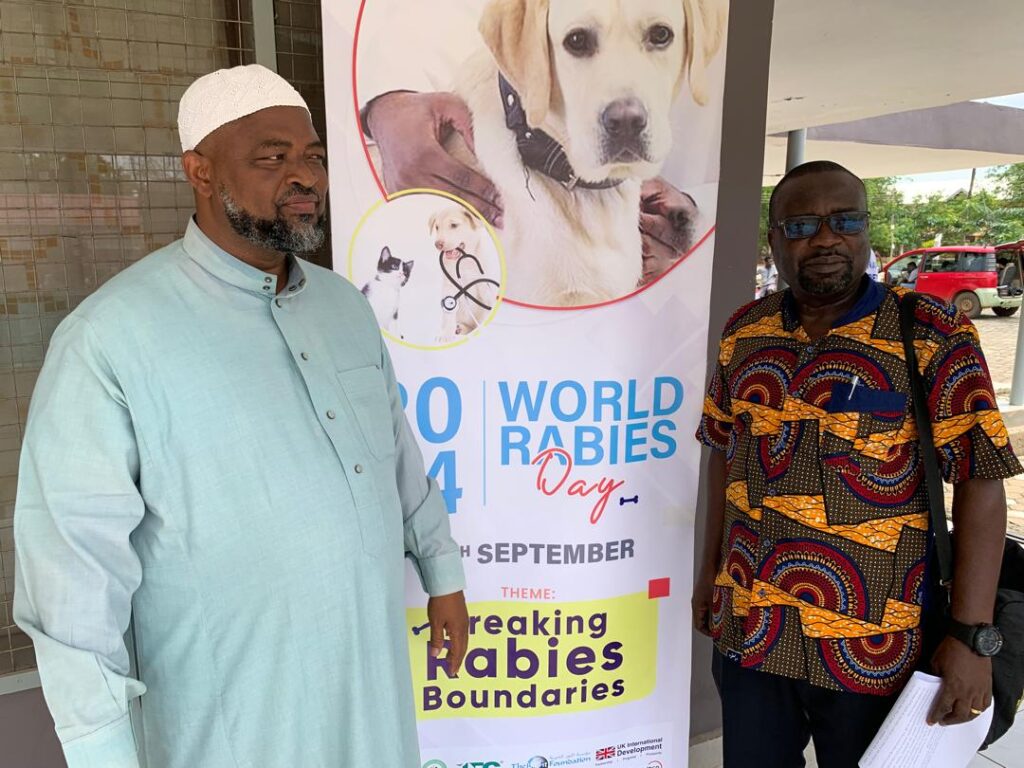
This marks the first recorded rabies-related death in the district this year. The incident comes just weeks after an extensive public awareness campaign on rabies prevention, which targeted schoolchildren, health professionals, community leaders, and traditional authorities.
In 2024, the district accounted for two out of five confirmed rabies cases in the Ashanti Region, prompting health officials to intensify efforts to curb the disease. Dr. Ofori-Amoah stressed the importance of seeking “immediate medical attention following any bite from dogs, cats, or monkeys,” even if symptoms of rabies are not immediately apparent.
In response to the growing threat of rabies, the Sekyere East District Health Directorate, in partnership with the veterinary department, launched a mass vaccination campaign in January 2024. The exercise, which began in Ahwerewa, aimed to immunize dogs and cats in high-risk areas.
District Veterinary Officer Irene Efua Acquah noted that communities with larger dog populations posed a heightened risk for rabies outbreaks. She also addressed misconceptions around vaccination, stating, “Vaccinating dogs does not affect their hunting instincts. We must dispel these misconceptions.”
The vaccination campaign is expected to expand to other communities, including Nustem, Okaikrom, Obaapaninkrom, and Attakrom. Acquah urged residents to take dog bite incidents seriously, stressing, “Every bite should be treated with urgency—visit the hospital and receive proper treatment before considering any other action.”