Tag: Rwandan genocide

  • Kabuga of Rwanda ought to be freed – UN court

    Kabuga of Rwanda ought to be freed – UN court

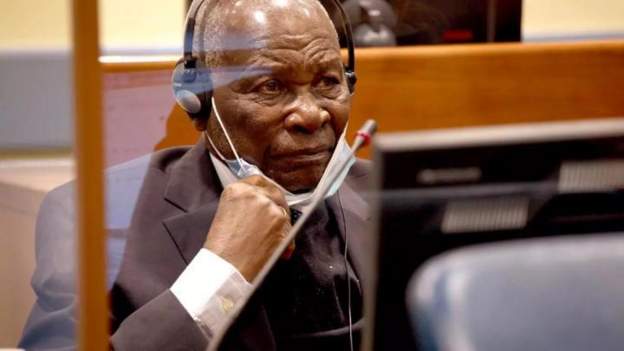
    Félicien Kabuga, a suspect in the Rwandan genocide, has been ordered to be urgently assessed for release, and the war crimes trial against him has been temporarily halted by UN appeal judges.

    Although Mr. Kabuga’s dementia rendered him unsuitable to stand trial in June, judges at a UN war crimes court recommended that alternate processes be used instead.

    Judges in the appeals court now reject this proposition.

    The judges claim that the UN war crimes tribunal committed “an error of law” in June when it decided that Mr. Kabuga should be tried using a different, more straightforward method despite his condition.

    Additionally, a lower trial chamber has been instructed to begin working on his release.

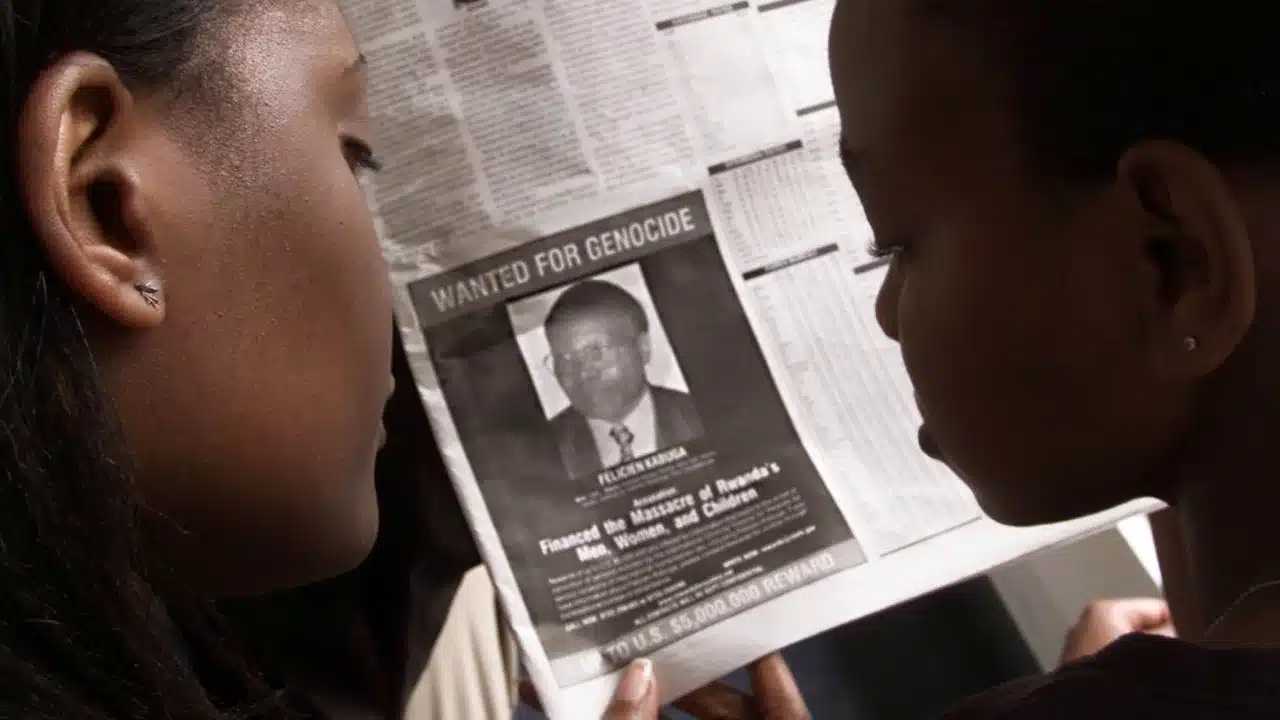
    The 80-year-old businessman and owner of a radio station was one of the final suspects pursued by the tribunal investigating crimes committed during the 1994 Rwandan genocide.

    He is accused of inspiring the assassins who slaughtered more than 800,000 people in just 100 days and inciting hatred through his radio programme.

    After 20 years on the run, Mr. Kabuga was captured in Paris in 2020 and entered a not guilty plea.

    The court acknowledged that this most recent ruling will be upsetting to the genocide victims and survivors, but added that justice could only be carried out with the utmost respect for the rights of the accused.
  • Fulgence Kayishema to seek asylum in South Africa after Rwandan genocide

    Fulgence Kayishema to seek asylum in South Africa after Rwandan genocide

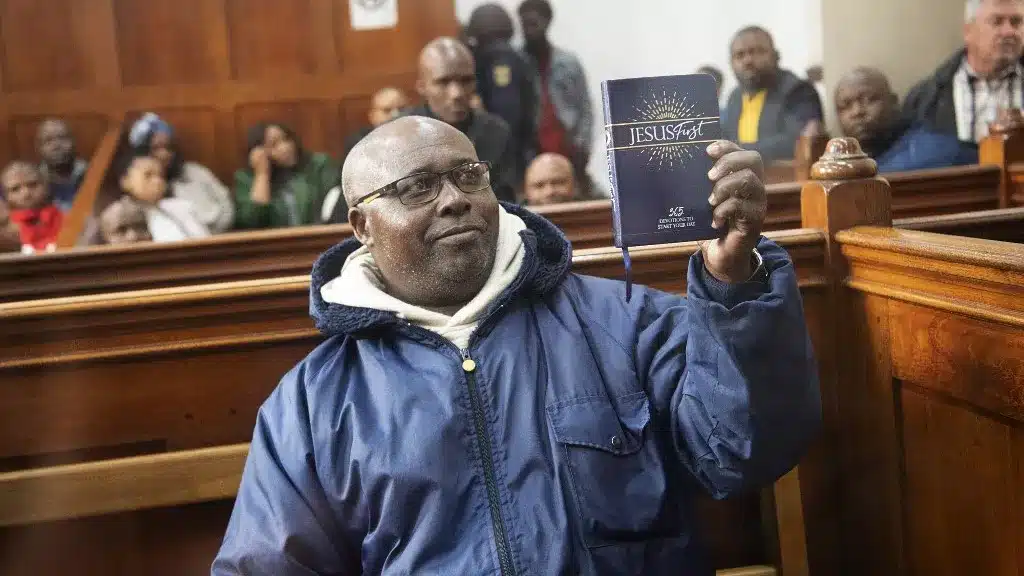
    Fulgence Kayishema, who is accused of having a significant role in the genocide in Rwanda and was apprehended last month after 22 years on the run in Cape Town, will apply for asylum in South Africa, according to a statement made by his attorney on Tuesday.

    “My instructions are to apply for asylum in the republic of South Africa”, Juan Smuts shared at the end of a court hearing in Cape Town.

    His client “fears for his life if he is extradited,” he explained.

    The request for asylum is likely to delay Kayishema’s trial in South Africa, where he faces numerous charges relating to his illegal stay in South Africa, and will “suspend his extradition”, the lawyer added.

    Until his arrest on 24 may, the 62-year-old Rwandan was one of the last four fugitives wanted for their role in the 1994 genocide of 800,000 Rwandans, many of them Tutsi, by Hutu extremists.

    A stocky, balding man with round eyes behind thin glasses, the sixty-year-old had admitted to being the man wanted by international justice. A master at assuming false identities, according to investigators, he was most recently using the name Donatien Nibashumba.

    It is still unclear how he came to be on the run, but according to the South African prosecutor’s office, he started a family and, using an assumed name and claiming to be Burundian, applied first for asylum in 2000 and then for refugee status in 2004.

  • Rwandan genocide suspect deemed mentally unfit for trial by UN court

    Rwandan genocide suspect deemed mentally unfit for trial by UN court

    A UN war crimes court has determined that 88-year-old Rwandan genocide suspect Félicien Kabuga is no longer capable of “meaningful participation” in his trial.

    The court said their judgement was based on information acquired from medical records and those who care for him which suggest “a significant decline in Kabuga’s ability to care for himself.”

    “The trial chamber finds Mr Kabuga is no longer capable of meaningful participation in his trial,” the Hague-based International Residual Mechanism for Criminal Tribunals (IRMCT) said in an order released on Tuesday.

    The court suggested that because Kabuga is unlikely to regain fitness, the judges should adopt an “alternative procedure that resembles a trial as closely as possible, but without the possibility of a conviction.”

    Kabuga is one of the last fugitives accused of broadcasting hateful propaganda and arming militias in the 1994 genocide in Rwanda.

    He was arrested in May 2020 at a modest apartment in Paris where he was living under a pseudonym after 26 years on the run.

    He pleaded not guilty at his first tribunal appearance in November 2020.

    As president of Radio Television Libre des Mille Collines (RTLM), he had been one of Rwanda’s wealthiest and most influential men among the Hutu elite.

    Kabuga’s trial began last September before the IRMCT for what prosecutors say was his “substantial” contributions to the genocide against the Tutsi ethnic group in Rwanda.

    Prosecutors say Kabuga’s radio station RTLM broadcast genocidal propaganda and accuse him of arming the ‘Interahamwe’ militia, widely considered to be the main culprits behind the killings.

    IRMCT prosecutors say he did not wield a machete or pick up a microphone to broadcast hate but his conduct since 1992 pointed to a consistent anti-Tutsi agenda.

    They told judges that an estimated 800,000 people were killed in just 100 days.

    “The charges against Kabuga reflect his status as a wealthy and well-connected insider,” prosecutor Rashid S. Rashid said in his opening statement last September.

    He said the case reflects Kabuga’s “individual responsibility for serious crimes committed during the 1994 Rwanda genocide.”