Tag: Samuel Abu Jinapor

  • Your deportation deal with U.S. unconstitutional, suspend it – Minority to govt

    Your deportation deal with U.S. unconstitutional, suspend it – Minority to govt

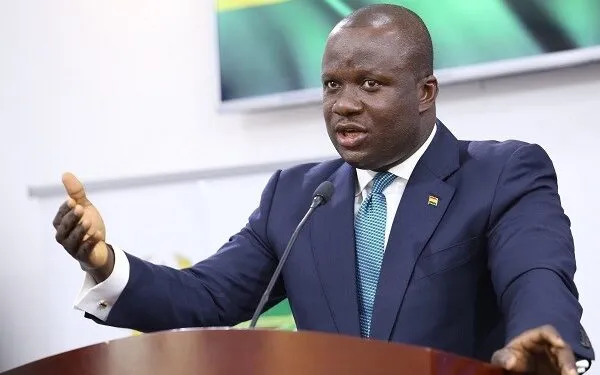
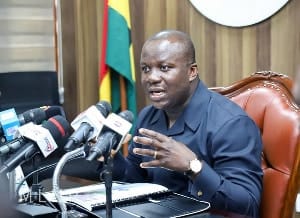
    The deportation agreement between the Government of Ghana and the United States has drawn massive scrutiny from the Minority in Parliament. Addressing the media on Wednesday, September 24, the Ranking Member on the Foreign Affairs Committee, Samuel Abu Jinapor, described the deal as unconstitutional, calling for its immediate suspension.

    The Minority Caucus has demanded a thorough review of the deal in Parliament, while seeking clarity on the processes and safeguards that guided its approval.

    “We therefore reiterate our call on the Government to suspend, with immediate effect, the unconstitutional implementation of this agreement until Parliament has duly exercised its constitutional mandate to ratify same.

    “We urge Government to provide full clarity on the processes, safeguards, and other broader implications associated with receiving these deportees, including the measures, if any, that have been taken to protect Ghana’s security interests,” he added.

    The Minority cited Article 75 of Ghana’s Constitution, which dictates that an international agreement must be approved by Parliament.

    They pointed to previous Supreme Court rulings, such as the one involving the Gitmo 2 detainees, as precedent for why executive-only agreements are unconstitutional.

    “The deal should have been brought to Parliament. It’s the same President Mahama who entered into a deal for the relocation of the Gitmo 2 to Ghana. What’s in it for our beloved country, Ghana?” NPP MP for Abirem, Charles Owiredu, wrote.

    The opposition also accused Mahama of hiding behind the Economic Community of West African States (ECOWAS) protocol on free movement, describing it as misleading. They argued that those protocols apply to voluntary travel, not forced deportations orchestrated by non-member states like the U.S.

    “Accepting forced deportations orchestrated by non-ECOWAS states contradicts the spirit of regional integration protocols designed for voluntary movement,” stated the Minority Caucus on the Foreign Affairs Committee.

    But the Foreign Affairs Minister has explained that the decision was driven primarily by humanitarian concerns after observing the harsh treatment of deportees abroad.

    “We didn’t agree to this because we agree with President Trump’s immigration policies. We’re not doing the U.S. a favour. We’re doing our fellow Africans a favour; we’re offering them refuge, hope, and we want them to come back home and be comfortable.

    “We solidarised with them when we saw those images, the arrests, the violation of their rights, and their being detained against their will. It was purely on a humanitarian basis; we did not take any financial benefits. We’re doing this because we want to continue to position Ghana as the Mecca for Africans,” Ablakwa stressed.

    On Wednesday, September 10, the first batch of West African nationals arrived in Ghana following their deportation from the U.S. During a media encounter at the Jubilee House, President John Dramani Mahama said that the batch consisted of 14 individuals, mostly Nigerians, along with one Gambian national.

    “We were approached by the U.S. to accept third-country nationals who were being removed, and we agreed that West African nationals could be accommodated, since all our fellow West Africans do not require a visa to enter Ghana. So, if they travel from the U.S. to Accra, entry is not an issue. Bringing our West African colleagues back is therefore acceptable,” President Mahama explained.

    President Mahama did not explicitly detail the deal of Ghana serving as a transit hub for West African nationals deported from the U.S. Meanwhile, the government of Ghana has sent back home the fourteen (14) West African migrants who arrived in the country after their deportation from the United States (U.S).

    This was made known today, Tuesday, September 23, after an Accra High Court struck out a human rights case filed by eleven (11) of the 14 West African nationals against the government.

    However, during court proceedings lawyer for the applicants, Oliver Barker-Vormawor, revealed that the individuals returned to their home countries over the weekend despite safety concerns.

    “We had before the court two applications-one for a writ of habeas corpus and the other for an interim injunction preventing repatriation. Unfortunately, the court adjourned the matter to this morning without granting interim relief. Over the weekend, the applicants were deported, and as such, our applications have become moot. This is precisely the injury we sought to prevent,” Barker-Vormawor told the court.

    The eleven individuals include Nigerians Daniel Osas Aigbosa, Ahmed Animashaun, Ifeanyi Okechukwu, and Taiwo K. Lawson; Liberian national Kalu John; Togolese nationals Zito Yao Bruno and Agouda Richarla Oukpedzo Sikiratou; Gambian national Sidiben Dawda; and Malians Toure Dianke and Boubou Gassama.

    According to the applicants, they were forcibly transported to Ghana without prior notice. They allege that they were secretly moved from the U.S detention centers between September 5 and 6 in shackles.

    They wanted the court to temporarily stop them from being deported back to their home countries until the court decides on their case. Their submission further revealed that Ghanaian authorities allegedly confined them in a military facility.

    They cited Article 14(1) of Ghana’s 1992 Constitution, which guarantees personal liberty, as well as Article 23, which protects the right to administrative justice.

    They are arguing that Ghana is violating international law by trying to send them back to countries where their lives or freedom could be at risk.

    As a result, they have demanded that the Attorney-General, the Chief of Defence Staff, and the Comptroller-General of the Ghana Immigration Service at the Human Rights Division of the High Court appear before the court with valid reasons.

    A federal judge, Judge Tanya Chutkan, has expressed concern that the arrangement suggested complicity on the part of the Ghanaian government in the deportation process.

    Judge Chutkan granted an emergency hearing after lawyers for the deportees argued that their clients expected to be returned to Nigeria and Gambia, and feared torture or persecution if sent home. She instructed the Trump administration to submit a report outlining measures to prevent Ghana from returning the deportees to their home countries.

    According to her, concerns about their safety were not speculative but “real enough that the United States government agrees they shouldn’t be sent back to their home country.”

    Judge Chutkan described the arrangement as appearing to have been designed by U.S. officials “to make an end run” around legal requirements barring the government from deporting migrants to situations of danger.

    The deportations, she noted, form part of President Donald Trump’s broader strategy of relocating migrants to “third countries” to expedite removals and pressure undocumented immigrants to leave the U.S.

    It later emerged, following a lawsuit filed on Friday, September 12, by the American Civil Liberties Union (ACLU) and Asian Americans Advancing Justice, that five of the nationals deported to Ghana had U.S. legal protections preventing deportation to their home countries. One of them, a bisexual man, was already sent to Gambia and is reportedly in hiding.

    The others were held in an open-air facility managed by the Ghanaian military, which was described as having squalid conditions. The complaint alleged that the migrants were taken from a Louisiana detention facility, shackled, and flown on a U.S. military aircraft without being told their destination. Some were reportedly restrained in straitjackets for 16 hours.

    The U.S. Department of Justice, responding to Judge Chutkan’s request, argued that it no longer had custody of the migrants and therefore the court lacked authority to interfere in matters of diplomacy. They cited a Supreme Court ruling allowing deportations to third countries.

    U.S. Department of Homeland Security spokesperson Tricia McLaughlin rejected the claim that straitjackets were used during the flight, but declined to comment on allegations of circumventing immigration law.

    In January 2016, President Mahama welcomed two Yemeni nationals, Mahmud Umar Muhammad Bin Atef and Khalid Muhammed Salih Al-Dhuby, who had been detained at Guantanamo Bay for about 15 years. They were linked to Al-Qaeda activities, and their transfer to Ghana formed part of a bilateral agreement with the U.S.

    The Mahama government explained that the move was a humanitarian gesture and that the two men would stay in Ghana for two years. However, the deal was never submitted to Parliament as required by the Constitution.

    In June 2017, the Supreme Court ruled that the Gitmo 2 agreement was unconstitutional, ordering the government to present it to Parliament within three months or return the detainees to the U.S.
  • Third-largest mine in Ghana to be commissioned in November – Lands Minister

    Third-largest mine in Ghana to be commissioned in November – Lands Minister

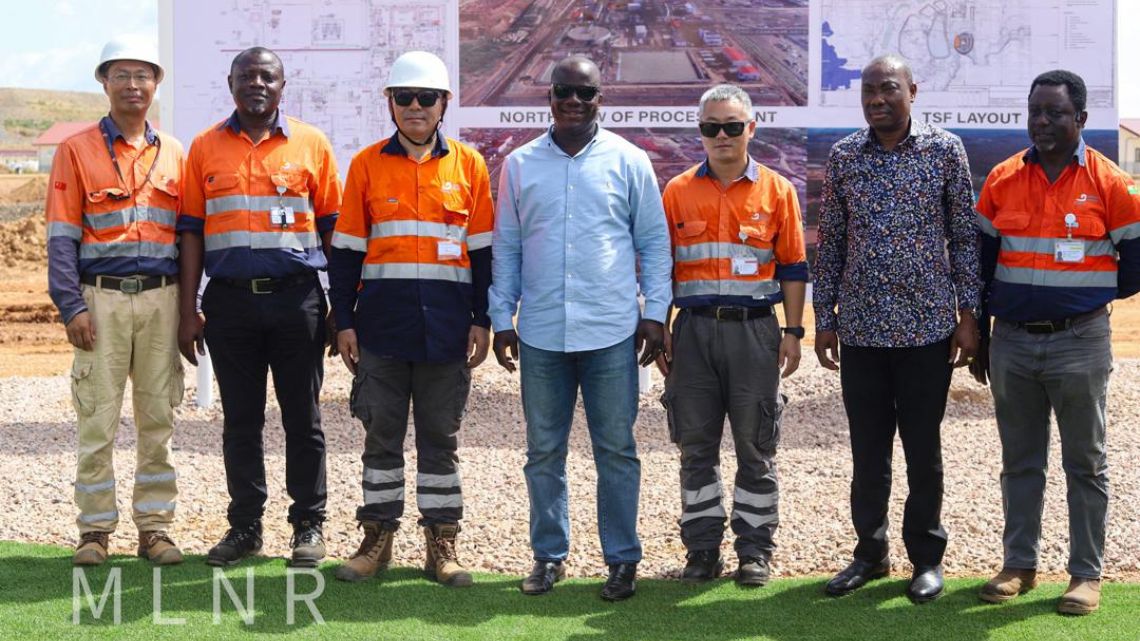
    Ghana’s third-largest gold mining company, the Cardinal Namdini Mining Project, is set to be commissioned by President Akufo-Addo in the first week of November 2024, according to the Minister for Lands and Natural Resources, Samuel Abu Jinapor.
    This new venture, located in the Talensi District of the Upper East Region, will also stand as one of the largest gold mines on the African continent, the sector minister touted.

    During a tour of the Cardinal Namdini site on Thursday, October 24, 2024, Mr Jinapor made this information known, saying, “This is the first large-scale gold mine in the North, which is really historic. It is going to further consolidate Ghana’s status as a leading producer of gold in the world. This is momentous and exciting.”

    Highlighting the economic importance of the mine, Mr Jinapor emphasized that it would significantly boost Ghana’s economy, create employment opportunities, and foster development in the Talensi area.

    He praised the management and staff of the company for their dedication and the Ministry of Lands and the Minerals Commission for their pivotal roles in bringing the project to fruition. “It is a big project which is going to contribute hugely to the national economy of our country,” the minister noted.

    Mr Jinapor added that the mine represents Ghana’s first greenfield gold mining project in nearly a decade, built from the ground up with world-class equipment and modern safety protocols. This aligns with the country’s reputation as the mining hub of Africa.

    He expressed his appreciation to the project’s leadership, especially Steve Ofori, Project Manager of Cardinal Namdini, for ensuring the highest environmental standards are met.

    Steve Ofori confirmed that the company has invested in cutting-edge mining technology and equipment, receiving all necessary approvals from regulatory bodies, including the Environmental Protection Agency (EPA). This, he said, ensures the mine will operate responsibly, safeguarding the environment while adhering to safety protocols.

    Ghana’s mining industry is poised to see a significant boost, further cementing the country’s place among the world’s top gold producers.

    Ghana is set to surpass $10 billion in gold exports by the end of 2024, according to the Chief Executive Officer of the Minerals Commission, Mr. Martin Ayisi.

    This forecast made in August this year is driven by record-breaking gold prices and increased production across both small- and large-scale mining operations.

    For the first half of 2024, gold exports contributed a substantial 54% to the total export value of $9.2 billion, amounting to $5 billion.

    This surge is attributed to an average gold price of $2,338 per ounce in the second quarter, marking an 18% increase year-on-year and a 13% rise quarter-on-quarter.

  • FGR Bogoso Prestea mining leases terminated by govt

    FGR Bogoso Prestea mining leases terminated by govt

    The government has officially revoked the mining leases of FGR Bogoso Prestea Mining Limited, following recommendations from the Minerals Commission and the Attorney-General and Minister for Justice.

    This decision was disclosed in a statement released on Wednesday, September 18, 2024, signed by the Minister of Lands and Natural Resources, Samuel Abu Jinapor.

    FGR had been warned in August 2023 regarding violations in its mining activities and was directed by the Minerals Commission to address these issues.

    The statement highlighted that the revocation of the mining leases came after an extensive review of reports from both the Minerals Commission and a Ministerial Committee tasked with assessing the company’s operations.

    This decision was reached after thorough consultations with key stakeholders.

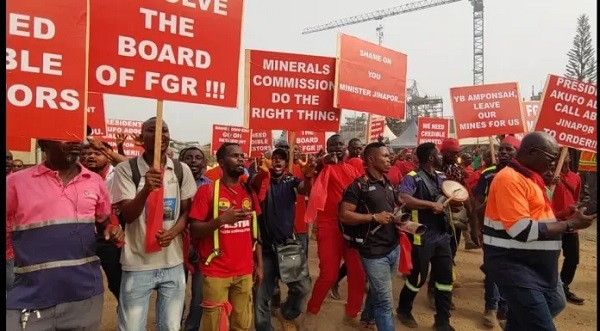
    The move follows growing dissatisfaction from various groups, including the Ghana Mine Workers Union, which saw over 400 members protesting at the Ministry of Lands and Natural Resources, calling for the termination of FGR’s leases.

    The union raised concerns over unsafe working conditions and the company’s inability to meet its financial obligations.

    Minister Jinapor reiterated the government’s unwavering commitment to ensuring the responsible and sustainable management of Ghana’s natural resources, emphasizing transparency and accountability for the benefit of the nation.

  • Declaring state of emergency for galamsey menace is far-reaching – Lands Minister

    Declaring state of emergency for galamsey menace is far-reaching – Lands Minister

    The Minister for Lands and Natural Resources, Samuel Abu Jinapor, has dismissed the calls for a state of emergency to address illegal mining, commonly known as galamsey, as “draconian and excessively far-reaching.”

    A report from Citi News noted that while recognizing the gravity of the galamsey issue and its critical importance to the government, Mr. Jinapor cautioned that extreme measures could inadvertently damage the economy, disrupt livelihoods, and complicate governance.

    Recent calls from the Trades Union Congress and several civil society groups have urged President Akufo-Addo to impose a ban on all illegal mining activities and declare a state of emergency in affected mining regions.

    On Wednesday, September 11, Organised Labour issued a firm ultimatum, threatening a nationwide strike by the end of the month if the government fails to take decisive action against the escalating galamsey crisis.

    At a media briefing in Accra, Mr. Jinapor acknowledged the intense public frustration and environmental damage caused by illegal mining. However, he cautioned that a state of emergency might exacerbate social and economic instability.

    The Minister assured that the government is committed to engaging with labour unions and civil society organizations to find effective solutions to the galamsey problem.

    “Declaring a state of emergency, that is in the bosom of the president, but I find that being far-reaching, [being] a very draconian measure to take.

    “So we will engage him and we will have this conversation, and I believe out of that, we maybe need to come up with some consensus that we can work with.”

  • Minerals Commission denies Lands Minister’s alleged grants of mining concessions to foreigners

    Minerals Commission denies Lands Minister’s alleged grants of mining concessions to foreigners

    The Minerals Commission has rejected claims put forth by the Member of Parliament for Bole-Bamboi, Yusif Sulemana, against the Minister of Lands and Natural Resources, Samuel Jinapor, Sulemana accused Jinapor of granting mining concessions to foreign entities without adequate consultation.

    In a press release issued on Monday, June 24, the Commission dismissed these allegations as groundless and unsubstantiated, arguing that such accusations should not be made by a legislator.

    According to the Commission, as per the Mining Act, 2006 (Act 703) and the Minerals and Mining (Licensing) Regulations, 2012 (L.I. 2176), no mineral rights can be awarded without consulting the relevant stakeholders affected by the mining operations.

    Upon receipt of a mineral rights application, the Commission notifies the public through a Gazette notice and serves copies to pertinent landowners, chiefs, Metropolitan, Municipal and District Assemblies (MMDAs), as well as other interested parties, allowing them to voice any concerns.

    The Commission called on the public to disregard the inaccurate claims made by the MP.

    Yusif Sulemana had accused Minister Jinapor and the Minerals Commission of sidestepping proper consultation procedures, which he alleged resulted in increased tensions in the Bole-Bamboi constituency. He also claimed that some NPP executives were assaulted by soldiers guarding the mining sites.

    “It is an issue that we are all worried about. It’s on record that from the beginning of our constituency, that is Bamboi, and to the end of it, has plenty of mineral companies on both the right and left sides of the road and so of course, we have some galamsey activities going on there.”

    “Unfortunately, from February to date, the Ministry of Lands and Natural Resources has allocated the lands to over 7 large scale miners and the problem was that there was no proper stakeholder consultations. And so the youth are there and they will see heavy equipment coming to take over what they are doing and that is where the clash is coming from,” he alleged.

    Yet, the Minerals Commission’s declaration reaffirmed its dedication to adhering to legal and regulatory protocols when awarding mineral rights, guaranteeing that all pertinent stakeholders are consulted and afforded the chance to express their apprehensions.

    “The attention of the Minerals Commission (“the Commission”) has been drawn to publications in a section of the media, attributed to the Member of Parliament for the Bole-Bamboi Constituency, Yusif Sulemana, accusing the Minister of Lands and Natural Resources and the Minerals Commission of granting mining concessions to foreigners without proper consultations. The said accusations, claims and/or allegations are false, baseless and unfounded.”

    “The Commission wishes to state, categorically, that in accordance with the Minerals and Mining Act, 2006 (Act 703) and the Minerals and Mining (Licensing) Regulations, 2012 (L.I. 2176), no mineral right is granted without consultation with the relevant persons and institutions to be affected by the mineral operation.”

    “Upon receipt of an application for a mineral right, notice of the application is published in the Gazette, and copies served on the relevant landowner, Chief, Metropolitan, Municipal and District Assembly (MMDA), as well as other interested groups and stakeholders, to enable them to raise any concerns they may have,” an excerpt of the statement said.

  • Ghana to begin construction of its first manganese refinery in August

    Minister of Lands and Natural Resources, Samuel Abu Jinapor, has announced that construction of Ghana’s first manganese refinery will begin in August this year.

    This significant project will be done by Ningxia Tianyuan Manganese Industry Group Company Limited, the parent company of Ghana Manganese Company (GMC).

    The establishment of this refinery marks a major milestone for Ghana, as it will be the country’s first facility dedicated to refining manganese.

    This development is expected to significantly increase the value of Ghana’s manganese resources, bolstering the country’s position in the global manganese market.

    Mr. Jinapor made this announcement during the official opening of the 17th edition of the West African Mining and Power Conference and Exhibition (WAMPOC/WAMPEX) on Wednesday, June 5th, in Accra.

    The event brought together industry leaders and stakeholders to discuss advancements and opportunities in the mining and power sectors across West Africa.

    According to Mr. Jinapor, the refinery project underscores the government’s commitment to advancing the mining sector and leveraging natural resources for economic growth.

    “And to ensure that Ghanaians, who are, by our national Constitution, the owners of our mineral resources, benefit fully from these resources, we are putting in place measures to promote beneficiation and value addition, as well as local content and local participation in the sector.”

    “We have, therefore, through a public-private partnership, constructed a 400kg capacity gold refinery to refine the gold we produce, and work on a US$450 million manganese refinery will start in August,” he said.

    President of the Ghana Chamber of Mines, Michael Edem Akafia, emphasised the effectiveness of events like WAMPOC/WAMPEX in facilitating business opportunities.

    He noted that these events boast a 40% conversion rate for turning prospects into actual deals.

    “I would like to extend my sincere gratitude to all our sponsors, partners, and participants for their unwavering support and commitment to making this event a success.

    Your contributions are instrumental in creating a platform for dialogue, knowledge sharing and collaboration essential for advancement and growth. Please join me in thanking and applauding them.”

    “I encourage all of you to actively participate in the sessions, engage in the networking discussions and seize the opportunities presented by this conference to contribute to the sustainable development of mining and power in West Africa.

    Past participants can attest to the lasting benefits of previous WAMPOC/WAMPEX events,” Mr Akafia said.

  • Minister Jinapor applauds Atlantic lithium’s listing on Ghana Stock Exchange

    Minister Jinapor applauds Atlantic lithium’s listing on Ghana Stock Exchange

    Minister of Lands and Natural Resources, Samuel Abu Jinapor, lauds Atlantic Lithium’s shares listing on the Ghana Stock Exchange (GSE) as a significant milestone, marking a shift in Ghana’s mineral exploitation approach.

    Atlantic Lithium, overseeing the Ewoyaa project in the Central Region, officially debuted on the GSE by offering 649,669,053 shares on Monday.

    The company’s prospectus indicates a listing price of GHC 4.40 on the GSE, reflecting the valuation from the Primary Listing Market.

    Addressing the ceremony on May 13, Minister Jinapor stressed that Atlantic Lithium’s GSE presence aligns with the government’s strategic goal of localizing the mining sector and boosting value addition.

    He emphasized that the listing on the GSE fulfills a crucial stipulation laid out in the agreement between the government and the company, thereby securing Ghanaian ownership of the Ewoyaa Lithium project.

    The Minister also observed that the GSE listing illustrates the government’s commitment to placing Ghanaians at the forefront of the mining sector, particularly in the realm of large-scale mining.

    “This is to fulfill one of the very important commitment made by the brokers of the transaction reached between the government of Ghana and Atlantic Lithium and their subsidiary, Bavari DV. There have been a lot talks about how the mineral resources of Africa and Ghana has not benefitted the owners of the resources. The reason why it has so been because we’ve not been able to indigenize the sector and add value to the resources.

    “This is the first building blocks indigenizing the mining sector of our country, exploitation of green mineral resources and indigenizing what Atlantic Lithium is coming to do in Ghana. This is to make sure that Ghanaians have a stake in what they are coming to do here. It will mean that Ghanaians can participate in the project. It will ensure that Ghanaians can own share and become stakeholders of this mining establishment,” he said.

    According to Atlantic Lithium’s executive chairman Neil Herbert, his company’s choice to list on the Ghana Stock Exchange demonstrates its dedication to supporting Ghana’s efforts in the battle against climate change.

    He said “We believe that the company’s listing on the GSE is a true reflection of Ghana’s commitment to playing its part is the fight against climate change by sanctioning long-term lithium production”.

    The chief executive officer of the Minerals Commission, Martin Ayisi said “I’m excited that the next three years will witness significant event in Ghana with launching galore, started by Atlantic Lithium. This is a new chapter for us and it is one of the cardinal policies of government.”

    Abena Amoah, GSE’s managing director, recognized the vital contributions of individuals and organizations such as the Minerals Commission, Ministry of Lands and Natural Resources, Chamber of Mines, and the Minerals Income Investment Fund (MIIF) for their involvement in facilitating the realization of the agreement.

  • Bogoso Preatea Mines protestor pours water on Abu Jinapor for delay in accepting petition

    Bogoso Preatea Mines protestor pours water on Abu Jinapor for delay in accepting petition

    Tension erupted outside the Ministry of Lands and Natural Resources on Thursday, April 25, 2024, as workers from the Bogoso Preatea Mines protested against the management of Future Global Resources.

    The protesters, fueled by frustrations over what they perceive as the near collapse of their company since its change of ownership, took to the streets to demand action.

    According to the demonstrators, the transition from Bogoso Mines management to Future Global Resources has failed to yield any positive results, leaving them with a sense of uncertainty and dissatisfaction.

    Seeking to voice their grievances directly to the government, the workers converged at the ministry, brandishing banners and chanting slogans.

    Tensions escalated during the demonstration when one protester sprinkled bottled water on the Lands Minister, Samuel Abu Jinapor, citing frustration over the minister’s delay in accepting their petition.

    A correspondent from UTV Jacob Kubi elaborated on the incident, stating, “So, when the minister came down for the petition, one of the protesters poured water on him, and when he was asked about his reasons for doing so, he explained that the minister delayed in coming down to accept this petition.”

    He added, “The minister also responded by saying that he is not bothered about the water because he is just serving the nation. He assured the protesters that the government will take steps to address the situation.”

  • Messrs Aynok Holdings Limited was engaged to to retrieve, protect govt lands – Abu Jinapor

    Messrs Aynok Holdings Limited was engaged to to retrieve, protect govt lands – Abu Jinapor

    Minister for Lands and Natural Resources, Samuel Abu Jinapor, has provided justification for the involvement of a private firm, Messrs Aynok Holdings Limited, in the preservation and safeguarding of Aviation lands in Adenta.

    The minority, represented by Deputy Ranking Member for the Committee on Lands and Forestry, Alhassan Suhuyini, had raised concerns regarding the decision to enlist a company owned by Clement Dzato for land protection activities.

    In response to inquiries from Tamale North MP, the Minister clarified that the Mahama administration initially contracted the company in 2012 due to the limited capacity of the Lands Commission in safeguarding government lands against encroachment.

    Additionally, the Damango MP disclosed that further agreements were entered into by the Nana Akufo-Addo administration to ensure the protection of additional government lands.

  • Africa remains poor due to exploitation of its natural resources – Lands Minister laments

    Africa remains poor due to exploitation of its natural resources – Lands Minister laments

    Minister of Lands and Natural Resources, Samuel Abu Jinapor, urged Canadian investors to explore the vast potential in Ghana’s mining sector.

    Describing it as the backbone of Africa’s economy, he emphasised that Ghana’s mining contributed significantly to government revenue and GDP.

    Minister Jinapor highlighted Africa’s abundance, possessing 30% of the world’s mineral reserves, including crucial green and emerging metals.

    Emphasising that the future of global mining lies in Africa, he reaffirmed the continent’s commitment to the Africa Mining Vision, aiming for optimal and sustainable mineral resource exploitation for the benefit of its people.

    Expressing concern over Africa’s underdevelopment despite its rich resources, Minister Jinapor cited the 2023 Multidimensional Poverty Index report, revealing that nearly half of the world’s 1.1 billion poor people reside in sub-Saharan Africa.

    “Regrettably, over the years, the exploitation of these resources has not optimally benefited the African peoples. According to the 2023 Multidimensional Poverty Index report, nearly half of the world’s 1.1 billion poor people live in sub saharan Africa and using the international monetary funds GDP per capita income 25 out of the 30 poorest countries in the world are in Africa, including countries with large reserves of natural resources,” Samuel Abu Jinapor stated.

    He made this statement during Toronto’s Canada-Africa Chamber of Business-hosted 25th annual Africa Mining Breakfast and 22nd annual Investing in Africa Mining Seminar on March 5, 2024.

    He urged a more equitable distribution of mining benefits, emphasising the need for Africa to break free from poverty.

    Highlighting the potential of the Africa Continental Free Trade Area (AfCFTA) headquartered in Accra, Ghana, Minister Jinapor outlined a massive market of over 1.2 billion people for trade and investment.

    Additionally, he underscored Africa’s crucial role in the global transition to green energy, leveraging its abundant mineral resources.

    Expressing optimism, Minister Jinapor hoped that the seminar would foster stronger ties between Africa and Canada, encouraging increased collaboration with Ghana and other African nations in the flourishing mining sector.

  • NDC’s 24-hour economy promise lacks credibility – Jinapor

    NDC’s 24-hour economy promise lacks credibility – Jinapor


    The Member of Parliament for Damongo Constituency and Minister for Lands and Natural Resources, Samuel Abu Jinapor, has criticized the National Democratic Congress (NDC) and its flagbearer, John Dramani Mahama, for their 24-hour economy policy, dismissing it as nothing more than a slogan.

    Mr Jinapor asserted that during the NDC and Mahama’s four-year tenure in managing the economy, the country experienced dumsor, failing even to achieve a 12-hour economy.

    He argued that this historical performance demonstrates the NDC’s inability to fulfill their promise of a 24-hour economy.

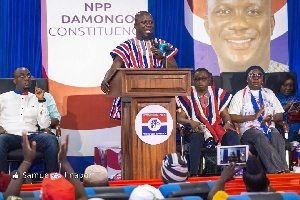
    Speaking at a ceremony in Damongo, where he was acclaimed as the New Patriotic Party’s (NPP) parliamentary candidate for the Damongo Constituency on Saturday, February 17, 2024, Jinapor contended that the NDC has not effectively communicated the concept of the 24-hour economy to the ordinary Ghanaian.

    He emphasized the NDC’s track record marked by dumsor during their time in government.

  • Ghana is Africa’s undisputed mining hub, invest in us – Lands Minister at Indaba

    Ghana is Africa’s undisputed mining hub, invest in us – Lands Minister at Indaba

    The Minister for Lands and Natural Resources, Samuel Abu Jinapor, delivered a compelling address at the 30th anniversary of the Investing in African Mining Indaba in Cape Town on Monday, February 5.

    With a resounding call to “Invest in the number one mining destination of Africa,” the Minister positioned Ghana as the undisputed mining hub of the continent.

    Highlighting Ghana’s mining legacy of over a century, Minister Jinapor underscored the diverse mineral wealth the country possesses, including gold, diamond, bauxite, manganese, lithium, iron ore, copper, zinc, nickel, chrome, lead, and salt.

    “We have three (3) new gold mines currently under construction, one by Newmont in the middle belt of the country, and two in Northern Ghana, by Cardinal Namdini and Azumah Resources, with Cardinal Namdini’s Project expected to pour its first gold this year. With these new mines, and the expansion of existing ones, we expect to increase gold output to some four point five million ounces (4,500,000 oz), annually,” he explained.

    Emphasizing Ghana’s leadership in gold production on the continent, he reported an unprecedented four million ounces produced last year, with plans for expansion and the addition of three new gold mines.

    The Minister invited investors to explore new gold deposits in the Savannah Region, challenging the conventional notion that gold was exclusive to the southern part of Ghana.

    Minister Jinapor detailed Ghana’s commitment to value addition in mineral resources, including the construction of a 400kg capacity gold refinery. Progress toward securing a London Bullion Market Association (LBMA) certification with South Africa’s Rand Refinery was disclosed.

    Beyond gold, the Minister highlighted Ghana’s strategic leverage of over nine hundred million metric tonnes of bauxite resources to build an integrated aluminum industry. Initiatives such as the construction of a $450 million manganese refinery and the establishment of the Ghana Integrated Iron and Steel Development Corporation (GIISDEC) were emphasized for harnessing iron ore resources.

    Addressing the lithium market, the Minister affirmed Ghana’s commitment to value addition, echoing a firm stance against the raw export of lithium resources in alignment with Ghana’s Green Minerals Policy.

    Minister Jinapor emphasized Ghana’s dedication to using mining as a catalyst for sustainable development, citing policy and legislative reforms since 2017 prioritizing efficient exploitation, environmental protection, value addition, local content, and local participation.

    The government aims to shift from the traditional “dig and ship” model to a new era of beneficiation.

    Highlighting opportunities across the entire mining value chain, the Minister presented Ghana’s strategic location and the benefits of the Africa Continental Free Trade Area (AfCFTA) as key advantages for investors.

    “And if we have not said it loud enough, permit me to repeat, Ladies and Gentlemen, under NO circumstance will we export our lithium resources in their raw state,” he stressed.

    Assuring the global investor community of Ghana’s readiness for business, Minister Jinapor positioned Ghana as an attractive investment destination with ease of access to geological information, transparent governance institutions, and highly skilled mining personnel.

    He wooed investors on the global scale to join in the exciting journey towards sustainable and mutually beneficial mining ventures in Ghana.

  • Government remains fully committed to protecting your businesses – Jinapor to investors

    Government remains fully committed to protecting your businesses – Jinapor to investors

    The Minister of Lands and Natural Resources, Samuel Abu Jinapor, has reassured large-scale mining operators of the government’s unwavering commitment to safeguarding their businesses from illegal mining encroachment.

    Jinapor emphasized the government’s collaboration with the Ghana Chamber of Miners (GCM) to enhance security measures at mining concessions, acknowledging the pivotal role of large-scale mining in the nation’s economy.

    During a meeting with GCM members in Accra, Jinapor praised the Chamber for allocating $300,000 for repairing three Ghana Air Force aircraft used for surveillance against illegal mining (galamsey) activities. He committed the ministry to securing funds for the complete restoration of these aircraft to combat galamsey effectively.

    Addressing fiscal concerns, Jinapor acknowledged mining companies’ worries about the value-added tax (VAT) on exploration. He assured stakeholders that the government’s economic management team was actively engaged in finding a mutually beneficial solution, despite the challenges faced in 2023.

    Another area of concern was the growth and sustainability levy. Jinapor reiterated the government’s emphasis on value addition in the mining sector, urging the GCM to align with this agenda for the sector’s overall benefit and community development.

    The President of GCM, Joshua Mortoti, affirmed the Chamber’s commitment to supporting the government’s vision of making the country Africa’s mining hub.

    He projected an increase in GCM’s producing member companies’ output to 3.5 million ounces in 2024, with additional production from the Cardinal Namdini Gold Mine.

    Mortoti highlighted the expected decline in output from Newmont’s Akyem Mine and Gold Fields’ Damang Mine, which would be partially compensated by the new production. The national gold output in 2024 is anticipated to exceed 4.5 million ounces.

    In the background, it was noted that a special task force had been deployed in September 2023 to protect large-scale mining companies from illegal miners, with plans to involve the military on specific occasions to address illegal mining activities at legal concessions.

  • Abu Jinapor to contest Damongo seat for the second time

    Abu Jinapor to contest Damongo seat for the second time


    The Member of Parliament for the Damongo Constituency, also the Minister for Lands and Natural Resources, Samuel A. Jinapor, is poised for a second uncontested run as the New Patriotic Party (NPP) Parliamentary Candidate in the Damongo Constituency.

    As of the closure of nominations on Monday, December 25, 2023, Mr. Jinapor, the incumbent MP, stood as the sole nominee in the constituency.

    The Damongo Constituency, situated in the Savannah Region, has traditionally been a stronghold of the National Democratic Congress since the inception of the Fourth Republic in 1993.

    However, in the 2020 elections, Mr. Jinapor secured a surprising victory against the incumbent MP, Adam Mutawakilu, clinching over fifty-four percent (54%) of the valid votes and marking the first NPP victory in the constituency.

    Following his election, President Akufo-Addo appointed him as the Minister for Lands and Natural Resources, a position he continues to hold.

    Nominations for constituencies with sitting MPs opened on December 20, 2023, and across the nation, individuals have filed to challenge incumbent MPs, prompting calls from traditional leaders and stakeholders for the protection of certain MPs.

    In a departure from this trend, Mr. Jinapor, at the close of nominations on December 25, 2023, emerged as the sole candidate for the NPP Parliamentary Candidate in Damongo.

    This reflects the high confidence the NPP in the constituency places in Mr. Jinapor to retain the seat, despite the traditionally strong NDC presence.

    Expressing gratitude for the trust bestowed upon him, Mr. Jinapor affirmed his commitment to collaborating with the party and constituents to secure the NPP’s parliamentary seat and achieve victory for Dr. Mahamudu Bawumia.

    Constituents lauded Hon. Jinapor for unprecedented development initiatives, including the construction of the MP’s office, an astroturf in Damongo, electricity extension projects, and various infrastructure developments.

    Supporters, even from the opposing NDC, expressed confidence in Mr. Jinapor’s ability to continue the constituency’s developmental agenda.

    The NPP primaries for MPs are scheduled for Saturday, January 27, 2023. According to the party’s constitution, when only one candidate files for the contest at the close of nominations, that candidate is acclaimed on the day of the election.

    As such, Mr. Jinapor is affirmed as the undisputed NPP Parliamentary Candidate for the Damongo Constituency, poised to face Adam Mutawakilu once again, whom he defeated in the 2020 General Elections.

  • Samuel Jinapor’s wife joins NPP race for Kintampo South parliamentary seat

    Samuel Jinapor’s wife joins NPP race for Kintampo South parliamentary seat

    Naada Jinapor, the wife of the current Minister of Lands and Natural Resources, Samuel Abu Jinapor, has officially thrown her hat into the ring for the New Patriotic Party’s (NPP) parliamentary primary race in the Kintampo South constituency.

    The move was facilitated by a group known as Friends of Lawyer Naada Jinapor, which took charge of collecting nomination forms on her behalf.

    The group, led by Nana Akwasi Owusu, passionately advocates for Mrs. Jinapor, asserting that she possesses the qualities necessary to lead the NPP to success in the 2024 general election.

    In an interview with Adom News, Mr. Owusu emphasized Mrs. Jinapor’s unique ability to transform the constituency positively, citing her established footprints and track record in the area.

    According to him, Mrs. Jinapor’s commitment to hard work and development aligns seamlessly with the party’s vision.

    Touting her as a unifier, Mr. Owusu expressed confidence that Mrs. Jinapor would bring peace to the constituency and play a pivotal role in helping the party retain the seat.

    Meanwhile, George Bomey, the Chairman of the NPP’s Council of Elders, issued a reminder to all aspirants to submit their documents promptly to meet the December 25 deadline.

    He urged them to refrain from engaging in negative campaigning, emphasizing the importance of maintaining a respectful and disturbance-free campaign environment.

    As of now, the incumbent MP for the Kintampo South constituency is Alexander Gyan.

    However, it remains uncertain whether he will seek re-election, adding an element of anticipation to the upcoming party primaries in the constituency.

  • GOC President is beneficial owner of  4.4% shareholding in Barari DV Ghana Ltd – Lands Minister admits 

    GOC President is beneficial owner of  4.4% shareholding in Barari DV Ghana Ltd – Lands Minister admits 

    Lands Minister, Samuel Abu Jinapor, has admitted that President of the Ghana Olympic Committee (GOC), Ben Nunoo Mensah, is the beneficial owner of the 4.4 per cent shareholding in Barari DV Ghana Ltd, a subsidiary of Atlantic Lithium Limited.

    He debunked claims suggesting that some members of the Akufo-Addo administration have shares in the said agreement, however, acknowledged that Mr Nunoo Mensah’s stake in the company dates back to 2012.

    The Minister’s response followed a challenge thrown by Sammy Gyamfi, the Communication Officer of the National Democratic Congress (NDC), to the government to disclose the identity of the one holding a 4.4 per cent stake in Barari DV Ghana Ltd.

    Speaking at a stakeholder engagement with civil society organisations in Accra on the Lithium deal, Mr Jinapor said the government had nothing to hide regarding the Lithium Lease Agreement and would continue to engage relevant bodies to ensure that Ghanaians become the ultimate beneficiaries of the country’s resources.

    “As the debate is ongoing regarding the Lithium Lease Agreement involving academia, civil society organisations, and so forth, the platform is open to talk to each other, jaw-jaw, and brainstorm on managing our natural resources to bring progress,” he said.

    “And I believe with our collective wisdom, we can have a positive way forward.”

    However, the Minister said it was important to segregate opinions and emotions from the real facts and data.

    The government knows the issues regarding mining in Ghana, spanning over a century; therefore, it went through a laborious process to ensure that Ghana’s green minerals, of which Lithium is a part, benefit the people”, he noted.

    In that regard, the President insisted that a policy framework be developed for the green minerals before negotiations commenced. Hence, the policy framework developed requires a minimum of a seven per cent royalty rate, higher than the five per cent accepted in other minerals.

    Mr Jinapor, for instance, said in the Lithium Lease Agreement signed with Barari DV Ghana Limited, the parties agreed that the State would have a 19% Free Carried Interest with an option of scaling up to a minimum of 30 per cent.

    “There is a 13 per cent royalty, higher than the 10 per cent in the previous agreement, 35 per cent corporate income tax, while one per cent of the Company’s revenues would go to the Community Development Fund.”

    “There is also a requirement to establish a refinery to process Lithium locally before export.”

    “The State also has 3% shares in the local company (Barari DV Ghana Ltd) and 6% in Atlantic Lithium global.”

    “More so, the Lease Agreement must go through Parliament for consideration and ratification before it can be validated.”

    On refining the lithium ore locally, the Minister said either Barari DV Ltd. could establish a refinery to process it or give it to a third party to do so. That, he believed, would enable the nation to benefit fully from the entire value chain of lithium exploitation.

    Madam Nafi Chinery, Africa Director of the Natural Resource Governance Institute, in her opening remarks, said the engagement with the CSOs would allow the government to receive actionable recommendations and inputs to guide parliamentary debates on the proposed lithium agreement.

    It would also foster an understanding of the content of the agreement and provide accurate information and data on the potential quality, value, and revenue expected from the mineral’s exploitation to guide public discourse.

    Some participants called for amendments to the country’s mining and mineral laws to be in sync with the terms agreed upon in the lithium agreement.

  • Collective action essential for addressing climate crises – Jinapor

    Collective action essential for addressing climate crises – Jinapor

    The Minister for Lands and Natural Resources and co-Chair of the Forests and Climate Leaders’ Partnership (FCLP), Samuel Abu Jinapor, has reaffirmed Ghana’s dedication to taking the lead in nature-based climate action.

    He emphasized that the global climate crisis necessitates collaborative efforts from all nations, and Ghana stands ready to collaborate with countries worldwide to advance nature-based climate initiatives.

    This commitment was reiterated during the launch of the FCLP working group focused on Strengthening Supply and Demand of High-Integrity Forest Carbon Credits, held on the sidelines of the Africa Climate Summit in Nairobi, Kenya.

    The Africa Climate Summit is part of a series of regional climate summits leading up to the twenty-eighth Conference of Parties (COP28) of the United Nations Framework on Convention on Climate Change (UNFCCC).

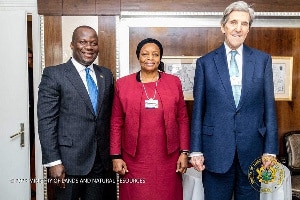
    During the launch event, attended by Secretary John Kerry, the United States Presidential Envoy on Climate and Co-Chair of the FCLP, Minister Jinapor stressed the timeliness of the Africa Climate Summit and its urgency in rallying stakeholders to address the climate crisis.

    He highlighted the critical role of forests, which contribute one-third of global climate solutions, in achieving the target of limiting global warming to 1.5 degrees Celsius.

    Minister Jinapor emphasized the FCLP’s commitment to halting and reversing forest loss and land degradation by 2030, aligning with the Glasgow Leaders’ Declaration on Forests and Land Use. He announced the formation of a working group, co-led by Ghana, Gabon, Guyana, and the United Kingdom, tasked with addressing issues related to High-Integrity Forest Carbon Credit Supply and Demand.

    This working group is expected to unveil a roadmap and strategy for strengthening and expanding forest carbon credits by COP28 and COP30. It will also focus on implementing mid-term actions to bolster high-integrity forest carbon finance and announce forest carbon results-based finance transactions. Ghana intends to play a leading role in this working group and within the broader FCLP to accelerate nature-based climate action.

    Minister Jinapor called upon all nations and stakeholders to join forces with Ghana in ushering in a new era of sustainable forest management and climate resilience, thereby contributing to global climate action.

  • Abu Jinapor played a key role in securing my release – Alhaji Osman

    Abu Jinapor played a key role in securing my release – Alhaji Osman

    Former Deputy National Security Coordinator, Dagbunwura Alhaji Salifu Mimina Osman, has expressed his gratitude to the Member of Parliament (MP) for the Damongo Constituency and Minister for Lands and Natural Resources, Abu Jinapor, for his role in securing his release from prison.

    Chief Osman thanked MP Abu Jinapor for his efforts in ensuring he received a presidential pardon several months ago.

    Chief Alhaji Osman conveyed his appreciation during a visit to the palace of the Paramount Chief of the Buipe Traditional Area, Buipewura Abdulai Abdulai Jinapor (II), who is the father of the Damongo MP.

    The purpose of the visit was to extend Chief Osman’s thanks to his son, Abu Jinapor.

    Alhaji Mohammed Muniru Limuna, a former Minister for Agriculture, spoke on behalf of Chief Alhaji Osman Mimina during the visit.

    He explained that Chief Osman had been imprisoned for about five years due to an issue involving the National Communication Authority (NCA) that required a presidential pardon.

    Alhaji Limuna expressed gratitude to Abu Jinapor for his unwavering support and commitment to Chief Osman’s release. He noted that when the issue arose, Abu Jinapor took immediate action and worked tirelessly until Chief Osman was granted a presidential pardon.

    The visit to Buipewura’s palace aimed to convey Abu Jinapor’s greetings and appreciation for the favor he had done for Chief Alhaji Osman.

    President Nana Akufo-Addo, in consultation with the Council of State, granted a presidential pardon to Chief Alhaji Salifu Mimina Osman in response to a petition from the Chief of the Kpembe Traditional Area. The petition requested his release from prison custody based on good behavior and ill-health.

    Chief Alhaji Salifu Mimina Osman had been sentenced to a five-year jail term in 2020 for willfully causing financial loss to the state in the National Communications Authority (NCA) scandal.

    This scandal involved the misappropriation of funds in the purchase of surveillance equipment for the National Security Council Secretariat.

    Three former NCA board members, including Chief Alhaji Osman, were found guilty of various charges, including causing financial loss to the state and violating the Public Procurement Act.

    The court ordered the seizure of their properties to recover the three million dollars in financial loss incurred by the state.

  • Cabinet endorses policy for lithium, other minerals

    Cabinet endorses policy for lithium, other minerals

    The Cabinet has granted its approval to a fresh policy that governs the utilization, administration, and oversight of lithium and other environmentally friendly minerals within the country.

    Termed as “minerals of the future,” green minerals encompass metals and mineral resources essential for facilitating the transition towards clean energy technologies, aimed at curbing carbon emissions.

    A diverse array of minerals categorized as green minerals encompass bauxite, cobalt, copper, lithium, granite, manganese, and nickel.

    Samuel Abu Jinapor, the Minister of Lands and Natural Resources, informed the Daily Graphic last Thursday that the Cabinet endorsed this policy on July 27 of this year after thorough examination.

    Thus, the newly established Green Minerals Policy introduces modifications to the 2014 Mining and Minerals Policy to integrate comprehensive and forward-looking systems that will allow the nation to derive maximum advantages from lithium and other green minerals.

    Mr. Jinapor conveyed that this fresh policy would lead to legislative interventions by the Parliament, including amendments to the Minerals and Mining Act of 2006 (Act 703), with the relevant processes already underway.

    As an example, he noted that while Act 703 stipulated a mineral royalty rate ranging from three to five percent, the new policy would establish a distinct royalty framework for green minerals.

    “I reached out to the CEO of the Minerals Commission last week, requesting a strategy document within a week for implementing the principles of this policy. Our aim is to expedite this process,” the minister expressed.

    Policy Implications

    “I won’t reveal the exact rate for green mineral royalties for now, but I can confirm that it will surpass the existing rate for gold. The key point is that the royalty system for green minerals will differ from that of gold and other minerals,” Mr. Jinapor affirmed.

    Furthermore, the minister emphasized that the new policy would require a higher level of local involvement in the green minerals value chain, deviating from the current 10 percent vested interest that the state holds in mining entities.

    “We will insist on a specific minimum Ghanaian participation that will unquestionably exceed 10 percent. I am hesitant to provide precise figures at this time. A Cabinet decision on a baseline exists, and we will not go beneath that threshold in any negotiations concerning our lithium and other green minerals,” he emphasized.

    Mr. Jinapor added that the overarching objective of the new policy was rooted in the principle that the exploitation of green minerals should primarily benefit the Ghanaian populace, who are the true proprietors of these resources.

    He noted that due to this principle, the foundational components for exploiting green minerals would diverge from those that pertain to gold, particularly.

    Value Addition

    The minister stressed that the central focus of the new policy was on value addition to ensure active Ghanaian involvement in the value chain.

    “Hence, the mining and export of raw lithium is strictly prohibited,” he emphasized.

    Mr. Jinapor also highlighted that the policy aimed to introduce incentives and measures to attract the necessary investments. This would encompass stability clauses, development agreements, and other mechanisms to provide investors with the confidence to allocate resources to the sector.

    He assured that these arrangements would be established in a manner that achieves a fair equilibrium, resulting in a mutually beneficial scenario for both the country and the investor community.

    “We will conduct negotiations on a case-by-case basis, all within the framework of this new policy,” he explained.

    In addition to green minerals like bauxite, manganese, graphite, and cobalt, Ghana has discovered commercially viable deposits of lithium, particularly in Ewoyaa, located in the Central Region.

    Lithium

    Several African nations, including Zimbabwe, Namibia, the Democratic Republic of Congo, and Mali, also possess commercial lithium reserves, while Mozambique, Madagascar, Tanzania, and Namibia are home to graphite deposits.

    Globally, the lithium sector alone is estimated to be worth $11 billion during the mining stage, with its highest potential value estimated at $7 trillion.

    Given this context, Mr. Jinapor underscored that the green minerals policy specifically aims to enhance the value of lithium prior to exporting it.

    He clarified that contrary to reports of licenses being issued for lithium mining, the government had not granted any such licenses.

    “No individual or entity holds permits or licenses for mining or exploiting lithium. The licenses that were issued were for exploration, which is distinct from exploitation,” he emphasized.

    He further explained that it was through exploration activities that commercial-grade lithium was discovered at Ewoyaa.

    Mr. Jinapor concluded that while the next step involves mining this mineral resource, the government’s primary focus is on establishing the policy framework before progressing to mining operations.

  • Compensation provided to owners of demolished structures for National Cathedral – Lands Ministry

    Compensation provided to owners of demolished structures for National Cathedral – Lands Ministry

    The Minister of Lands and Natural Resources, Samuel Abu Jinapor, has stated that all institutions whose structures were demolished to make way for the National Cathedral construction have received full compensation from the state.

    He confirmed that these institutions have been granted alternative public lands to relocate their businesses and activities.

    During his appearance before Parliament, Mr. Jinapor refuted reports claiming that the government had not adequately compensated the affected institutions.

    He emphasized that all the institutions that faced demolition have been duly compensated and are still operating in various parts of Accra.

    “All the affected institutions have been provided with alternative places and relocated to various areas in Accra and these institutions include public and private, and they have been adequately compensated.”

  • Lands Minister inaugurates the 2023 Ghana Mining Expo, urges stakeholders to improve investment opportunities

    Lands Minister inaugurates the 2023 Ghana Mining Expo, urges stakeholders to improve investment opportunities

    On July 14, 2023, Samuel Abu Jinapor, the Minister for Lands and Natural Resources, inaugurated the 2023 Ghana Mining Expo.

    During the opening ceremony, he emphasized the importance for mining stakeholders to invest in the complete value chain to maximize the benefits from the country’s abundant mineral resources.

    “It is trite learning that the real value of these minerals lie in value addition. For example, the difference between the prices of bauxite and aluminium ingot, which is produced from bauxite, is over three thousand percent (3000%)” He added.

    The Minister touted that it is for the same reason of value addition that the President of the Republic, Nana Addo Dankwa Akufo-Addo has since 2017 pursued a number of policies aimed at adding value addition to the country’s mineral resources.

    Citing some examples to this effect, the Minister said through a Public Private Partnership, the government has established a Gold Refinery, and is currently working to secure a London Bullion Market Association (LBMA) Certification, to enable Ghana easily trade gold refined in the country on the International market.

    The government, he said has also established the Ghana Integrated Aluminium Development Corporation (GIADEC), and the Ghana Integrated Iron and Steel Development Corporation (GIISDEC), to promote and develop integrated aluminium and iron and steel industries in the country.

    For green minerals, the Minister disclosed that the Cabinet that is currently considering, a policy proposal for the exploitation, management and utilisation of these minerals. The country’s goal he said is to ensure that, as much as possible, “we retain a significant proportion of the value chain of these future and other critical minerals in our country.”

    The Minister in his speech also called for the diversification of Ghana’s mineral resource base to exploit other lesser-known minerals, including the critical minerals required for the green energy transition.

    The Ghana Geological Survey Authority he pointed out has conducted considerable geological investigations into these minerals, and the global energy transition makes investment in these minerals very viable.

    Touching on the theme for the event; “Sustainable Mineral Resources Development and Well-Being of Mining Communities” Minister Jinapor stated that the theme calls for an examination of some of the most important issues in the mining industry, that is, responsible and sustainable mining, and leveraging on that for sustainable development and the well-being of peoples, particularly those affected by mining operations.

    “It brings to sharp focus issues of value addition, maximisation of value chain development, environmentally-responsible extraction, formalisation, best practices, upscaling of exploration, and above all, optimising all stages of the mining value chain as an anchor for sustainable, inclusive and wholistic national development.” He continued

    Speaking on the Domestic Purchase Programme, under the umbrella of Ghana’s Gold for oil policy, the Governor of the Bank of Ghana, Dr. Ernest Addision, said the it has helped to stabilise prices on the market, increased the foreign exchange reserves and has contributed highly to the economic growth of the country.

    He said it’s the expectation of the Bank that through the efforts of this Expo and as much as possible, all activities of illegalities will be reduced to the barest minimum in the country.

    The Governor gave the assurance that the Bank is determined to provide the programme with all the needed support to make it a success now and in the future.

    The Chairman for the event, Awulae Angamatu Tuagyan, The Paramount Chief of Gwira Traditional Council lauded the organisers of the programme for highlighting the needs of Mining communities but asked for more developmental projects to be pushed into such areas.

    He stressed on the need to take into account the long term mining impact of the actions of miners in local communities and also called for local participation in the decision making on mining activities.

    In his welcome address, the Western Regional Minister, Hon. Kwabena Okyere Darko-Mensah opined that this year’s programme seeks the collaboration of all stakeholders to analyse the state of corporate social responsibility of mining companies in Ghana and their impact on the host communities to come up with best ways these companies can contribute positively in the lives of these communities.

    He also disclosed that as part of the consolidated idea of the Ghana Mining Expo initiative, partners Ghana Gold Expo Foundation, together with the Western Regional Coordinating Council have secured a partnership of corporate social responsibility with the Oxford University.

    The objective of this partnership he said is to setup leadership and workshop programmes to offer some technical knowledge to mining institutions on their Corporate social responsibilities. This initiative he belives this a step in the right direction and assured would be continued and sustained.

  • Govt threatens arrest, prosecution against persons who invade or attack AngloGold Ashanti

    Govt threatens arrest, prosecution against persons who invade or attack AngloGold Ashanti

    The Minister for Lands and Natural Resources, Samuel Abu Jinapor, has reiterated the government’s commitment to protecting Anglogold Ashanti Obuasi Mine from any illegal attack. 

    He has been engaging traditional leaders, authorities of AngloGold Ashanti and small-scale miners in the Obuasi Municipality after some miners allegedly invaded an underground mine of Anglogold. 

    The minister is seeking to resolve the hostilities between the community and the mine. 

    Last week, some unauthorized miners allegedly invaded a remote area of Anglogold Ashanti’s underground mine.

    The illegal miners however, claimed they were trapped, leading to protests in the Obuasi town. 

    Persons who invade or attack AngloGold Ashanti will be arrested and prosecuted – Abu Jinapor

    Samuel Abu Jinapor has had a meeting with stakeholders to help improve relations between the Obuasi community and mine operators. 

    According to him, the government is willing to strictly enforce the mining laws to protect the mining concession. 

    He says persons invading the mine without authorisation will be arrested and prosecuted. 

    “We are very determined to protect this mine. I should say it forcefully that it is governments policy to protect AngloGold Ashanti’s concession and therefore the mining laws will be enforced strictly. Persons are not allowed to attack AngloGold Ashanti but if they do, they will be arrested and prosecuted”, he said. 

    Persons who invade or attack AngloGold Ashanti will be arrested and prosecuted – Abu Jinapor
    Abu Jinapor with traditional leaders

    The minister noted the government’s willingness to liaise with AngloGold Ashanti and the Obuasi community to offer responsible mining job opportunities as a means of employment for the youth. 

    He however says the lack of employment cannot be a justification for illegally attacking the concession of AngloGold Ashanti.

    “Government recognises that we have to find alternative means of employment and livelihoods for the youth of Obuasi. We are engaging AngloGold and stakeholders to do just that. Including responsible community mining. But lack of employment cannot be a justification for attacking the concession of AngloGold Ashanti”, he noted. 

  • Lands Minister ‘begs’ Forestry Commission to protect ‘attacked’ Atiwa forest, others

    Lands Minister ‘begs’ Forestry Commission to protect ‘attacked’ Atiwa forest, others

    Lands Minister Samuel Abu Jinapor has pleaded with the Forestry Commission in the Eastern Region to establish the necessary measures to protect the forest reserves and water bodies from the activities of illegal miners.

    Speaking at the commissioning of an office complex for the Forestry Commission in the Eastern Region on Wednesday, he noted that Atiwa forest and others in the locality are under attack.

    Atiwa forest and various forests in the Eastern region are under attack from illegal miners, and galamseyers.”

    “Please rid these forest reserves of illegal miners and illegal loggers and other activities which threaten the survival of forest reserves in our country,” he said.

    Galamsey: Atiwa forest, others in Eastern Region under attack - Lands Minister
    Lands Minister, Samuel Abdulai Jinapor

    However, the Damongo MP assured that the Forestry Commission would be provided with the needed tools to fight the menace. 

    Mr Jinapor insisted that no one would be spared regardless of their stature. 

    “You [Forestry Commission] have our full support, whether they are high people or low people, whether political leaders or not, your work is to ensure that all forest reserves in this country are protected.”

    “Government will provide bulletproof vests and other weapons to aid your work,” he added. 

  • About 119 illegal mining cases in court – Lands Minister

    About 119 illegal mining cases in court – Lands Minister

    The government has strengthened the enforcement system by increasing the punishment for persons convicted for engaging in illegal mining activities, the Minister for Lands, and Natural Resources, Samuel Abu Jinapor has announced.

    According to him, the ‘Operation Halt II’ also continues to support the enforcement measures, and said all prosecutions pertaining to illegal mining activities were undertaken by the Office of the Attorney-General.

    The Lands Minister said about 119 cases involving 727 accused persons were pending before the Courts for various offences relating to illegal mining in the Eastern, Western and Ashanti Regions.

    He added that the figure excluded 187 people convicted and sentenced to various terms of imprisonment in the Eastern Region last year.

    Mr Jinapor made the announcement at the opening of a two-day transformational dialogue on artisanal and small-scale mining under the theme, ‘Sustaining Environmental Security and Human Right in Small Scale Mining Operations in Ghana,’ at Fiapre in the Sunyani West Municipality.

    The programme, initiated by the University of Energy and Natural Resources (UENR) aimed at bringing together various stakeholders to deliberate on the issue and jointly make efforts towards a common direction.

    It was attended by politicians, traditional leaders, students, members, and staff of the UENR, artisans and small-scale miners, civil society actors, representatives of large-scale mining companies and the media.

    Mr Jinapor observed small-scale mining impacts a number of human rights, including the right to life, health, safe environment, water, property and development which needed to be addressed as a matter of high public interest.  

    He said Ghana was blessed with abundant mineral resources, which if managed properly could provide a strong base for the livelihoods of the people.

    But improper management of the mineral resources through illegal mining was plaguing the country now, hence most environmentalists had been advocating that mining was just a destruction and must be stopped completely, Mr Jinapor stated.

    He said mining must be done sustainably and responsibly to protect the natural environment and the rights of persons being affected by it, because that industry continues to be the bulwark of the national economy.

    Professor Elvis Asare-Bediako, the Vice-Chancellor of the UENR said the institution initiated the dialogue as a way of contributing to promote responsible mining to ensure industrial and associated environmental best practices for the country’s sustainable development.

  • Government tightens penalties for illegal mining offenders

    Government tightens penalties for illegal mining offenders

    The government has tightened the penalties for anyone convicted of illicit mining activities, according to Lands and Natural Resources Minister, Samuel Abu Jinapor.

    According to him, the ‘Operation Halt II’ also continues to support the enforcement measures, and said all prosecutions pertaining to illegal mining activities were undertaken by the Office of the Attorney-General.

    The Lands Minister said about 119 cases involving 727 accused persons were pending before the Courts for various offences relating to illegal mining in the Eastern, Western and Ashanti Regions.

    He added that the figure excluded 187 people convicted and sentenced to various terms of imprisonment in the Eastern Region last year.

    Mr Jinapor made the announcement at the opening of a two-day transformational dialogue on artisanal and small-scale mining under the theme, ‘Sustaining Environmental Security and Human Right in Small Scale Mining Operations in Ghana,’ at Fiapre in the Sunyani West Municipality.

    The programme, initiated by the University of Energy and Natural Resources (UENR) aimed at bringing together various stakeholders to deliberate on the issue and jointly make efforts towards a common direction.

    It was attended by politicians, traditional leaders, students, members, and staff of the UENR, artisans and small-scale miners, civil society actors, representatives of large-scale mining companies and the media.

    Mr Jinapor observed small-scale mining impacts a number of human rights, including the right to life, health, safe environment, water, property and development which needed to be addressed as a matter of high public interest.  

    He said Ghana was blessed with abundant mineral resources, which if managed properly could provide a strong base for the livelihoods of the people.

    But improper management of the mineral resources through illegal mining was plaguing the country now, hence most environmentalists had been advocating that mining was just a destruction and must be stopped completely, Mr Jinapor stated.

    He said mining must be done sustainably and responsibly to protect the natural environment and the rights of persons being affected by it, because that industry continues to be the bulwark of the national economy.

    Professor Elvis Asare-Bediako, the Vice-Chancellor of the UENR said the institution initiated the dialogue as a way of contributing to promote responsible mining to ensure industrial and associated environmental best practices for the country’s sustainable development.

  • Akufo-Addo is not against small-scale mining — Jinapor

    Akufo-Addo is not against small-scale mining — Jinapor

    Minister of Lands and Natural Resources, Samuel Abu Jinapor, has affirmed the government’s commitment to fighting illegal mining, popularly known as “galamsey”.

    He said the government was not against small-scale mining but rather irresponsible mining that destroyed the natural environment.

    “Our efforts, which are necessary to clamp down on galamsey, have sometimes been interpreted to mean the government of President Akufo-Addo is against small-scale mining,” he said.

    Mr Jinapor was speaking at the opening ceremony of a two-day Transformational Dialogue on Small-Scale Mining organised by the University of Energy and Natural Resources (UENR) at Fiapre near Sunyani in the Bono Region yesterday.

    He said it was rather the commitment of President Akufo-Addo to promote responsible small-scale mining, which was demonstrated in the reduction of withholding tax on unprocessed gold by small-scale miners, which was introduced in 2015, from three per cent to 1.5 per cent.

    The dialogue organised on the theme: “Sustaining Environmental Security and Human Rights in Small-Scale Mining Operation in Ghana”, is to create a unique platform to undertake in-depth discussions on one of the most pressing issues, not only in our country, but across the globe on the sustainable exploitation of natural resources.

    It brought together representatives of the Ghana National Association of Small-Scale Miners, Association of Women in Mining in Africa and Ghana, the Regional House of Chiefs, Large-Scale Mining companies, students and civil society organisations, among others.

    Under severe stress

    Mr Jinapor said in recent years, the world’s natural resources had come under severe stress due to rapid population growth and urbanisation, increasing agriculture production and high demand for raw materials to meet the needs of the modern-day sophisticated lifestyle and climate change.

    He explained that the demand for raw materials globally had doubled in the last 20 years, adding that the increasing demand for resources had also contributed to the climate crisis, thereby worsening the pressure on these resources, and causing a form of a vicious cycle between climate change and resources.

    Mr Jinapor said governments across the world were changing measures to address the emerging changes and improve the sustainability of land and resources.

    Economy

    The minister said mining continued to be the backbone of the national economy, “but for many years, small-scale mining remain illegal until it was formalised in 1989, through three sets of laws”.

    He said since the formalisation, the small-scale mining sector had increasingly contributed to the national economy, reaching over 40 per cent in 2018.

    “Last year, for example, the sector produced a total of 712, 405 ounces of gold; bringing in almost $1.2 billion in export receipts.

    Today, all diamonds produced in the country are from small-scale mining, which in 2022 amounted to 82,251.99 carats,” he stated.

    Mr Jinapor said apart from their contribution to the gold and diamond output, the sector was a source of employment to thousands of people and supported the lives and livelihoods of millions of citizens.

    He, however, expressed concern about the increasing illegalities associated with the sector, adding that their effect on the environment had, sadly, resulted in small-scale mining being associated with environmental destruction.

    Greedy

    Mr Jinapor said apart from greedy and unscrupulous nation wreckers who destroyed the environment due to their interests, the drivers of the illegalities in the small-scale mining sector included unemployment, the lack of blocked-out areas for small-scale mining, challenges with securing licences and other regulatory permits and the lack of law enforcement.

    He said the government was implementing policies and measures aimed at addressing the drivers such as the National Alternative Employment and Livelihood Programme, alternative sources of income and livelihood to persons engaged in mining.

    Mr Jinapor explained that the programme employed several youths in the production of seedlings and reclamation of degraded mined lands.

    Out of poverty

    For his part, the Vice-Chancellor of UENR, Professor Elvis Asare-Bediako, said the Artisanal and Small-Scale Gold Mining (ASGM) subsector had the potential to lift many rural people out of poverty if properly organised, controlled and monitored with a strong sense of environmental responsibility.

    He said in Ghana, the ASGM subsector alone directly employed about one million people and indirectly supports about 4.5 million.

    Prof. Asare-Bediako said UENR would continue to promote the development of human resources and skills required to solve critical energy and natural resources challenges of society and undertake interdisciplinary academic research and outreach programmes.

    The Bono Regional Minister, Justina Owusu-Banahene, said the government was doing its best to resource institutions, particularly universities to fight galamsey.

    She said the government was sensitive to some shortfalls and had prepared plans to resource universities in the country, particularly UENR to assume their rightful duty and be able to contribute everlasting and innovative ideas.

  • Hunan to collaborate with Lands Ministry to investment in mineral resources

    Hunan to collaborate with Lands Ministry to investment in mineral resources

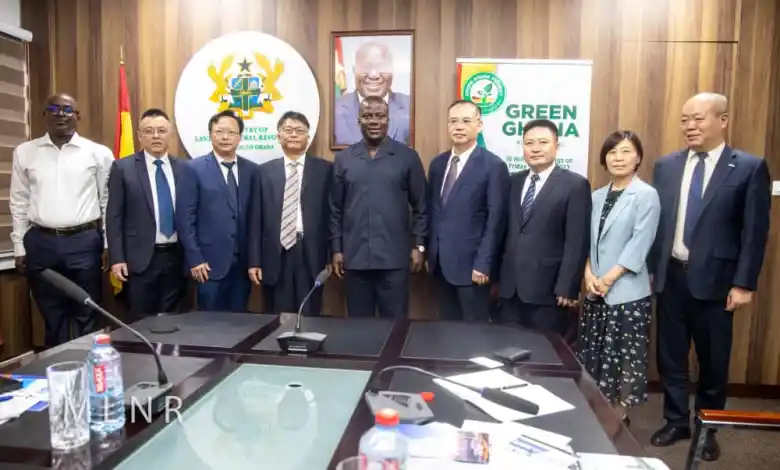
    On Tuesday (16 May), a high-level team from the China Council for the Promotion of International Trade, Hunan Sub-council, has made a courtesy visit to Minister of Lands and Natural Resources, Samuel A. Jinapor.

    The visit was to engage the ministry on avenues the two countries can deepen their bilateral relations and ramp up economic and trade ties to the mutual benefit of citizens of both countries.

    Speaking during the visit, the minister, Samuel Abu Jinapor disclosed that Ghana’s relationship with China is a great and mutually beneficial one which has gained noteworthy recognition in areas of economic trade, mineral and mining investments, education and social development.

    “There is a strong people-to-people relationship between Ghana and China. There are a lot of Ghanaian citizens who travel to China for all kinds of businesses and there are Chinese citizens who travel to Ghana for all kinds of businesses”, he said.

    The delegation from the Hunan sub-council made a presentation to the Minister and other officials of the Ministry on the various aspects of the country in which they seek to collaborate with Ghana on.

    The key sectors which were highlighted in the presentation include mining, healthcare, industrial growth among other things.

    The leader of the delegation, Zhou Shengqiao , deputy inspector, China Council for the Promotion of International Trade, Hunan Sub-Council through the presentation also outlined various means in which they can collaborate with the Ministry for the responsible and sustainable harnessing and exploitation of the country’s Natural Resources.

    The minister noted with satisfaction the detailed presentation offered by the Chinese delegation to partner the Ministry in the area of natural resources exploitation and added that his outfit through the Chief Director will hold further engagement with the council.

    He also promised to pay a working visit to the council establishment as part of his Ghana’s participation in the Beijing Mining Conference slated for October this year, 2023.

  • Government to strictly adhere to suggestions made by dialogue on natural resources

    Government to strictly adhere to suggestions made by dialogue on natural resources

    The Lands and Natural Resources MinisterSamuel Abu Jinapor, has promised that his department will closely follow the reports and recommendations made during the recently concluded two-day Natural Resources Stakeholders Dialogue.

    The Minister gave this assurance when he was received a communique on the Natural Resources Stakeholders Dialogue put together by the Graphic Communications Group Ltd. on Tuesday, 16th May, 2023 in Accra.

    Abu Jinapor in his remarks applauded the team from GCGL for bringing up such a timely programme which has been unanimously applauded by the masses as roundedly a major success.

    “We at the Ministry of Lands and Natural Resources are extremely grateful for the leadership you have shown and your outfit in general for putting together such an all important stakeholders dialogue to build a consensus around national issues”

    Recounting, the Minister pointed out that although discussions at the Dialogue were productive and comprehensive, it should not end there but rather zero in on specific issues, exemplifying the issue of having surface mining as opposed to underground mining and the question of restricting small scale mining to prevent environmental degradation, as a topic that can be critically examined.

    He noted that due to the very consequential nature of the issues to be discussed, a lot more of such dialogues can be organized to think through some of these specific issues without having to make it a nationwide campaign.

    Samuel Abu Jinapor hoped that the strong ties and collaboration established between the Ministry and Graphic will continue as they work together for the good of the people of Ghana and the country at large.

    Managing Director for Graphic Communication Group Limited, Ato Afful, on behalf of his outfit submitting the communique said the forum which sought to have a broad consensus in getting critical stakeholders agree on a pathway to manage Ghana’s natural resources, was a success.

    He continued that the documents will help build a timetable to follow through the implementation of some key take-out from the dialogue.

    Mr. Afful assured the Minister that he make available copies of the reports to all the Ministry’s agencies to make meaningful and sustainable results as guided by the Minister for Information, Kojo Oppong-Nkrumah

  • You have effectively used Ghana’s natural resources – Lands Minister lauds Akufo-Addo

    You have effectively used Ghana’s natural resources – Lands Minister lauds Akufo-Addo

    Minister for Lands and Natural Resources, Samuel Abu Jinapor, has expressed his appreciation to President Akufo-Addo for his leadership in the management and utilization of Ghana’s natural resources.

    During the Natural Resources Dialogue held in Accra on Thursday, the Minister highlighted various measures implemented by the government to ensure effective resource management.

    “As always, the Ministry of Lands and Natural Resources is grateful to the President of the Republic, H.E. Nana Addo Dankwa Akufo-Addo, for the extraordinary leadership demonstrated in the management and utilisation of our natural resources,” Mr. Jinapor said.

    These initiatives include enhancing local content and participation in the mining sector, expanding the Local Procurement List to encompass more goods and services reserved for Ghanaians, collaborating with the Ghana Chamber of Mines and the Securities and Exchange Commission to encourage large-scale mining companies to list on the Ghana Stock Exchange, and revitalizing the Obuasi mine.

    According to the minister, three new large-scale mining operations, including Newmont Ahafo North in the Ahafo Region, Azumah Resources in the Upper West Region, and Cardinal Namdini in the Upper East Region, will start production within the next two years and contribute significantly to the country’s economy.

    President-Akufo-Addo-and-Lands-Minister-Samuel-Abu-Jinapor-at-the-Natural-Resources-Dialogue

    In addition, Mr. Jinapor disclosed that a technical committee is in the final stages of preparing a policy document concerning the exploration, management, and utilization of green minerals, including lithium, in Ghana.

    The document will be presented to the Cabinet for consideration. The objective is to ensure that the country retains the value chain for these minerals and other future resources within its borders.

    Regarding the forestry sector, the Minister highlighted ongoing initiatives such as the Ghana Forest Plantation Strategy and the Green Ghana Project. These programs have contributed to the cultivation of approximately 690,000 hectares of forest between 2017 and 2022.

    Minister Jinapor said that the dialogue was aimed at discussing how to manage and utilize the country’s natural resources responsibly and sustainably. 

    The first day of the Natural Resources Stakeholder Dialogue ended with a call for all stakeholders to work together to manage and utilize Ghana’s natural resources responsibly and sustainably for the collective good of all.”

  • ‘Pontius Pilate’ Abu Jinapor steers clear of faulting Prof Frimpong-Boateng

    ‘Pontius Pilate’ Abu Jinapor steers clear of faulting Prof Frimpong-Boateng

    Minister for Lands and Natural Resources, Samuel Abu Jinapor, has refrained from passing judgment on former Environment, Science, Technology and Innovation, Prof Kwabena Frimpong-Boateng, following the leaked Inter-Ministerial Committee on Illegal Mini (IMCIM) report.

    Jinapor noted that it would be “undignified” on his part to judge the Professor, who is his predecessor in the fight against illegal mining (galamsey). He added that Ghanaians would be in a better position to pass any judgment on the report, as well as the work of the defunct Frimpong-Boateng-led IMCIM, which operated between 2017 and 2021.

    “I think it will be most unfair to the Professor…if I’m to stand here to speak against his work, that will be so undignified and I cannot do that,” Jinapor said at a press briefing organised by the Information Ministry in Accra on Tuesday, May 2, 2023.

    The release of the report, authored by Frimpong-Boateng, who was the Chairman of the defunct IMCIM, has been controversial. The report contains a list of government officials and party faithful from both the New Patriotic Party (NPP) and the National Democratic Congress (NDC) who were either involved in illegal mining or interfered in the fight against the activity during the Professor’s tenure.

    NPP stalwart Gabby Asare-Otchere Darko, Information Minister Kojo Oppong Nkrumah, and former CEO of the Forestry Commission, Kwadwo Owusu Afriyie, popularly known as Sir John, are among those accused of involvement in illegal mining or interference in the fight against it. Asare-Otchere Darko has filed a defamation lawsuit against the Professor over the allegations.

    While acknowledging that there may be shortcomings associated with the report, Jinapor noted that it also contains valuable information that the government can adopt in the fight against the menace.

    “The report cannot be sacrosanct. It has to be interrogated. It has to be examined, and as I said, those parts that can be adopted should be, and those parts that should be jettisoned should be. What is important is that we remain focused and do the work of the good people of Ghana,” he said.

    Regarding calls for persons mentioned in the report to be sanctioned, Jinapor urged persons with evidence to submit it, so that the necessary actions can be taken against anyone found culpable of the claims in the report.

    “If there is evidence that anybody is involved in illegal mining, the full force of the law must be brought to the person. So the most important thing is evidence, and I believe that the security agencies are very wide awake and picking intelligence. We cannot win this fight if we begin to pick and choose,” he added.

  • LIVESTREAMING: Lands Minister reveals state of Ghana’s forest reserves

    LIVESTREAMING: Lands Minister reveals state of Ghana’s forest reserves

    The Minister of Lands and Natural Resources, Samuel Abu Jinapor, is holding a press conference at the Ministry of Information.

    The minister is informing the public on the current state of Ghana’s forest reserves.

    The forest reserves have been under attack due to activities of illegal miners in the country.

    Source: The Independent Ghana

  • 2023 Green Ghana Day to be launched by Otumfuo Osei Tutu II

    2023 Green Ghana Day to be launched by Otumfuo Osei Tutu II

    This year’s Green Ghana Day will be launched by the Asantehene, Otumfuo Osei Tutu II.

    The event will be held at the Great Hall of the Kwame Nkrumah University of Science and Technology (KNUST) on Friday, June 9, and on the theme: “Our Forests, Our Health“.

    The Government has approved a budget of GHȼ2.5 million for this year’s exercise.

    The Minister of Lands and Natural Resources, Mr Samuel Abu Jinapor who announced this at a press conference in Accra on Wednesday, April 26 said it intended to plant 10 million seedlings across the country.

    The Green Ghana Project was launched by President Akufo-Addo in 2021 as part of the government’s aggressive afforestation and re-afforestation programme to restore the degraded landscape.

    So far, about 31 million seedlings have been planted nationwide with an average survival rate of 81 and 72 per cent in 2021 and 2022, respectively.

    “This year, we have revised our target downwards to 10 million trees. This will give us space to devote some resources and attention to the trees planted over the last two years, while not losing momentum on our quest to restore our degraded landscape,” Mr Jinapor said.

    He expressed the hope that it would receive the usual massive support from the public to build upon the successes achieved in 2021 and 2022.

    He urged the media to carry the message across and mobilise support toward the success of the project.

    The Lands Minister appealed to all well-meaning Ghanaians, including chiefs and queen-mothers, religious and faith-based organisations, civil and public servants and students, to support the Ministry to make this year’s Green Ghana Day a success.

    “As we did last year, we have compartments for adoption by private institutions, and we will brand these compartments with their names and logos,” he said.
    Otumfuo Osei Tutu II to launch 2023 Green Ghana Day

    Seedlings will be made available at the Ministry, District Offices of the Forestry Commission, and at various designated locations for collection on the Day.

    The Minister said details of the seedling distribution and pick-up points will be published in due course.

    “Trees play a crucial role in our survival and the survival of planet earth…When the last tree dies, the last man dies,” he added.

    A Deputy Minister of Lands, in charge of Forestry, Mr Benito Owusu-Bio told the media that it had so far secured 7.5 million seedlings and expected to receive the remaining 2.5 million from donors.

    The Forestry Commission provided three million seedlings, the Mineral Commission supplied three million, while Plantation Fund Board and Rotary clubs and churches have supplied 500,000 and one million seedlings, respectively, he said.

  • 2023 Green Ghana Day slated for June 9

    2023 Green Ghana Day slated for June 9

    The 2023 Green Ghana Day will be held on Friday, June 9, 2023, this was announced by Minister for Lands and Natural Resources, Samuel Abu Jinapor.

    He said the official launch of the Green Ghana Day will be performed by the Asantehene, Otumfuo Osei Tutu II, in Kumasi in the month of May.

    The Green Ghana Day was instituted in 2021 by Government, under the auspices of the Ministry of Lands and Natural Resources, as part of an aggressive afforestation and reforestation programme to restore the lost forest cover of the country. At the maiden edition, over seven million trees were planted, exceeding the target of five million trees. And last year, over twenty-four million trees were planted, exceeding the target of twenty million trees.

    Speaking at the Press Briefing, Mr. Jinapor said the 2021 edition had a survival rate of eighty-one percent (81%), while the 2022 edition had a survival rate of seventy-two percent (72%). This, he said, brings the total number of surviving trees for the two years to over twenty-three million (23,000,000).

    The Minister underscored the important role trees and forests play in human survival and the survival of the earth. He said this year’s Green Ghana Day will be held under the theme “Our Forests, Our Health,” adding that the theme has been chosen “to reflect the importance of forests in our lives, and to remind us of the many health and related benefits we derive from forests.”

    According to Mr. Jinapor, the target for this year’s Green Ghana Day is ten million (10,000,000) trees. He said the target has been revised downwards this year, to ensure that adequate resources and attention are devoted to nurturing the over twenty-three million (23,000,000) trees surviving from the first two editions of the Green Ghana Day. He said seedlings will be made available at the Ministry, the District Offices of the Forestry Commission, and designated locations, for collection on the Green Ghana Day.

    The Minister also said opportunities are available for corporate Ghana to adopt compartments in forest reserves to plant, and the forest will be branded with the company’s name and logo. He called on Ghanaians of all walks of life, including traditional authorities, civil and public servants, doctors, lawyers, judges, teachers, nurses, artisans, and all residents of Ghana to support the Project, come out in their numbers, and make this year’s Green Ghana Day a success.

  • Government is committed to preserving the country’s forest reserves – Lands Minister

    Government is committed to preserving the country’s forest reserves – Lands Minister

    Government is committed to protecting the country’s forest reserve, this is according to Lands and Natural Resources Minister, Samuel Abu Jinapor.

    Mr. Jinapor claims that all types of attacks against the country’s forests will be met with resistance.

    His comment comes after Professor Kwabena Frimpong-Boateng’s damming report on galamsey in Ghana.

    Samuel Abu Jinapor says the Forestry Commission is up to the task.

    “I want to say to the Ghanaian people that whatever it takes to protect the forest reserve of the country, the government is putting in place all kinds of measures. Recently, we had a retreat and the Forestry Commission briefed cabinet on the measures that are being taken to protect forest reserves. We are going to continue these measures to ensure that these forests are protected from the drivers of deforestation and degradation.”

    In a 37-page paper, the former Minister of Science, Environment, Technology, and Innovation, who also served as Chairman of the Inter-Ministerial Committee on Illegal Mining, accused important political actors in the government of contributing to the poisoning of significant water bodies.

    The Chairman of the now-defunct Inter-Ministerial Committee on Illegal Mining (ICIM) accused government officials of colluding in the war against galamsey.

    The report has been dismissed by the Presidency, but a number of stakeholders have pushed for a thorough probe by an independent body.

  • Ghana to plant ten million trees this year – Lands Minister

    Ghana to plant ten million trees this year – Lands Minister

    About ten million trees will planted this year, this is according to the Lands and Natural Resources Minister, Samuel Abu Jinapor.

    Launching this year’s Green Ghana Project, Mr Abu Jinapor said several factors accounted for the government’s failure to meet last year’s target.

    “On the maiden edition of the Green Ghana Day, we targeted 5 million trees and with your support, over 7 million trees were planted. Last year, we raised our ambition and targeted at least 20 million trees, and again, with your support, 24 million trees were planted, bringing the total number of trees planted to over 30 million trees.

    “So far, the field assessment report shows that, on average, we had a 72 percent survival rate last year as compared to the 81 percent survival rate in 2021. While adequate measures were put in place to ensure the survival of all trees planted, a number of external factors accounted for the survival rates including rainfall patterns, wildfires, and soil fertility.”

    Celebrated on the theme, ‘Our Forests, Our Health,’ Mr Jinapor indicated the reduction in the number of trees to be planted in this year’s Green Ghana Day will help create ample time for the nurturing of the already planted trees to enhance the survival rate.

    “The survival rate shows that we still have some 23 million trees to nurture. It is for this reason that this year, the government has decided to revise our target downwards to 10 million trees to give us some devoted resources and attention to the trees planted over the last two years while not wasting momentum on our quest to restore our degraded landscape.”

  • Lands Minister calls for collaboration to create a strong industry for integrated aluminum

    Lands Minister calls for collaboration to create a strong industry for integrated aluminum

    The Minister of Lands and Natural Resources, Samuel Abu Jinapor has asked the investor community to consider Ghana’s stable democratic environment to invest in the country to build a robust integrated aluminum industry.

    At the ongoing Fast Markets Bauxite and Aluminium Conference in Miami, USA, Mr Jinapor said the Akufo-Addo-led Government remained committed to making Ghana the mining hub of Africa, and using mining as the impetus for sustainable development.

    “We will continue to engage relevant stakeholders for the benefit of the people of Ghana,” he said.

    The Minister touched on the success story of the Ghana Bauxite Company (GBC), the oldest and only existing bauxite mine in the country, and the Ghana Integrated Aluminum Development Corporation (GIADEC), highlighting the opportunities for investment in those entities.

    He noted, for instance, that the GBC had the capacity to produce over five million metric tonnes of bauxite annually, and it had been positioned as an anchor of Ghana’s integrated aluminium industry, through strategic partnership and investment.

    At a workshop held in Akosombo by GIADEC on the downstream aluminium industry, Mr Jinapor hademphasised the need to add value to Ghana’s mineral resources to ensure optimal benefit.

    The Minister said the Government had, since 2017, been pursuing the path for Ghana’s mineral resources: gold, bauxite, iron ore, lithium and other green minerals, which played active roles in advancing socio-economic development through value addition.

  • Project of the aluminum industry is progressing – Minister of Lands

    Project of the aluminum industry is progressing – Minister of Lands

    Samuel Abu Jinapor, the minister of lands and natural resources, stated that the government’s efforts to establish a national integrated aluminum sector are on track and making steady progress.

    He asserted he doing so in accordance with the Ghana Integrated Aluminium Development Corporation Act, 2018 (Act 976) that formed the Ghana Integrated Aluminium Development Corporation (GIADEC) to advance and develop the nation’s integrated aluminum industry.

    The minister made this statement yesterday in Akosombo, in the Asuogyaman District of the Eastern Region, at the beginning of a two-day workshop on the downstream aluminum business.

    The workshop, which was organised by GIADEC, in partnership with the Strategic Anchor Industries Unit of the Ministry of Trade and Industry and the Overseas Development Institute (ODI), brought together stakeholders in the aluminium industry to deliberate on policy options and an implementation plan for the downstream aluminium industry. 

    It follows extensive research, data collection and technical analysis of best practices across the world carried out by GIADEC and ODI.  

    Adding value

    Delivering the keynote address at the workshop, Mr Jinapor, who is also the Member of Parliament for Damongo in the North East Region, emphasised the need to add value to the country’s mineral resources to ensure optimal benefit from them. 

    He said the government had, since 2017, been pursuing the path for all mineral resources, including gold, bauxite, iron ore, lithium and other green minerals. 

    On bauxite, the minister said while the raw ore sold for around $60 per tonne, the primary aluminium, produced from bauxite, was selling for over $2,000 per tonne. 

    He added that Ghana had an estimated bauxite resource base of over 900 million tonnes, capable of creating more than two million sustainable jobs and generating over $1 trillion in revenue if fully integrated. 

    “Unfortunately, we have, over the years, failed to make the needed investment in this area,” the minister lamented.

    He expressed the government’s optimism of the contribution of a fully integrated aluminium industry to socio-economic development. 

    “It is for this reason that, in 2018, President Nana Addo Dankwa Akufo-Addo took that bold decision to establish, by an Act of Parliament, GIADEC to promote and develop an integrated aluminium industry here in our country,” Mr Jinapor said.

    Achievements

    According to the minister, GIADEC had, since its establishment, developed a masterplan for the upstream sector and was implementing its Four Project Agenda to expand the existing mine, build three additional mines, build refineries and modernise the Volta Aluminium Company (VALCO).

    He said all four projects were at various stages of implementation. 

    “It is, therefore, necessary to prepare the downstream industry and make it ready to off-take products from the upstream industry,” he added. 

    Mr Jinapor urged participants at the workshop to bring their expertise to bear and come up with policy options and plans that would help build a robust, functioning and vibrant downstream aluminium industry that contributed meaningfully to the national economy.  

    Other participants at the workshop were senior officials of the Ministry of Trade and Industry, the ODI, the African Continental Free Trade Area Secretariat and companies in the upstream and the downstream aluminium industry.

  • Integrated aluminium industry in the country is expanding- Abu Jinapor

    Integrated aluminium industry in the country is expanding- Abu Jinapor

    Minister for Lands and Natural Resources, Samuel Abu Jinapor says government’s quest to build an integrated aluminium industry in the country is on course, and progressing steadily.

    He said this is in line with the Ghana Integrated Aluminium Development Corporation Act, 2018 (Act 976), which establishes the Ghana Integrated Aluminium Development Corporation (GIADEC) to promote and develop an integrated aluminium industry in the country.

    The Minister said this on Wednesday, March 29, 2023, when he opened a two-day Workshop on the downstream aluminium industry in Akosombo in the Eastern Region.

    The workshop, which was organised by GIADEC, in partnership with the Strategic Anchor Industries Unit of the Ministry of Trade and Industry and the Overseas Development Institute (ODI), brought together stakeholders in the aluminium industry to deliberate on policy options and implementation plan for the downstream aluminium industry.

    This follows an extensive research, data collection and technical analysis of best practices across the world carried out by GIADEC and ODI. 

    Delivering the keynote address at the workshop, Mr. Jinapor emphasised the need to add value to Ghana’s mineral resources to ensure optimal benefit from these resources.

    He said Government has since 2017 been pursuing this path for all our mineral resources including gold, bauxite, iron ore, lithium and other green minerals.

    Speaking specifically on bauxite, Mr. Jinapor said while the raw ore sells for around Sixty US Dollars (US$60.00) per metric tonne, primary aluminium, produced from bauxite, sells for over Two Thousand US Dollars (US$2,000.00) per metric tonne.

    He said Ghana has an estimated bauxite resource base of over nine hundred million metric tonnes (900,000,000Mt), capable of creating some two million sustainable jobs, and generating over One Trillion US Dollars in revenue if fully integrated. Unfortunately, we have, over the years, failed to make the needed investment in this area.

    He expressed Government’s optimism on the contribution of a fully-integrated aluminium industry to socio-economic development.

    “It is for this reason that in 2018, the President Nana Addo Dankwa Akufo-Addo, took that bold decision to establish, by an Act of Parliament, the Ghana Integrated Aluminium Development Corporation (GIADEC), to promote and develop an integrated aluminium industry, here in our country,” the Minster said.

    According to Mr. Jinapor, GIADEC has, since its establishment, developed a Masterplan for the upstream sector, and is implementing its Four Project Agenda, to expand the existing mine, build three additional mines, build refineries, and modernise the Volta Aluminium Company (VALCO), with all four projects at various stages of implementation. It is therefore necessary to prepare the downstream industry and make it ready to off-take products from the upstream industry.

    He urged participants at the workshop to bring their expertise to bear, and come out with policy options and plans that that will help build a robust, functioning and vibrant downstream aluminium industry that contributes, meaningfully, to our national economy. 

    Other participants at the workshop included senior officials of the Ministry of Trade and Industry, Overseas Development Institute, the Africa Continental Free Trade Area Secretariat, and companies in the upstream and downstream aluminium industry.

  • Green Ghana Initiative:10 million trees to be planted this year

    Green Ghana Initiative:10 million trees to be planted this year

    Minister for Lands and Natural Resources, Samuel Abu Jinapor, has disclosed that over 10 million trees will be planted this as part of the Green Ghana Initiative.

    He said government has reduced its target for the Green Ghana Initiative this year, to enable it devote attention to nurturing to the already planted trees across the country.

    The Minister revealed this when he announced government’s intention to plant 10 million more trees this year.

    Government, despite its target to plant 20 million trees in 2022, planted some 22,671,696 million trees across the 16 regions of the country instead.

    According to the Lands Minister, this year, the target was reviewed downwards as government wants to give more attention to nurturing the already over 30 million planted trees over the two years.

    This is to ensure the tress reach maturity.

    Speaking to journalists, on Tuesday, 28 February 2023, the lands Minister urged Ghanaians to own the initiative by government.

    “This year the president of the republic has decided that we lower the target to 10 million trees,” Mr Jinapor stated.

    “This is to enable us devote much attention to nurturing over 30 million trees already planted to ensure that all of them reach maturity,” the Minister added.

    The Minister further disclosed that his Ministry is partnering with the departments of parks and gardens and the urban roads to implement a Green Street Project.

    Under the Green Street Project, trees are being planted in the medians of streets and avenues of major roads in the various cities across the country to beautify the cities at the same time fight climate change.

    President Nana Addo Dankwa Akufo-Addo announced the Green Ghana Initiative to rally Ghanaians for a nationwide tree-planting exercise.

    The Minister for Lands in March 2021, launched the maiden greening project as part of activities to mark the International Day of Forests on 21 March.

    Government set to plant 10 million seedlings in 2023 for the green Ghana initiative

    Government set to plant 10 million seedlings in 2023 for the green Ghana initiative

  • Government to plant 10 million trees this year – Minister of Lands and Natural Resources

    Government to plant 10 million trees this year – Minister of Lands and Natural Resources

    According to Samuel Abu Jinapor, the Minister for Lands and Natural Resources, government has adjusted its goal for the Green Ghana Initiative this year in order to focus on catering for the trees that have already been planted throughout the country.

    The Minister revealed this when he announced government’s intention to plant 10 million more trees this year.

    Government, despite its target to plant 20 million trees in 2022, planted some 22,671,696 million trees across the 16 regions of the country instead.

    According to the Lands Minister, this year, the target was reviewed downwards as government wants to give more attention to nurturing the already over 30 million planted trees over the two years.

    This is to ensure the tress reach maturity.

    Speaking to journalists, on Tuesday, 28 February 2023, the lands Minister urged Ghanaians to own the initiative by government.

    “This year the president of the republic has decided that we lower the target to 10 million trees,” Mr Jinapor stated.

    “This is to enable us devote much attention to nurturing over 30 million trees already planted to ensure that all of them reach maturity,” the Minister added.

    The Minister further disclosed that his Ministry is partnering with the departments of parks and gardens and the urban roads to implement a Green Street Project.

    Under the Green Street Project, trees are being planted in the medians of streets and avenues of major roads in the various cities across the country to beautify the cities at the same time fight climate change.

    President Akufo-Addo announced the Green Ghana Initiative to rally Ghanaians for a nationwide tree-planting exercise.

    The Minister for Lands in March 2021, launched the maiden greening project as part of activities to mark the International Day of Forests on 21 March.

  • Successful strategy to reduce galamsey is to track excavators – Abu Jinapor

    Successful strategy to reduce galamsey is to track excavators – Abu Jinapor

    According to Samuel Abu Jinapor, Minister of Lands and Natural Resources, tracking excavators has been found to be one of the most successful strategies to combat the menace of unlawful small-scale mining (galamsey).

    He said it also repositions the small-scale mining sector as a sustainable source of livelihood for local people.

    Mr Jinapor said these when speaking at a meet-the-press series in Accra on Tuesday, February 28.

    The Damongo lawmaker said the Minerals Commission will install tracking devices on 4,000 excavators and earthmoving equipment as the government scales up the fight against galamsey.

    After successfully tracking 75 excavators for the past three months, the commission was better placed to bring on board 4,000 excavators and earthmoving equipment before the end of the year.

    The minister said it was in line with that that the government reduced withholding tax on unprocessed gold by small-scale miners, which was introduced in 2015, from three per cent to 1.5 per cent.

    “This has resulted in a massive increment in gold exports from small-scale mining from 3,429.91 kilogrammes (Kg) in 2021, to 22,158.25kg in 2022.

  • We will prosecute Aisha Huang to send a strong signal to ‘galamseyers’ – Lands Minister

    We will prosecute Aisha Huang to send a strong signal to ‘galamseyers’ – Lands Minister

    Minister of Lands and Natural Resource, Samuel Abu Jinapor, is optimistic that the state will be victorious in its case against galamsey kingpin, Aisha Huang, whose alleged unlawful activities have destroyed the environment.

    For Mr Jinapor, it is imperative the state addresses the case with all the seriousness it deserves so it serves as a signal to other culprits of illegal mining that the government would no longer be dormant in the enforcement of the law.

    Speaking to the media, he said “We will prosecute this case with the vigour that it requires so that it will serve as a clear signal in the country that Ghanaian law will be applied and applied to the letter.”

    “So let me assure you that prosecution is being waged relentlessly and when it is all said and done we will secure a conviction,” he added.

    Aisha Huang (En Huang) is standing trial for her alleged involvement in illegal mining activities after it was found out that she returned to the country despite being repatriated.

    Per reports, upon her arrival, she resumed her galamsey activities.

    The Attorney-General, Godfred Dame, following reports on her arrival, called for the docket on Aisha Huang from the police to enable his office to prepare a complete docket covering offences from 2018 to the present.

    In 2018, the Chinese illegal mining ‘queen’ faced three counts of undertaking small-scale mining operations, contrary to Section 99 (1) of the Minerals and Mining Act, 2006 (Act 703); providing mining support services without valid registration from the Minerals Commission, contrary to the Minerals and Mining Act, 2006 (Act 703) and illegal employment of foreigners, contrary to the Immigration Act, 2000 (Act 573).

    An Accra Circuit Court hearing the case has since September 2022 allowed five witnesses to mount the witness box to testify.

    Timothy Teye Ali, a farmer at Sukuumu, Bepotenten, in the Amansie Central District of the Ashanti Region, who was the fifth to appear before the court said Aisha Huang’s activities led to the destruction of River Offin and other water bodies in the Ashanti Region.

    Timothy Teye Ali told the court that in 2017, he was contacted by one James Ogbey over his interest in purchasing land to mine gold.

    He added that after an assessment of what he had to offer, they came to an agreement on GH¢28,000 as the final charge.

    He continued that he was then informed by Ogbey that the accused, Aisha Huang, was on that day elsewhere and for which reason she could not be present with them.

  • Lands Minister calls for negotiations on controversial Ramsar Site impasse

    Lands Minister calls for negotiations on controversial Ramsar Site impasse

    In an effort to find a peaceful resolution to the Ramsar site dispute, Minister for Lands and Natural Resources Samuel Abu Jinapor has encouraged the Nungua Traditional Council and all parties concerned to maintain moderation.

    Addressing the Chiefs and Elders of the Nungua Traditional Council on Wednesday, February 15, 2023, the Lands Minister called for a cease-fire from all the parties and assured that the Ministry is working assiduously to find quick solution to the matter.

    He assured that the Ministry is working to ensure that a mutually-satisfying resolution will be reached.

    He also appealed to the council to keep faith in the Ministry and give the government its full support as it mediates the various issues relative to the Ramsar site.

    Samuel Abu Jinapor explained that the Akufo-Addo administration is on a path to regularize all state lands and that in a matter of weeks, the challenge pertaining to the Sakumono Ramsar site will be amicably solved.

    According to him, the core area marked as the Ramsar site has international and environmental significance and for that matter will continue to serve the purpose for which it was earmarked.

    He, however, warned that whiles discussions are ongoing to bring finality to the matter, nobody should be seen to be undertaking any form of activities on any part of the lands.

    He indicated that a taskforce from the Greater Regional Security Council (REGSEC) has been tasked with the responsibility of protecting the area and that a taskforce will be commissioned to shield the place from all kinds of encroachment.

    Henry Quartey, the Greater Accra Regional Minister bemoaned the encroachment of government lands in the region and vowed that initiate measures to protect the lands.

    He explained that there are security concerns and that his outfit will work with the Ministry of Lands to ensure that peace prevails.

    The Paramount Chief of Nungua Traditional Area, King Prof. Odaifio Welentsi III, commended the timely intervention of government and praised the Ministry for being candid and forthright with the council.

    He said the council is deeply concerned with the encroachment of the lands and will work with the state to address the challenges.

    Source: Ghanaweb

  • Consumer Protection Bill will soon be brought before parliament – Samuel Abu Jinapor

    Consumer Protection Bill will soon be brought before parliament – Samuel Abu Jinapor

    The acting minister of trade and industry, Samuel Abu Jinapor, has indicated that the Consumer Protection Bill will soon be introduced to parliament for approval as an act.

    According to him, if this bill is passed into an act, the country will, for the first time, have a consumer protection rights act which will ensure that consumer rights are protected.

    In an interview in parliament, he said the bill is set to be presented before Cabinet and should it be approved by the cabinet, it will be brought to the house for consideration.

    “… I will sign it off (Consumer protection bill) to Cabinet and Cabinet will examine it, and I hope that cabinet will approve it. This will mean that this bill will come back to parliament and I see that the sentiment in parliament suggests that there will be a lot of enthusiasm and support for this kind of legislative intervention.

    “…when we are able to pass it to parliament, Ghana will then, for the first time, have a consumer protection rights act. We will have a piece of legislation which deals with consumer protection which will cumulate into having a state agency which will be responsible for ensuring that we protect consumers in our country.”

    Over the past ten years, there have been various attempts by the government to get the Consumer Protection Law passed.

    Four presidents have come and gone, yet the progress has painstakingly been slow. It is evidently clear that the absence of the Consumer Protection Law in the country has contributed to the widespread and deliberate abuse of consumer rights.

    However, Abu Jinapor has assured that this bill will soon be passed into an act as steps have been taken to speed up the process.

  • Government working to pass comprehensive consumer protection law – Abu Jinapor

    Government working to pass comprehensive consumer protection law – Abu Jinapor

    The caretaker minister of Trade and Industry, Samuel Abu Jinapor has said government is rigorously working to soon pass a comprehensive law to deal with consumer protection in Ghana.

    According to him, the new Consumer Protection Bill is ready and will soon be submitted to Cabinet for its consideration and then head to Parliament for passage.

    The caretaker minister made this known when he delivered a statement on Consumer Protection before lawmakers in Parliament on February 15, 2023.

    Underscoring the importance of consumer protection, the Minister pointed out that most people in today’s world depend on goods and services provided by others, making it imperative to protect the interest of consumers and ensure fair trading.

    He said the current legal and regulatory framework for the protection of consumer rights is fragmented in different pieces of legislation, with different bodies overseeing different aspects of consumer protection.

    According to Abu Jinapor, the current state of affairs, is unsatisfactory, and has led to significant part of the market remaining unregulated, leading to a constant violation of consumer rights without adequate remedy.

    He identified jurisdictional conflict among the various regulators on consumer protection, lack of consumer awareness, lack of access to the courts, and absence of low-cost, quick, and accessible fora and methods for resolution of consumer complaints, as some of challenges with consumer protection in the country.

    Drawing from international best practice, the Minister said the world is at a stage where a single legislation on consumer protection, with a single consumer protection authority is the norm.

    He said the overarching objective of the Bill, which is ready for Cabinet, is to protect, secure and defend the rights of consumers, through a structured institutional mechanism and legal framework, that will ensure that consumers play a significant role in keeping erring businesses in check, promote competition, and ensure regional integration through digital trade and e-commerce.

    When passed, the law will, also, create a Consumer Protection Authority to facilitate consumer redress, establish codes of practice on advertising and labelling, educate consumers on their rights, strengthen consumer-oriented organizations, and ensure effective representation of consumers on decision-making bodies.

    The Minister however called on Parliament to support the Bill when presented to the House to ensure effective and adequate protection for the rights of consumers.

    Members of Parliament from both sides of the House, who contributed to the Statement, lauded the Minister for apprising the House on the progress of the Bill.

    The Member of Parliament for North Tongu, Samuel Okudzeto Ablakwa, underscored the importance of the Bill and expressed his optimism that the whole House will support the Bill when presented to the House.

    Speaker of Parliament, Rt. Hon. Alban Bagbin also commended Abu Jinapor and urged other Ministers to emulate him and constantly update the House on matters pertaining to their ministries.

  • Lands Minister directs MDF to secure the long-term development of mining communities

    Lands Minister directs MDF to secure the long-term development of mining communities

    As part of measures to assure the development of mining communities, Samuel Abu Jinapor, Minister for Lands and Natural Resources, has instructed management of the Minerals Development Fund (MDF) to commit to reaching its targets for the year 2023.

    The Minister pointed out that supporting the growth of mining communities is essential to maintaining the country’s mining businesses’ ethical activities.

    The Minerals Development Fund (MDF), created by the Minerals Development Fund Act, 2016, Act 912, is mandated to provide financial resources for mining communities and associated issues.

    It is in line with this that Mr. Jinapor, who was speaking during a working visit to the offices of MDF, said the mandate and work of MDF are consequential to efforts aimed at constructing a responsible mining industry.

    Given that the Fund was set up, among others, to promote the welfare of the indigenes of mining communities, he contended that the commitment to provide alternative livelihoods, social infrastructure and other interventions across mining areas will continue.

    While noting the ongoing work of MDF in the mining areas, he acknowledged this will help mining communities to become direct beneficiaries of the country country’s mining industry.

    The minister’s visit also offered MDF a chance to present its action plan for 2023, which Mr. Jinapor later described as ambitious and achievable through concerted and collaborative efforts between the agency and the ministry.

    The action plan, according to the minister, contains projects in the areas of health, education, alternative livelihood empowerment and general infrastructure.

    “The action plan is such that they are going to roll-out a lot more projects in the mining communities. It is absolutely important that we carry indigenous mining communities with us, because without them we will not have the needed stability to construct the mining industry we so wish for,” he said.

    The Administrator of MDF, Dr. Norris Hammah, said his outfit is grateful to the ministry for the support it has been receiving and is willing to team-up with ministry to achieve its set objectives for the 2023 calendar year and beyond.

    He mentioned that the MDF is mandated by law to provide financial assistance in various ways to mining communities, and will ensure that the fund executes its mandate to the satisfaction of residents in all mining communities.

  • TMA and Ghana’s signing of an MoU will encourage cross-border trade

    TMA and Ghana’s signing of an MoU will encourage cross-border trade

    A Memorandum of Understanding (MoU) between Ghana and Trademark Africa (TMA) commits both parties to hosting and guiding efforts to remove bottlenecks in the Abidjan-Los Angeles route.

    The corridor, which connects the five major sub-regional nations of Côte d’Ivoire, Ghana, Togo, Benin, and Nigeria, is in charge of transiting around 78% of West Africa’s trade volumes.
    Despite this and the adoption of the Africa Continental Free Trade Area (AfCFTA), the route continues to struggle with 37 official checkpoints or barriers that cause cross-border trade to take a lengthy time, sometimes up to 15 days, between the two extreme ends.

    The partnership is therefore expected to eliminate barriers impeding the efficiency of trade and causing prolonged turnaround.

    Caretaker Minister of Trade and Industry, Samuel Abu Jinapor – speaking at the signing ceremony in the Eastern Region, said the agreement will provide technical and funding support to reduce the time and costs of trading across borders, and improve the West African bloc’s export competitiveness.

    He mentioned that the collaboration, which started in December 2021, ensured a thorough corridor assessment that revealed a need for mutually beneficial corporation between the five countries to improve trade facilitation and Customs clearance – at both ports and land borders.

    “This MoU captures the vision of African leaders and ambitions of citizens for the transformation of our continent as expressed in agenda 2063, to unleash the prosperity and economic liberalisation of Africa. While each government has put in place initiatives to advance this course, TMA’s initiatives are uniquely placed to ensure better Customs cooperation and facilitation of trade, especially across important trade corridors like this.

    “The greatest challenge for our sub-region has remained how to ease the burden of land cross-border trading between Anglophone and Francophone West African countries, especially for micro and small enterprises (MSME). Now we are not far from achieving that,” he said.

    He added that AfCFTA puts great responsibility on governments to ensure easy access to cross-border trade without any further delays, especially now that technical and financial support has been secured.

    Trademark Africa’s Board Chairperson, Erastus Mwencha, remarked that eliminating barriers to cross-border trade is the surest way to unleash the immense impact that free trade in high-value products can offer individual economies as intended by the AfCFTA.

    “As part of the pivot to West Africa, TradeMark Africa will support the secretariat of AfCFTA based in Accra to realise its vision of integrating the US$ 3.4 trillion African market. We will work with member-states to ensure governments and businesses benefit practically from the opportunities presented by these shifts; in particular, along the Lagos-Abidjan corridor.

    “Our key aim remains trade facilitation, just like we have always done in the last 12 years in the East and Horn of Africa region – where time for cross-border trade has been slashed by 70 percent on average and businesses can receive certification in a day,” he said.

    For his part, the Secretary-General of the AfCFTA secretariat, Wamkele Mene, reiterated that the corridor controls about 78 percent of trade volume in the West African sub-region; hence, the successful elimination of its numerous barriers will bring about efficiency and enhance the interconnection of the sub-region.

    “The secretariat sees this MoU today as an important milestone because we know that leveraging on the technical expertise of TMA as an implementing agency – which we do not have, will help us reach our goal. There are pockets of success chalked up by the various blocs on the continent, but the missing link is the integration of these pockets of success on the various corridors like the East African example, and so what we need to do is to interconnect the corridors to ensure collective competitiveness,” he added.

  • Lands Minister urges prudent development of mineral resources

    Lands Minister urges prudent development of mineral resources

    The necessity of ensuring ethical exploitation of the nation’s mineral resources has been reemphasized by Minister of Lands and Natural Resources Samuel Abu Jinapor.

    Speaking at the Bongo-Soe Community Mining Scheme (CMS) opening in the Upper East Region, the minister noted that using natural resources cannot be done in a way that harms the environment.
    He argues that this is especially important at a time when the government is still cracking down on illegal mining operations and legalizing the small-scale mining sector.

    Following the CMS launch, over 3,000 residents are expected to find employment.

    He was upbeat that operations of the Bongo-Soe Community Mining Scheme will help boost economic activities and provide direct and indirect jobs to the people of Bongo and its environs.

    Mr. Jinapor noted that the northern part of the country is blessed with rich mineral deposits, citing the operations of mining companies such as Cardinal Namdini Resources and Perseus Mining, among others.

    While mistakes of the past are being corrected through responsible and sustainable mining, he said, government will continue to revamp the sector by raising local giants in the small-scale mining industry.

    Against this background, he said the Community Mining Scheme is an ideal way of achieving this vision. The CMS, he said, will create employment in the area and improve the people’s livelihoods.

    The minister however cautioned that all guidelines and requirements in the Community Mining Scheme should be religiously adhered to, adding government will not hesitate to revoke the licence of operators found going contrary to measures stipulated in the manual.

    He therefore urged the Scheme’s management to work effectively with stakeholders in the area, including local authorities and traditional leaders, to ensure a mutually beneficial relationship.

    For his part, the Upper East Regional Minister, Stephen Yakubu, assured that they will implement all measures contained in the CMS manual. He also encouraged the residents’ commitment to the project so it can succeed.

    The Paramount Chief of Bongo Traditional Area, Naba Baba Salifu Atamaale, is optimistic that the mine will provide much-needed employment in the area. He also added that mining should be done within the confines of the law.

  • Ghana paid over $4m for decreasing carbon emissions in forested areas

    Ghana paid over $4m for decreasing carbon emissions in forested areas

    Following Mozambique, Ghana is now the second country in Africa to receive payments from a World Bank trust fund for lowering emissions from deforestation and forest degradation, or REDD+.

    Ghana received $4,862,280 from the Forest Carbon Partnership Facility (FCPF) of the World Bank for lowering its carbon emissions for the program’s first monitoring period, which totaled 972,456 tons (June to December 2019).

    “This payment is the first of four under the country’s Emission Reductions Payment Agreement (ERPA) with the World Bank to demonstrate potential for leveraging results based payments for carbon credits,” said Pierre Laporte, World Bank Country Director for Ghana, Liberia, and Sierra Leone. “Subject to showing results from actions taken to reduce deforestation, Ghana is eligible to receive up to $50 million for 10 million tons of CO2 emissions reduced by the end of 2024.”

    These actions are within a six-million-hectare stretch of the West Africa Guinean Forest, where biodiversity and forests are under pressure from cocoa farming and unsustainable harvesting, and small-scale mining. Ghana is one of 15 countries that have signed ERPAs with the World Bank.

    “The many years of dialogue, consultations, and negotiations with local communities, traditional authorities, government agencies, private sector, CSOs, and NGOs have paid off,” said Samuel Abu Jinapor, Minister for Lands and Natural Resources.

    “This emission reductions payment will further promote confidence in Ghana’s REDD+ process for action to reduce deforestation and forest degradation while empowering local community livelihoods. The road to global 1.5 degrees cannot be achieved without healthy standing forests, and Ghana is committed to making it possible.”

    Ghana is the world’s second-largest cocoa producer. Cocoa drives the economy, but it is also one of the main causes of deforestation and forest degradation in the southeast and western regions of the country.

    Stakeholders are working to help some 140,000 Ghanaian farmers increase cocoa production using climate-smart agro-forestry approaches, rather than slash and burn land-clearing techniques that decimate forests. More sustainable cocoa farming helps avoid expansion of cocoa farms into forest lands and secures more predictable income streams for communities.

    Ghana’s Cocoa Board is participating in the REDD+ process, as are some of the most important cocoa and chocolate companies in the world, including World Cocoa Foundation members like Mondelēz International, Olam, Touton, and others.

    Their combined actions are not only helping bring change to the cocoa sector, but they are also helping Ghana meet its national emissions reductions commitments under the Paris Agreement.

    This level of collaboration is also reflected in the benefit-sharing plan underpinning Ghana’s’ ERPA with the World Bank. Prepared through extensive consultations with local stakeholders and civil society organizations throughout the country, the plan ensures all participating stakeholders are fairly recognized and rewarded for their role in reducing emissions.

    The Forest Carbon Partnership Facility (FCPF) is a global partnership of governments, businesses, civil society, and Indigenous Peoples’ organizations focused on reducing emissions from deforestation and forest degradation, forest carbon stock conservation, the sustainable management of forests, and the enhancement of forest carbon stocks in developing countries, activities commonly referred to as REDD+.

    Launched in 2008 the FCPF has worked with 47 developing countries across Africa, Asia, and Latin America and the Caribbean, along with 17 donors that have made contributions and commitments totaling $1.3 billion.

  • Ghana and other partners pledge to stop land degradation and forest loss by 2030

    Ghana and other partners pledge to stop land degradation and forest loss by 2030

    As a respected member of the international community, Ghana is committed to working with all partners to deliver forest and nature-based climate solutions to achieve the 1.5 degrees Celsius target for people and the environment, according to Minister of Lands and Natural Resources Samuel Abu Jinapor. He claims that forest and nature-based solutions have demonstrated to be very effective and verifiable.

    The Minister committed to this when he and Secretary John Kerry of the UK served as co-chairs of the Forest and Climate Leaders’ Partnership (FCLP) on January 18, 2023, in Davos, Switzerland, in conjunction with the World Economic Forum.

    Together with Secretary John Kerry, the Lands Minister held two separate meetings with Brazil and the Democratic Republic of Congo (DRC), to find ways of working together to achieve the ambitious objective of the FCLP to halt and reverse forest loss and land degradation by 2030, whilst delivering sustainable development and promoting an inclusive rural transformation.

    The Minister indicated that the meetings were very fruitful, adding that they are encouraged by the commitment of the IBC to work with the FCLP to achieve its objectives.

    He also noted that achieving this high ambition of the FCLP, requires that the teams work closely with these major forest countries.

    Already, together with Indonesia, Brazil, and DRC the Minister said they have formed the Indonesia-Brazil-Congo (IBC) rainforest alliance, to protect their forests, adding that together, these three countries control over fifty percent (50%) of global tropical forests, and are crucial to global efforts at halting deforestation.

    Abu Jinapor made a clarion call for all efforts to be marshaled to fight climate change saying” the climate crisis is reaching a tipping point, and requires an all-hands-on-deck approach to come to grips with this crisis.”

    The delegation from Brazil was led by the Minister for Environment and Climate Change, Marina Silva and the DRC delegation was led by the Vice Prime Minister and Minister for Environment, Hon. Eve Bazaiba Masudi.

    The Amazon Rainforest is said to be the largest tropical rainforest in the world, and some sixty percent (60%) of this tropical rainforest is found in the territories of Brazil. The Congo Basin is the second largest rainforest in the world, and about sixty percent (60%) of this is found in DRC’s territory.