Tag: SDG

  • Maternal mortality rates high in Greater Accra Region – GRHD

    Maternal mortality rates high in Greater Accra Region – GRHD

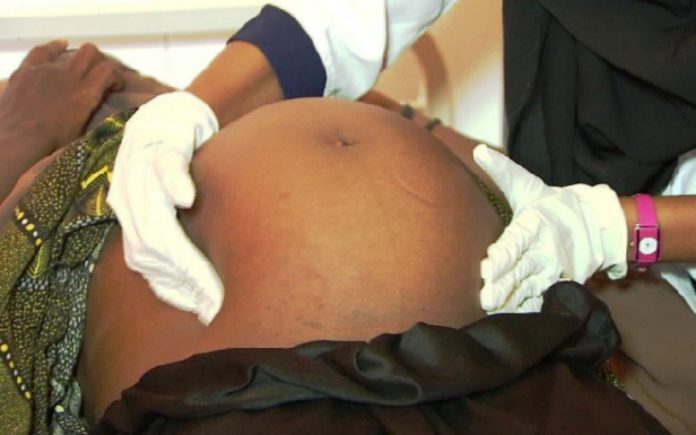
    The Greater Accra Regional Health Directorate (GRHD) is facing challenges in achieving the global target of reducing maternal deaths to fewer than 70 per 100,000 live births, mainly due to inadequate skilled delivery services.

    According to data from the directorate, health facilities in the region recorded 163 maternal deaths in 2024, a slight improvement from 170 in 2023.

    The World Health Organization (WHO) has set a target for countries to reduce maternal deaths to 70 per 100,000 live births by 2030, as part of the Sustainable Development Goals (SDG) target 3.1.

    During the 2024 Annual Performance Review meeting of the Greater Accra Regional Health Directorate, the Regional Director of Health, Dr. Akosua Agyeiwaa Owusu-Sarpong, explained that the high maternal mortality rate of 167 per 100,000 live births is partly due to difficulties in accurately tracking skilled deliveries across both public and over 600 private health facilities in the region.

    The meeting, held under the theme “Improving Performance and Health Outcomes through Service Delivery, Partnerships, and Excellence in Health Service Delivery,” brought together senior managers, programme managers, unit heads, metro and municipal health directors, and medical directors to assess their 2024 performance.

    Dr. Owusu-Sarpong emphasized the need to continue training healthcare workers in safe motherhood and life-saving skills. She also highlighted the importance of regular zonal meetings, led by obstetricians, gynecologists, and pediatricians, to help reduce deaths among mothers and newborns.

    Over the next two days, health officials will assess their progress, celebrate achievements, identify challenges, and develop new strategies to improve healthcare services.

    Looking ahead to 2025, Dr. Owusu-Sarpong said the directorate would focus on building strong partnerships, improving healthcare management, and ensuring better quality and safety in service delivery.

    She also acknowledged issues with staff distribution but noted that the situation was improving, particularly in Ada East and Ada West, where healthcare workers had previously been reluctant to accept postings.

    “The Region’s aggregate score for the holistic assessment in 2024 was 4.07, compared to 3.93 in 2023, making the region a high-performing one,” she said.

    Dr. Owusu-Sarpong spoke about ongoing efforts to control cholera by strengthening disease monitoring and response systems.

    Meanwhile, Dr. Caroline Reindorf Amissah, Deputy Director-General of the Ghana Health Service (GHS), called on health workers to stay dedicated despite challenges such as limited funding, an increase in diseases, staff leaving for other opportunities, and aging infrastructure.

    In a speech delivered on her behalf, Greater Accra Regional Minister Madam Linda Ocloo encouraged healthcare professionals to stay committed to improving medical services.

    She emphasised the need for transparency, accountability, and excellence in health facilities, adding, “Strengthening reporting mechanisms, particularly in the private health sector, will ensure more accurate data capture and informed decision-making.”

    Maternal mortality refers to deaths due to complications from pregnancy or childbirth.

    The leading causes include severe bleeding (postpartum haemorrhage), infections (including sepsis), high blood pressure disorders (pre-eclampsia and eclampsia), complications from delivery, and unsafe abortions.

  • Success of SDGs dependent on vital contribution of small businesses – ANDE

    Success of SDGs dependent on vital contribution of small businesses – ANDE

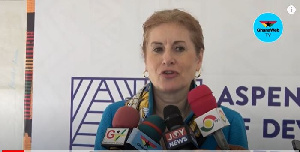
    The Executive Director of Aspen Network of Development Entrepreneurs (ANDE), Richenda Van Leeuwen, has emphasized the crucial role played by startups and small businesses in achieving sustainable development goals (SDGs) aimed at eradicating poverty and fostering economic growth.

    She acknowledged that progress toward these goals had been slower than desired, particularly due to challenges like the COVID-19 pandemic.

    Van Leeuwen expressed confidence that despite the setbacks, reaching the sustainable development goals is attainable. She underscored the importance of providing entrepreneurs with access to a sustainable ecosystem, encompassing incubators, accelerators, and investors.

    Her remarks were made during the 2023 ANDE annual conference in Accra, which featured member-led sessions focusing on cutting-edge research, reports, and best practices to strengthen entrepreneurial ecosystems for small businesses, aligning with ANDE’s mission.

    Van Leeuwen stressed the significance of small businesses within their local communities and countries, emphasizing that sustainable development goals cannot be met without their active participation.

    She highlighted ANDE’s commitment to supporting small and medium-sized enterprises (SMEs) not only in Ghana but across the continent and the world.

    Additionally, she praised Ghana’s vibrant entrepreneurial spirit and noted ANDE’s thriving membership of incubators, accelerators, and investors contributing to the Ghanaian ecosystem and other West African economies.

    “We recognise the power of small businesses in their local communities across their countries. We can not meet sustainable development goals without small businesses sector,” the Executive Director reiterated.

    In conclusion, Van Leeuwen expressed enthusiasm about the conference’s role in accelerating progress toward sustainable development goals and fostering economic and social support through robust small business ecosystems.

    “We’re just thrilled to be here in Ghana and also bringing people across the region and across the continent to talk about how can we accelerate action towards meeting Sustainable development Goals but also how small business ecosystems can drive that economic and social support that we all need to be able to thrive,” she noted.

  • War-torn Ukraine, Iraq, Libya citizens happier than Ghanaians – Report

    War-torn Ukraine, Iraq, Libya citizens happier than Ghanaians – Report

    The Sustainable Development Solutions Network in 2022 released World Happiness Report which is a global project of the United Nations.

    The World Happiness Report is released every year around March 20th as part of the International Day of Happiness celebration.

    The World Happiness Report 2022 ranked 146 countries based on three broad indicators: life evaluations, and positive and negative emotions. Under these three indicators, the report looks at various factors that influence the three main indicators: income, healthy life expectancy, social support, freedom to make life choices, trust, generosity, GDP of a country, and perceptions of corruption.

    While rankings like these are not definitive, they provide some insight into the factors contributing to citizens’ perceived happiness in different countries.

    As usual, countries from Northern Europe, Finland (Ist), Denmark (2nd), and Iceland (3rd), have dominated the Happiness ranking, followed by mostly developed economies, including Germany (14th ), the United States of America (16th), and the United Kingdom(17th).

    Turning to the happiest countries in Africa, Mauritius(52nd) ranks as the happiest country, whiles Zimbabwe (144th) is the least happy country, as it struggles with high poverty levels.

    According to the report, Libya(86th), Ukraine(97th), and Iraq (107) – countries plagued by political instability and conflict – are happier places to live than Ghana (111). Ghana has decreased in ranking from the previous year, where it fared 95th out of the 149 countries surveyed in the 2021 World Happiness Report. Factors such as the Covid-19 pandemic, which impacted various aspects of the country, can be attributed to the decrease in the Happiness Ranking.

    One plausible reason Ukraine, Iraq, and Libya may be happier countries than Ghana is the level of social support. According to the report, Ukraine, Iraq, and Libya ranked higher than Ghana regarding social support, which refers to strong social networks and access to social services like healthcare and education.

    This suggests that citizens in Ukraine, Iraq, and Libya may feel more connected to their communities and have better access to resources that contribute to their overall well-being.

    Another factor is economic prosperity. While all these countries are considered developing nations, they have varying levels of income and wealth. Despite the Russian invasion of Ukraine, and political instability in Libya and Iraq, these countries have a higher level of income and wealth (World Bank Data) than Ghana.

    Happiness is a complex and multifaceted concept that cannot be reduced to a simple ranking. While the World Happiness Report can offer some insights into the factors that contribute to happiness and help governments shape policies to improve the happiness of their citizens, it is up to everyone to determine what brings them happiness and fulfillment in their own lives.

  • Raise WASH concerns for proper solution – Sanitation Ministry

    The Ministry of Sanitation and Water Resources has urged journalists to continue raising concerns in the sector in order to find a suitable solution.

    The Ministry says critical reporting on water and sanitation issues by journalists will significantly boost its efforts and that “we are prepared to listen and together chart a path that will make the Greater Accra Metropolitan Area (GAMA) Sanitation and Water Project and sanitation in Ghana take its rightful course.”

    Noah Tumfo, the Ministry’s Chief Director, told journalists at the GAMA/ GKMA Media Partners Meeting/ Engagement and Training Workshop at the Aqua Safari resort in Ada in the Greater Accra Region that the Ministry will continue to collaborate effectively with them.

    “We rely on you heavily to continue to help us in the behavioral change towards sustainable national sanitation”.

    Raise WASH concerns for proper solution - Sanitation Ministry

    Attaining SDG 6 of “Ensuring the availability and sustainable management of water and sanitation for all” is critical to the success of many other SDGs. Covid-19 has focused attention on water, sanitation, and hygiene (WASH), which has received unprecedented attention since the pandemic’s inception.

    The country’s water and sanitation sectors are still facing enormous pressing challenges, necessitating collaborative efforts to address, to achieve goal 6 of the SDGs.

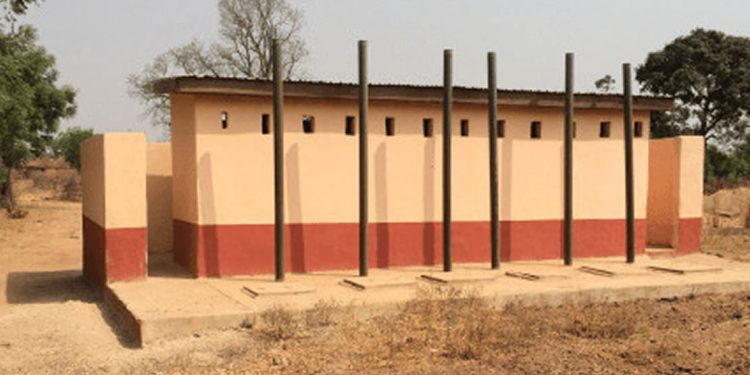
    With less than eight years to go, Ghanaian households still lack access to improved household and public toilets, as well as safe drinking water, with only 60% of the country’s 8.4 million households having toilet facilities.

    This means that more than five million people, or 17.7 percent of 1.6 million households, practice Open Defecation (ODF), which is most common in rural areas.

    The Chief Director applauded the media for recognizing the Ministry’s efforts to reduce open defecation in the country by advocating for household toilets.

    Mr. Tumfo is optimistic that by extending the Greater Accra Metropolitan Area (GAMA) Sanitation Project to eight MMDAs in the Greater Kumasi Metropolitan Area (GKMA) in the Ashanti Region, open defecation in the country will be significantly reduced.

    Source: myjoyonline 


  • GIPC engages stakeholders on SDGs

    The Ghana Investment Promotion Centre (GIPC), in collaboration with the United Nations Development Programme (UNDP), has engaged stakeholders on the Sustainable Development Goals (SDGs) Investor Map utilisation.

    The goal was to channel investments into major investment opportunity areas identified in the SDG Investor Map for Ghana.

    The SDG Investor Map which was initiated by the UNDP was introduced earlier this year to help drive capital into inclusive and sustainable investments in key economic sectors.

    It provides market intelligence to potential investors by providing data on SDG gaps and priorities in the country.

    Meeting

    The meeting, which was held in Accra yesterday, focused on the health and Information and Communications Technology sectors.

    Institutions present at the event included the Ghana Medical Association, Ministry of Health, Ghana National Chamber of Pharmacy, Pharmaceutical Manufacturers Association of Ghana and the Ghana Pharmaceutical Chamber.

    Others were Pharmacy Private Sector Hospitals, ICT firms, Members of the Chamber of Telecommunications, Financial institutions, as well as government agencies such as the Ghana Free Zones Authority and the Ghana Export Promotion Authority.

    Speaking at the event, the Chief Executive Officer of the GIPC, Mr Yofi Grant, said that there were great opportunities in the ICT and health sectors that prospective investors could leverage to make profitable gains while making positive contributions to society, the environment and the economy at large

    He said for the country to achieve its SDGs and spur growth, there was the need for public-private partnerships to overcome the pre-existing yearly SDG financial gap of $200 billion in Africa.

    “Most of us believe that the SDGs are the preserve of government but they are also opportunities for the private sector”.

    “As such, we as government and the GIPC will actively support and guide investors who seek to invest in any of the priority sectors outlined in the SDG Investor Map to propel national development,” he said.

    Development needs

    The UNDP Economics Advisor for Ghana and the Gambia, Mr Udo Etukudo, stated the SDG Investor Map provided information on 12 investment opportunity areas across five priority sectors: Agriculture, Infrastructure, Technology & Communications, Healthcare and Consumer Goods.

    He explained that in as much as these sectors were being appreciated to address the development needs of the country, they were investment opportunities for investors to scale their profits.

    Taking the health sector, for instance, Mr Etukudo said the country had about 4,000 healthcare facilities and it was estimated that investors would earn between 23.1 and 27.1 per cent return on investment.

    Base value

    For her part, the UNDP Resident Representative in Ghana, Dr Angela Lusigi, identified a base value of $39 million worth of SME investments in Ghana.

    “This is within six months to September 2021 under its pilot scheme, and there is a potential for an additional $15.5 million,” she said.

    She believed the event came at an opportune time as the government sought to increase investment and financing towards the achievement of national development goals that are aligned with the SDGs.

    Source: graphic.com.gh

  • We will incentivize companies that drive achievement of SDGs – GIPC

    Mr Yofi Grant, Chief Executive Officer of the Ghana Investment Promotion Centre (GIPC), has said the Centre will incentivize companies that would help the nation achieve the Sustainable Development Goals (SDGs).

    He said in the past SDGs were considered as projects but should rather be part of the policy framework of companies to ensure holistic development.

    He said this at the 2020 Economic Counsellors’ Dialogue organised by the GIPC in Accra on Thursday on the theme: “Promoting a Stable Business and Investment Climate; The New Companies Code.”

    He said the Centre seeks to ensure that Ghana remains the preferred place for Foreign Direct Investment in Africa.

    Additionally, he said, the country must set the pace for others within the continent to emulate for sustainable economic development.

    Mr Grant, speaking on the implementation of the GIPC law, said the delays encountered was to ensure that the right mechanism were put in place to create a healthy business environment.

    He said the Centre is working closely with related institutions and ministries to come out with a comprehensive document for the GIPC law.

    Madam Diana Afriyie-Addo, Team leader, Business Regulatory Reforms Unit, Ministry of Trade and Industry, presenting on the Business Regulatory Reforms (BRR) programme, said the programme was to enhance increased entrepreneurship investment, industrialisation and transformation of the economy.

    She said it was also to ensure that business regulations were simple, transparent and predictable.

    “This will clean up or simplify existing business regulations that are inefficient or not business-friendly whiles maintaining adequate protections for consumers and the environment,” Madam Afriyie-Addo said.

    She said the programme would improve how business regulations were produced by ensuring that new regulations met an agreed minimum criteria.

    She said an inventory of business-related acts legislative instruments, regulatory notices and administrative directives would be made available in a single electronic register dubbed the “E- register.”

    Madam Afriyie-Addo said the platform would provide businesses with an easily accessible one-stop repository of up-to-date information on all business regulations in force in Ghana.

    Madam Matilda Osei, Representative of the Registrar General’s Department, who spoke on the New Companies Act 2019, said amendments have been made to the Companies Act 1963 to suit modern business development globally.

    She said some changes in the Act include the creation of an office for the registrar of companies, persons 18 years and above may apply for incorporation of a company, company’s regulation is now referred to as a constitution.

    Additionally, she said the New Act requires a conflict of interest registrar, the introduction of companies bulleting and database, directors are required to file a declaration of not being convicted of any criminal offence the past five years.

    She said by the Act, the issuance of a certificate to commence business by the registrar of companies has been abolished, secretaries of companies must be qualified lawyers or Chartered Accountant.

    Source: GNA