Tag: South Africans

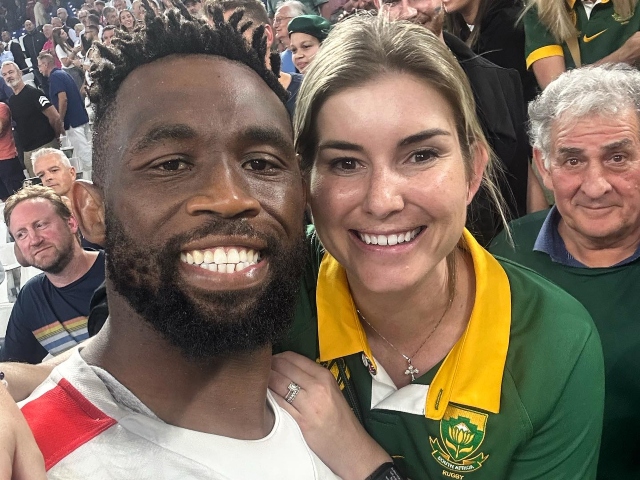
  • South African Siya Kolisi and wife announce divorce after 10years

    South African Siya Kolisi and wife announce divorce after 10years

    South African rugby star Siya Kolisi and his wife Rachel have announced their divorce after more than ten years of marriage, leaving their fans devastated.

    The couple frequently shared their affection for each other and their family on social media, earning admiration from many South Africans who regarded them as one of the nation’s power couples.

    The announcement of their separation has sparked a wave of reactions on social media, with fans expressing disbelief at the end of their celebrated union.

    The pair have asked for respect and privacy as they try to “navigate this transition”.

    Siya Kolisi served as the captain of the national rugby team that clinched the World Cup in 2019, while Rachel has been a strong advocate for women’s empowerment and social justice in South Africa.

    He made history as the first Black captain of the Springboks, a sport traditionally associated with South Africa’s white minority.

    Many South Africans viewed the mixed-race couple as a representation of the “rainbow nation,” highlighting the ongoing racial tensions that persist 30 years after apartheid.

    In a previous interview with the BBC, Kolisi spoke about the “horrible” social media abuse they have faced as a couple.

    The pair wed in 2016 after dating for four years and share two children together. They also adopted Kolisi’s younger sister and brother following their mother’s passing in 2009.

    On Tuesday, the couple released a joint statement on Instagram, expressing that their decision to part ways was mutual and amicable.

    “This decision comes from a place of love, respect and understanding that this is the best path forward for both of us,” they said.

    They did not give reasons for their split but acknowledged the challenges they have faced as a couple.

    The pair said they would still co-parent their four children and continue to work together on their foundation that they have set up.

    The Kolisis had just returned to South Africa, with Siya re-joining the Sharks in September, after he cancelled his one-year contract with French side Racing.

    The pair was arguably one of South Africa’s most loved couples, with Siya often describing Rachel as his rock and biggest supporter.

    Many South Africans have taken to social media to express their heartbreak over the split, with others expressing support for the duo.

    “We need to take family responsibility leave tomorrow as a country. We are shattered with this news of Siya and Rachel with this divorce,” one fan posted on X.

    “Their legacy as a power couple will endure, inspiring future generations,” the Times Live website reported.
  • A group of South Africans swindled a Ghanaian bank, spent $1.4m on Porsche – Bright Simons details

    A group of South Africans swindled a Ghanaian bank, spent $1.4m on Porsche – Bright Simons details

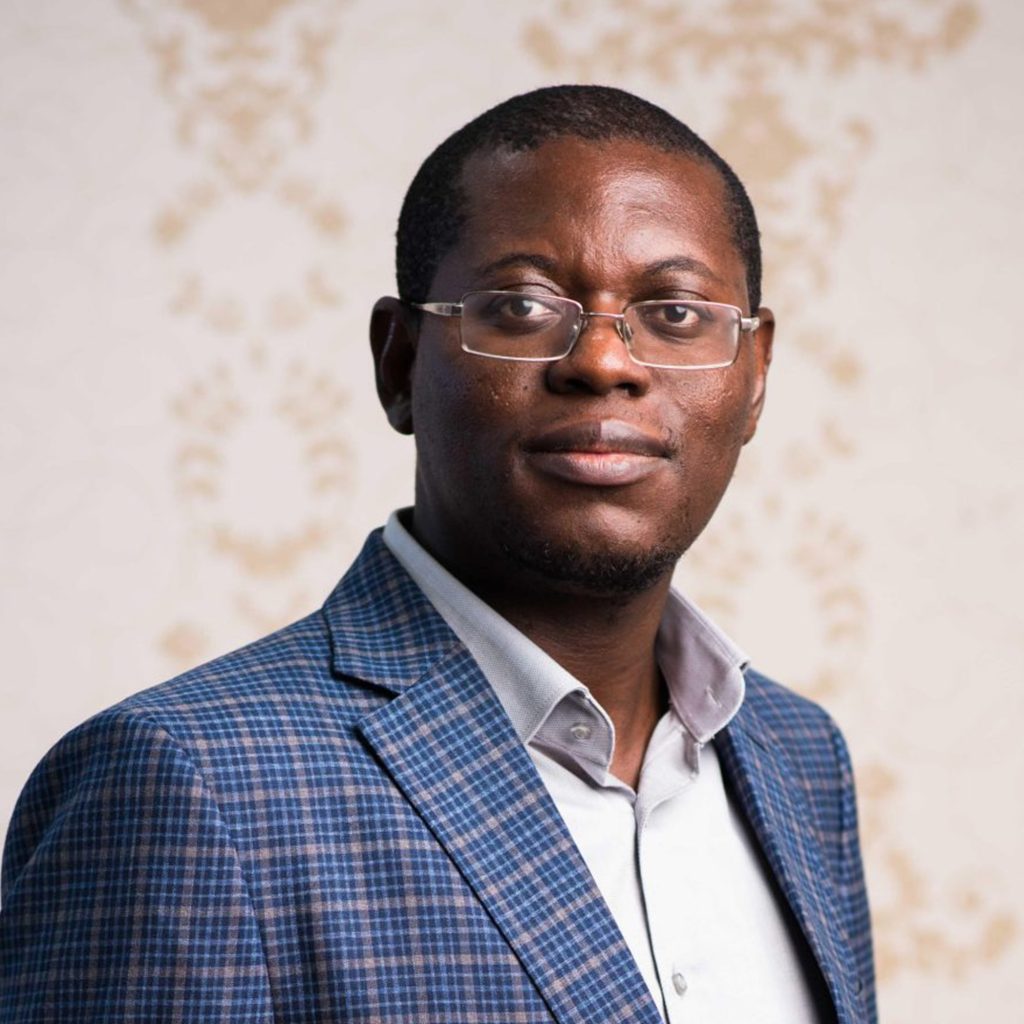
    Honorary Vice President of IMANI Africa, Bright Simons, has exposed a fraudulent scheme in which a group of South Africans swindled a Ghanaian bank, spending $1.4 million of development funds on a luxury Porsche.

    Mr Simons detailed how a 2019 initiative by Investec, a prominent South African bank, went disastrously wrong in Ghana, revealing significant governance failures that allowed the fraud to occur.

    In his analysis, Simons explained that Investec sought to get creative with development finance in Ghana by structuring an investment into a Special Purpose Vehicle (SPV) named “Ghana Infrastructure Company.” The SPV was designed to fund the construction of roads, clinics, climate-sensitive storm drains, and other infrastructure projects across the country.

    “Investec hailed it as a breakthrough model that would do away with the need for a sovereign guarantee,” Simons explained, noting that the idea was to use payments from the government as the projects progressed as a form of security. As more projects were completed and paid for, Investec could then reinvest further into the SPV.

    However, things soon went awry. Simons disclosed that Investec had quietly demanded secondary guarantees from Stanbic Bank, the local bank used by the South African promoters of the SPV. South Africa’s export credit agency also stepped in to cover materials sourced from South Africa. But behind the scenes, the scheme was unraveling.

    “It has now been revealed that most of these projects were not delivered,” Simons stated. Worse still, the guarantees supposedly issued by Stanbic Bank were found to be fake. “The South African SPV promoters knocked them together using Photoshop,” he said, outlining the extent of the deception.

    The misuse of funds was equally shocking. Simons revealed that instead of investing in the promised infrastructure, the SPV promoters squandered a large portion of the money on lavish expenses. One of the most egregious purchases was a $1.4 million Porsche, which had been featured as a prop in the Hollywood movie Bad Boys. “Yes, they spent $1.4 million of the money on a Porsche used by Will Smith in a movie,” Simons remarked.

    As a result of the fraud, vital infrastructure projects such as storm drains in and around Lamashegu, Tamale, were left incomplete or poorly executed. The inadequate construction of roads and storm drains led to flooding that washed away the roads, highlighting the devastating consequences of the scam.

    Simons emphasized the need for stronger governance and oversight in development finance projects, particularly in Africa. “There is no way such a situation could have happened if Civil Society and other local analysts and activists were deeply engaged in the design and monitoring of all development projects,” he argued. He called for independent monitoring of projects where the government has liability to ensure that funds are properly used.

    Simons also pointed out that if Investec had involved more locally knowledgeable actors, rather than relying solely on legal and financial consultants and government ministries, “alarm bells would have sounded long before too much money got disbursed.”

    He concluded by stressing the importance of transparency in development finance. “Trust is essential, true. But trust-based financing only works when transparency is a strong deterrence to trust-corroding actions,” Simons said, warning that the alternative is “scarce funds going into Porsches instead of storm drains.”

  • Criminals sell sextortion guides online – BBC investigation reveals

    Criminals sell sextortion guides online – BBC investigation reveals

    Criminals are selling guides on social media on how to conduct sextortion, BBC News has discovered.

    The guides teach individuals to pose as young women online, deceive victims into sending explicit material, and then blackmail them.

    On Tuesday, Olamide Shanu appeared in a London court, accused of being part of a gang that extorted £2 million from adults and children online.

    Last month, the National Crime Agency issued a warning to UK schools about the dangers of sextortion.

    Experts note a significant increase in children falling victim to sextortion by gangs based primarily in Nigeria and other parts of West Africa.

    In the UK, two British teenagers have taken their own lives since October 2022 after being targeted by sextortionists.

    Paul Raffile, an intelligence professional and expert on sextortion, describes it as a “massive threat” to children.

    “Internet scammers over these past two years have found out that they can get very rich very quickly by scamming an untapped market.

    “And that’s teenagers,” he said.

    Mr. Raffile said that adults have long been the target of sextortion, with teenage boys currently being among the most susceptible.

    “They are finding their victims by going on social media platforms and searching for high schools and youth sports teams, and then ‘following’ or ‘friending’,” he said.

    BBC News has found that guides on how to carry out the crime are openly for sale in videos posted online.

    It is described in detail how to set up untraceable phone numbers, create fake social media profiles and use secure payment methods.

    Some boast about the number of people they have blackmailed – one wrote that a victim paid him regularly, “every Friday”.

    Lucy’s 14-year-old son fell victim to a sextortion gang this year.
    Although he had not sent any images himself, the blackmailers mocked up a compromising picture and in a text threatened to share it.

    “It was a message, basically saying, ‘don’t shut us down. If you don’t send us money in 24 hours, we’ll send a picture to all your contacts’,” she said.
    “He was shell-shocked. And he was literally physically shaking.”

    The teenager had already paid the blackmailers £100, but with his parents’ help he shut down the account and the phone. He never heard from the blackmailers again.

    “If he hadn’t been at home that morning, and I hadn’t been in the kitchen, and if he hadn’t talked to me, I don’t know how it would have played out for him,” said Lucy.

    The US authorities have applied to extradite Mr Shanu, who appeared at Westminster Magistrates’ Court.

    The 33-year-old is wanted in the state of Idaho on charges of extortion, money laundering and cyberstalking.

    The charges relate to four victims, one of whom was a child.

    Investigators believe there may be hundreds of victims over three years.

    Mr Raffile says the big Tech Companies are not doing enough to stop sextortion.

    “This crime has really exploded on Instagram and Snapchat over these past two years… these platforms need to aggressively go after these criminals,” he said.

    Snapchat told the BBC: “We’ve been ramping up our efforts to combat it including a reporting option specifically for threats to leak sexual content, and in-app education for teens.”

    In a statement Meta, which owns Instagram, said it offered “a dedicated reporting option so people can report anyone threatening to share private images”.

    “We default teens under 18 in the UK into private Instagram accounts at sign-up, which hides their follower and following lists, and into stricter default messaging settings,” it added.

    TikTok said the platform was designed “to be inhospitable for that intent on causing harm to teens and we do not tolerate any content or behaviour promoting sextortion”.

  • South Africans cast ballots in most competitive election since apartheid

    South Africans cast ballots in most competitive election since apartheid

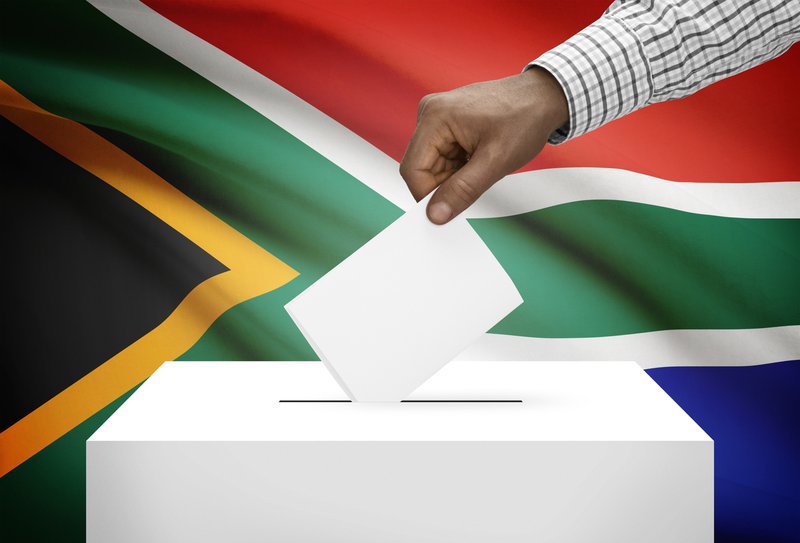
    South Africans began voting Wednesday, potentially shifting politics if the ruling ANC loses its majority as polls predict.

    Queues formed in major cities like Johannesburg, Cape Town, and Durban starting at 7 a.m. (0500 GMT), with lines also seen in chilly townships and rural areas.

    Voters are electing nine provincial legislatures and a new national parliament, which will then choose the next president.

    If the ANC receives less than 50% of the national vote, it will need to form a coalition, the first in 30 years since Nelson Mandela led the party to power after apartheid.

    Voting stations opened at 0500 GMT and will close at 1900 GMT, with over 27 million registered voters out of a population of about 62 million.

    South Africa’s electoral commission is expected to release partial results within hours of polls closing and has seven days to announce the final results.

  • Video: Nigerians mock South Africans with Tyla’s song “Water” after AFCON victory

    Video: Nigerians mock South Africans with Tyla’s song “Water” after AFCON victory

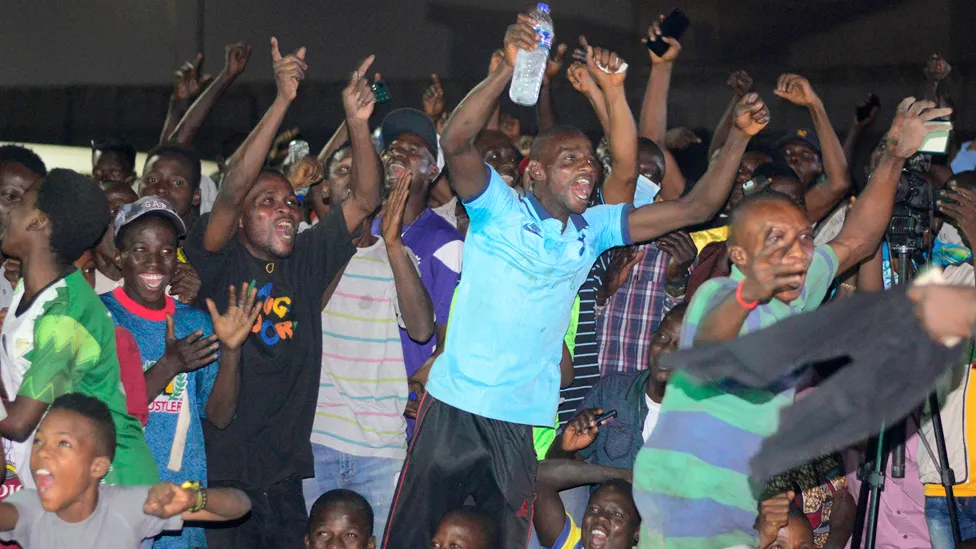
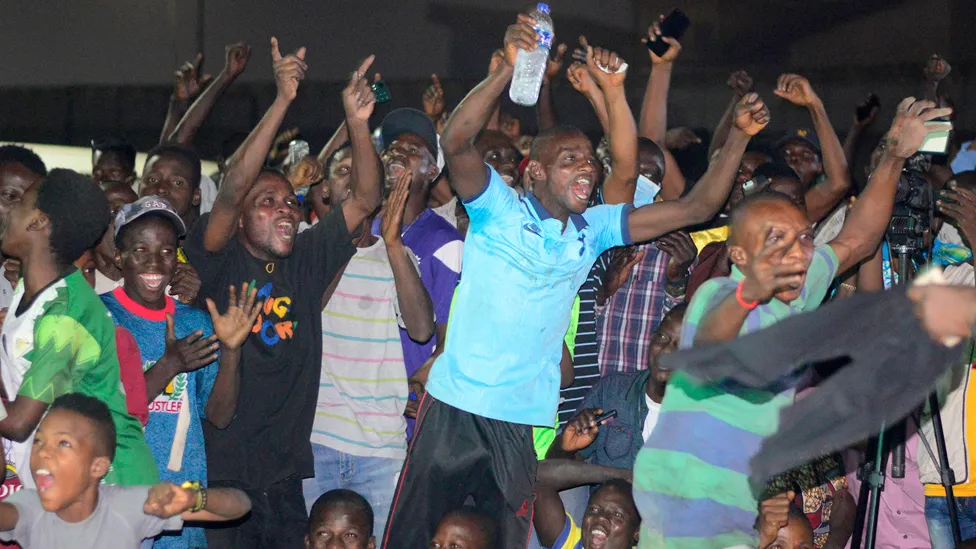
    After Nigeria’s Super Eagles secured a victory over South Africa in the Africa Cup of Nations, a video capturing the jubilant celebration of Nigerian fans has circulated widely on social media.

    In the video, ecstatic Super Eagles supporters mock their South African counterparts by dousing themselves with liquid while chanting the lyrics of the hit song “Water” by South African artist Tyla.

    Despite South Africa’s recent win at the Grammy Awards in the Best African Music Performance category, disappointed Nigerian fans vowed retaliation during the AFCON semi-final match.

    Following Nigeria’s triumph over South Africa in a penalty shootout after a 1-1 draw on Wednesday night, scenes of jubilation erupted across the country.

    The rivalry between Nigeria, Africa’s most populous nation, and South Africa, the continent’s most advanced economy, has a long history.

    The viral video, filmed at Ahmadu Bello University in Zaria, shows hundreds of students congregating to sing “Water” in celebration of the Super Eagles’ victory.

    Even popular Nigerian pastor Jimmy Odukoya joined in the jesting, acknowledging Bafana Bafana for their efforts while humorously suggesting they “need water” after their defeat, adding, “If it’s any consolation, it’s Grammy water.”

    Some Nigerians have expanded the banter to music preferences, asserting the superiority of Afrobeats over South Africa’s amapiano genre. Culinary comparisons have also emerged, with Nigerians claiming their Jollof Rice outshines South Africa’s Bobotie.

    Nigeria will face Ivory Coast in the final match on Sunday, with many South Africans likely to support the Ivorian team.

  • Triumphant Nigerians make fun of South Africans with Tyla hit

    Triumphant Nigerians make fun of South Africans with Tyla hit

    A video of people from Nigeria celebrating their soccer team’s win against South Africa in the Africa Cup of Nations is getting a lot of views on social media.

    In the video, fans of the Super Eagles team tease their opponents by pouring water on themselves and singing the song “Water” by South African singer Tyla.

    On Sunday, she won an award for Best African Music Performance at the Grammys, by doing better than many famous Nigerian singers.

    Upset Nigerians promised to get back at the Afcon semi-final.

    The hashtag #NGARSA is popular in Nigeria and South Africa as people make jokes about each other.

    Nigerians and South Africans have been joking with each other that their Jollof Rice is tastier than South Africa’s Bobotie dish.

    However, Nigerians think Afrobeats music is the best and they believe South Africans should just stick to dancing to amapiano, a type of music that’s a mix of hip-hop, soul, and slowed-down house music.

    Jimmy Odukoya, a well-known Nigerian pastor, has also joked about Bafana Bafana’s performance, praising them despite their loss. He told the South African players that they need water.

    He said: “If it helps, it’s really good water. ”

    Nigeria will play against Ivory Coast on Sunday in the final match.

    Many people in South Africa will probably support the team from Ivory Coast.

  • South Africa keeps track of “imported” cholera cases from Zimbabwe

    South Africa keeps track of “imported” cholera cases from Zimbabwe

    South Africans are being told to be careful after two people in northern Limpopo province got cholera.

    Two patients from Zimbabwe were in South Africa recently, the province’s health department said.

    The department found out about the first case when a 43-year-old man tested positive for the virus.

    A 27-year-old man went to Hellen Franz Hospital. The man is doing okay and both patients are alone in the hospital, the department said.

    Two cases were brought in from Zimbabwe, which is currently dealing with a disease outbreak.

    Cholera has killed over 200 people in Zimbabwe.

    “We ask people to stay calm but alert, and to quickly get medical help if they or anyone they know show symptoms of cholera,” the department said.

  • South Africans mourn death of renowned broadcaster Eusebius McKaiser

    South Africans mourn death of renowned broadcaster Eusebius McKaiser

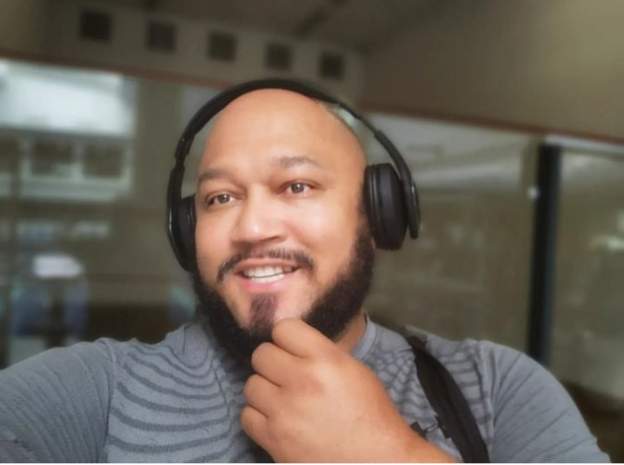
    South Africans have rushed to social media to eulogise the late Eusebius McKaiser, a renowned novelist and broadcaster who died on Tuesday May 30 2023..

    His manager, Jackie Strydom, told Daily Maverick that McKaiser had suffered a suspected epileptic seizure.

    His analytical articles and columns were widely published in many publications, including the New York Times, Mail & Guardian, Sunday Times, Sunday Independent, City Press, Newsweek International and Financial Mail.

    McKaiser also hosted talk shows on Radio 702, the Talk at Nine Show, and he presented on Interface on SABC3.

    He was outspoken about issues of racism and a strong advocate of the LGBT community.

    South Africans reacted to his death with shock on social media.

    President Cyril Ramaphosa’s spokesperson, Vincent Magwenya, said the broadcaster was “a brilliant mind”.

  • South Africa observes human rights day

    South Africa observes human rights day

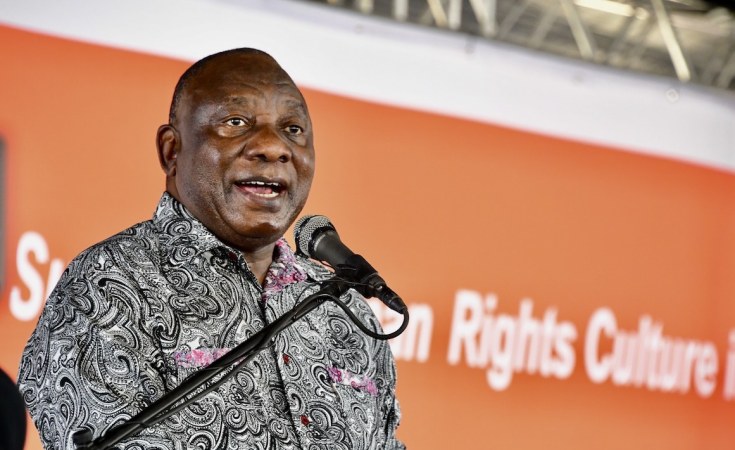
    On Tuesday, South Africans observed Human Rights Day. President Cyril Ramaphosa used his keynote address to criticize the EFF’s unsuccessful shutdown attempt on Monday.

    In his address to the nation from De Aar in the Northern Cape, Ramaphosa accused unnamed parties of trying to “diminish this democracy”, and wanting to “abuse the rights of others, intimidate them, compel them to participate in a protest, compel them to participate in days when they should not go to work.

    “I am happy that the majority of South Africans did not heed the call, but they exercised their rights as South Africans,” he added.

    He also emphasised that a country cannot claim to respect human rights if it does not ensure that all citizens have access to basic necessities such as land, housing, food, water, healthcare, and education.

    The event is held annually in remembrance of the Sharpeville Massacre, which took place on 21 March 1960.

    During the protest against Pass Laws, which required black South Africans to carry identification documents at all times, police opened fire on a crowd of around 7,000 people, killing 69 individuals.

    The day is also a commemoration of the Langa Massacre, which occurred on 21 March 1985, when state police killed 35 people during a commemoration of the 25th anniversary of the Sharpeville Massacre.

    Human Rights Day serves as a reminder of the country’s past struggles and the ongoing fight for equality and justice for all.

    The day provides an opportunity for South Africans to reflect on the progress made towards upholding human rights and the work that still needs to be done to ensure that every individual’s human rights are protected.

  • South Africans fumes at no lights and no water crisis

    South Africans fumes at no lights and no water crisis

    Many South Africans, who already struggle without electricity for hours on end, now also have to go without water as power failures batter the delivery system.

    A power failure at a pump station feeding reservoirs and water towers caused taps to run dry in parts of Johannesburg and Pretoria, provincial utility Rand Water said this week.

    This further aggravated residents who for months have had to plan mundane activities such as cooking and do laundry based on a daily blackout schedule.

    Thomas Mabasa, a rail worker, said he had taken to showering at work — a luxury not afforded to his children.

    “(They) have to go to school without bathing,” the 43-year-old told AFP.

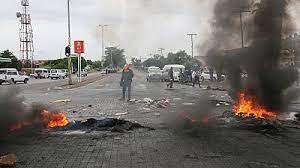
    He was among frustrated locals who took to the streets in Soshanguve, a township north of the capital, this week to protest the situation.

    Demonstrators disrupted traffic, blocking roads with stones and waste.

    “Sometimes we wait to see if the water will come back in the middle of the night to wake the kids up so they can shower before it runs out again,” Mabasa said, as tyres burned on the street behind him.

    Theft and vandalism

    Africa’s most industrialised economy has been crippled by record power cuts in the past year, as troubles at debt-laden state energy firm Eskom worsened.

    The utility provides about 90 percent of the country’s electricity.

    But for years it has failed to keep pace with demand as it struggles to maintain its ageing coal-powered infrastructure.

    Water and sanitation ministry spokeswoman, Wisane Mavasa said the government was working with water utilities “to improve the situation”.

    “(The) energy crisis is impacting the water infrastructure,” she said.

    One problem is that machinery is constantly being restarted because of power cuts, and this accelerates breakdowns, the government said.

    Pump stations and water-treatment, which need a steady flow of power to work properly, have been badly impacted, it said.

    Criminality has also contributed to the crisis, with Johannesburg’s municipality saying hundreds of water tanks were stolen or vandalised in 2022.

    Water-scarce country

    Hospitals and schools have not been spared.

    Kalafong hospital in Pretoria, endured two days of no water at the weekend.

    Journalism student Ethel Malatji, 21, said her and colleagues at the Tshwane University of Technology in Pretoria were unable to cook, clean or bathe.

    “We don’t even have water to drink,” she said. Her studies have also been disrupted by protesters burning tyres on a road she crosses to access part of the campus, she said.

    The problems have especially hit Johannesburg’s Gauteng province, but not exclusively.

    Cape Town has had to close some of its beaches due to a sewage spill following electrical faults at some of its sewer stations.

    Increasing demand has also put a strain on supply in the country’s southeast forcing authorities to implement water rationing.

    That might become more common if energy and infrastructure problems are not addressed, said Dewald van Niekerk, who heads the African Centre for Disaster Studies at North-West University.

    “Electricity needs to drive those pumps,” said van Niekerk.

    South Africa — an already water-scarce country — is set to experience extreme drought conditions in the next few years with the expected return of the El Nino warm weather pattern, he warned.

    Source: African News

    • Eight killed by gunmen at birthday party in South Africa

      Eight killed by gunmen at birthday party in South Africa

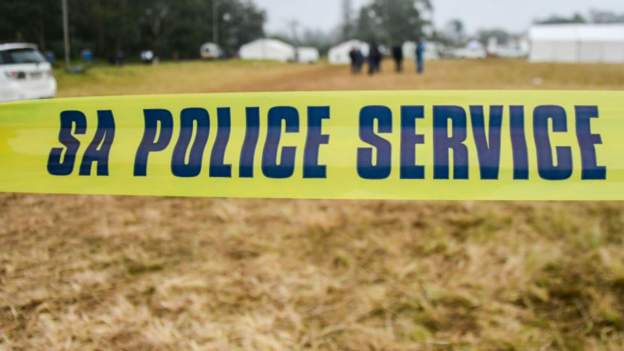
      Police in South Africa has reported that gunmen opened fire on a gathering of people attending a birthday party in a township in the Eastern Cape province of South Africa, killing eight of them.

      Two gunmen entered the yard of the house on Sunday evening in Gqeberha, formerly Port Elizabeth, and randomly shot at guests, a police statement said.

      The owner of the house was among those killed, while three others were also wounded.

      The Minister of Police, Bheki Cele, and the head of police, Fannie Masemola, are expected to lead a delegation to the crime scene on Monday.

      No arrests have been made and an investigation has been opened on the attack, local outlets report.

      Source: BBC

    • Days of mourning for the anti-apartheid hero begin in SA

      Days of mourning for the anti-apartheid hero begin in SA

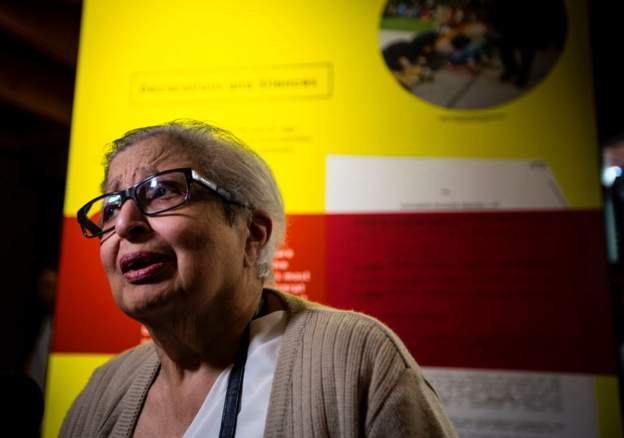
      Today marks the start of seven days of national mourning in memory of Frene Ginwala, who served as the first speaker of South Africa’s first democratically elected legislature.

      Ms Ginwala died on Thursday night aged 90.

      President Cyril Ramaphosa has directed that the national flag be flown at half-mast around the country until the evening of Tuesday 24 January 2023, according to a statement from his office.

      More details will be announced later on an official memorial service that will take place in Johannesburg next Tuesday.

      During the 1960s and 1970s Ms Ginwala lived in exile in Mozambique from where she helped many prominent members of the banned African National Congress (ANC) escape abroad.

      Ms Ginwala also travelled around the world drawing international attention to the abuses of the apartheid era.

      Source: BBC

    • South Africans sign petition to oppose gender-neutral toilets in basic schools

      There has been opposition to a proposal by South Africa’s department of basic education to install gender-neutral or unisex restrooms in classrooms.

      A group of worried residents started an online petition against the proposal; some claim it is pointless, while others say it will lead to social problems.

      The petition, as at mid-November, had been signed by over 60,000 people.

      “Toilets are private and suggesting that girls and boys share toilets will bring about many social ills,” the petition read in part.

      The plan was contained in a leaked report from the department that also contains a proposal on the abolishment of gender-specific pronouns, the BBC Africa LIVE page reported.

      The issue has also taken a political twist among opposition parties. Whiles The National Freedom Party (NFP), insists there are weightier things for the authorities to prioritize, an official of the Democratic Alliance, the largest opposition party – a largely pro-white party – said the move “would allow for education on gender diversity.”

      The National Professional Teachers Organisation of South Africa (Naptosa) has urged the government to consult teachers and parents before the plan is implemented, the BBC report added.


      Source: Ghanaweb

    • South Africans told to brace for longer power cuts

      South Africa‘s state power company, Eskom, has warned the public to expect worse power cuts because it is ramping up load shedding.

      The country has experienced rolling blackouts for several years now, with load shedding – the distribution of demand for electrical power across multiple power sources – used regularly to manage the supply.

      Eskom announced the move from stage three to four on Friday, saying it may continue at this level indefinitely, and that “changes in the stages of load shedding will be more erratic”.

      There are eight stages of load shedding. The move to stage four means that South Africans can expect outages – either 12 times over a four-day period for two hours at a time, or 12 times over an eight-day period for four hours at a time.

      At the highest level of load shedding, stage eight, residents can expect to be without power for up to 12 hours a day.

      Source: BBC

    • Prepare to live with virus for a year – Ramaphosa

      South Africans have been told to prepare to live with the threat of coronavirus for a year or even more.

      President Cyril Ramaphosa said people will still be expected to social distance, wear masks and wash their hands for a while.

      He used his weekly newsletter on Monday to warn that “it will not be life as we knew it before” even as restrictions are being eased.

      He said: We will introduce new measures to make contact tracing more effective. We will need to implement mass sanitisation of workplaces, public transport and other spaces.”

      We will introduce new measures to make contact tracing more effective. We will need to implement mass sanitisation of workplaces, public transport and other spaces.”

      He warned that the number of infections is expected to increase. South Africa has passed the 10,000 mark of new infections.

      Source: bbc.com