Tag: STEM

  • Govt set to commission Sewua STEM School – NEIP Boss

    Govt set to commission Sewua STEM School – NEIP Boss

    The government is set to officially commission the Sewua STEM School in Ghana’s Ashanti Region, according to Kofi Ofosu Nkansah, Chief Executive Officer of the National Entrepreneurship & Innovation Programme (NEIP).

    In a recent post on his Facebook page, Nkansah expressed his support for the project, emphasizing the importance of STEM knowledge in nurturing an entrepreneurial and tech-savvy workforce that can drive Ghana’s economic growth. “Sewua STEM School, Ashanti, is ready for commissioning,” he posted.

    The school, which focuses on advancing science, technology, engineering, and mathematics (STEM) education, has generated significant excitement among local communities and government officials alike, who see it as a strategic move to equip young Ghanaians with essential skills for the modern world.

    Many view the commissioning of the Sewua STEM School as a crucial step toward enhancing educational opportunities in the Ashanti Region and beyond.

    Government communicators have voiced optimism about the initiative, believing it will help bridge gaps in STEM education throughout Ghana and reinforce the country’s commitment to sustainable development and innovation-driven growth.

    As the school prepares to open its doors, expectations are high that it will set a benchmark for similar projects in other regions, playing a significant role in preparing students to meet the demands of an increasingly technology-driven world.

  • 3-day 2024 Stemnnovation grand finale begins today

    3-day 2024 Stemnnovation grand finale begins today

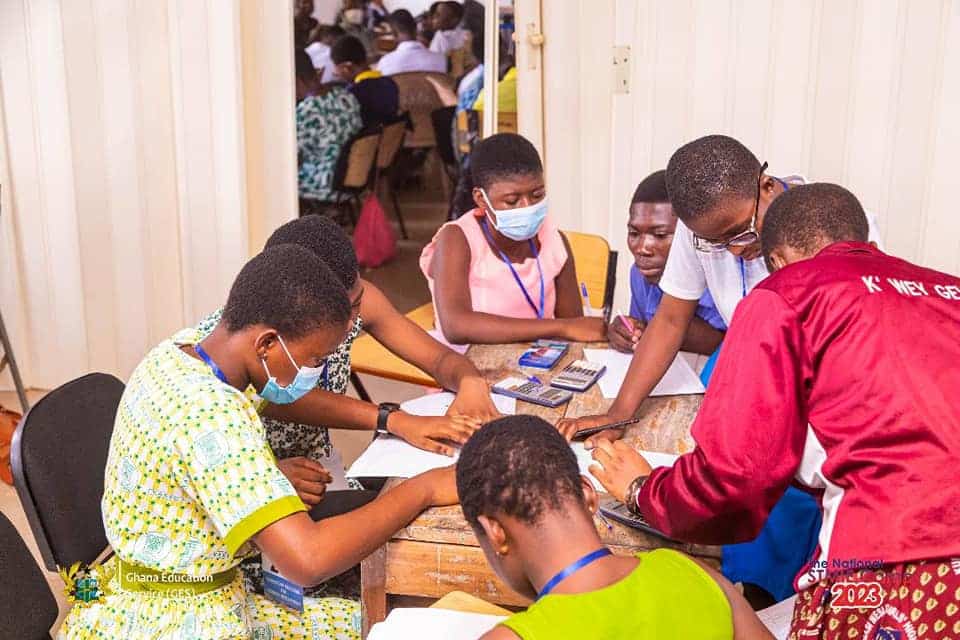
    The grand finale of the 2024 Stemnnovation competition, Ghana’s premier national STEM contest for second-cycle institutions, begins today at the Ohene Konadu Auditorium on the UPSA campus.

    This highly anticipated event runs from Monday, October 14, to Wednesday, October 16, and will showcase the innovative projects of 56 finalists who have emerged after months of regional competitions.

    These finalists were selected from an initial pool of 250 schools across eight zones in Ghana, demonstrating the competition’s national reach and the remarkable talent that exists across the country. Stemnnovation is a collaborative initiative between the Ministry of Education and the National Entrepreneurship and Innovation Programme (NEIP), aimed at inspiring creativity and problem-solving skills among Ghana’s youth.

    The Ministry and NEIP hope to empower the next generation to develop solutions for some of Ghana’s pressing challenges through science, technology, engineering, and mathematics (STEM). This year’s competition emphasizes four critical areas essential for Ghana’s development: sustainable energy, environmental sustainability, food sovereignty, and digital technology. The finalists, having traveled from all corners of Ghana, are expected to present groundbreaking projects that tackle these important issues.

    Their innovations aim to contribute to national goals, such as increasing energy efficiency, promoting environmental conservation, ensuring food security, and advancing the digital landscape. The competition, which started with 250 schools, has provided a platform for students to showcase their ingenuity and technical skills. The 56 finalists will now present their ideas before a panel of judges and a live audience.

    The projects not only reflect the competitors’ dedication and creativity but also possess the potential to significantly influence Ghana’s future, especially in sectors such as agriculture, technology, and sustainability. As the grand finale unfolds, all eyes will be on identifying the most promising innovators capable of making a lasting impact.

    The Ministry of Education and NEIP view this competition as a crucial step in fostering a culture of innovation that can drive national development. The efforts of these competitors are expected to inspire both their peers and the nation, affirming that the future of Ghana rests in the capable hands of its young innovators.

  • MIIF aims to support 1,000 women in engineering, STEM with mining scholarships

    MIIF aims to support 1,000 women in engineering, STEM with mining scholarships

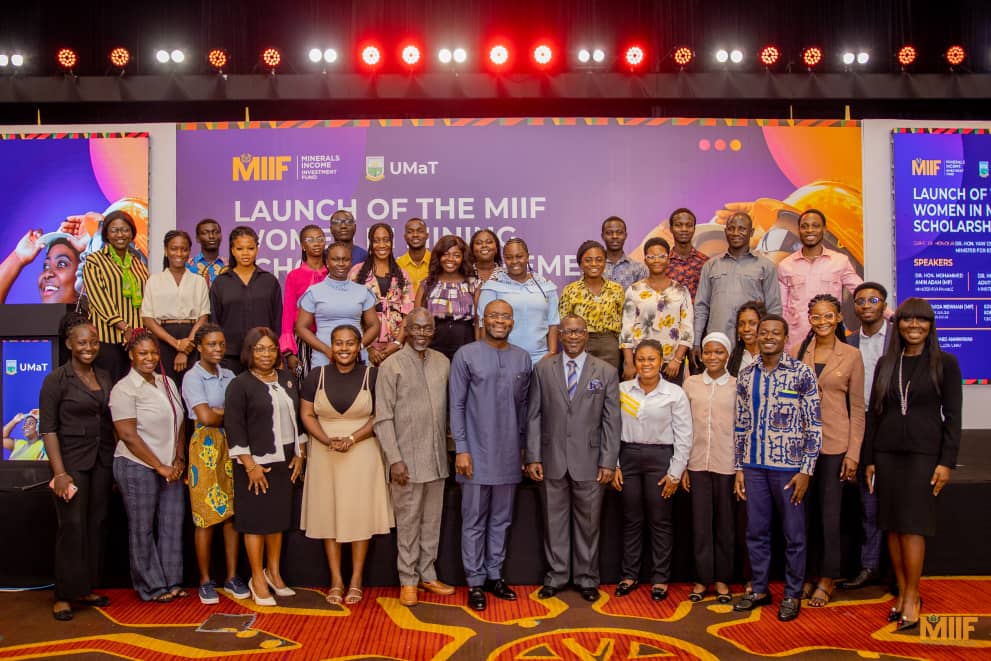
    The Minerals Income and Investment Fund (MIIF) has introduced a scholarship program designed to educate 1,000 women from mining communities across the country.

    The scholarship, offered through the George Grant University of Mines and Technology in Tarkwa (UMAT), is exclusively for women from mining communities pursuing studies in mining engineering and STEM-related mining courses.

    Named the MIIF-WomCom scholarship, the program will run for a decade, with 100 women receiving awards each year.

    The aim of the MIIF-WomCom scholarship is to boost female participation in the mining sub-sector, which currently stands at below 8%. This initiative aligns with the Fund’s ESG policy.

    Critical Intervention

    Edward Nana Yaw Koranteng, the Chief Executive Officer of MIIF, stated that the organization decided to make this crucial intervention to bolster human capital development in the mining industry, viewing it as the most significant investment in the mining value chain.

    He stressed that for Ghana to truly benefit from its mineral resources, it is essential to not only have sound policies but also intentionally develop the human resources needed to support the sector.

    “We believe that just investing in equity, investing in the value chain etc. without investing in human development will really just take us nowhere; you know, we will hit a wall at a point in time,” Mr. Koranteng stated.

    Edward Nana Yaw Koranteng, the Chief Executive Officer of MIIF, stated that the organization decided to make this crucial intervention to bolster human capital development in the mining industry, viewing it as the most significant investment in the mining value chain.

    He stressed that for Ghana to truly benefit from its mineral resources, it is essential to not only have sound policies but also intentionally develop the human resources needed to support the sector.

    Research and ESG

    The Evironment, Social and Governance framework that underpins every decision of MIIF is also fed by extensive research in the mining sub-sector that identified more value with women participation in the mining.

    The Head of Corporate Affairs and External Relations, Kojo Frempong said, “The research is pretty conclusive, the more you invest in women in the sector, the more value is created for the sector as there is greater retention in the communities”.

    For us at MIIF, this WomCom scholarship scheme is a strategic investment that will inure to the benefit of the country as a whole and create more advocates for environmental, social and governance issues” said the Head of ESG at MIIF, Ms Sharon Addo.

    Ghana is blessed with natural resources, but we have seen the dangers in other jurisdictions when there is policy failure and a lack of investment in the mining value delivery process.

    Mr Koranteng stressed that, resources are not infinite making it crucial to leverage the resources cleverly in a sustainable manner, this gives meaning to the fact that, resources do not develop a nation, brains do.

    Scholarship Expansion

    Though UMaT is the first university to administer the scholarship, MIIF plans to extend the opportunity to students from the Kwame Nkrumah University of Science and Technology and the University of Energy and Natural Resources in Sunyani in an expandable drive for the scholarship.

    “We are modeling the WomCom scholarship scheme with UMaT. 100 female students will be selected every year. Some of the beneficiaries will be undergraduate while others will be involved in the postgraduate category. We have great expectations of the various cohorts for the next ten years. Once we see the success of the program we will replicate it in the other universities, I am deeply inspired by the saying of the great Ghanaian educationist, Dr. Kwegyir Aggrey who said; if you educate a woman, you educate a nation. Imagine the impact hundreds of qualified women engineers will have on the mining sub-sector only a few years after this program takes off”, Mr. Korateng added.

    Framework Agreement with UMaT

    The Women in Mining Communities Scholarship scheme (WomCom Scholarship) is part of a five-part collaboration framework between MIIF and UMaT. The other four areas of collaboration are; an annual thought leadership event dubbed the MIIF Speaker Series which is in its third year, The MIIF Technical Training and Jewellery Training Making Centre which will be completed in December 2024, a continuous training and technical assistance from UMaT to MIIF under which the University provides consultancy to MIIF and the proposed Ghana Mining Museum and Mining Research Center which is also supported by the Chamber of Mines and will be partly funded by MIIF.

    The Minister of Finance, Dr. Mohammed Amin Adams has described the collaborative agreement between MIIF and UMaT as the foundational stone which clearly makes the partnership between academia and practicing institutions possible.

    “The structural relationship is firmly anchored on collaboration. MIIF is guided by the research from UmaT while the university also gets support from the Fund. An important area that bears out this collaboration is in the Small-Scale Mining Incubation Program (SSMIP) where MIIF intends to help formalise some small-scale mining firms by investing capital, installing a rigorous financial reporting and environmental compliance regime as well as an off-taker agreement for gold produced under the programme”.

    Support of the Chamber of Mines

    The Chamber of Mines has expressed its support for MIIF’s initiatives.

    Dr Sulemanu Koney, the CEO of the Chamber indicated that the MIIF / UMAT Collaboration and the scholarship scheme exemplifies what is possible for the sector if things are done well.

    A number of mining companies such as Atlantic Lithium which has discovered lithium in Ewoyaa and set to start production in 2025 have indicated their readiness to support the scholarship scheme when it takes off in October 2024.

  • 22-year-old medical doctor appointed STEM Ambassador

    22-year-old medical doctor appointed STEM Ambassador

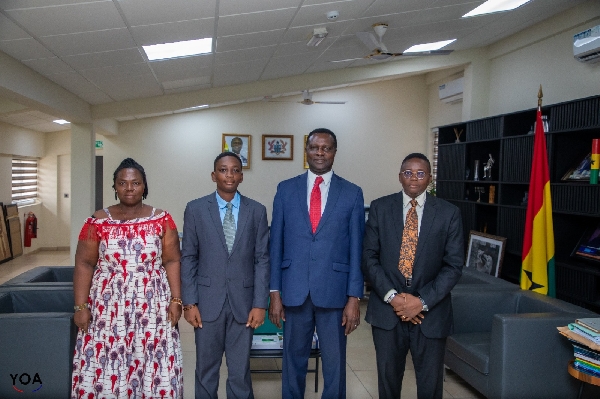
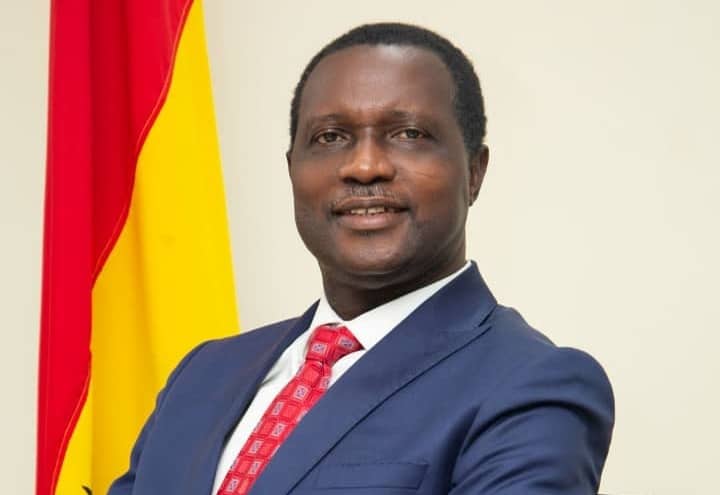
    Minister of Education, Dr Yaw Osei Adutwum, has appointed a 22-year-old medical doctor who graduated from the Cape Coast University in 2023 as an ambassador for Science, Technology, Engineering, and Mathematics (STEM) education in the country.

    Dr Adutwum announced this during a courtesy call by Dr Kwaku Boakye Gyamfi and his parents in Accra. He stated that the young doctor would be supported to visit pre-tertiary institutions nationwide to motivate students by sharing his personal academic journey and experiences.

    Commending Dr. Gyamfi for his dedication to his studies, Dr Adutwum emphasized the importance of his story as a source of inspiration for youth across the country. He also praised Dr Gyamfi’s parents for their support in his educational journey.

    Dr. Gyamfi expressed gratitude for the warm reception and pledged to collaborate with the ministry to inspire younger students to excel academically. He also committed to contributing to quality healthcare delivery in the nation.

    Background information provided revealed Dr. Gyamfi’s educational journey, starting from his early years at Danem Royal Montessori School through his secondary education at Prempeh College Senior High. He successfully gained admission to the University of Cape Coast School of Medical Sciences, where he completed his medical training and graduated as the Overall Best Graduating Student in Surgery.

    Dr. Kwaku Boakye Gyamfi’s remarkable achievements serve as a testament to the potential within the nation’s education sector and its impact on individual success. His appointment as a STEM ambassador signifies the government’s commitment to fostering excellence and inspiring future generations of students in Ghana.

  • Vodafone Ghana empowers Walewale girls with ICT program

    Vodafone Ghana empowers Walewale girls with ICT program

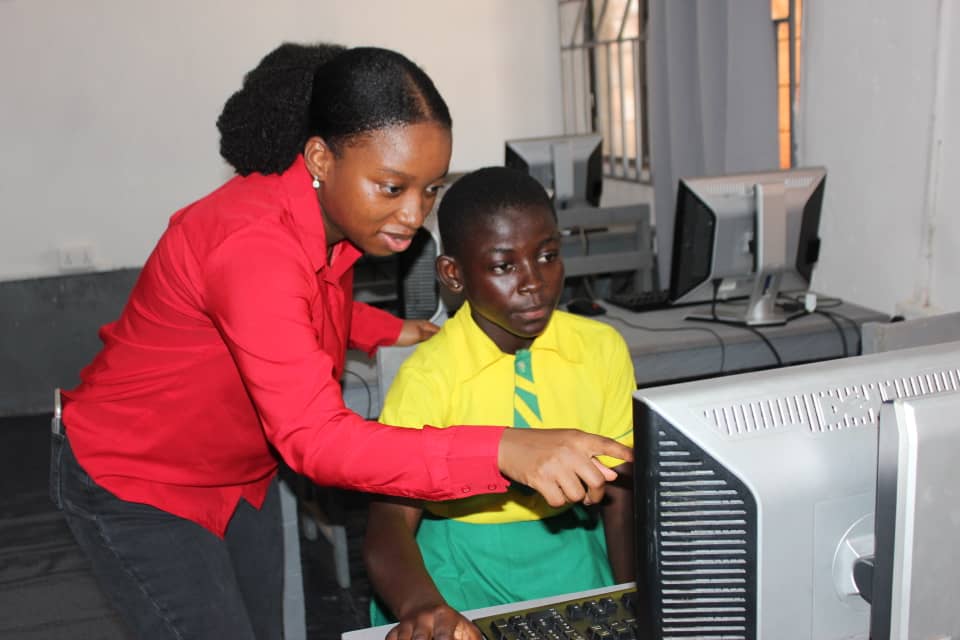
    Vodafone Ghana has empowered female students in Walewale, in the North-East region, with digital skills. The ICT for girls initiative, led by Vodafone employees through the Employee Volunteer Programme and local stakeholders, seeks to narrow the gender gap in technology education and create new opportunities for girls at the Walewale Model Girls Junior High School (JHS) and other schools in the West Mamprusi Municipality. Gender Disparity globally face disparities in STEM education, attributed not to innate abilities but to a lack of resources, affordability, and gender-biased sociocultural norms, as recognized by the International Telecommunication Union (ITU). Walewale Model Girls JHS, despite being one of the region’s top government schools, struggled to offer quality ICT education due to limited resources, including a lack of a computer lab or computing literature. Collaborative Effort for Change The ICT for Girls project is a collaborative effort involving local stakeholders, including the headteacher of Walewale Model Girls JHS, Salaam Habibatu, Municipal Director of Education Adama Akanguti, Vodafone Ghana Foundation, and the Vodafone Ghana ICT for Girls team. Their shared goal is to transform the lives of young girls in the region through the power of technology. The Vodafone Ghana Foundation sponsors and finances the project under its Kindred programme, a staff volunteer initiative focused on addressing community challenges. Vodafone Ghana staff also contributed to the project’s funding.Unlocking Opportunities for Young WomenBy providing access to quality ICT education, the project has the potential to significantly impact the lives of students at Walewale Model Girls JHS and potentially more girls in the municipality. With digital skills being increasingly vital in various careers, this initiative paves the way for economic independence and inspires a new generation of tech innovators among these young women. Additionally, the project offers female students the chance to participate in Vodafone Ghana’s Code-Like-A-Girl programme—an initiative that addresses the gender gap in STEM education and empowers more girls to pursue STEM careers. Commitment to Lasting Change The Legal and External Affairs Director of Vodafone Ghana, Preba Greenstreet, emphasizes the company’s commitment to closing the STEM gender gap. Projects like ICT for Girls showcase their dedication to creating lasting change through technology for young women in Ghana and beyond.
  • Biakoye District Assembly donates desks to Education Directorate

    Biakoye District Assembly donates desks to Education Directorate

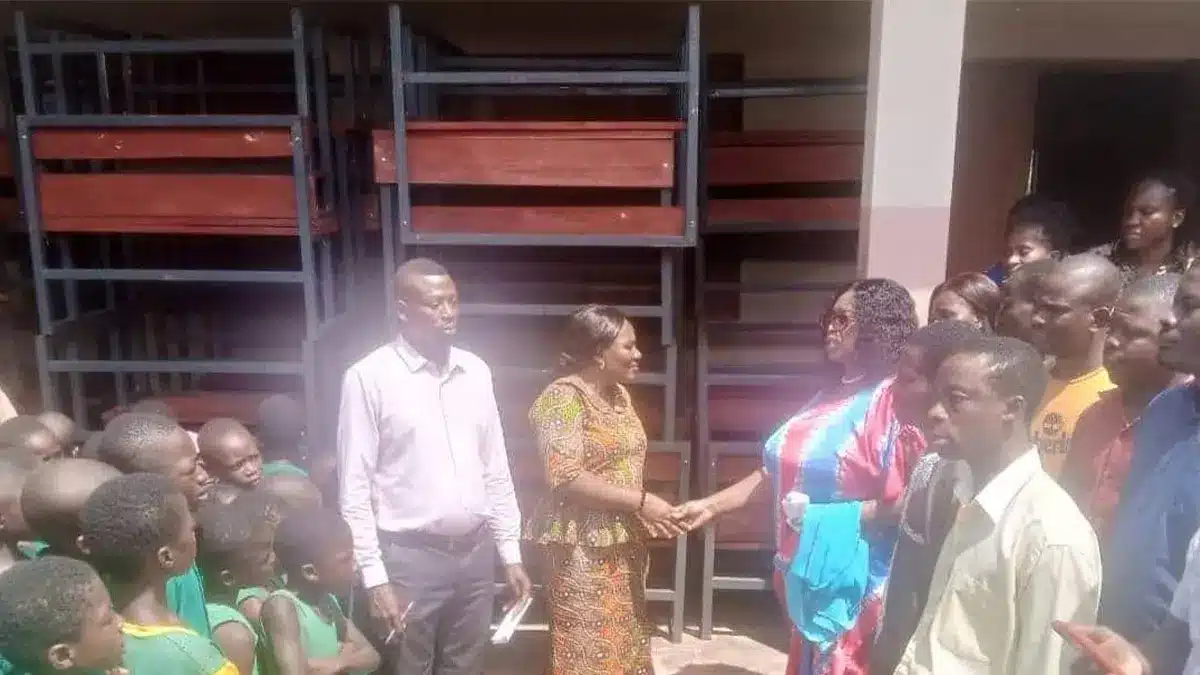
    Biakoye District Chief Executive (DCE), Millicent Kabuki Carboo, has donated 100 dual desks to the District Education Directorate.

    The desks aim to support six basic schools in Worawora that urgently require furniture.

    Through the District Education Oversight Committee (DEOC), a total of 1,000 dual desks have been provided to schools in the district, addressing 17 percent of the desk deficit in seven months.

    Madam Carboo emphasizes the importance of proper care and maintenance of the desks by both the Directorate and the beneficiaries.

    She encourages students to prioritize their studies and remain determined to achieve higher goals.

    The District Director of Education, Roselyn Kafui Ofori, expresses gratitude to the DCE and the Assembly for their invaluable support.

    She assures that the desks will be effectively utilized to enhance the quality of education in the district, contributing to the reduction of the deficit.

    Madam Ofori commends the DCE for prioritizing educational matters, particularly in driving Science, Technology, Engineering, and Mathematics (STEM) education within the district.

    KAIPTC launches 2023 Political Advisor Course for African Peace Support Operations

    The Kofi Annan International Peacekeeping Centre (KAIPTC) has initiated the 2023 Political Advisor Course (PolAd23) for heads of missions and operational commanders.

    This ten-day residential course aims to train Political Advisors for UN Missions in Africa, AU and ECOWAS operations and missions. Participants include senior civilians, police personnel, military personnel, and NGOs in advisory positions or potential future Political Advisors.

    Organized in collaboration with the Austrian Federal Ministry of Defence, this course is the sixth in a series. It seeks to enhance the understanding of Political Advisors’ core tasks in conflict and crisis situations and improve the quality of information they provide.

    The course covers various areas, including the Role of a PolAd, Policy Advising in different missions, Reporting and Speechwriting, Public Diplomacy, Analytical tools for PolAds, Negotiation, and Mediation.

    By equipping participants for UN Missions in Africa, African Union operations, and ECOWAS military missions, the course enhances the ability of senior personnel from African countries and organizations to effectively fulfill the tasks of political advisors in conflict and crisis contexts.

    The complex political and security environments in many African regions make it challenging for heads of missions and operational commanders to comprehensively assess and analyze the political consequences of their actions. This course aims to address these challenges and keep participants updated on the latest developments in African and International Security Policies.

    Major General Richard Addo Gyane, the Commandant of KAIPTC, highlighted the critical role of political advisors in providing mission leadership with accurate analysis of political developments and making recommendations to address issues of concern. He emphasized the significance of peace for national, regional, and global development and emphasized the need for formalized training of Political Advisors for UN, AU, and ECOWAS missions.

    Thus, Maj Gen Gyane said the course was being organised to formalise training of Political Advisors for Commanders of Operations and/or Heads of Missions of UN, AU and ECOWAS missions.

    “I can assure you that the facilitators on this course, with their diverse backgrounds and rich experience, will definitely strive to equip you with the necessary tools to enable you function effectively and efficiently in your current or future roles as Political Advisors,” he said.

    The Commandant added that, “I have no doubt that this training will expose you to internationally required competencies and standards for Political Advisors and I am certain that it will enable you to better understand the dynamics of conflict and crises management in order to function effectively in Multi-Dimensional Peace Support Operations.”

  • Over 800 schools to participate in 2023 STEM contest

    Over 800 schools to participate in 2023 STEM contest

    More than 800 senior high and technical and vocational education and training (TVET) institutions are expected to participate in this year’s national science, technology, engineering and mathematics (STEM) project competition dubbed ‘STEMMNNOVATION’.

    The competition would see all the participating schools locking horns with their creative potential in finding solutions to challenges confronting their immediate community or the country.

    Criteria

    All participants in the competition must be current beneficiaries of the free senior high programme.

    They will be tasked with developing STEM projects focusing on topics such as urban gardening, clean water, and flexible electricity usage.

    The Deputy Coordinator of the free senior high school (SHS) secretariat, Afra Sika Mensah, expressed enthusiasm about the increased level of competition in the second edition of the event. In her statement to the media, she highlighted the upcoming changes.

    The competition will commence with an official launch in Accra, followed by regional-level competitions.

    Each region will engage in a selection process to determine their representatives for the grand finale scheduled to take place in September.

    This format ensures that participants from different regions have an equal opportunity to showcase their talents and projects on a national scale. The competitive nature of the event encourages participants to strive for excellence and pushes the boundaries of their innovative thinking.

    The process not only fosters healthy competition but also promotes regional representation, allowing for a diverse range of projects and ideas to be presented at the grand finale. This multi-stage approach adds excitement and anticipation to the competition, as participants compete for the chance to represent their region at the national level.

  • Auditions for  Creative Arts SHSto take place in September – Education Minister

    Auditions for Creative Arts SHSto take place in September – Education Minister

    As part of its efforts to advance STEM education, the government plans to officially establish a Creative Arts Senior High School in Kumasi, located in the Ashanti Region, in September 2023.

    Prospective students who successfully pass the audition process will have the opportunity to enroll in this school, which is currently being constructed. The institution aims to integrate science and engineering into its art-focused curriculum.

    The Education Minister, Yaw Osei Adutwum, made this announcement during the STEM Road Show held in Accra on Thursday, June 22.

    The Minister highlighted the government’s commitment to ensure that students are moulded in the creative arts industry and emphasized that the backend and front end of creative arts will help the country in developing its human capital.

    Dr. Yaw Adutwum disclosed, “Our creative arts Senior High School in the city of Kumasi under construction is going to receive students from across the length and breadth of Ghana.

    It is going to be a boarding school, and you have to be auditioned to get into this school.

    By September, I have been assured by the Ghana Education Service and Ghana TVET service, which are working together to ensure the operationalization of the school, that, the school will start enrolling students across the country.

    He added, “And we will ensure the future of the country is moulded in the creative arts industry and other professionals who will do the backend of creative arts and front end of creative arts to help the nation in our search towards developing first-class human capital.

    It is something that will put us at the forefront of socio-economic transformation. The world went through the second industrial revolution [steam engine]”.

    “We are not jumping to full steam, however, we want to make sure that art courses are integrated into our STEM schools. So that we will create a well-rounded citizenry, and not just focus on engineering and other related courses,” Dr. Yaw Osei-Adutwum stated.

    He further disclosed that the government has built a number of STEM schools in the country.

    “More of these STEM schools are under construction, I’m excited about STEM schools in Kumasi.”

  • Basic schools have not been neglected by govt – Education Minister

    Basic schools have not been neglected by govt – Education Minister

    Basic schools in the country have not been neglected by government, according to Dr. Yaw Osei Adutwum, Minister of Education.

    He revealed that this was because the government was set to begin the construction of new schools across the country as part of its efforts to eliminate schools under trees and other infrastructural deficits in the country.

    The Minister of Education made this statement at the Science, Technology, Engineering, and Mathematics (STEM) Promotion Roadshow in Accra on Thursday.

    “In the next few weeks through the World Bank intervention and other development banks’ intervention, a number of new schools are going to be built across the country. Some constructions have begun. So if you are watching us from anywhere in this country understand that we have not neglected our basic schools even as we reform our Senior High Schools,” he stated.

    Dr Adutwum further said that the government was making the effort and investment to build new STEM schools that would be fully-fledged stand-alone schools.

    He also said that the government wanted to ensure that art courses were integrated into schools to ensure that the country had well-rounded citizens.

    “It is a novel opportunity to bring about transformation of our nation. The Ghanaian child must always be prepared to compete with the rest of the world and win, and it begins and ends with Science, Technology, Engineering, Arts and Mathematics (STEAM) education,” he added.

  • University of Ghana receives 50 laptops from Stanbic Bank

    University of Ghana receives 50 laptops from Stanbic Bank

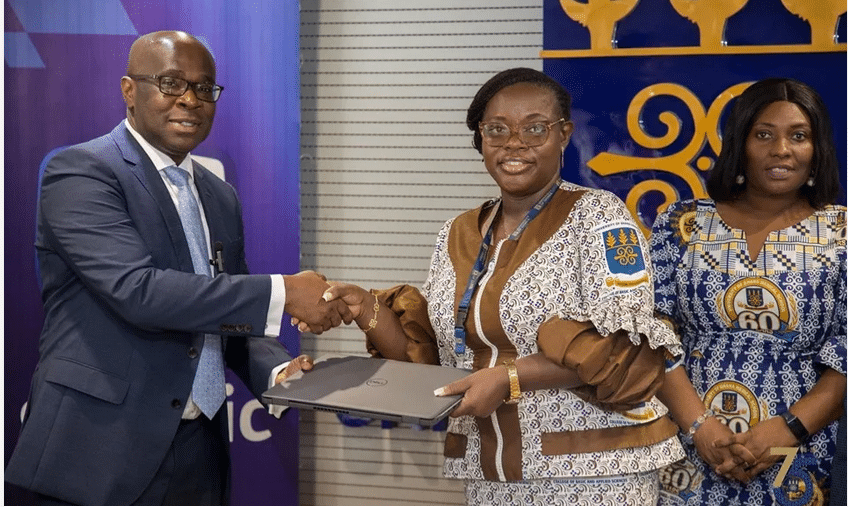
    The University of Ghana has received fifty (50) laptops from Stanbic Bank Ghana as part of efforts to develop, promote, and deliver better Science, Technology, Engineering, and Math (STEM) education in the country.

    This is in line with the bank’s commitment to help Ghana harness the opportunities of the fourth industrial revolution by partnering and creating relevant, episodic initiatives aimed at equipping the next generation of workers with the necessary competencies.

    Chief Executive of Stanbic Bank, Kwamina Asomaning who presented the laptops on behalf of the bank noted that the bank’s purpose, brand

    promise, and the digitization & innovation pillars of their strategy, make STEM (for girls) a natural fit and an area meriting special focus and investment.

    He said, “Africa is our home and has been for over 160 years. Today, our commitment to her people and her prosperity is stronger than ever.

    As a member of the Standard Bank Group, Stanbic Bank Ghana is committed to adding value to key development levers, one of which is education.”

    That is why we continue to partner with like-minded institutions to support needy students who have gifted learning capacity and provide them with basic support tools.

    Every student deserves access to digital resources in order to succeed and thrive in the 4th industrial revolution, and this is one of the things we can do as a Bank to impact their journeys and generations”.

    He said Stanbic Bank was passionate about

    equitable access to STEM education and had over the years contributed positively towards closing the STEM gender gap to foster sustained inclusion and equality for generations to come.

    “We have partnered many academic institutions and FinTechs to deliver a number of STEM related projects which have so far given beneficiaries access to about 300 mentors and advisors across 48 disciplines and technical areas, access to structured training programs and curriculum, internship opportunities with Stanbic Bank, and other partners.

    This 1S1L is a very laudable initiative that strongly aligns with our vision as a bank, specifically when it comes to finding ways to make dreams possible. I encourage other corporate organizations to emulate our steps and support this worthy cause.”

    Vice Chancellor of the University of Ghana, Prof. Nana Aba Appiah Amfo, expressed gratitude to the Stanbic team for their support.

    She said, “We are very grateful to Stanbic Bank for

    positively responding to our call for support once again. As a university, it is our mandate to ensure that students get quality, inclusive, and equitable education.

    Digital skills are critical skills graduates need in today’s world to maximize their potential, make them employable and succeed in the world of work.

    The vision is to equip every student with digital skills irrespective of their discipline and financial background. My team and I have witnessed Stanbic Bank’s genuine concern for the development of Ghana as their subsidiary, Stanbic Investment Management System were with us when we launched this project and have not relented in their support. So far, we have received a total of 75 laptops from Stanbic under this 1S1L initiative. We are grateful and look forward to more strategic partnerships with Stanbic Bank,” she added

    Stanbic donated (40) laptops in support of the Vice Chancellors’ One Student One Laptop (1S1L) initiative and Ten (10) laptops to the Department of Communication Studies. The 1S1L initiative, which

    forms part of the Vice Chancellor’s strategic vision of enhancing the University of Ghana students’ experience through digitalization, seeks to make it possible for every student at the university to be able to access online resources, irrespective of their socio-economic backgrounds. About 6,000 students are expected to benefit from this initiative.

    Stanbic Bank has over the years supported several initiatives aimed at enhancing STEM education in Ghana.

    Last year, the bank collaborated with the Women in STEM Ghana (WiSTEM) to train, equip and inspire 200 girls from 23 senior high schools to learn and develop their skills and knowledge in Science, Technology, Engineering and Mathematics (STEM). Many other educational institutions have benefited from the bank’s STEM focused interventions, including KNUST, Takoradi Technical University, Sunyani School of Professional Studies, Blessed Holy Child Academy etc.

  • UG introduces Gender policy

    UG introduces Gender policy

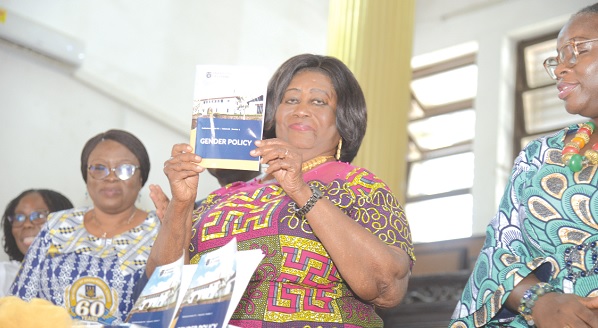
    In order to achieve maximum productivity, the University of Ghana has introduced a gender policy that aims to integrate the topic of gender equity in all university departments.

    The policy will cover the university’s gender principles, which include issues concerning staff appointments and promotion, and students enrolment and retention as well as grievance procedures and processes for redress and monitoring and evaluation mechanisms among others.  

    The purpose of the policy is to address the issue of imbalance in the representation of females in the student population, teaching, administrative, technical and senior management position by providing equal opportunity to members and prospective members of the university community, regardless of sex.

    Therefore, it would provide a framework document for achieving a gender equitable environment that engages both males and females in all critical spheres of decision-making.

    It would also create an environment that values diverse perspectives on the basis of gender equality, harnesses potentials and is supportive of men and women’s diverse skills, perspectives and knowledge.  

    At the launch held recently in Accra, the Chancellor of the university, Mary Chinery-Hesse, underscored the importance for the university to have such a policy that was binding, and also In line with the national gender policy to ensure that all were treated equally both within the university and within the broader Ghanaian social space.

    She, however, lamented that in spite of the progress being made in gender parity, the university still faced critical issues of gender imbalance, citing female participation in Science, technology, engineering, and mathematics (STEM) related programmes and the study of Information Technology (IT) as an example.

    She said “the percentage of female students studying IT courses currently stands at just 20 per cent.

    There is also the issue of the proportion of women in senior academic roles, and the voice of women in decision-making at all levels in the University,”

    Mrs Chinery-Hesse, therefore, affirmed the university’s  commitment against all forms of gender based discrimination and the forging of an environment where everyone, regardless of their gender had equal opportunity for their growth, development and self-realisation.

    The Vice Chancellor of the university, Professor Nana Aba Appiah Amfo, noted that as an institution committed to the realisation of Sustainable Development Goal (SDG) 5 which focused on Gender Equality, the university had always, even before the launch of the policy, been working to create an environment free from bias, stereotypes, and discrimination.

    “It may interest you to know that the University of Ghana is the first university in Ghana to set up a Gender Centre (now the Centre for Gender Studies and Advocacy) way back in 2005.”

    UG is also the first university in Ghana to develop a Sexual Harassment Policy, and today, the University is leading the charge as the first public University in Ghana to develop a Gender Policy,” she said. 

    Prof. Amfo was therefore hopeful that other tertiary institutions would emulate the university’s initiative to protect both men and women in the realisation of their goals and called on all stakeholders to work together for its success..

  • Adutwum lauded for introducing STEM education in Ghana

    Adutwum lauded for introducing STEM education in Ghana

    For introducing Science, Technology, Engineering, and Math (STEM) education to Ghana, Dr. Yaw Osei Adutwum, minister of education, has received accolades.

    In a statement on Thursday, February 23, People’s National Convention (PNC) Youth Organiser, Mark Ewusi Arkoh stressed that STEM is the only way Ghana can survive in the 21st century.

    “Ghana’s development into the future requires rapid and scientific progress through education reform and the use of advanced technologies,” the statement opened.

    It pointed out that the 21st century is the 4th Industrial Revolution of the world.

    “The fourth Industrial Revolution when given the needed attention will not only help to improve productivity but also improve economic growth and economic stability through interconnection,information transparency,technical assistance and decentralized decision giving the ability of cyber physical systems to make decisions on their own and to perform their tasks as autonomously as possible and improve on digitization of products and services.

    “Our current generation is required to perform tasks in a manner that requires less or no human interaction, therefore government must as a matter of urgency ensure it continues its effort to increasing infrastructure and provide the needed resources to improve the quality of education especially in the area of STEM as the Hon. Minister of education Osei Yaw Adutwum leads the pathway.”

    Mr Ewusi Arkoh urged all stakeholders, particularly parents, to help the Education Ministry “as the way to survive the 4th industrial revolution”.

  • $350k STEM project inaugurated in Accra

    $350k STEM project inaugurated in Accra

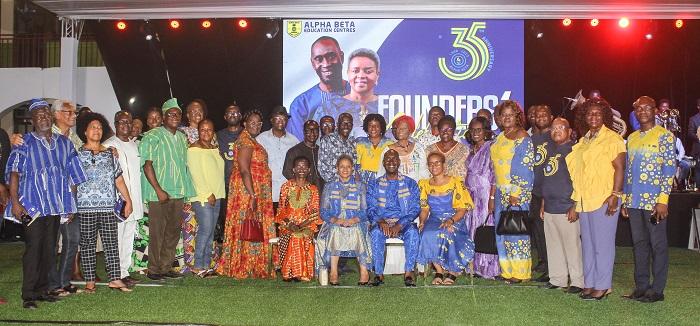
    The Alpha Beta Education Centre (ABEC) in Accra has launched a $350,000 Science, Technology, Engineering and Mathematics (STEM) project to provide free structured pro­grammes and training for students and teachers.

    According to the Director, ABEC, Dr Naomi Adjepong, the two-year project would also afford the school the opportunity to add to its existing facilities, including Information Technology, Science and Innovation labs.

    She said this when she launched the project at the school’s 35th anniversary and founders’ day celebration held on the theme “Celebrating 35 Years of Impact” over the weekend.

    Dr Adjepong noted that 35 years is a significant milestone in the school’s mission of providing aca­demic excellence for which reason the STEM project would ensure that more students and Ghanaians obtained industry-related skills to increase development in the country.

    She revealed that the unavail­ability of equipment and educa­tional materials to facilitate STEM education in schools is negatively affecting the county’s development and the African continent.

    “Regardless of Africa’s talent pool, there’s likely to be a limited domestic skilled STEM workforce resulting in the recruit of foreign talent for STEM-related jobs,” she added.

    Dr Adjepong said that the students would have the chance of interacting with industry persons who would mentor them to stim­ulate their interest in STEM and subsequently explore STEM-relat­ed careers.

    As such, the Director of ABEC used the opportunity to call for an unending investment into STEM education across the country to accelerate development.

    She commended the founders of the school for their immense contribution towards the devel­opment of Ghanaians and wished all staff, parents and students of ABEC a happy anniversary.

    Reminiscing his days at ABEC, broadcaster and alumni, Emmanuel Kwame Sarpong, noted that the training and guidance from the school shaped him into the person he was.

    He therefore lauded ABEC for the rich education it had offered over the years and applauded it for the project.

    Mr Sarpong urged students to leverage the resources available to them to build themselves academ­ically to contribute towards the development of the country.

    Established in 1988 with six children and one member of staff, ABEC helps expose children to a rich and varied teaching and learn­ing environment.

    The school seeks to broaden the outlook of students; encourage the best examples of Christian morality, and service to others; and to develop skills which will enable them to compete favourably and be global agents of change.

    Source: Myjoyonline

  • Use STEM expertise to address practical problems – Angela Mensah-Poku

    Young women are being urged by Vodafone Ghana’s Angela Mensah-Poku, Director of Digital and Commercial Operations, to apply their STEM (science, technology, engineering, math) skills to real-world issues.

    On a panel discussing “The Status of Ghanaian Women” at the EVE project’s inaugural meeting, Angela delivered these remarks.

    Due to their lack of exposure to how technology is used in society, Angela noticed that the majority of job applicants lack practical skills.

    “As young women in STEM, you must be pragmatic with the education you obtain,” she recommended in her submission. “Consider how you can apply the knowledge you have gained to address issues in society.

    “In my field, for example, I am on the lookout for candidates who have experience with artificial intelligence, cybersecurity, cloud computing, robots, automation and digital marketing. So, while you are pursuing an education in physics, math or any other STEM discipline, you must consider how you will apply your knowledge in society.”

    The director also said that organisations need to work together on making STEM knowledge practical.

    She explained how Vodafone Ghana has led the way in this area by making a concerted effort to expose young women to the experience of working in a real company through internships.

    She also said that the presence of women in leadership roles at Vodafone Ghana gives these young women “real-life examples and role models who show what can be done after getting an education”.

    According to Angela, Vodafone Ghana’s efforts have paid-off thanks to initiatives like the Female Engineering Students Sponsorship Programme.

    The programme is a key part of the telco’s efforts to promote diversity and inclusion.

    It works with top STEM schools to find the best female engineering graduates and help them become leaders in their fields.

  • Women participation in STEM will spur economic growth – Ursula

    Communications and Digitalisation Minister, Ursula Owusu-Ekuful, has said having a lot more women participating in the Ghanaian Science, Technology, Engineering and Mathematics (STEM) ecosystem will spur the country’s economic growth.

    Citing the Council on Foreign Relations, an American think-tank specialising in U.S. foreign policy and international relations, she argued in a keynote address at the ‘Seats for Ladies in STEM’ initiative (S4LIS) launch that increasing women’s participation in STEM careers has the power to close the gender pay gap and boost women’s cumulative earnings by US$299billion over the next ten years, expediting global economic development in the process.

    A brainchild of the Ghana Chamber of Telecommunications, S4LIS aims to close the yawning gender gap within the Science, Technology, Engineering and Mathematics (STEM) ecosystem of Ghana.

    In view of the above, she said any development agenda to be championed by government will not gloss over the need to implement interventions which address the inequality in education and specific job environments.

    The ministry, she said, “Has been supporting this agenda with its Girls-in-ICT Initiative, whereby girls are encouraged to pursue careers in the evolving and lucrative ICT industry and in recognition of the many more girls in deprived communities who need exposure to the programme.

    “It is therefore gratifying to note that the Chamber is focusing on a more concerted effort aimed at ensuring that, in the next 5 years, we achieve near-parity when it comes to gender distribution in the field of STEM in Ghana. This for me is important, because it has implications for our national development,” U Owusu-Ekuful stated.

    Commitment, collaboration critical for S4LIS success

    Calling all stakeholders in the STEM ecosystem to prioritise collaboration in bridging the gender gap in the field of STEM, Ursula Owusu-Ekuful urged her colleague ministers and other state agencies to participate in this programme “to ensure there is an equitable distribution of women so far as STEM is concerned”.

    She said: “The ministry puts much priority on digital skills as one critical pillar for the draft Digital Economy Policy, which is currently receiving inputs from stakeholders. I would encourage the drafting team to align S4LIS as one of the initiatives to be pursued in the strategies for the policy’s implementation.

    Fast-tracking sustainable development

    On her part, Chairperson of the Ghana Chamber of Telecommunications and Chief Executive Officer (CEO) of Vodafone Ghana, Patricia Obo-Nai, called for deliberate policies and strategies to have a lot more women actively participating in the STEM ecosystem; and said scientific work and technological innovations are “missing the invaluable perspectives and contributions of our women.

    “So, as part of creating these concrete and practical measures to effectively bridge this gender gap in Ghana, the Ghana Chamber of Telecommunications with support from the Ministry of communications is today launching an industry sustainability initiative termed ‘Seats for Ladies in STEM’.”

    She said the Seats for Ladies in STEM Initiative’s objective is to fast-tract Ghana’s sustainable development through STEM, by increasing the percentage of women taking up STEM-related jobs from 30 percent in 2021 to 40 percent by 2031 through a number of initiatives.

    “Together, we can create a more diverse digital workforce and promote growth and innovation across our country, thus developing more holistic solutions which benefit all in society – directly impacting the lives of many young ladies and creating futures for their offspring as well,” said Mrs. Obo-Nai.

    Source: Ghanaweb

  • Young girls urged to take STEM as a lifetime career

    The Minister of Communications and Digitalisation, Ursula Owusu-Ekuful has advised young girls not to shy away from Science, Technology, Engineering and Mathematics (STEM) education.

    Delivering a speech at the closing ceremony of the 2022 Seeds for the Future Program, the Minister explained that STEM education was necessary in enhancing digital skills to shape and better the lives of females.

    She reiterated her calls for more girls to participate in STEM-related courses and be able to stand out among their peers as they view the world from a different perspective.

    Young girls urged to take STEM as a lifetime career

    “Careers are gender-neutral, don’t shy away from choosing STEM as your lifetime career, nor should you be afraid to demonstrate your leadership skills.”

    The eight-day Seeds for the Future Program offered about 50 outstanding Ghanaian tertiary ladies the opportunity to learn about the latest trends in digitalisation and enable them to explore how digital technologies can be used to address common societal problems.

    The project is an initiative started in 2021 under the Huawei Seeds for the Future digital skills training programme.

    The Minister commended Huawei for its commitment to such an initiative, adding that it would go a long way to harness the potential of young women and enable them to compete equitably in the ICT space.

    According to her, Huawei in partnership with the Ministry of Communications and Digitalisation has successfully trained over 25,000 Senior High School girls in Cyber Security and Privacy Protection this year, with over 40 schools benefiting from the initiative.

    Young girls urged to take STEM as a lifetime career

    She encouraged beneficiaries of the programme to take the intensive online training seriously and place Ghana on top of the Global Seeds ladder.

    “I must add that digital adoption and use can also offer women, and girls, in particular, opportunities to overcome hurdles they may face in the physical world. Digital access can empower women and girls, help expand their sense of self in the world, increase civic engagement, and raise awareness of their rights.

    “It will also facilitate flexible working hours, enabling women to combine their caregiving roles and careers effectively, working from home with digital platforms,” Mrs Owusu-Ekuful said.

    Source: Myjoyonline

  • Government to build €‎175 million STEM campus at Nsoatre

    The government is to establish a 175 million Euros new campus to promote Science, Technology, Engineering and Mathematics (STEM) education at the University of Energy and Natural Resources (UENR) Nsoatre site at Sunyani West Municipality of the Bono Region.

    Ms. Gifty Twum-Ampofo, a Deputy Minister in-charge of Technical, Vocational Education and Training (TVET) made the announcement in an address at a durbar to climax a week-long educational festival and celebration of the 5th anniversary of Obrempong Professor Kyem-Amponsah II as the chief of Fiapre in the Sunyani West Municipality.

    It was on the theme “Promoting and Sustaining Quality Education, the Legacy of a Progressive Chief”.

    The project, she said was being funded by the Standard Chartered Bank of the United Kingdom, saying “we are at the stage of value for money audit, because we have already gone through Parliament and the Ministry of Finance”.

    Ms. Twum-Ampofo explained the project would comprise laboratories, information, communication and technology (ICT) centres, lecture rooms and hostel facilities, saying it would be completed in 28 months to motivate and create access for more students to acquire STEM education.

    Barima Minta Afari II, the Chief of Chiraa and the Benkumhene (chief of the left-wing division) of the Dormaa Traditional Area who presided said provision of formal and quality education was a collective responsibility that required the support of all stakeholders to achieve the desired results.

    He therefore commended Obrempong Prof. Kyem-Amponsah for his effort in promoting education in the area, particularly with the establishment of the education endowment fund to finance the provision of educational facilities like a library complex and an ICT centre for the benefit of pupils and students.

    Source: Myjoyonline

  • Early education and awareness program on the alarming epidemic: diabetes, hypertension, kidney diseases

    Future Leaders STEM and Mentorship, a non-profit under the leadership of Dr. Abigail Wilson and committed to creating early awareness of the rising epidemic of diabetes, hypertension, kidney diseases and high cholesterol in Ghana provided early education awareness on these epidemics at the Kumasi Anglican SHS and KNUST SHS on Thursday, November 17 and Friday, November 18 respectively.

    The awareness programme, the first of its kind in High Schools in Ghana was dubbed “Health is Wealth” was organized by FLSMP in collaboration with the Ghana Pharmaceutical Students Federation. An estimated 5500 students were impacted.

    Prevention they say is better and cheaper than cure.

    Empowered and educated minds on these chronic diseases will help students understand how local diet and lifestyle can contribute to their overall wellness and well-being at an early age.

    According to NIH (National Institute of Health), more than one in four adults in Ghana has hypertension and 6% of Ghana’s population has diabetes. These two diseases are major culprits when it comes to kidney diseases.

    Therefore, every high school student at an early age must be provided with the basics regarding knowledge of these diseases’ states. They must understand the causes and prevention of diabetes, hypertension, and kidney diseases. This is the exact service FLSMP and our partners provided last Thursday and Friday.

    Not many people can connect that carbs turn into sugar in the blood stream and, when not consumed in moderation, can put one at risk for diabetes. Many people assume diabetes comes from candy and soft drinks alone, without knowing fufu, white rice, and kenkey all contain carbs that turn into sugar in the blood and when not consumed in moderation and without a healthy lifestyle such as regular exercise can put one at risk for developing diabetes.

    The team also provided leadership and Mentorship sessions for the students to empower, inspire, and innovate.
    Present at the event was Project lead Daniel Charway who emphasized the need to replicate the program across high schools in Ghana and the rest of Africa.

    We leverage cross-sector and industry collaborations as a UN SDG 3 AND 4 advocate organization. FLSMP is dynamically affianced in developing and delivering strategies that remove barriers and ensure more extensive access to FLSMP programs so that all high school students can participate.

    Source: Complex.com

  • Vodafone Ghana Foundation sponsors STEM Teacher Awards

    Vodafone Ghana Foundation, as part of its, corporate social investment, is sponsoring this year’s Science, Technology, Engineering and Mathematics (STEM) awards.

    Dubbed ‘STEM Teacher of the Year Awards’, the programme slated for October 7, 2022 and to be held at Academic City in Accra, is meant to recognise and reward teachers from the sixteen regions who were using innovative approaches to teach science.

    To be held on the theme “Rewarding Impactful Service,” the programme formed part of the Instant Schools platform, a programme which provides opportunity for teachers and students to download Ghana Education Service curriculum and educational materials from the internet.

    Speaking at the launch of the award in Accra yesterday, the Deputy Director-General of Ghana Education Service, in charge of Quality and Access, Dr Kwabena Bempah Tandoh, lauded Vodafone Ghana Foundation for its efforts to promote STEM education in the country.

    He said STEM education was critical to the development of the country and urged STEM teachers to take keen interest in the award.

    Dr Tandoh emphasised that the government’s agenda to promote STEM education could not be achieved without innovative teachers to teach STEM subjects.

    He said teachers with disability teaching STEM subjects would be honoured.

    Dr Tandoh stated that the ultimate winner would receive a laptop, modem and one year free internet subscription from Vodafone Ghana, the second winner would receive tablet, modem and six months free internet subscription and the third winner would receive a tablet, modem and three months free internet from Vodafone Ghana.

    The Head of Vodafone Ghana Foundation, Reverend Amaris Nana Adjei Perbi, said he was very ecstatic about the launch of another impressive educational initiative for the Ghanaian populace.

    He said the STEM Teacher of the Year Awards was targeted at teachers in Ghana and would have ripple effect on the country’s education value chain.

    Rev. Amaris said the Vodafone Ghana Foundation remained committed to its mandate for the execution of a highly impactful range of educational initiatives in the country every year.

    “The STEM Teacher Awards acknowledges and recognises the hard work, diversity and creativity of teachers from the basic level to the senior high school level,” he said.

    The awards, he said, would offer the teachers an opportunity to showcase the various methods through which they incorporate the teaching and learning of STEM to their main curriculum.

    He said the top 16 most engaging entries would be shortlisted as finalists for the awards programme and automatically they would receive a backpack award with STEM sets.

    Rev. Amaris the winner would become an Instant Schools Ambassador who would join the winner from the Literacy Challenge to drive the Instant Schools Virtual Learning Platform across the communities we visit in Ghana.

    The Director of Science Education of Ghana Education Service, Mrs Olivia Serwaa Opare, said the programme had been timely, saying “We are happy to have this programme at this moment.”

    She encouraged teachers to take active interest in the programme to be rewarded.

  • Results of the reduction in the cutoff for girls in STEM

    According to Bernice Mpere-Gyekye, national coordinator for the Ghana National Education Coalition Campaign (GNECC), the government’s affirmative action policy, which has lowered the cut-off point for girls who want to pursue different courses in the sciences at the senior high school (SHS) level, is starting to produce fruitful results. More girls have recently been admitted to category “A” schools.

    She said that in the recent years, many girls have been accepted to study science-related programs in the best schools in the nation. Some of these girls have also graduated with distinction and been accepted to continue studying these programs at the tertiary level.

    According to her, the initiative which is targetted at achieving Sustainable Development Goal five (SDG-5) – Gender equality, and empowering all women and girls, to end all forms of discrimination against all women and girls everywhere, has not only encouraged more girls to opt for the sciences but is also closing the gender inequality gap at the second cycle level.

    “At a point in time, we realised that we were achieving gender parity in education but at the basic level only because once the girl-child rises up in education, a lot of socio-cultural factors draw her back at the SHS and tertiary level.

    “So, the Science, Technology, Engineering, and Mathematics (STEM) initiative is a programme that came in handy to help bridge the gap as government took a policy decision to drop the cut-off point for females to be able to enter the male-dominated space,” she said.

    Nonetheless, she emphasised that the drop-out rate at the SHS level is still high; therefore, more should be done to encourage girls, as well as made it flexible for them to transition into the STEM field.

    She commended government for the construction of girls’ STEM SHS’ across the country, emphasising that the schools would provide a more structured environment for female SHS students.

    Ghana has seen a rapid transformation and great improvement in girls’ access to education during the last decades. However, despite having reached almost complete gender parity in enrolment in primary and secondary education in 2019, girls are still under-represented in some subjects, and many still do not complete their education.

    Sub-Saharan Africa is the lowest-scoring region when it comes to gender parity in education, with an overall score of 54 percent against a global average of 75 percent. Not only in sub-Saharan Africa, but worldwide, there are still numerous barriers to girls’ education stretching far beyond mere access.

    While it is believed that Ghana will soon achieve gender parity at the second cycle of education level; it is not only enough to achieve that, but also important for the girl-child to engage in Science, Technology, Engineering, and Mathematics (STEM), Madam Mpere-Gyekye, emphasised.

    Government introduced the Free SHS Policy in September 2017, and enrolment into Senior High School increased from 800,000 in 2017 to 1.3 million in 2022.

    Apart from the Free SHS Policy, the improvement in gender parity is due to government’s commitment to ensuring educational gender parity through a demonstrated Education Strategic Plan (2018-2030) with a priority on gender equality.

    The Educational Strategic Plan (2018-2030) will help improve equality through improving access, and help girls reach higher levels of education while operationalising new guidelines on addressing pregnancy among adolescent school girls with a primary focus on prevention, socio-emotional, and learning support.