Tag: Taxpayer

  • Improve taxpayer education, clean-up tax register – Deloitte’s measures to expand Ghana’s tax base

    Improve taxpayer education, clean-up tax register – Deloitte’s measures to expand Ghana’s tax base

    Deloitte Ghana has proposed several strategies to the government aimed at broadening the country’s tax base.

    First, in its review of the 2024 Mid-Year Budget, it recommends that the government streamline business operations at the ports, enhance taxpayer education, and ensure the Ghana Revenue Authority (GRA) website is consistently updated to address taxpayer concerns.

    Second, the firm advocates for the ongoing refinement of the tax register and the implementation of electronic systems to expand the taxpayer base and improve their overall experience.

    Additional suggestions include establishing guidelines for the Emissions Levy and environmental excise duty on plastics, enhancing data sharing and information exchange with other jurisdictions to boost revenue collection, launching a simplified digital solution and electronic bookkeeping system for the informal sector’s modified taxation regime, and integrating 2,000 new taxpayers into the electronic Value Added Tax (VAT) invoicing system by the end of 2024.

    Regarding tax incentives, Deloitte recommends finalizing the regulations for the Exemptions Act, 2022 (Act 1083); amending the VAT regulations, 2017 (L.I. 2255) to extend exemptions for active pharmaceutical inputs, excipients, and other finished pharmaceutical products; revising existing tax laws to align with modern tax requirements; and completing draft regulations to operationalize the Independent Tax Appeals Board (ITAB).

    For revenue mobilization policies, Deloitte suggests developing a framework to reintroduce road and bridge tolls through an efficient, modern tolling system by the end of 2024, reinstating the integrated property tax system to ensure effective property tax assessment and collection, and creating legislation and a strategic framework for mobilizing and managing non-tax revenue.
  • UK passport application fees to increase in April

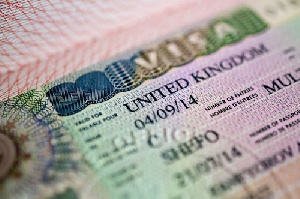
    UK passport application fees to increase in April

    The UK passport renewal fee increased in February 2023 for the first time in five years.

    Now, just over a year later, there will be a second rise of £6 (€7).

    Starting April 11, 2024, the fee for a standard online passport application within the UK will rise from £82.50 (€93) to £88.50 (€103) for adults and from £53.50 (€60) to £57.50 (€67) for children.

    This is up from £75.50 (€85) and £49 (€55) respectively before February 2023. Postal applications have increased from £93 (€105) to £100 (€117) for adults and £64 (€72) to £69 (€80) for children. These fee increases apply to both new passport applications and renewals.

    However, waiting times have improved. British travelers are advised to allow three weeks for passport renewal, down from 10 weeks a year ago.

    The government states that the new fees will help reduce reliance on taxpayer money to fund and enhance the service.

    In addition to covering the cost of processing applications, the fees are intended to support consular services overseas, such as replacing lost or stolen passports, and processing British citizens at UK borders.

  • Asiedu Nketiah lists ‘wasteful’ items govt spends taxpayers’ monies on

    The National Democratic Congress (NDC) is bewildered by “wasteful” spending by the government being run by the ruling New Patriotic Party (NPP).

    While delivering the “True State of the Nation’s Address” on Monday, National Chairman of the Party, Johnson Asiedu Nketiah, listed a number of items the government spends a significant amount of taxpayers’ money on.

    Below is how much government allegedly spends and what it spends on:

    President’s operational enhancement expenditure – GHS59.4m

    Fuel Bills at the Presidency – GHS51.1m

    President Akufo-Addo’s regional tour last year – GHS16.9m

    Tyres and batteries for official vehicles at the Presidency – GHS15m

    A cabinet retreat outside Accra – GHS4.8m

    Payment for new vehicles – GHS6.5m

    Payment for networking and ICT equipment – GHS6.6m

    Independence Day celebration in the Central Region – GHS10.4m

    Telecommunications and data service from January to September – GHS20m

    Office furniture – GHS7m

    “Another reasons for Ghana’s economic collapse is the expenditure on the bloated size of government. Further evidence on the waste of taxes can be seen in the many needless political appointees at the Presidency in the midst of the worst economic crisis in living memory,” Mr Asiedu Nketiah added.