Tag: teenage pregnancy

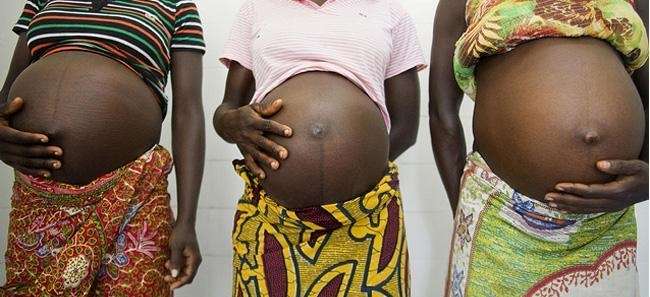
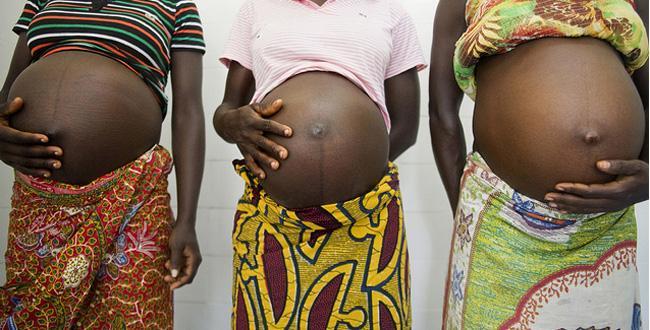
  • Close to 90% of teenage pregnancies in Tema caused by men younger than 40

    Close to 90% of teenage pregnancies in Tema caused by men younger than 40

    The Tema Metropolitan Health Directorate reports that approximately 86 percent of adolescent pregnancies in Tema are attributed to men aged between 20 and 39 years old.

    Doris Ocansey, the Adolescent Health Advocate for the Tema Metropolitan Health Directorate, shared this information during an interview with the Ghana News Agency (GNA). She explained that this conclusion was drawn from research conducted on the backgrounds of the men responsible for impregnating these girls, particularly in areas like Tema Manhean.

    Ms. Ocansey said, “We collected the data so that we can also focus on the adults since they are impregnating the girls.”

    Ms. Ocansey highlighted that due to the age gap between adolescent girls and their partners, it is challenging for the girls to insist on condom use to prevent pregnancies. The data also revealed that most of the pregnant girls were junior high school graduates.

    She urged men to refrain from engaging with adolescent girls to allow them to focus on their education and careers instead of becoming pregnant at a young age.

    Ms. Ocansey noted that between January and December 2023, a total of 355 pregnant adolescents between the ages of 10 and 14, and 331 between the ages of 15 and 19, were enrolled in the safety net programme in the municipality. This programme helps health officials monitor and support the pregnant adolescents until delivery.

    “For some of the girls, this was not their first pregnancy, but their second or third. We want to stop that, so if you make the mistake of getting pregnant, you won’t have to fall back into it again,” she said.

    Ms. Ocansey further explained that the safety net program aimed to reduce repeated pregnancies among adolescents, lower maternal mortality and morbidity rates, and increase postpartum family planning practices.

    Out of the total enrolled in the program, 42 of the pregnant adolescents were attending school before becoming pregnant. Specifically, four were in primary school, 26 in junior high school, and 12 in senior high school.

    To prevent the girls from engaging in risky behaviors like transactional sex after delivery, they assist them in deciding whether to return to school or pursue a trade.

    As of December 2023, 108 of the girls had chosen to return to school after giving birth, 146 had opted for vocational training, 30 intended to enter into trading, and 37 were undecided about their future plans after delivery.
  • Teenage pregnancy common among adolescents aged 15-19 in Ghana

    Teenage pregnancy common among adolescents aged 15-19 in Ghana


    Aproximately 15.2% of female adolescents aged 15-19 in Ghana have experienced pregnancy, highlighting the prevalence of teenage motherhood in the country.

    This rate accounts for nearly one-fifth of the global prevalence, showcasing the significant impact within this age group.

    Regional disparities are evident, with teenage pregnancy rates varying from 6% in Greater Accra to 26% in the Savannah Region.

    Although alarming, there has been a decline in teenage motherhood from 19% to 11% since 1988.

    These findings were disclosed during a zonal dissemination event of the Ghana 2022 Demographic and Health Survey.

    The statistics emphasize a complex landscape of adolescent pregnancy and motherhood, with notable differences across regions.

    The Ashanti region ranks second highest, with 24% of adolescent pregnancies recorded.

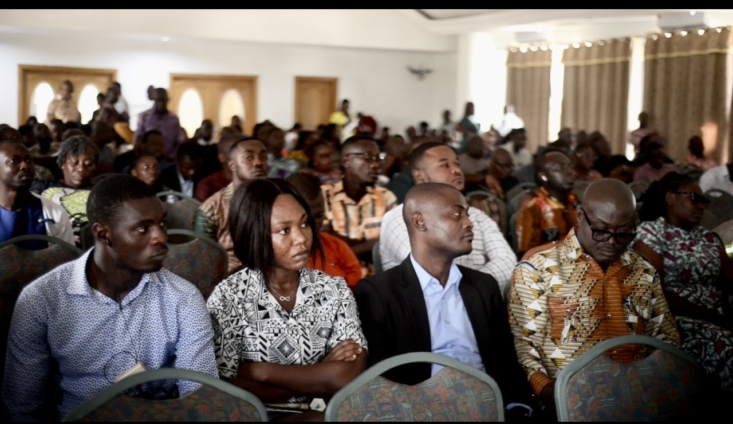
    The dissemination of the 2022 Demographic and Health Survey brought together health experts, district, and assembly health executives to analyze the implications of the survey’s findings.

    Head of the Social Statistics Section at the Ghana Statistical Service, Sarah Woode explained “It is not the best that within that age period we are having as many young women being pregnant.”

    “This is a worrying situation that policymakers should do something about,” she said. 


    The Ghana 2022 Demographic and Health Survey serves as a comprehensive population-level study aimed at monitoring and evaluating the utilization and management of healthcare services across all 16 regions of the country.

    Over a five-week period, the dissemination exercise focused on data collected from 15 key areas, including child health, malaria, infant and child mortality, HIV/AIDS, and health insurance.

    Additionally, the survey explored topics such as marriage and sexuality, fertility, family planning, household water and sanitation, women’s empowerment, domestic violence, and agency, as well as consent and coercion.

    Emmanuel George Osei, Director of Regional Offices at the Ghana Statistical Service, emphasized that the report will serve as a crucial source of information for the Ministry of Health, enabling the assessment of outcomes and impacts of health programs.

    “Health facilities use our data a lot. This guides them in their policy evaluation and formulation regarding health issues in the country. The Ghana health service and the health ministry can use this in the light as well,” he said.

  • Teenage pregnancy on the rise due to human rights  – Sompaa Queen mother

    Teenage pregnancy on the rise due to human rights – Sompaa Queen mother

    The Queen mother of Sompaa, Nana Akosua Akomah, in the Sunyani Traditional Area, has expressed the view that the human rights enjoyed by girls are contributing to the rise in teenage pregnancy in the country.

    Nana Akomah remarked that many girls have become wayward, and parents are losing control over them due to the influence of what she referred to as “the so-called human rights which have eaten into their minds.”

    While acknowledging that girls have certain rights, she emphasized the responsibility of parents to ensure their upbringing in a God-fearing and more responsible manner.

    She said, “nowadays you can’t even discipline or punish your own daughter because of the so-called human rights. There are excesses in some of these human rights provisions, alien to our culture and tradition and we must re-look and revise them to enable us to discipline our wayward girls in society.”

    The Queen mother made these remarks during a stakeholder’s engagement focused on disseminating the National Family Planning (FP) 2030 commitment, which coincided with the launch of FP Day in Sunyani.

    With support from its partners, the Bono Regional Directorate of Health organized the engagement, which saw the participation of representatives from various groups including transport unions, market women traders’ associations, disability groups, health workers, and traditional authorities.

    One of the key objectives of the meeting was to sensitize participants about the nation’s FP 2030 commitment, protocols, and acceptor rate, among other pertinent topics.

    Dr. Prince Quarshie, the Deputy Director of Public Health at the Bono Regional Directorate of Health, has emphasized the importance of parents encouraging their girls to access Family Planning (FP) services to address and control the rising cases of teenage pregnancies in the country.

    He dispelled myths surrounding FP services, clarifying that methods such as combined pills, secure, injectables, spermicides, intra-uterine contraceptive devices, implants, and vasectomies are not harmful to human health.

    Dr. Quarshie highlighted that despite intensified public education on FP services, the acceptor rate in the Bono Region remains low. The rate decreased from 42.2% in 2021 to 30.2% in 2022 and further to 27.2% in 2023. However, he noted that some districts and municipalities in the region have shown encouraging FP acceptor rates.

    The Deputy Director emphasized that individuals or couples, including teenagers, are eligible to choose their preferred FP options. He advised health workers to counsel and provide sexually active individuals with the necessary services.

    Furthermore, Dr. Quarshie mentioned that FP services are covered by the National Health Insurance Scheme (NHIS), and those registered with the scheme can use their cards to access these services.

  • Northern Region recorded 183 pregnant girls during 2022 BECE, WASSCE

    Northern Region recorded 183 pregnant girls during 2022 BECE, WASSCE

    During the 2022 Basic Education Certificate Examination (BECE) and the West Africa Secondary School Certificate Examination (WASSCE) in the Northern Region, a total of 183 teenage pregnancies were documented.

    In his statement at Ghana’s 66th Independence Day celebration on Monday, March 6, 2023 in Tamale, the capital of the Northern Regional State, concerned Northern Regional Minister Alhaji Shani Alhassan Shaibu revealed this.

    The circumstance, which does not bode well for effective learning among the students who should take their education seriously, was lamented by the minister.

    “This does not auger well for us. As stakeholders, we need to critically assess the current situation looking at the gaps in existing interventions in order to achieve coherent and sustainable interventions for eliminating teenage pregnancies in our schools,” Hon. Alhaji Shani Alhassan Shaibu said.

    The Minister further made a clarion call for peace and unity since they are the bedrock of development.

    “I call for closer collaboration among us all stakeholders to achieve the desired goals for peace. Let us remember that the dividends of progress and development can only be achieved if we have the required. Despite our diverse socio-economic structure, let us put aside our differences and create a united front for Mother Ghana’s progress.’

    Meanwhile, the Independence day anniversary parade was attended by contingents from the various security agencies, cadet corps from second cycle institutions, and pupils from basic schools in the Tamale metropolis under the theme “Our Unity Strength, Purpose”.

    Awards and certificates were presented to 16 schools in the metropolis for their performance in the parade. Although the parade began early, some school contingents suffered severe dehydration which nearly undermined the celebration’s beauty.

  • Teenage Pregnancy declines in Akatsi South Municipality

    Teenage Pregnancy declines in Akatsi South Municipality

    Statistics from the Akatsi South Municipal Health Directorate has revealed that the Municipality recorded a slight decrease in teenage pregnancy cases in the year 2022 under review.  

    The figure saw a total of 301 teenage pregnancy cases in 2022 as against 339 in 2021 representing 12.1 and 13.1 per cent respectively.  

    Miss Justine Sefakor Alornyo, the Akatsi South Municipal Director of Health, made this disclosure at the Akatsi South Municipal assembly hall during the annual health performance review for the year 2022.  

    Miss Alornyo said the figures remained a worrying factor and that, all must join hands to change the narrative “as it may be girls aged 11-14 years who were getting pregnant.”  

    Under supervised delivery, statistics revealed that a decrease of 2005 cases representing 53.1 per cent were recorded in 2022 as against 2265 in 2021 representing 61.8 per cent with improvement in family planning services being pegged at 32.2 per cent in 2022 compared to 25.7 per cent in 2021.  

    Miss Alornyo added that all the 2005 deliveries that occurred within the Municipality were all immunized with BCG, Penta, and measles Rubella vaccines.  

    On Antenatal registrants, a decreased figure of 2465 in 2022 compared to 2587 in 2021 was also recorded.  

    Miss Alornyo, in a remark, called on the Akatsi South Municipal Assembly, other organisations and individuals to help equip the health facilities with resources for their smooth running “since all health facilities in the Municipality including the main hospital had equipment challenges.”  

    She outlined some activities carried out by the Directorate over the period to include radio discussion on health issues, community-stakeholder engagement, social mobilisation, collaborative activities, report validation, celebration of Health Days, training workshops, supportive supervision and monitoring. 

  • Rwandan legislators opposed to contraception for 15-year-olds

    The Rwandan parliament has rejected a bill to change a 2016 law to allow contraception to be supplied to females as young as 15 years old.

    The plan was submitted by a group of MPs in order to reduce adolescent pregnancies, which have increased by 21% – from more than 19,000 in 2020 to 23,000 last year, according to officials.

    Only 18-year-olds and above are legally allowed to access sexual reproductive health services – but there has been debate among health activists, and cultural and religious leaders about lowering that limit.

    The rejection of the bill stops “the anticipated changes” in the law that “has gaps”, Aflodis Kagaba, a Rwandan reproductive health activist, told the BBC.

    “Unfortunately, this has overshadowed everything else including the opportunity to re-open these important conversations in parliament,” Mr Kagaba said.

    More than 30 MPs who rejected the bill cited their faith, and social and cultural reasons, local media report.

    But Mr Kagaba said the current law “has gaps” and believes “it still needs to be revised”.

    “Today if you are under 18 and need [sexual and reproductive] health services you are required to be accompanied by parents for their approval!”

    “This is a very huge barrier,” he said.


  • “We need a society where girls are free from discrimination and abuse”

    Ms Eugenia Afflu, a form two student of the E.P.C Mawuko Girls in Ho, has appealed to the government and other relevant authorities across the globe to develop measures that would ensure maximum protection and safety of girls.

    She said efforts must be enhanced to build a strong society, where girls were free from discrimination, gender and sexual-based violence, harassment, teenage pregnancy and any other forms of abuse that retarded their holistic development.

    Ms Afflu made the appeal when she acted like Dr Archibald Yao Letsa, Volta Regional Minister as part of activities marking this year’s International Day of the Girl Child.

    It was under a ‘Take Over Event’ on the theme: “Our Time is Now: Our Rights, Our Future,” and included Inter-Generational Dialogue on challenges confronting girls and how to curtail the problems to grant the opportunities needed for girls to stay safe.

    The programme was organised by the Department of Gender in partnership with the Department of Children, Ghana Education Service, Ghana Health Service and the Volta Regional Coordinating Council with sponsorship from Plan International Ghana.

    Ms Afflu said girls had a lot to offer in the developmental agenda of the country when given the needed support and the enabling environment to explore their potential to the fullest.

    She commended Plan International Ghana for its continuous efforts over the years in advancing mechanisms that promoted the safety and well-being of children, especially girls and ensuring that their rights were safeguarded.

    Ms Juliet Ahortor, another student from the school, who acted like Dr Senanu Kwesi Djokoto, Acting Volta Regional Director of Health, demonstrated how effective collaboration between management and staff of institutions could result in higher productivity.

    Mrs Thywill Eyra Kpe Volta, Regional Director of the Department of Gender said it was important to pave the way for girls to overcome challenges and chart a positive path for the future.

    She said The Girls Take-Over Campaign and Inter-Generational Dialogue on Challenges confronting girls provided a unique opportunity for girls to take over key spaces and serve as a mentorship space for their development.

    The Director said the International Day of the Girl Child was recognised globally to encourage, empower and amplify commitments in girls to achieving greater heights in society and the need for society to protect them against abuses.

    The Day, she said, was designated to eliminate gender-based challenges that girls faced around the globe, including child marriage, adolescent pregnancy, low career progression, discrimination and poor learning outcomes.

    Mrs Kpe said it was imperative to build the confidence of girls and support them to take up leadership roles, urging boys to support the girls in their various roles, especially in the household chores to enable them to grow and develop together as partners in development.

    Mr Israel Akrobortu, Volta Regional Director of the Department of Children emphasised the need for a concerted effort to address challenges facing children.

    He said issues of children must be a priority of the municipal and district assemblies and urged them to allocate funds towards the celebration of the Day in subsequent years for them to showcase their talents.

    Mr Akrobortu said the abuse of girls in recent times was worrisome and that it was time to talk drastic measures to deal with the issues to promote the well-being of children and safeguard their children and that of the country.

    He commended Plan International Ghana for complementing efforts by the government through its activities to deal with the situation.

    Source:GNA

  • I wont go back to school again because I am pregnant – Free SHS Beneficiary

    A beneficiary of the free Senior School in the Western Region has refused to go back to school.

    The 15-year-old girl (name withheld) says her reason is that she is pregnant and due to give birth in two months.

    She was in form one and was preparing to go to form two when the Coronavirus outbreak hit Ghana and schools were closed.

    The young lady disclosed on Nyankonton Mu Nsem on Rainbow Radio 87.5Fm that, she got pregnant because the young man responsible for her pregnancy was supporting her financially and so she had no option other than to have a relationship with him.

    According to her, her parents could not take care of her needs, and when she even needed new clothes and food, they were unable to provide that for her.

    Following this, she decided to date a galamsey operator who was giving her GH¢50 every day.

    She has also refused to go back to school even if the parents decide to care for the baby.

    She disclosed she would not be able to concentrate on her studies because her attention would be on her baby.

    Source: rainbowradioonline.com

  • Indomie, MoMo cause of rising teenage pregnancies Research

    A new research conducted by Star Ghana Foundation has revealed the love and desperation for Indomie, mobile money and social media addiction by young girls has been the cause of the increased rate of teenage pregnancies in Ghana.

    According to the research, young girls in their teen ages allow men to take advantage of them to be able to get access to their phones to take pictures and post on social media.

    They also easily give out their bodies if a man would be able to buy them indomie at night and send them mobile money no matter the amount.

    The research findings were shared at a National Dialogue on sexual and Gender-based violence in a COVID-19 pandemic: prevalence, drivers and response measures held in Tamale.

    Organized by Star Ghana Foundation in collaboration with Songtaba, the dialogue seeks to identify, share and suggest solutions to the continuous vulnerability of women in the country.

    Key in the discussion was about the inhumane treatments meted out on women based on witchcraft accusations as well as sexual abuse of young girls.

    Speakers at the forum have also lamented the negative impact of COVID-19 on young girls and women in the last six months. The impact they noted was devastating as several young girls especially teenagers got pregnant during the period.

    Key speaker and consultant to Star Ghana Foundation, Bashiratu Jamal with reference to a research conducted by Africa Education watch and Ghana health service, concluded that teenage pregnancy is on an increase despite several efforts by NGOs to reduce and or end the menace.

    On their part, the accused witches group shared their plight on the unbearable life situations they face. Recounting how they were accused, assaulted and banished from their communities, the accused witches appealed to the government and other relevant organizations to work hard to end witchcraft accusations.

    They also appealed for support from the government and public to be able to survive.

    The dialogue brought together gender-based organizations, youth groups, PWDs and Association of accused witches.

    Source: Starr FM

  • 220 JHS students, 48 SHS students pregnant in 9 months

    The Regional Directorate of the Ghana Education Service has confirmed a total number of 268 pregnancies have been recorded in the Upper East region between January to September 2020.

    Out of the 268 pregnancies recorded, 220 are Junior High School students. The directorate stated that these are provisional figures of the eight districts of the Upper East Region,

    The districts are Kassena-Nankana Municipal, Kassena-Nankana West, Talensi, Nabdam, Pusiga, Garu and Tempane Districts with Talensi having the highest of 75 pregnancies and 83 marriages.

    According to a GNA report, the Regional Girls Education Officer of the National Population Council (NPC), Rose Akanson, made this known while addressing stakeholders at a forum on the impact of COVID-19 on teenage pregnancy, organized by the Regional Directorate of the NPC.

    Aside from the high number of pregnancies, about 105 marriages also were recorded within the same period.

    Rose Akanson added, “30 nursing mothers took part in the Basic Education Certificate Examination (BECE) while 26 others sat for the West African Senior School Certificate Examination (WASSCE) within the eight districts.”

    The high rate of pregnancies is attributed to poverty and coronavirus restriction.

    “Some “COVID-19 restrictions”, and parental irresponsibility, “although the preliminary findings revealed that as young as 12-year-old girls had become pregnant. Most of the girls who have always been pregnant over the years were partly due to late enrollment, you have a girl who is 19 years and she is in JHS one and in the Talensi District most of the pregnancies and marriages were recorded in the upper primary,” she said.

    Source: www.ghanaweb.com

  • 12 pregnant girls, 7 nursing mothers write BECE

    A total of 12 pregnant girls and seven nursing mothers are taking part in this year’s Basic Education Certificate Examination (BECE) in the Akontombra District of the Western North Region.

    Forty-three candidates, comprising 30 males and 13 females were absent.

    This was contained in a release signed by Mr Thomas Koffie, Akontombra District Education Director and copied to the Ghana News Agency (GNA).

    According to the releases, 1,606 candidates out of 1,649 registered candidates from 38 public and 18 private schools are sitting for the examination in five centres.

    Of the candidates present, 924 are males and 682 females.

    Mr Koffie expressed satisfaction with the conduct of both candidates and invigilators.

    Meanwhile, a visit to the Nsawora and Nkwadum centres by the Ghana News Agency (GNA) on day three of the examination saw candidates and invigilators in nose masks.

    There were veronica buckets at the entrance of the examination halls in compliance with the COVID-19 safety protocols.

    Source: GNA

  • NYA equips teenage mothers with vocational skills

    Some fifty out of school and underprivileged teenage mothers have been given a three-day intensive Vocational training to provide them with a stable income sources to improve their standard of living.

    The beneficiaries, most of whom are between the ages of 17 to 20 were drawn from, South Dayi, Afadzato South, Central Tongu, Akatsi North and North Dayi Districts in the Volta region, and were trained in beads craft, hairdressing; which includes styling and wig cap, Pedicure, including eye lashes and temporal tattoo making and designing.

    The programme was initiated by the National Youth Authority (NYA) and sponsored by the United Nations Population Fund (UNDPF) and the government of Canada. In all, eighteen of them were trained in wig cap making, four in hairdressing, six in Pedicure and twenty in beads craft.

    Speaking to the media during a brief closing ceremony on Saturday, 5 September 2020 at Akoefe in the Ho Municipality where training was organised, the Volta Regional Director of the NYA, Mr Yao Semorde said the initiative is to discourage teenage pregnancy and also to empower teenage mothers especially the underprivileged ones.

    ” We realized that, when young girls or adolescent girls get pregnant it actually truncate their dreams, they are not able to realise their full potentials and source of livelihood becomes a problem, at times too the parents themselves do not have the means so it difficult for this young girls to actually make earns meet so there the need to give them this livelihood skills” he said.

    He noted that, out of the three days training, which commenced on Thursday, 3 September and ended on Saturday, 5 September 2020, the beneficiaries were also taken through, basis of entrepreneurship, adolescent reproductive health and moral education, adding that the training will go a long way to transforming their lives saying “Before they leave here they will have a better understanding of their sexuality then they will know that, now that I’ve acquired this skills I should be able to use this skills to help myself so that I don’t rely on okada boy or taxi driver giving me 10 cedis or 5 cedis a day”.

    One of the facilitators, Mrs Gifty Dorga who trained some of the beneficiaries in hairdressing and wig cap making indicated that, it takes ” two or three years to learn all these and to perfect them but they used three days only, it was really difficult combining something that I will teach for three years in these few days” she then praised them revealing that, ” it was really difficult but they picked it up early, most of them can do this without me and I even asked those that are near me (Ho) to come and perfect it” she said.

    An 18 year old underprivileged girl, Constance Eyram Amenu, who completed her secondary school in Mawuko Girls Senior High School in 2019 and had the opportunity to participate in the programme and learned hairdressing told journalists that ” We got employment and we will not be vulnerable in the society, I’ll not beg at the end of the day, after all I can start doing something out of this to get some money for myself “.

    Another facilitator who taught beads craft, Mrs Diana Mensah also reiterated that, it was difficult to teach them but she is grateful that, “majority of them, those that are the fast leaners were able to picked it up, the slow learners too are trying”. She then advised the girls to make use of whatever they have gotten from the training to changed their lives for good, charging them to desist from actions and inactions that had led them to become teenage mothers and be of good moral in their societies.

    The third facilitator, a male fashion stylist who took some of participants through Pedicure, eye lashes and tattoos making, Sammuel Koku Anane Gbidi, praised the beneficiaries of showing good moral and enthusiasm during the training and encouraged them to make a good use of the knowledge and skills acquired.

    Mr Yao Semorde emphasized that, NYA will be considering tracking of the beneficiaries to make sure that, they (the beneficiaries) put the skills into practice in thei various communities, adding that more of such vulnerable ones will be engaged in the region in the subsequent times.

    All the fifty participants were also given un disclosed amount of start-up token including working tools and equipment to enable them establishe themselves.

    A 20-year-old Junior High School leaver, Patricia Mawunyo who learnt Pedicure at the programme was full of joy and thanked the organizers. She said, with the skills acquired, she will be able to earn money for a living and also take care of her child.

    Source: Albert Kuzor, Contributor

  • Teenage pregnancy, incest, defilement on the rise in Sekondi-Takoradi

    Ms Constance Baidoo, Sekondi-Takoradi Metropolitan Director for the Department of Social Welfare has bemoaned the alarming increasing cases of incest and defilement in peri-urban communities of the Metropolis.

    Ms. Baidoo who made this known in an interview with the Ghana News Agency explained that victims of this incestuous act were mostly girls aged between 15-18 years who are often coerced into sex, not just once but on several occasions.

    She indicated that many cases were from separated marriages and broken homes.

    According to her, the trauma and the threats alone discouraged the victims from speaking about it and quite often people prejudge and call them names such as spoilt kids and others.

    She disclosed that two of such cases were investigated by the department last year while many of them were referred to her outfit by the CHRAJ and other allied agencies.

    Ms. Baido further explained when her outfit receives such reports, they usually remove the children from the threat of abuse before investigations commence. “In such circumstances, custody is granted, preferably to a responsible relative, she added.

    While expressing her dissatisfaction over the development, she expressed hope that her outfit would come up with practical steps to tackle the situation and also admonished parents and all stakeholders to join hands in educating young girls about the dangers of teenage pregnancy.

    For her part, Madam Afua Yankson, Western Regional Deputy Chief Investigator of the Commission on Human Rights and Administrative Justice (CHRAJ) bemoaned the situation where some parents encouraged or forced their teenage daughters into marriages without recourse to their welfare and the pregnancy.

    She called for the need for experts and educationists to gather feedback to develop a roadmap to check the rate at which young girls were forced out of school as a result of teenage pregnancy.

    She called for a concerted effort to tackle the alarming rate of teenage pregnancies in Ghana as experts and government officials have been deliberating on ways to achieve the sustainable development goals through improved access to reproductive health and rights.

    Source: GNA

  • Over 7,200 teenage pregnancies rock basic schools in 2018/19

    A total of 7,293 teenage pregnancies were recorded in basic and second cycle schools in the 2018/2019 academic year across the country, the National Director of the Girls Education Unit at the Ghana Education Service (GES) has revealed.

    Mrs Benedicta Seidu said upper primary recorded 1,024 cases, junior high school (JHS) had 4,836 cases, while there were 1,433 cases in senior high schools (SHSs).

    Read: Wa West records 361 pregnancies among school children in nine months

    Mrs Seidu made the disclosure at the opening of the third Campaign for Women Education (CAMFED) Alumnae Association (CAMA) National Annual General Meeting in Tamale to review activities undertaken by CAMA in the year and to discuss and solicit ideas to develop strategic plans for the coming years.

    The meeting was dubbed: “Positioning CAMA for the Next Five Years: Focus on Enterprise Development and Leadership for Nation Building”.

    Mrs Seidu said a total of 3,199 victims, made up of 180 upper primary, 2,326 JHS, and 693 SHS students were re-enrolled into school after they had given birth.

    She, therefore, called on heads of schools to give support to such victims to enable them to fulfil their ambitions and desist from driving them out of school.

    Read: Adolescents drink weedicides to abort pregnancies Ghana Health Service

    The Programmes Manager at CAMFED Ghana, Ms Rashidatu Iddrisah, said in partnership with the MasterCard Foundation, her outfit was set to implement a five-year Young Africa Works (YAW) programme aimed at reducing unemployment among young people in the country.

    The National Chairperson of CAMA, Ms Ruka Yaro De-Liman, told the Ghana News Agency (GNA) in a separate interview that teenage pregnancies and child marriages were prevalent in the country, and that the practice hindered sustainable growth among victims. She added that the YAW strategy programme would help to inculcate confidence in the beneficiaries.

    She appealed to members of the public who forcefully gave out their girls for marriage to desist from the act, saying it was an abuse of their human rights.


    Source: Graphic.com.gh