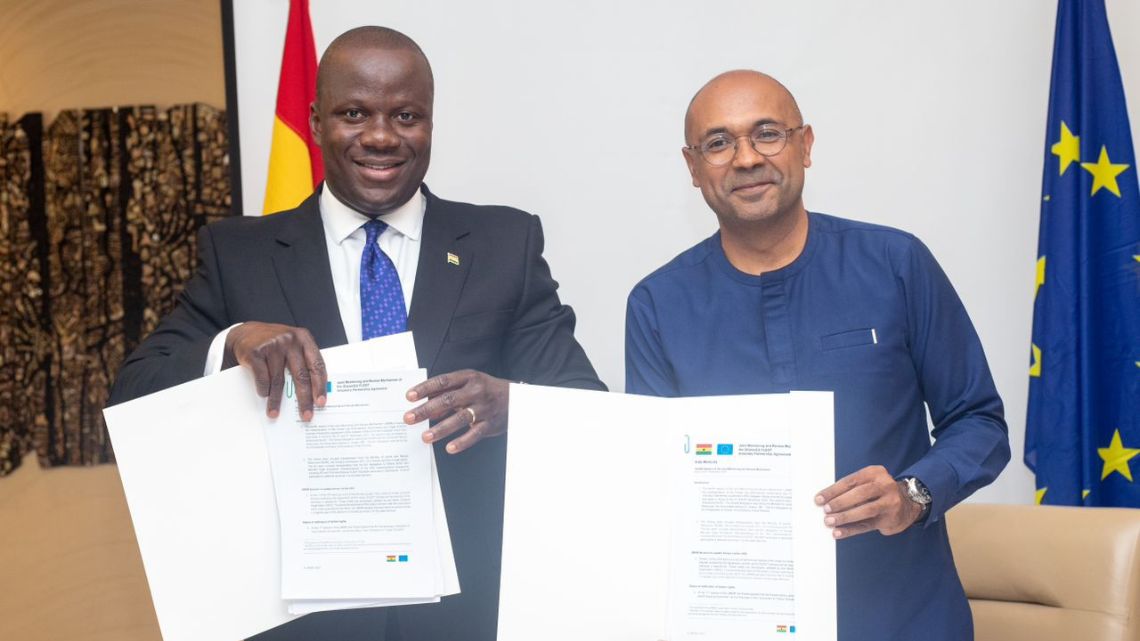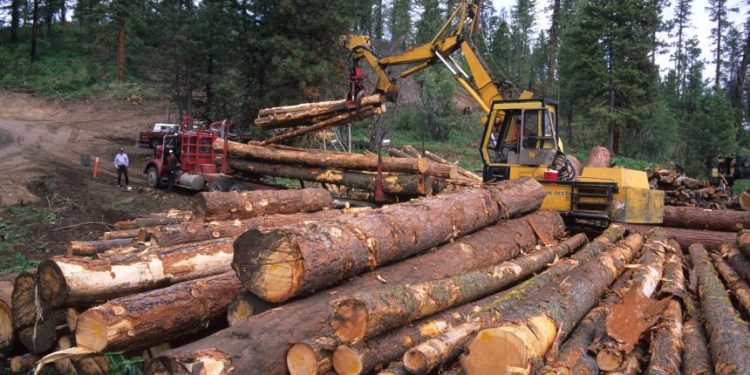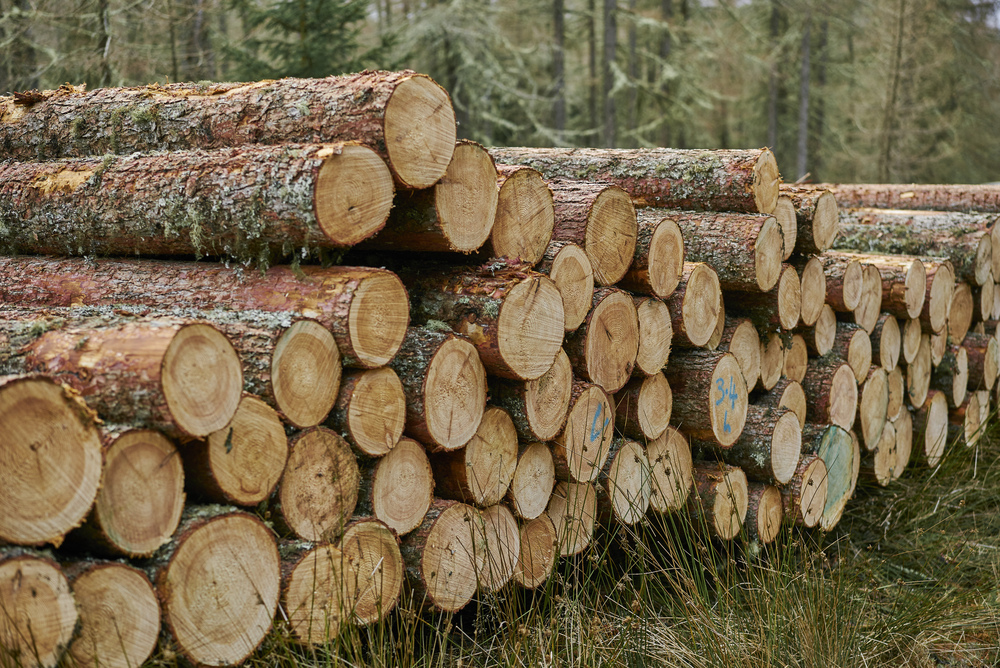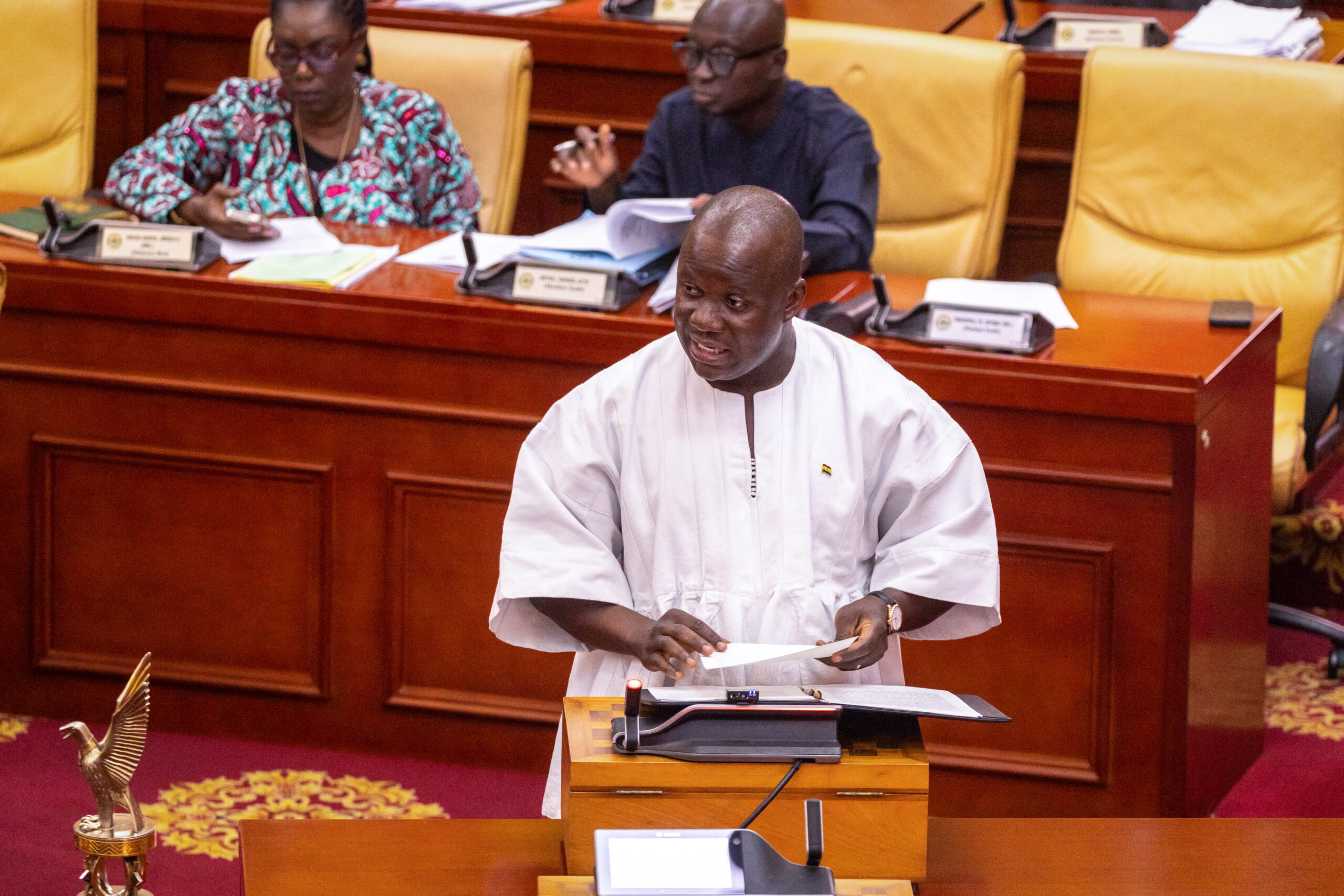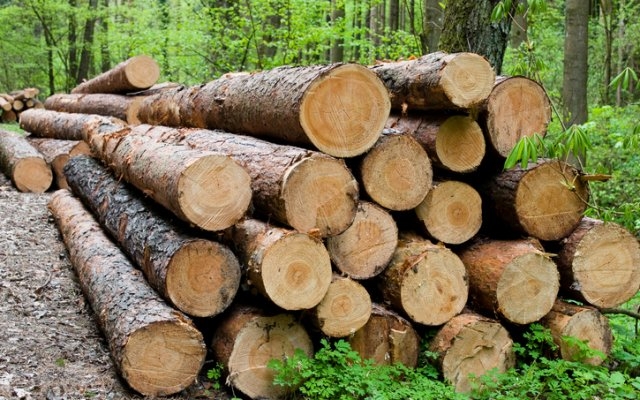
Minister for Lands and Natural Resources, Hon. Emmanuel Armah-Kofi Buah, has announced a major breakthrough in Ghana’s timber industry, as the sector has successfully met the European Union’s stringent legal and environmental standards.
According to the Minister, effective October 8, Ghana’s Forest Law Enforcement, Governance, and Trade (FLEGT) licensed timber will officially be rolled out in the European market.
Speaking during the 13th Session of the Joint Monitoring and Review Mechanism between the Government of Ghana and the European Union (EU) on Wednesday, August 27, the Minister stated that the development recognizes Ghana as the first country in Africa and the second in the world to fully meet and implement the FLEGT licensing system.
“This accomplishment positions Ghana as the first African nation and the second globally, after Indonesia, to implement this globally recognized licensing scheme,” he added.
The Minister explained that his outfit has been working to ensure the country’s timber meets all the required standards for export.
“The Minister detailed Ghana’s extensive efforts, which included revising forestry laws, investing in advanced wood-tracking systems, training industry stakeholders, and engaging local communities. These measures ensure all timber exported from Ghana meets the highest standards of legality and traceability,” he disclosed.
He further urged the Forestry Commission to focus on President John Mahama’s “Tree for Life” Reforestation Initiative to help restore degraded lands and significantly expand commercial tree plantations. Mr. Armah-Kofi Buah expressed profound gratitude to the joint technical teams, civil society organizations, and the UK’s Foreign, Commonwealth & Development Office (FCDO) for their invaluable support.
On his part, the EU Ambassador to Ghana, H.E. Irchad Razaaly, lauded the initiative, describing it as part of “a long chain of commitment, responsibility, and political support from both Ghana and the EU.” He added that the development grants Ghanaian timber the opportunity to access the EU market of 450 million people, thereby providing a significant financial advantage.
“By guaranteeing legality and sustainability, Ghanaian timber will enjoy unfettered access to the EU market of 450 million people.” Back in April, the Lands Minister pledged to further strengthen Ghana’s collaboration with the European Union (EU), with a particular focus on sustainable forest management.
During a courtesy visit by the EU Ambassador to Ghana, H.E. Irchad Razaaly, on April 25, the Minister announced that Ghana was preparing to issue its first-ever Forest Law Enforcement, Governance and Trade (FLEGT) License by June 30. Achieving this, he noted, would make Ghana the first in Africa and the second globally to reach this benchmark.
Highlighting the strong trade relations between Ghana and the EU, Mr. Buah described the Union as a vital economic partner, contributing approximately 14% of Ghana’s trade in 2022. Reflecting on Ghana’s progress under the Voluntary Partnership Agreement (VPA), signed into law in 2009, the Minister emphasized that the country has made remarkable strides in enhancing forest governance.
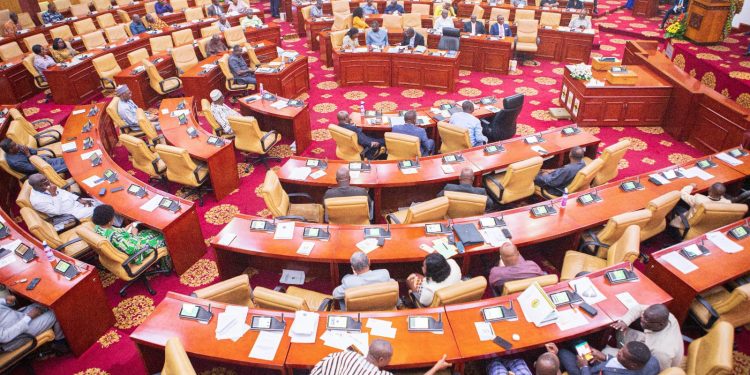
“All is set for the issuance of Ghana’s first FLEGT License. The only outstanding task is the ratification of a second batch of Timber Utilization Contracts (TUCs), which we expect Parliament to address after the Easter break,” he stated.
A report by the Forestry Commission reveals that Ghana earned a total of €18,150,625.09 from the export of 38,657.644 m³ of timber and wood products from January to February 2025.
This marks a decrease of 3.60% in value and a decrease of 5.04% in volume compared to the same period in 2024, when exports generated €18,829,352.66 from 40,708.956 m³. The overall average unit price also saw a slight increase of 1.51% from €463/m³ in January-February 2024 to €470/m³ in the same.
Ghana’s timber and wood product exports for February 2025 generated a value of €8,414,292.48 from a volume of 18,064.021 m³, representing a 8.38% decrease in value and an 8.95% decrease in volume compared to February 2024, which amounted to €9,184,284.18 from a volume of 19,840.694 m³.
In the first half of 2024, according to data from the Forestry Commission, Ghana’s timber and wood products sector generated €60,583,834.31 from the export of 133,125.827 cubic meters of wood. This represents a 14.11% decrease in value and a 14.35% drop in volume compared to the €70,534,416.61 earned from 155,421.875 cubic meters exported over the same period in 2023.
According to the recent report, primary wood products—comprising Billet, Boules (Air Dried), Kindling, and Lumber (Air dried)—accrued €10,844,942.76 (59.75%) from 27,816.718 m³ (71.96%) of the total export of wood products in January-February 2025.
The figures indicate an increase of 5.80% in value and an increase of 8.16% in volume, respectively, as compared to the primary wood products export figures in January-February 2024 of 25,718.824 m³ (63.18%) valued at €10,250,892.23 (54.44%).
“Secondary Wood Products comprising Boules (Kiln Dried), Briquettes, Curls Veneer, Lumber (kiln dried), plywood, Plywood (Overland), Rotary Veneer, Sliced Veneer, and Sliced Veneer (Overland) formed the bulk of the country’s wood export, which generated €6,624,817.34 (36.50%) from a volume of 10,141.474 m³ (26.23%) in January-February 2025.”
“The figures indicate a decrease of 14.29% in value and a decrease of 28.12% in volume, respectively, as compared to the secondary wood products export figures in January-February 2024 of 14,109.001 m³ (34.66%) valued at €7,728,990.10 (41.05%),” the report added.
Tertiary Wood Products which include Processed L/Mouldings contributed €680,864.99 (3.75%) from a volume of 699.452 m³ (1.81%) to the total wood products export in January-February 2025.
“Moreover, the figures indicate a decrease of 19.85% in value and a decrease of 20.62% in volume, respectively, as compared to the tertiary wood products export figures in January-February 2024 of 881.131 m³ (2.16%) valued at €849,470.32 (4.51%),” the report revealed.
The major markets of Ghana’s wood products exports per the Forestry Commission’s report are as follows:
Exports to Asia and Far East:
Ghana’s top trade destinations from January to February 2025, brought in €10,783,082.30 (59.41%) from a volume of 27,060.845m³ (70.00%). This represents increases of 11.57% in value and 9.93% in volume as compared to the same period in 2024, which was €9,664,546.44 (51.33%) earned from 24,616.978 m³ (60.47%).
Exports to Europe:
This destination is the second-largest market by value. The country gained €3,568,720.50(19.66%)from 5,225.132m³ (13.52%) from January-February 2025 which reflects an 8.47% decrease in value and a 20.74% decrease in volume as compared to the same period in 2024, which was €3,898,980.47 (20.71%), which was obtained from 6,592.336 m³ (16.19%).
Exports to America:
Wood products exported to the American market amounted to €1,645,421.53 (9.07%) from 1,857.517 m³ (4.81%) from January to February 2025, making it the third-largest destination by value. This represents a decrease of 24.40% in value and a decrease of 34.12% in volume as compared to the same period in 2024, where €2,176,613.89 (11.56%) was earned from 2,819.355 m³ (6.93%).
Exports to Africa:
Wood products exported included Plywood (Overland), Sliced Veneer, Rotary Veneer, lumber (kiln-dried), Lumber (Air Dried), Plywood, and Sliced Veneer (Overland), which generated €1,422,147.60 (7.84%) from an exported volume of 3,199.543 m³ (8.28%) from January to February 2025.
This marks a decline of 29.52% in value and 30.72% in volume as compared to the same period in 2024, when €2,017,893.24 (10.72%) was earned from 4,618.163m³ (11.34%). Major destinations included Egypt, Morocco, and South Africa, with the ECOWAS sub-region contributing €994,026.02 (69.90%) from 2,438.200m³ (76.20%) of the total African wood products exported from January to February 2025 as compared to €1,398,648.68 (69.31%) obtained from 3,479.700 m³ (75.35%) of the same.
Exports to The Middle East:
The Middle East accounted for €731,253.17 (4.03%) from a volume of 1,314.607 m³ (3.40%) from January to February 2025, making it the fifth-largest destination by value. This reflects a 31.74% decrease in value and a 36.25% decrease in volume compared to the same period in 2024, where €1,071,318.62 (5.69%) was earned from 2,062.124 m³ (5.07%).